There's a particular kind of madness that strikes parents of toddlers. It's the same madness that makes you think, "You know what? I'll just do this road trip. Solo. With a two-and-a-half-year-old. In Canada. In October."
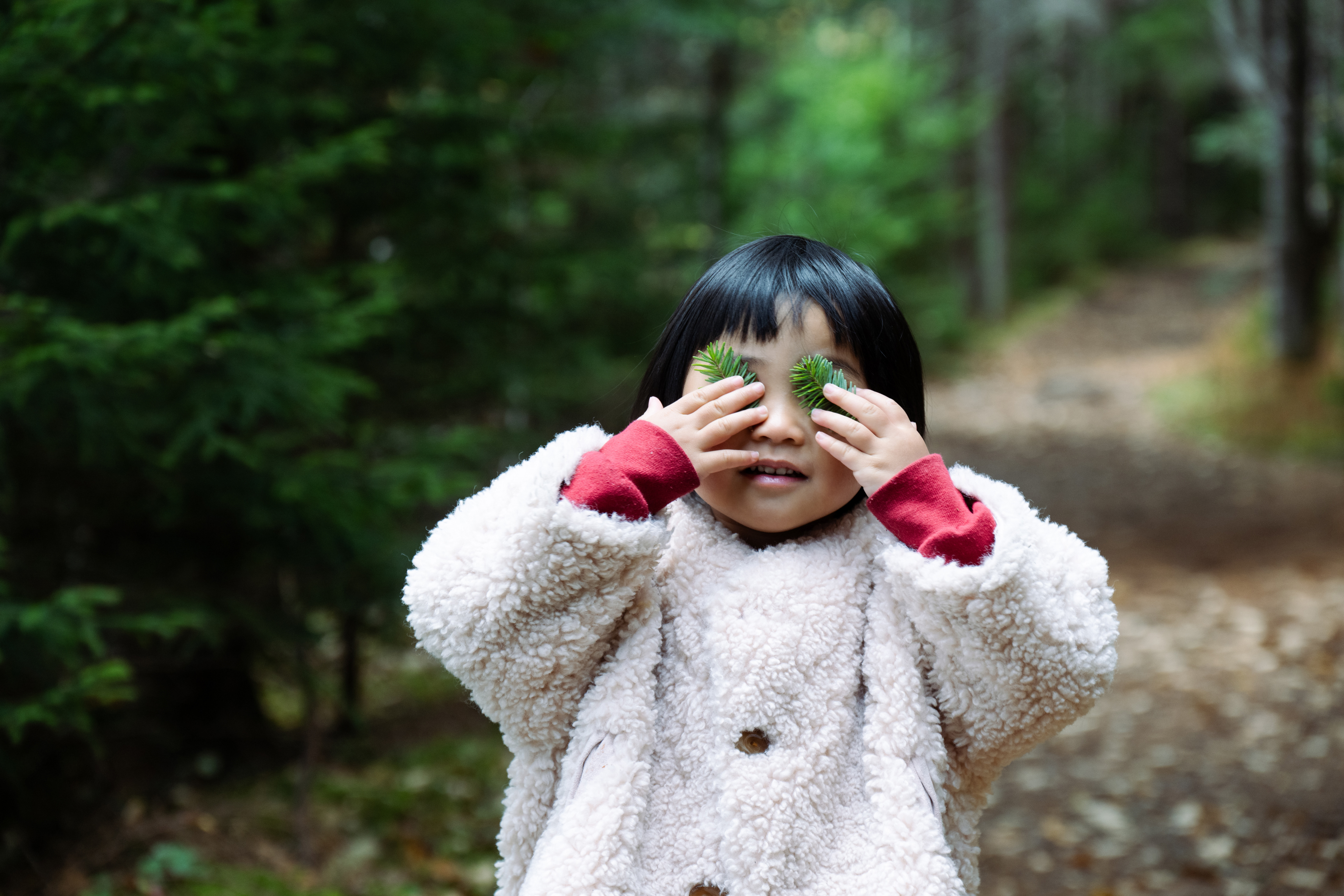
The rational argument writes itself: the foliage window is narrow, the family is scattered across time zones, and the leaves wait for no one. So this (2025) October, I packed a car seat, a portable potty (non-negotiable), and my daughter — who is at the age where every crow, puddle, and parking cone demands full photographic documentation — and pointed the rental car toward everything east.
Ten days. Three provinces. Two UNESCO World Heritage Sites. One border crossing that technically happened twice in the same day. And enough maple syrup to constitute a small national emergency.
This is that trip.



The Route: A Brief Geography Lesson
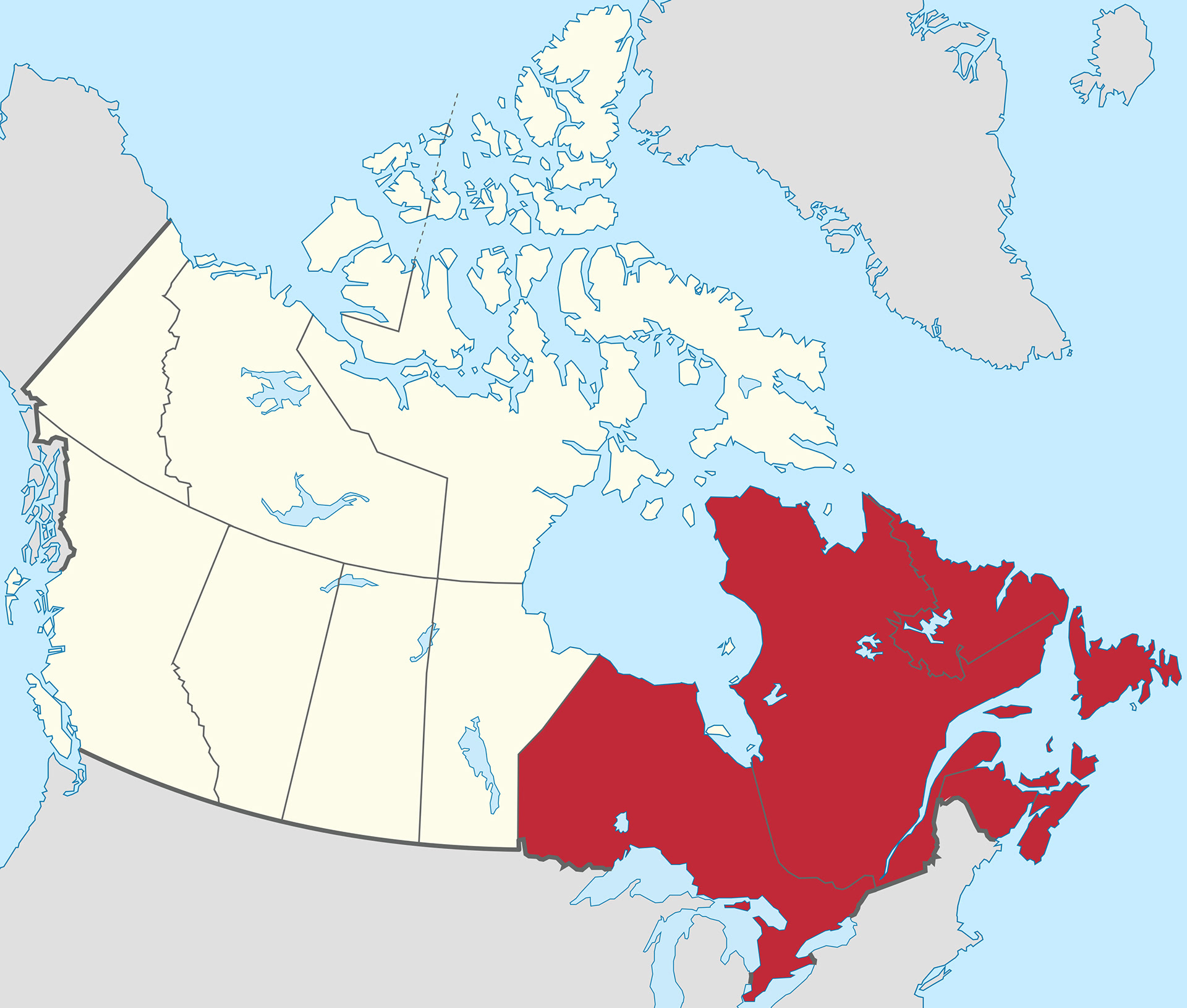
Before we dive in, here's the honest answer to the question nobody asks but everyone should: "What does Eastern Canada actually look like on a map?"
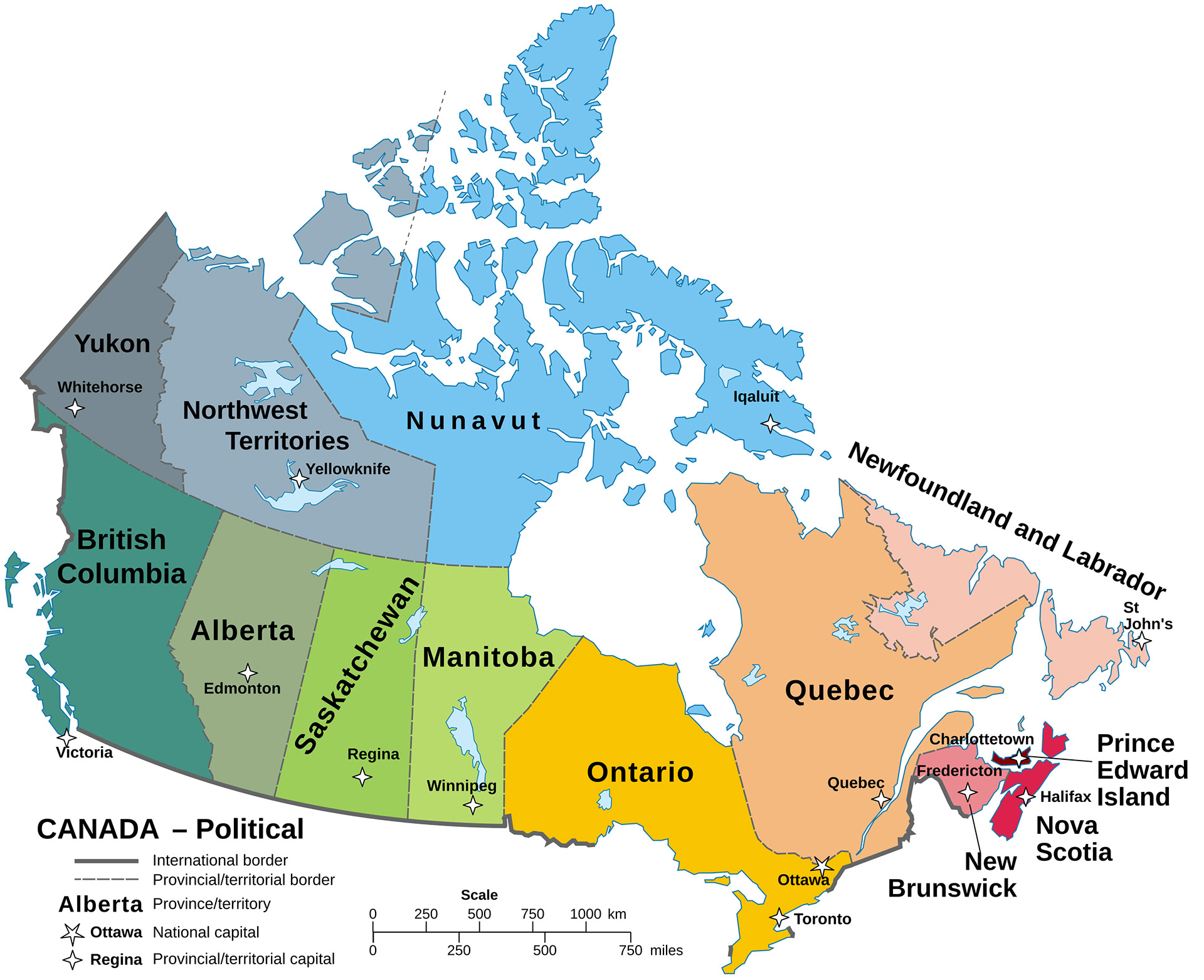
Think of it as a sideways comma. Québec — the largest Canadian province, bigger than Alaska — dominates the western half of the loop. Then the road curls east through New Brunswick into Nova Scotia, which juts into the Atlantic like a thumb pointing vaguely toward Portugal. The whole circuit from Montreal to Québec City through the Maritimes and back again covers roughly 3,000 kilometers of two-lane highways, forest roads, and one spectacular ferry crossing over open ocean.
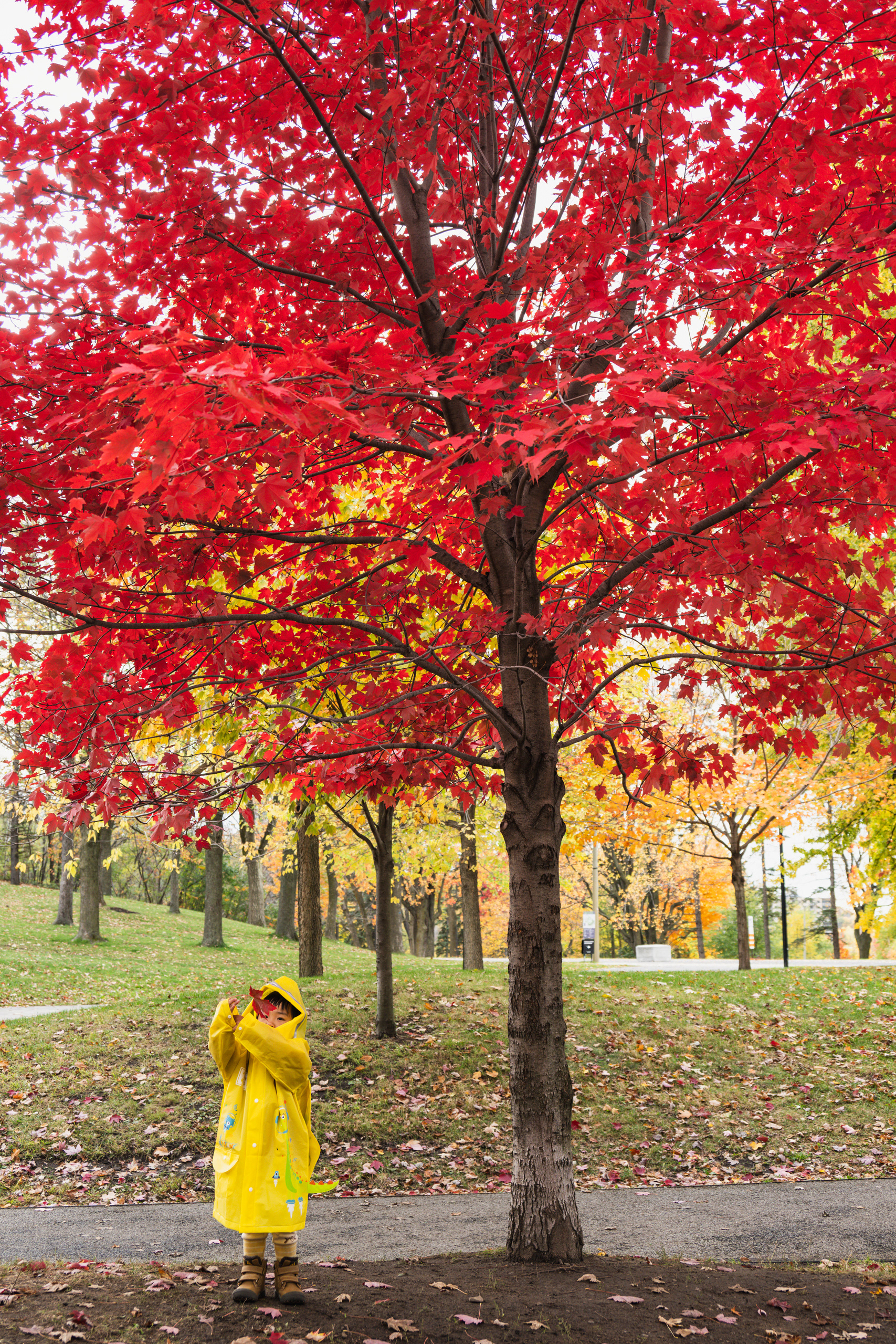
In October, the entire thing is on fire. In the best way.
Montreal: Where the Trip Begins and the Jet Lag Doesn't Matter
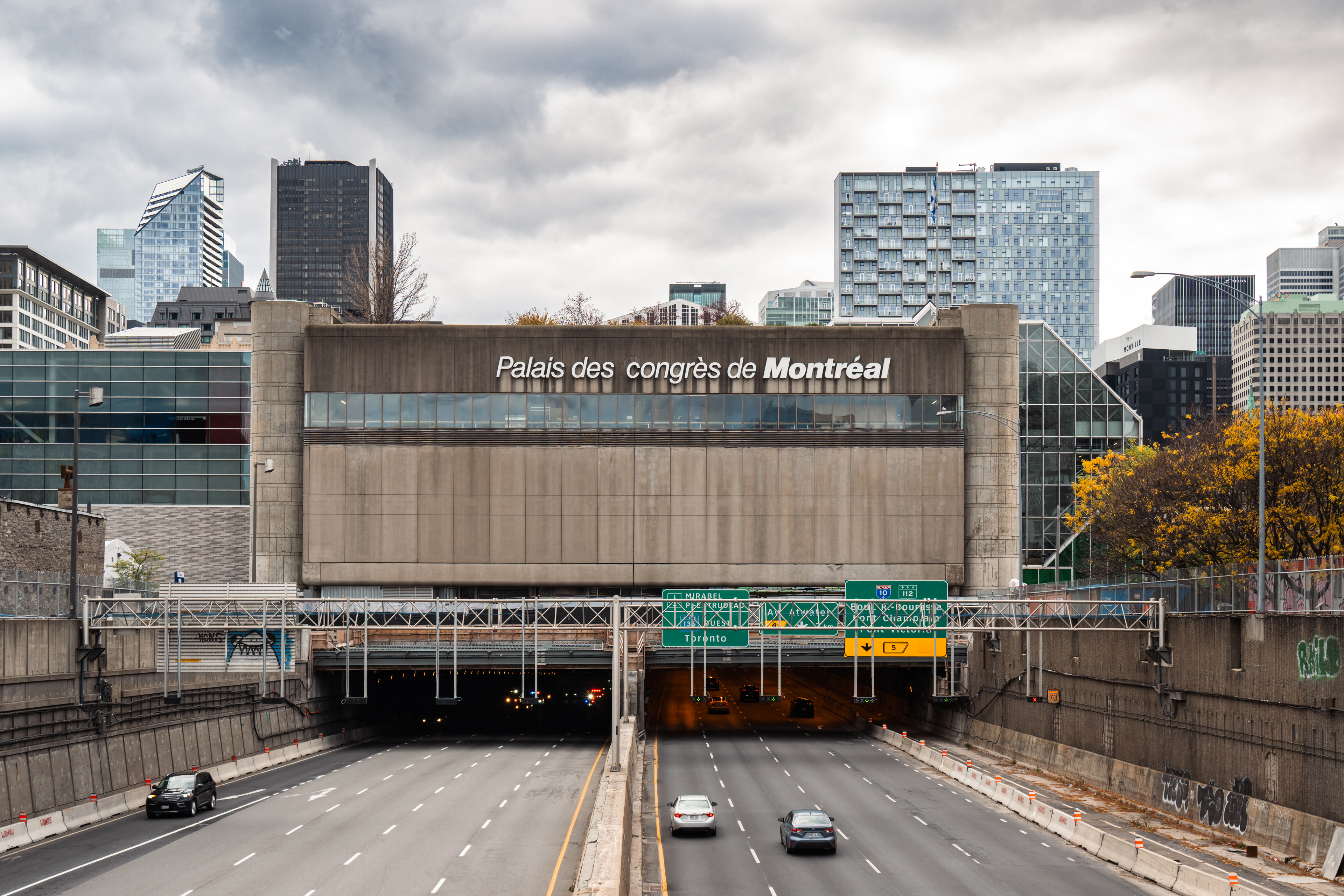
The overnight flight from San Francisco lands in Montreal before 9 AM, which means you arrive at the precise moment the city is deciding whether to have a second coffee. We grabbed the rental car at Dorval, strapped in, and headed straight for the mountain.
Not a metaphor. There is an actual mountain in the middle of Montreal.
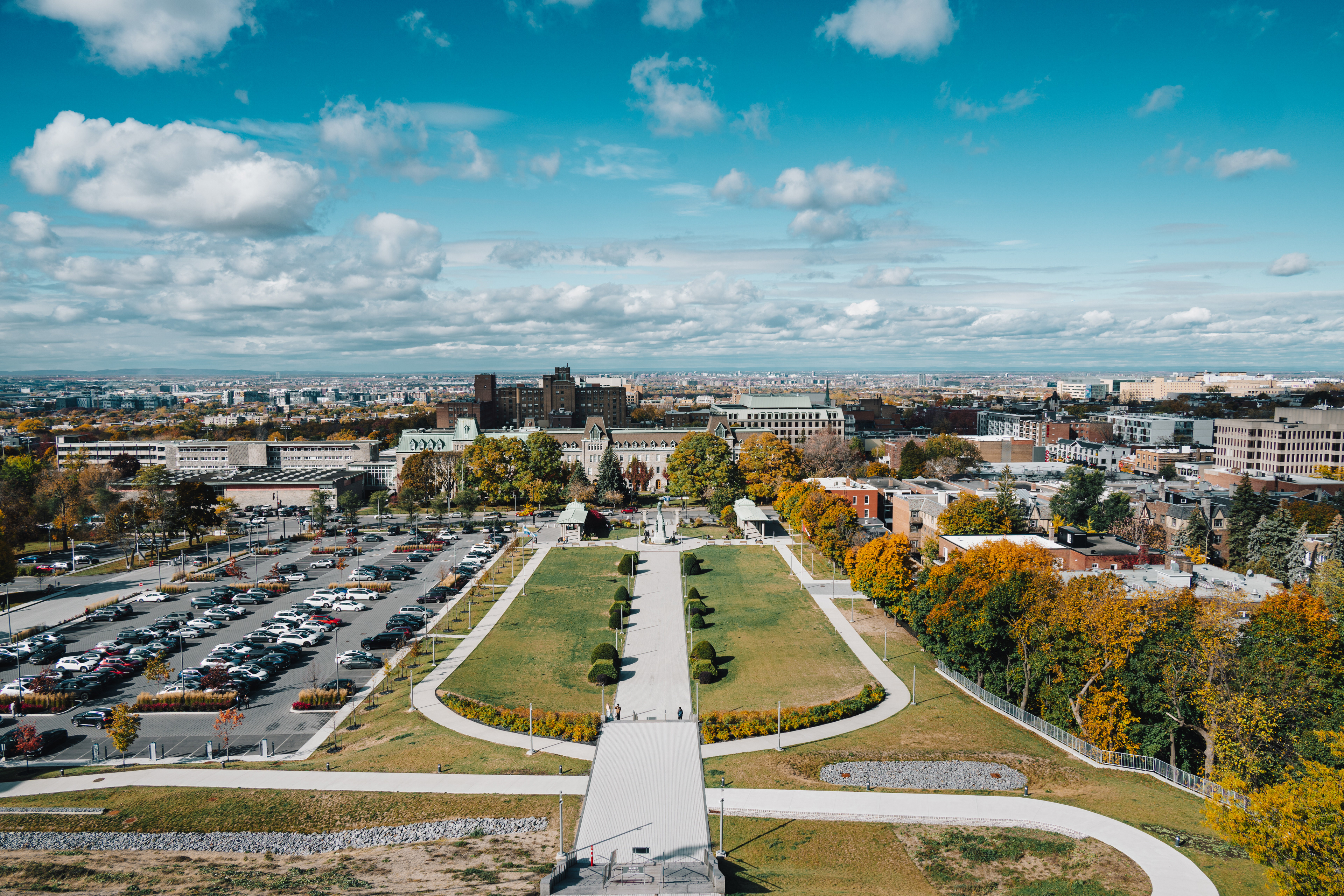
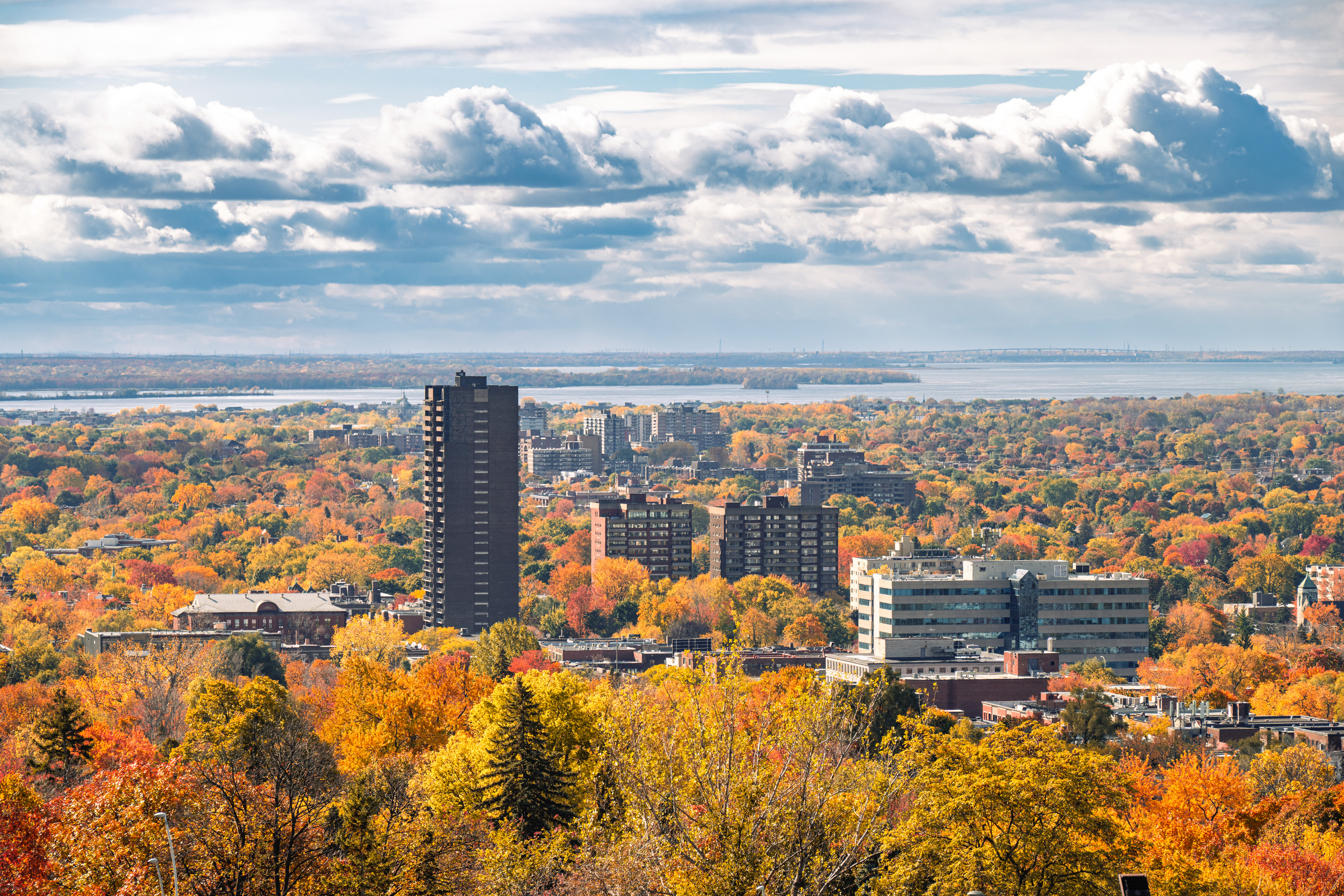
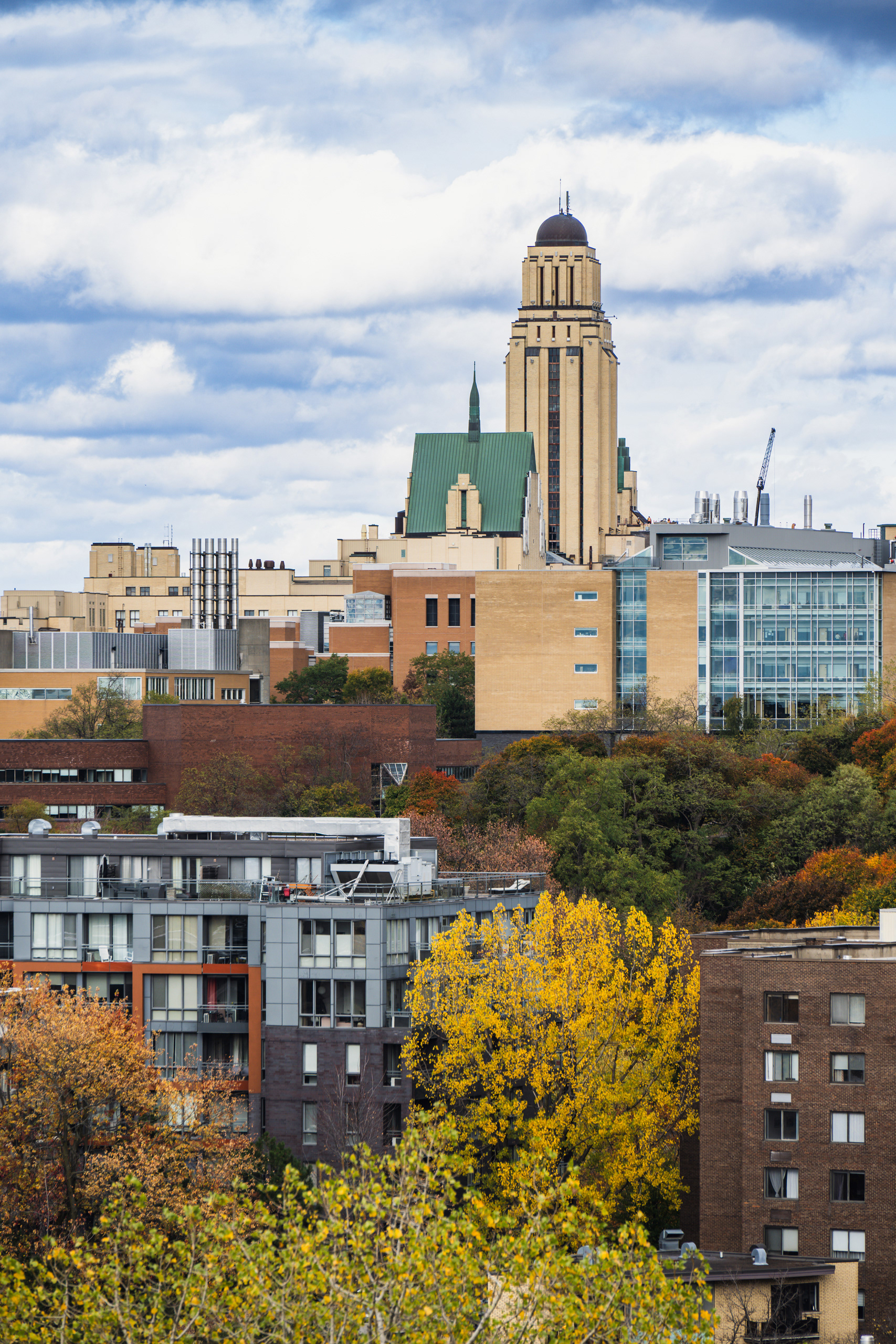
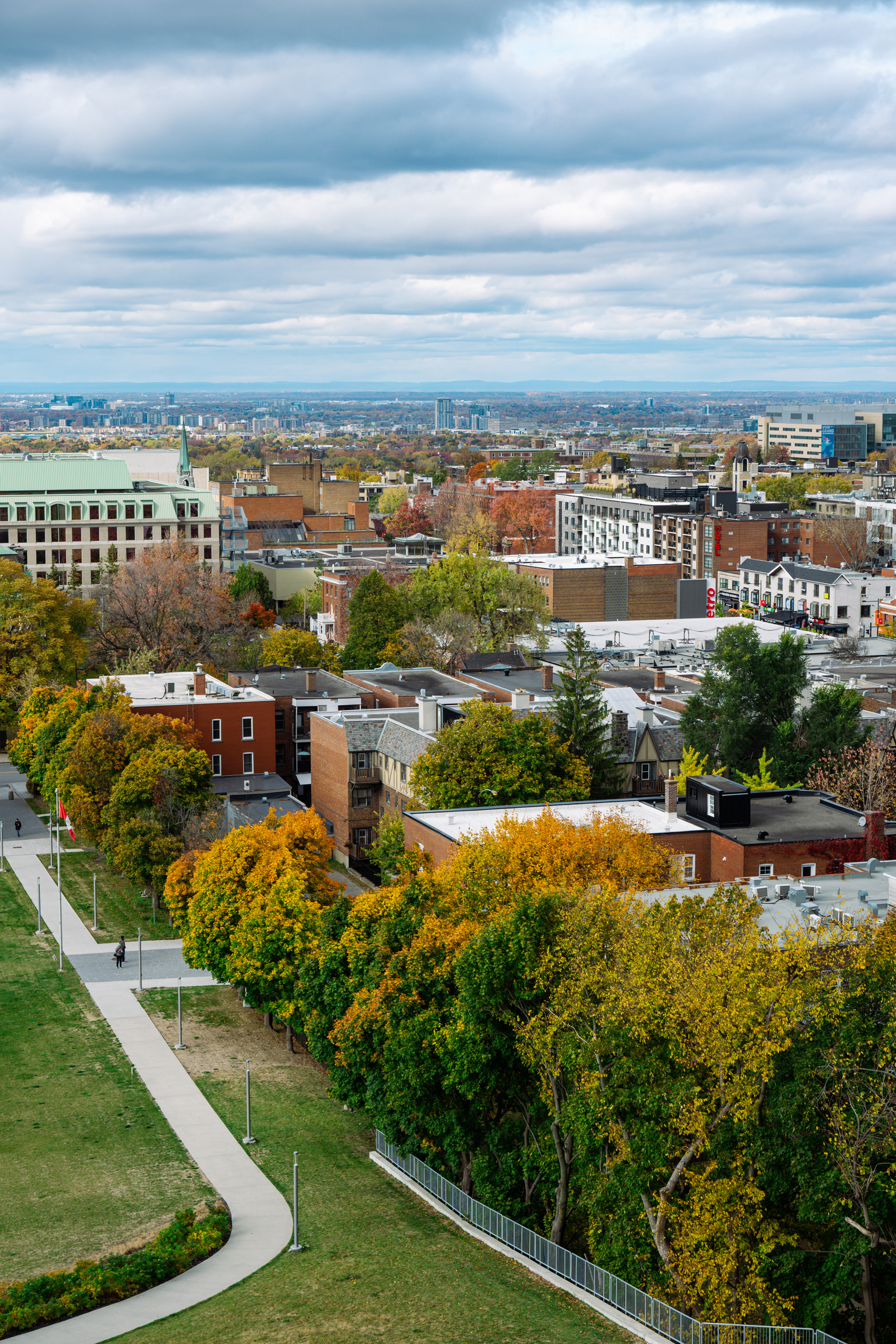
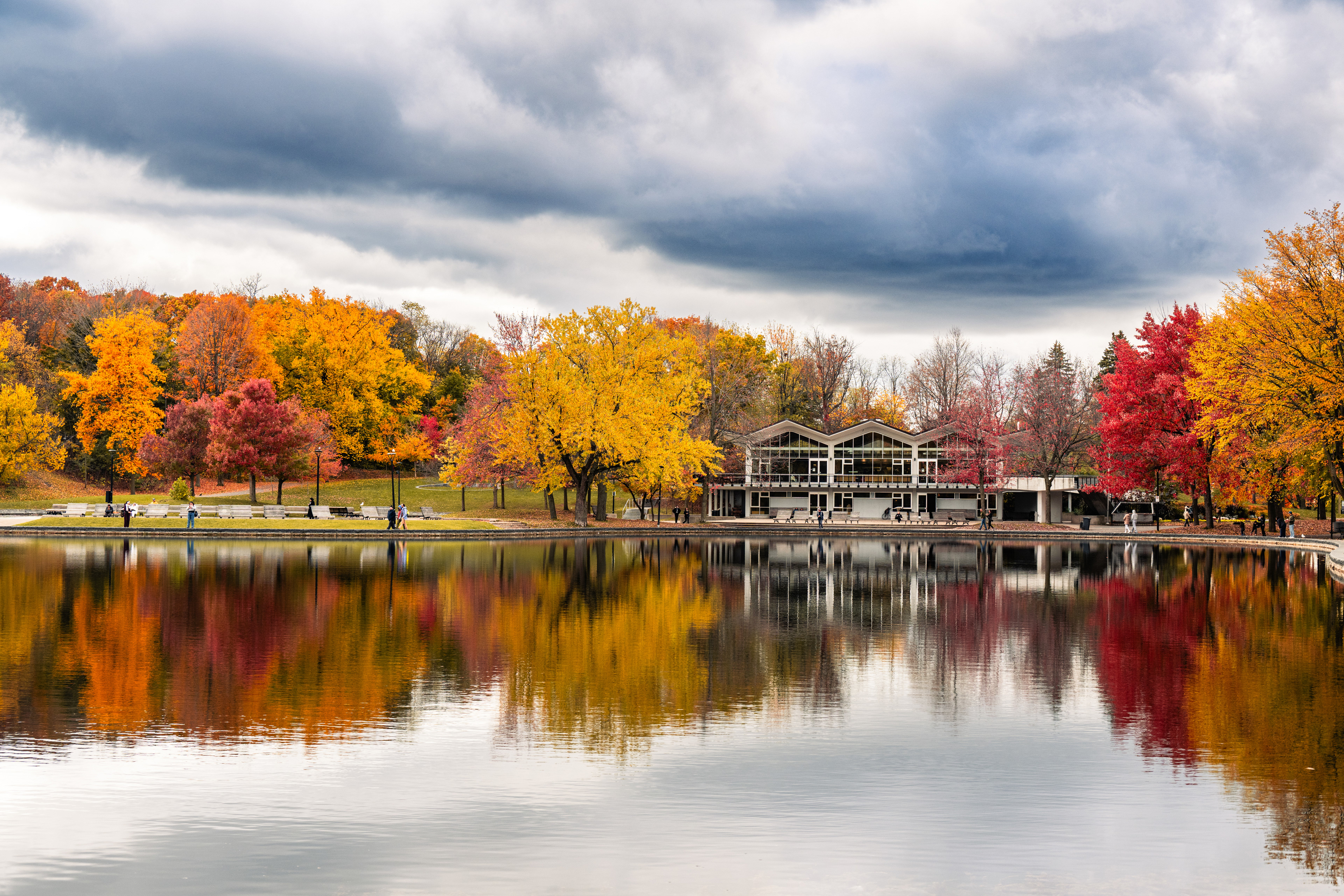
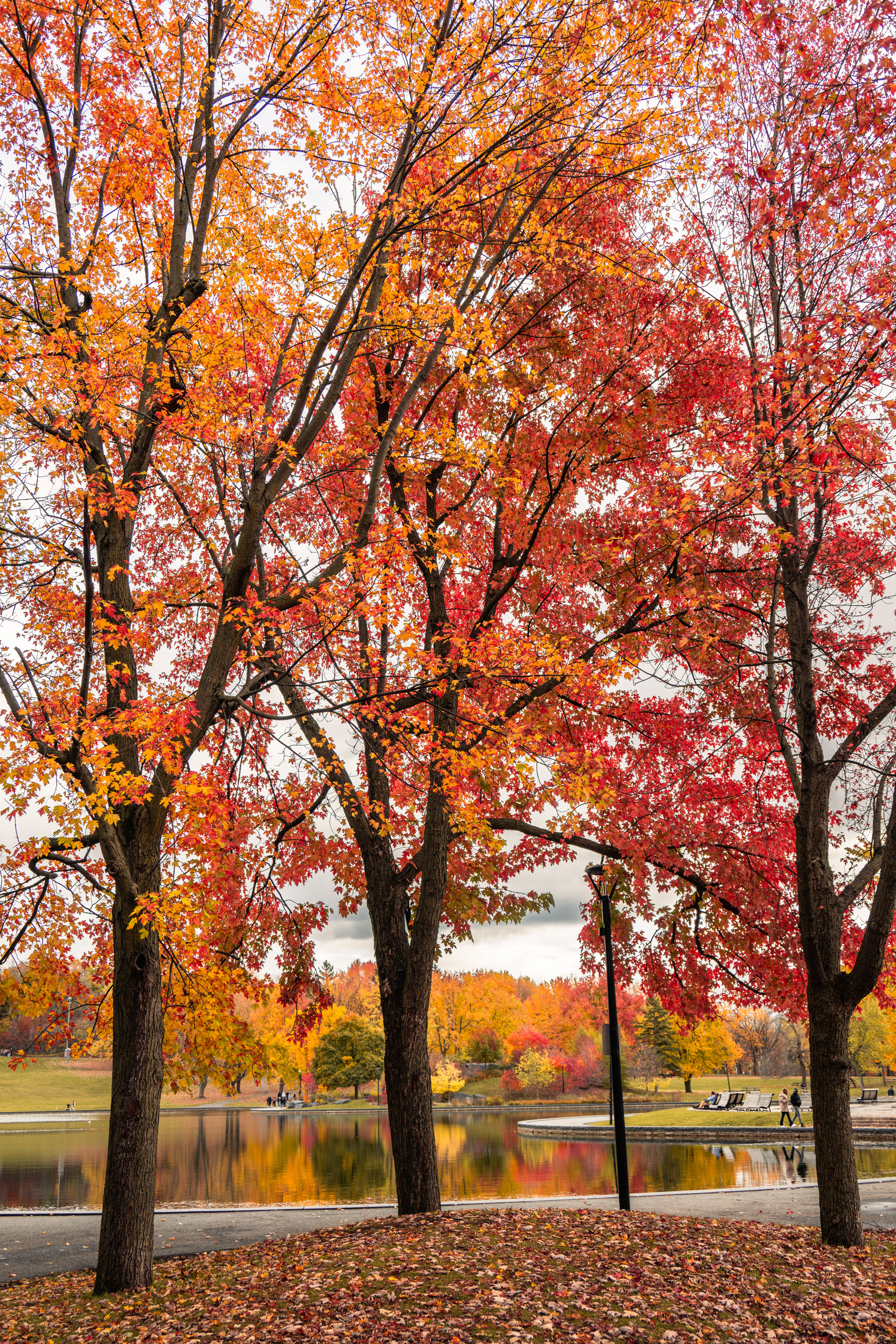
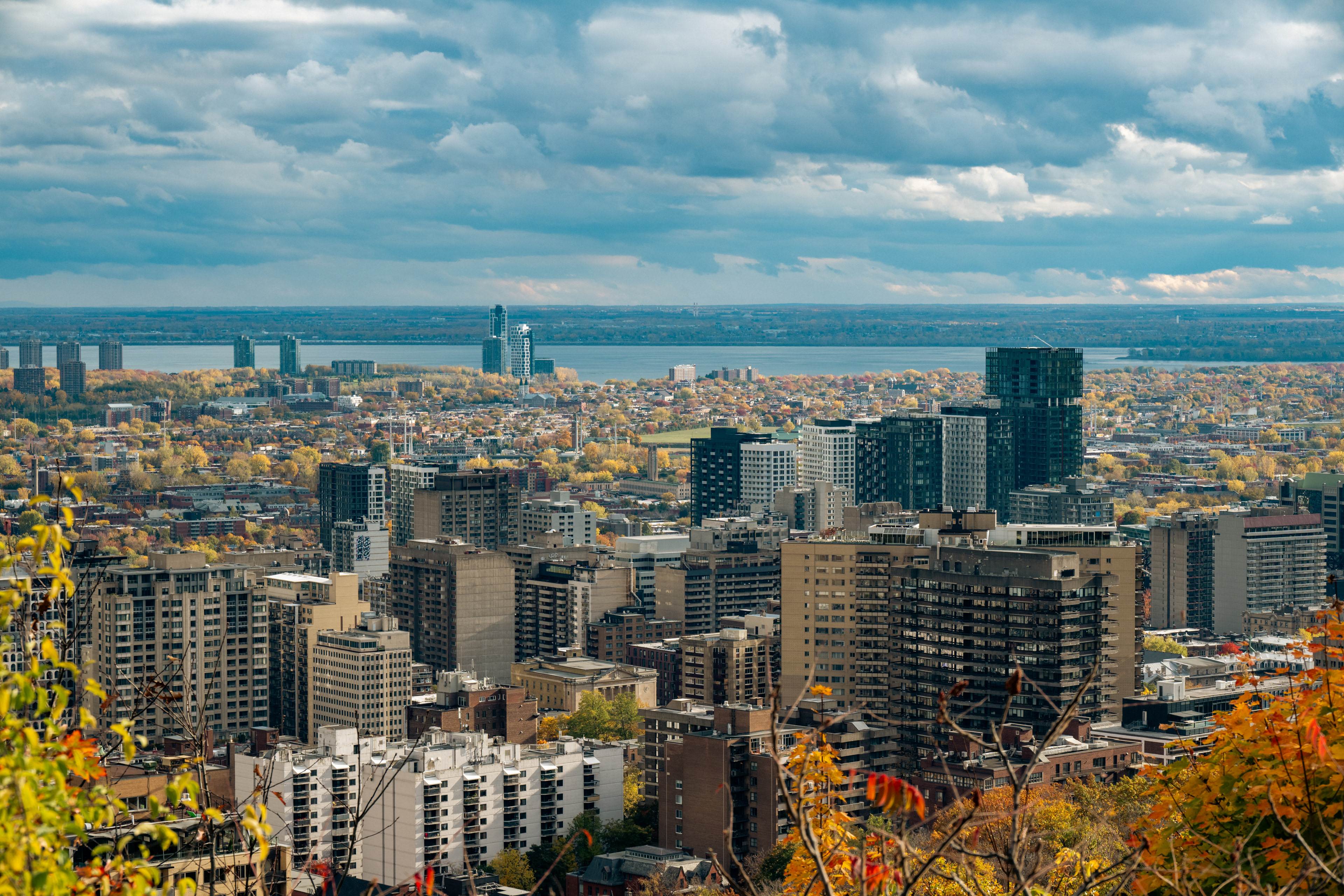
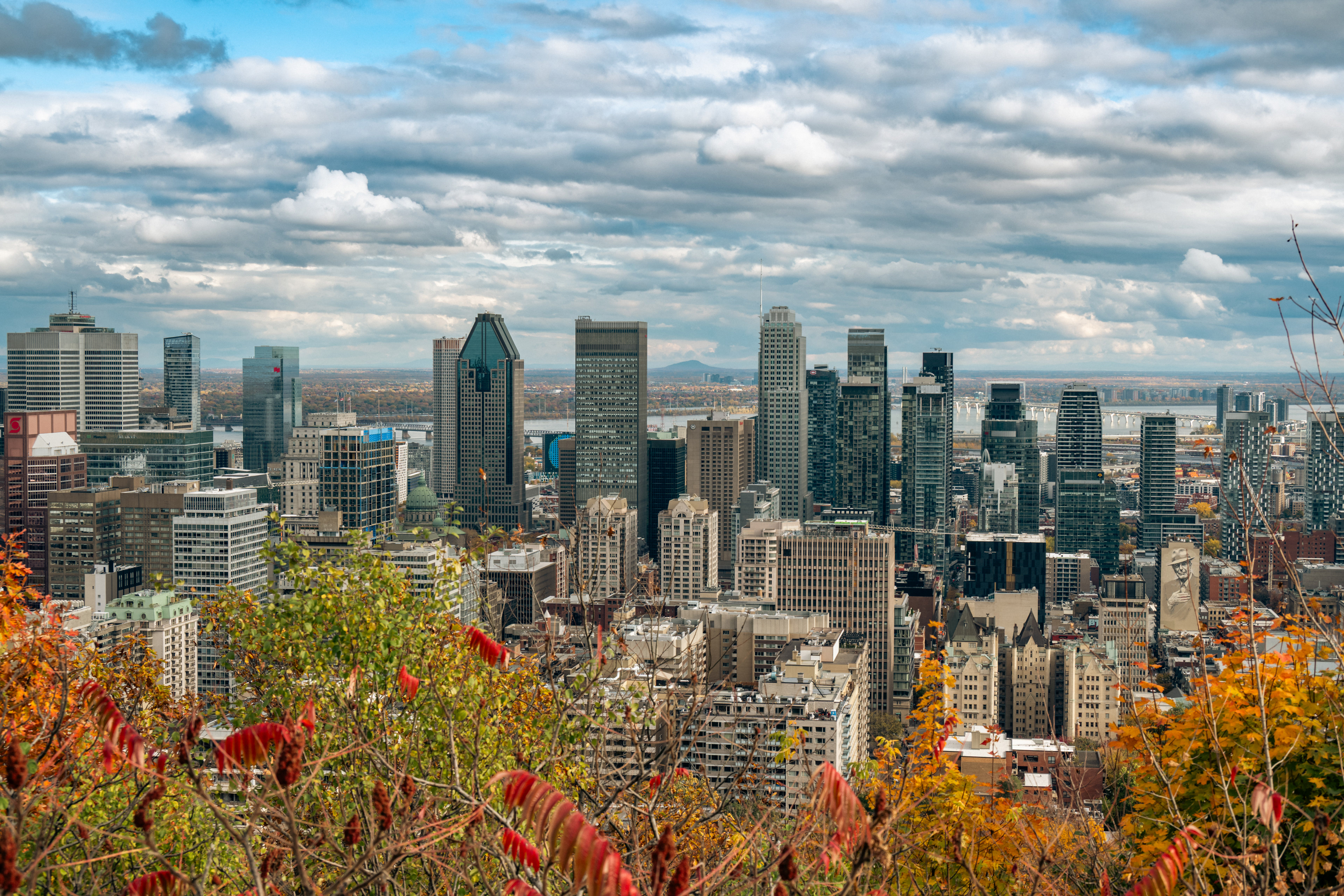
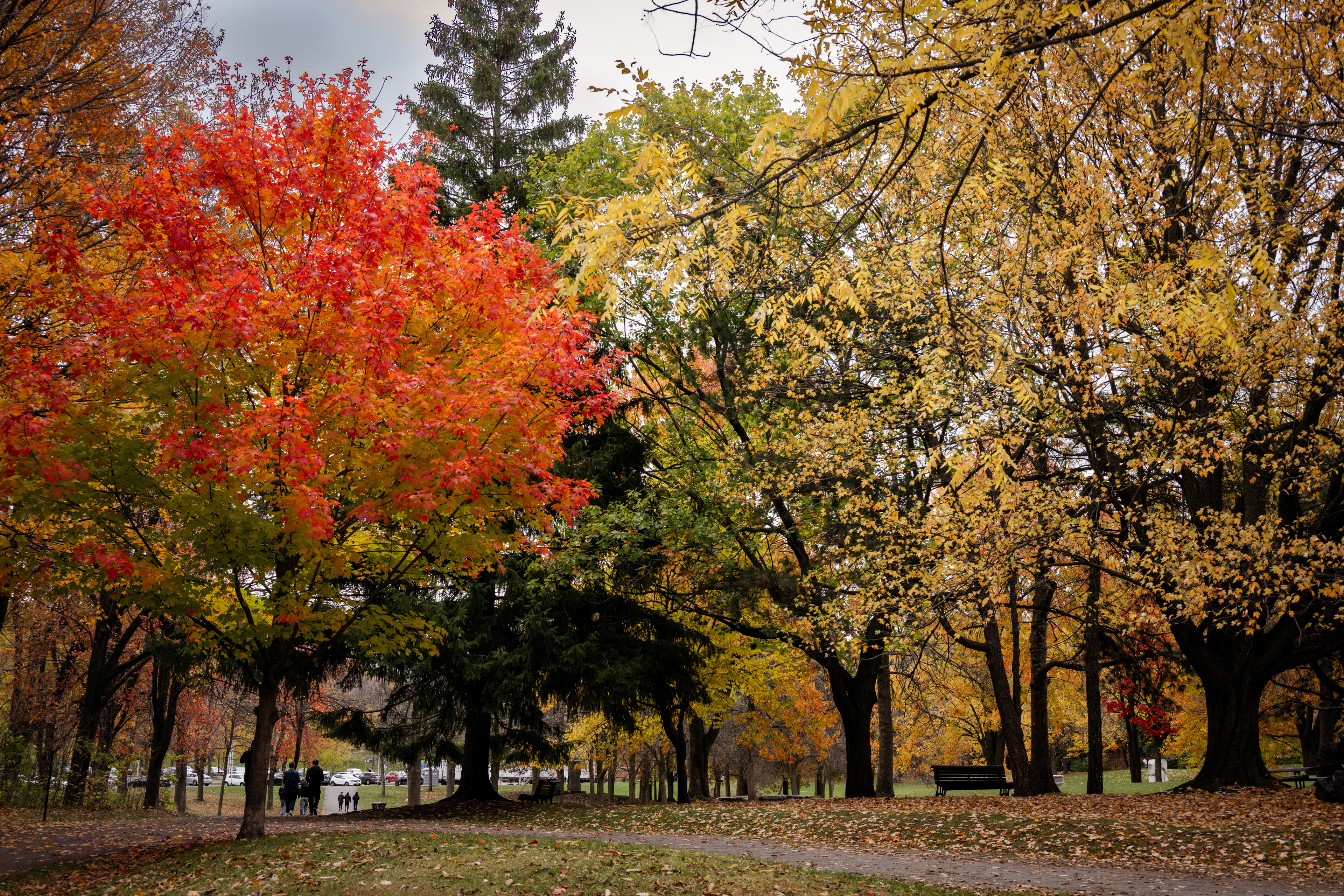
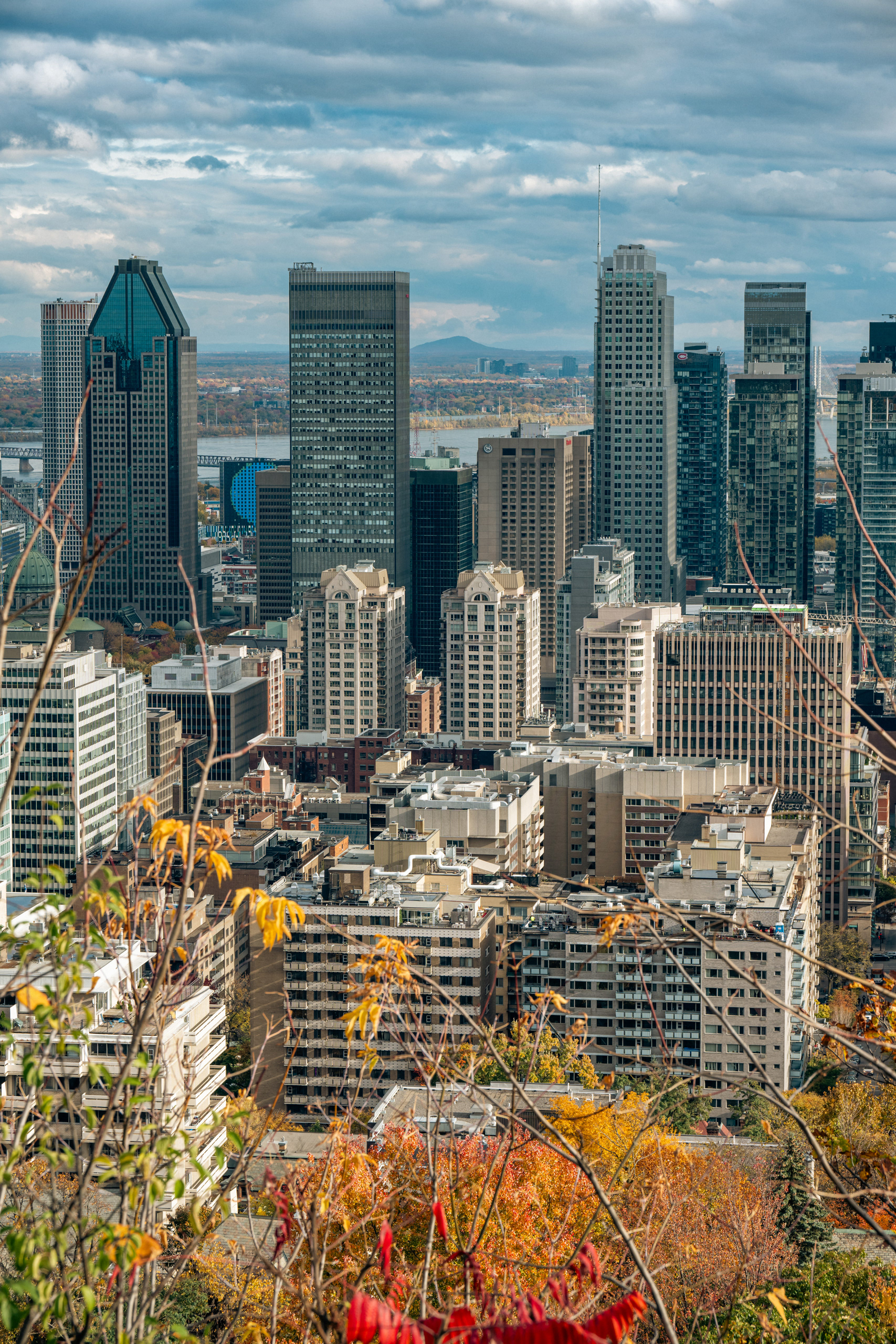
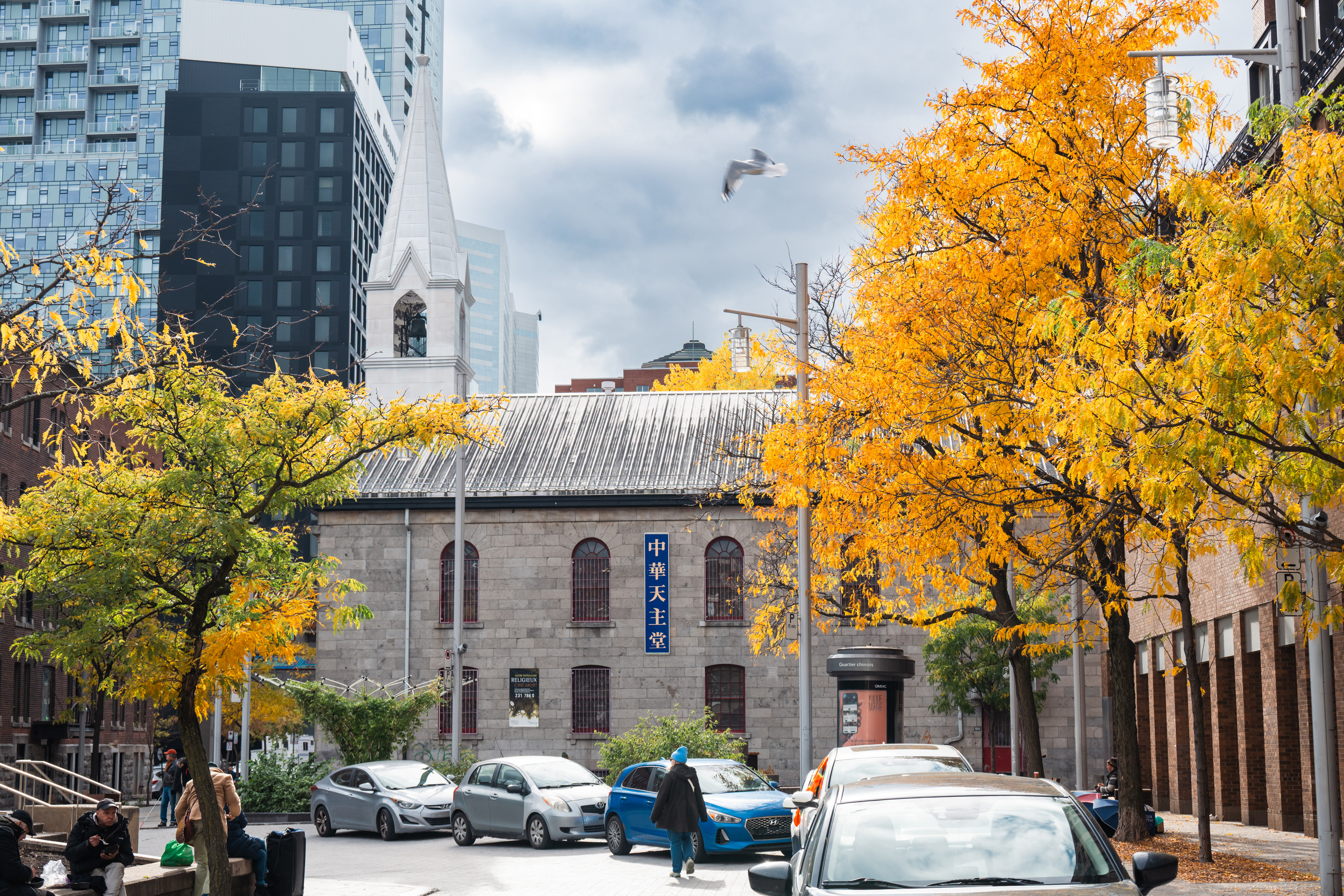
Mont Royal — the modest 233-meter hill that gives the city its name — is one of those places that quietly explains everything about where you are. Frederick Law Olmsted designed the park in 1876, which means yes, the same man who did Central Park also did this, and yes, he had a clear type. On the October morning we arrived, the summit lookout at Kondiaronk Belvedere was a full-on chromatic riot: sugar maples in neon orange, oaks in burgundy, birches doing their best impression of spun gold. The St. Lawrence River glinted silver below. My daughter demanded we circle the same bench three times for reasons known only to her.
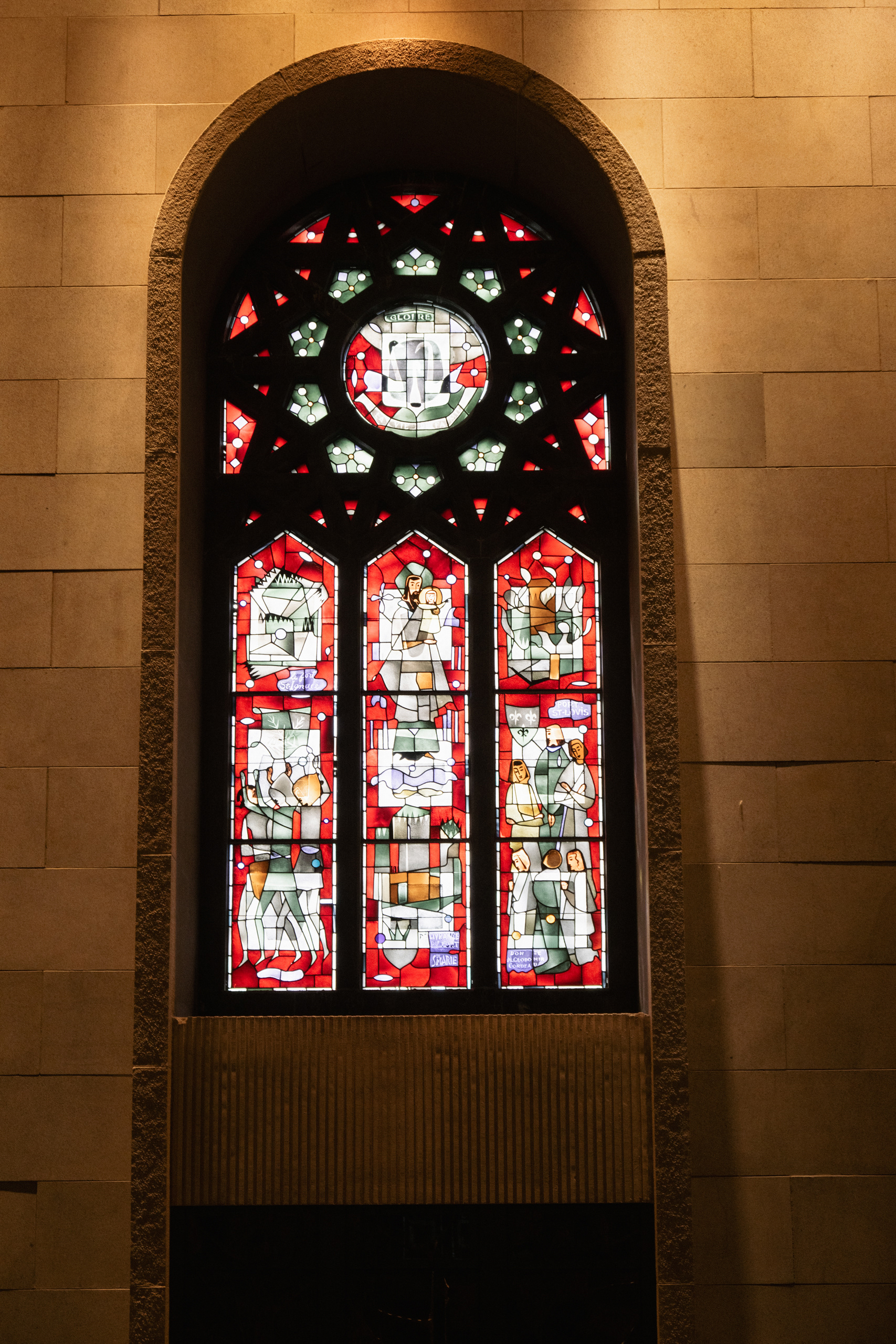
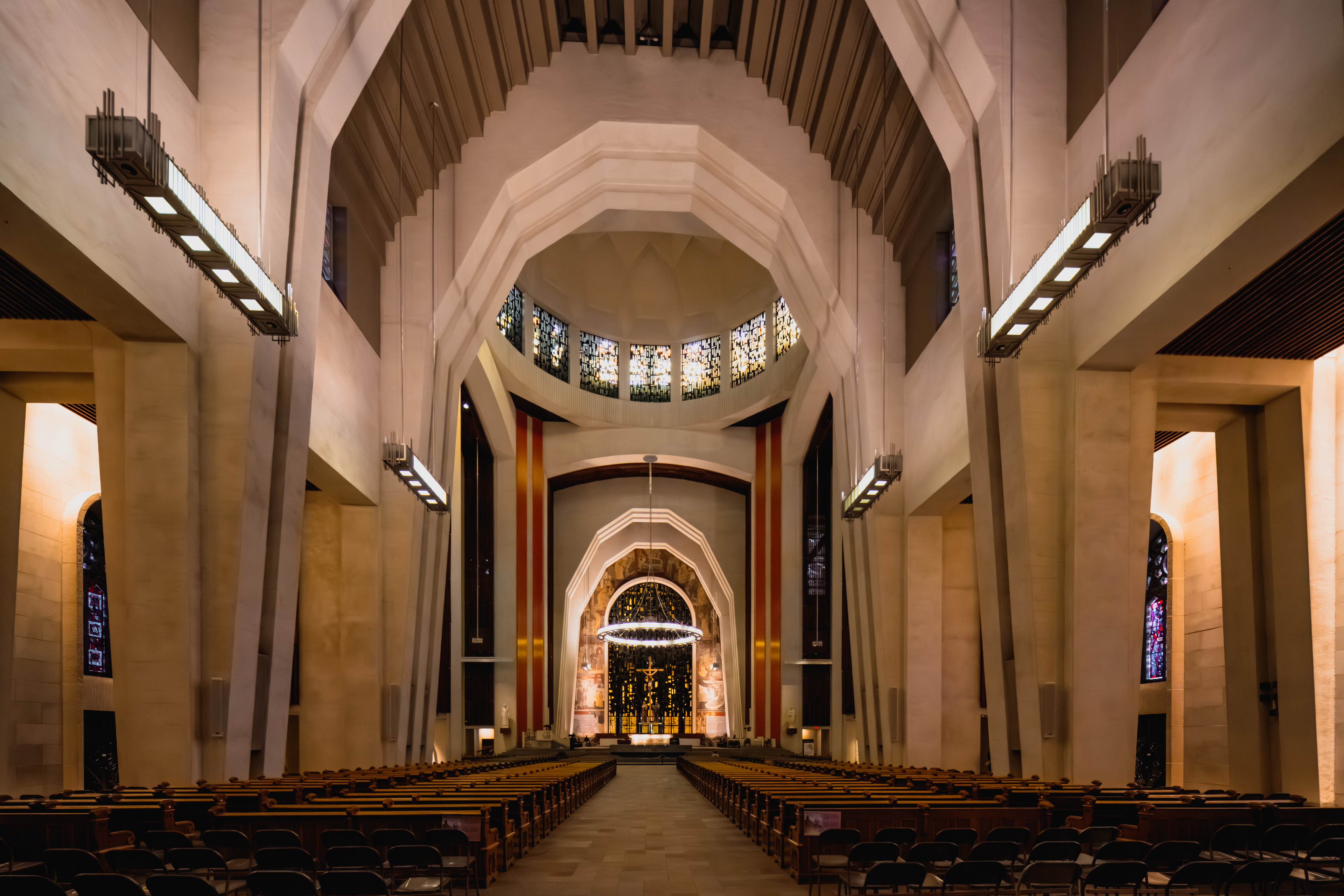
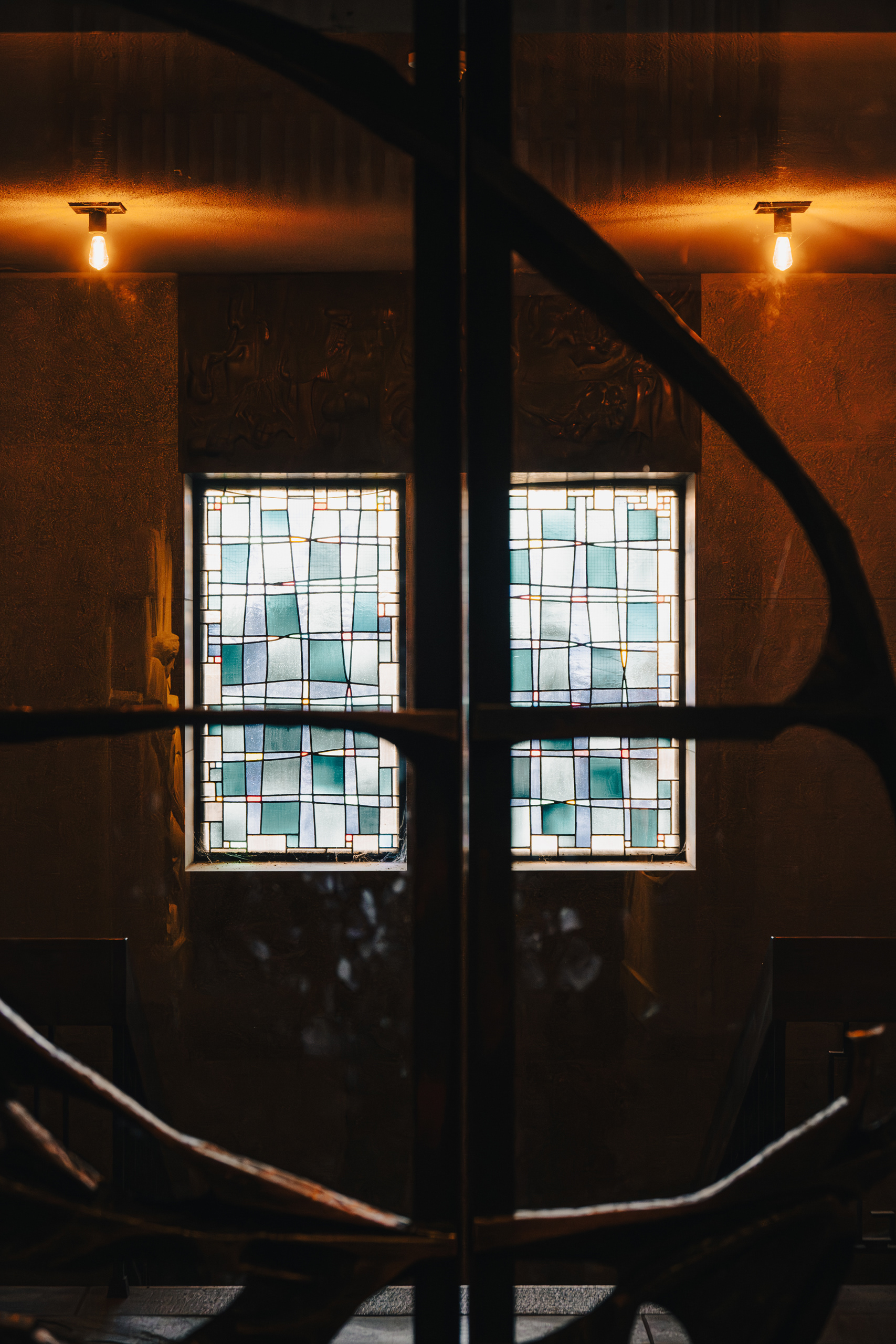
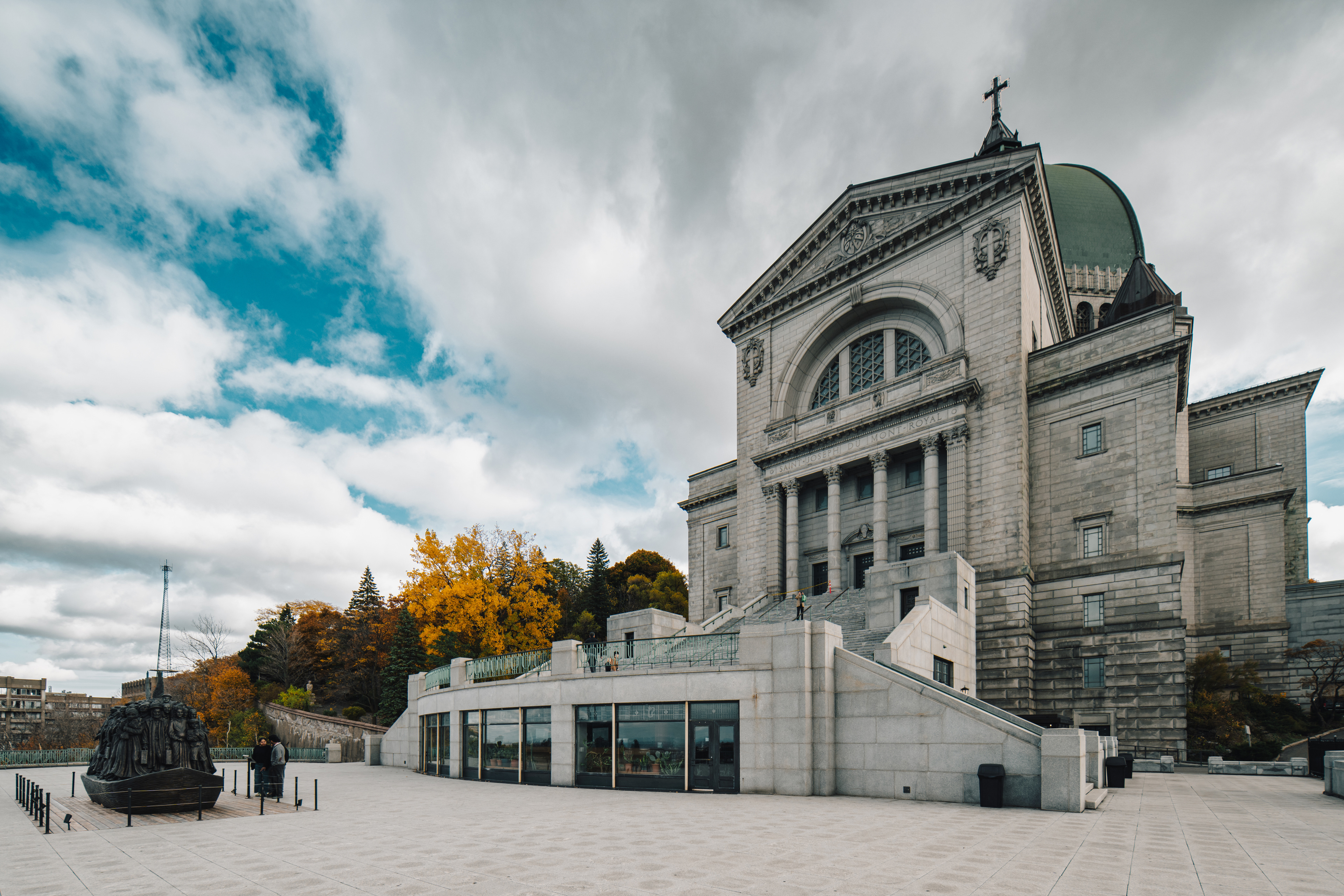
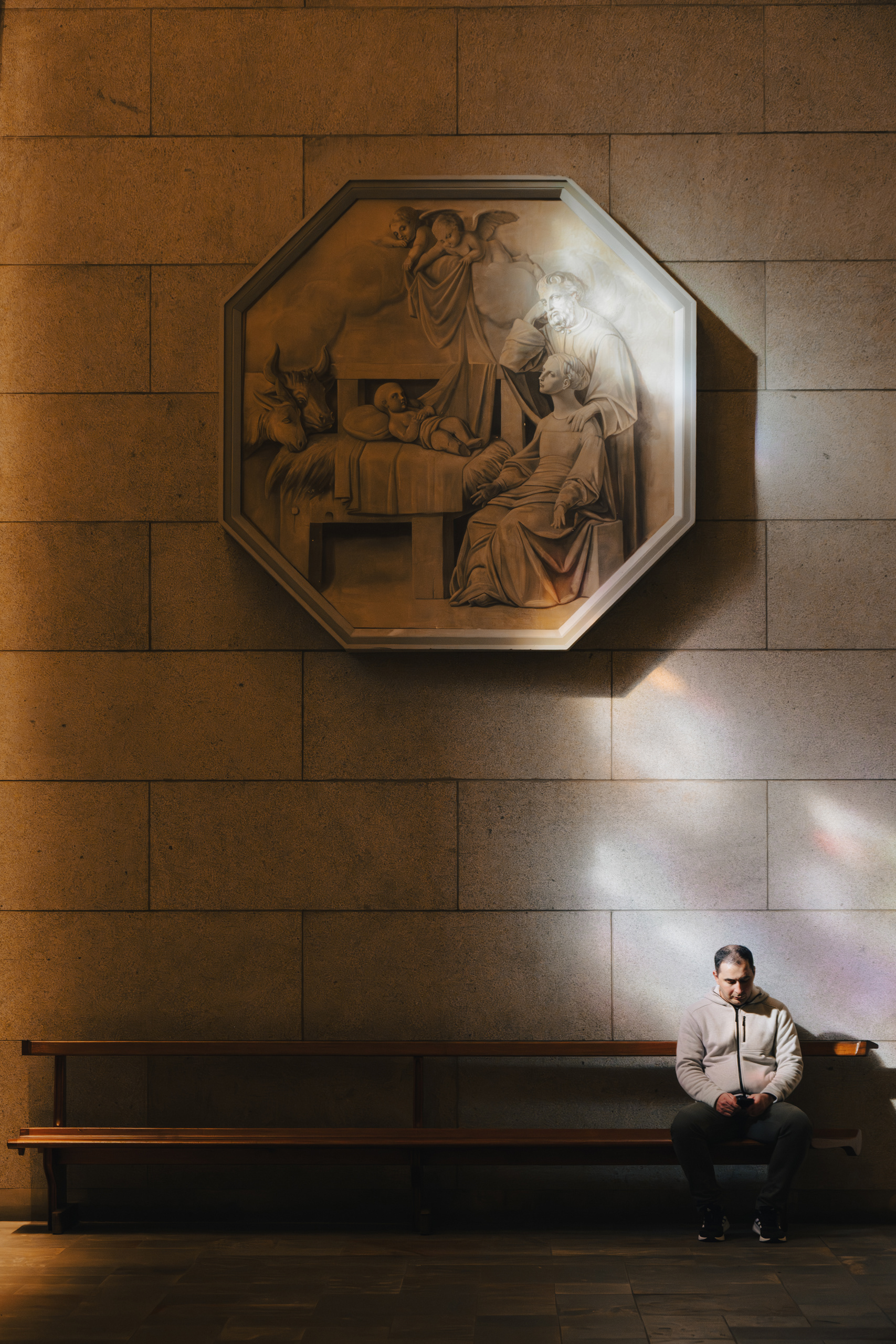
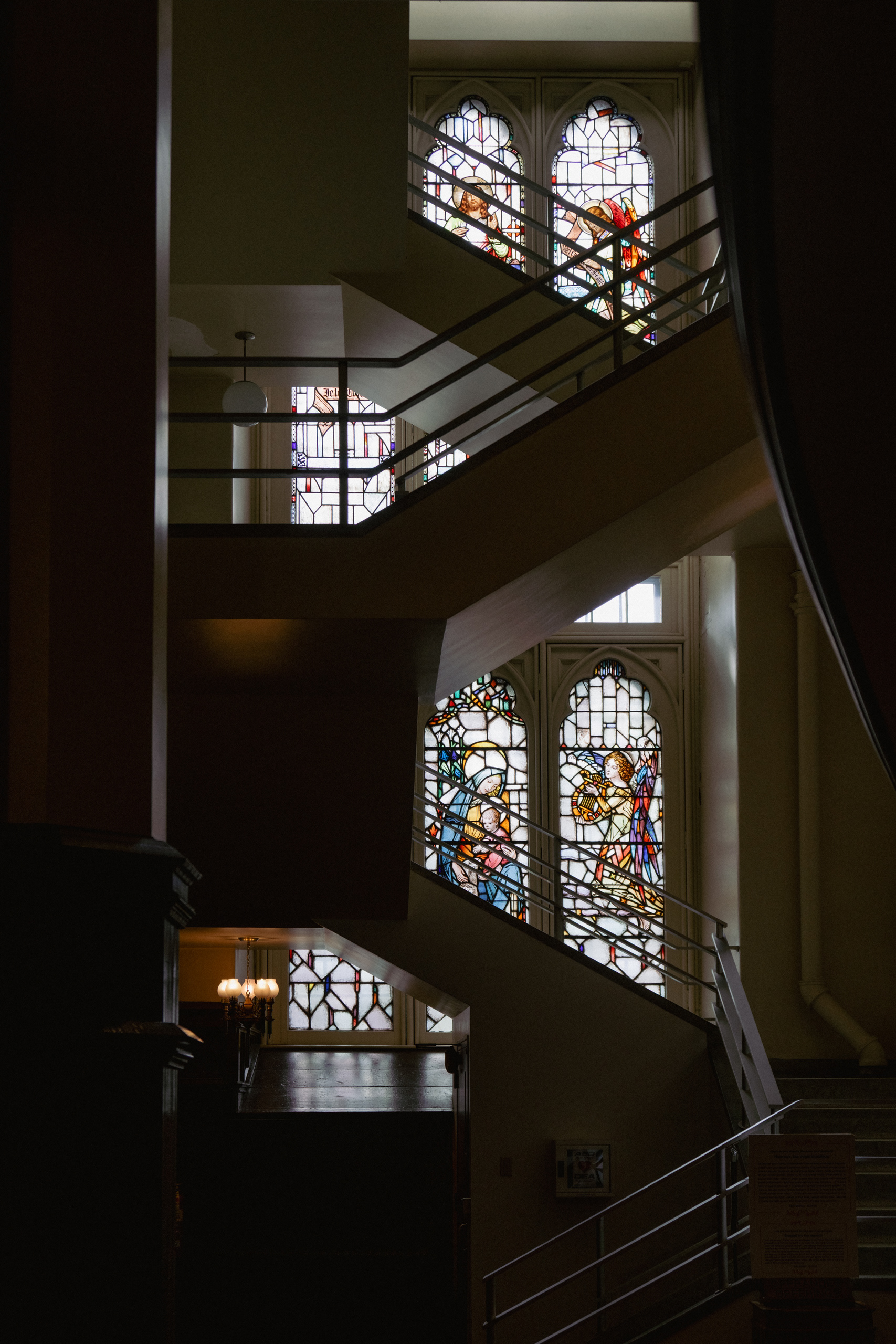
Saint Joseph's Oratory, clinging to the north slope of the mountain, is the more somber complement. The largest church in Canada — its copper dome is the second-largest in the world after St. Peter's in Rome — was built largely through the faith of a lay brother named Brother André, who reportedly healed thousands of sick pilgrims here between 1904 and his death in 1937. The walking sticks and crutches left behind by the cured still line the walls of the original chapel like a folk-art installation. My daughter found this less interesting than a pigeon outside. Fair enough.
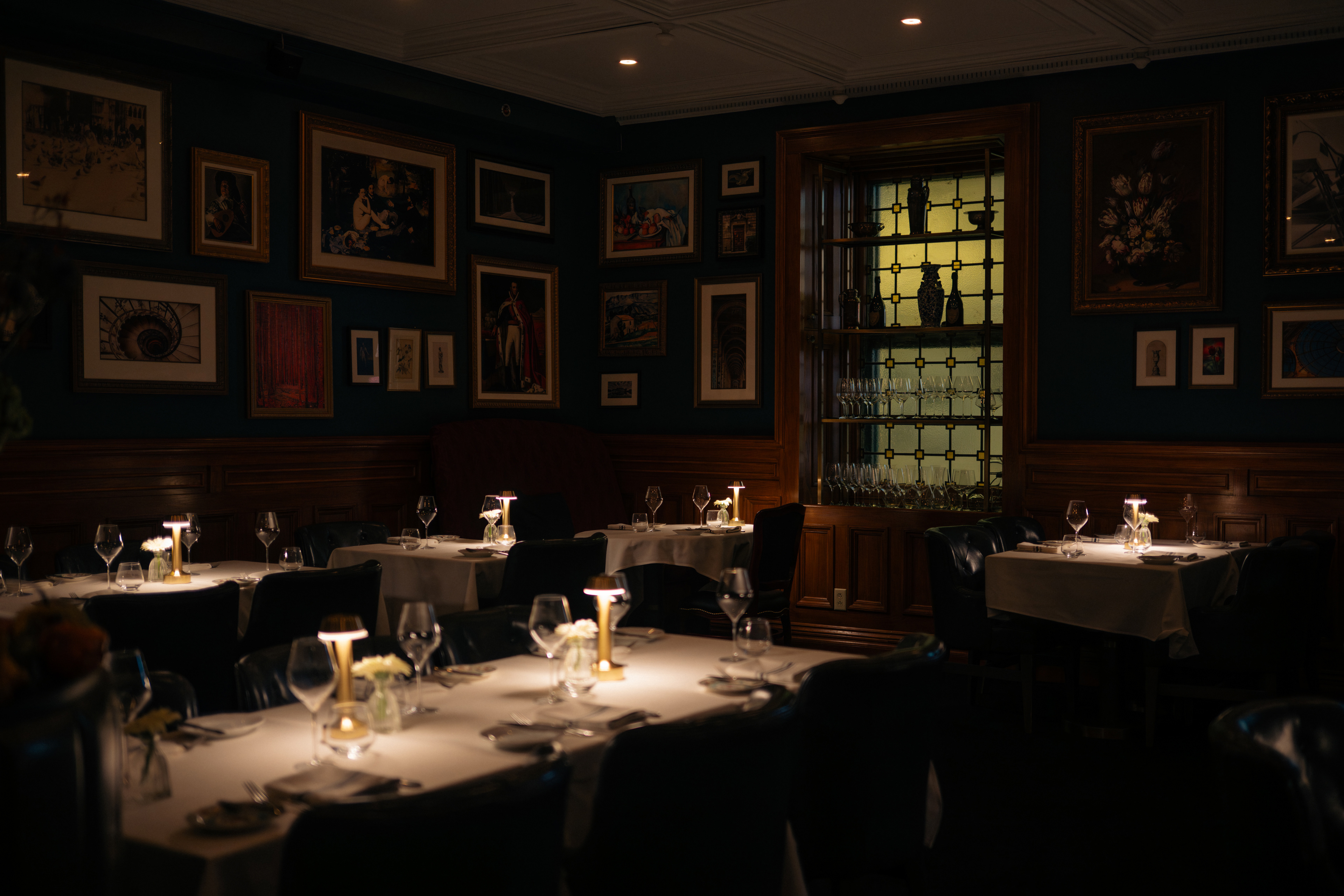
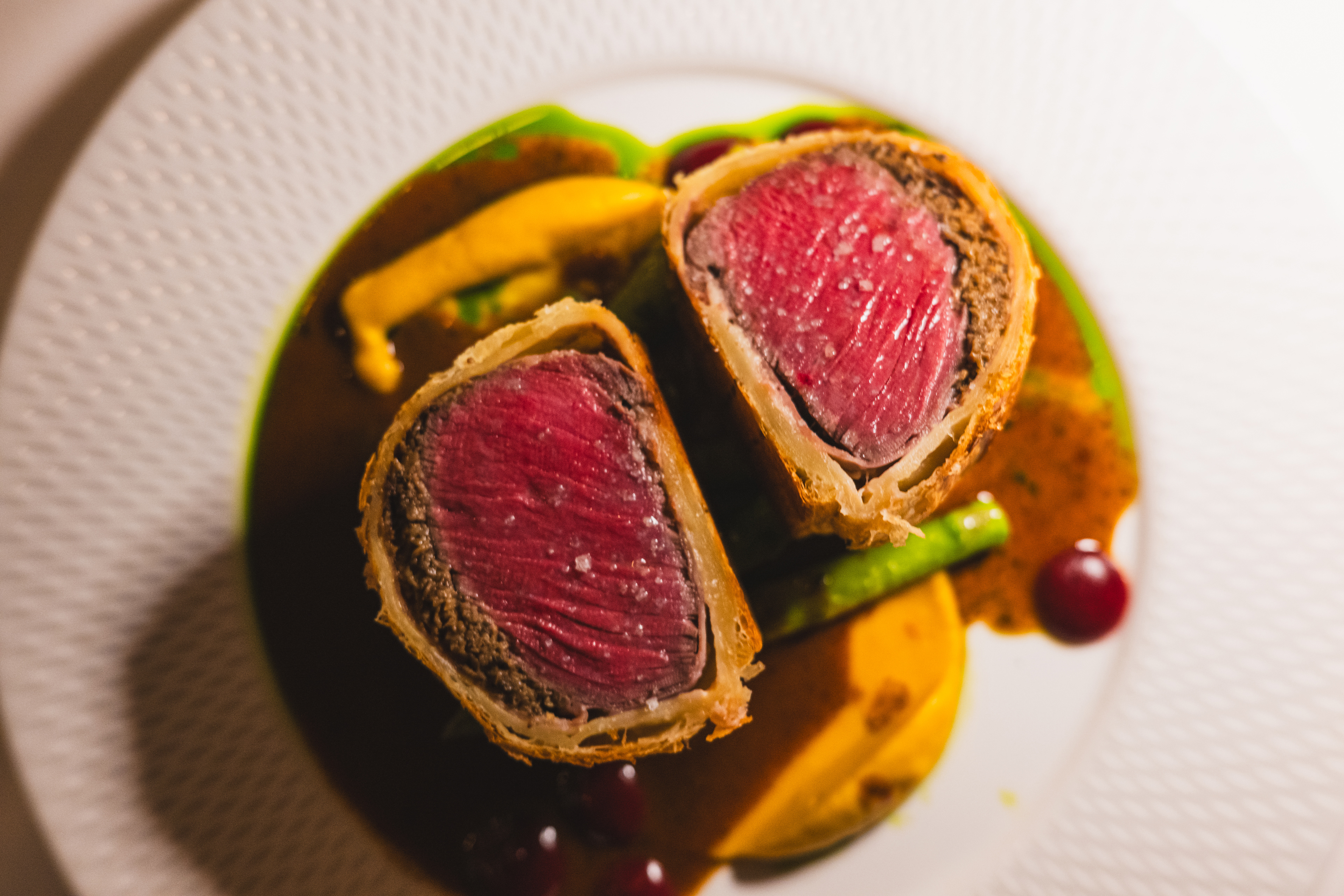
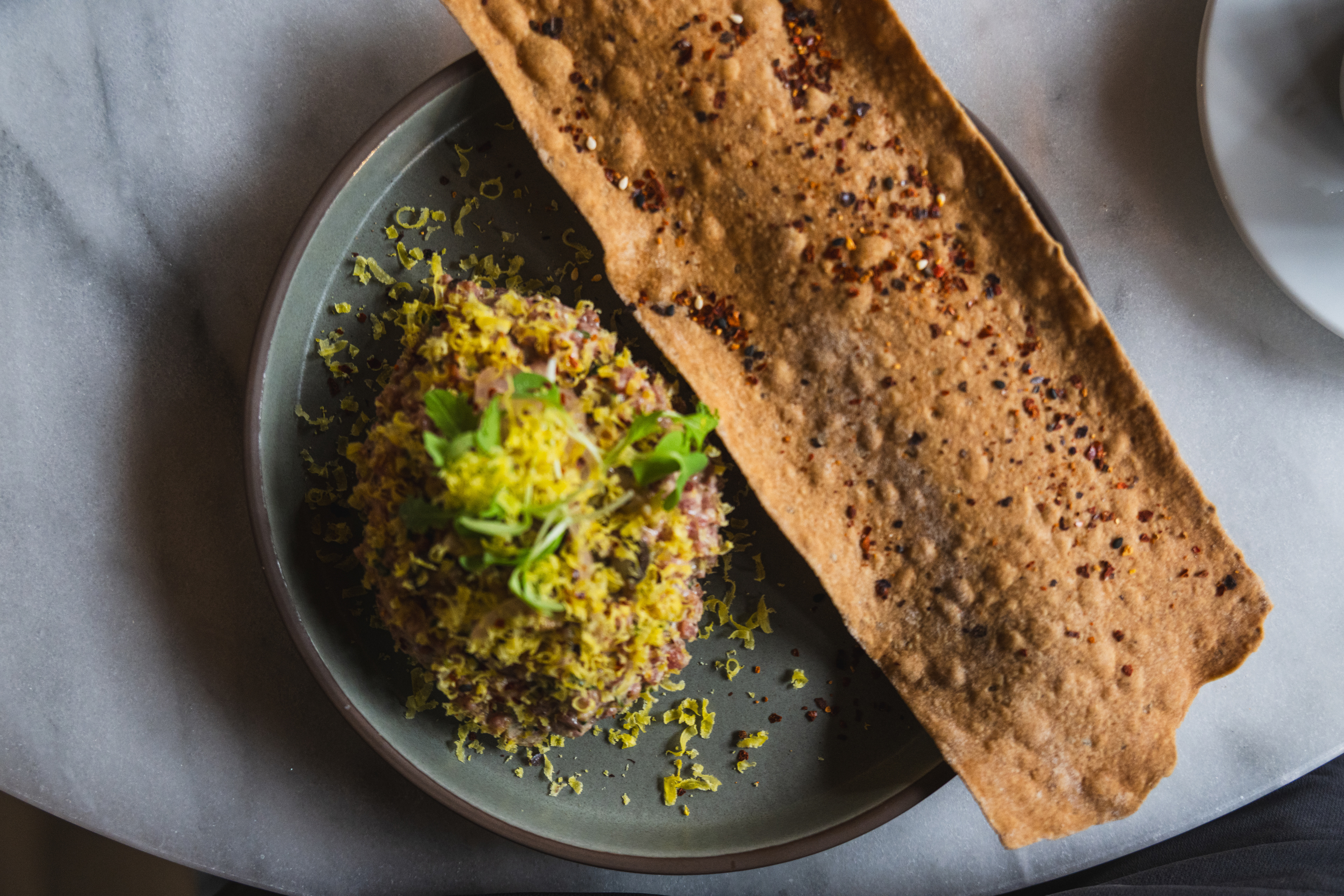
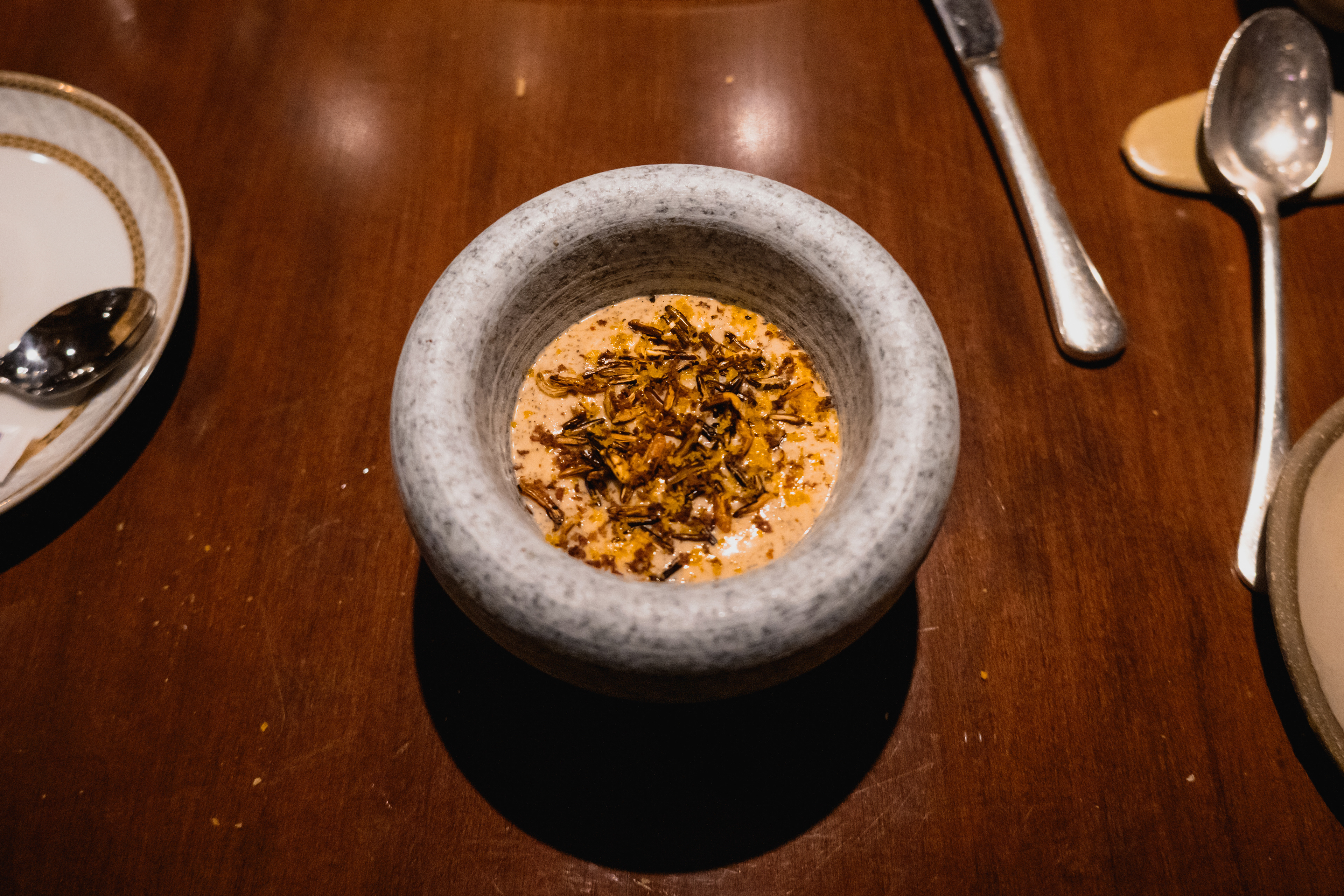
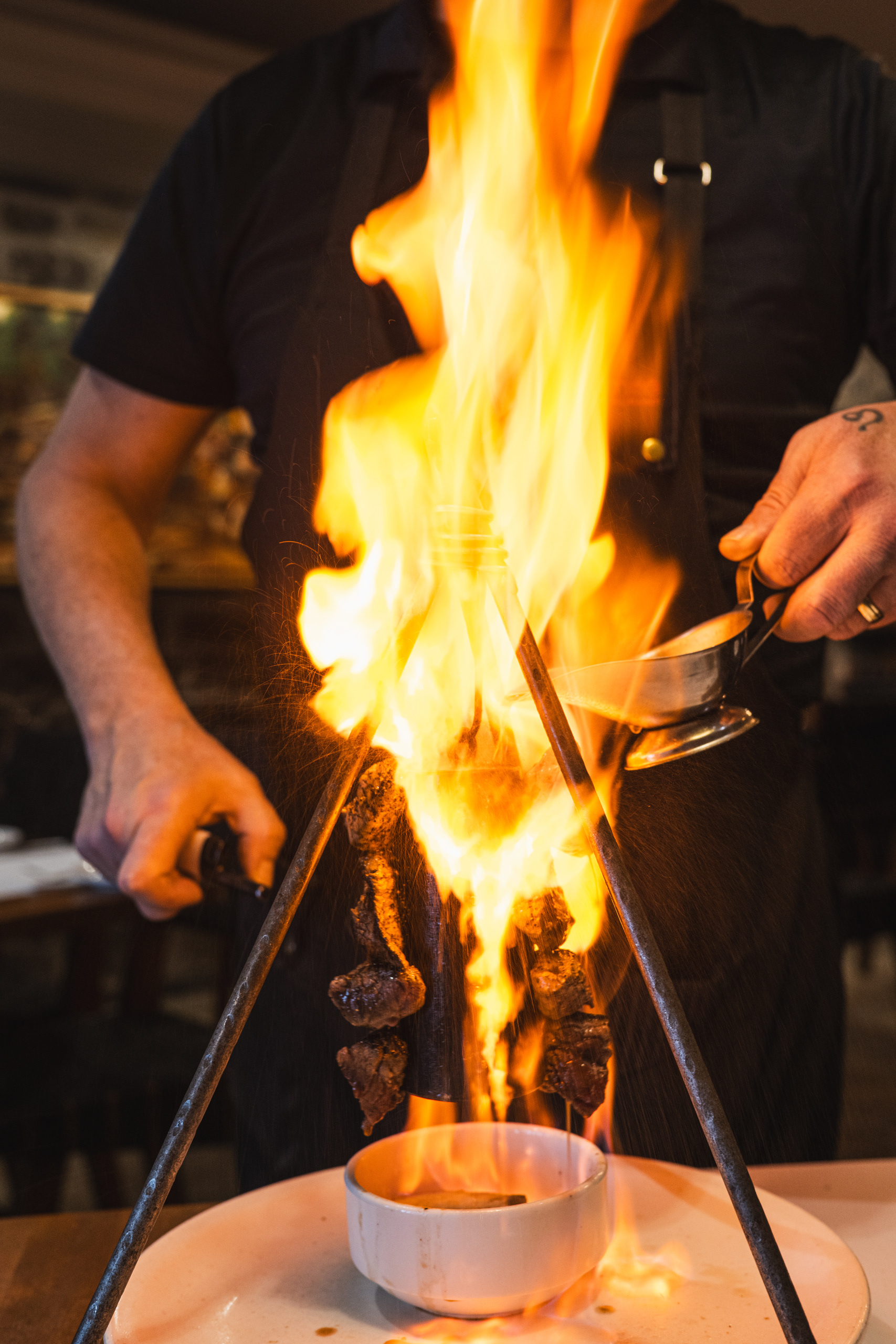
Dinner at Bar George, tucked inside Le Mount Stephen — a Gilded Age mansion on Drummond Street that once belonged to the president of the Canadian Pacific Railway — was the evening's reward. The Beef Wellington is the kind of dish that makes you briefly resent every mediocre steak you've eaten in your life. The mushroom cream soup is what autumn should taste like. I had the lobster pasta because occasionally you have to lean into the cliché, and occasionally the cliché earns it.
We drove north after dinner, away from the city lights, toward the Laurentians.
Mont-Tremblant: The Laurentians Do Their Best
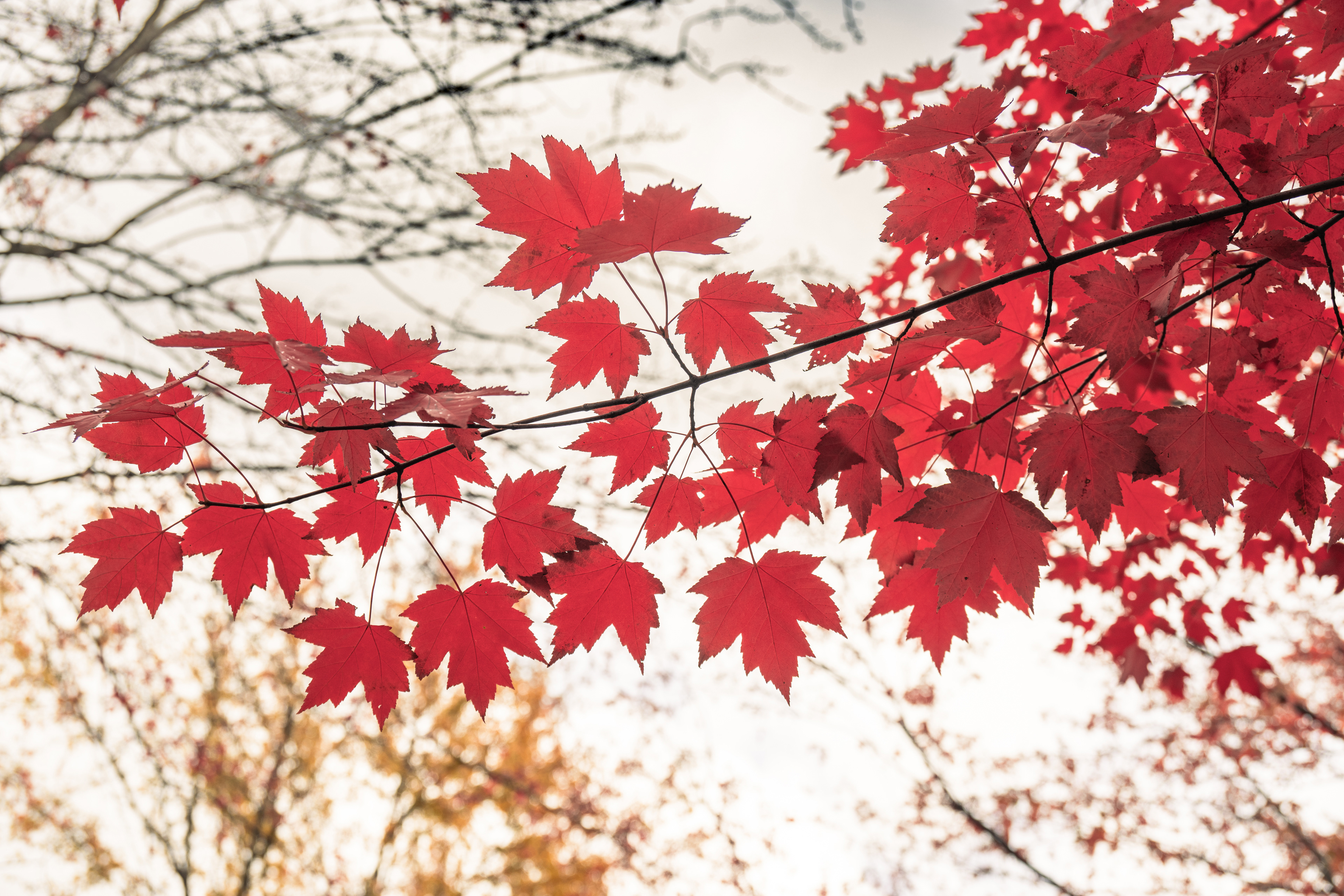
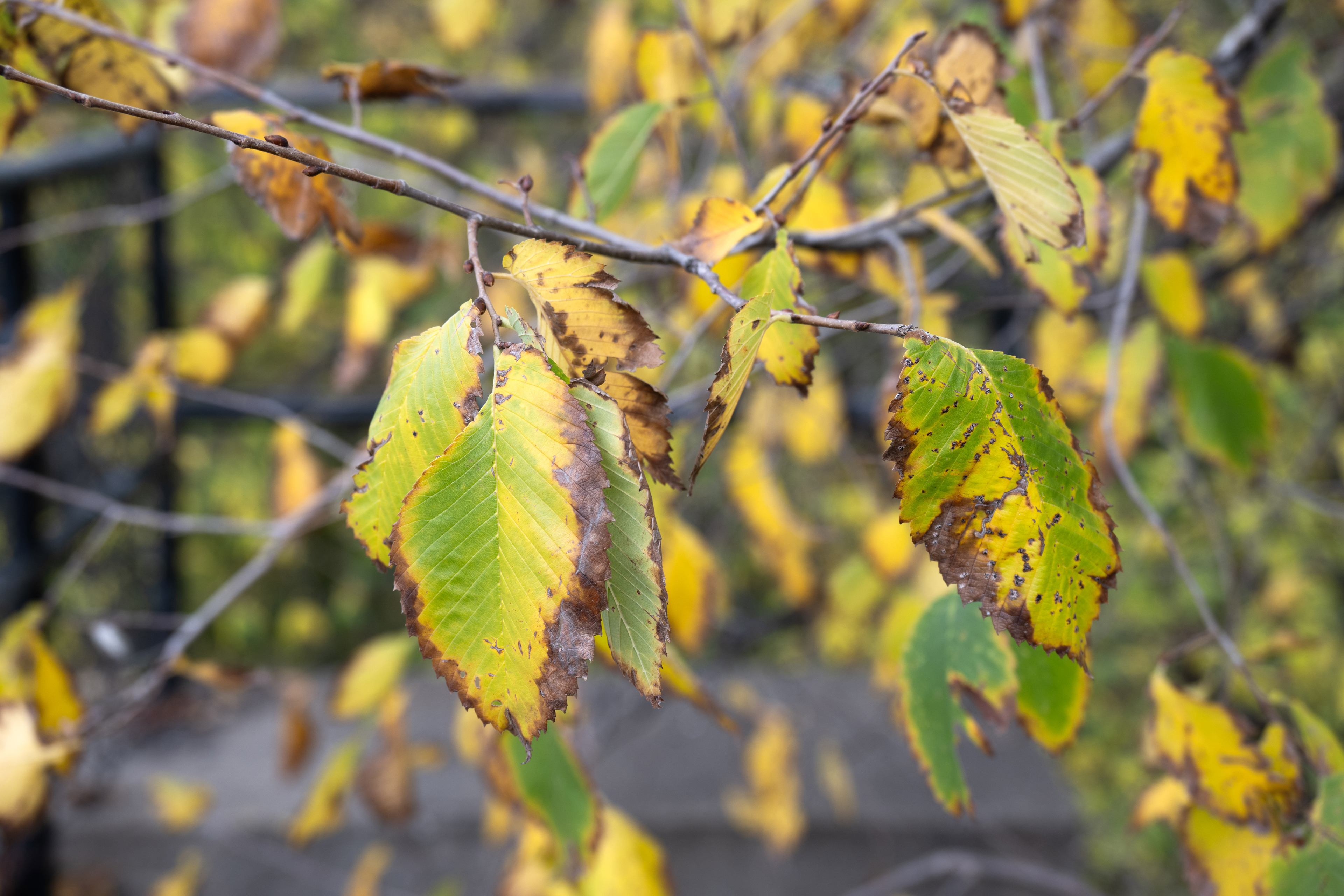
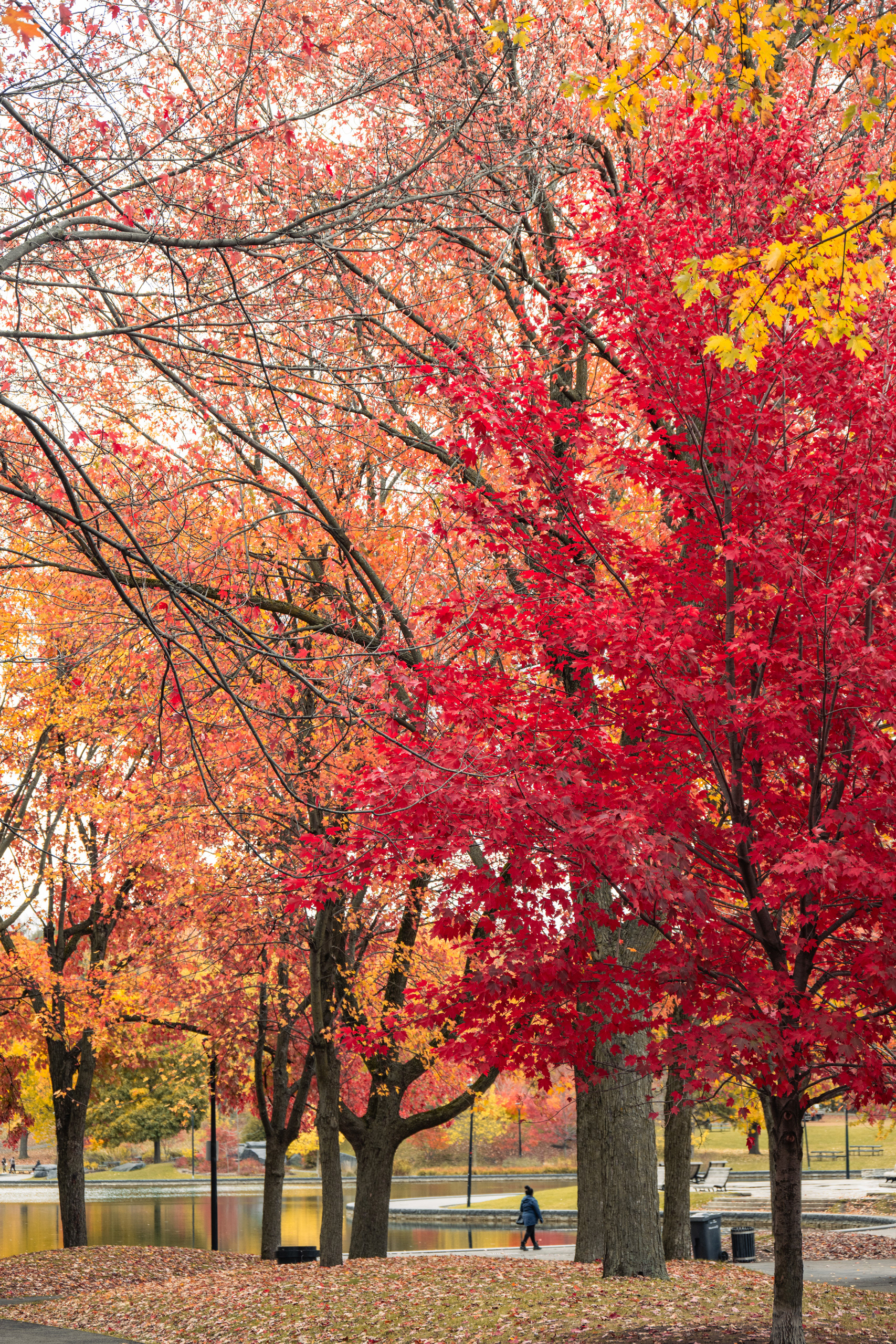
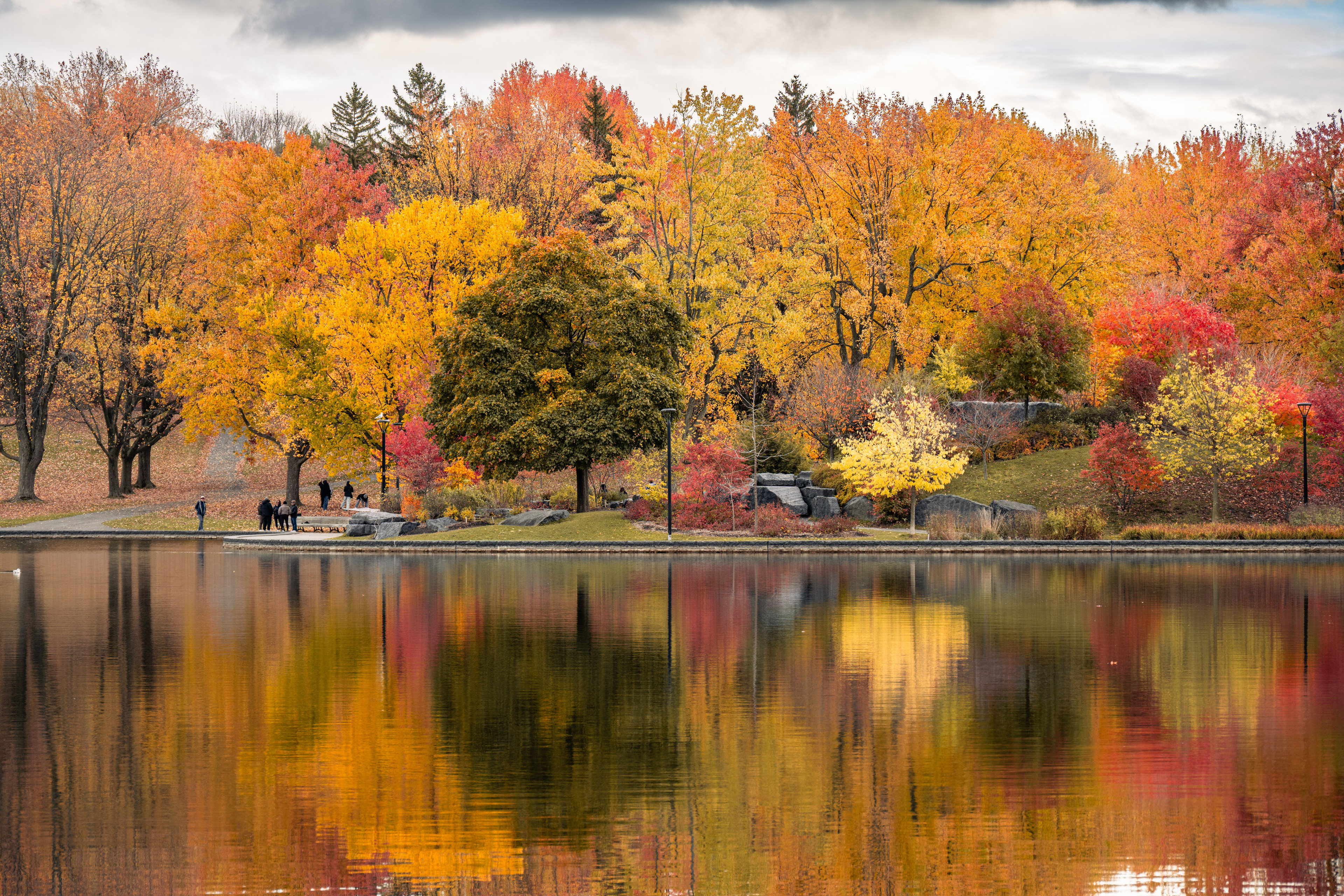
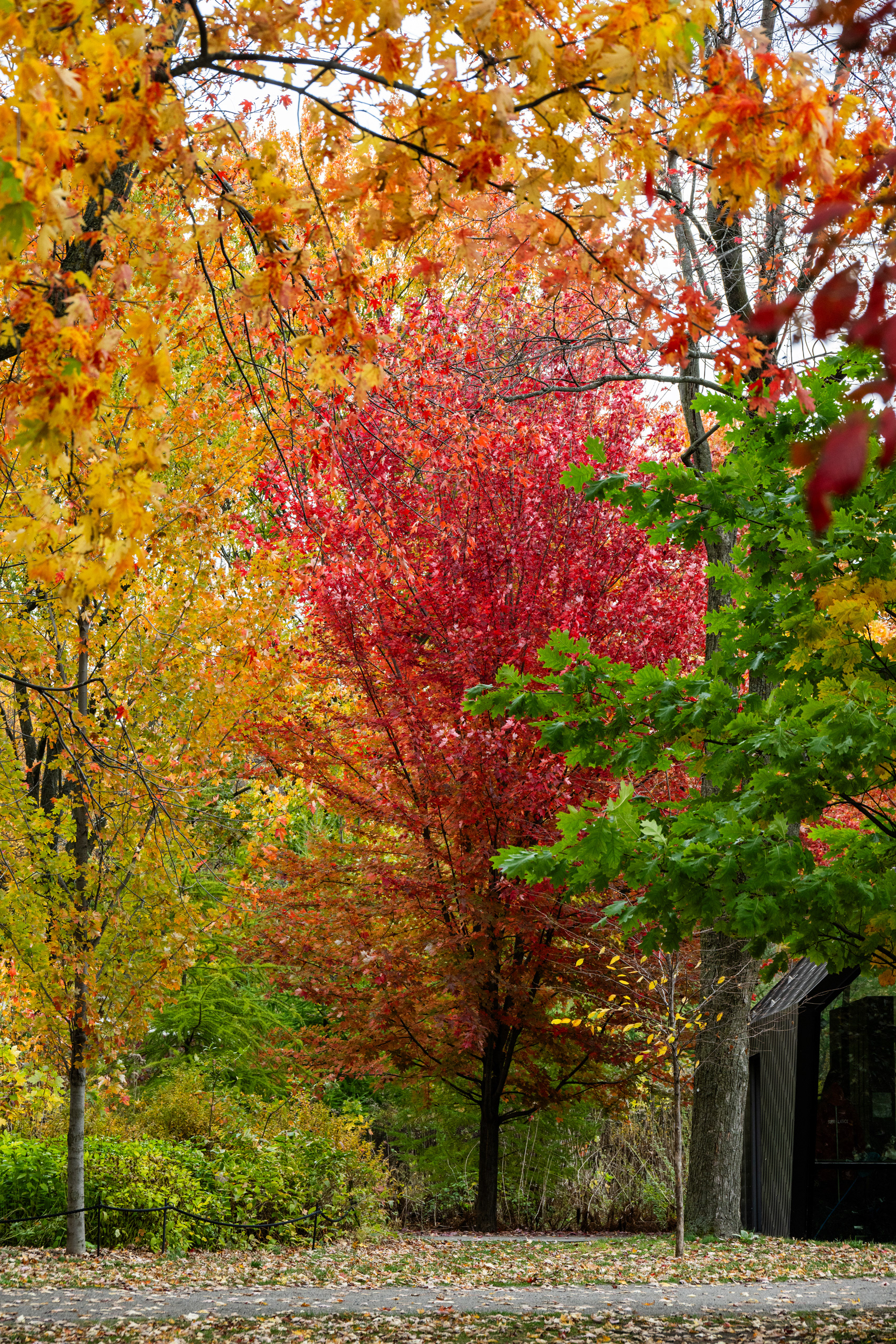
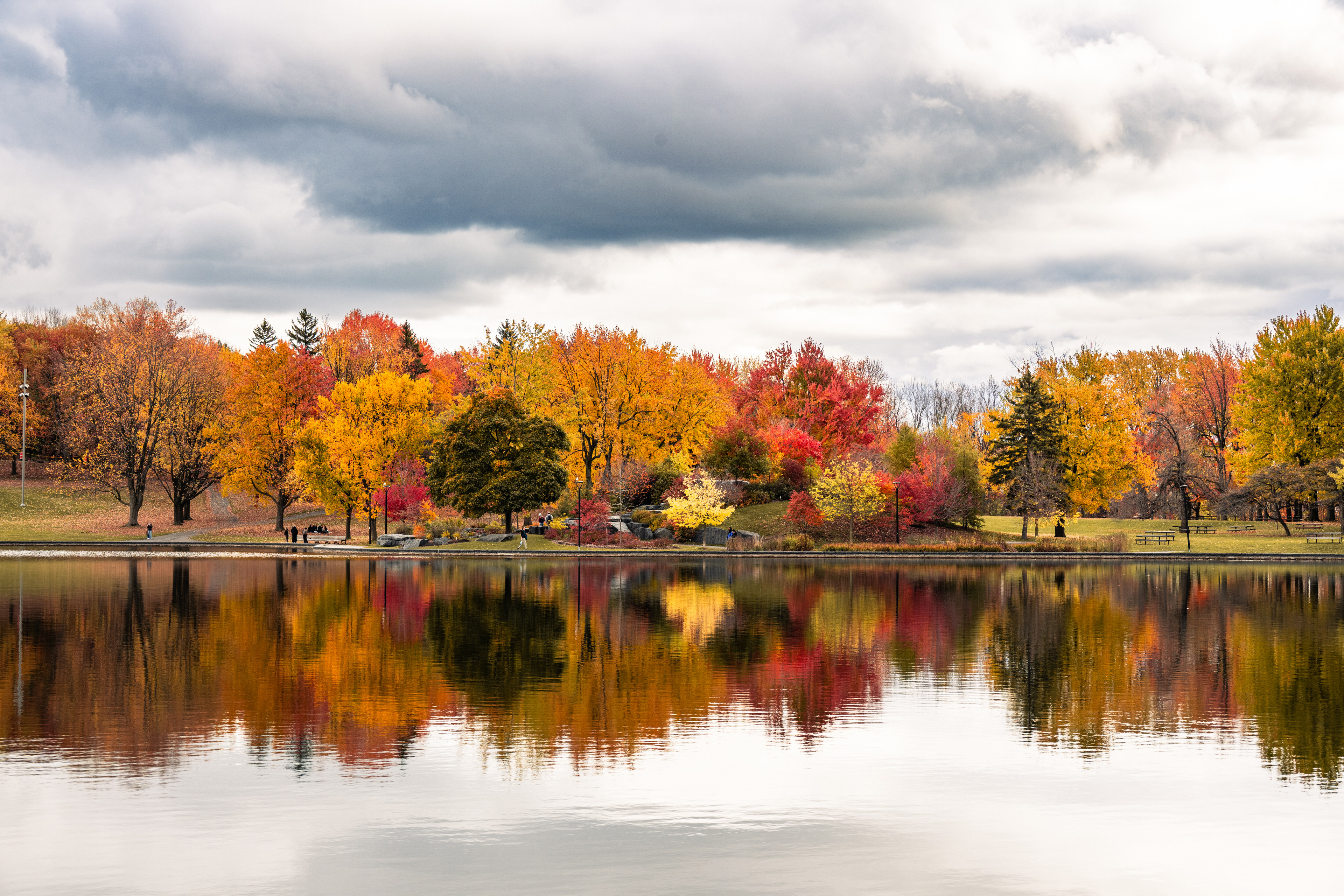
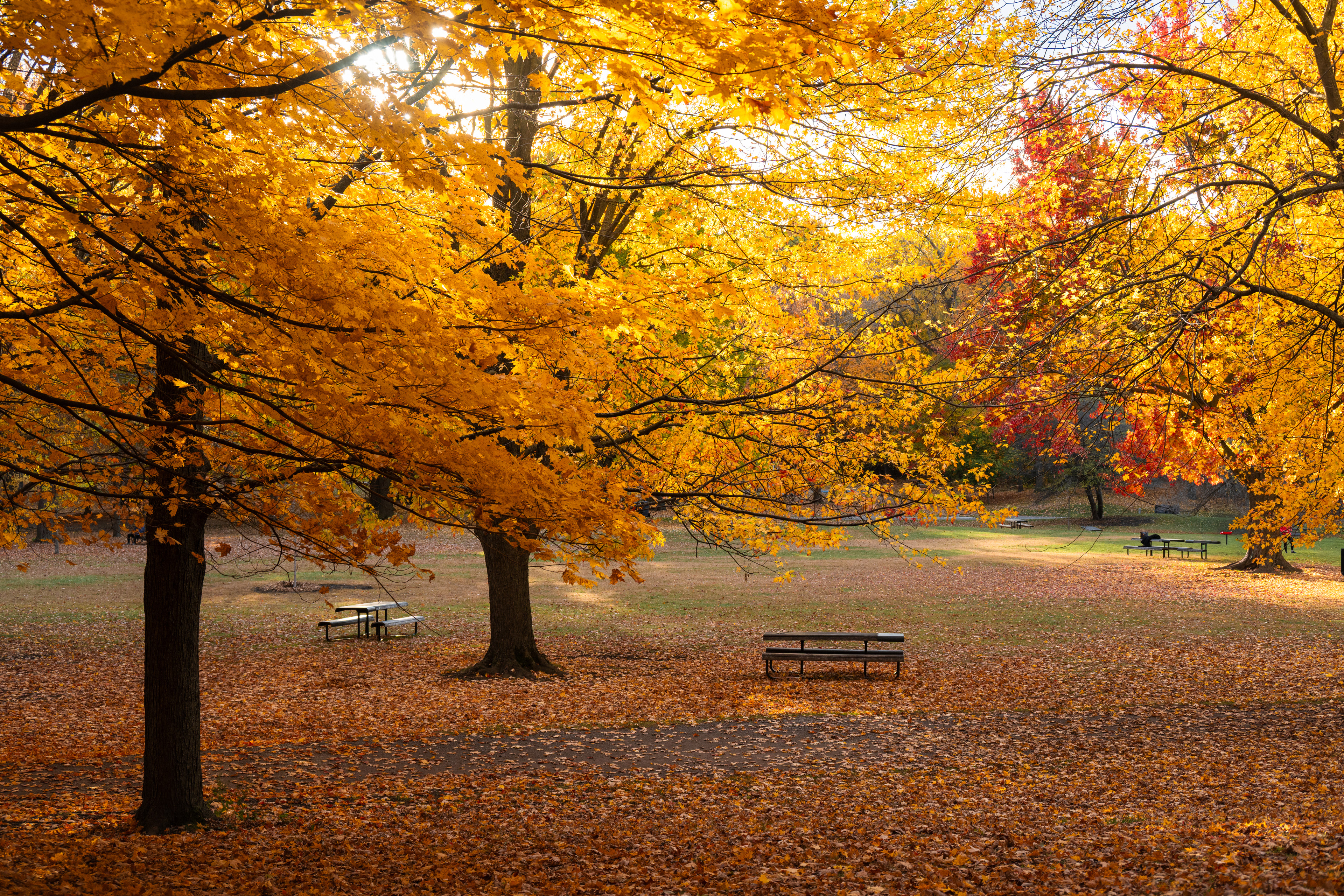
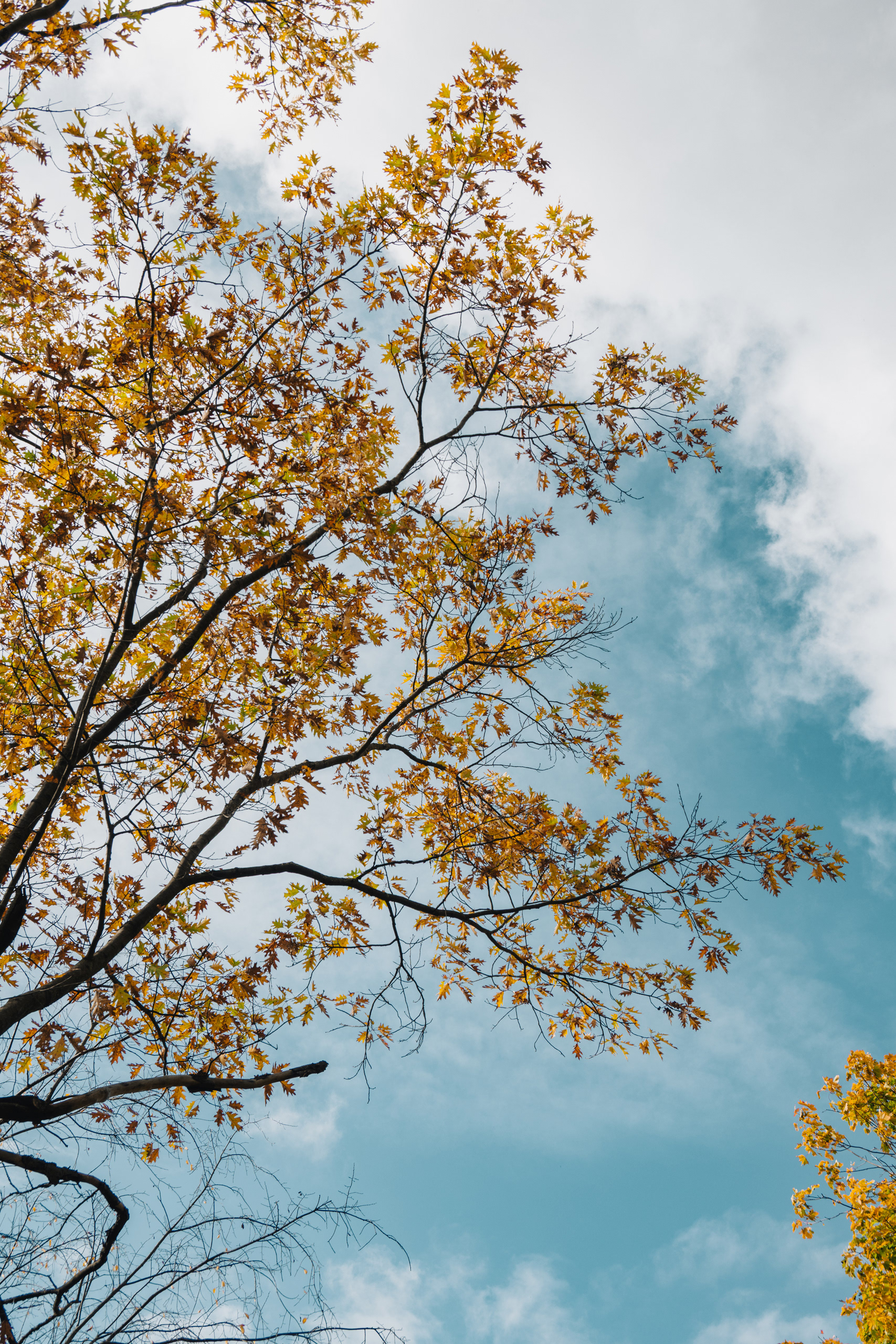
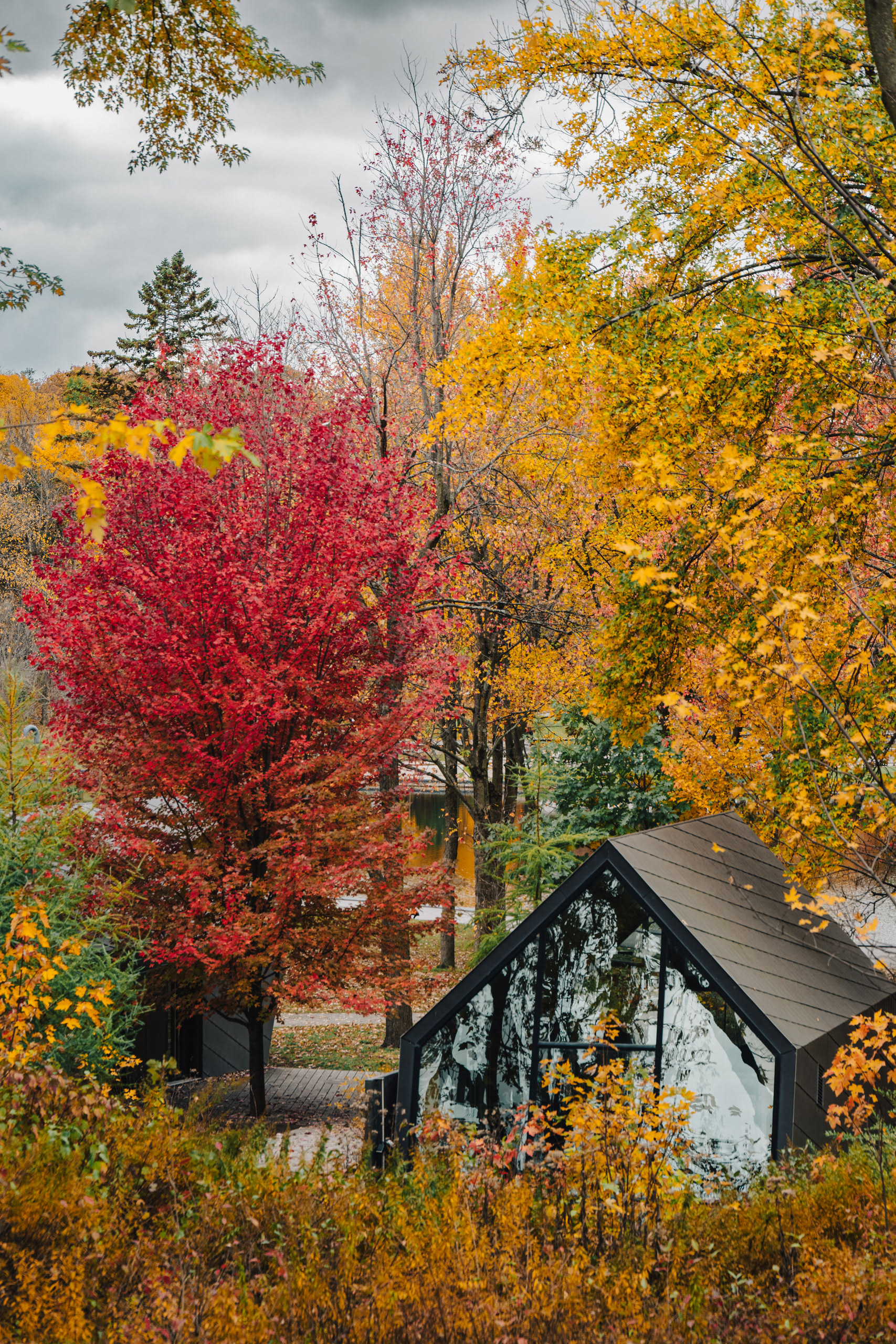
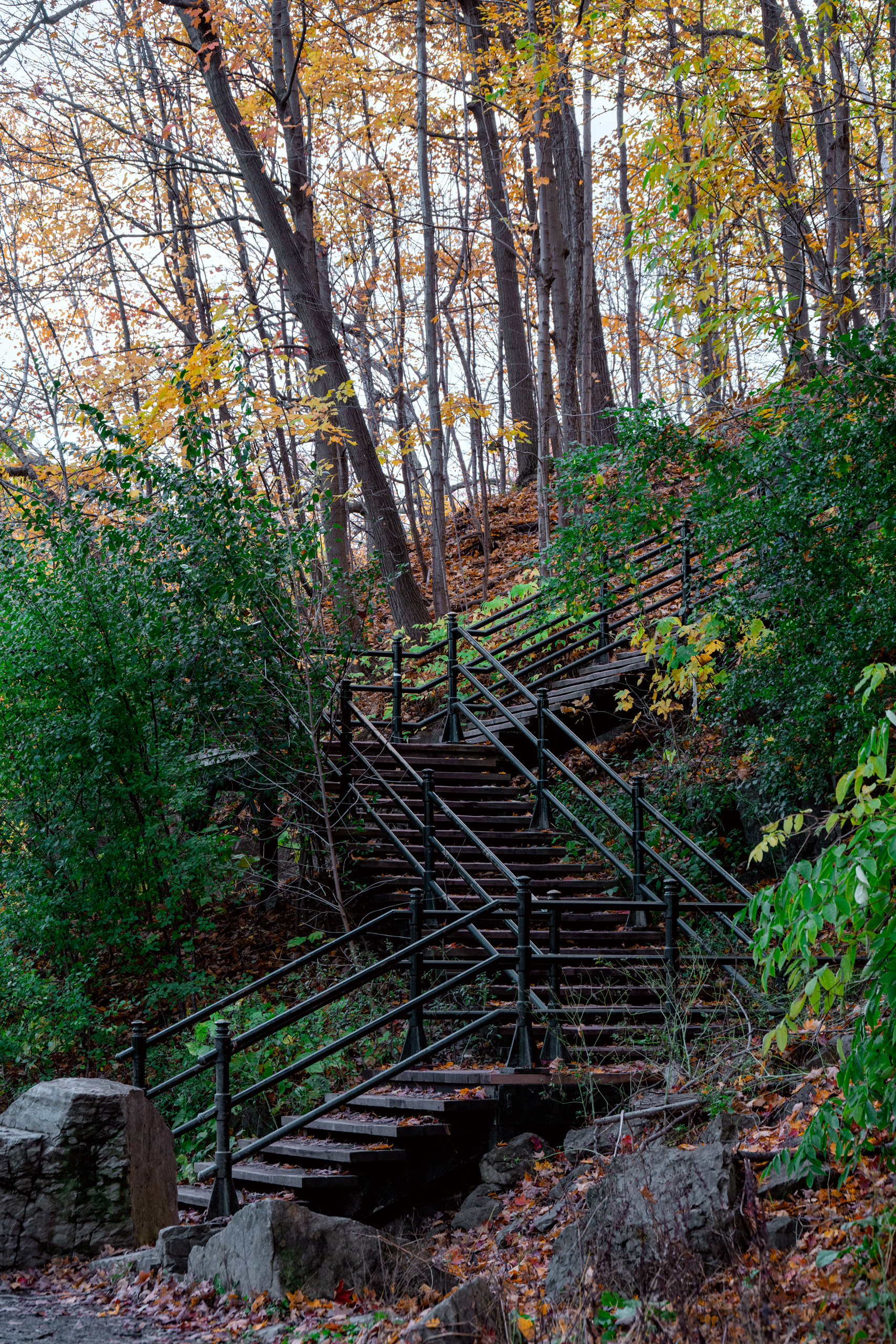
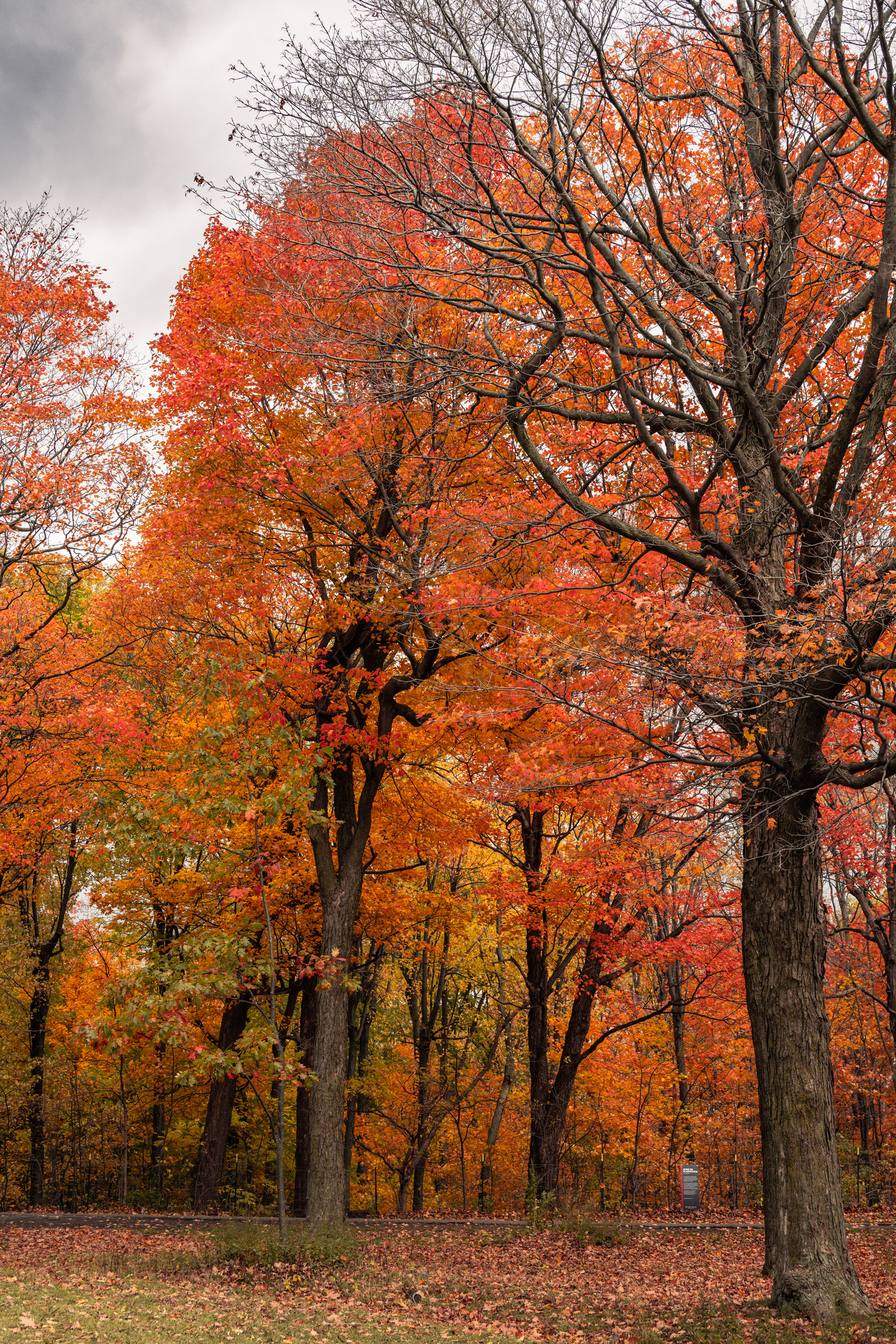
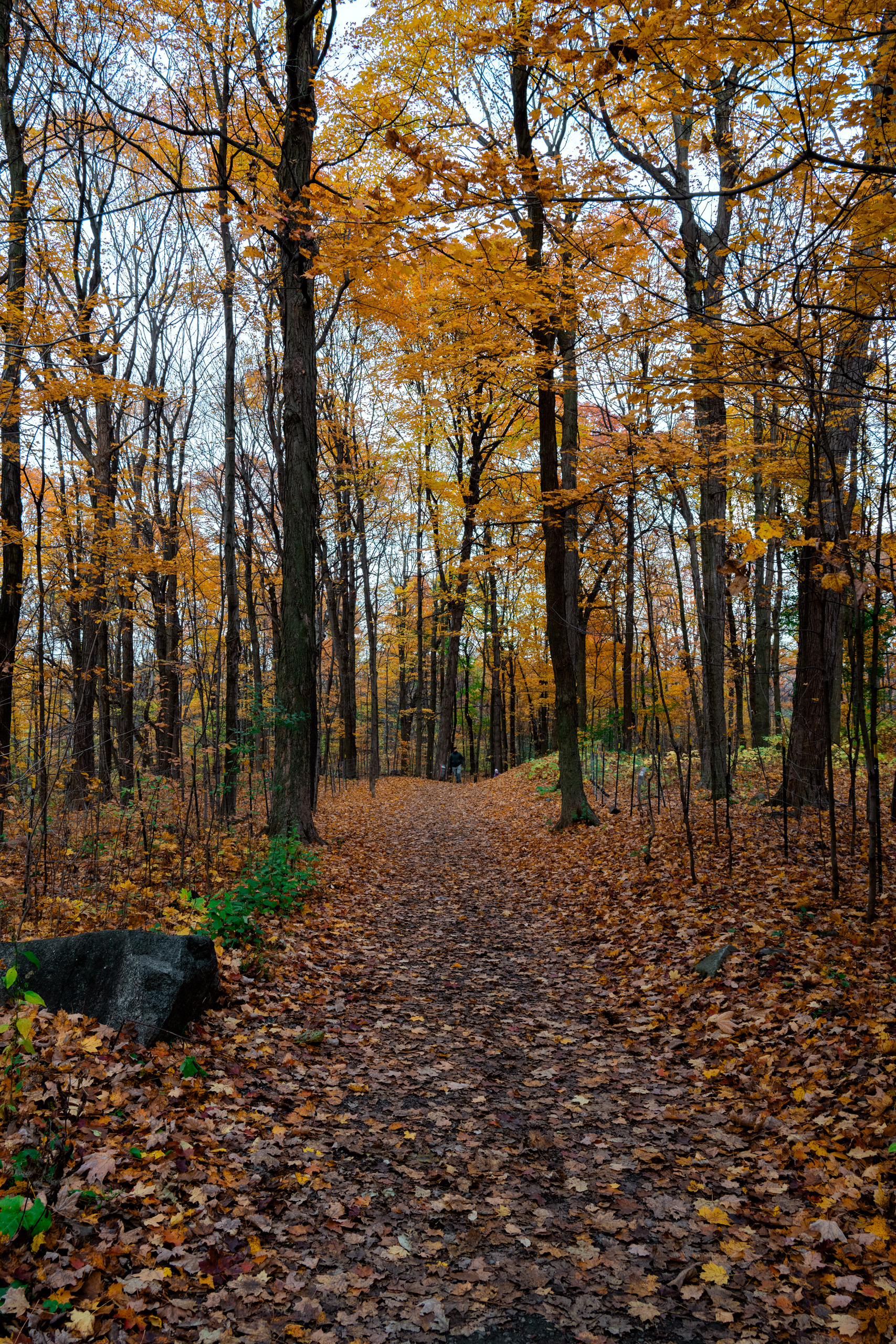
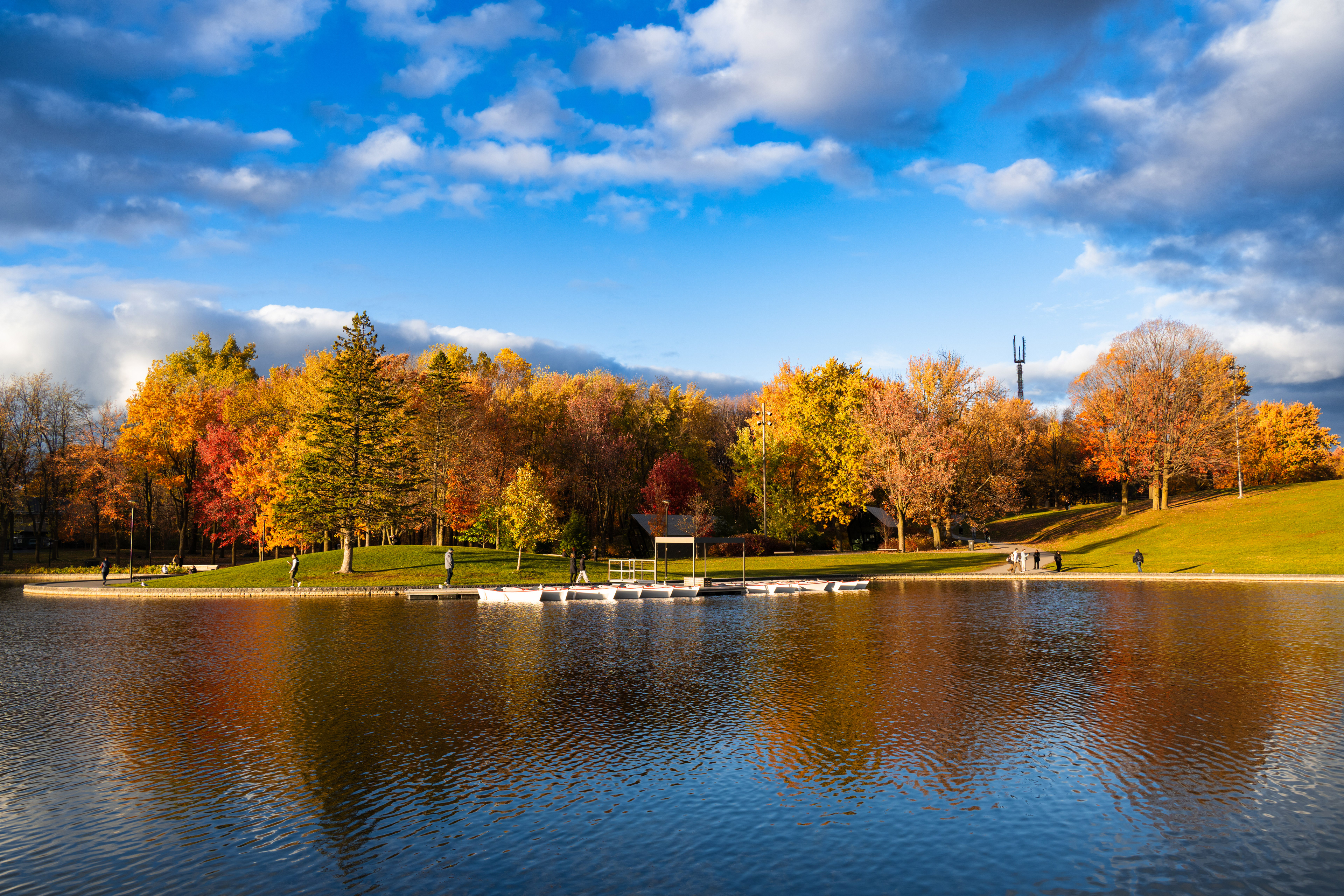
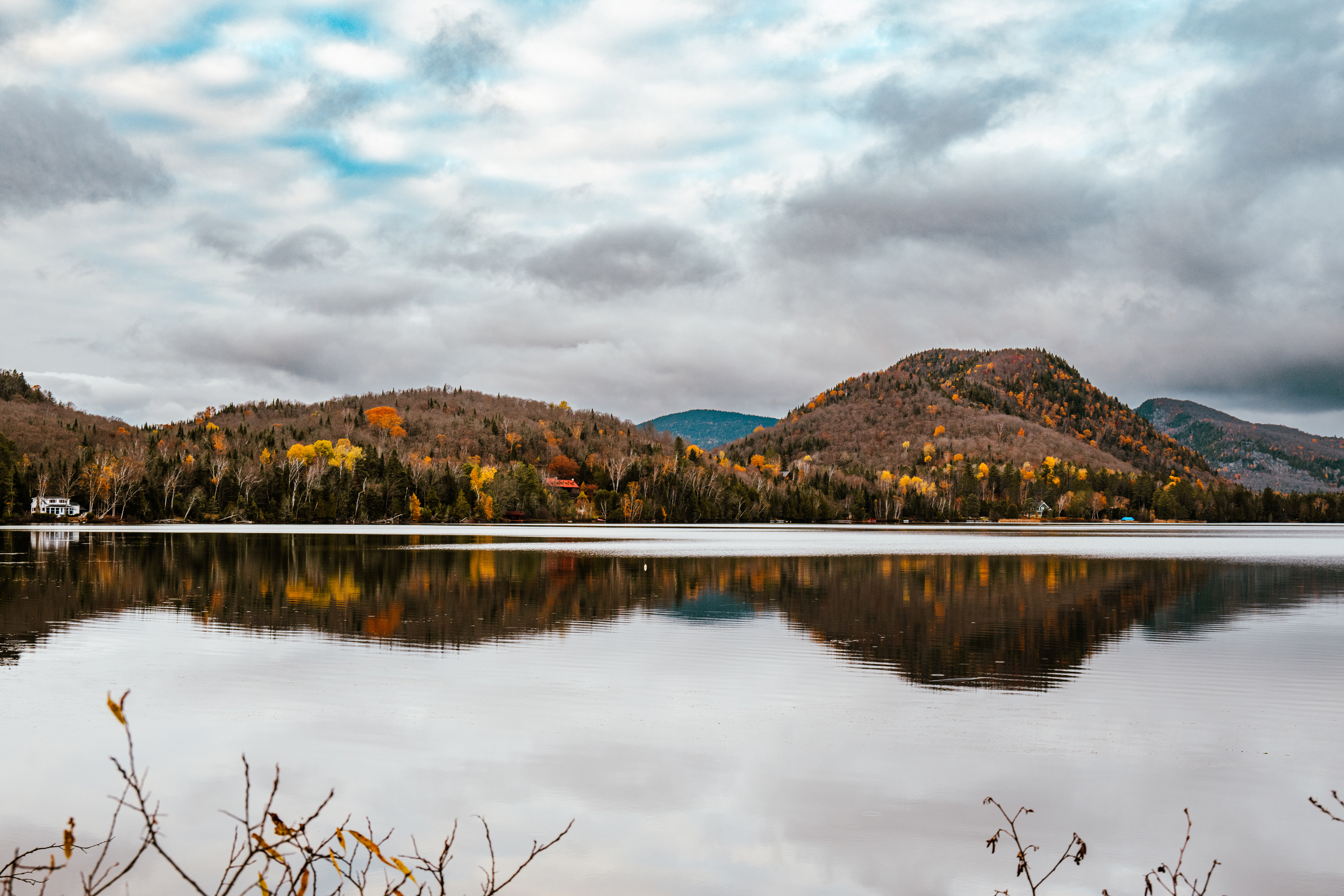
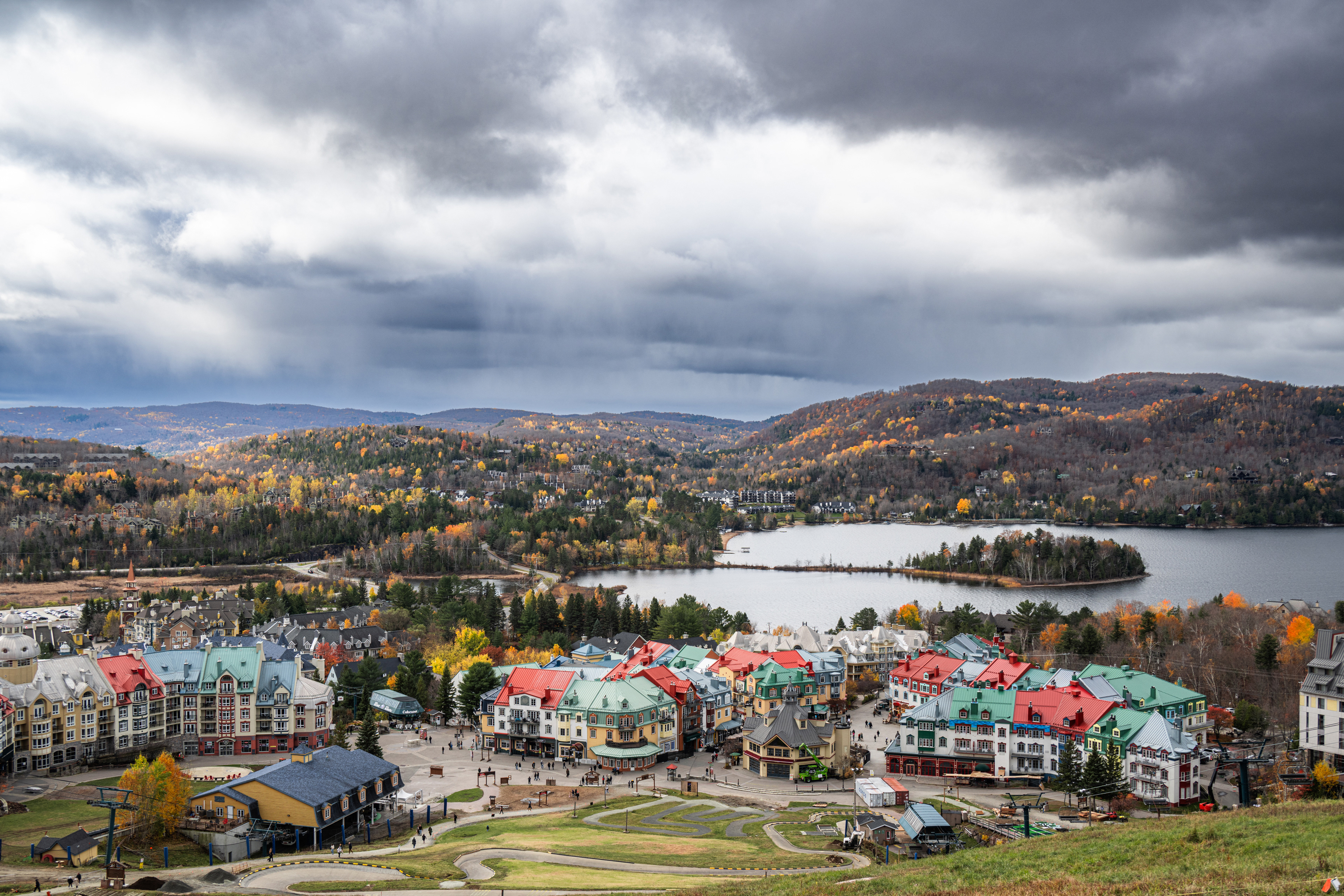
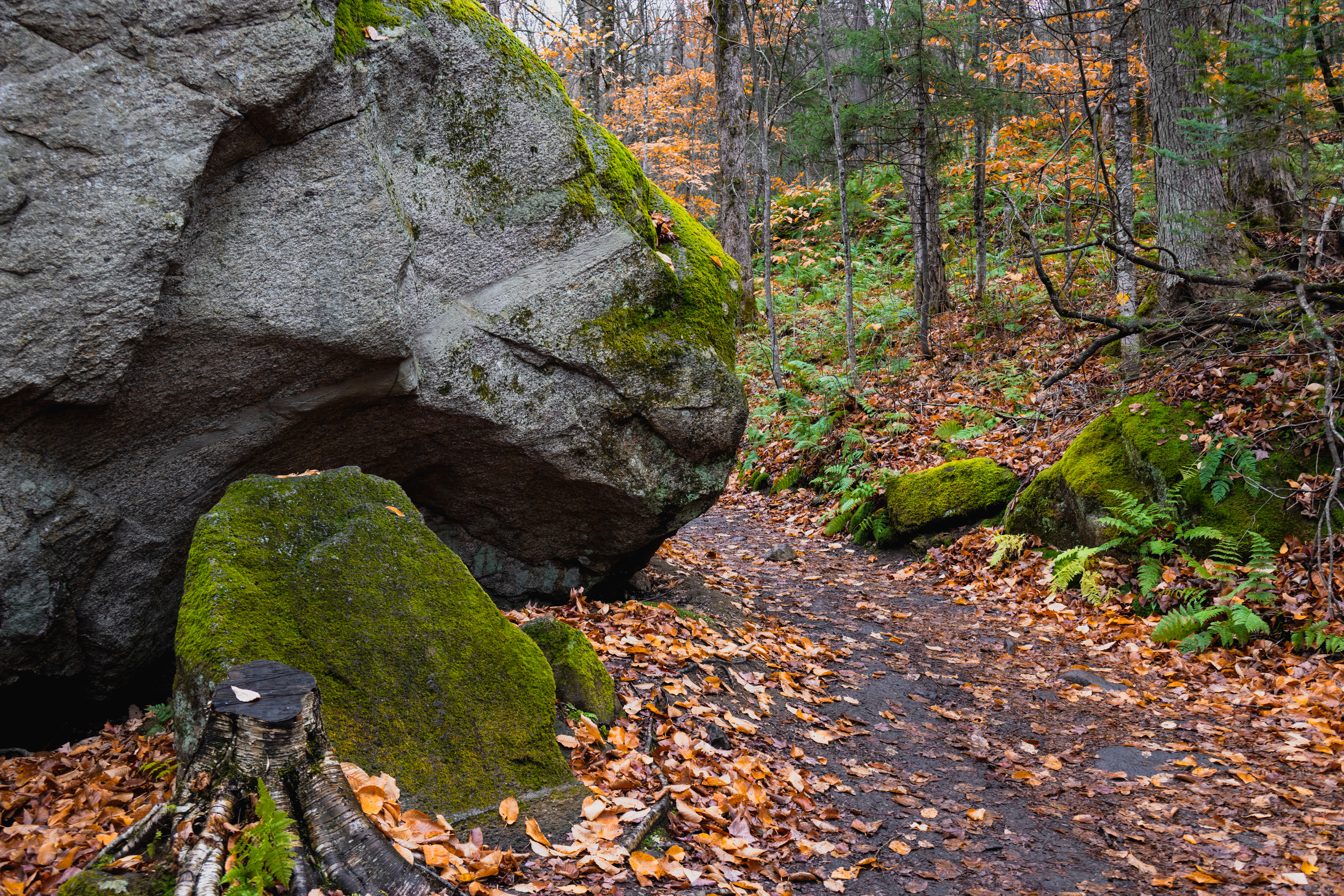
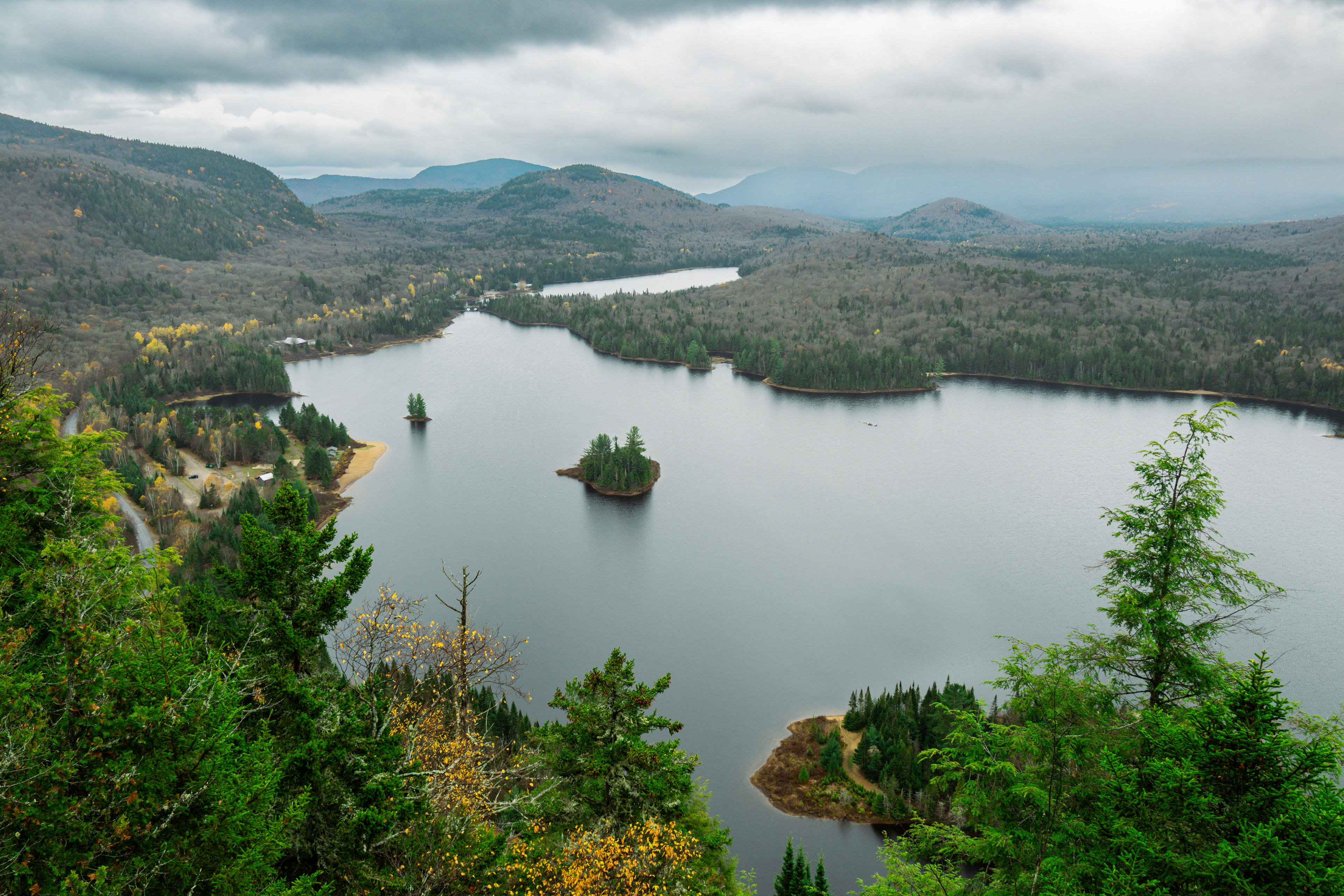
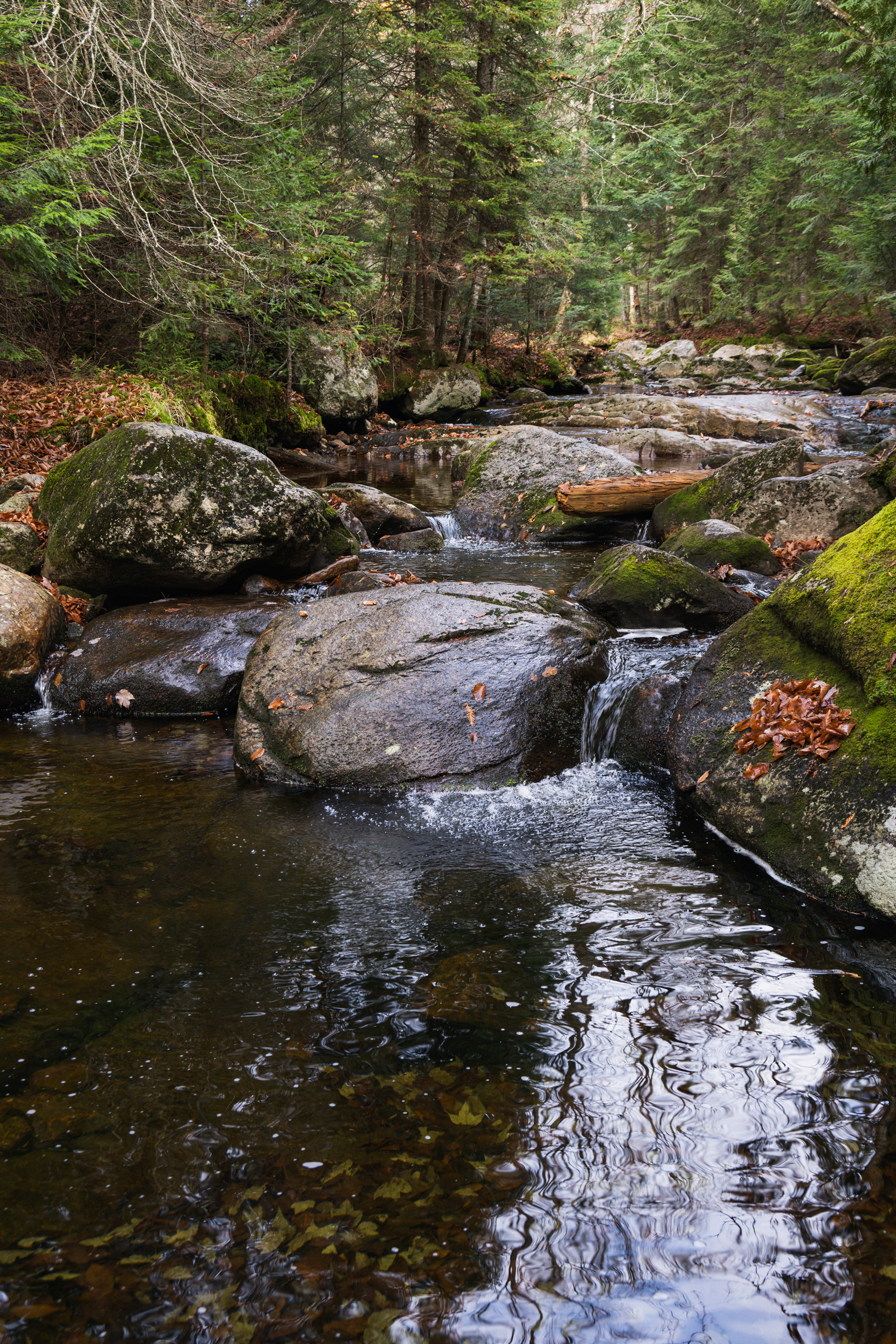
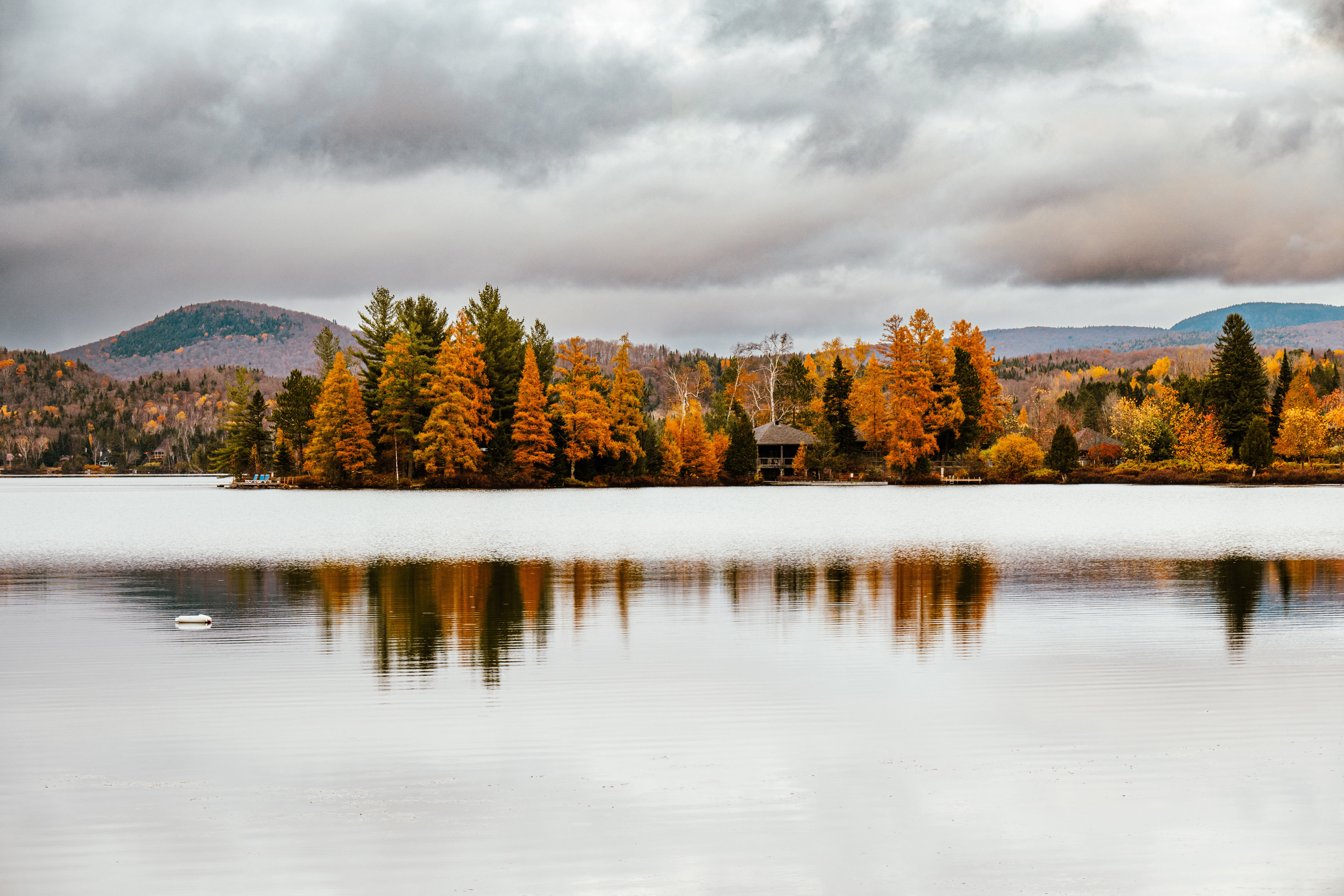
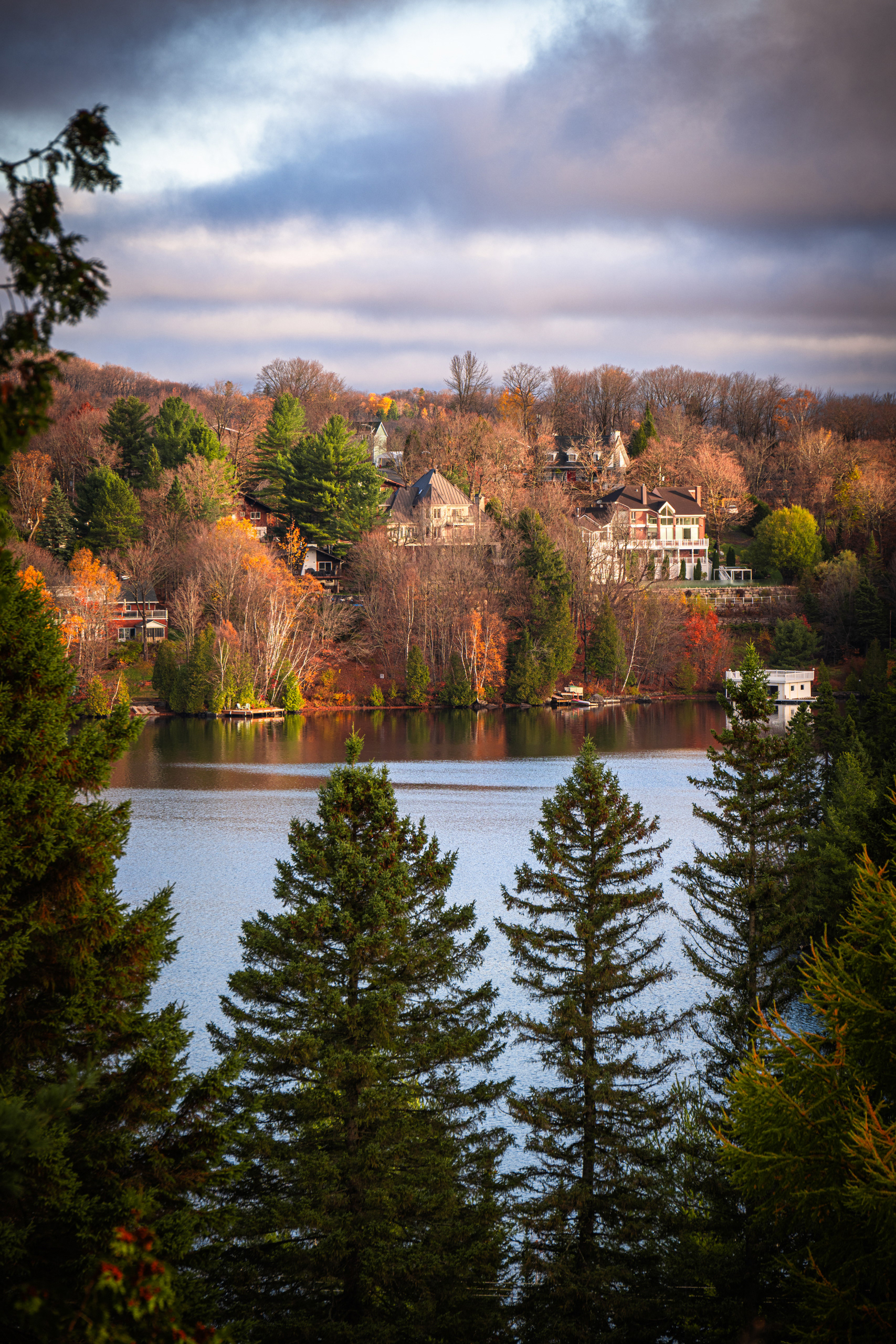
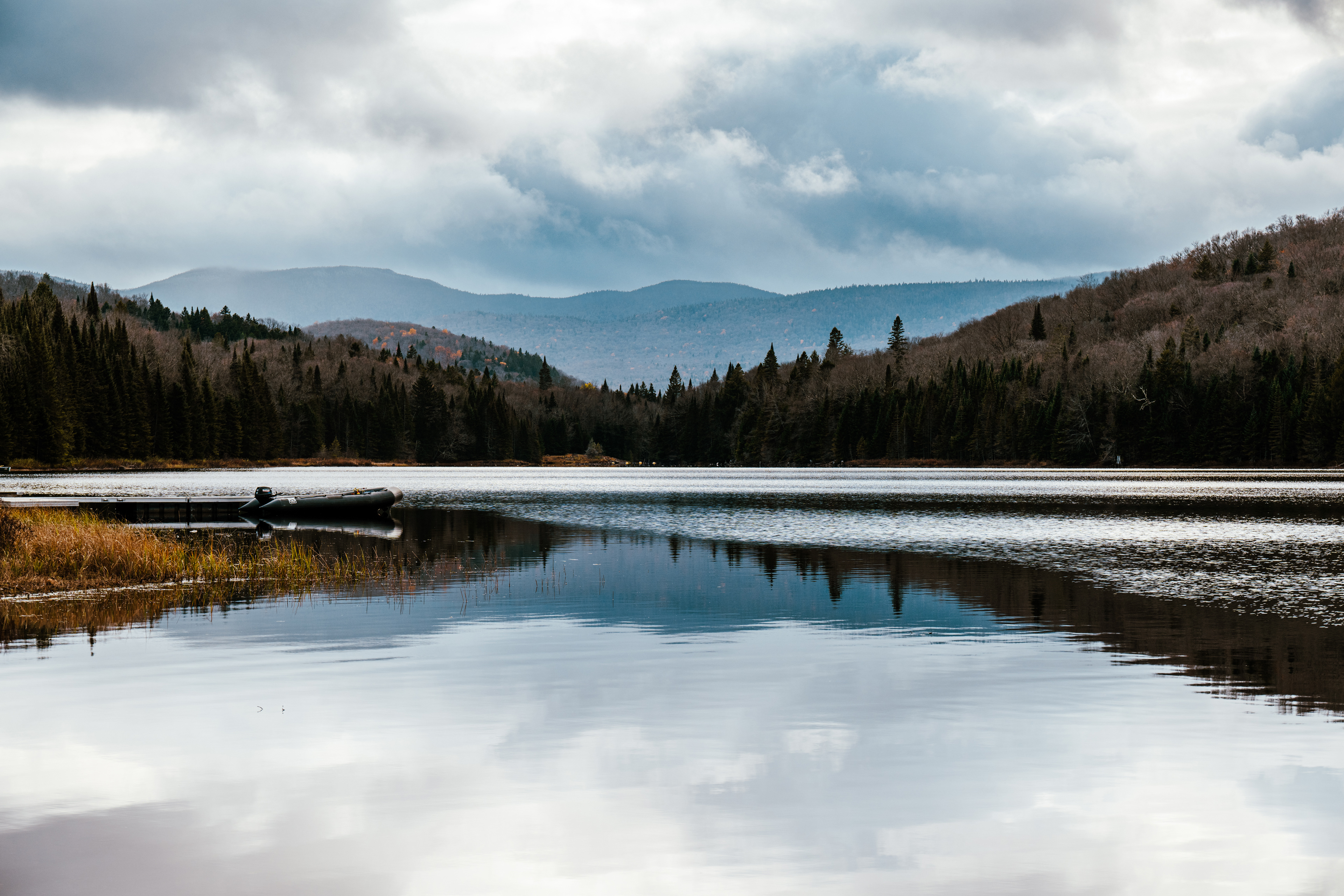
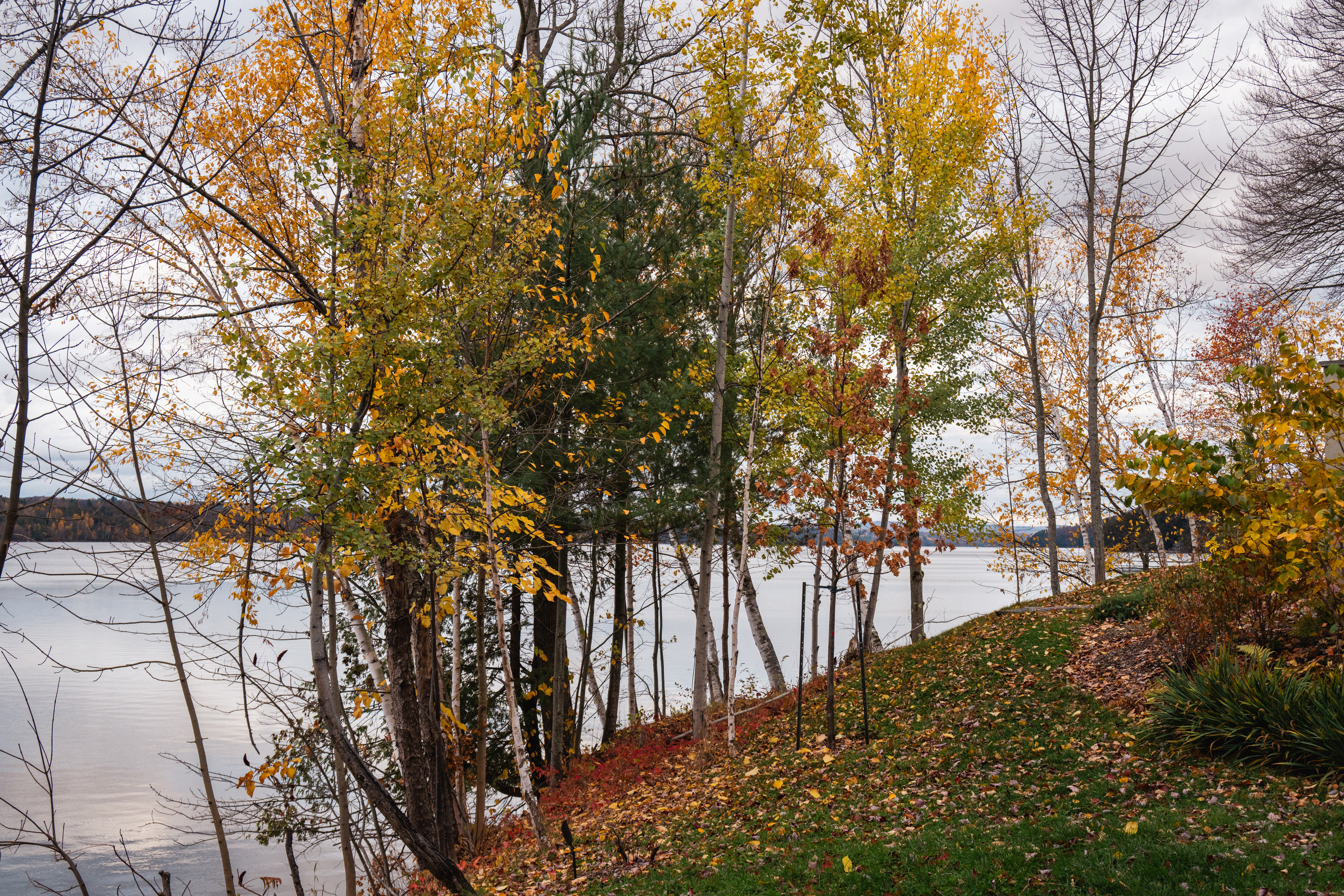
The Laurentians are among the oldest mountain ranges on earth — far older than the Rockies, old enough that they've had the sharp edges worn off by a billion years of wind and glaciation. What's left is a landscape of rounded summits, deep blue lakes, and forest that in October looks like someone took a palette knife to a canvas and just went for it.
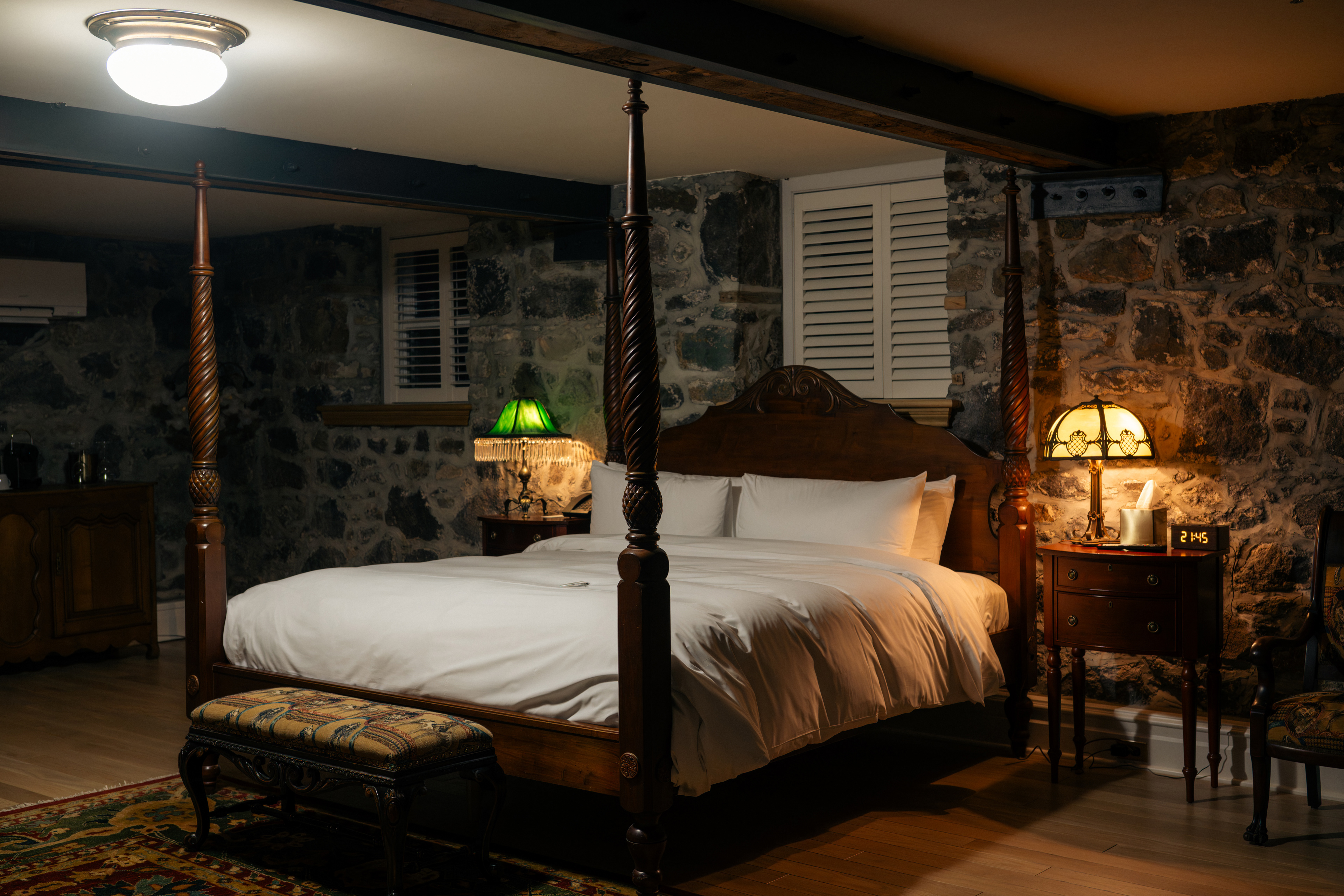
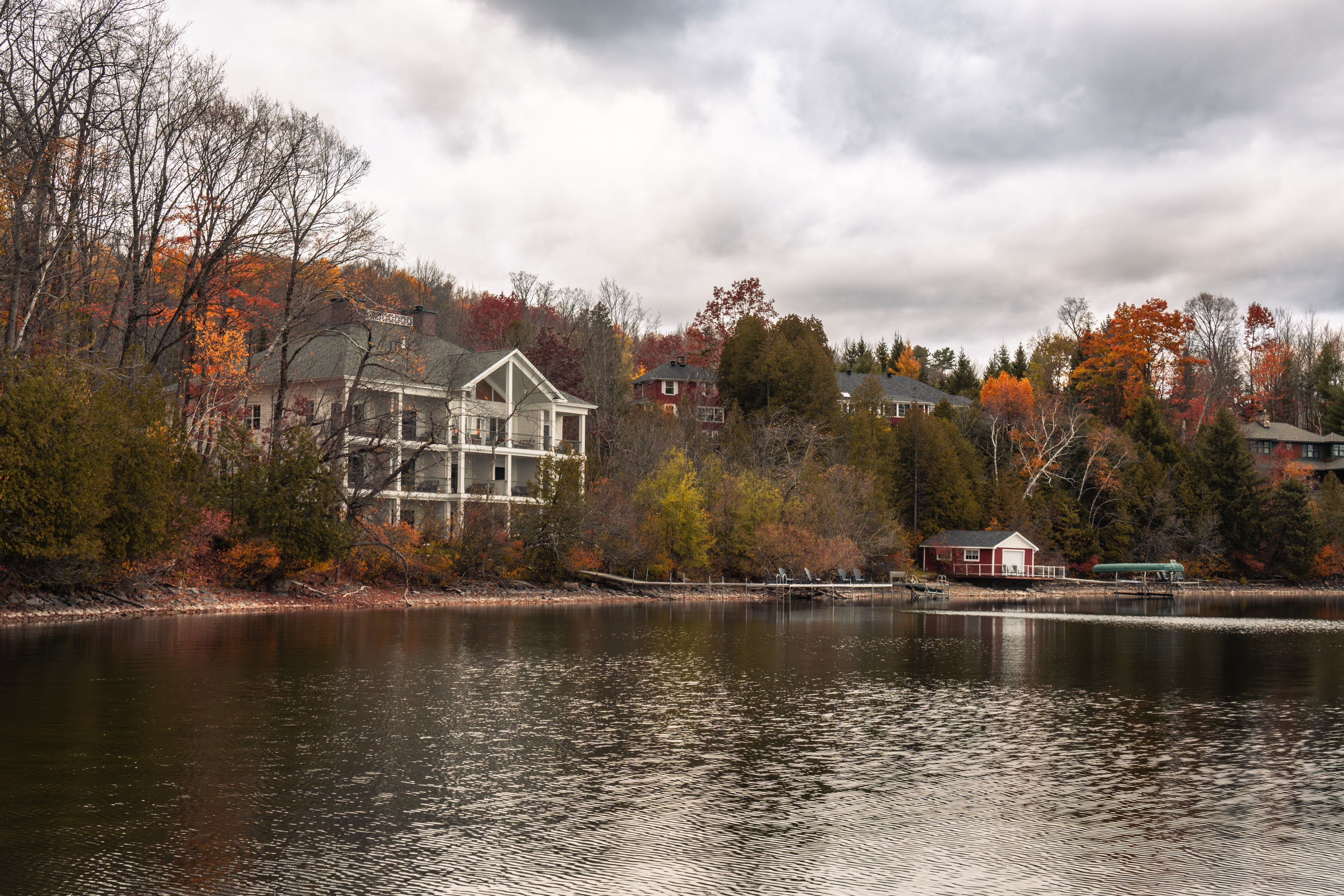
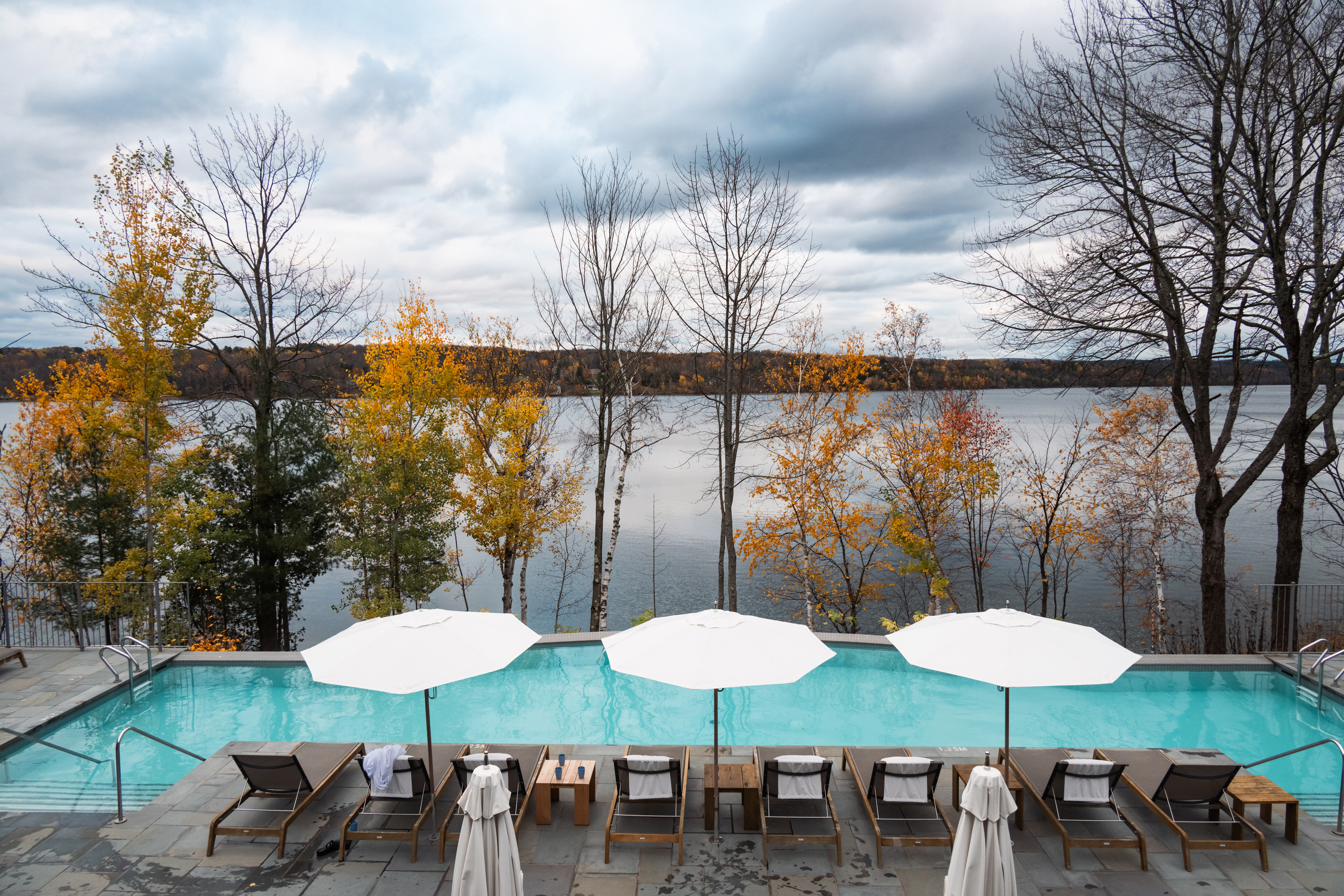
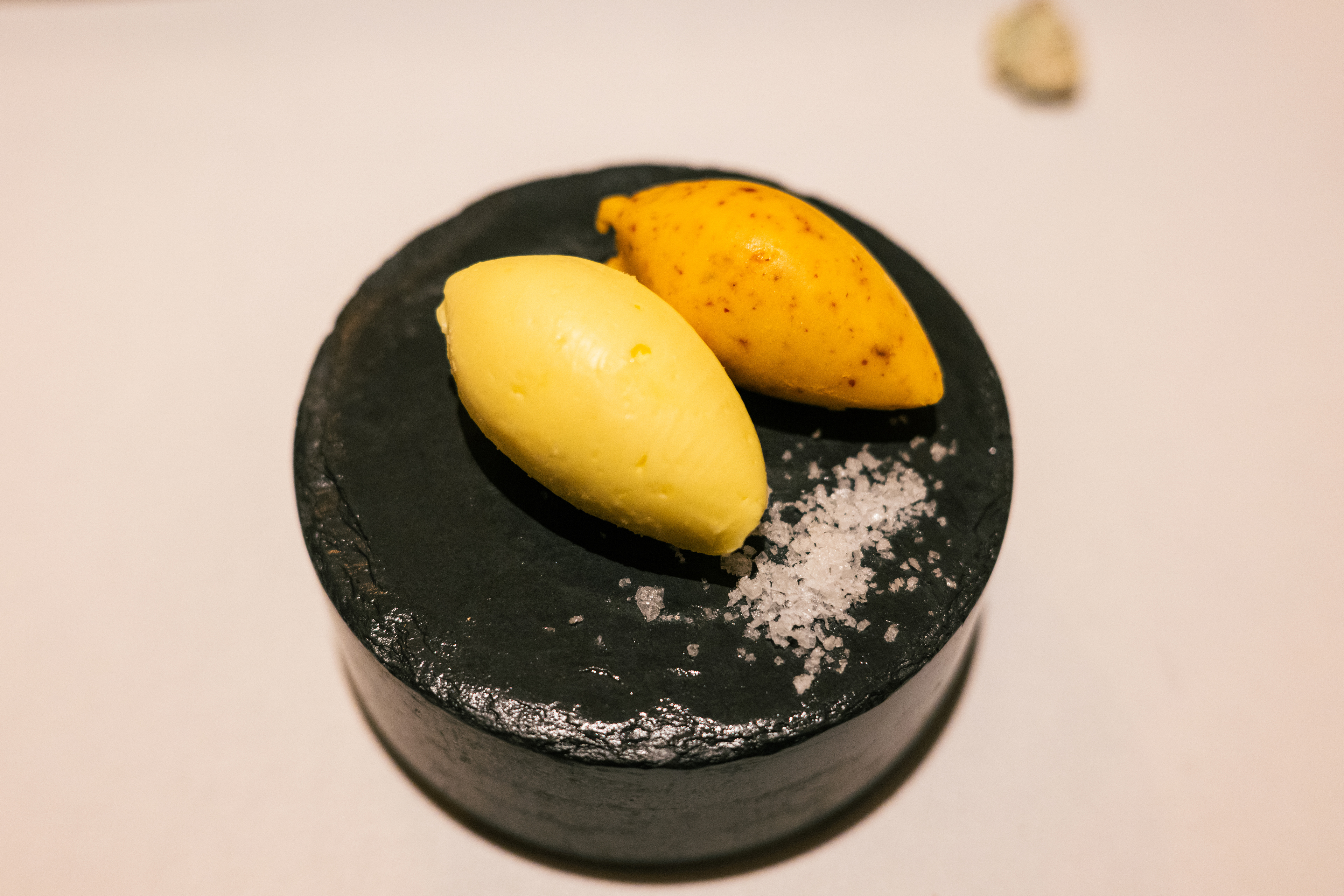
StoneHaven Le Manoir, our base for two nights, sits above Lac des Sables in Sainte-Agathe-des-Monts. It's a Relais & Châteaux property, which is a French acronym for "you will sleep extremely well and your breakfast will be unreasonably good."
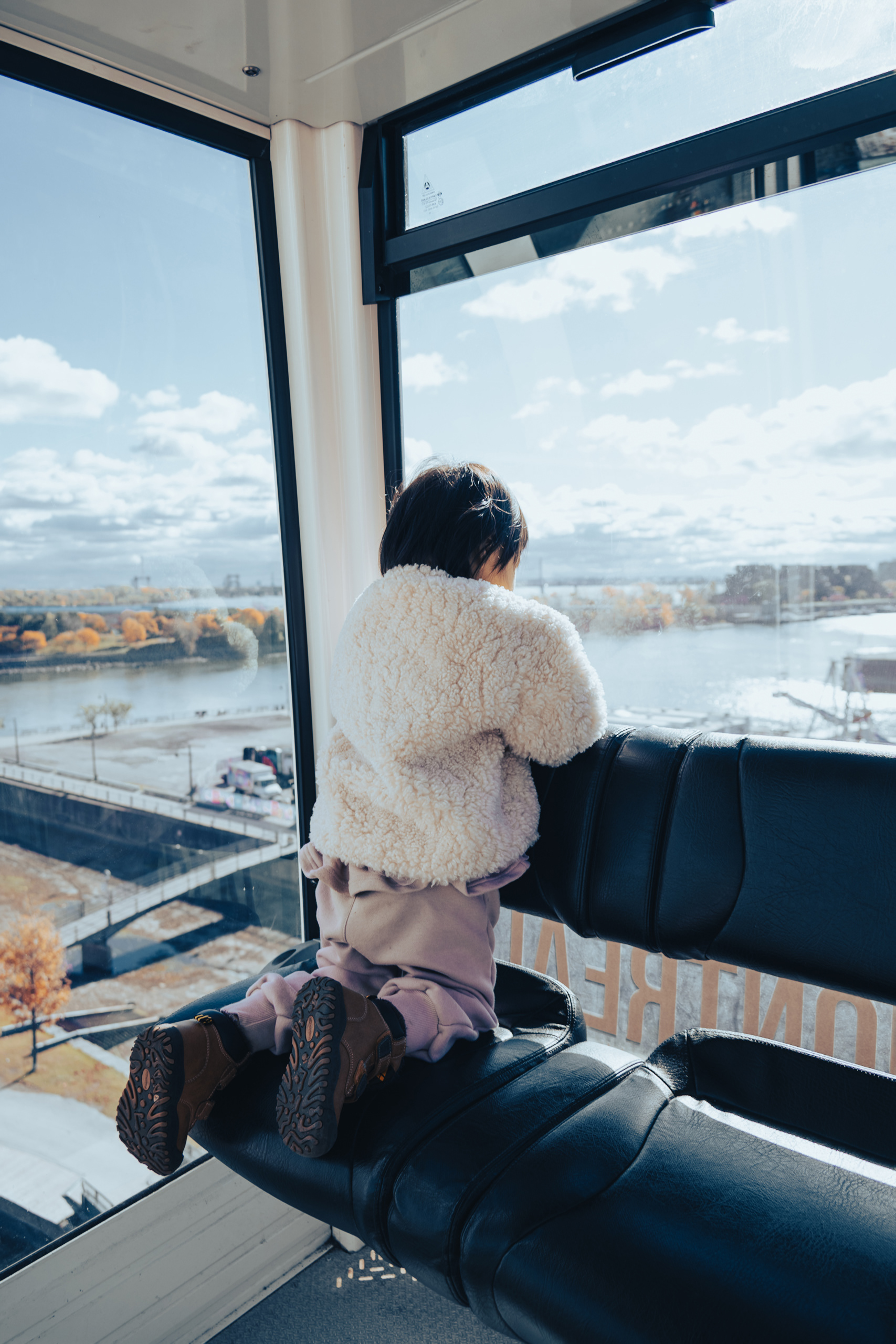
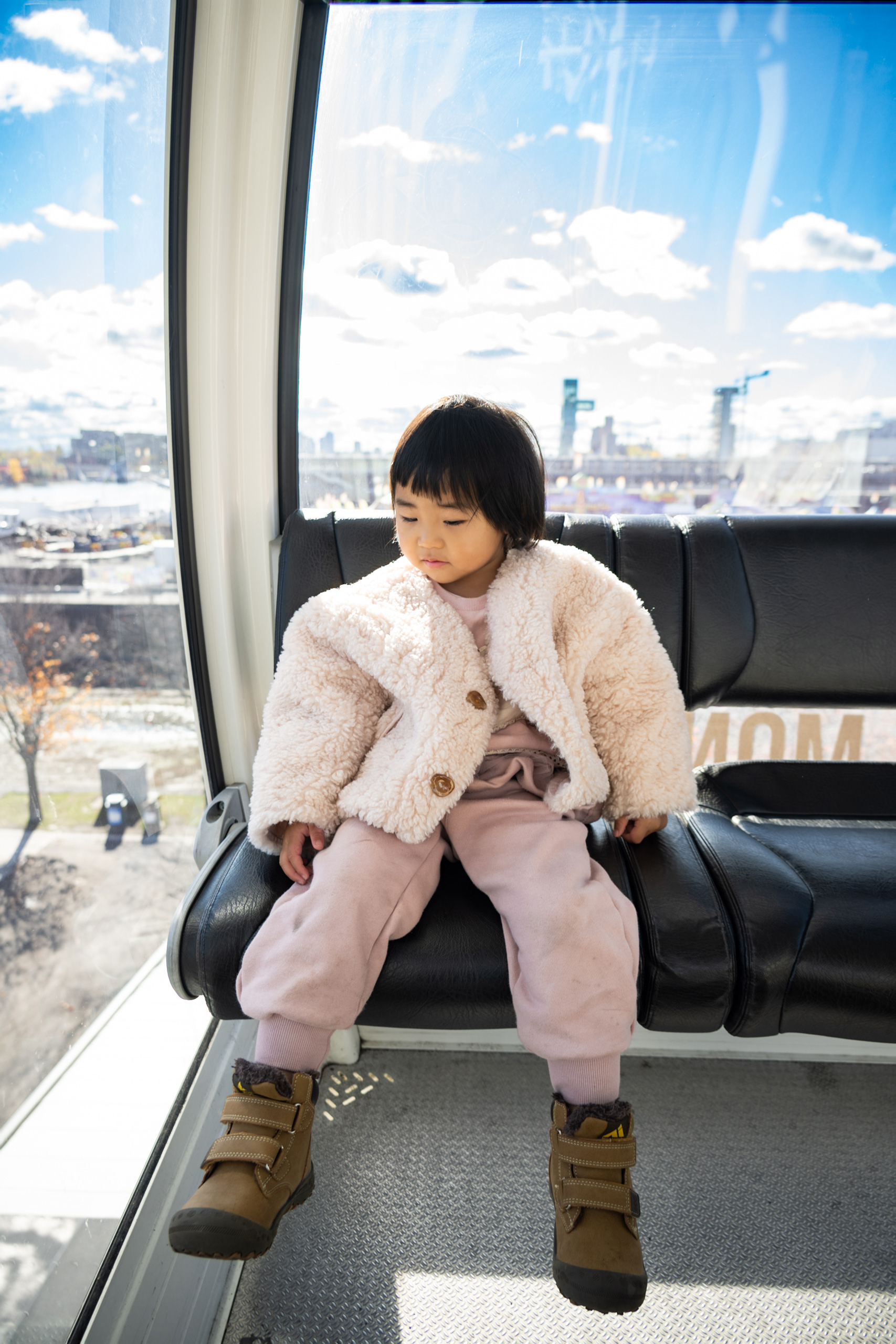
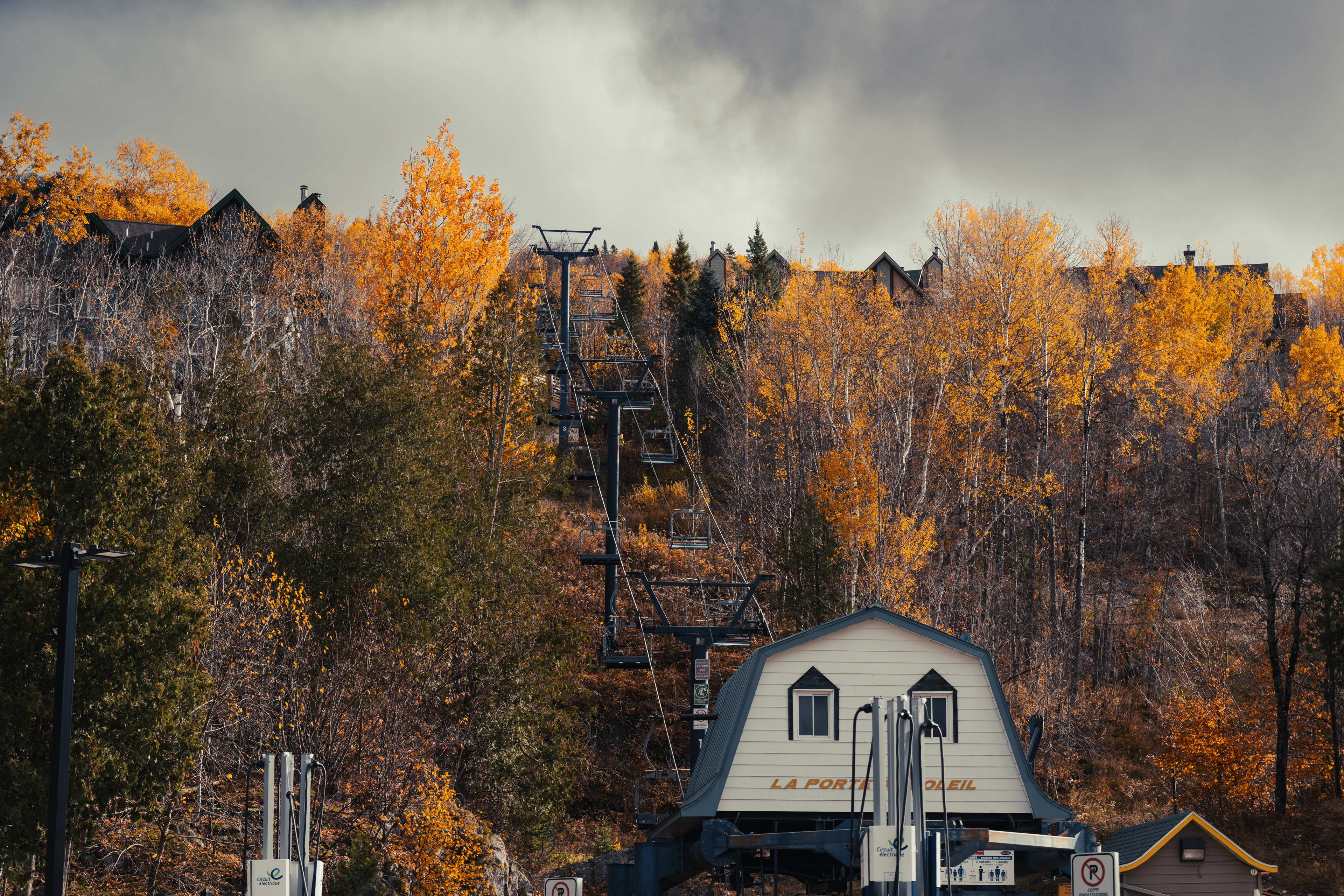
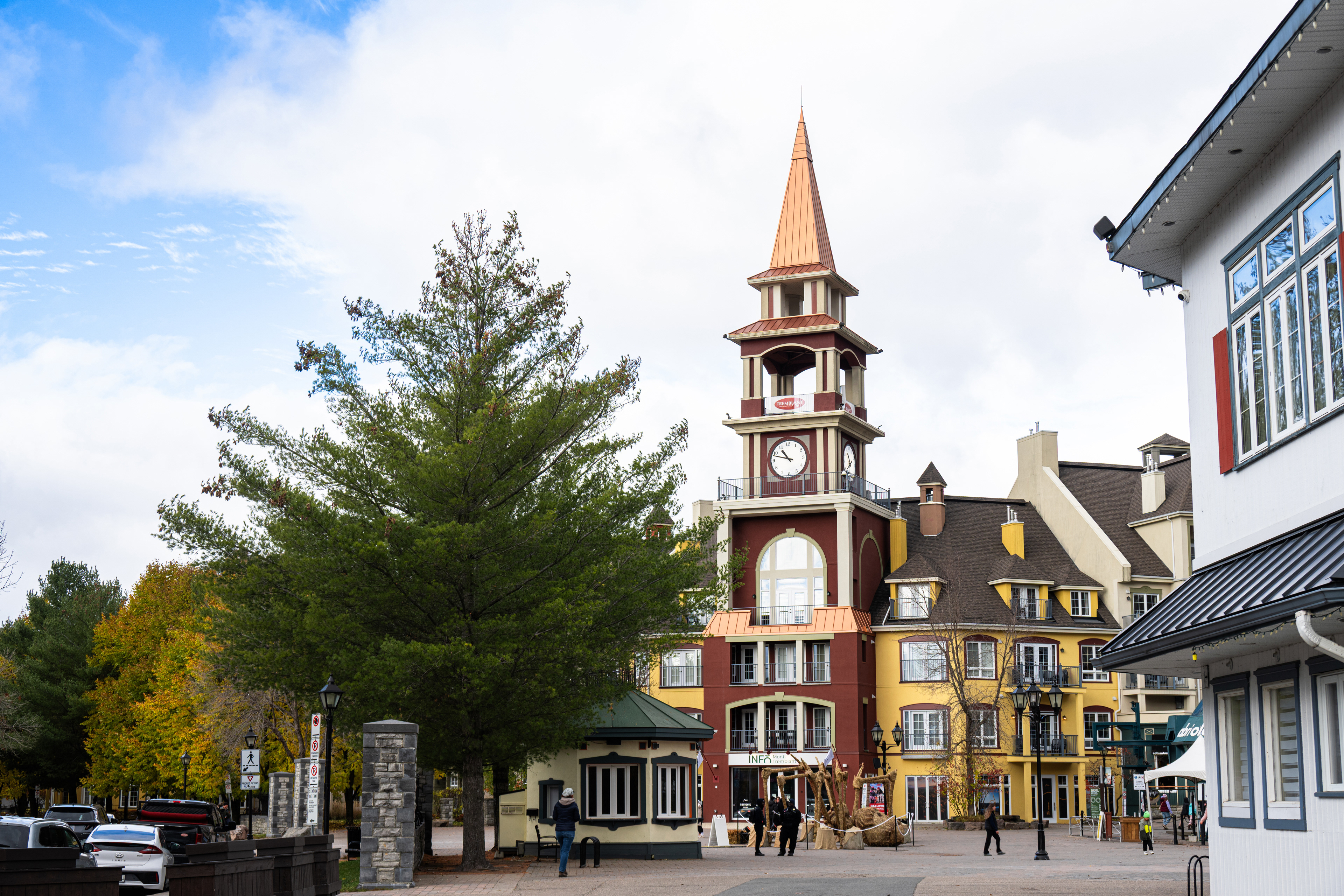
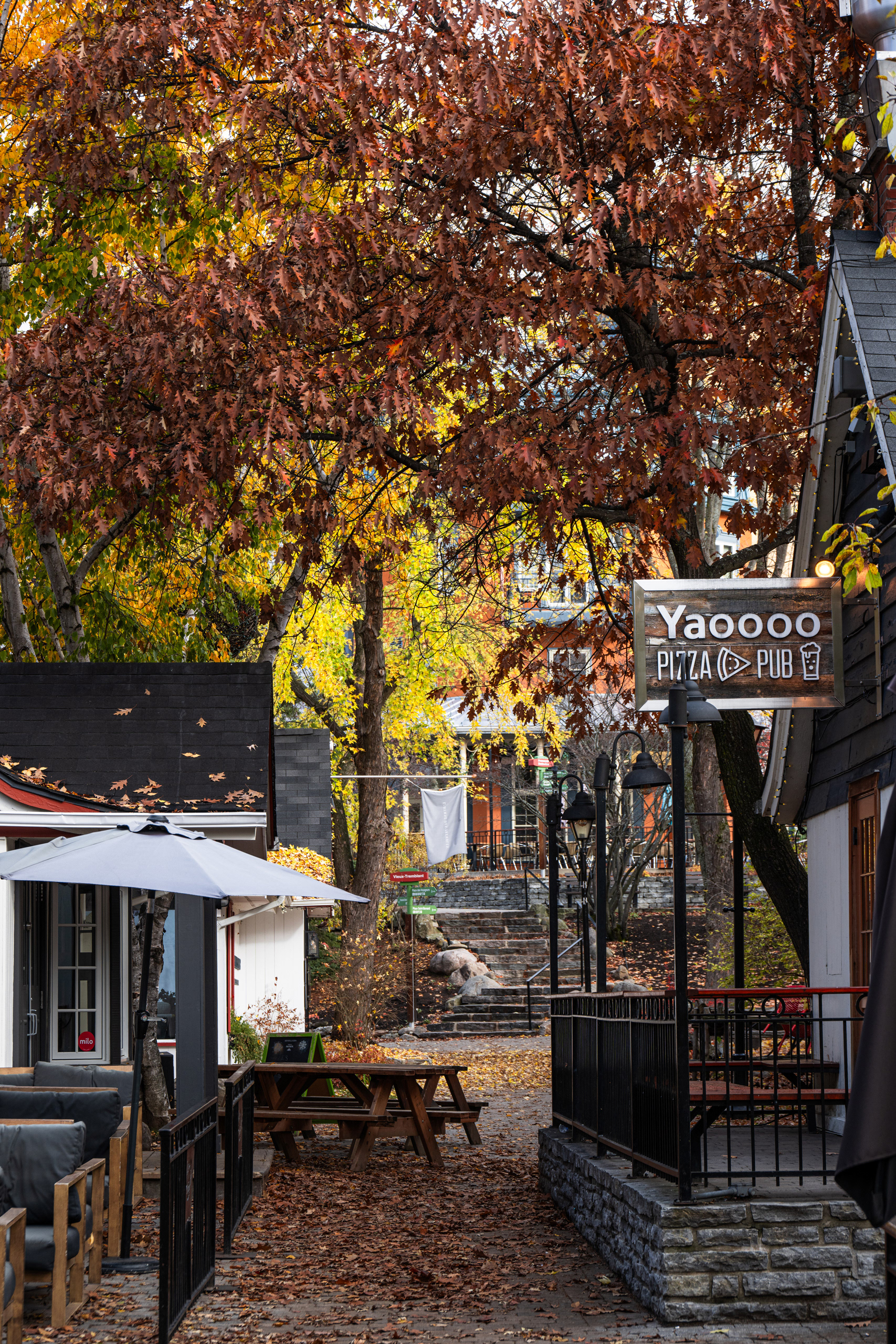
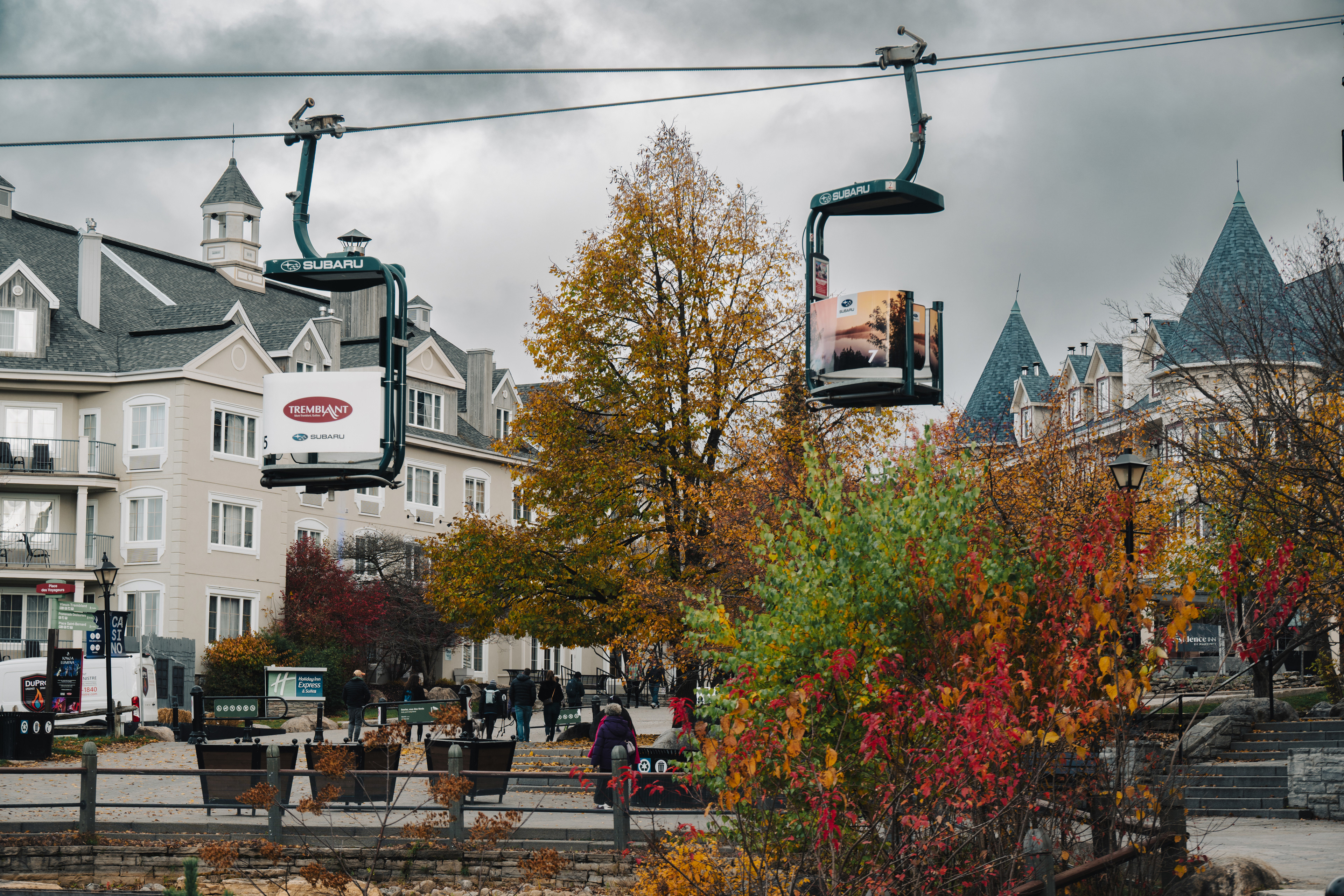
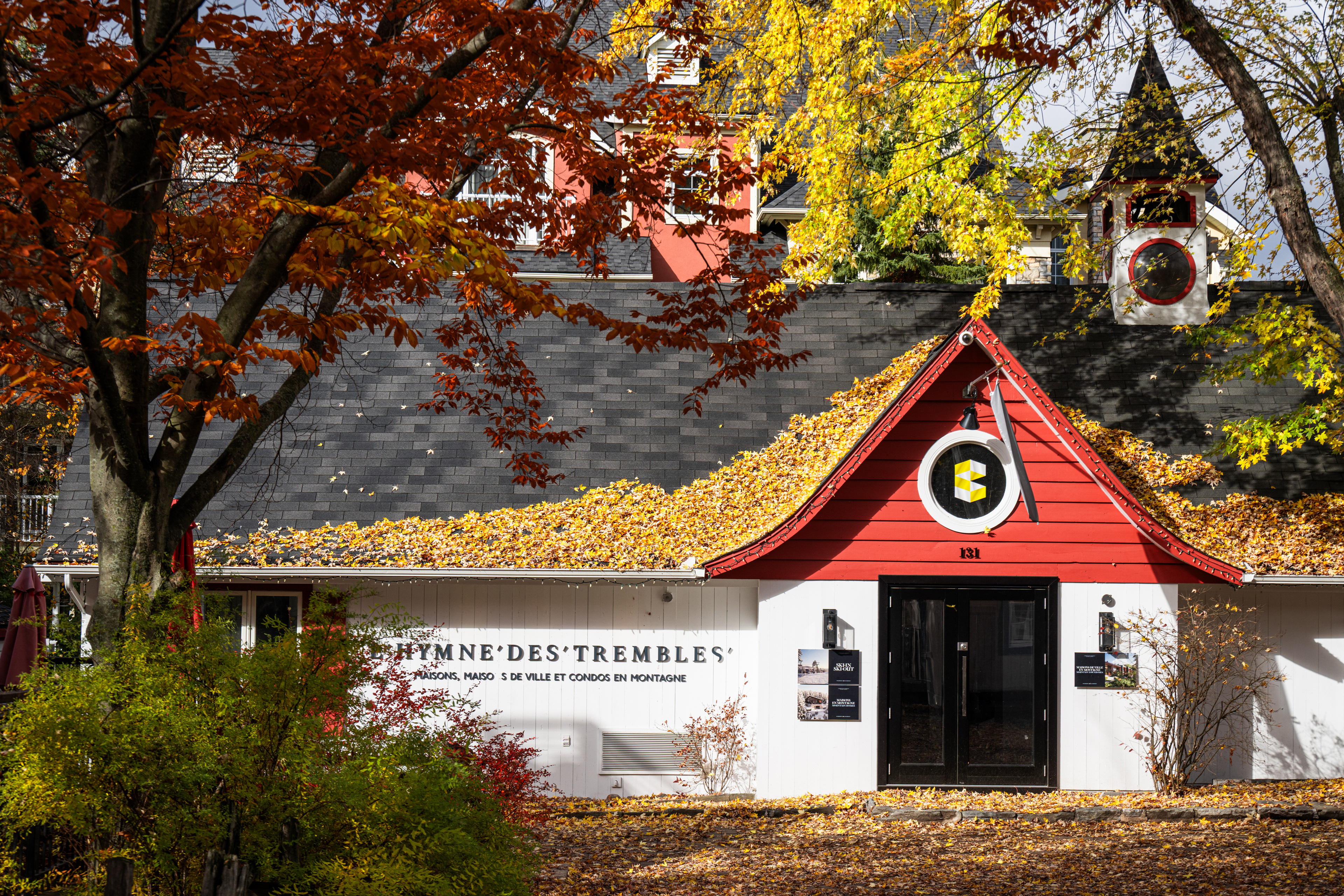
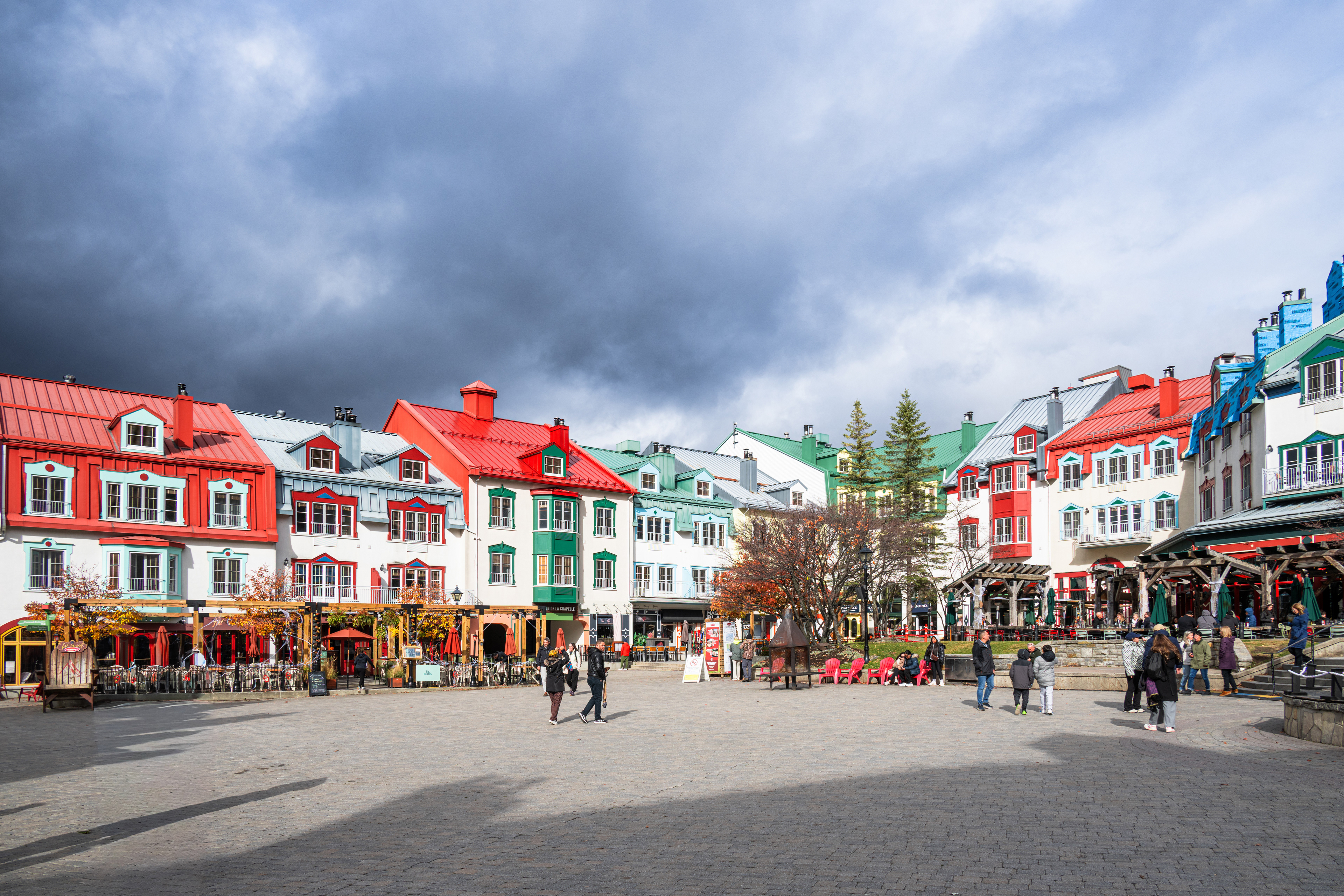
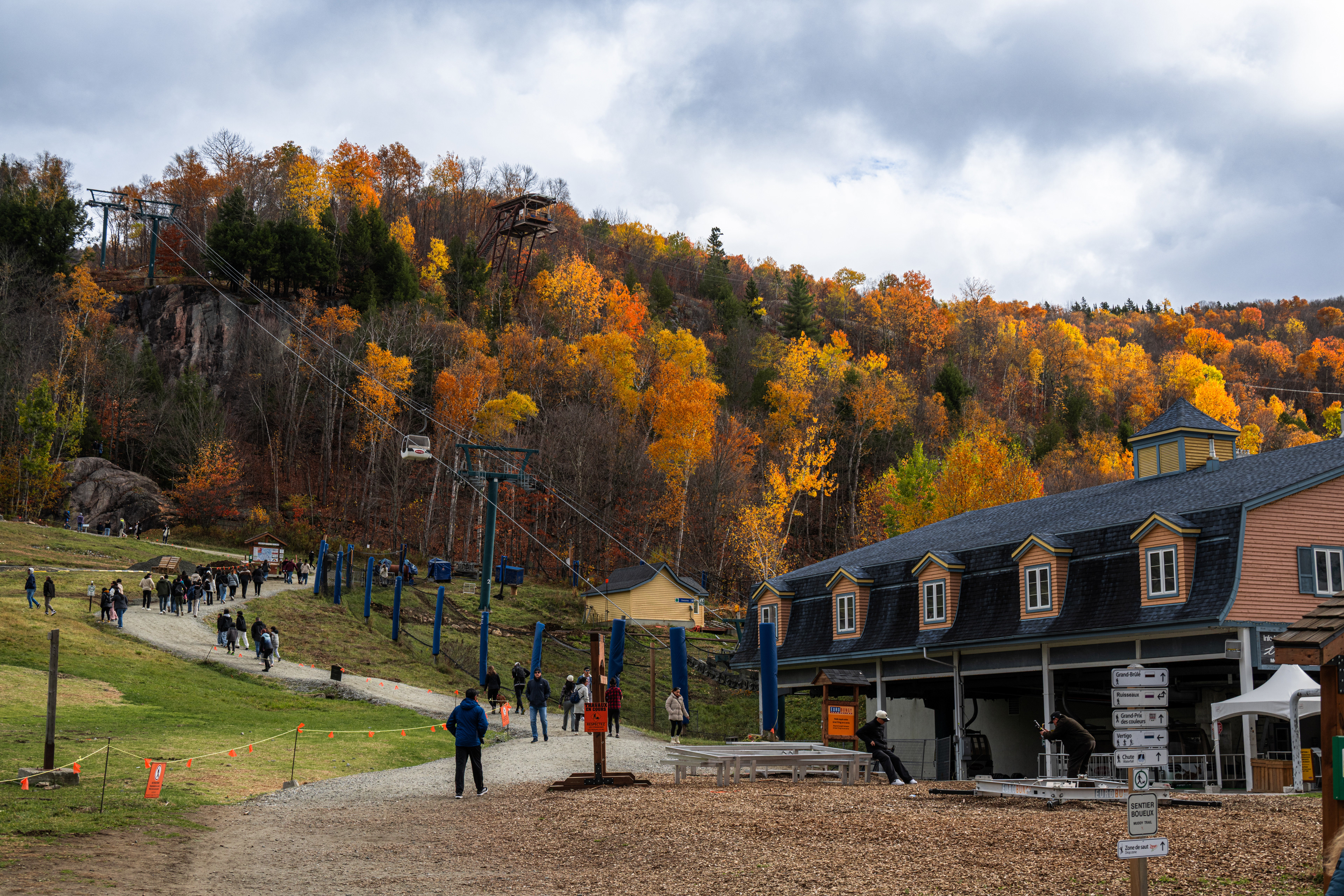
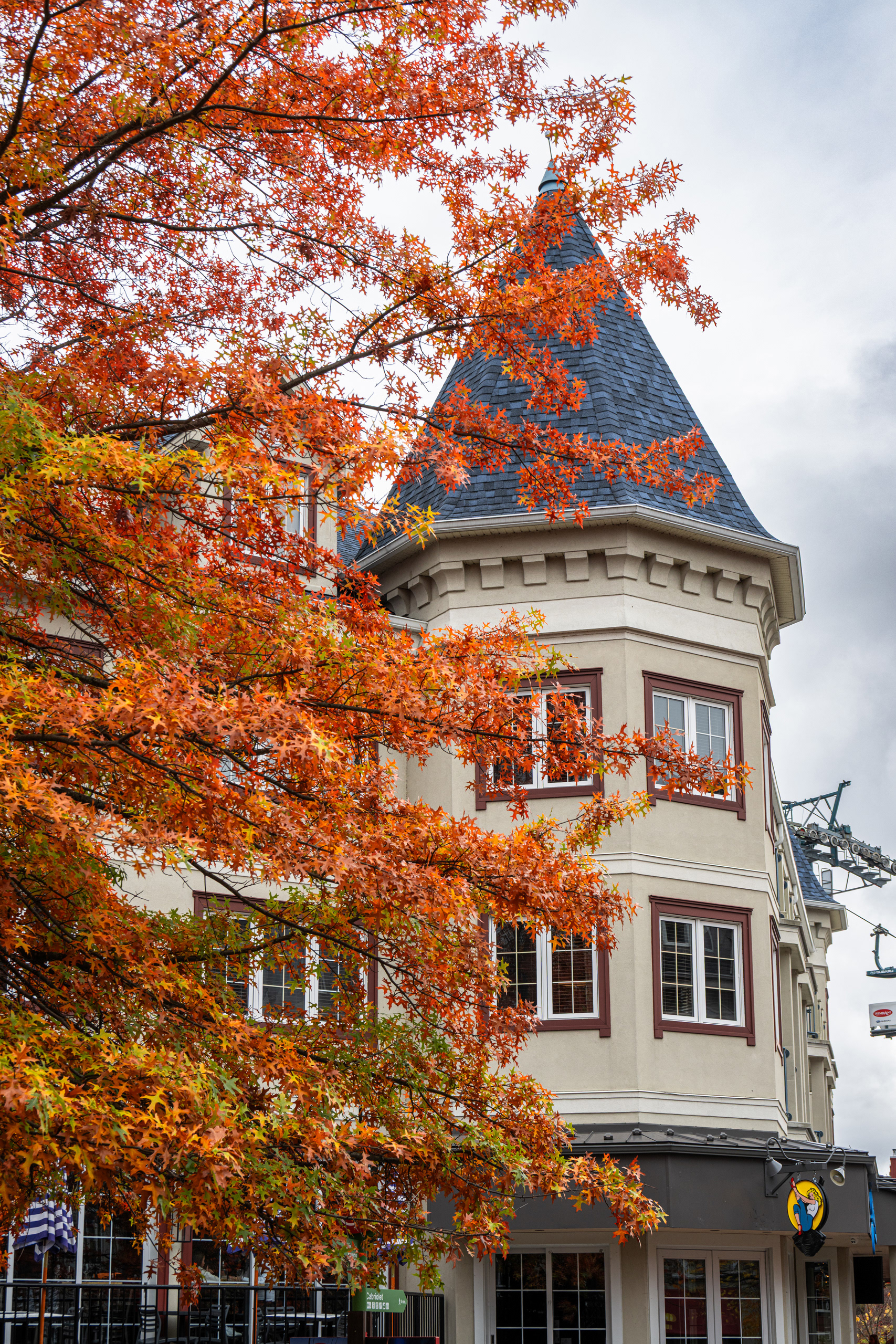
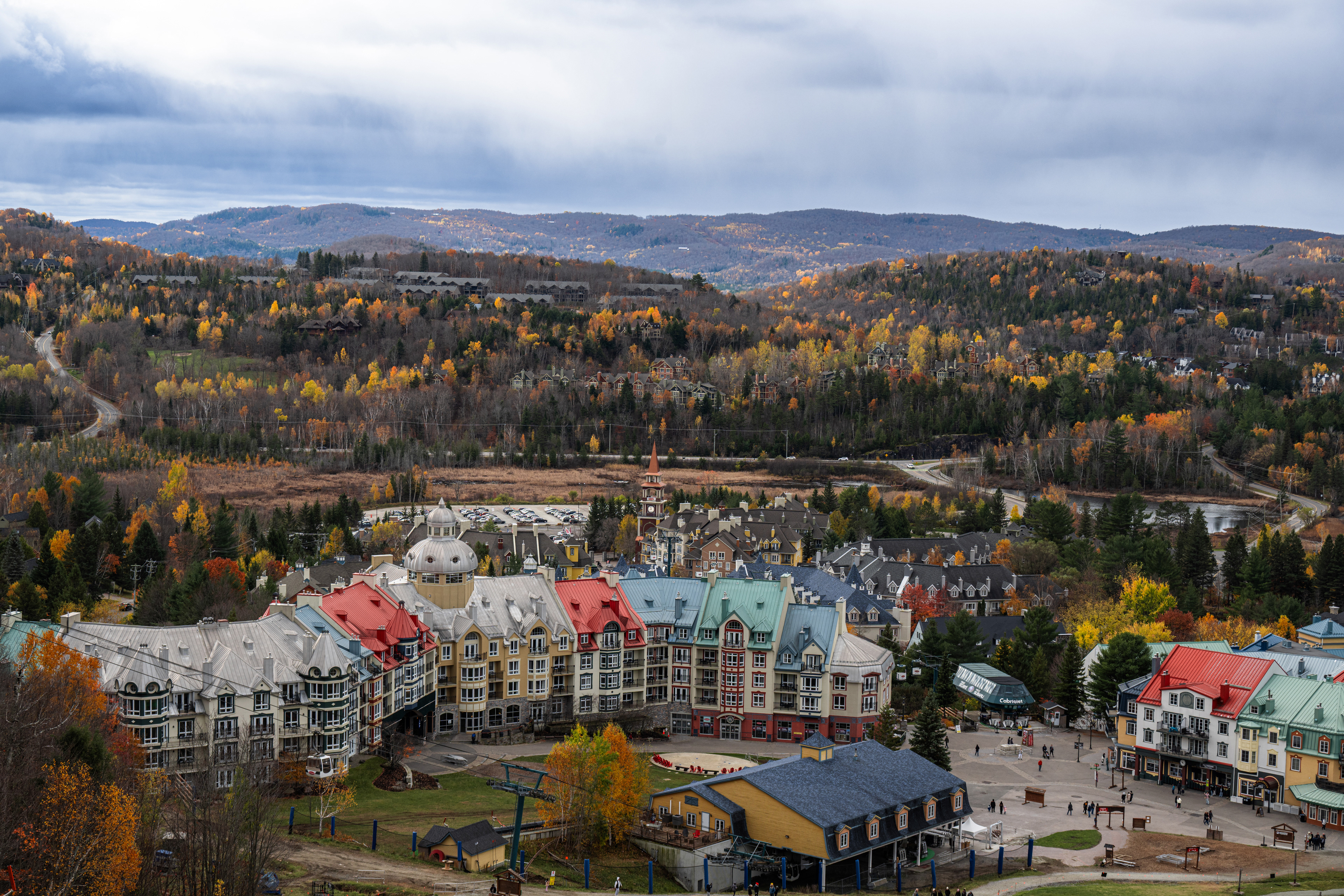
Mont-Tremblant village the next morning is the Disneyland version of a Québécois ski town — all cobblestones and pastel buildings and free gondola rides to the mid-mountain plaza — and there's nothing wrong with that. Toddlers and cable cars are a natural pairing. We rode it up and down twice because democracy sometimes means losing the vote on everything.
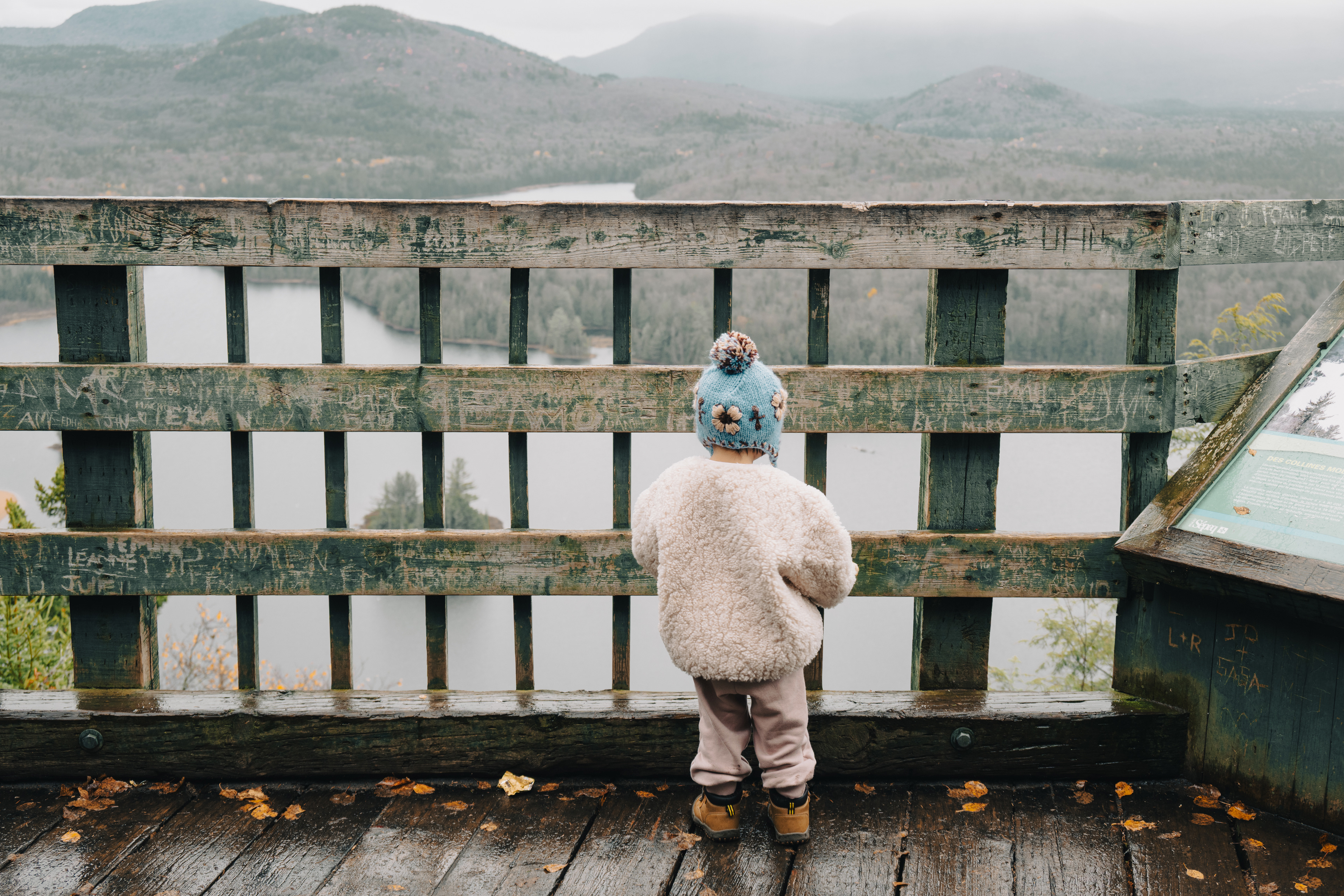
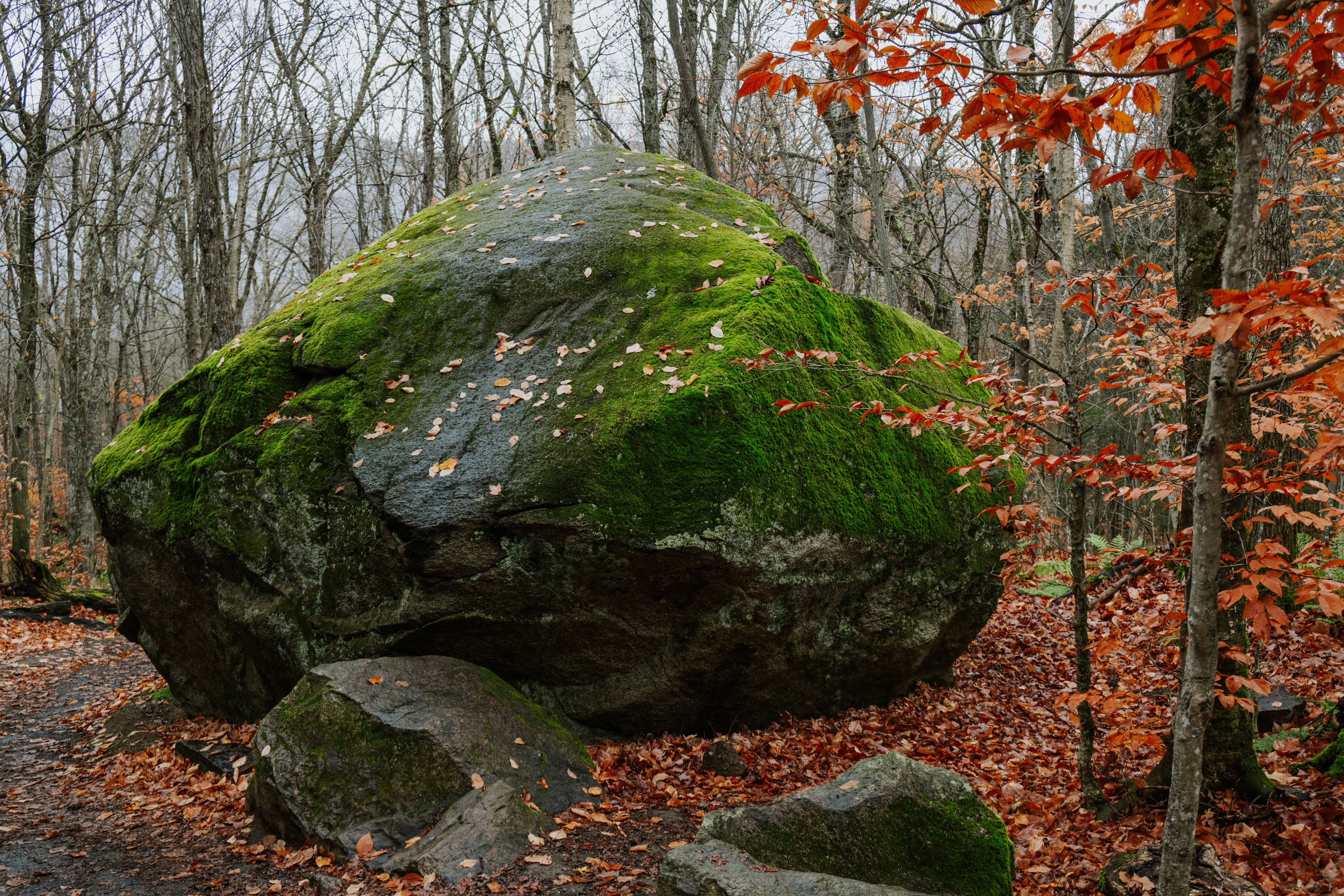
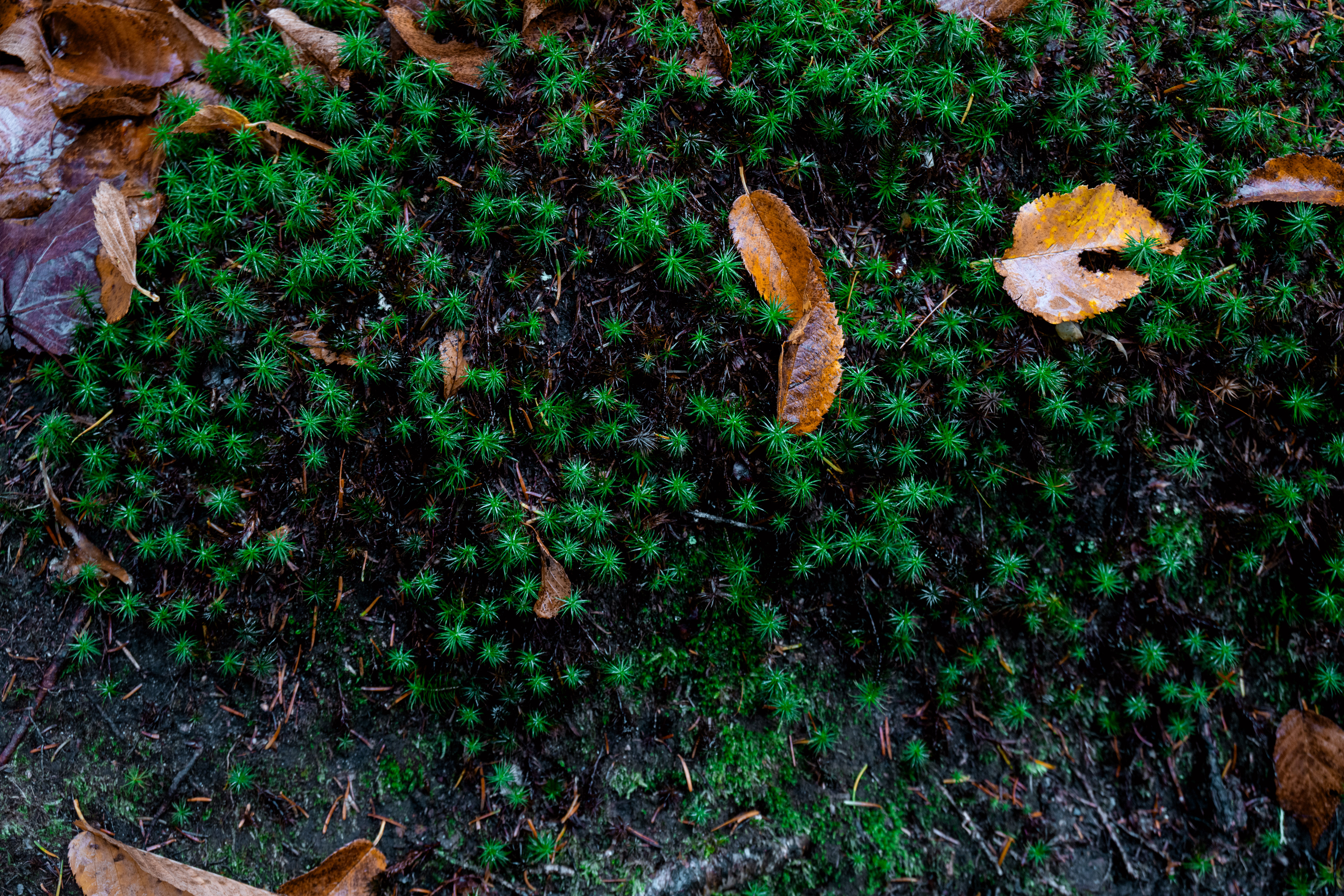
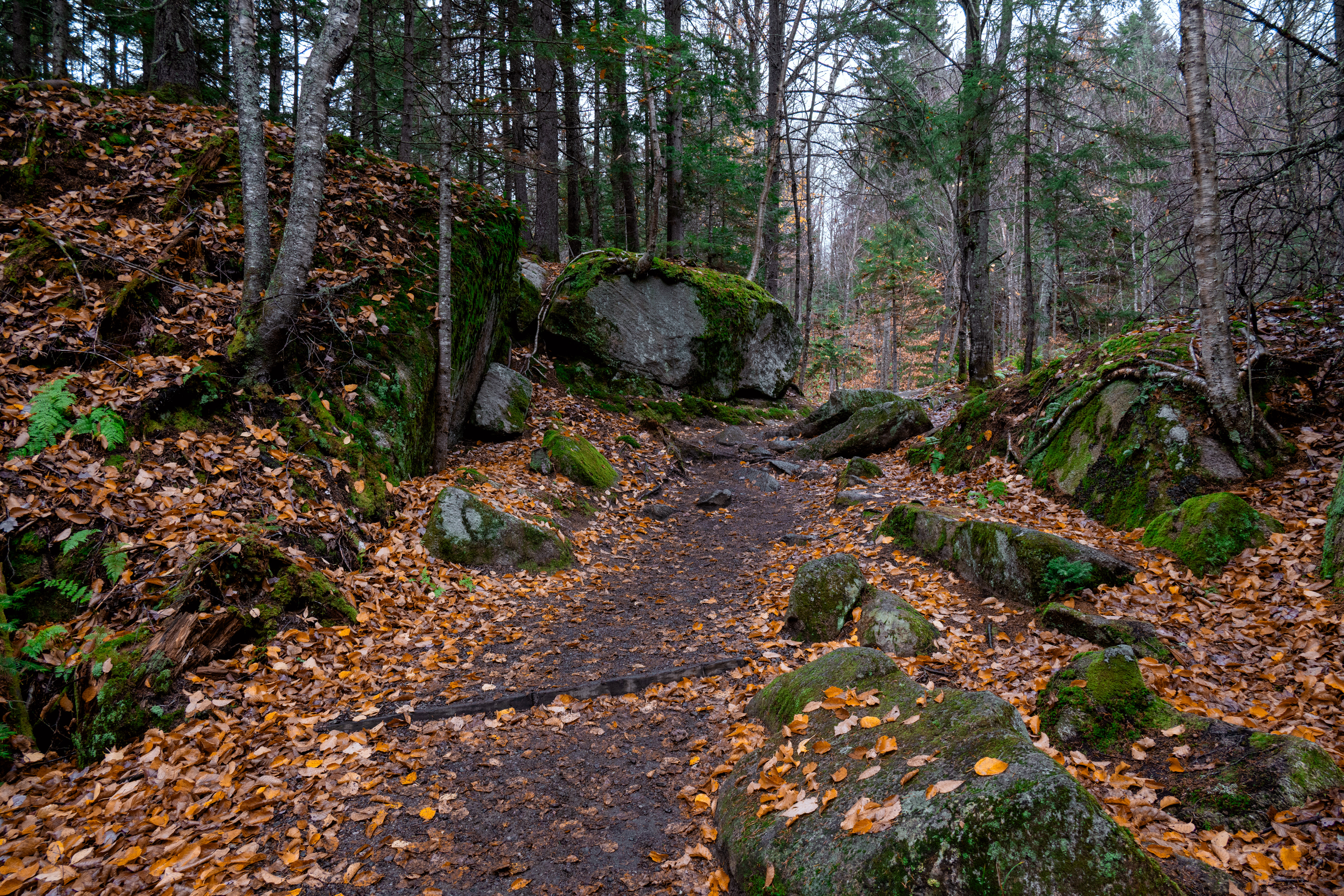
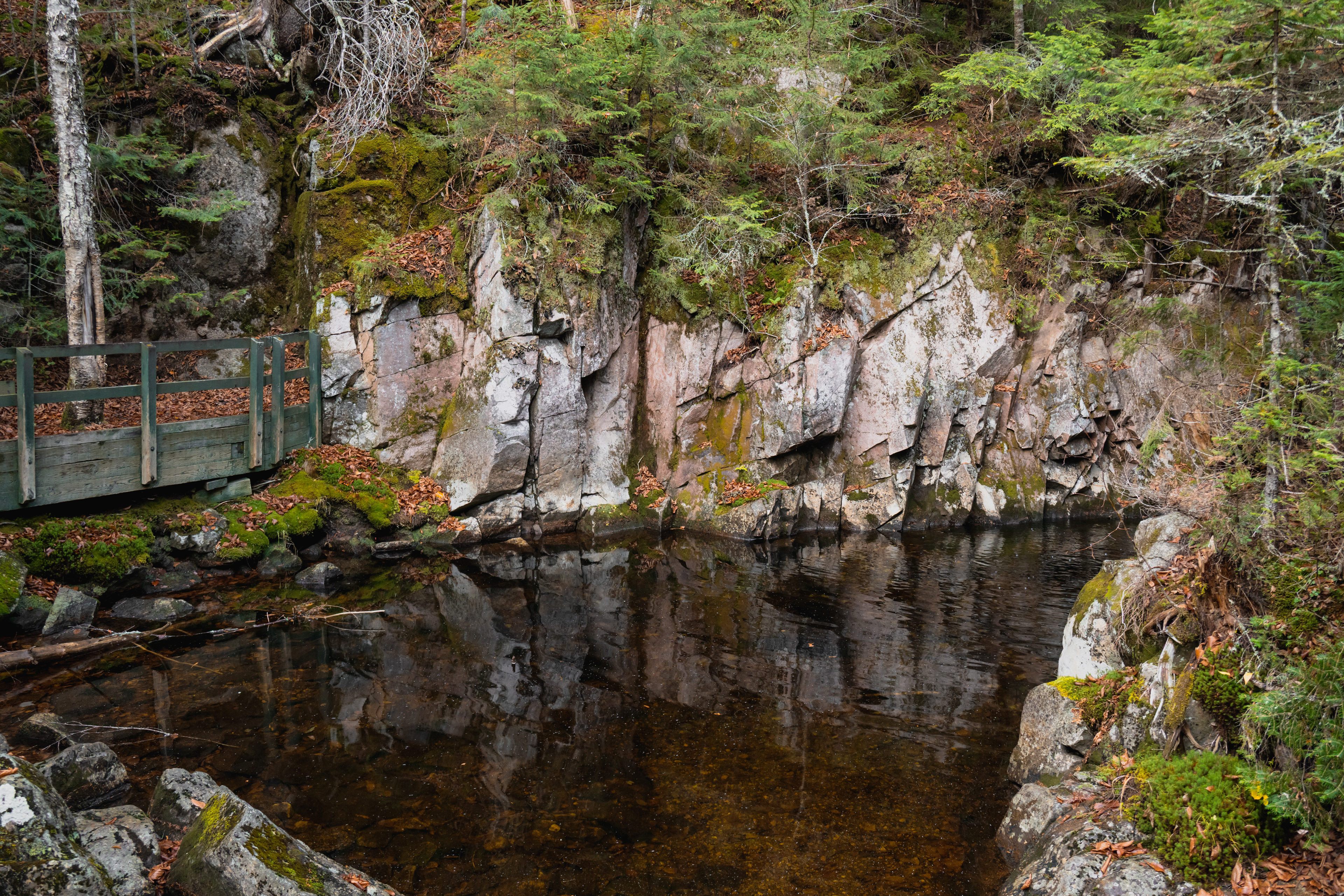
The real payoff was La Corniche and La Roche Loop in Parc national du Mont-Tremblant. The trail gains enough elevation quickly enough that by the time you reach the rocky viewpoint, the valley below has arranged itself into a mosaic that would make a landscape photographer cry. Which, being a landscape photographer, I briefly did. October light at that latitude hits at an angle that makes everything look like it's being viewed through amber glass.
The Eastern Townships: France's Second Act
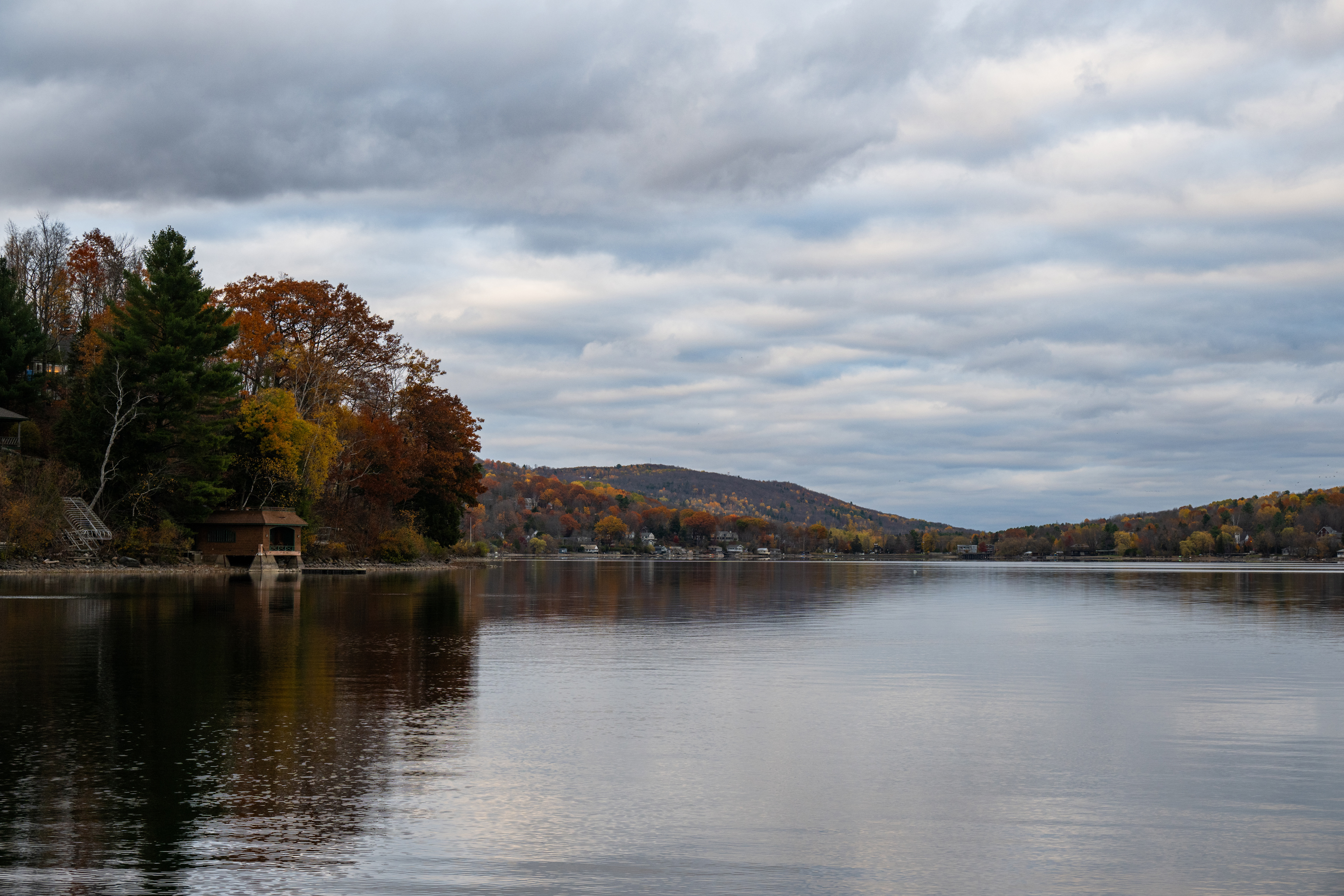
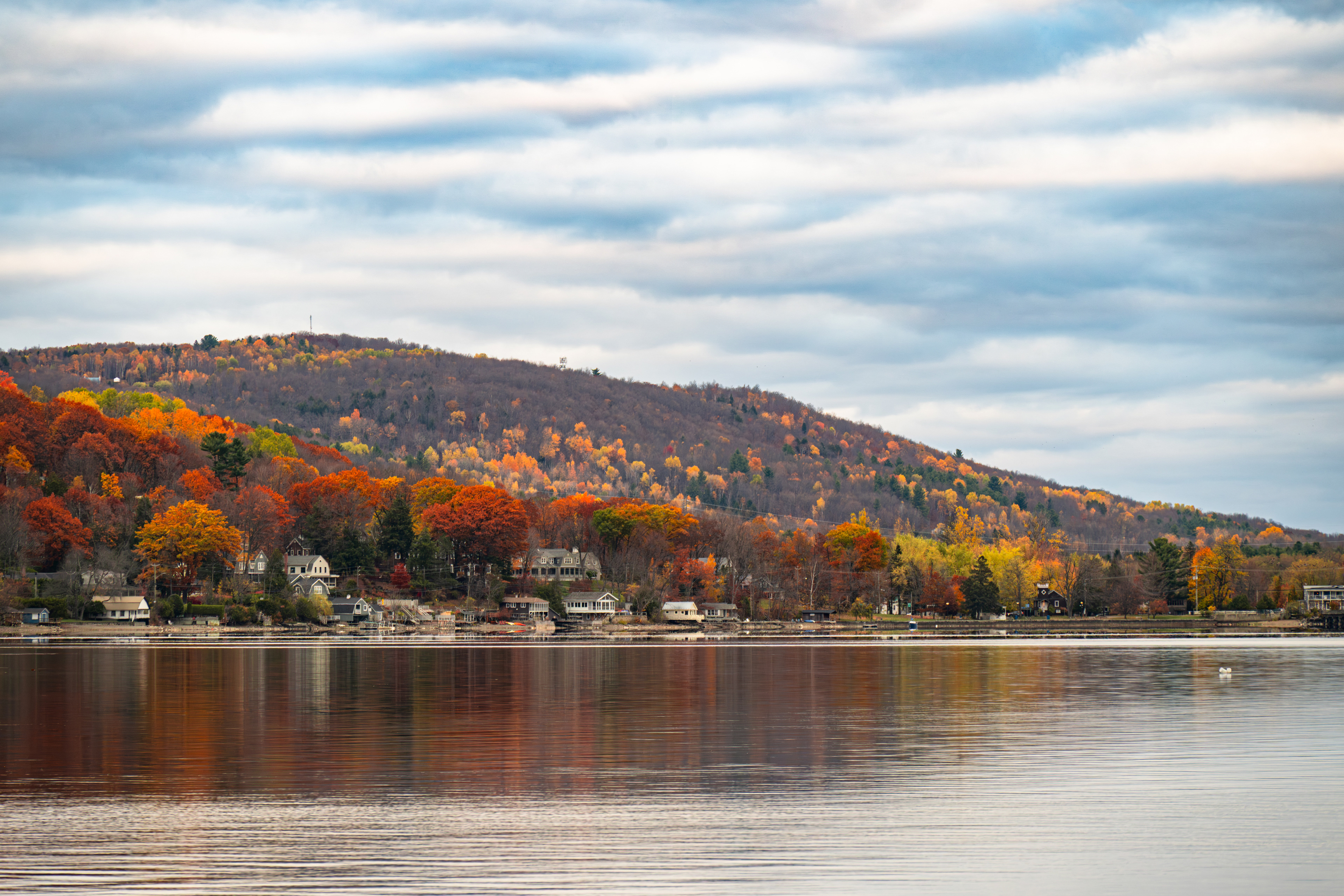
The drive from the Laurentians back through Montreal and south into the Eastern Townships crosses a subtle but real cultural boundary. The Québécois French here has a different flavor — closer to the earth, older, the kind of French that predates standardization. The townships themselves were settled by British Loyalists in the 1780s, then gradually absorbed into French Québec over two centuries, leaving behind a region with English village names and almost entirely French-speaking residents. North Hatley, for instance, sounds like it belongs in Kent and sits on a lake that looks like it belongs in Switzerland.
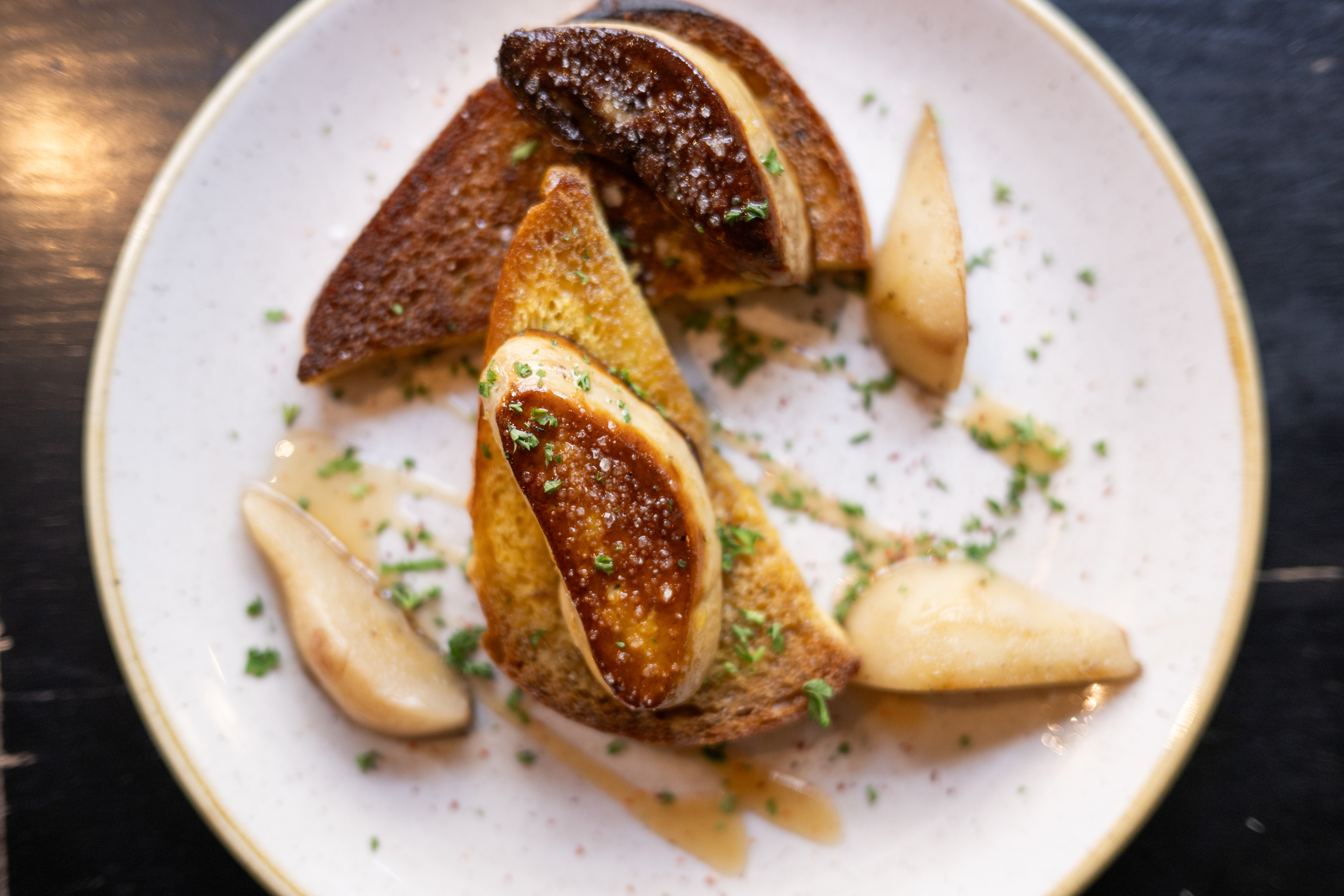
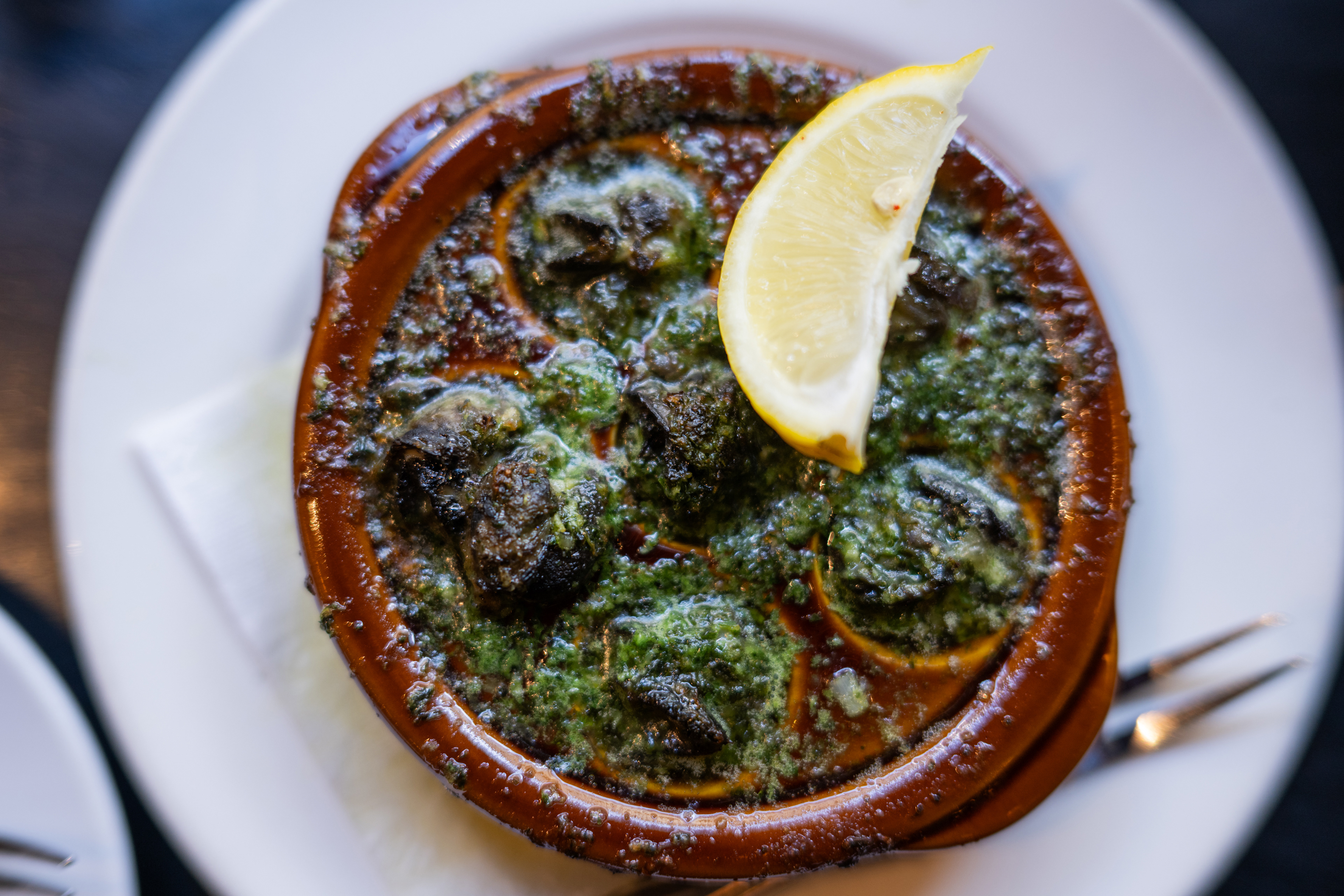
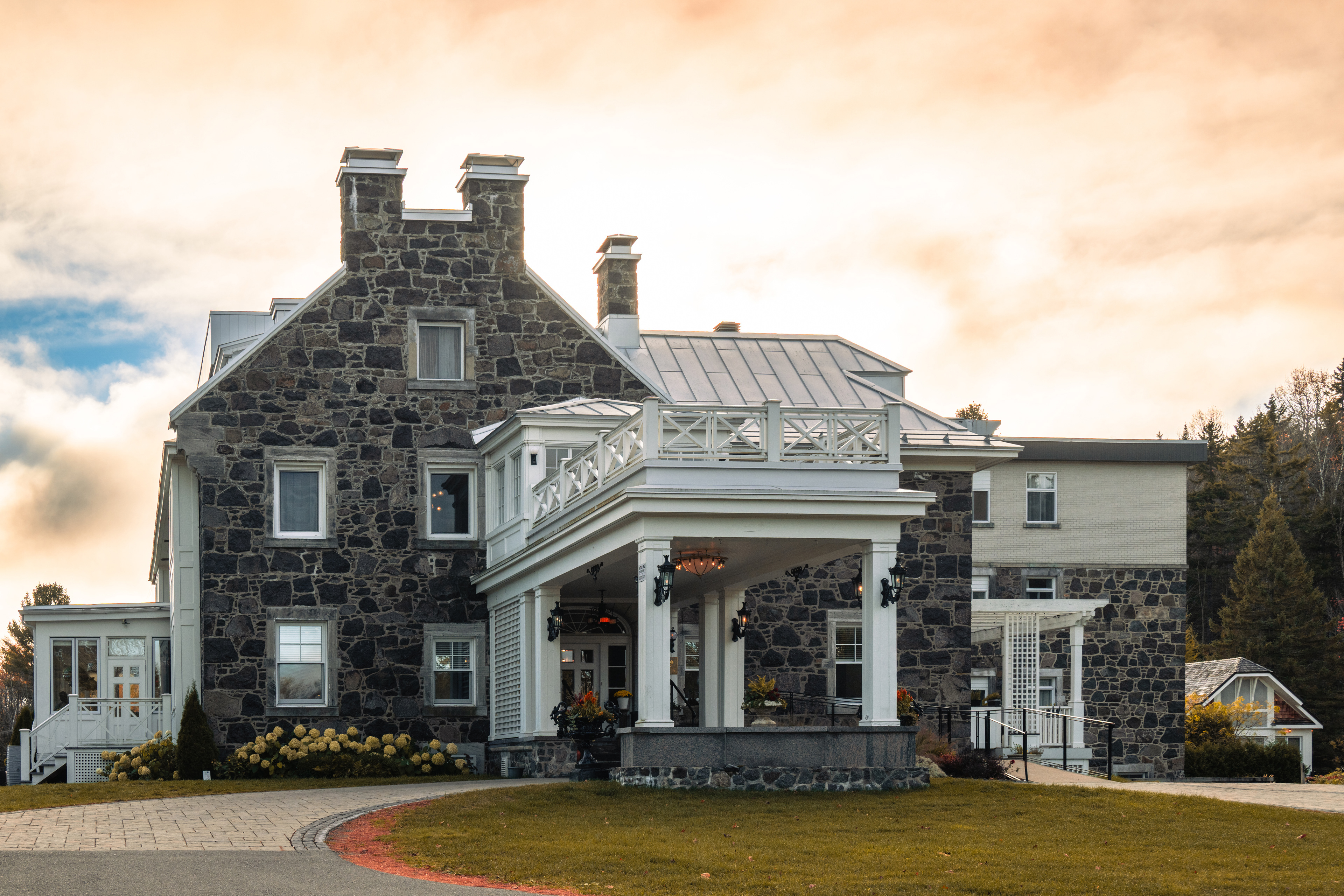
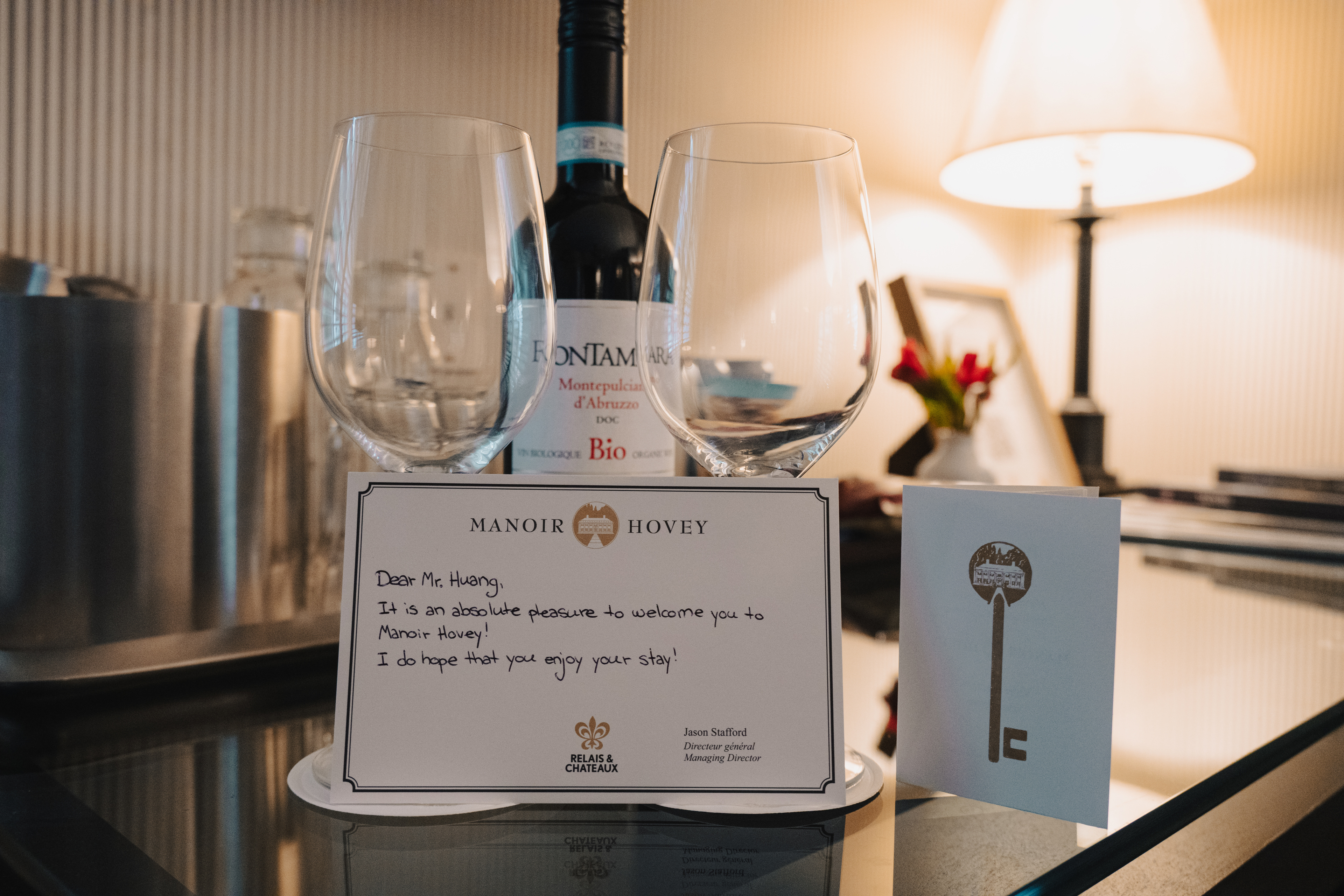
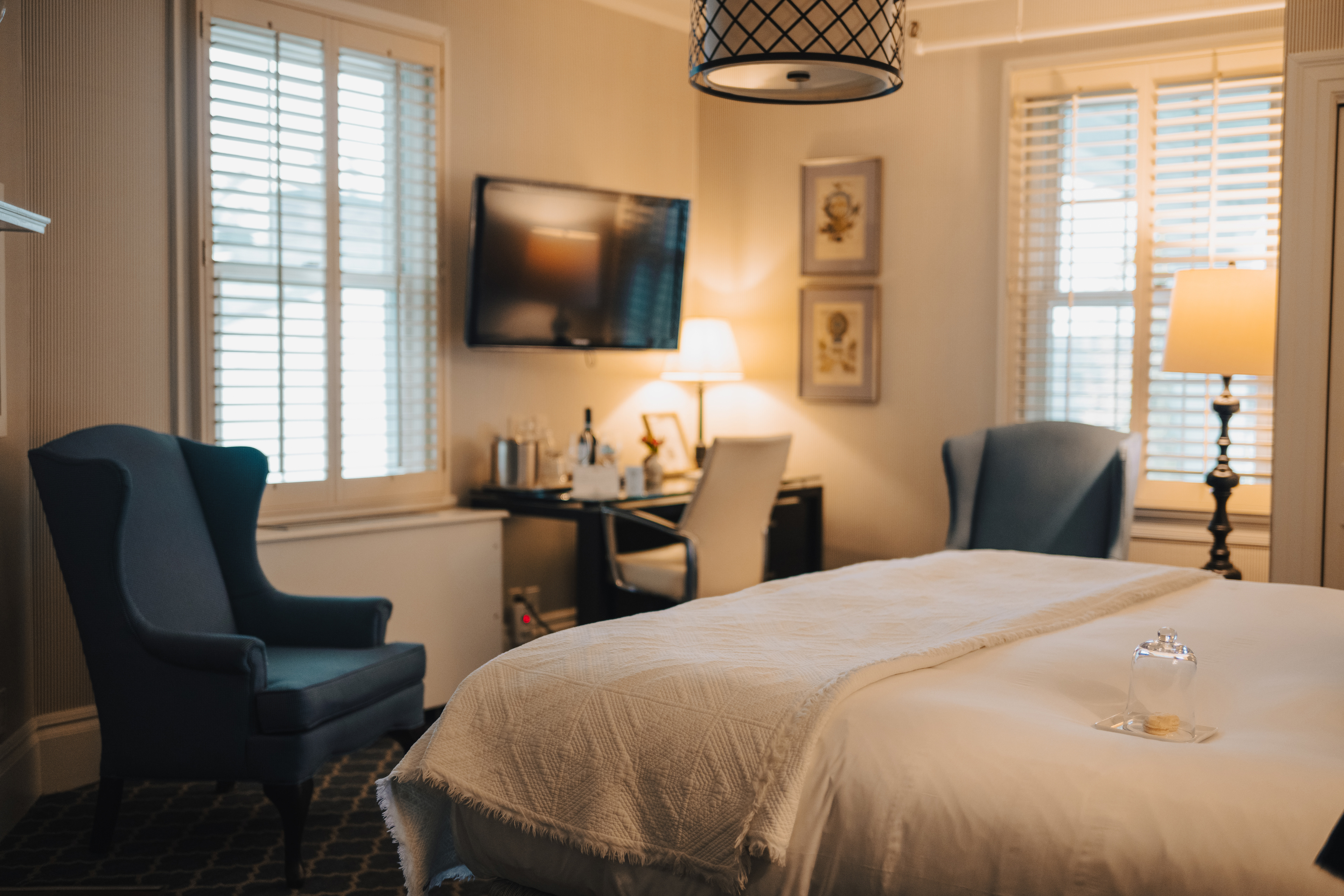
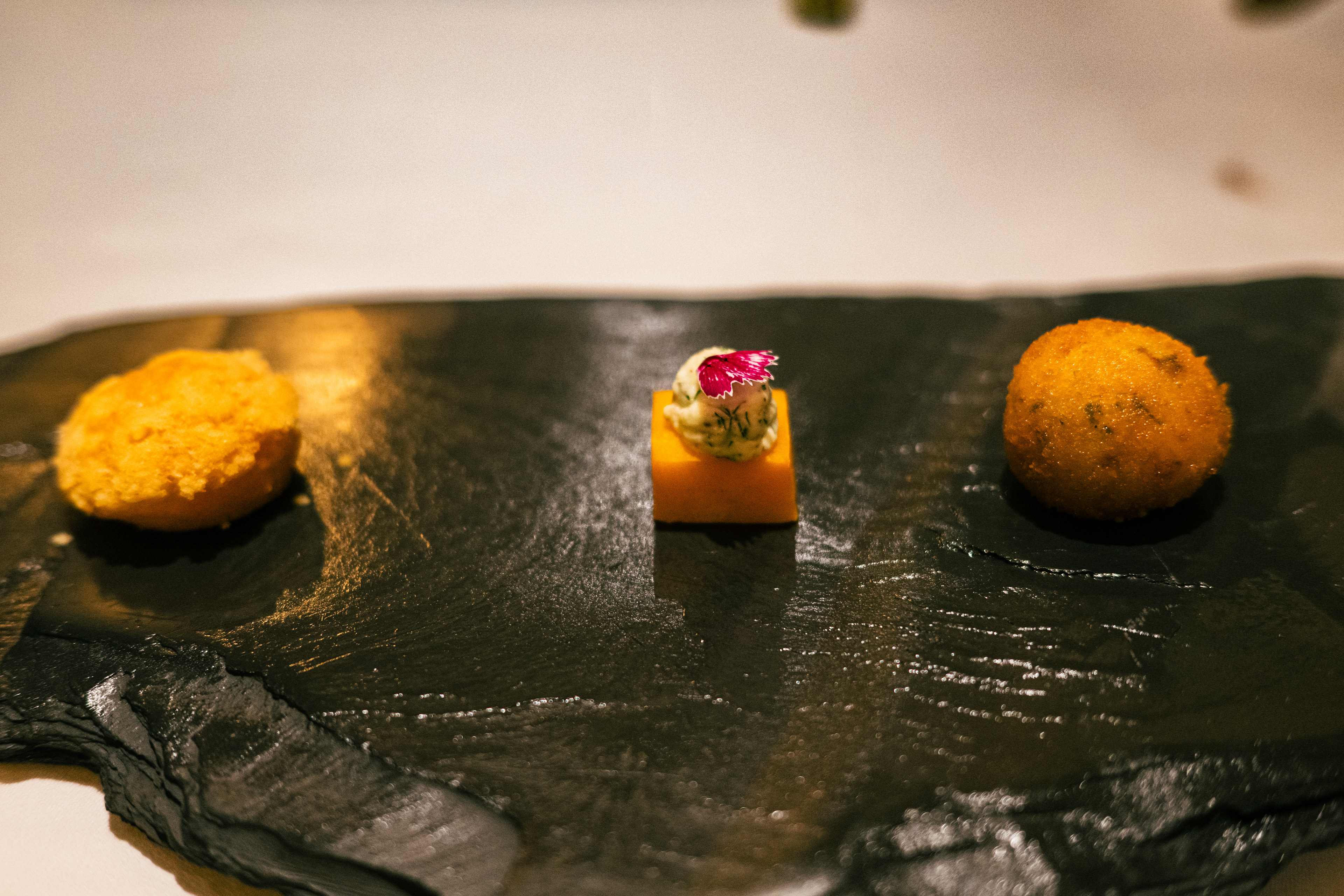
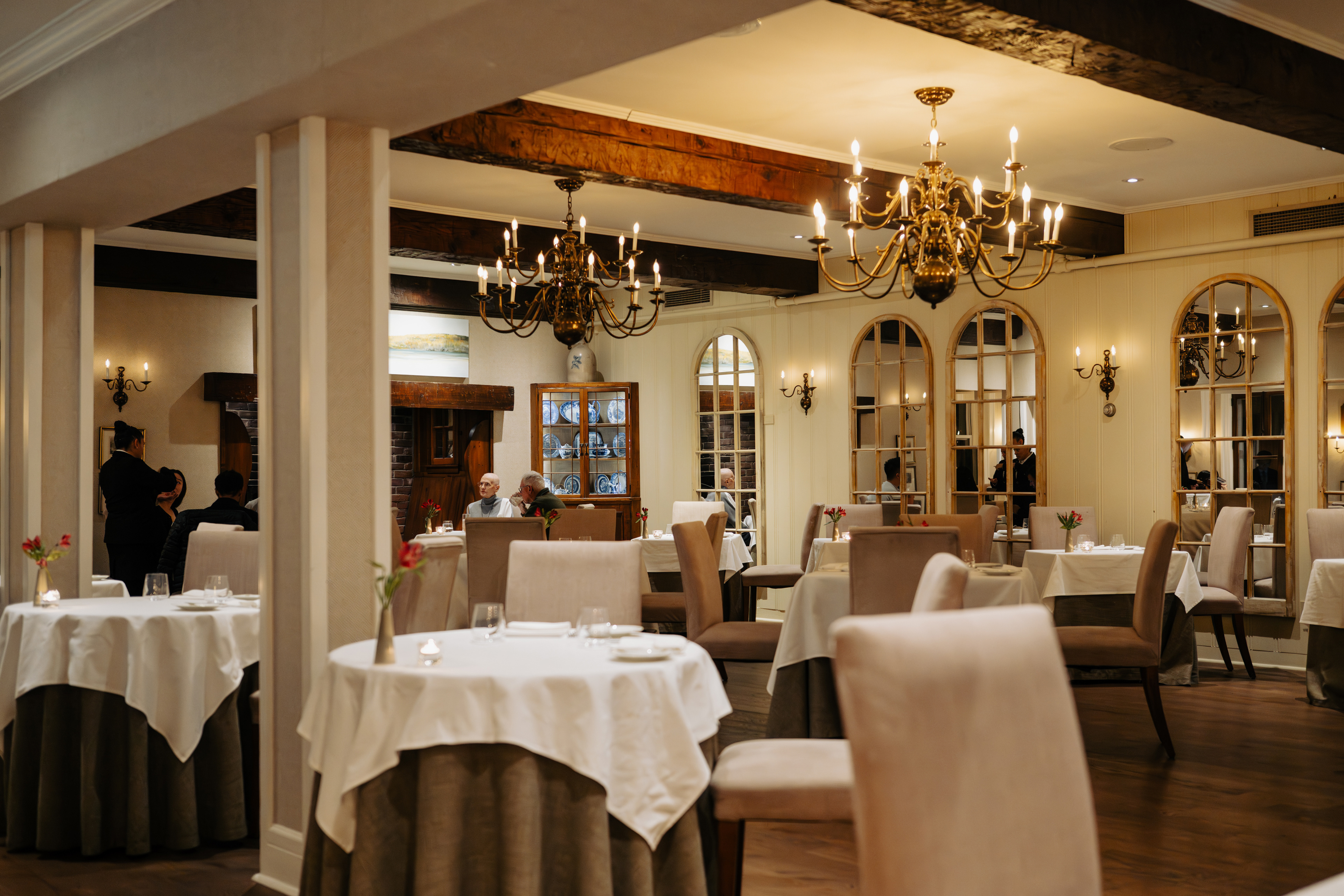
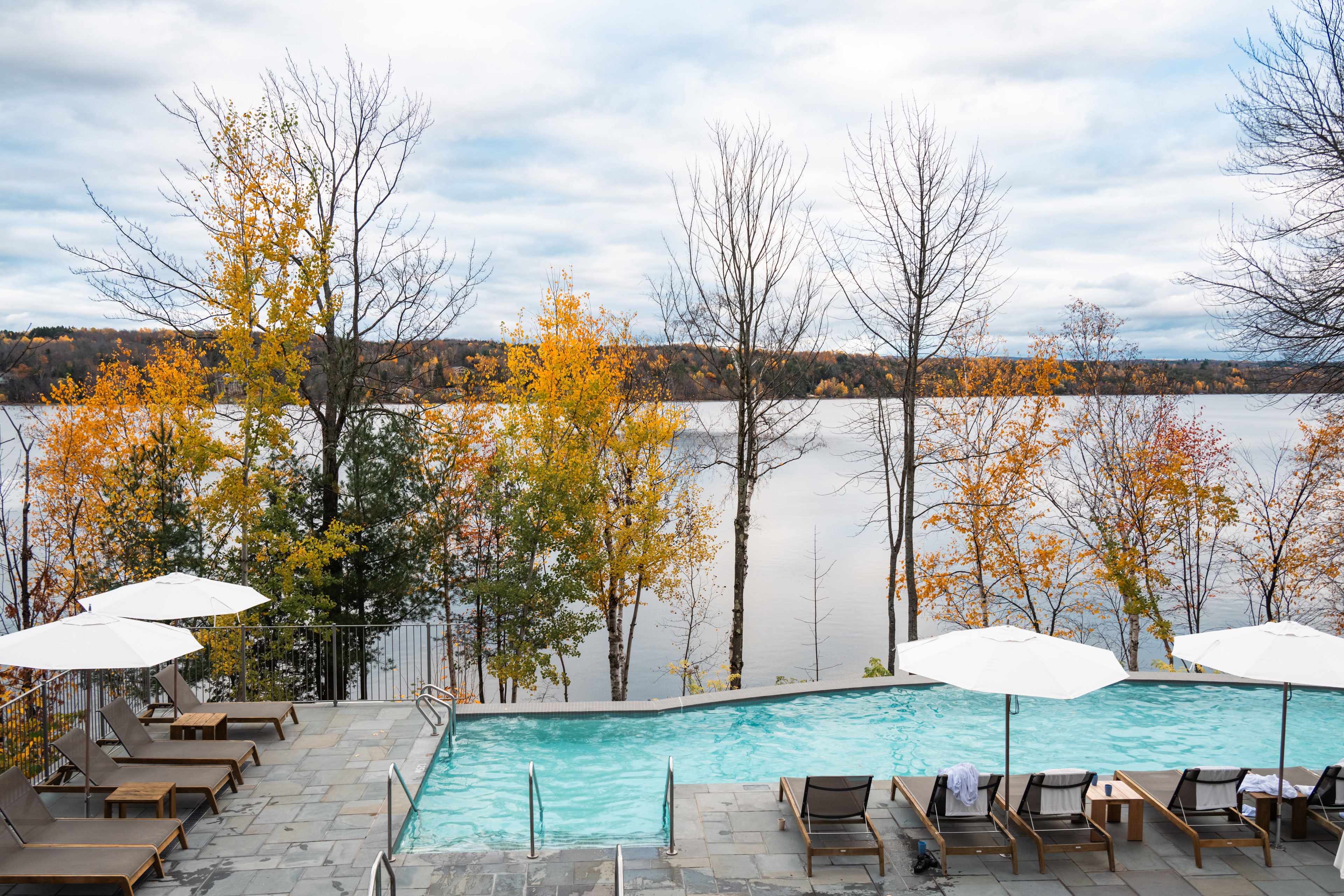
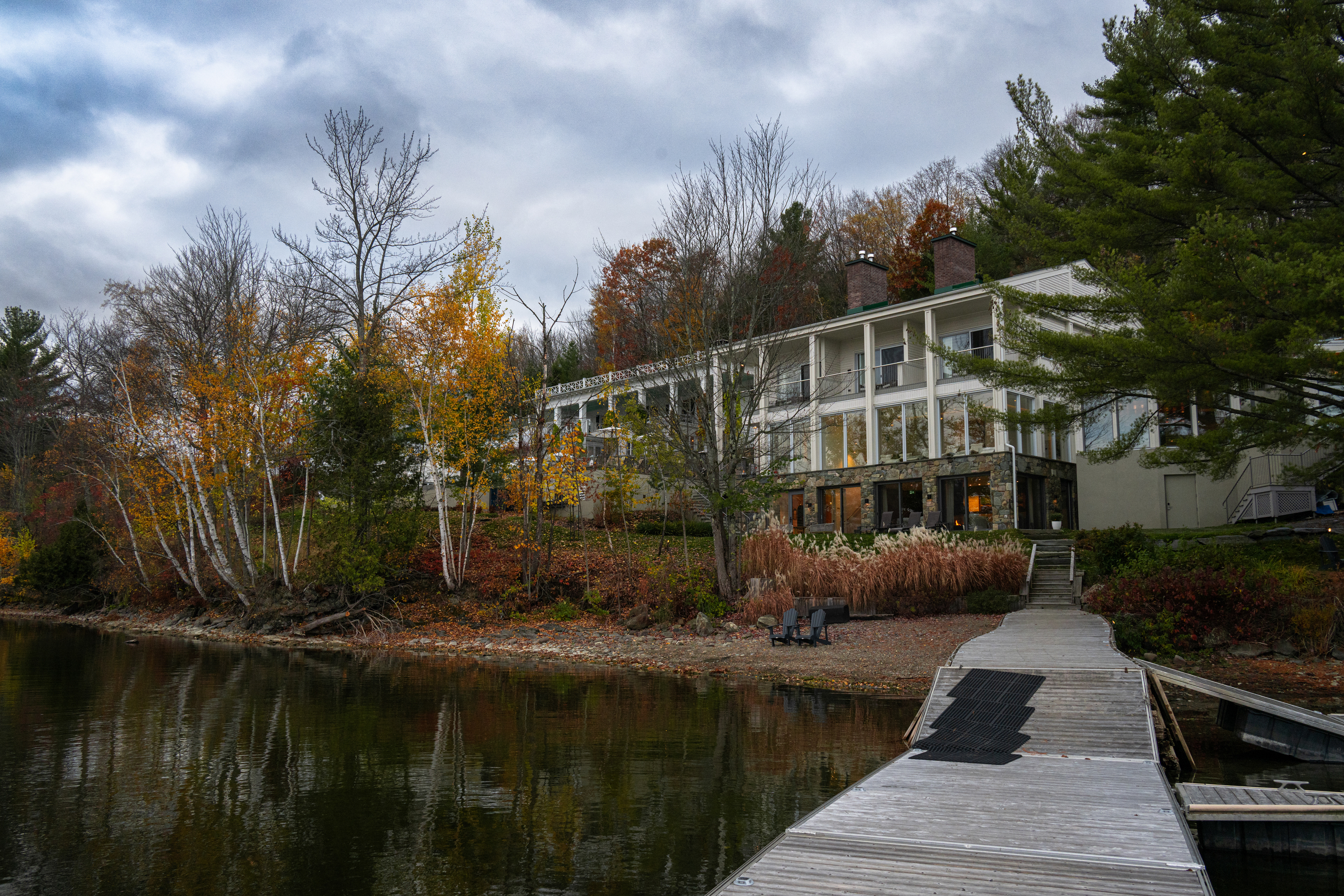
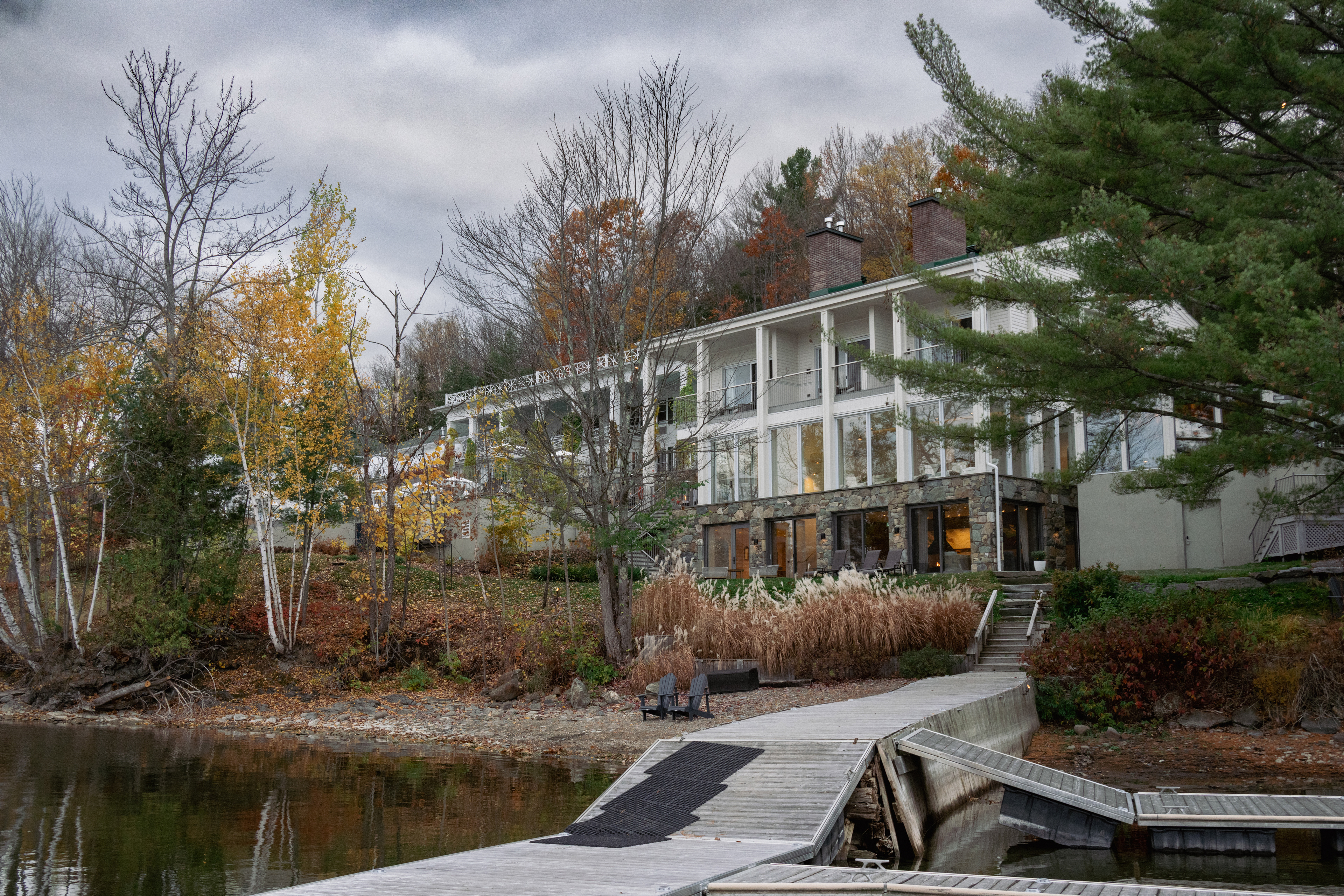
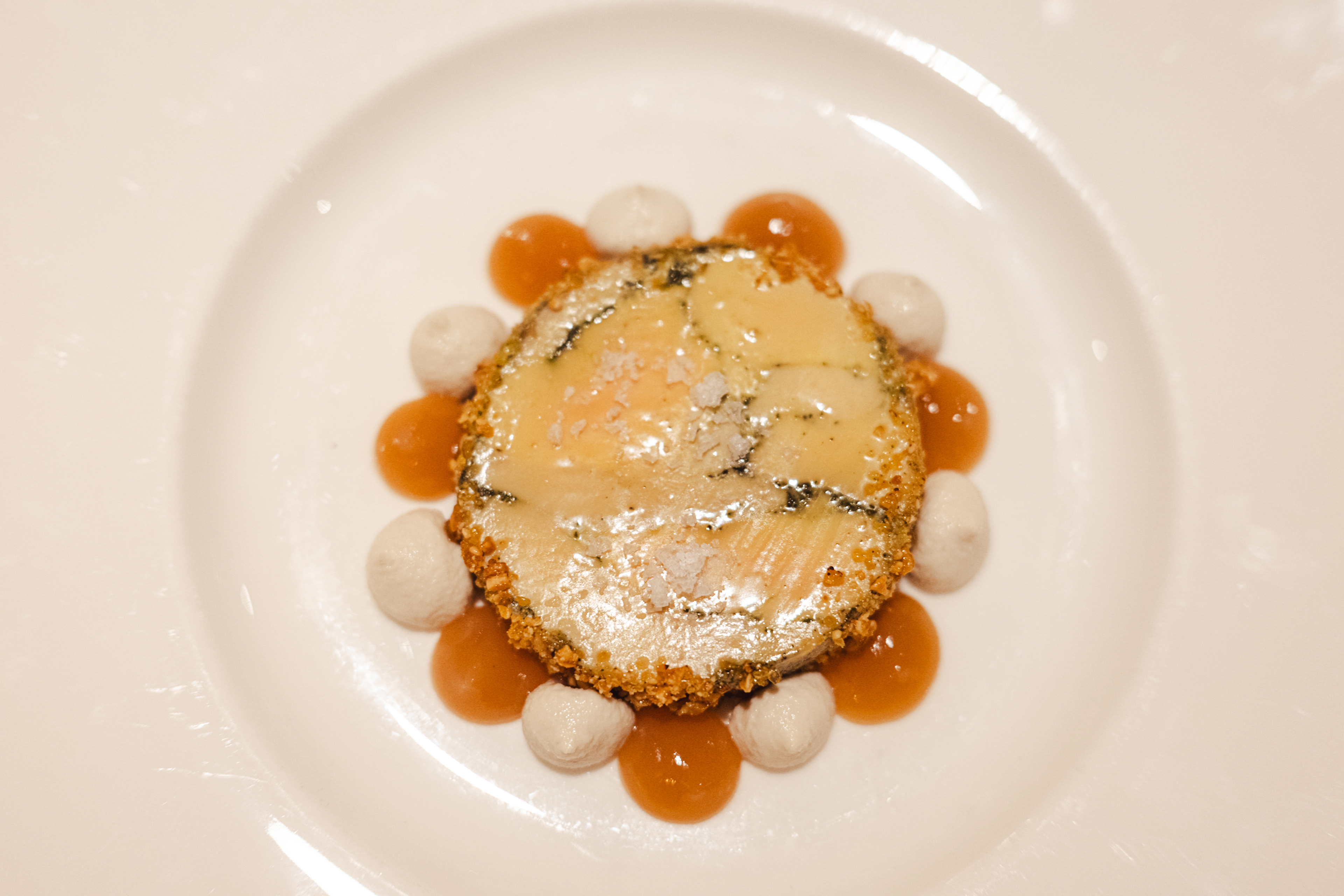
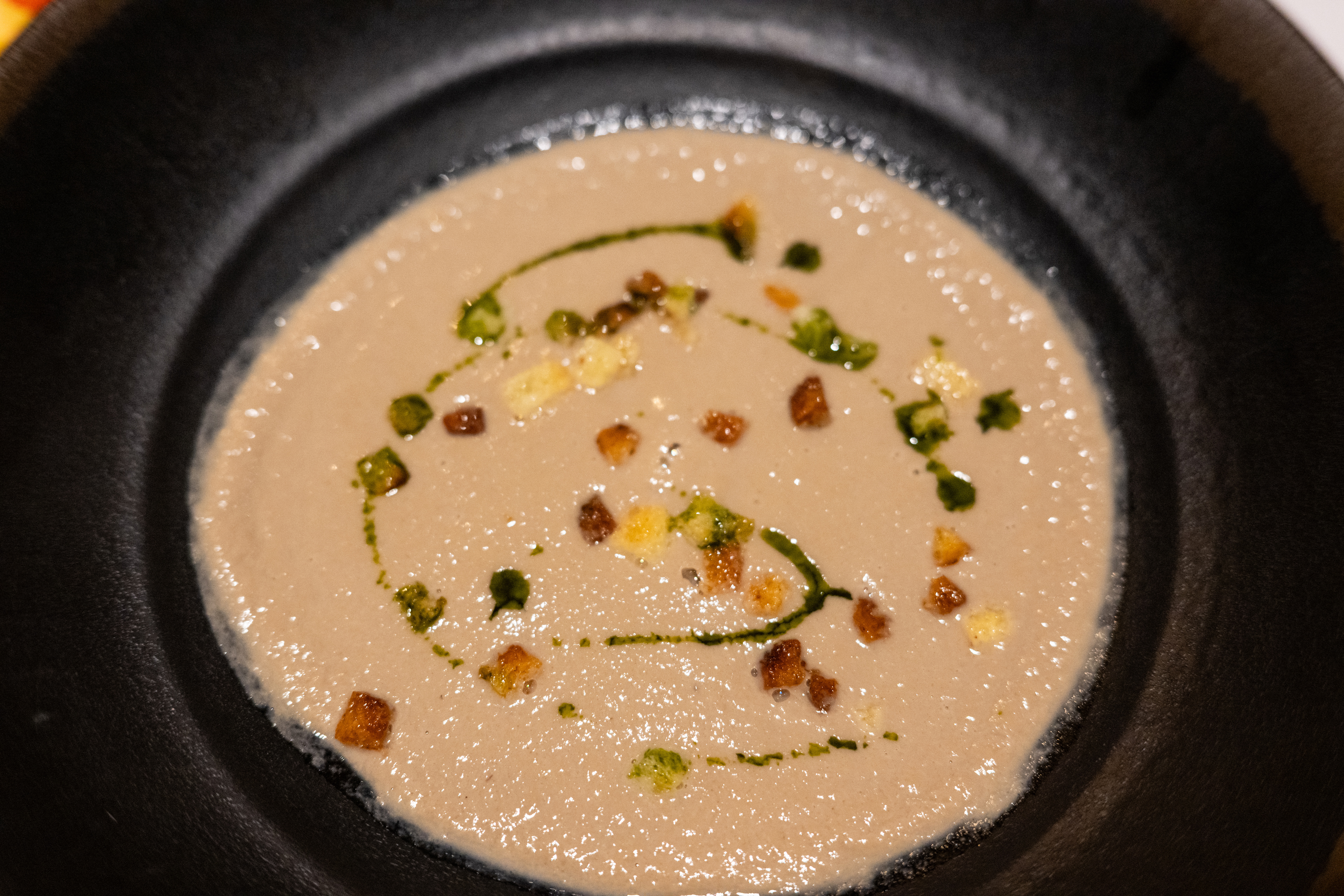
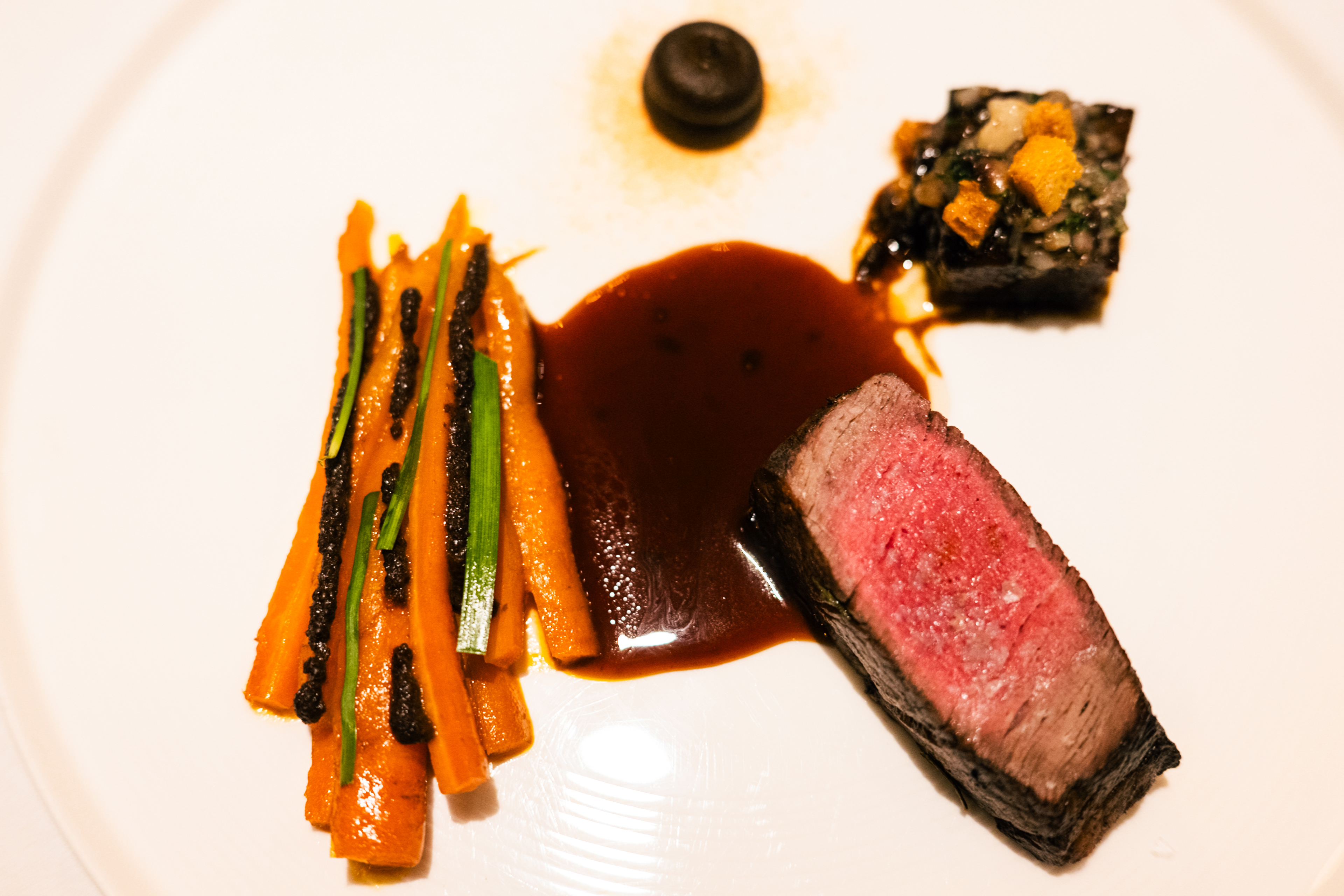
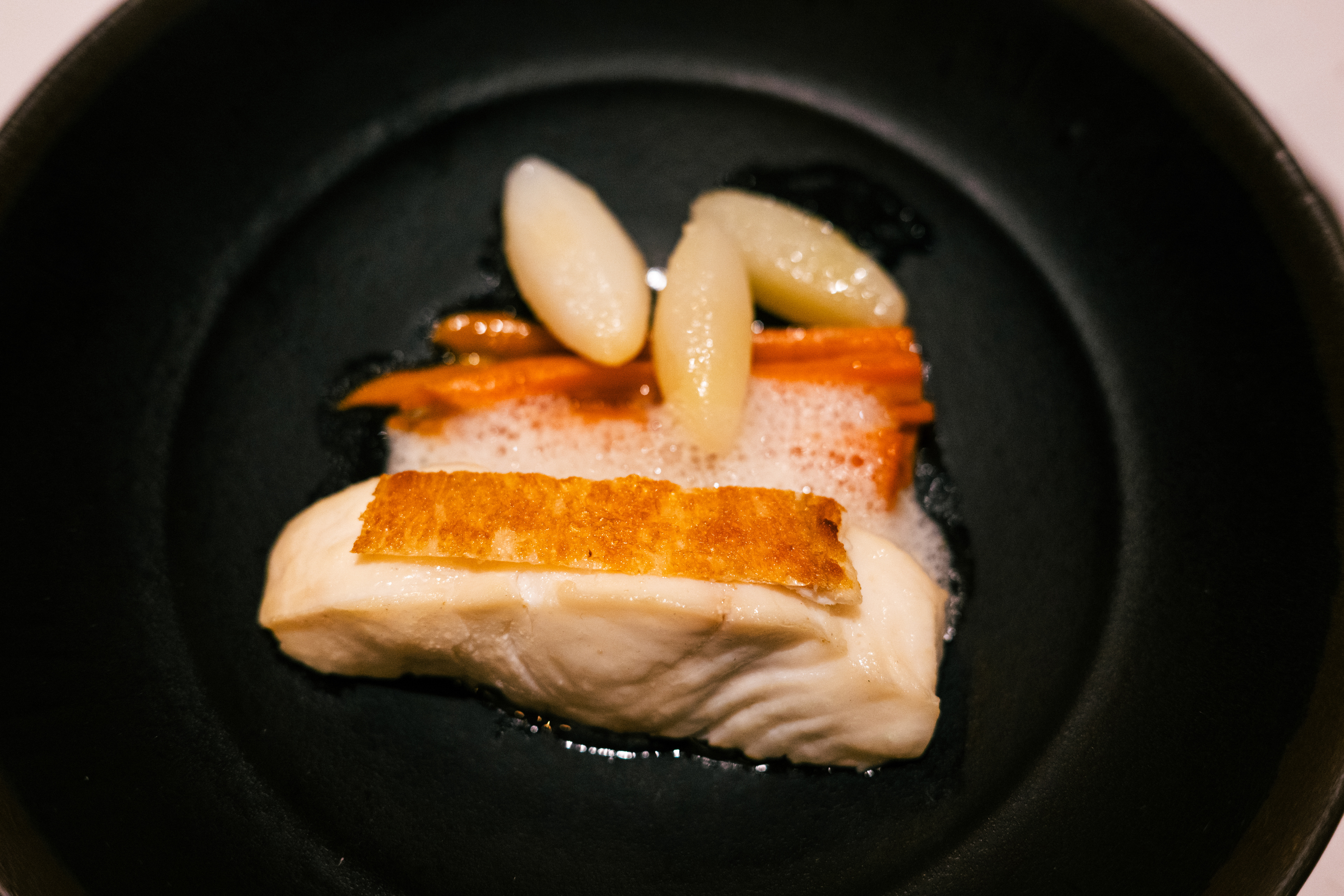
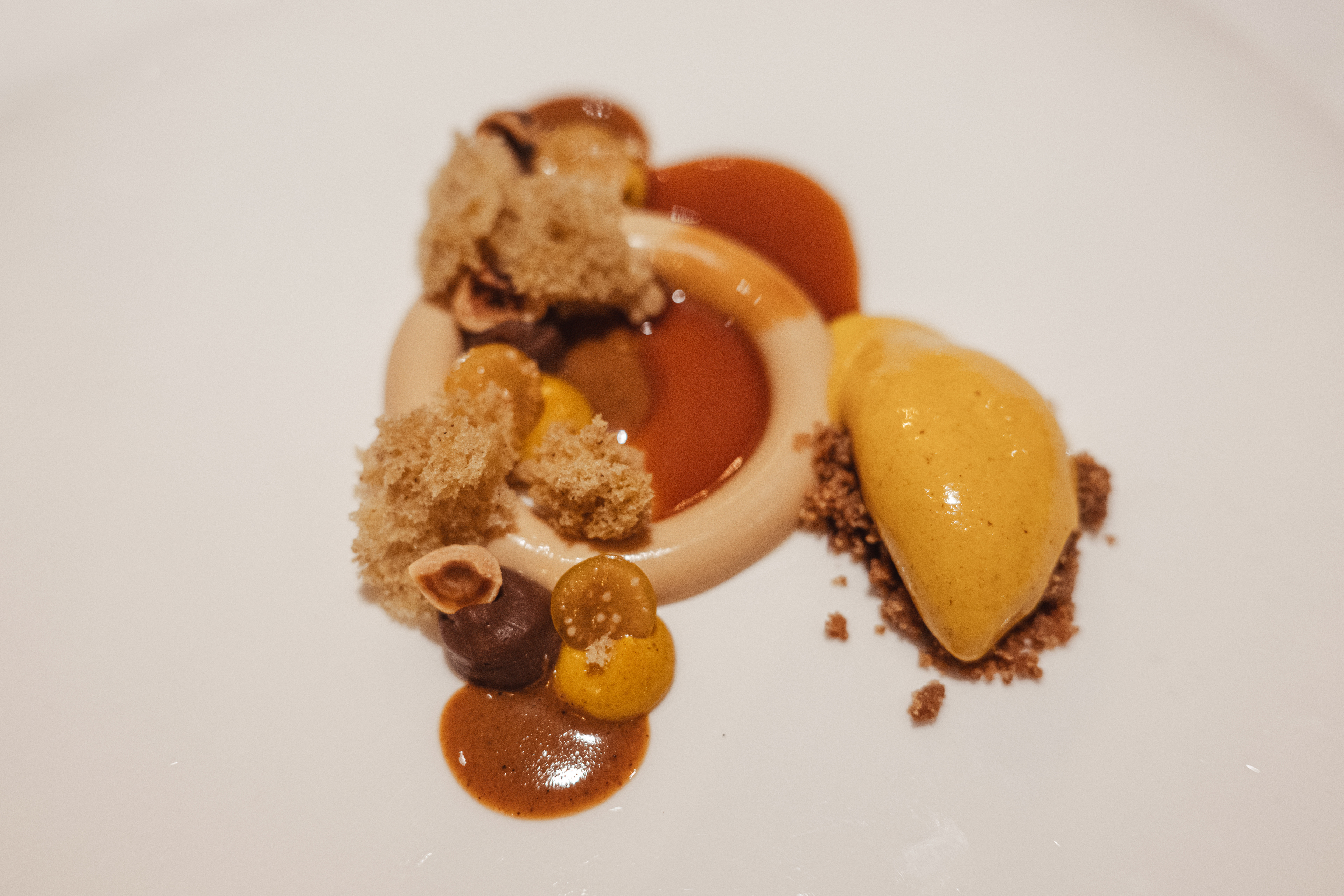
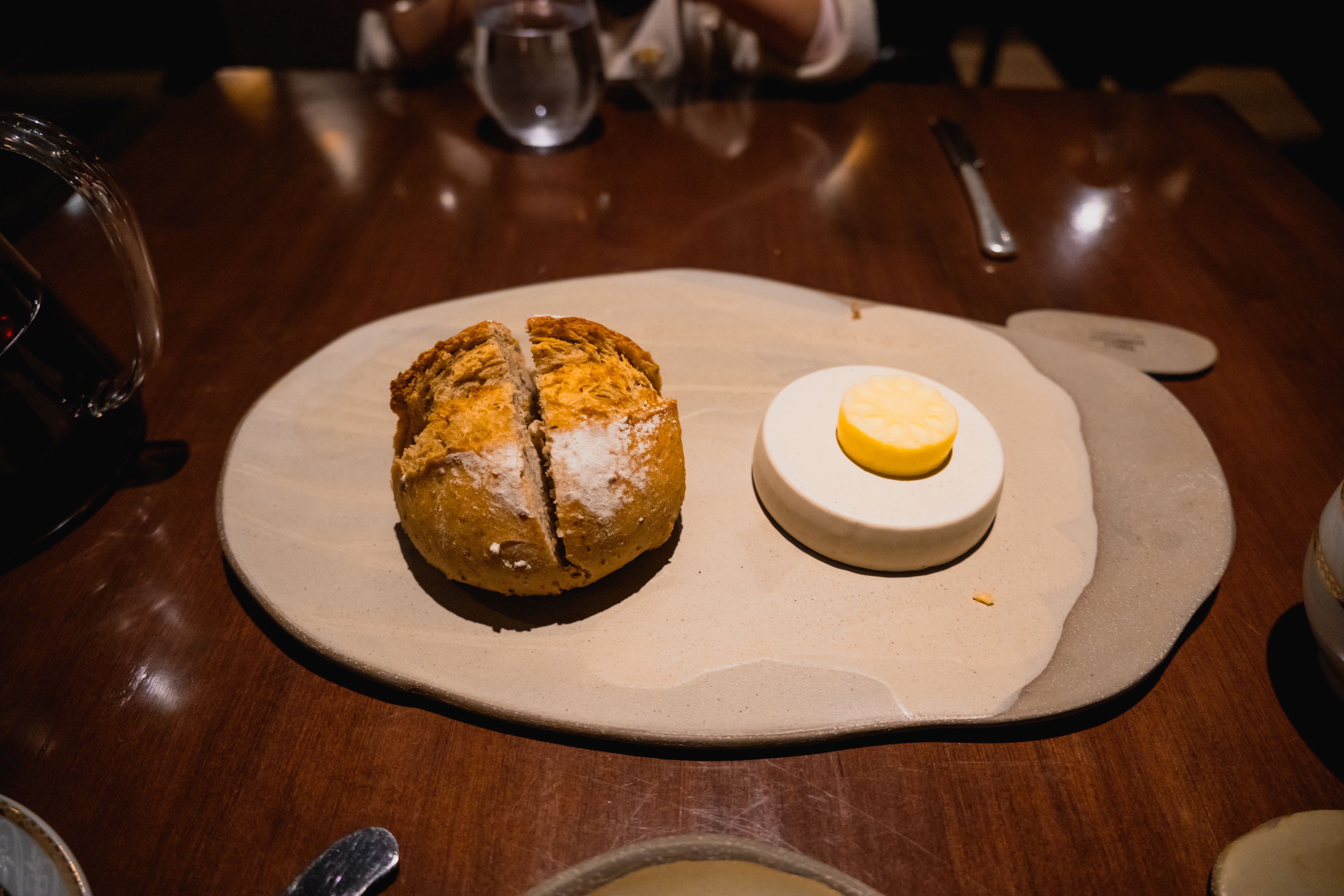
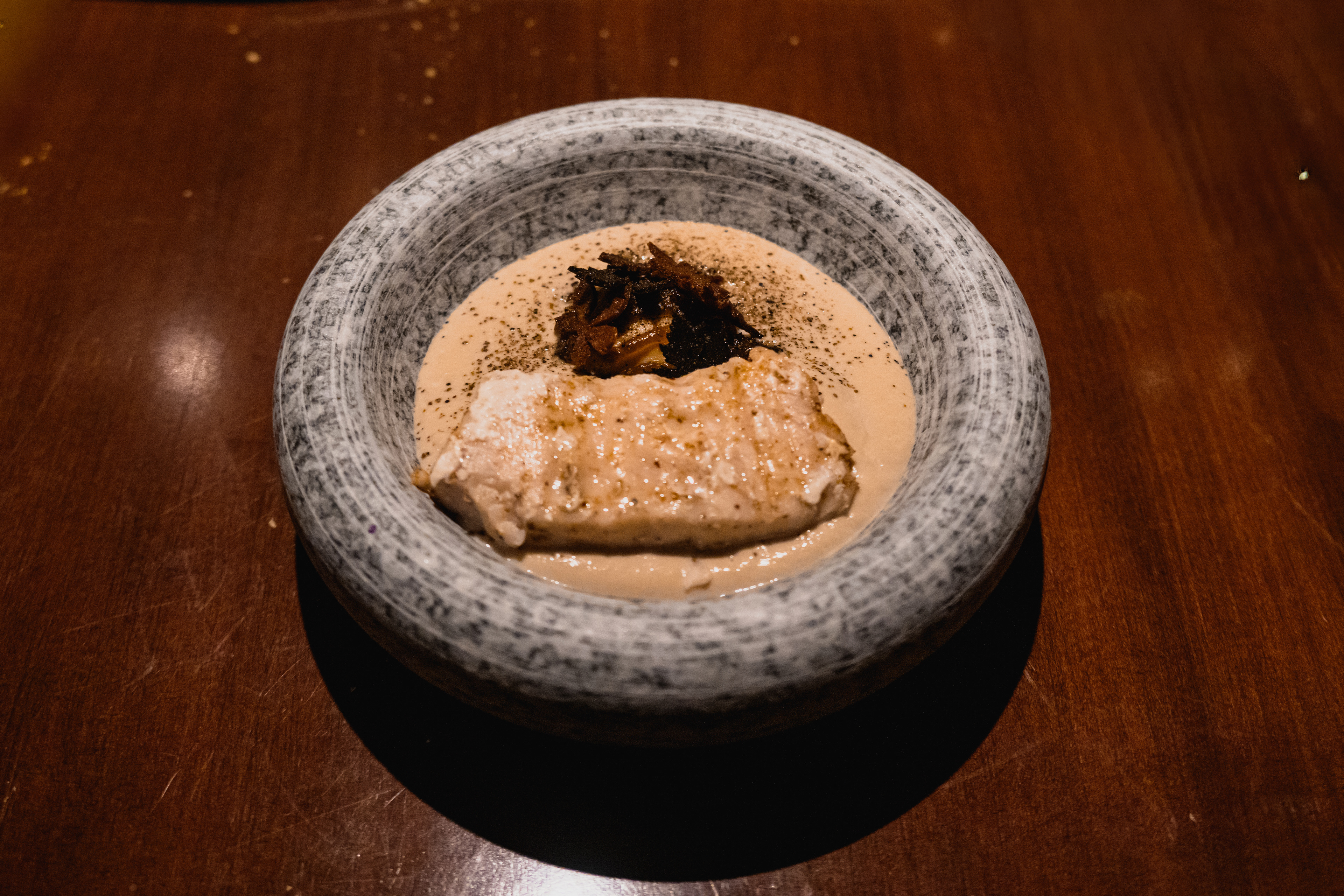
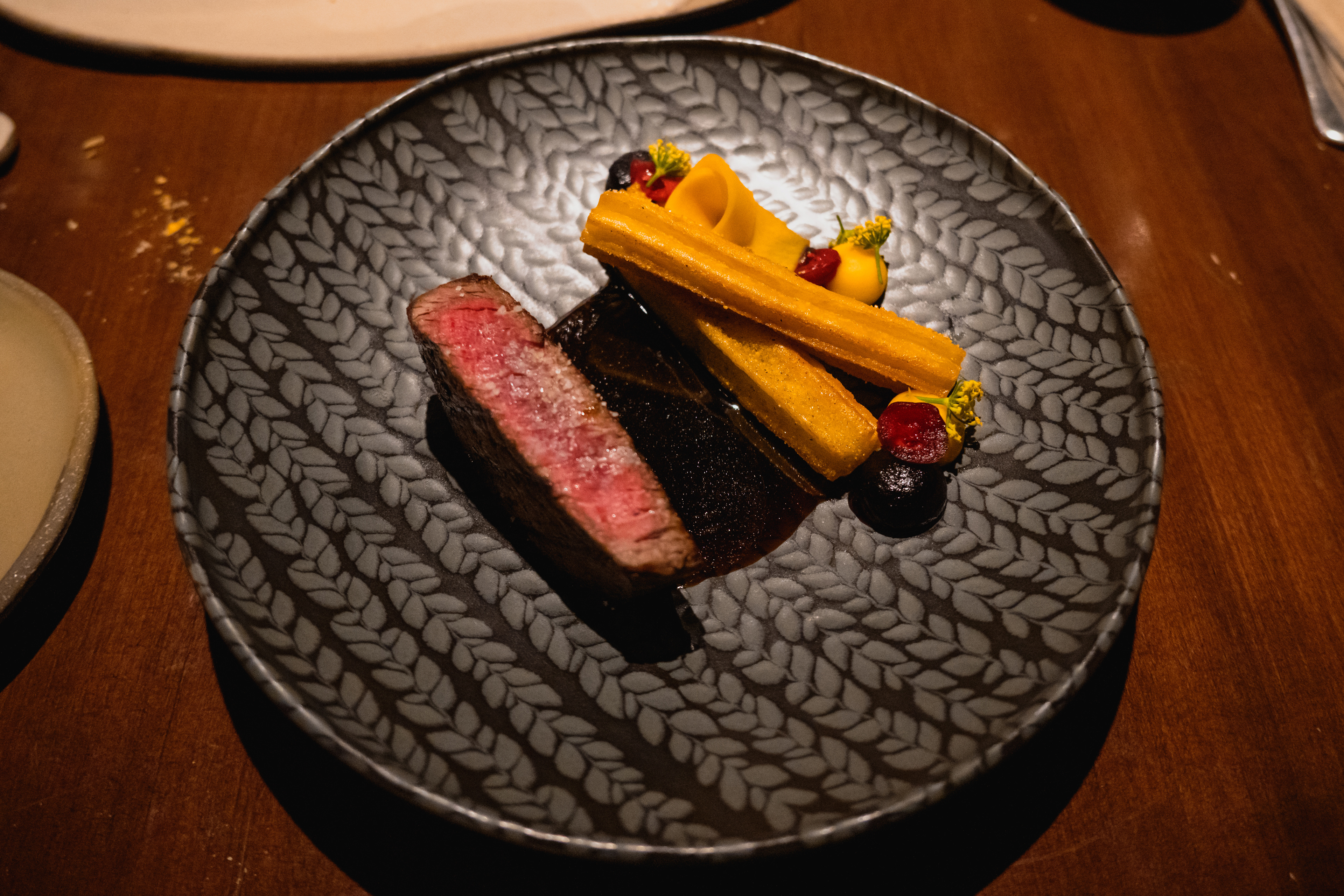
Manoir Hovey, draped around the north end of Lac Massawippi, was built in 1900 by an American who loved Lake Geneva and decided to reconstruct it in cheaper real estate. The property is so resolutely European in feel that you half-expect to turn a corner and find the Alps. The dinner at Restaurant Le Hatley — foie gras, mushroom soup, beef steak and fish of the day that arrives like a religious procession — is what you do when you've been driving three-year-olds through national parks all day and need to remember that civilization exists.
The Border Shuffle: Two Countries In One Day
Here's the part that doesn't show up in most Eastern Canada itineraries: getting from Québec's Eastern Townships to Saint John, New Brunswick is not straightforward. The provinces share a border, but the most direct road threads through a thin slice of Maine. We crossed from Canada into the United States at Coburn Gore, then back into Canada at St Stephen a few hours later.
Two border crossings in a single day, in two different directions. With a child who needed a snack approximately every forty minutes. Canadian customs agents, in my experience, are politely suspicious of everyone in exactly the same way, which is somehow reassuring.
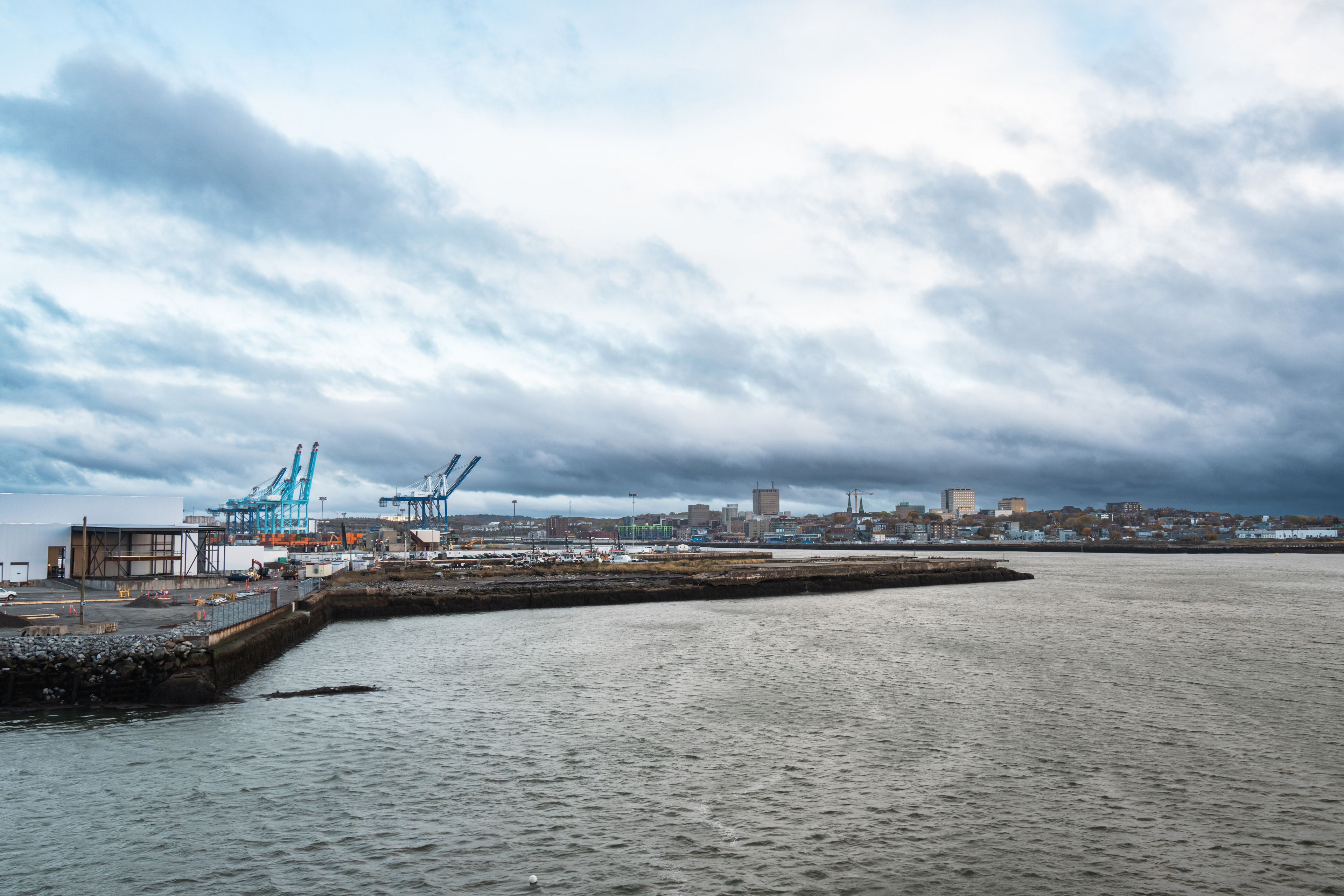
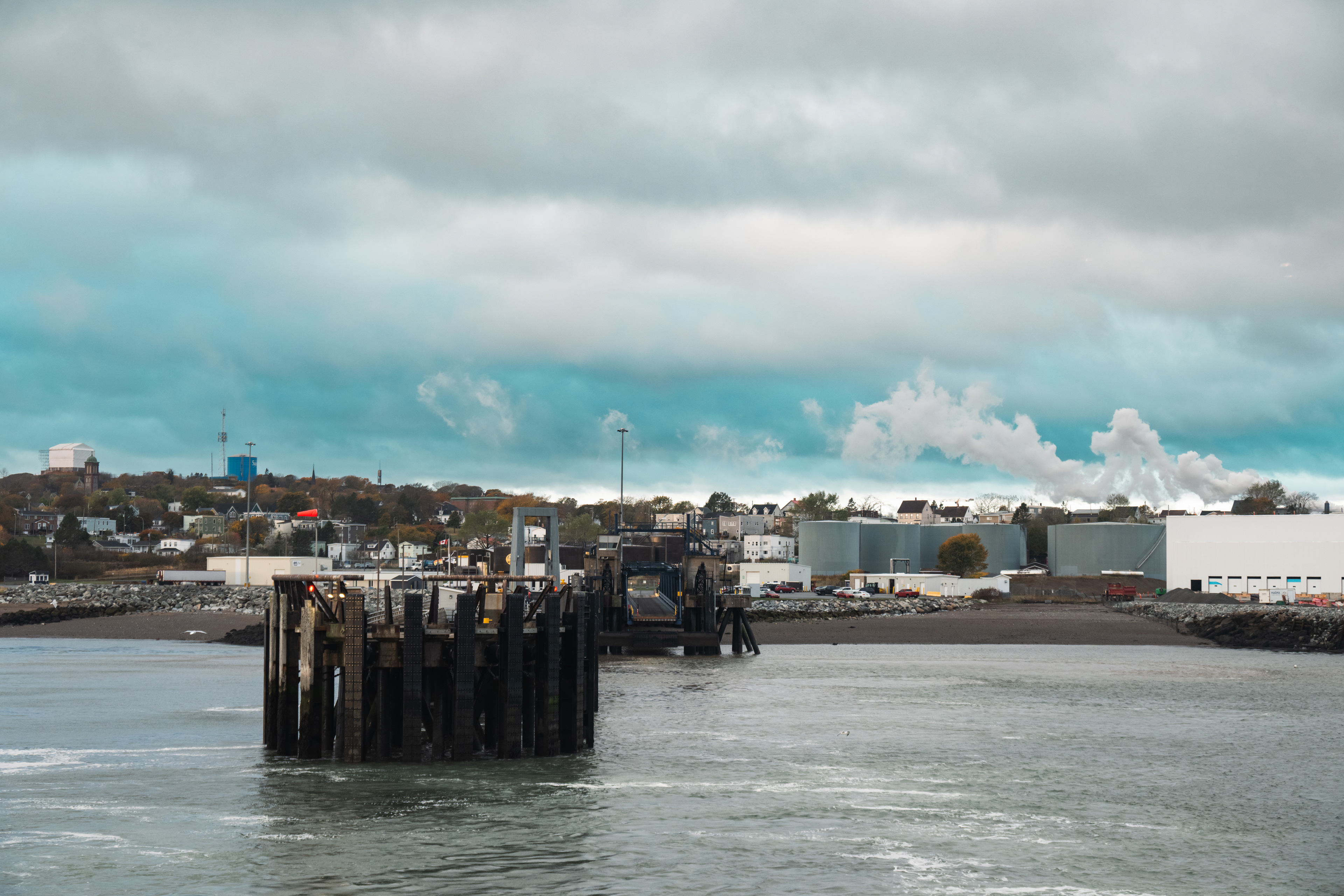
Saint John itself is the oldest incorporated city in Canada — a distinction it likes to mention — and in October it's a working port town that doesn't much care that the tourists have mostly gone home. Dinner at WOK IN Asian Cuisine was precisely the comfort food you want after eight hours of driving: unambitious, generous, and exactly right.
The Bay of Fundy: Physics Made Visible
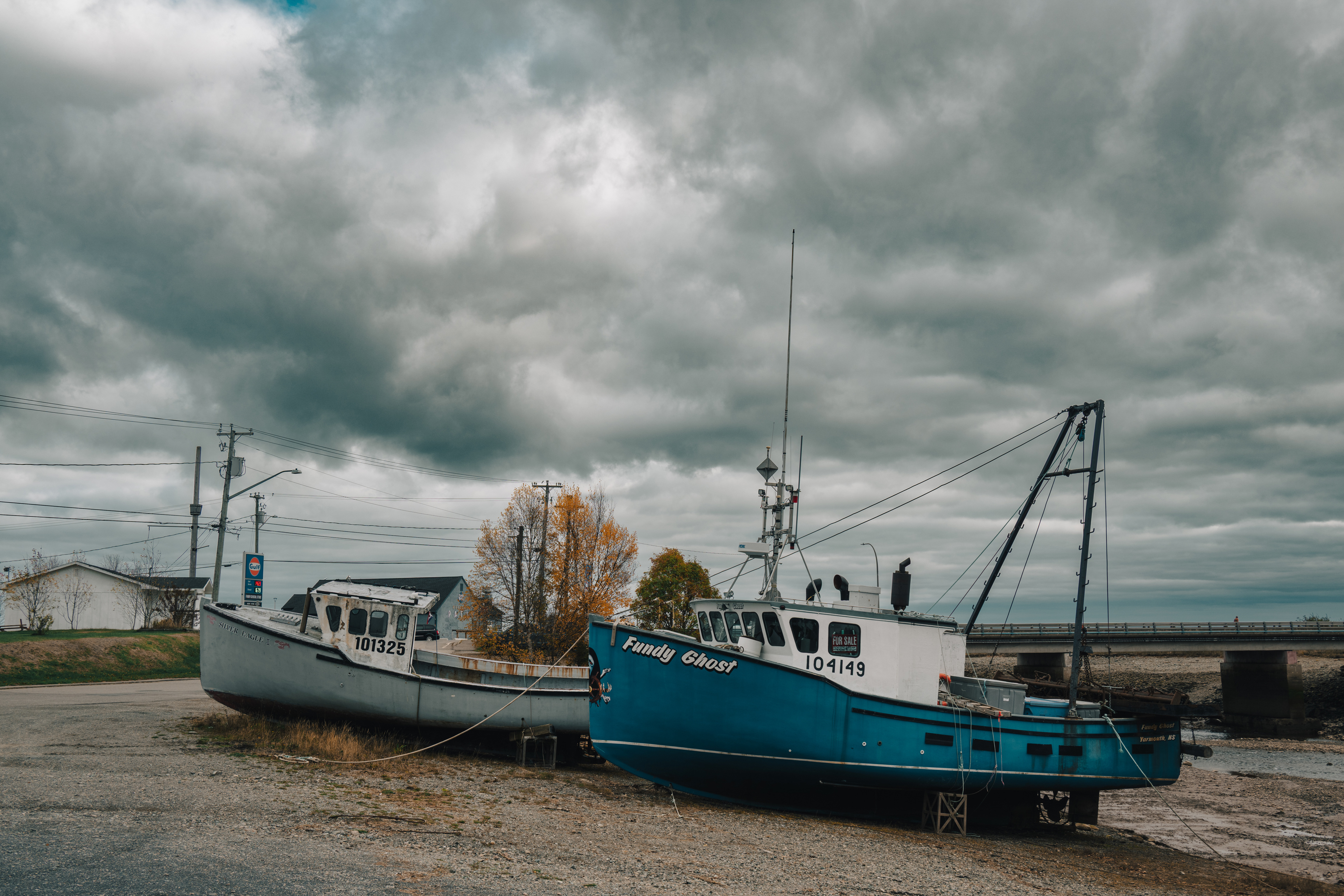
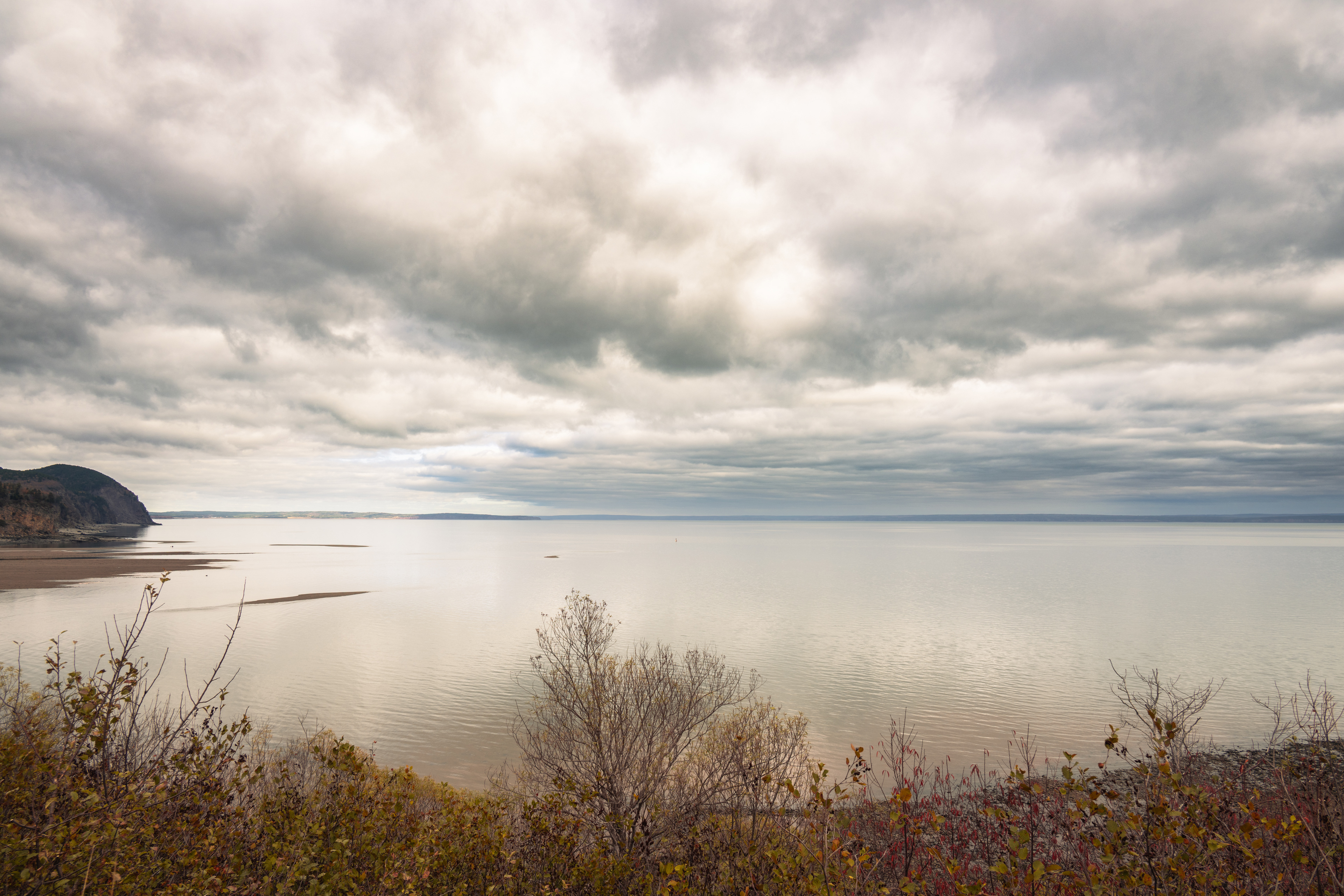
If you've never heard of the Bay of Fundy, here's the elevator pitch: it has the highest tides in the world. Not by a little. The water level swings up to 16 meters — that's a five-story building — between high and low tide, twice a day. Every 12.4 hours, roughly 160 billion tonnes of seawater pour in and drain back out. The bay's funnel shape amplifies the Atlantic tidal pulse into something genuinely theatrical.
We approached it in two stages, as the bay demands.
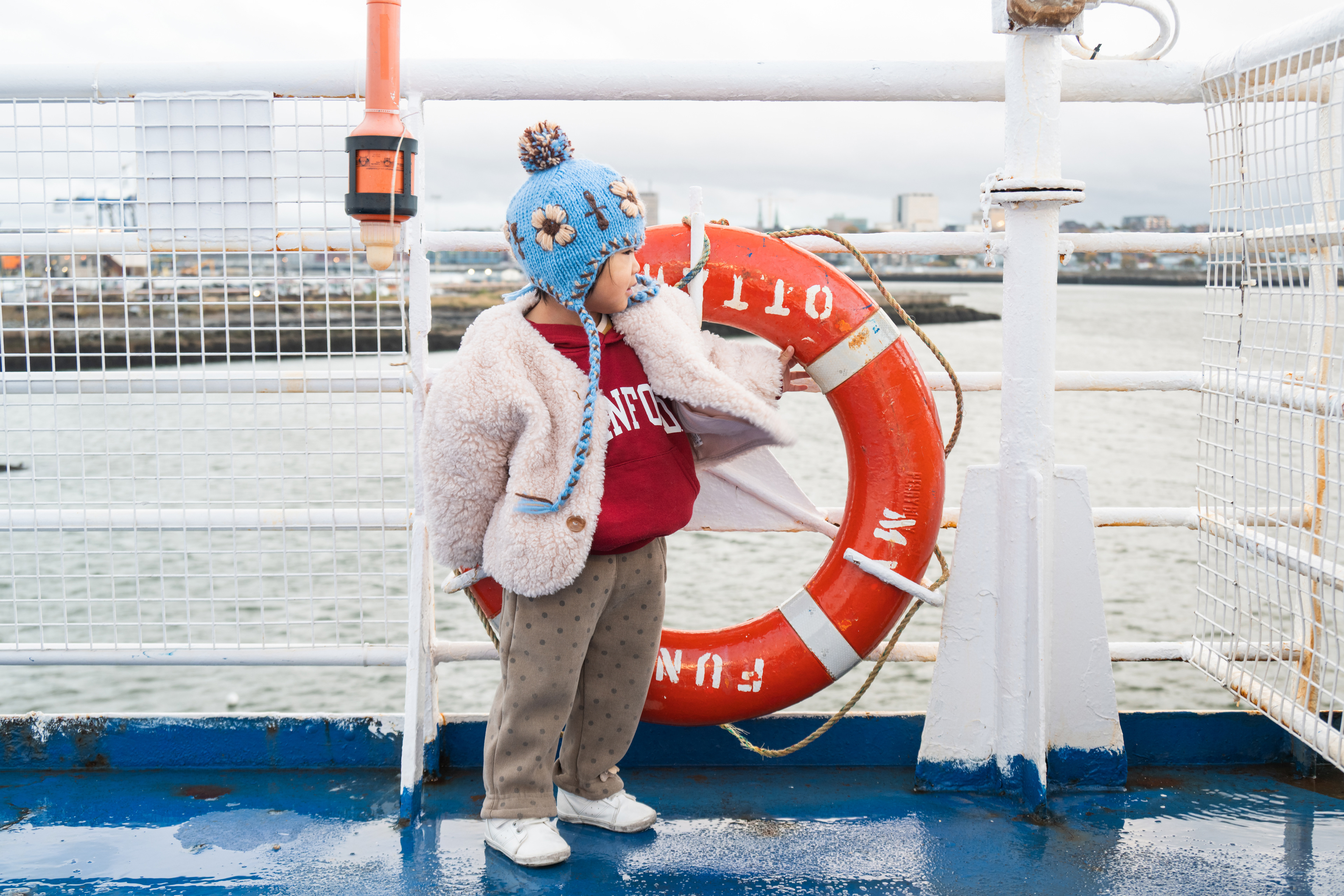
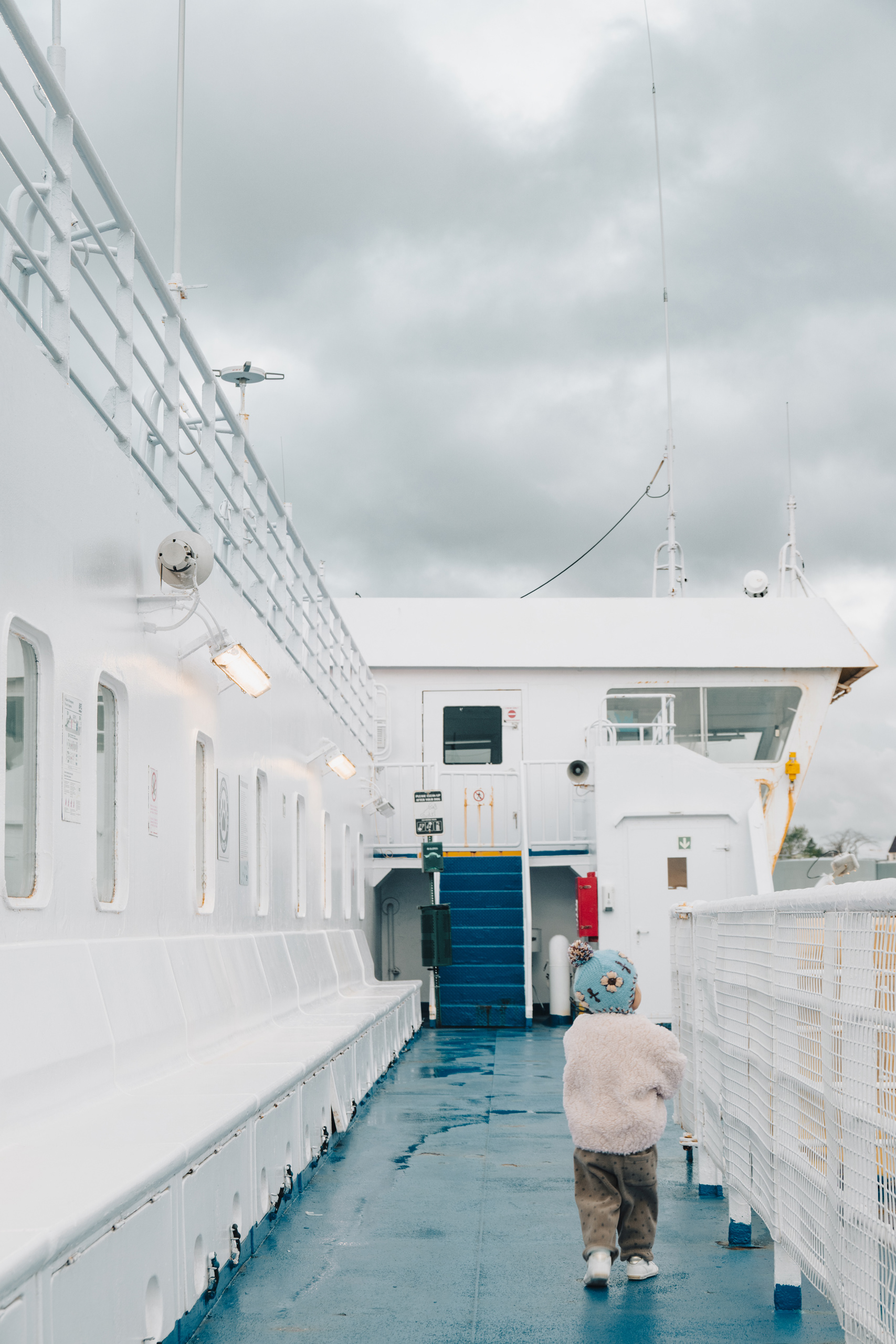
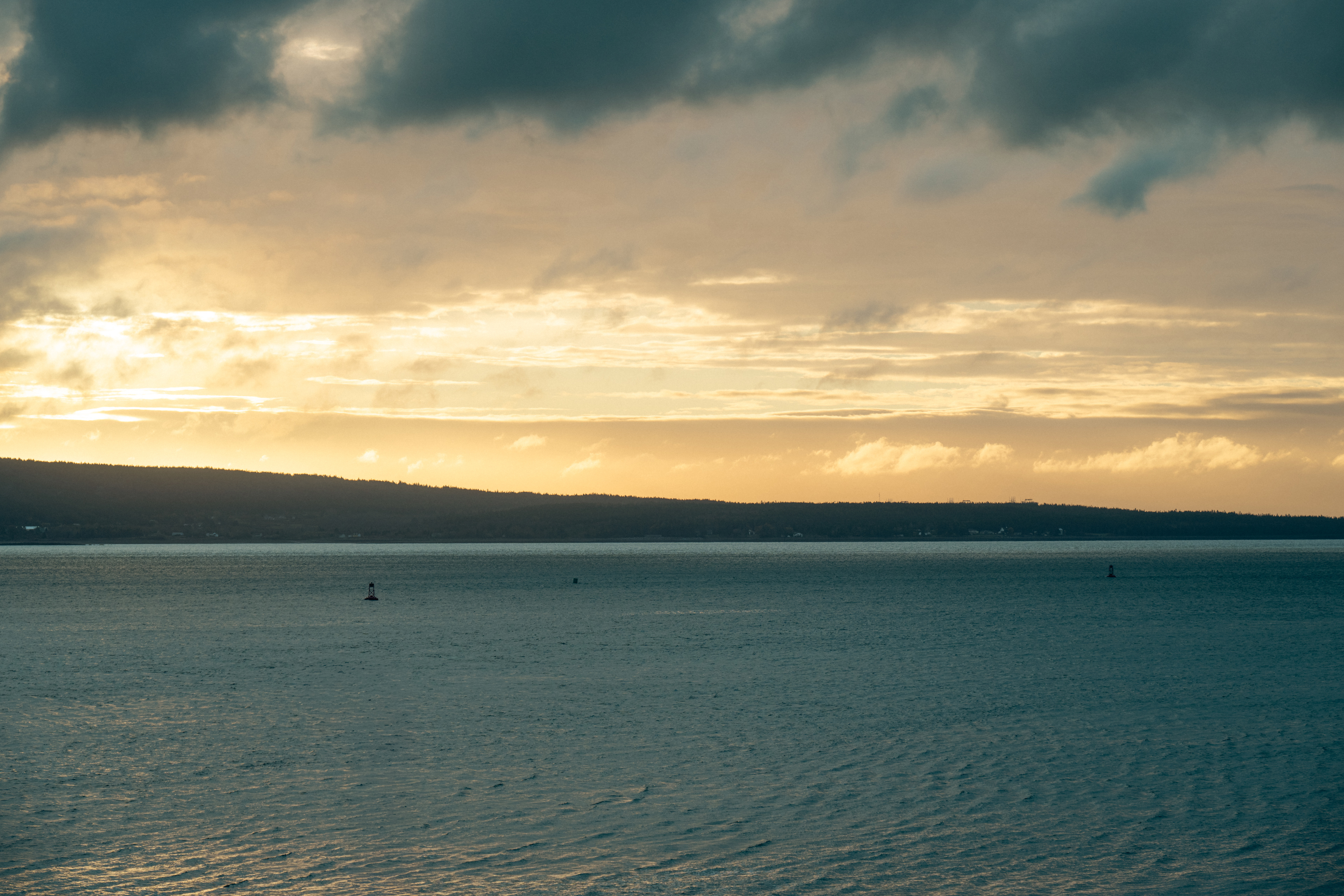
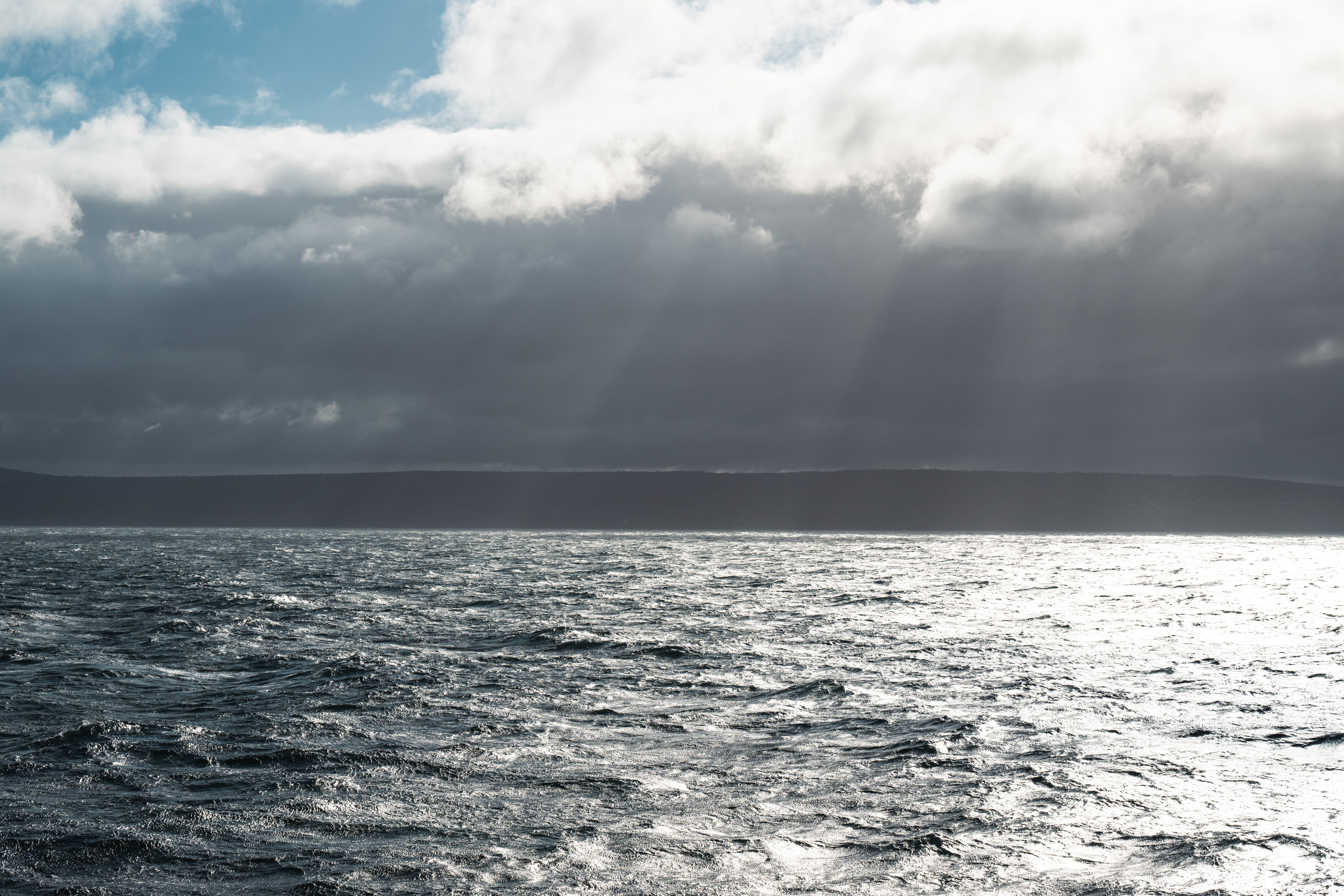
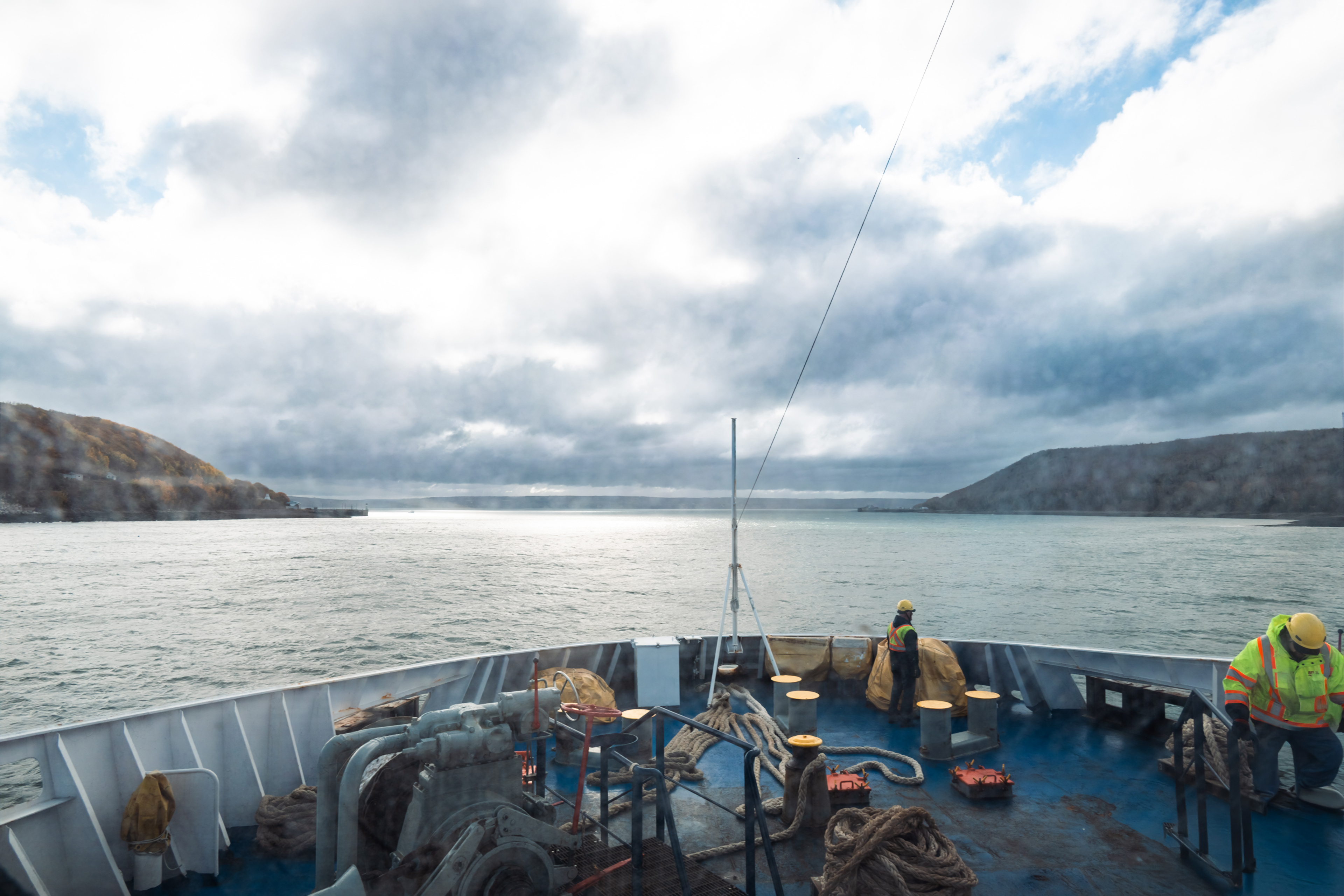
First, the Bay Ferries crossing from Saint John to Digby. The MV Fundy Rose makes the 74-kilometer crossing in about two hours, running straight across the bay's mouth. On an October morning with low clouds and flat grey water, the ferry feels less like transportation and more like a meditation on scale. Somewhere in the middle, you lose sight of both shores simultaneously, and for a few minutes there's nothing but ocean in every direction. I stood at the bow and thought about Samuel de Champlain, who crossed these same waters in 1604 and drew maps that are remarkably accurate given that he was doing it by eye from a wooden boat.
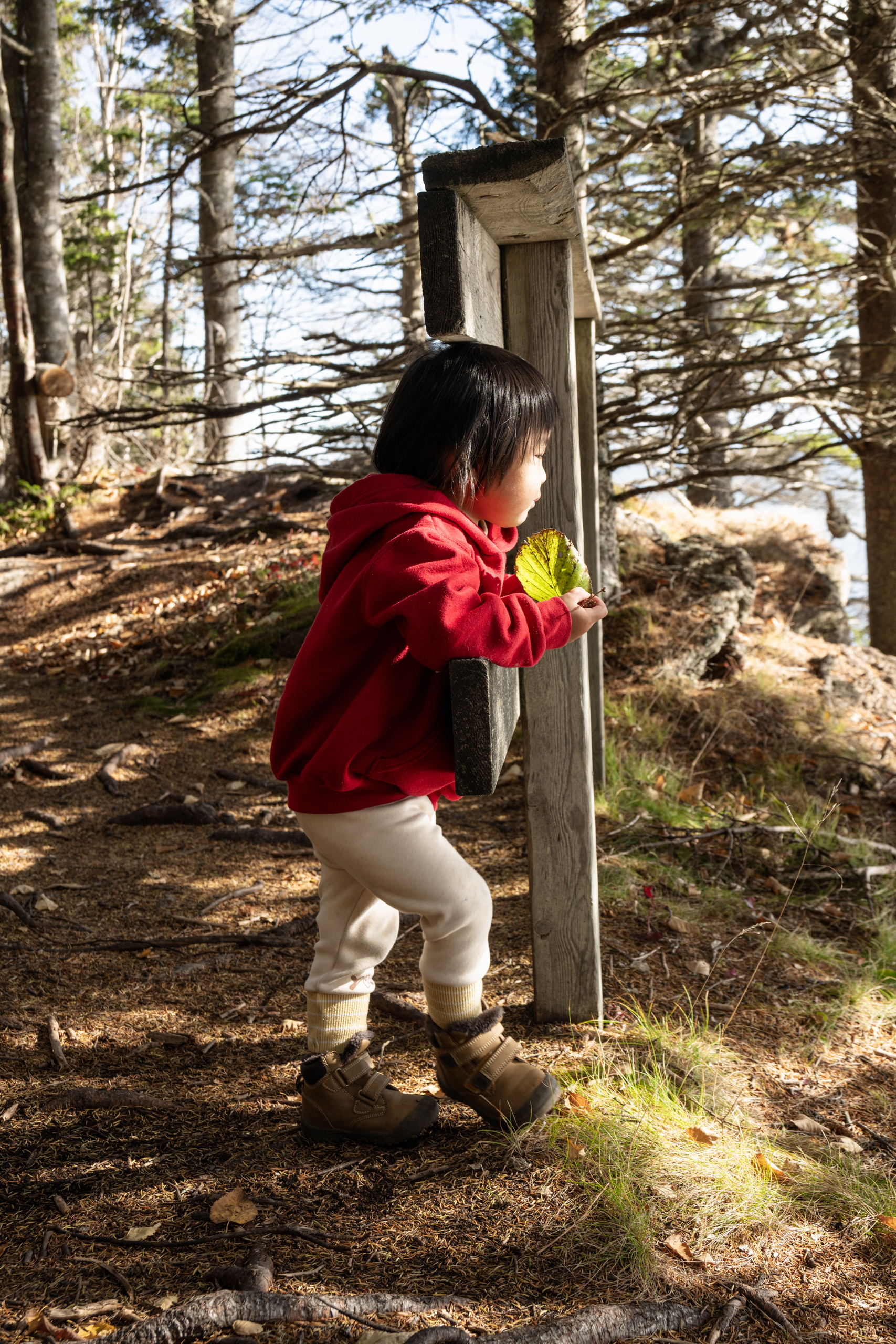
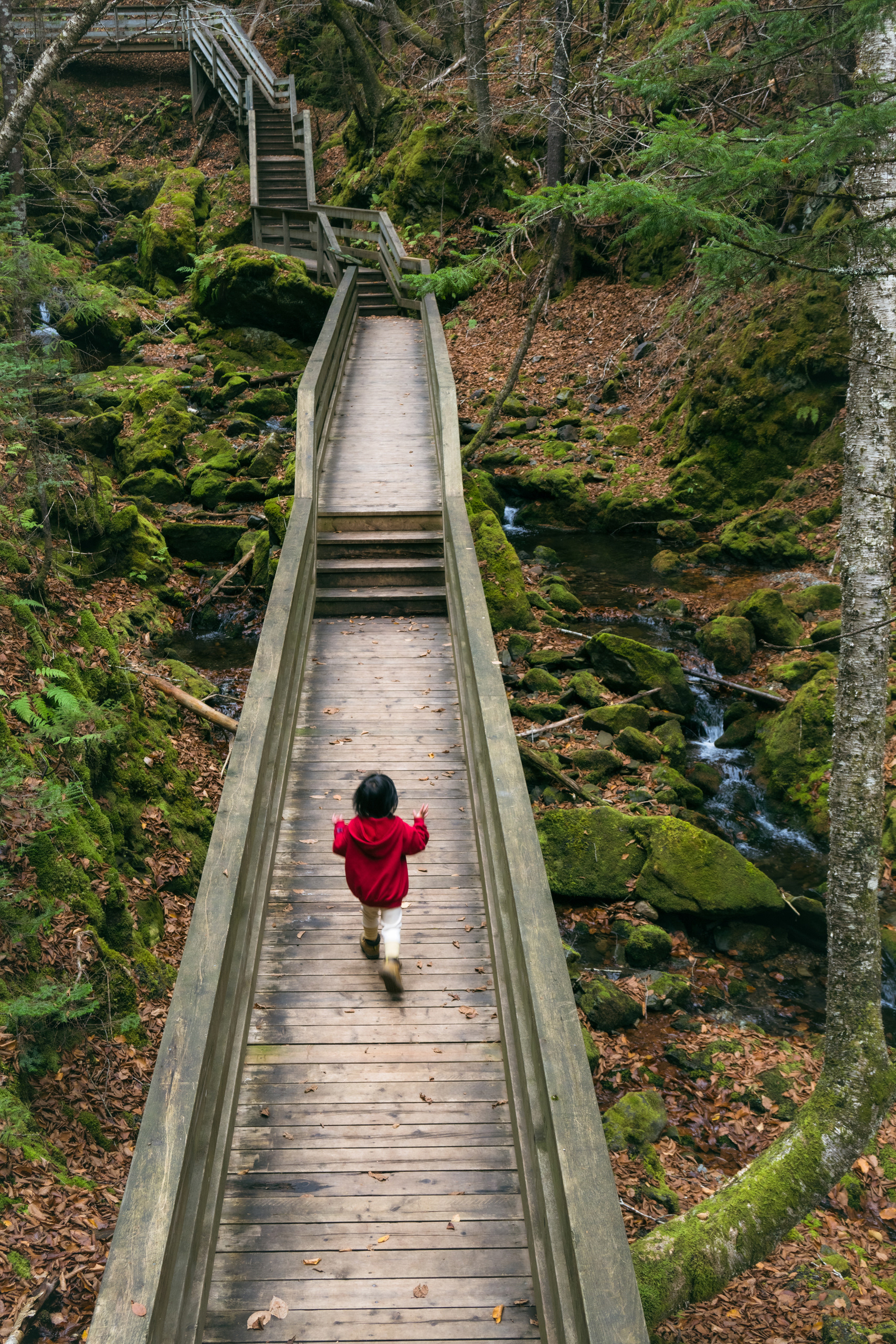
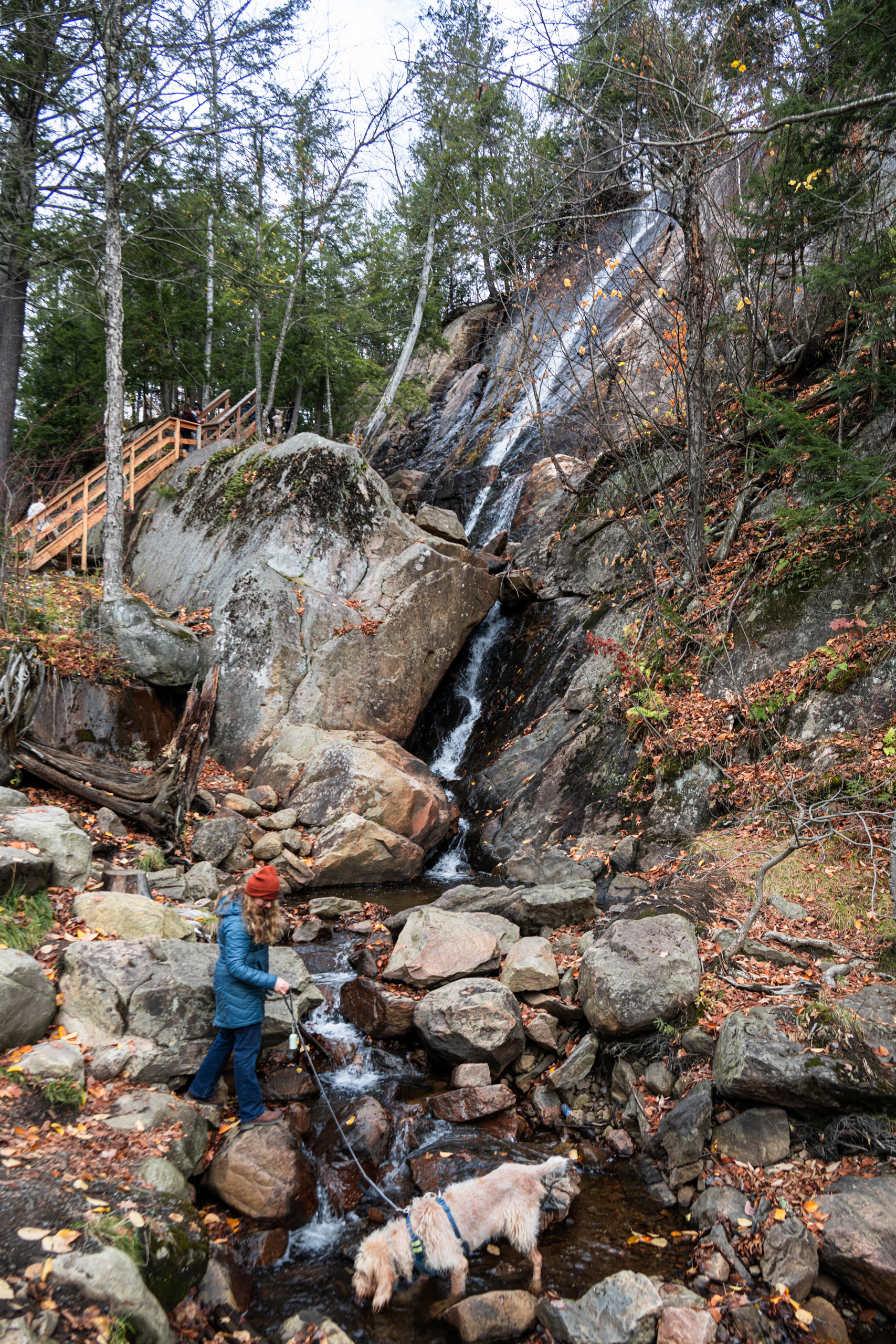
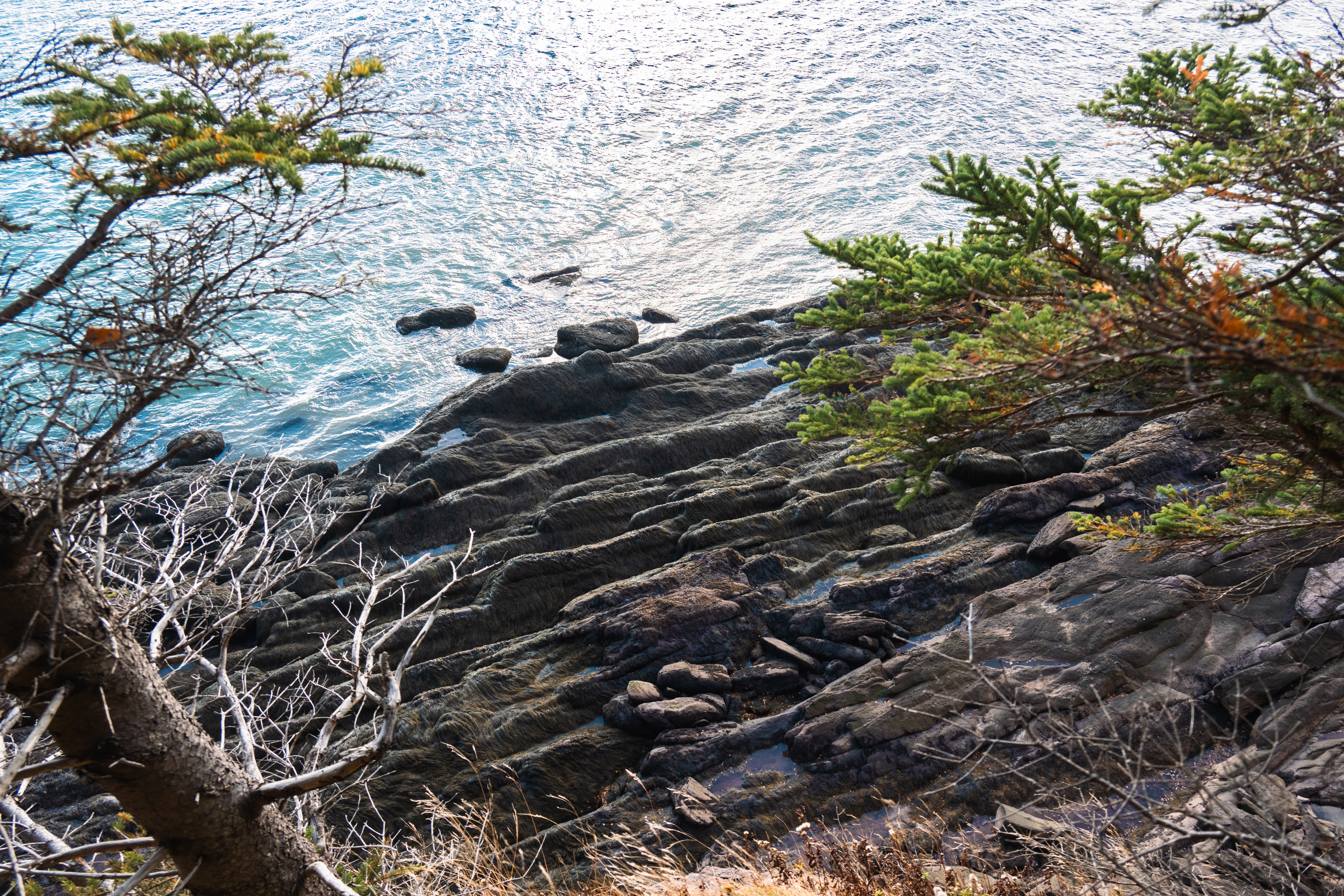
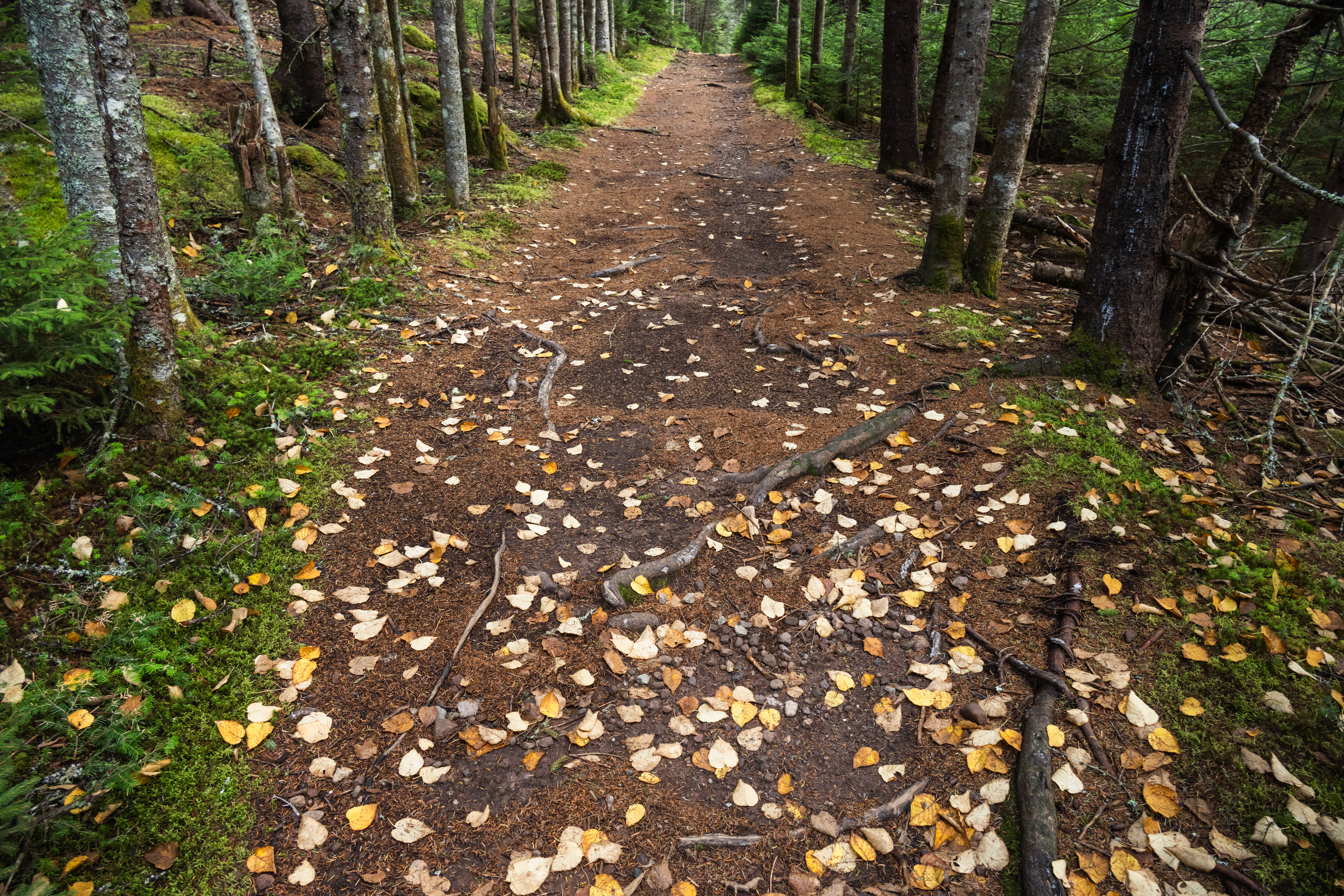
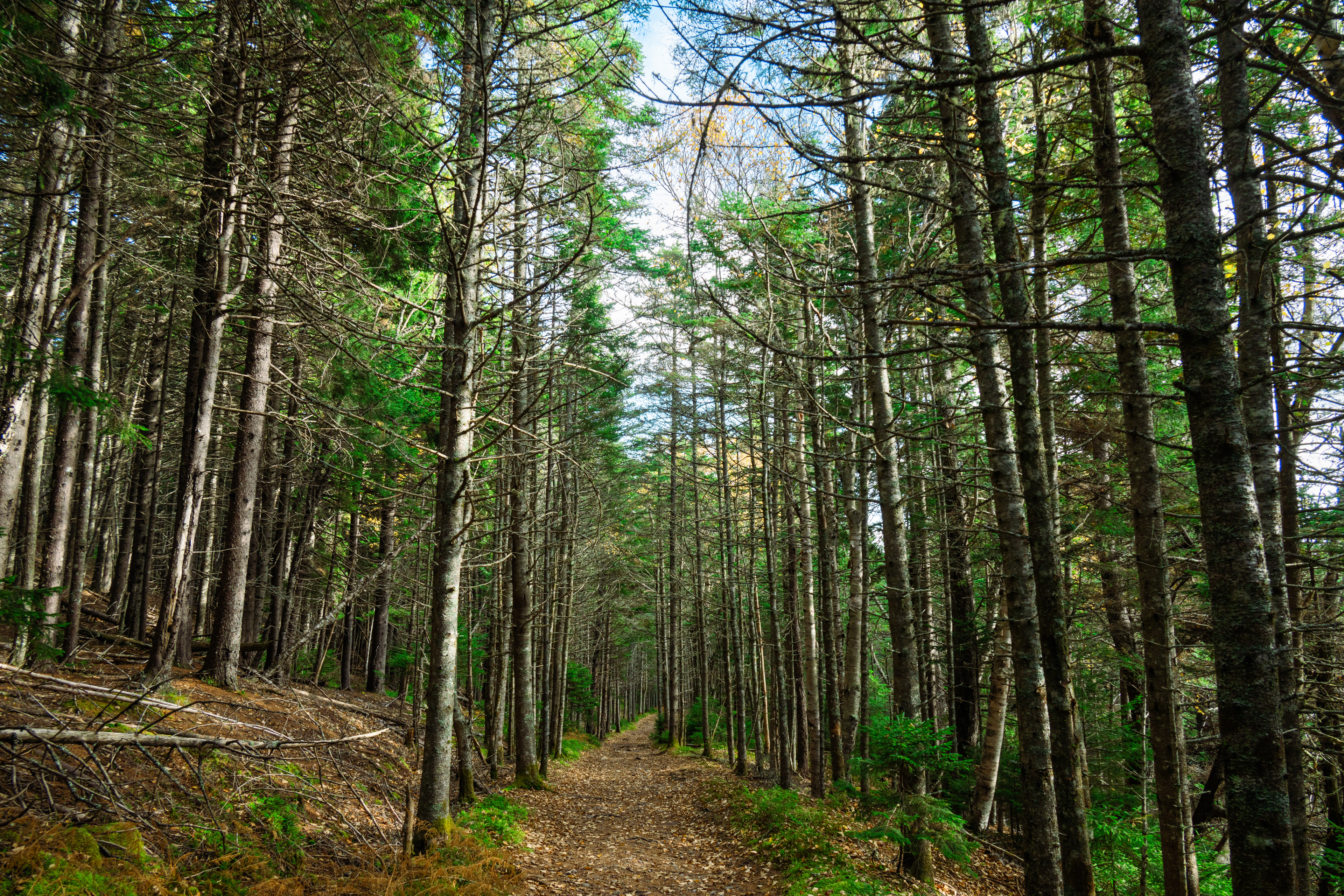
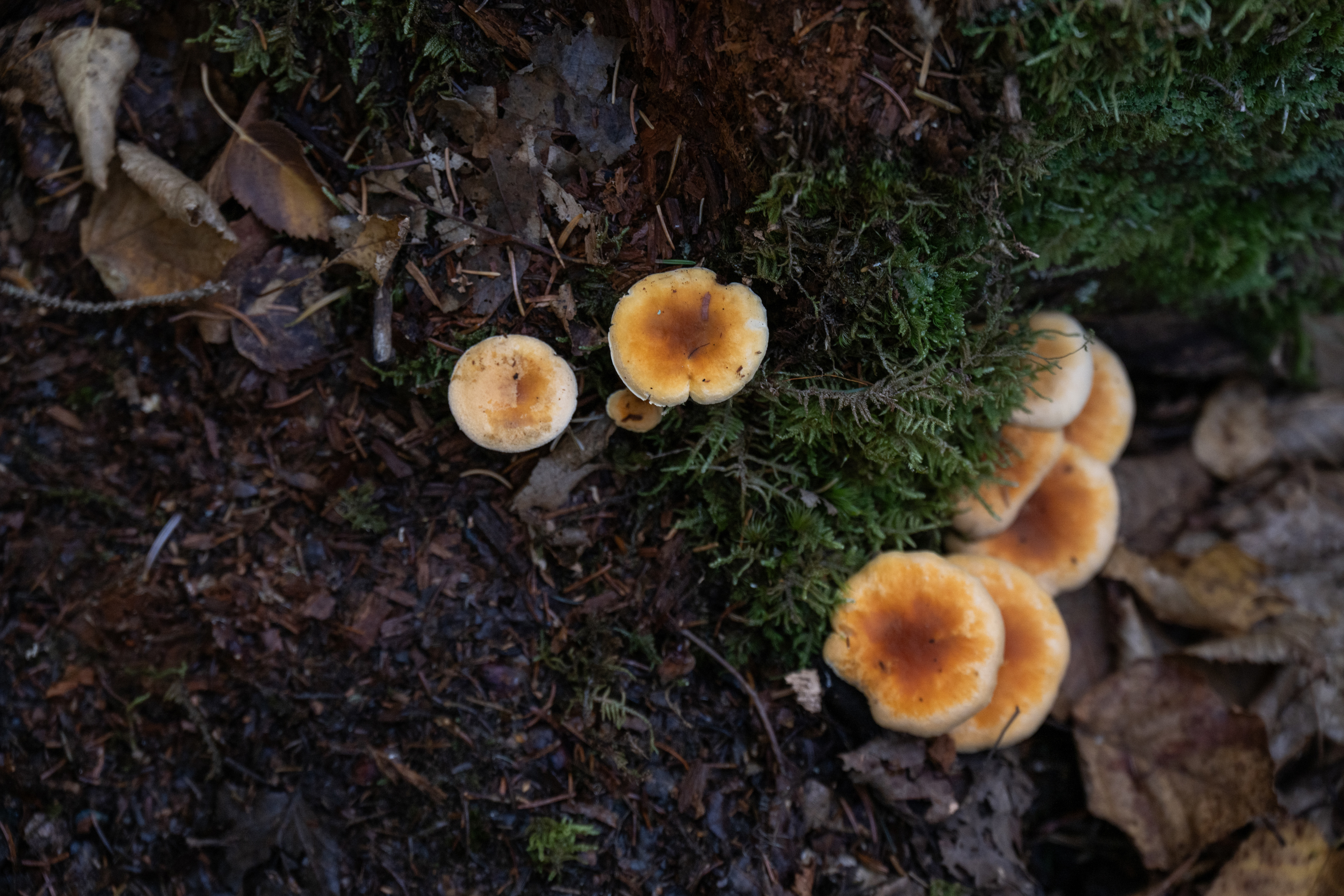
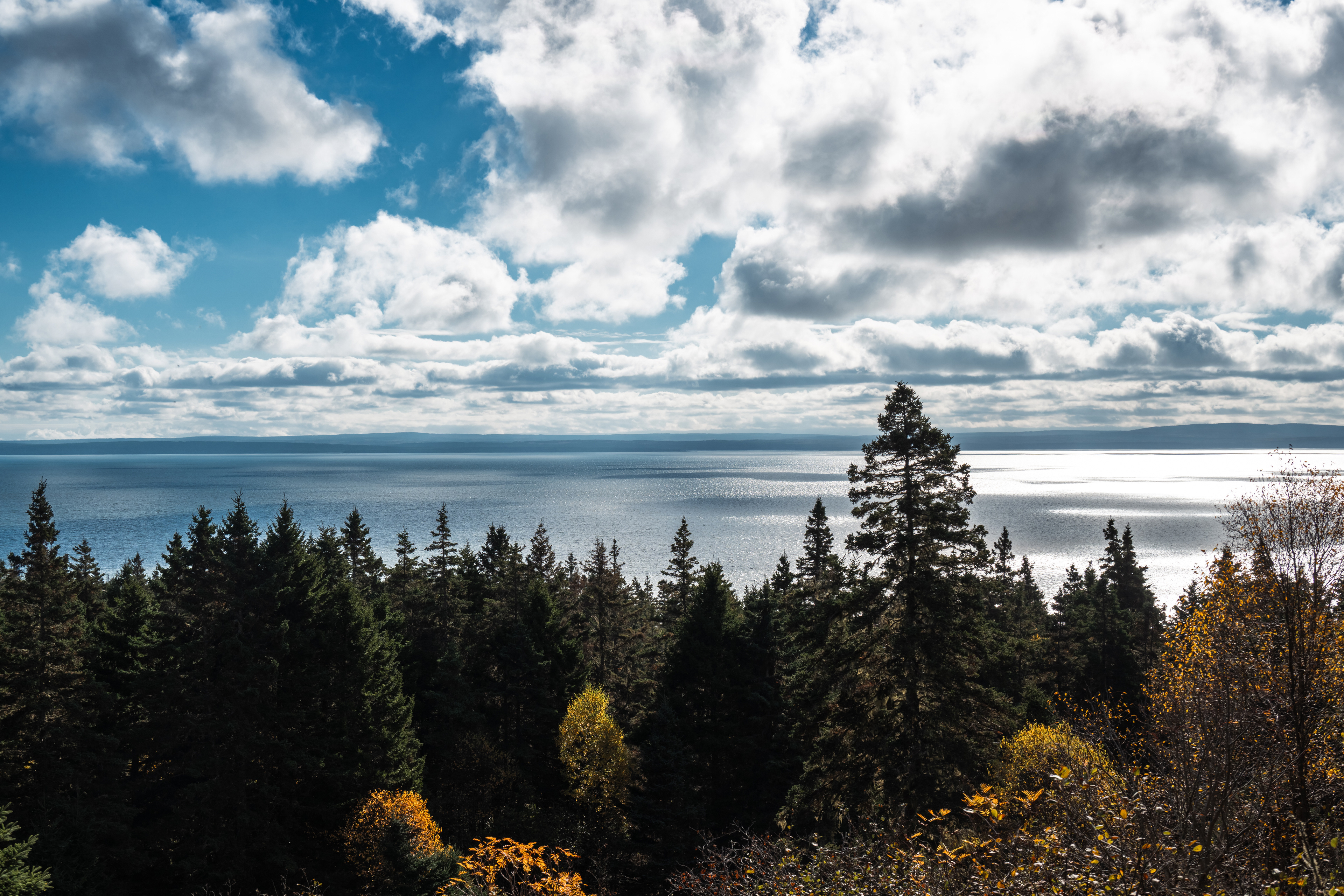
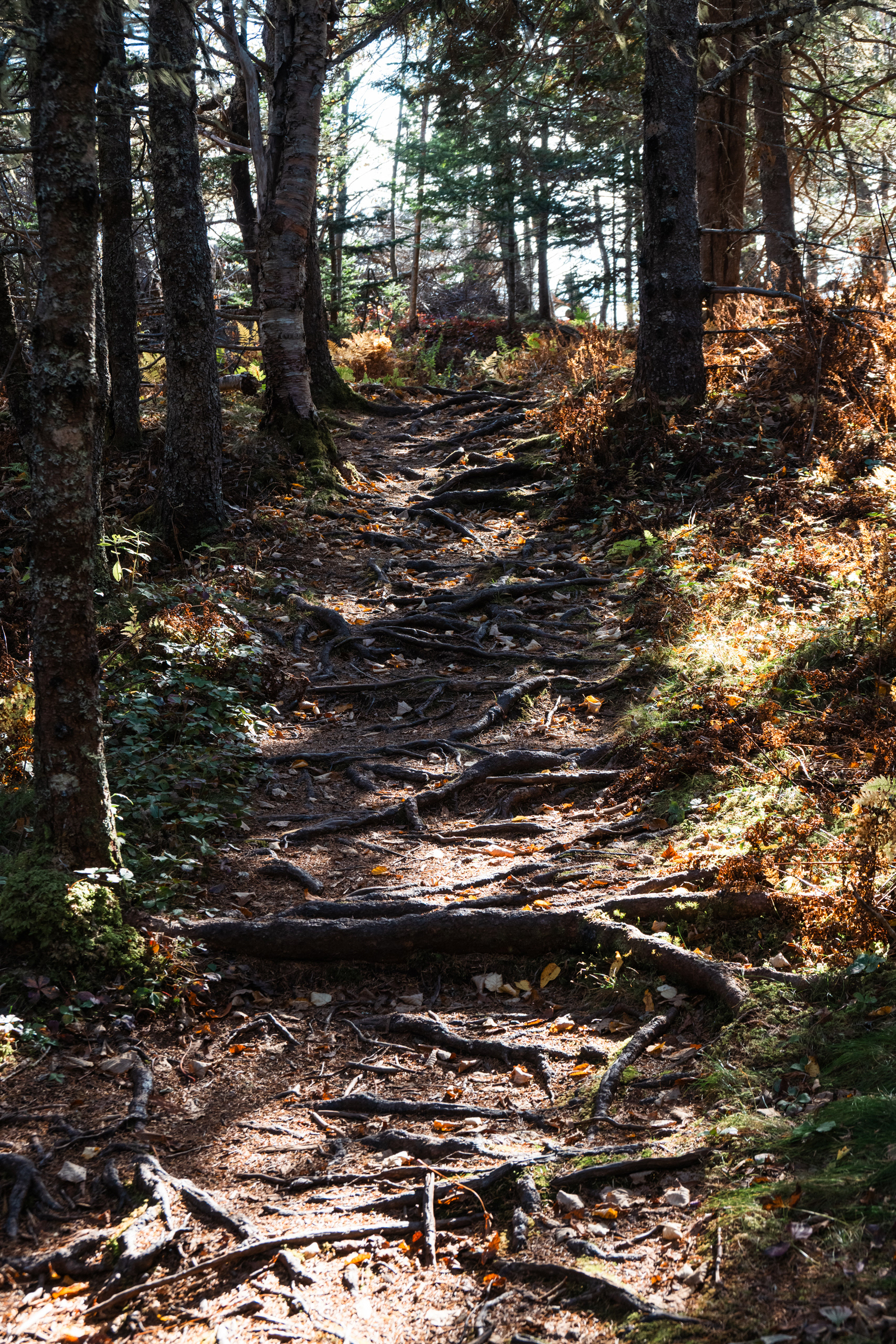
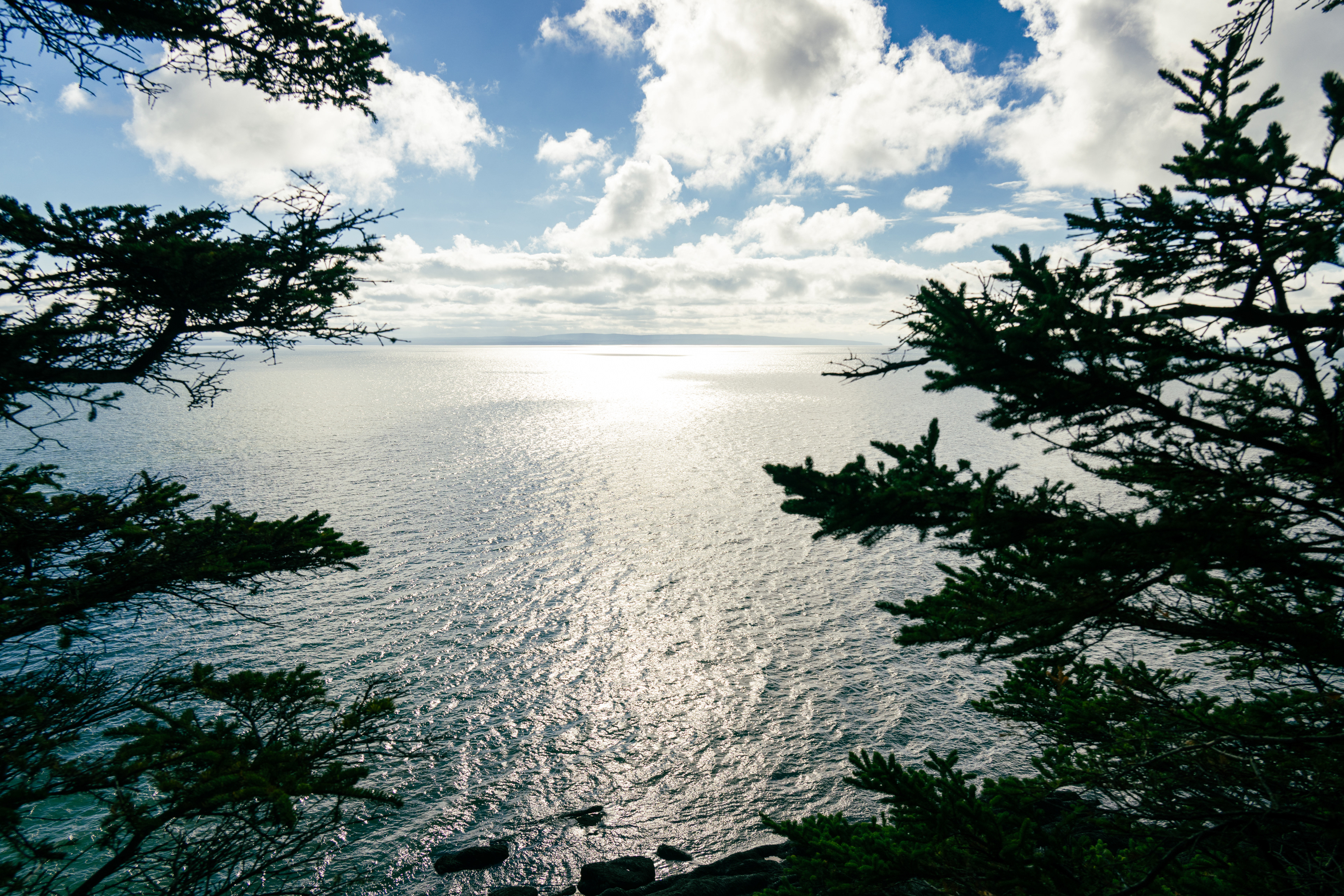
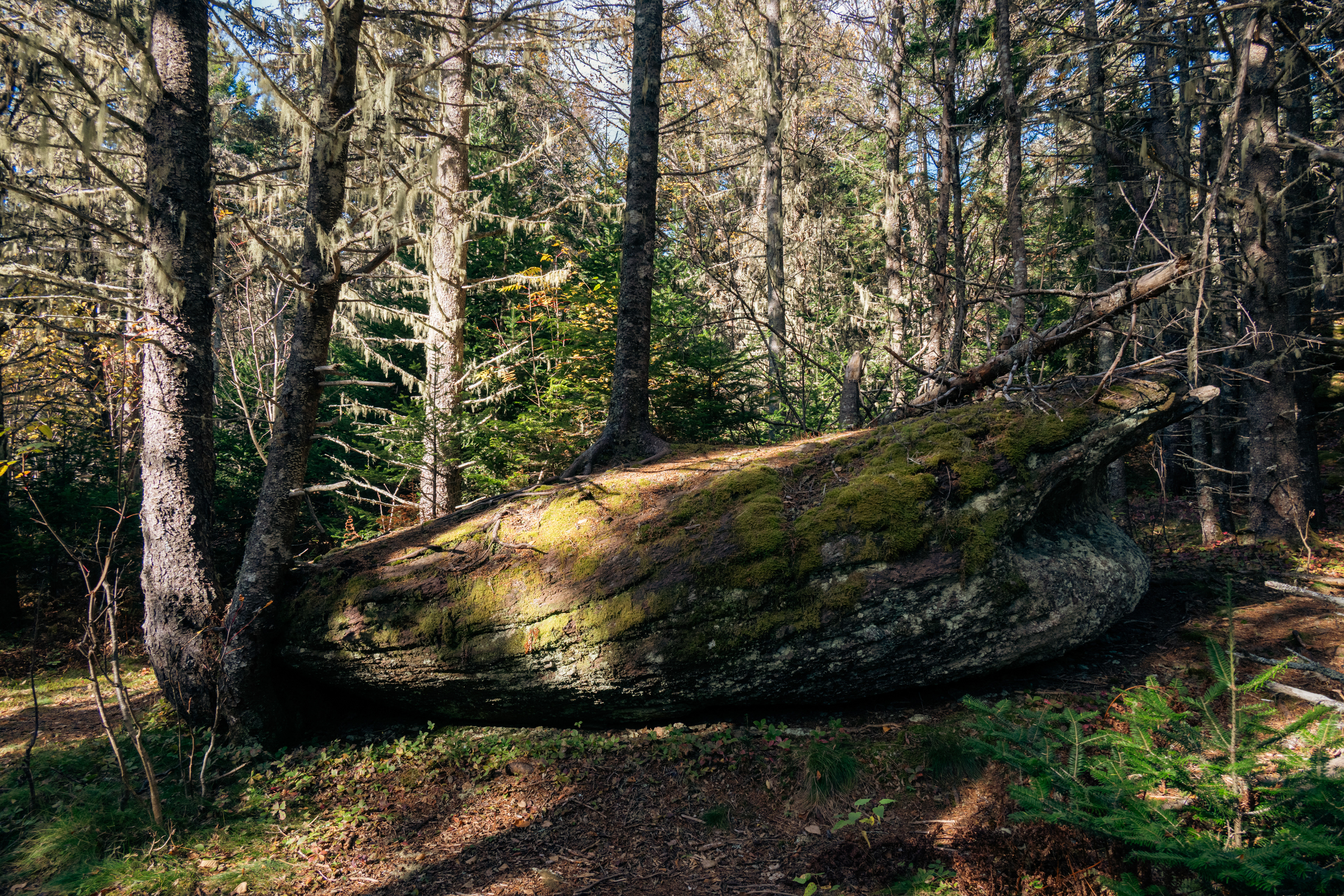
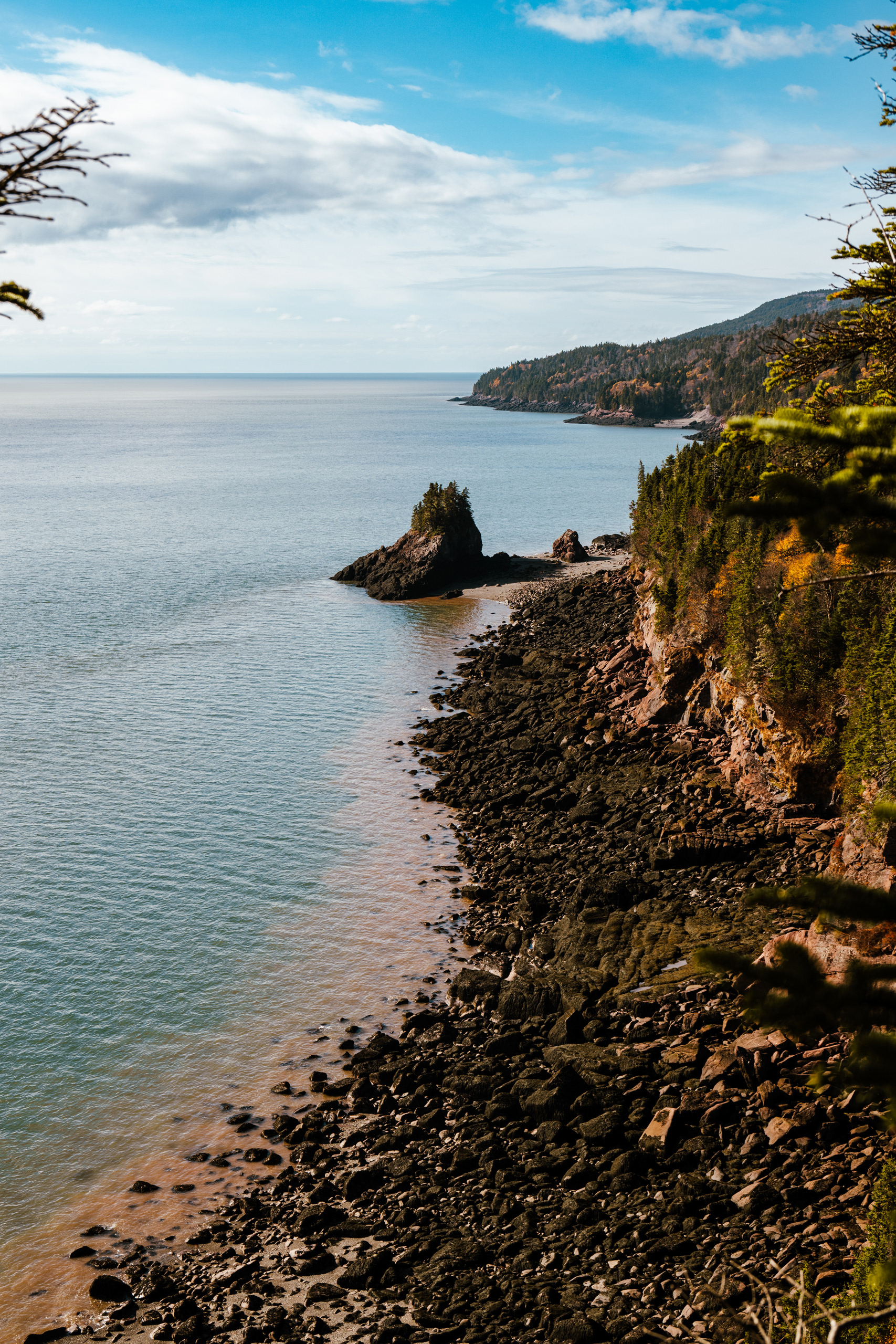
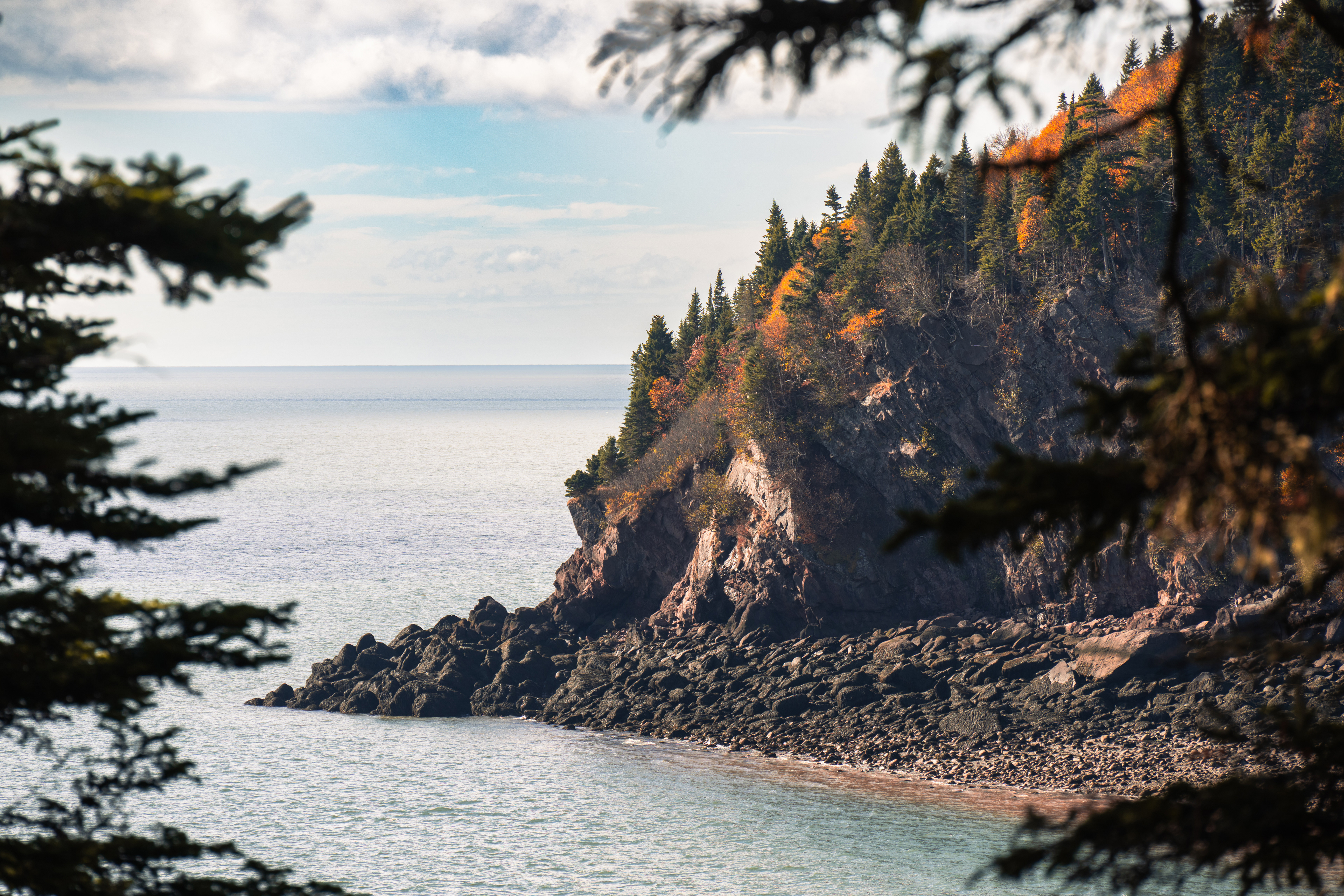
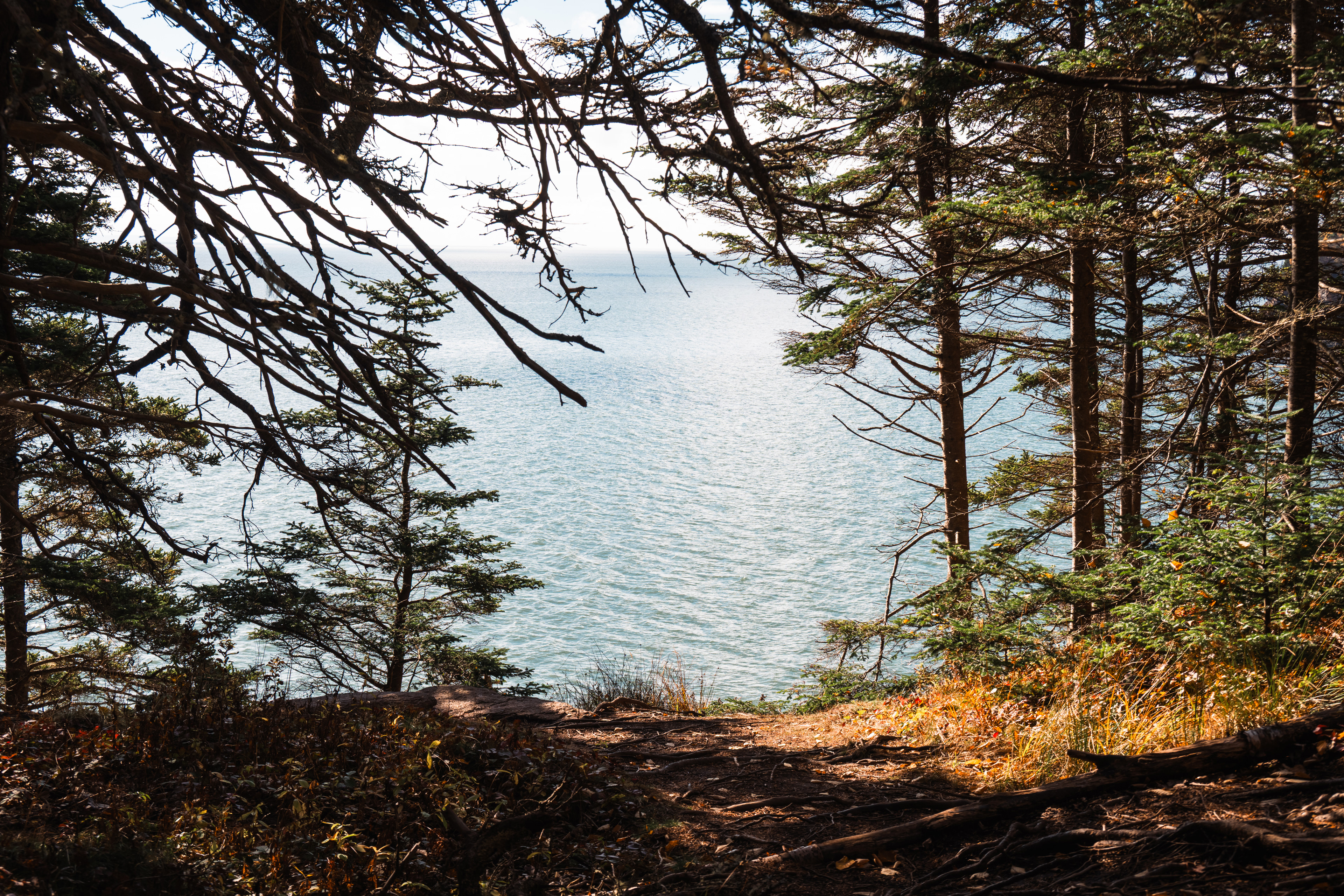
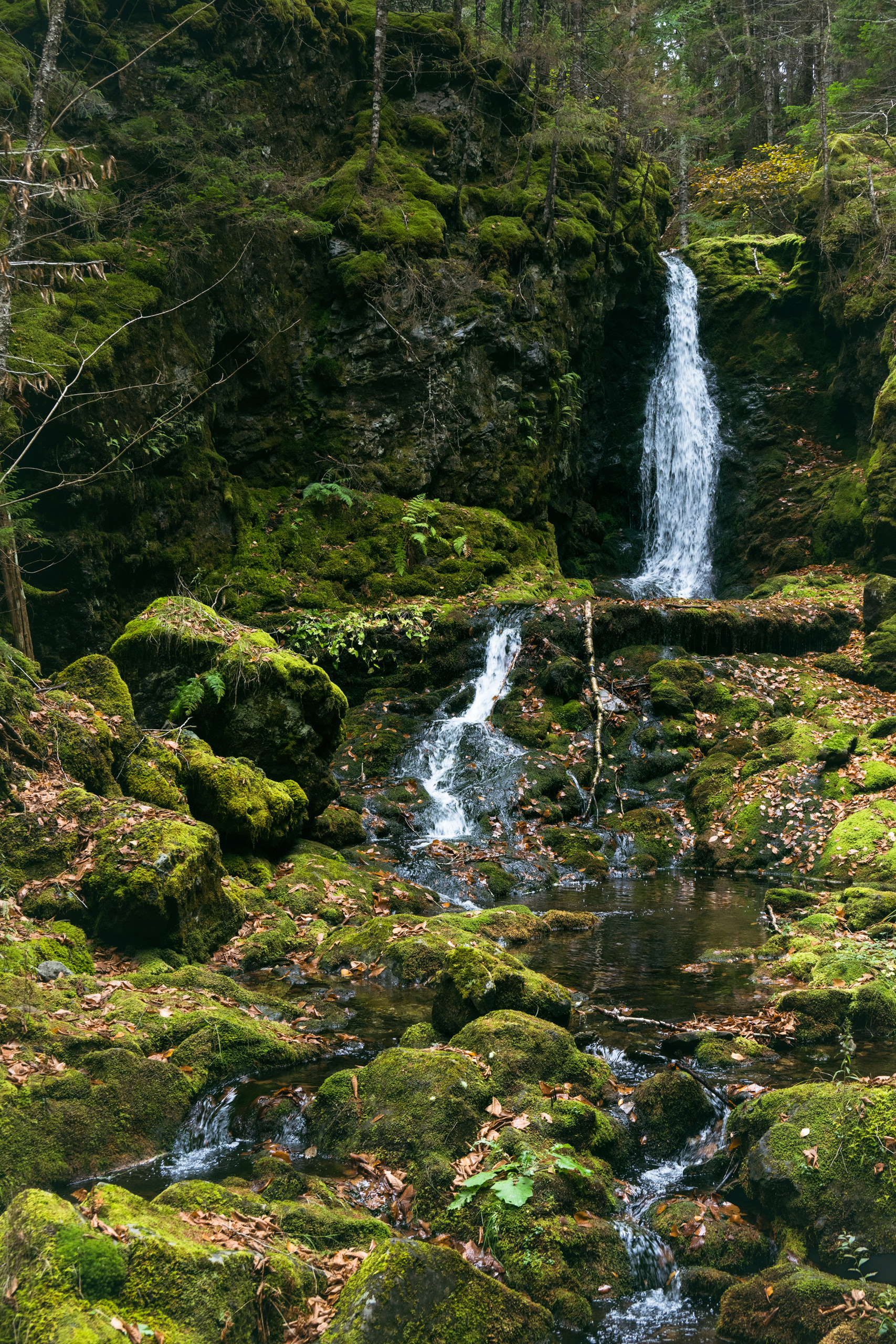
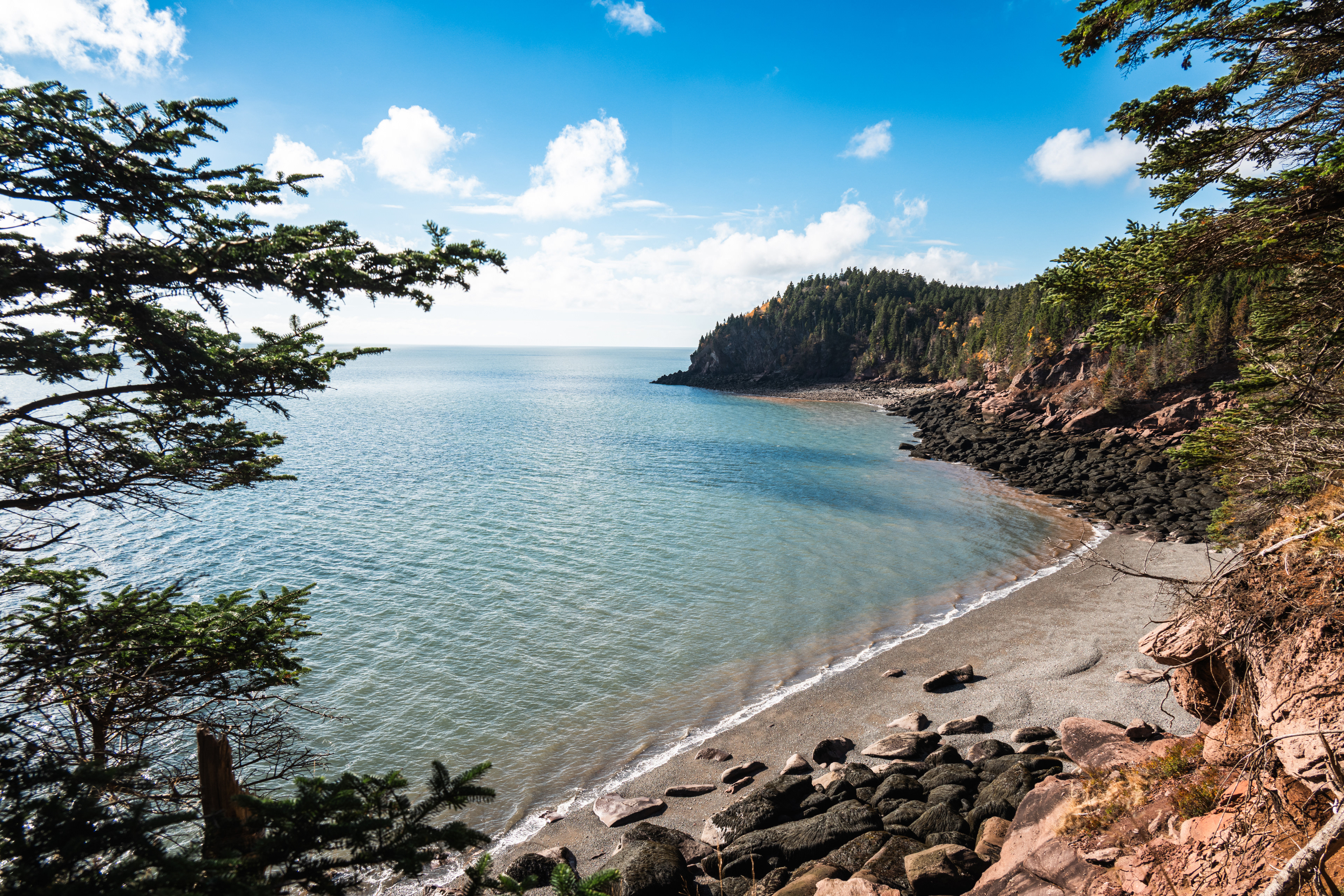
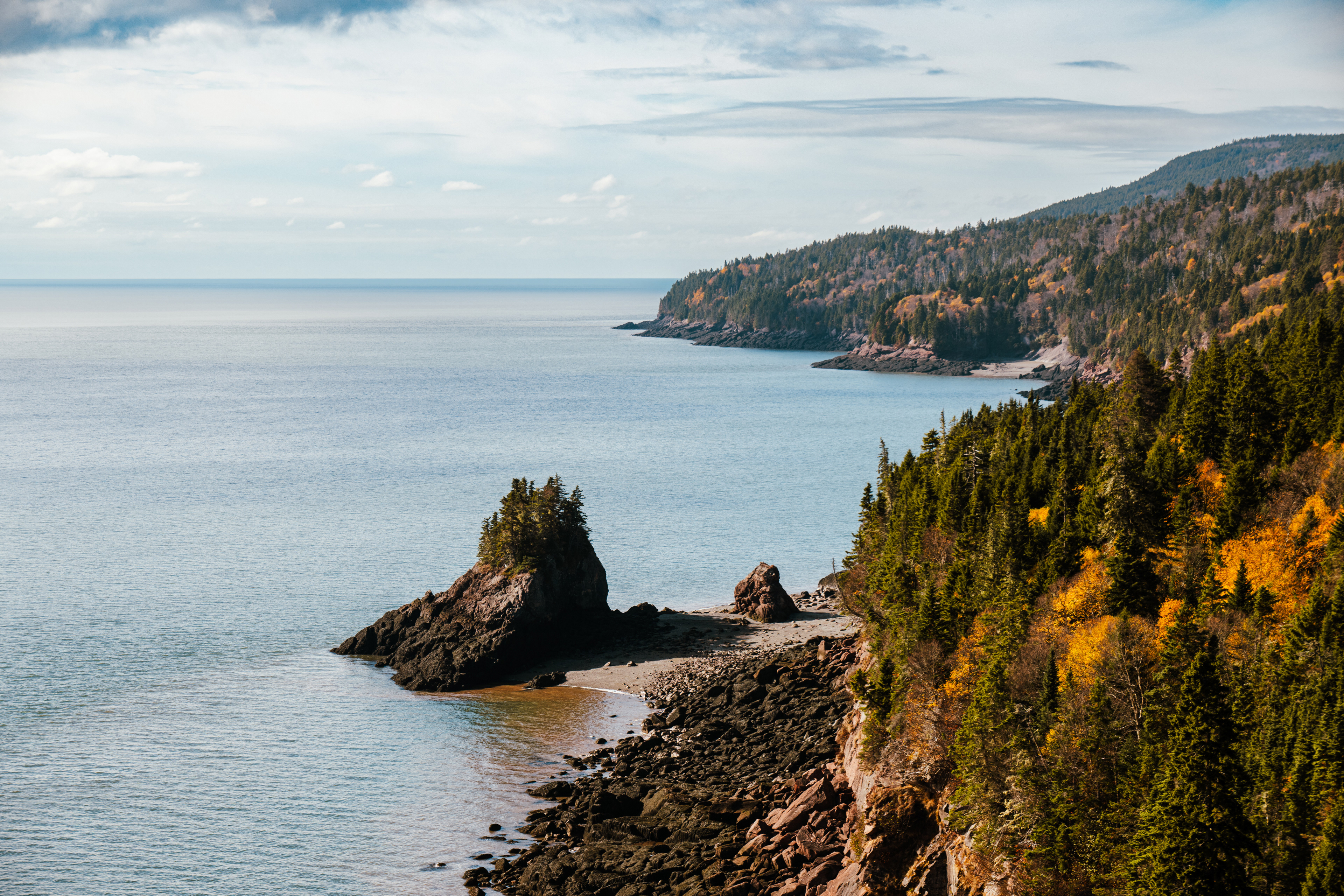
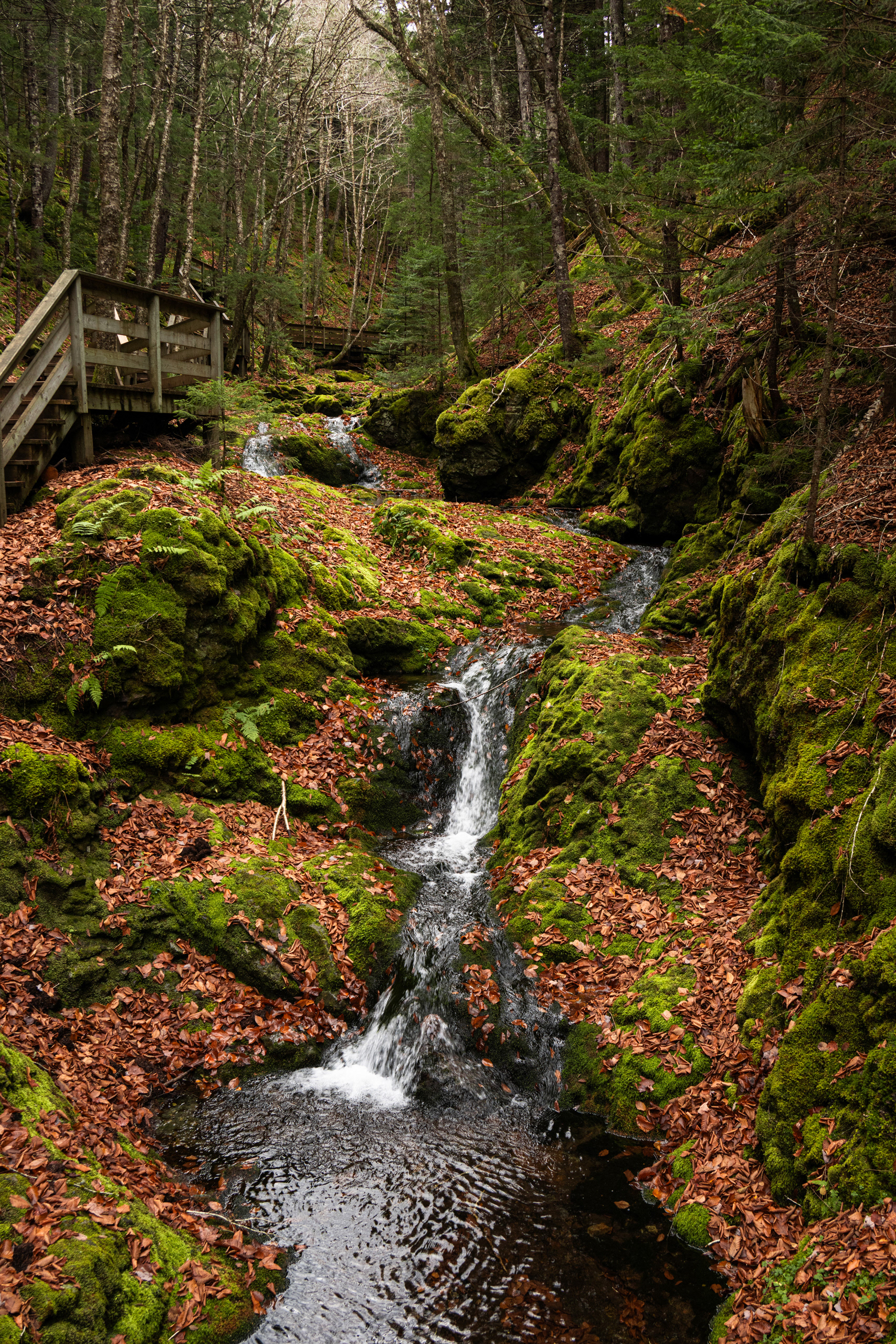
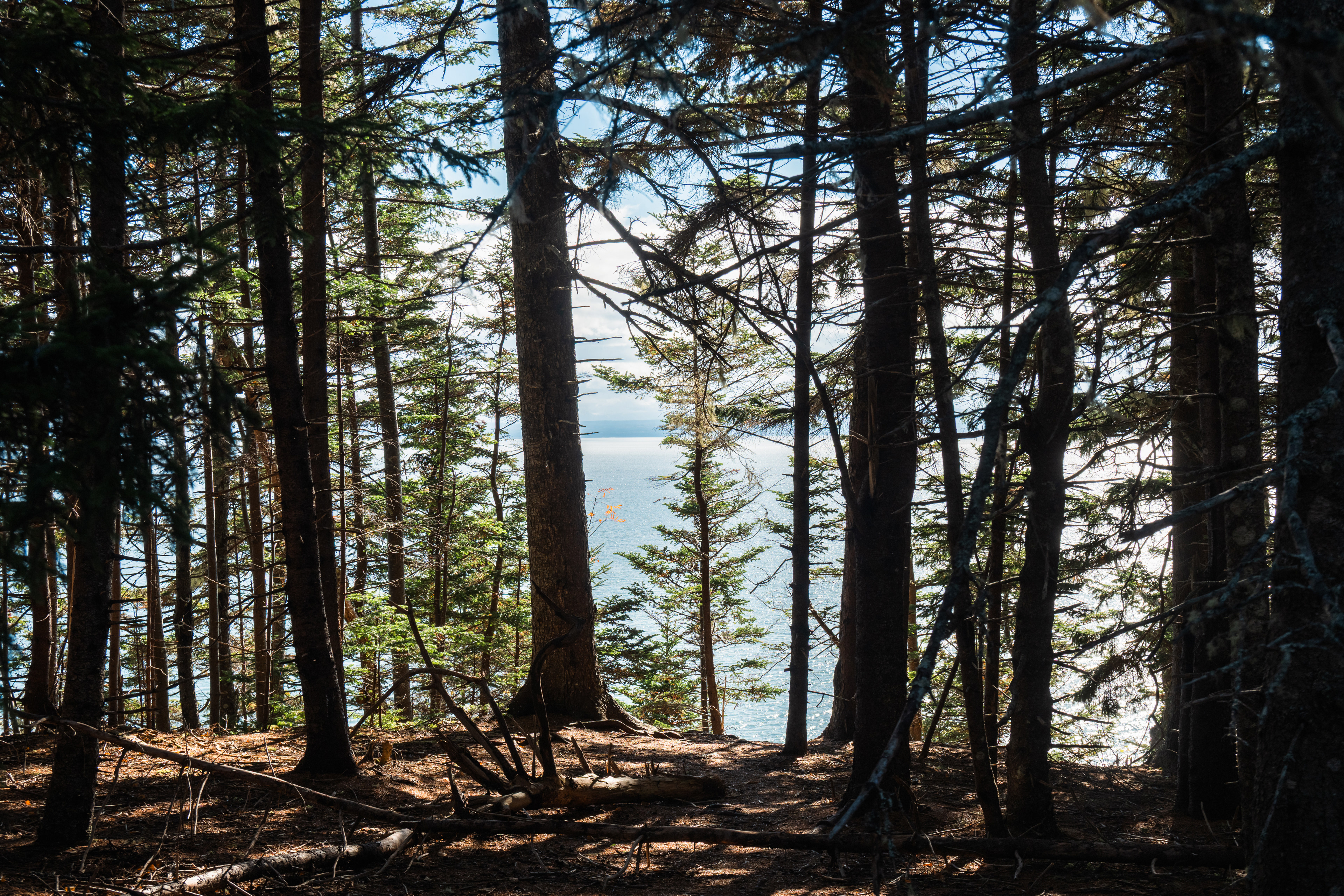
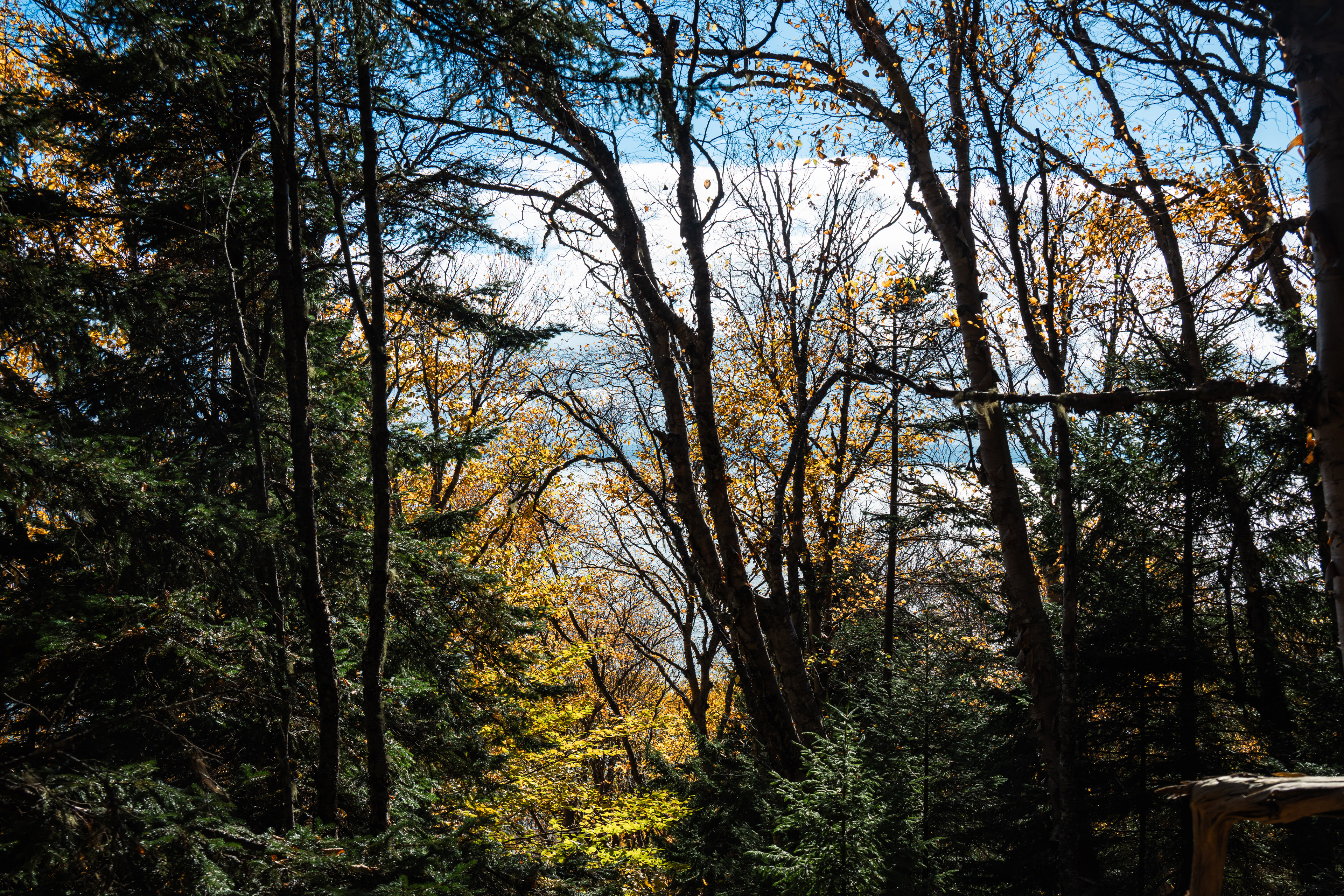
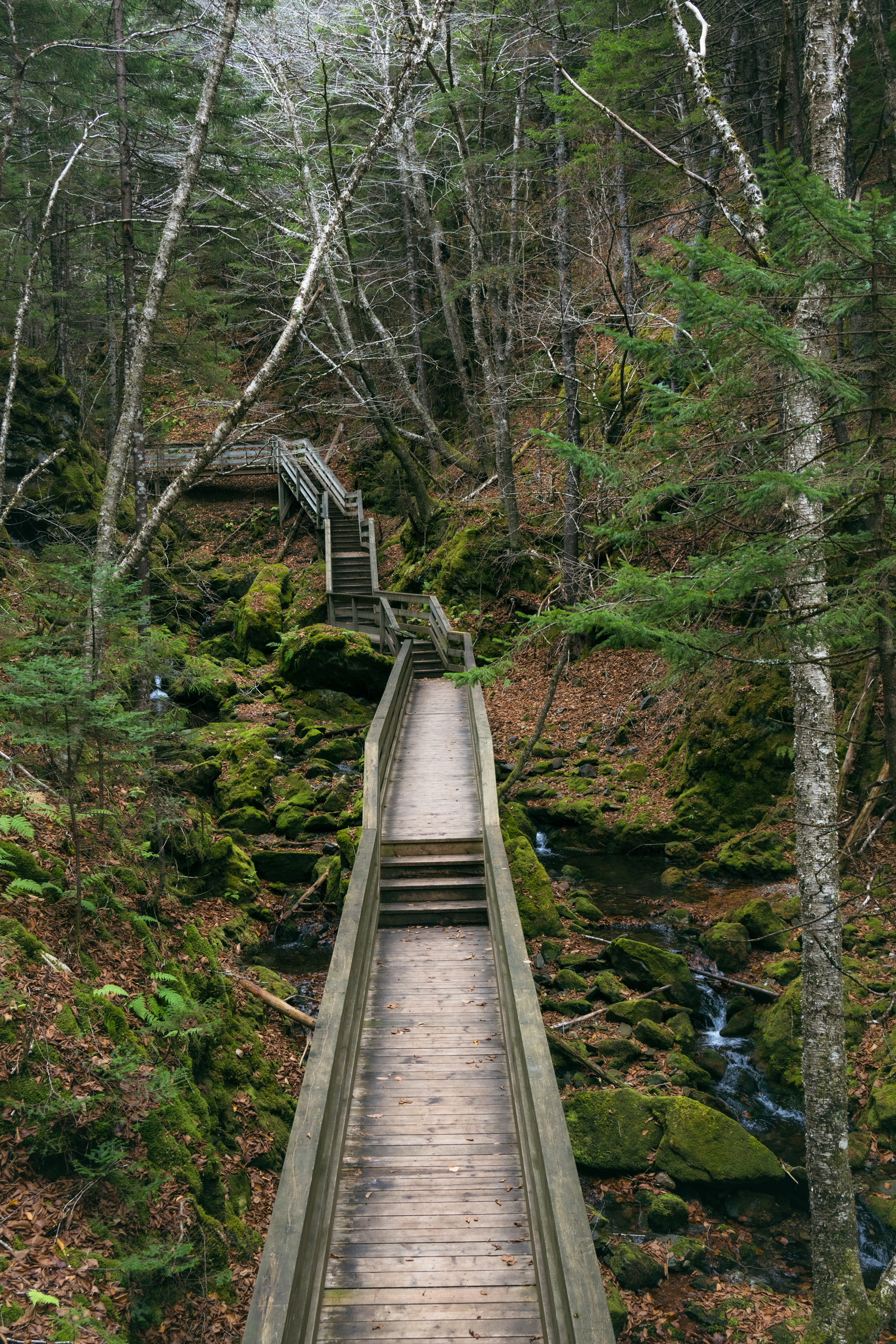
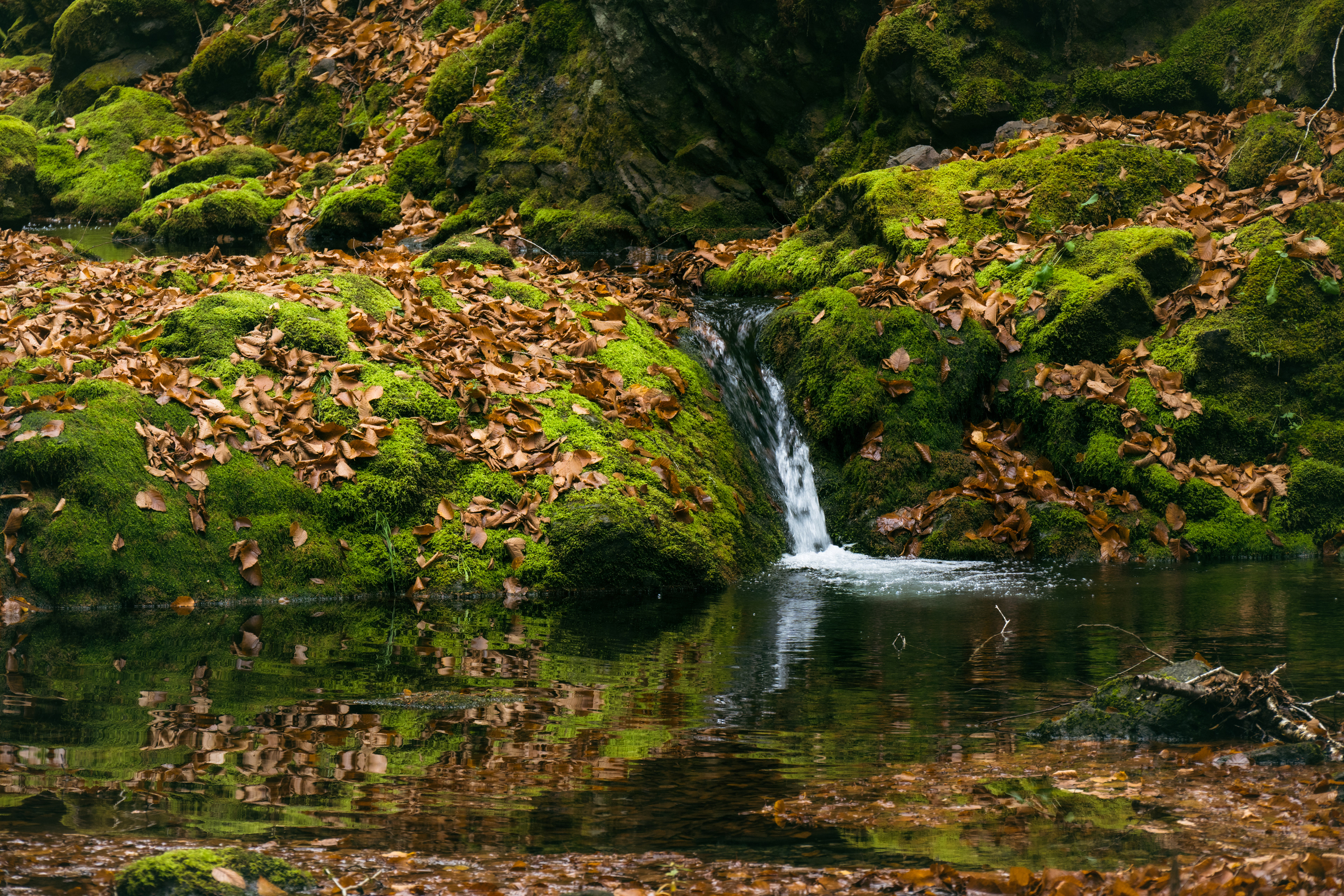
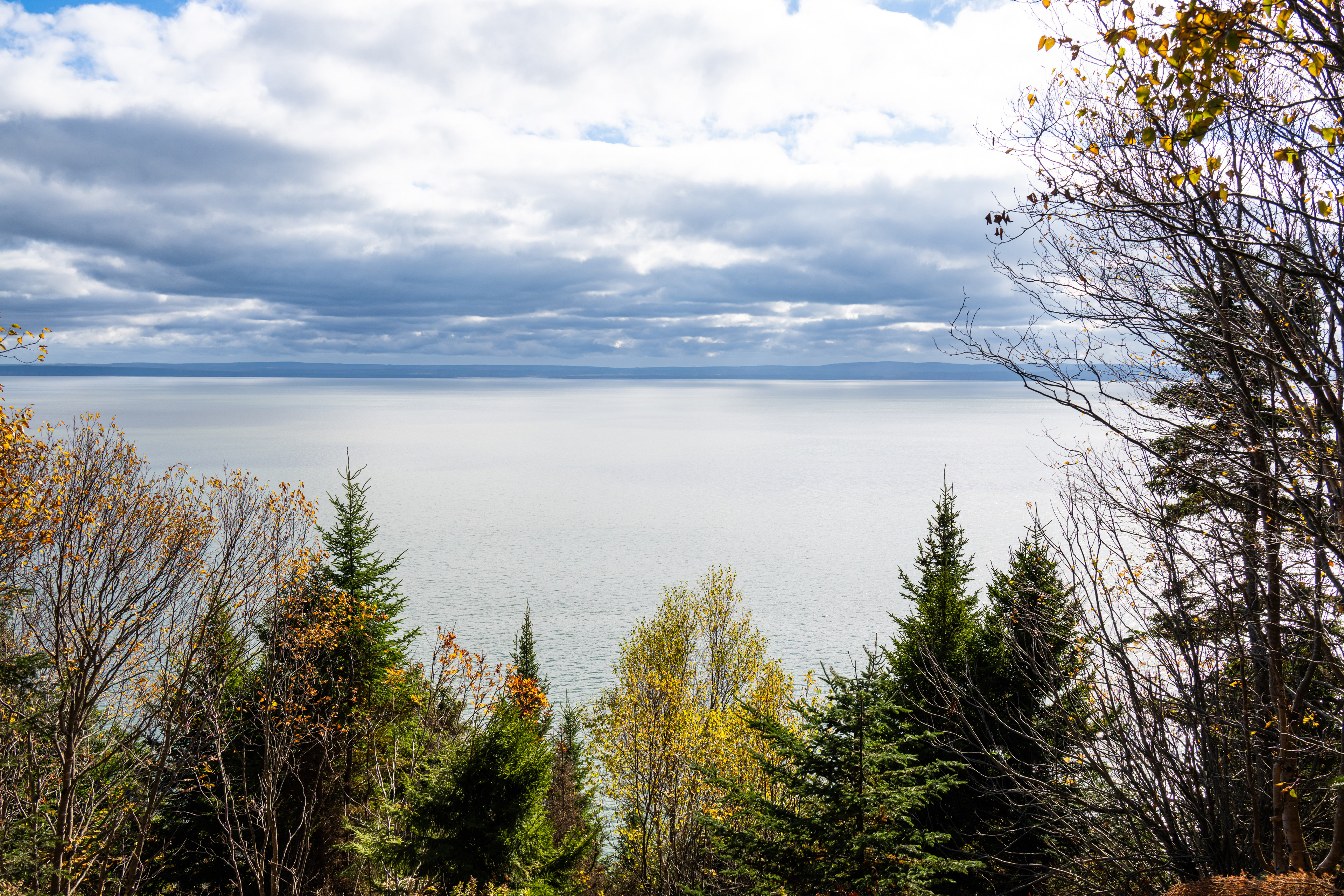
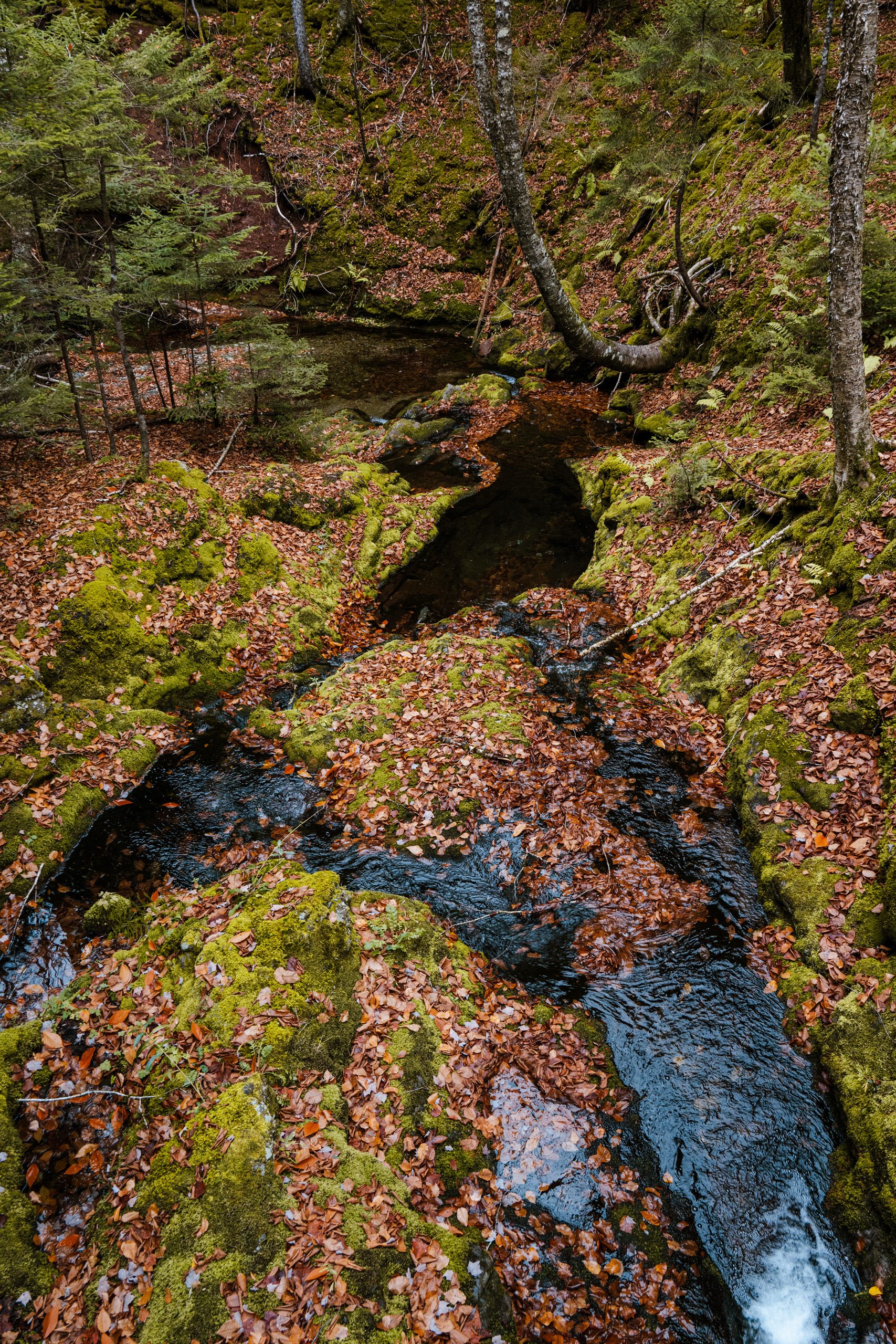
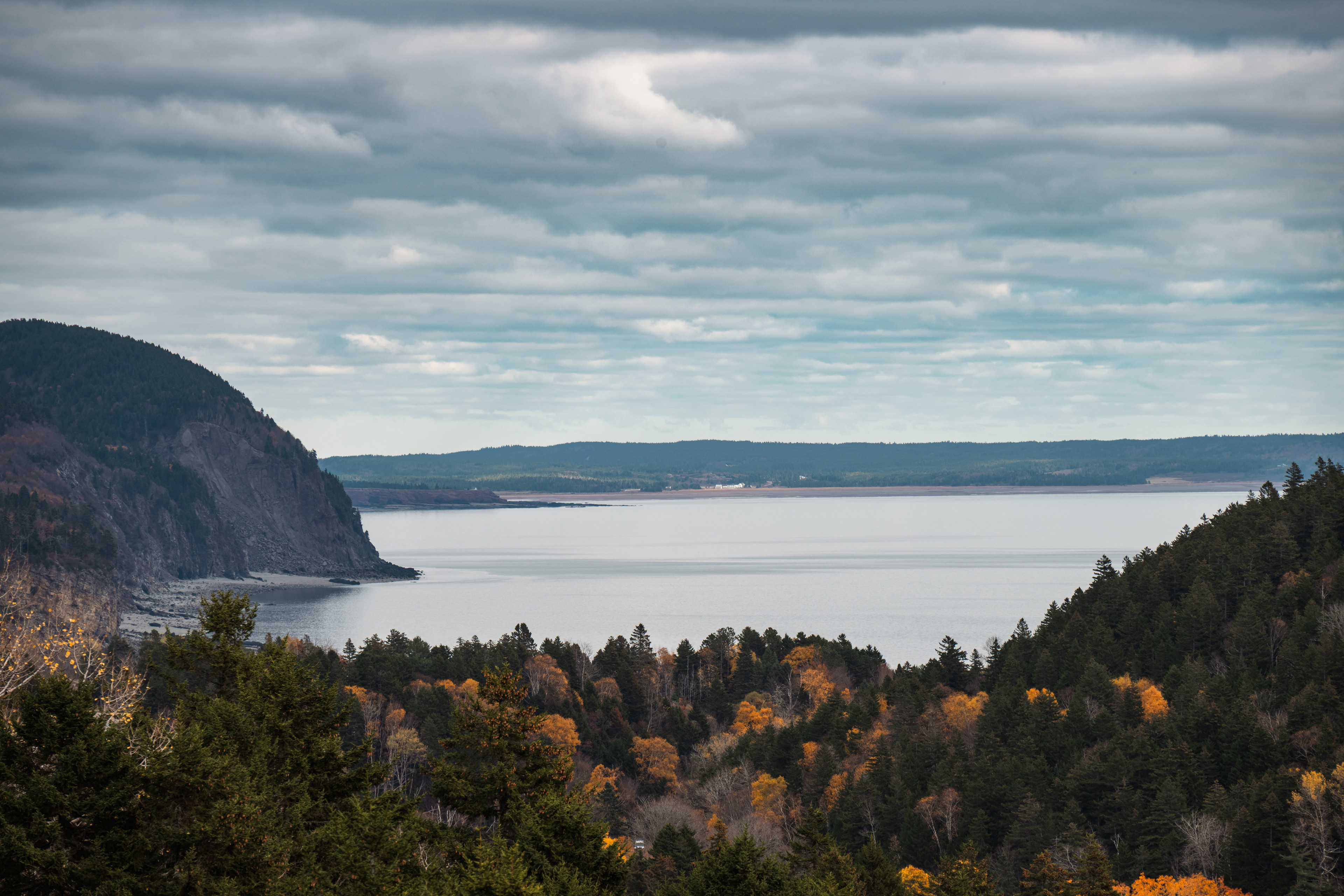
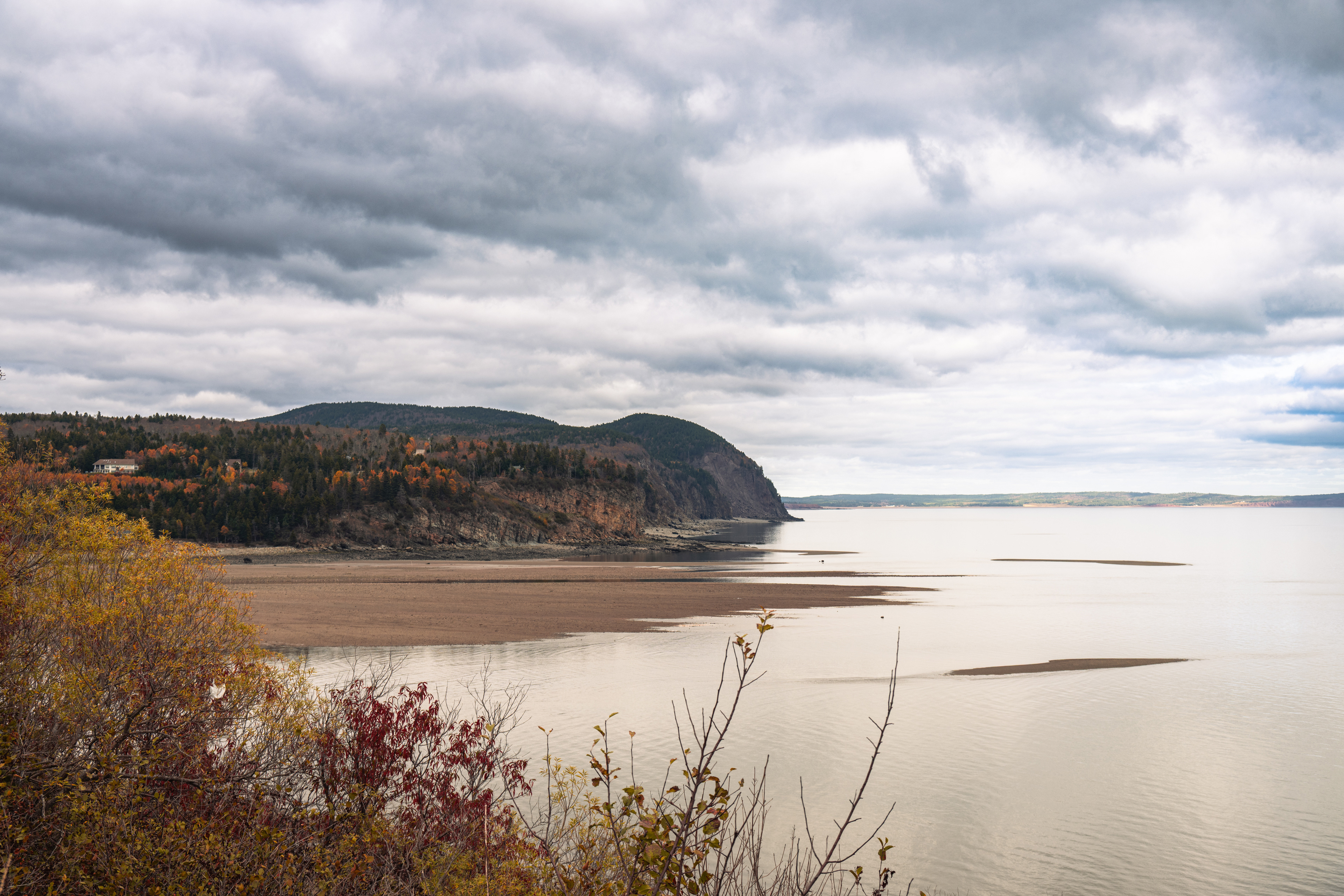
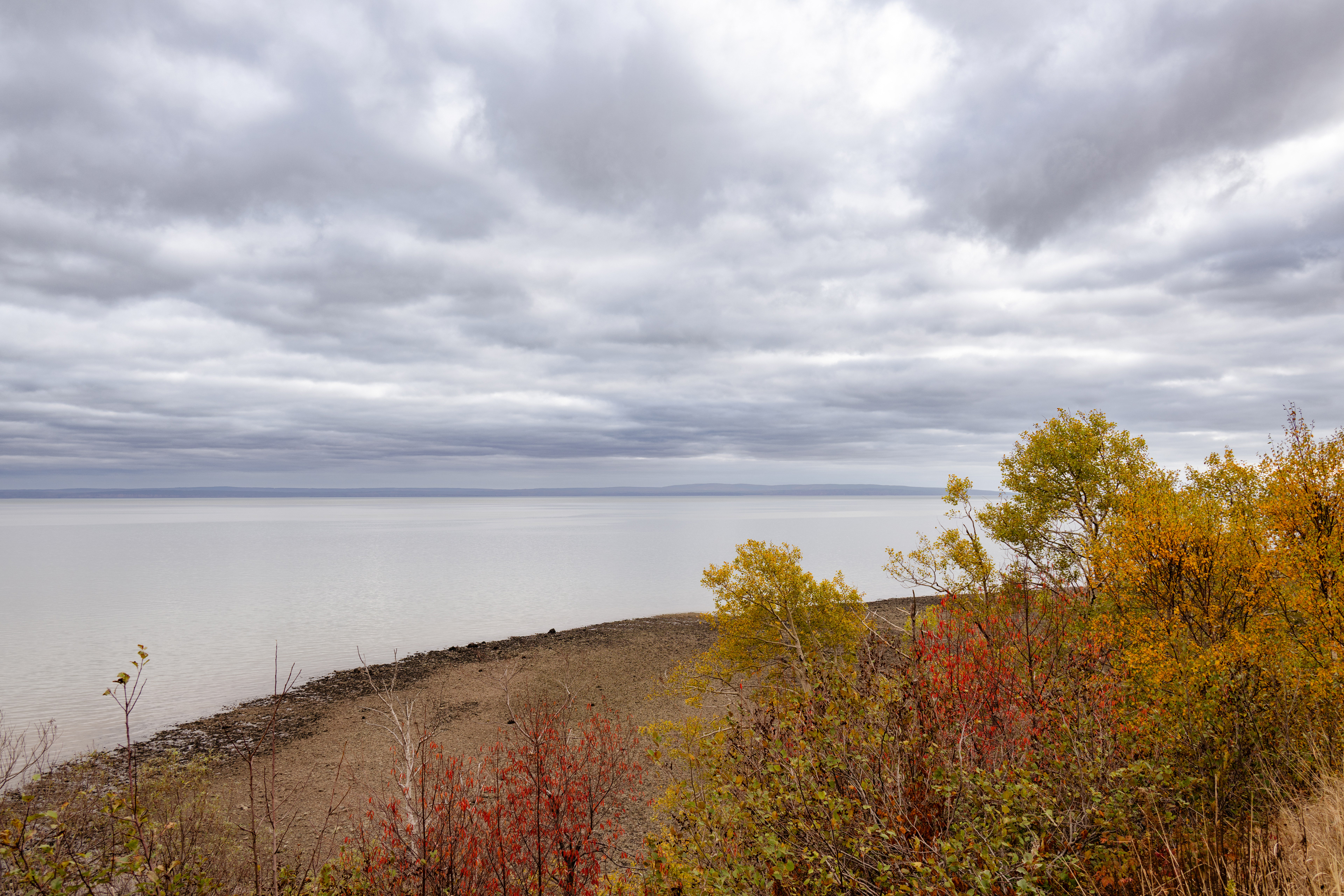
Then, Fundy National Park. The Matthew's Head Trail runs along the cliff edge above the bay, giving you the aerial view: the tidal flats exposed at low tide, stretching hundreds of meters out from the base of the red sandstone cliffs, scored by tidal channels that look from above like the drainage patterns of a river delta in miniature. Dickson Falls, tucked into the forest interior, is the quieter counterpoint — a cascading series of drops over carved rock, shaded by old-growth hemlock, dripping with moss.
My daughter hiked approximately 800 meters of the Matthew's Head Trail before declaring that she was "too tired" and needed to be carried. I carried her the remaining 1.2 kilometers. This is the unavoidable math of hiking with toddlers, and you accept it going in.
Lunenburg: The Prettiest Port Town You've Never Heard Of
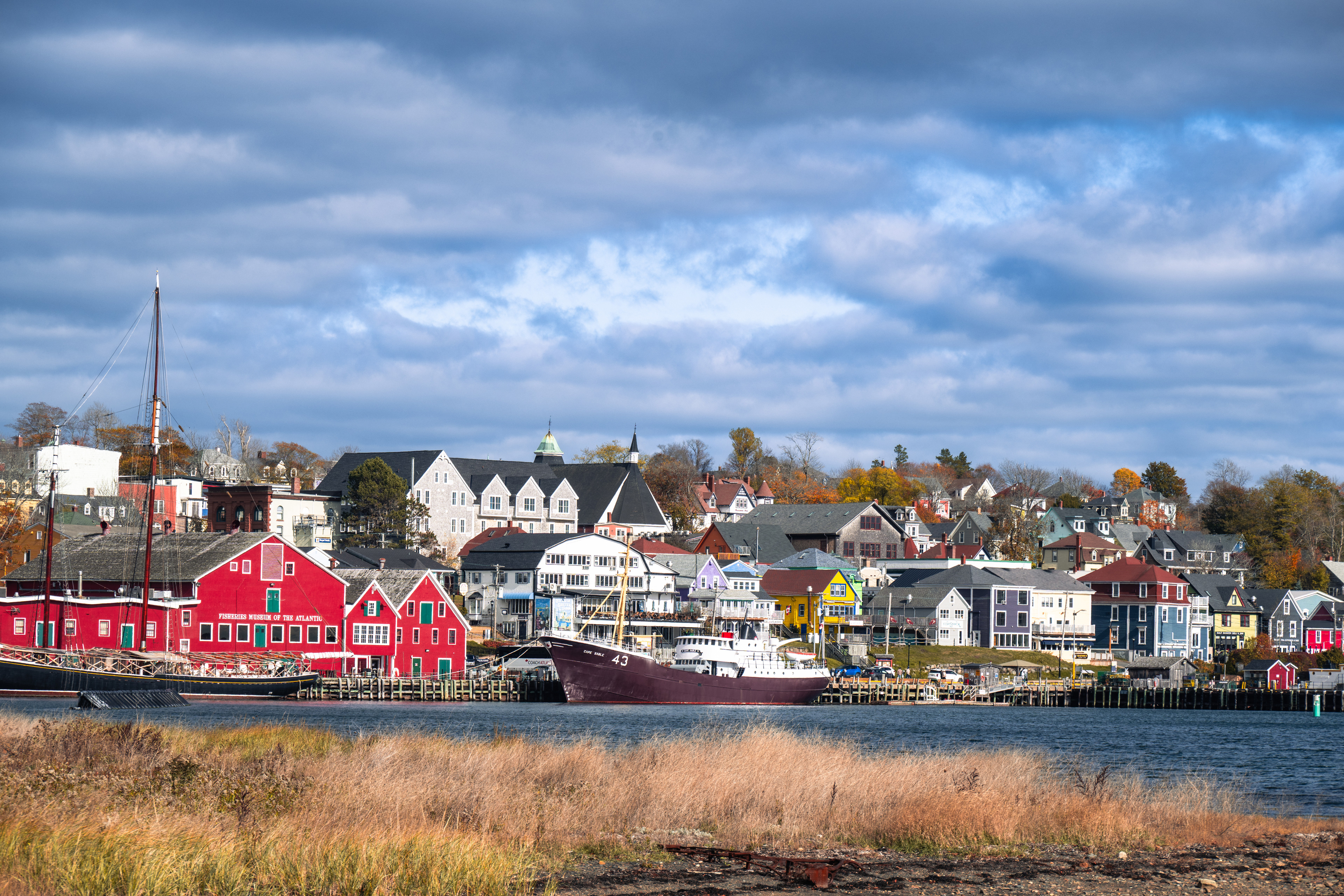
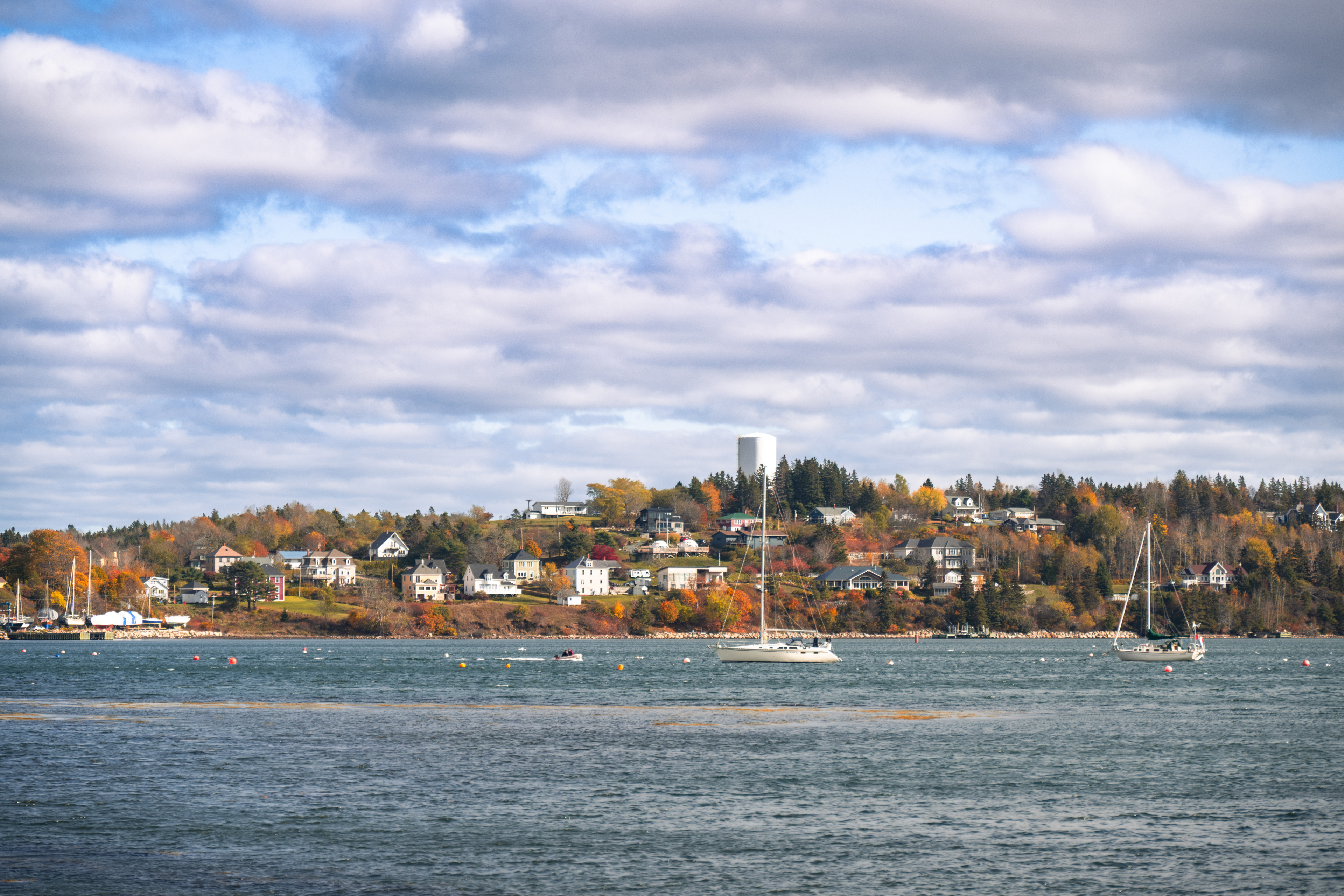
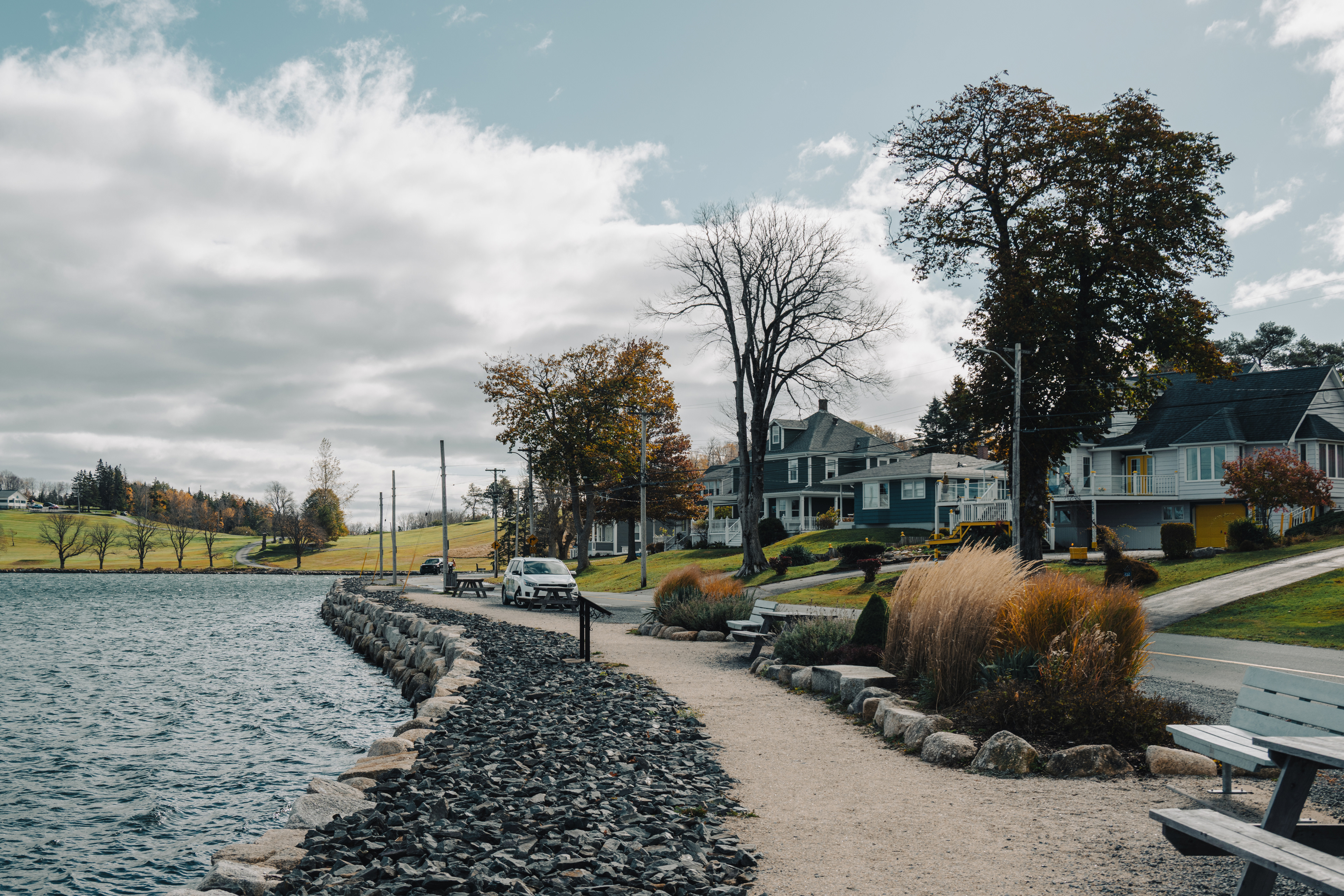
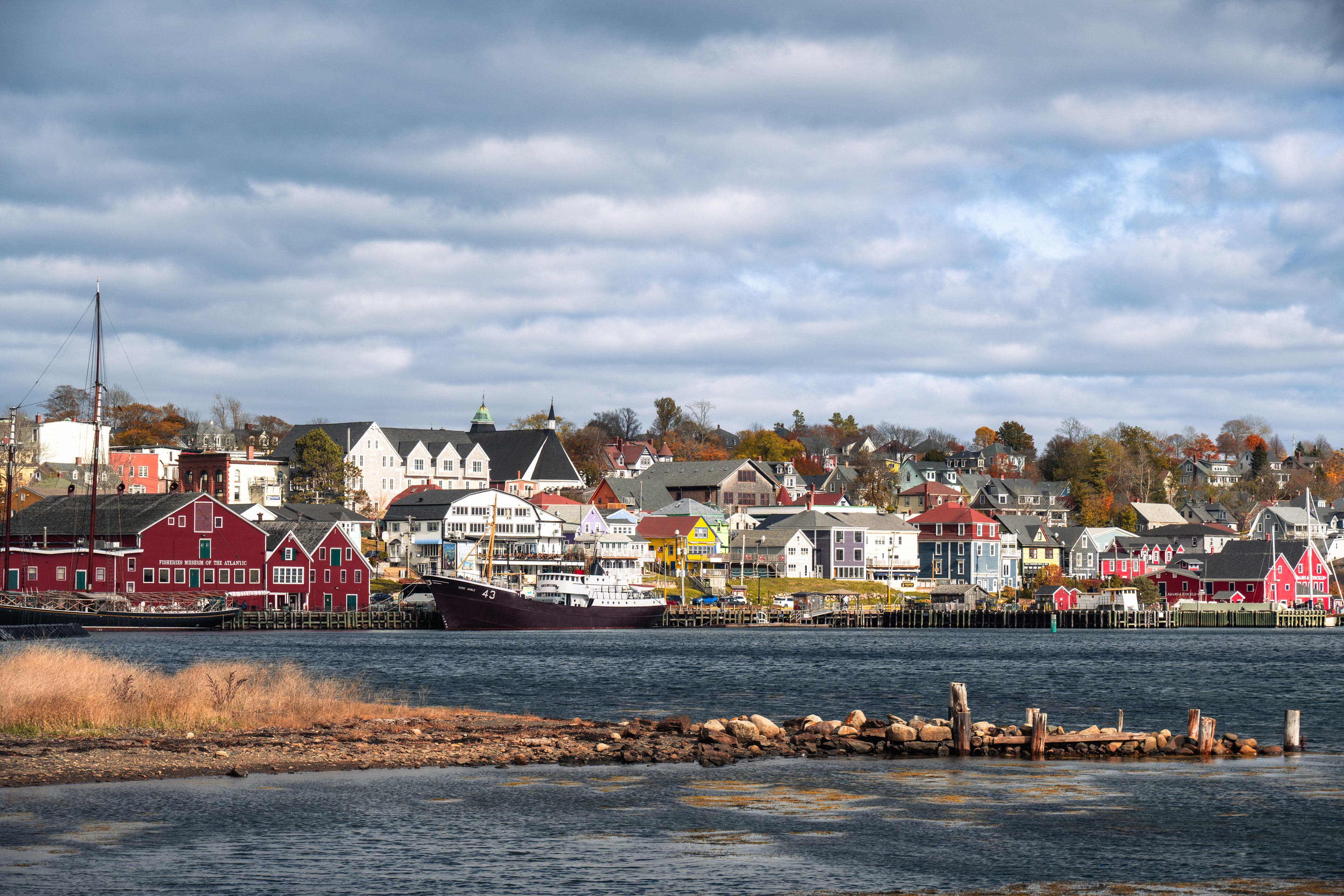
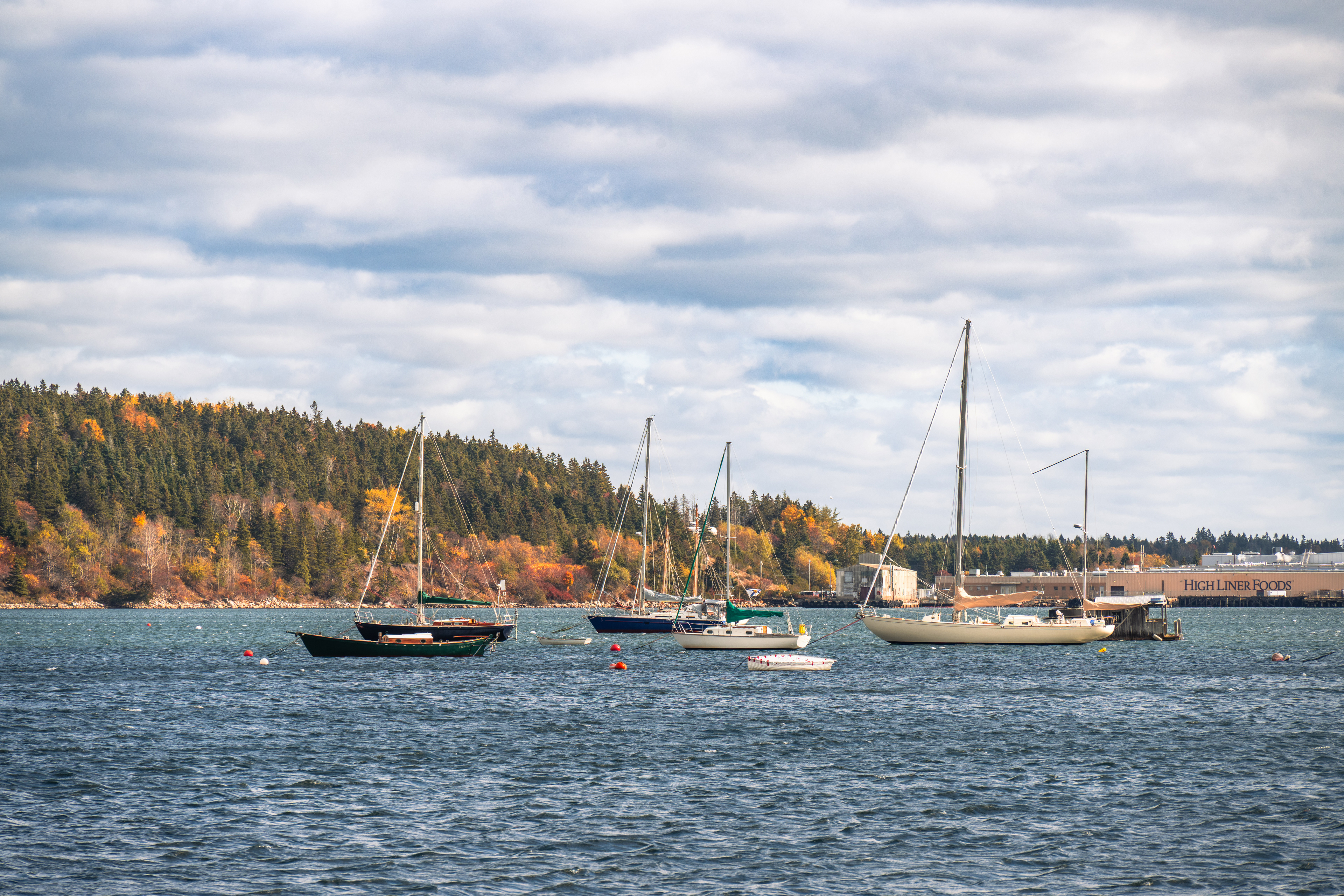
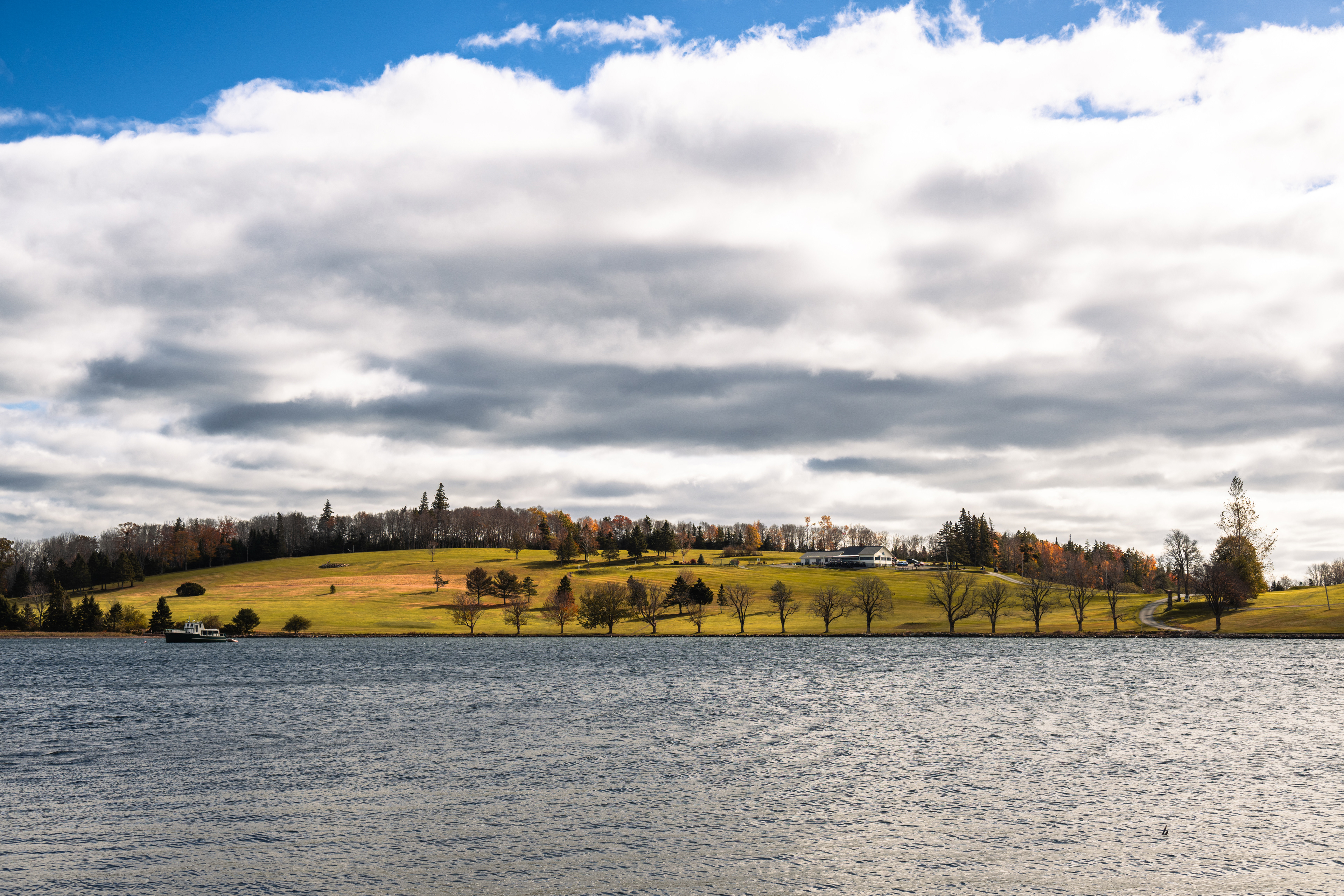
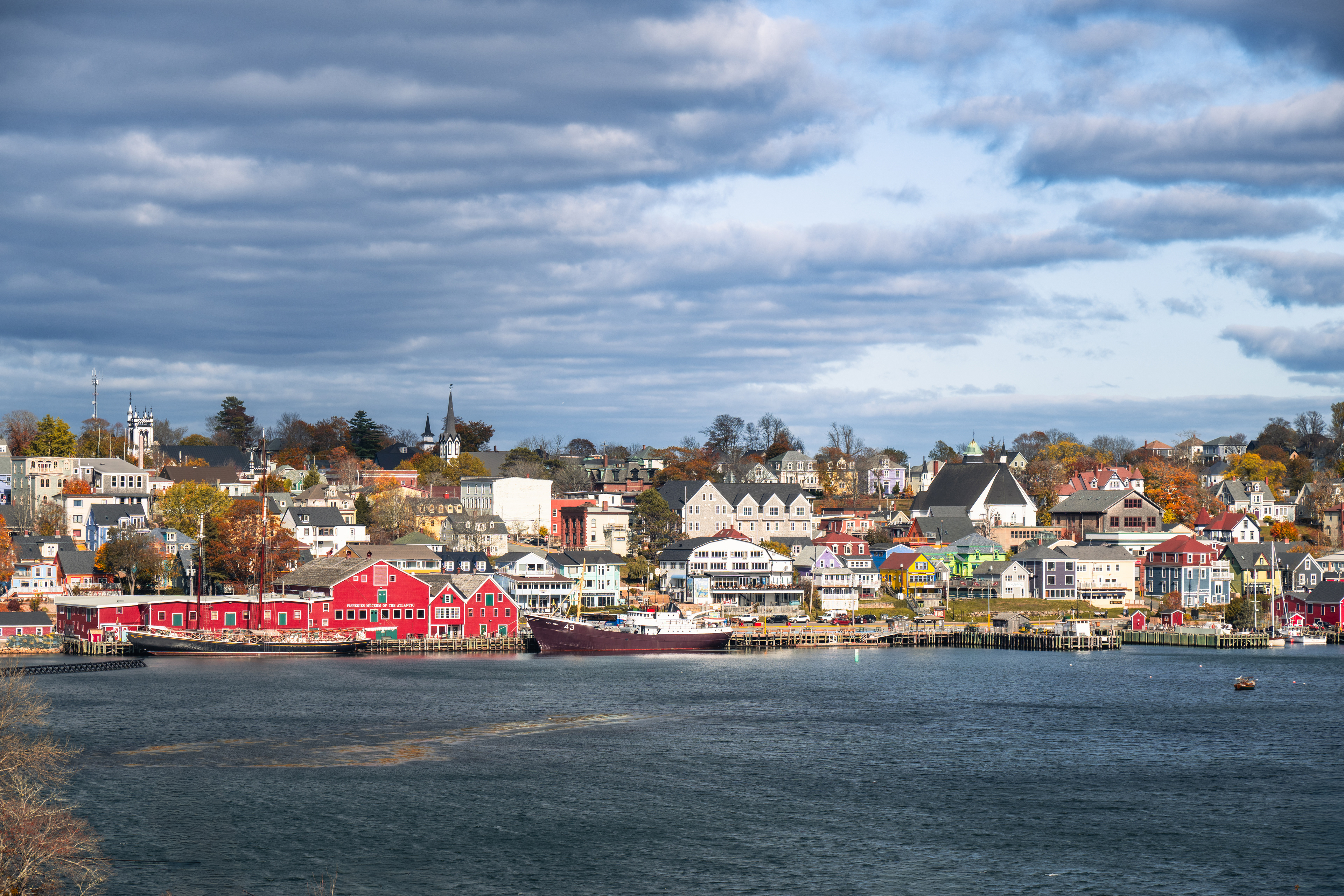
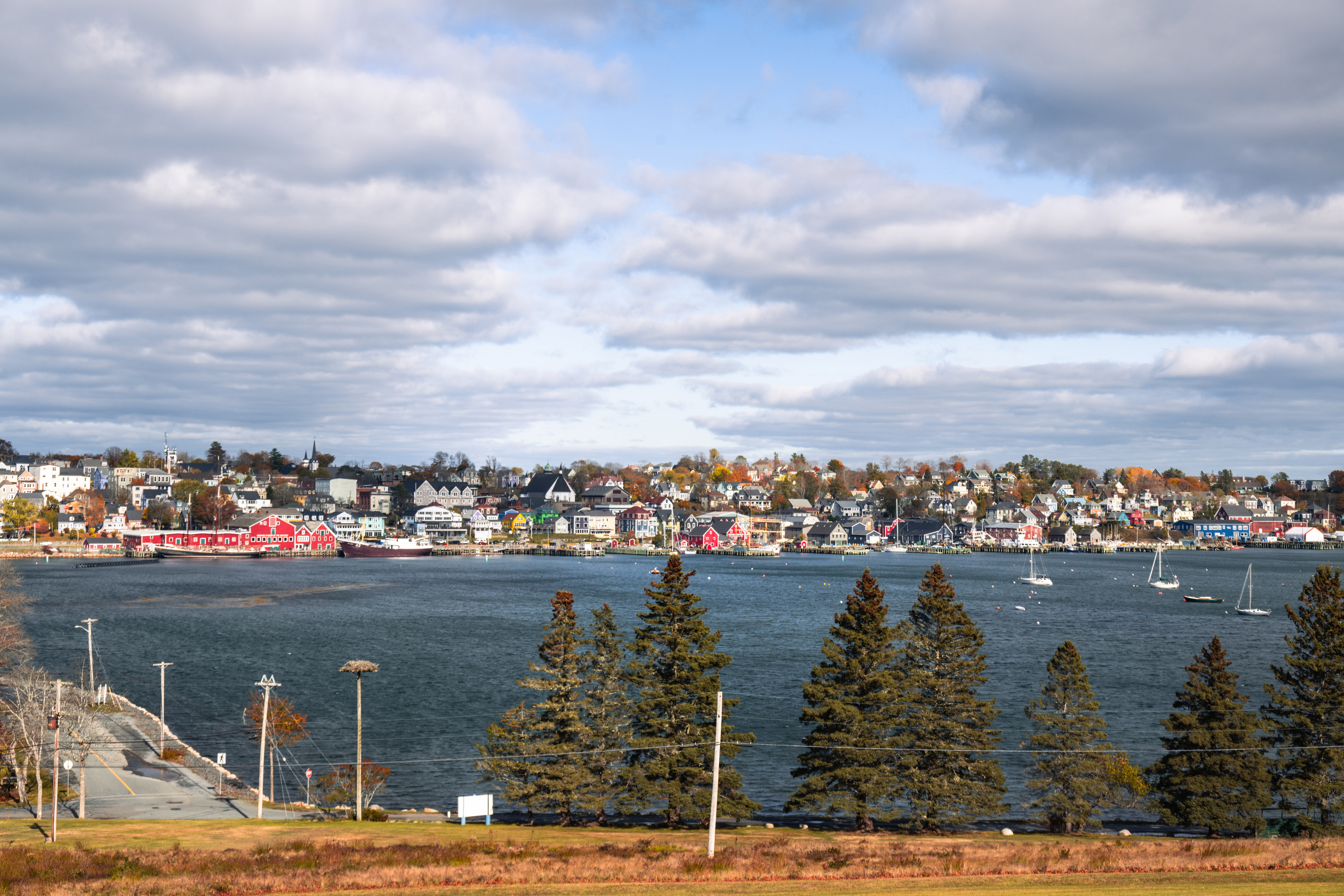
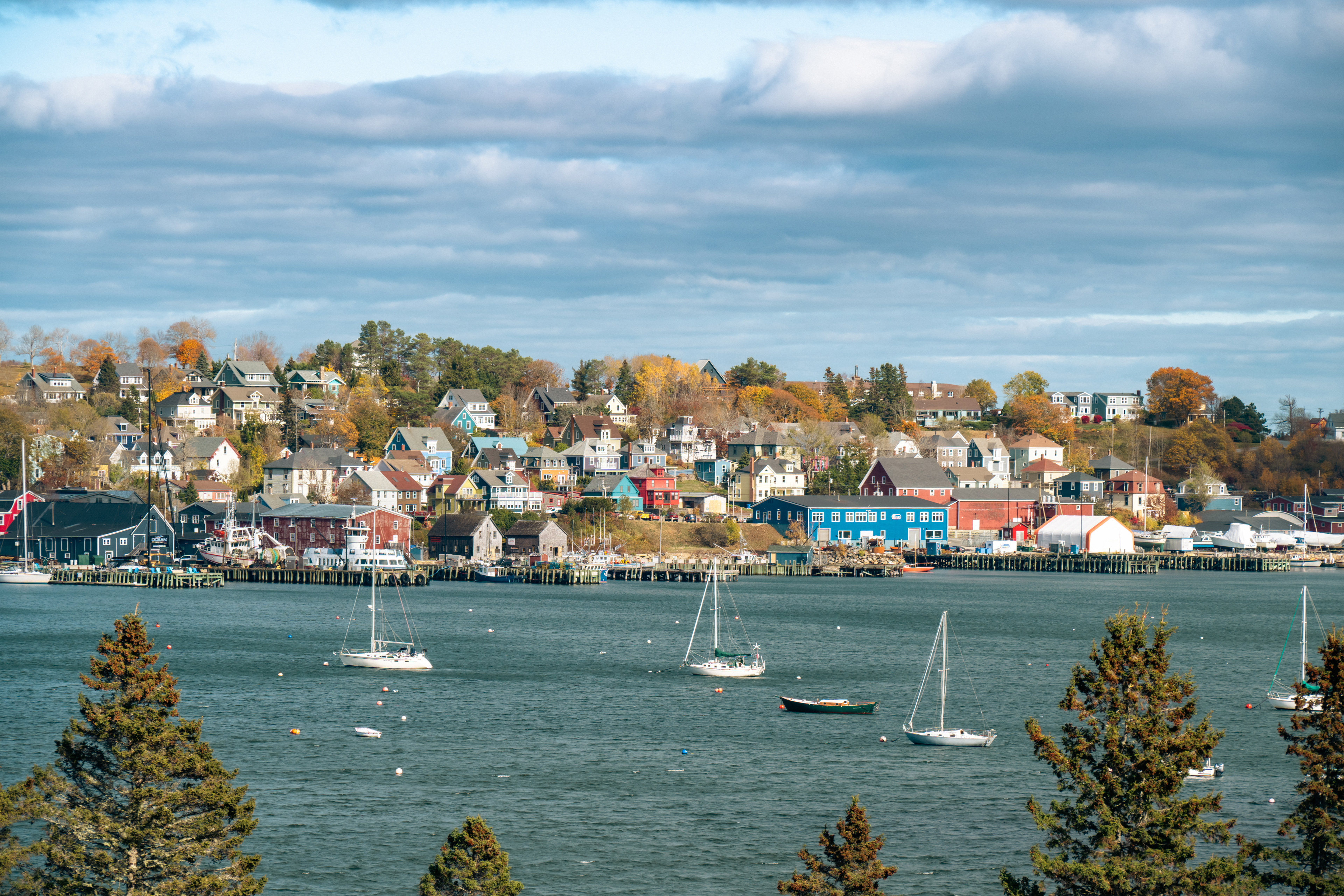
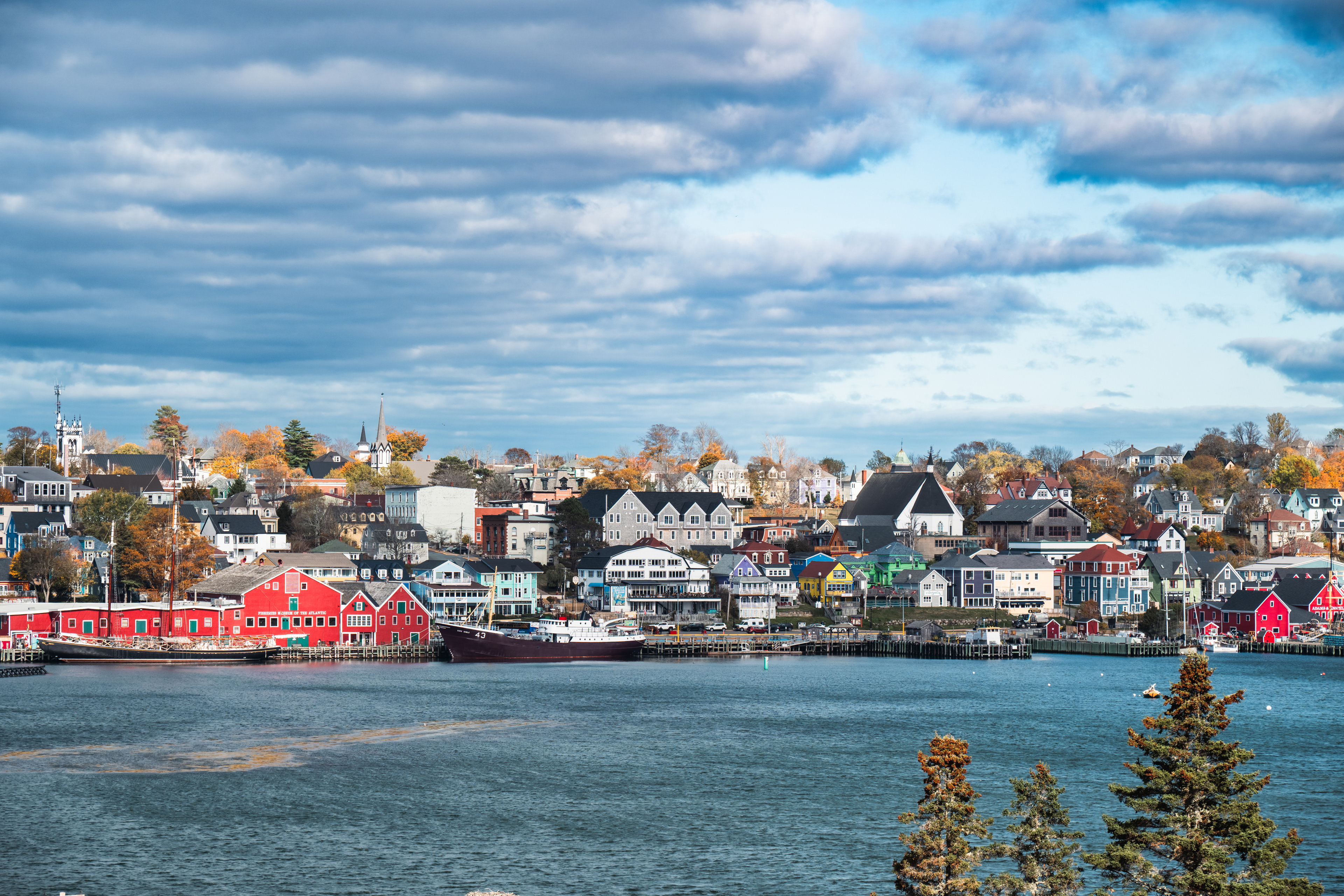
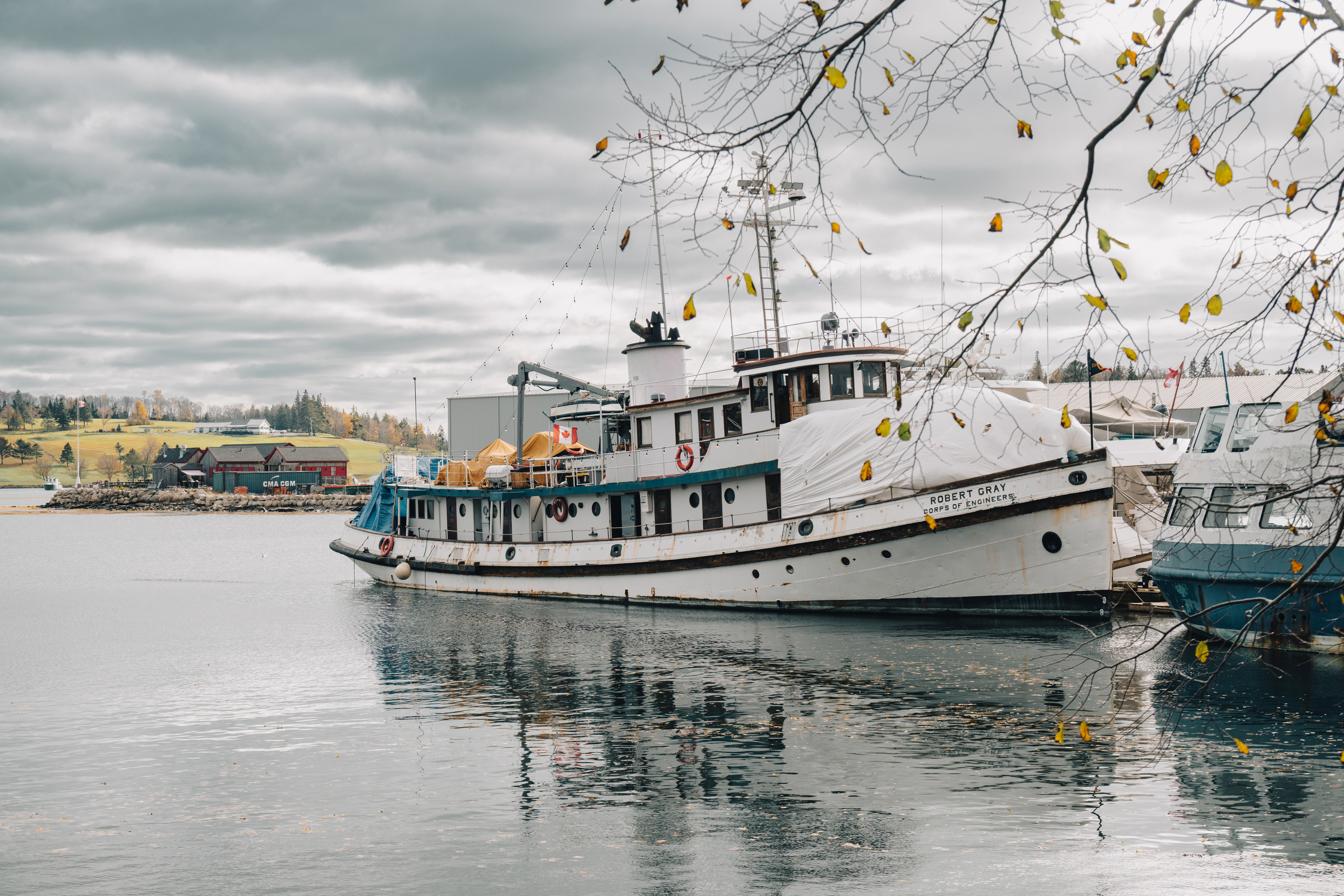
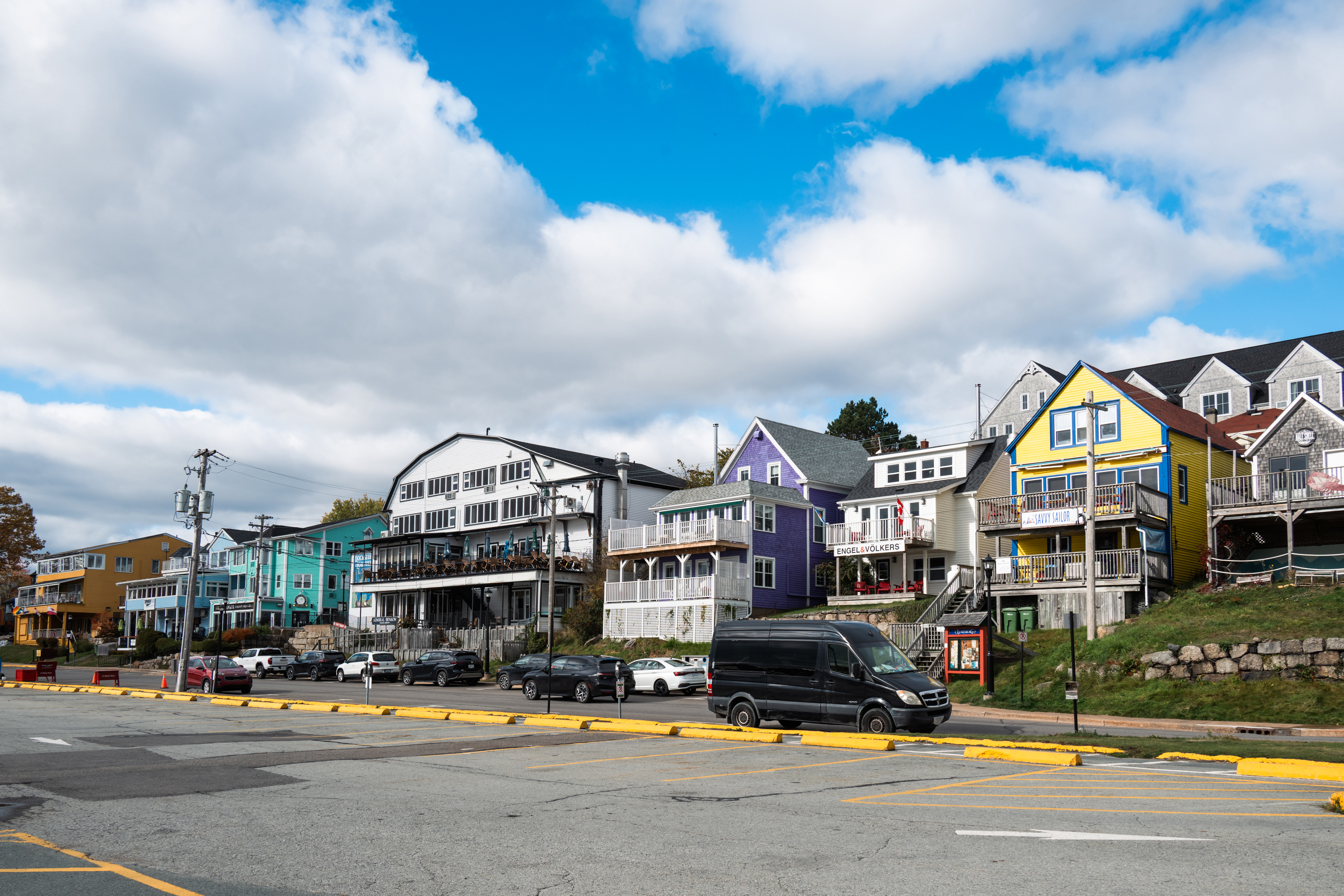
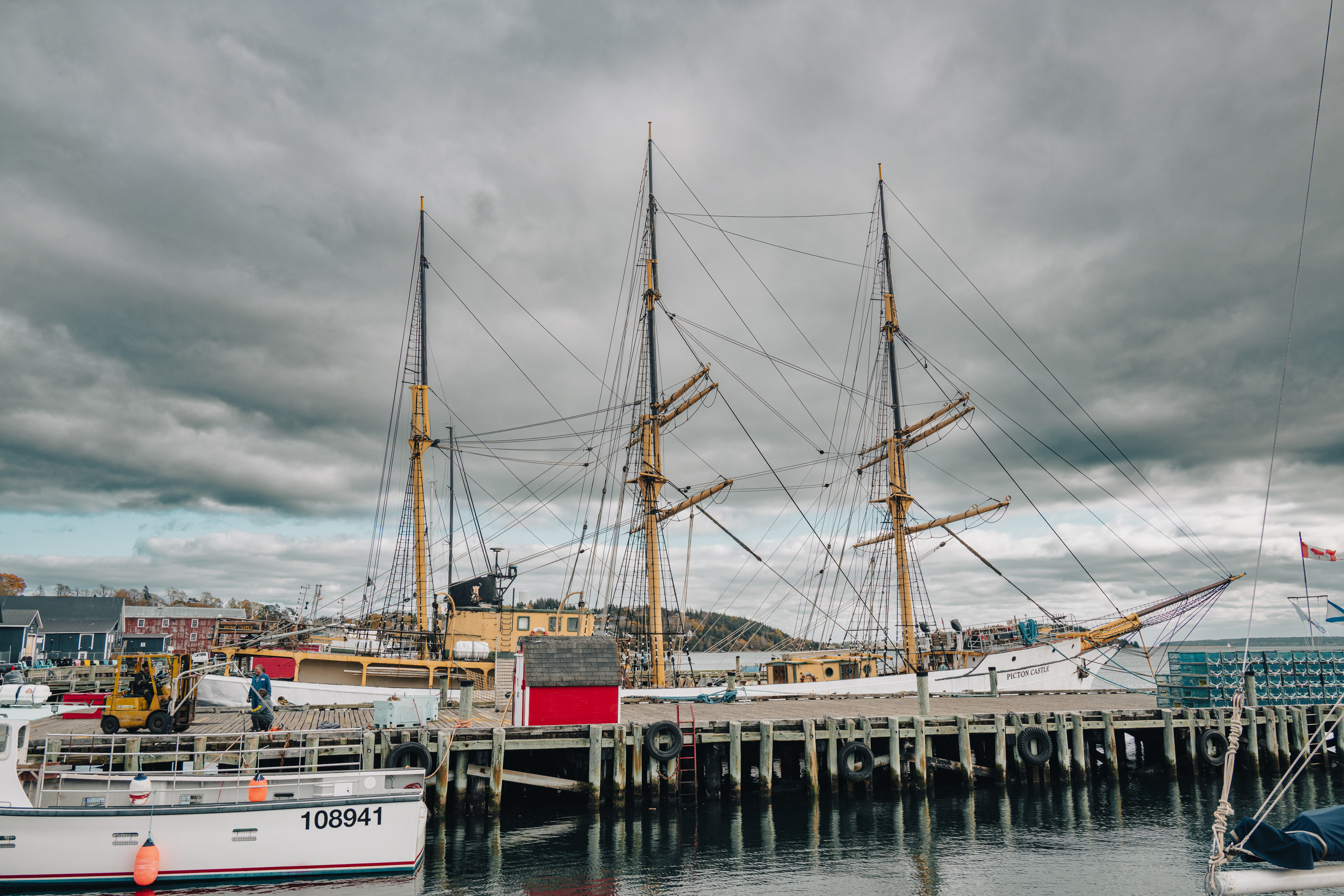
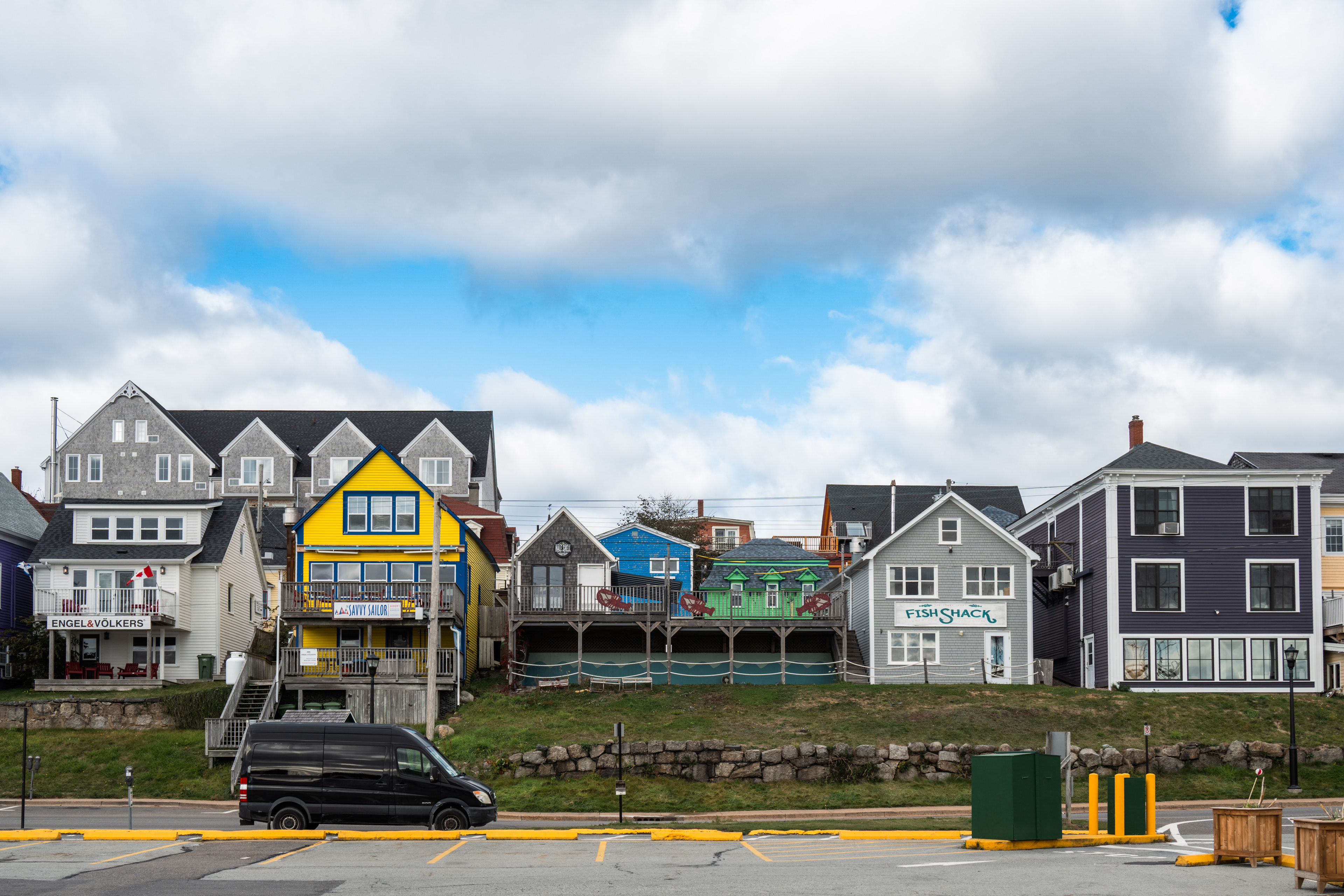
UNESCO designates World Heritage Sites somewhat liberally, but when they gave the designation to Old Town Lunenburg in 1995, they were onto something. The town was founded by the British in 1753 as a model colonial settlement — it was literally planned on a grid by officials in London who had never been there — and it has remained so well-preserved that walking its streets feels faintly like having stepped into an architectural study from 1820.
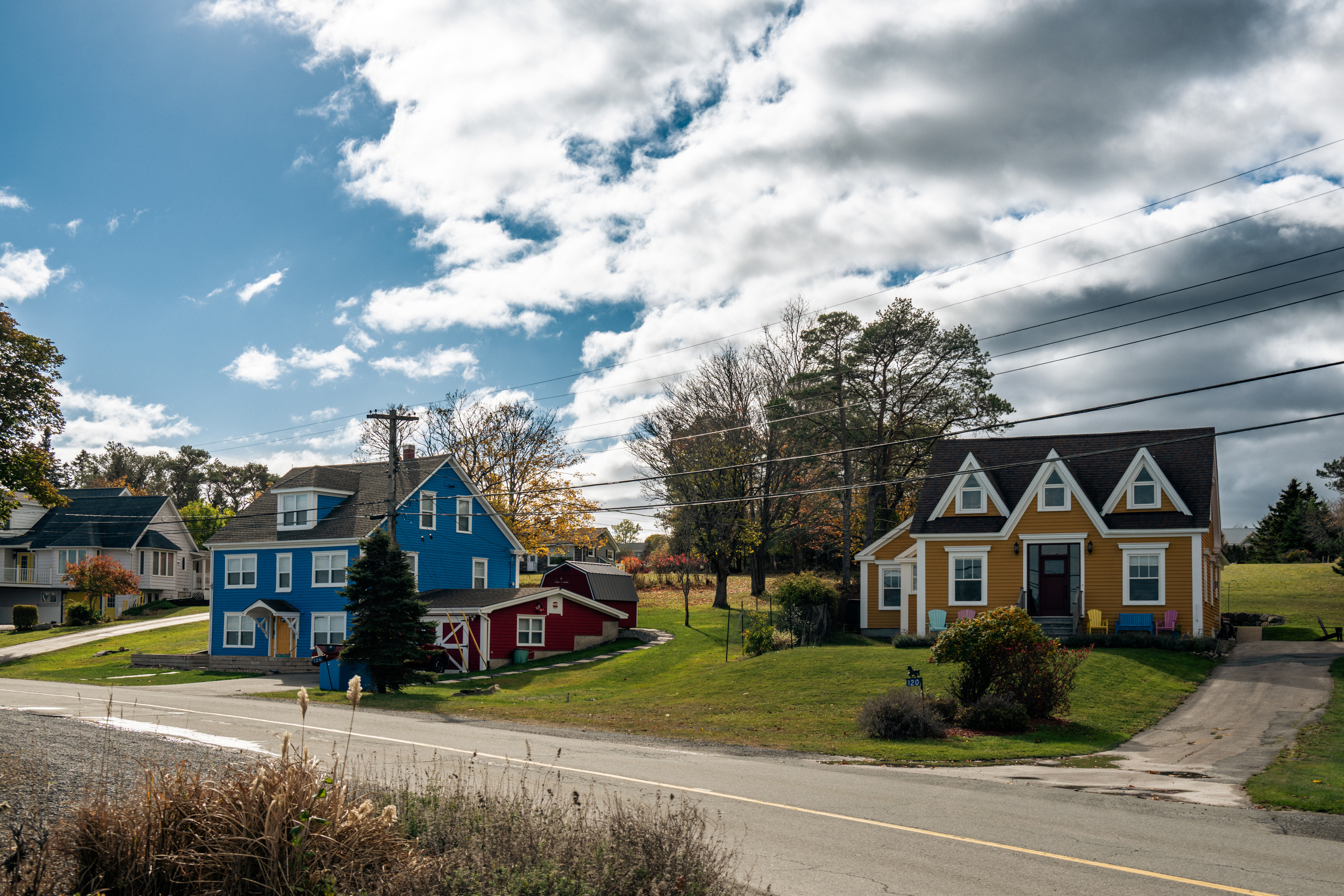
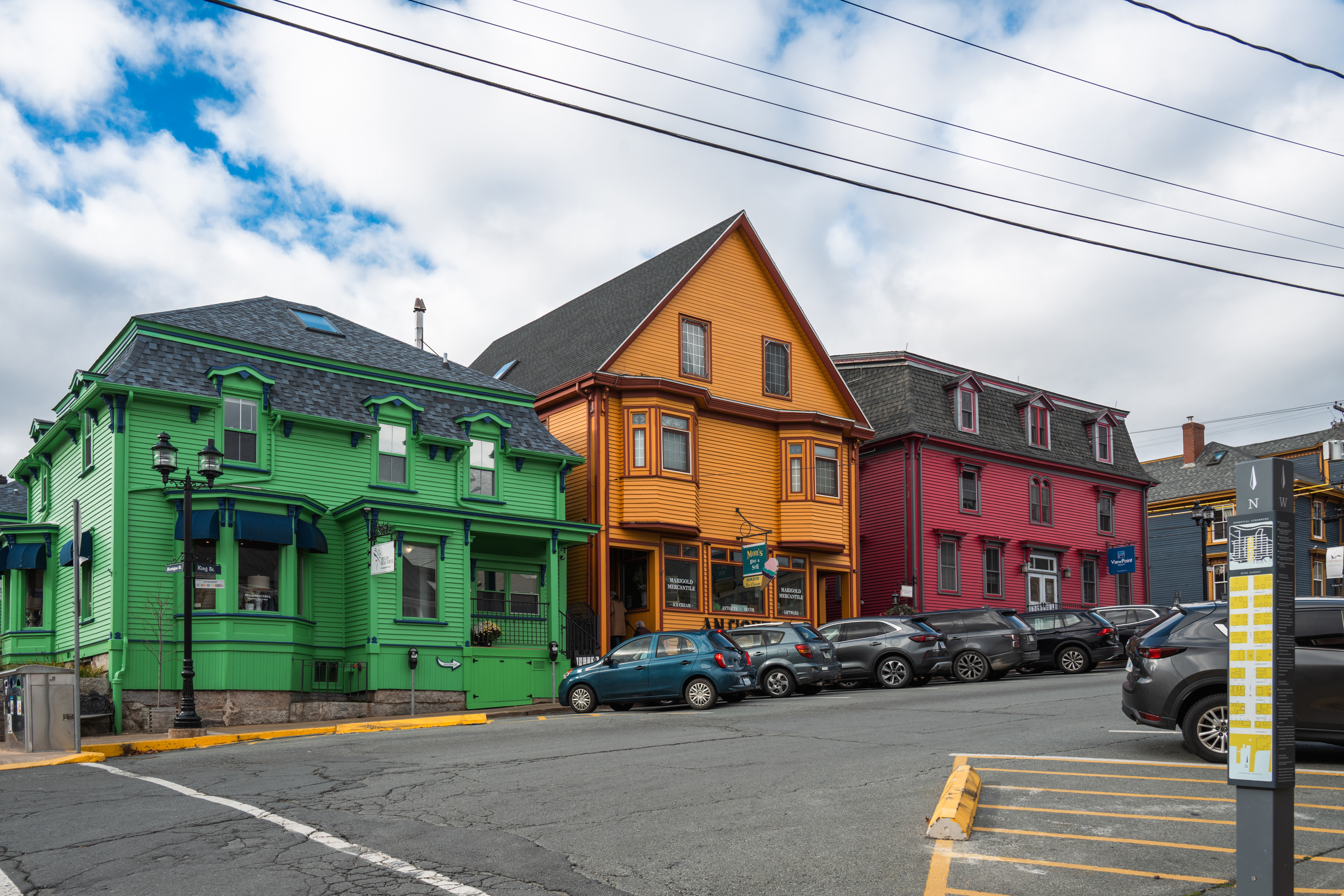
The houses are the thing. Lunenburg's "bump" dormers — a distinctive projecting upper window unique to the town — and its habit of painting every building a different saturated color (oxblood, mustard, forest green, navy) makes the streetscape look like a painting that someone kept adding to for two centuries. The whole thing sits on a peninsula between two harbors, which means you can always hear water.
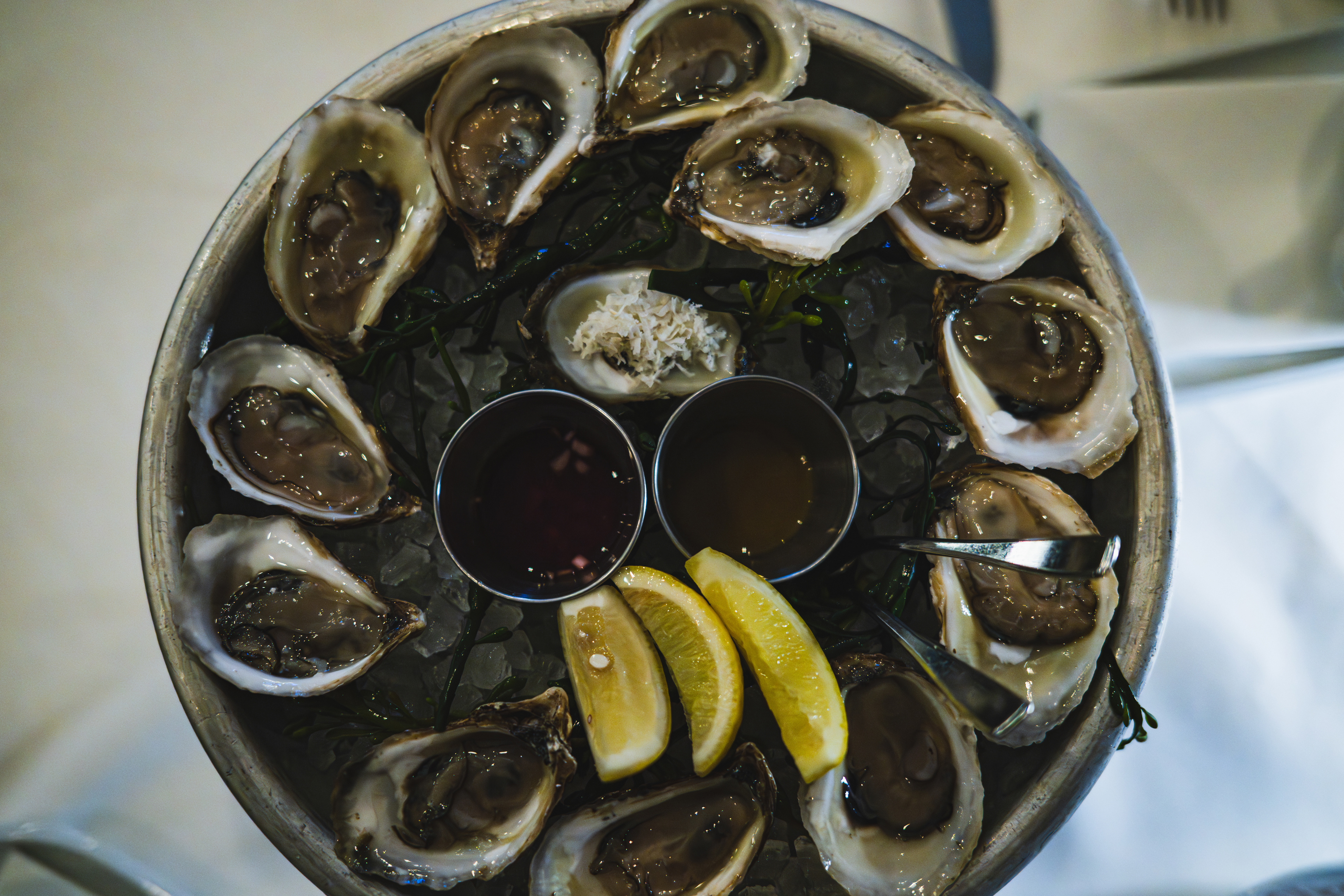
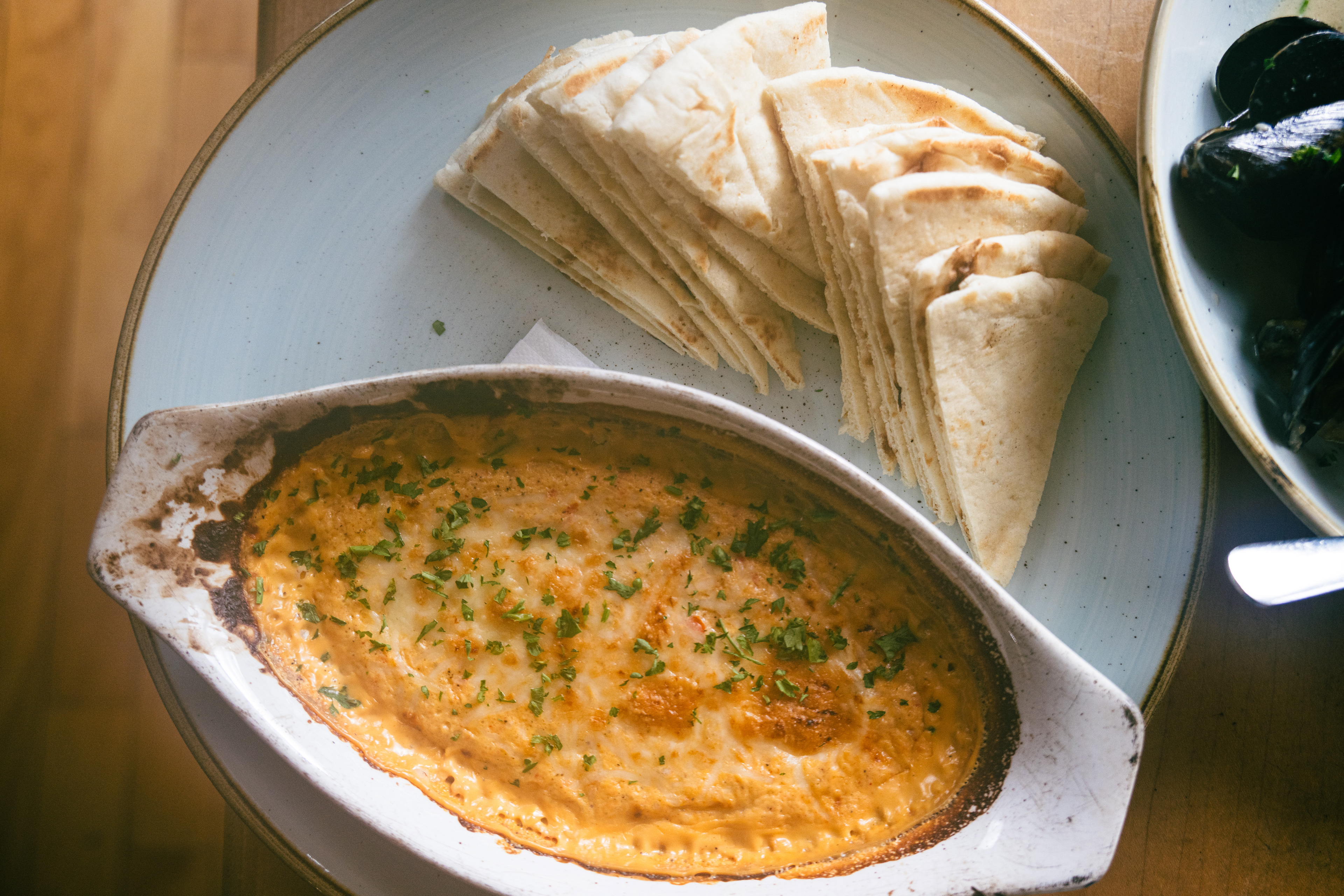
Salt Shaker Deli on Montague Street is the lunch stop. The crab dip with toasted pita is what Nova Scotian seafood is supposed to be: cream-based, heavy on the clam, and served in a bowl large enough that optimism seems justified going in.
Halifax: The City That History Keeps Testing
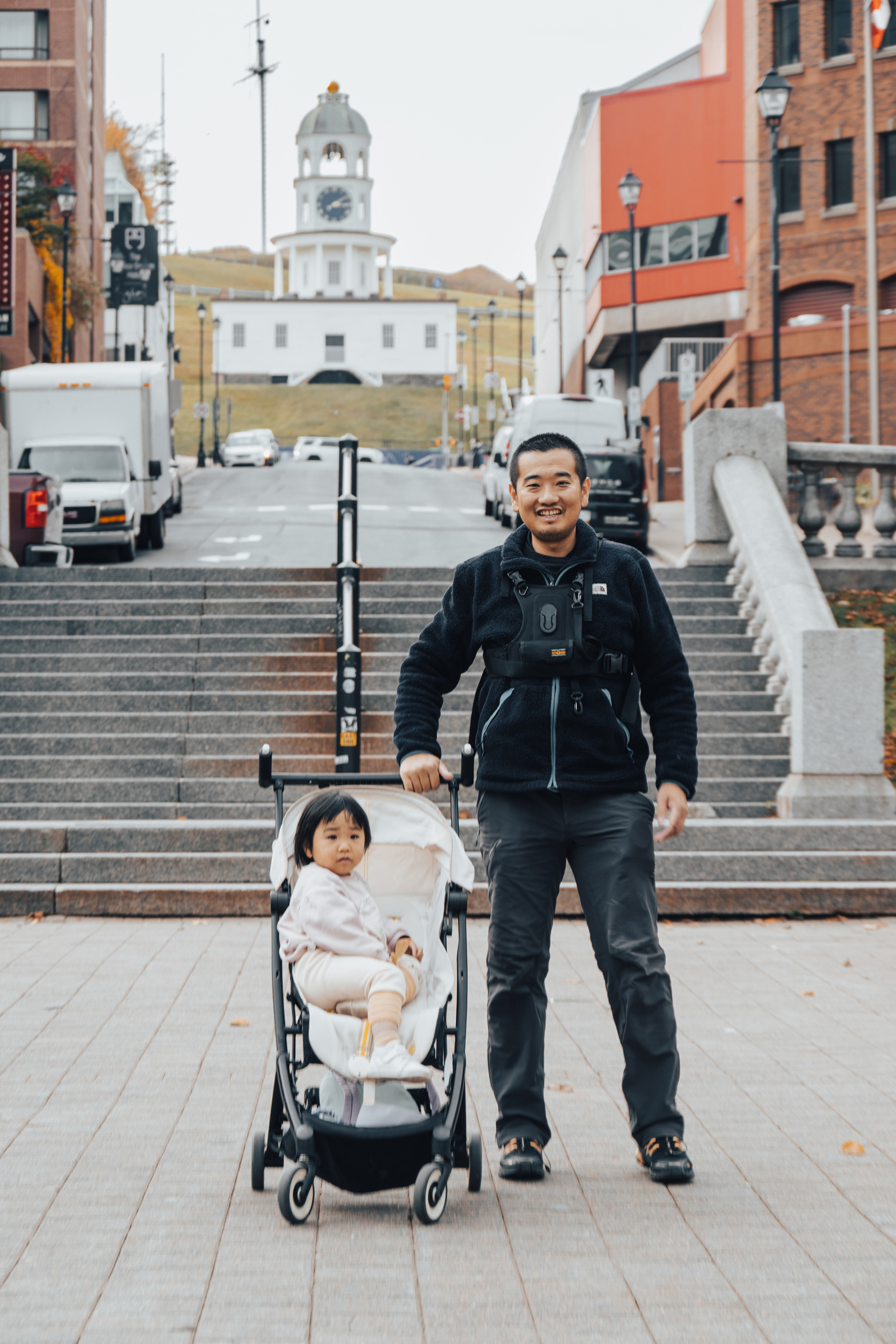
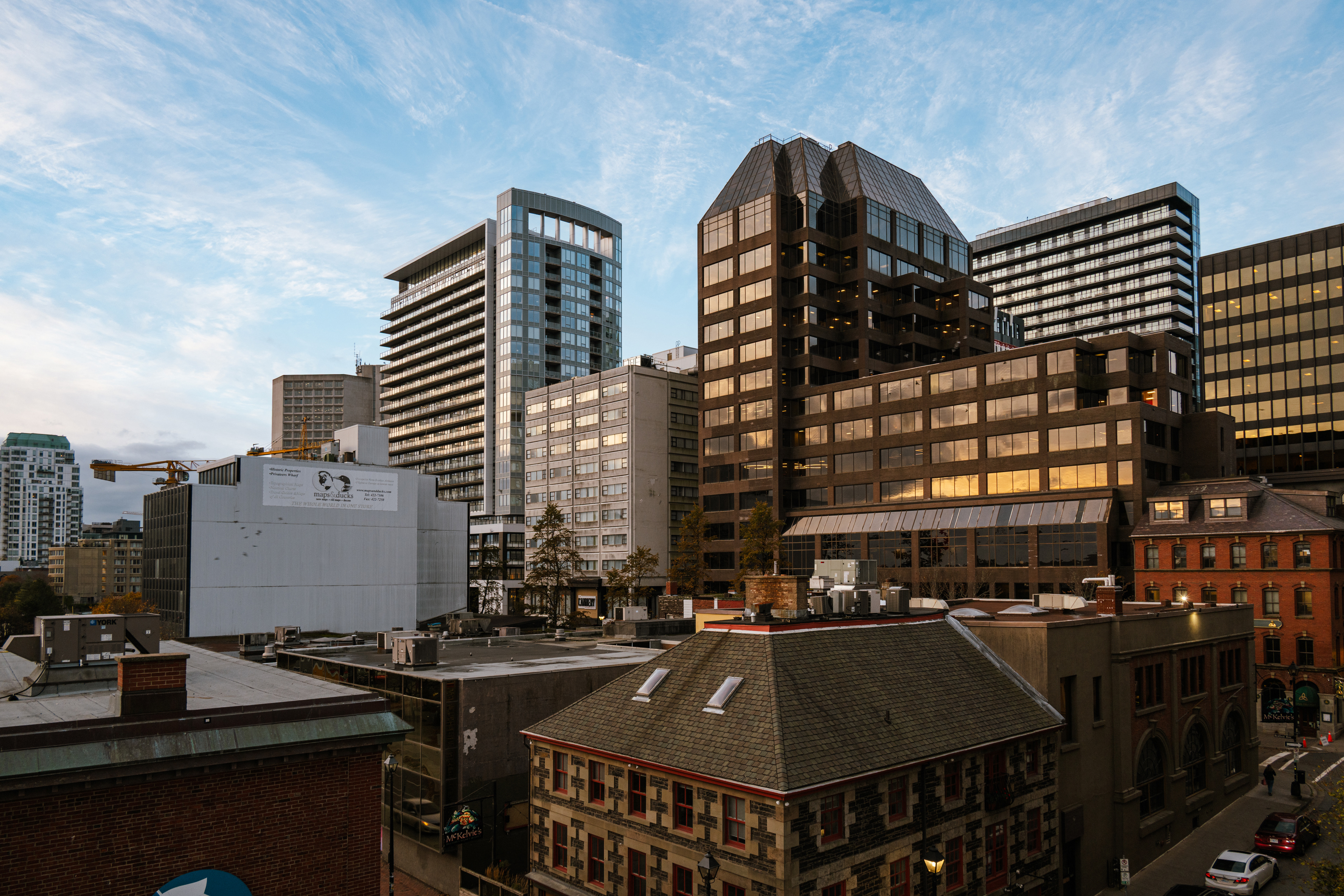
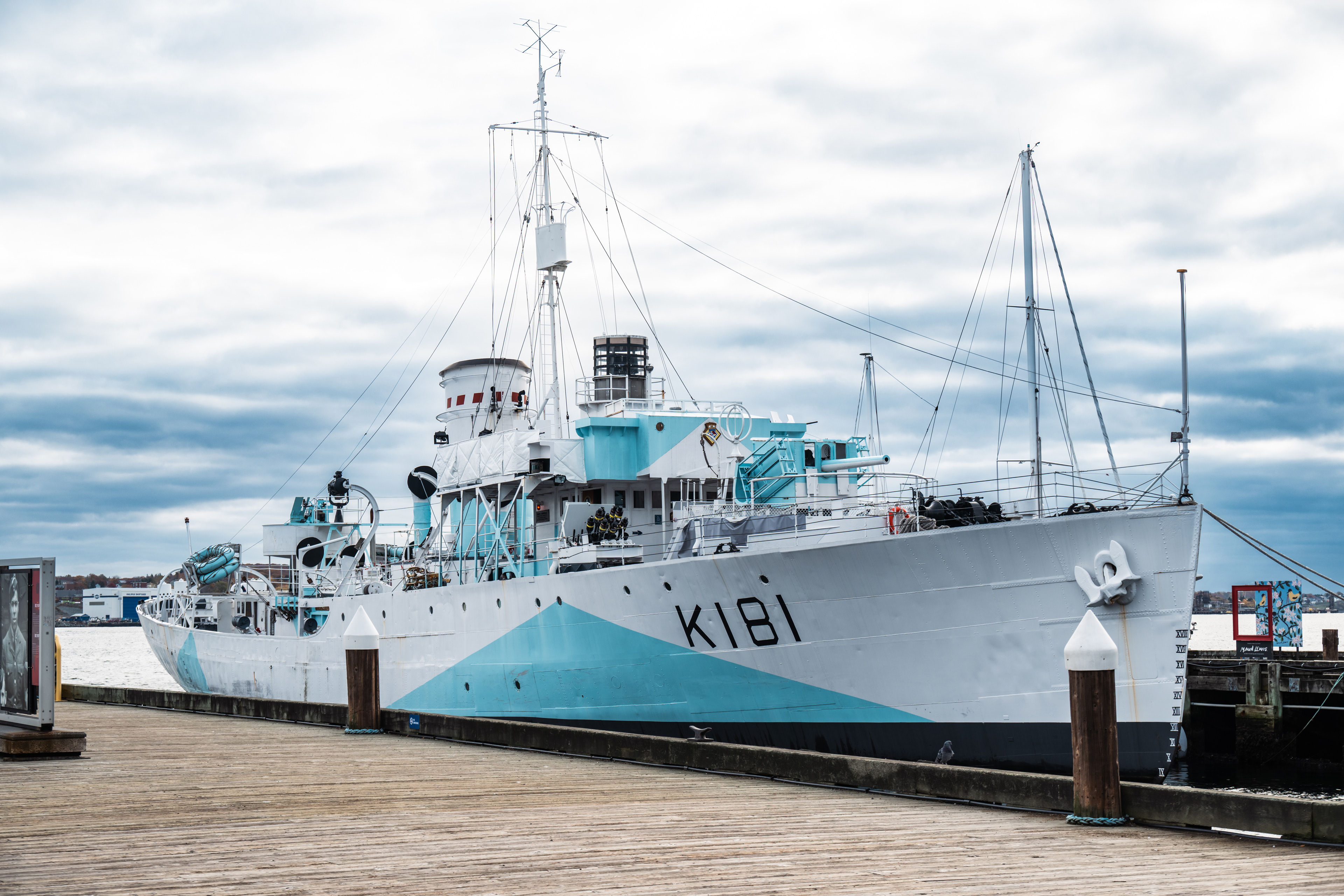
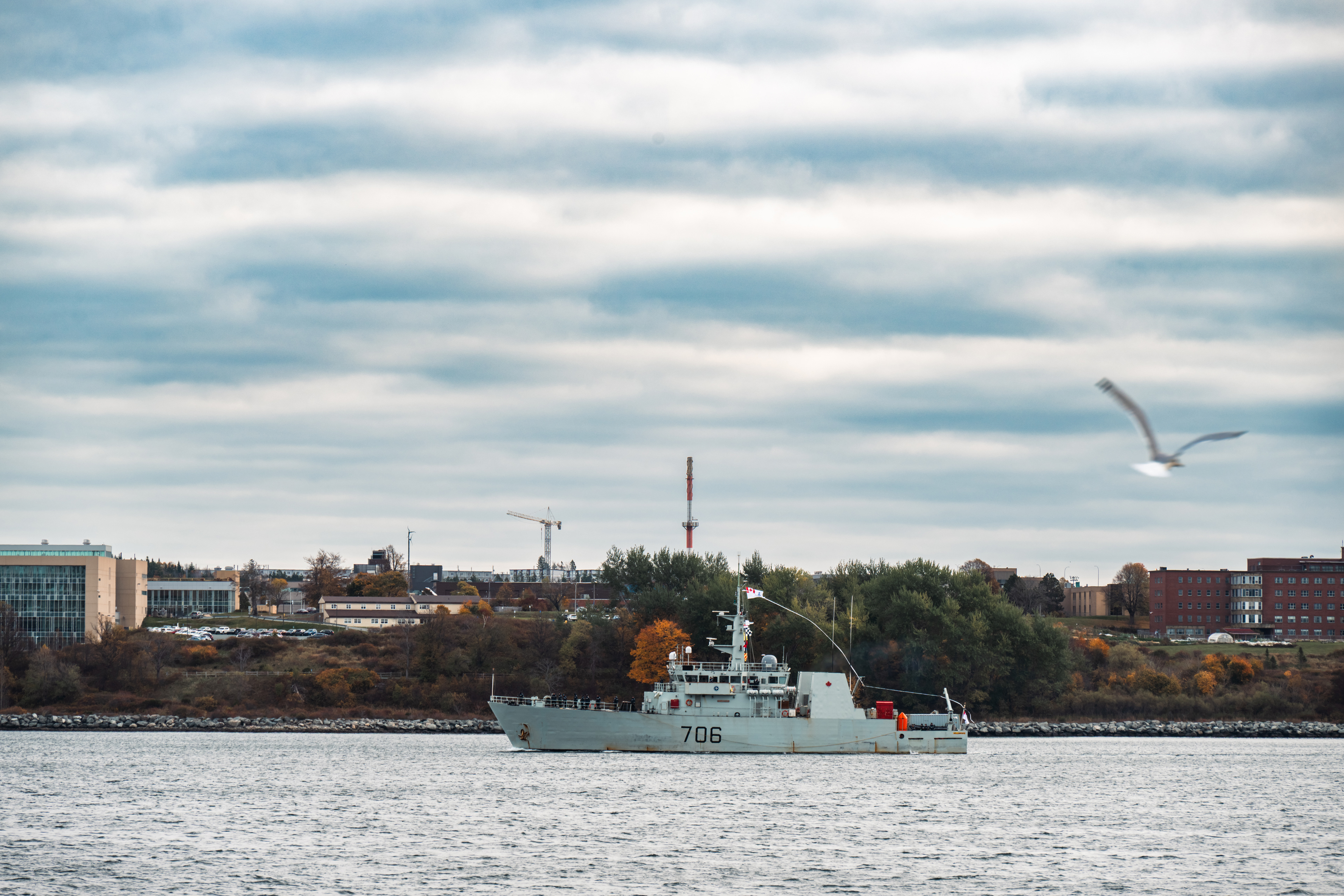
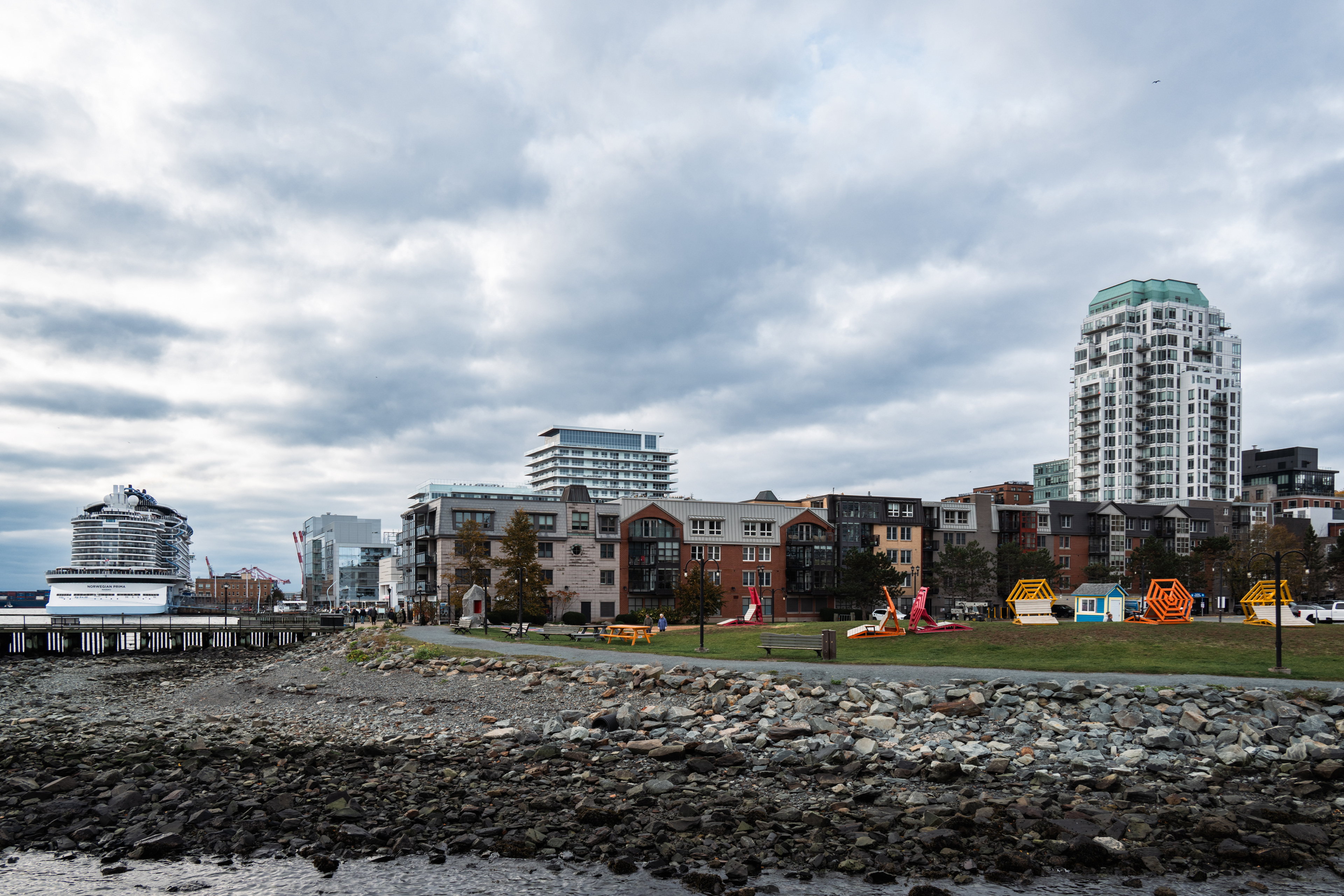
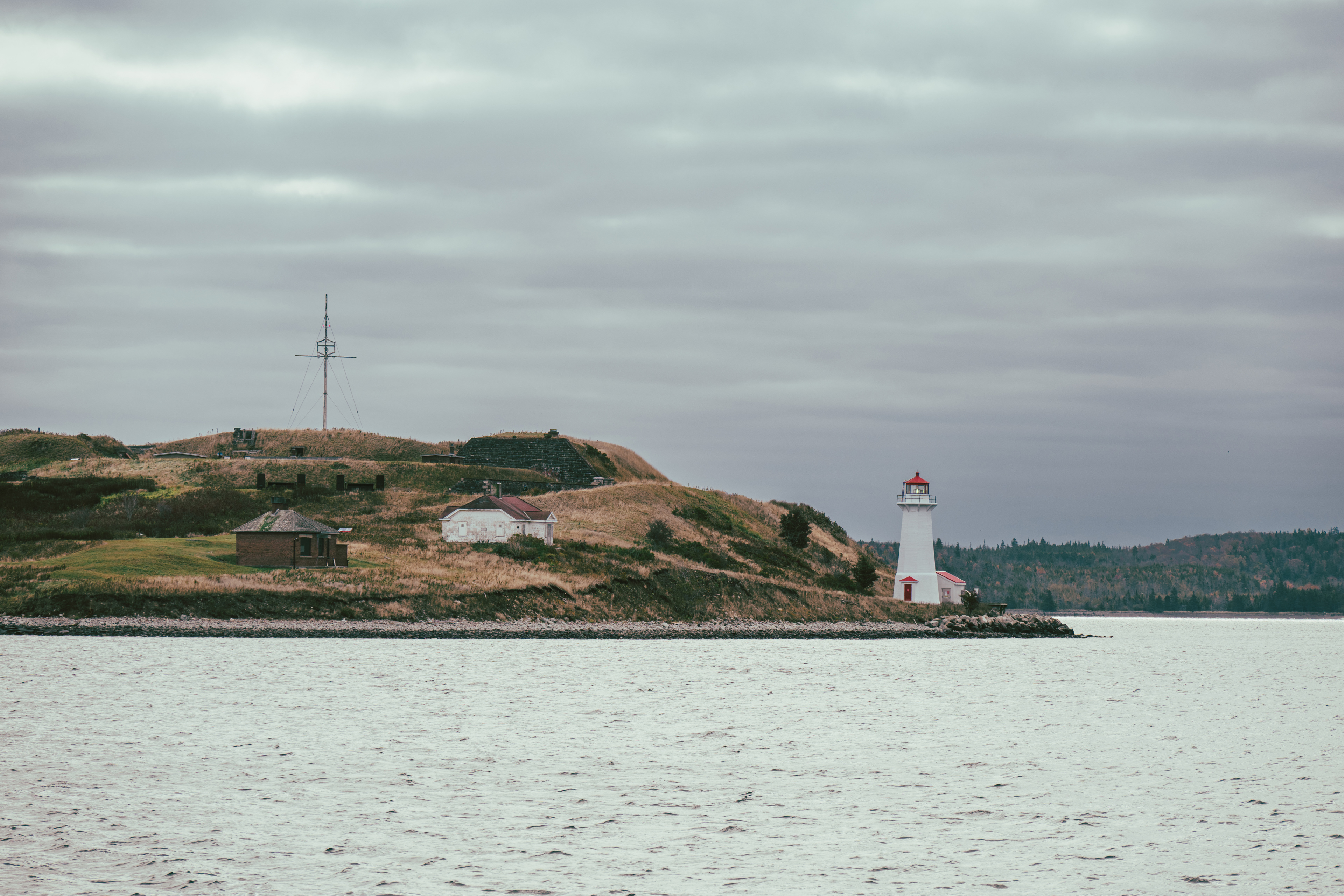
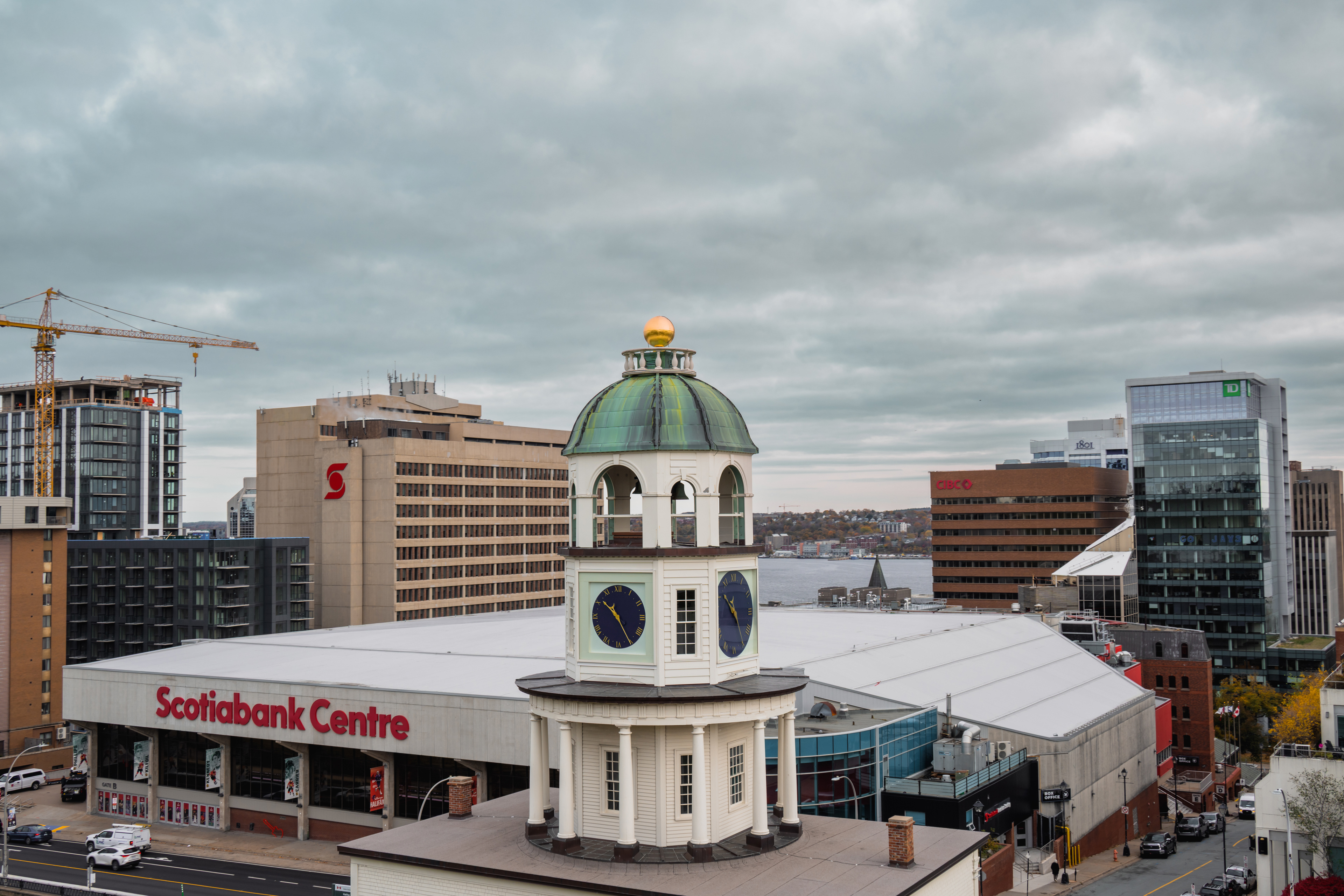
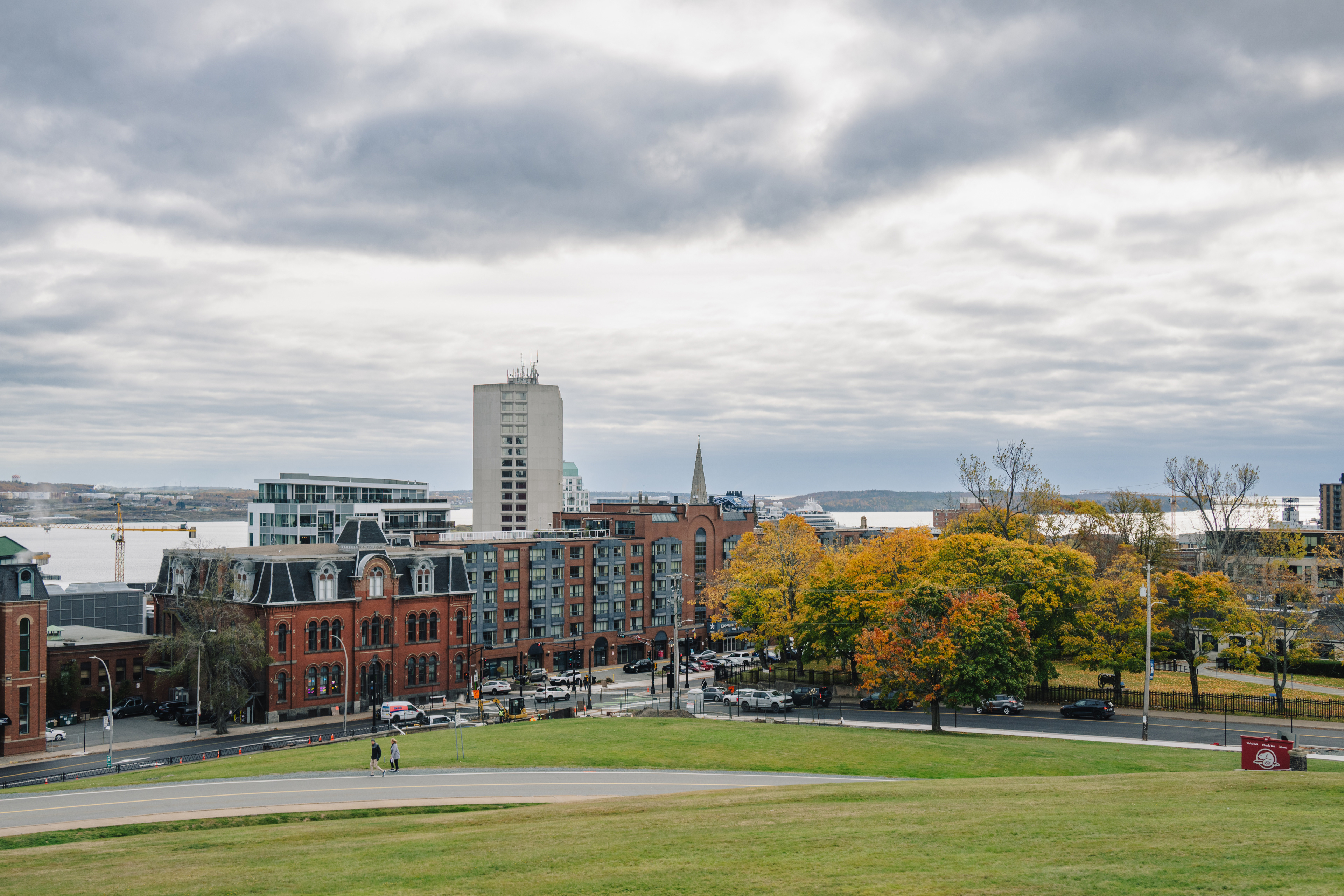
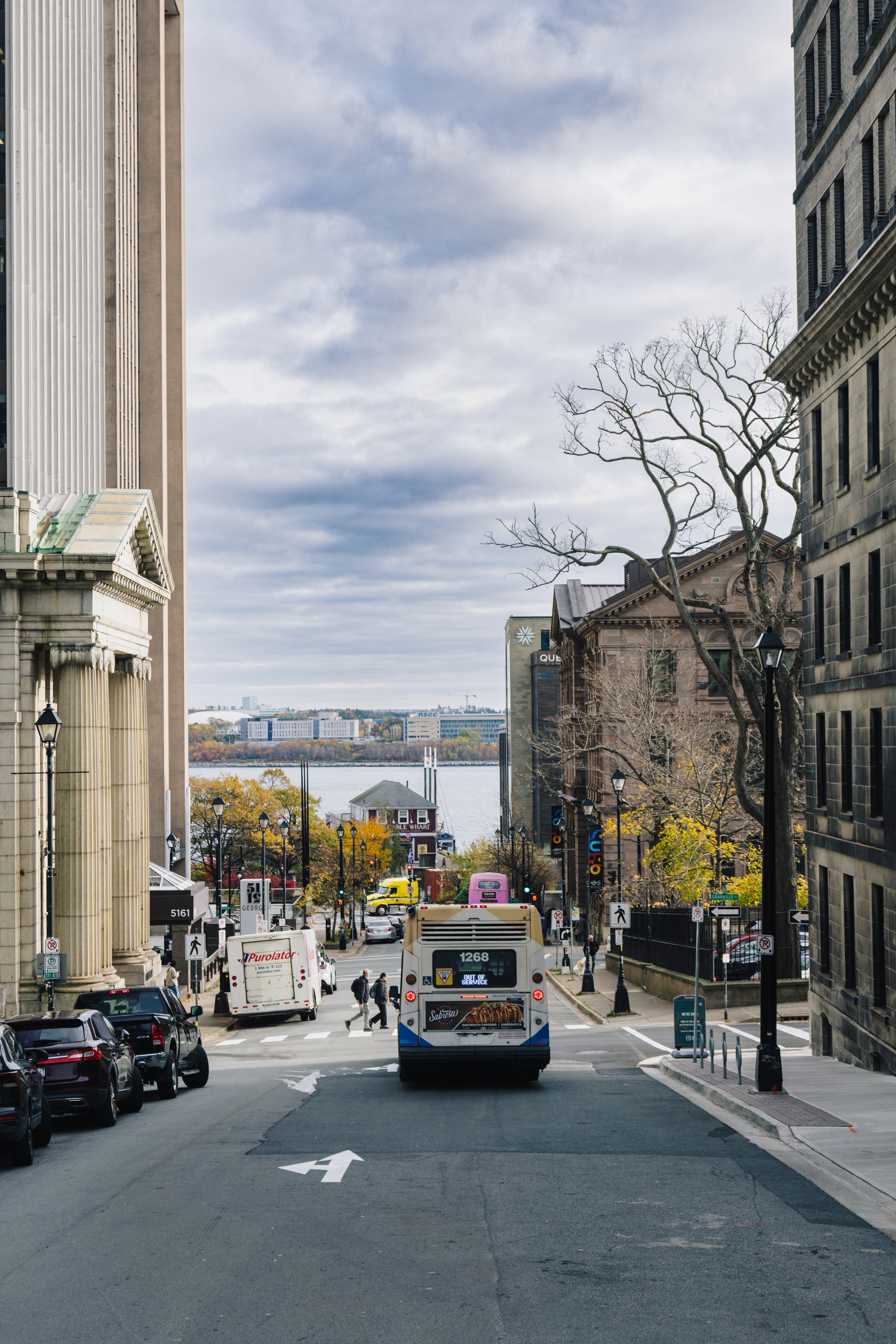
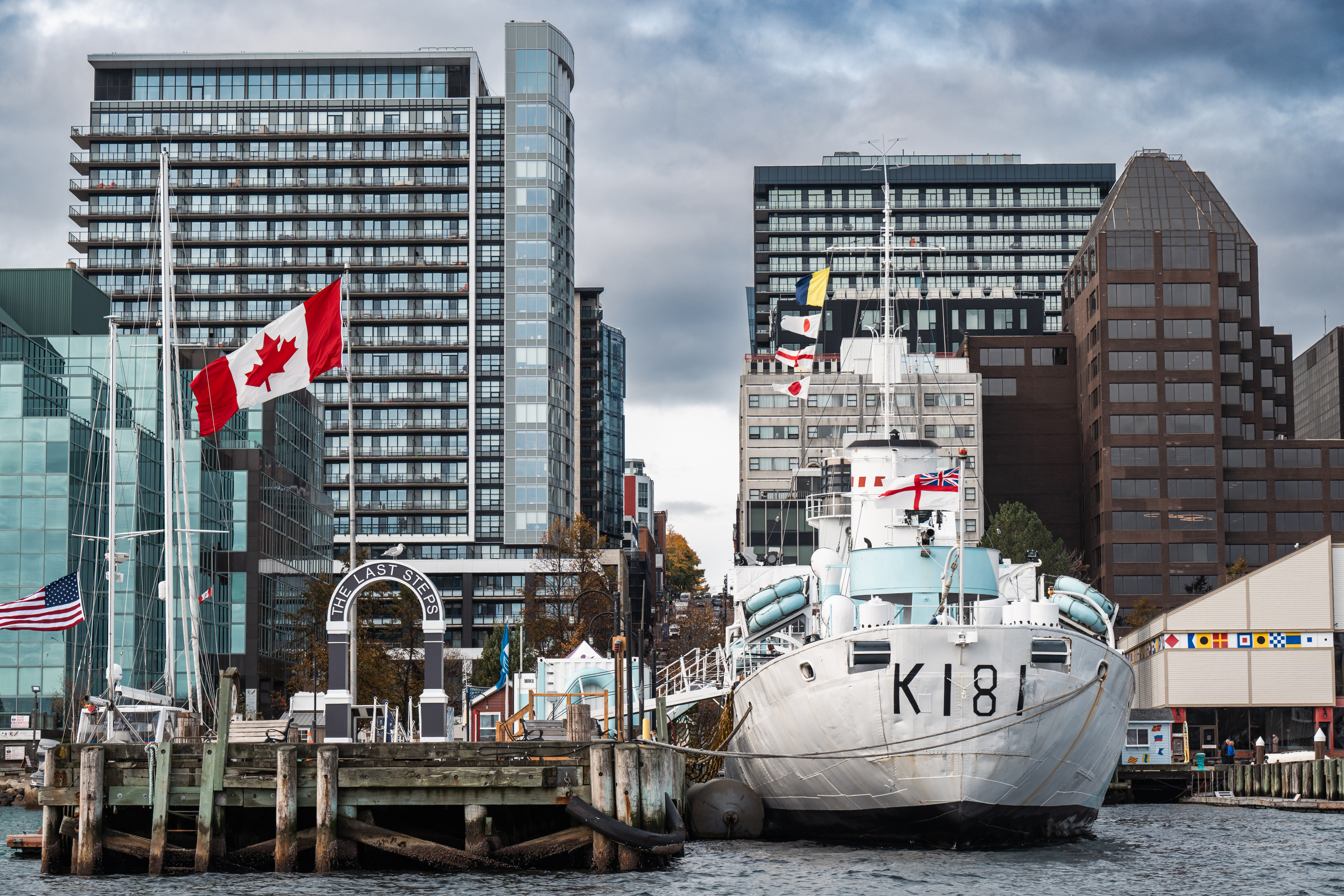
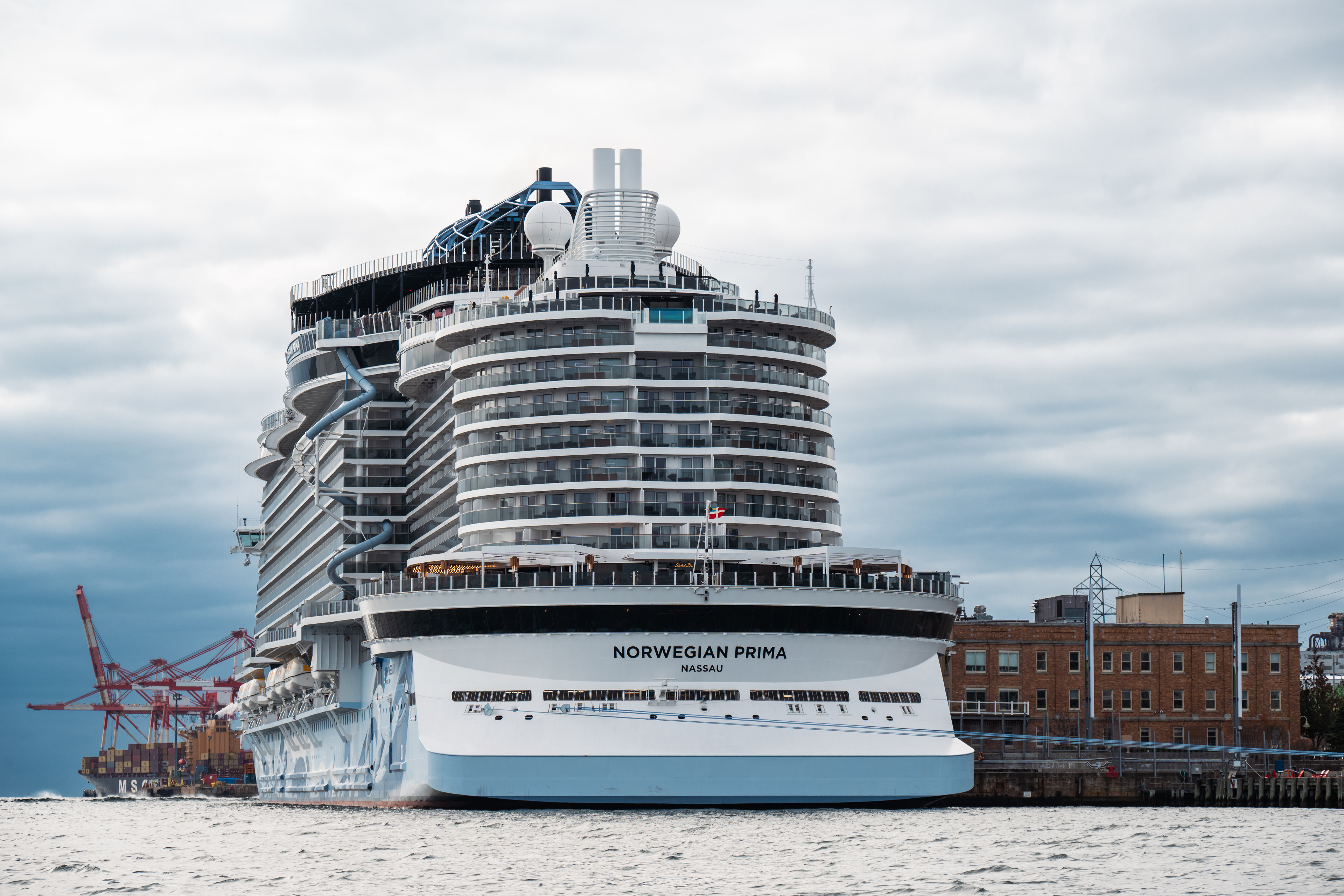
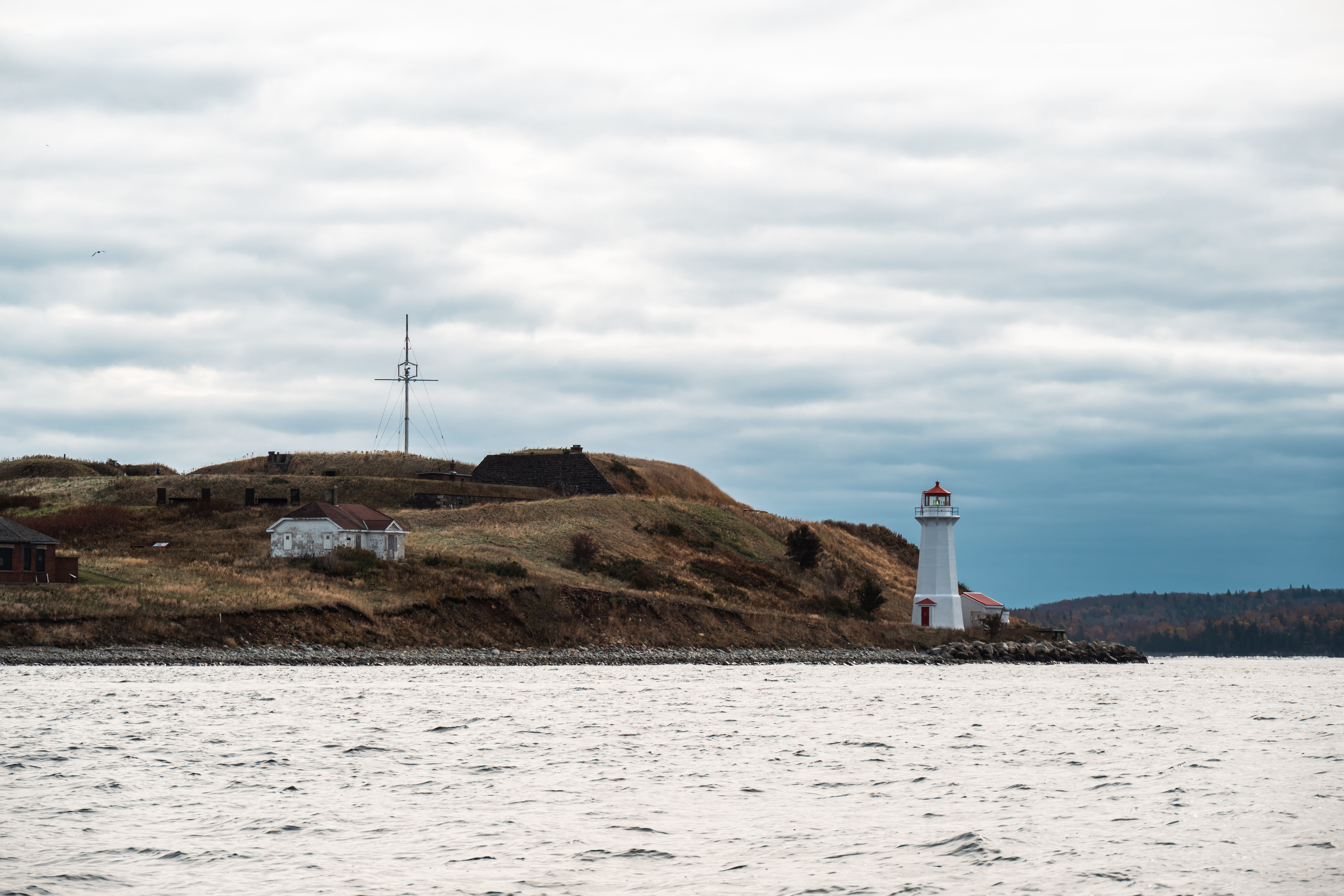
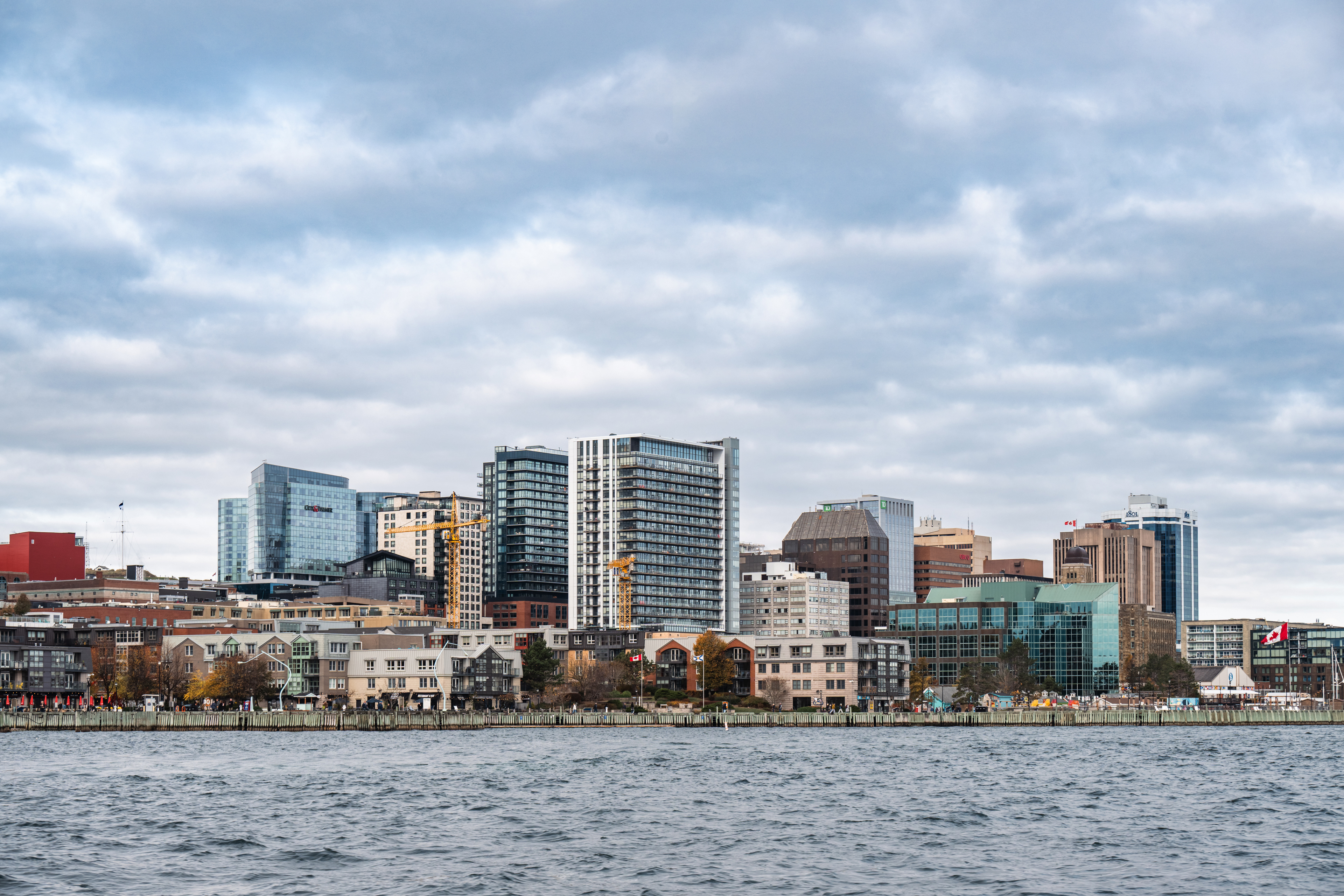
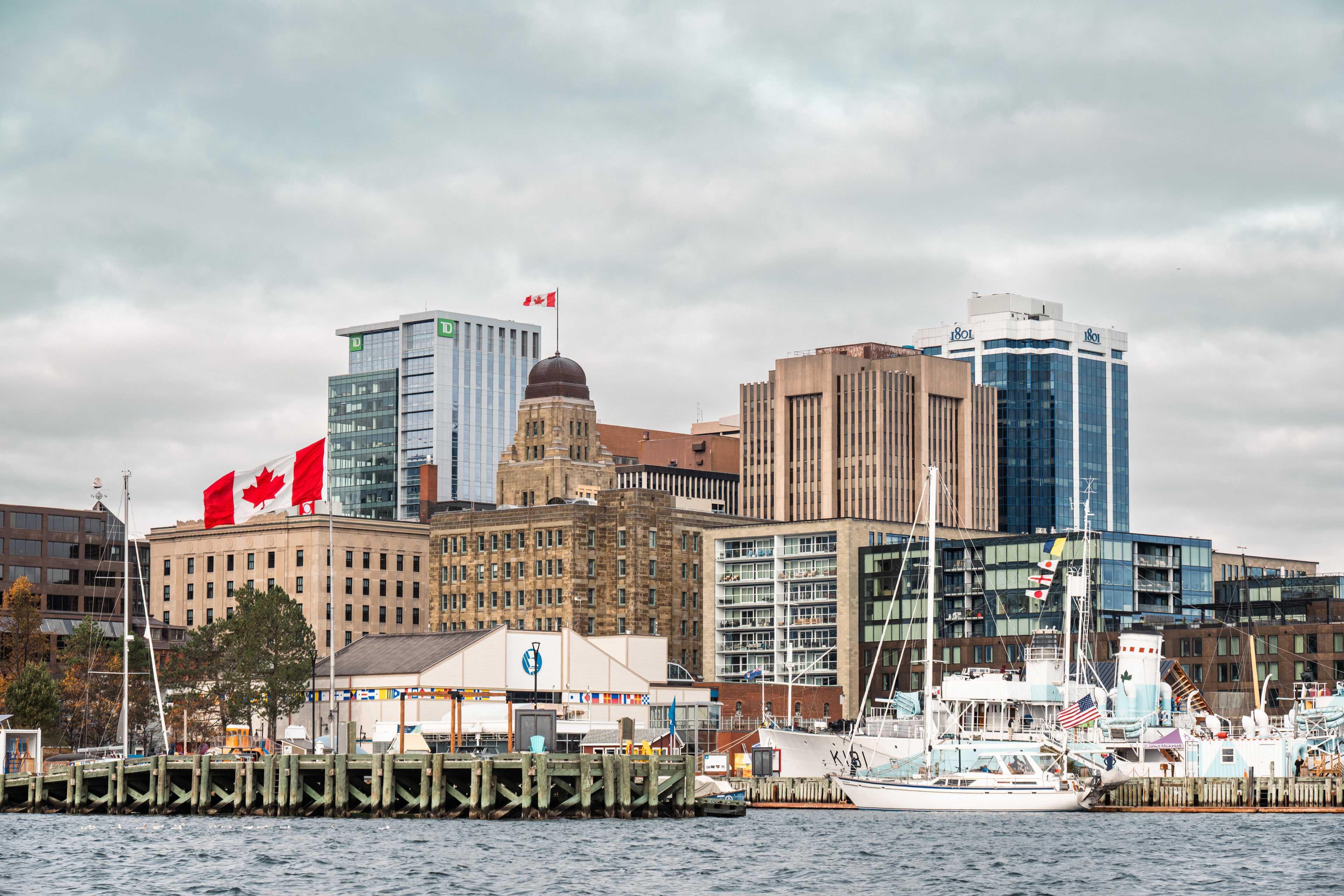
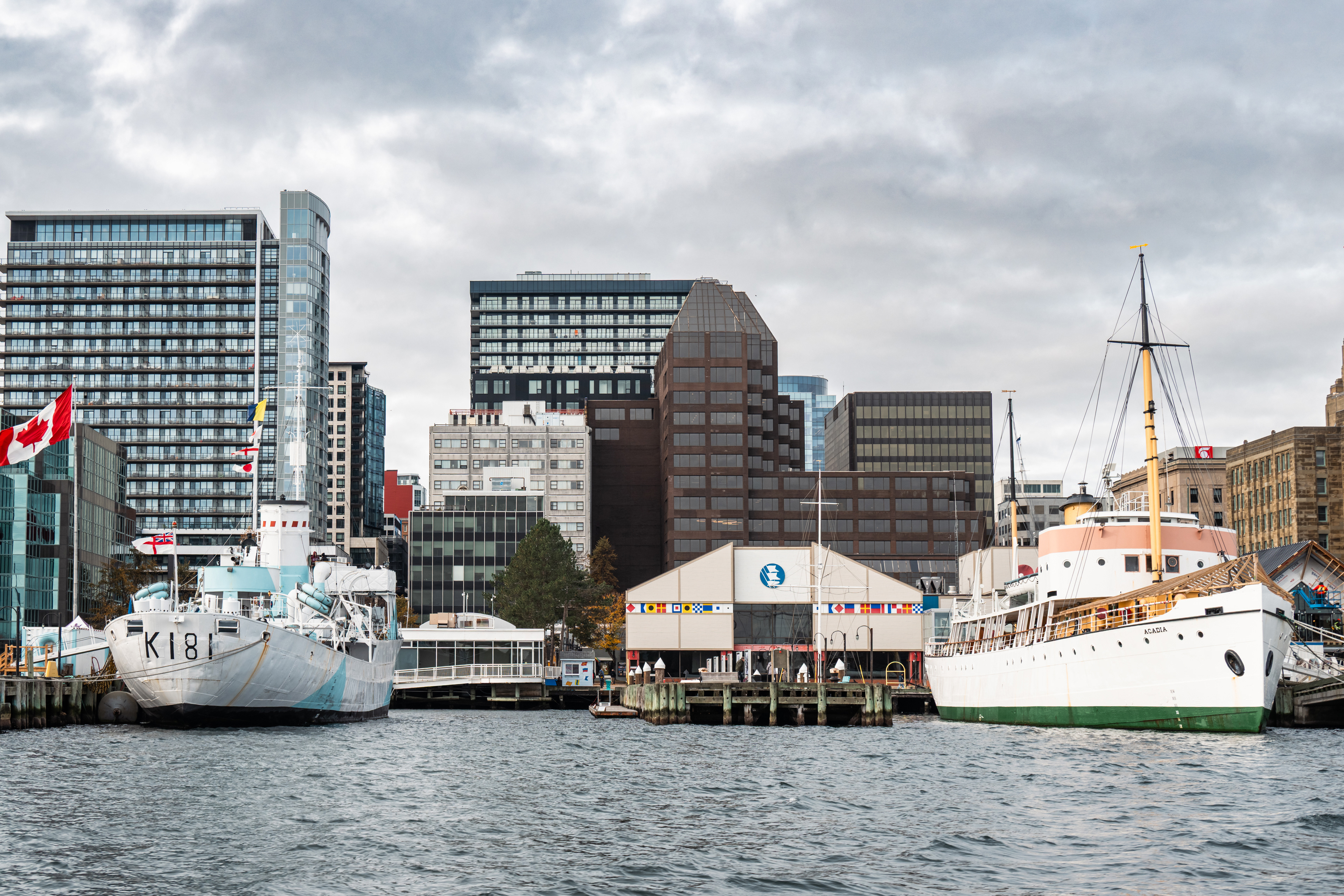
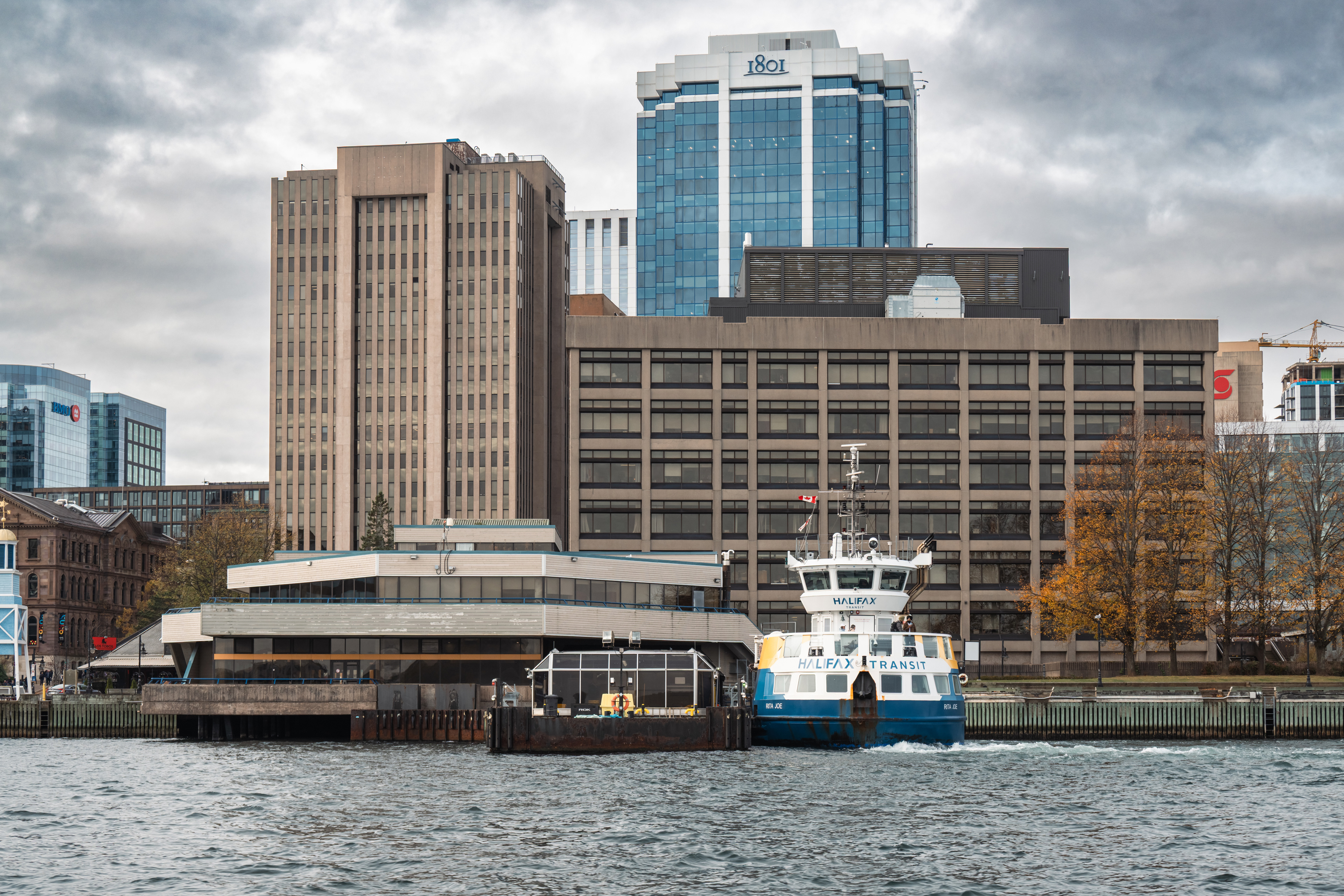
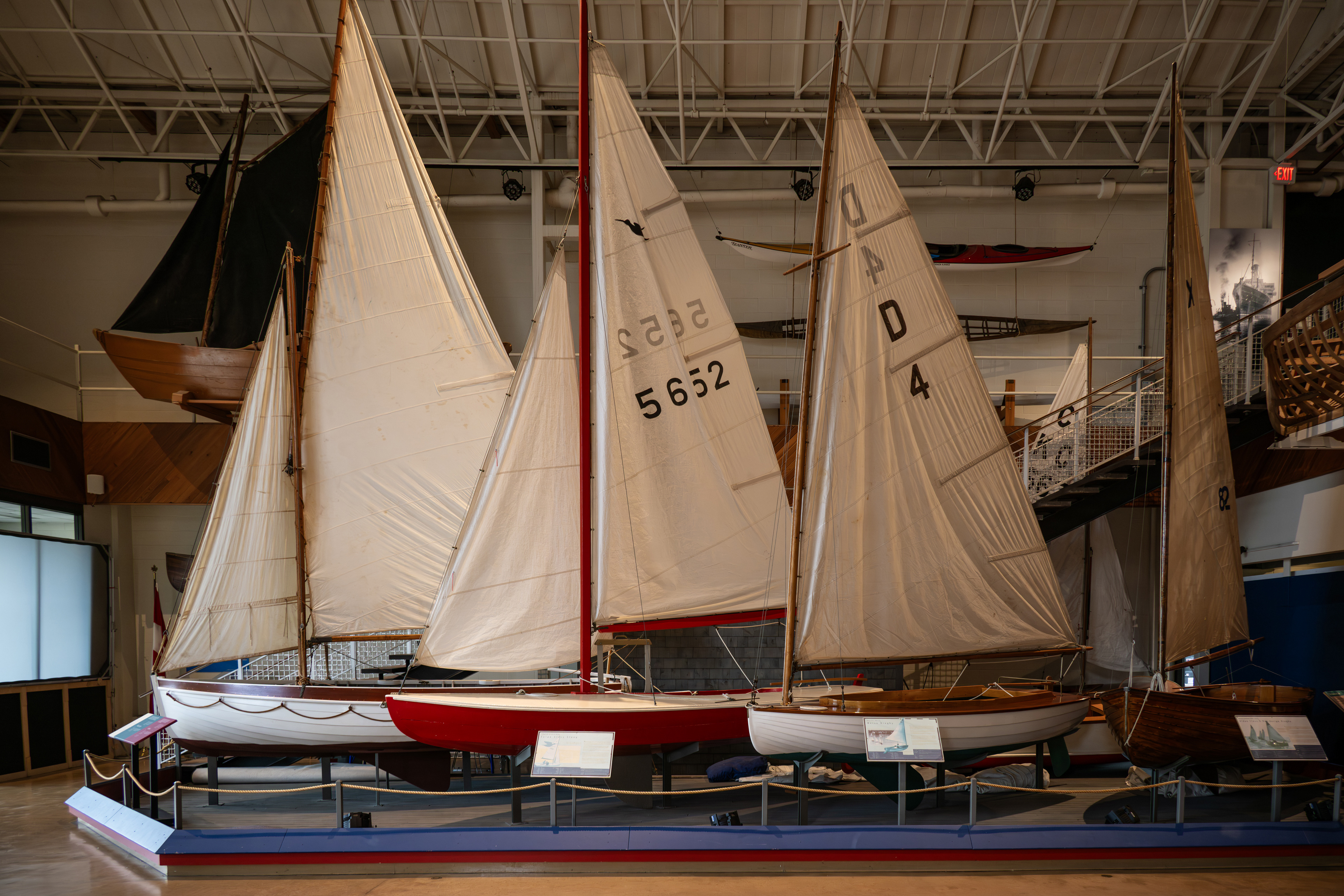
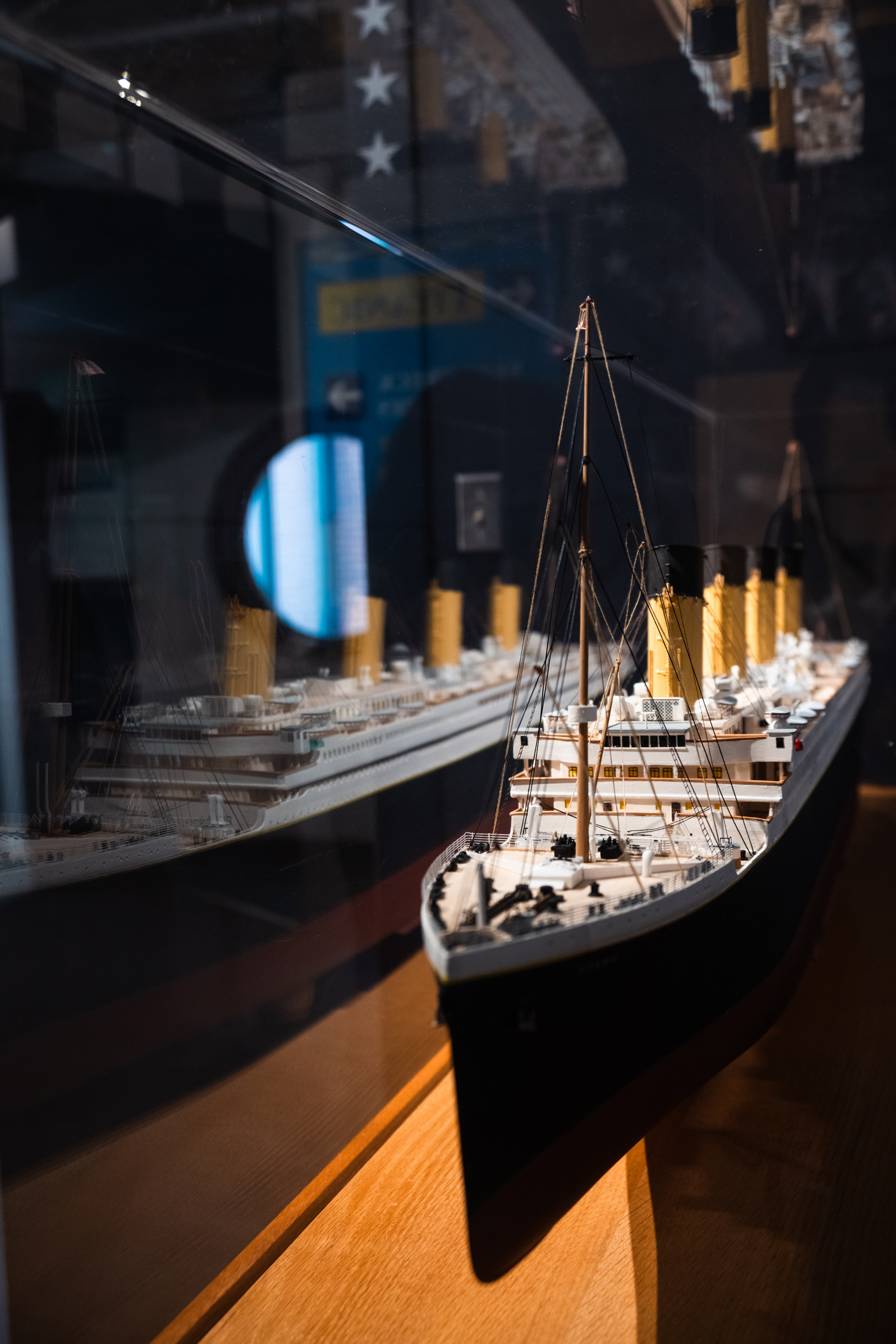
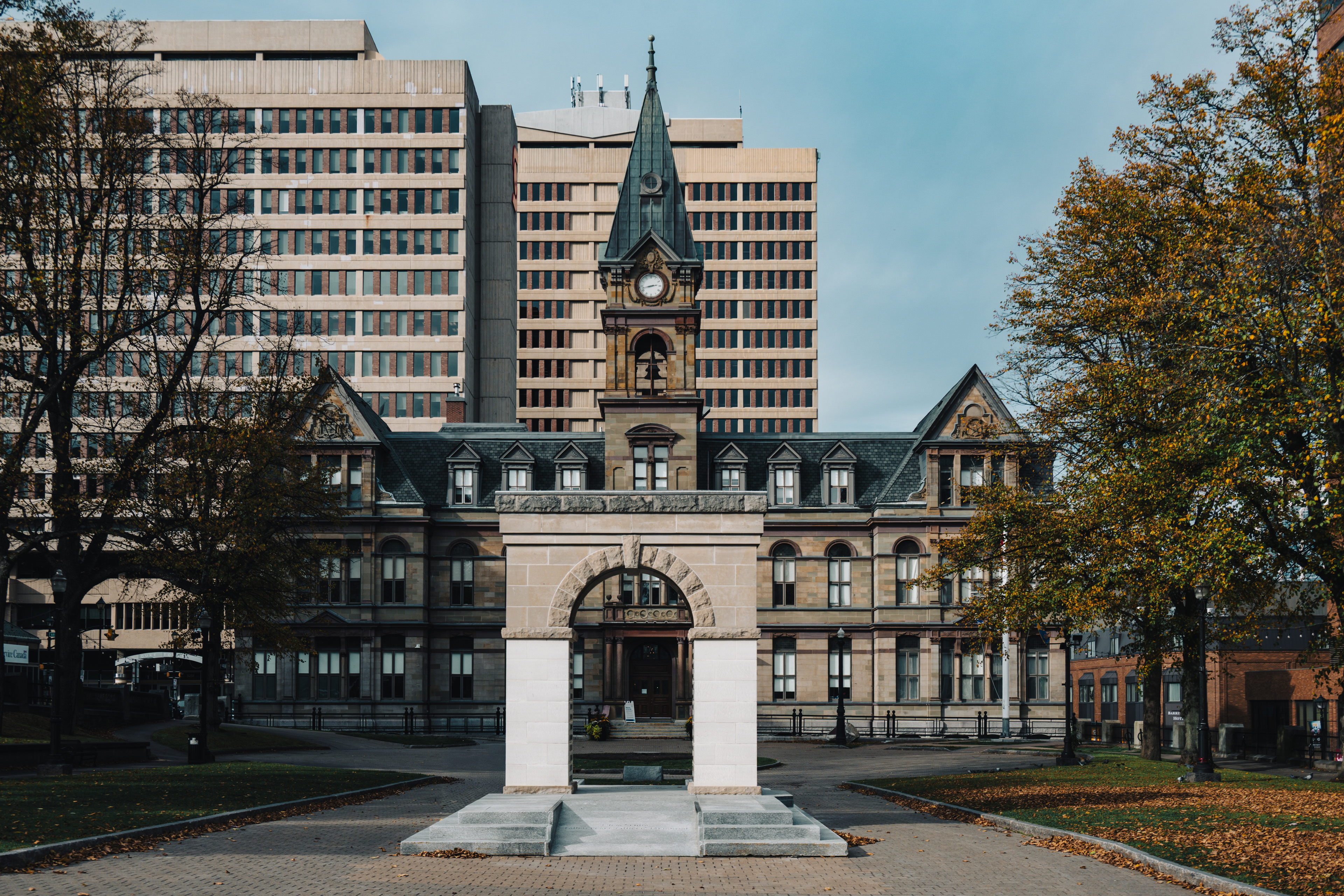
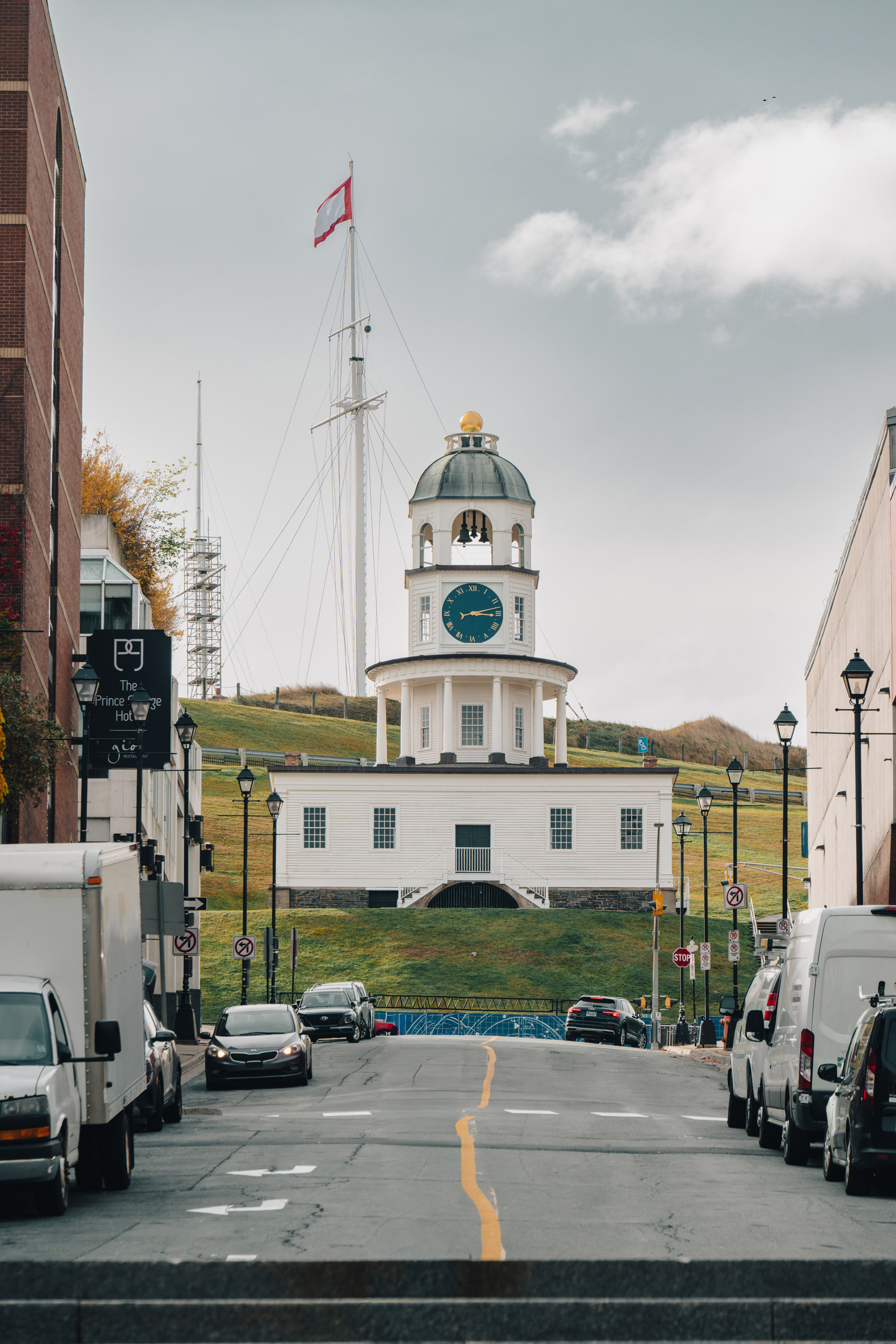
Halifax has had a complicated relationship with catastrophe. It survived being the primary Atlantic convoy staging point for two World Wars. In 1917, it was devastated by the Halifax Explosion — the largest non-nuclear explosion in history until Trinity, when a French munitions ship collided with a relief vessel in the harbor and the resulting detonation killed 2,000 people, injured 9,000 more, and leveled an entire neighborhood. The city rebuilt. The maritime tradition remained.
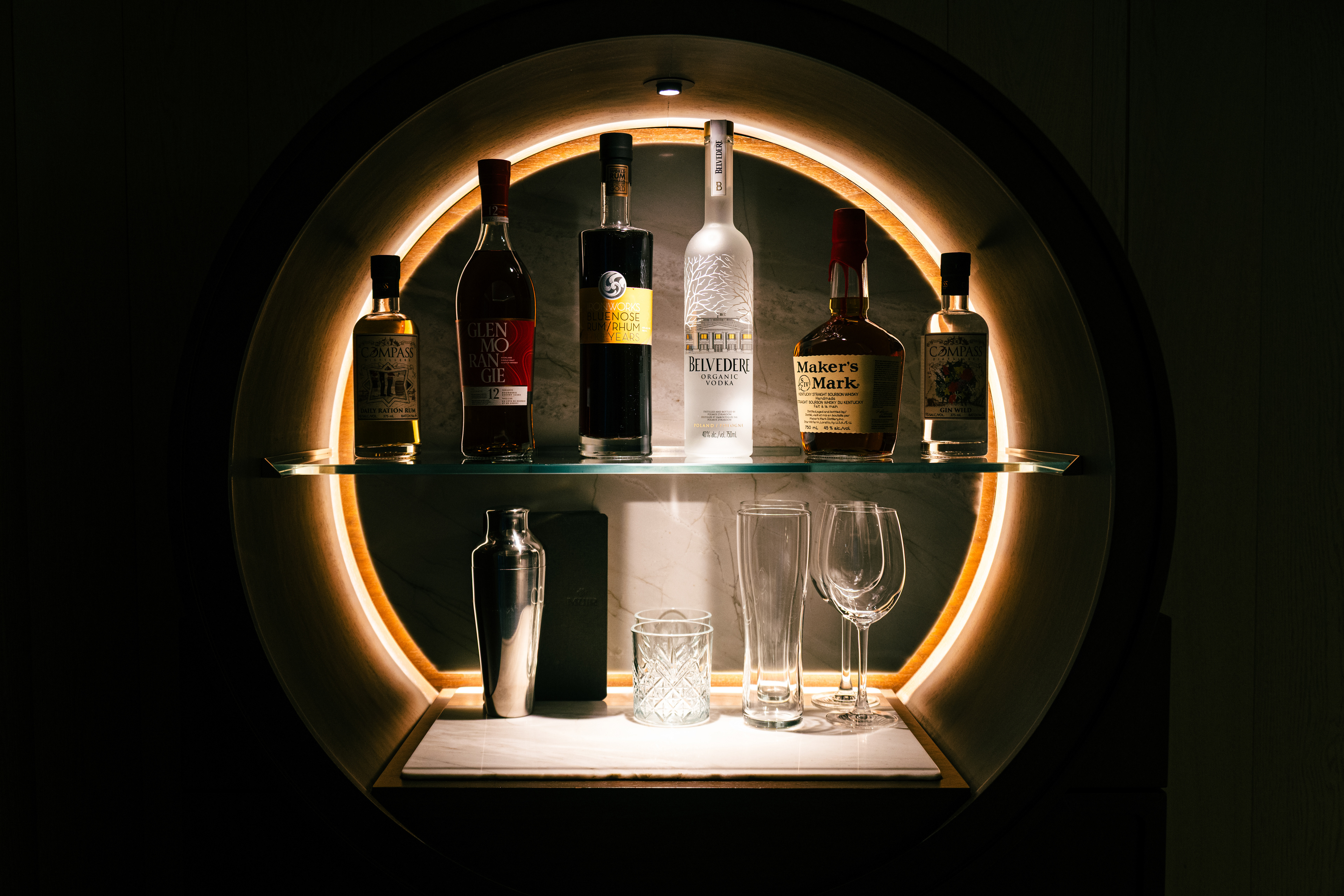
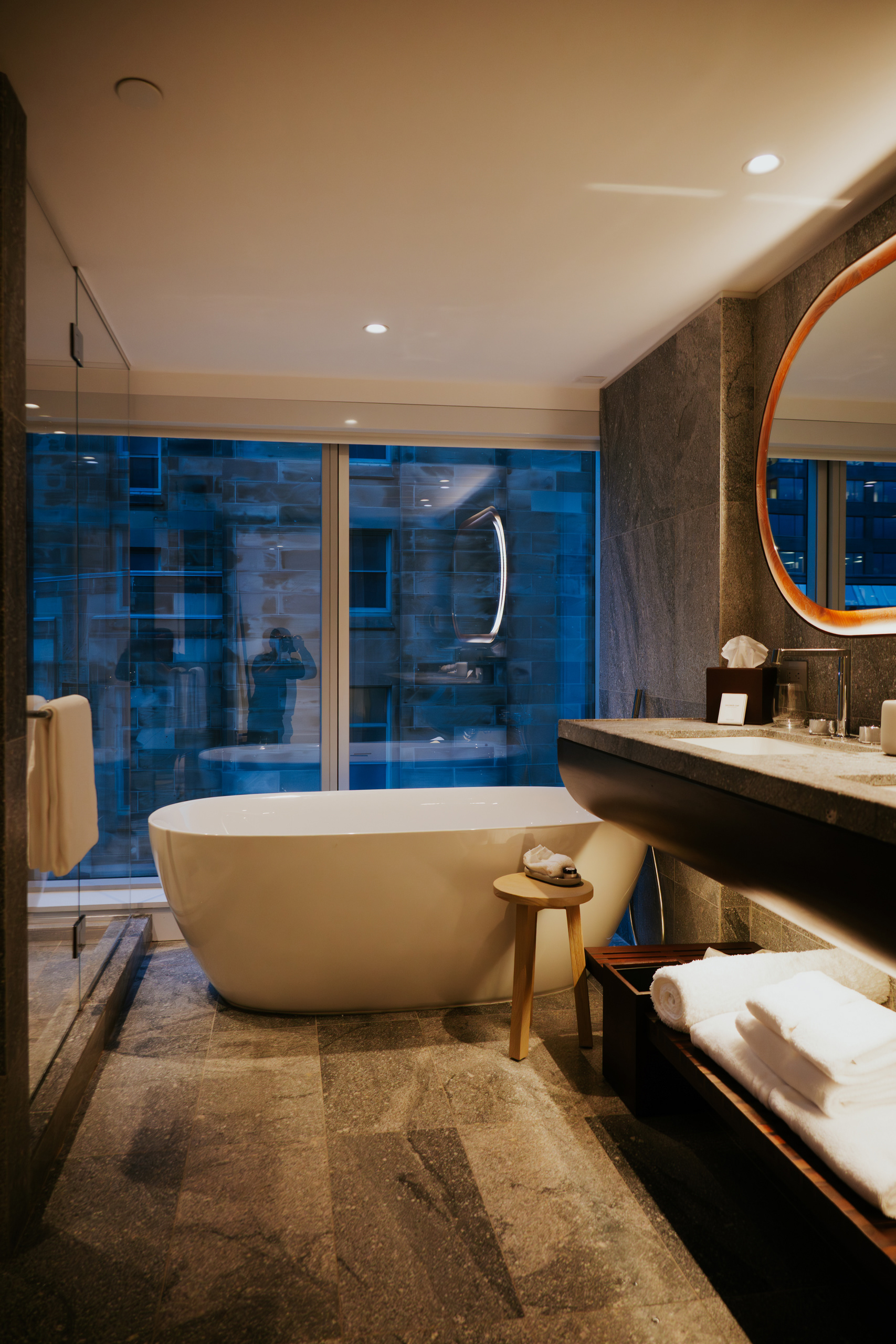
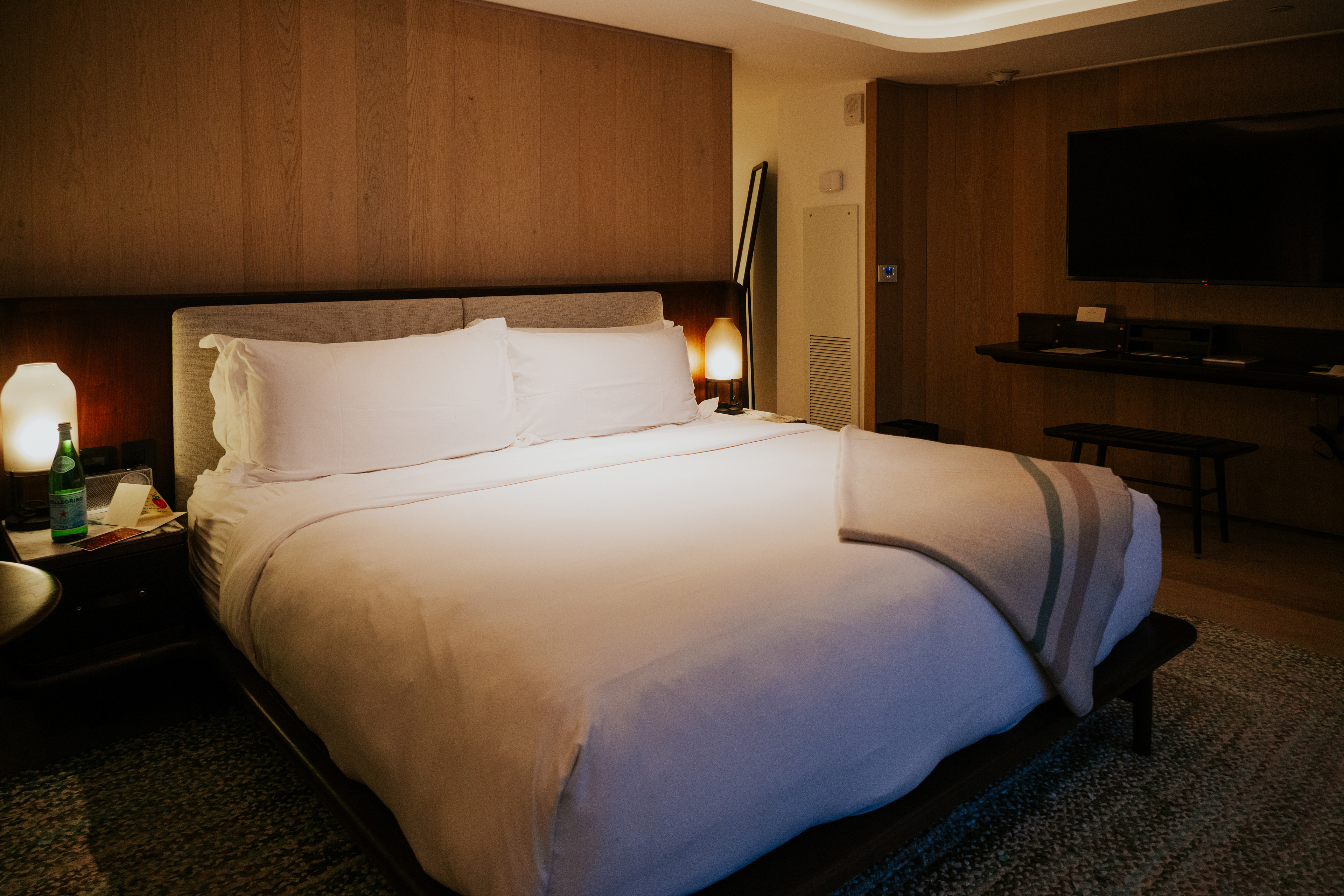
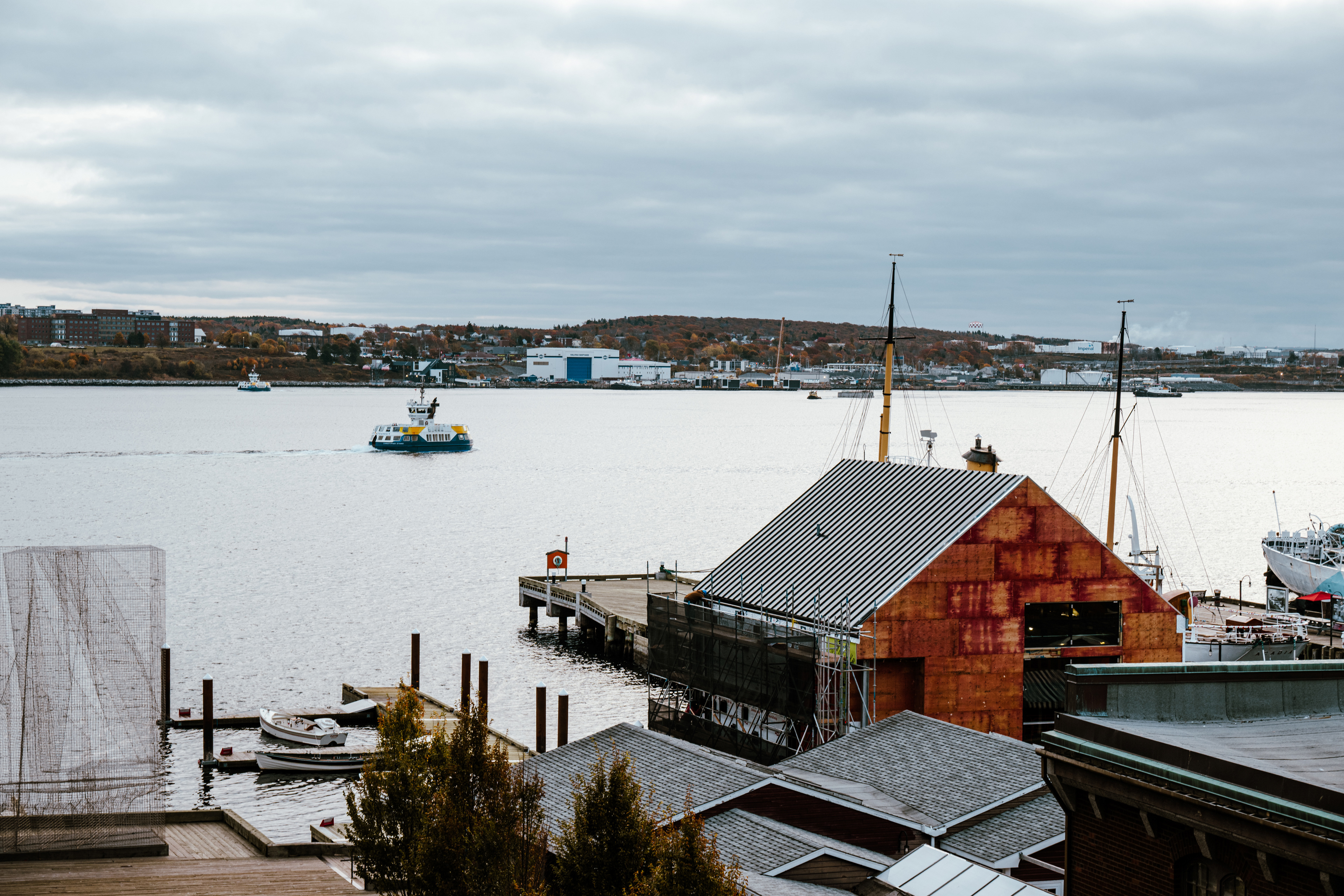
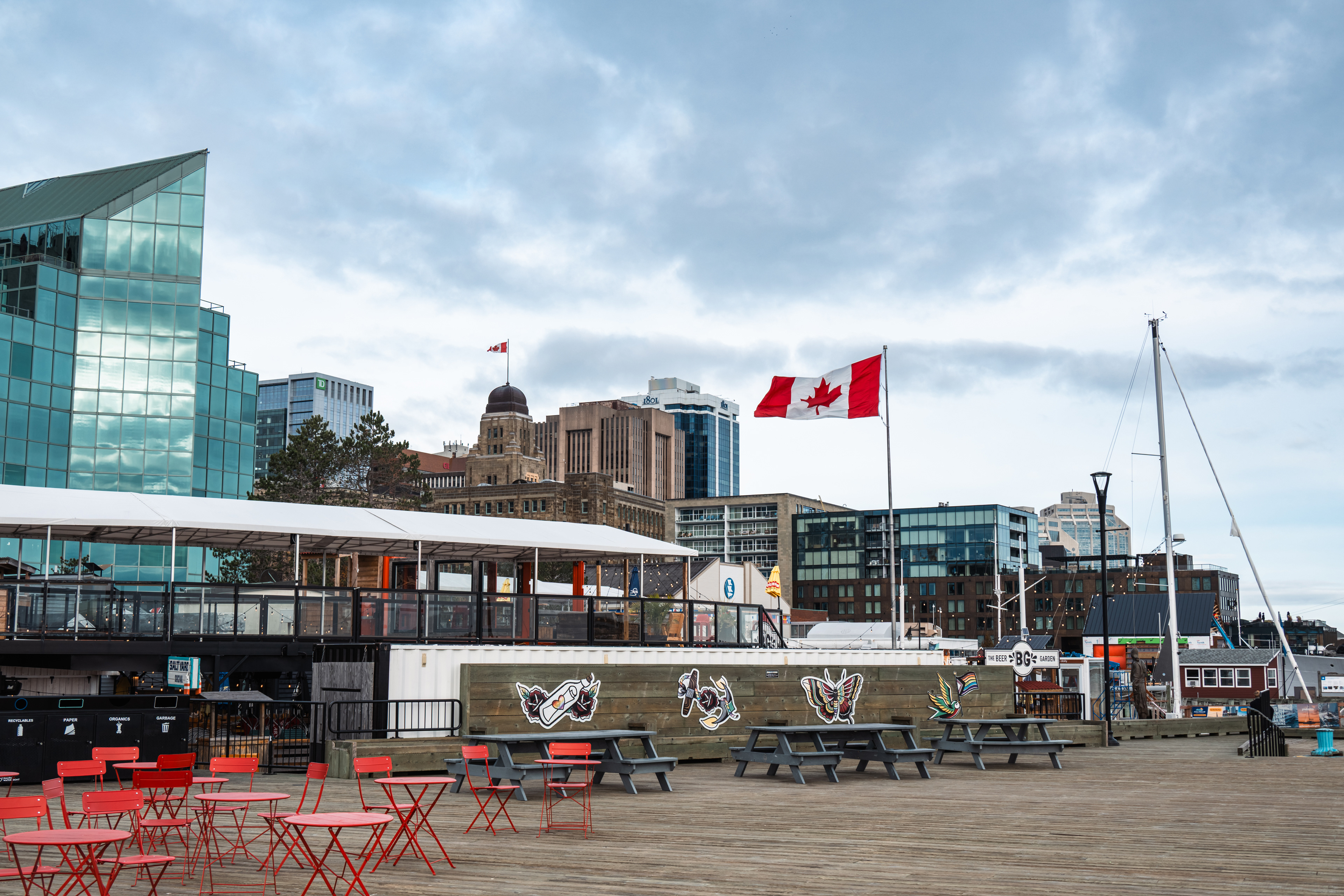
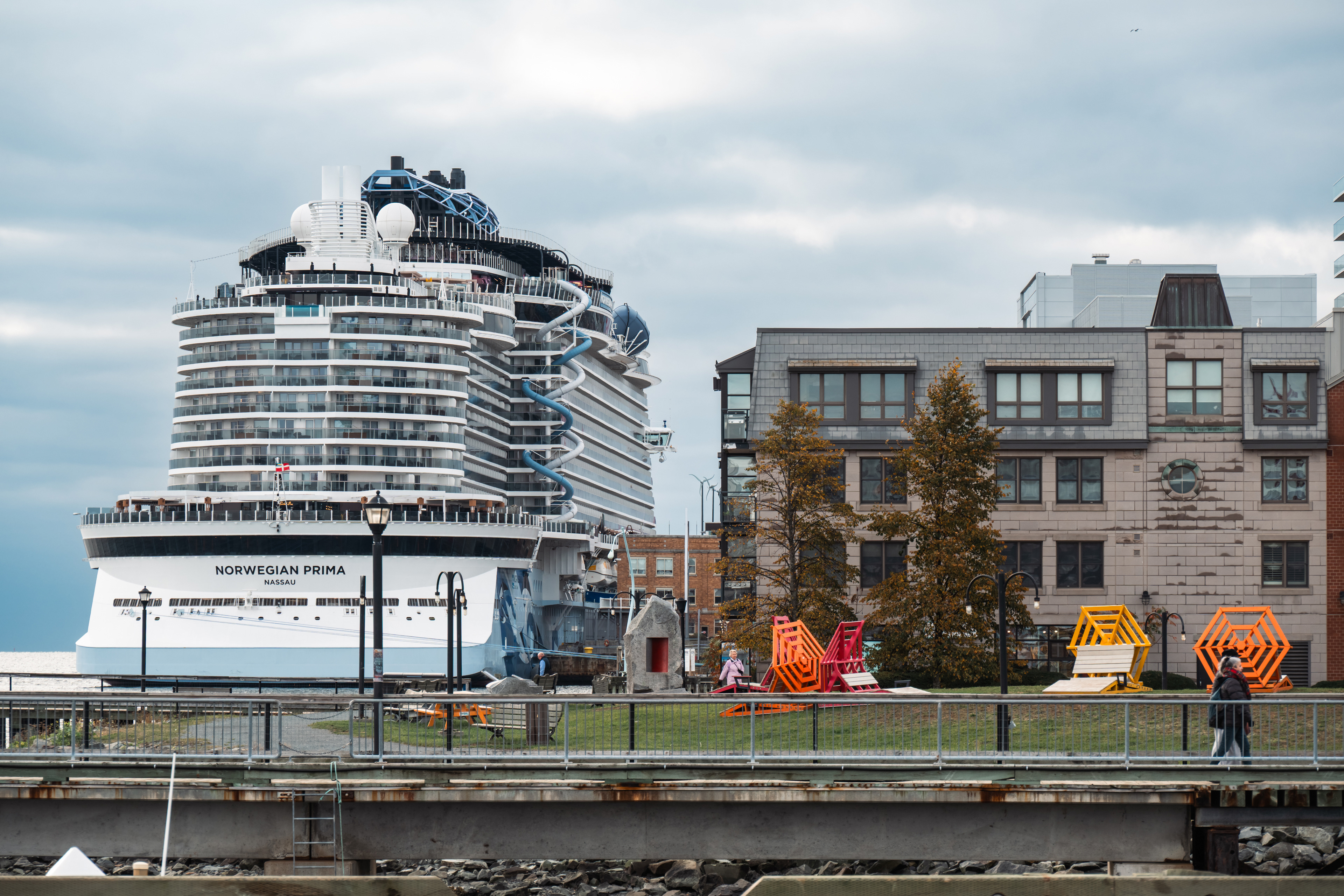
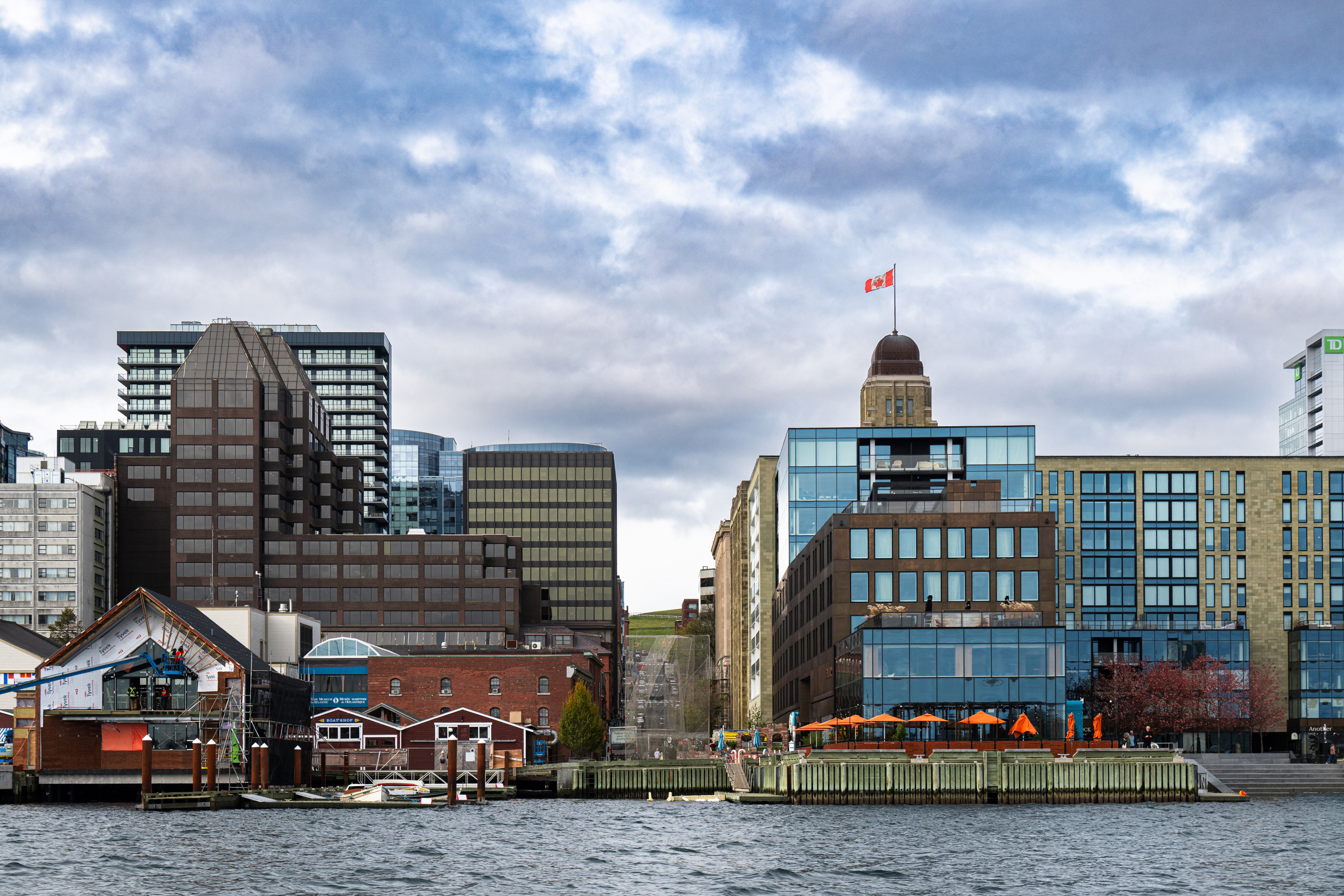
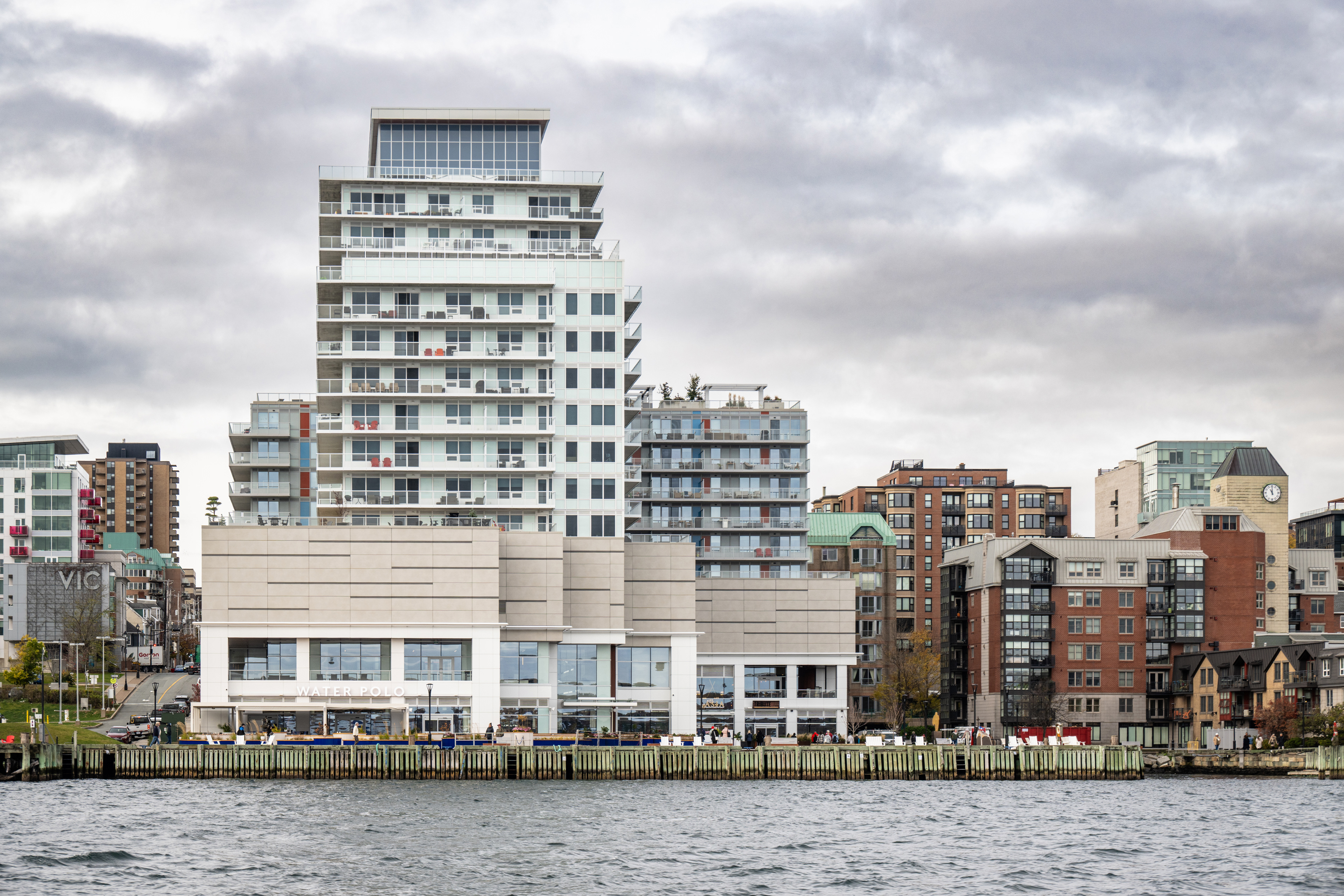
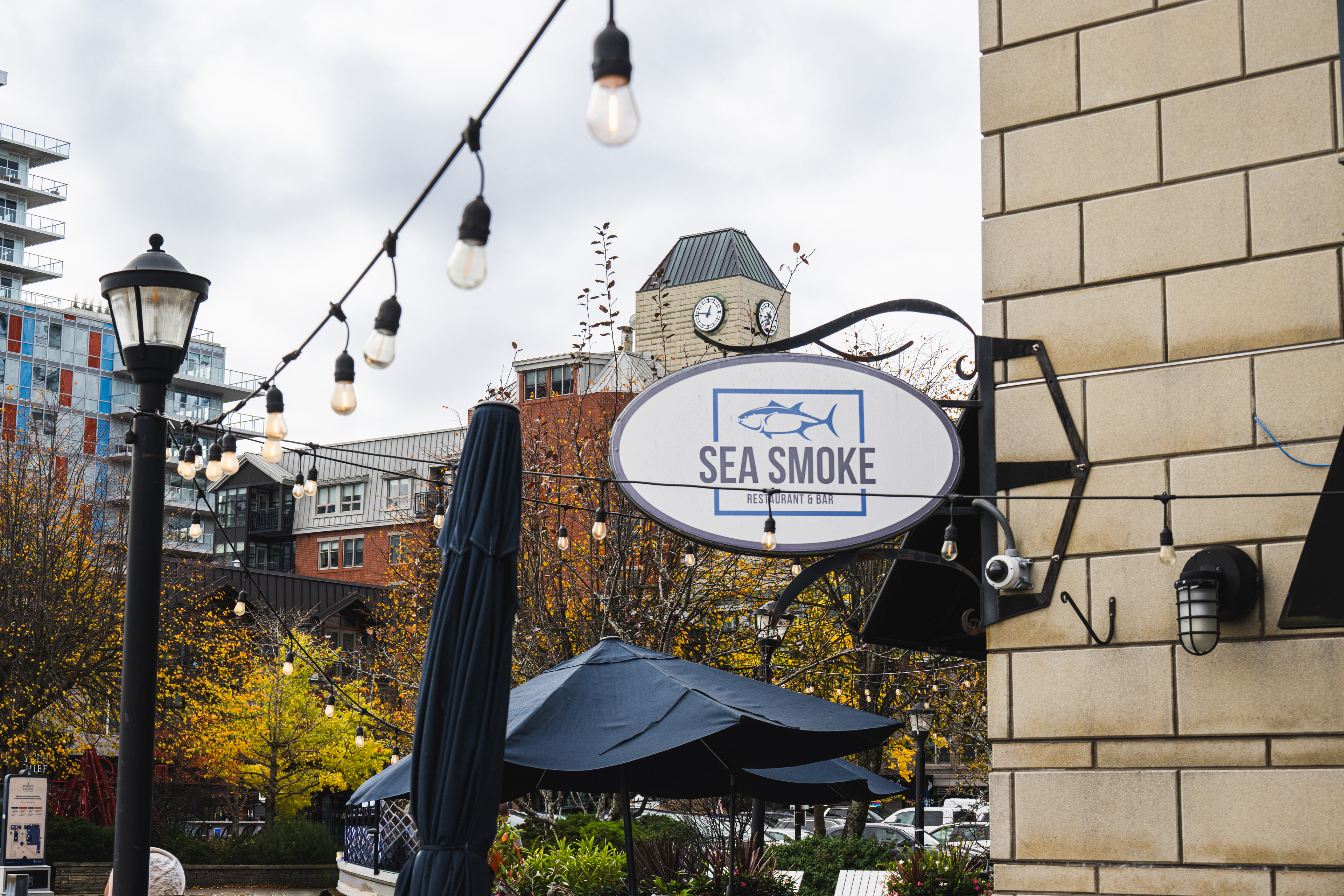
The Muir, a Luxury Collection Hotel, sits on the waterfront of the redeveloped south end of downtown, and it's the kind of property that understands what "luxury" should actually mean at a working port: clean lines, natural materials, windows oriented toward the water. Drift, the ground-floor restaurant, does Nova Scotian seafood with the confidence of a kitchen that knows its supply chain runs about four blocks.
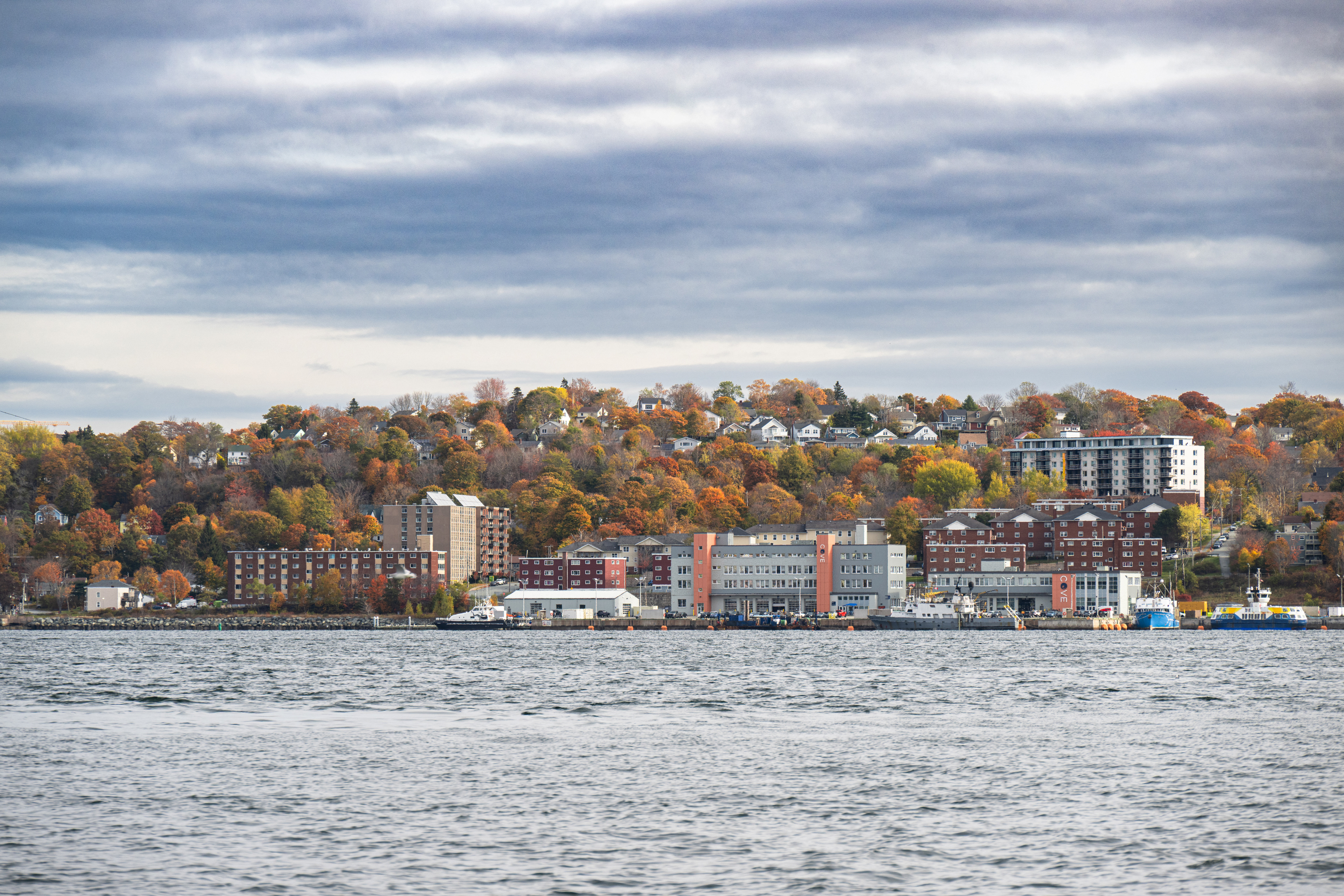
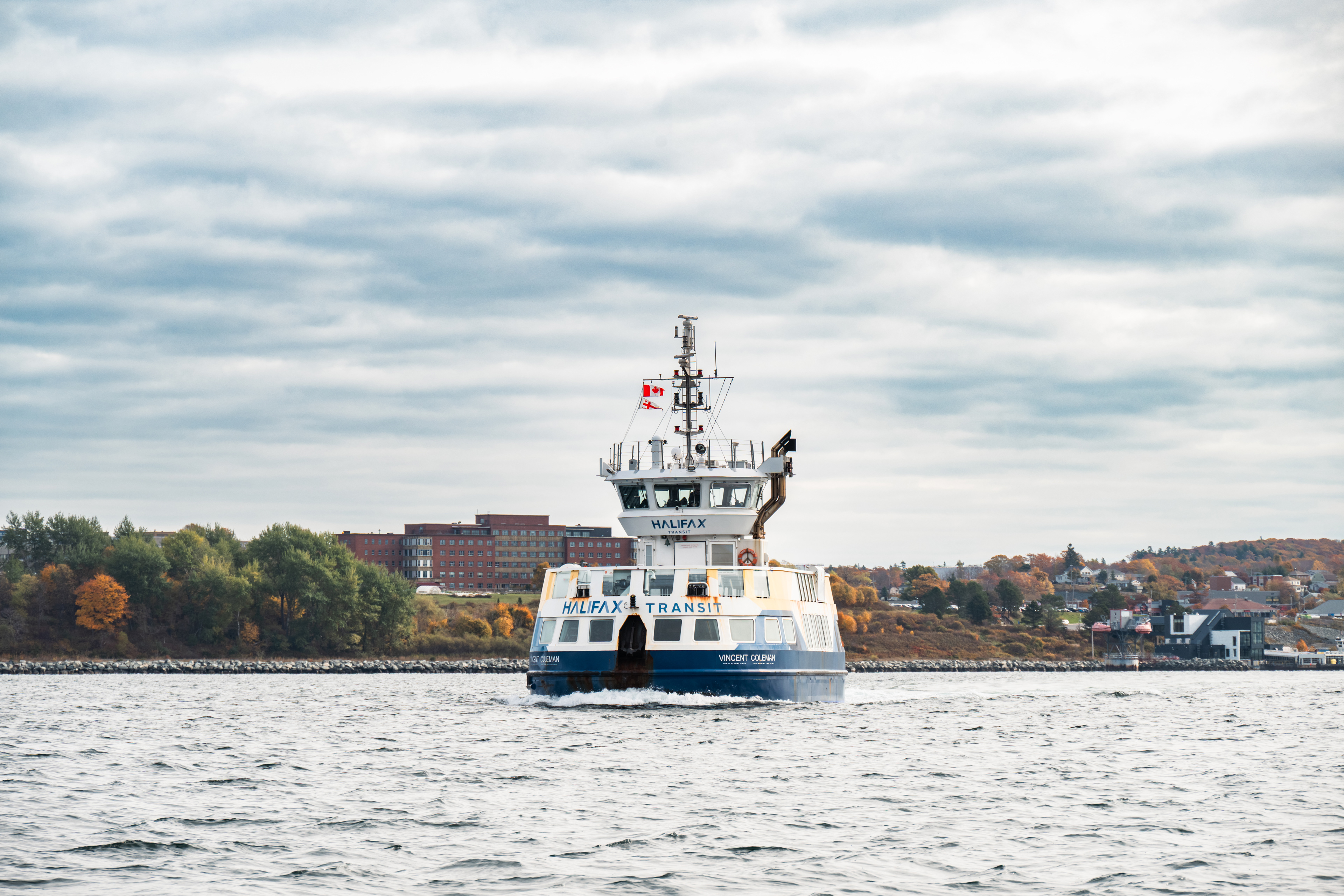
The Harbour Hopper the next morning was the most unself-consciously fun thing we did on the entire trip. The vehicle — a retrofitted DUKW amphibious craft, the same type used in the D-Day landings — tours Halifax on land, narrates the city's history with the enthusiasm of someone who has genuinely never gotten tired of this job, and then drives directly into the harbor. My daughter greeted the moment the wheels left the dock with a look of pure, uncomplicated delight. Some days the job is easy.
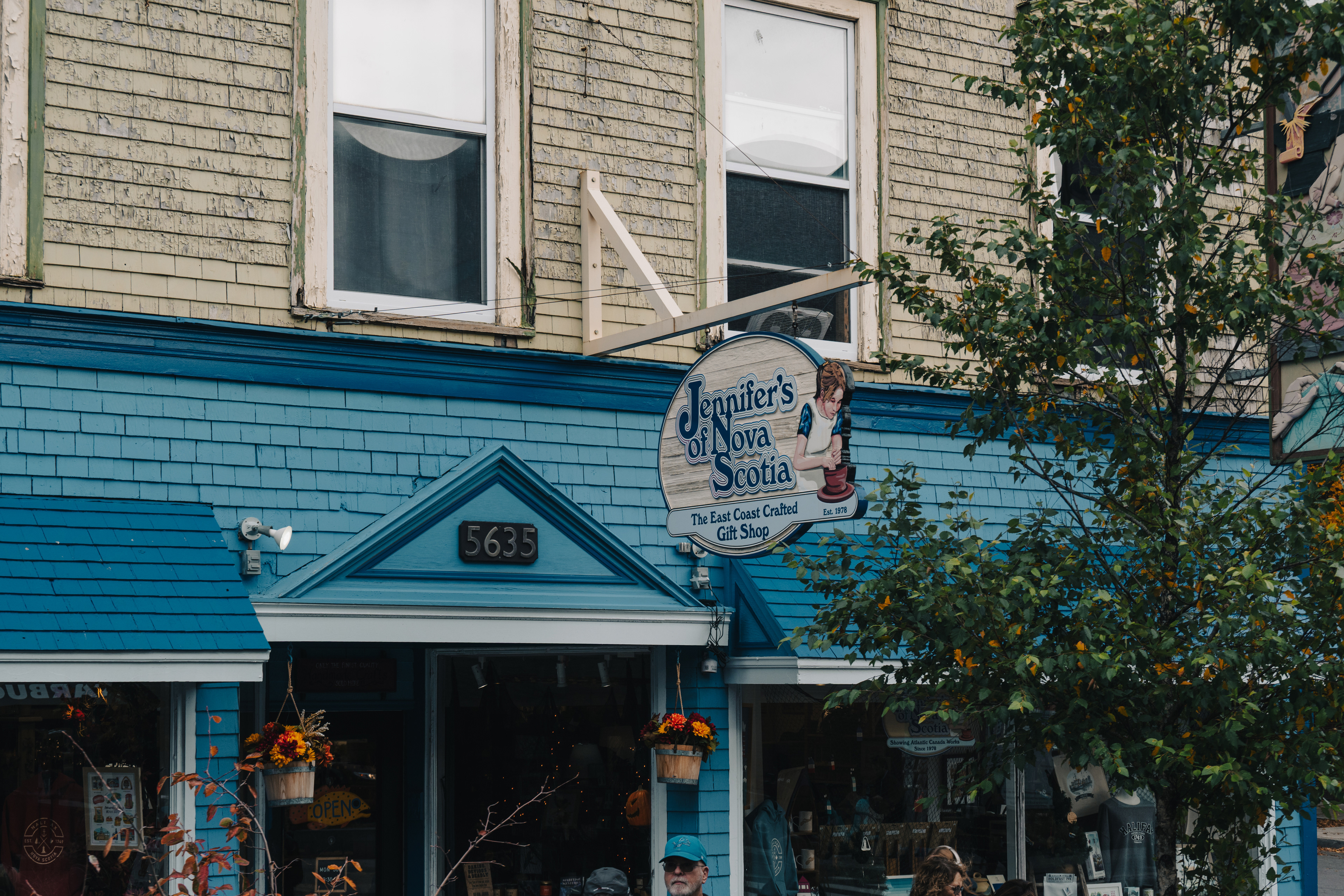
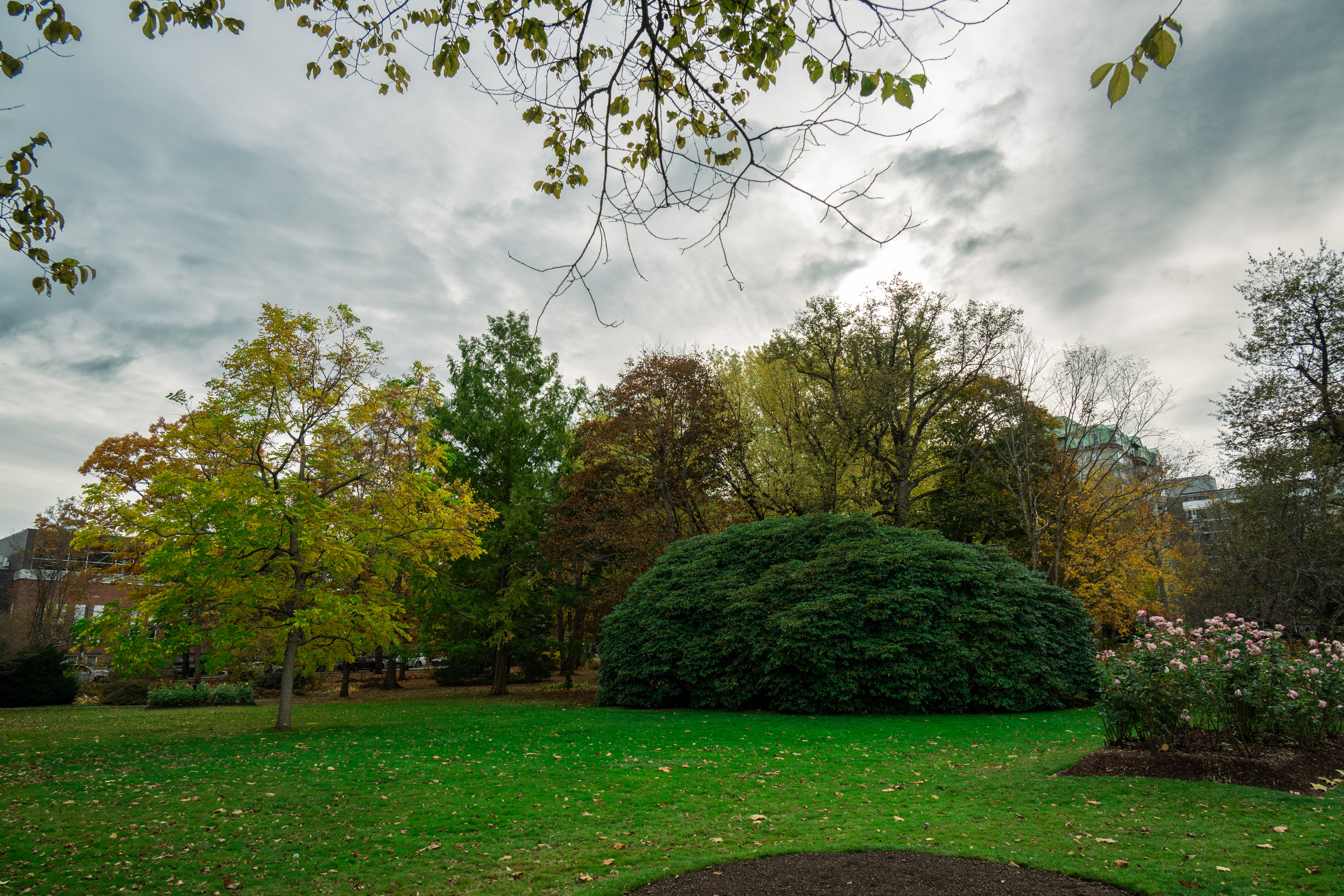
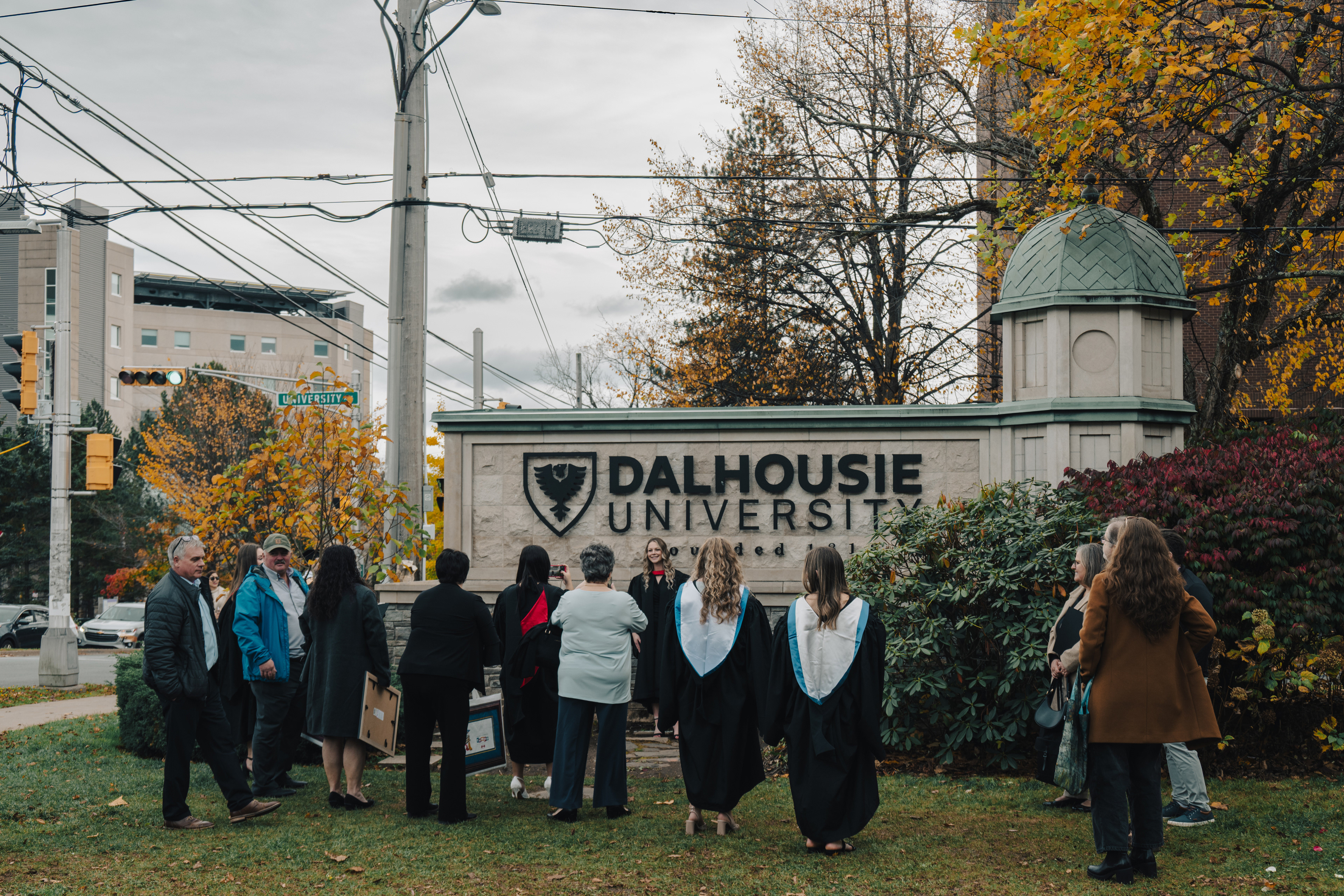
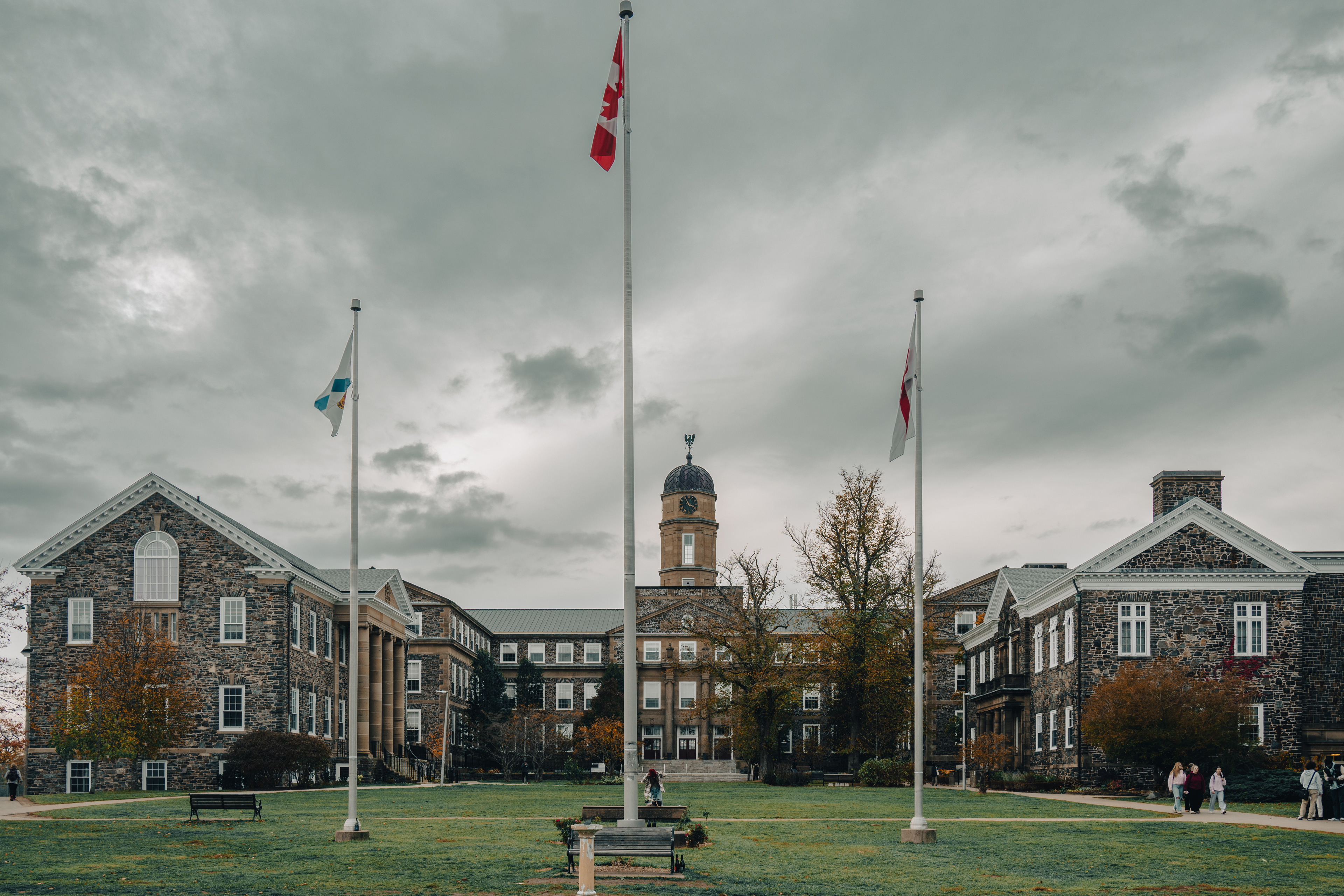
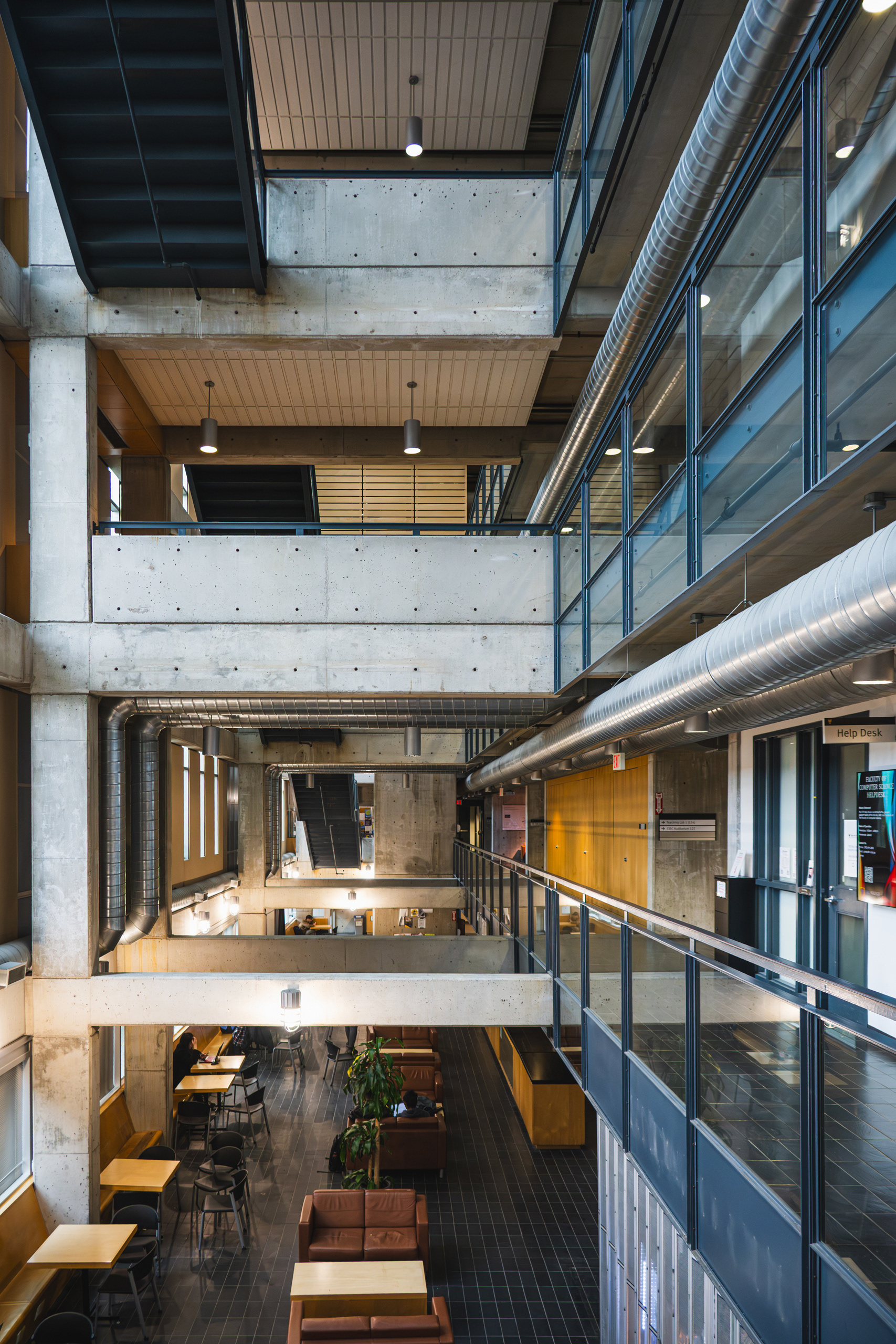
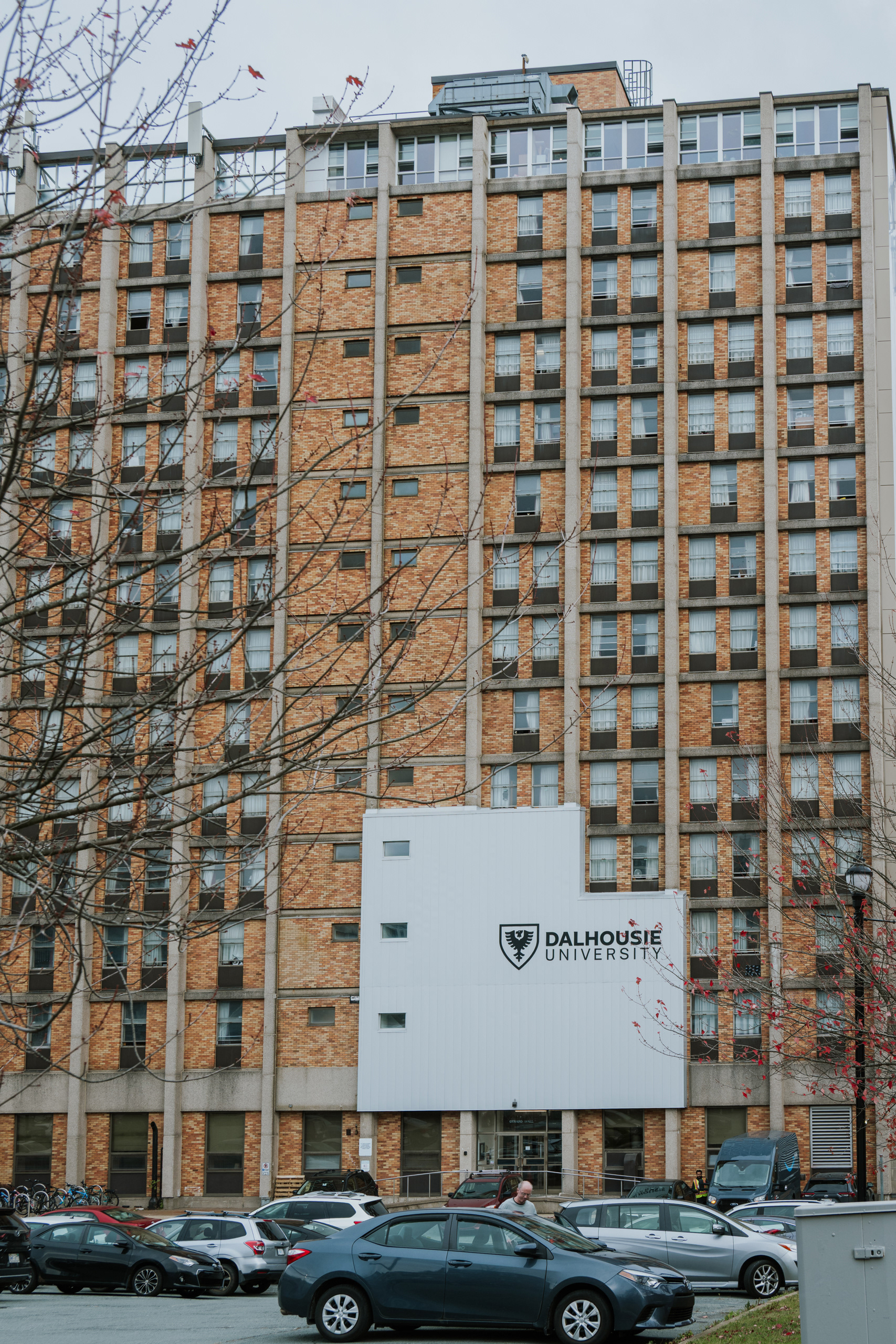
The afternoon was for Dalhousie University, where my daughter's uncle is working toward his degree. He gave us a walking tour of the campus and demonstrated that graduate student apartments are universal in their aesthetic — a category best described as "provisional, but with effort." We ate dinner together and pretended for a few hours that Halifax was our home city, which is the best way to see any place.
Fundy to Québec: The Long Drive North
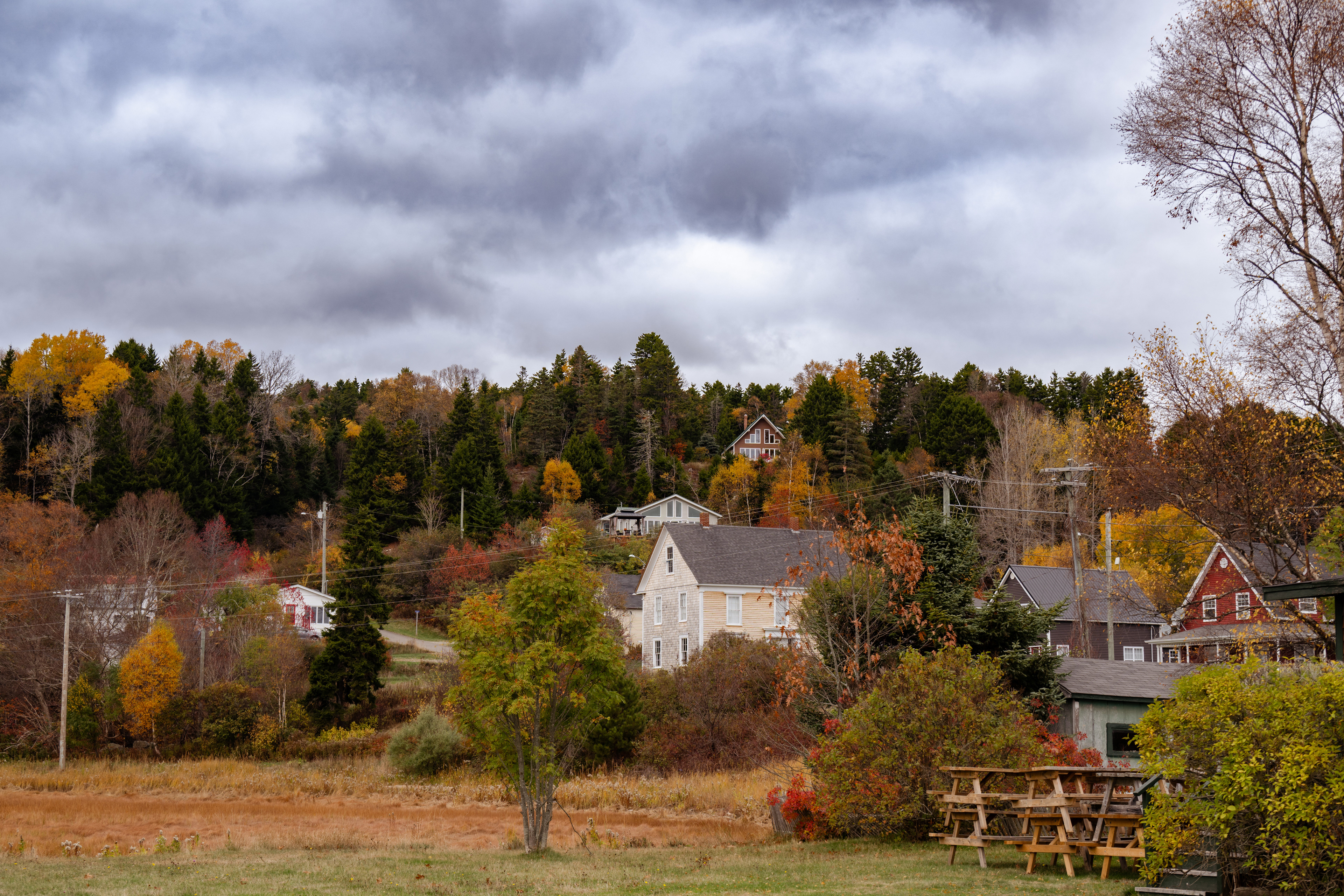
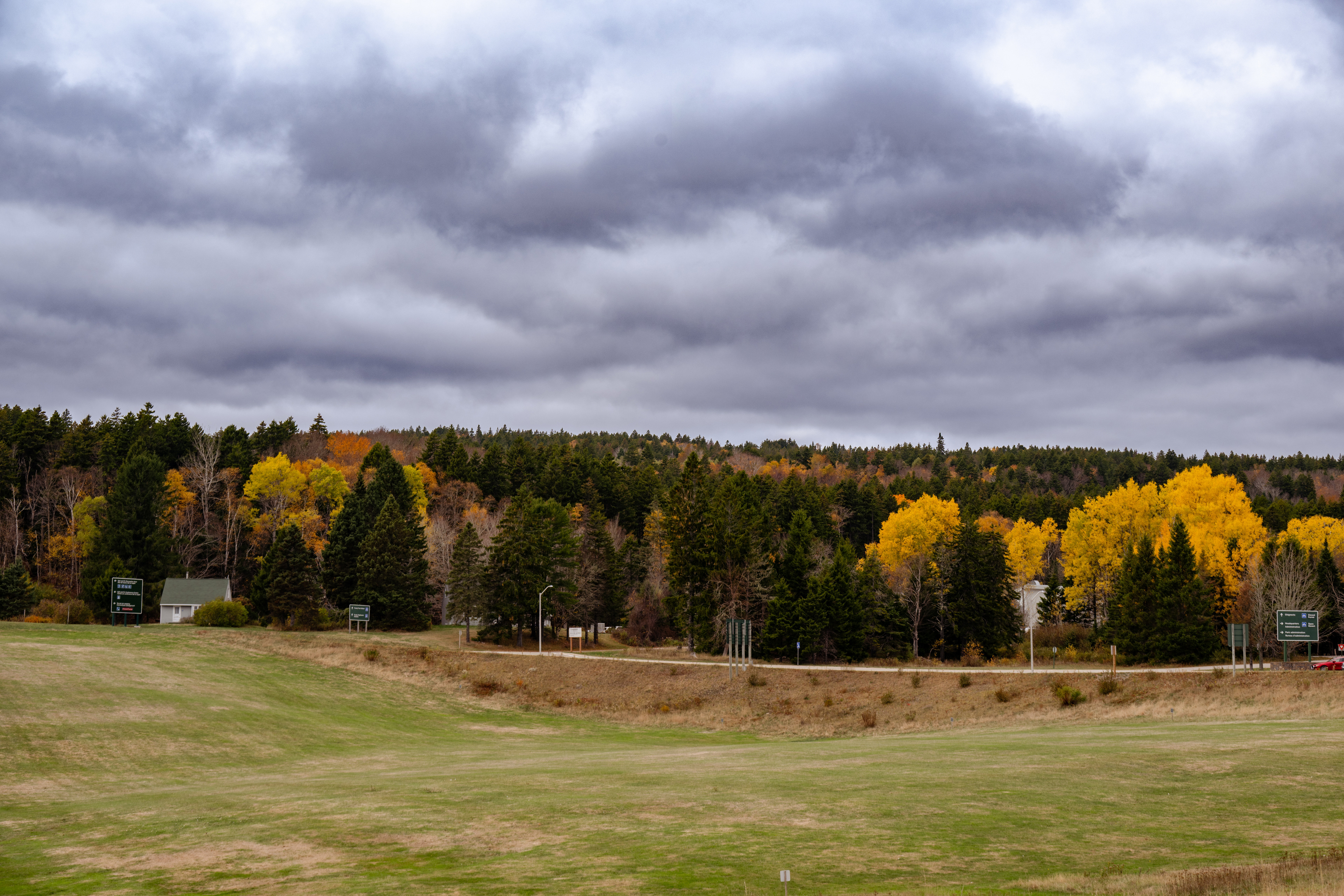
The stretch from Fundy National Park through Fredericton and up through Edmundston to Québec City is the trip's quiet chapter — long forest roads, small New Brunswick towns, the occasional moose warning sign that you should take seriously. Edmundston sits at the confluence of the Madawaska and Saint John rivers, right on the Québec border, and is exactly the kind of town that exists primarily to be a place to stop.
Across the province border, Québec's highway signs shift entirely to French. The topography changes too: the forest gets denser, the highway climbs, and by the time you descend toward the St. Lawrence River the afternoon light is doing something golden and specific to the valley that makes you want to photograph it and also just sit with it. We did both.
Québec City: The City That Refused to Be Anywhere Else
This is the part where I tell you that Québec City is unlike any other city in North America, and you nod, and I try to explain what I actually mean by that.
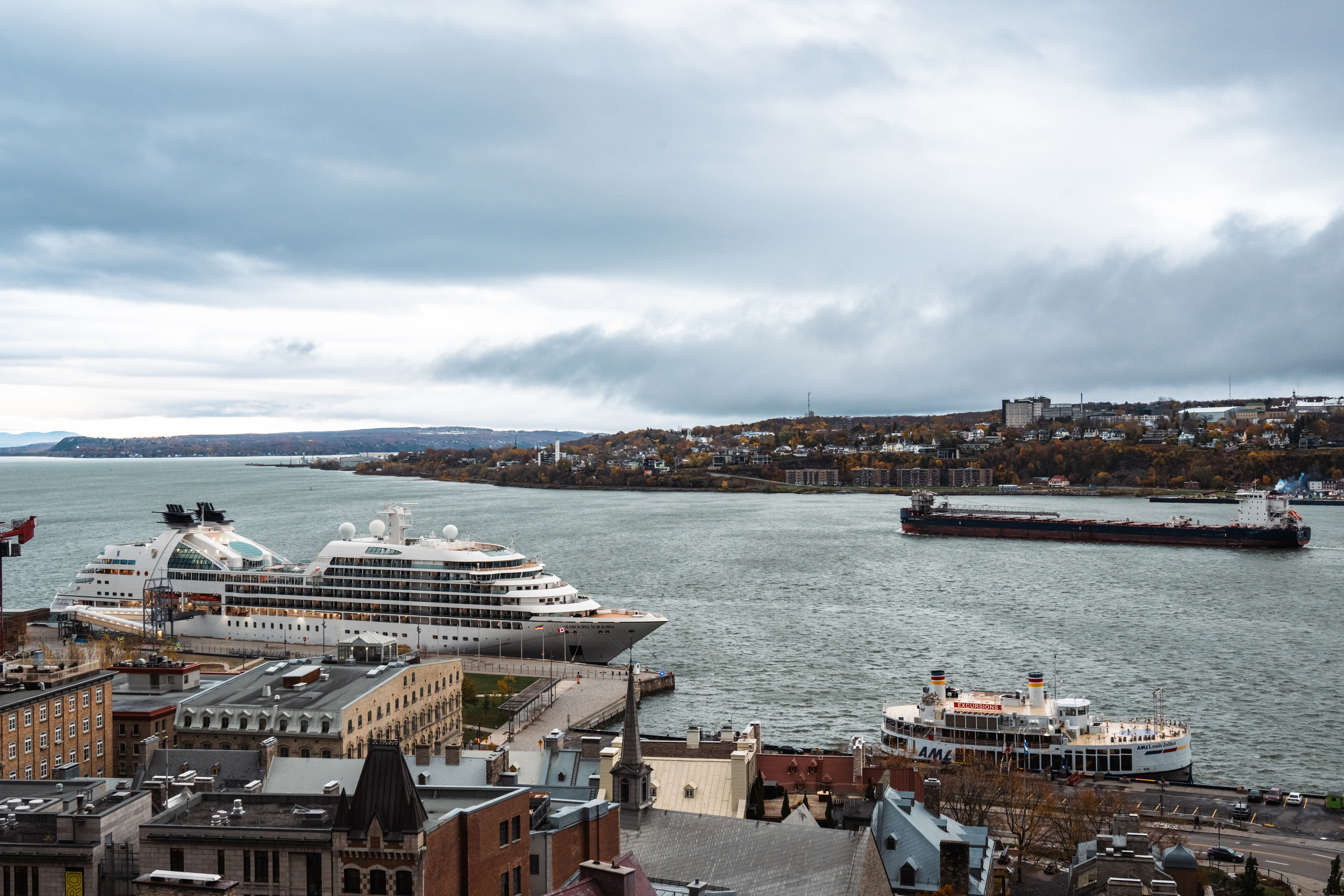
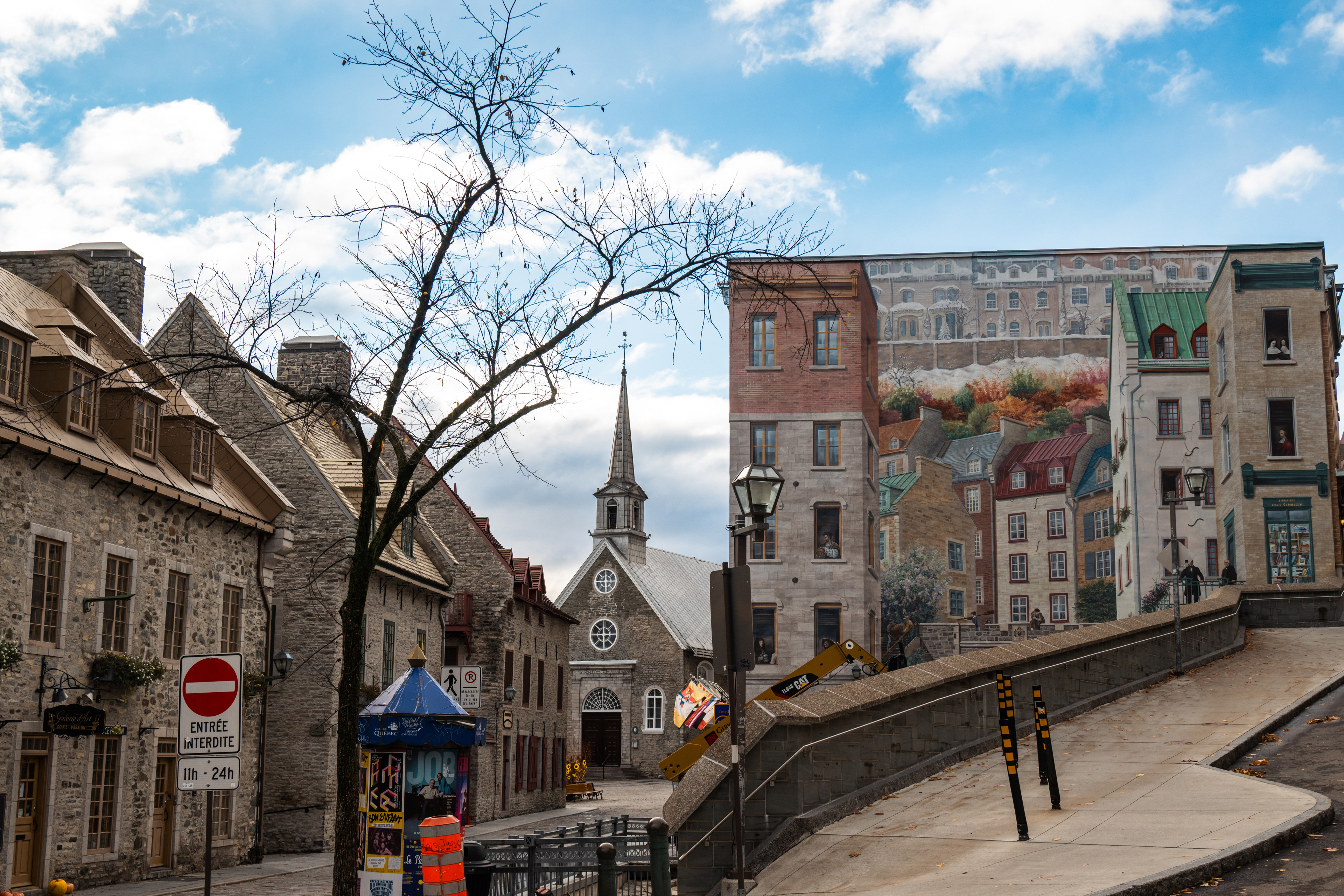
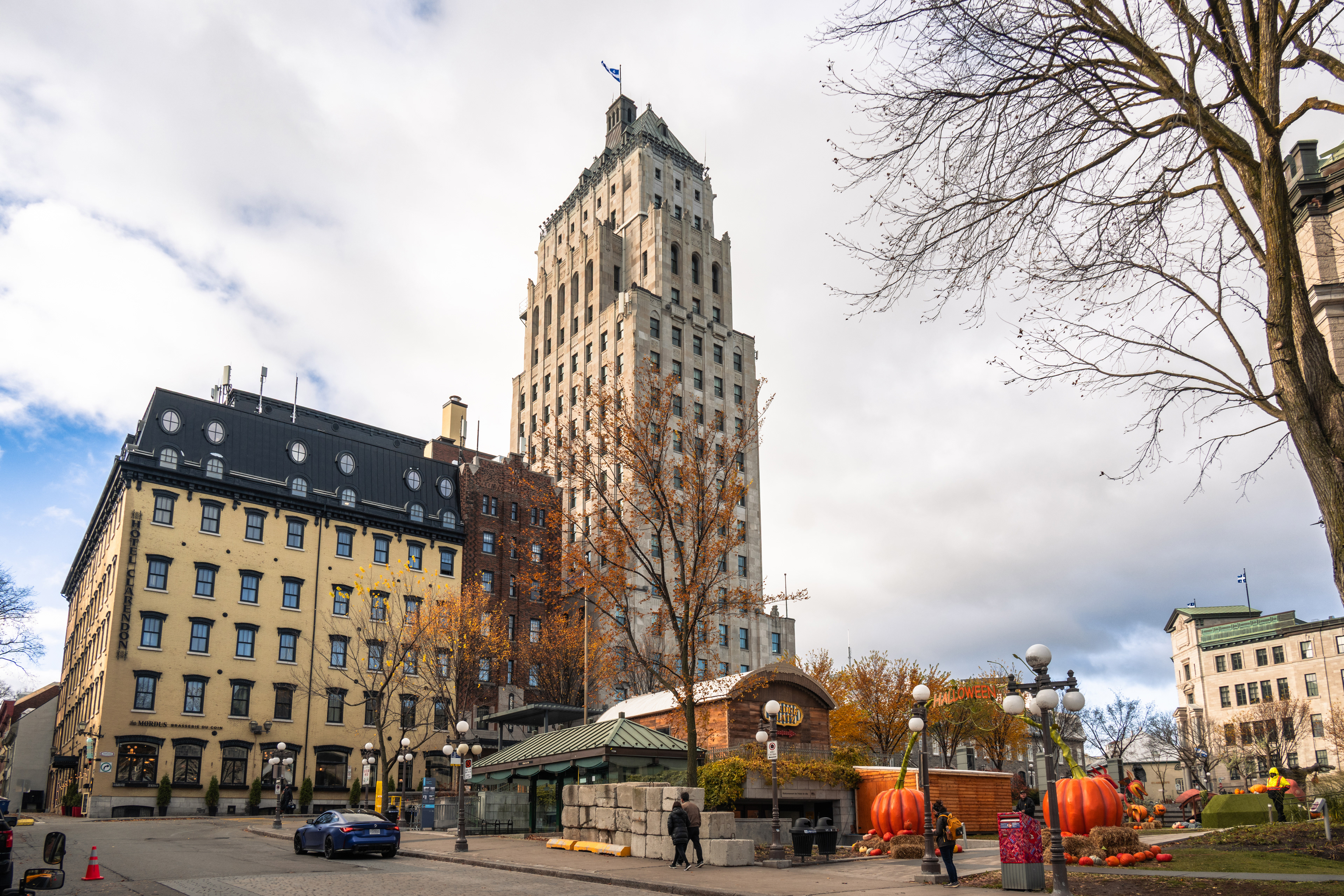
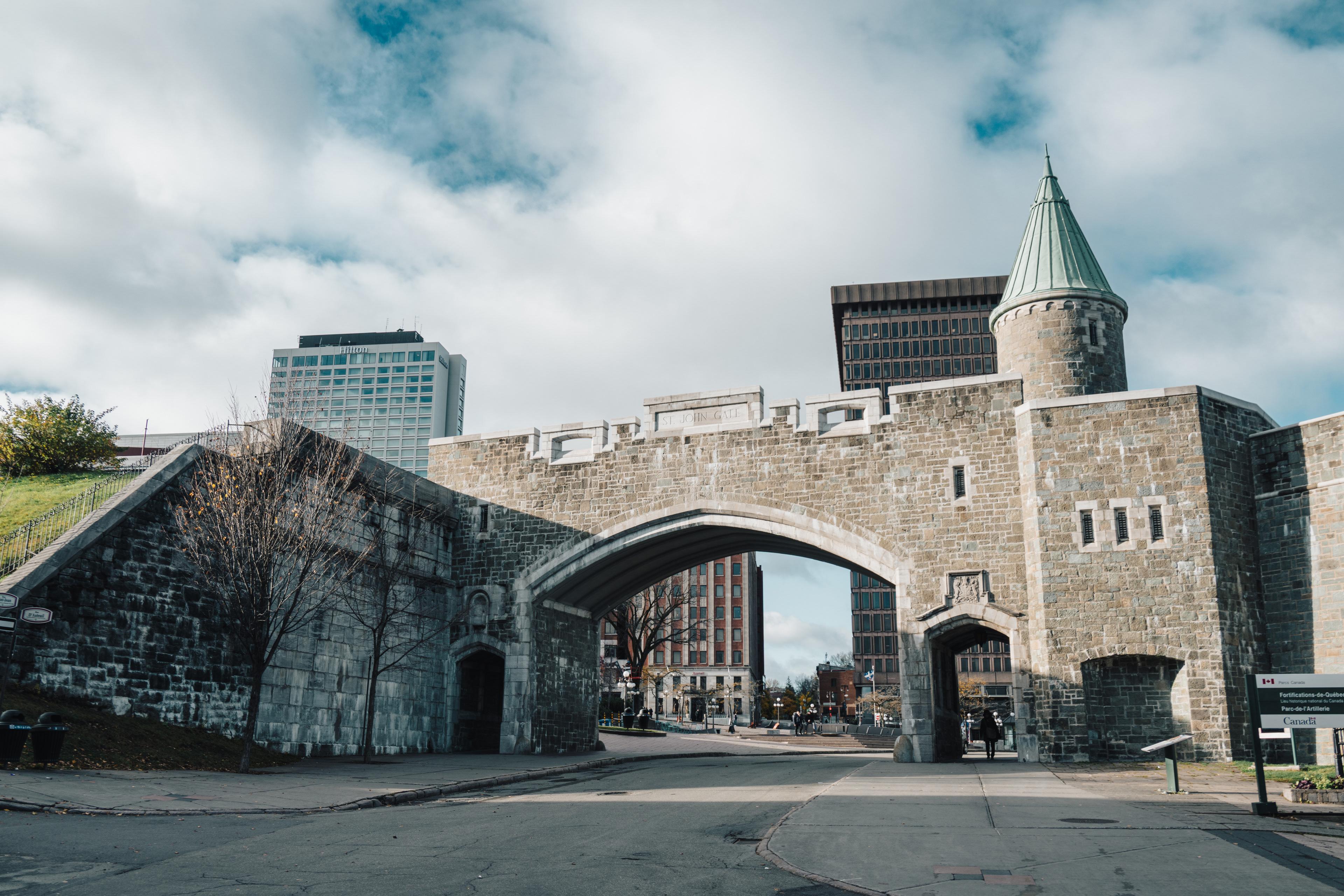
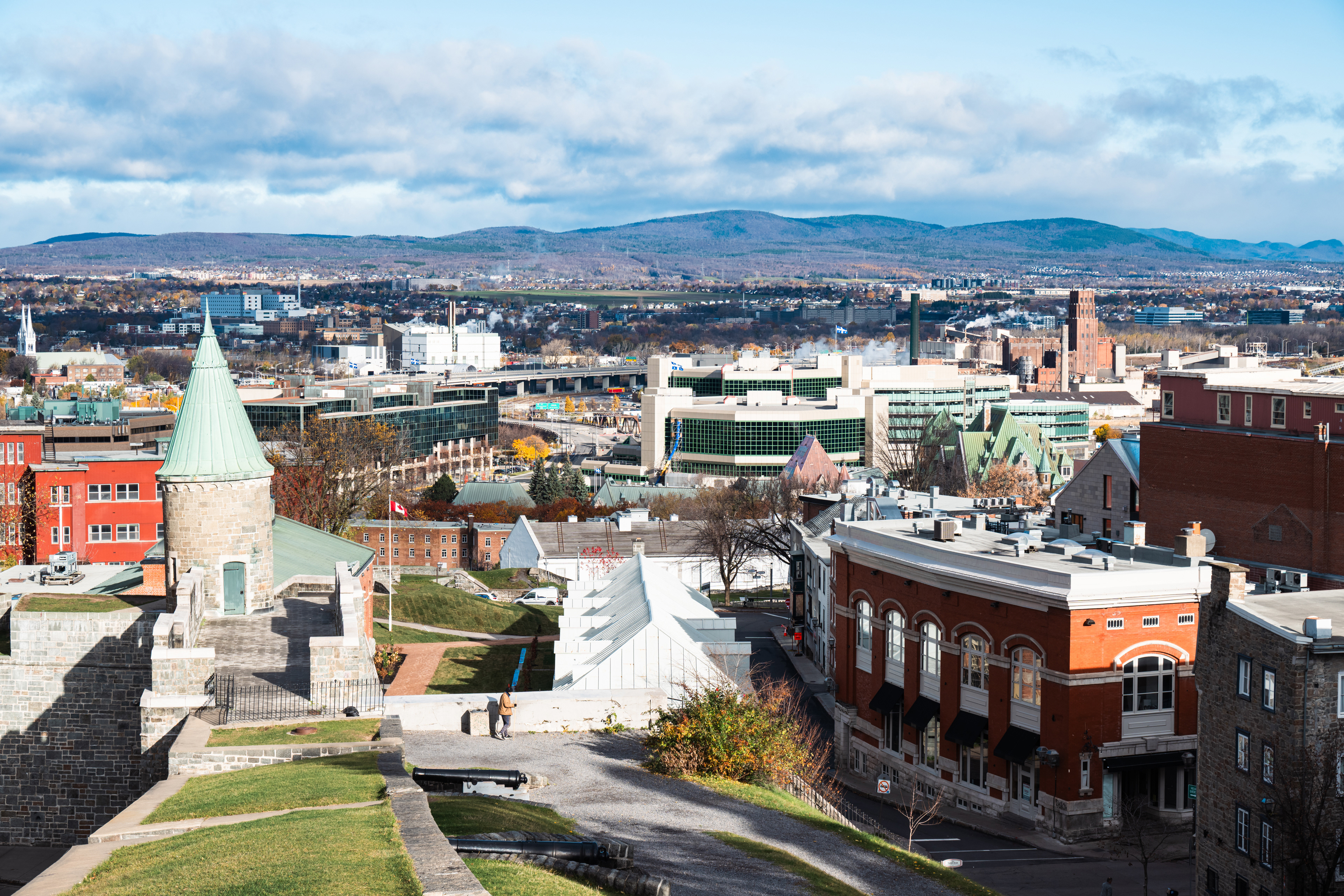
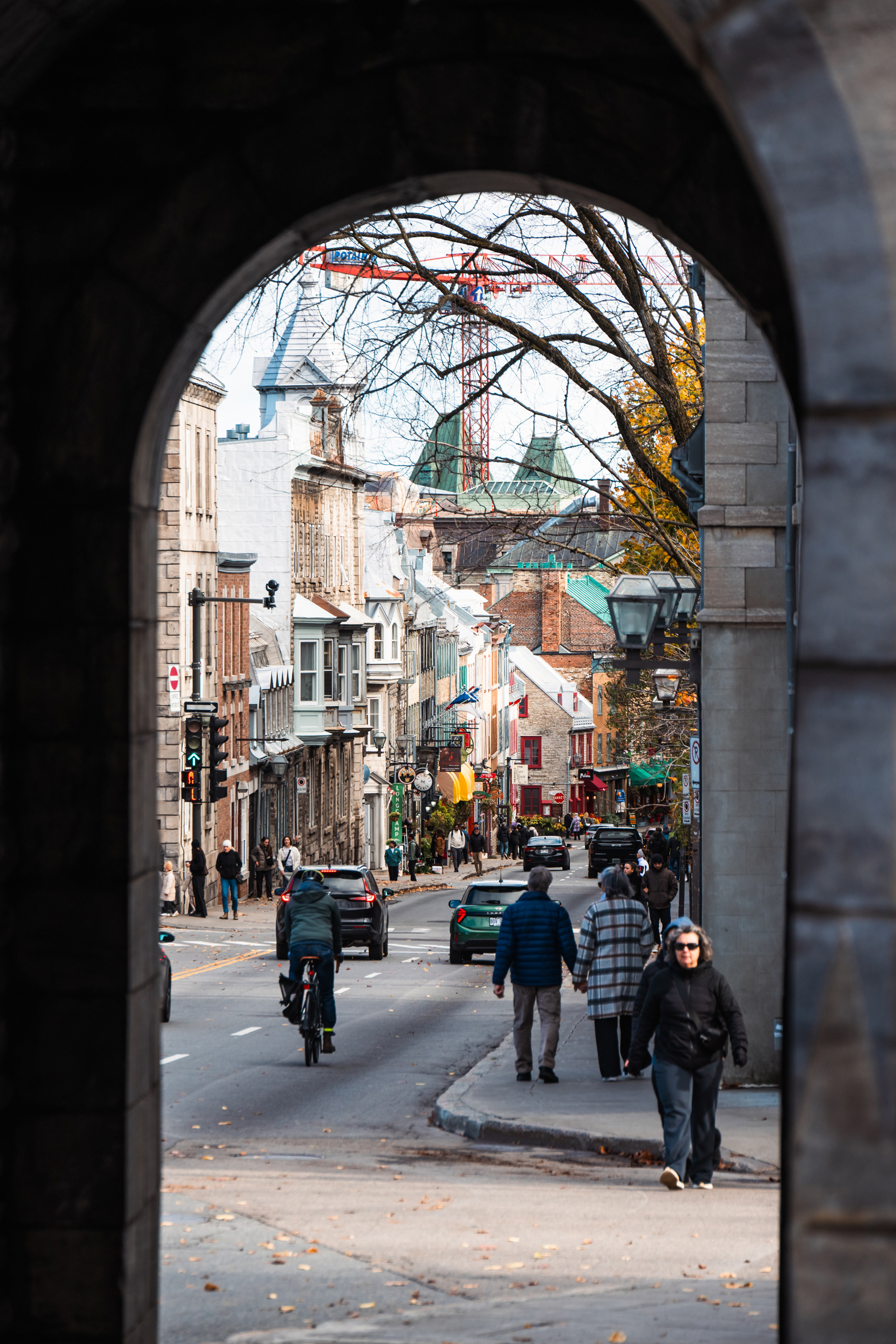
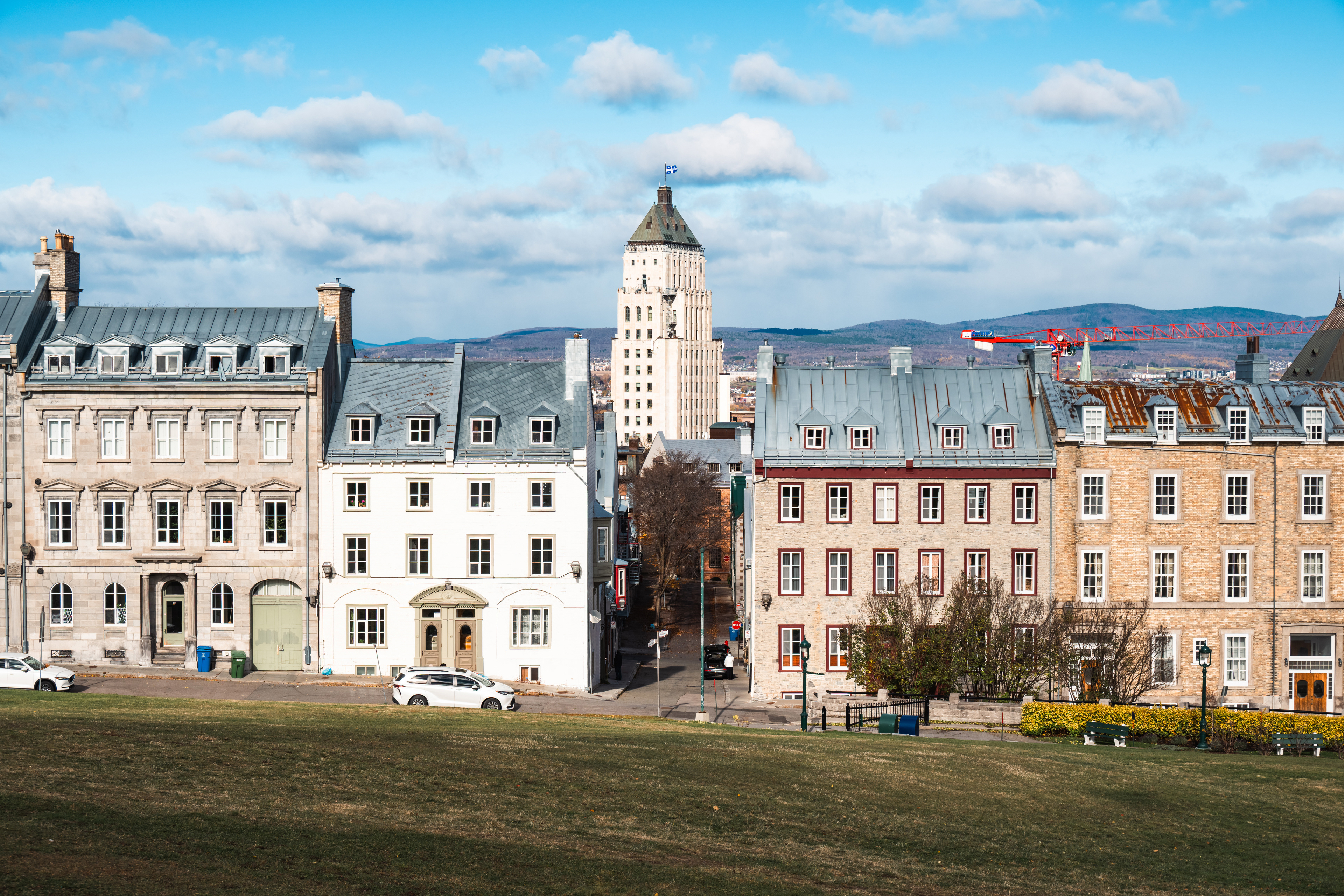
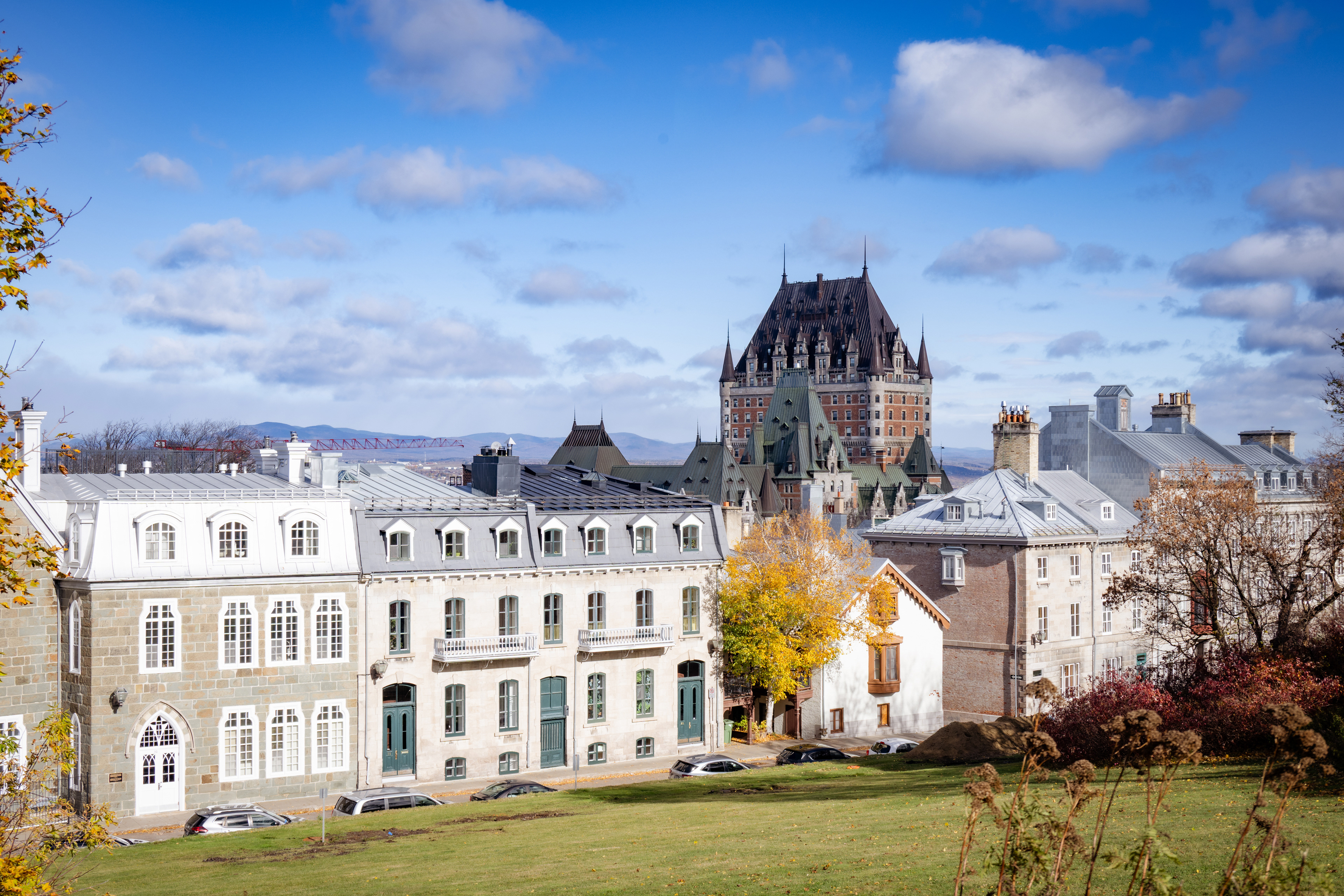
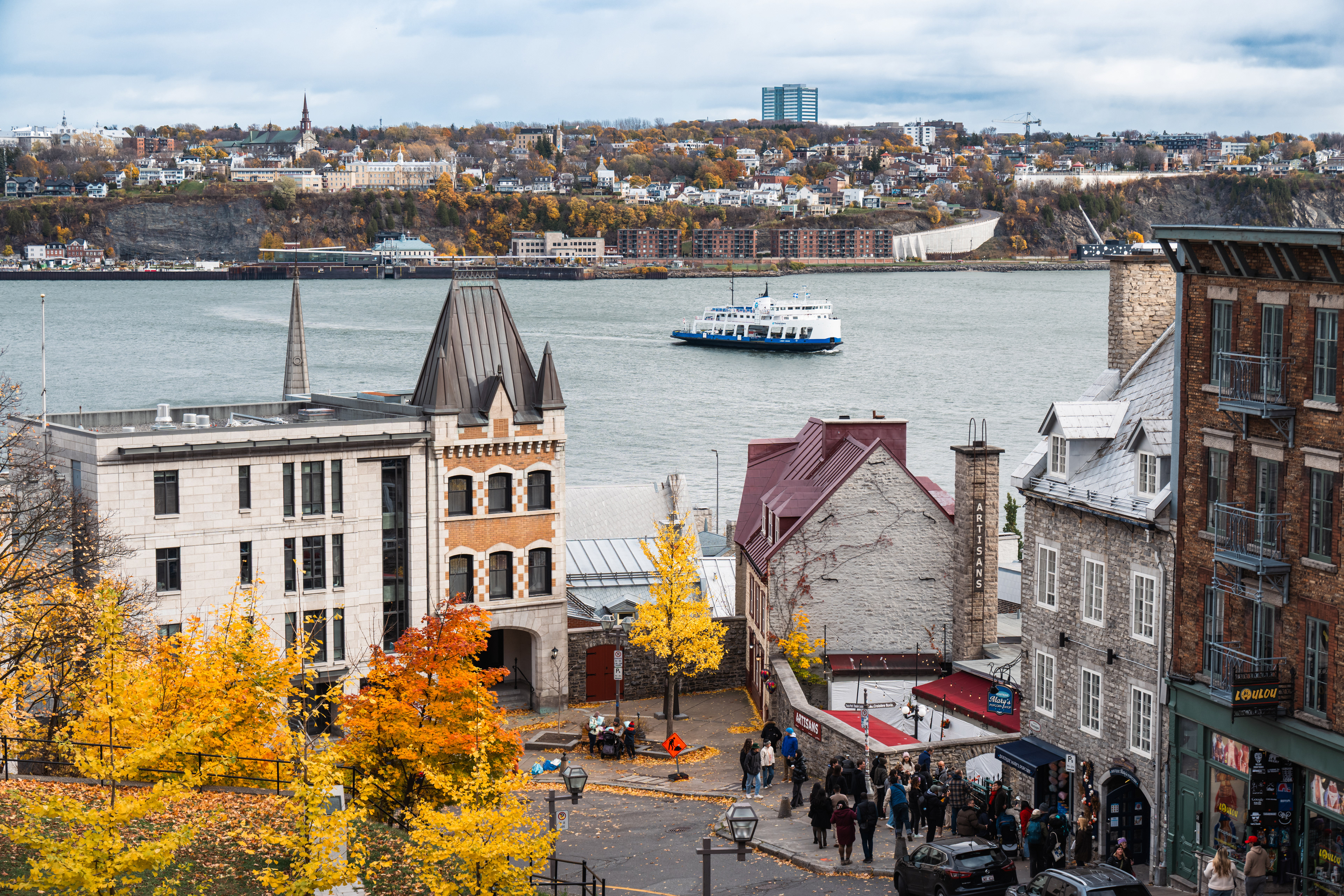
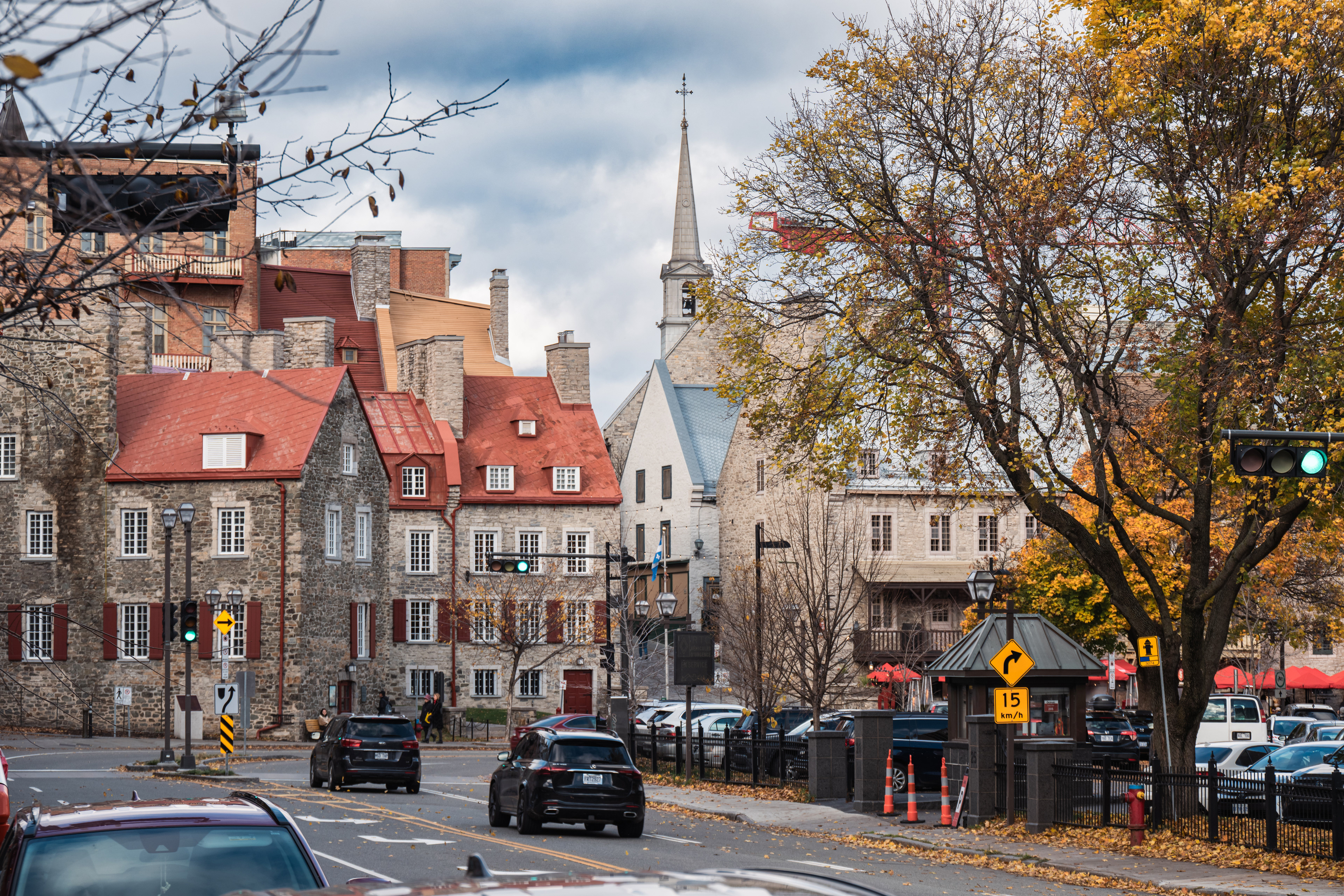
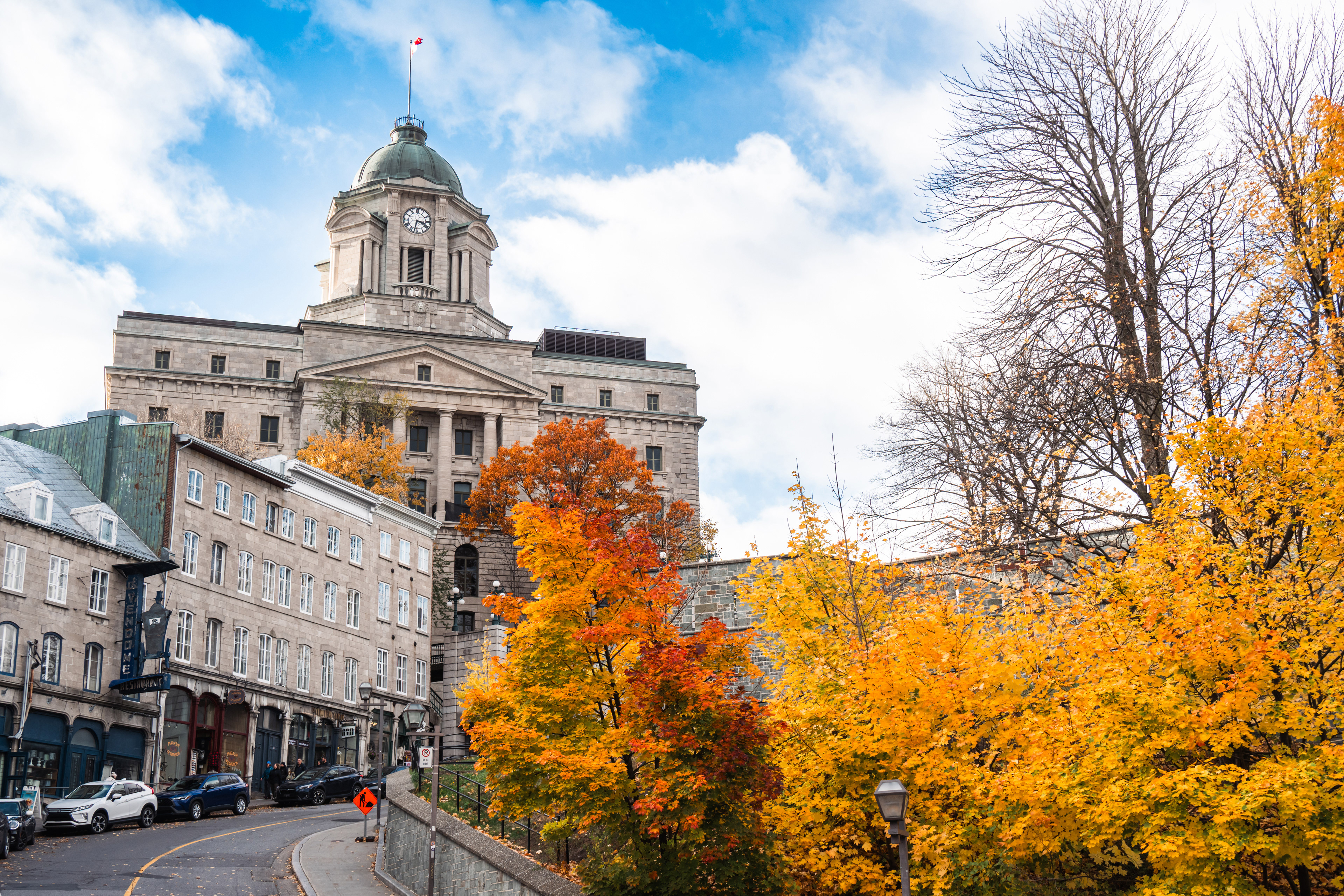
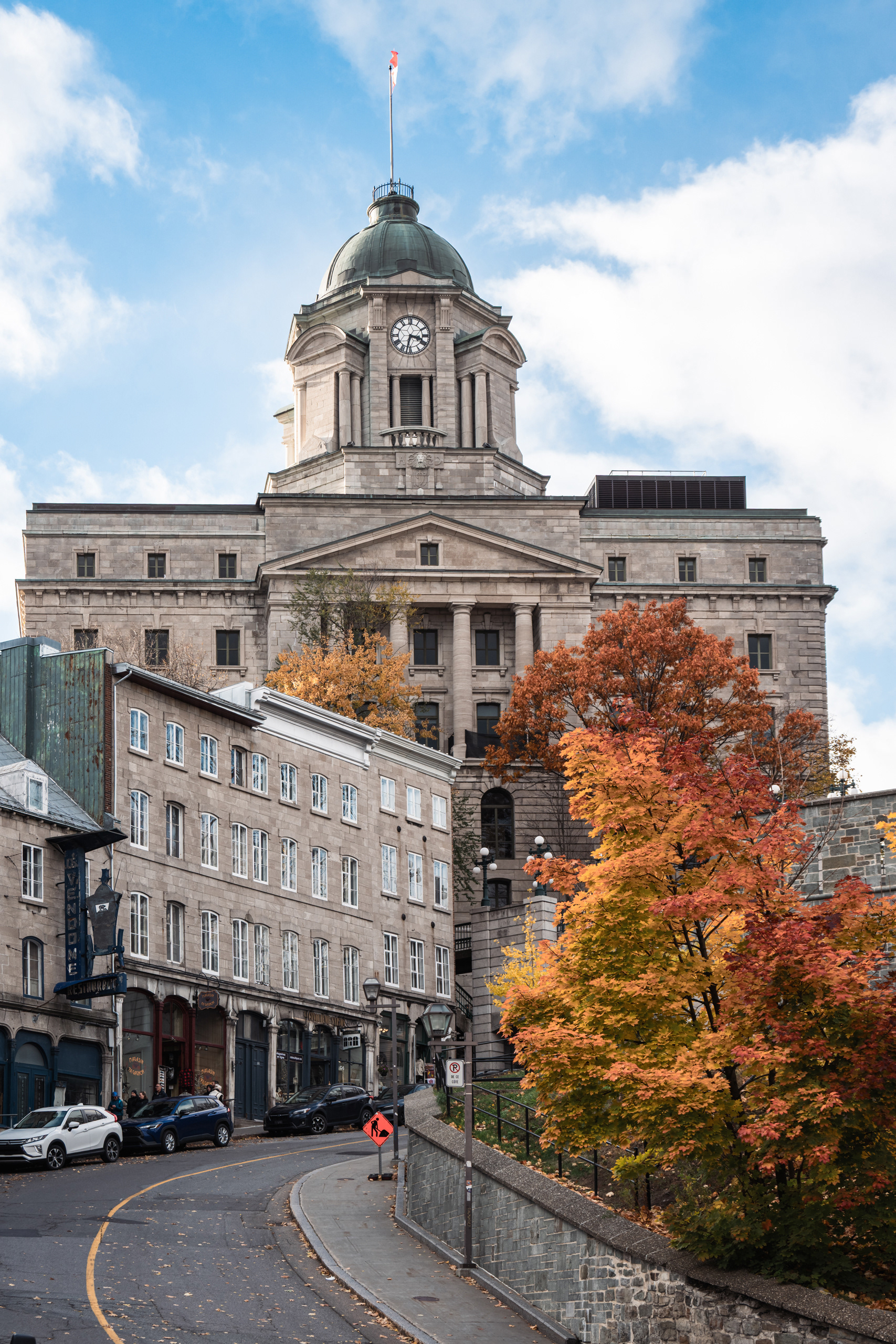
Québec City was founded by Samuel de Champlain in 1608 on a cliff above the St. Lawrence — the same strategic logic that governed every European fortification from Gibraltar to Edinburgh. The walls he began are still there. The city's old quarter is still the only walled city north of Mexico in the Americas. The fortifications were never breached, which is remarkable given that the British tried repeatedly, succeeded once (on the Plains of Abraham, 1759), and then promptly let the city stay French anyway because the alternative was governing several hundred thousand very opinionated Québécois.
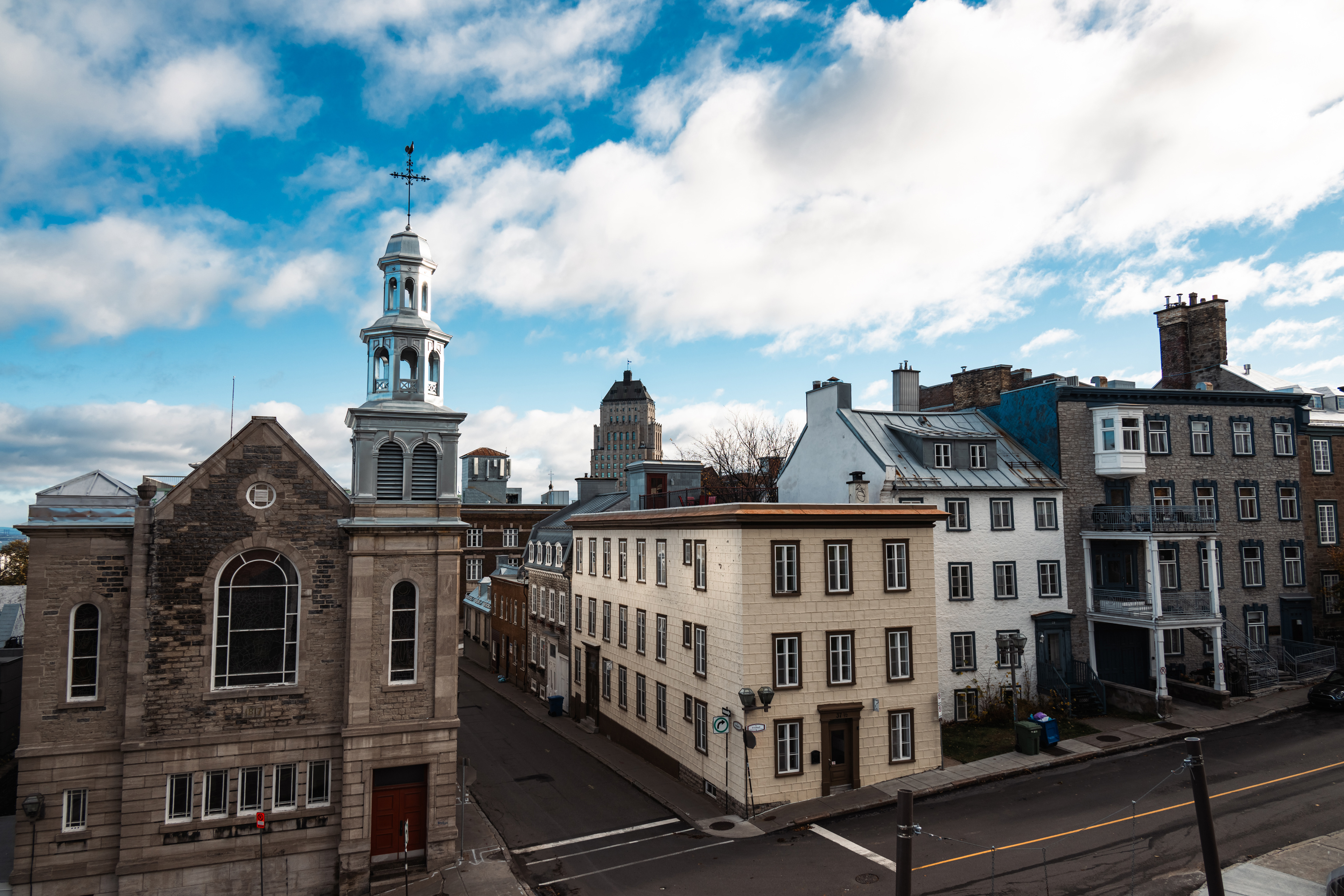
The result is a city that has had four centuries to become exactly itself — recognized as a UNESCO World Heritage Site in 1985, and the only walled city north of Mexico in the Americas — without the interruption of being conquered into cultural homogeneity. The food is French. The architecture is European. The spirit is something else — fiercely local, quietly proud, and very clear about the fact that it would prefer you order your café au lait in the right language.
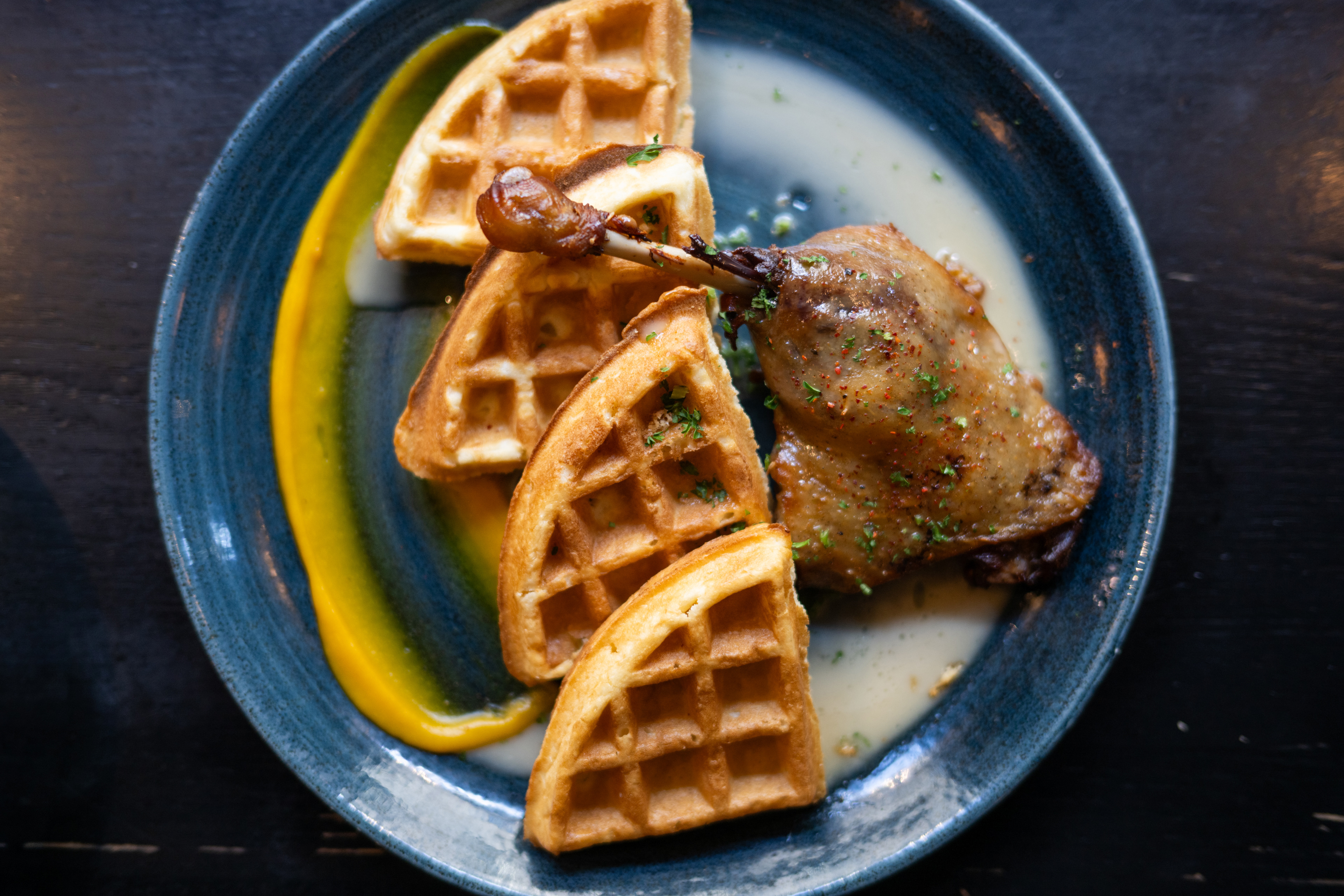
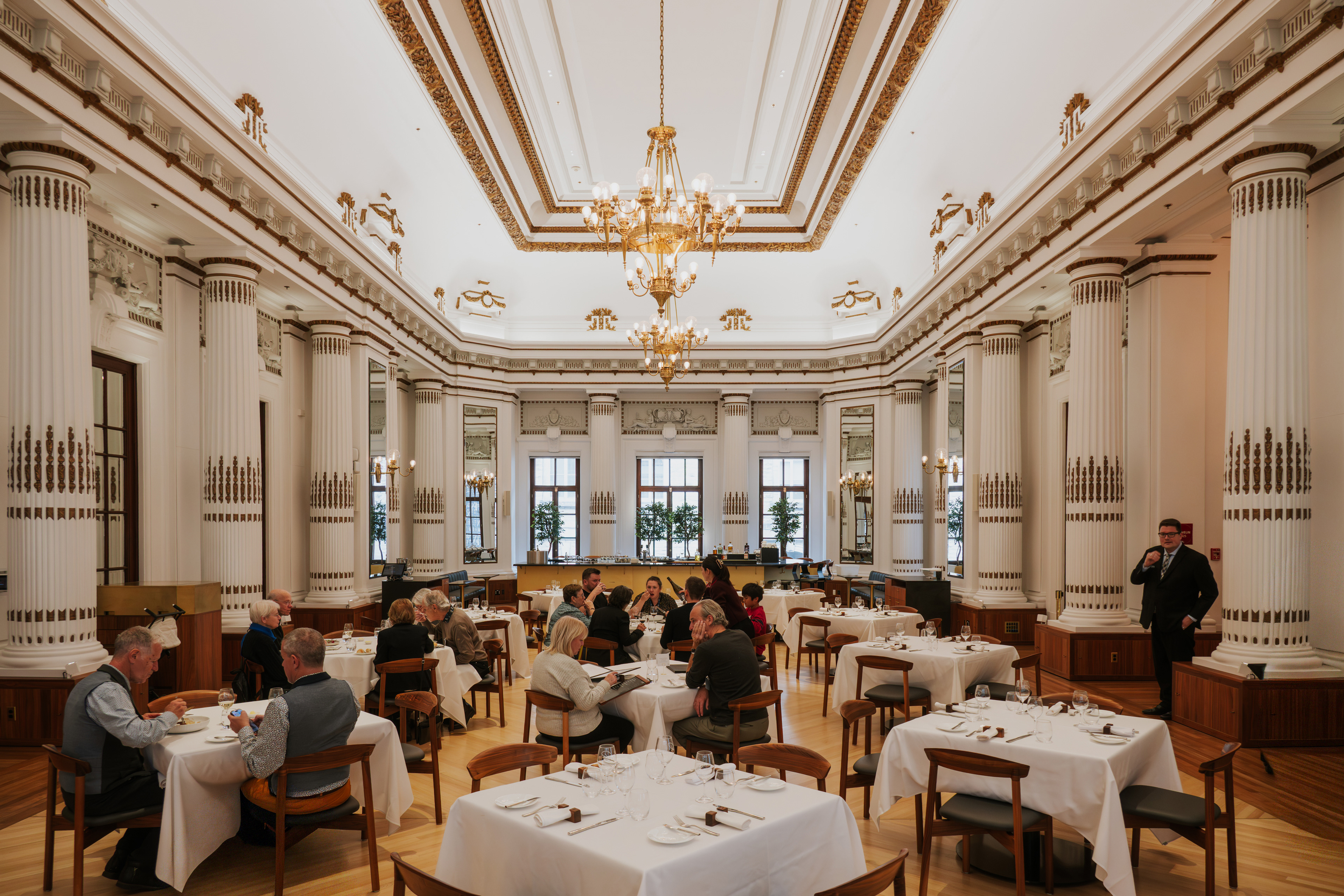
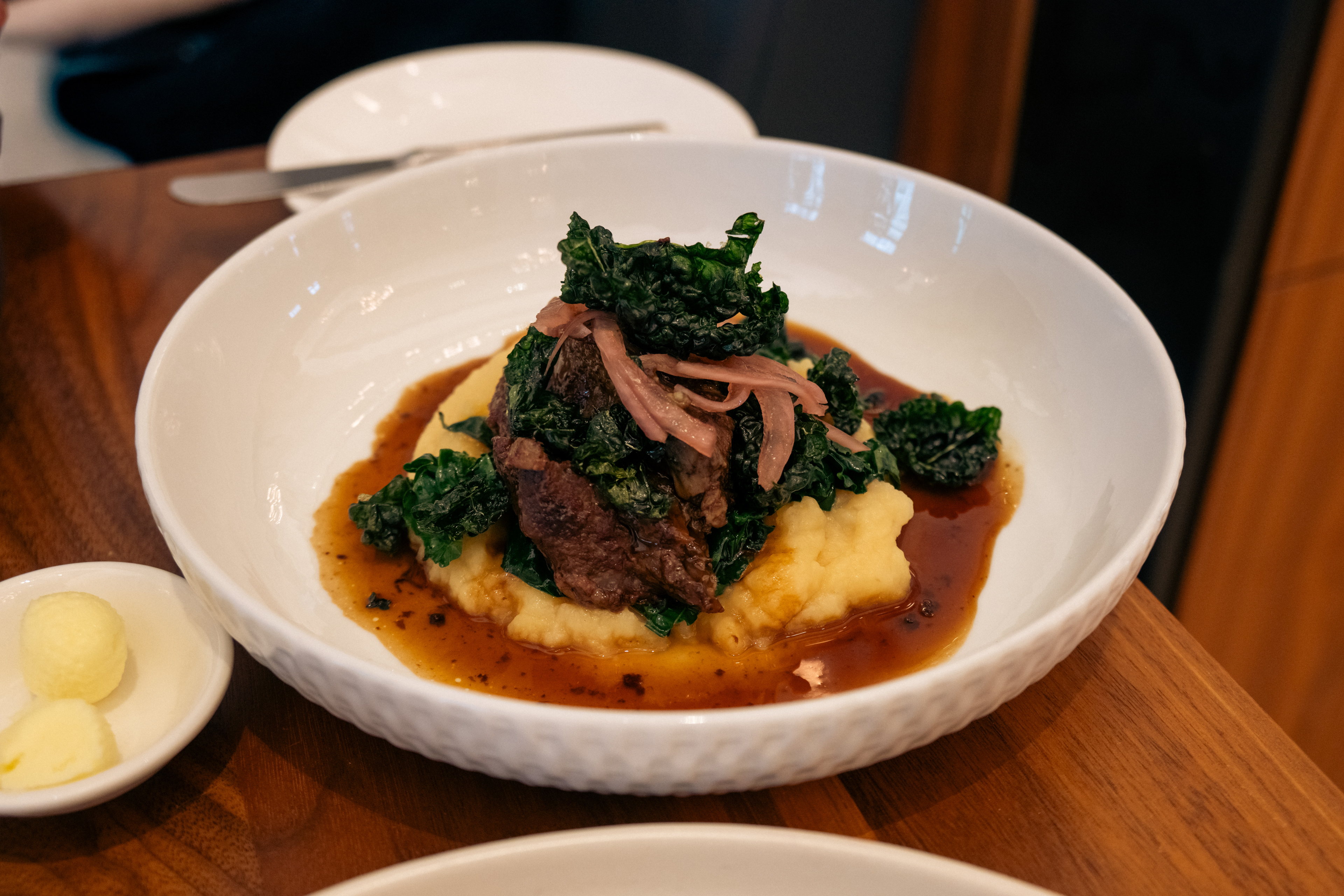
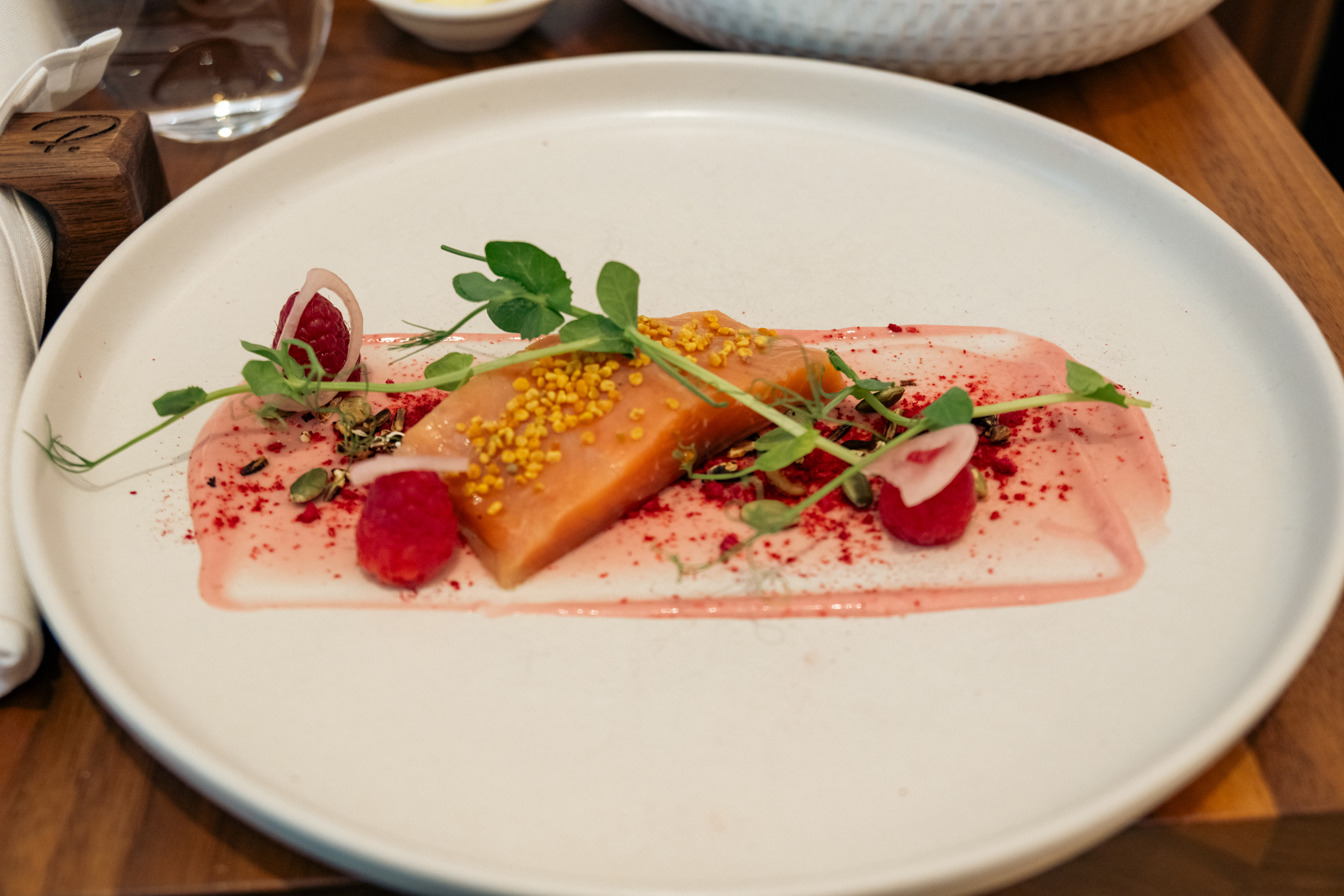
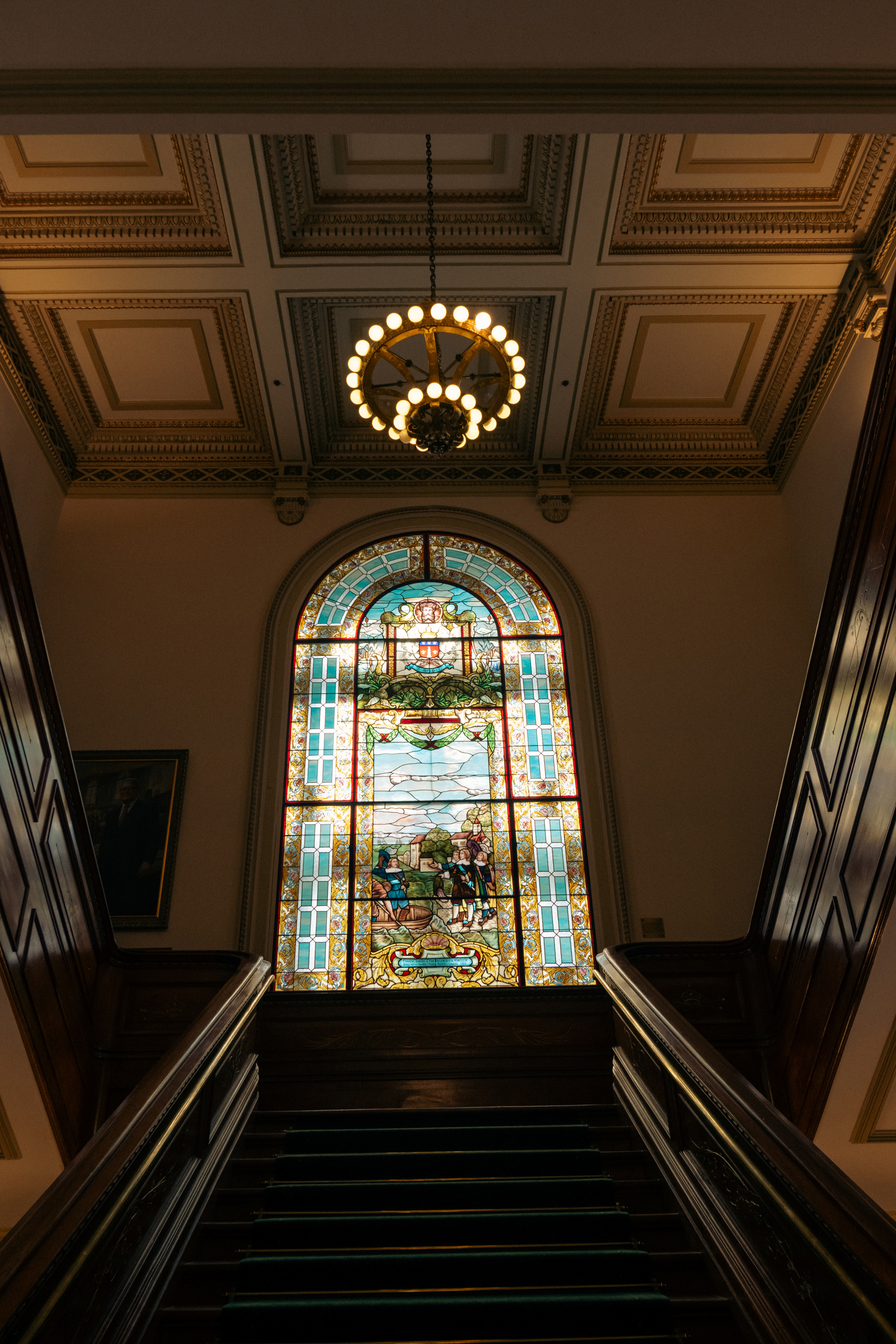
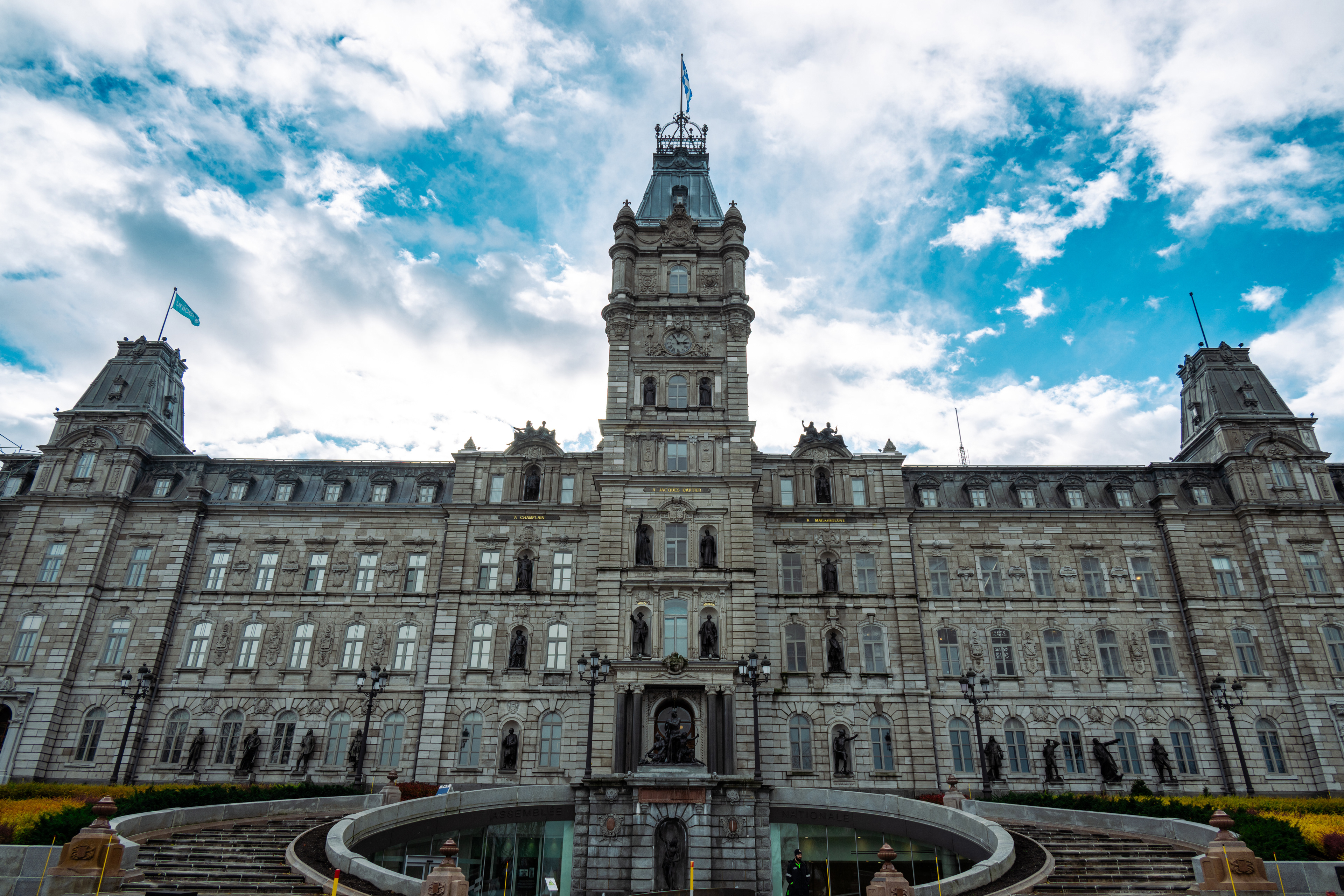
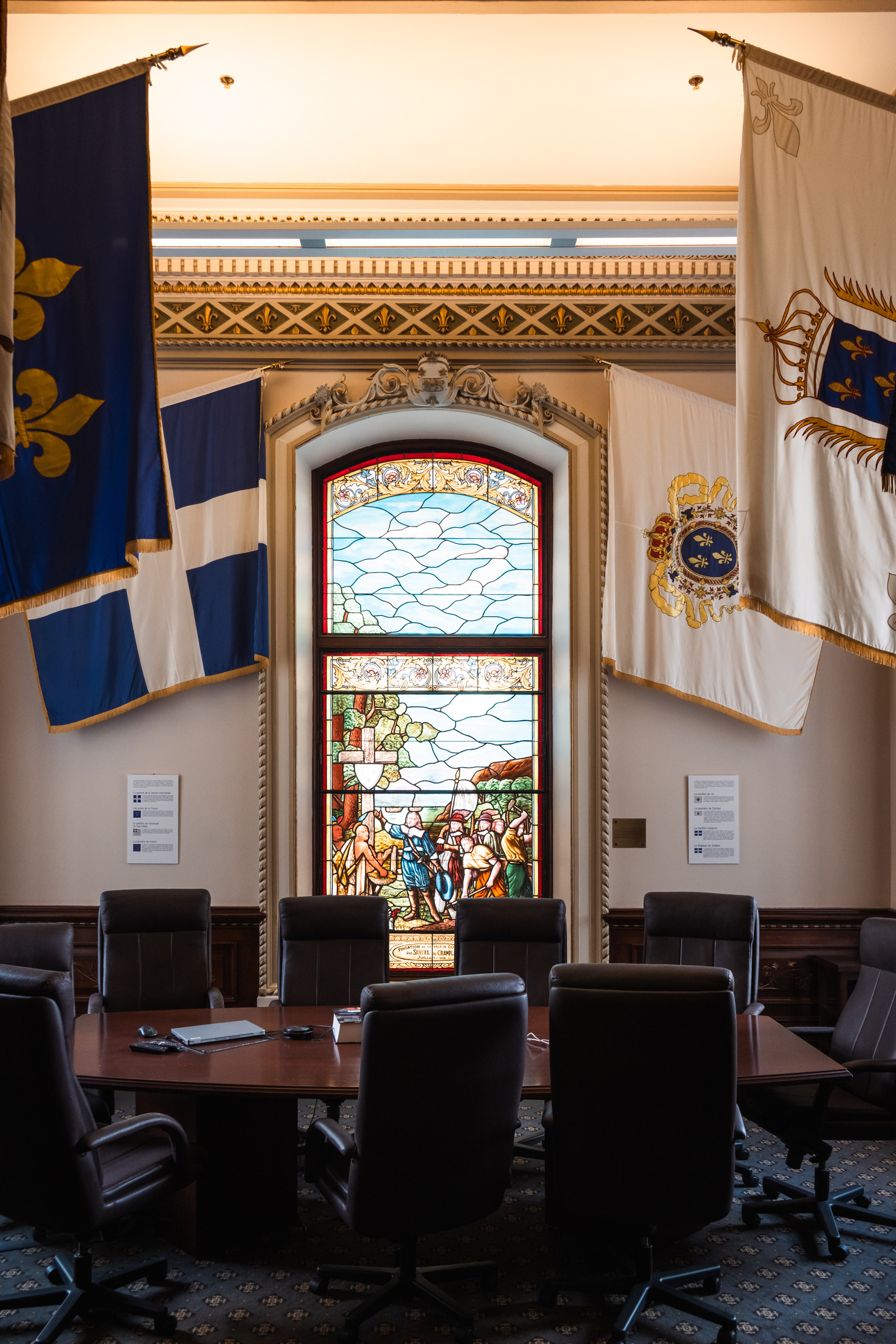
Restaurant Le Parlementaire, inside the National Assembly building, is the kind of restaurant that exists because a parliament building should have good food and the government should be reminded of this daily. The dining room is a 1917 Beaux-Arts set piece: coffered ceilings, stained glass, columns. The lunch menu is classical French-Canadian. I had a dish involving maple-glazed duck that recalibrated my understanding of what the phrase "glazed duck" is capable of achieving.
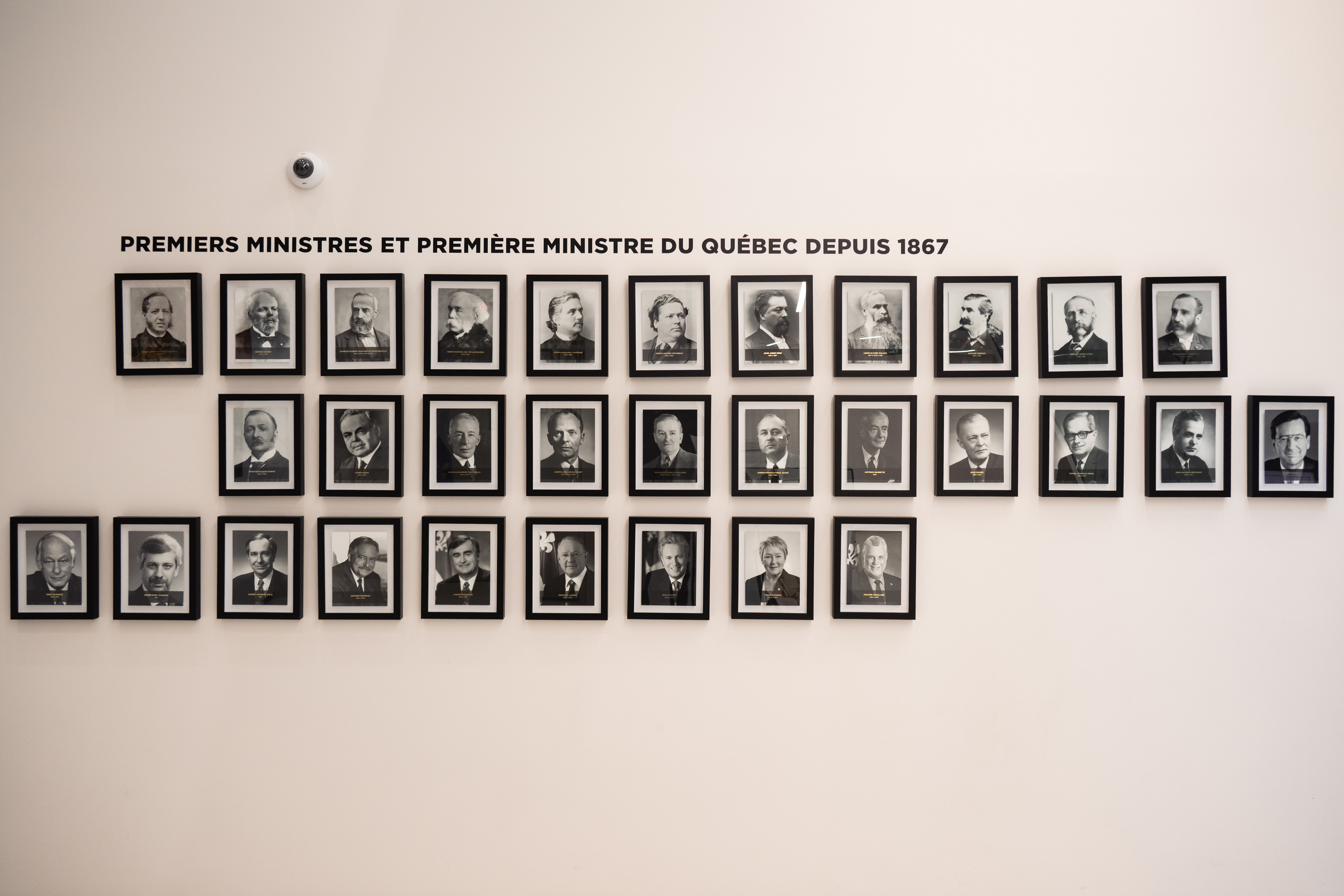
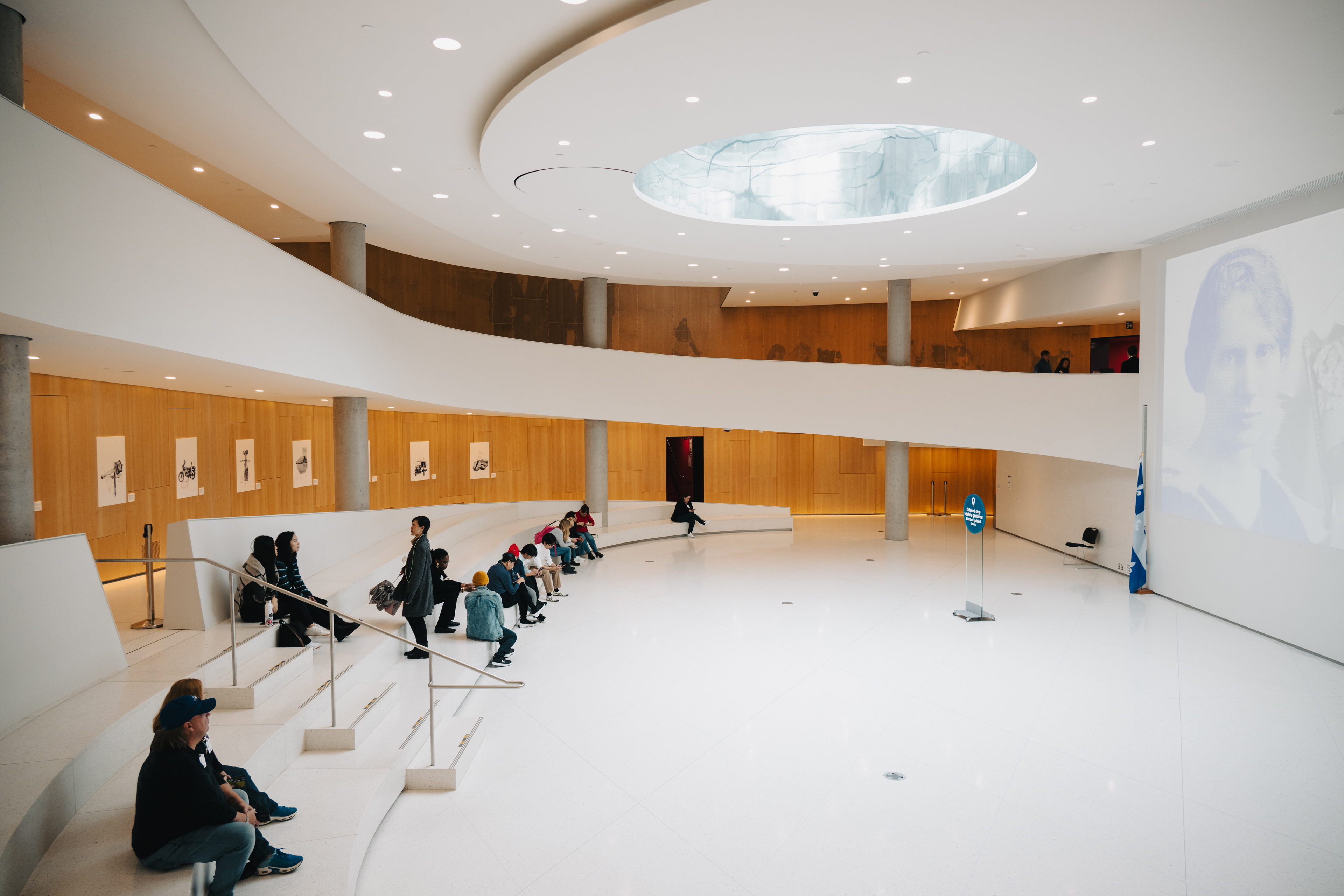
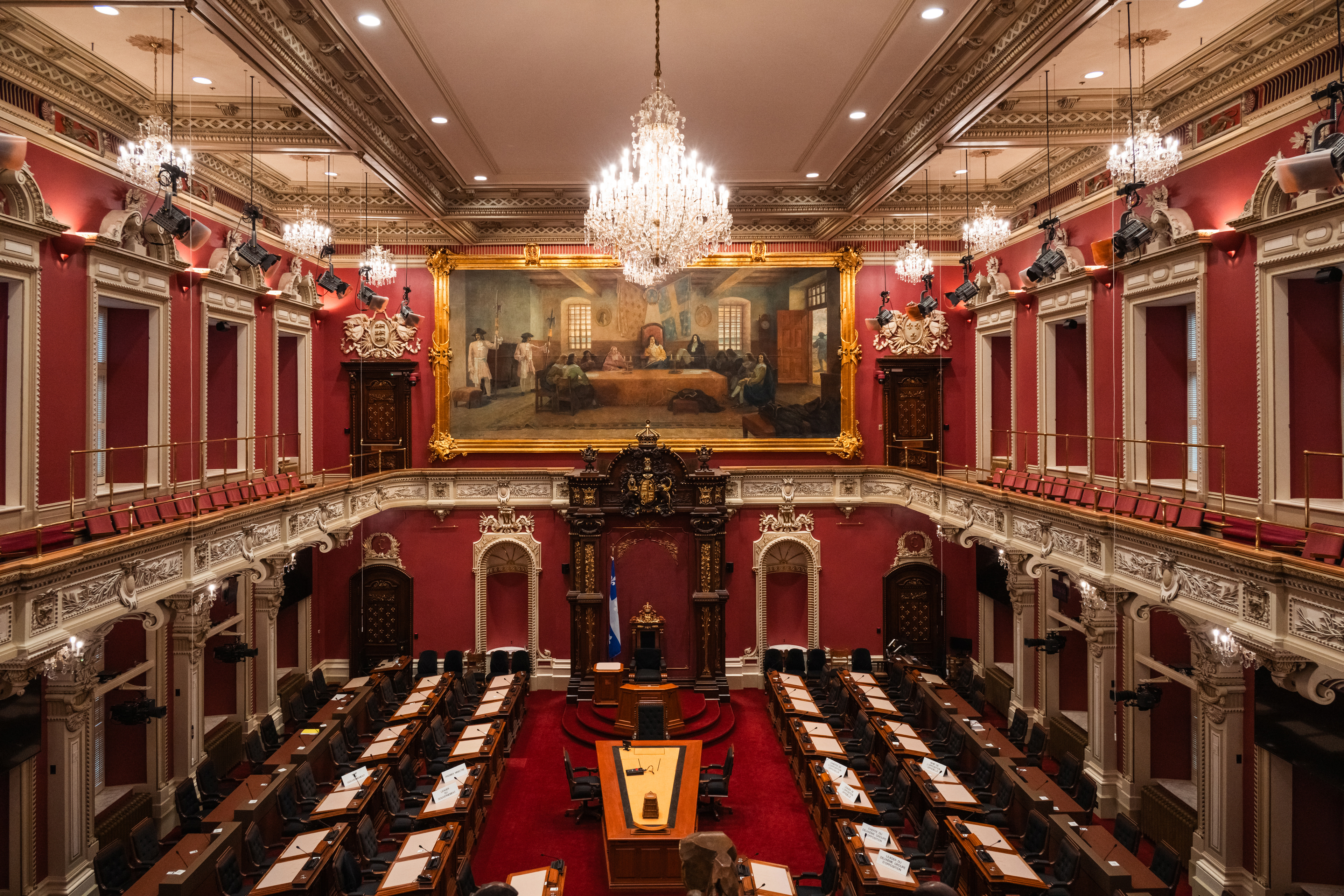
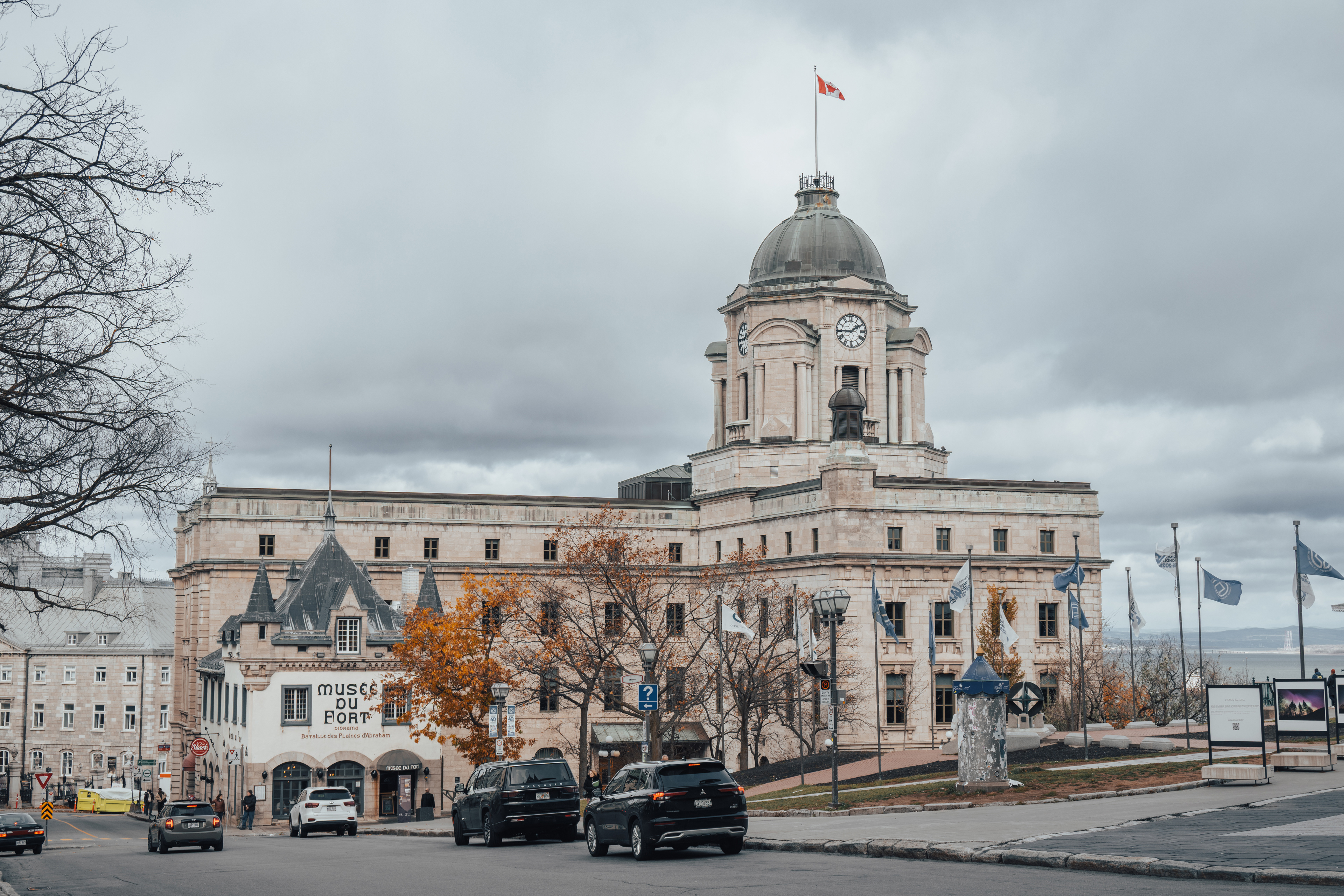
The National Assembly tour in the afternoon covers a legislature that has been arguing about the same fundamental questions — the relationship between Québec and the rest of Canada, the status of the French language, the nature of the province's distinctiveness — for the better part of two centuries and shows no sign of reaching consensus. The building's Grande Salle is appropriately theatrical for this.
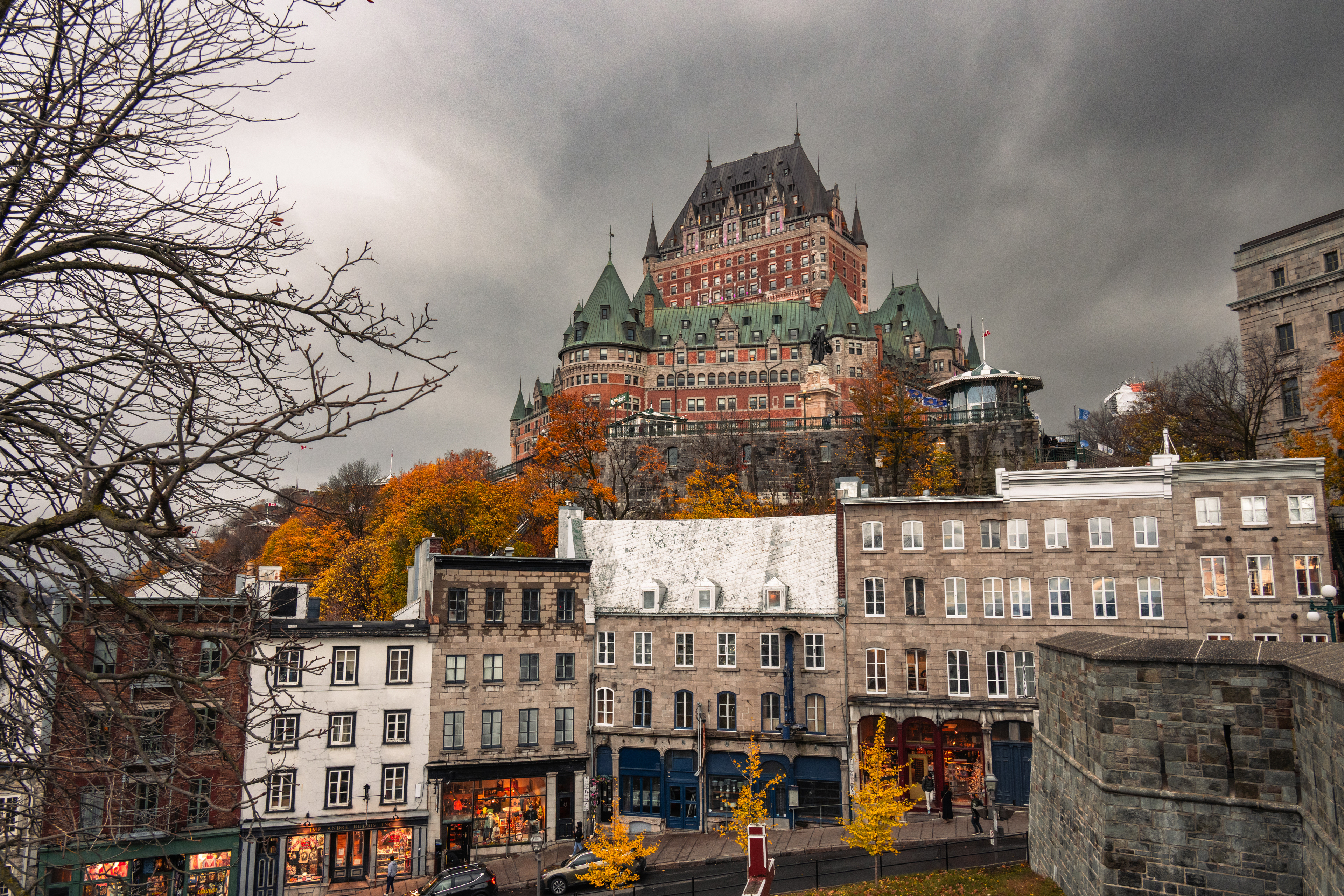
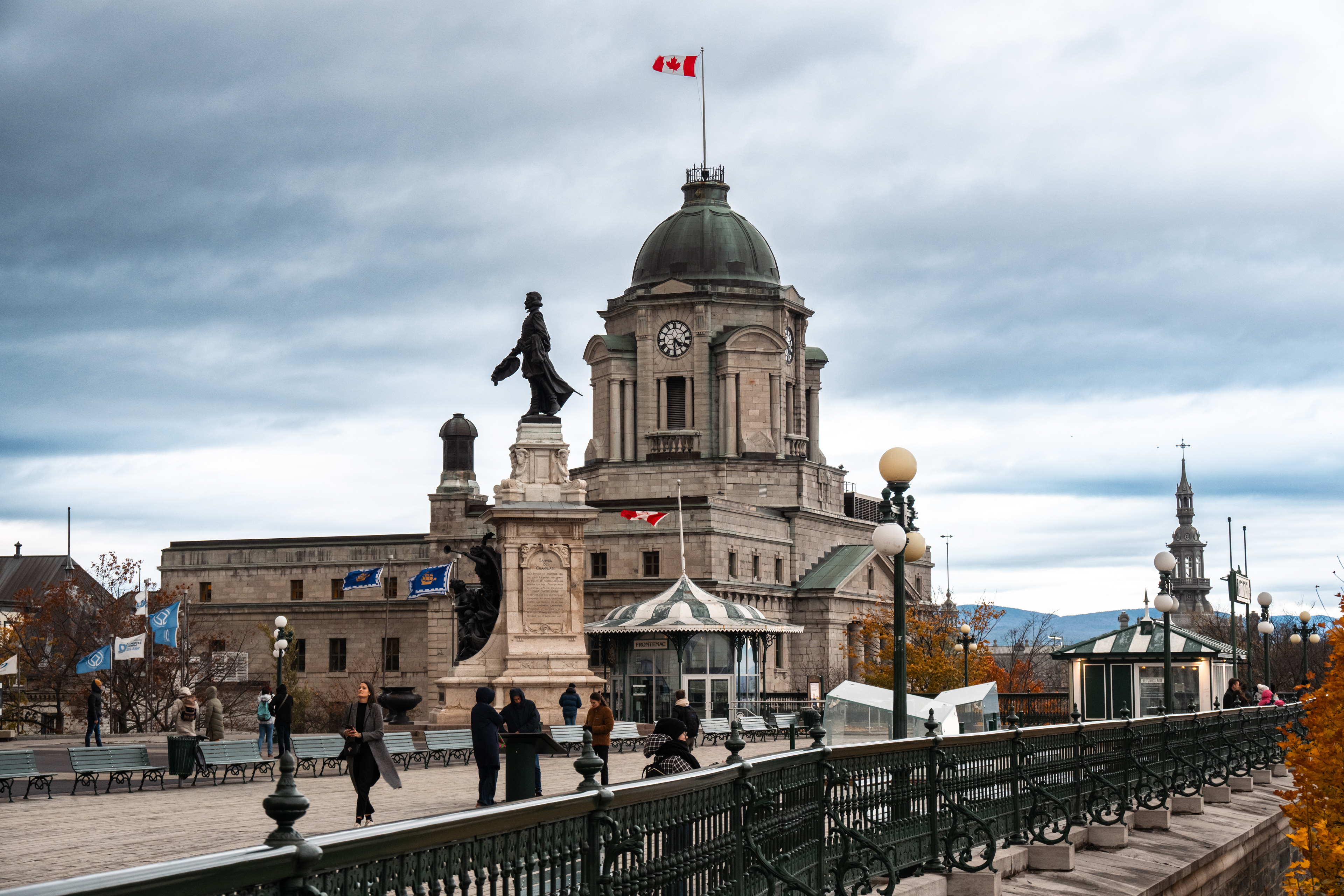
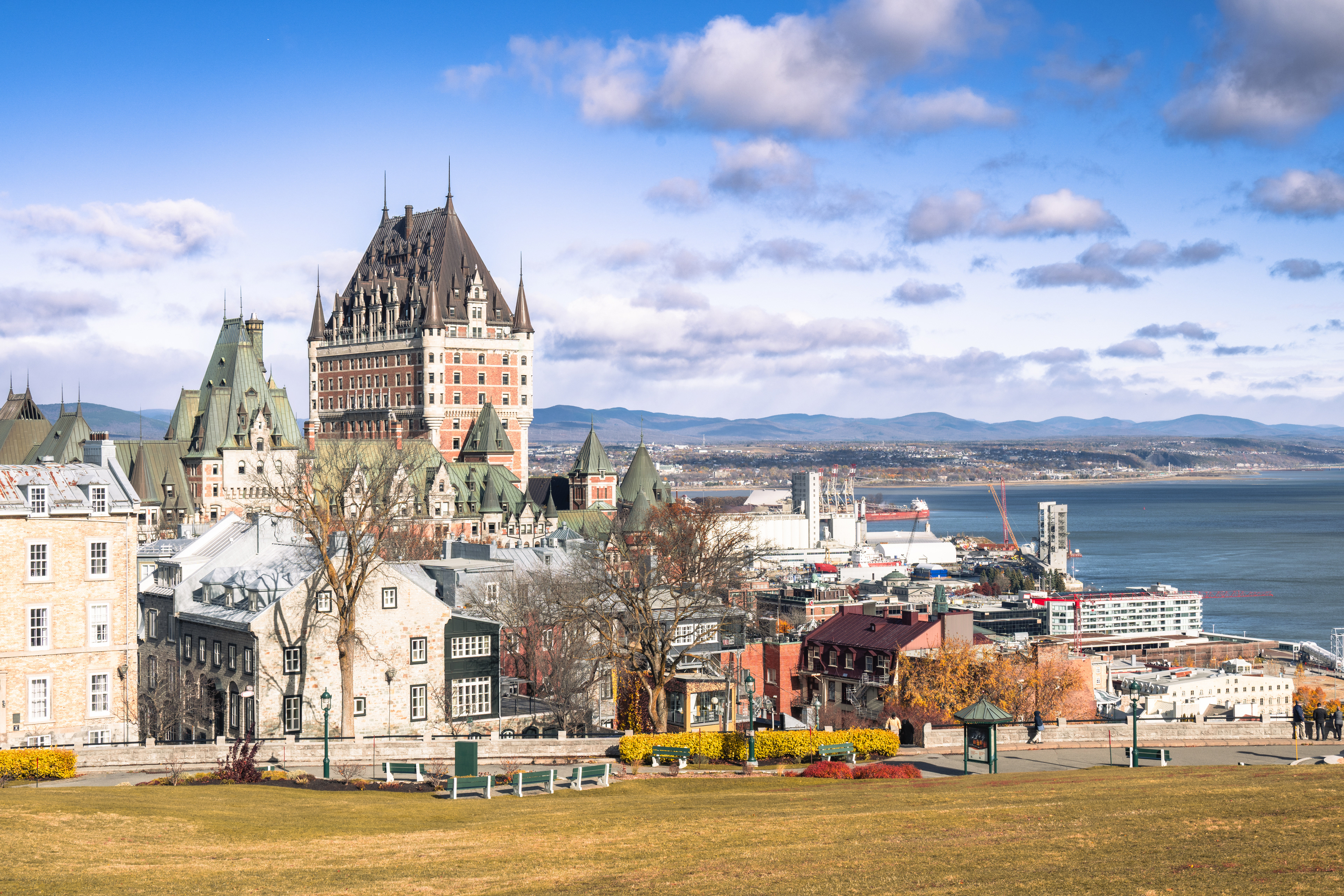
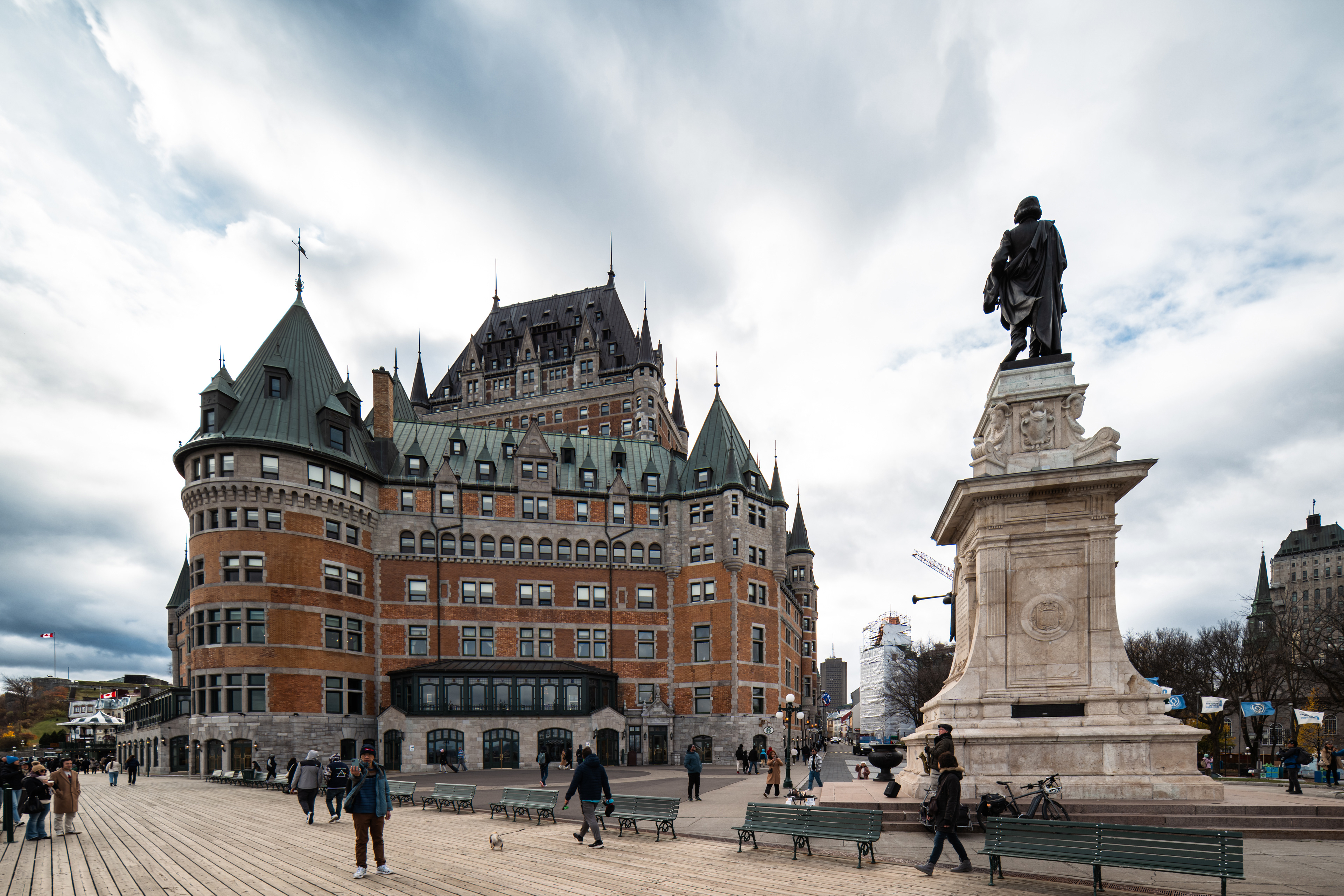
Dufferin Terrace, the long promenade that runs along the cliff edge between the Château Frontenac and the St. Lawrence far below, was designed in 1879 as a place for the Governor General to take the air. It remains the best vantage point in the city. The Château Frontenac itself — built by the Canadian Pacific Railway in 1893 and expanded continuously since — is allegedly the most photographed hotel in the world. It earns this by looking exactly like what a castle should look like, without actually being one.
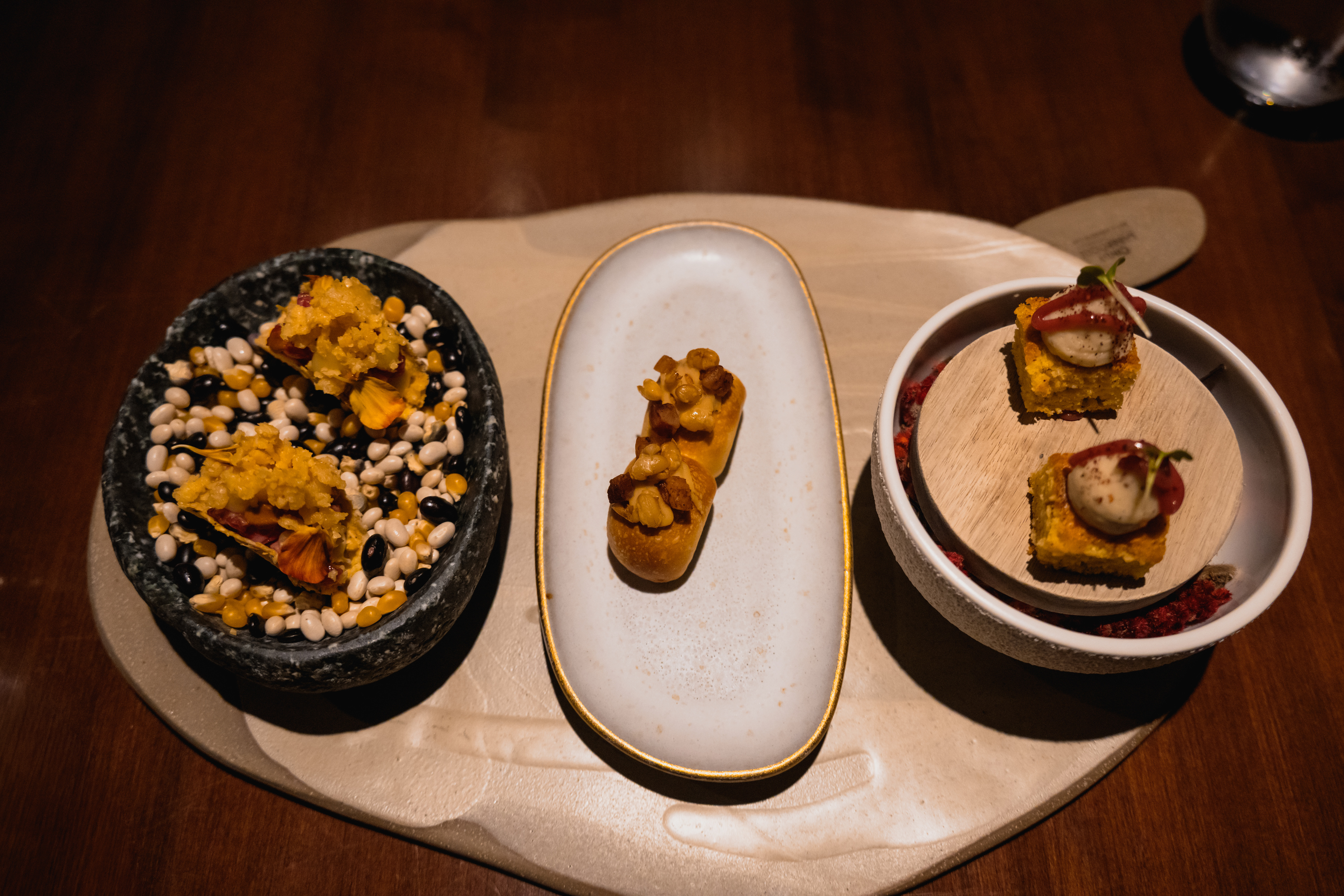
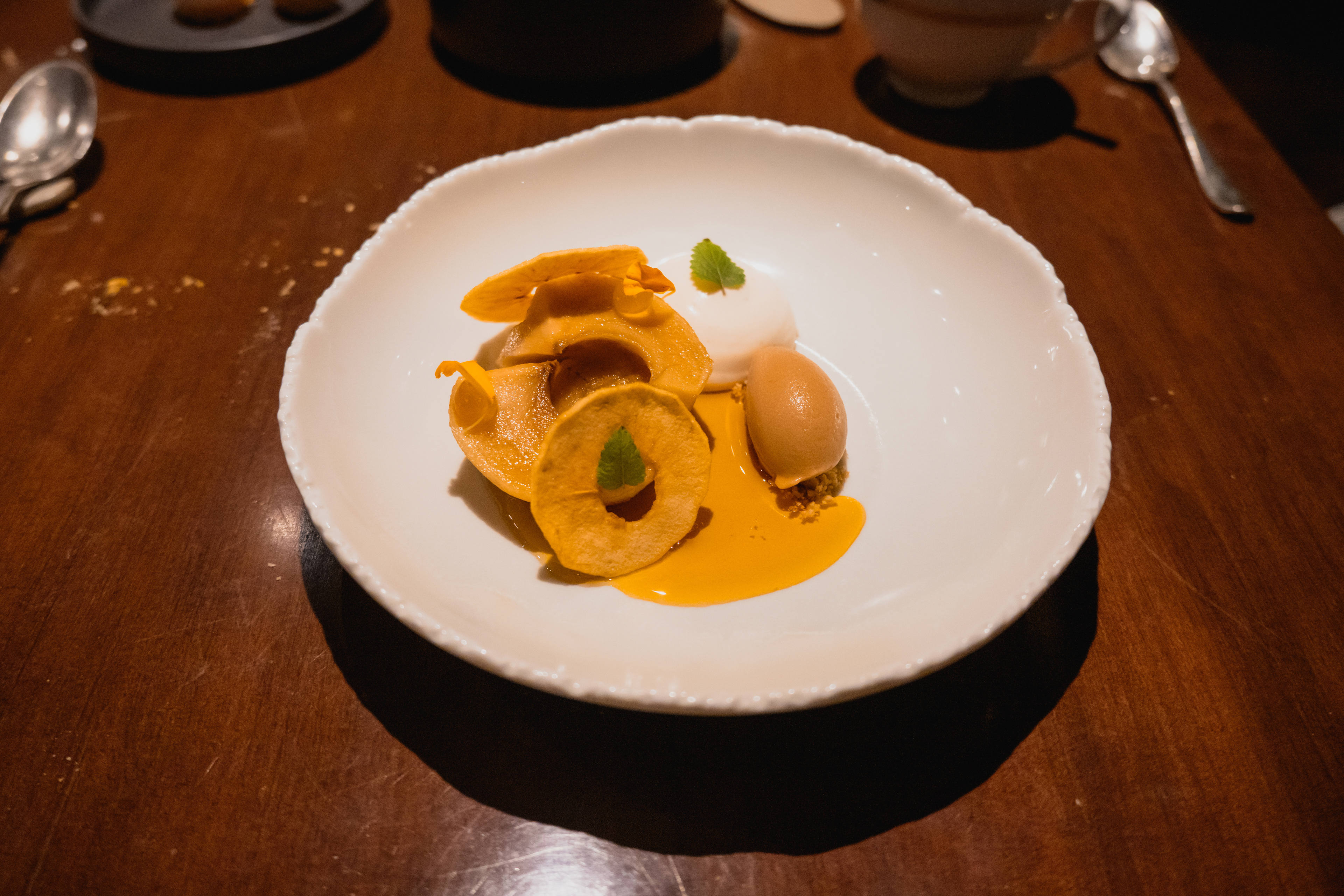
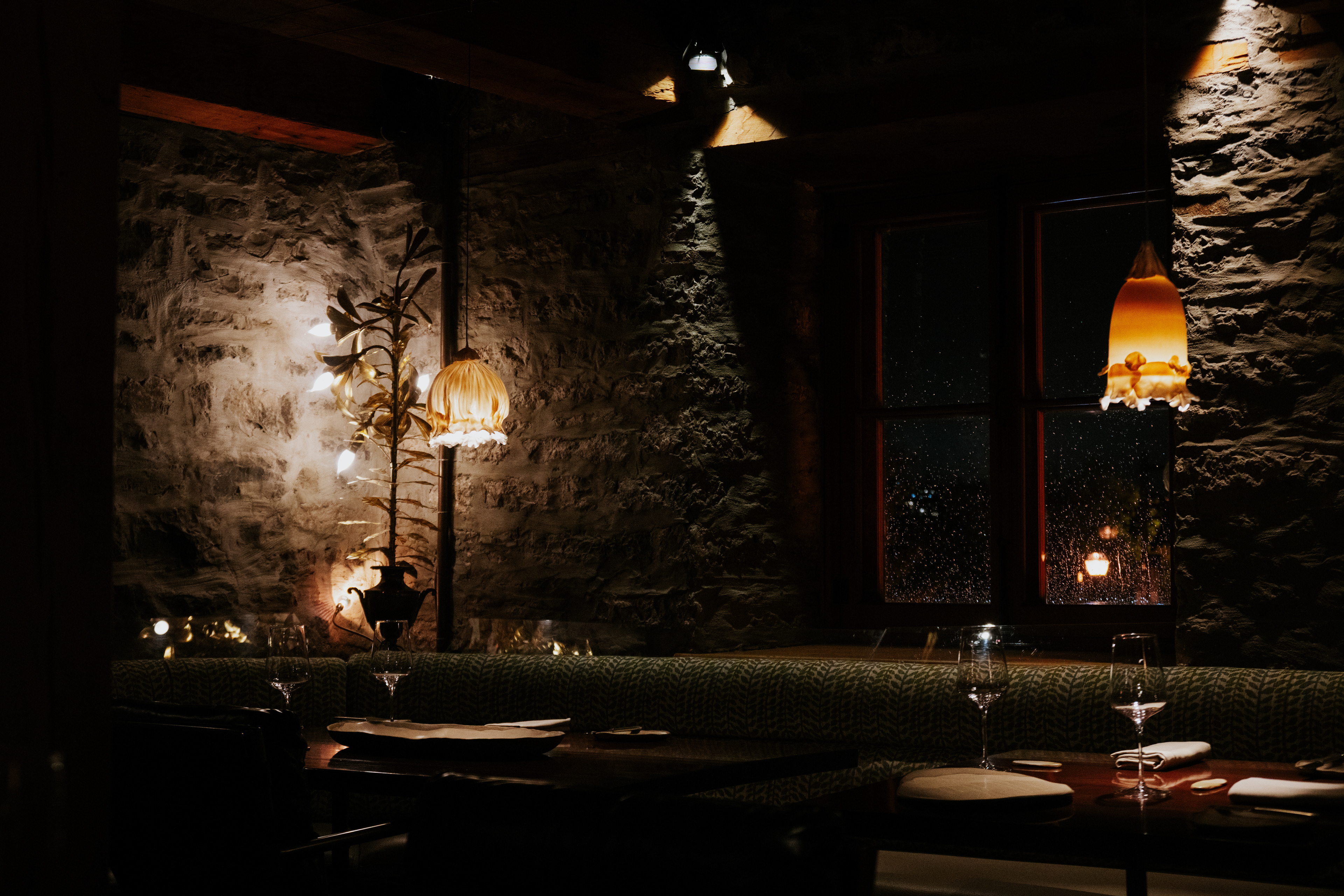
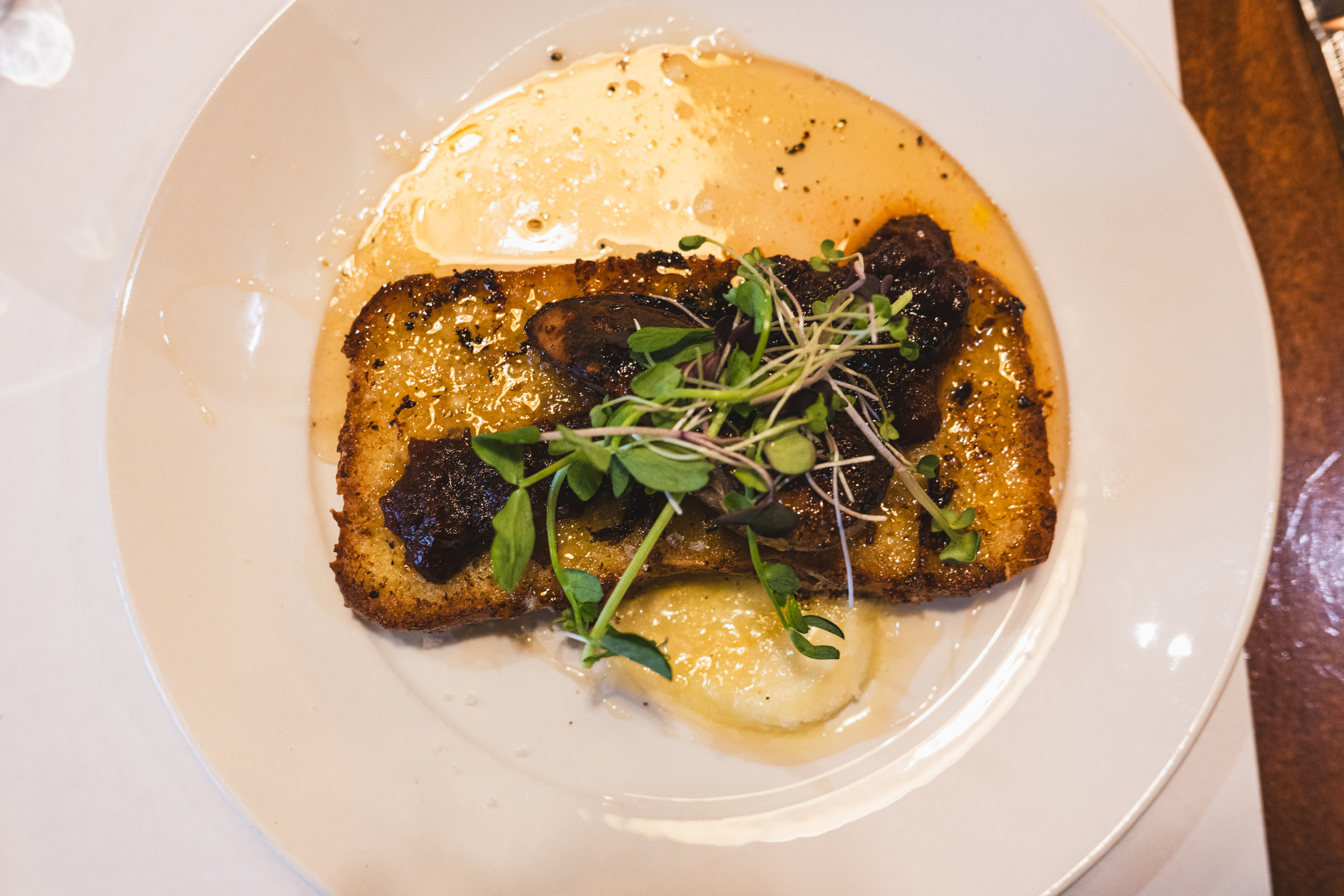
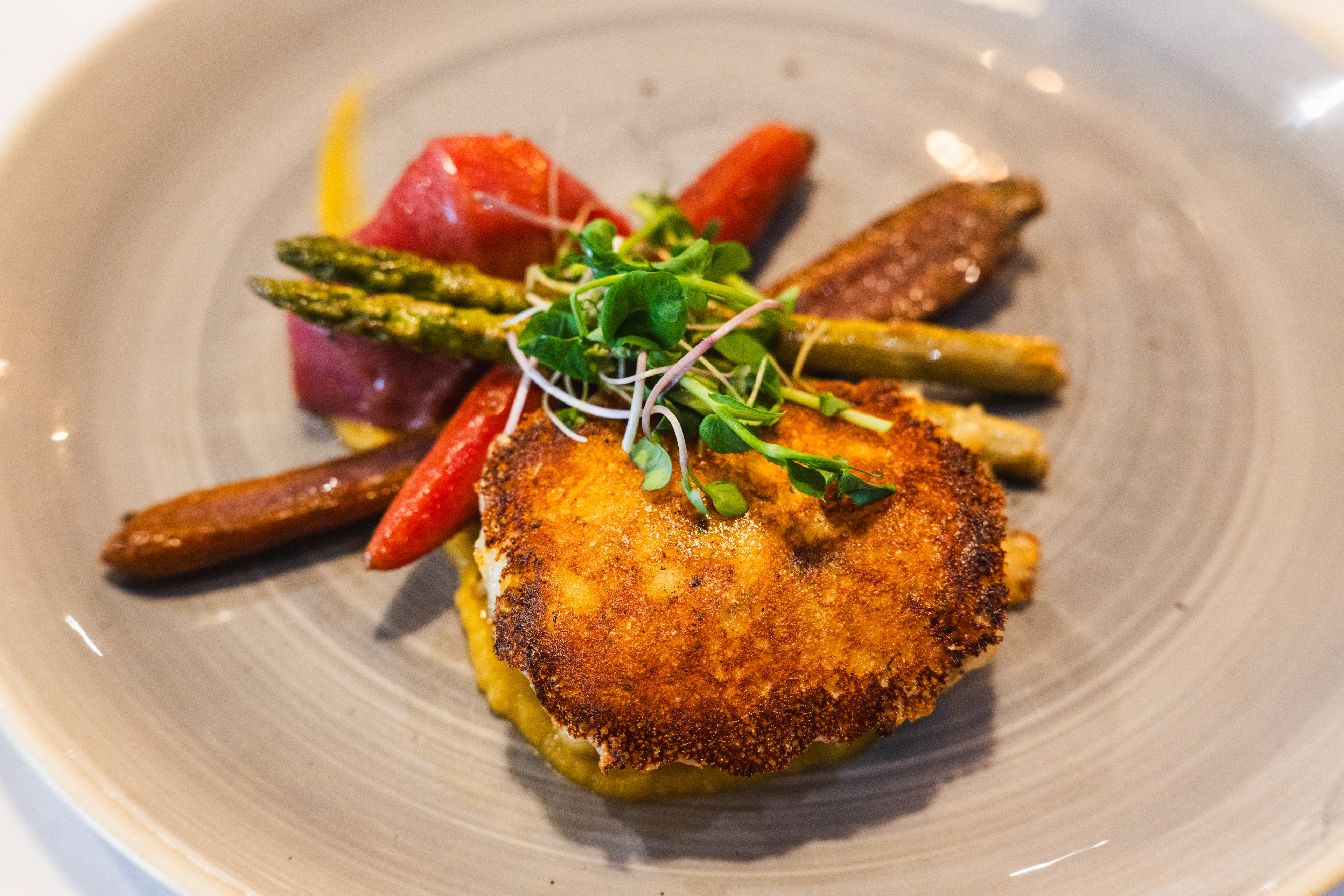
Dinner at Coteau was a revelation in the quieter register. A small room, a short menu, produce sourced from Québec farms with the specificity of someone who knows the farmers by name. I had something involving heritage pork and late-season root vegetables that I thought about for several days afterward.
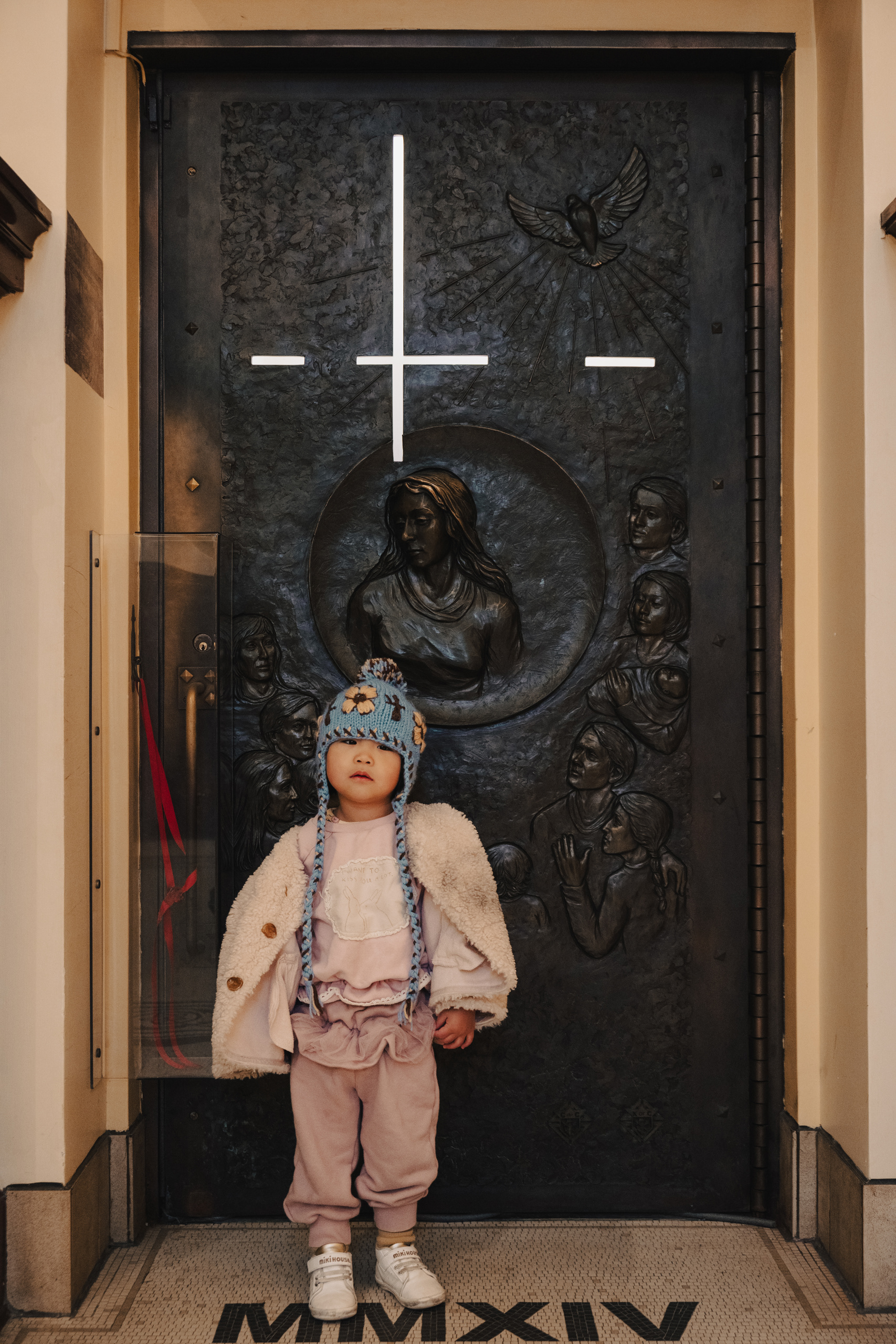
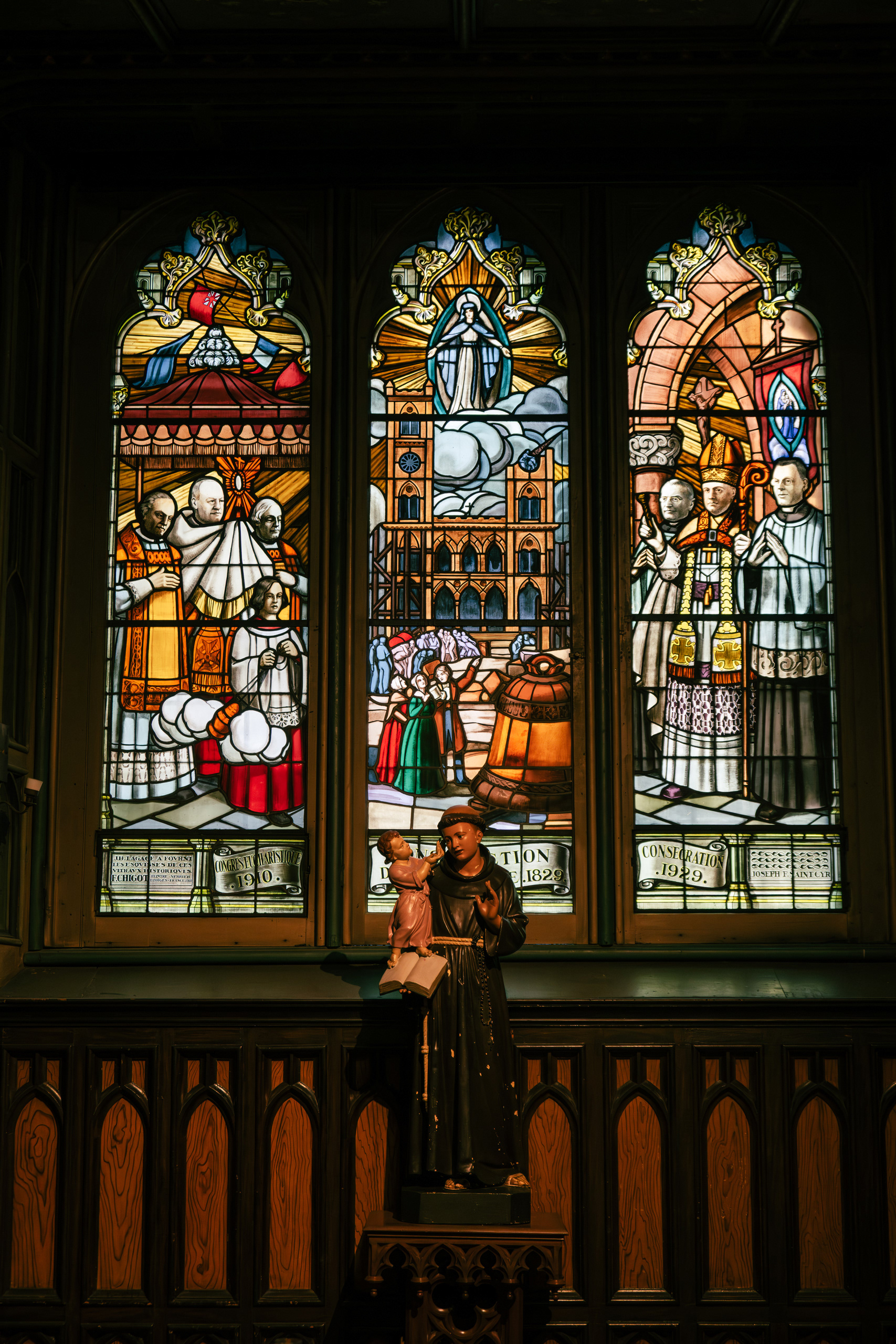
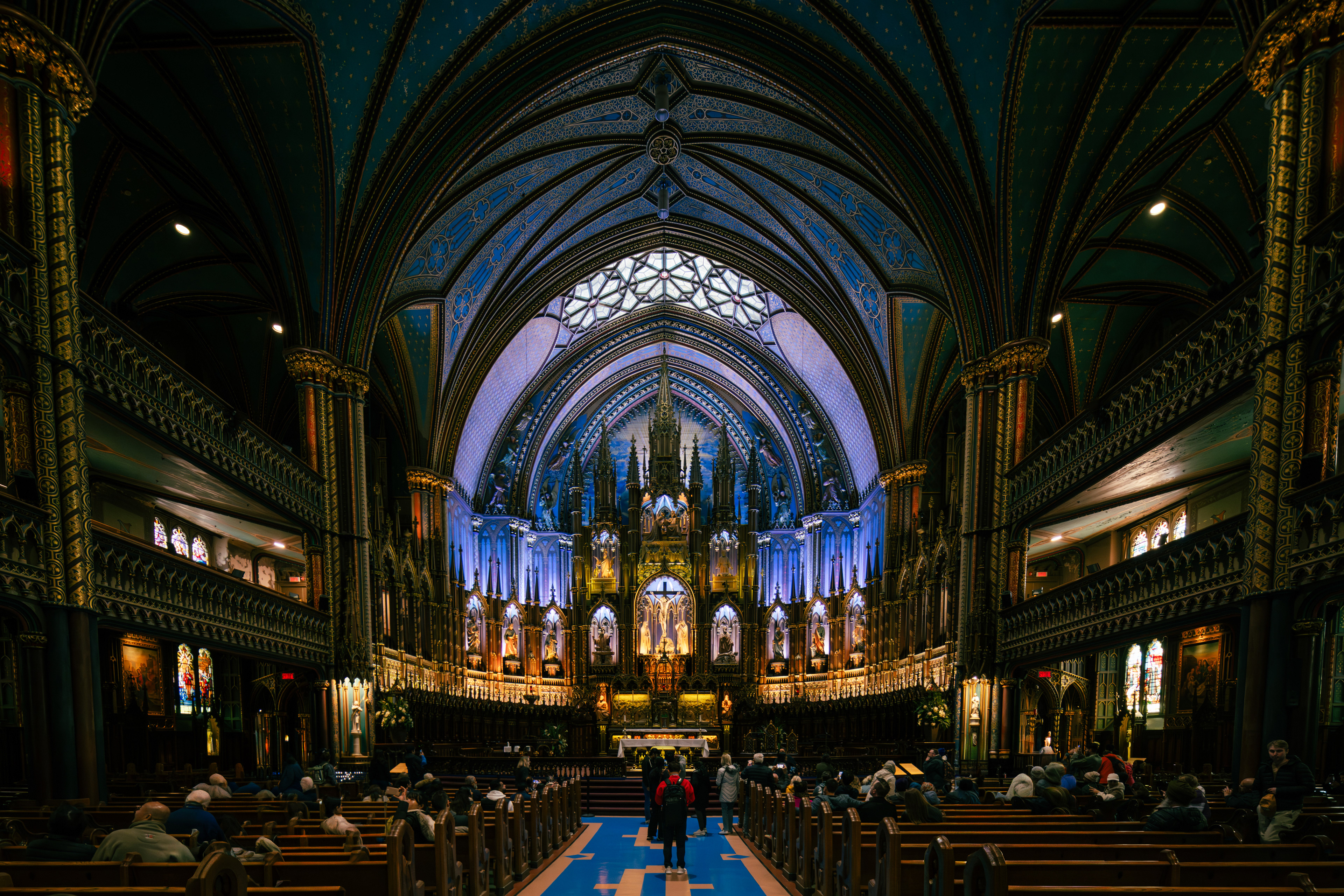
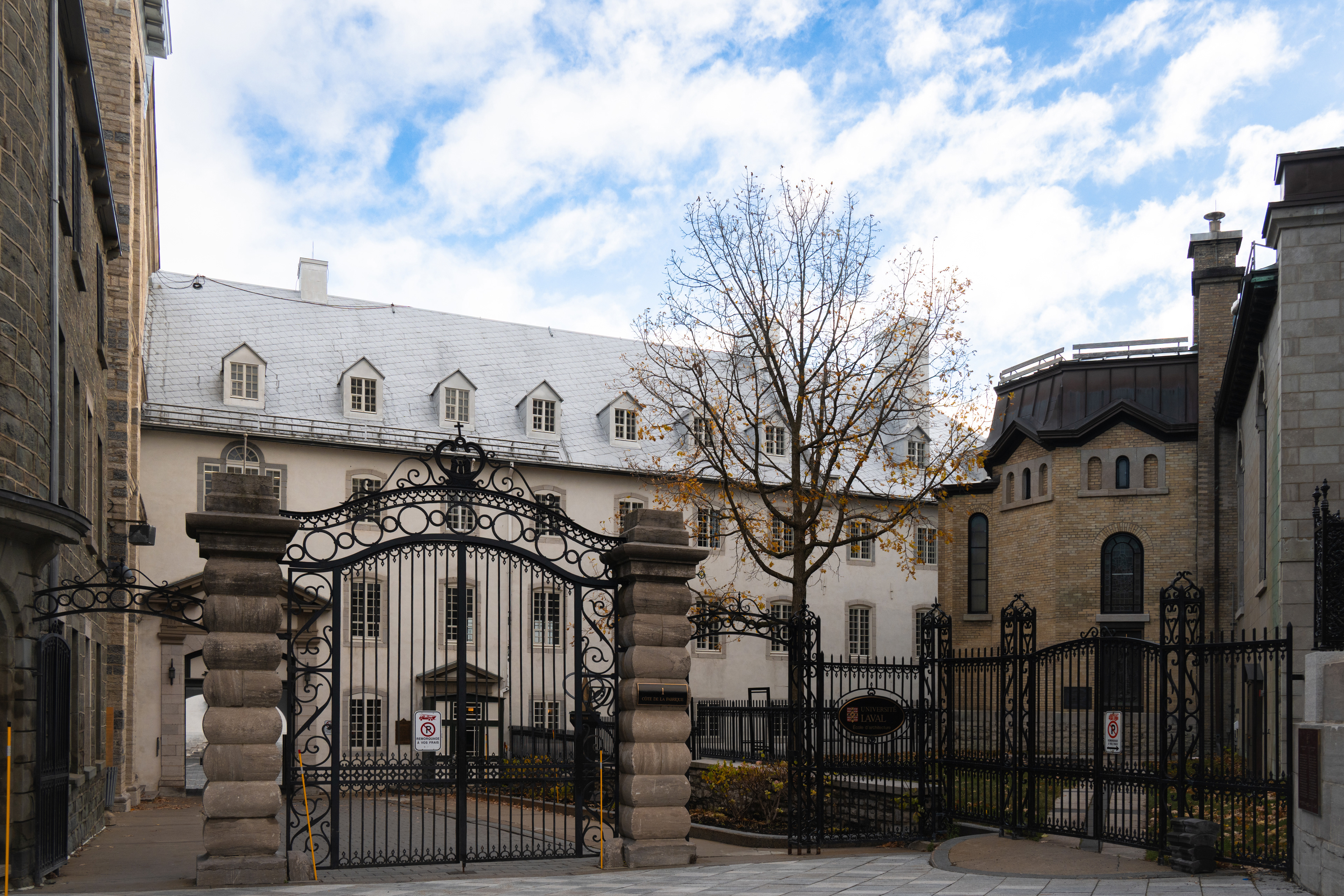
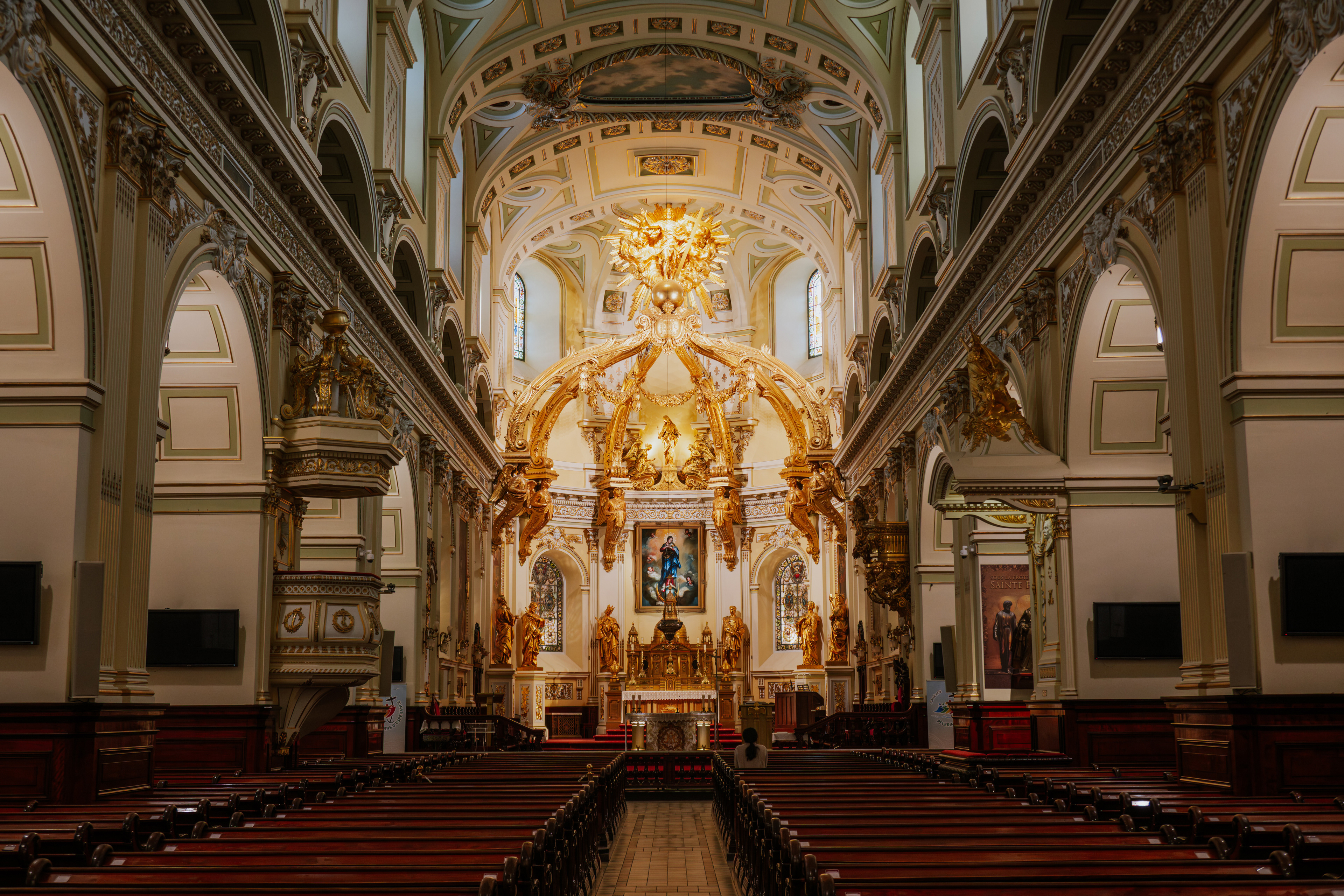
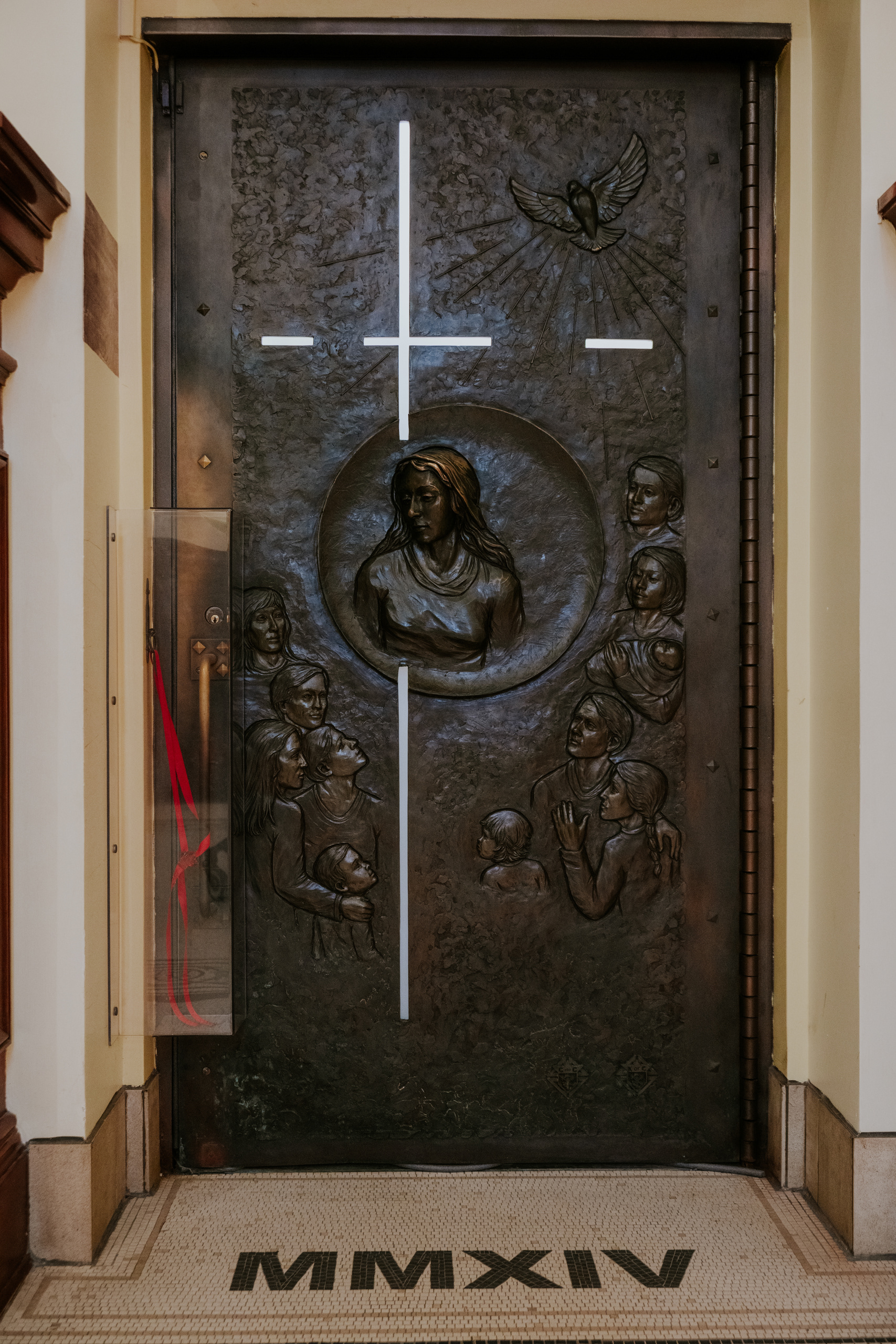
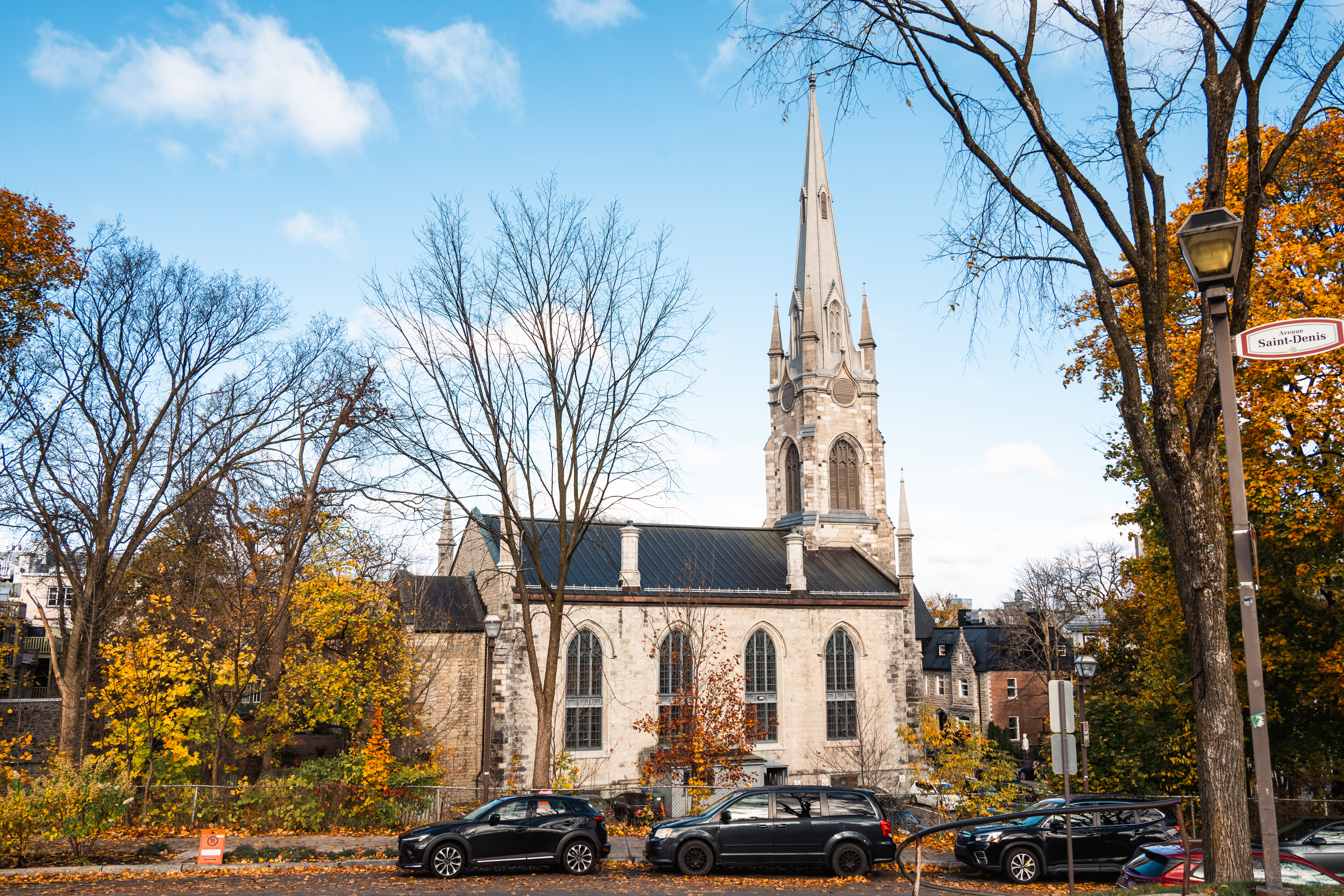
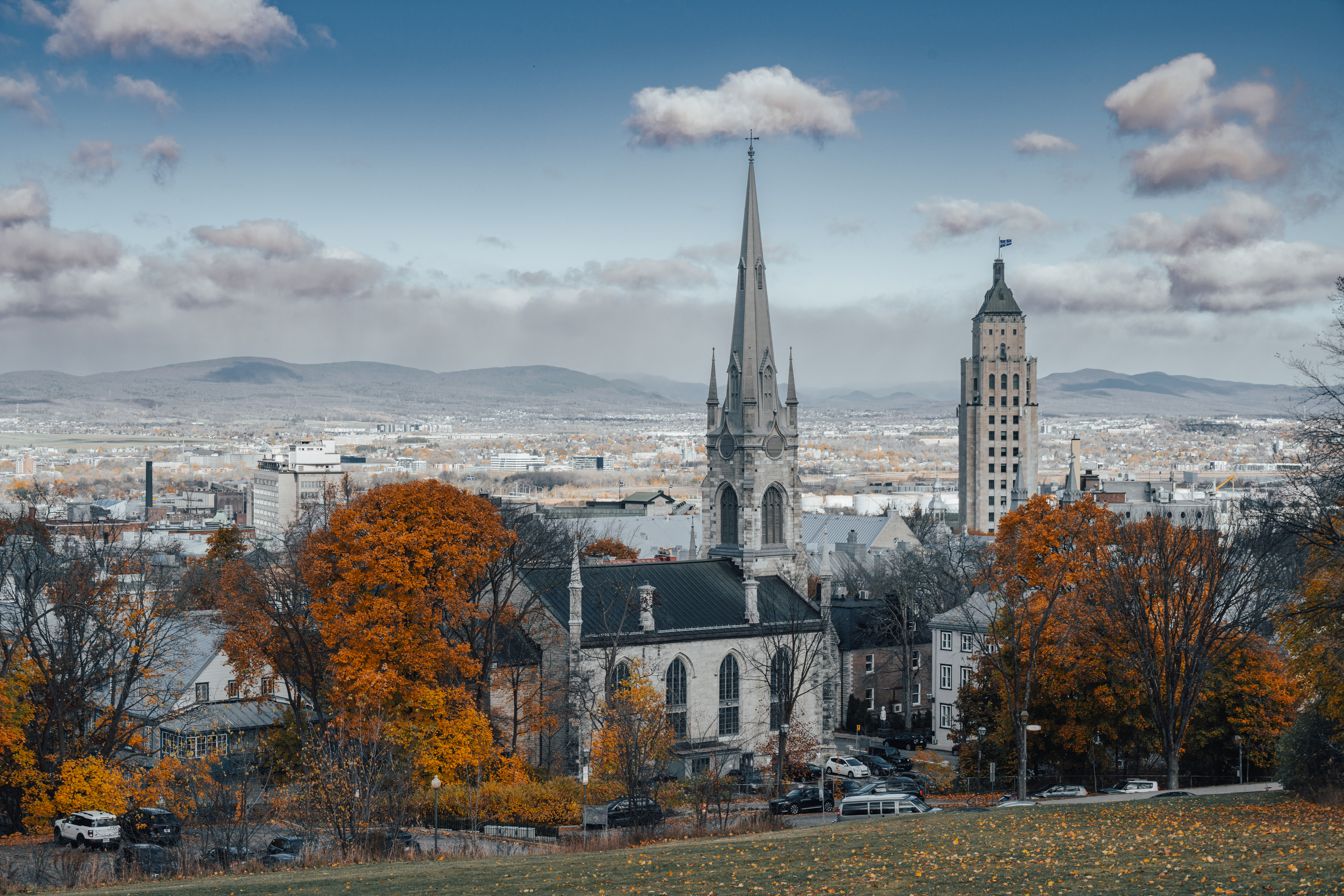
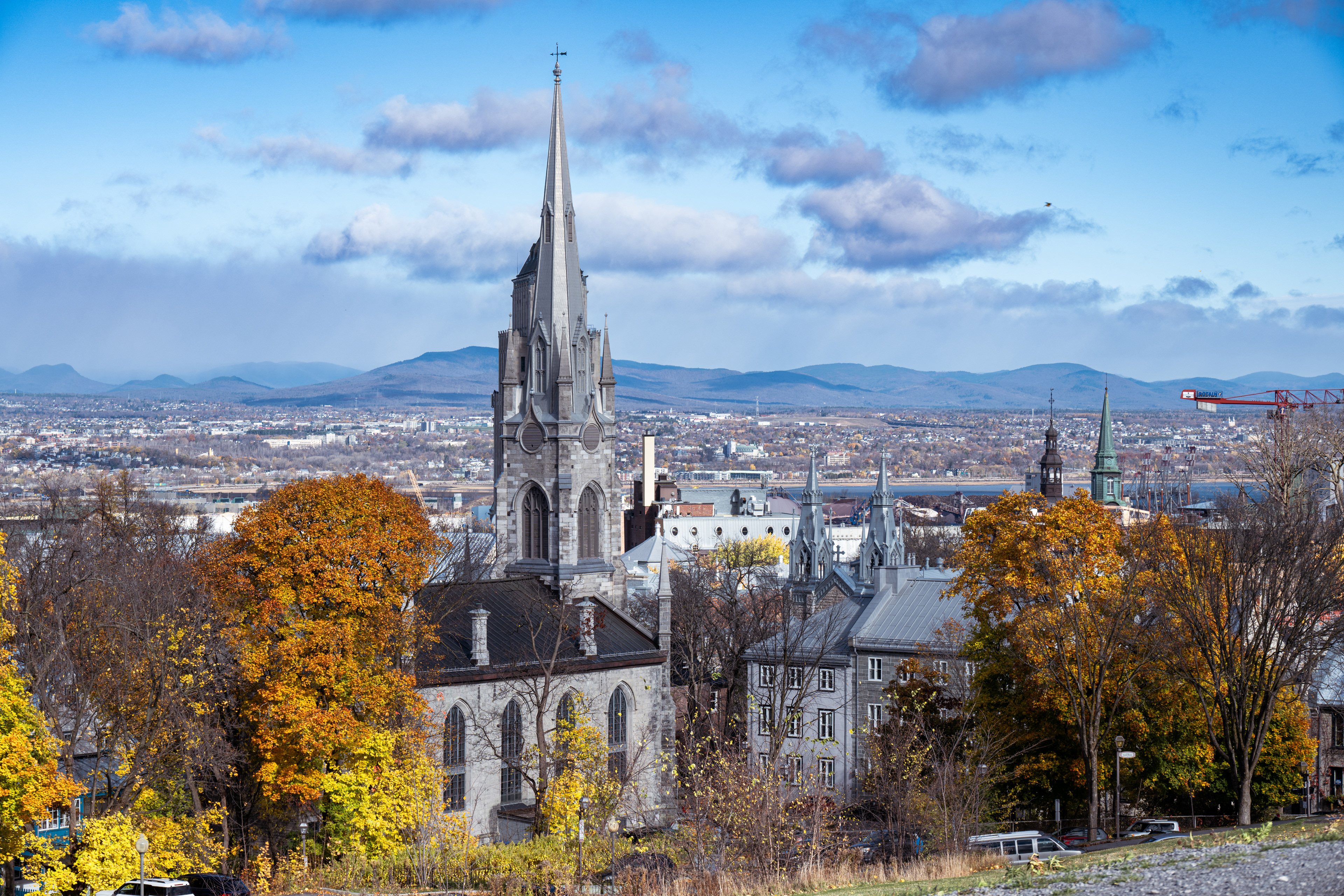
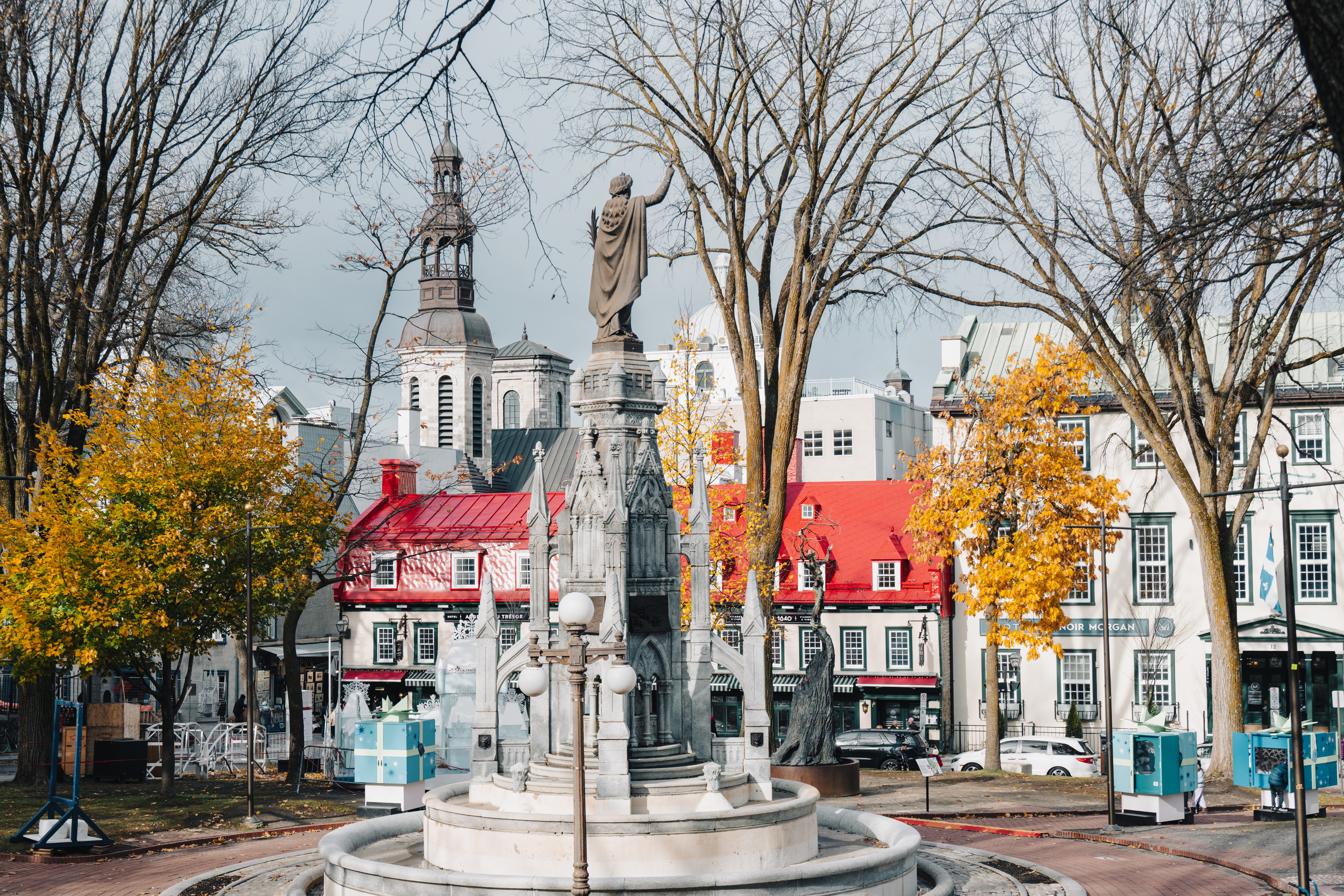
The second day in Québec City was for wandering. We started at the Basilique-cathédrale de Notre-Dame-de-Québec — the oldest parish church in North America, and the only one on the continent to hold a Holy Door, the kind that only swings open during Catholic Jubilee years as a symbol of pilgrimage and grace. The interior is all gilded wood and candlelight, the kind of Catholic opulence that took generations to accumulate and makes a point of it. Plaques line the walls marking the graves of bishops and governors-general buried beneath the floor, which gives the whole thing a very specific atmosphere: part cathedral, part archive, part reminder that this city has been here longer than most of the continent's capitals.
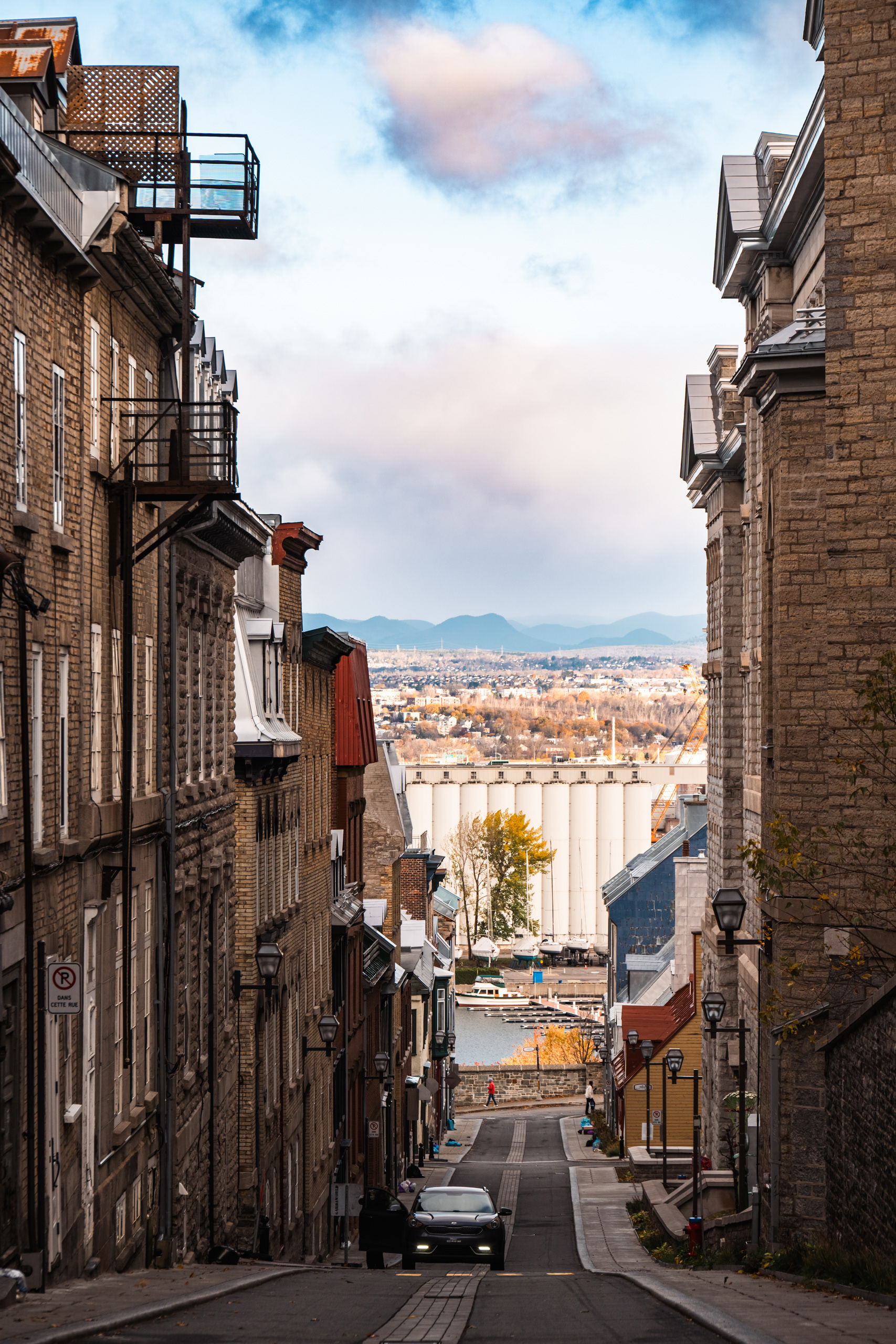
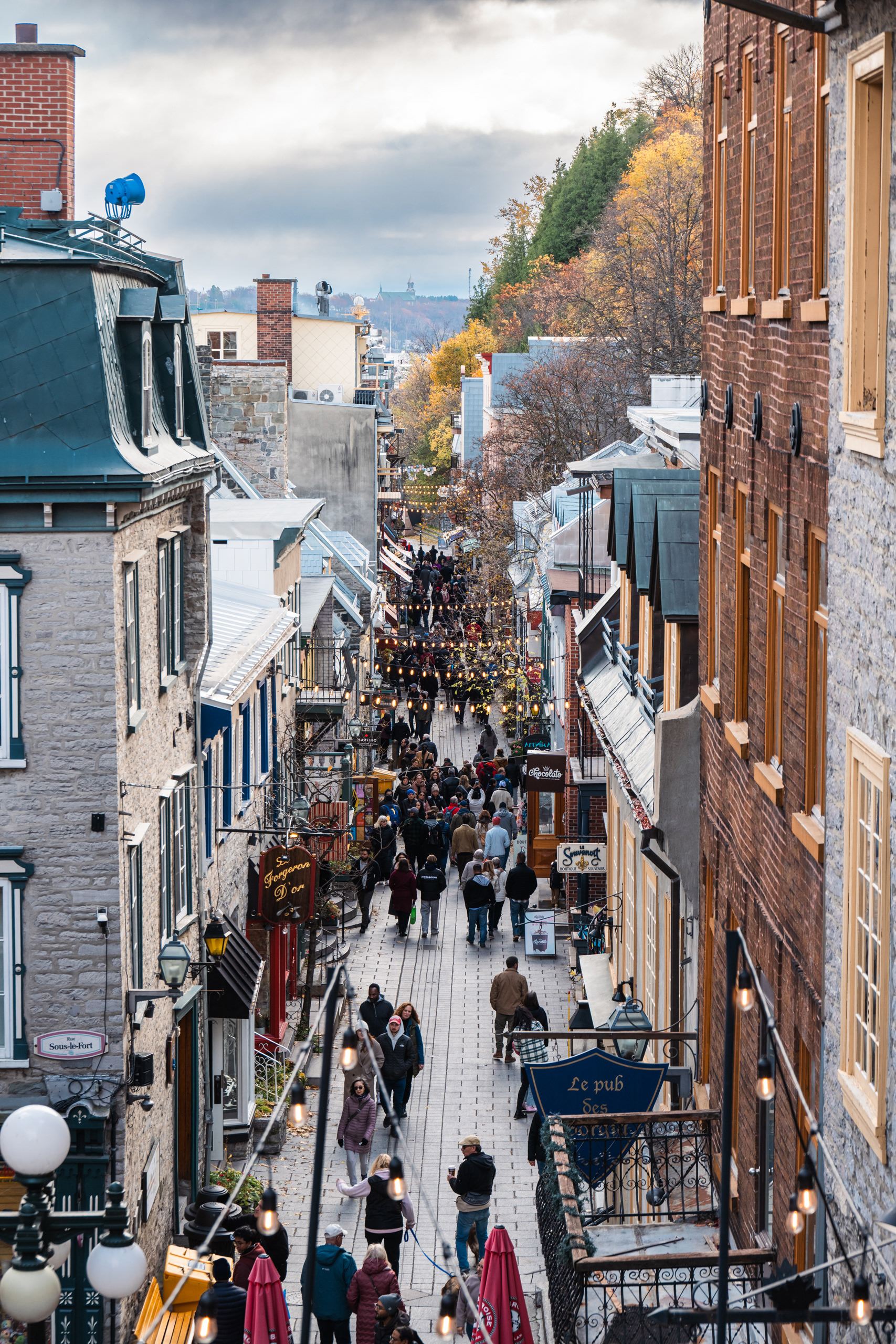
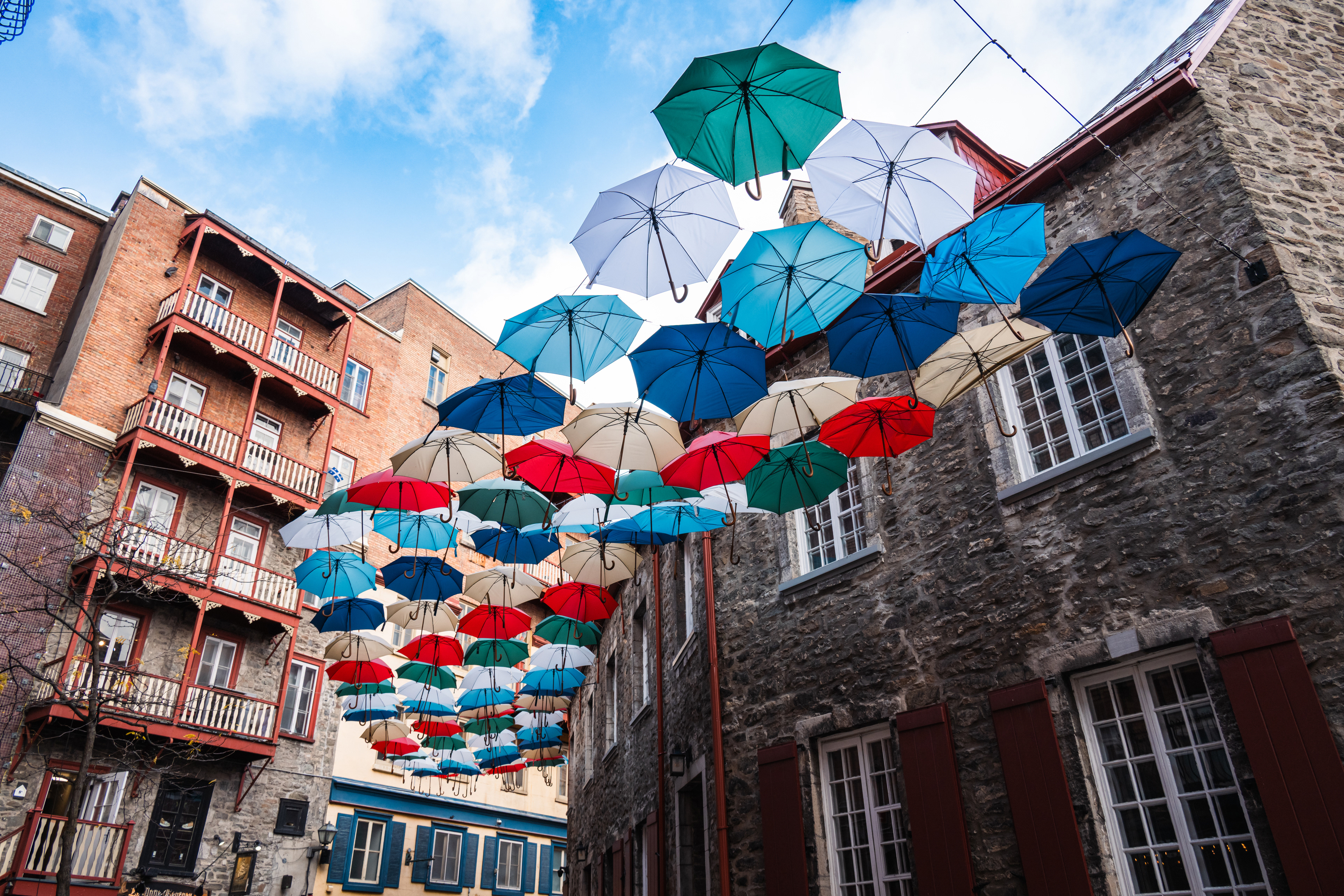
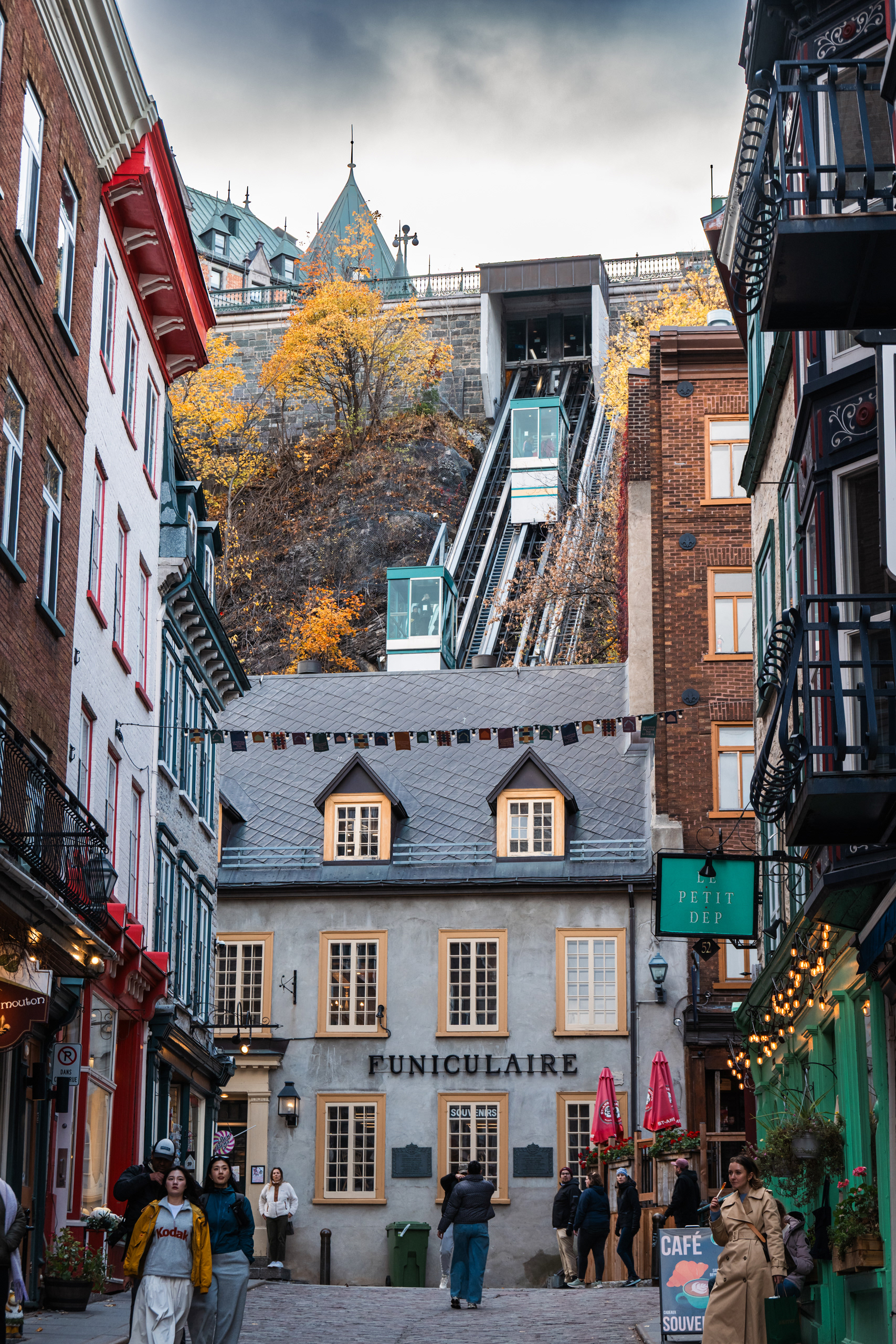
Rue du Petit-Champlain, the oldest commercial street in North America, descends by funicular from the upper city to the lower town and delivers you into a pedestrian quarter so photogenic in October that it constitutes mild aggression against anyone carrying a camera. The stone buildings date to the 17th century. The maple fudge from street vendors is unnecessary and mandatory.
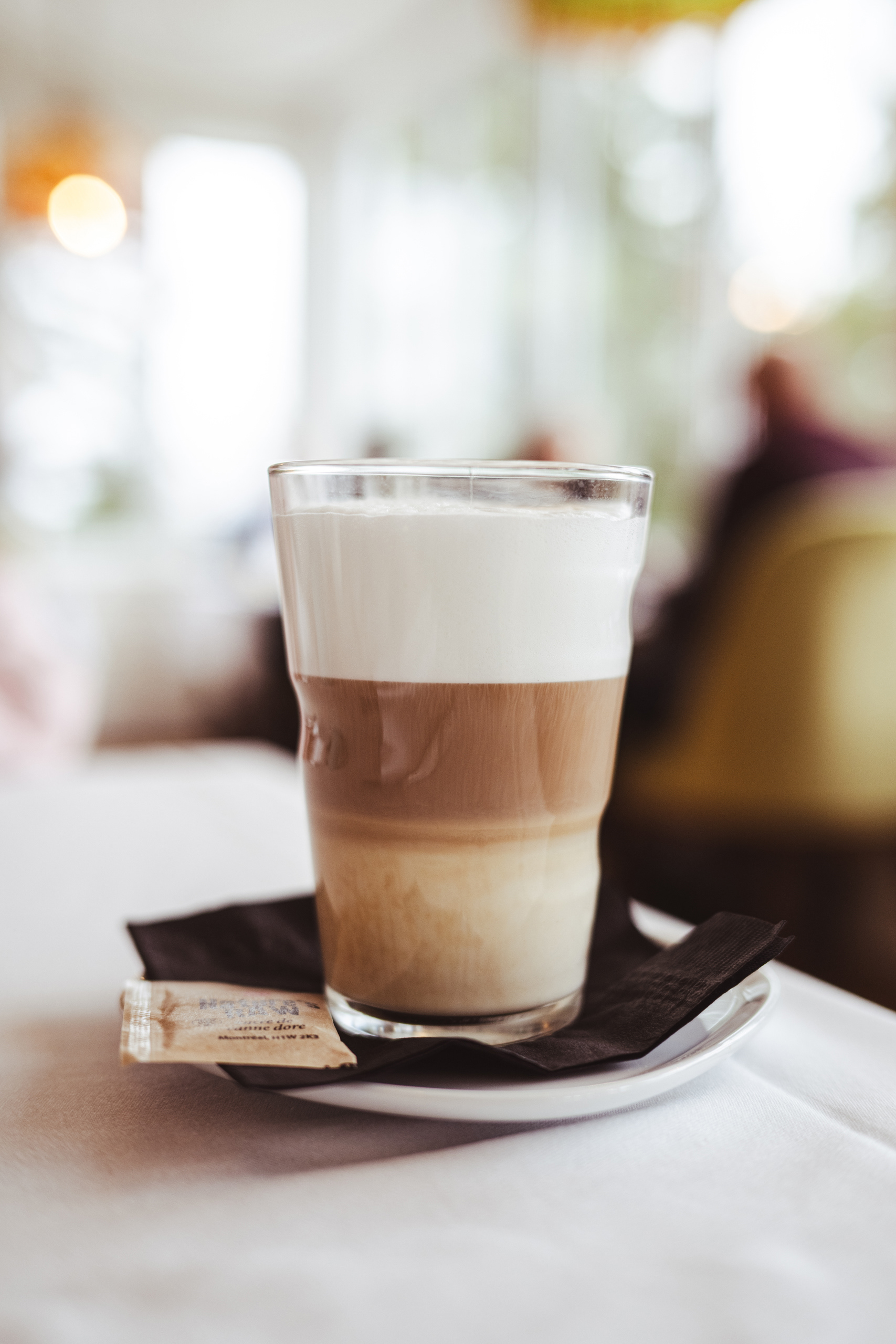
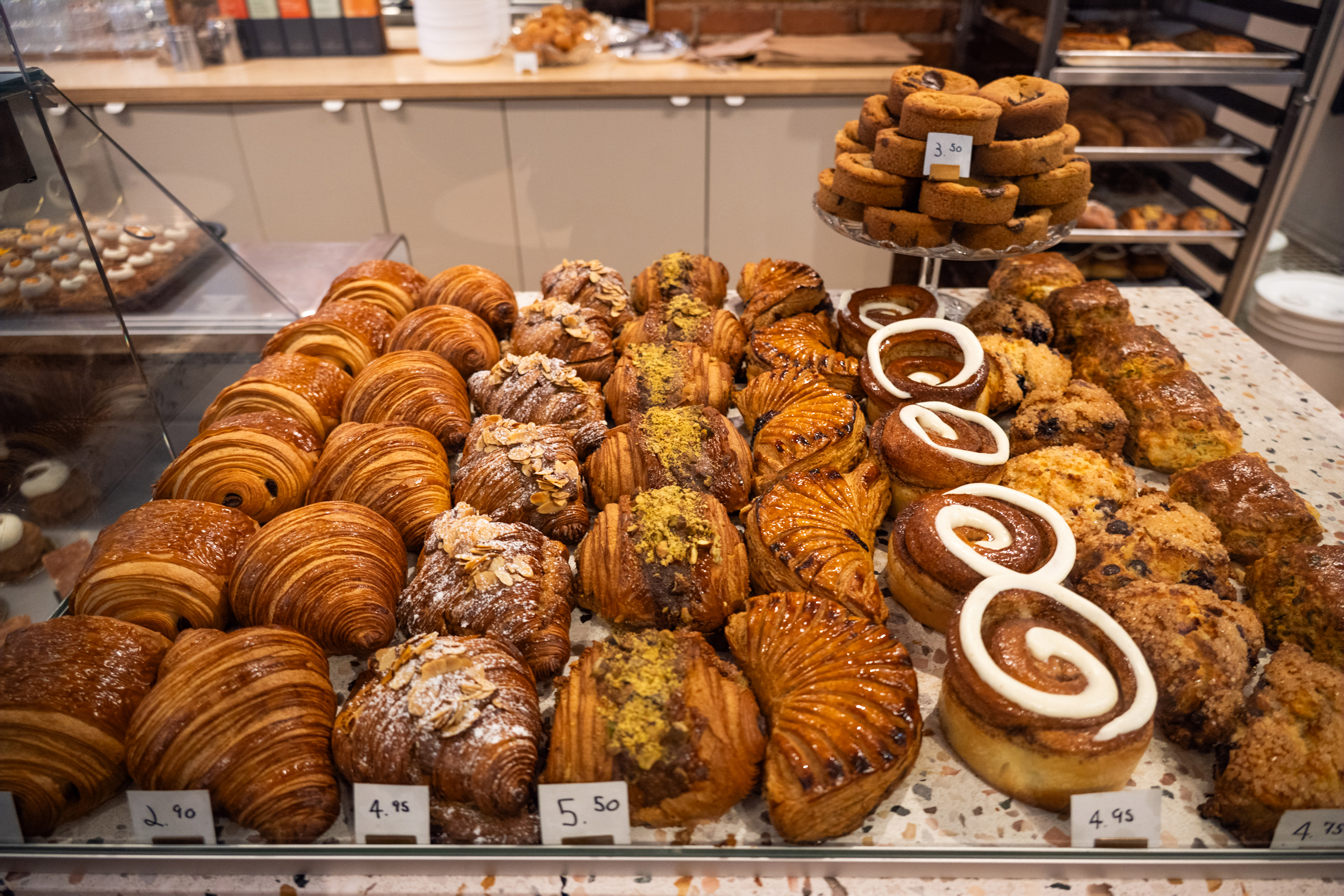
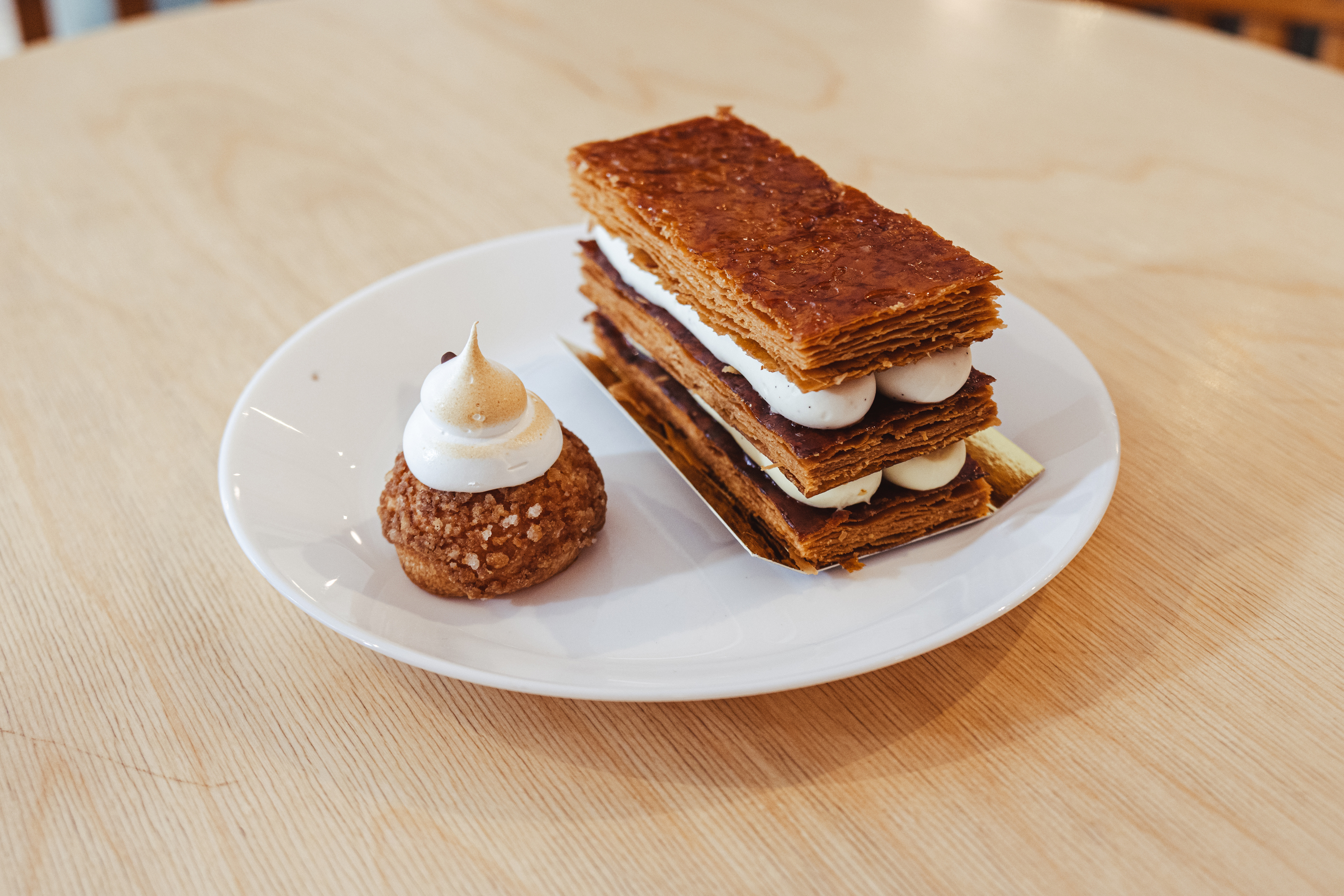
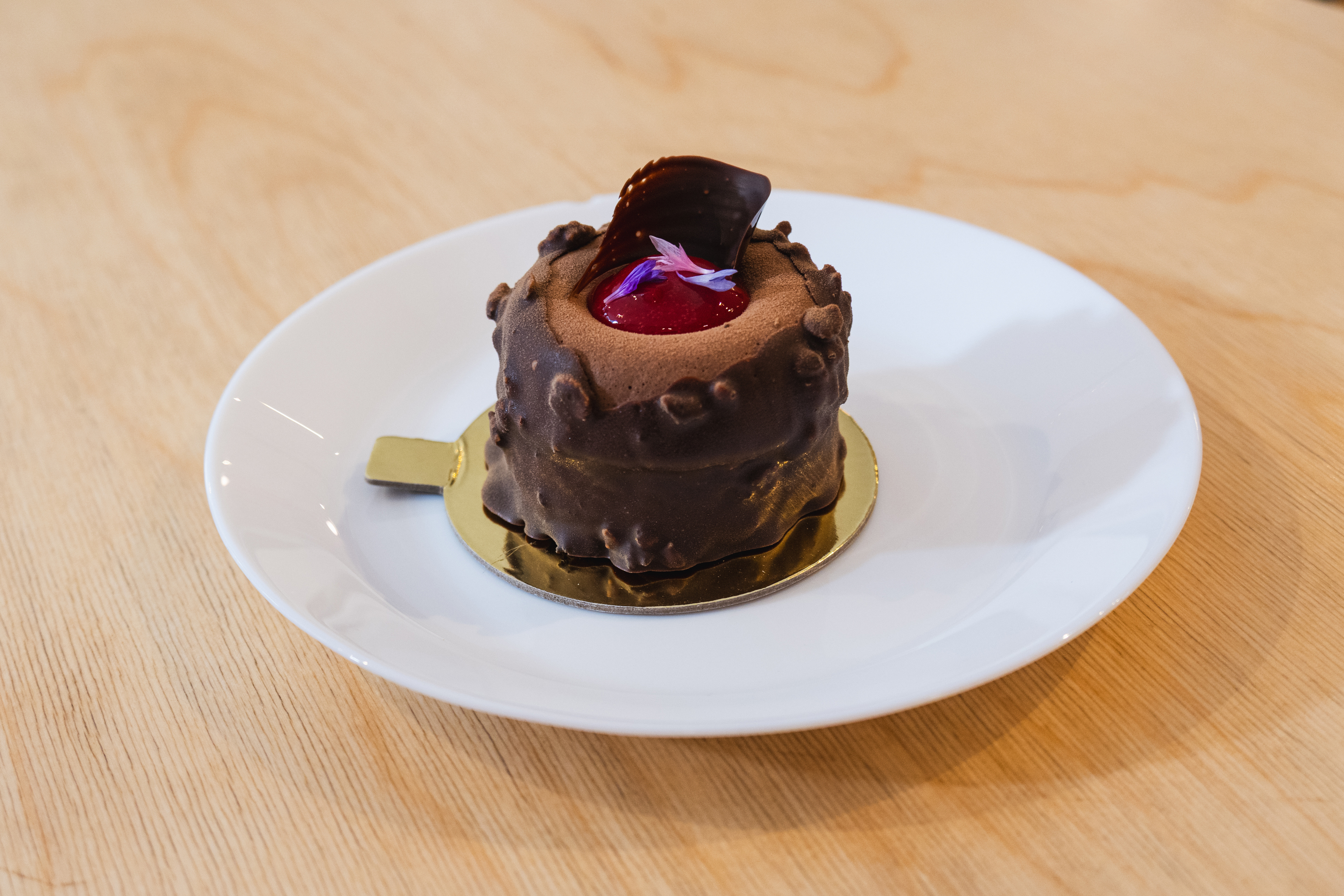
Pâtisserie Chouquette on Rue Saint-Jean is the croissant argument settled. Also the mille-feuille argument, which I had not previously known needed settling but was glad to have resolved.

The Last Day: Montreal by Afternoon, California by Midnight
The drive back from Quebec City to Montreal takes about three hours on the 20. We stopped in Brossard for lunch at Le Ming Chuan — a Sichuan restaurant in a Chinese mall that reminded me, on the final day of a trip about French civilization, that all culinary roads eventually lead back to scallion pancakes.
Car drop-off at Dorval. Flight back to San Francisco. My daughter slept from wheels-up to somewhere over Nevada, and I sat in the dark scrolling through photographs, trying to decide which of the four hundred images from Mont-Tremblant captured what that morning had actually looked like.
None of them, quite. They never do. That's why you go back.