This trip started with my father-in-law. He had wanted to do a cruise for years — not the loud, pool-deck kind, but a proper one, with real food and real tablecloths and the sense that someone in the kitchen was genuinely trying. When we finally started looking at options, Oceania kept coming up. "World's finest cuisine at sea" is a bold marketing claim, but for a man who considers a meal the main event of any day, it was enough of a promise to book 18 days on. The result was a voyage from Los Angeles to Miami via the Pacific coast of Mexico, Central America, Colombia, and the Caribbean, with a Panama Canal transit thrown in on New Year's Day for maximum dramatic effect.
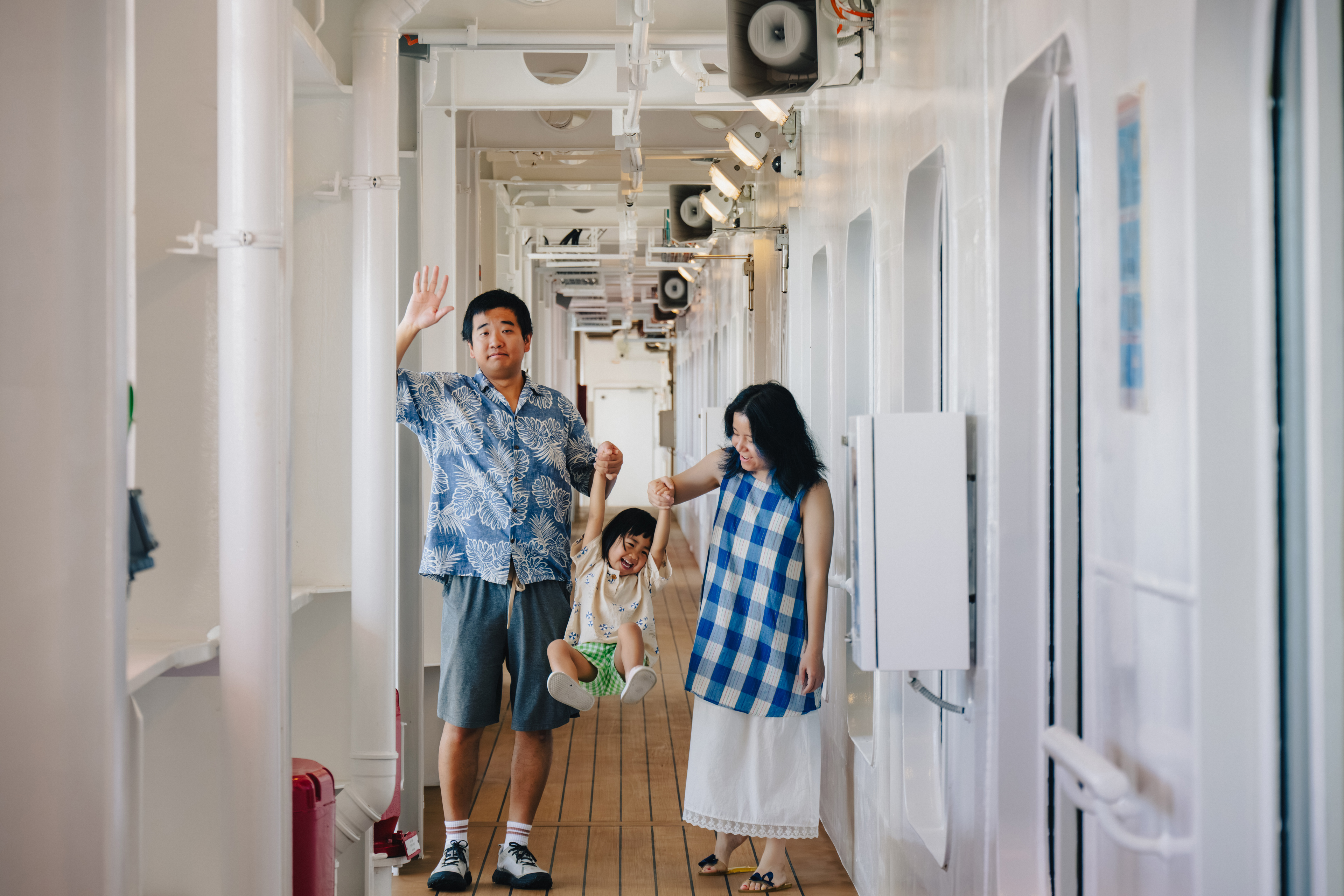
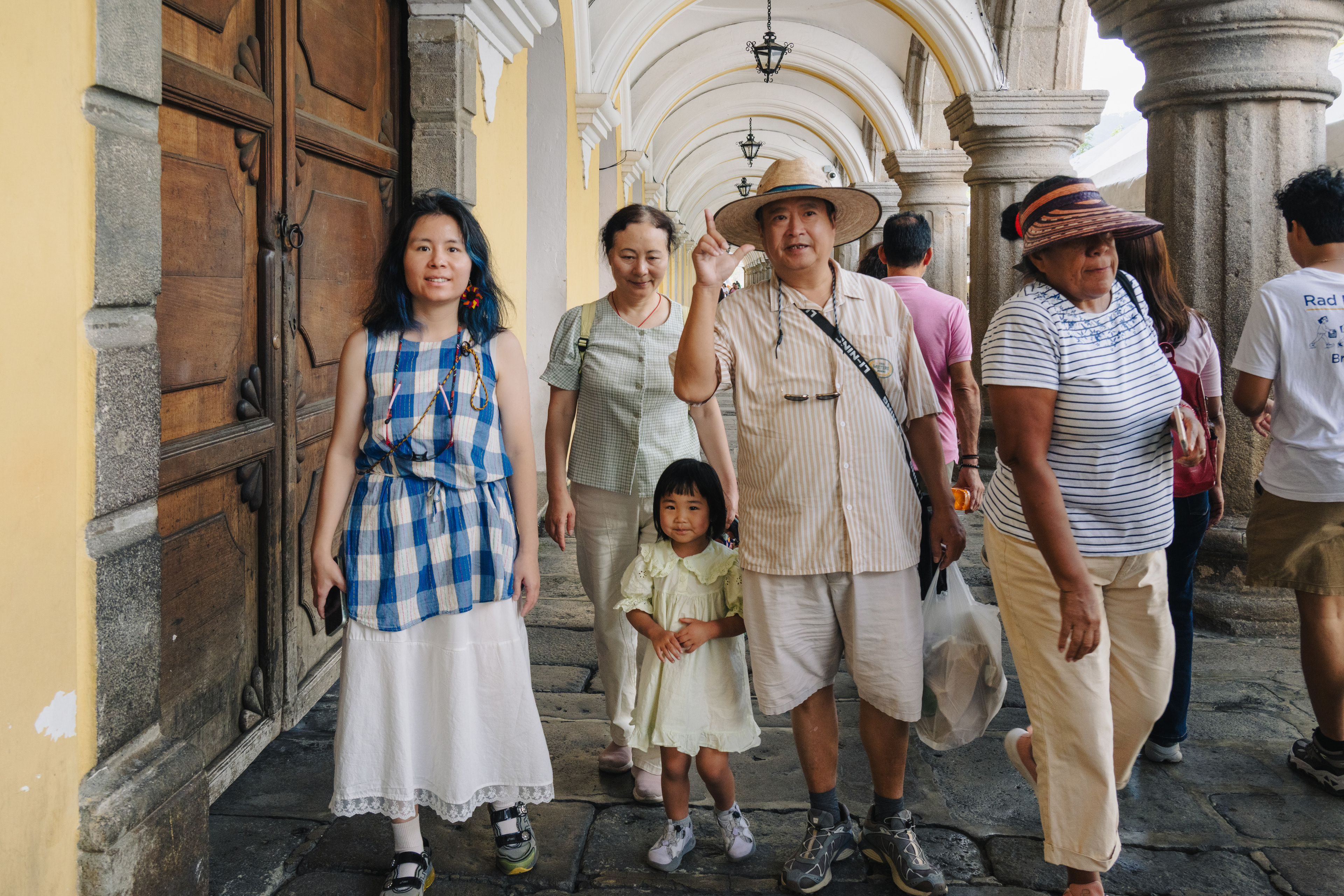
Traveling: me, my wife, our almost-three-year-old daughter, and my in-laws. Five people. Zero cruise experience. One very expensive collective leap of faith. We covered 4,759 nautical miles over 18 days:
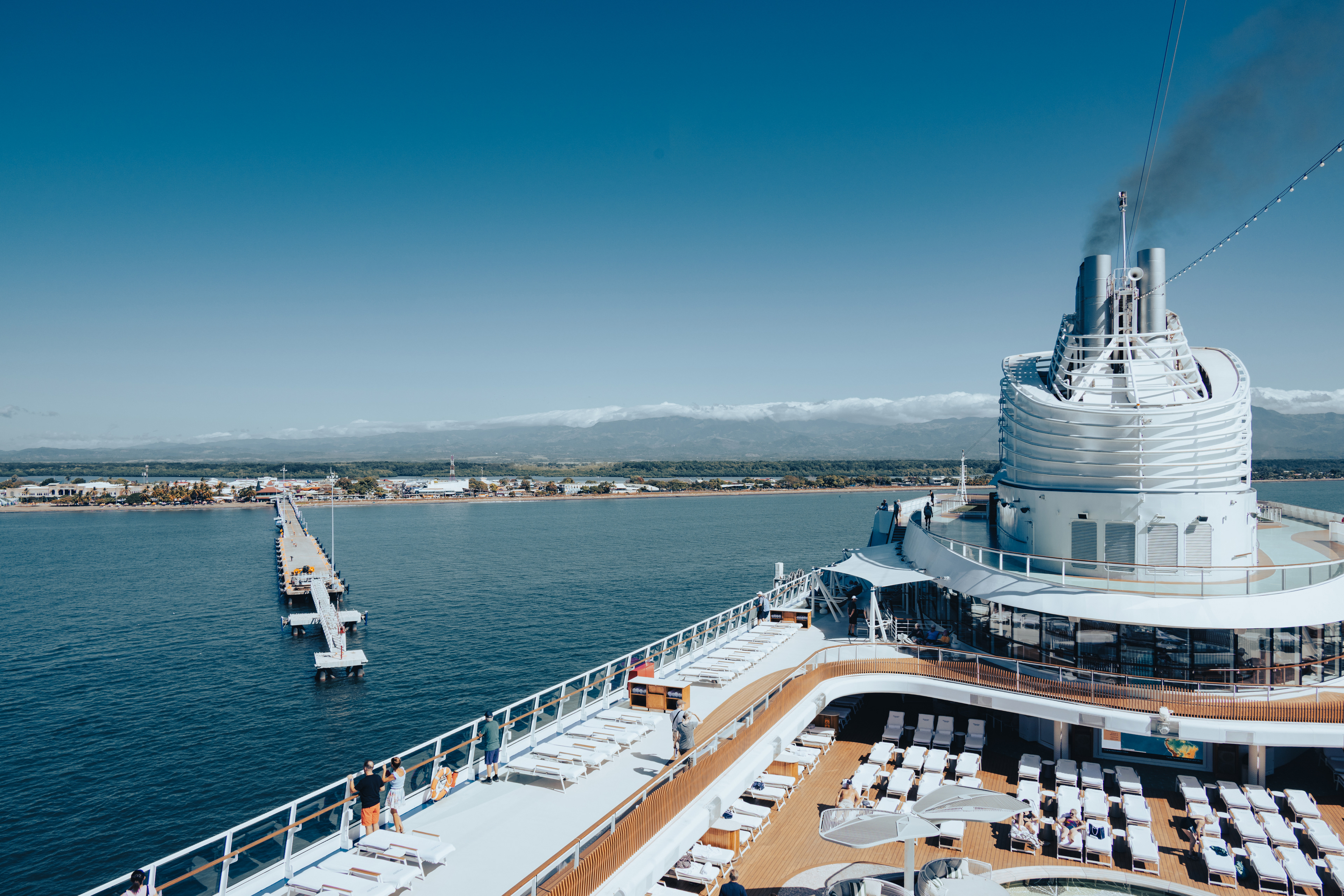
Los Angeles → Cabo San Lucas, Mexico (840 nm) → Puerto Vallarta, Mexico (296 nm) → Manzanillo, Maxico (175 nm) → Acapulco, Maxico (304 nm) → Puerto Quetzal, Guatemala (590 nm) → Puntarenas, Costa Rica (471 nm) → Panama Canal Transit → Cartagena, Colombia (778 nm) → George Town, Cayman Islands (640 nm) → Miami (665 nm)
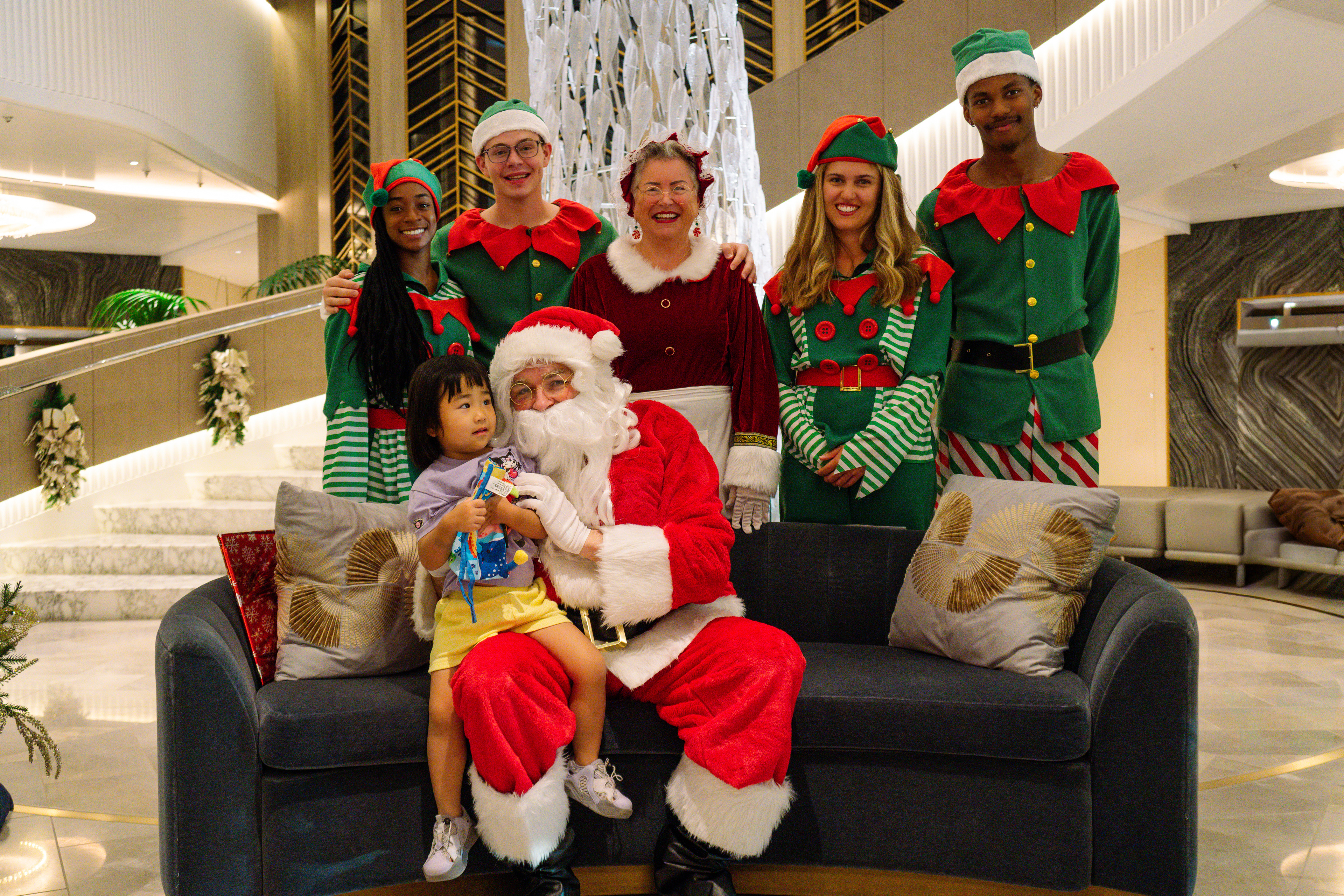
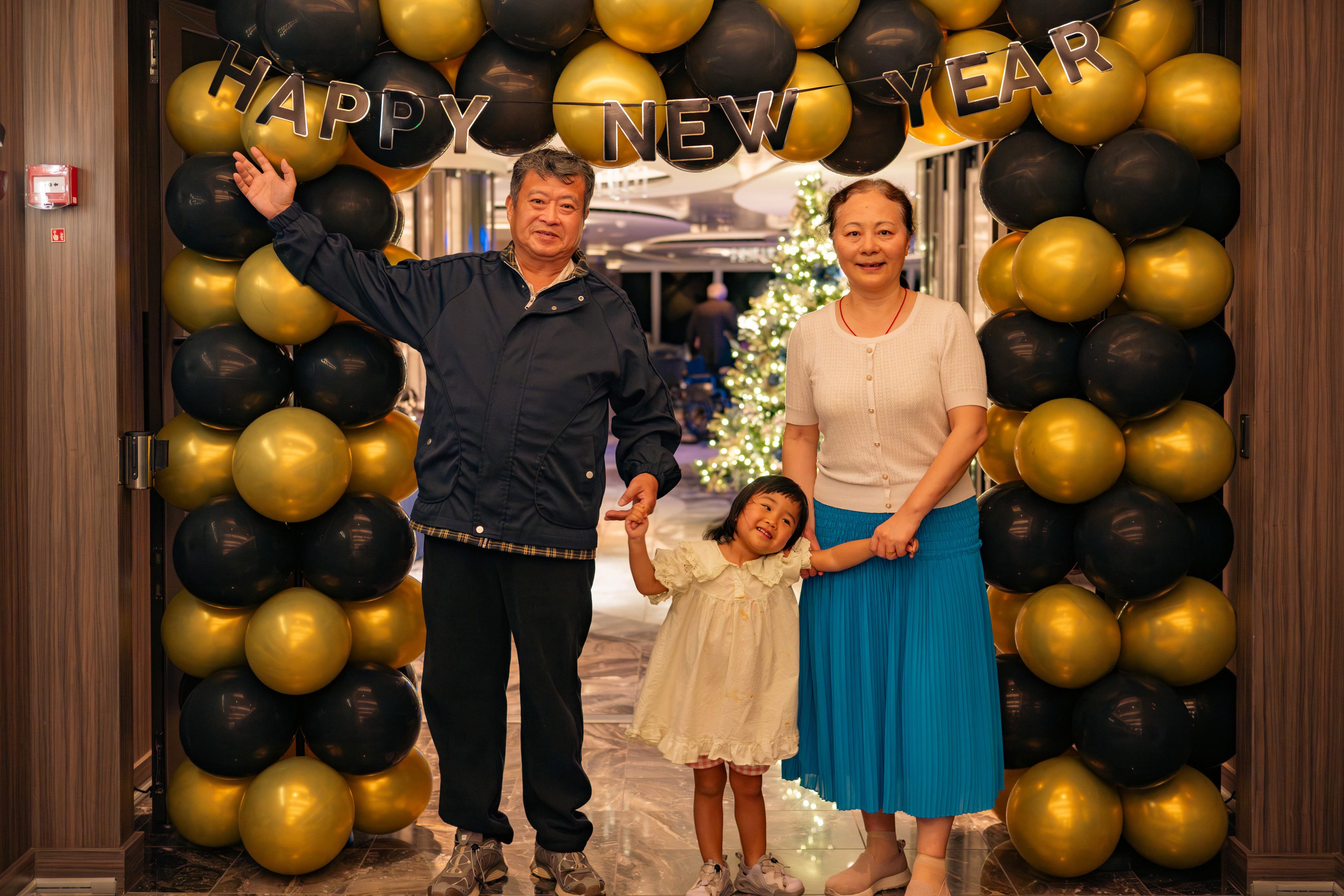
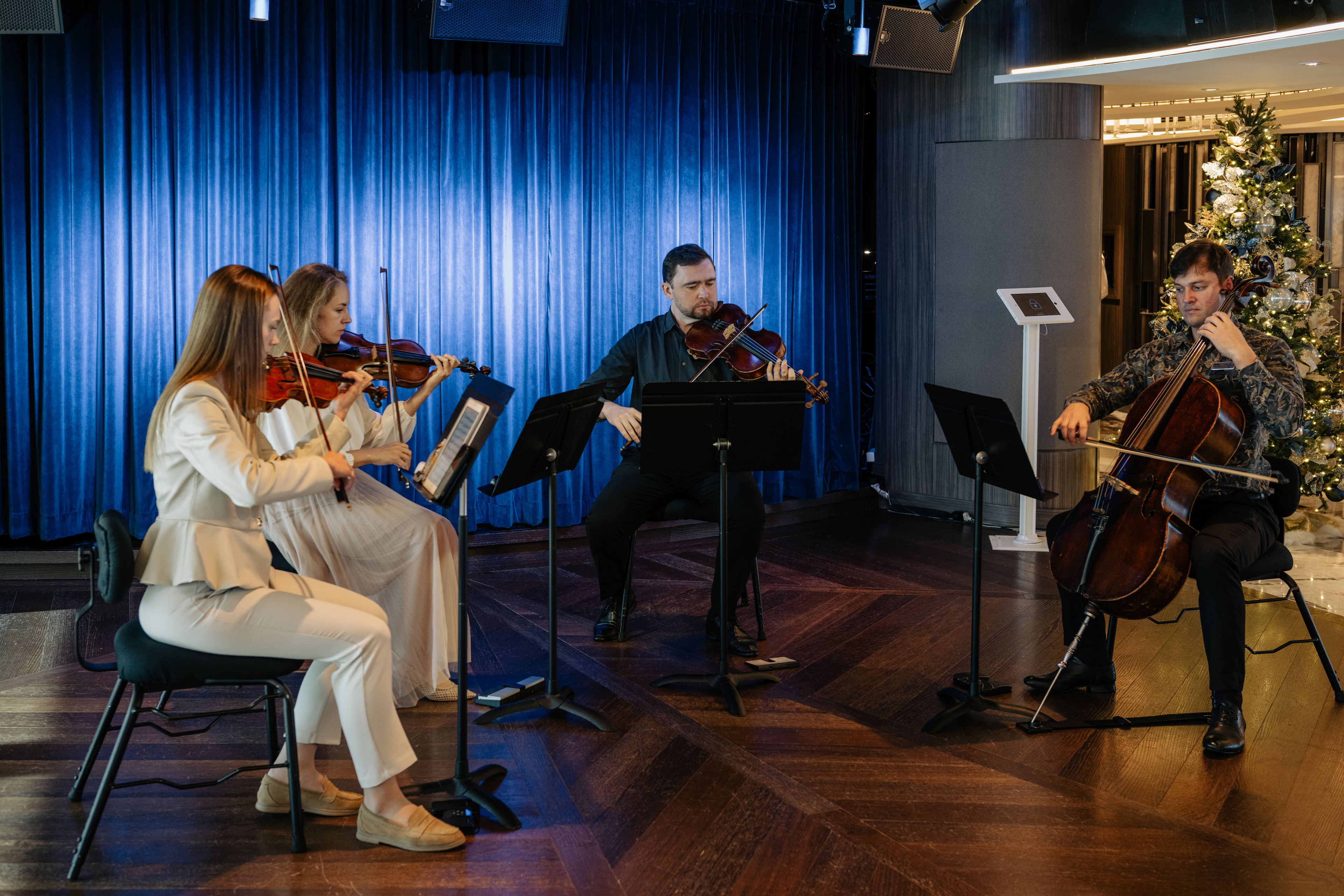
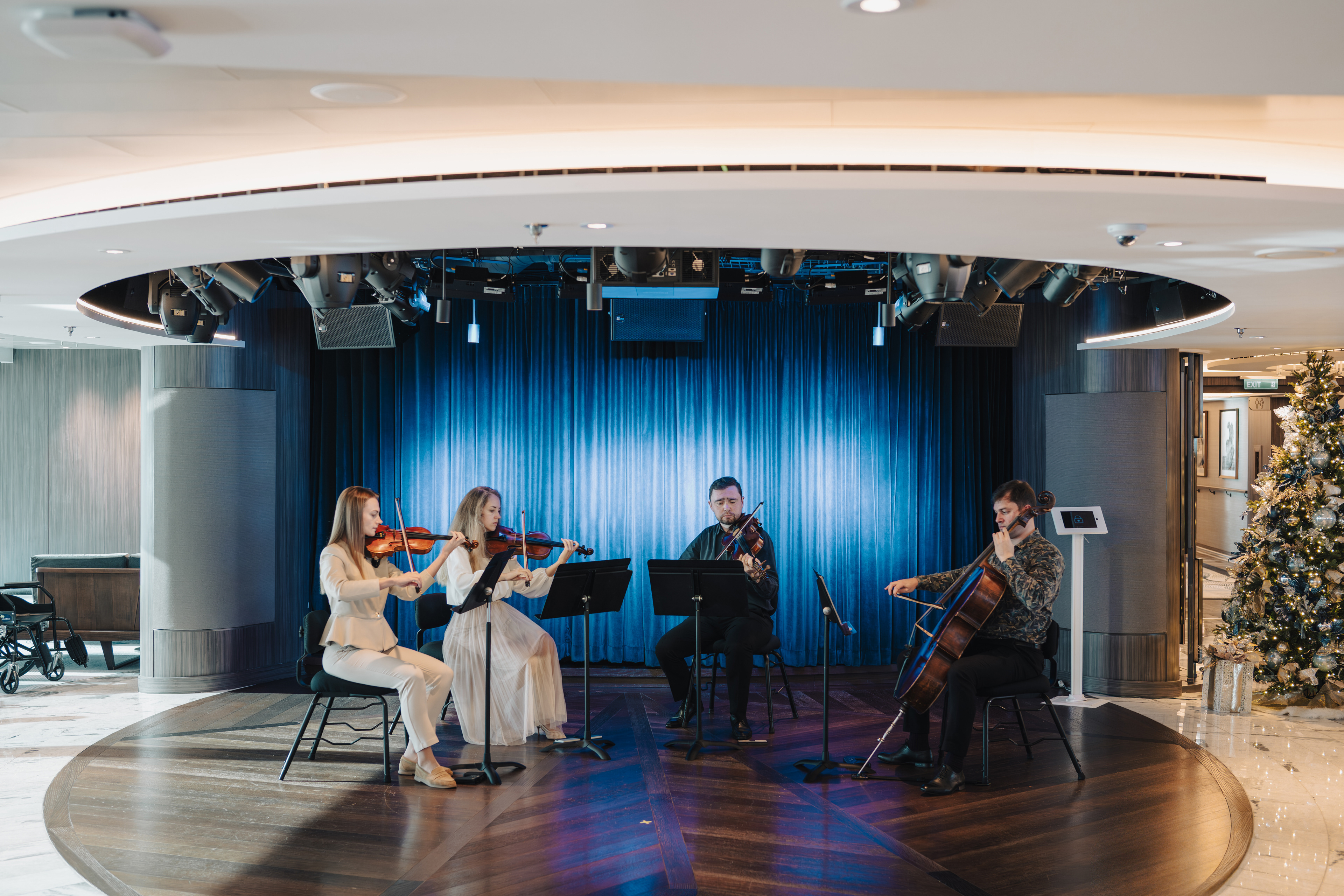
We crossed from the Pacific to the Atlantic. We celebrated Christmas at sea and on land in Mexico. We rang in 2026 in the middle of the ocean, then woke up to the Panama Canal. We watched the Primavera String Quartet play Mozart in a grand lounge while our toddler ate crackers. By any measure, this was not a normal family vacation.
This is that story.


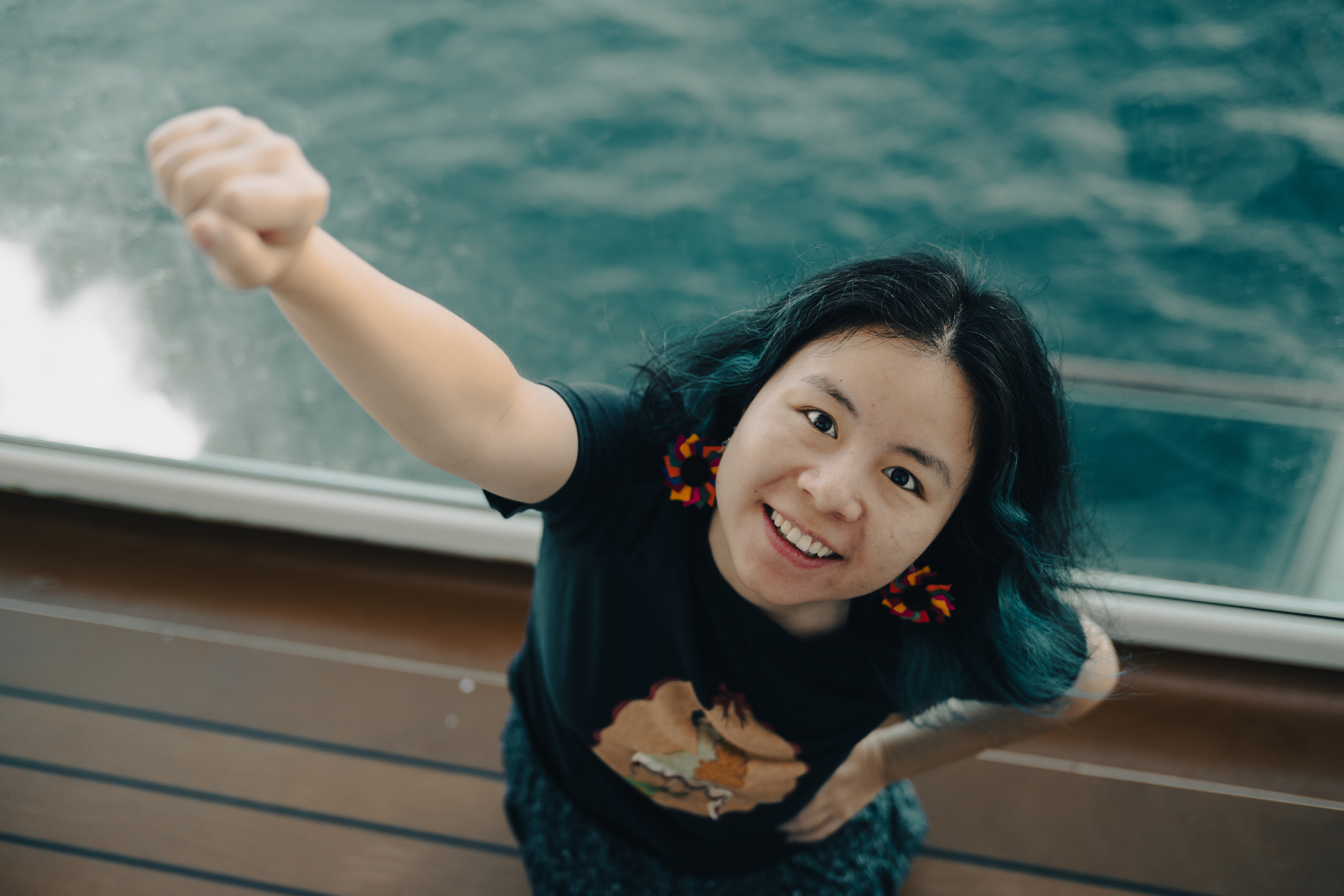
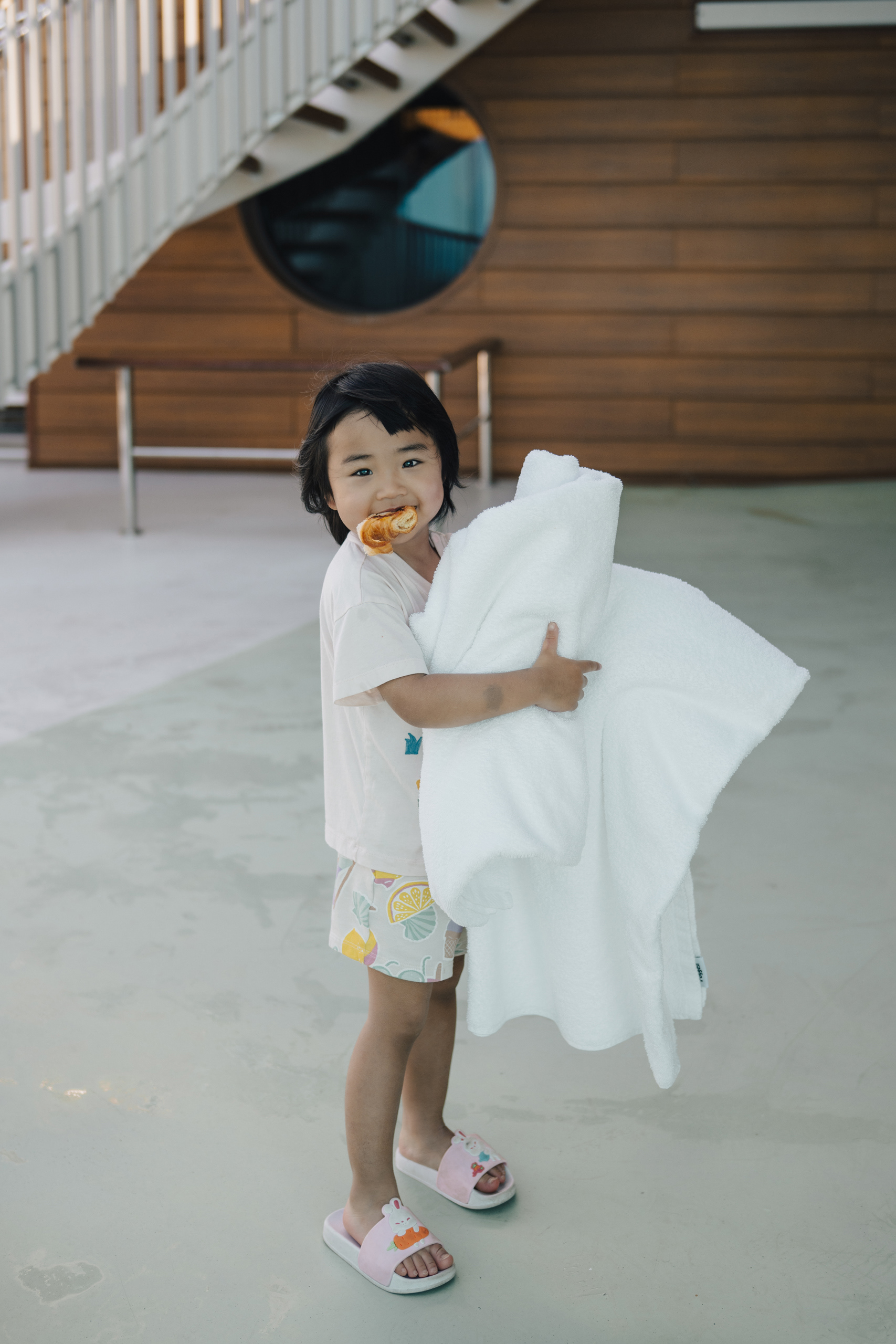
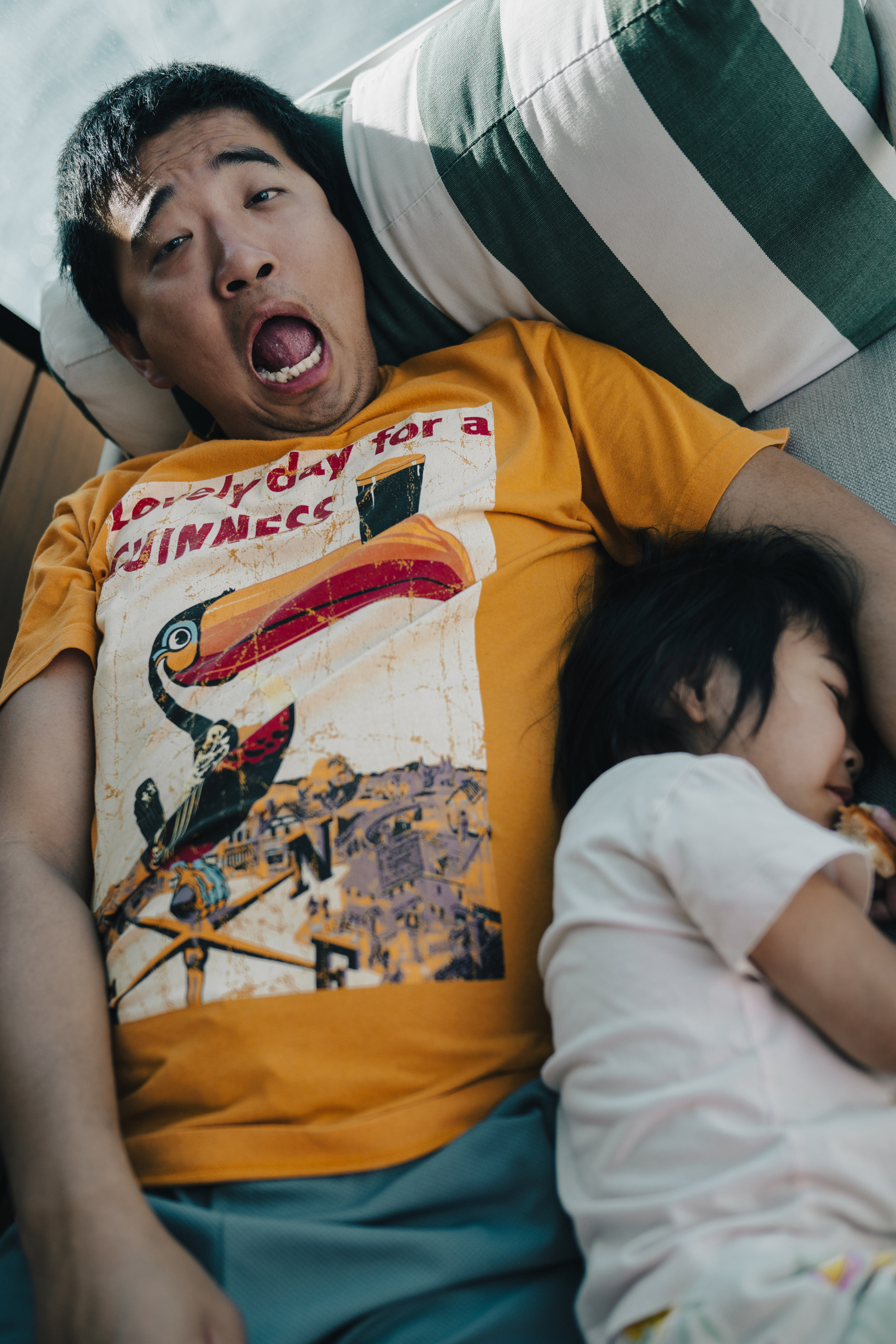
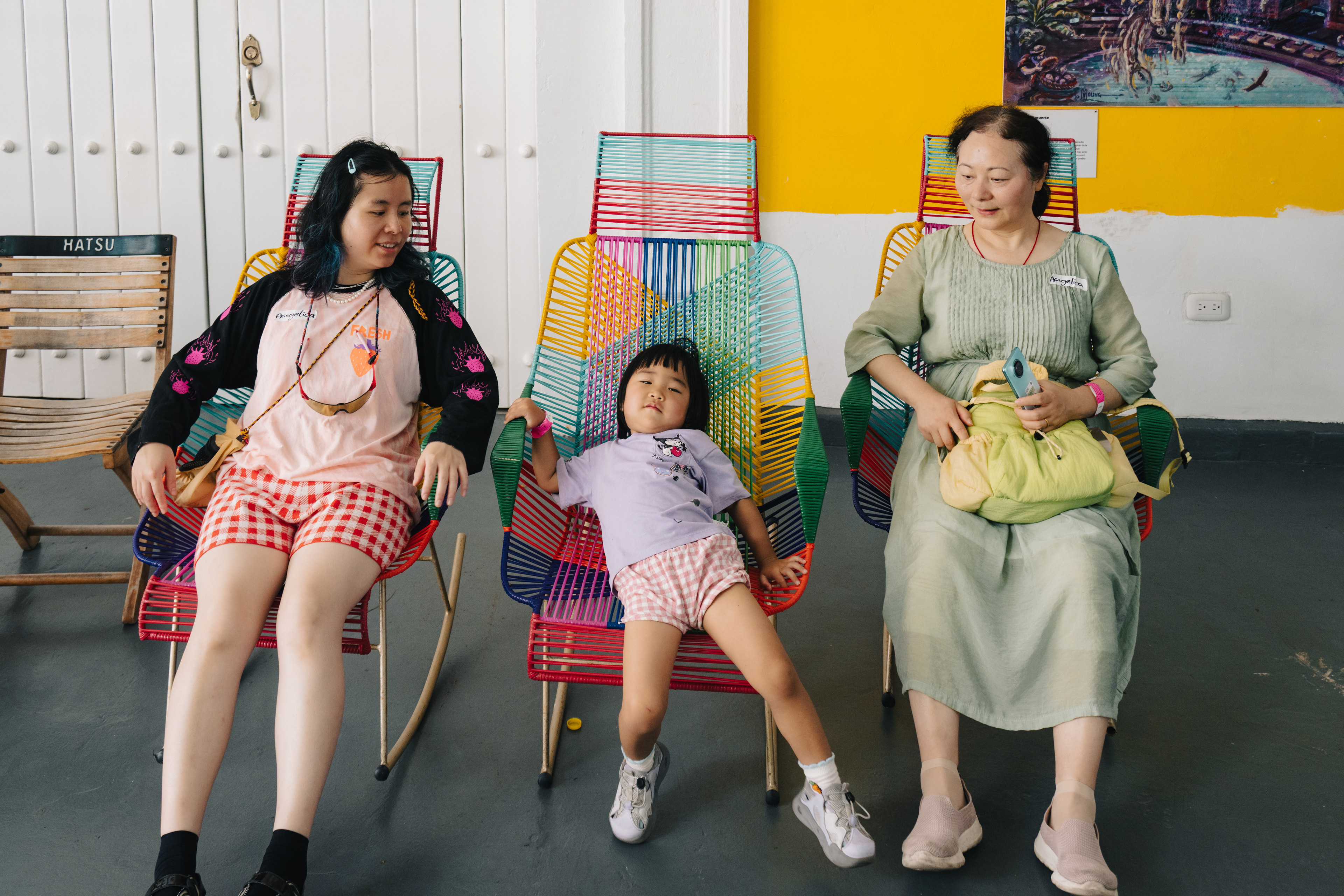
Before We Sail: What Is Oceania, Exactly?
If you've never heard of Oceania Cruises, you're in good company. It occupies a curious and arguably perfect middle lane in the cruise market — more polished than the big mass-market ships (Carnival, Royal Caribbean, NCL), but without the "if you have to ask, you can't afford it" energy of the true luxury lines like Seabourn or Regent. The cruising world has a term for this: upper premium. Oceania calls itself the home of "the finest cuisine at sea," which is either a bold marketing claim or, as I discovered, a genuine statement of intent.
Here's what actually makes Oceania different from most cruises you've been on or heard about:
The ship is small. Vista, the ship we sailed on, carries a maximum of 1,200 guests. Royal Caribbean's Icon of the Seas holds over 7,600. Even the "mid-size" ships from mainstream lines typically run 3,000–4,500 passengers. On Vista, you start recognizing the same faces by day three. By day ten, you have inside jokes with the couple from Arizona who always shows up at afternoon tea.
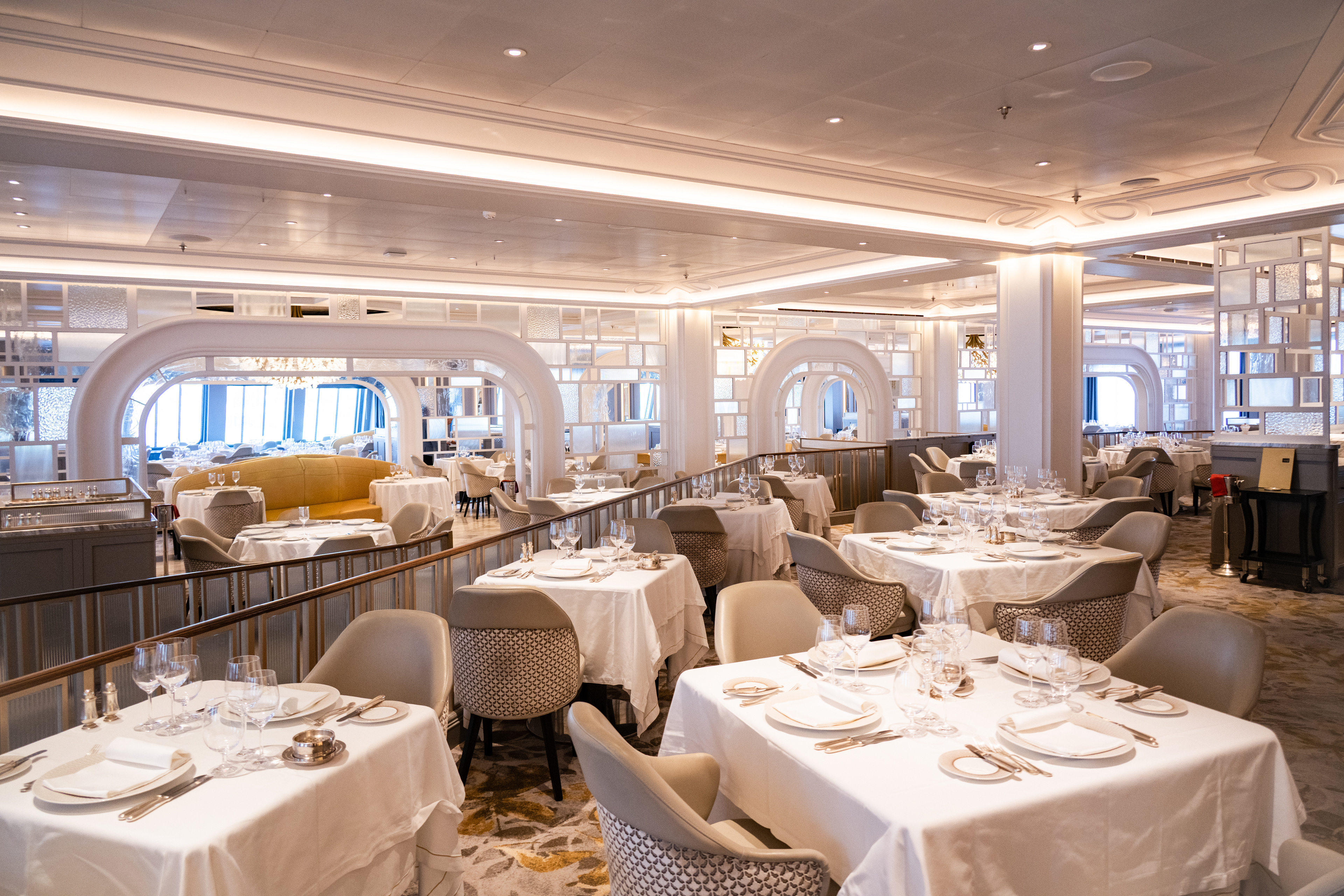
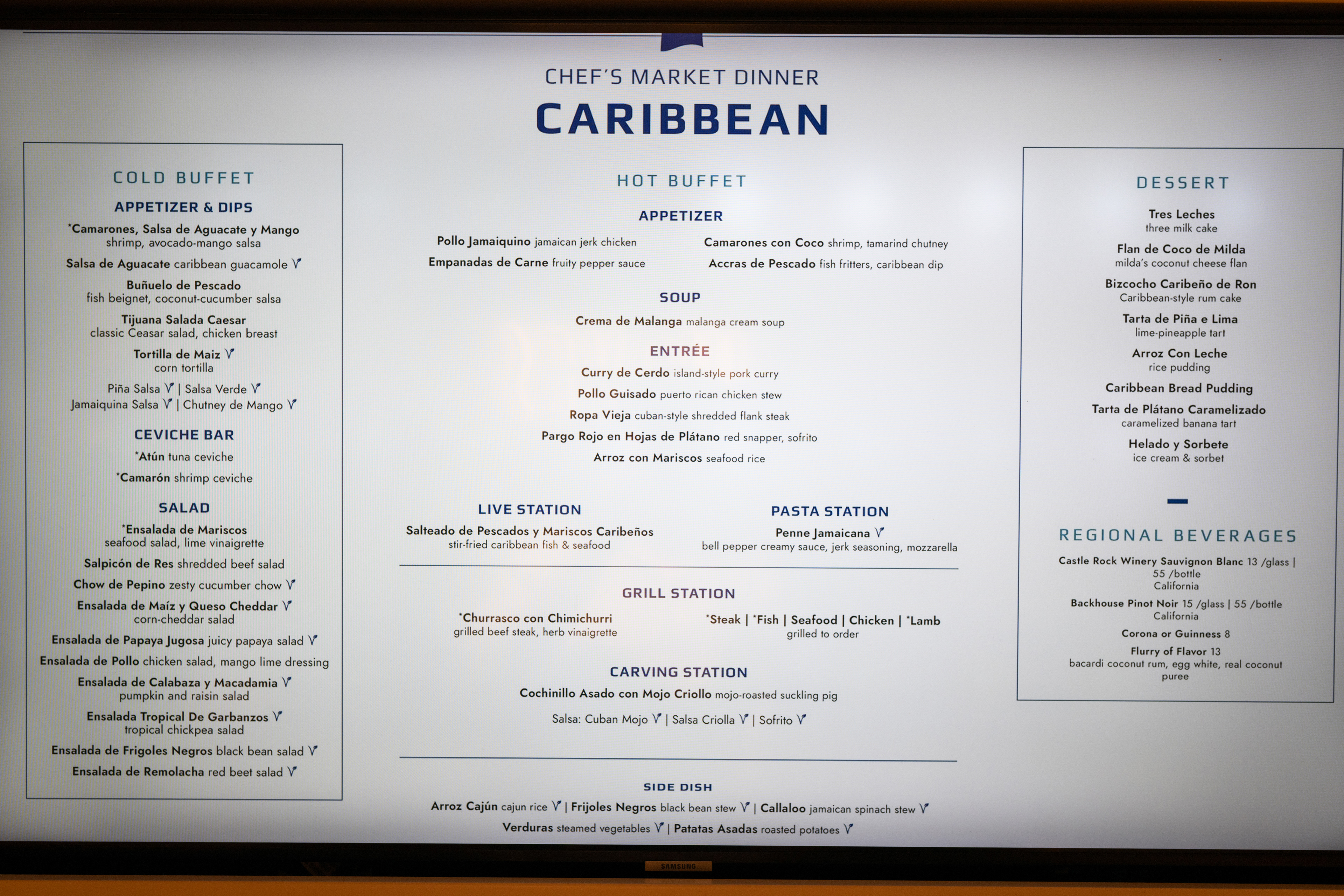
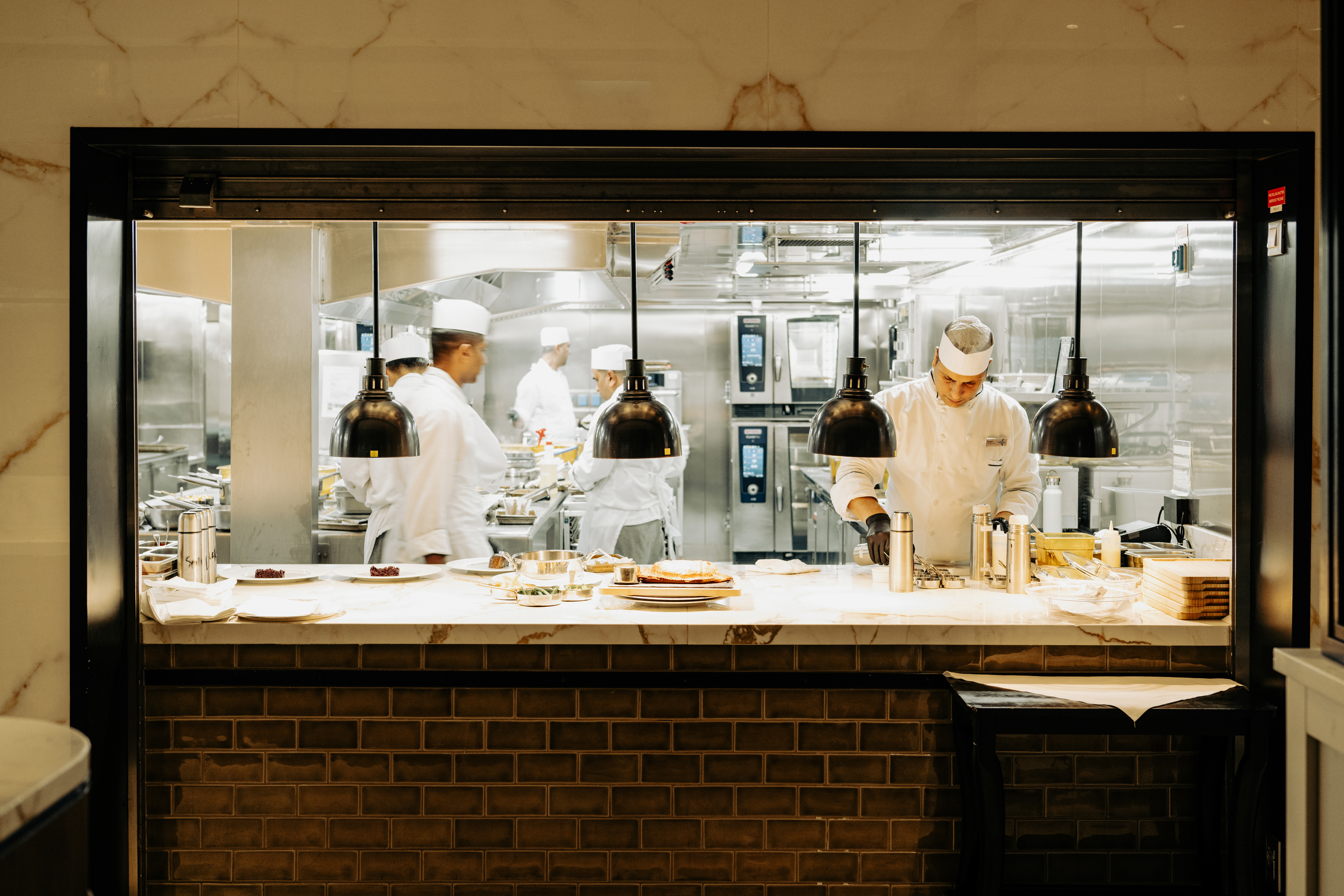
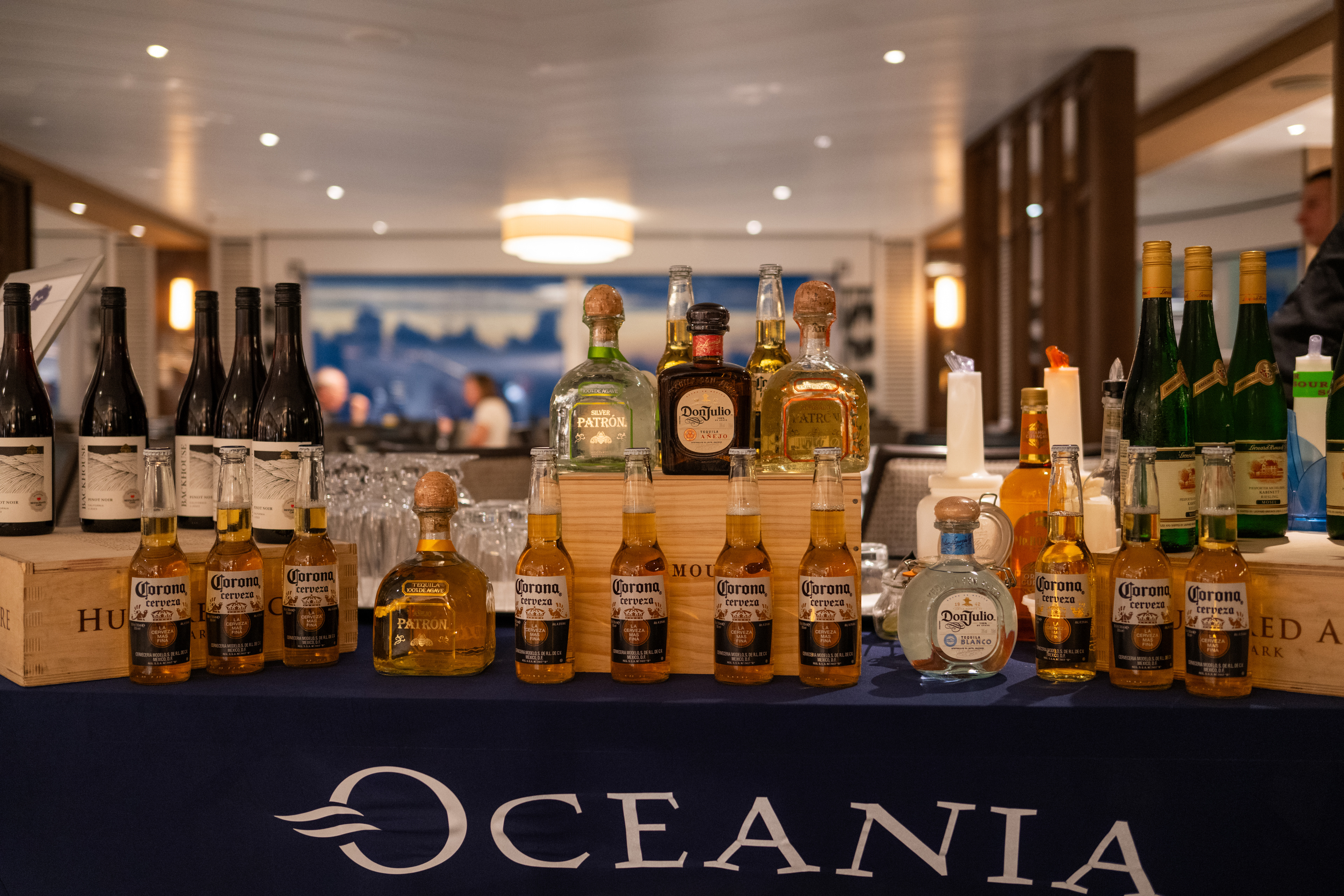
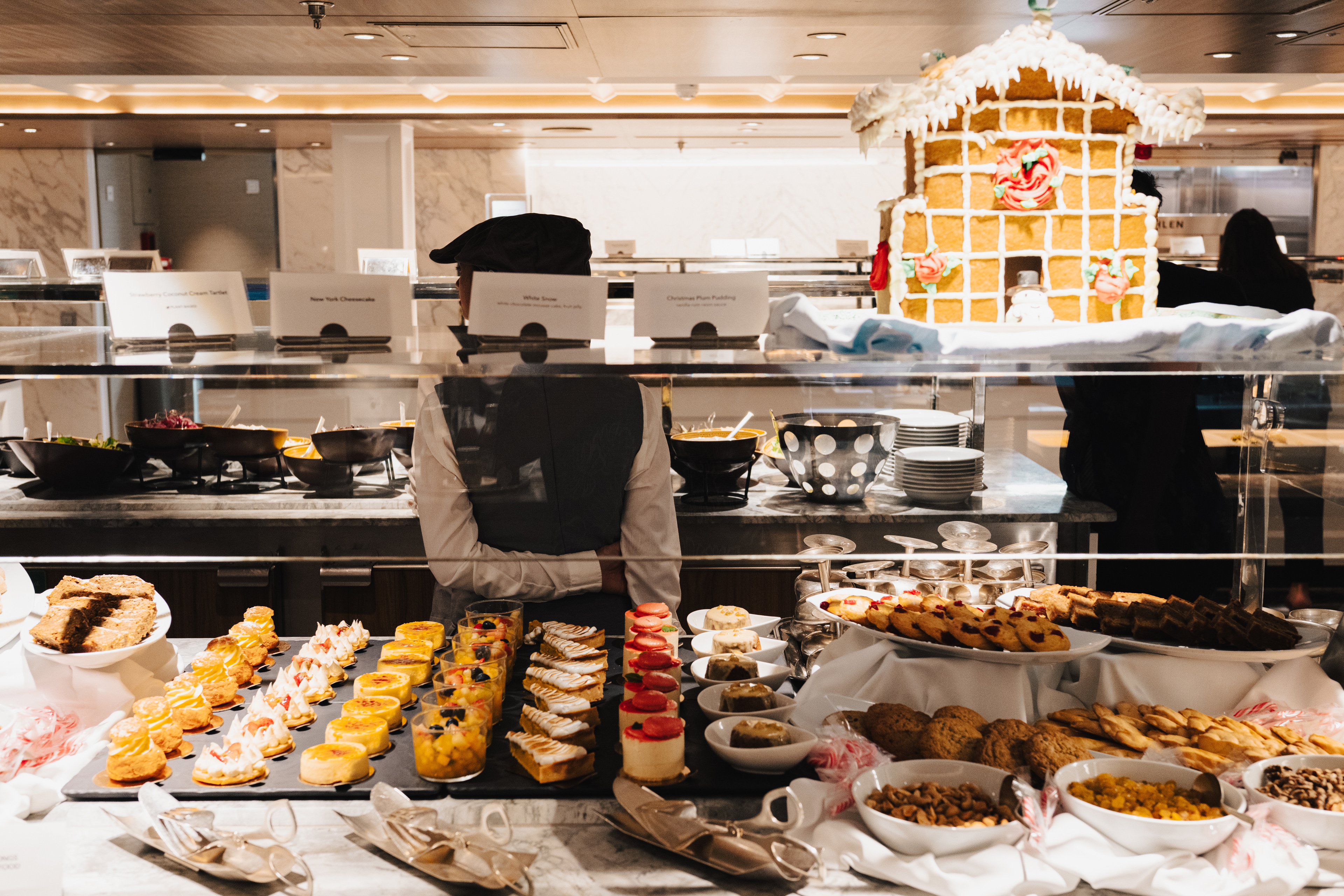
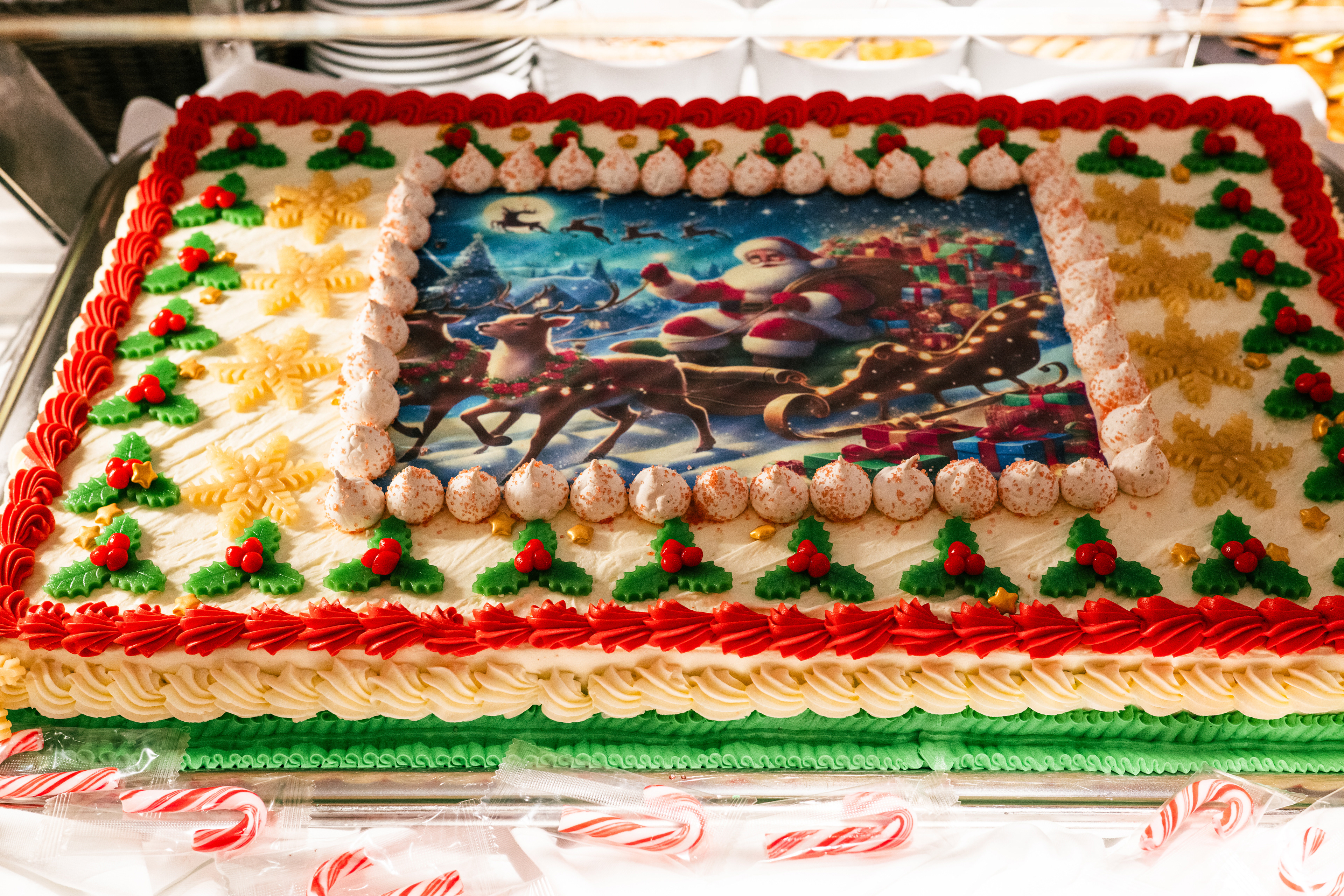
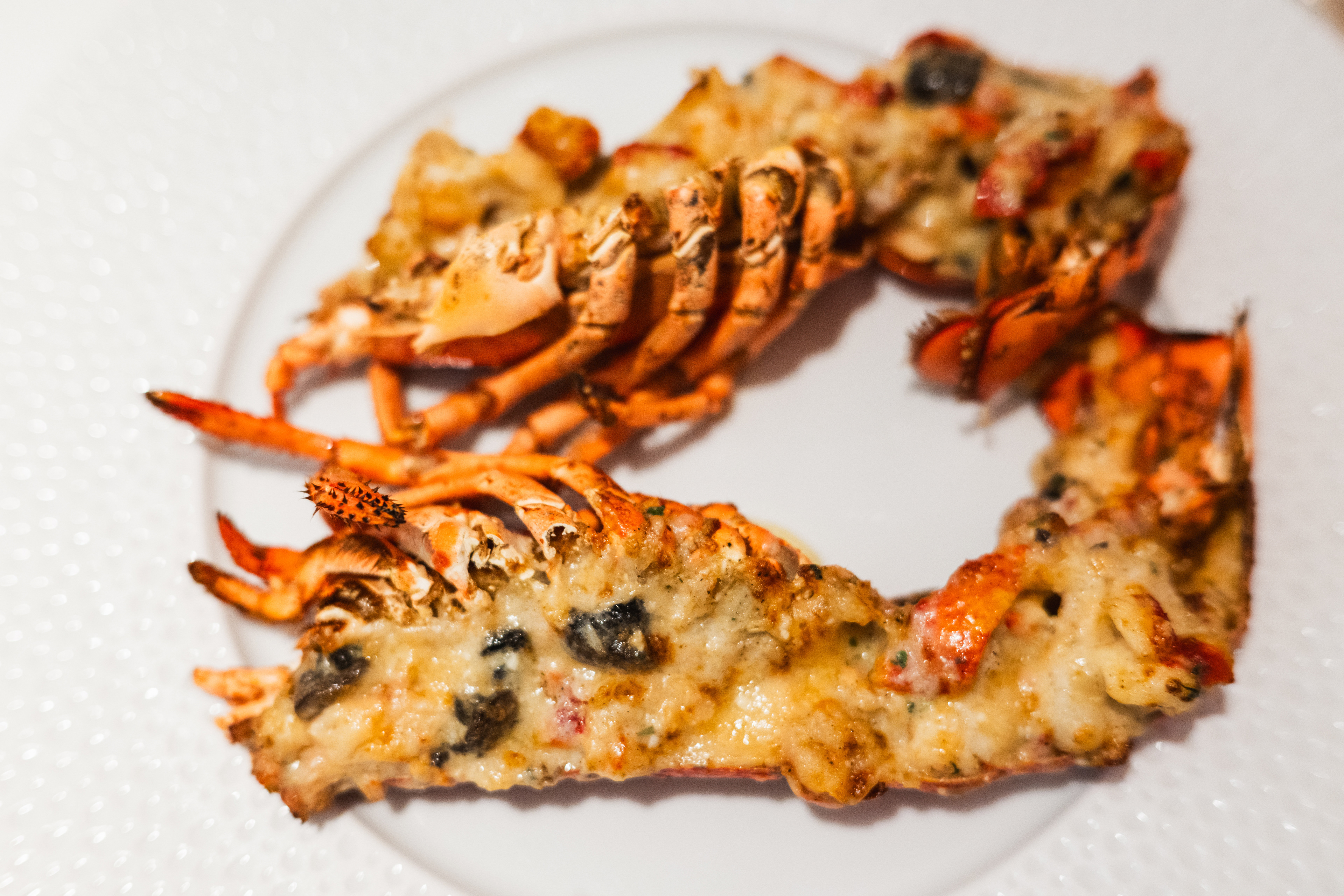
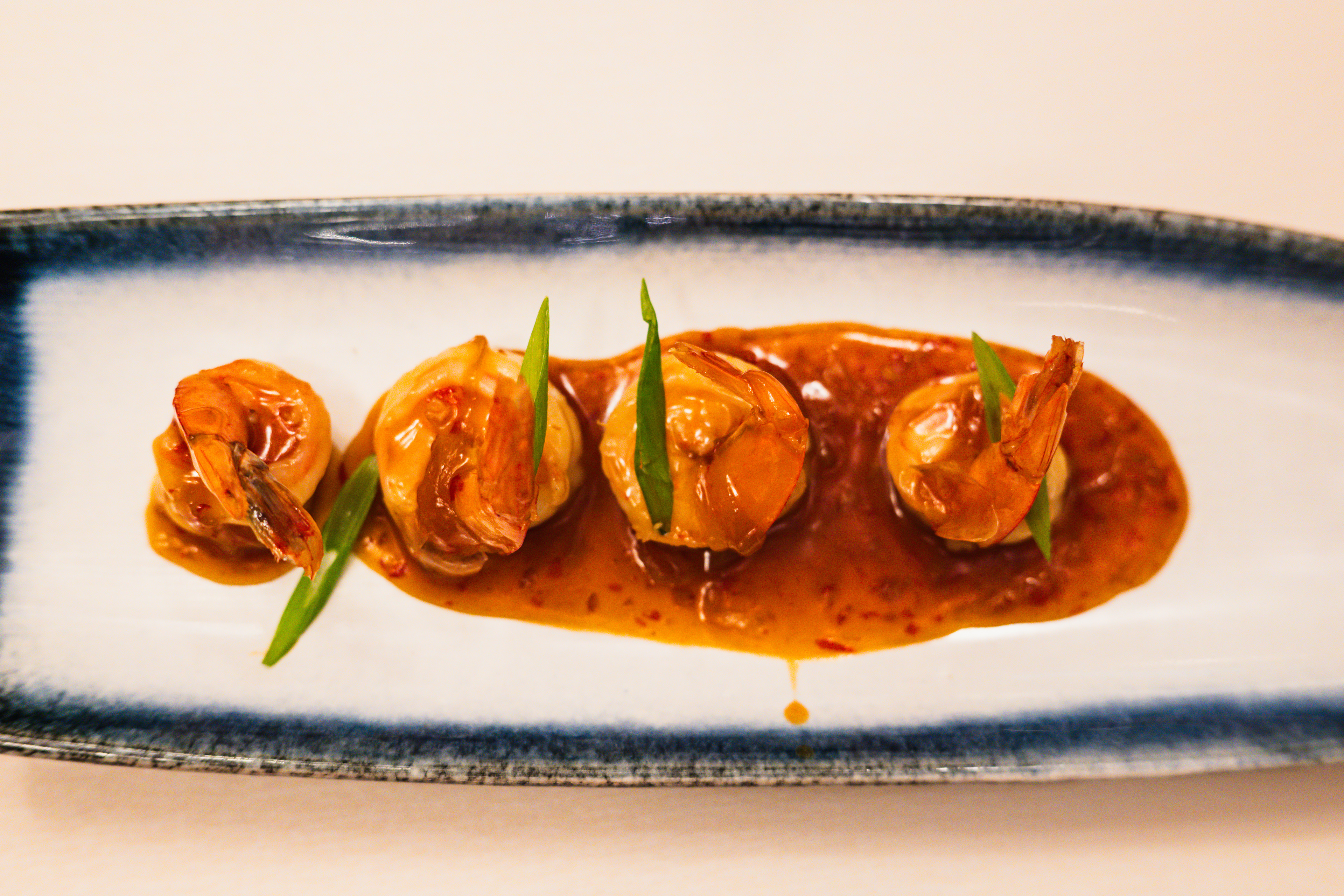
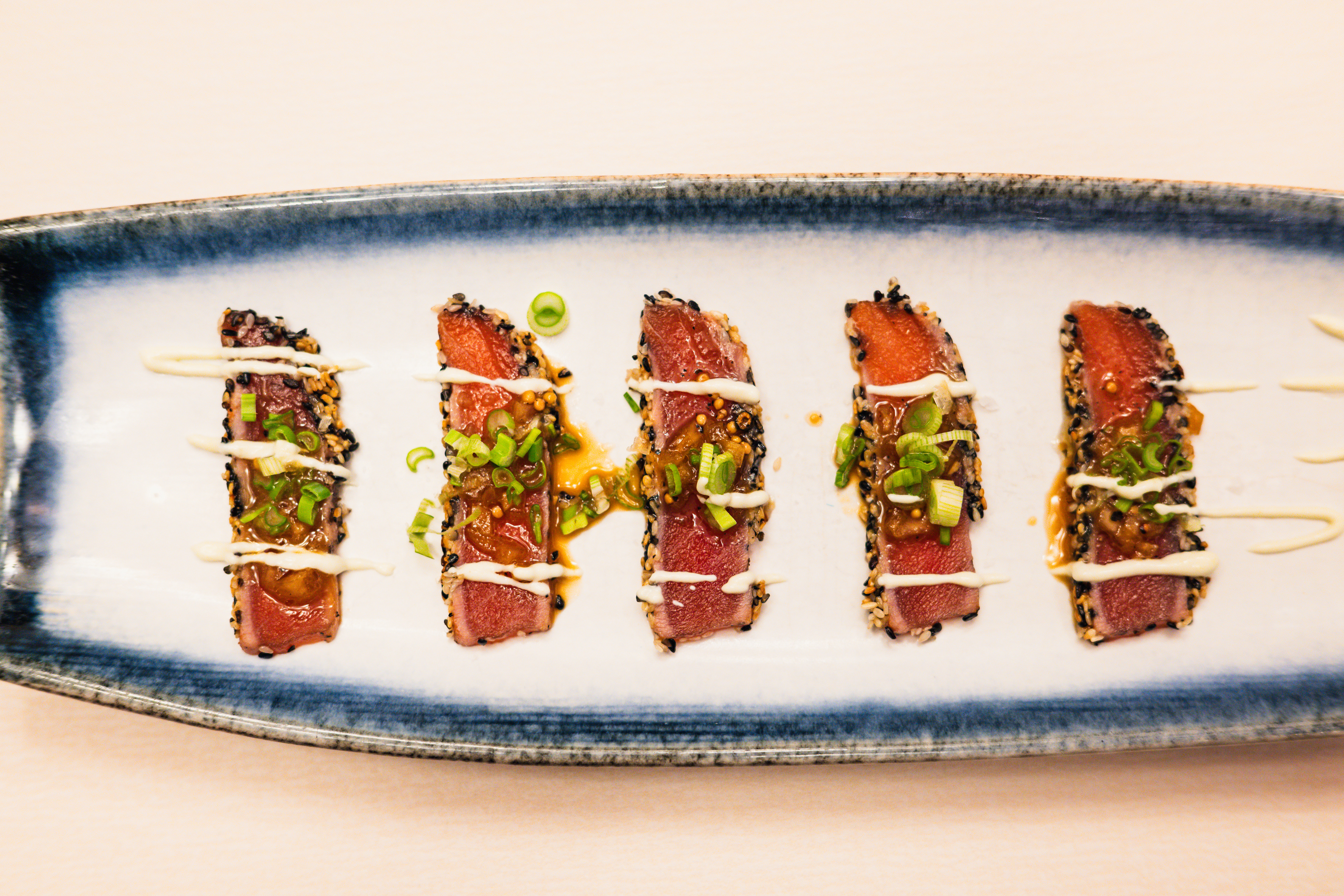
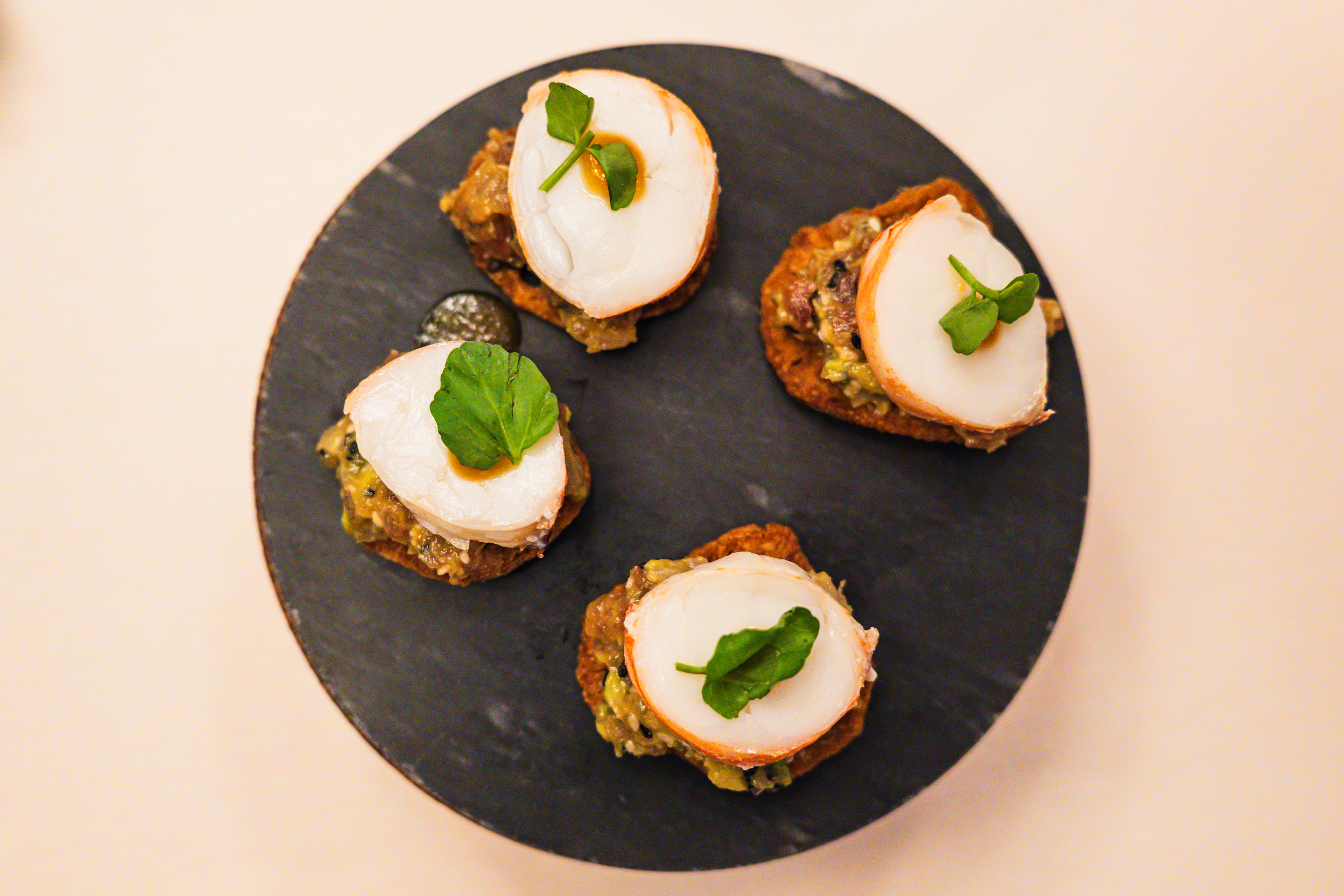
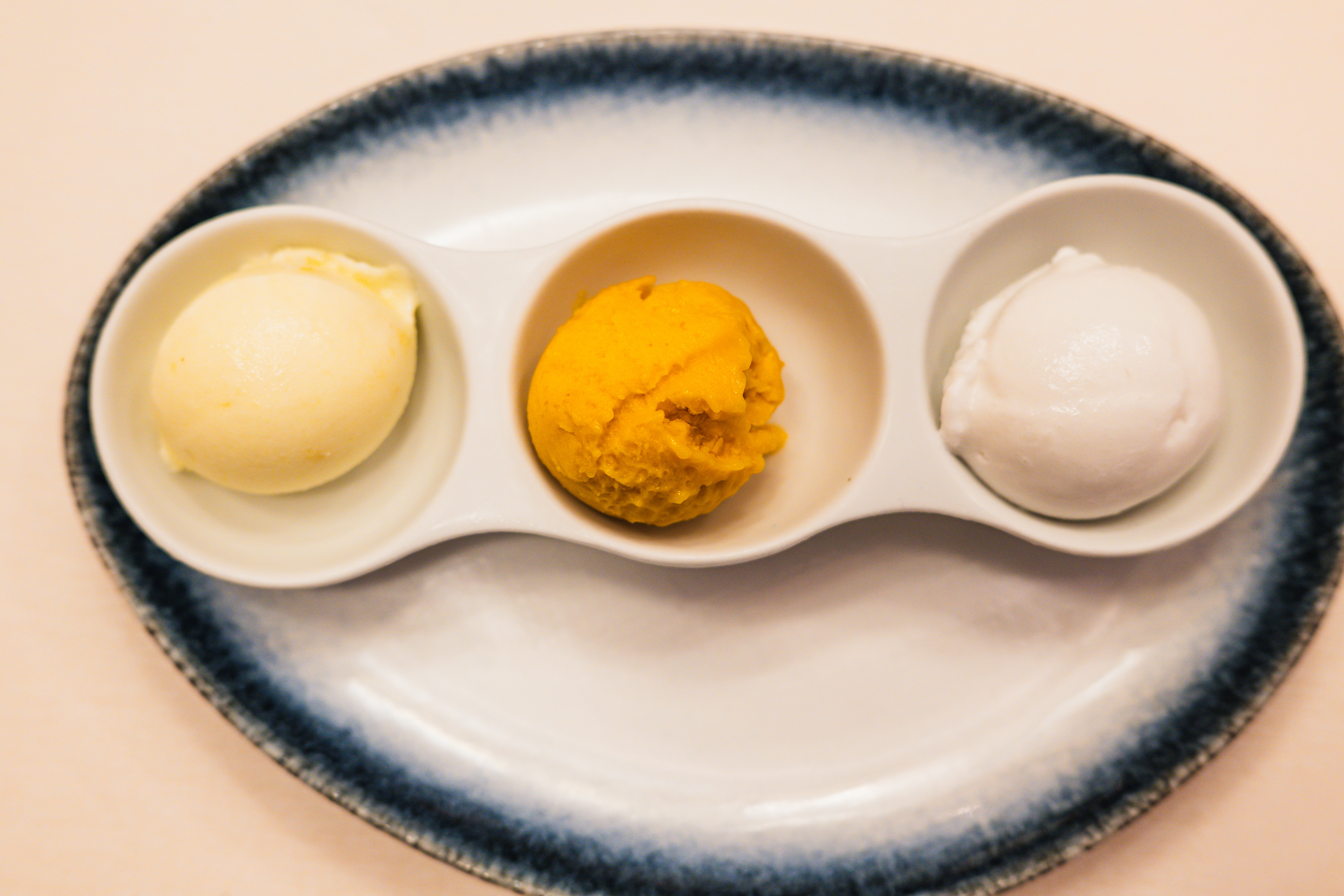
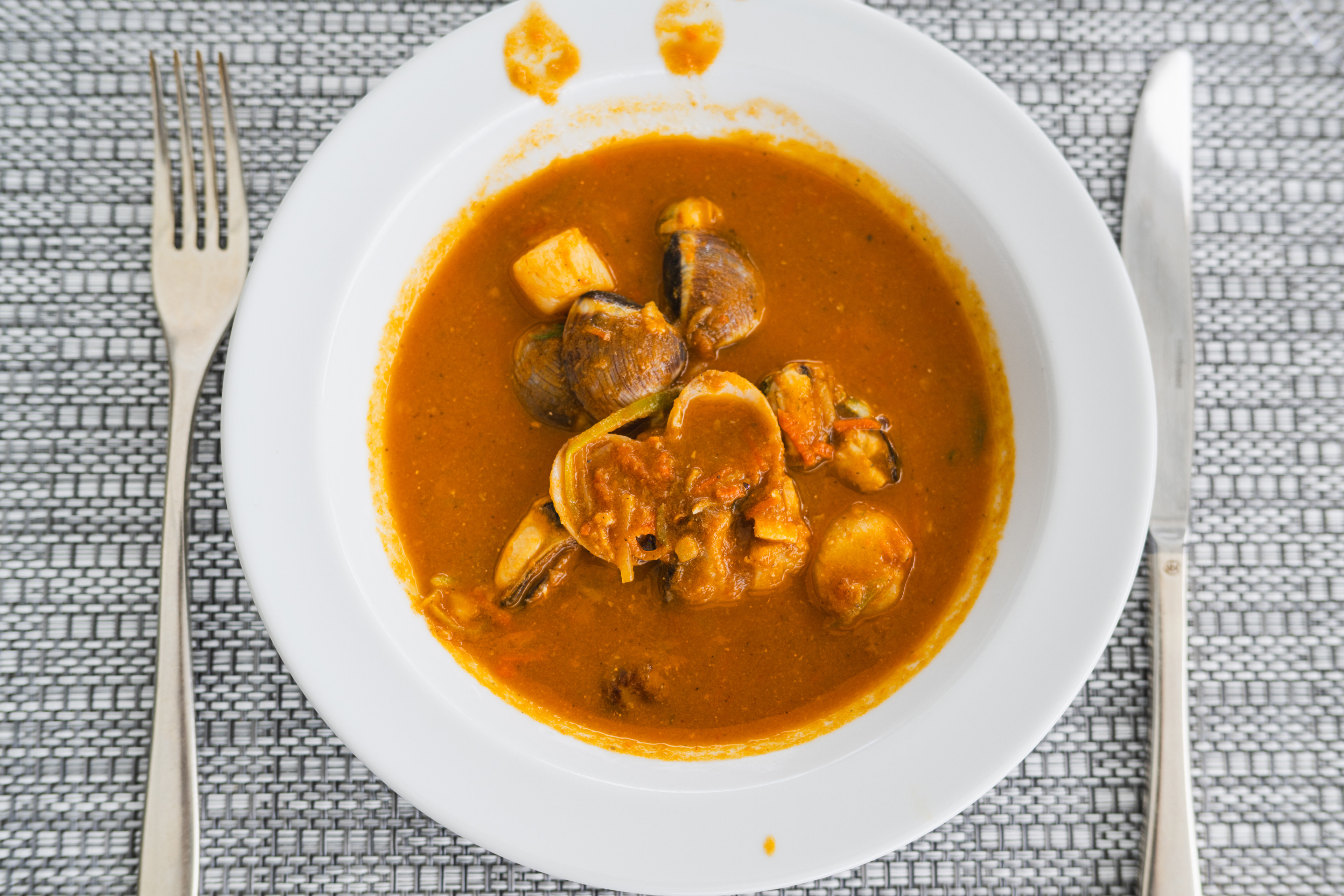
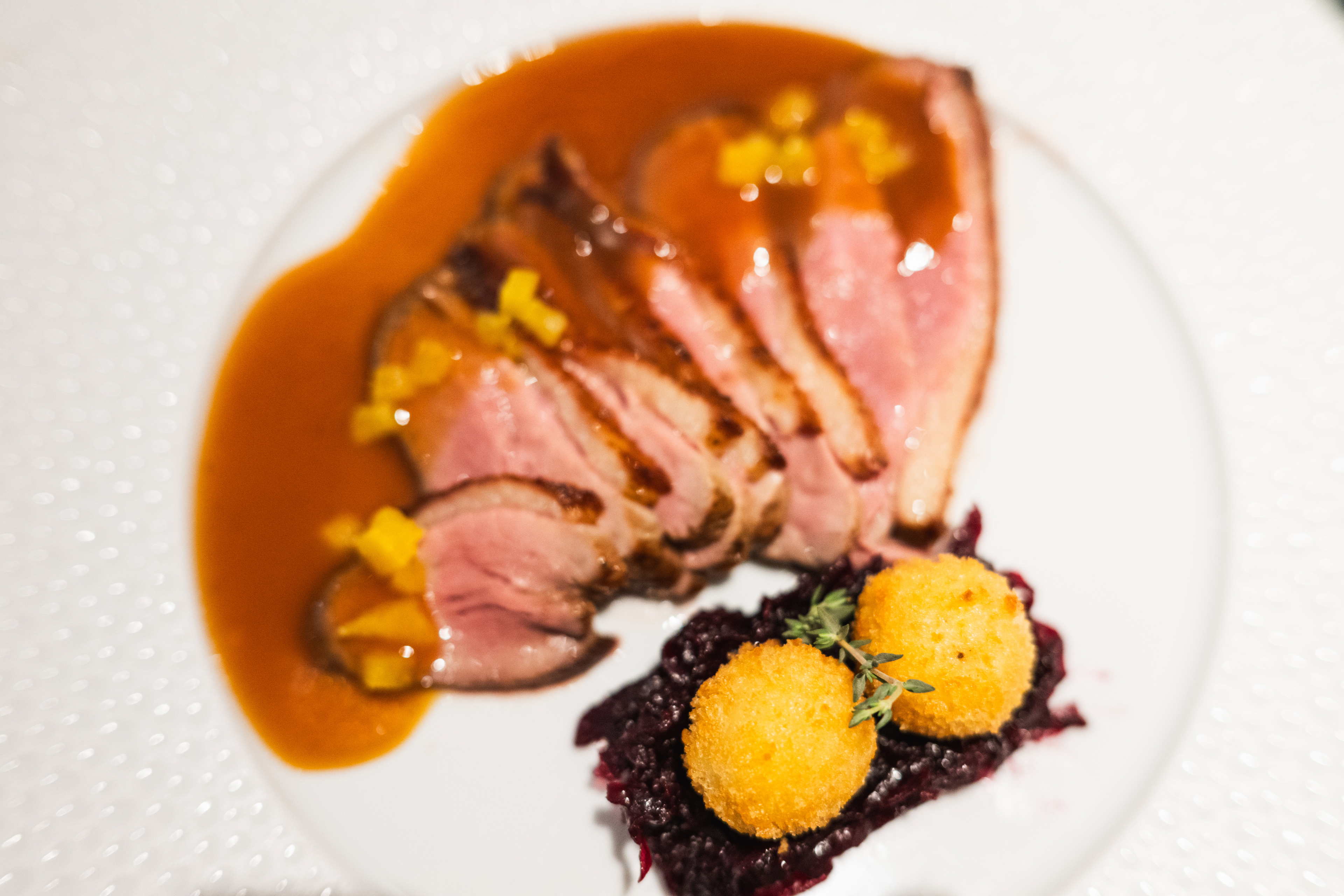
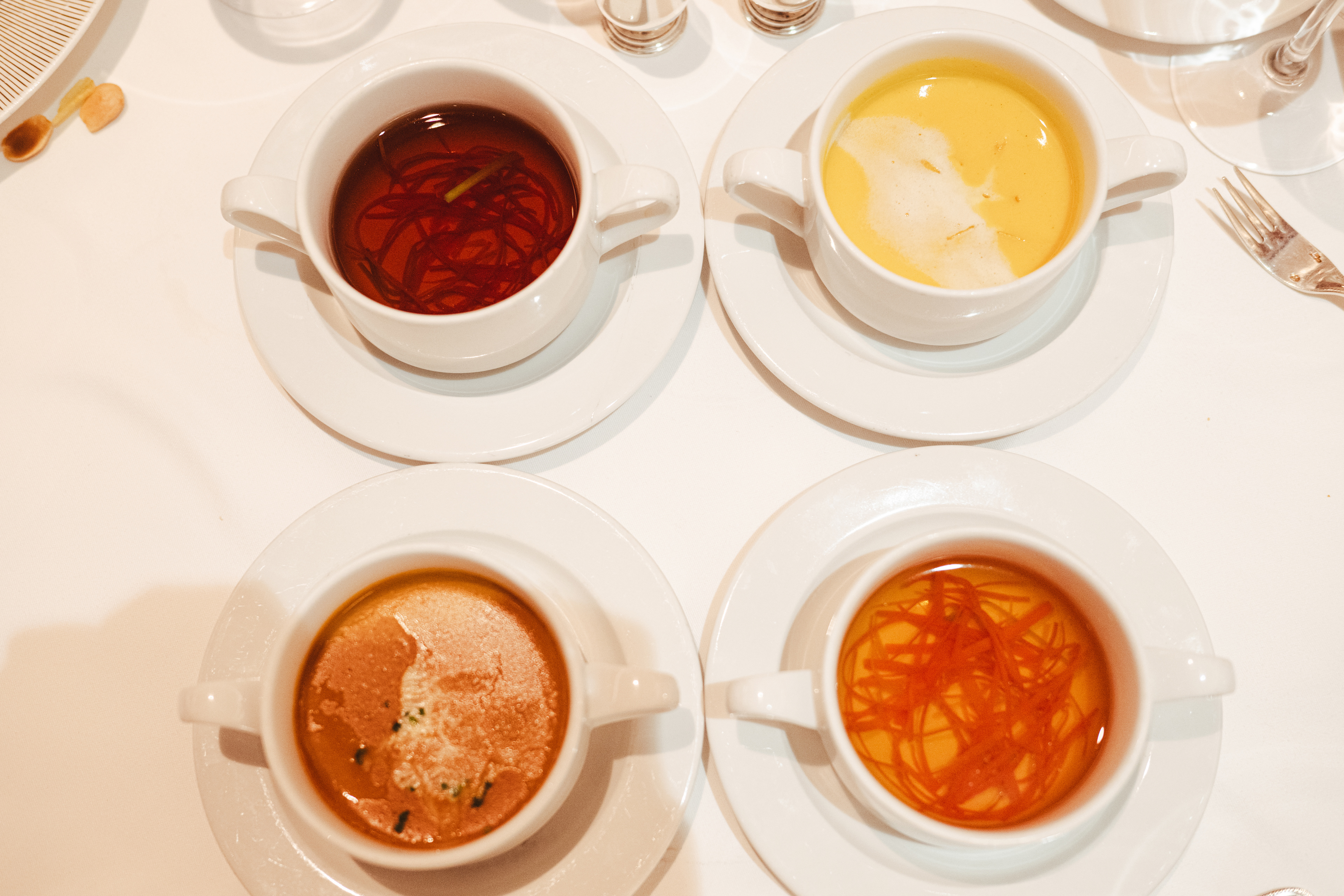
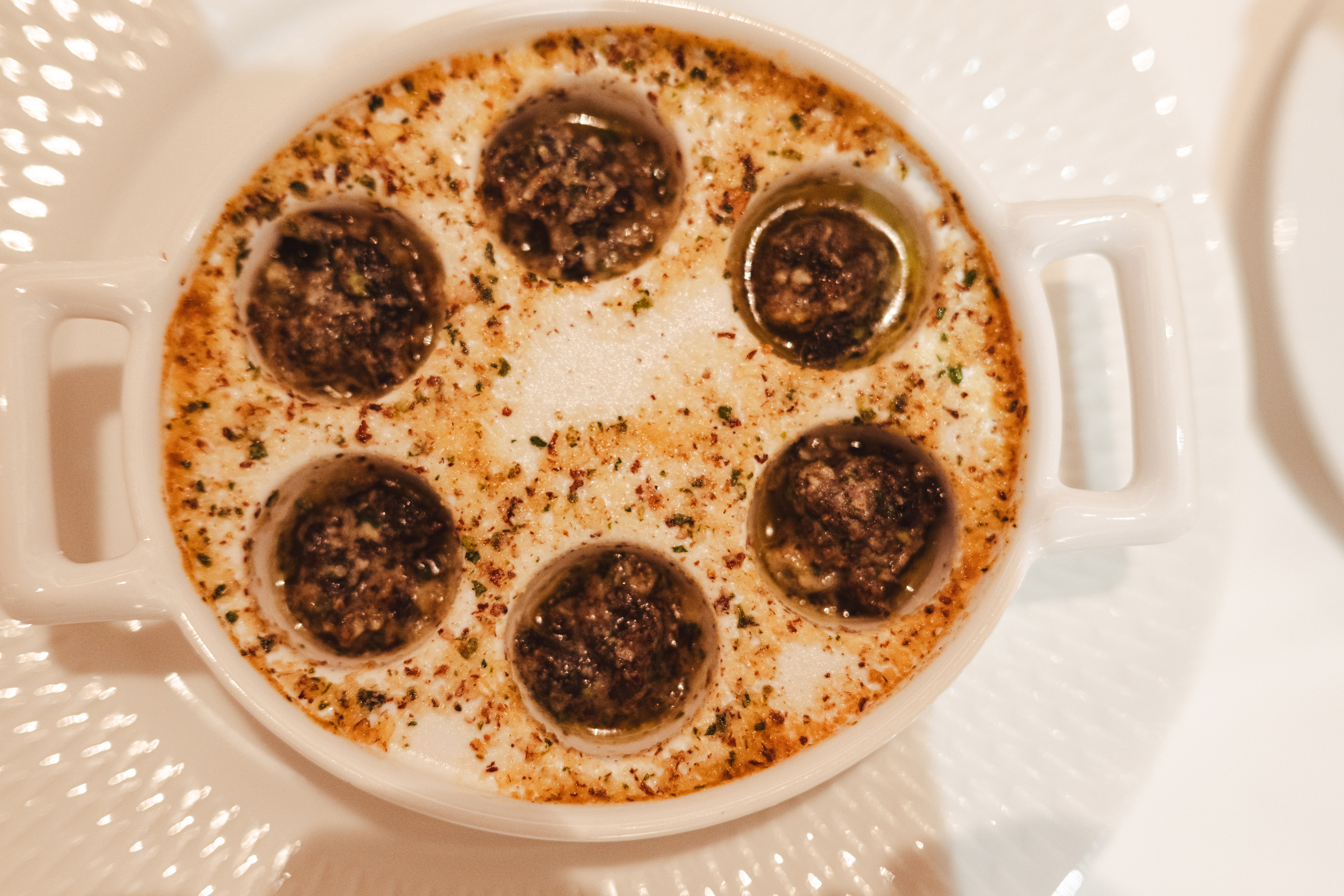
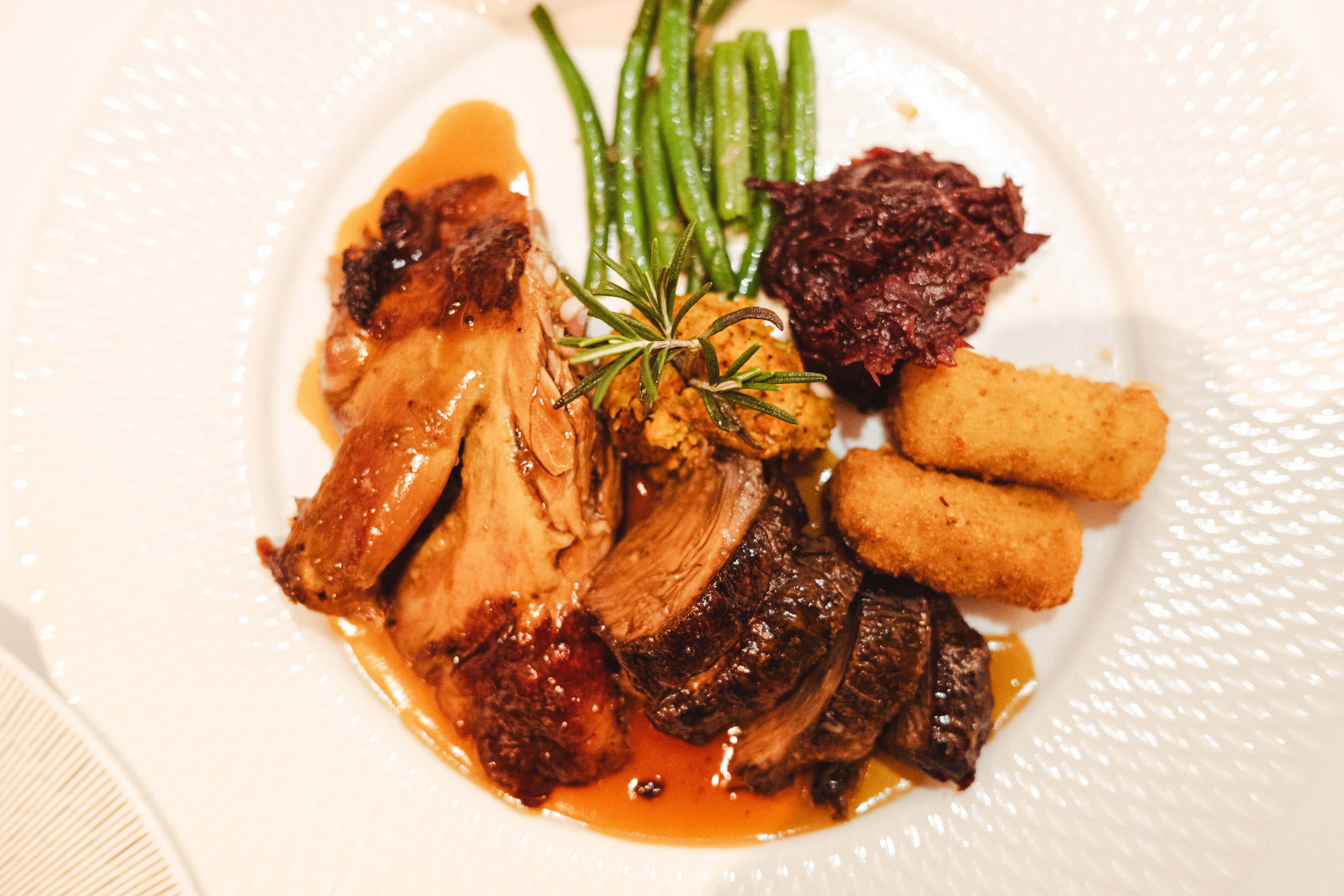
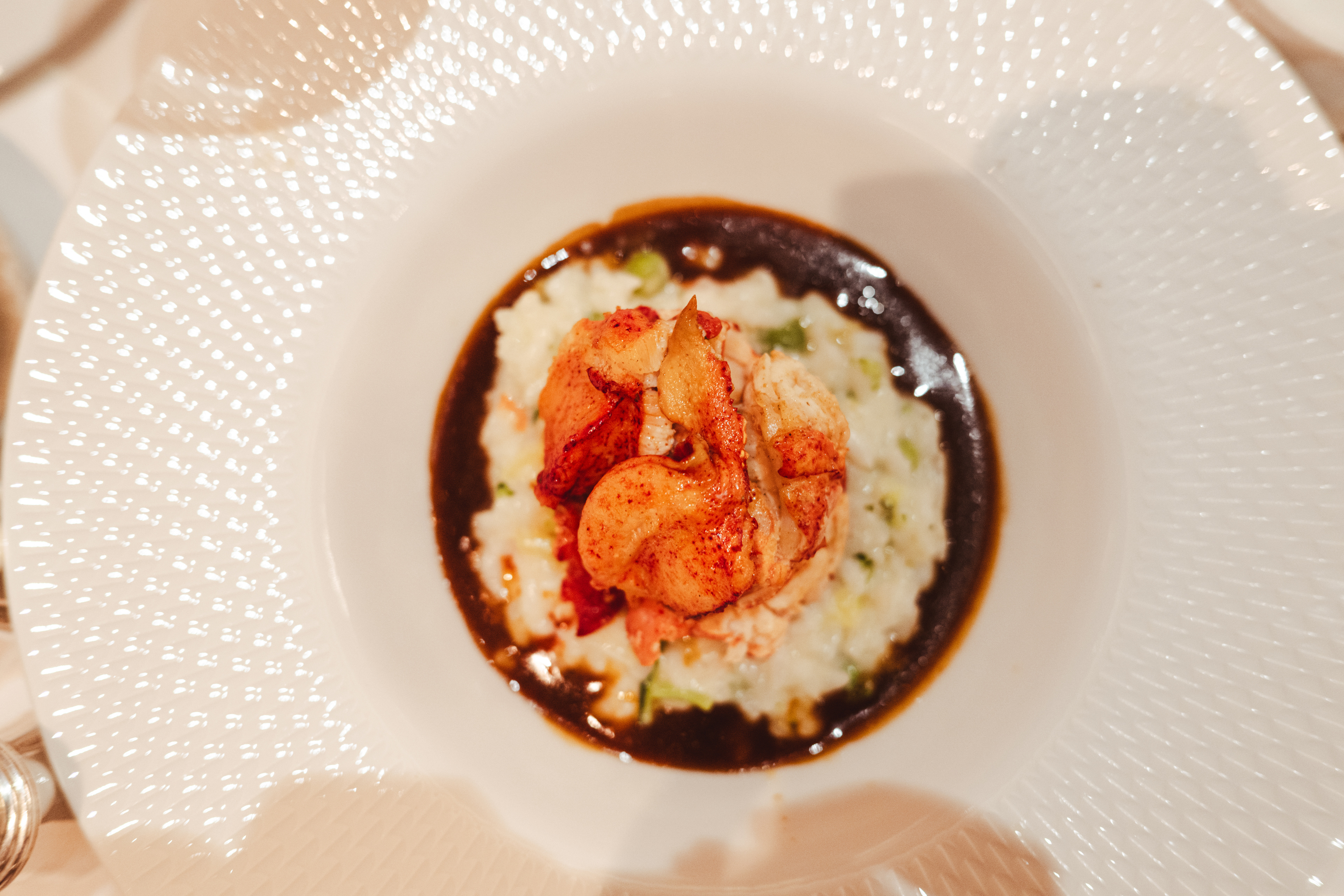
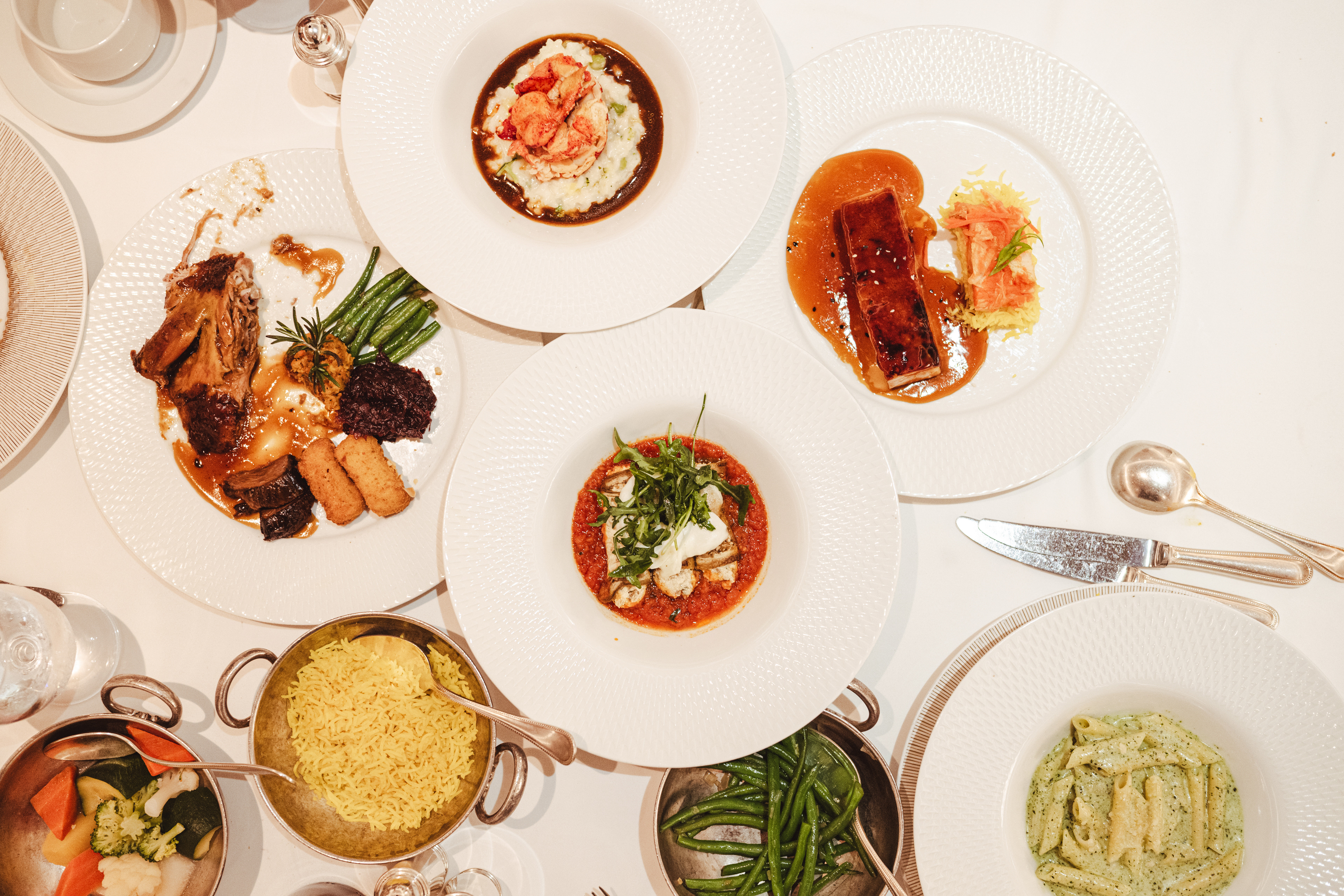
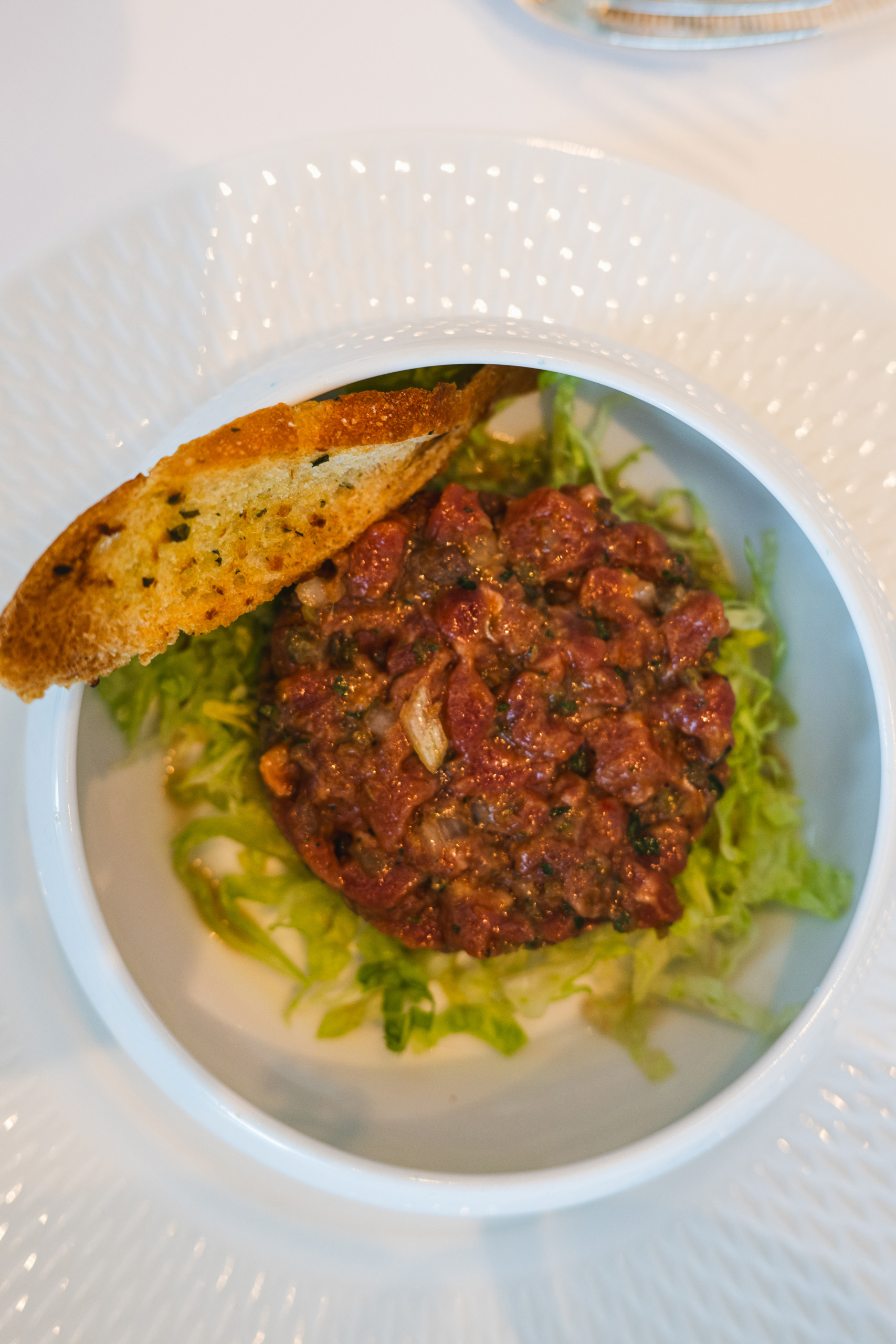
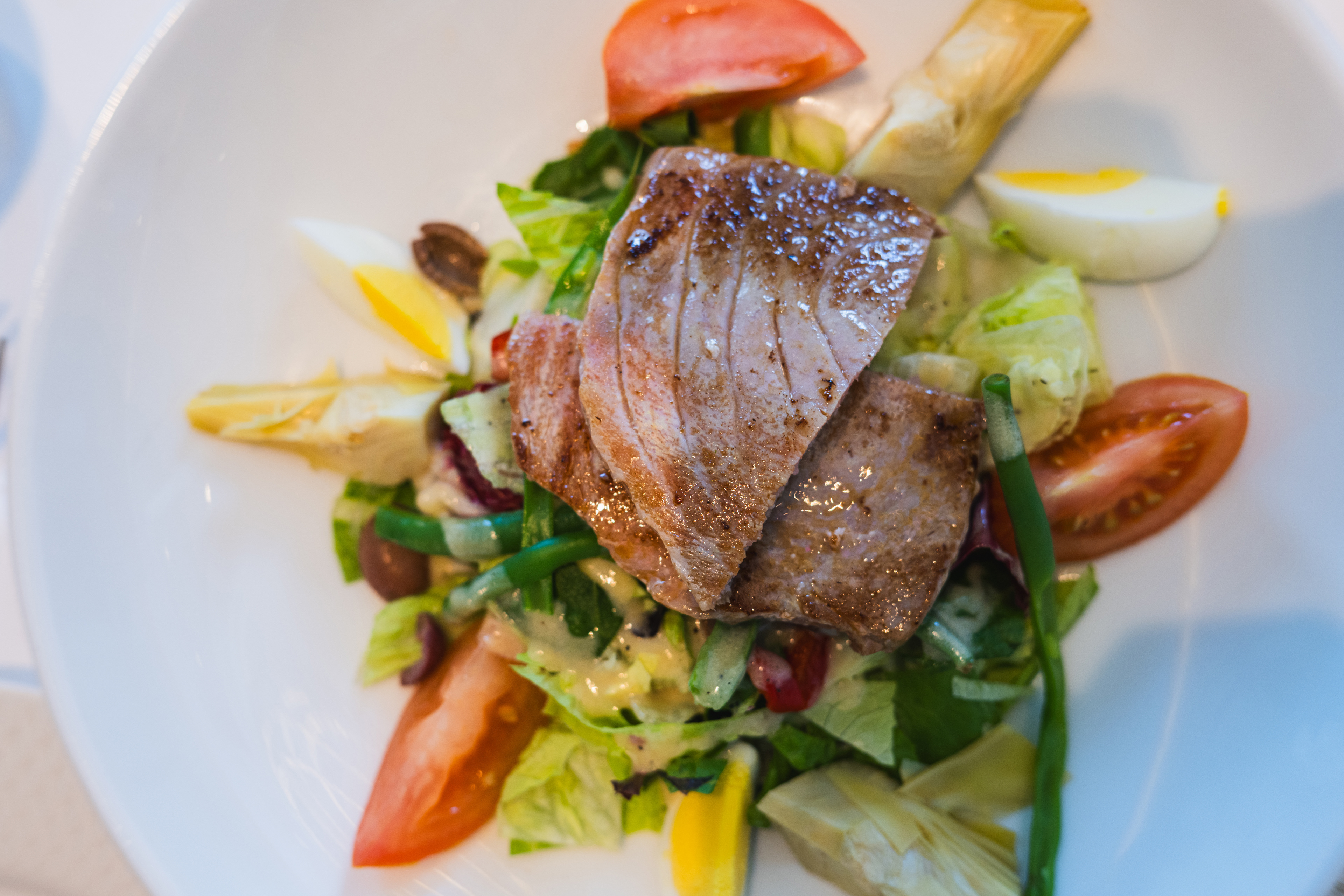
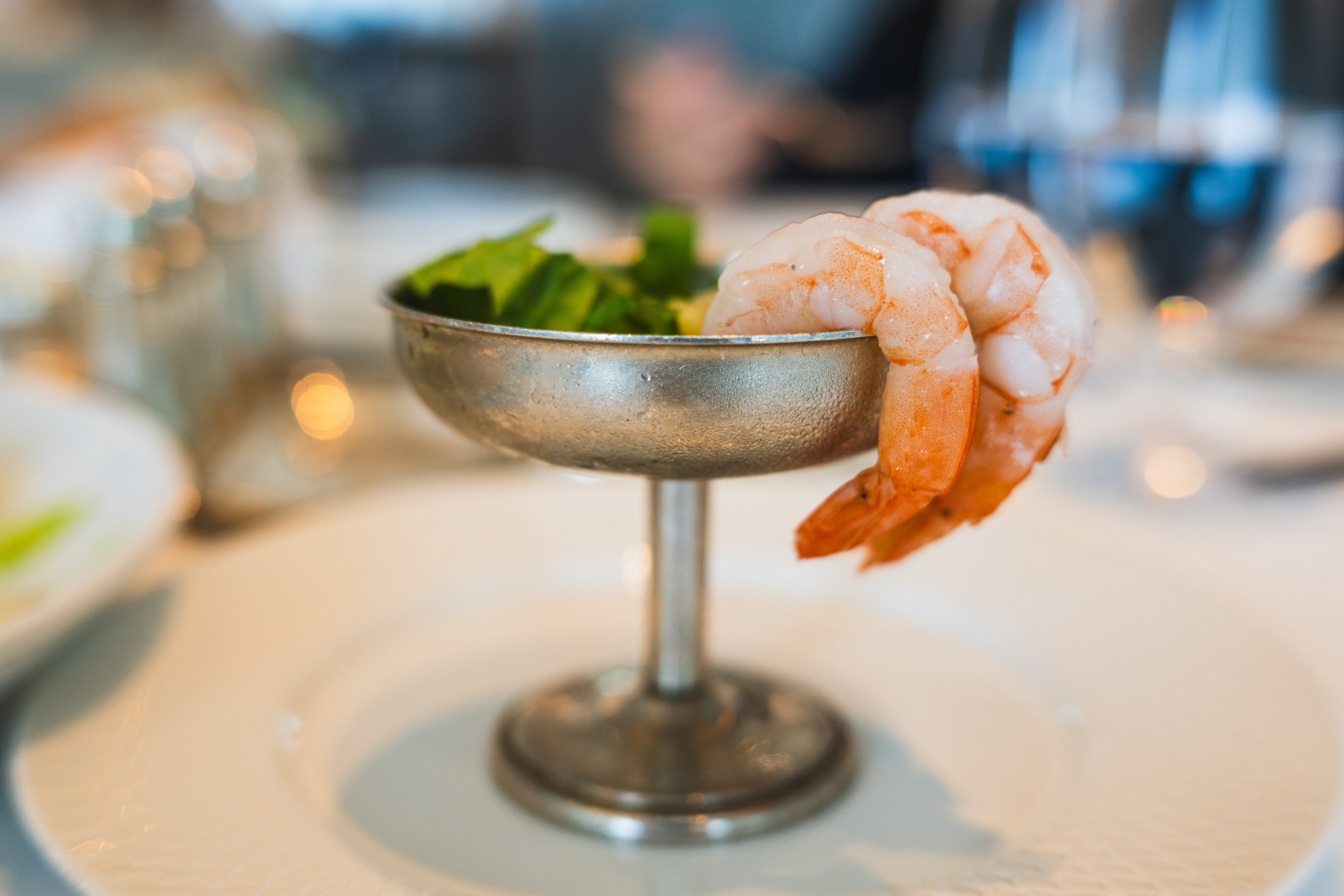
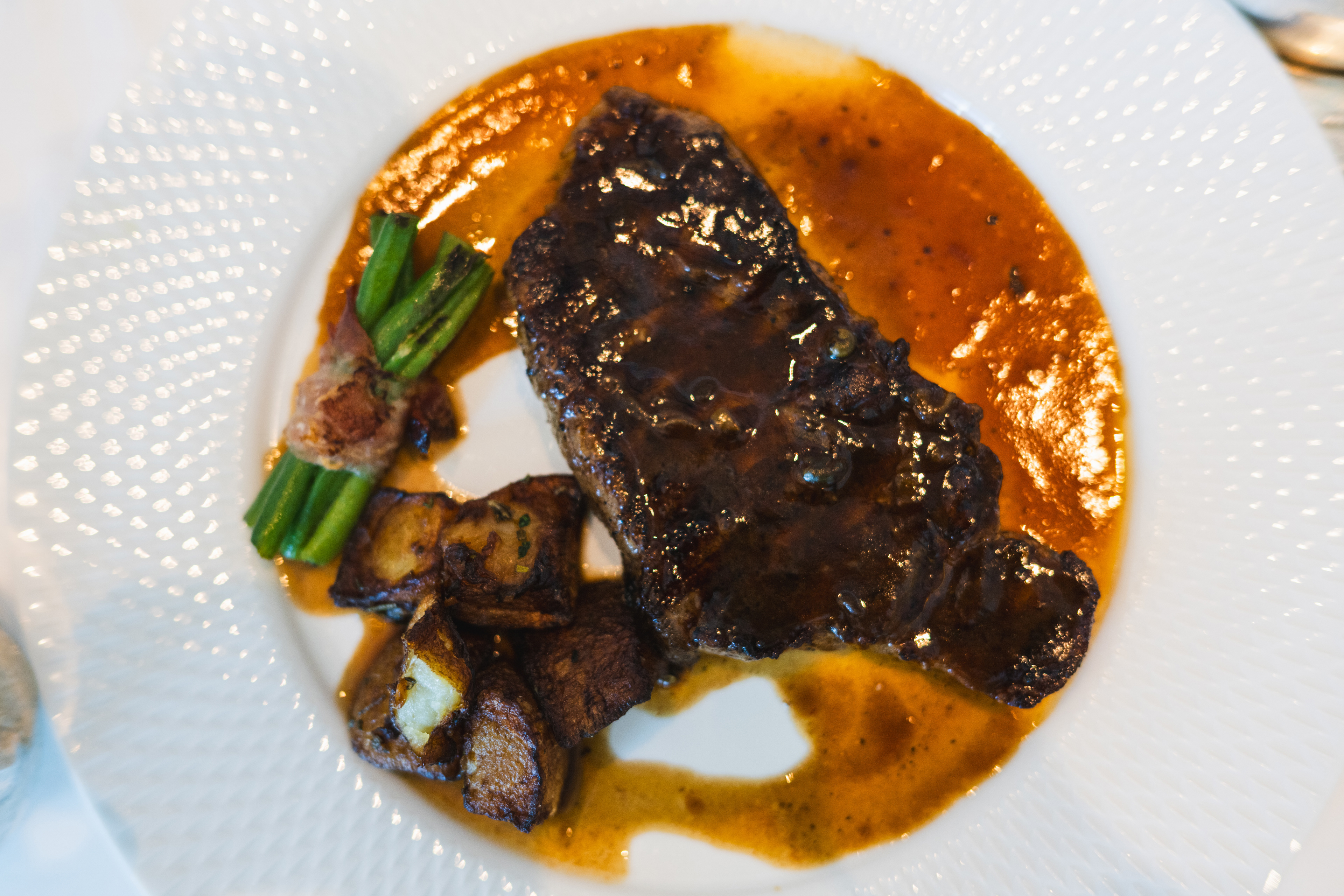
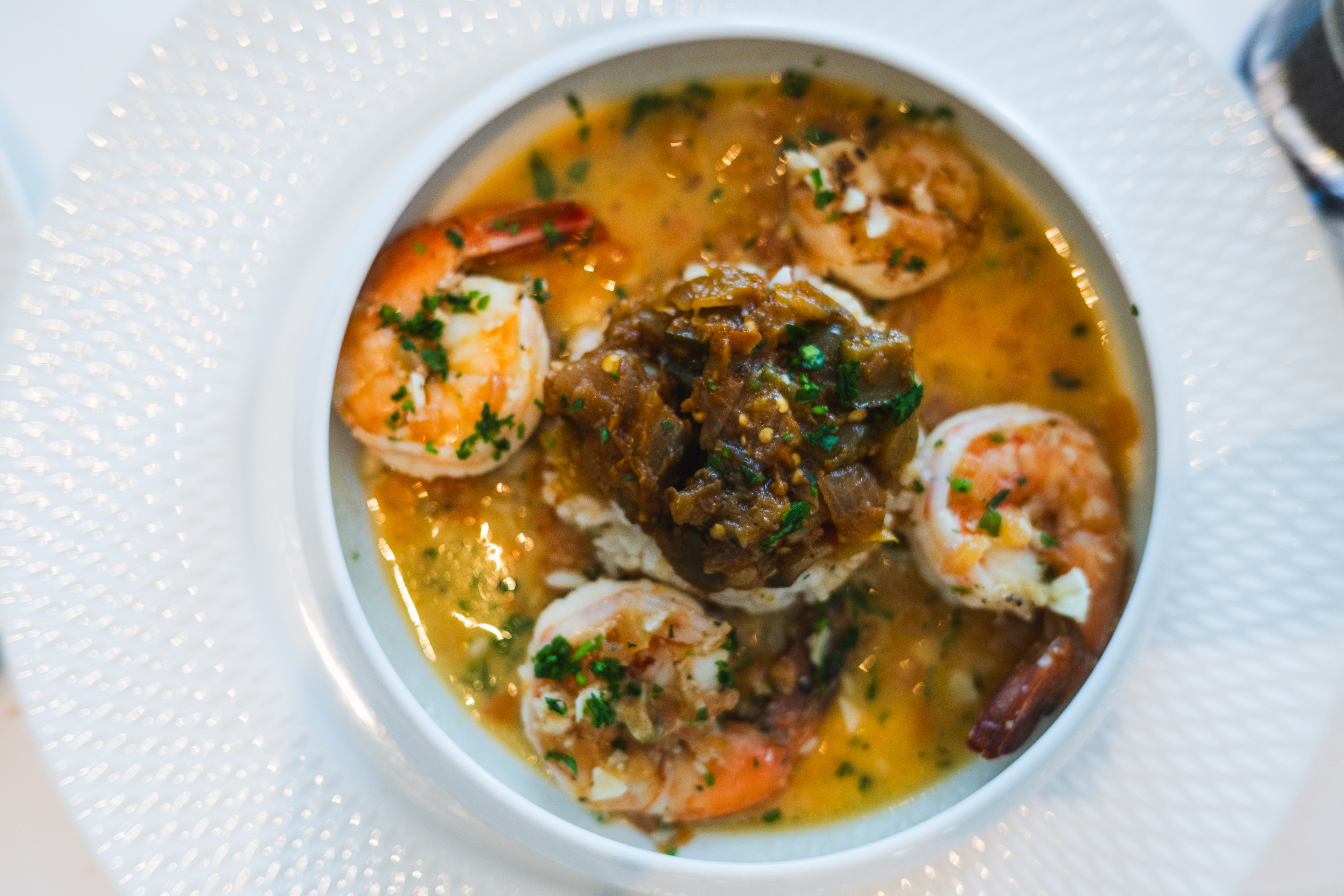
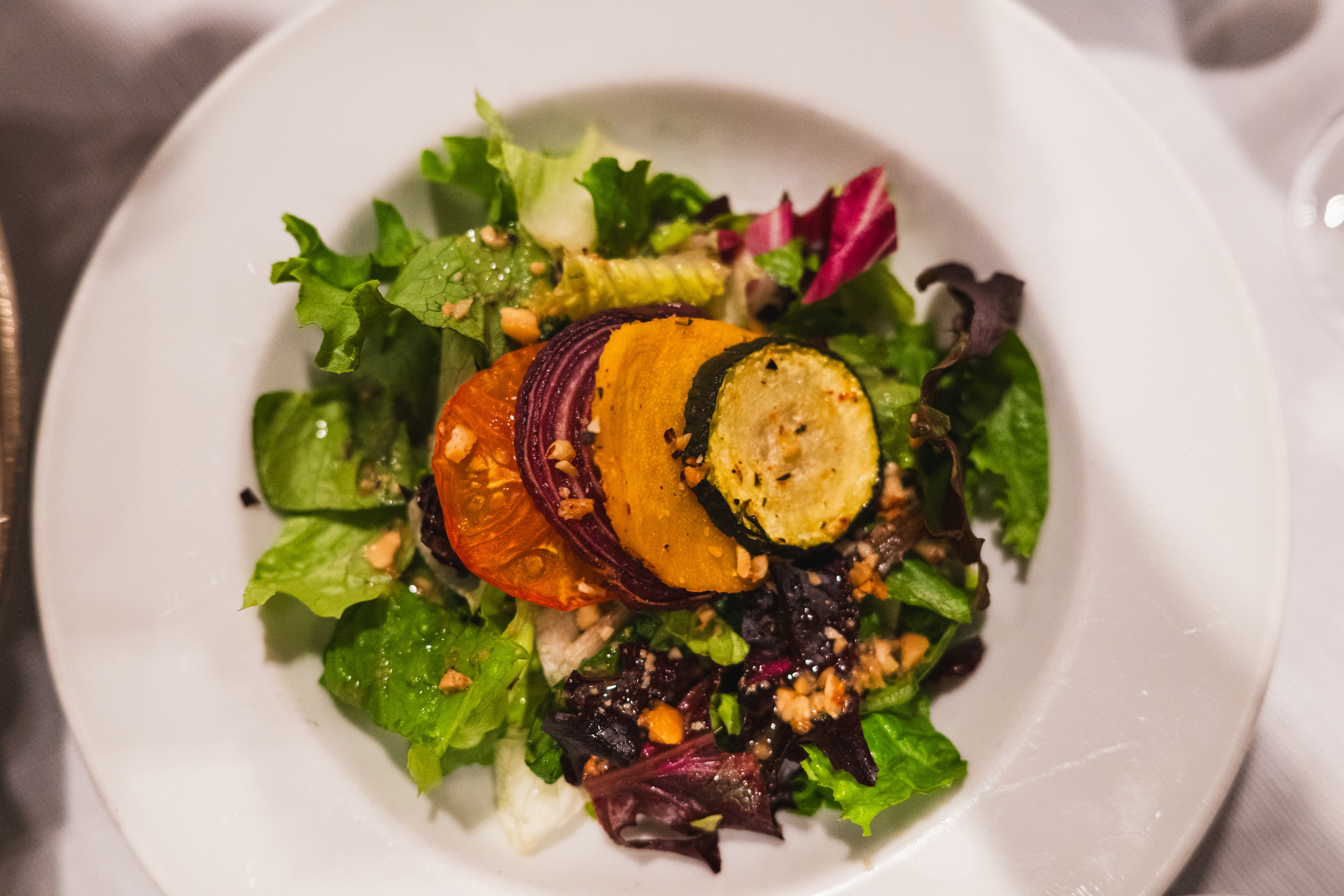
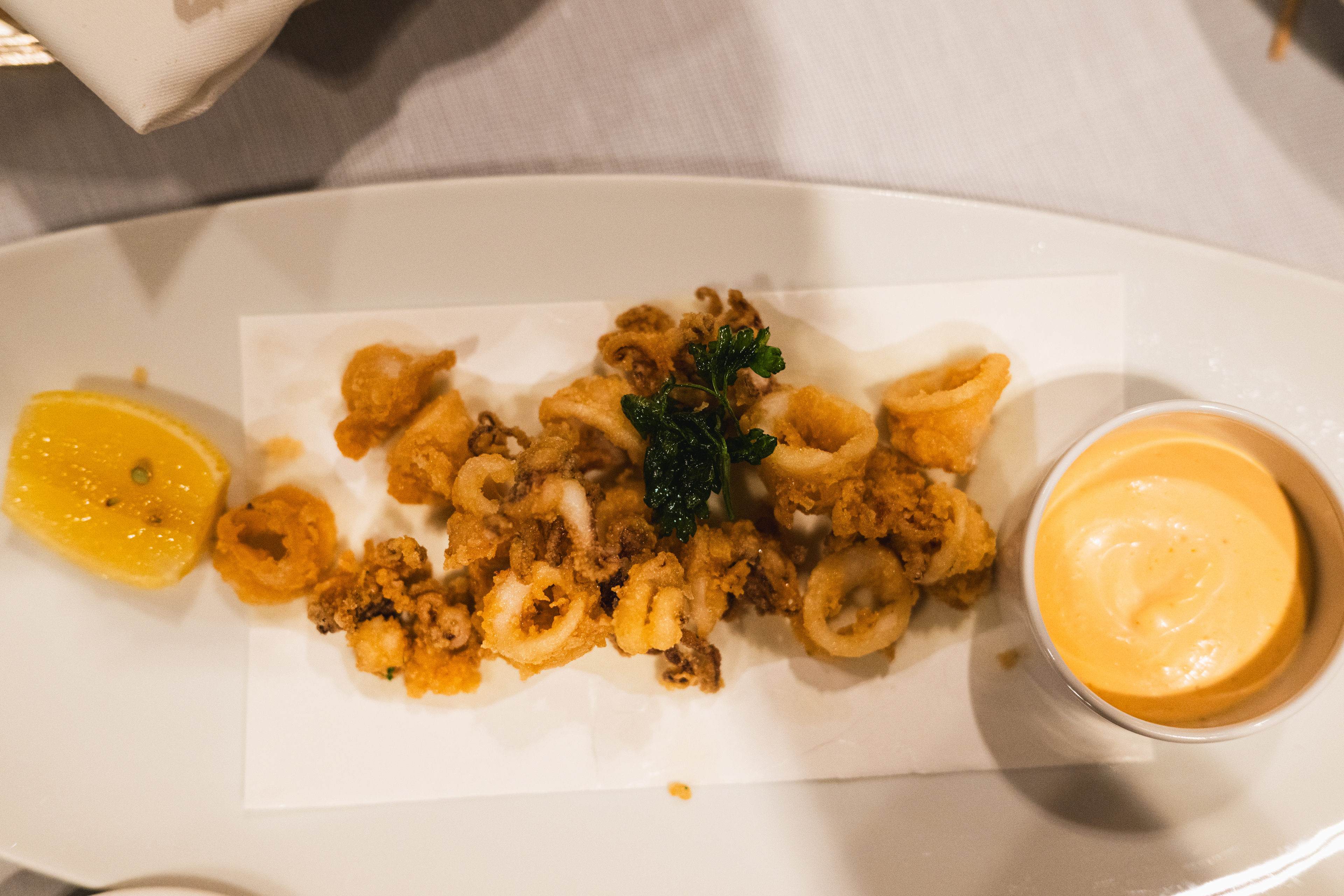
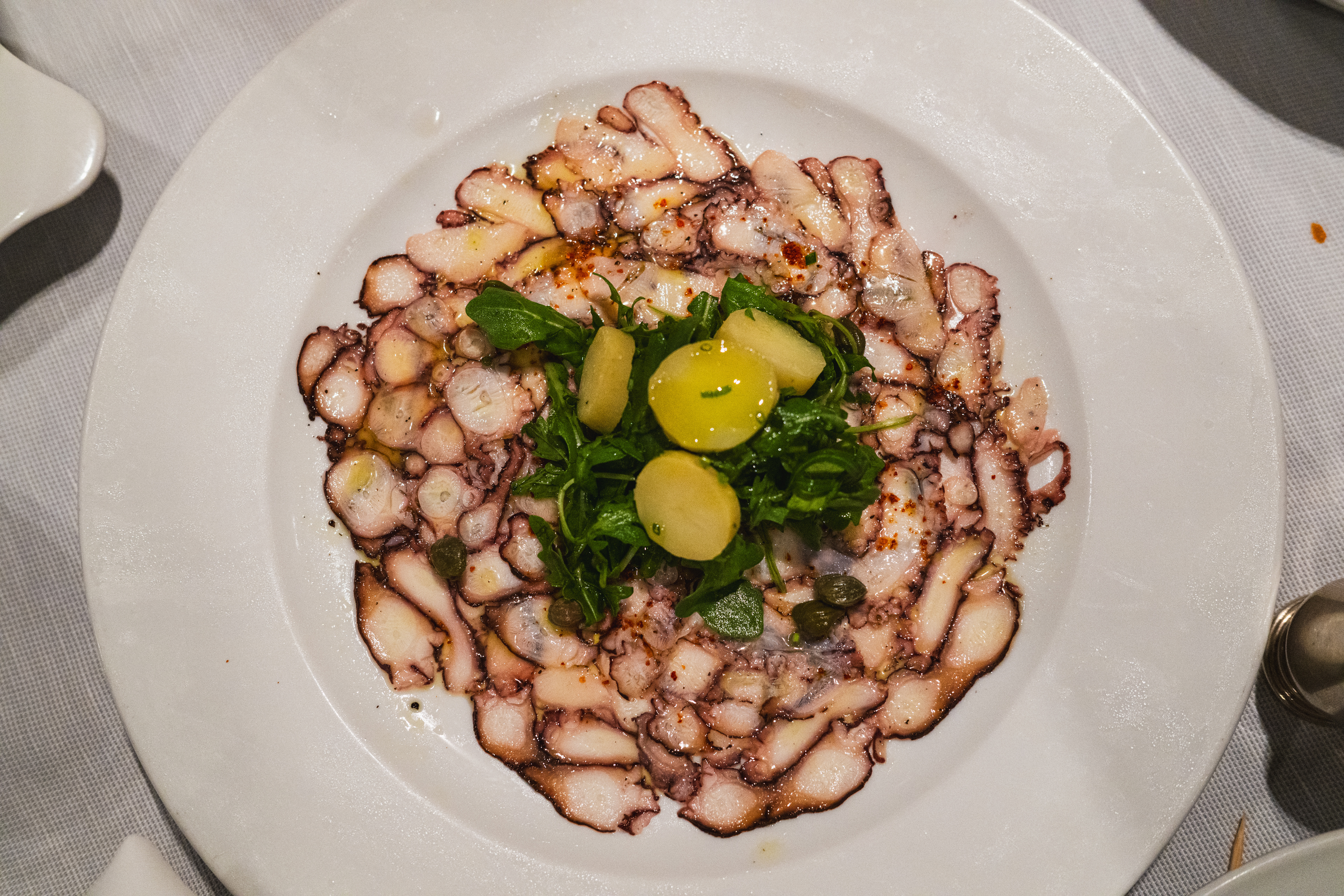
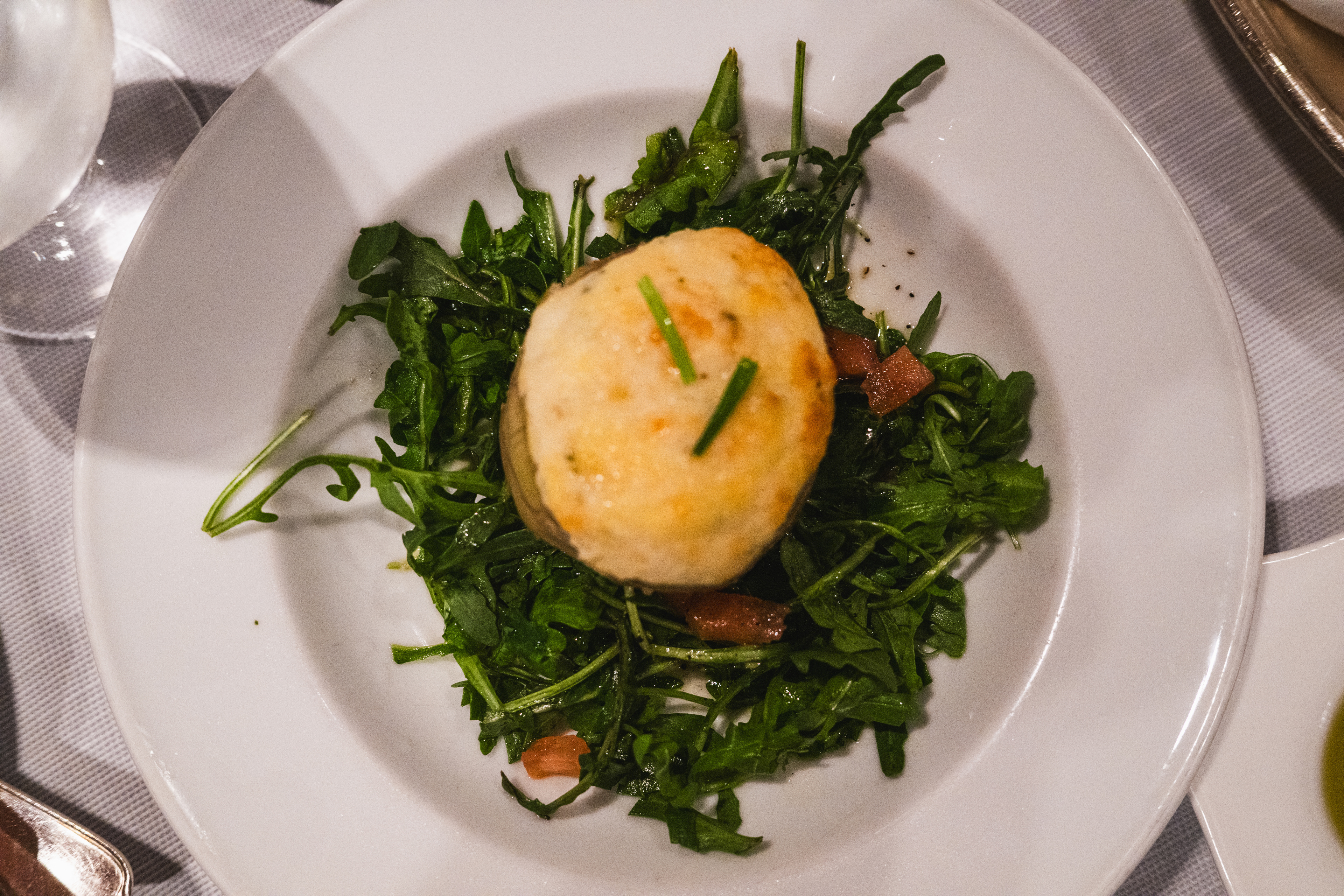
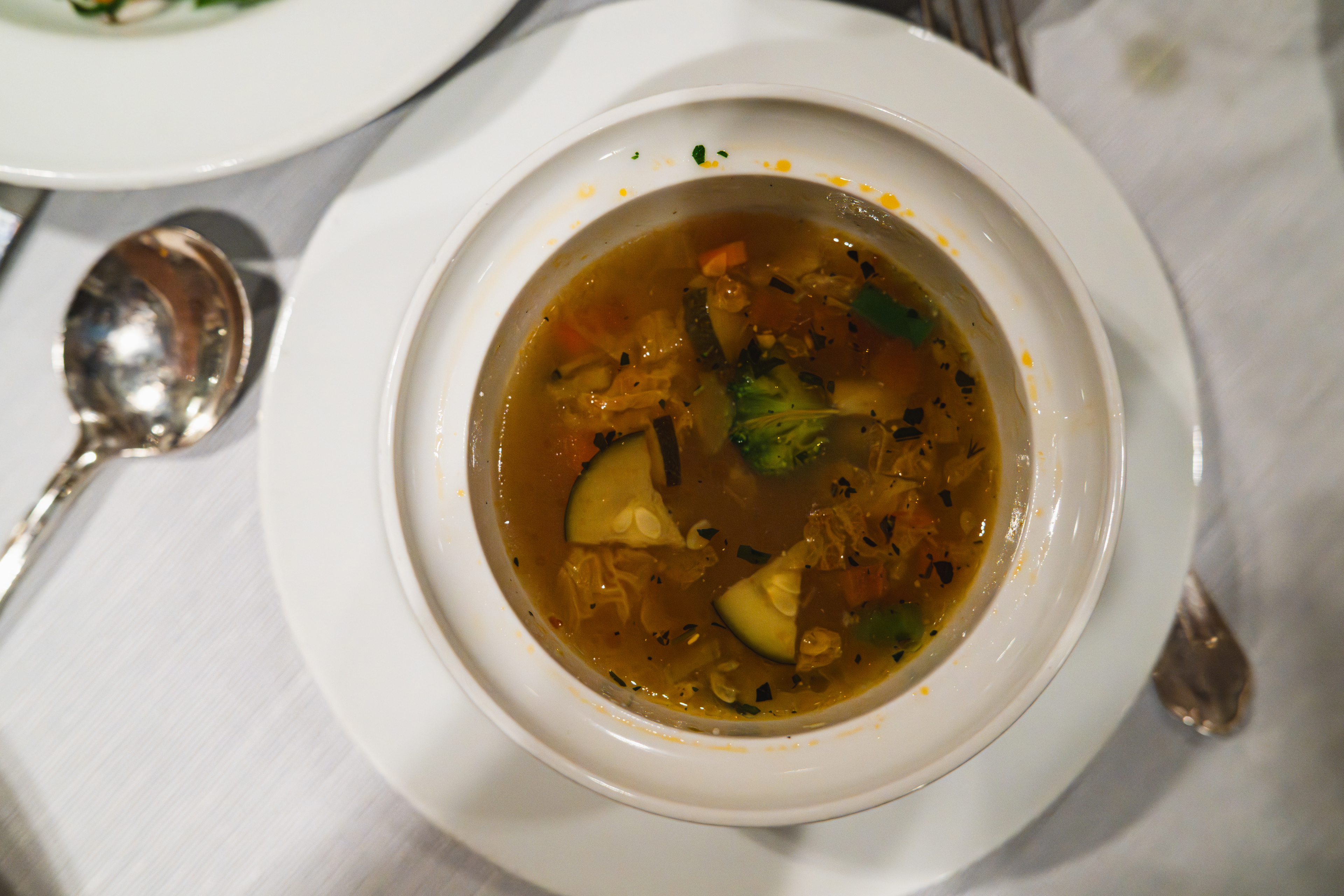
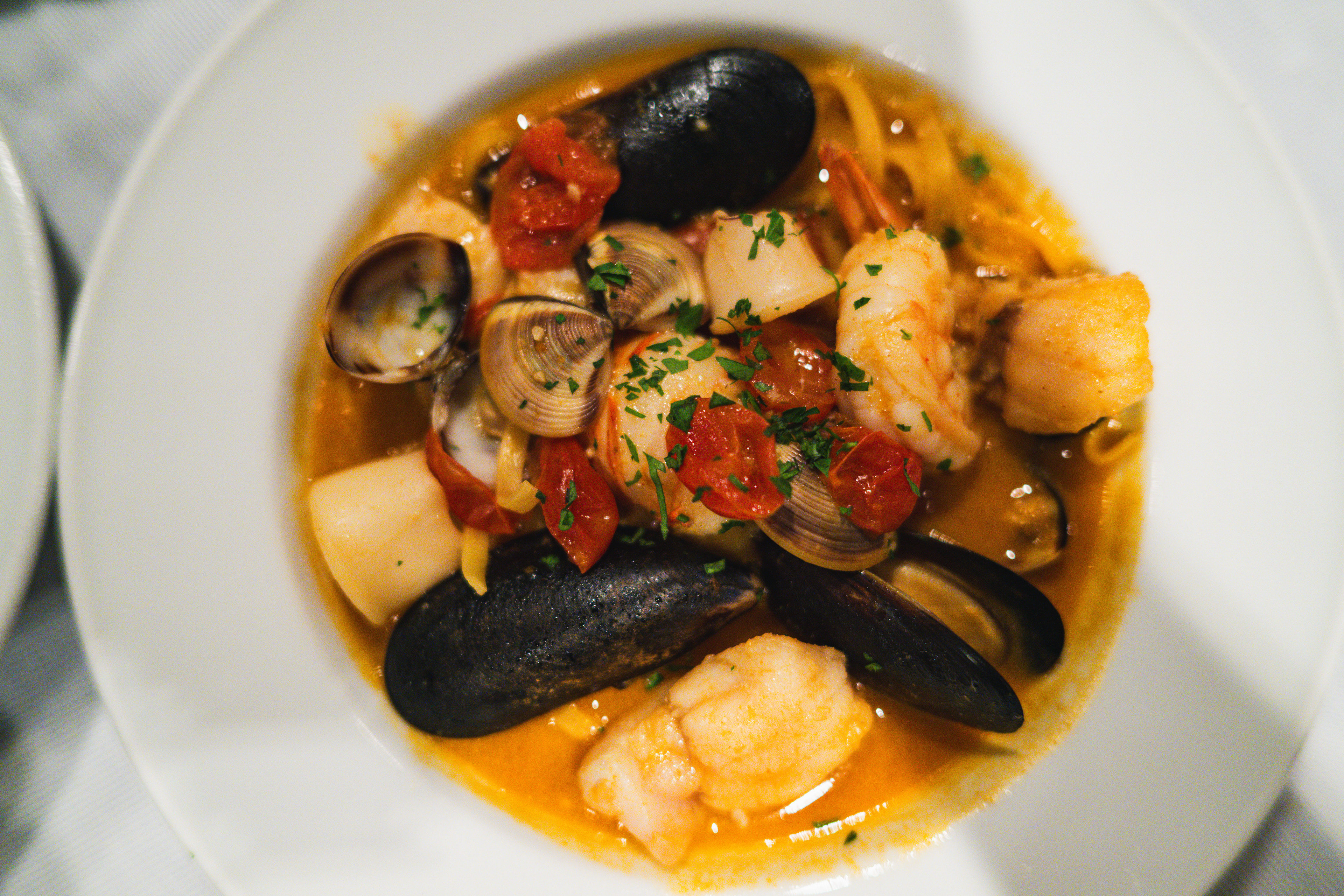
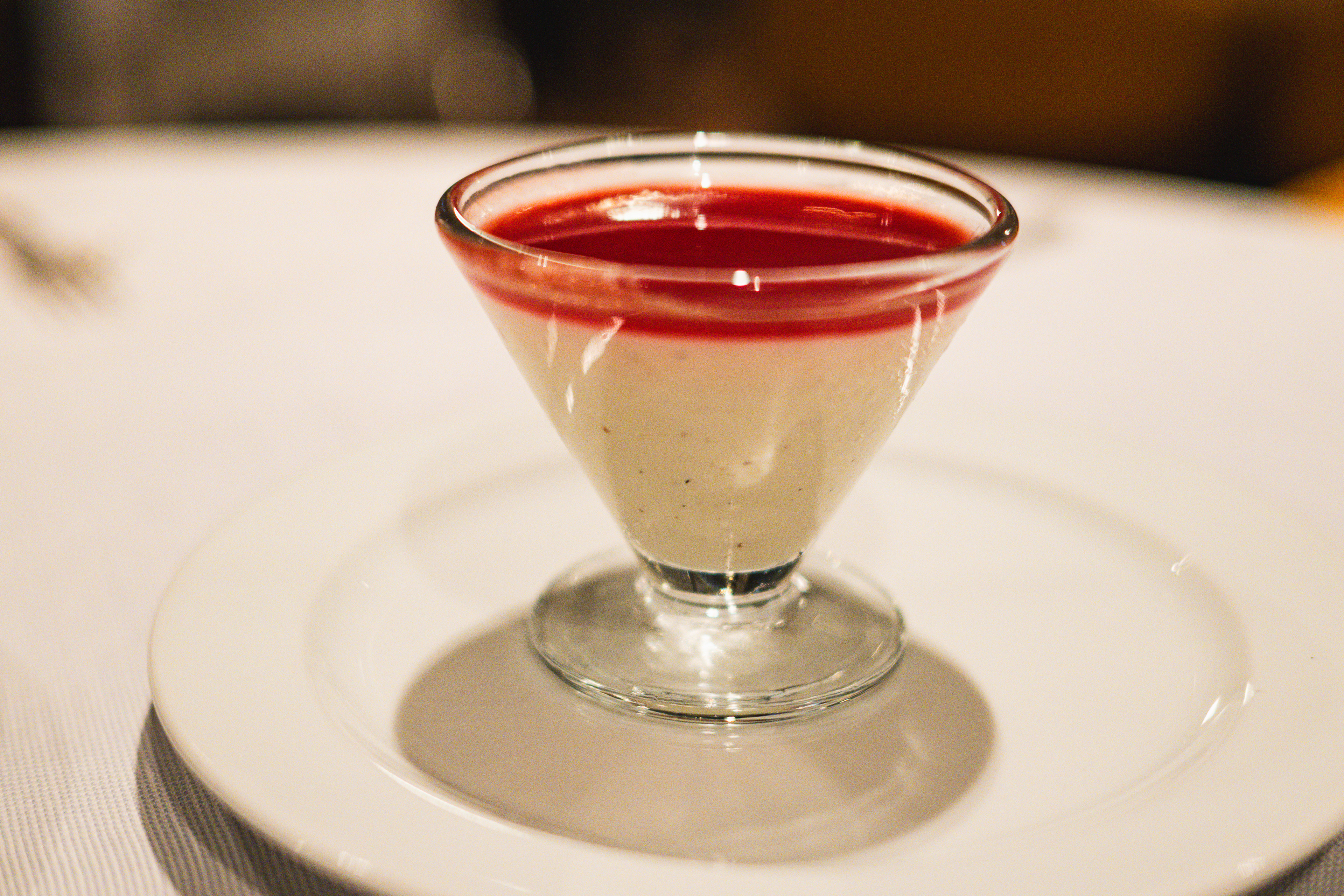
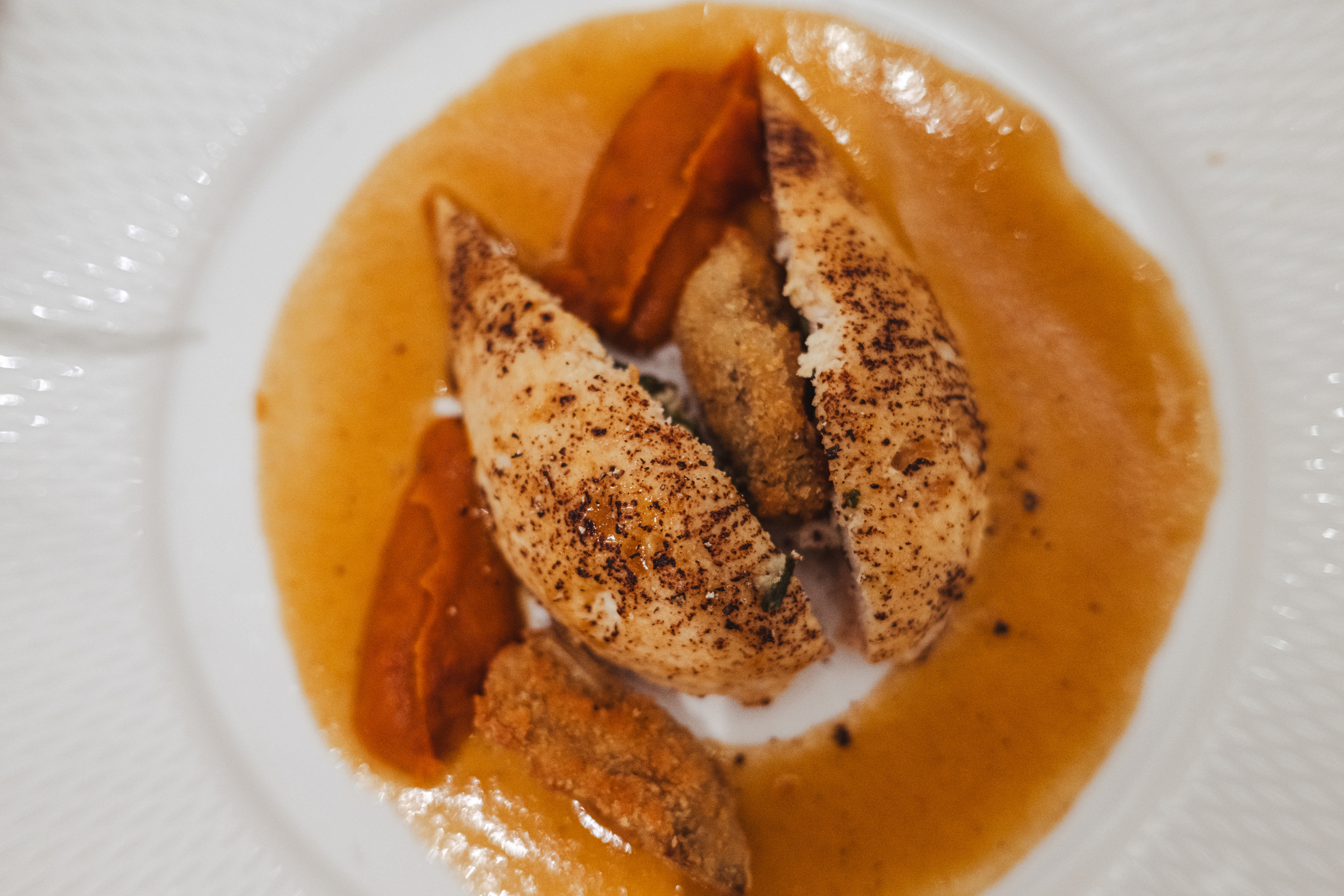
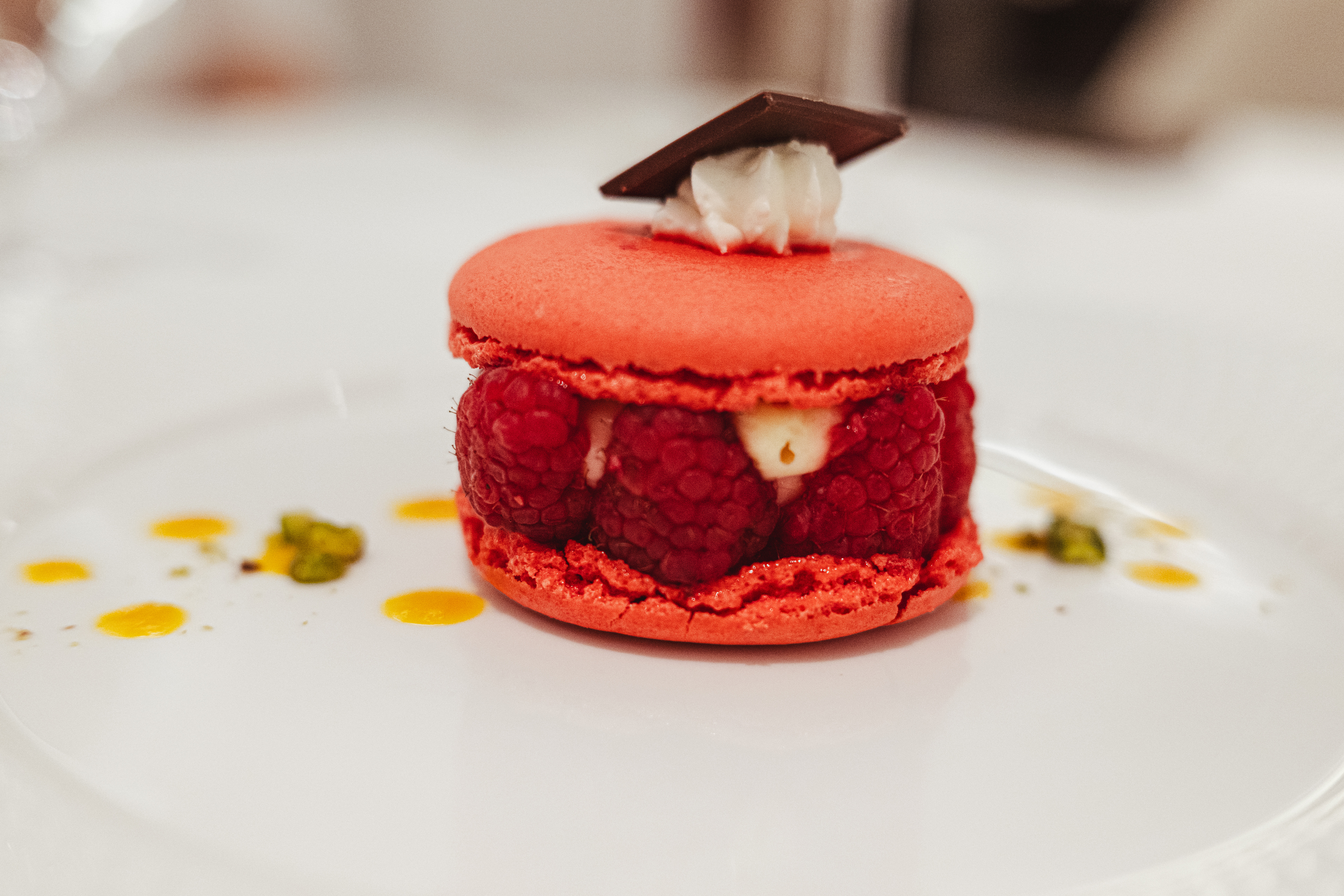
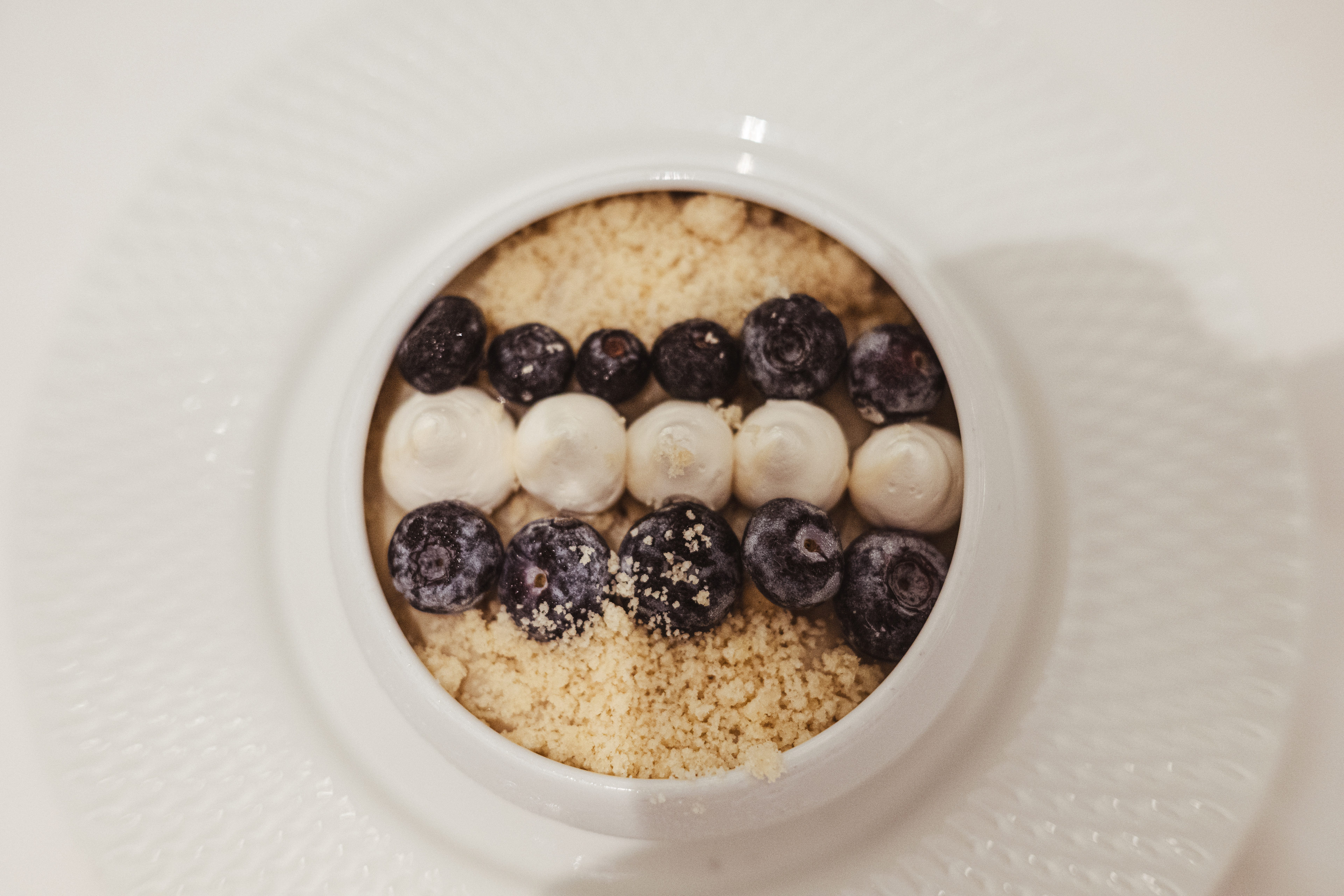
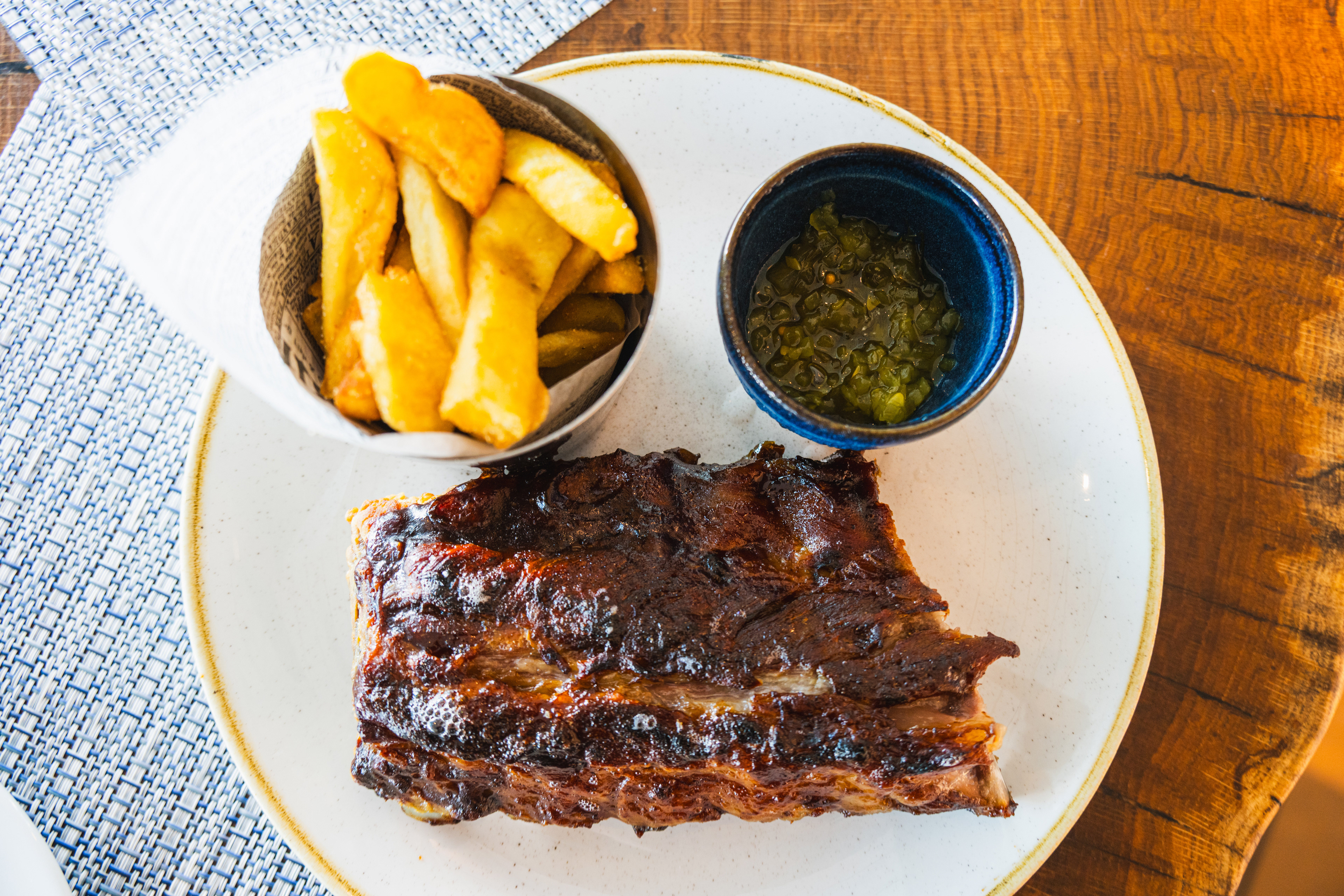
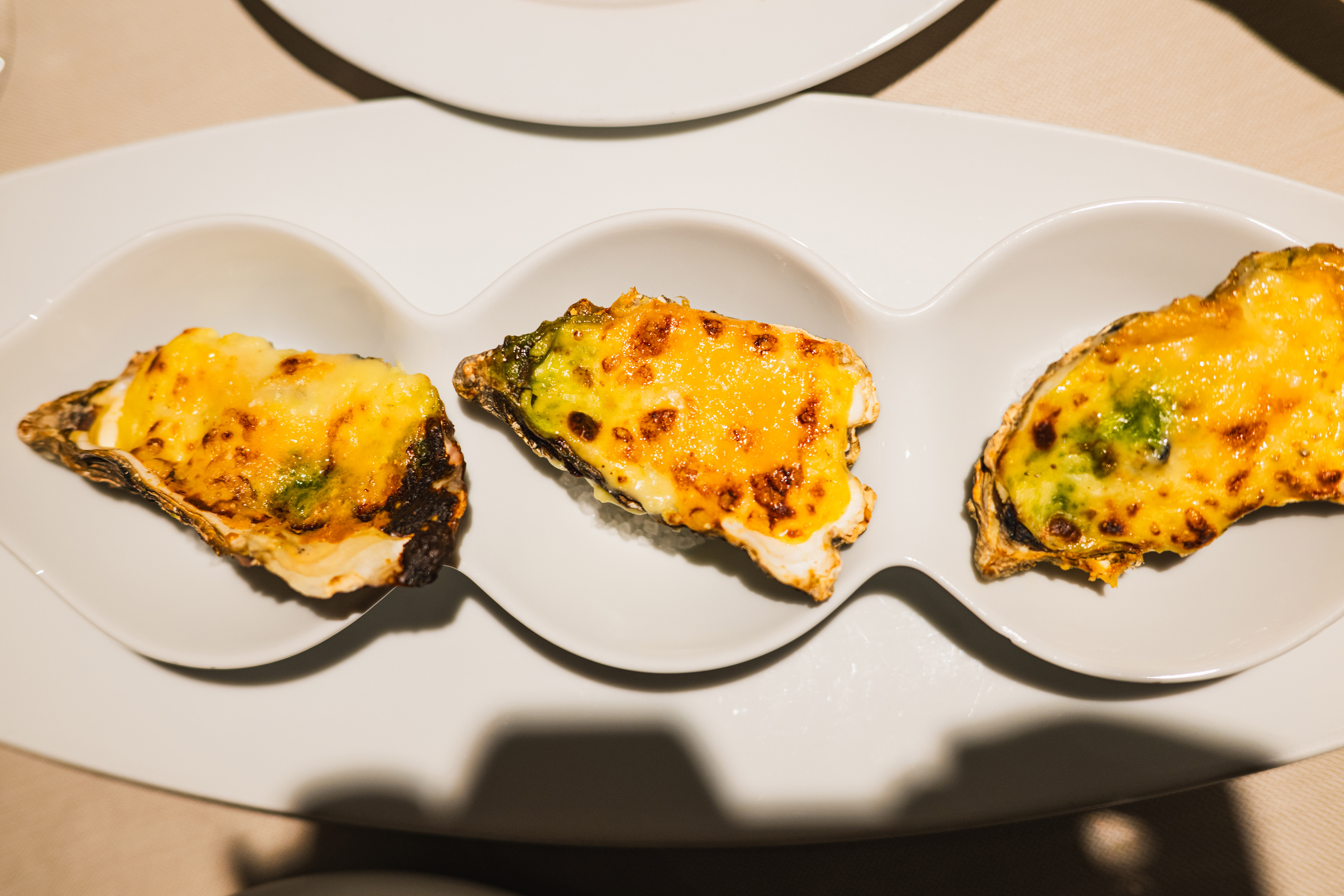
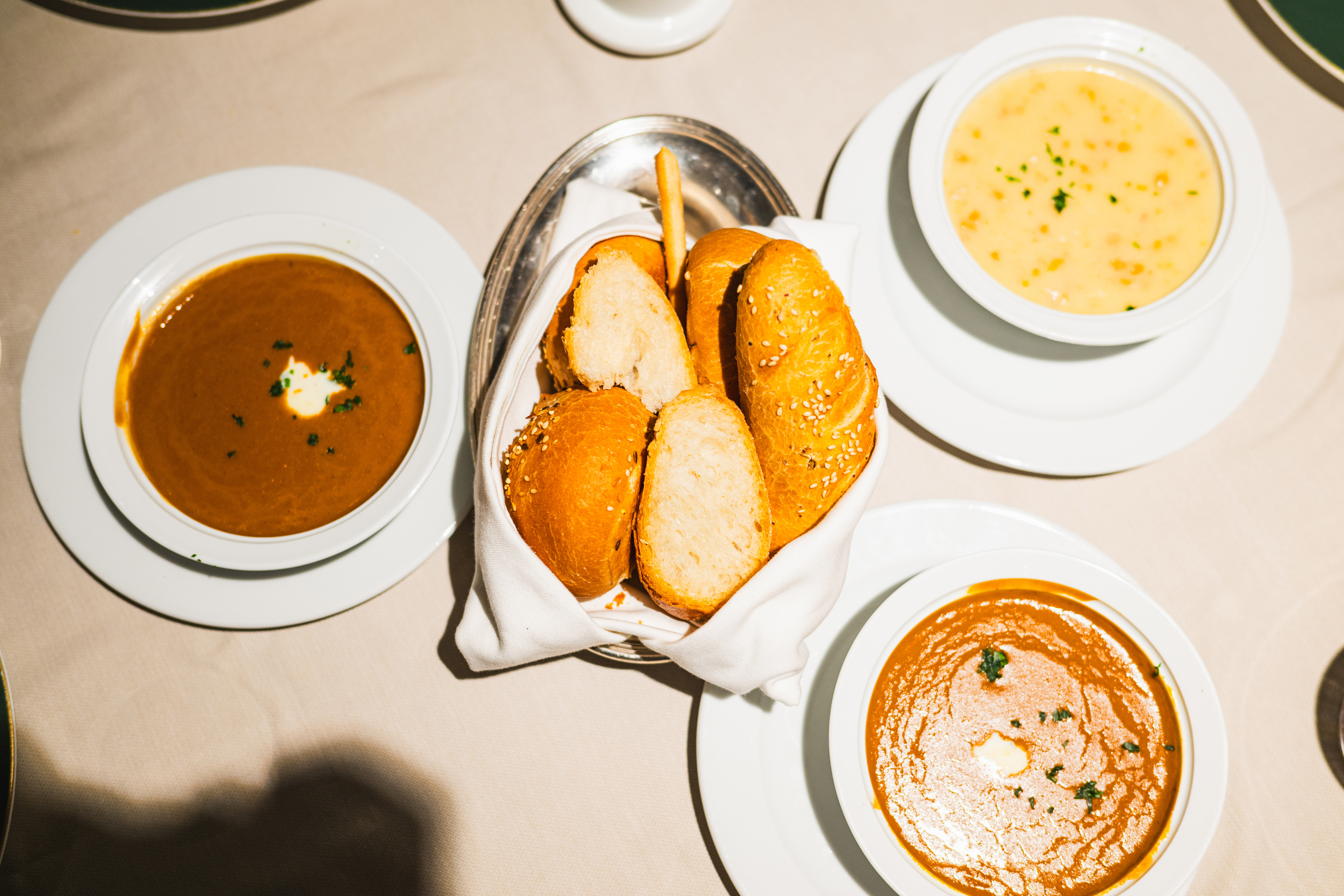
The food is the whole point. Oceania's selling proposition isn't waterslides or casinos (though they do have a casino). It's the kitchen. Every evening, lobsters are available in the main dining room — not as a special-night-only luxury, but as standard menu items. There are four specialty restaurants (Jacques, a French bistro; Red Ginger, Asian fusion; Polo Grill, a classic steakhouse; and Toscana, Italian), and here's the part that sounds too good to be true: they're all included. No surcharge, no cover. You can dine at any of them as often as you want. The catch, if you can call it that, is you can book one reservation per restaurant in advance; after that, you walk up at 8am on the day you want to go and put your name down. Given the demand, this requires a small amount of strategy — and we treated it accordingly.
The internet actually works. Vista runs Starlink. On a ship. In the middle of the Pacific Ocean. And it is included!
Laundry is free. Self-service machines on the passenger decks, no charge. For a family traveling 18 days, this was worth more than it sounds.
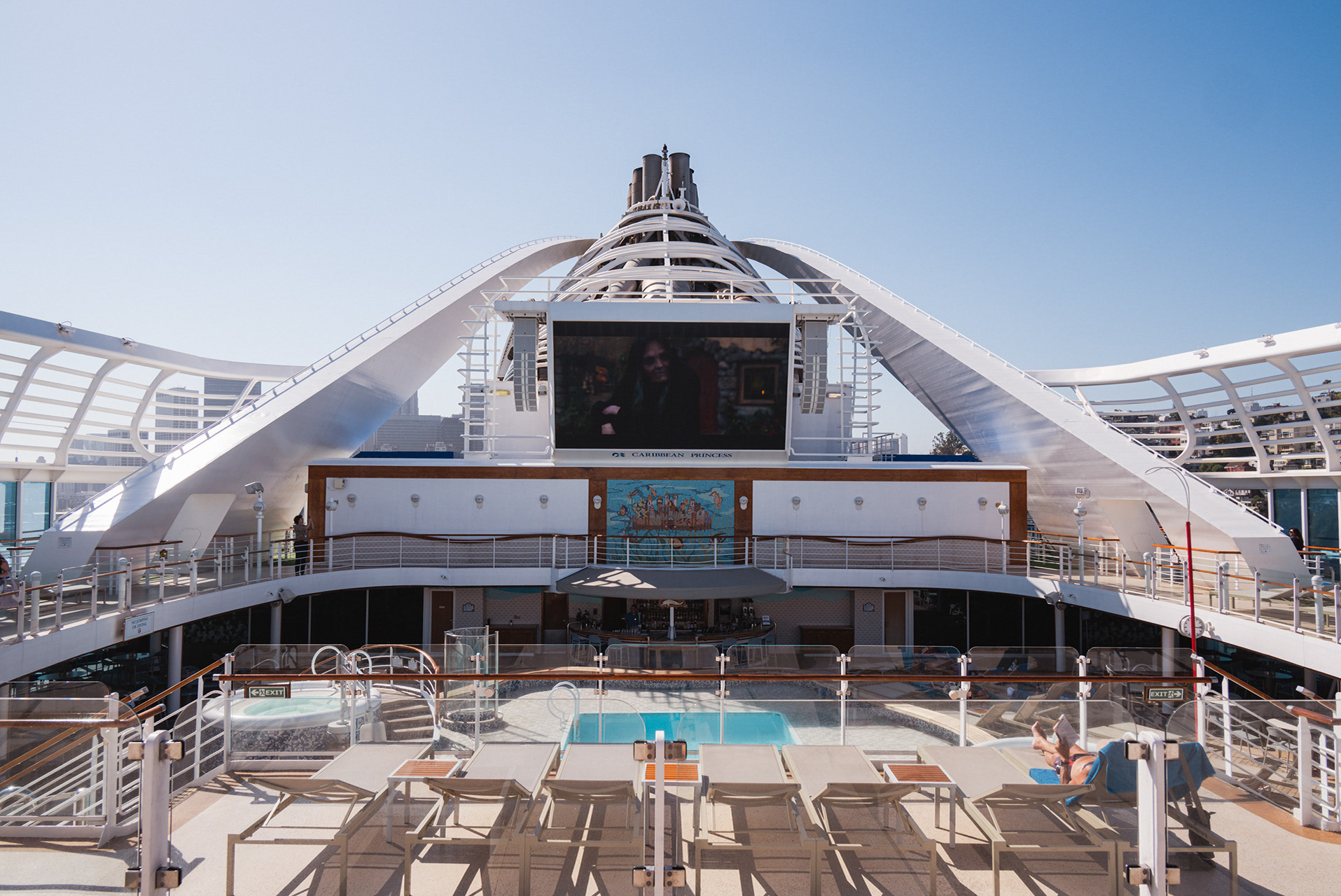
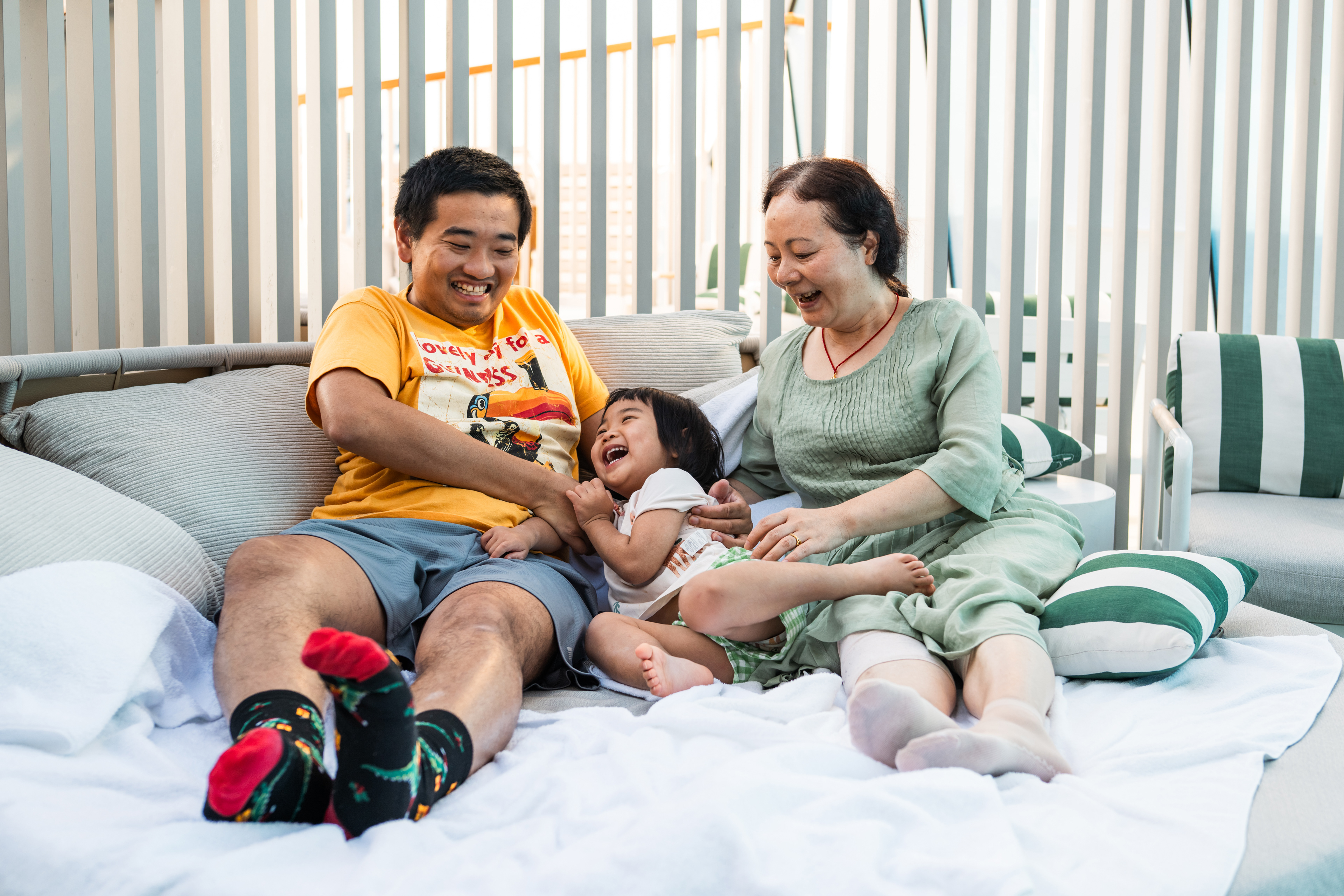
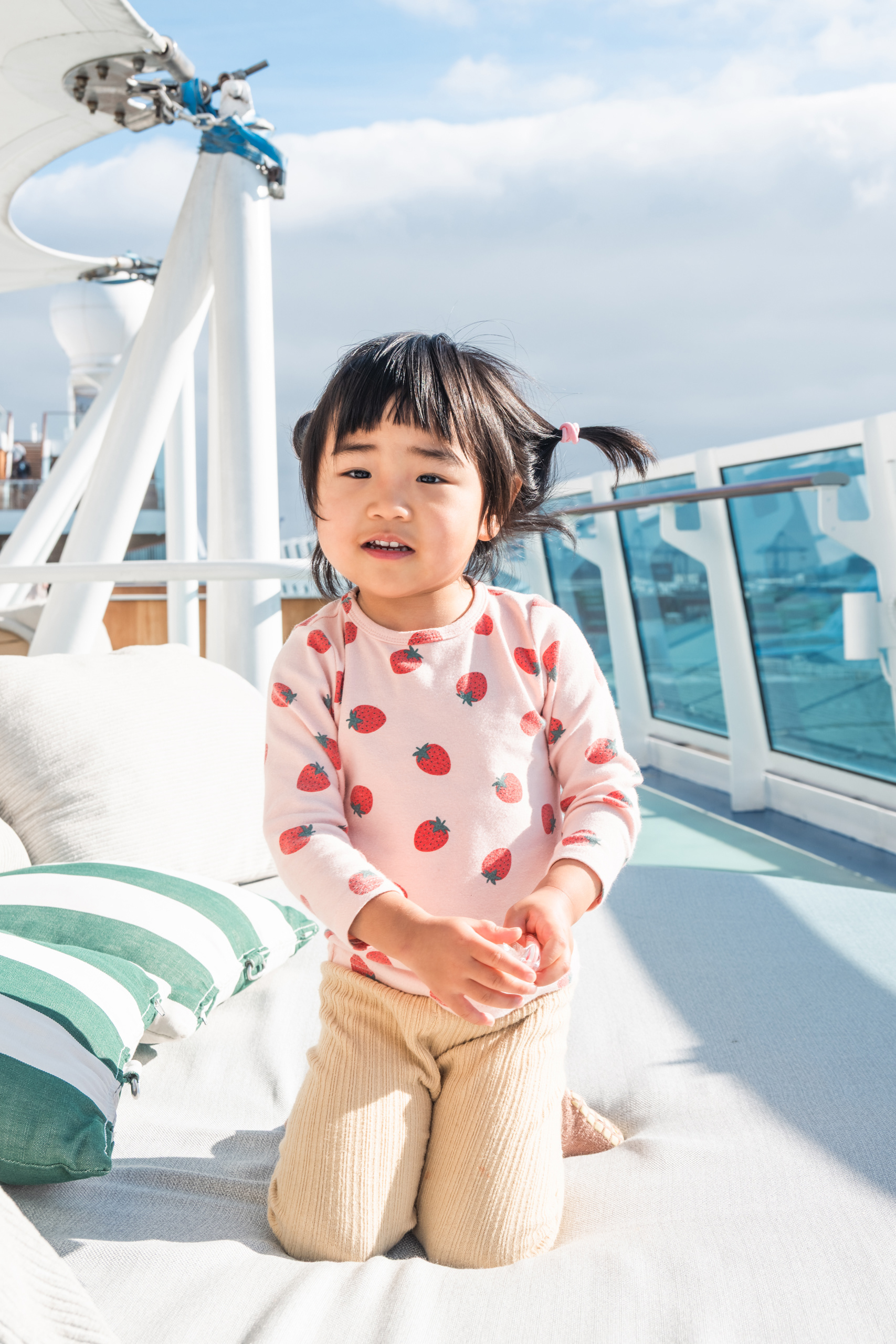
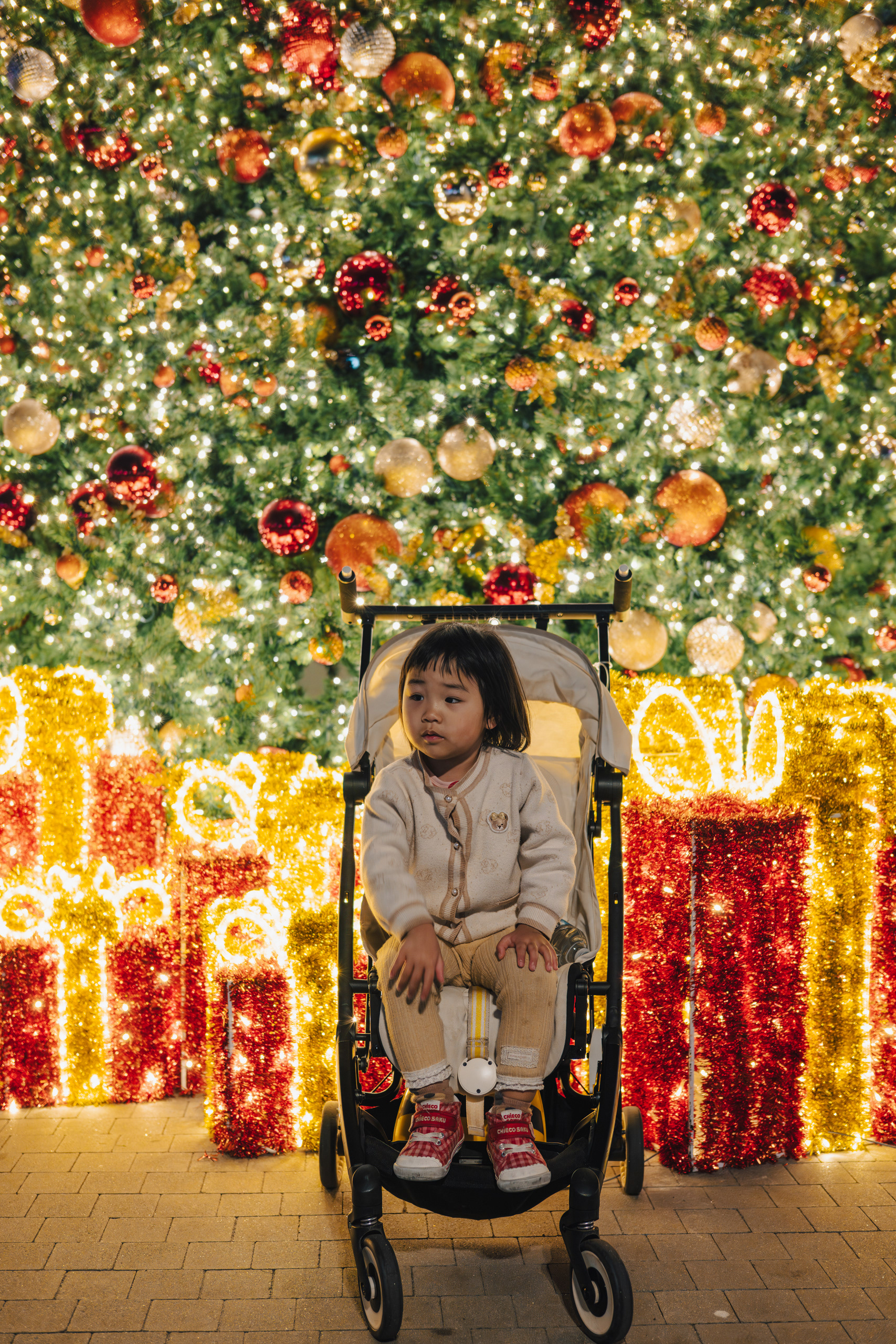
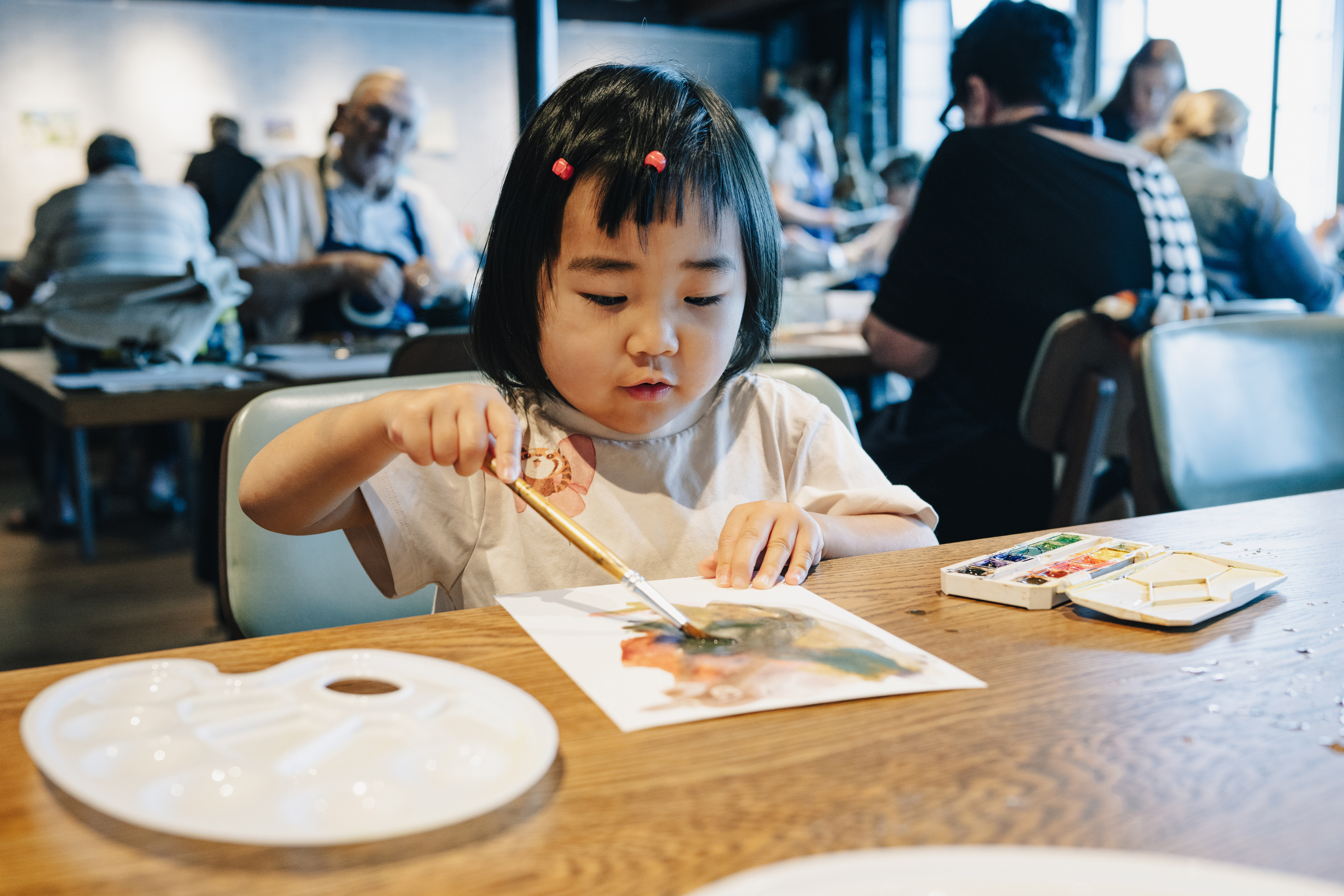
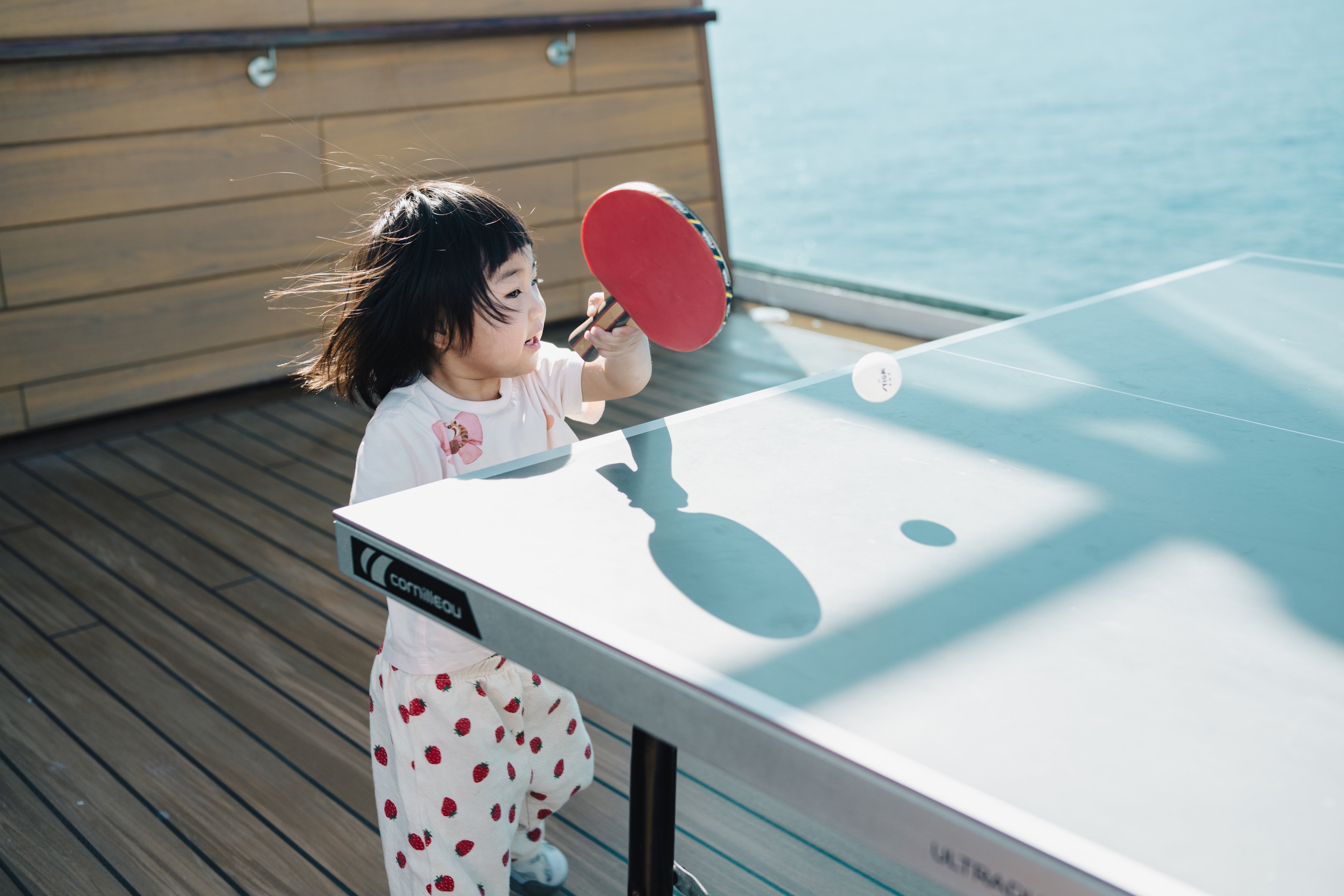
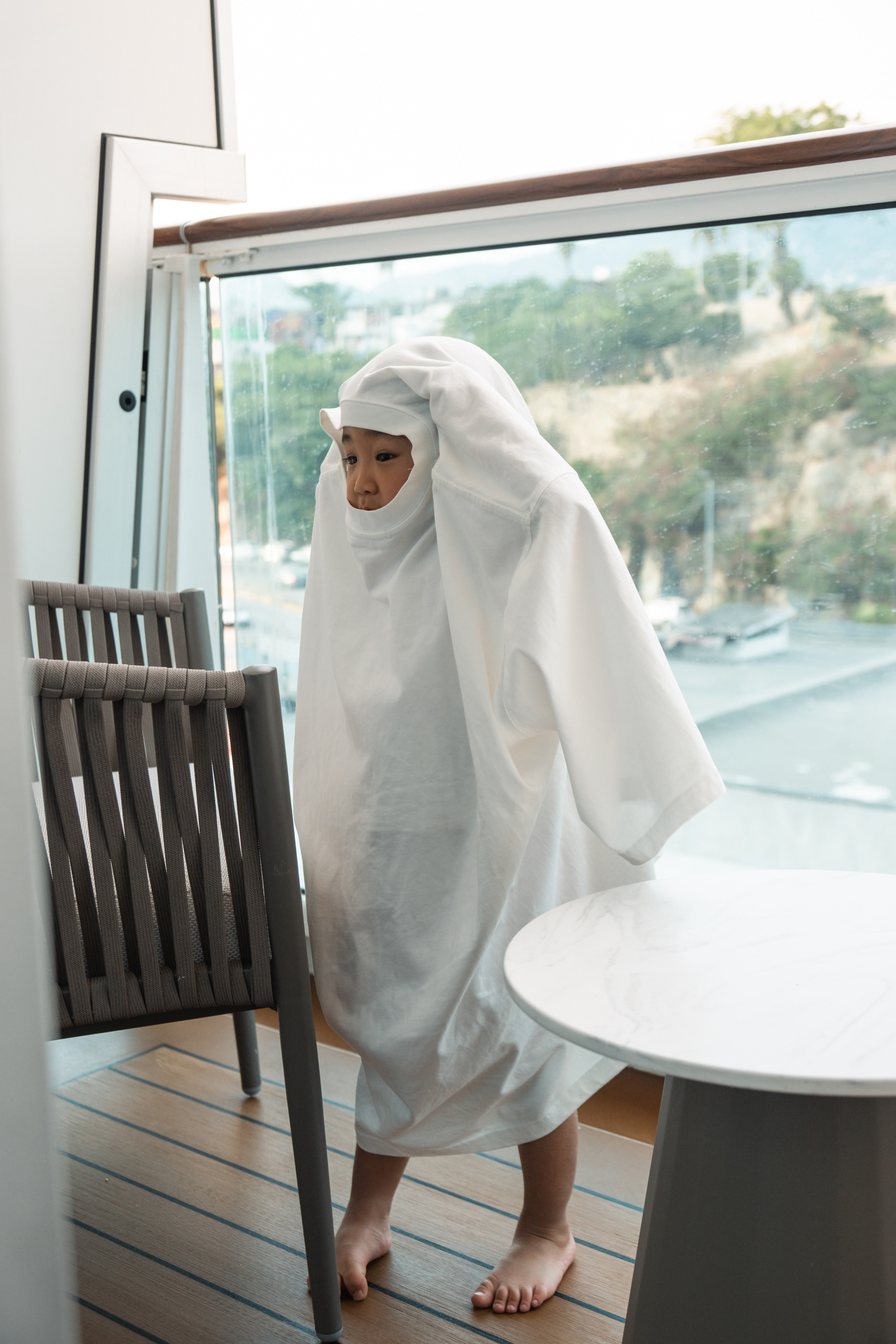
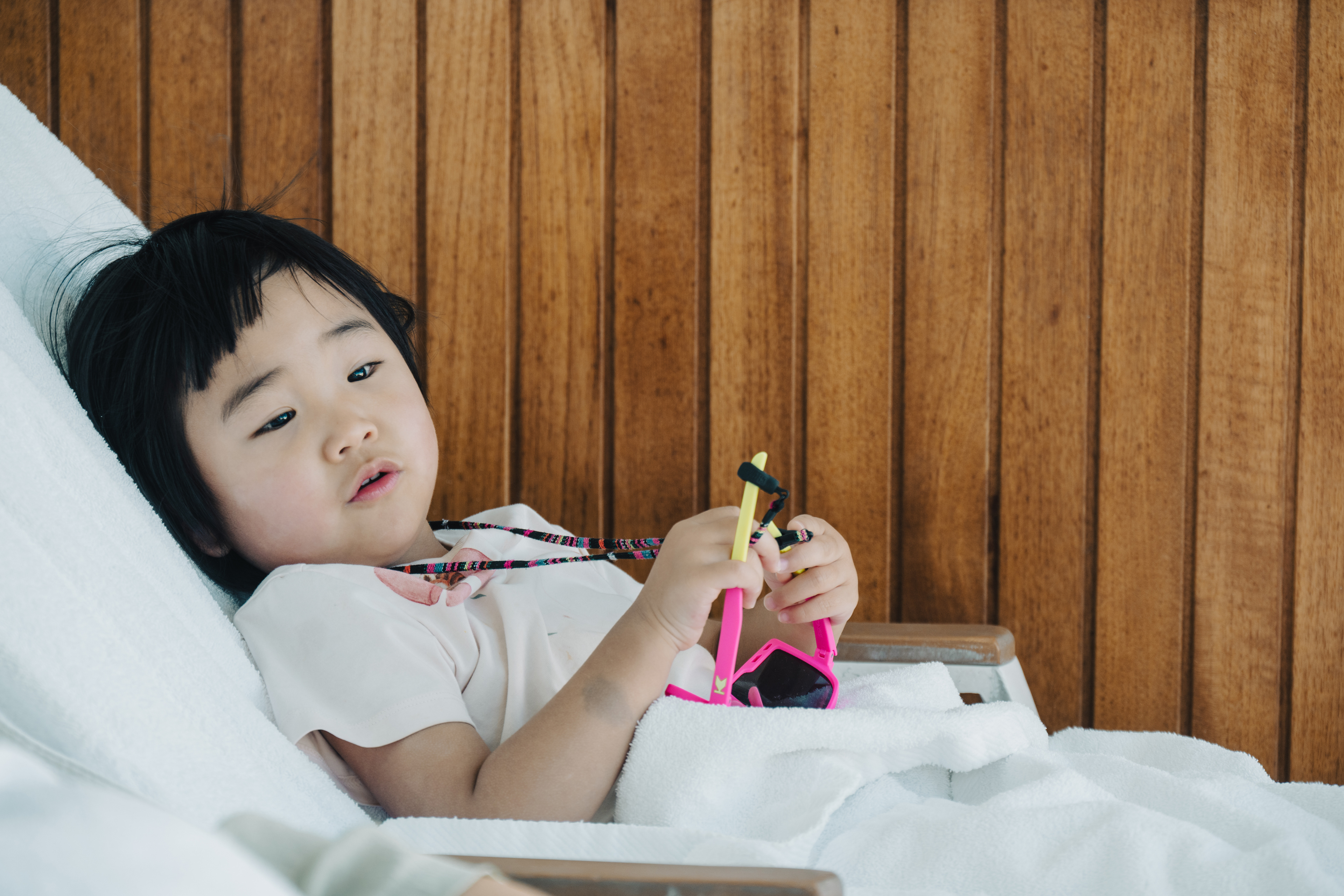
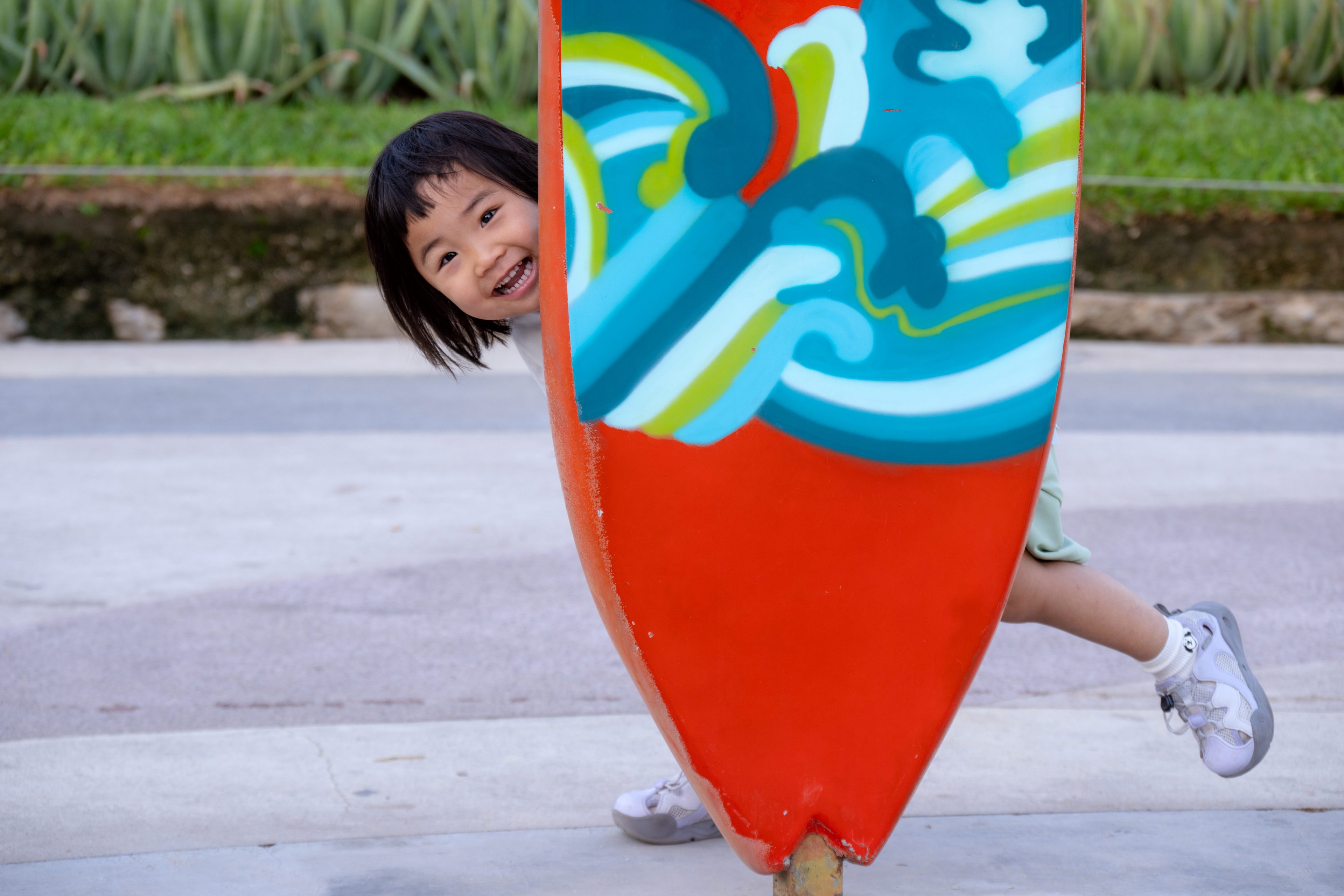
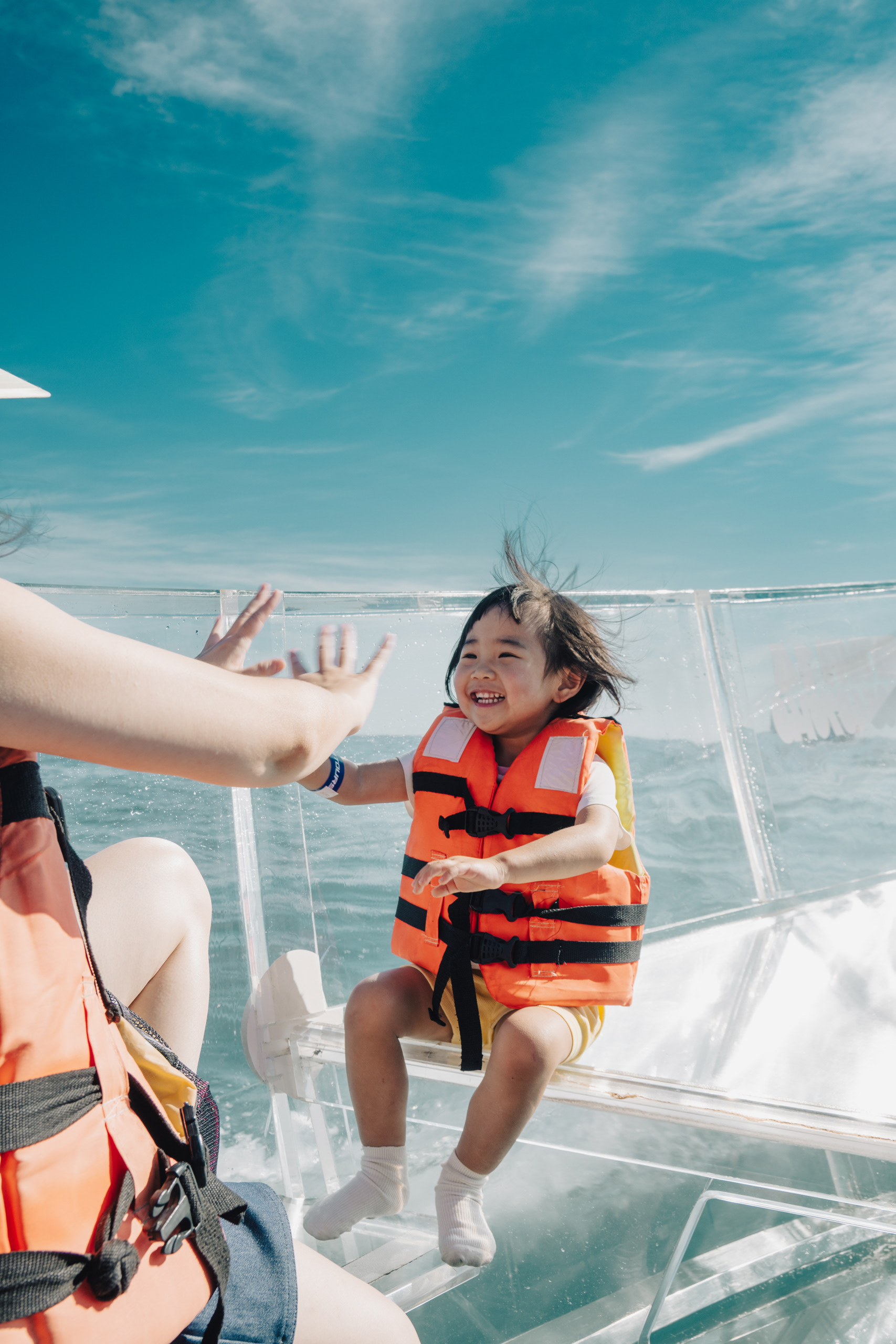
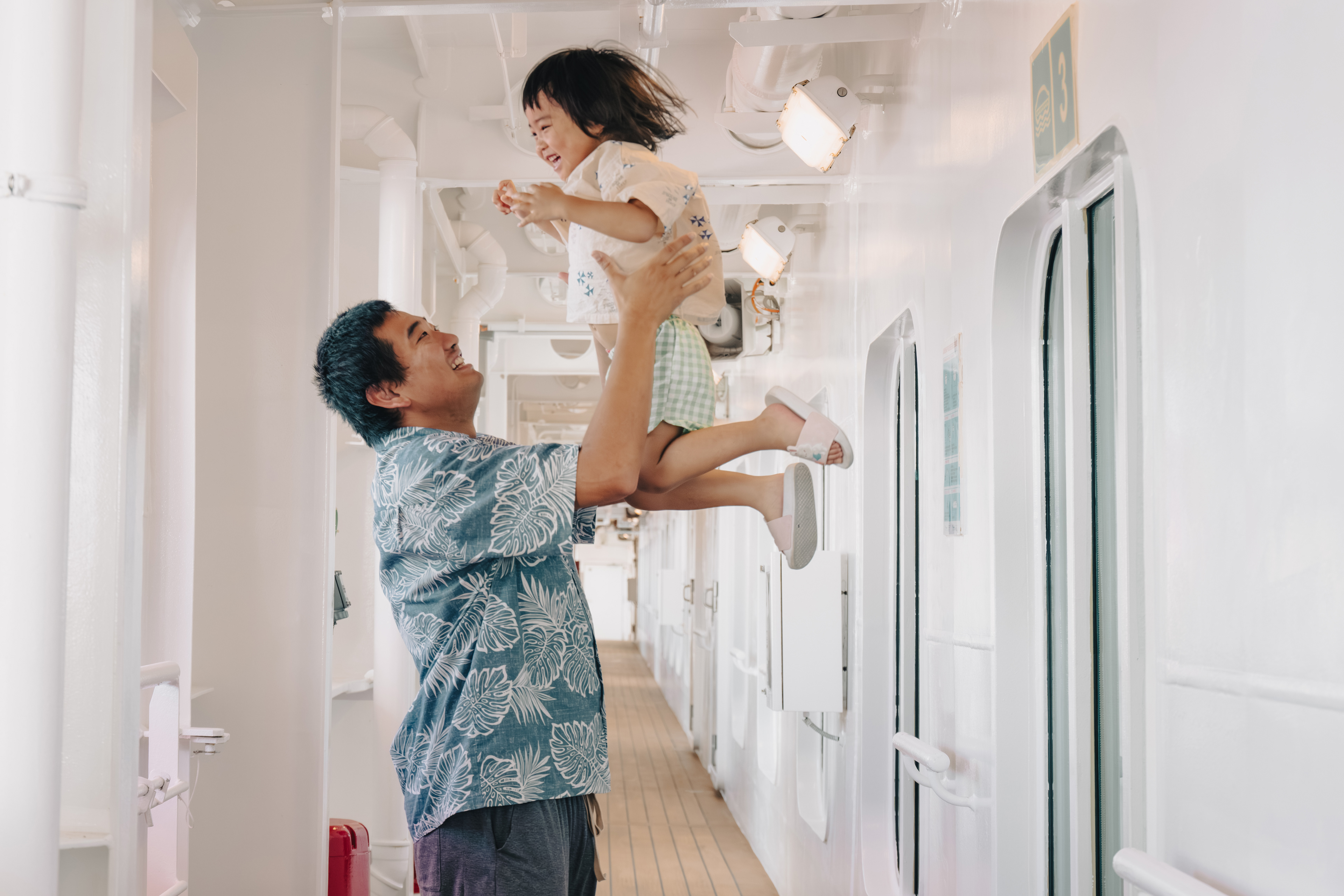
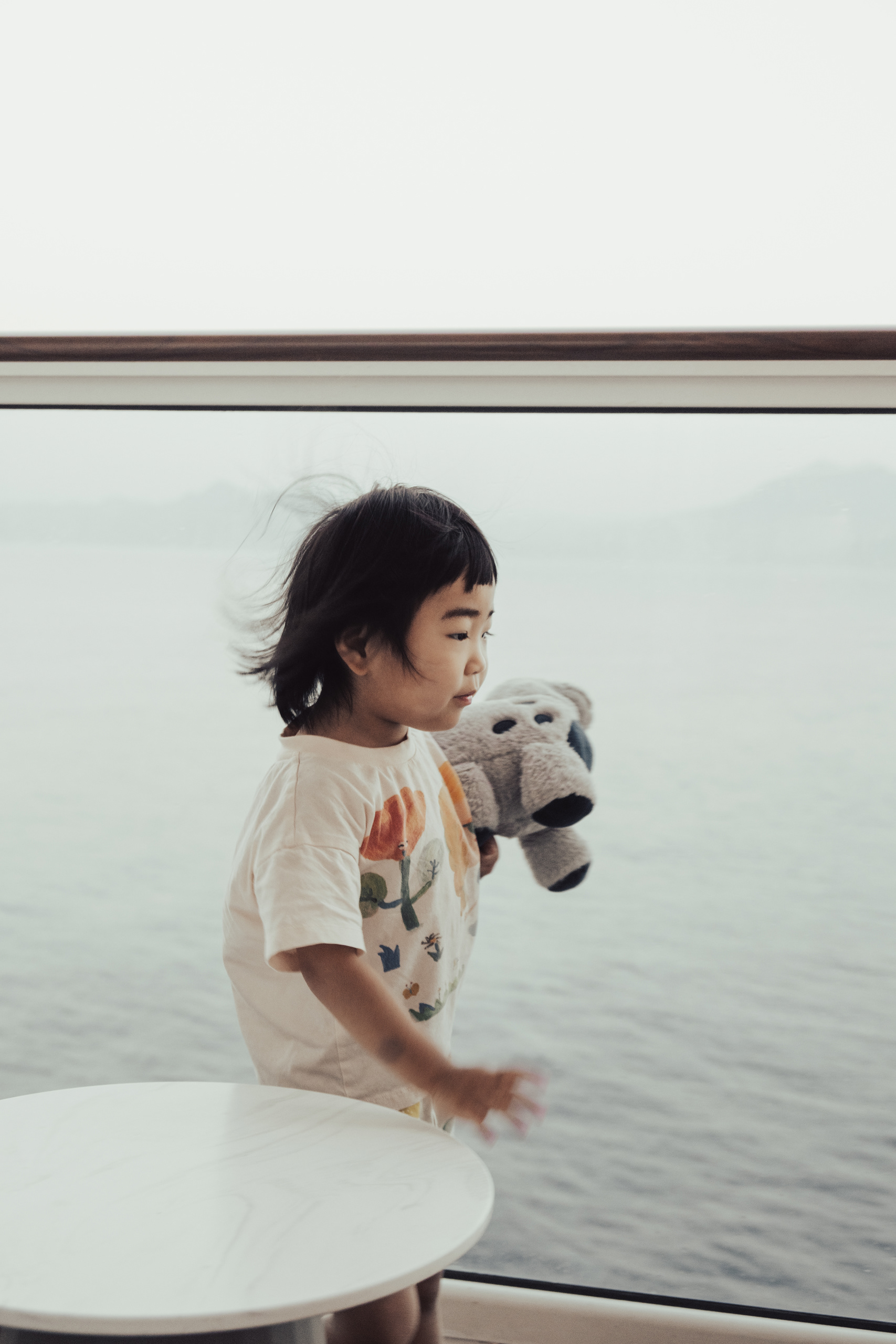
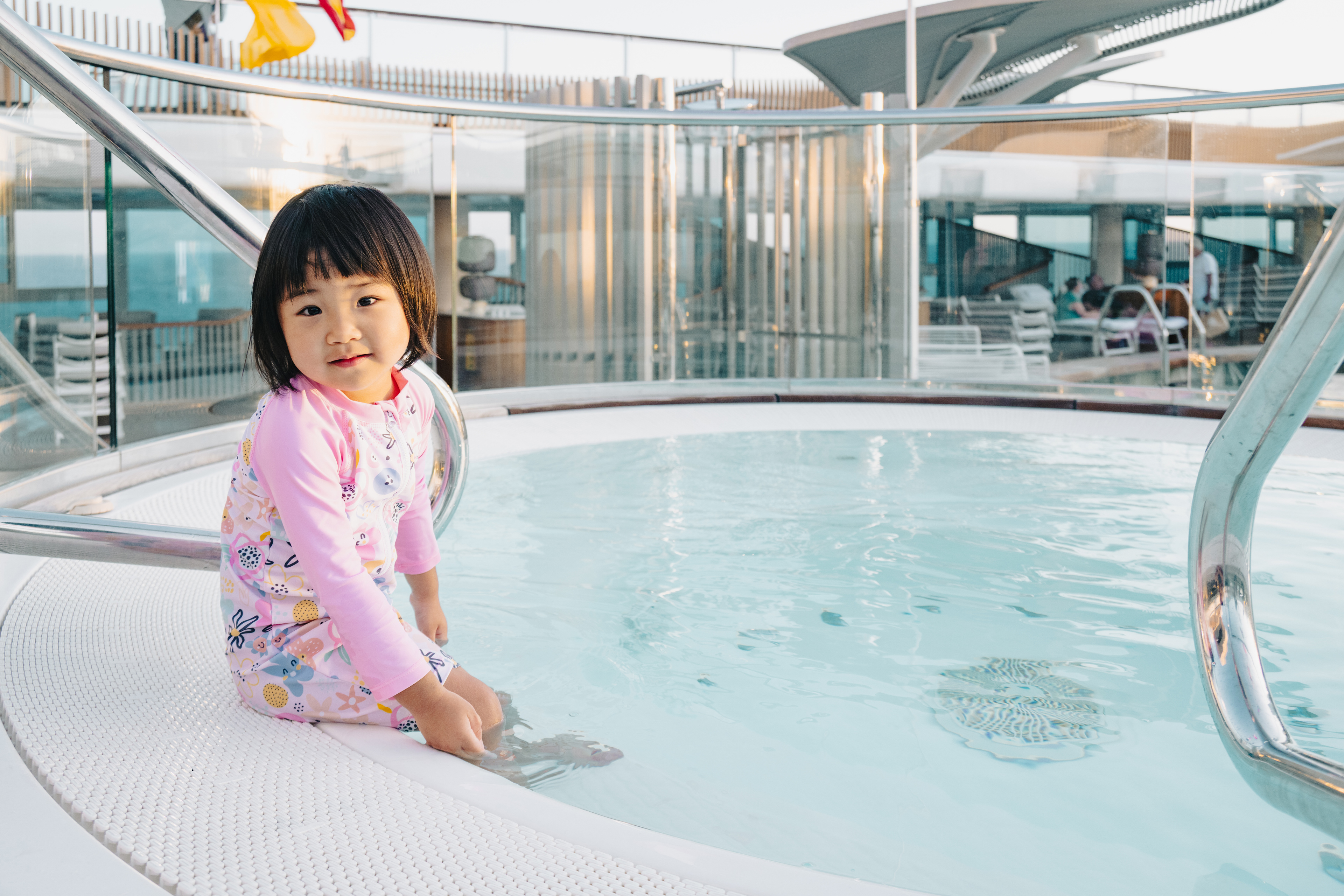
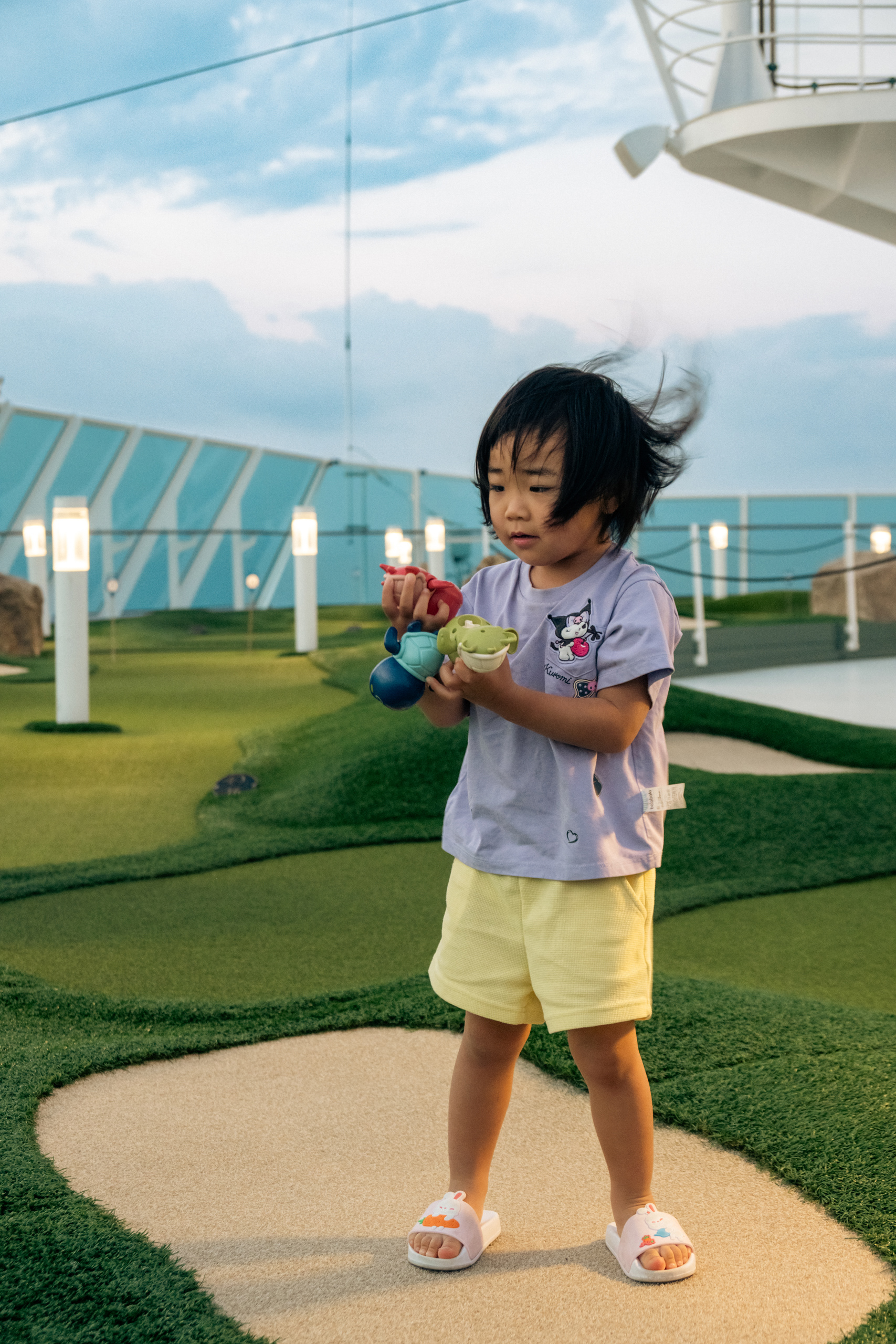
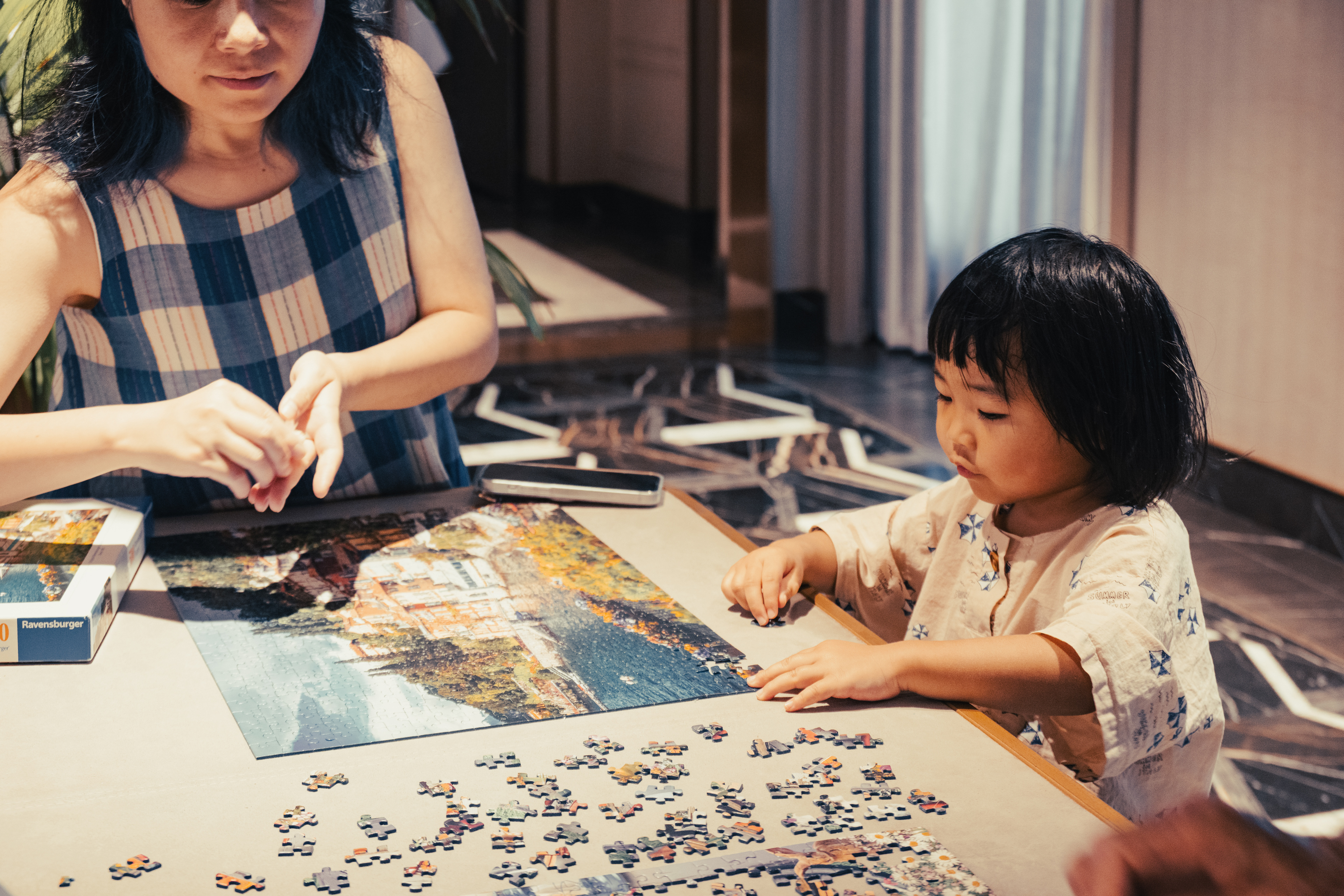
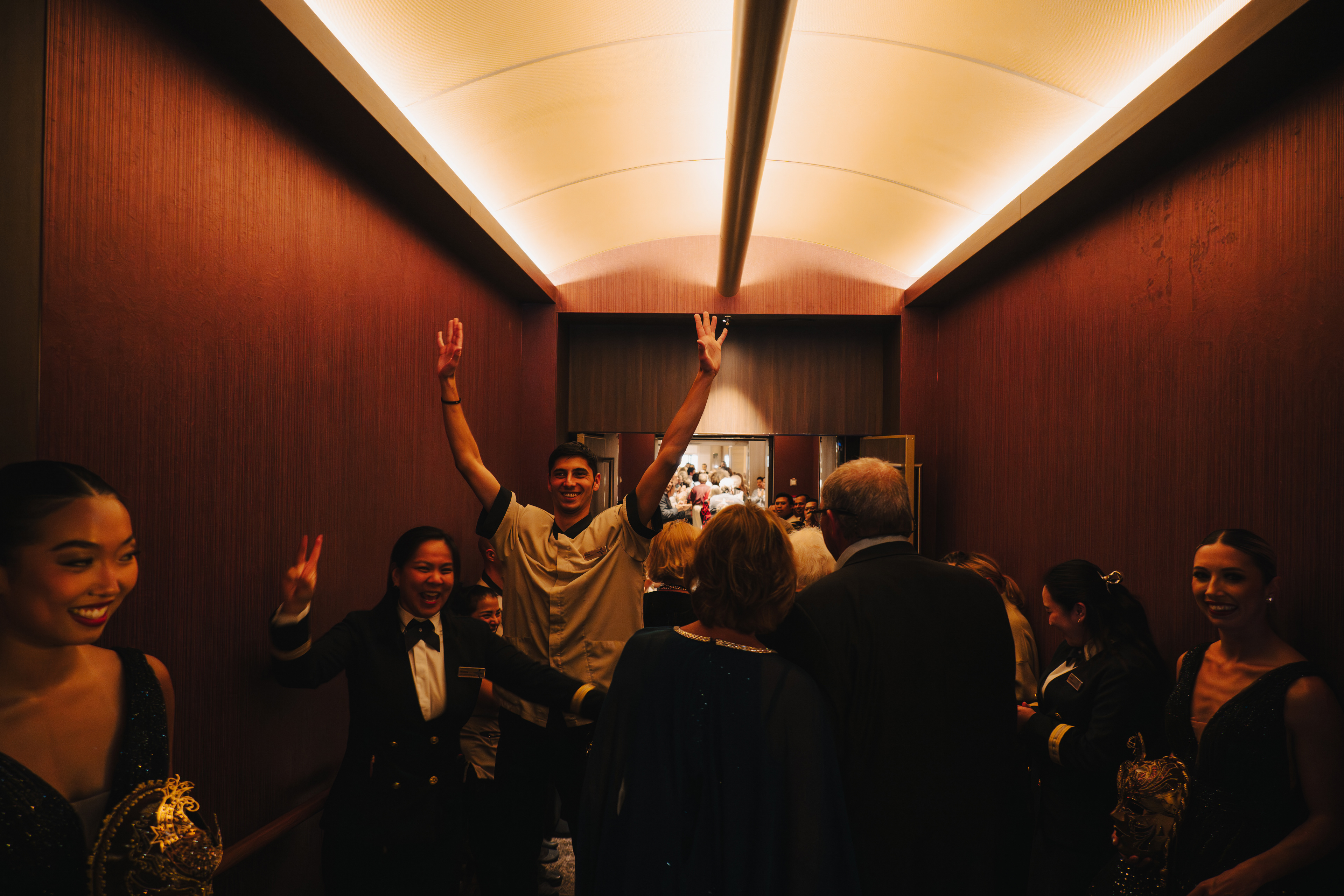
It is quiet. Deliberately, essentially, almost aggressively quiet. There are no kids' clubs, no water parks, no DJ pool parties. The entertainment leans toward string quartets, comedy shows, and enrichment lectures. On our sailing, our daughter was the only child under 5 aboard — quite possibly the only one under 10. She was, as a result, treated by the entire crew and passenger population as something between a beloved celebrity and a small good-luck charm.
Who is Oceania for? The honest answer is: couples and solo travelers who care more about what's on the plate than what's on the pool deck. People who find large ships chaotic. People who want curated itineraries in ports that aren't the same four Caribbean stops everyone does. Oceania is probably not the right choice for families with young children who need structured activities, or for anyone who needs noise and stimulation to feel like they're having fun.
We are not those people. Our daughter is a very agreeable traveler. We booked it anyway.
We are not those people. Our daughter is a very agreeable traveler. We booked it anyway.
The Ship: Oceania Vista
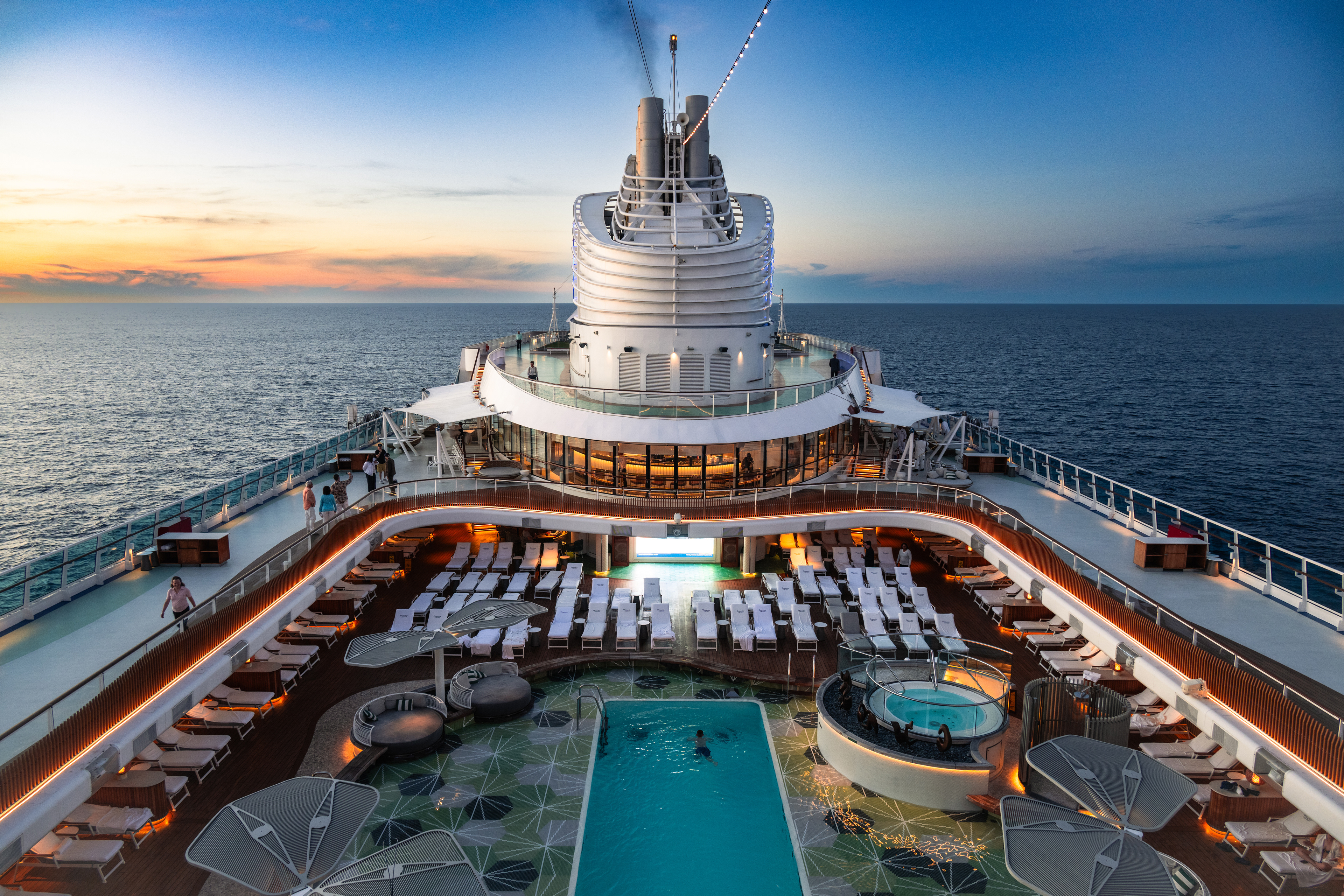
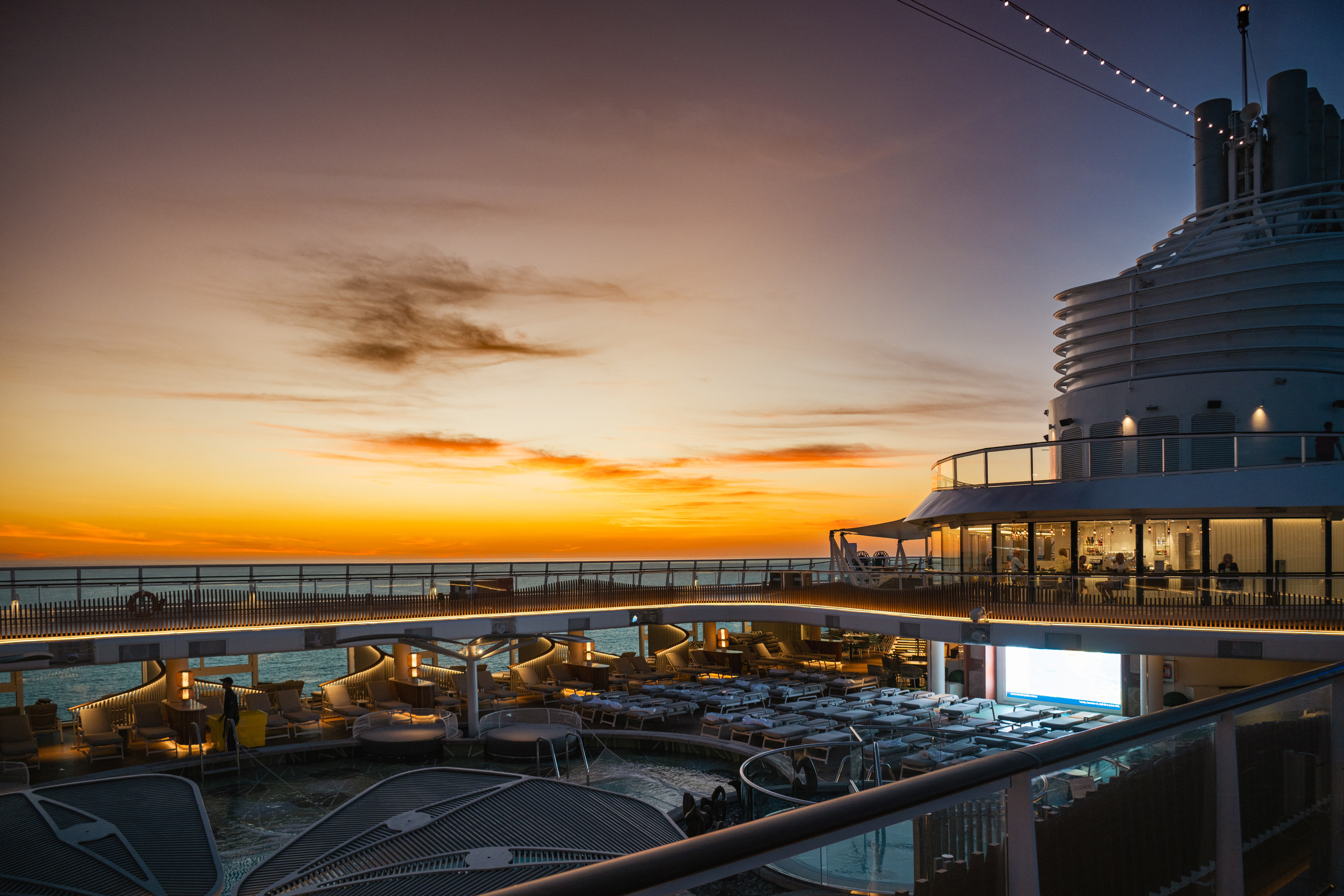
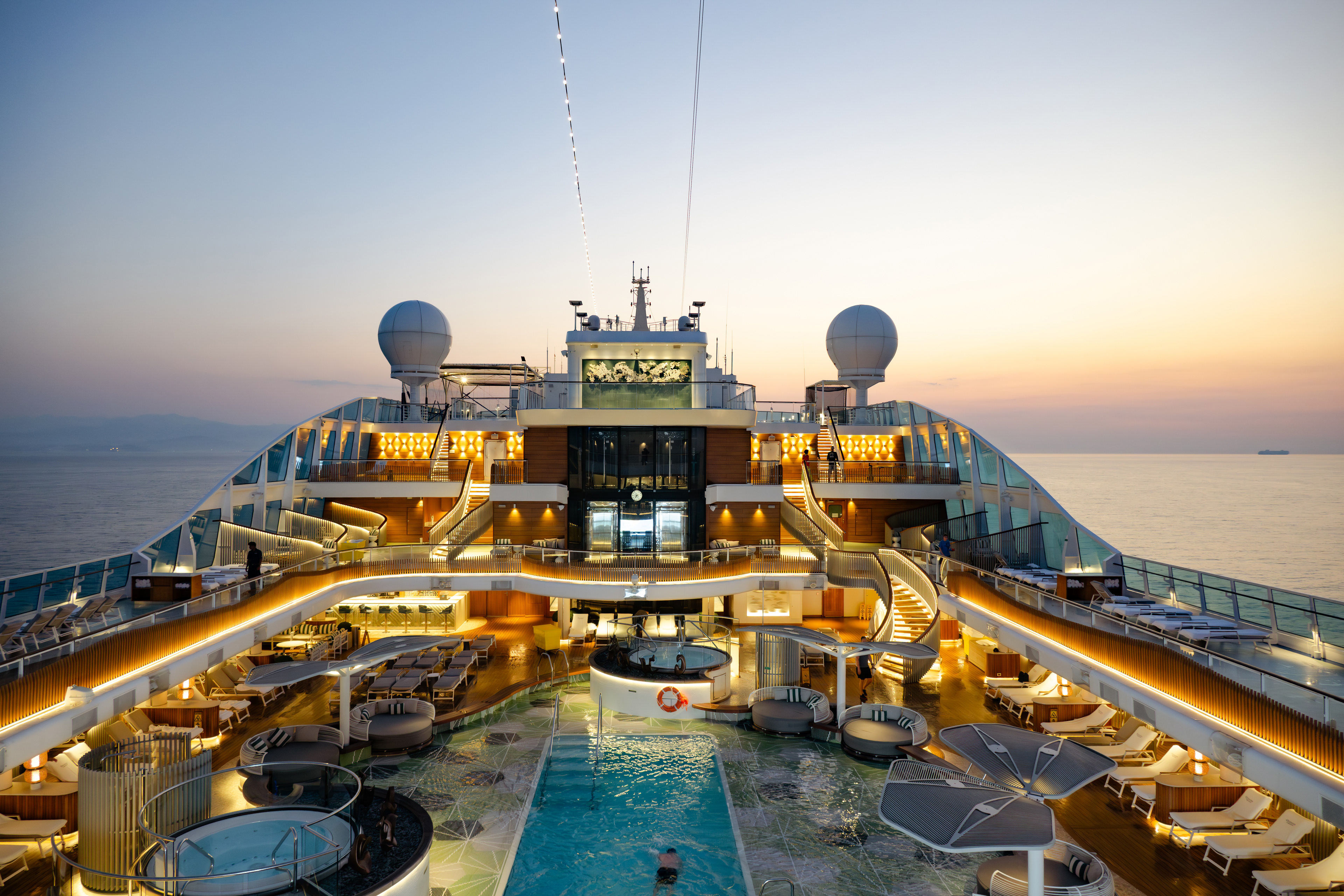
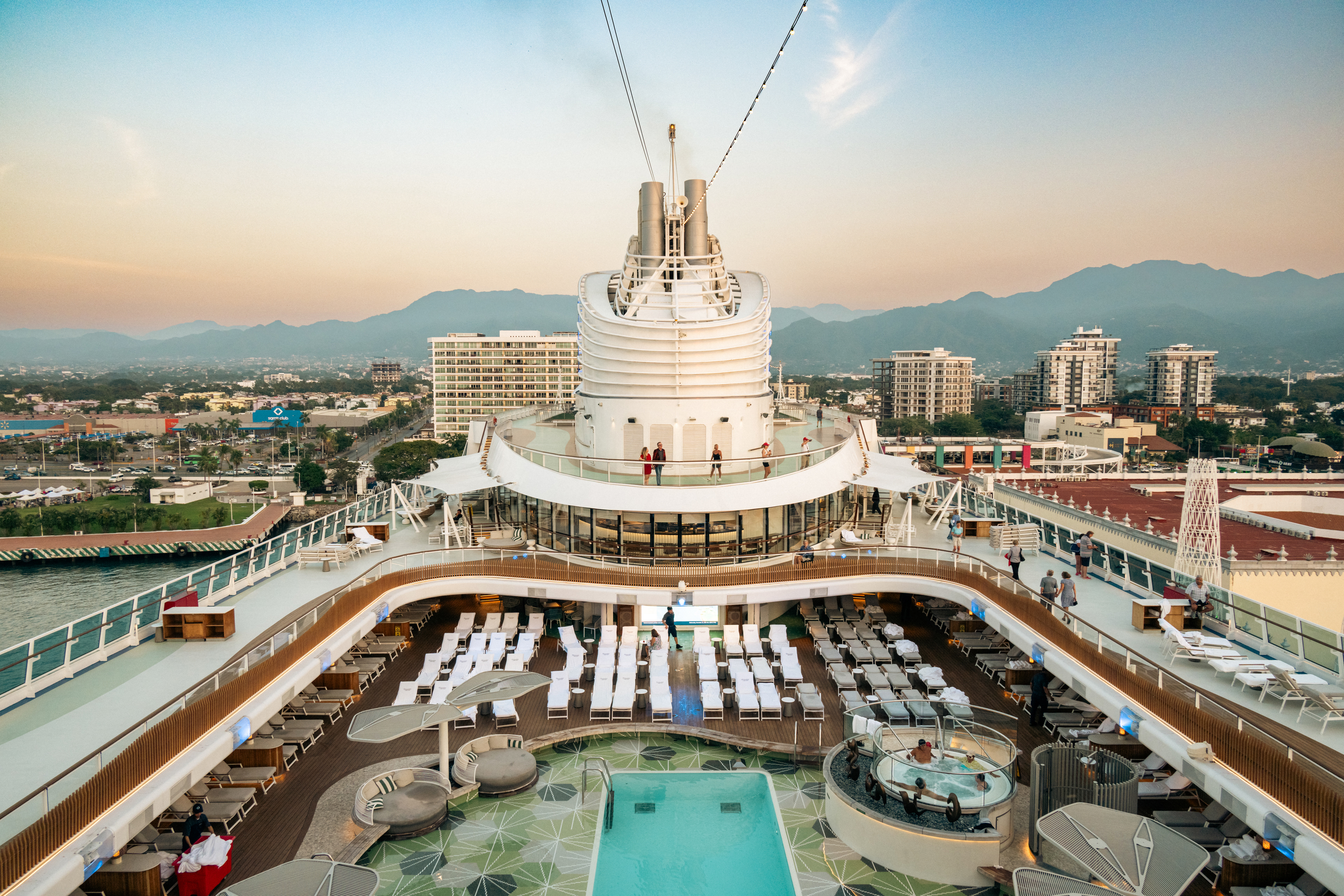
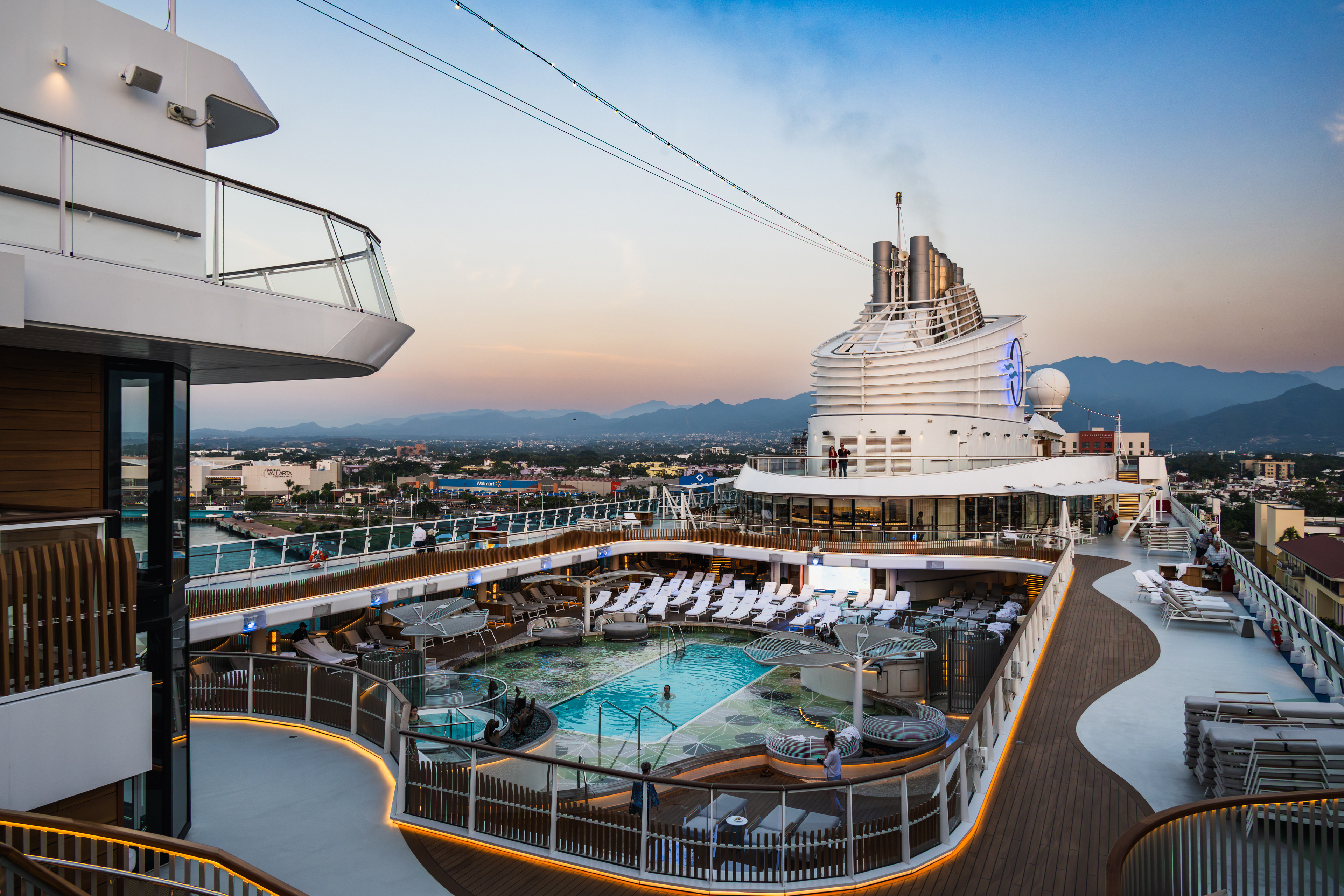
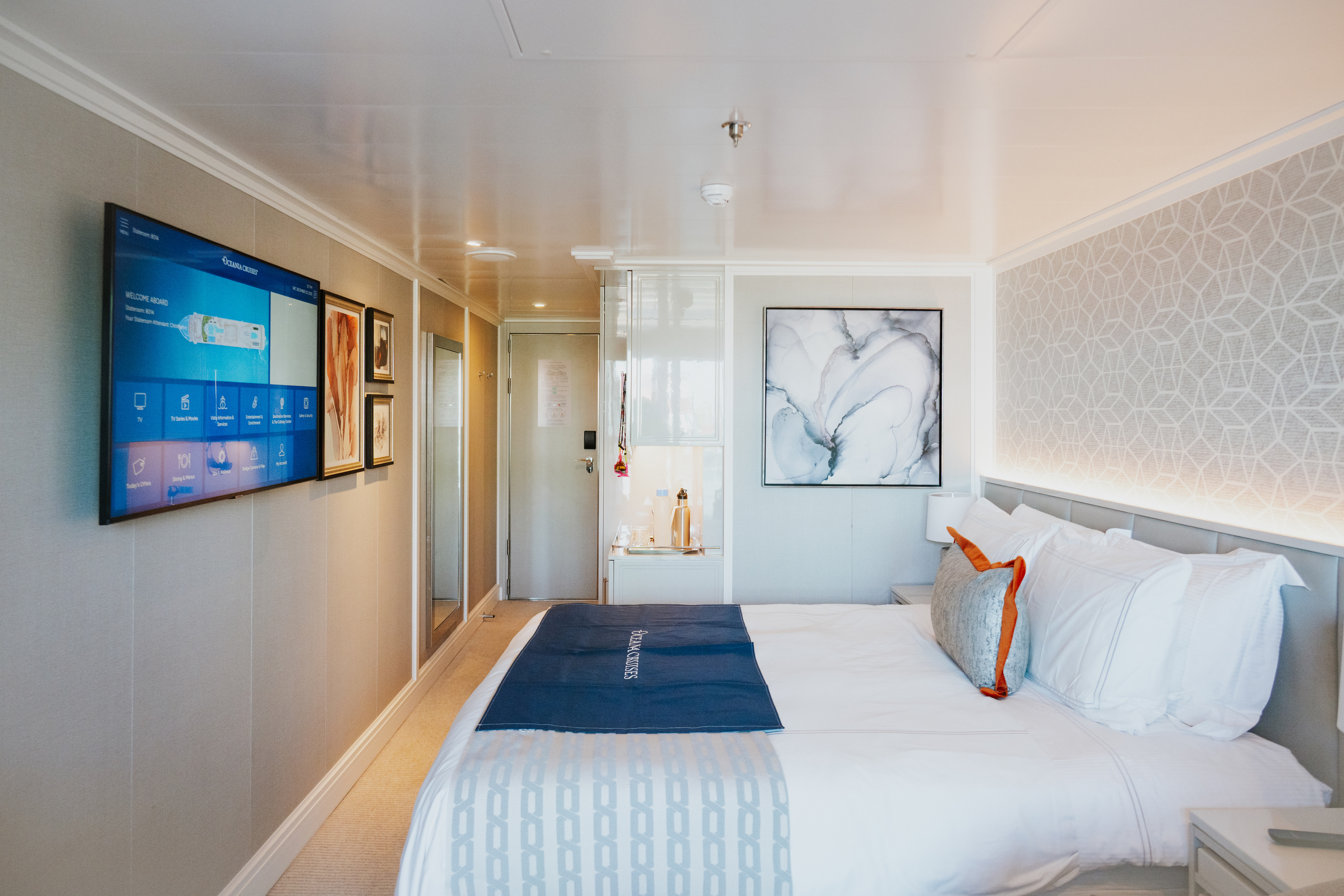
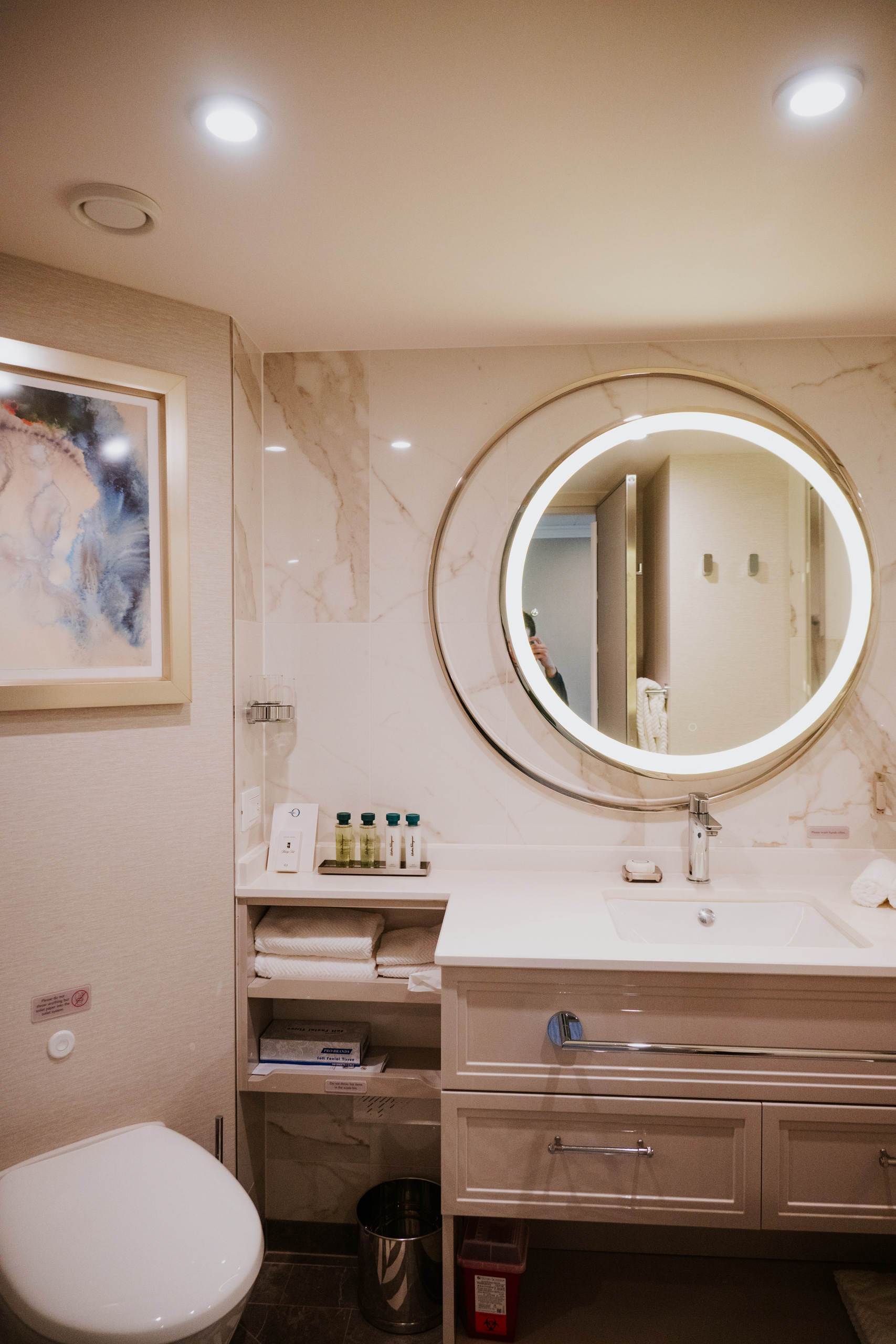
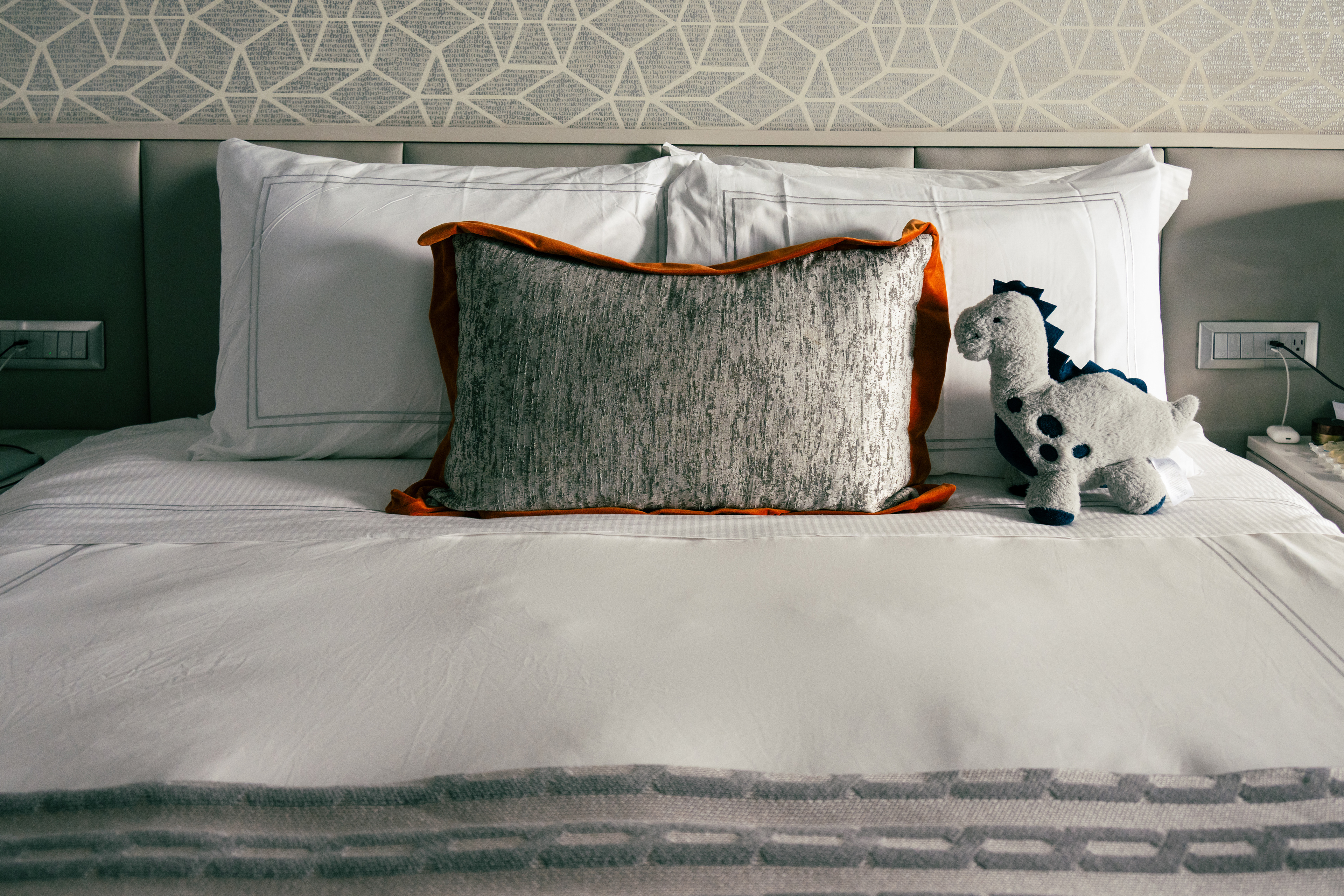
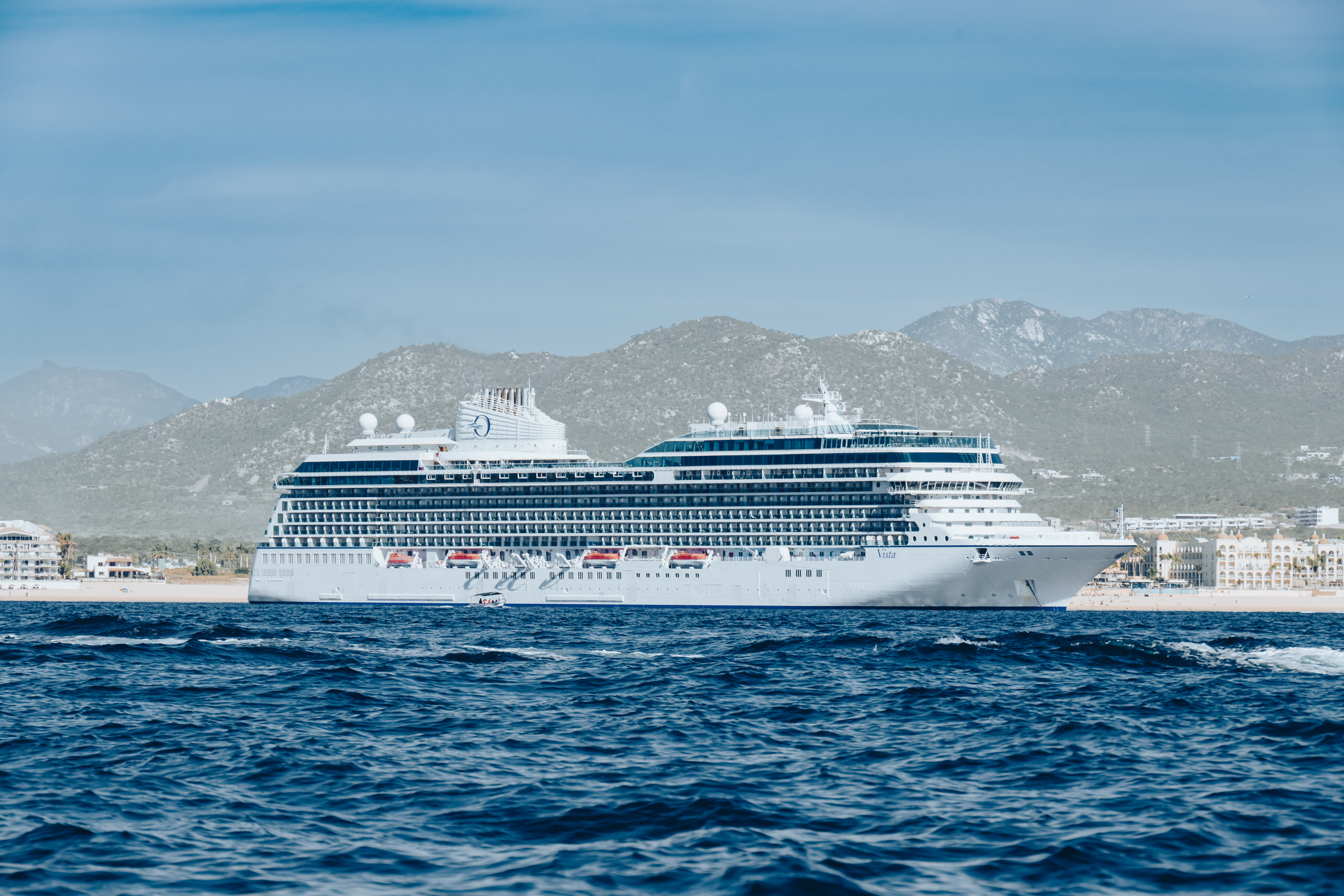
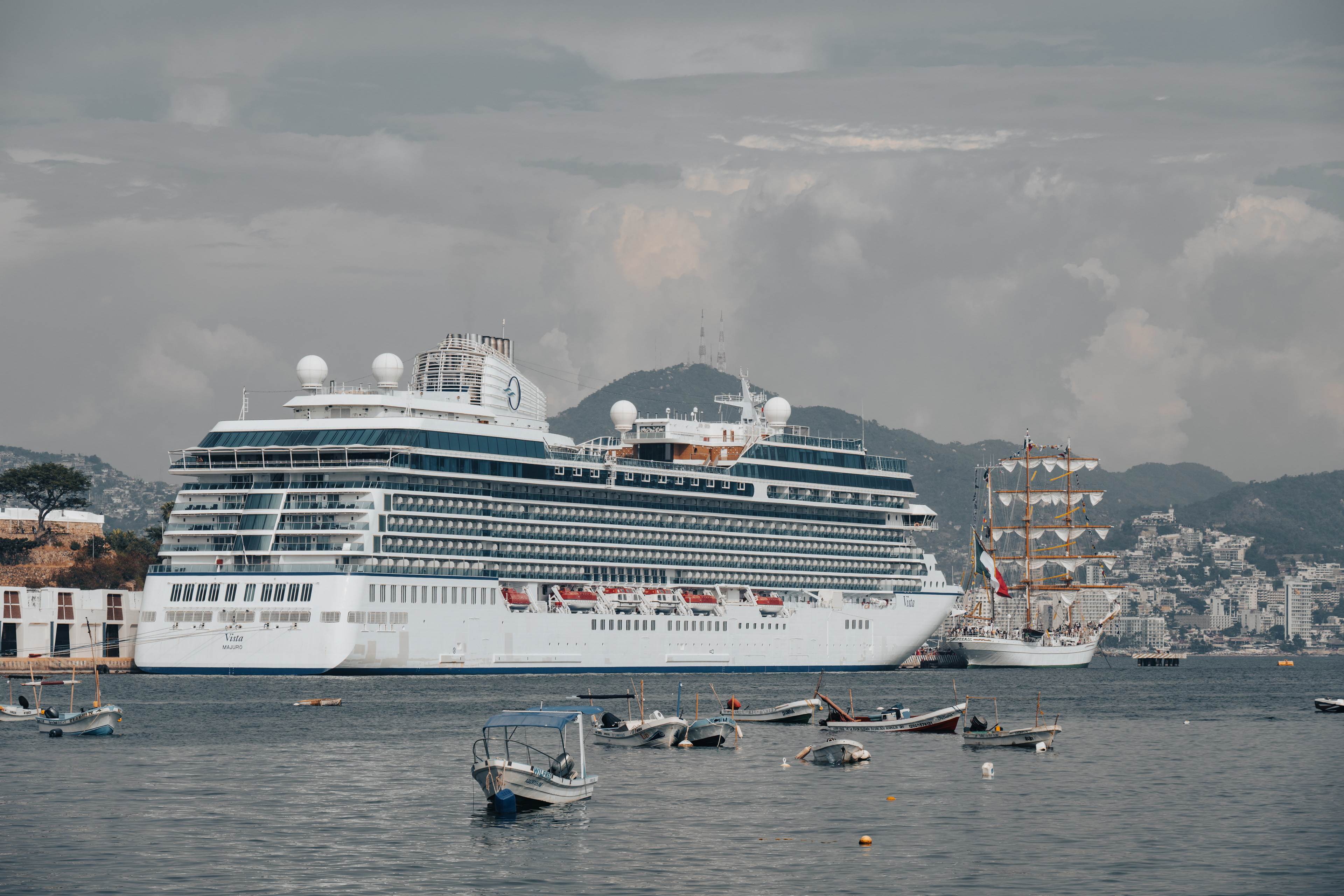
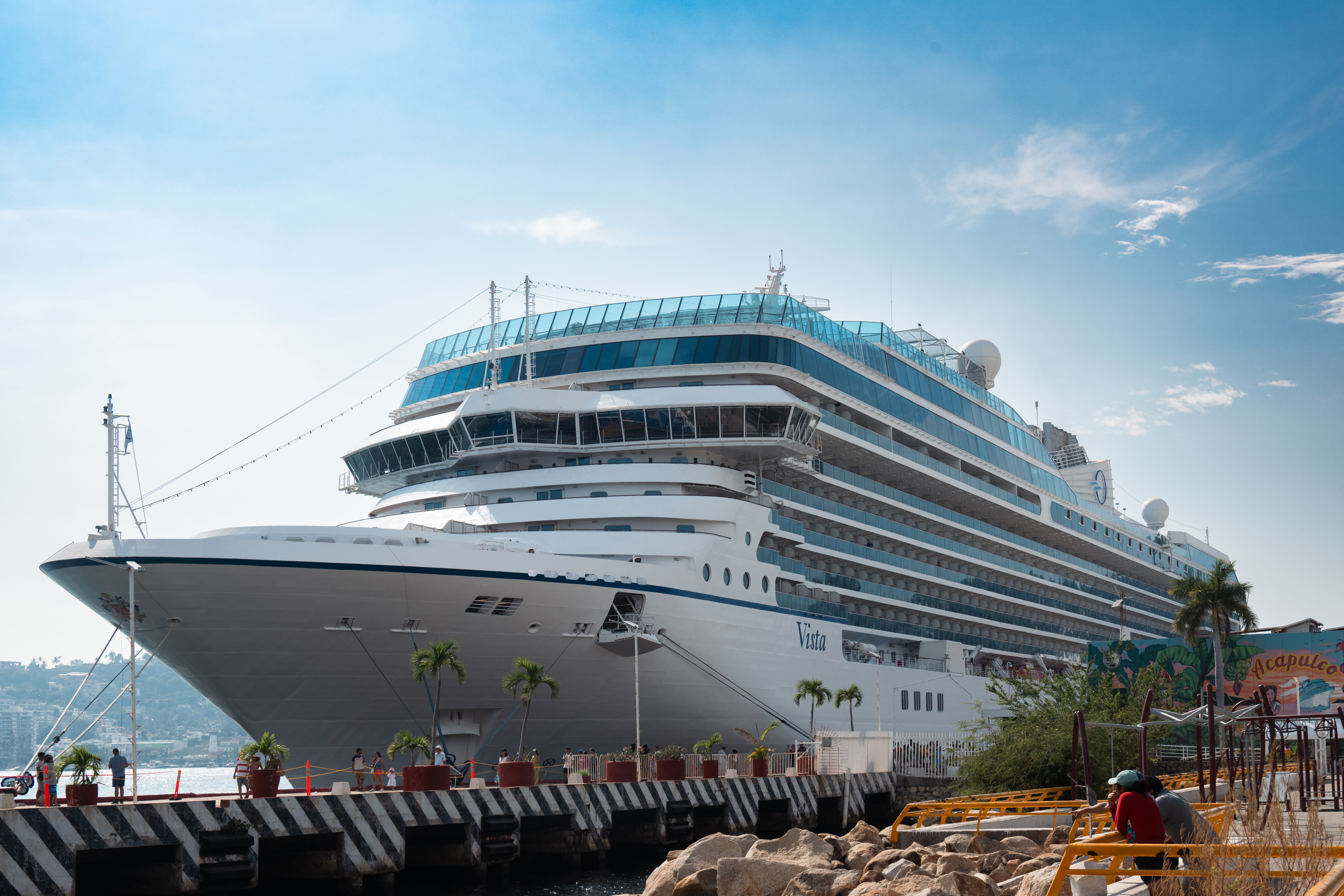
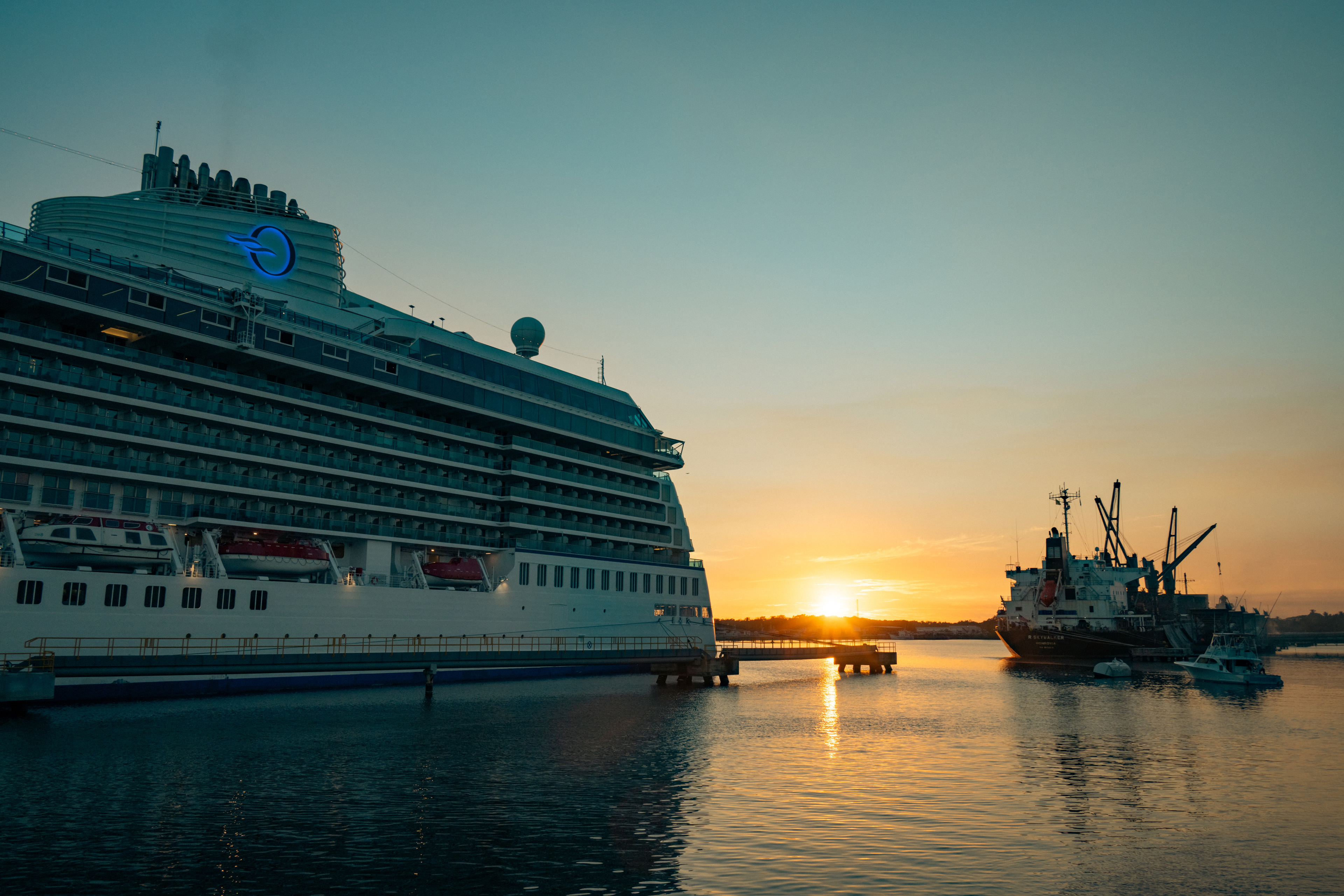
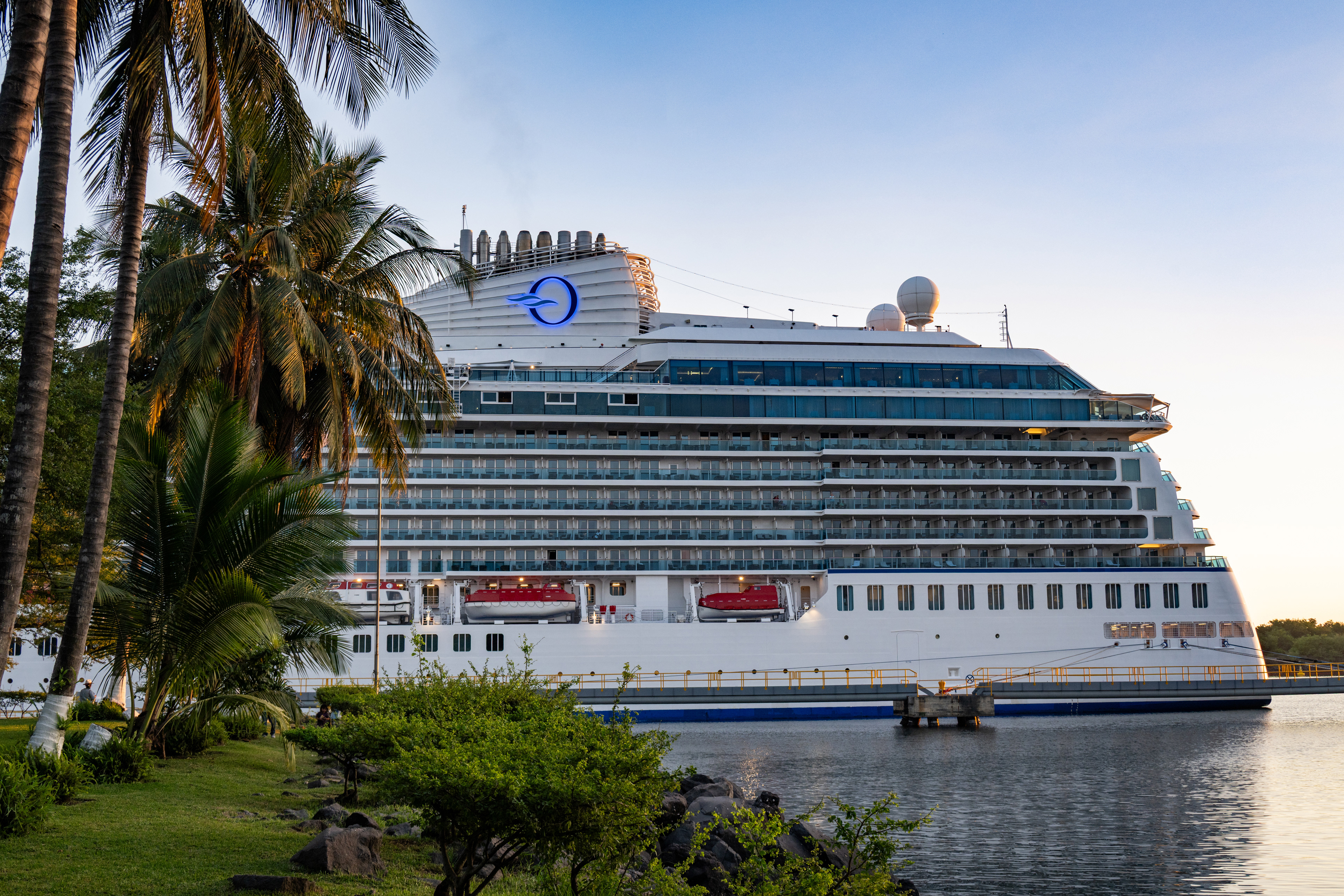
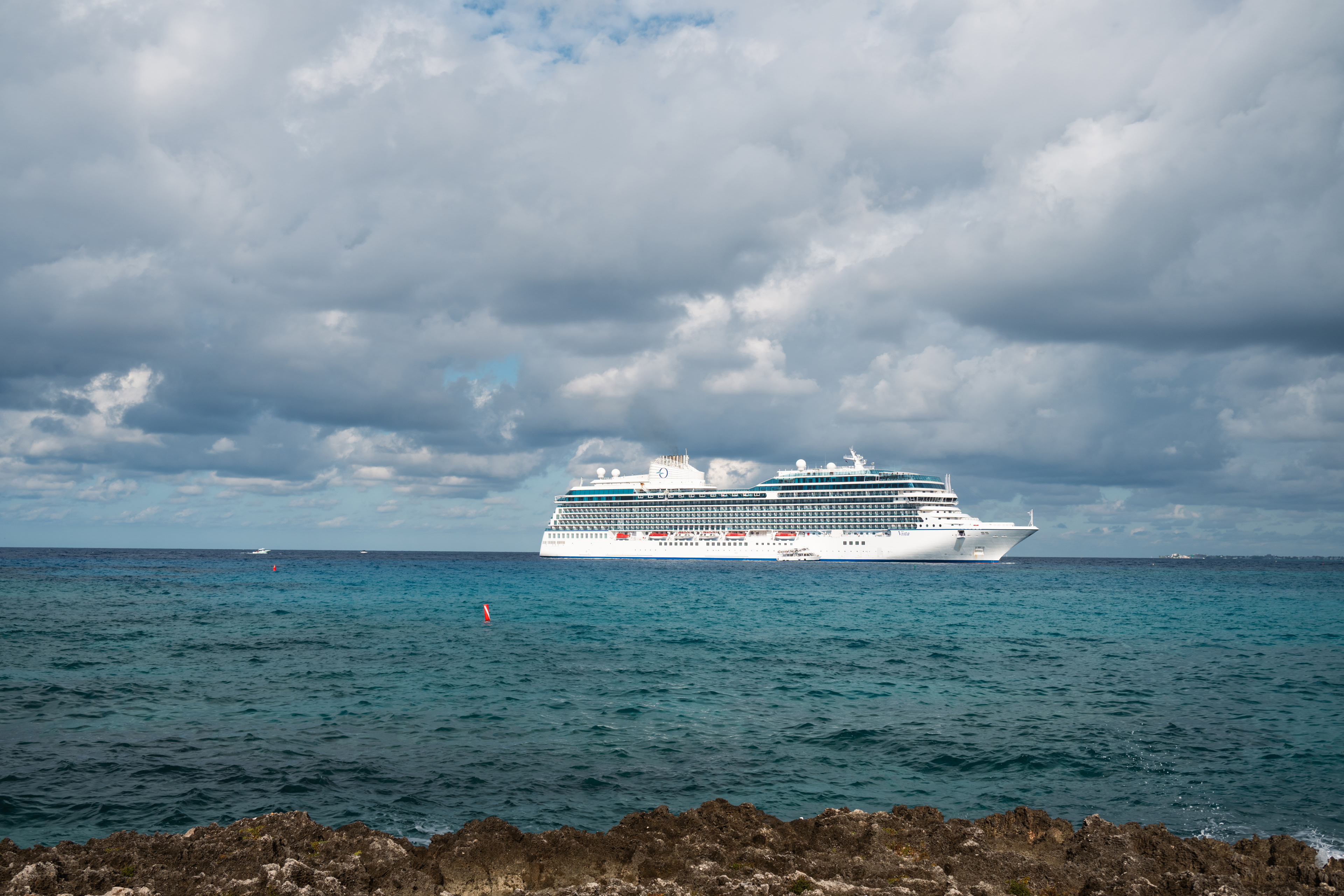
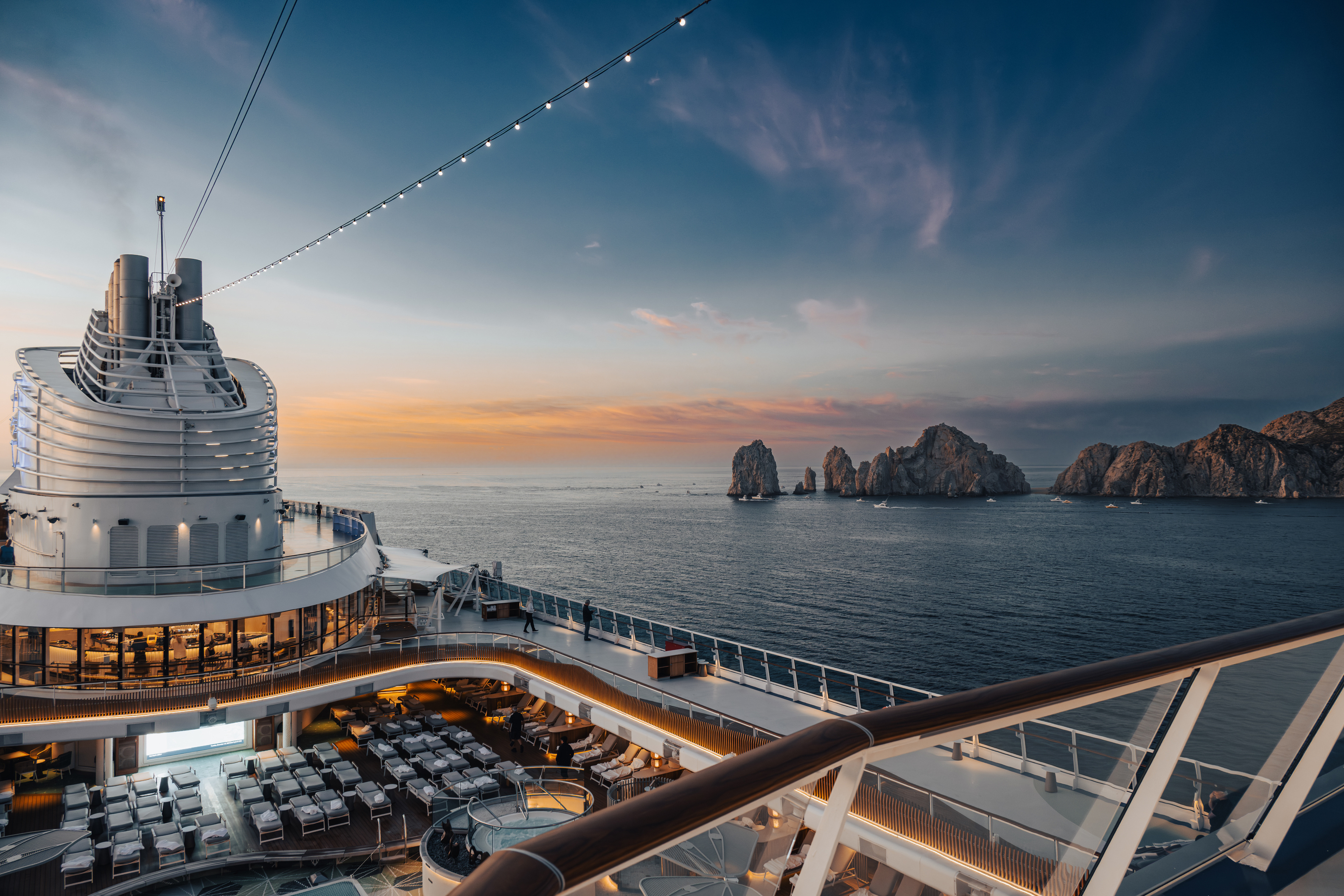
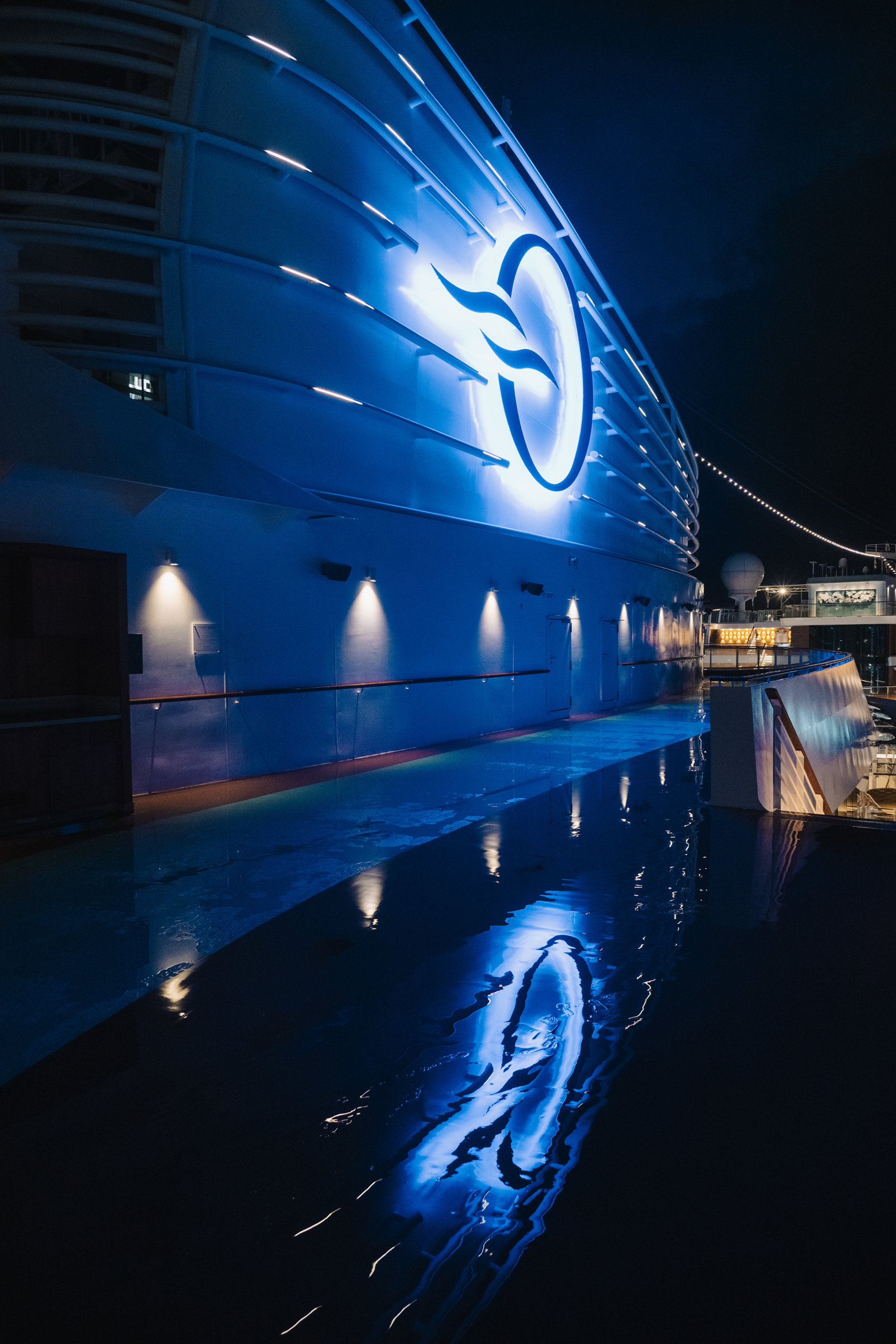
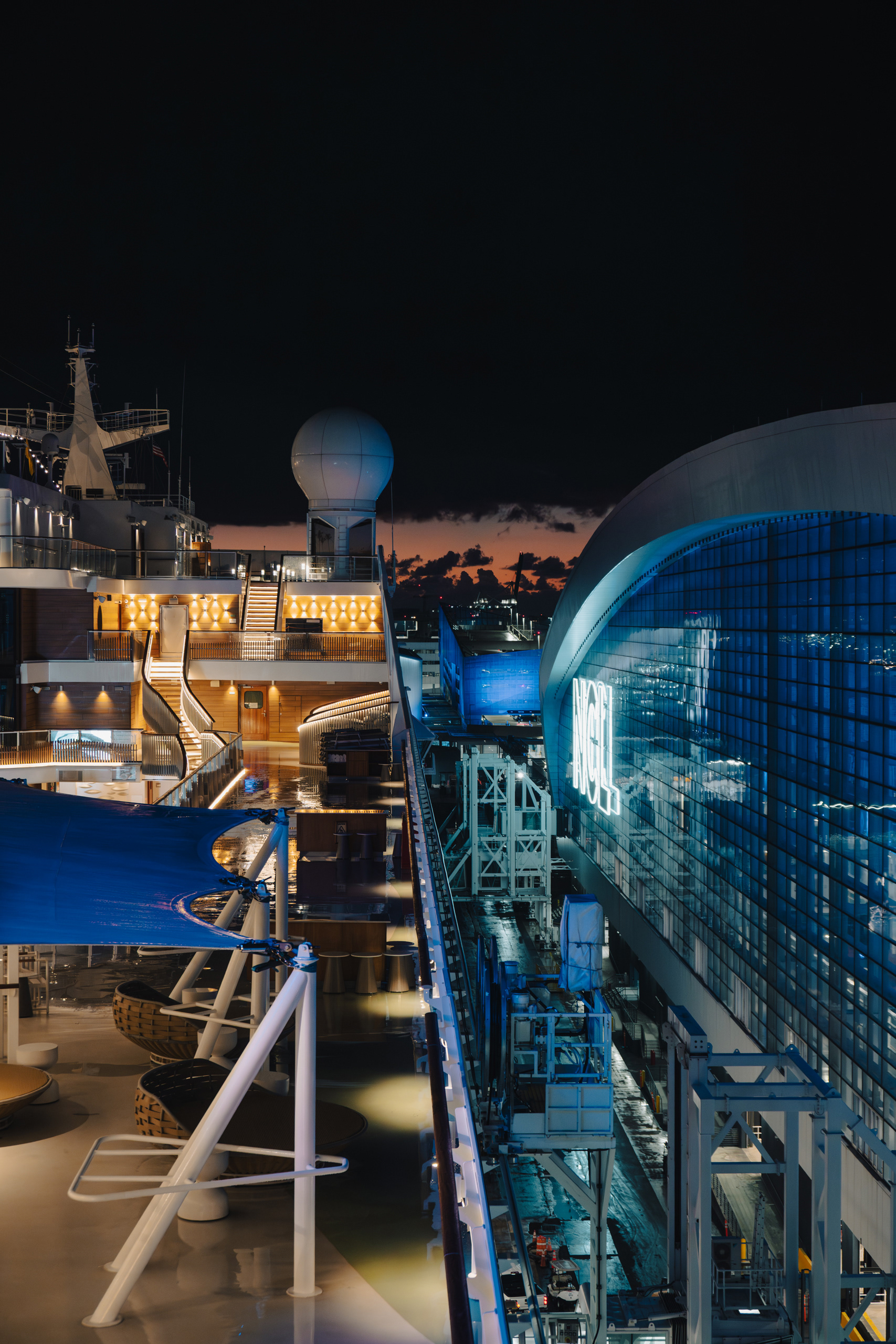
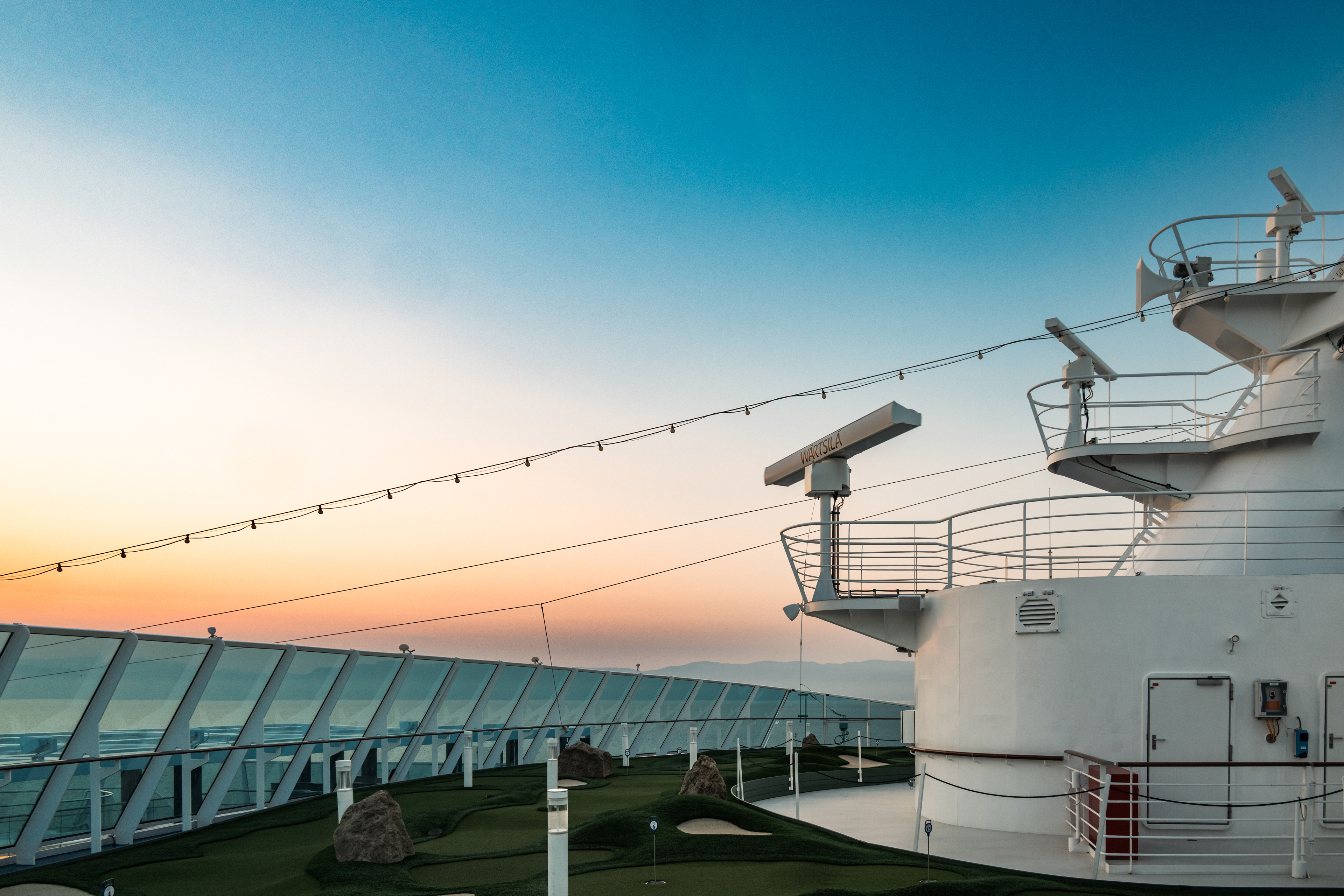
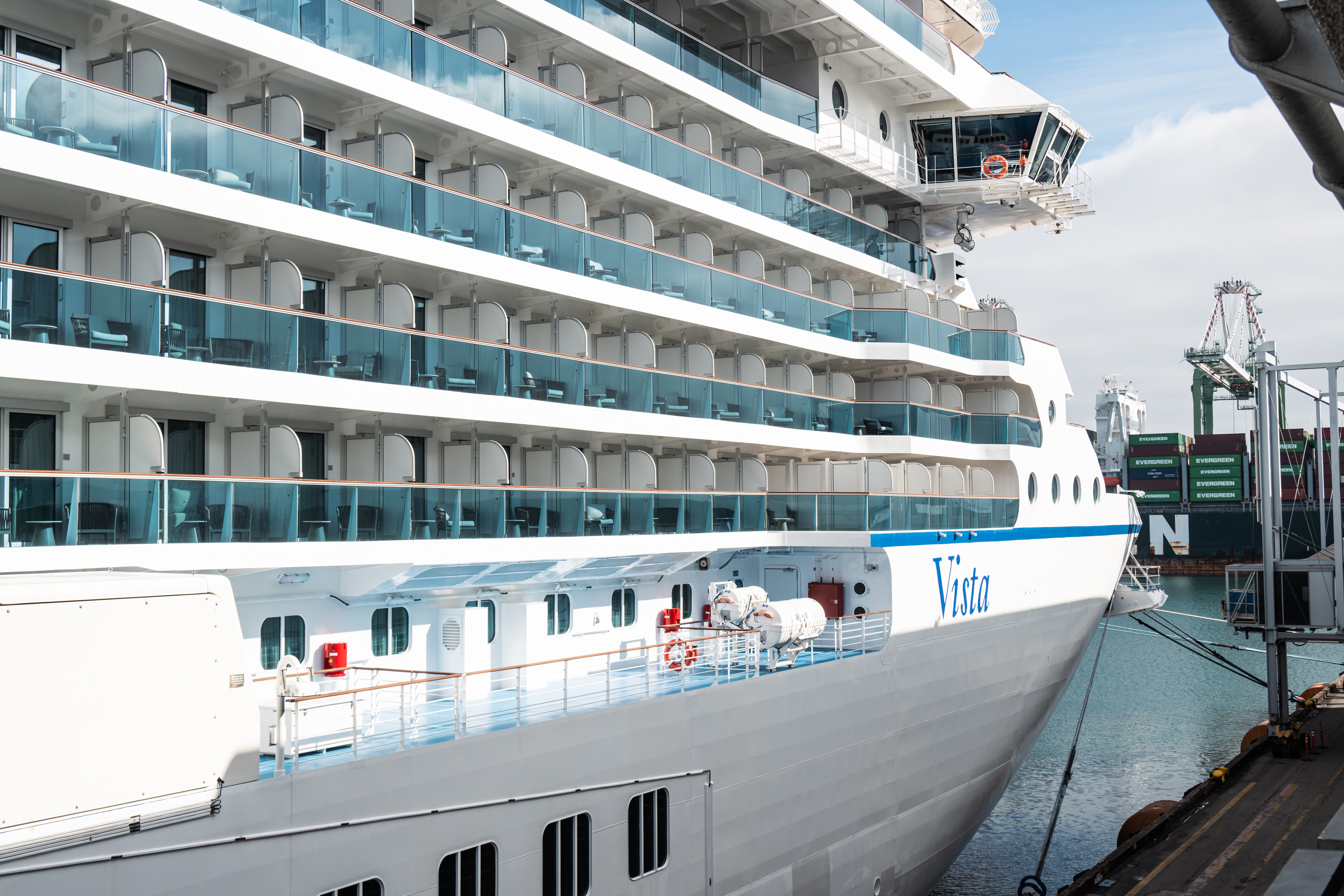
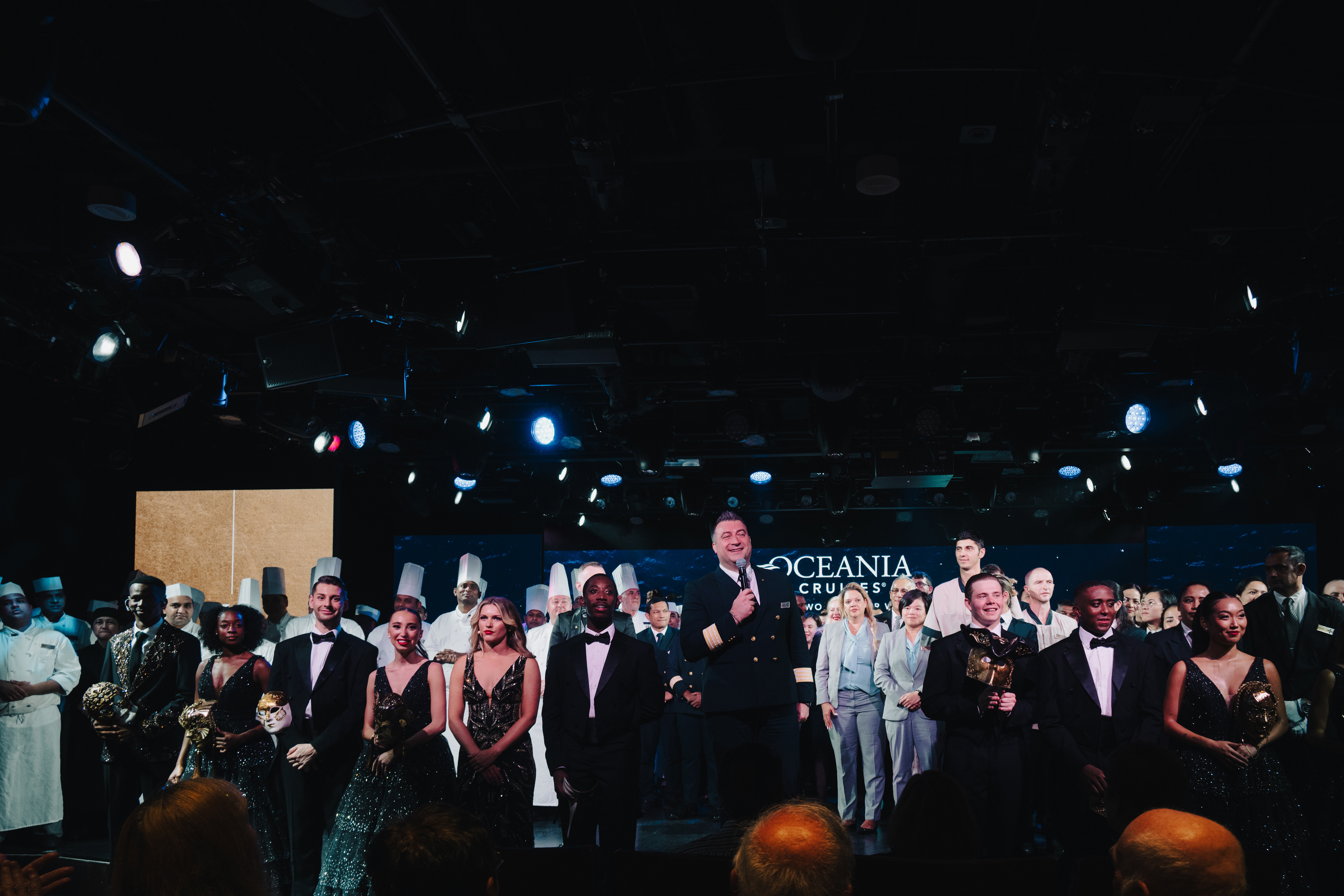
Vista launched in 2023, making her one of the newest ships in the Oceania fleet — part of the new Allura class alongside her slightly younger sister, Allura. At 241 meters and 67,000 gross tons, she's what you'd call mid-size in the modern cruise landscape, though she felt anything but cramped. The crew-to-passenger ratio is roughly 1:1.5, which means you are never far from someone ready to bring you something.
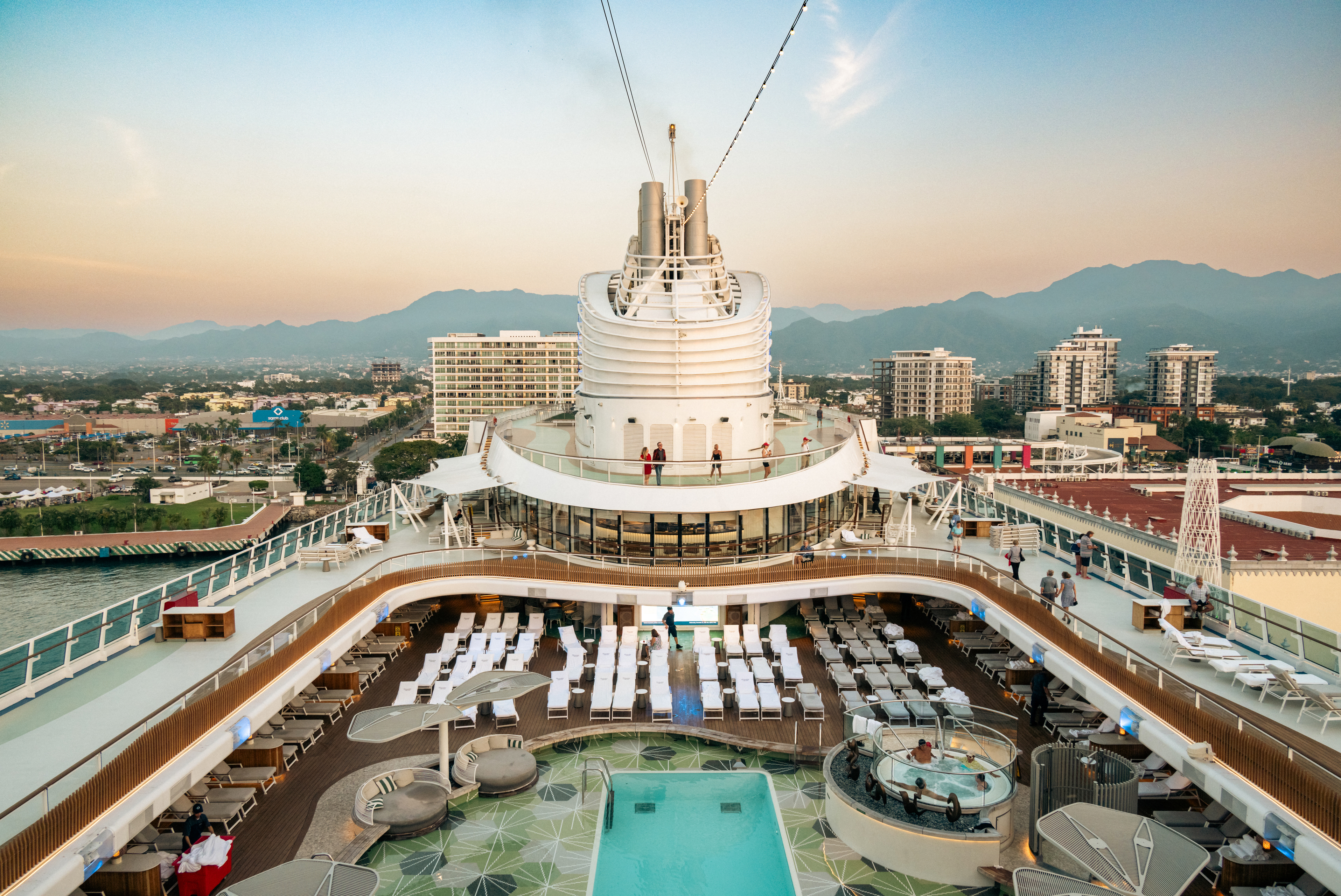
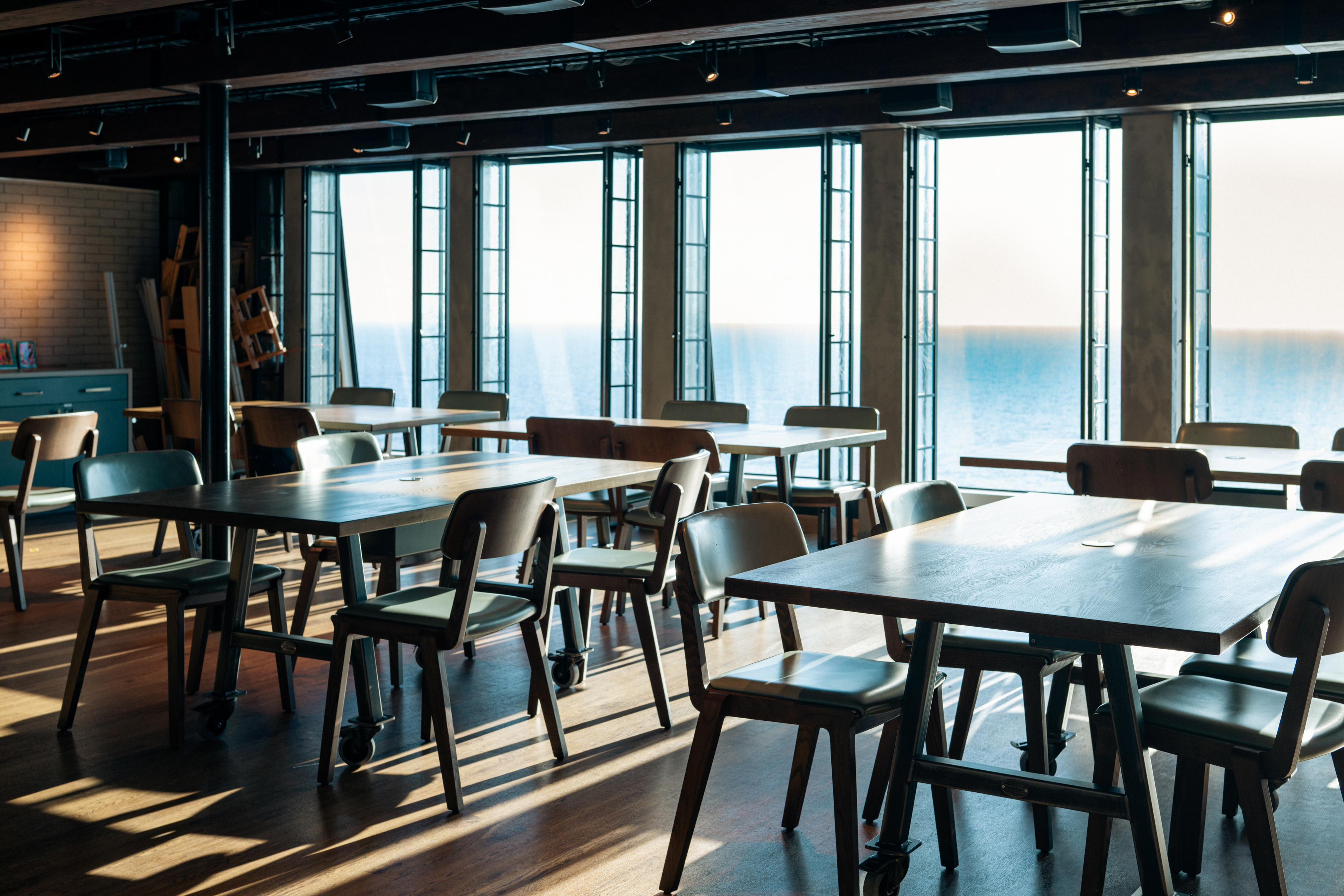
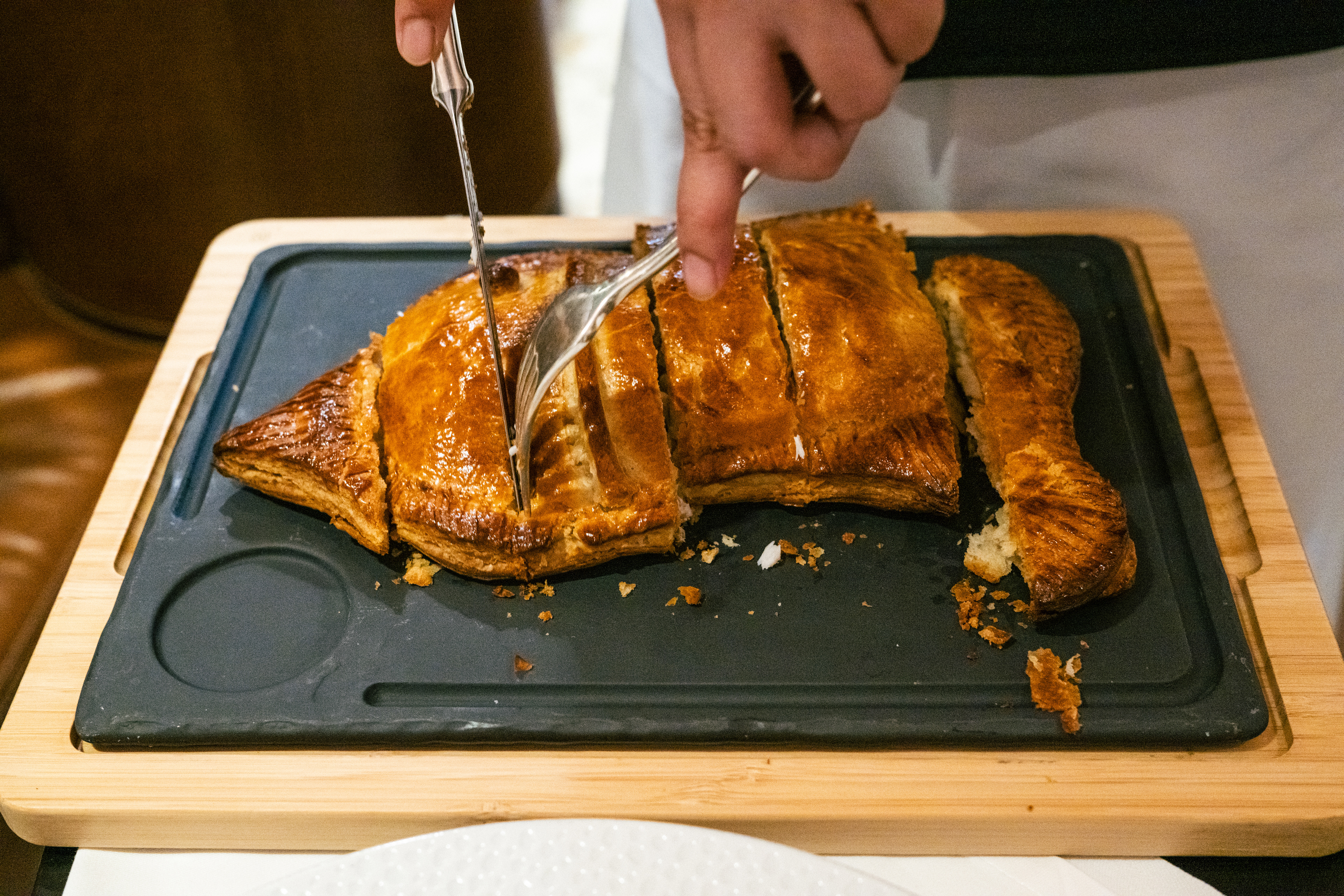
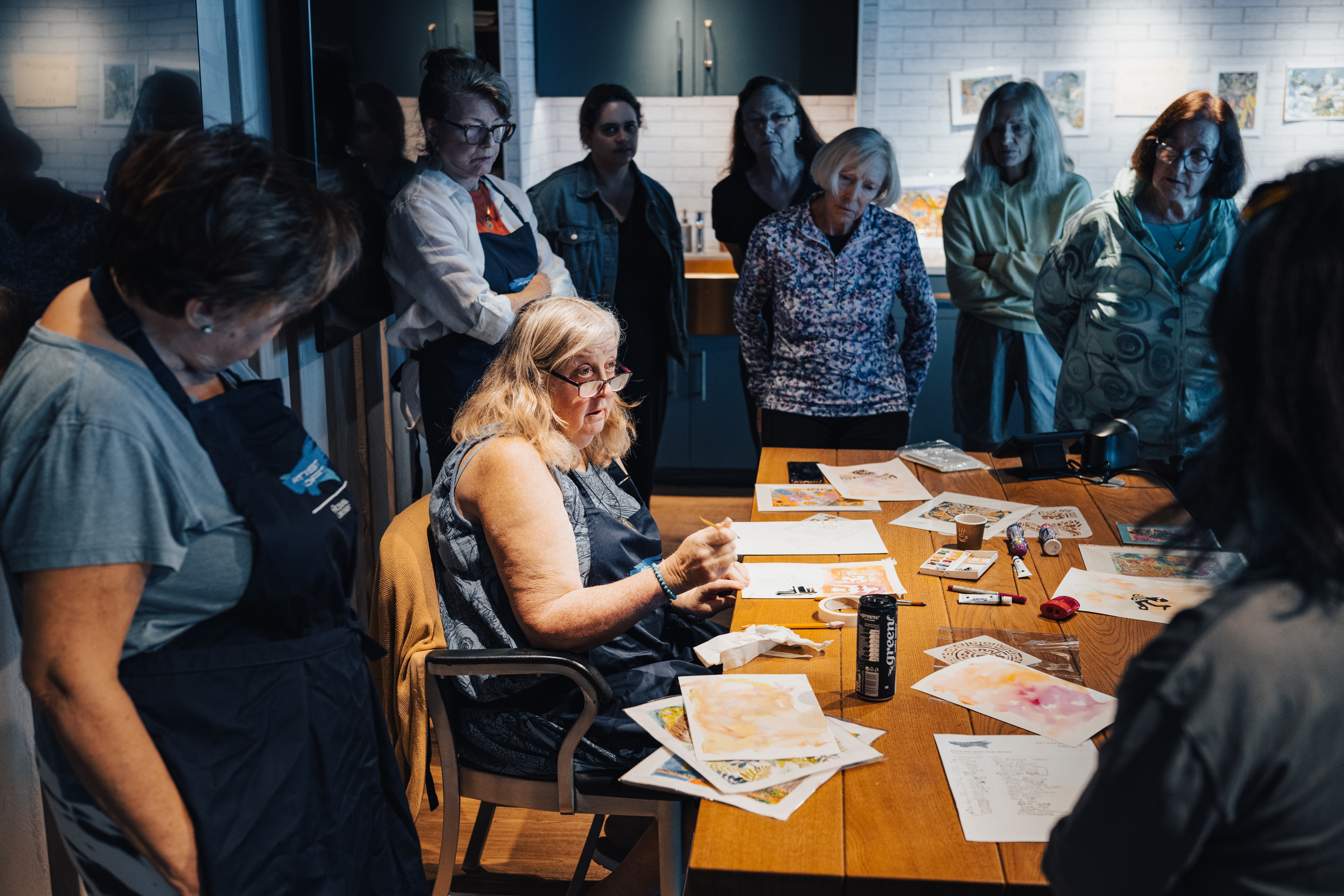
The design is warmer and more modern than the older Oceania ships. Light woods, curved lines, none of the dated fussiness you sometimes see on ships that haven't been refitted since 2007. The library on Deck 14 is genuinely beautiful — floor-to-ceiling shelves, actual hardcovers, no cell phones allowed. The Culinary Center on the same deck runs daily cooking classes (not included unfortunately) where you can learn how to make, among other things, cocina mexicana, ceviche, and a surprisingly respectable beef Wellington.
The vessel's godmother is Giada De Laurentiis. Whether you find this meaningful or simply on-brand for a ship that considers food its primary identity is up to you.
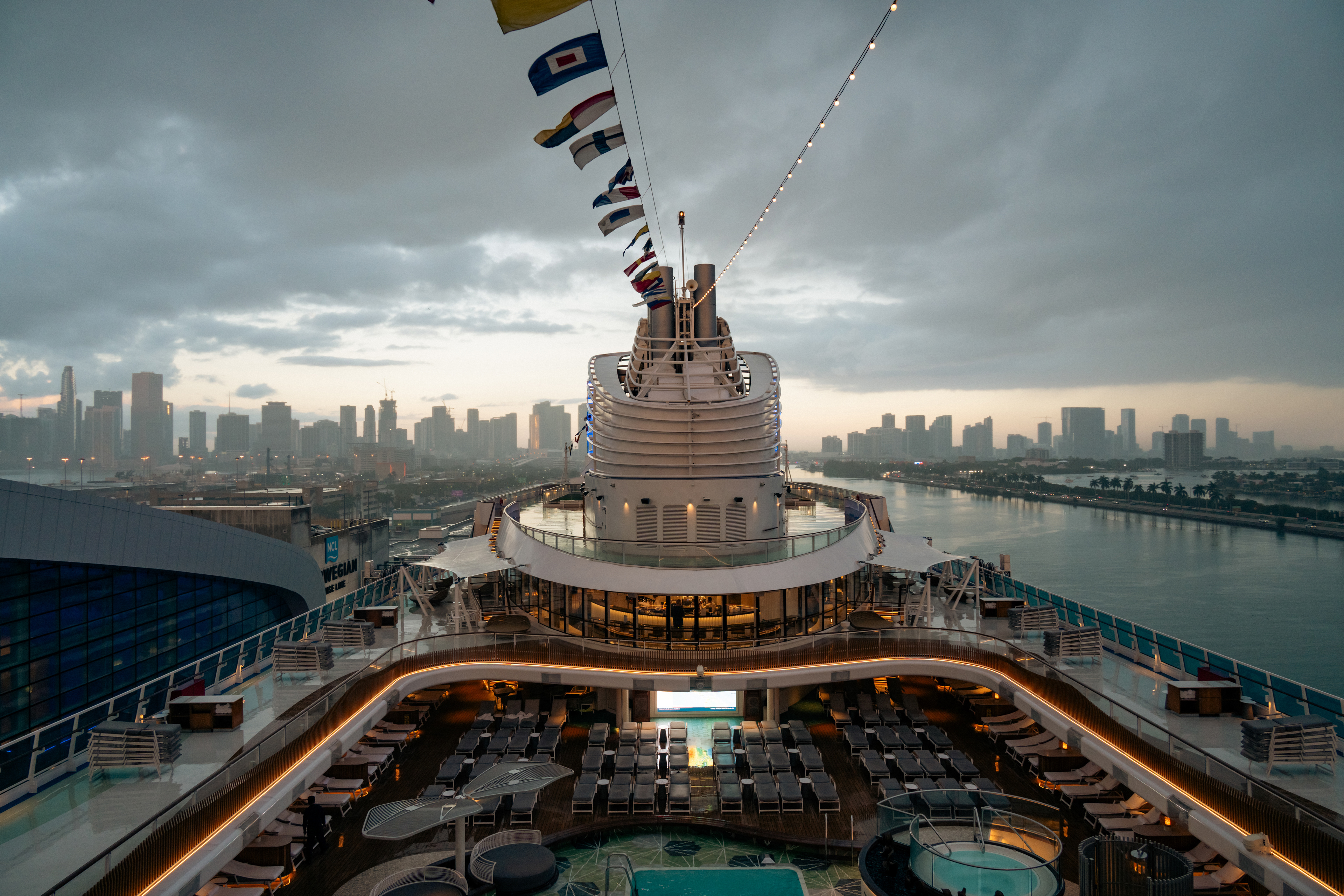
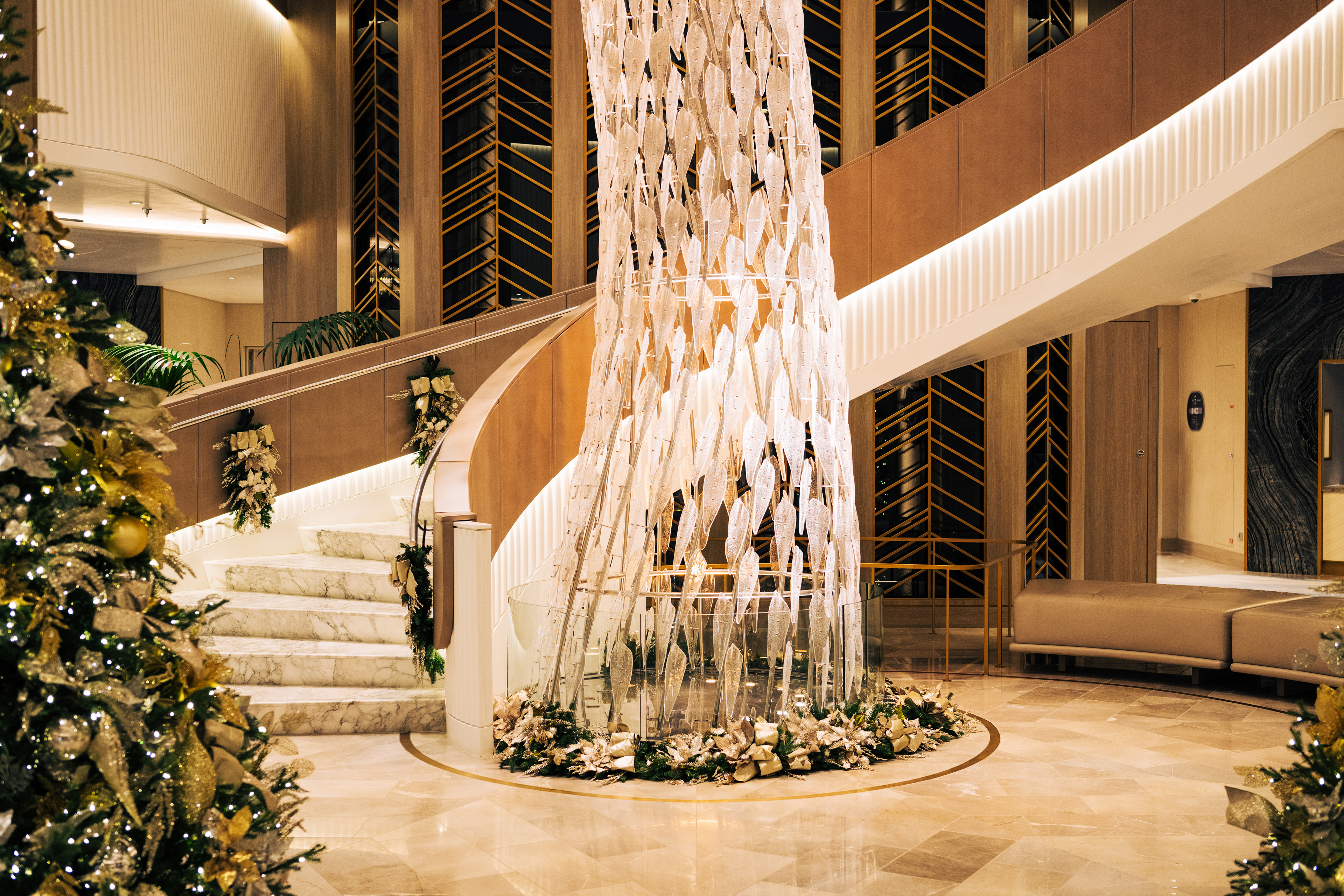
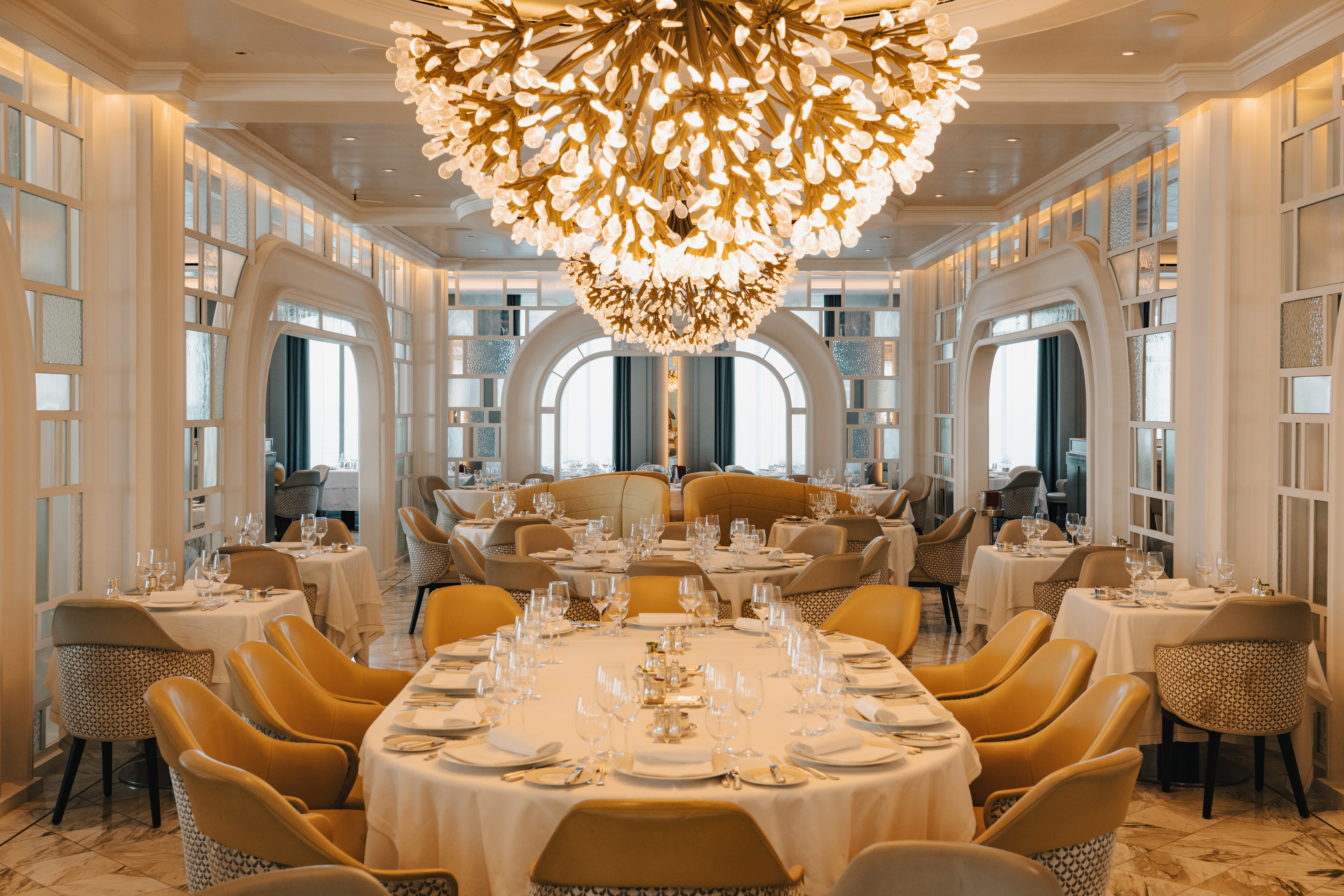
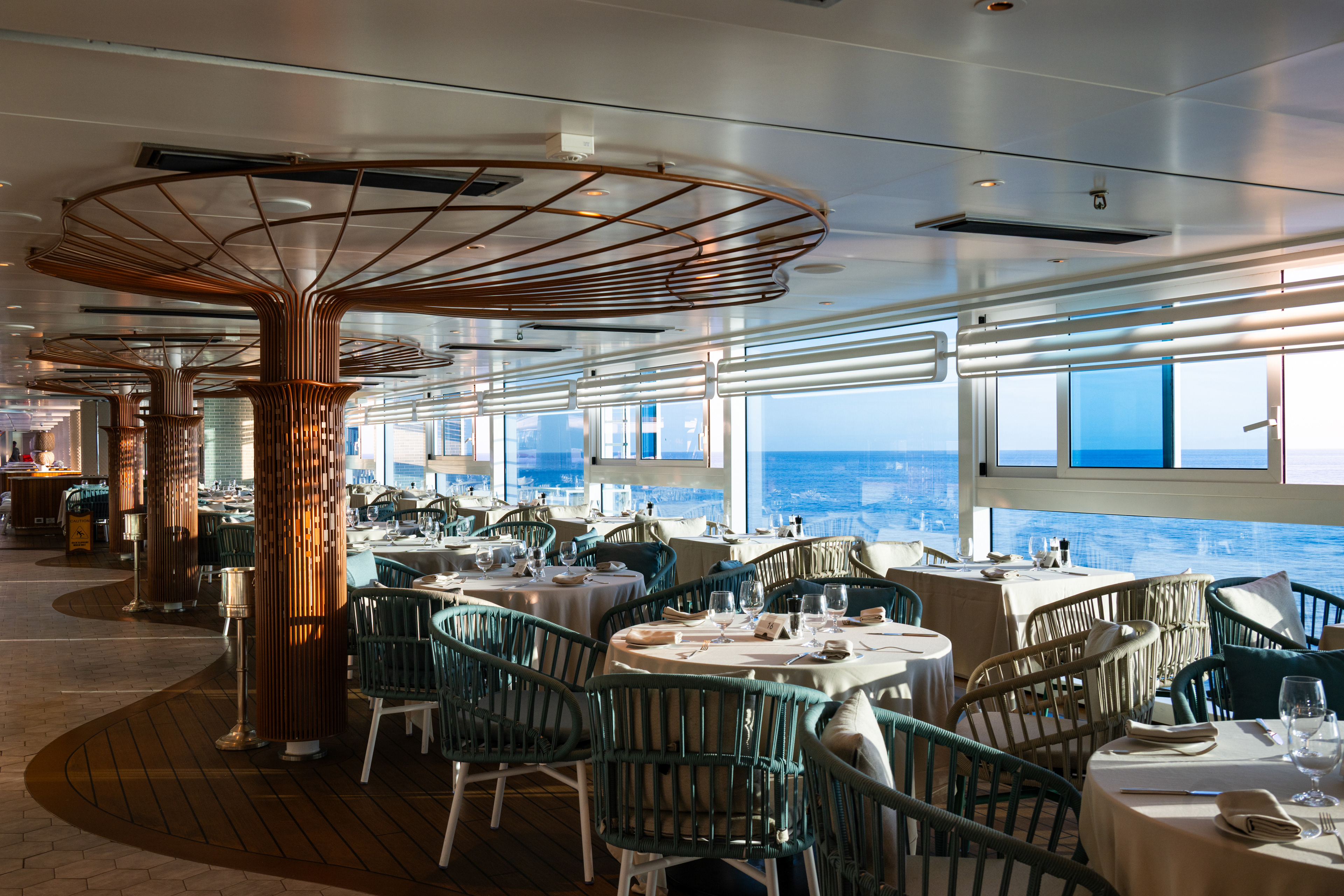
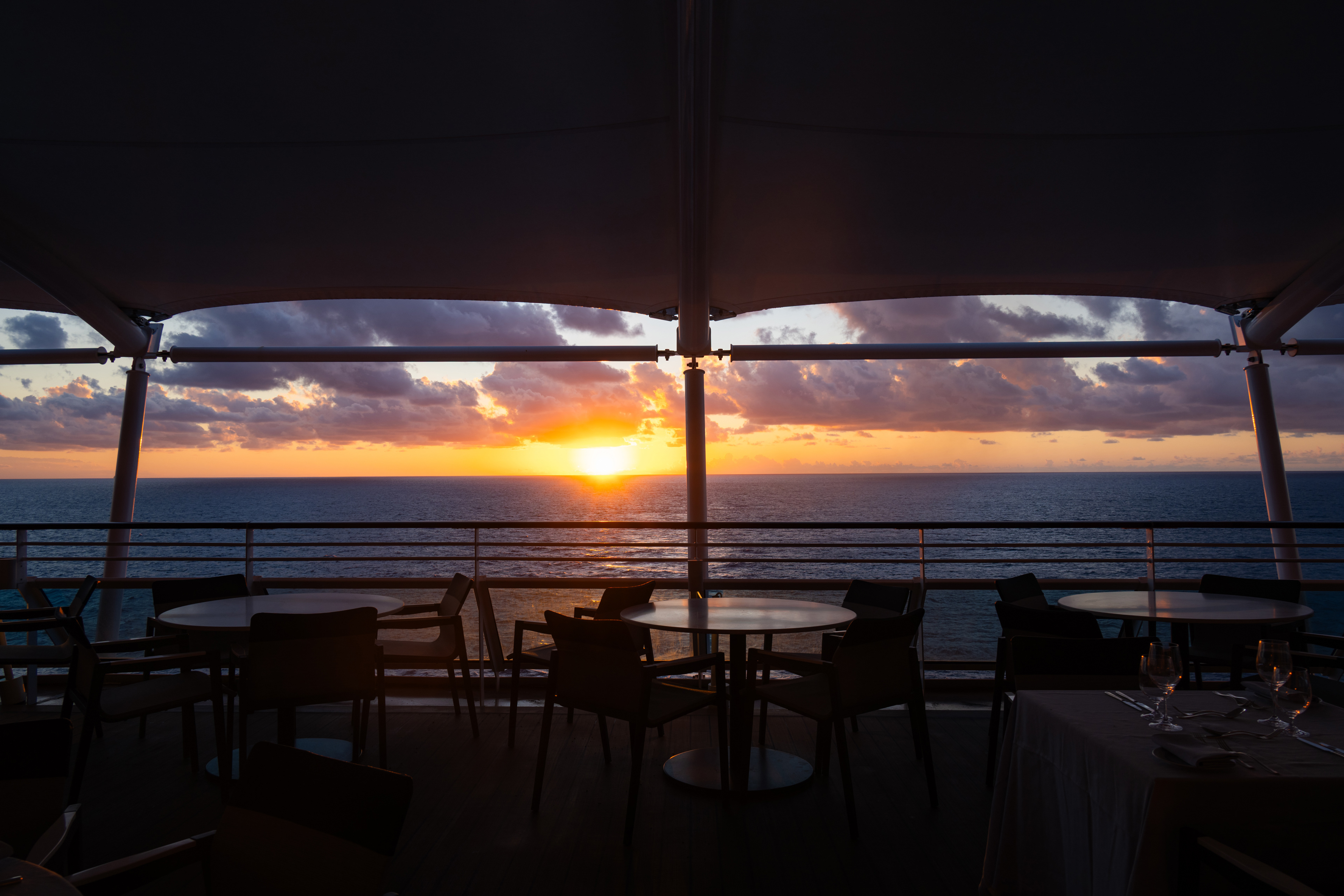
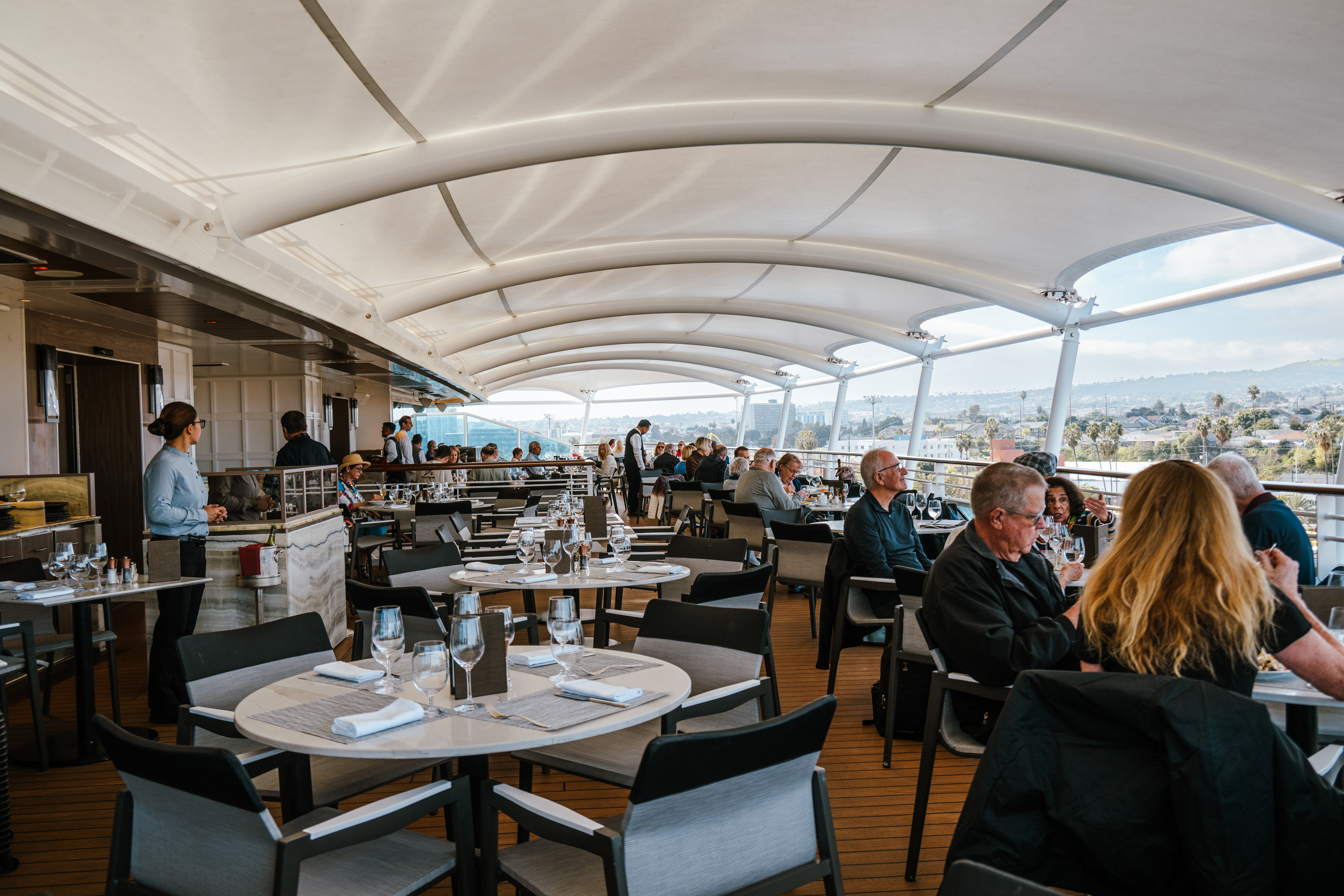
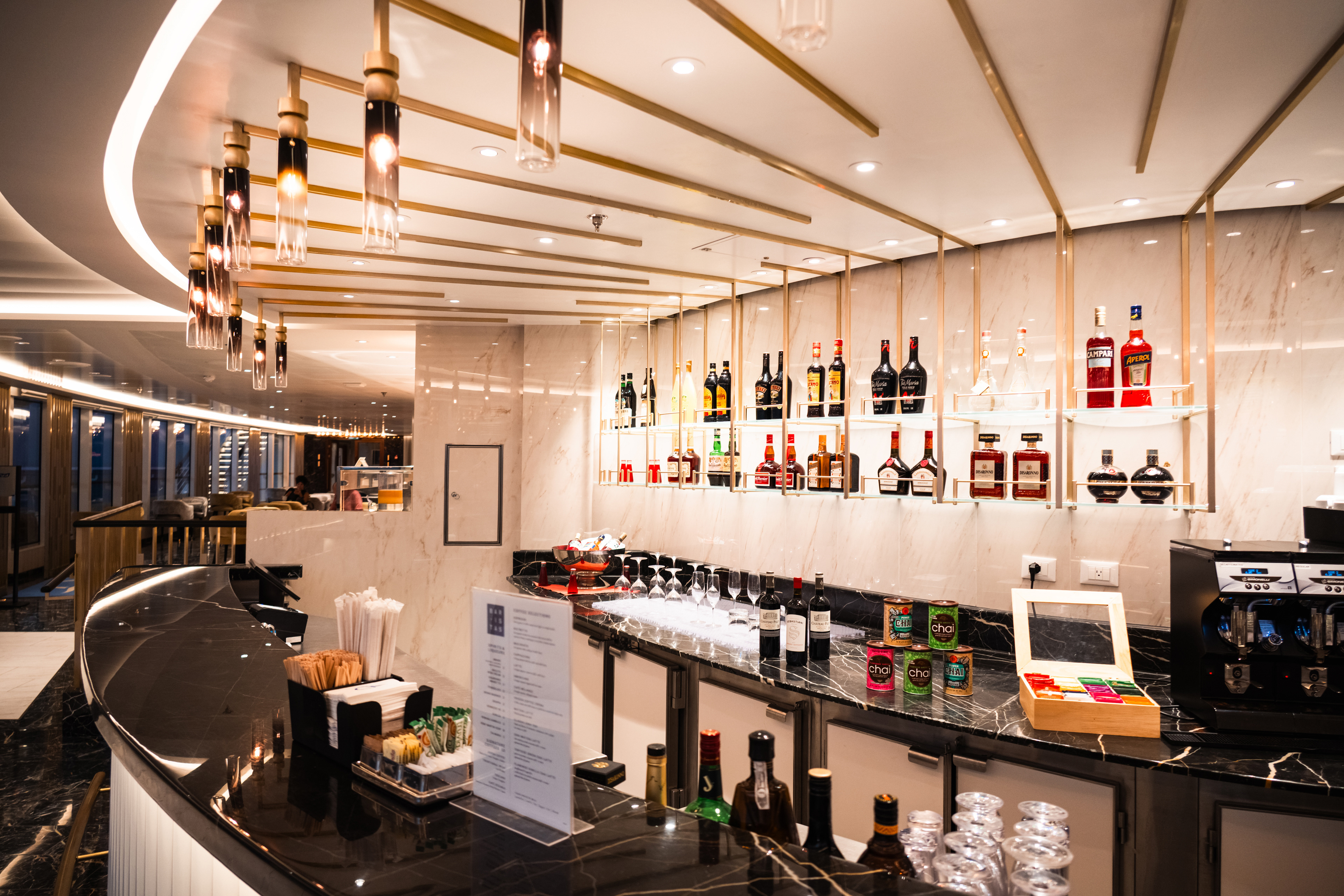
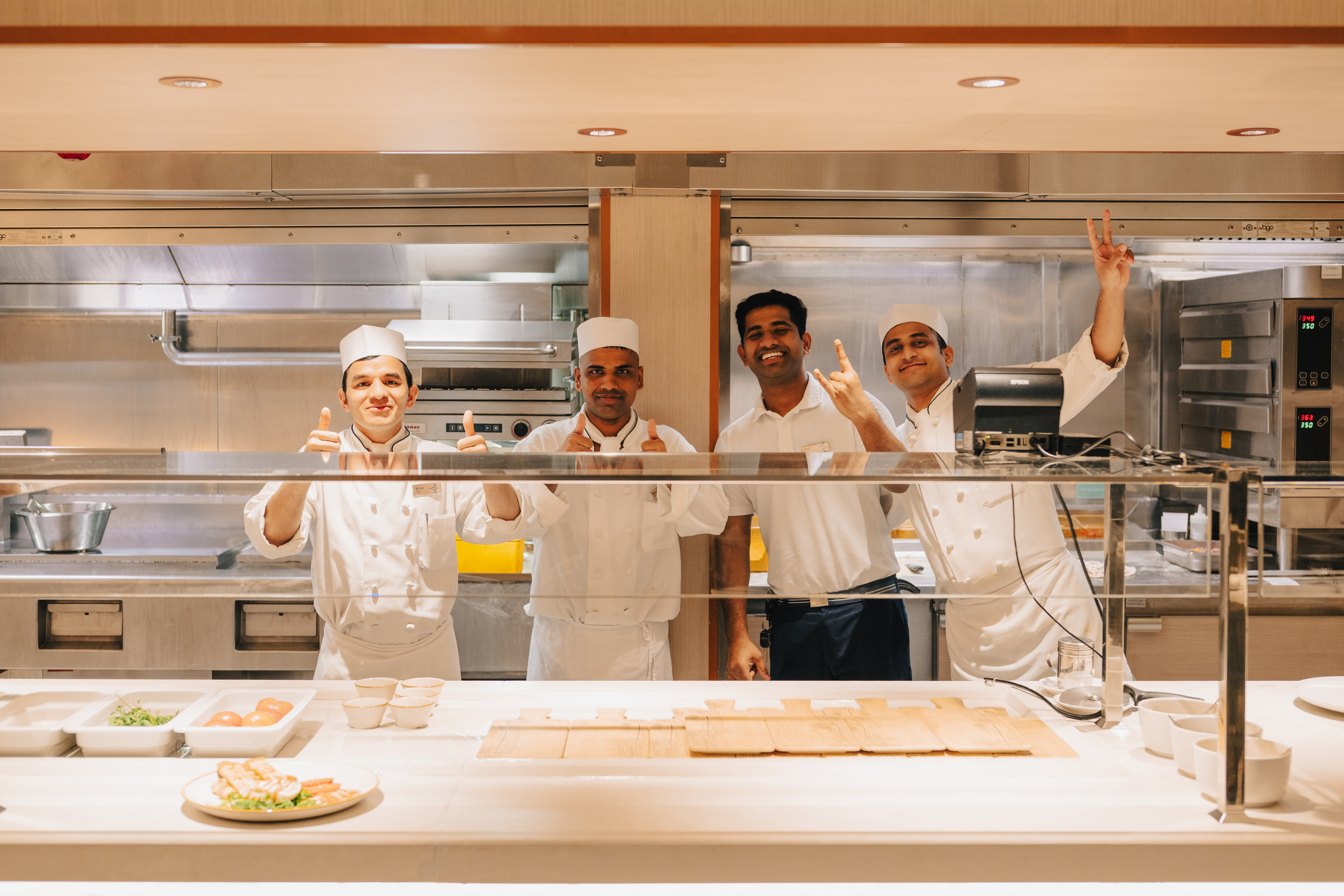
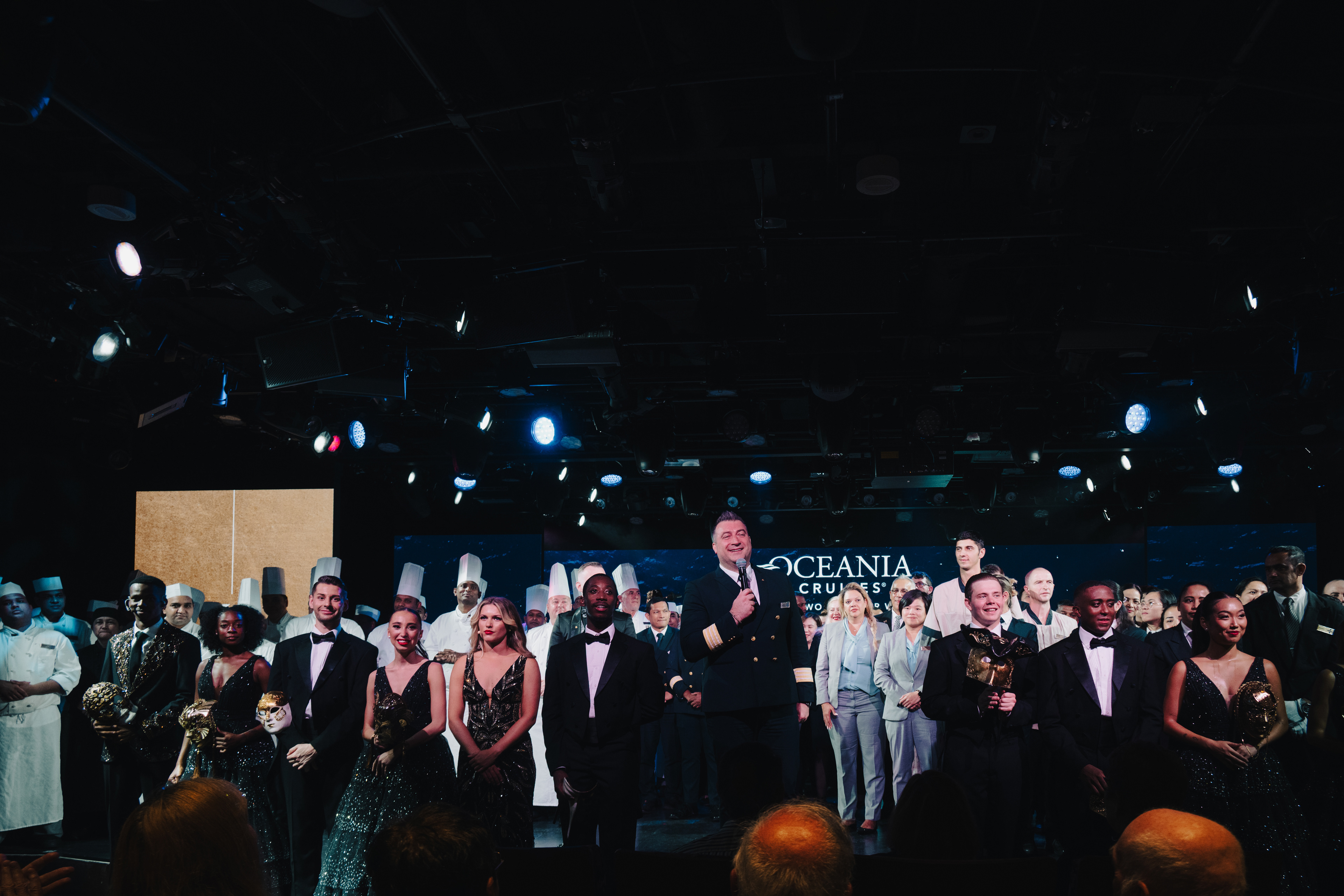
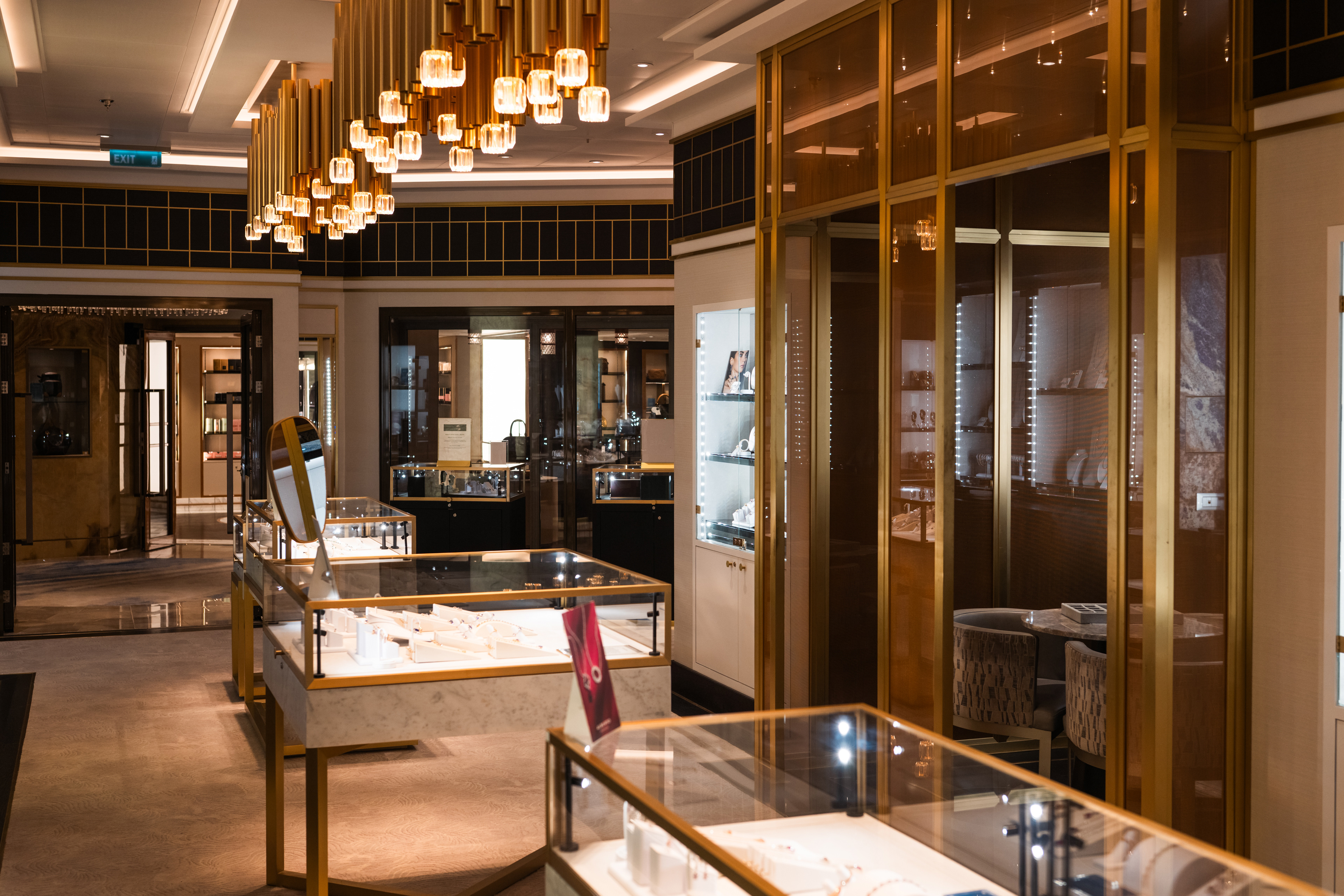
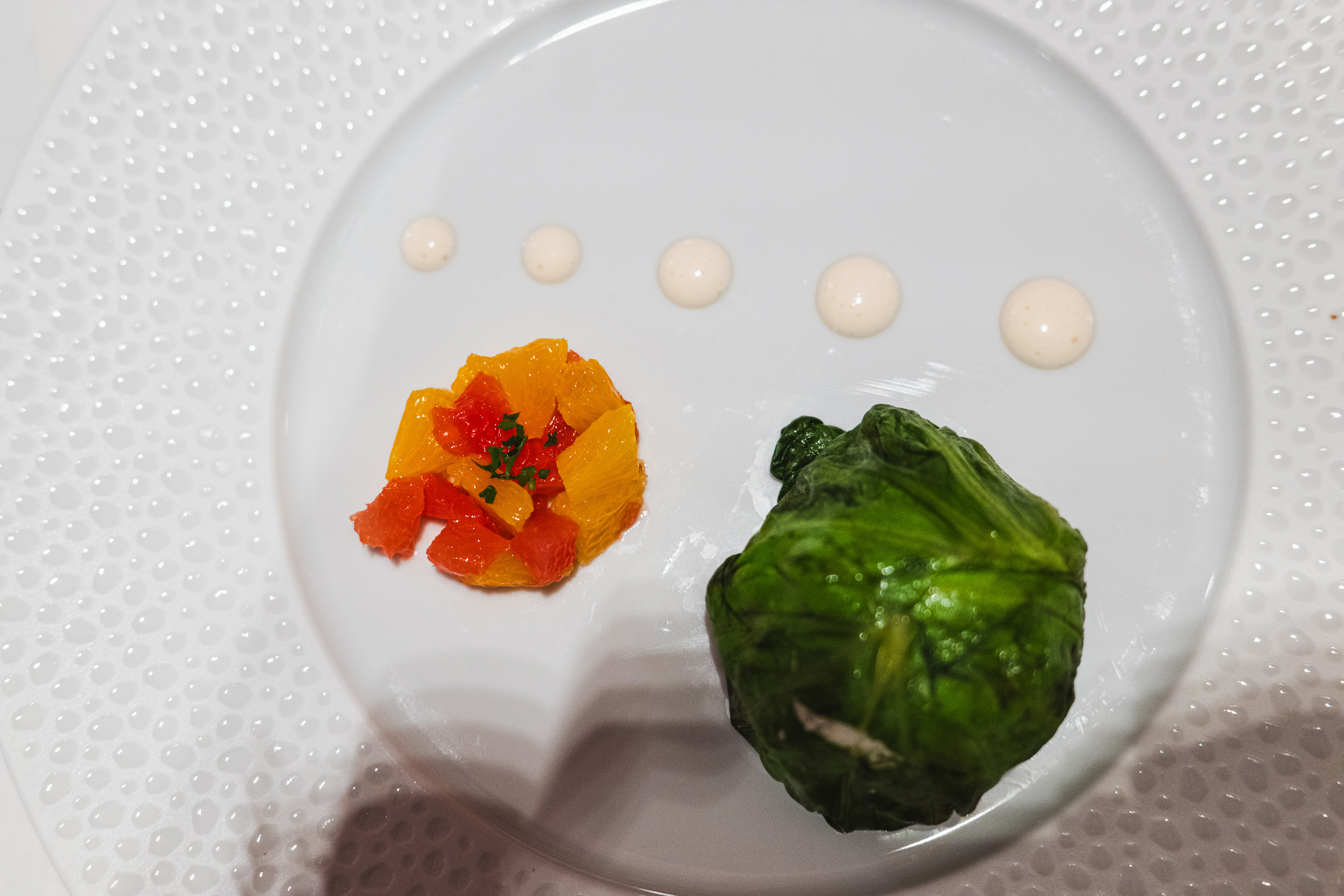
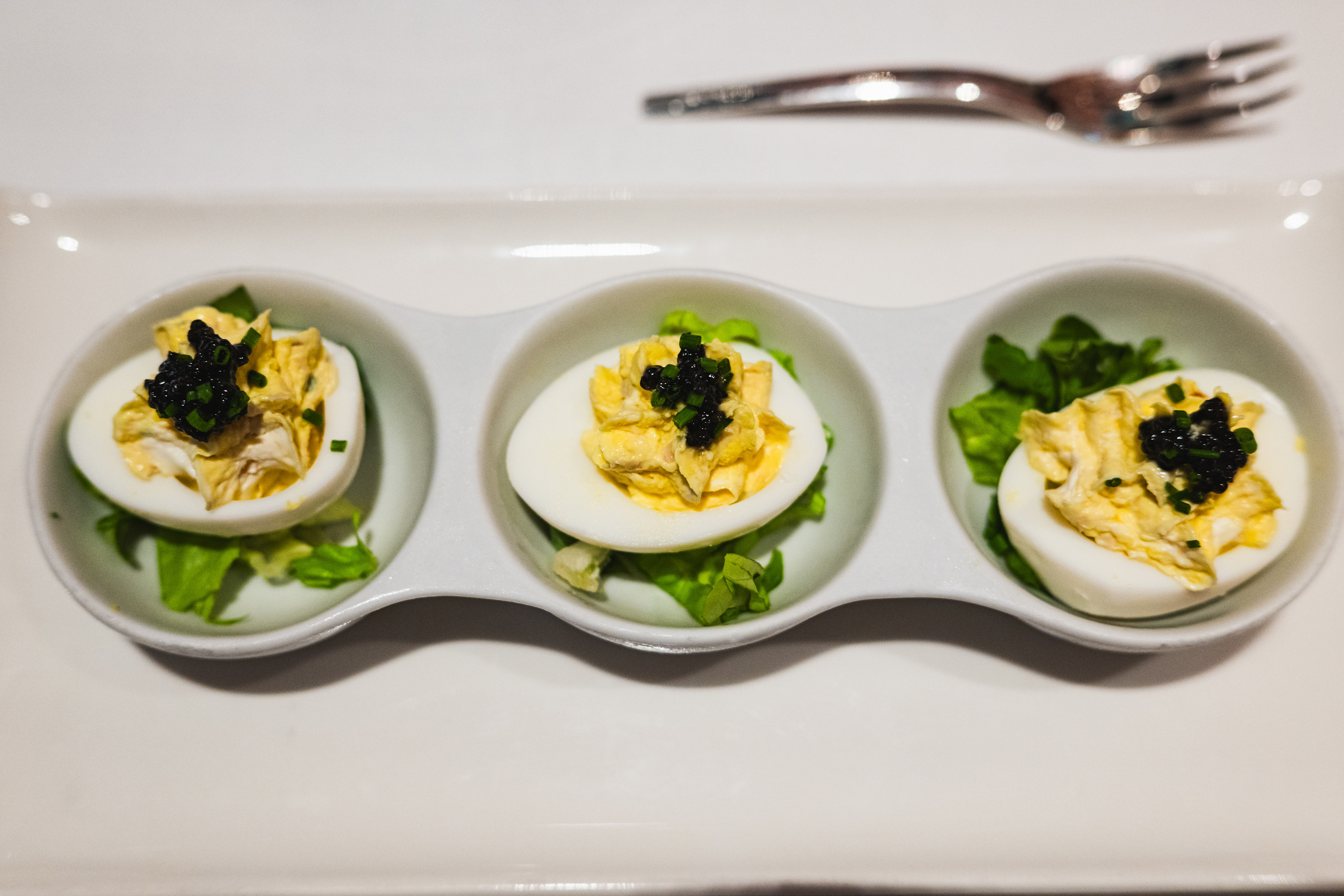
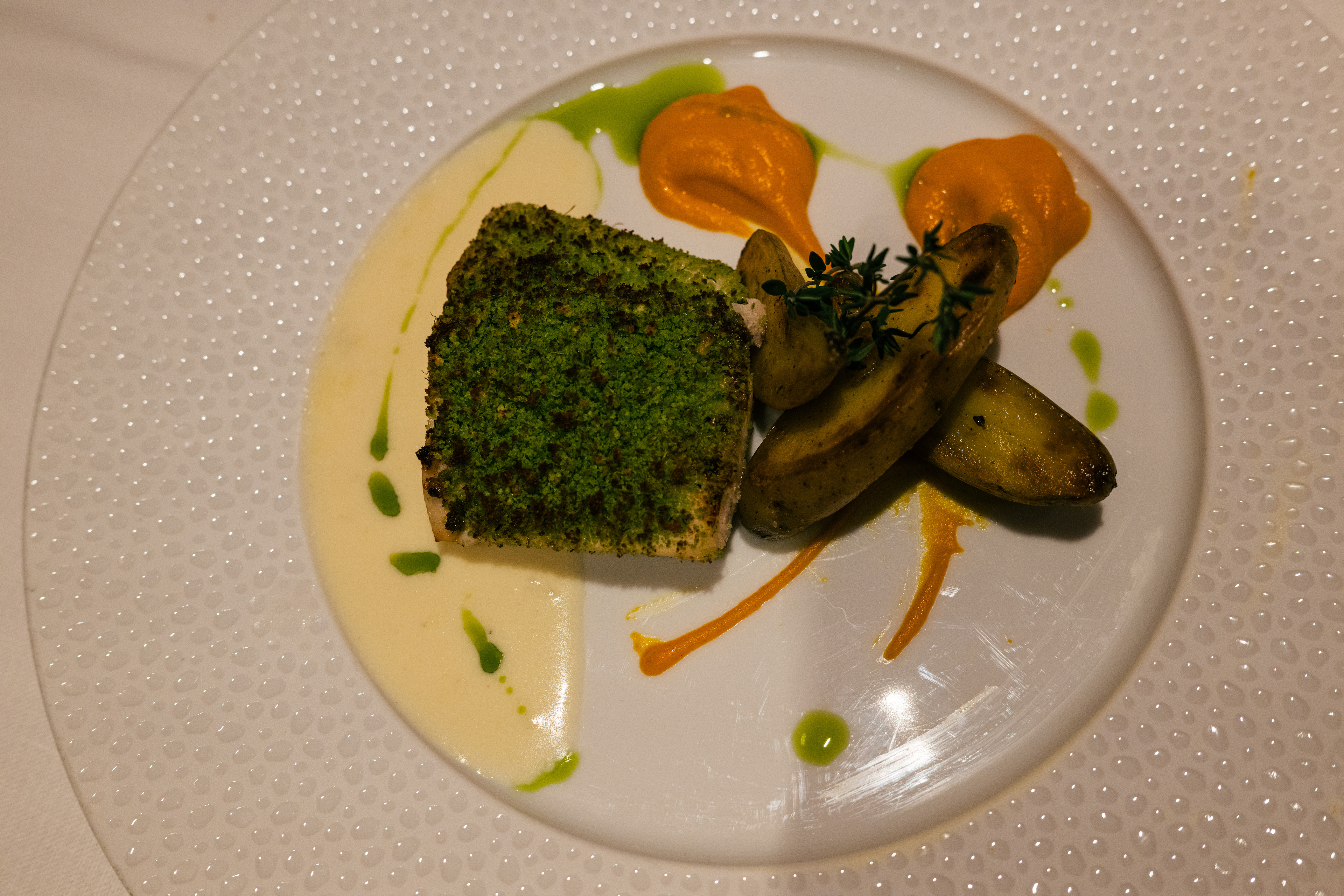
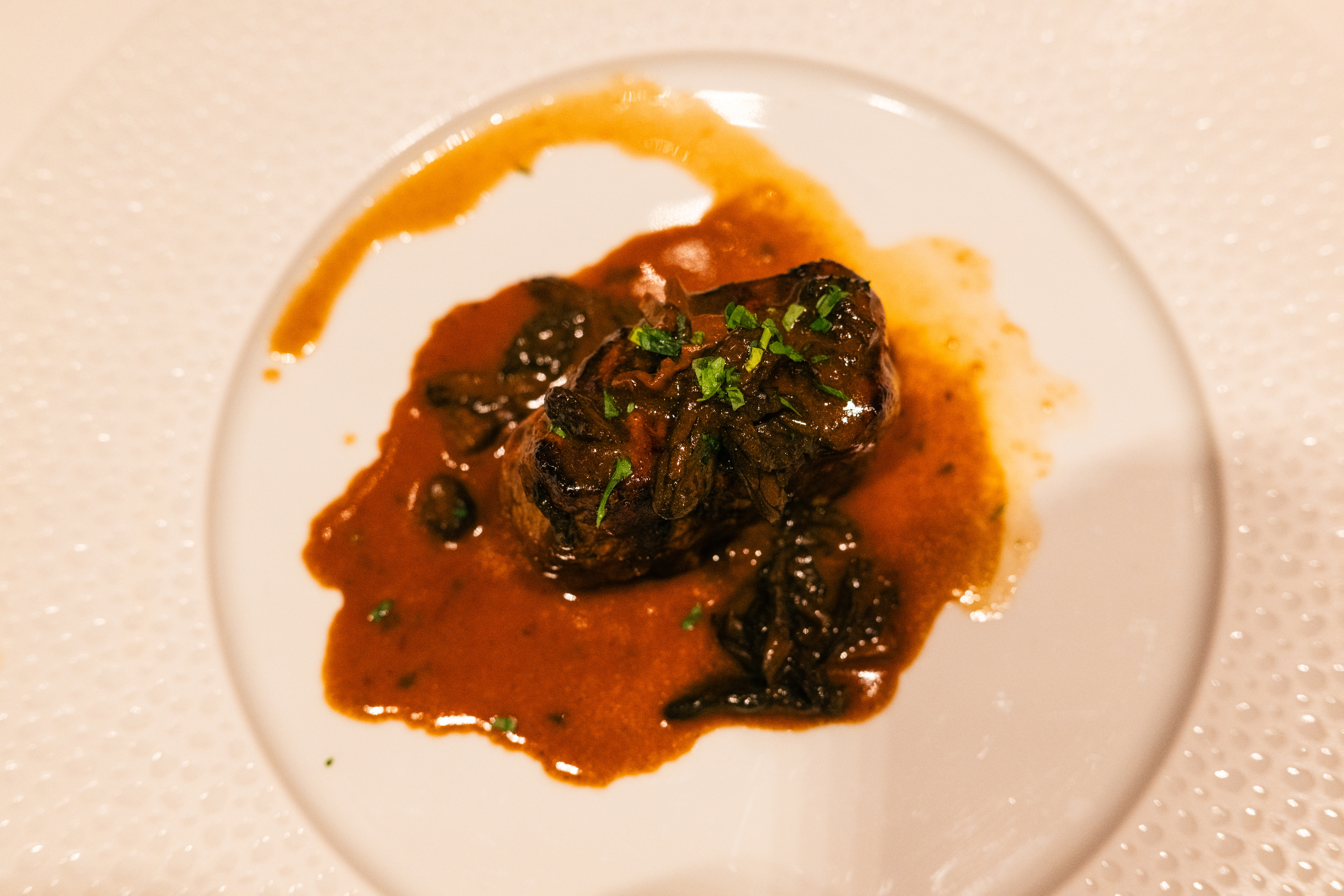
Dining on Vista: The Whole Point
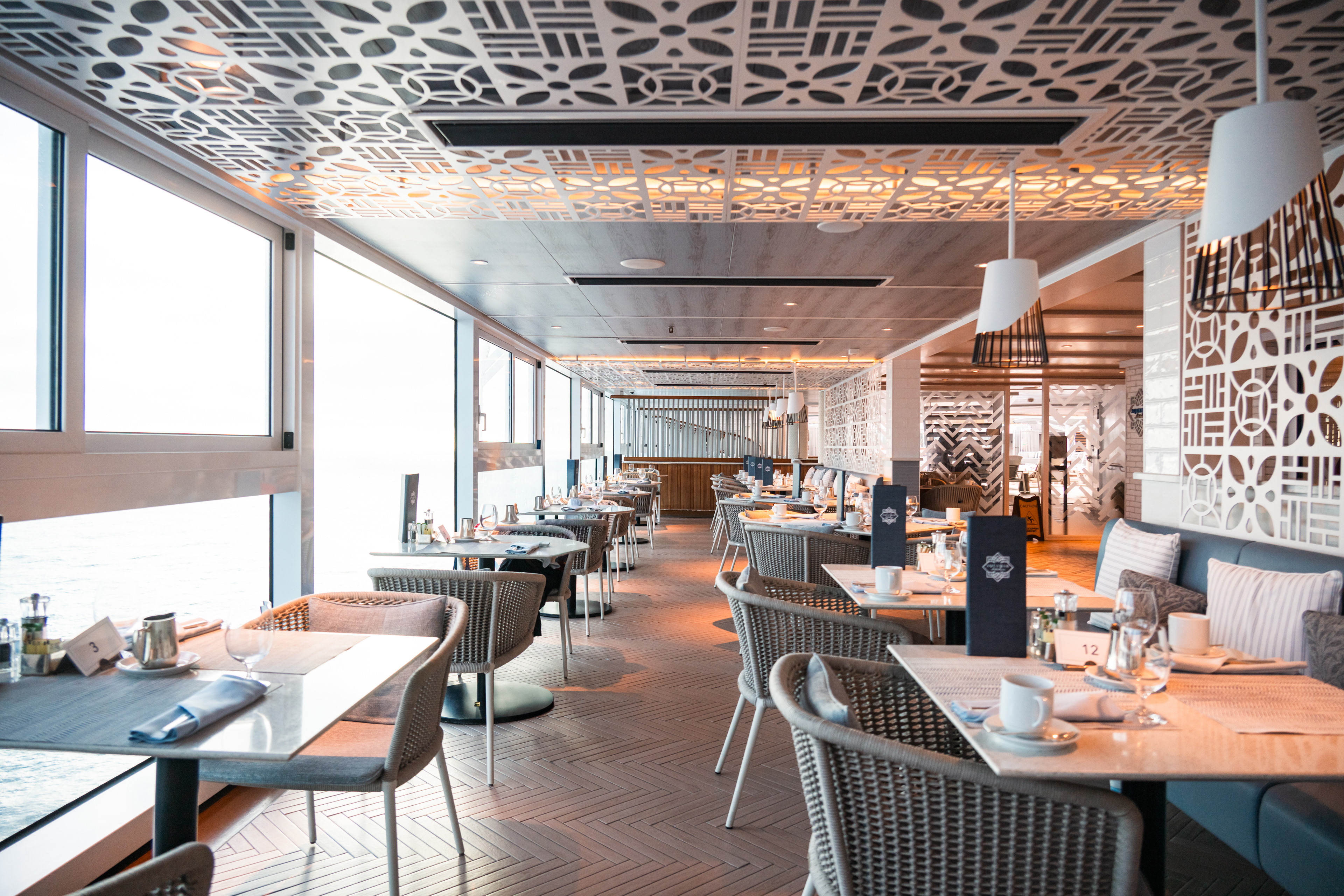
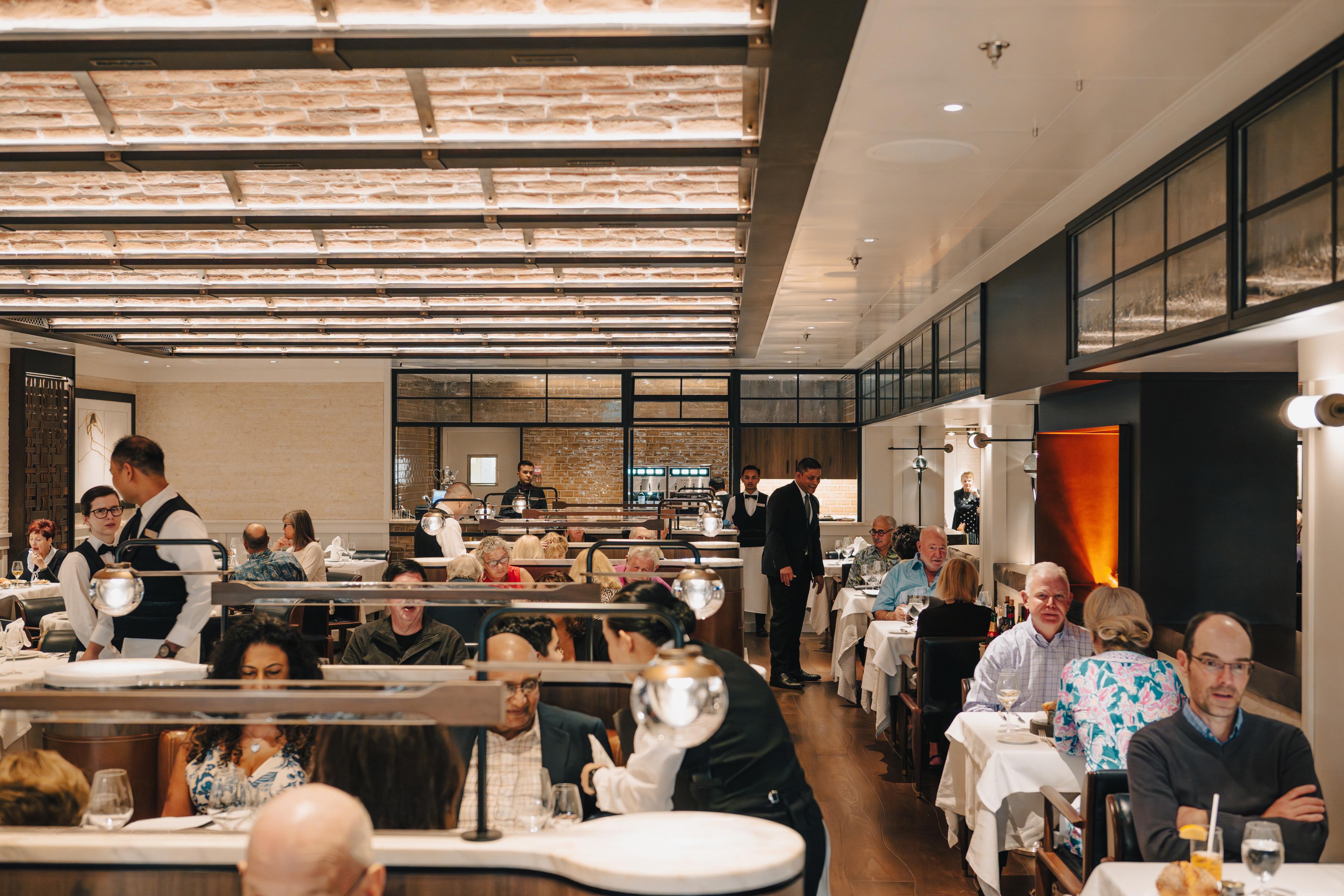
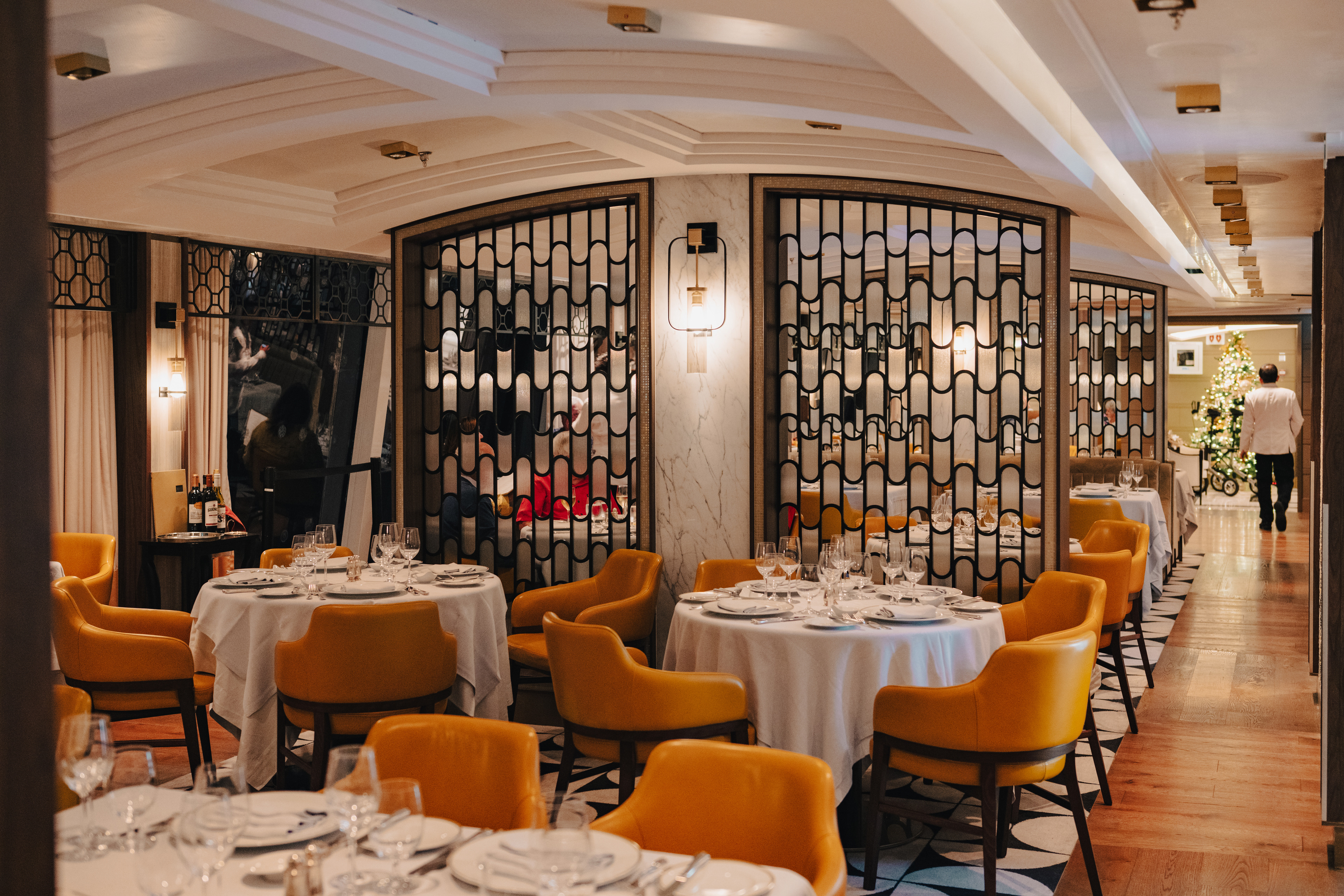
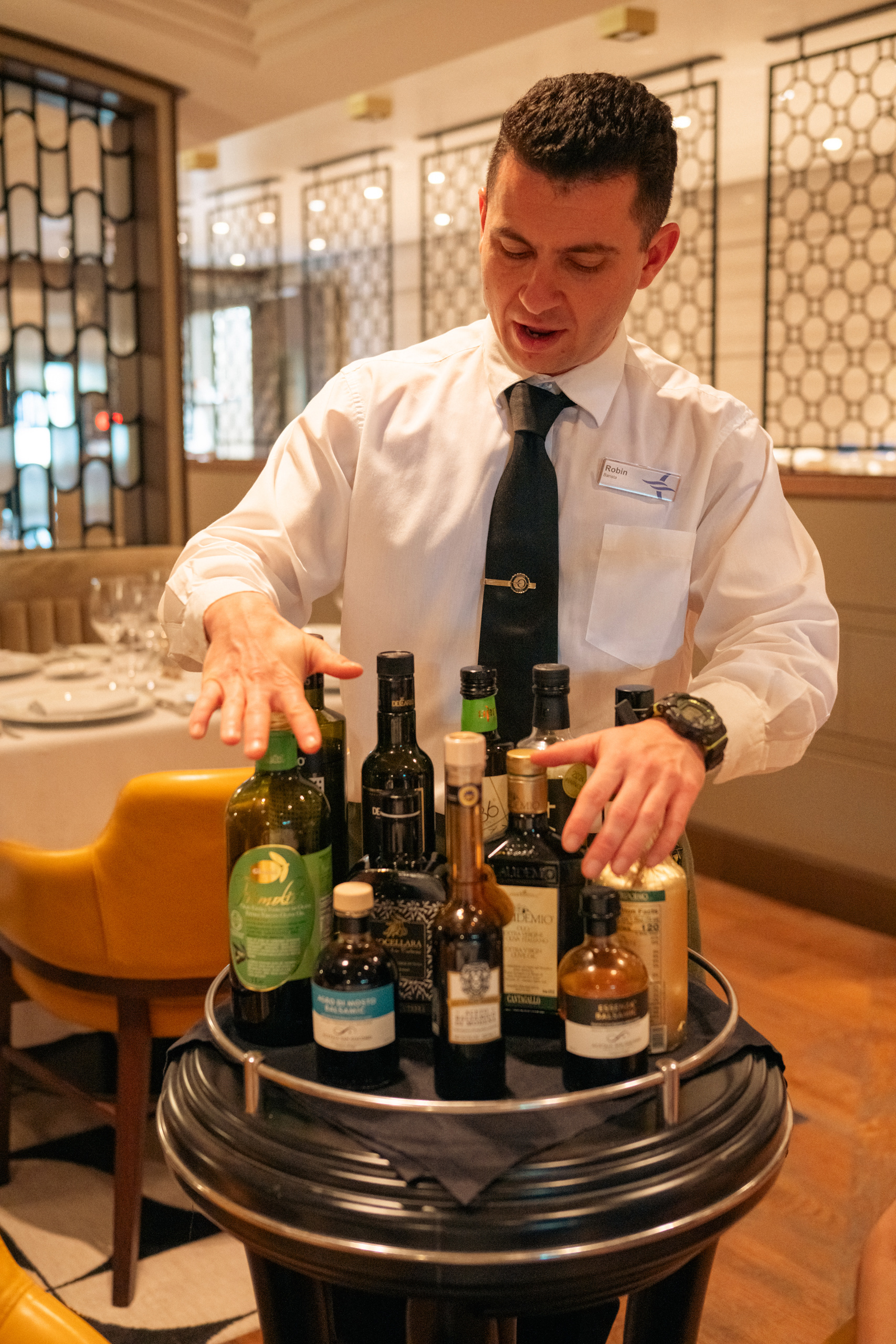
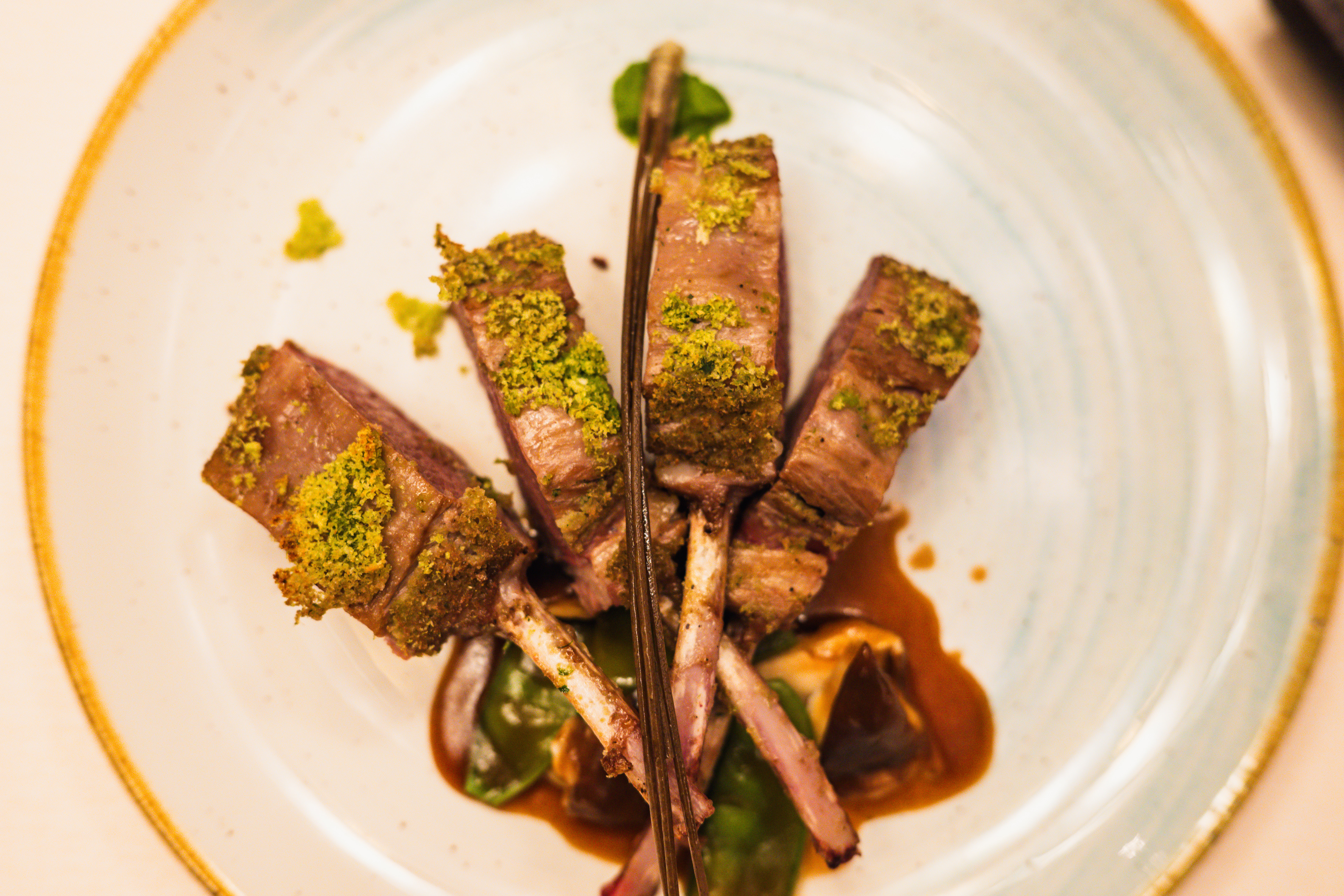
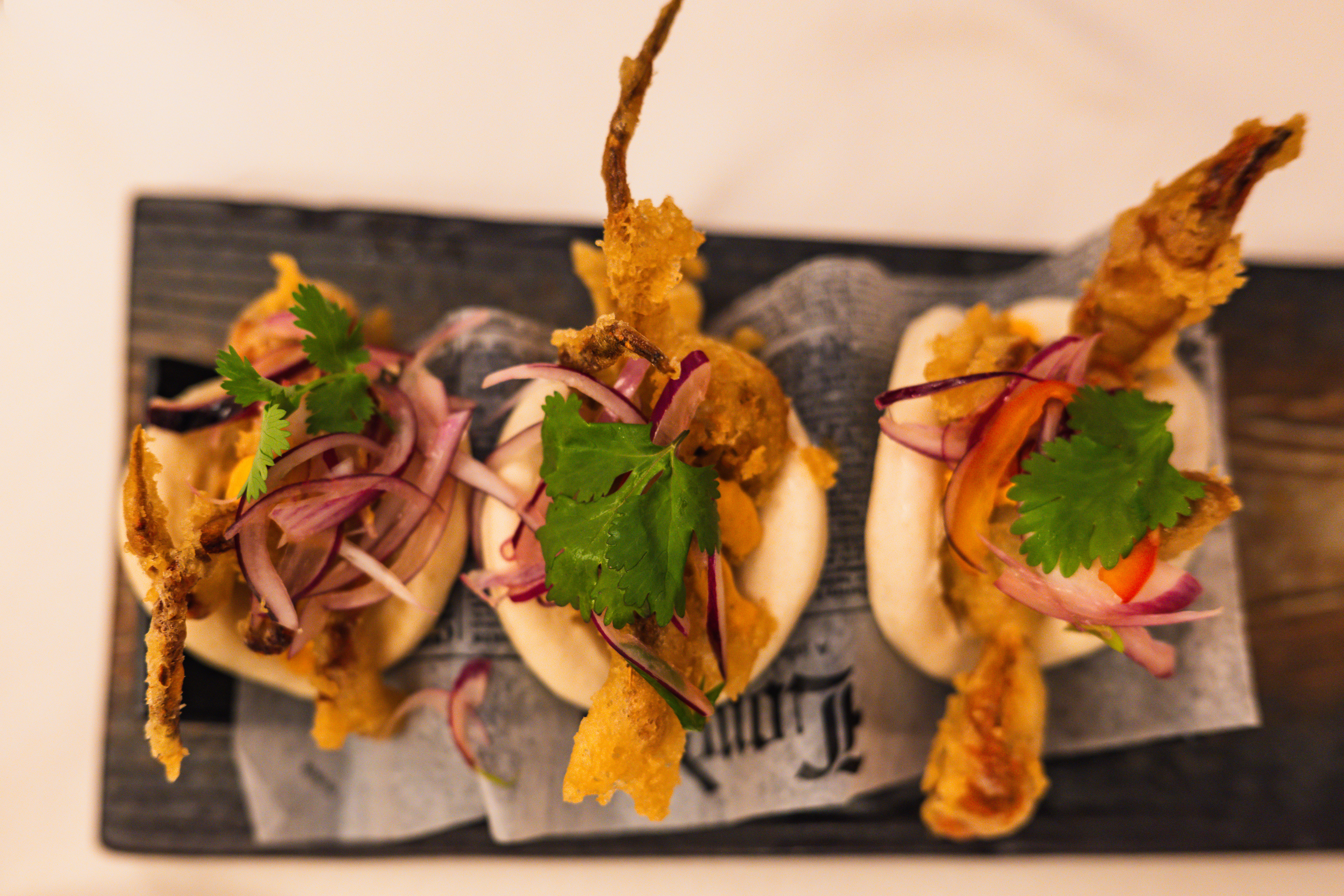
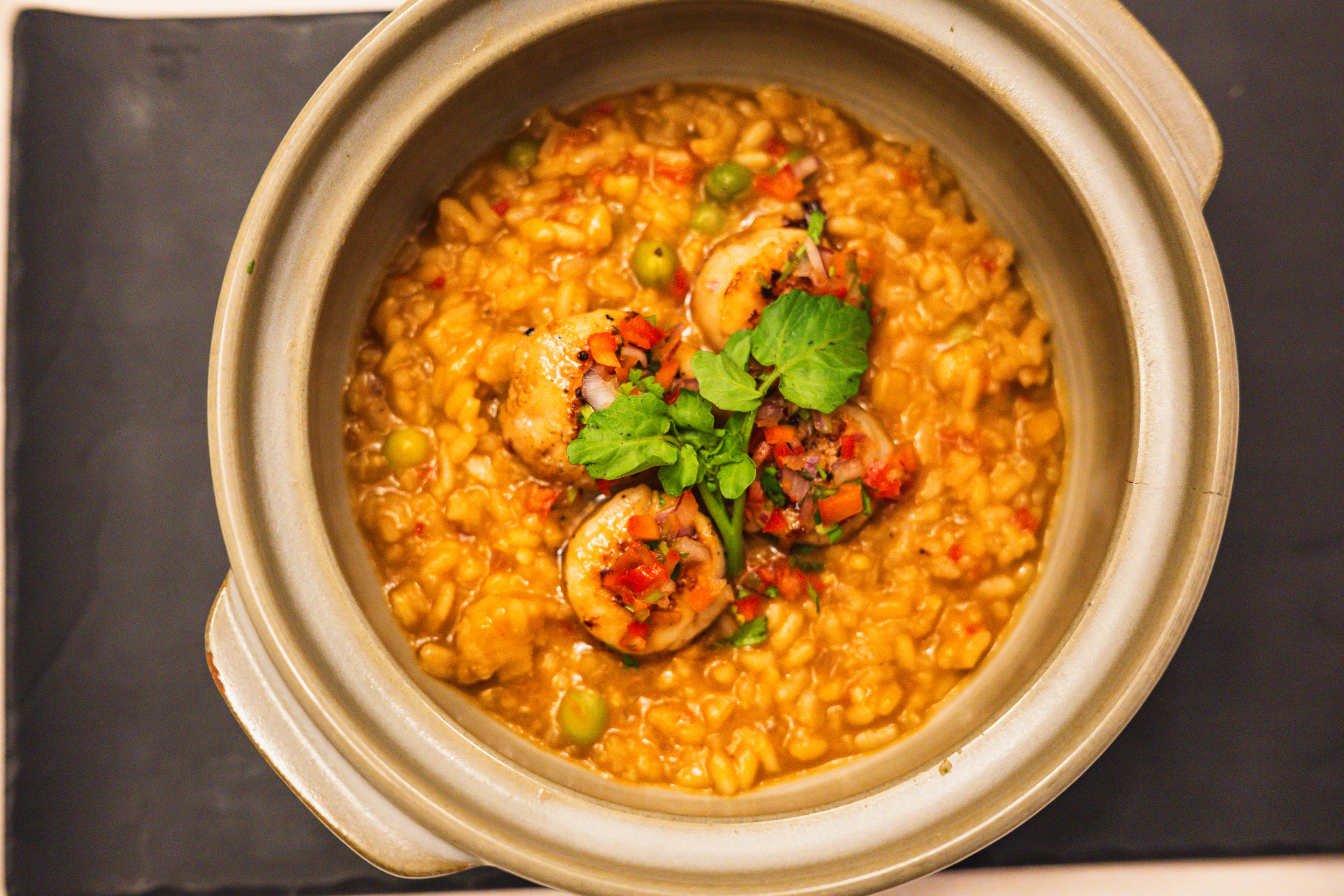
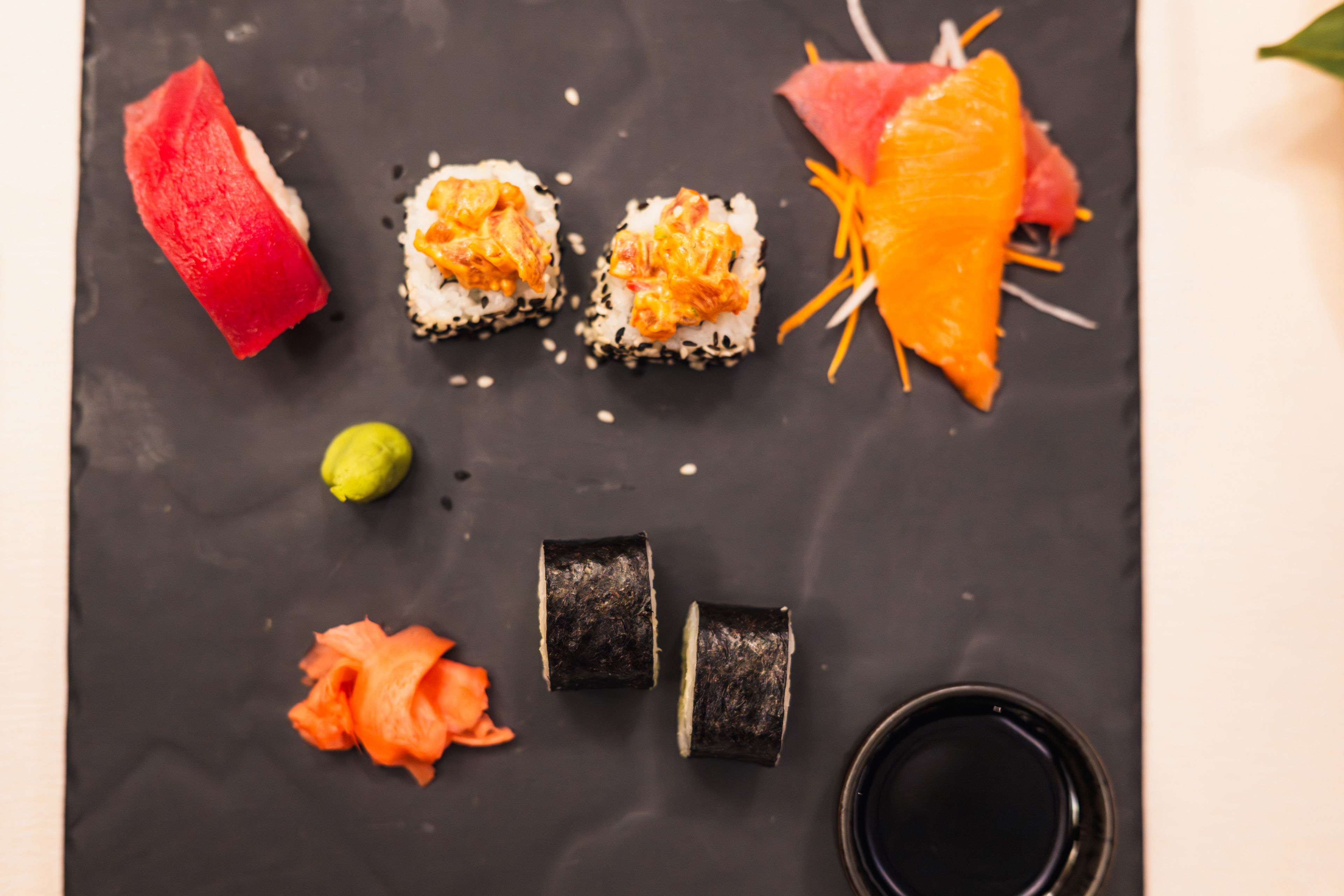
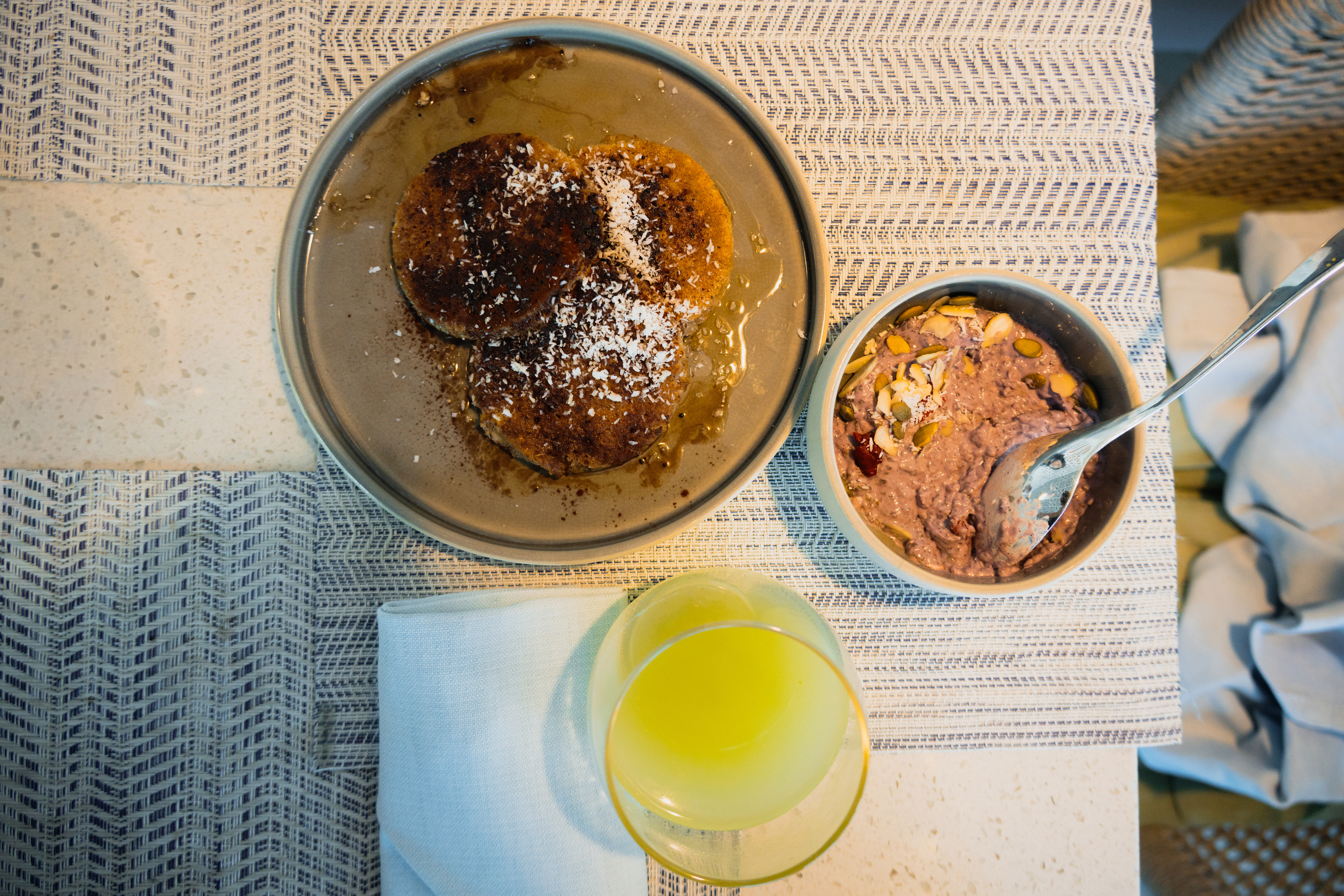
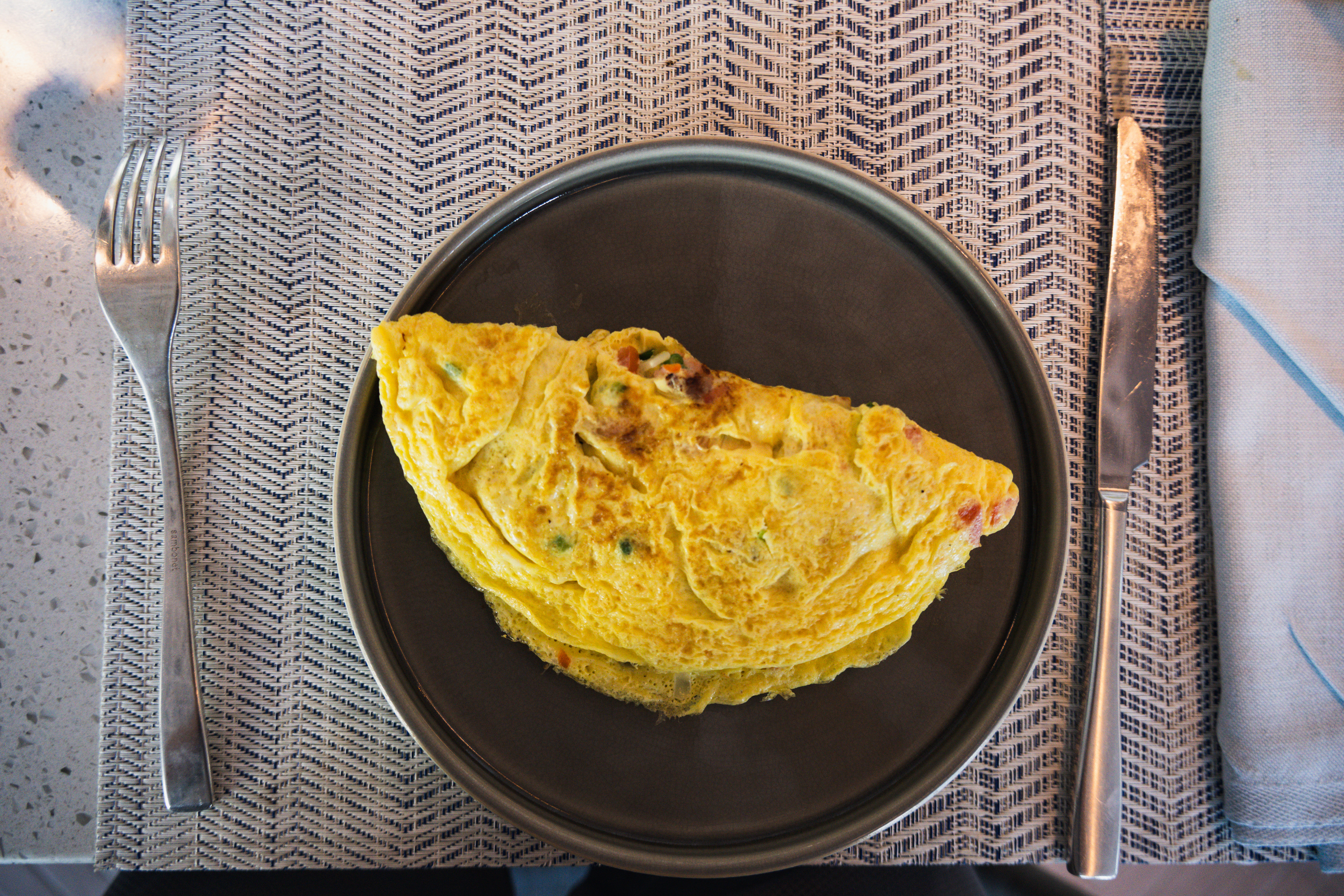
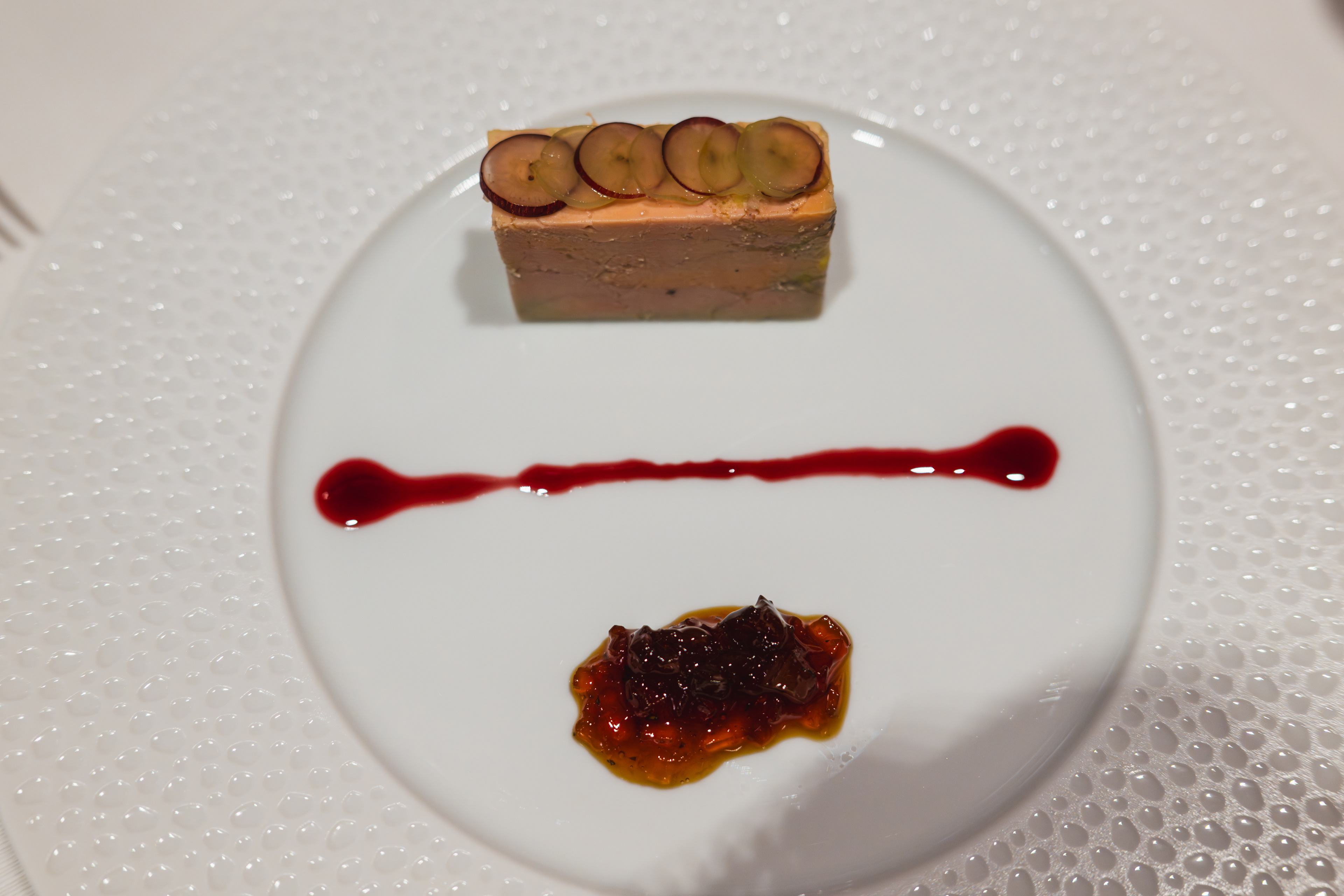
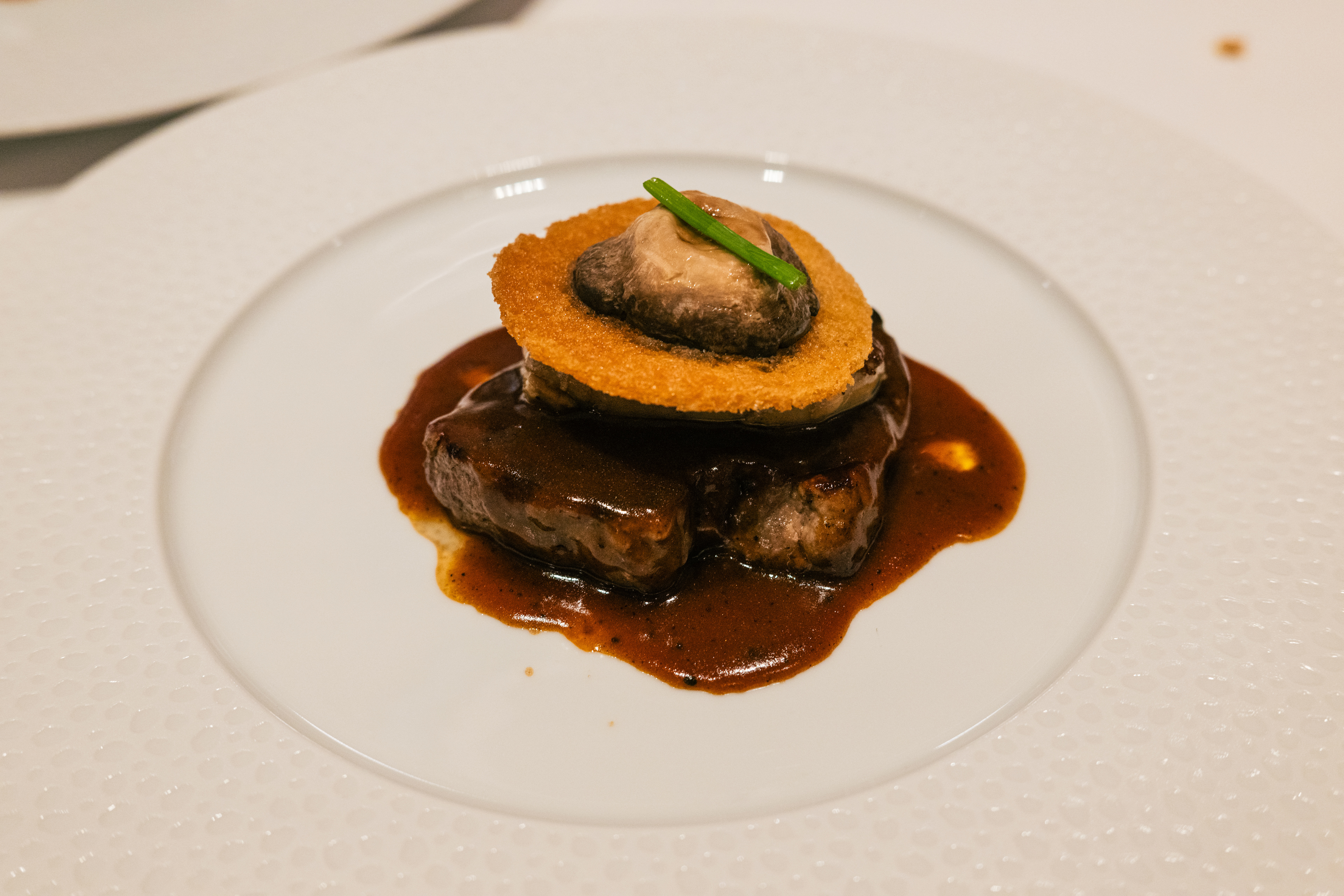
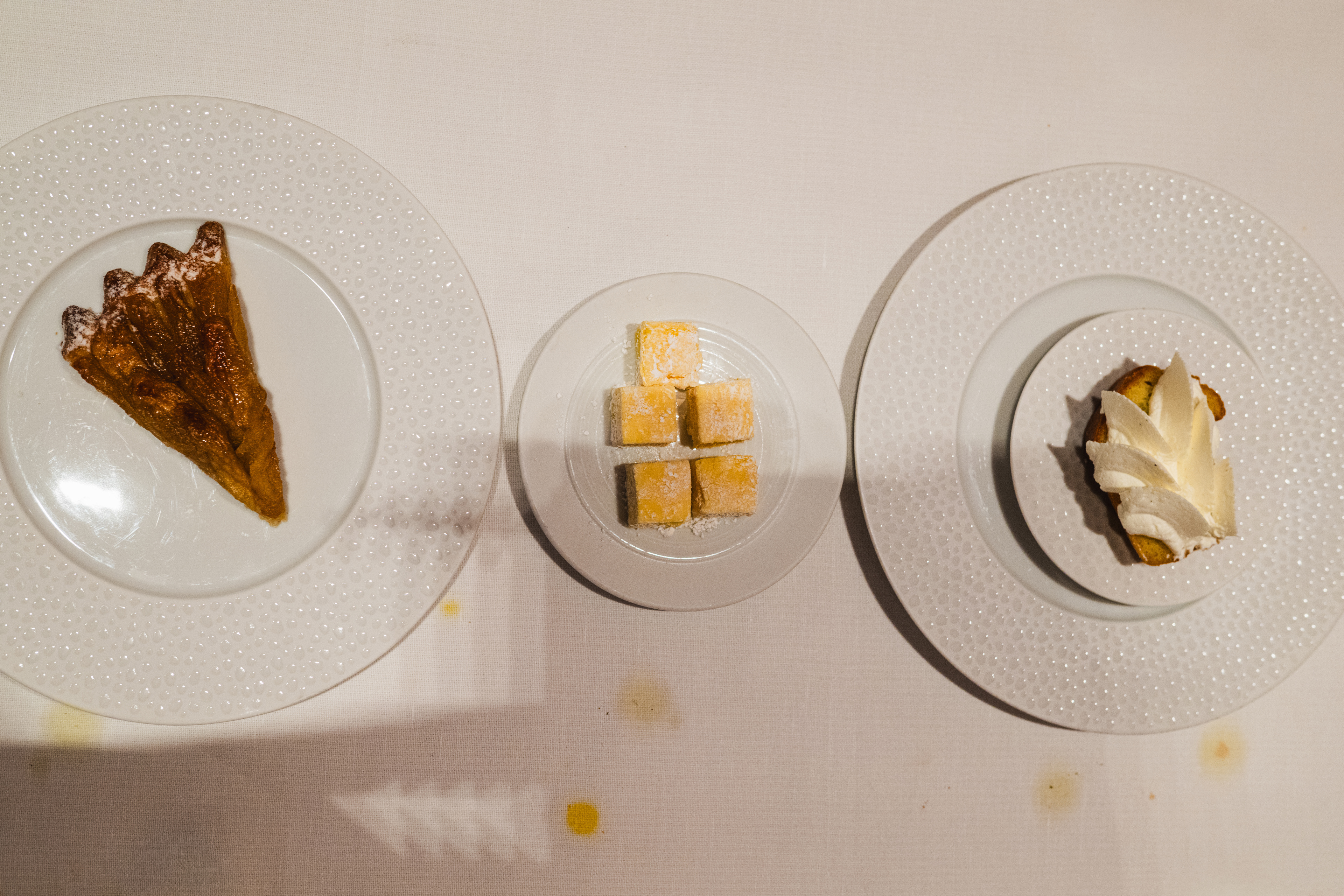
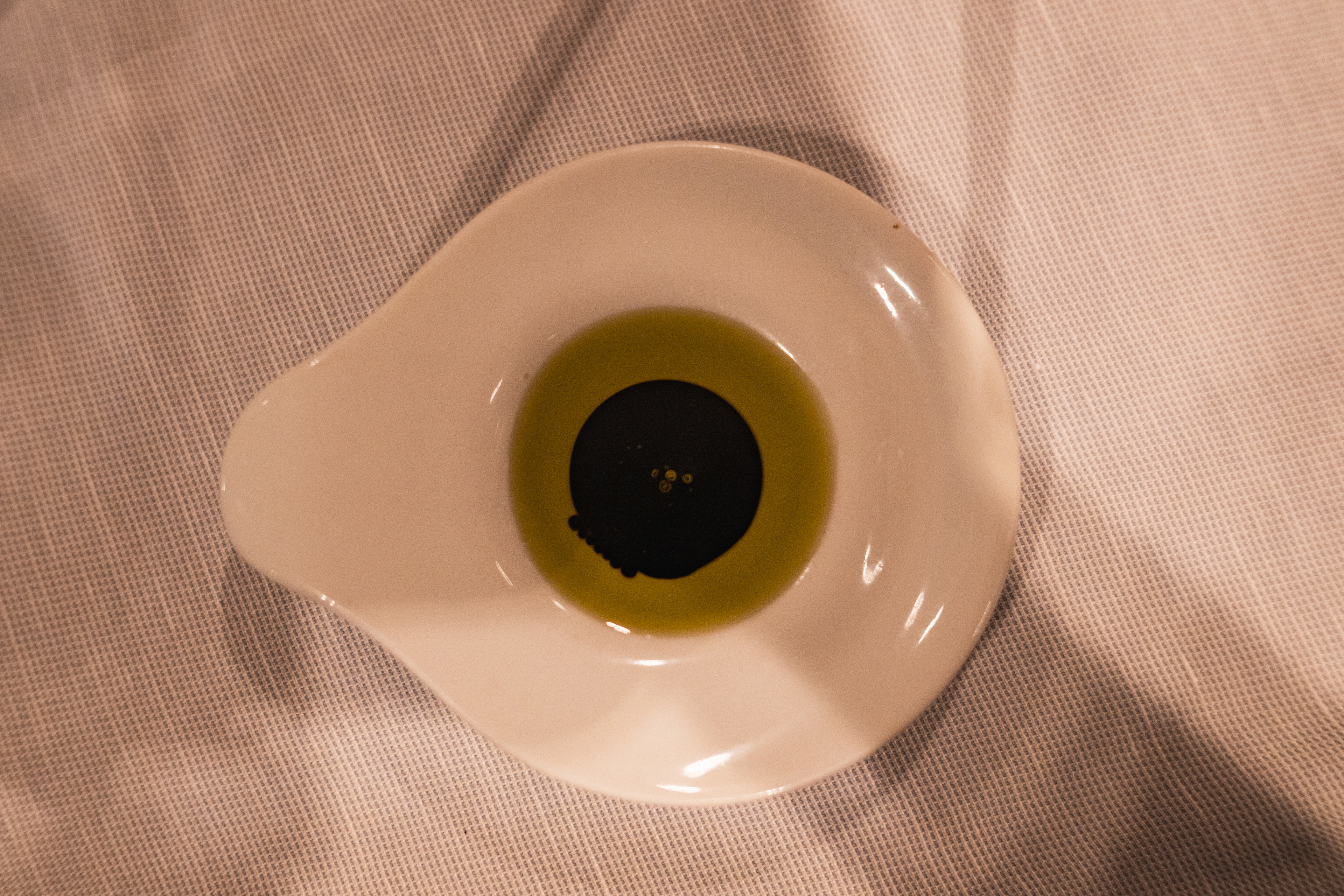
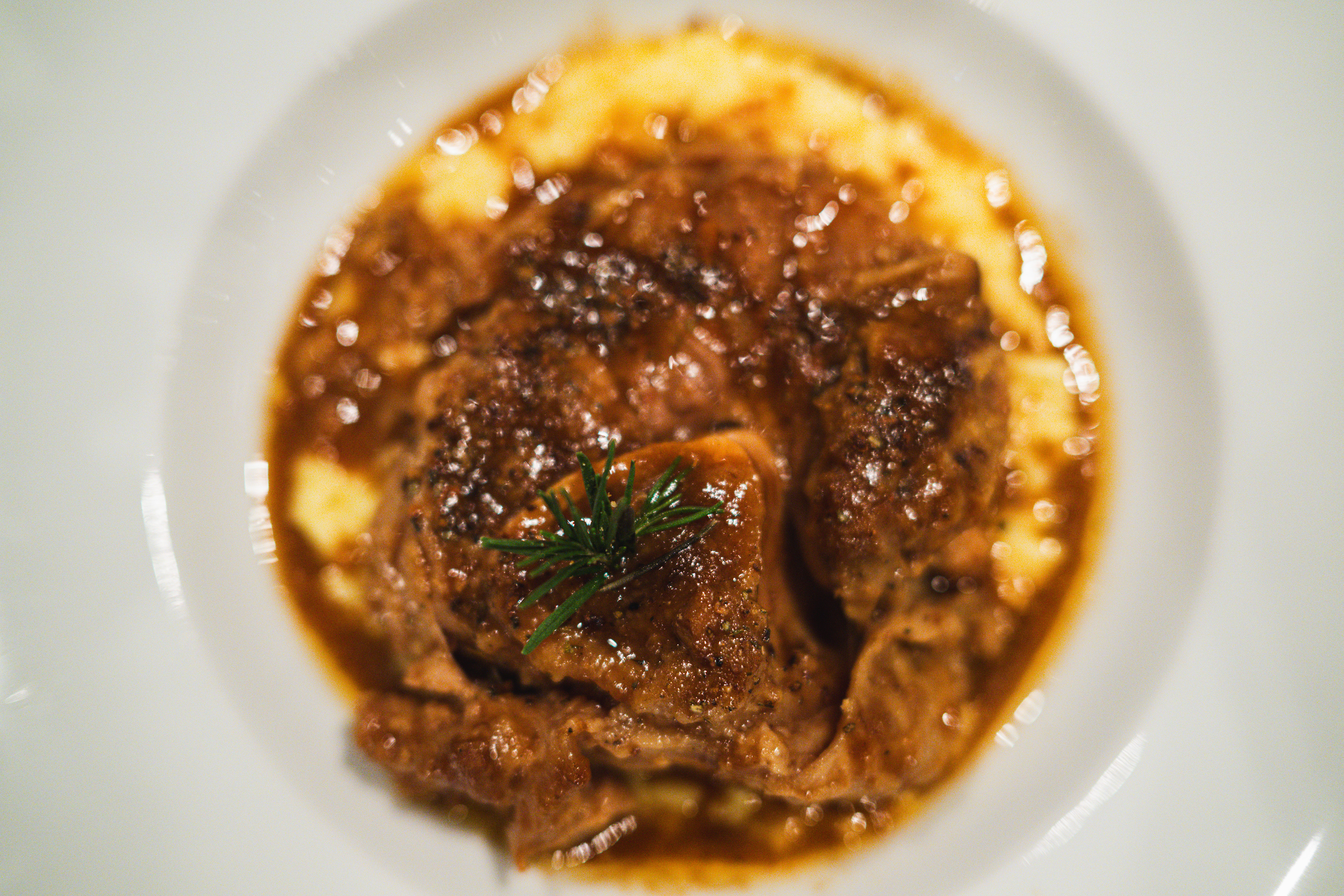
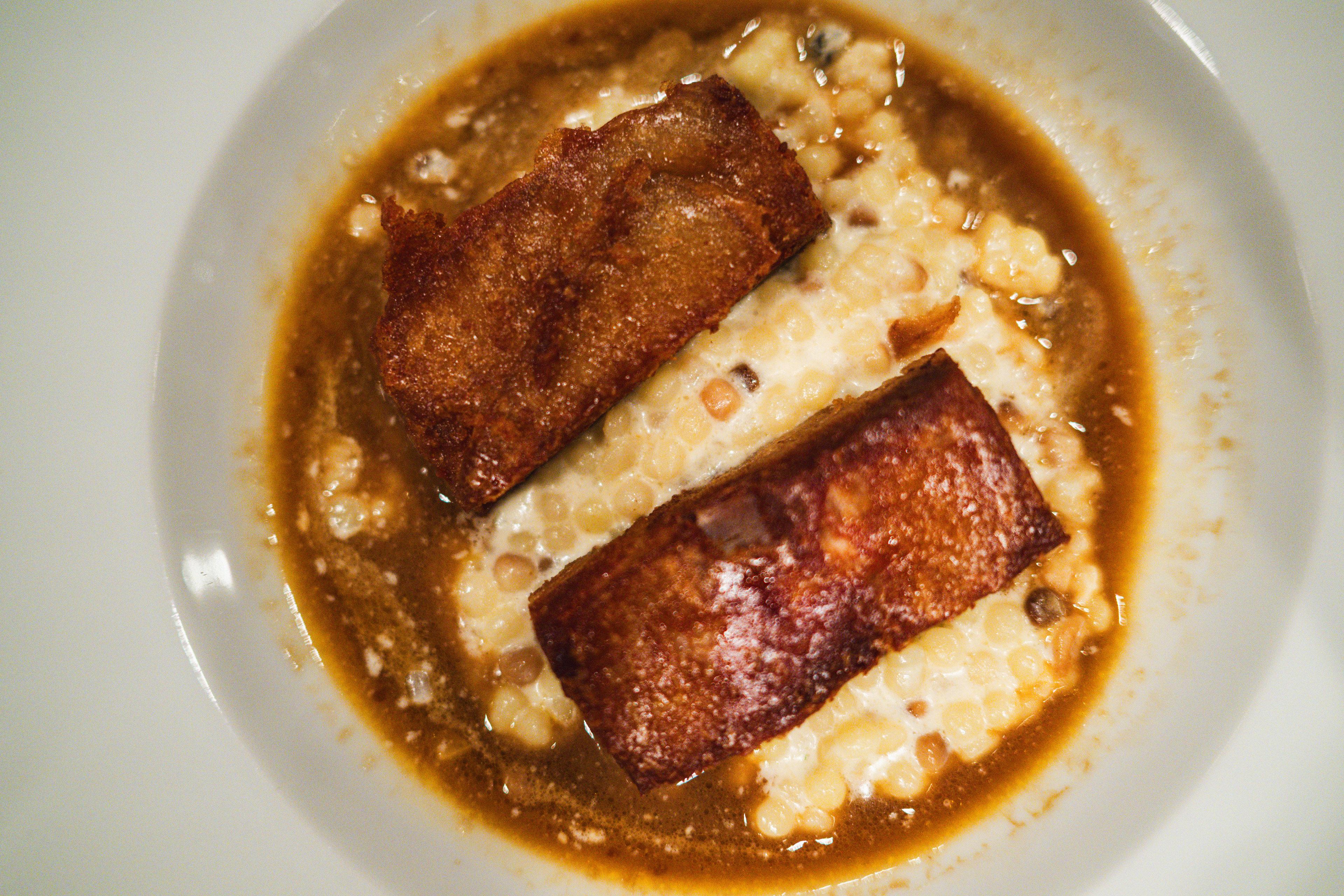
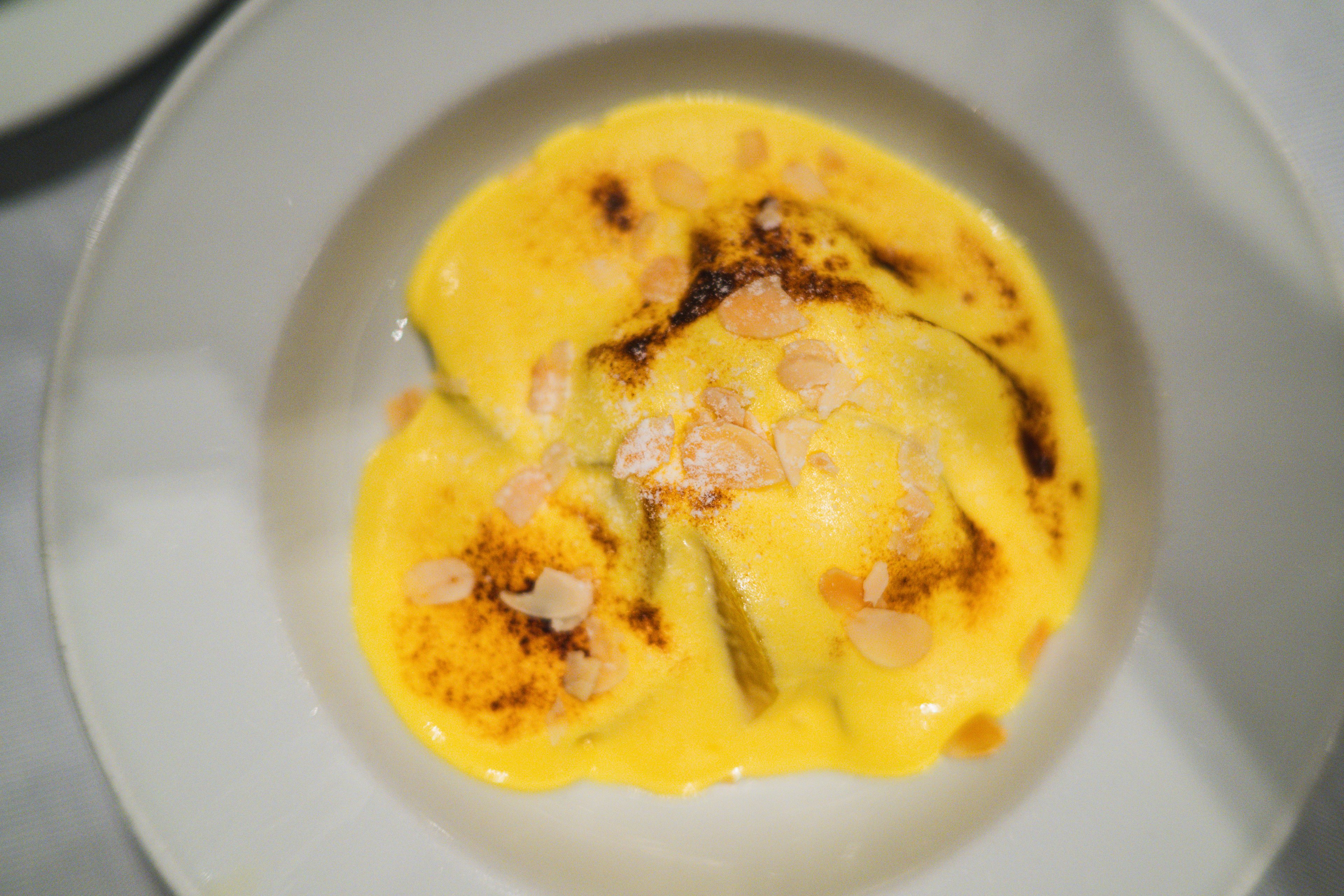
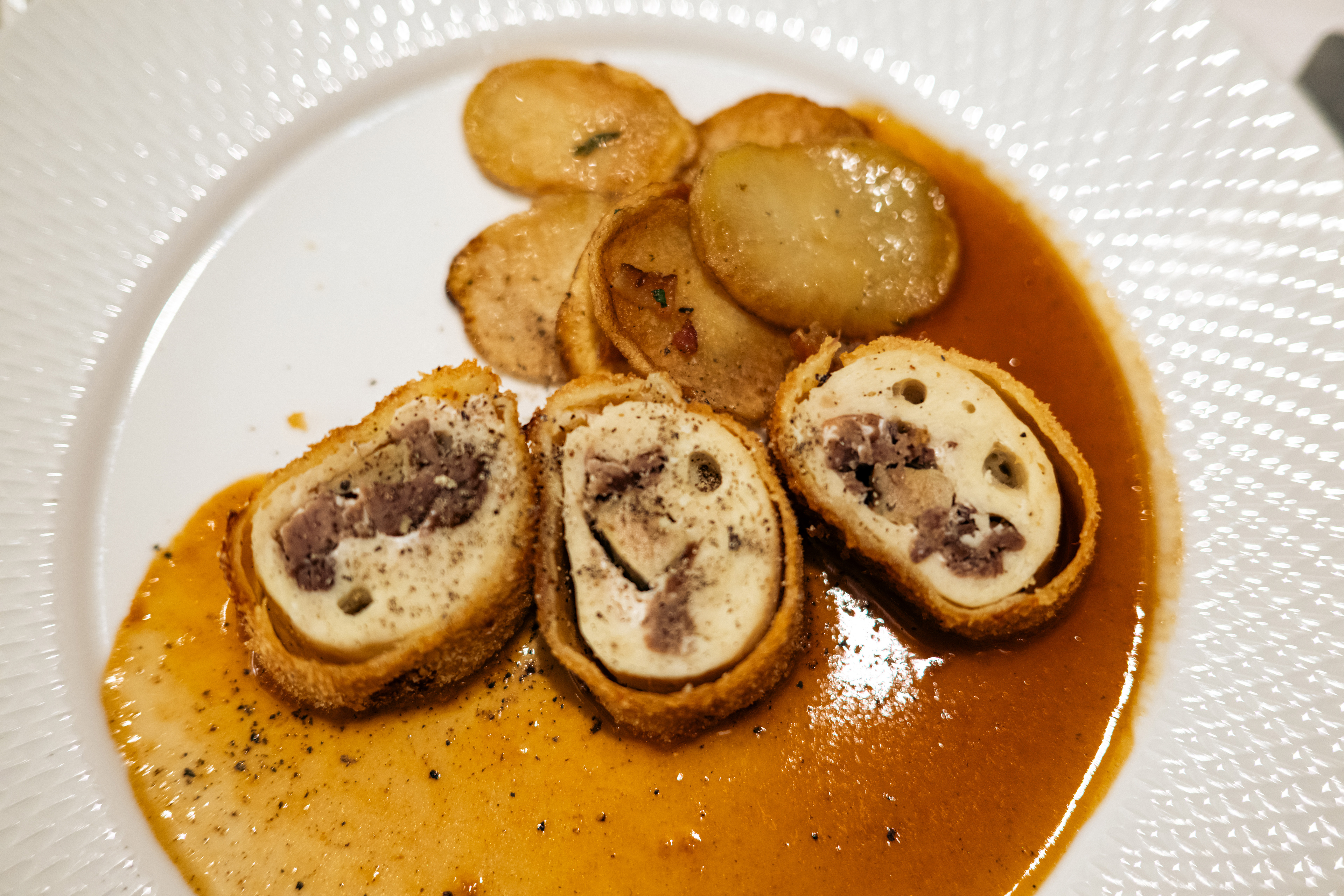
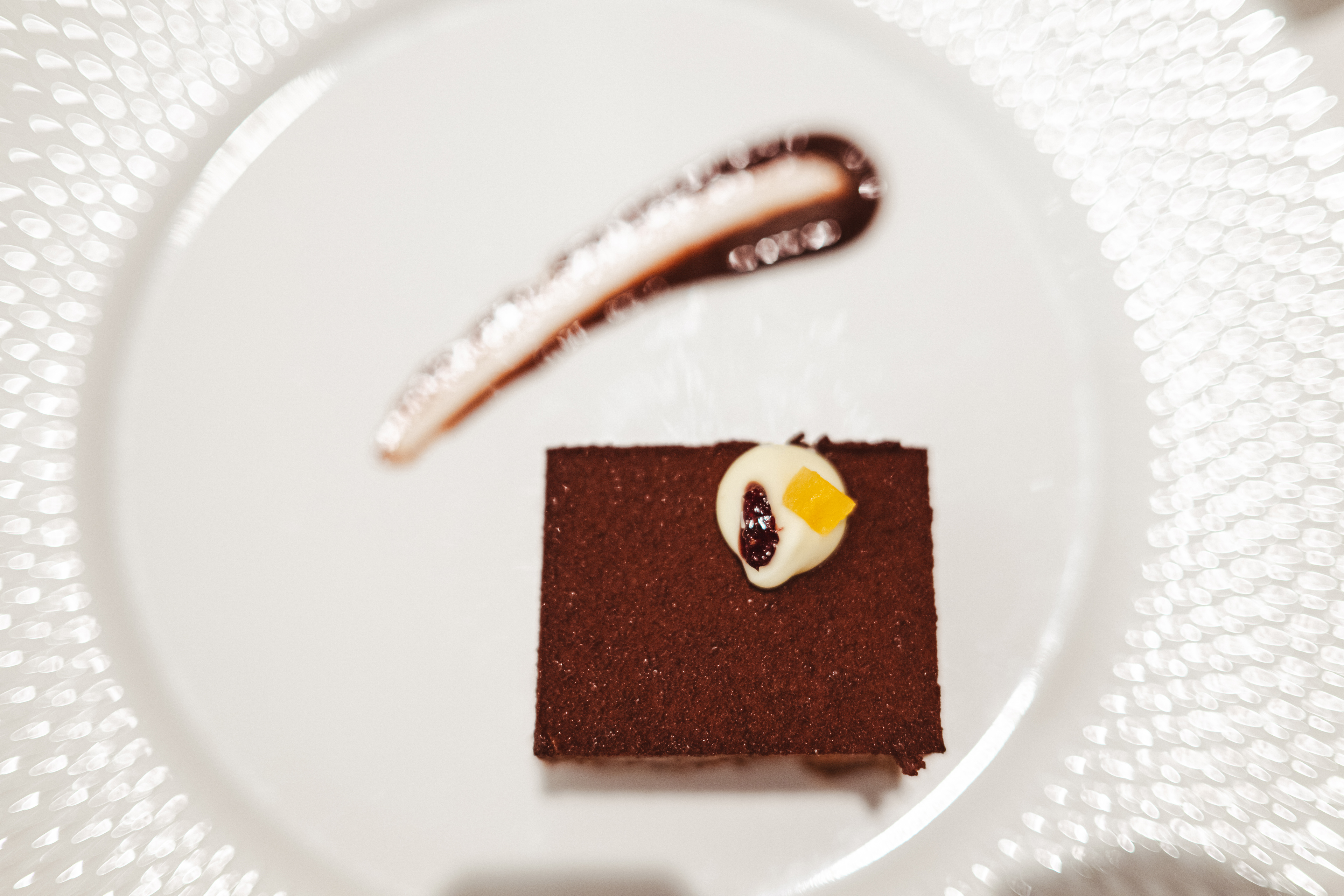
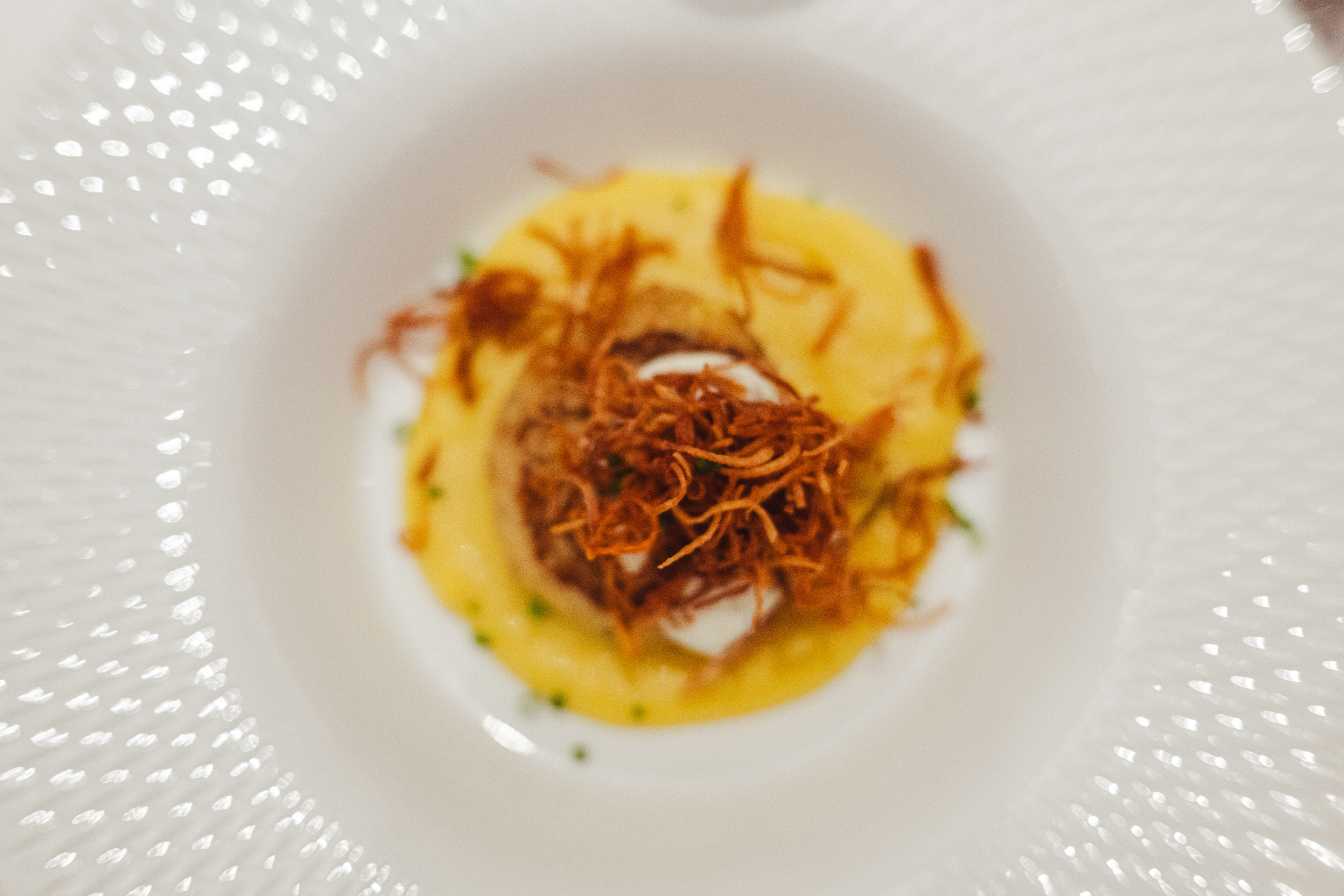
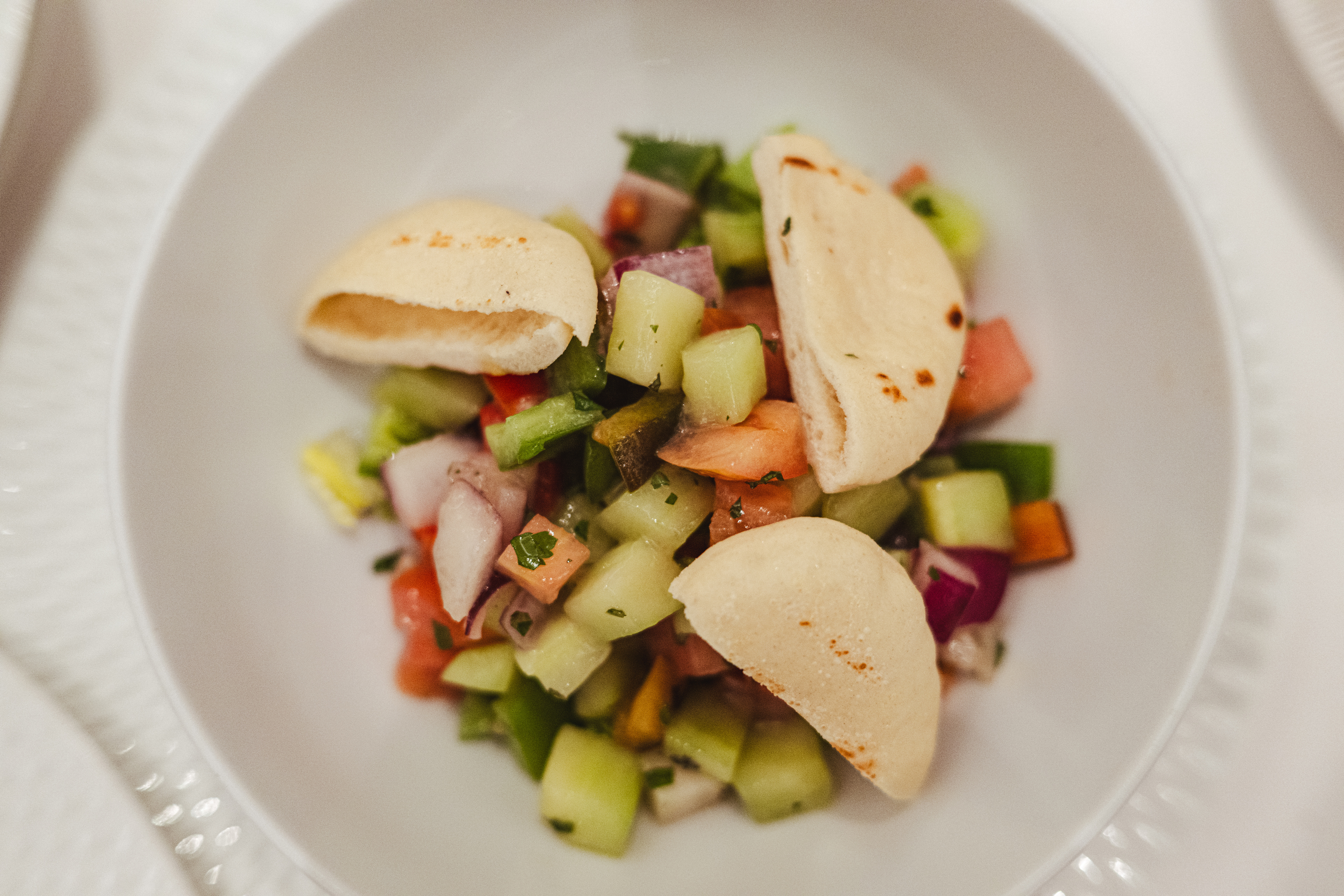
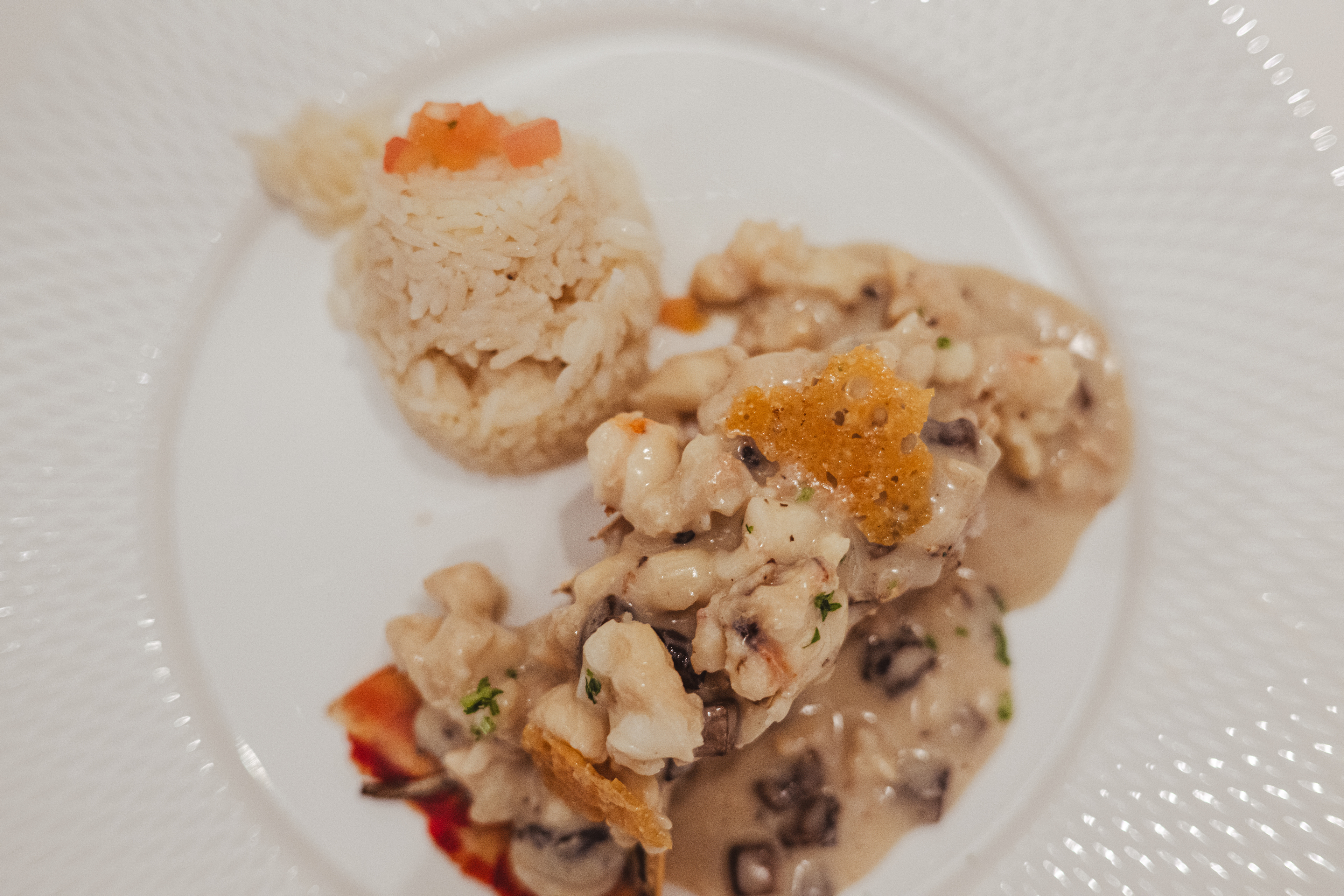
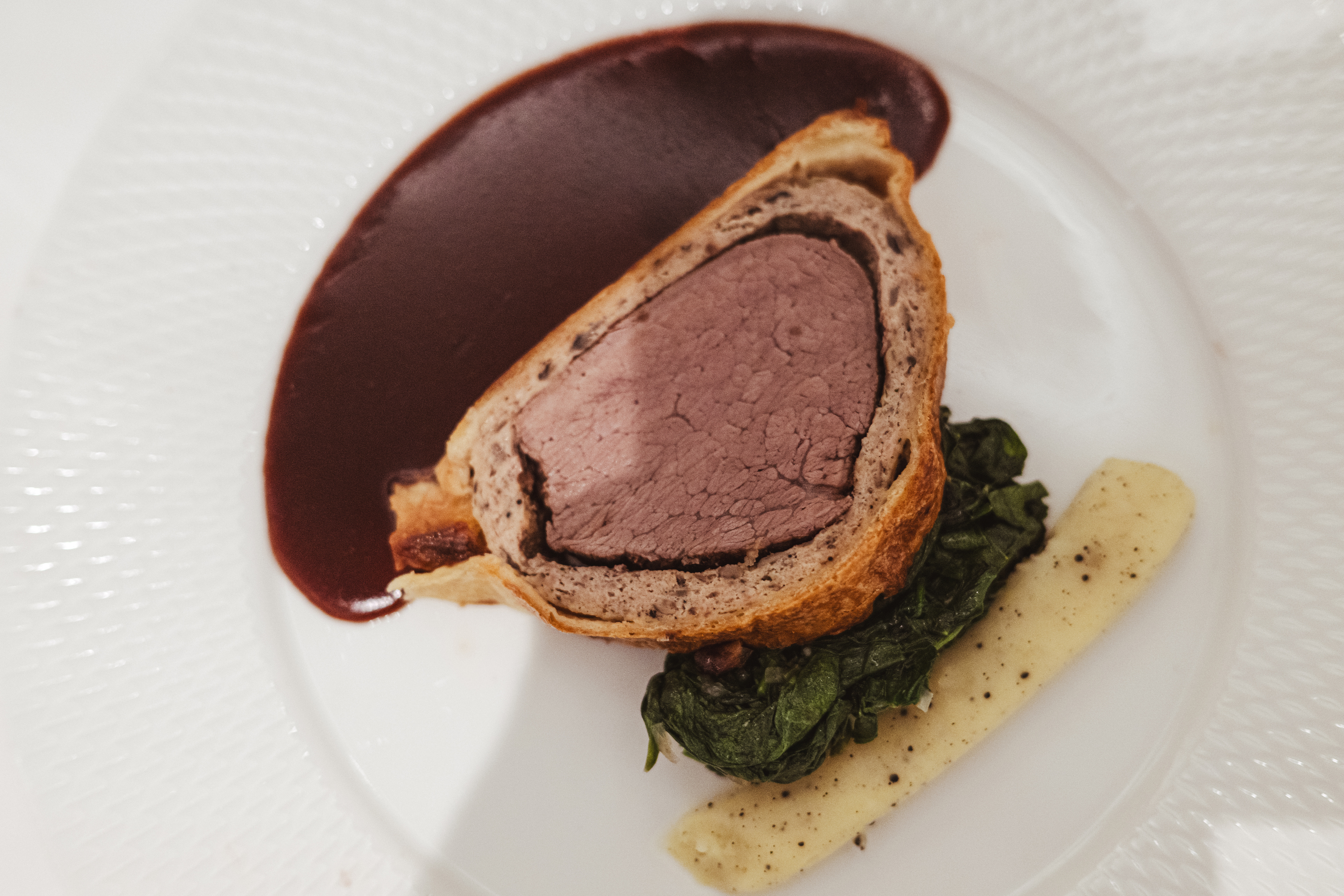
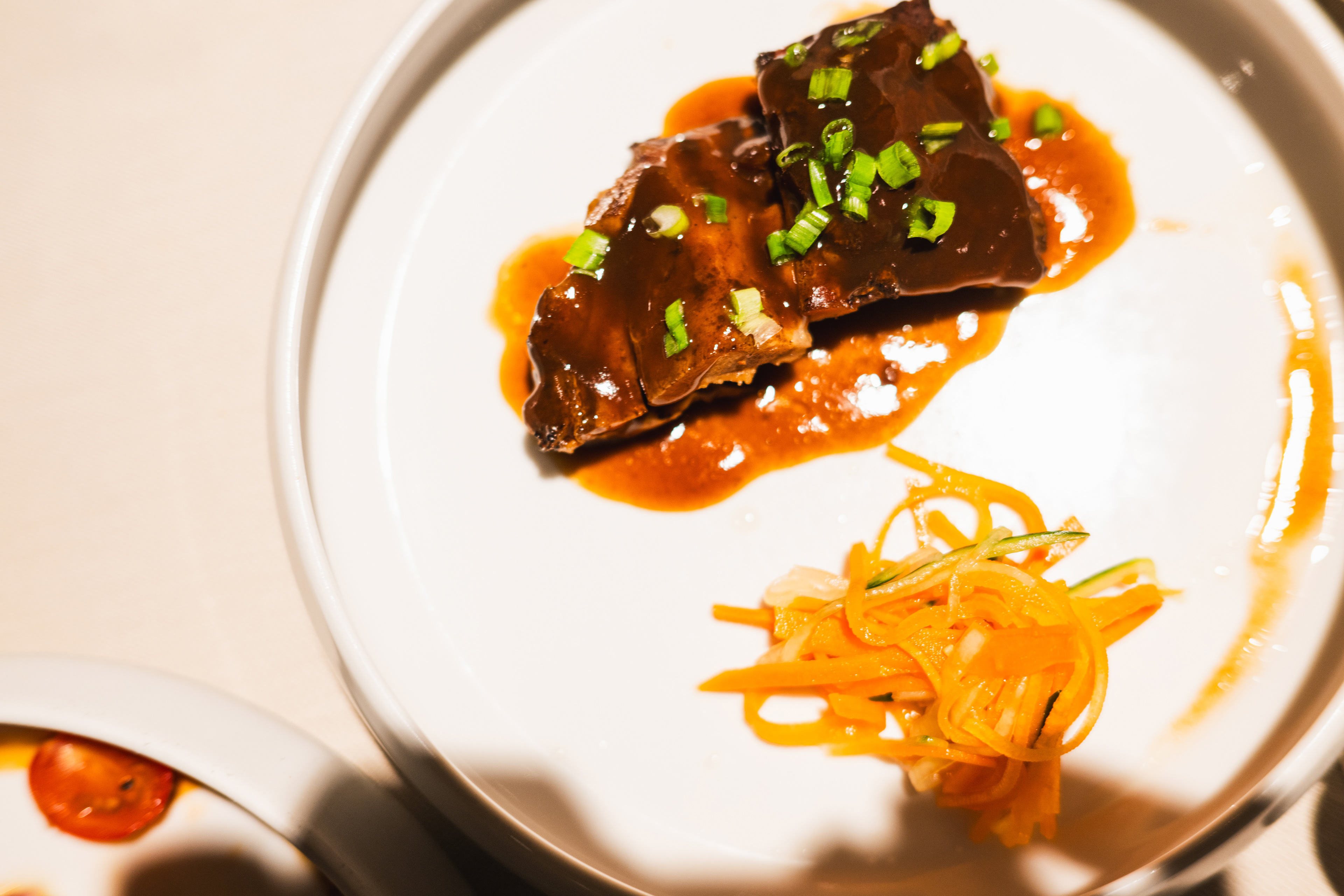
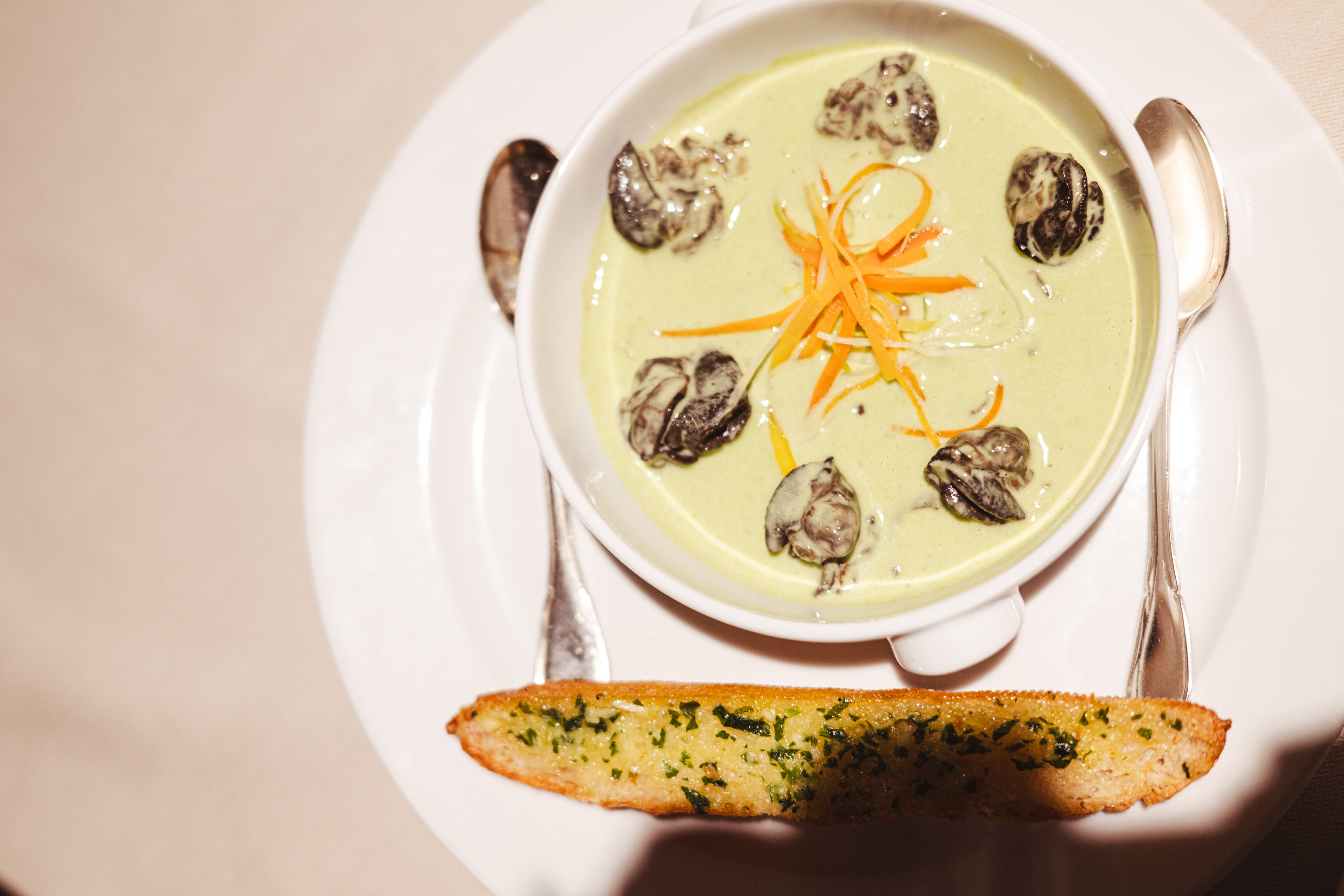
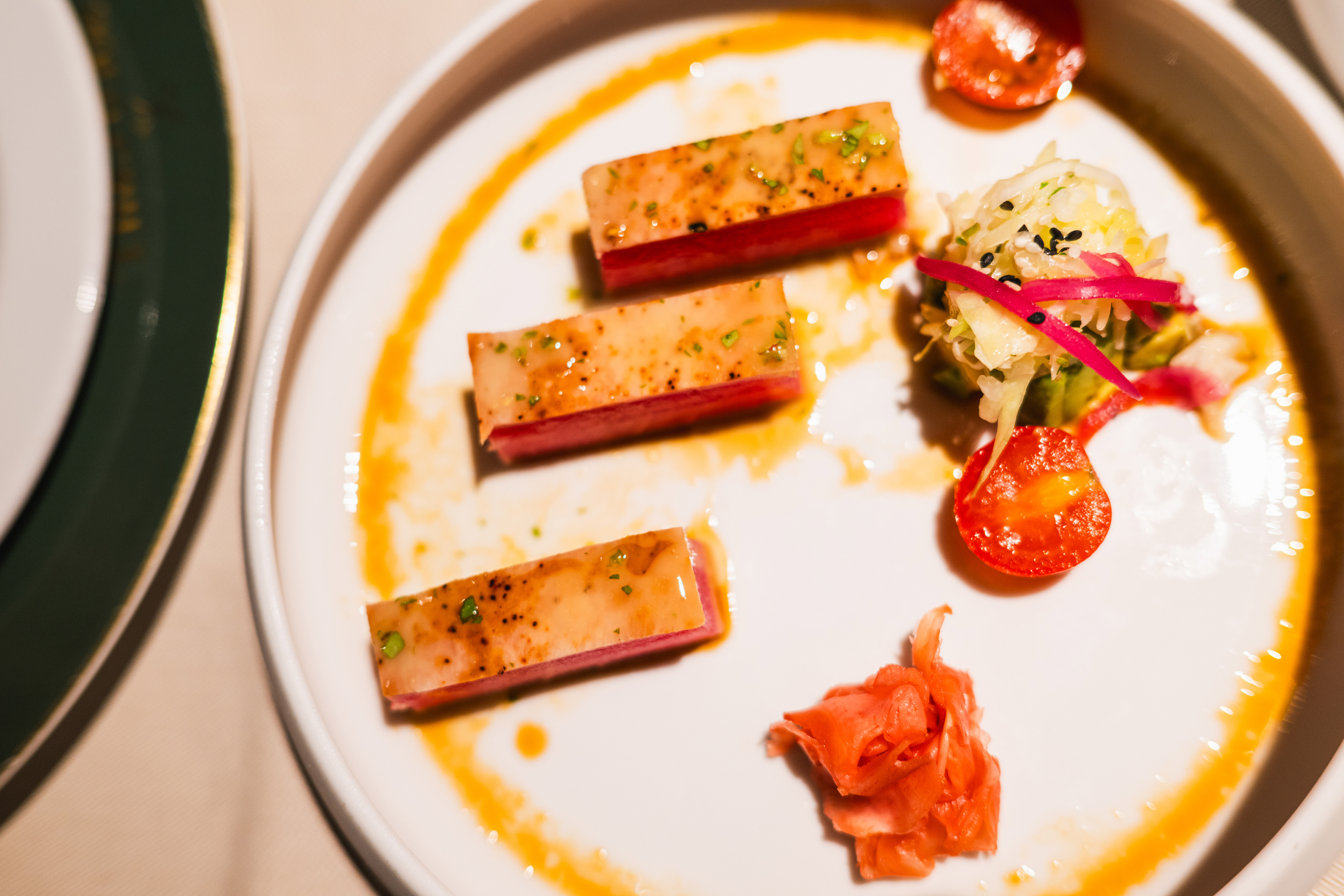
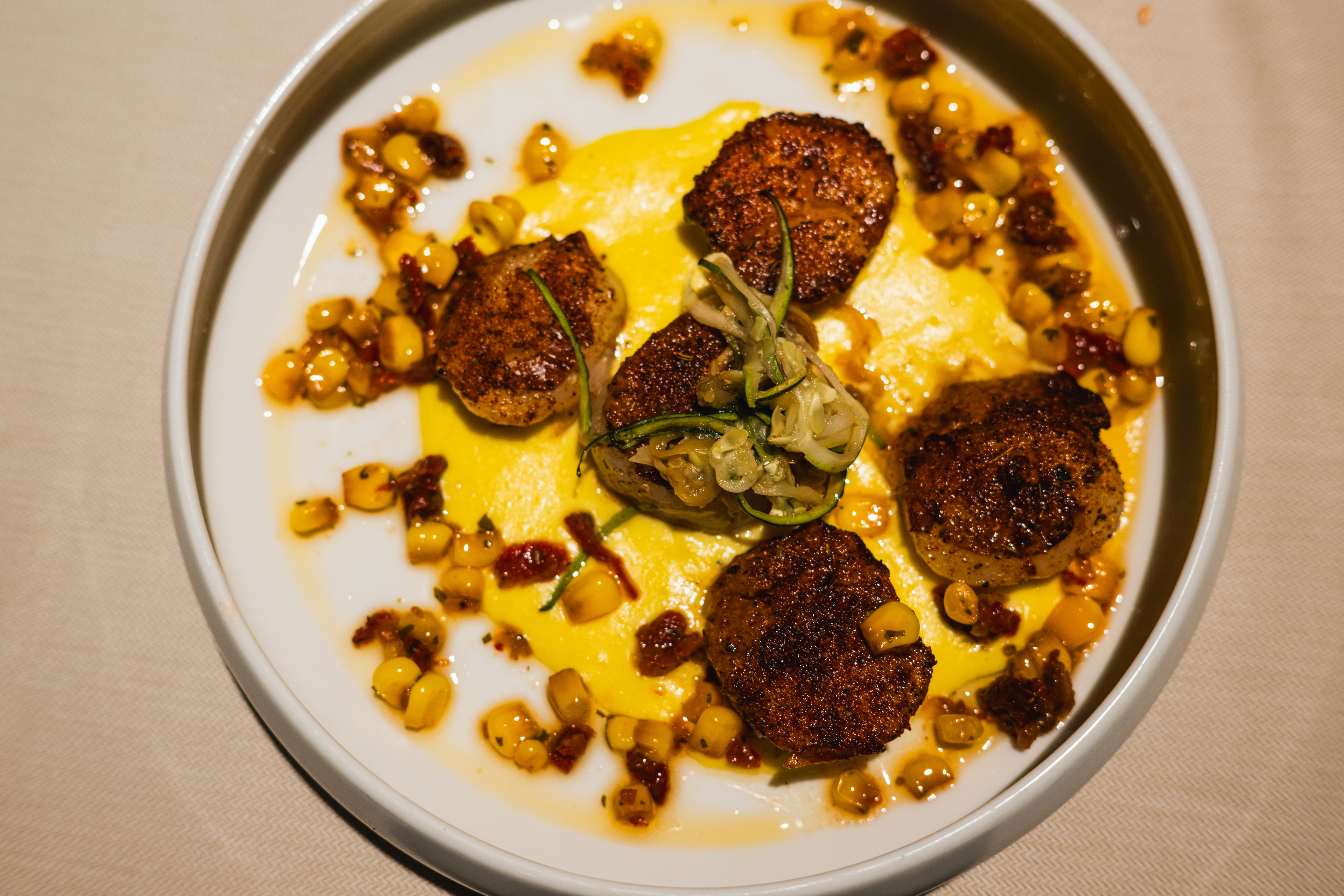
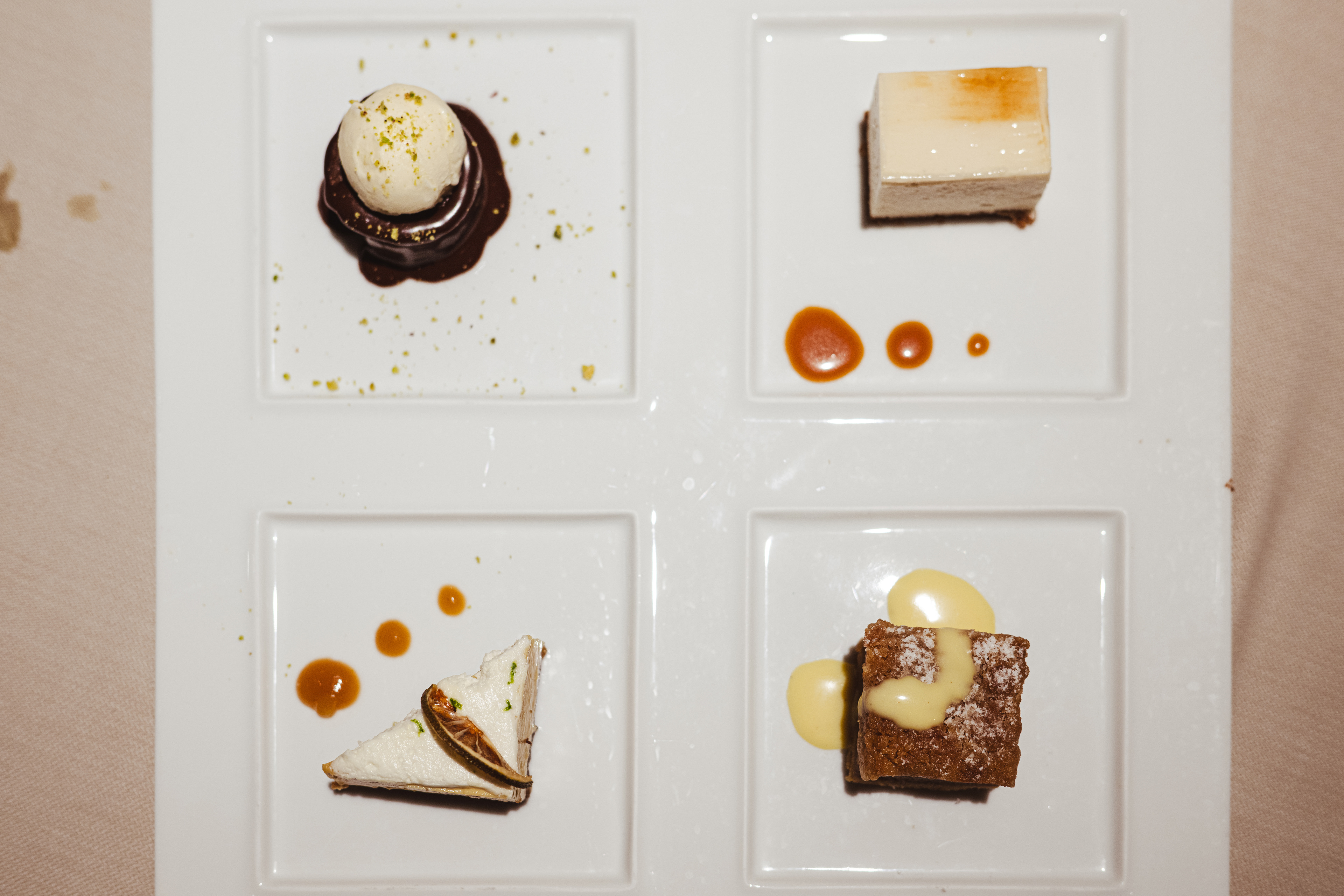
Oceania's reputation rests almost entirely on its food, and it earns it. Here is how it actually works.
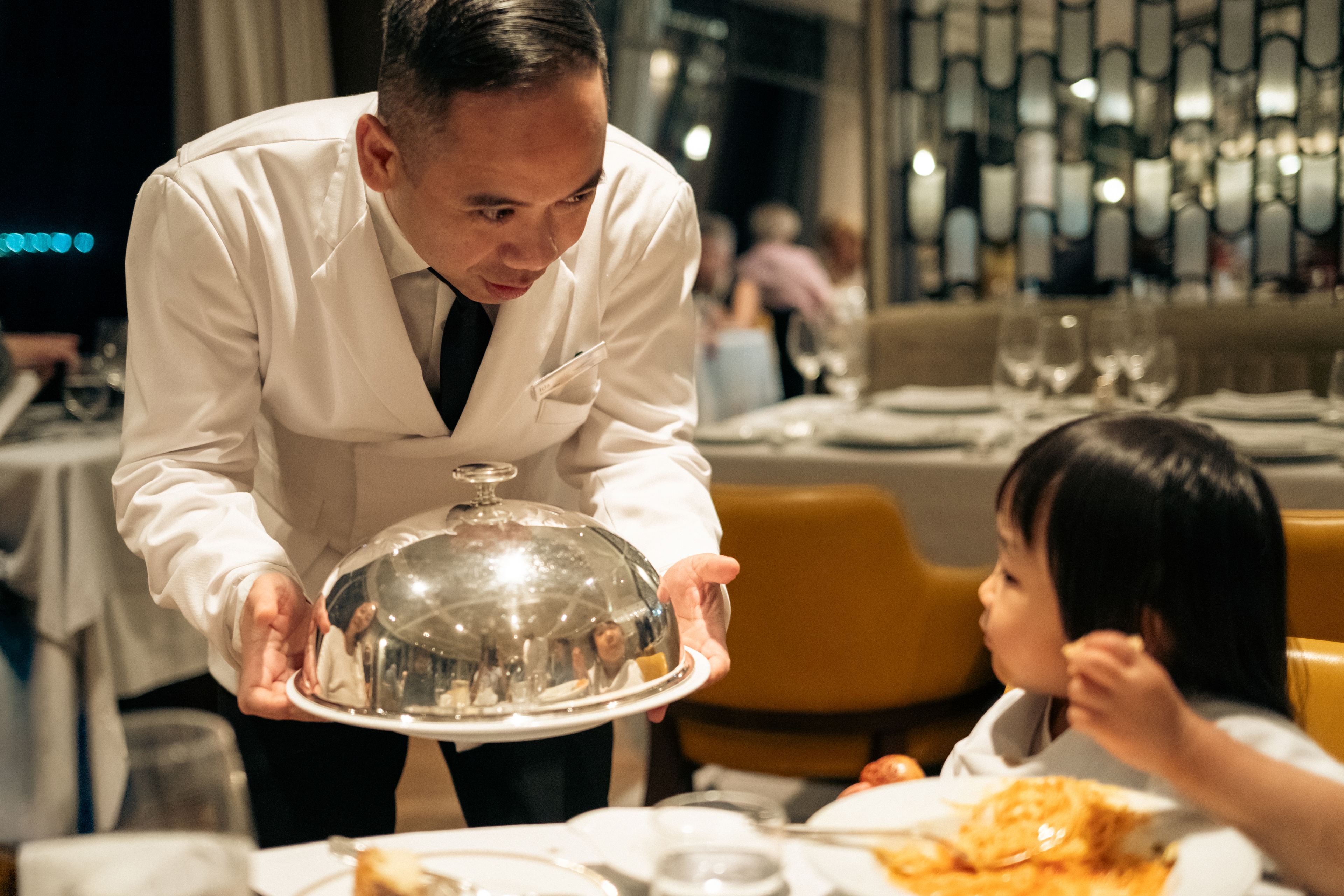
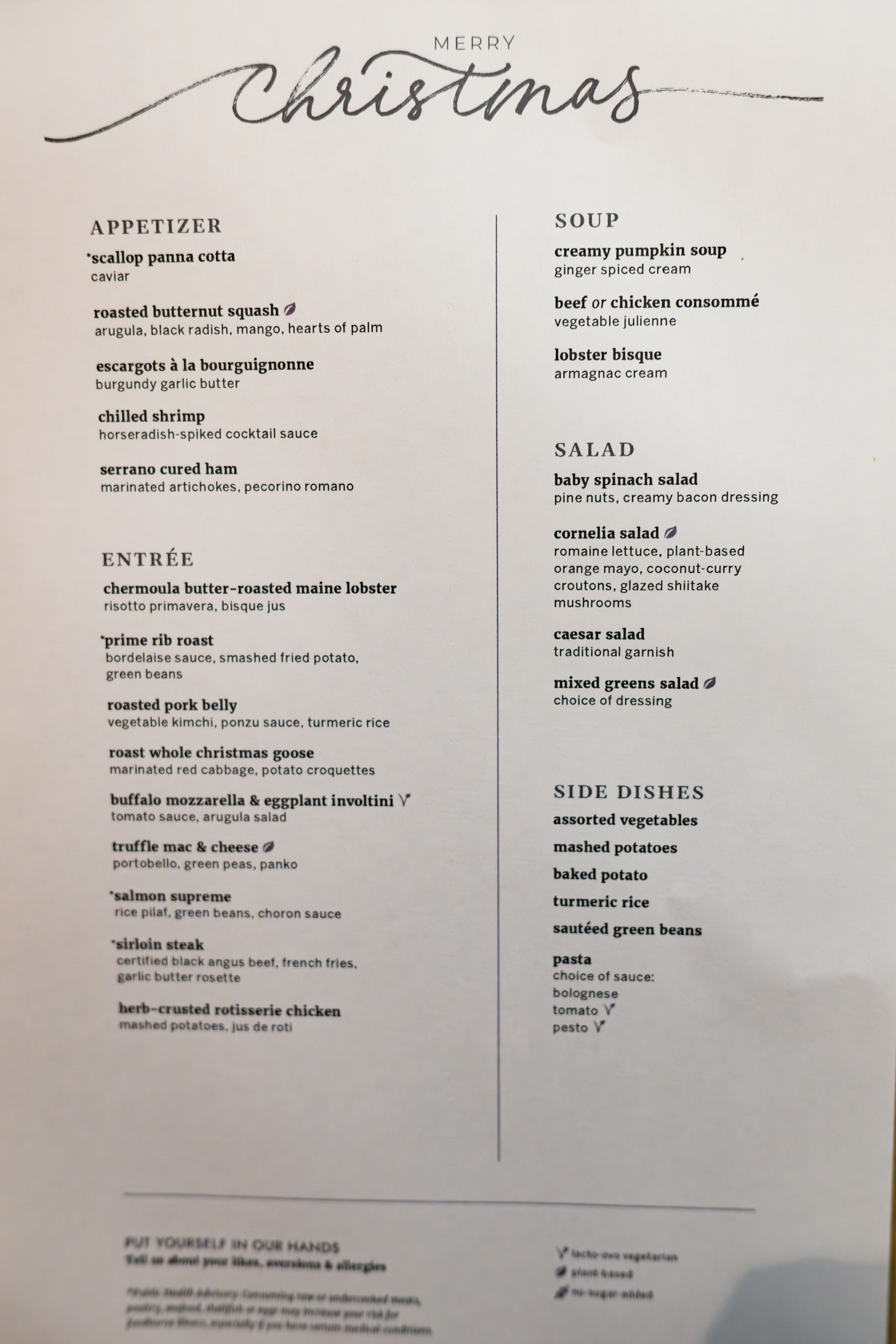
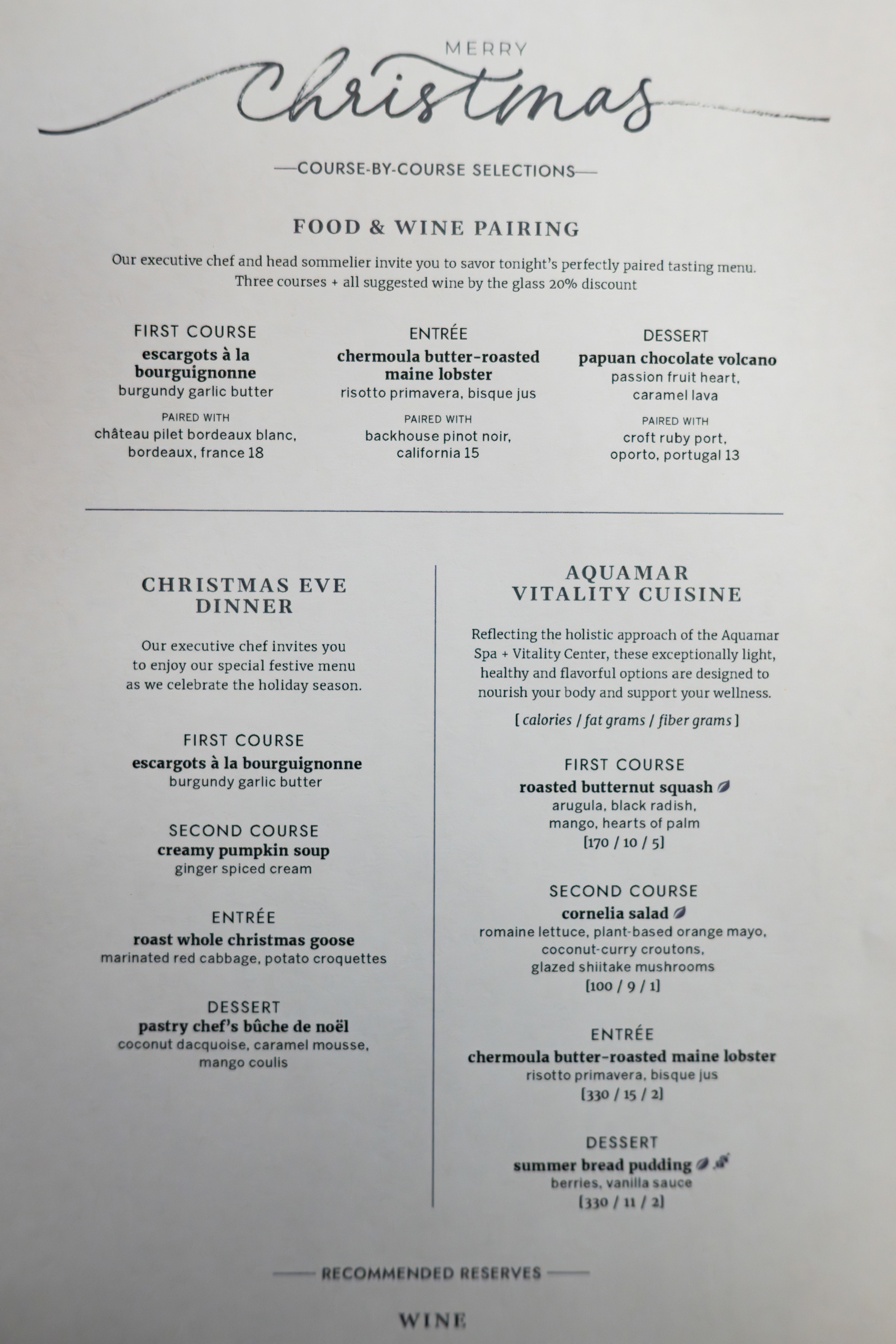
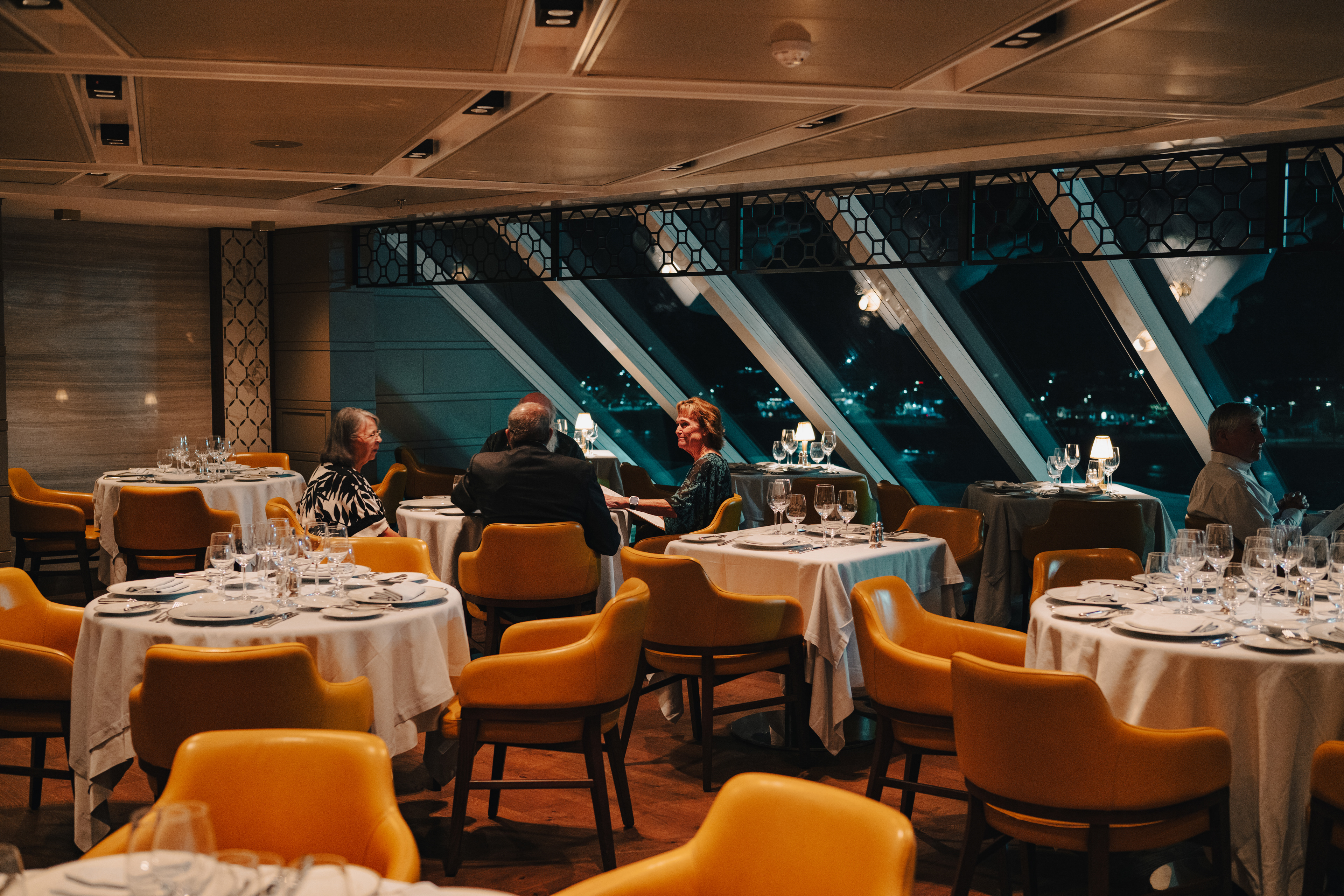
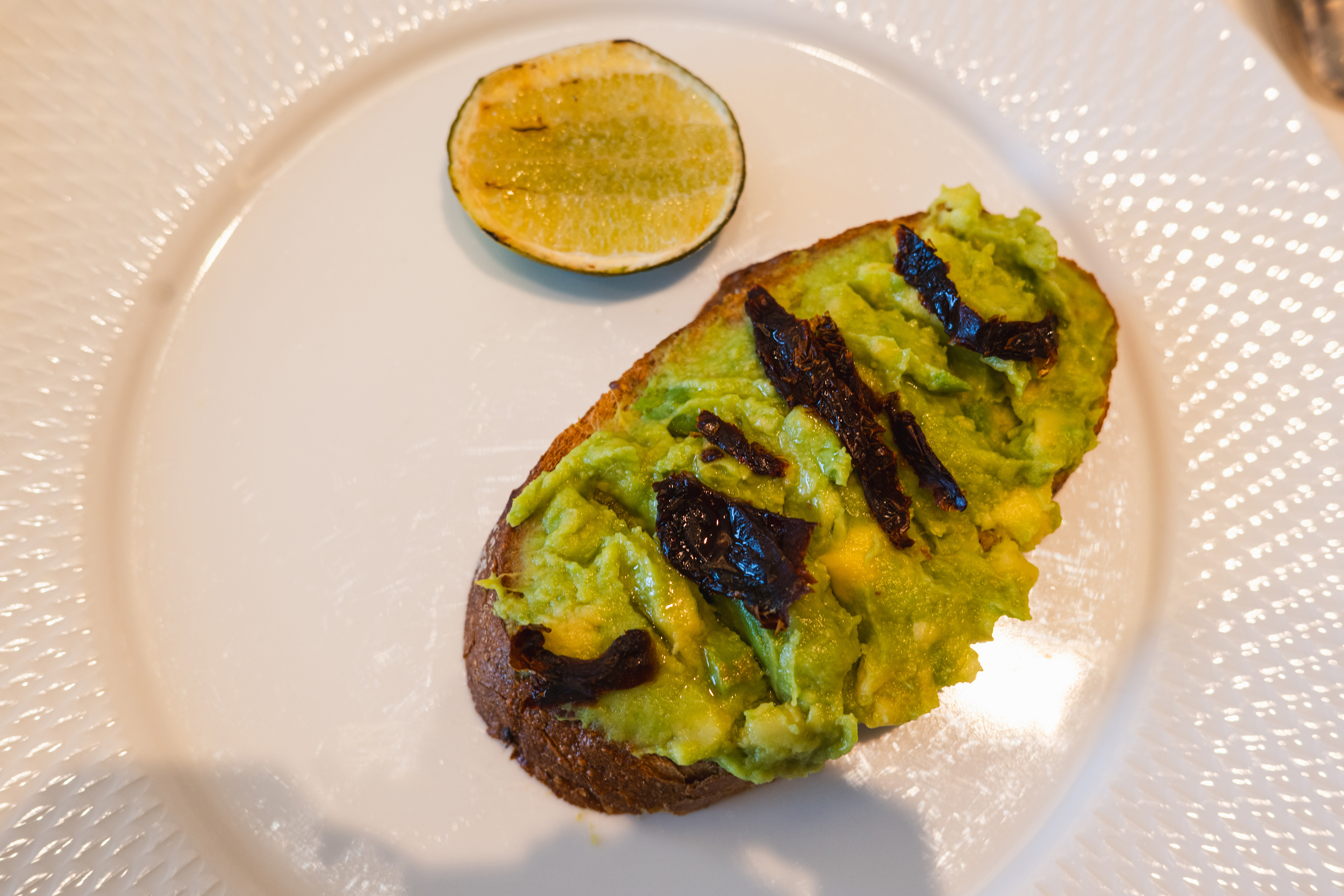
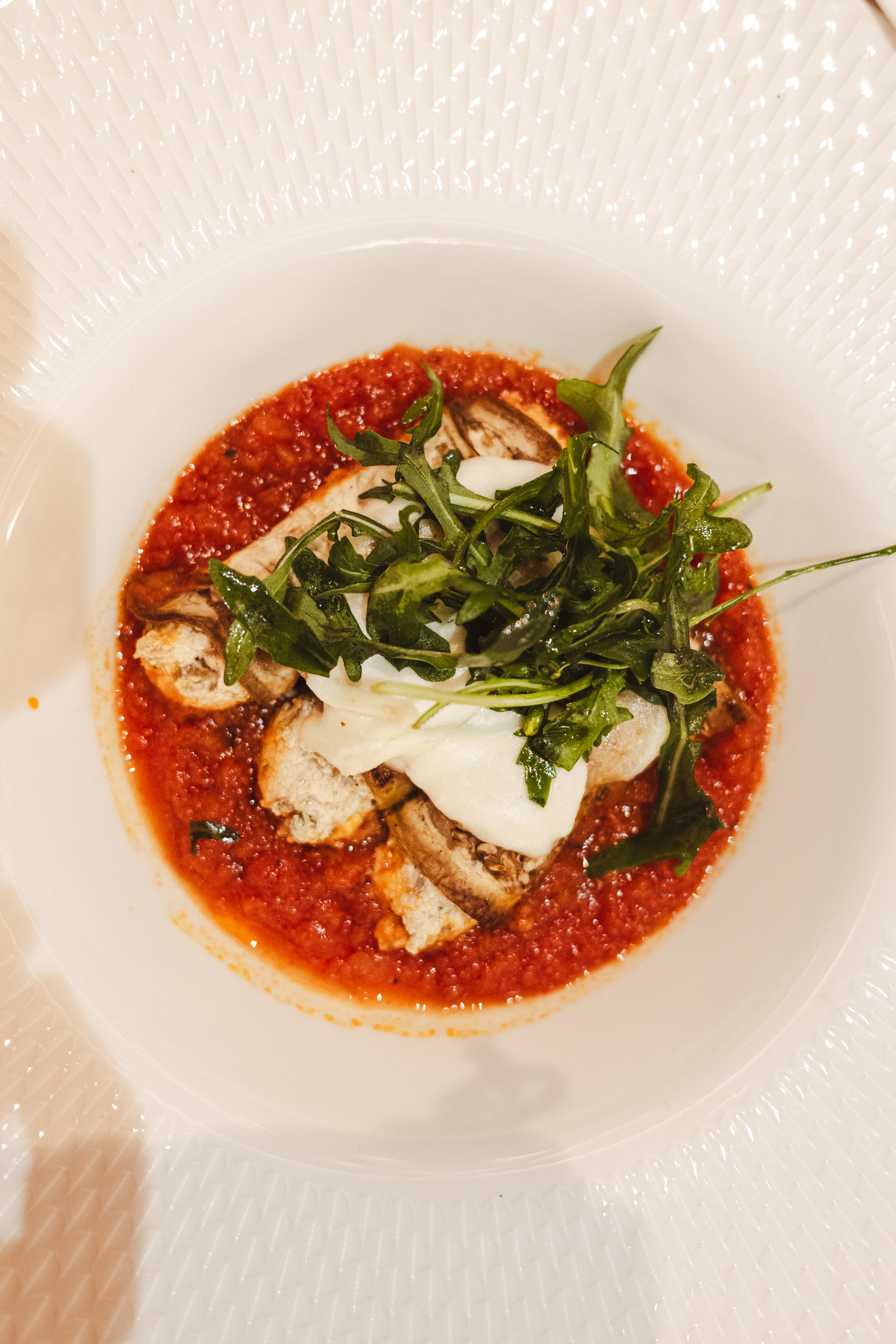
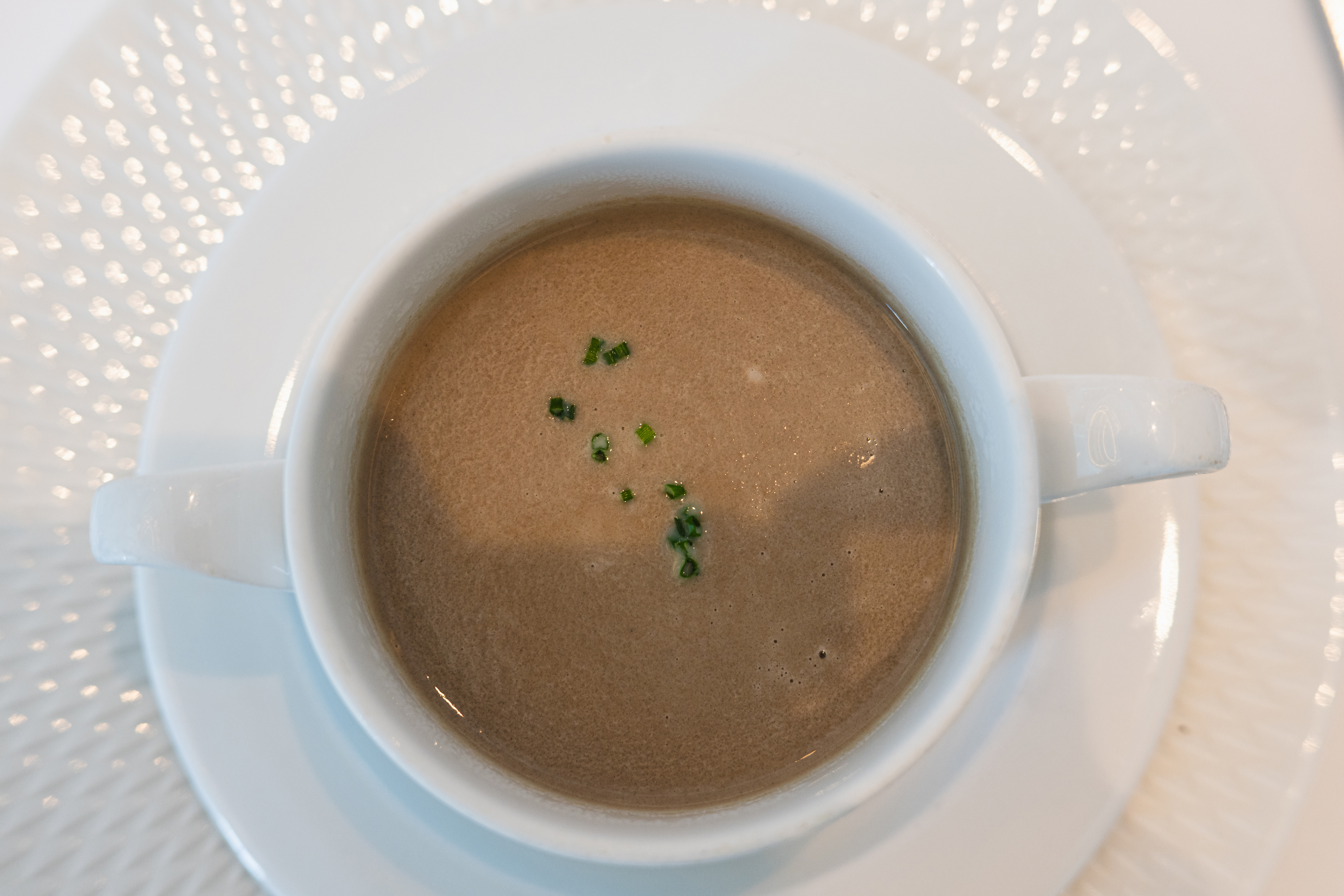
The Grand Dining Room is the main restaurant, open for breakfast, lunch, and dinner. White tablecloths, attentive service, a full menu that changes daily. No reservation needed.
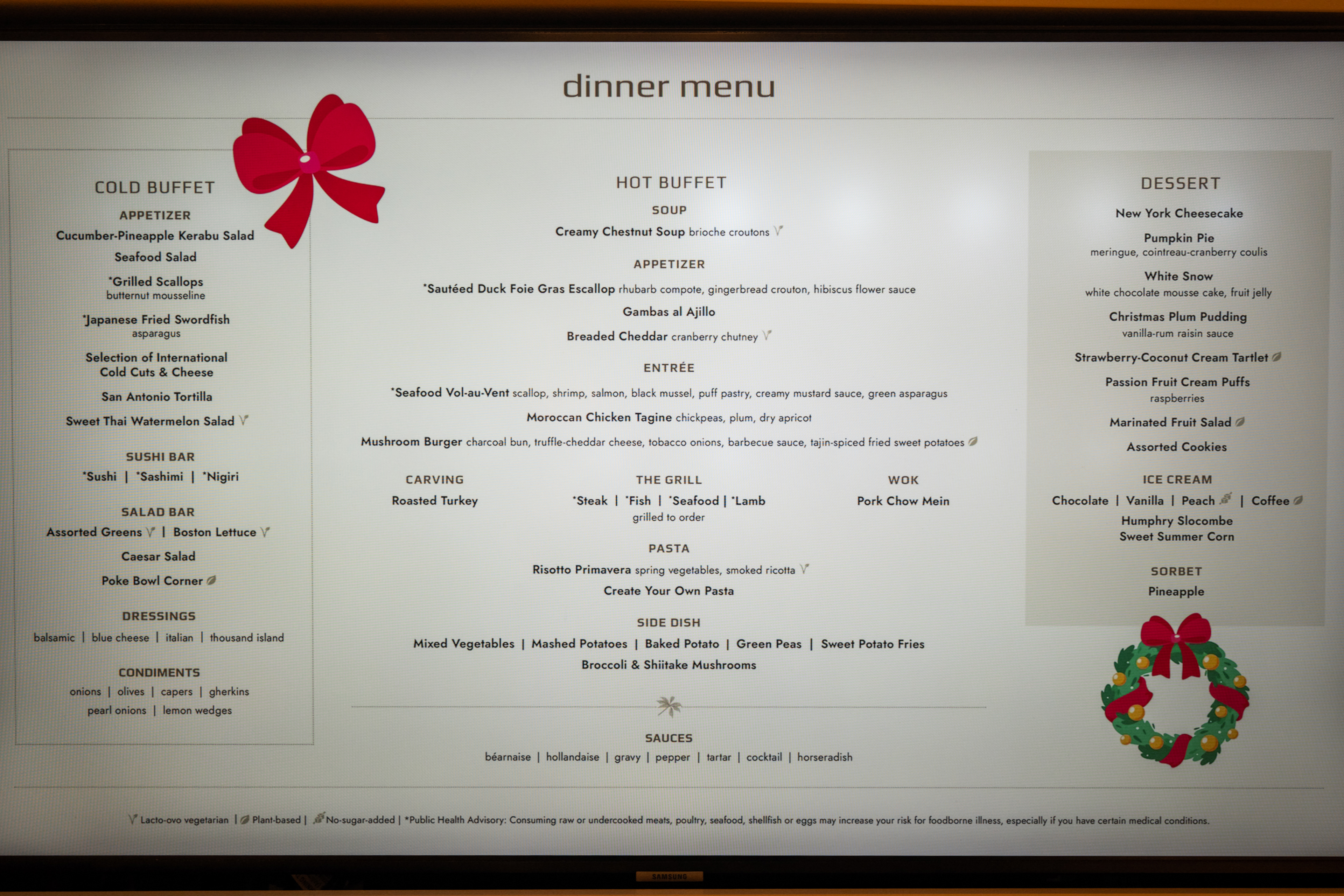
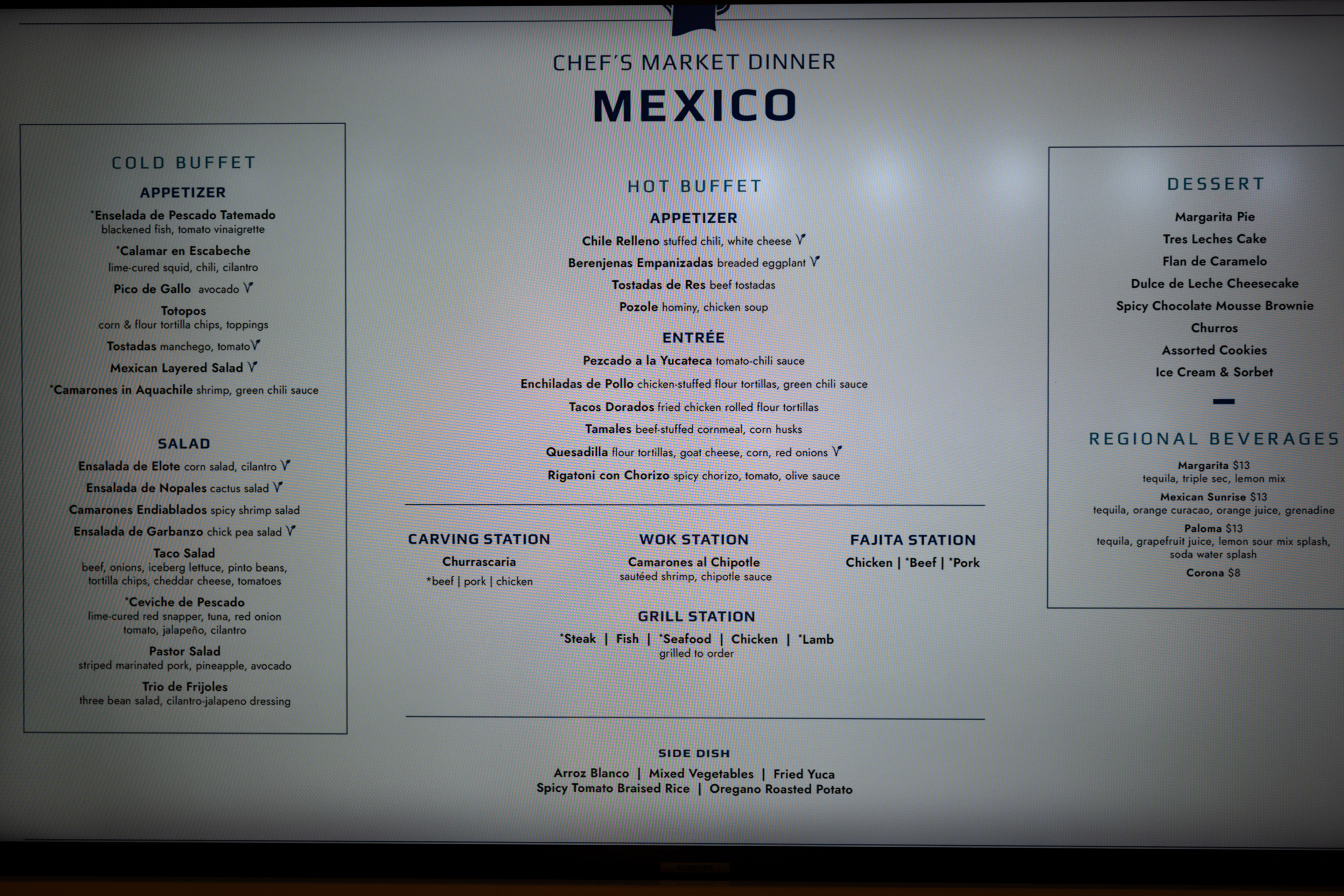
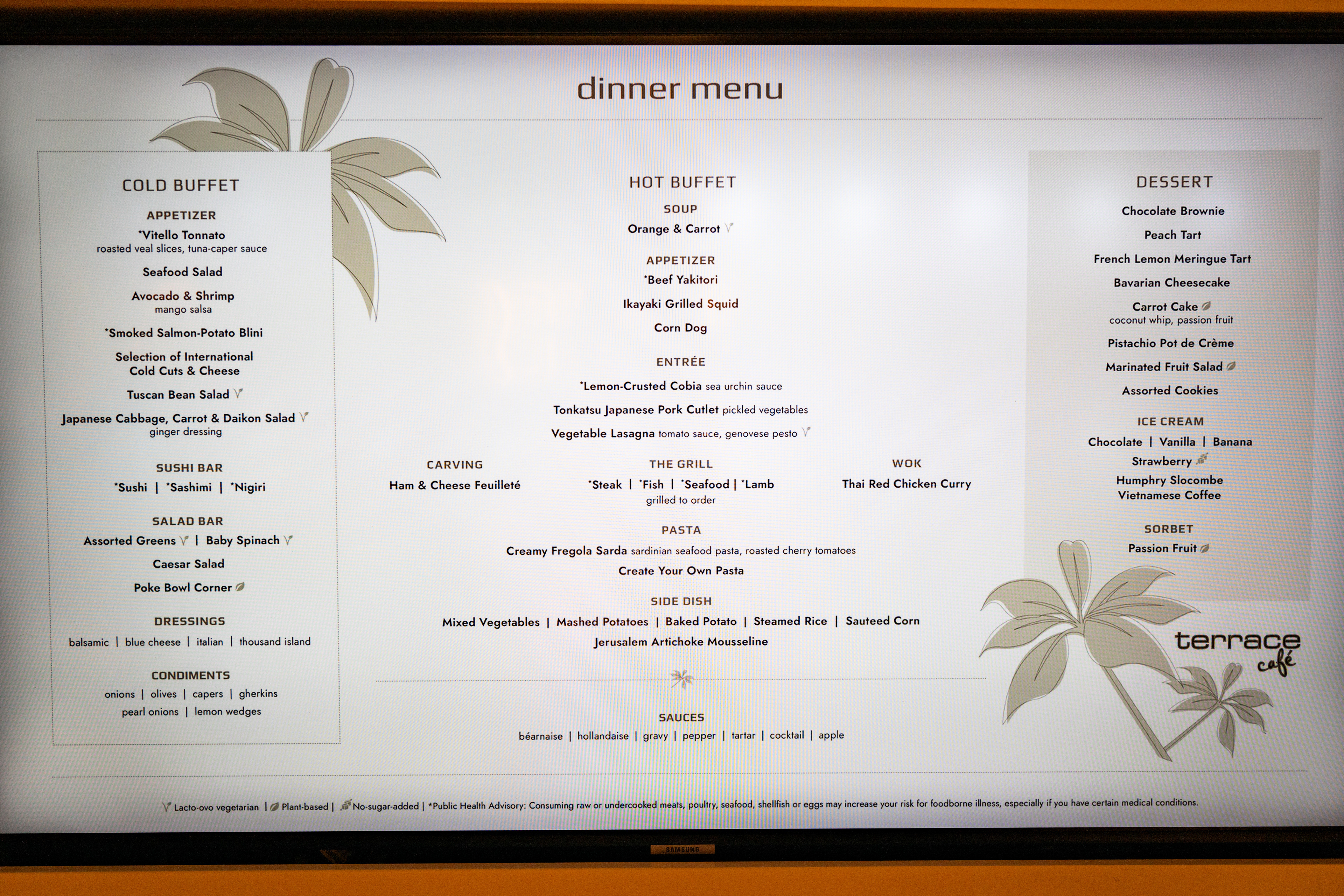
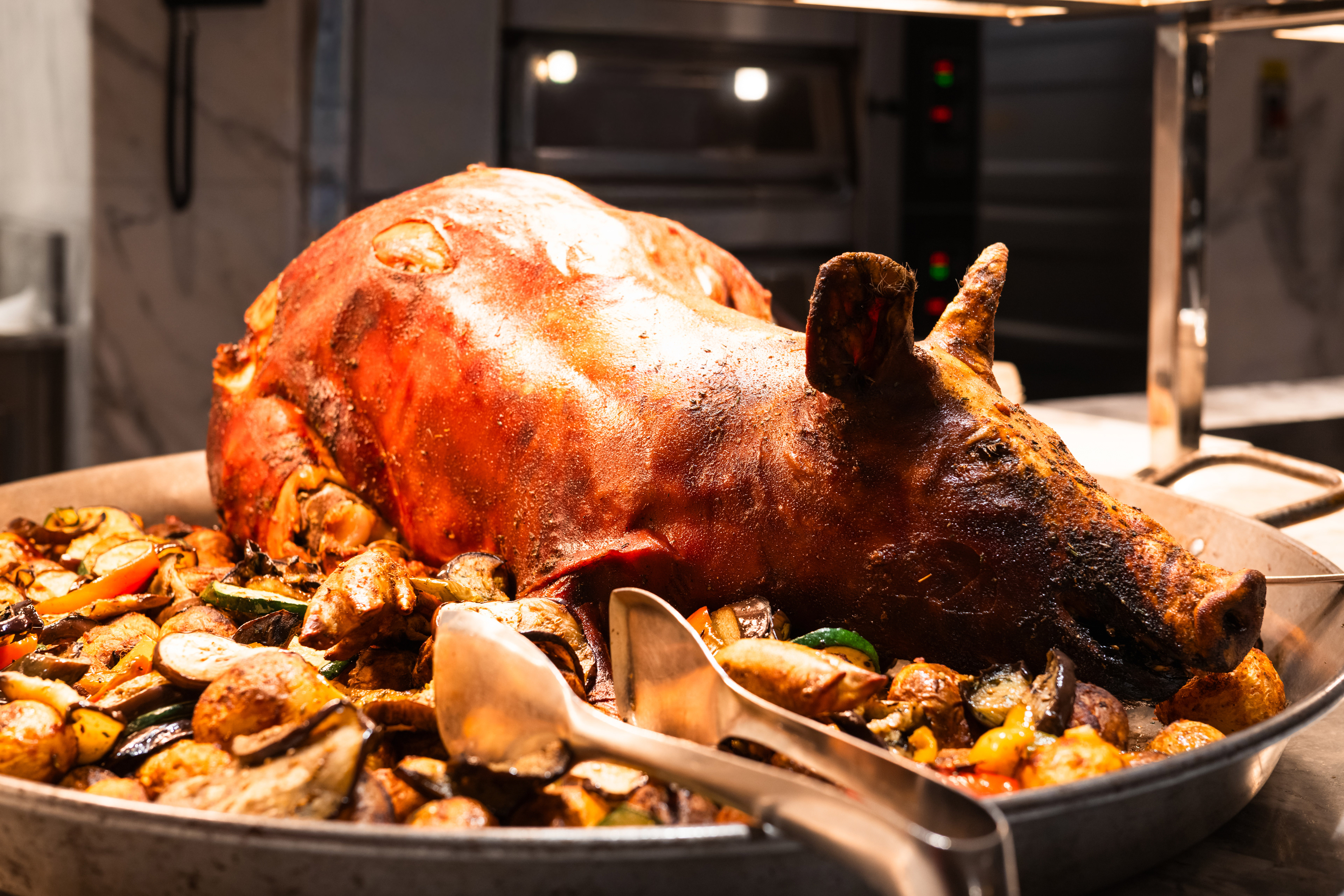
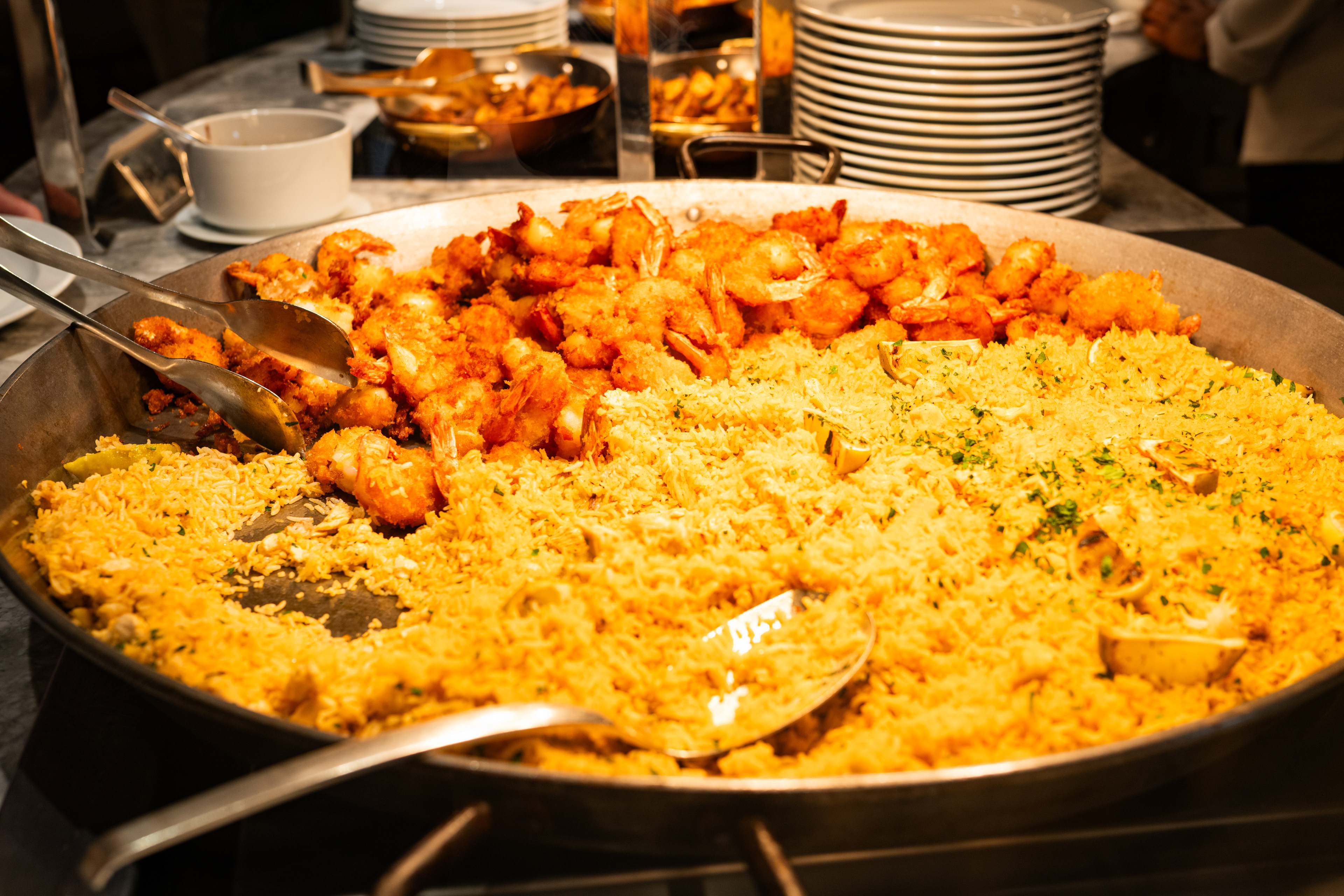
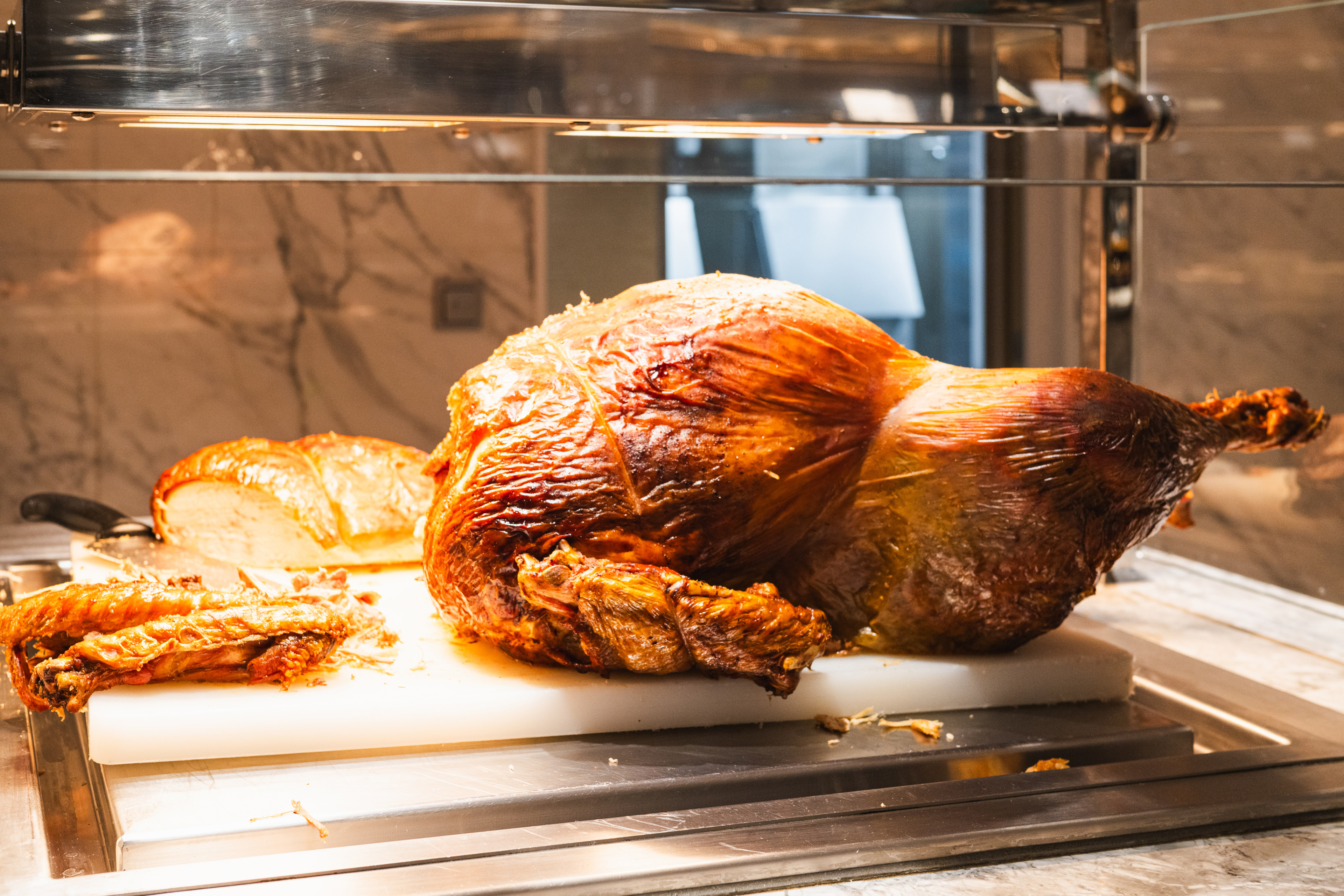
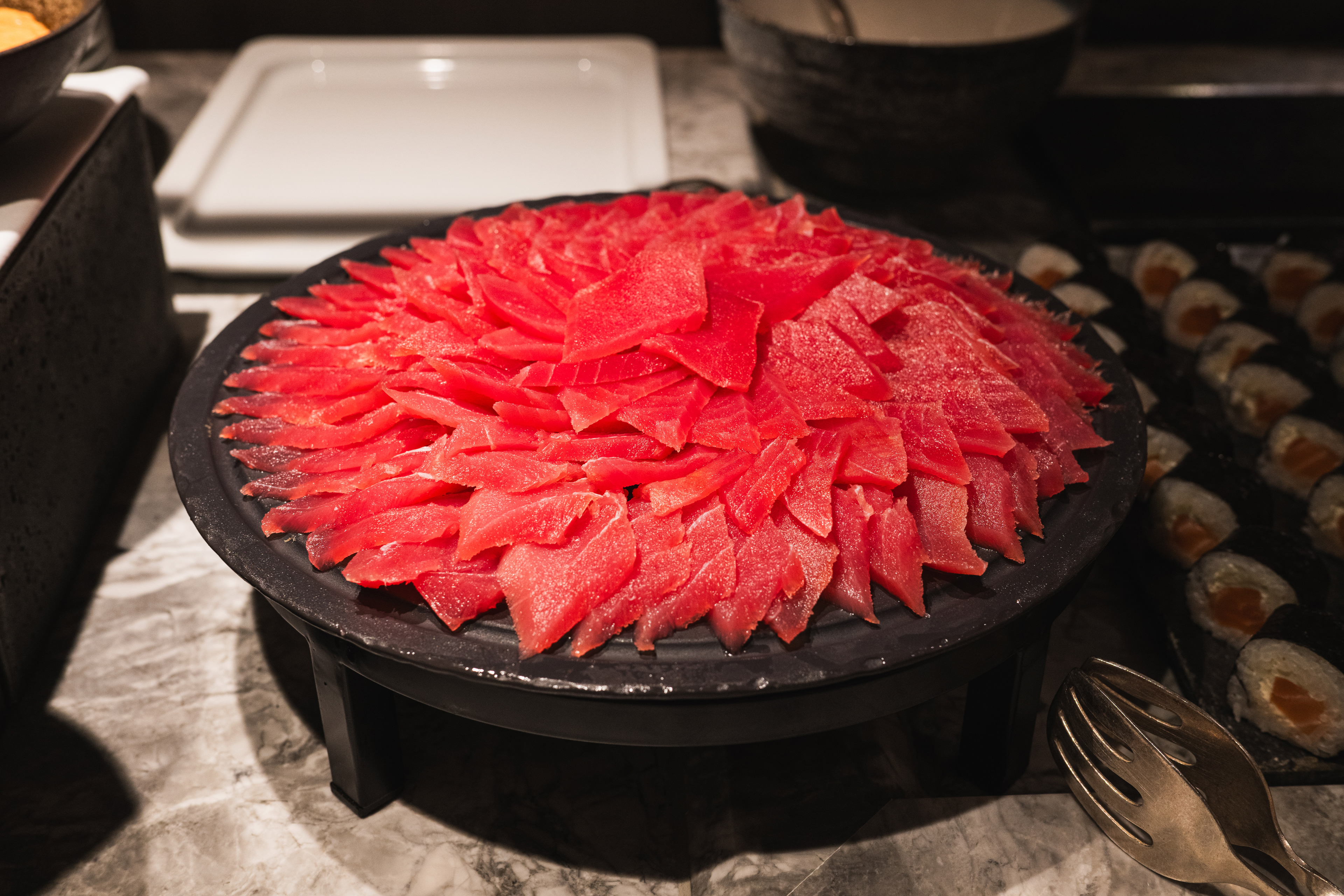
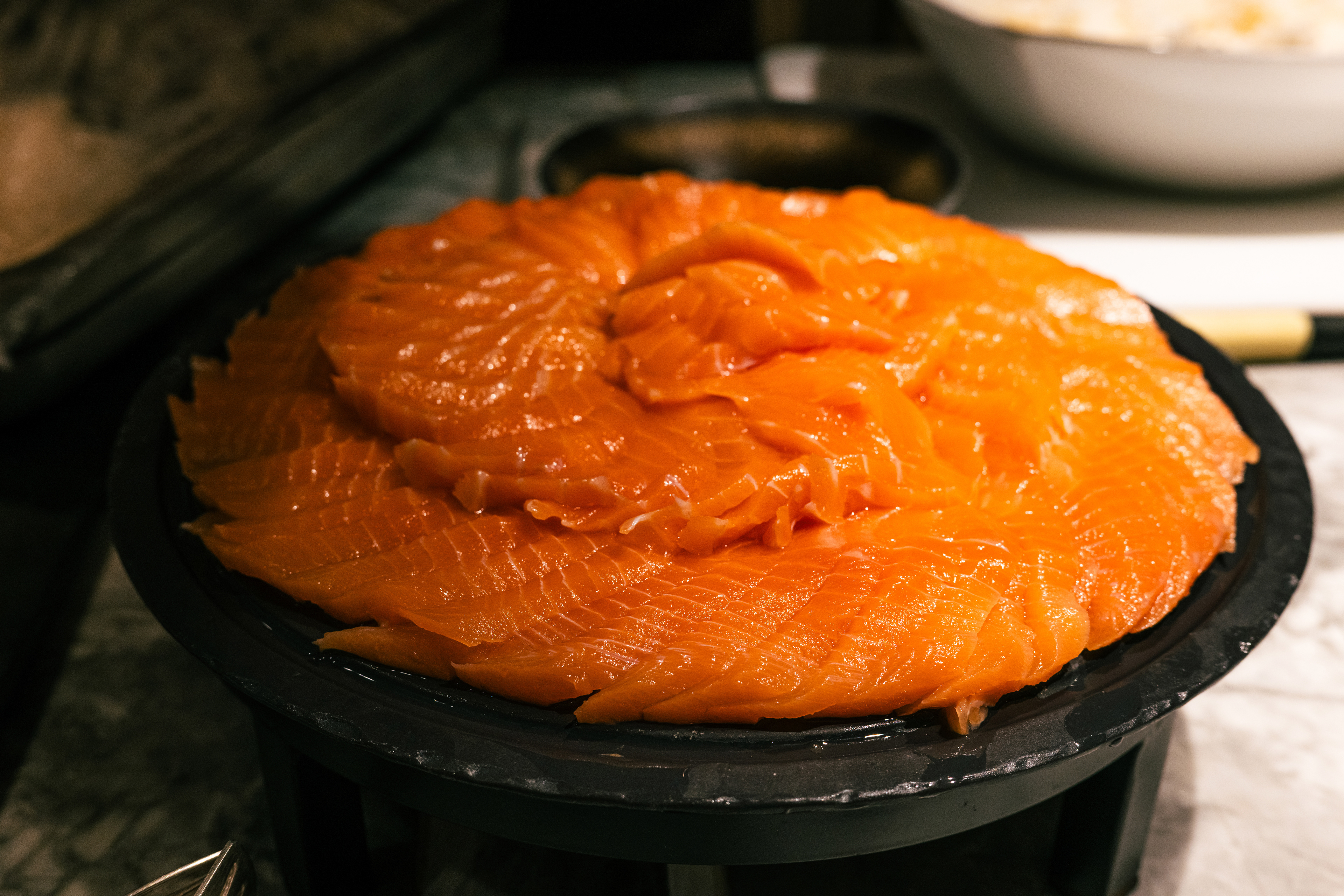
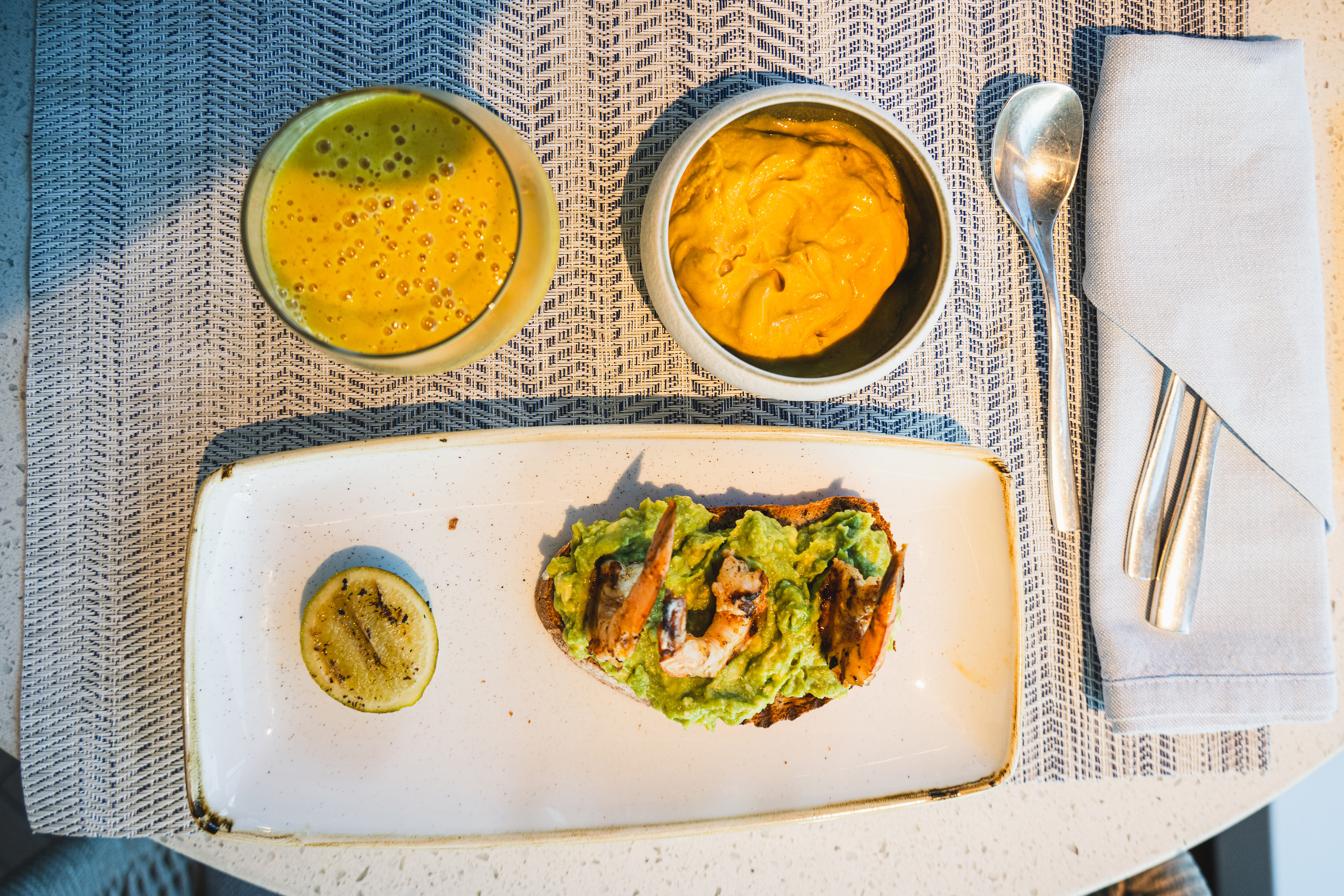
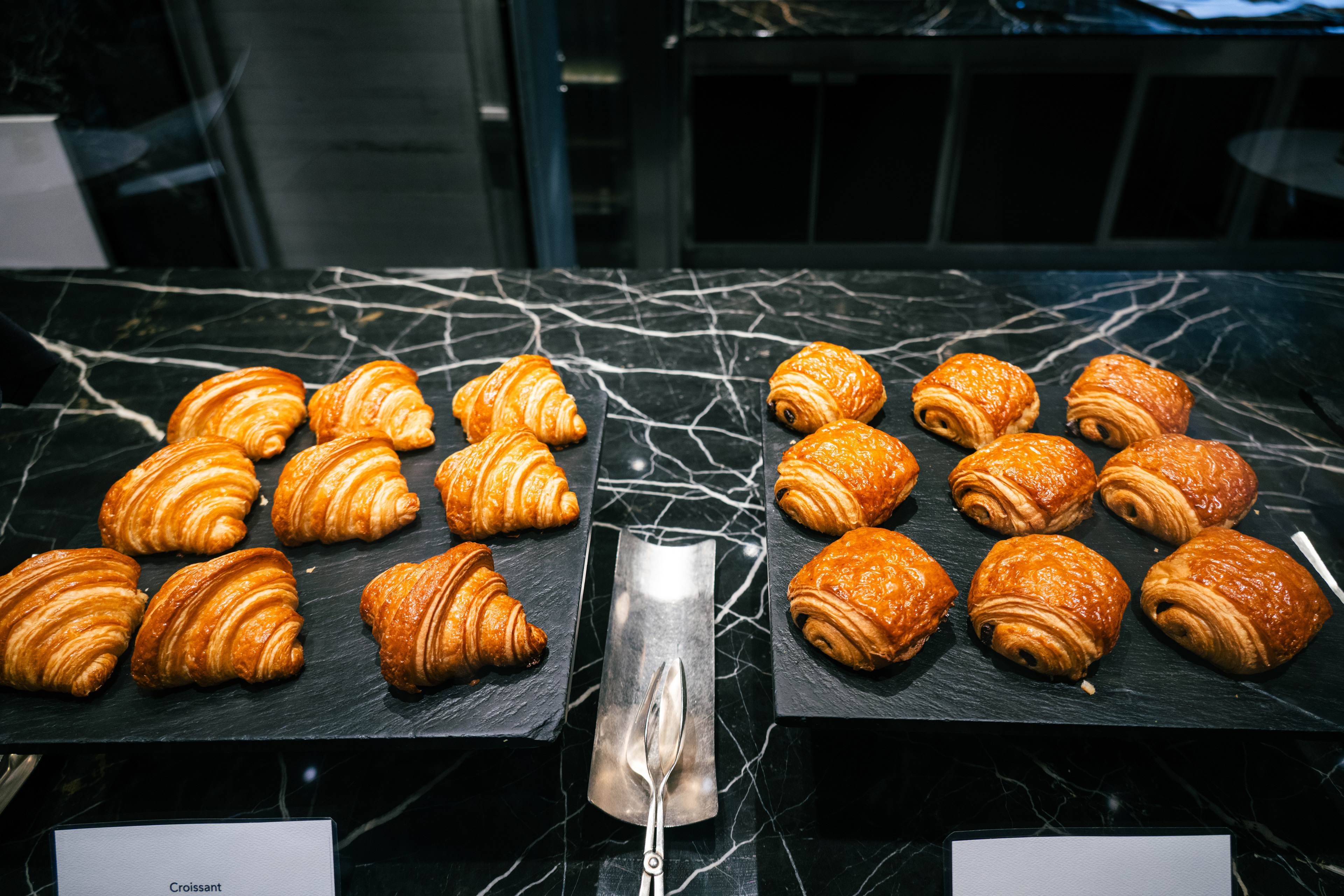
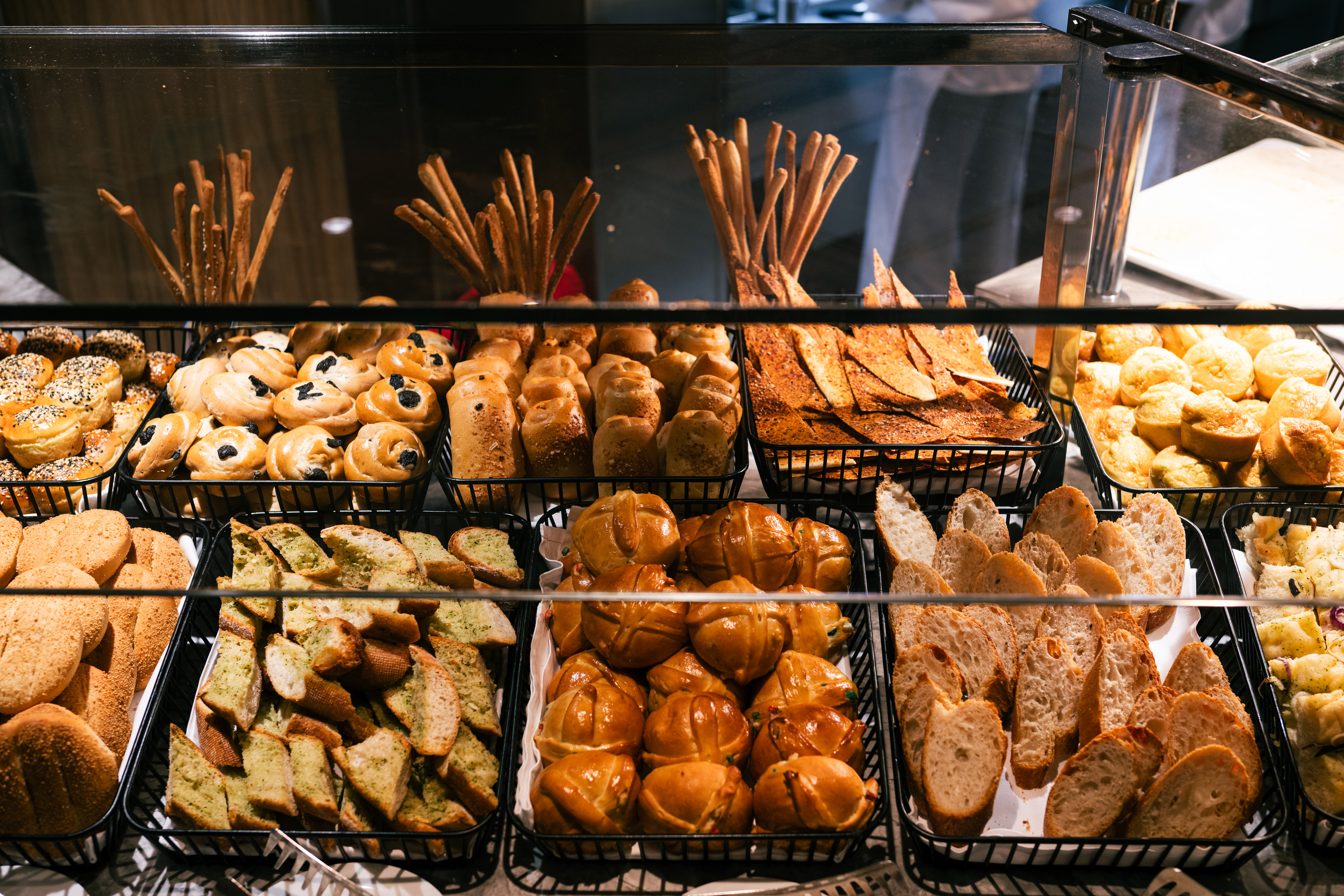
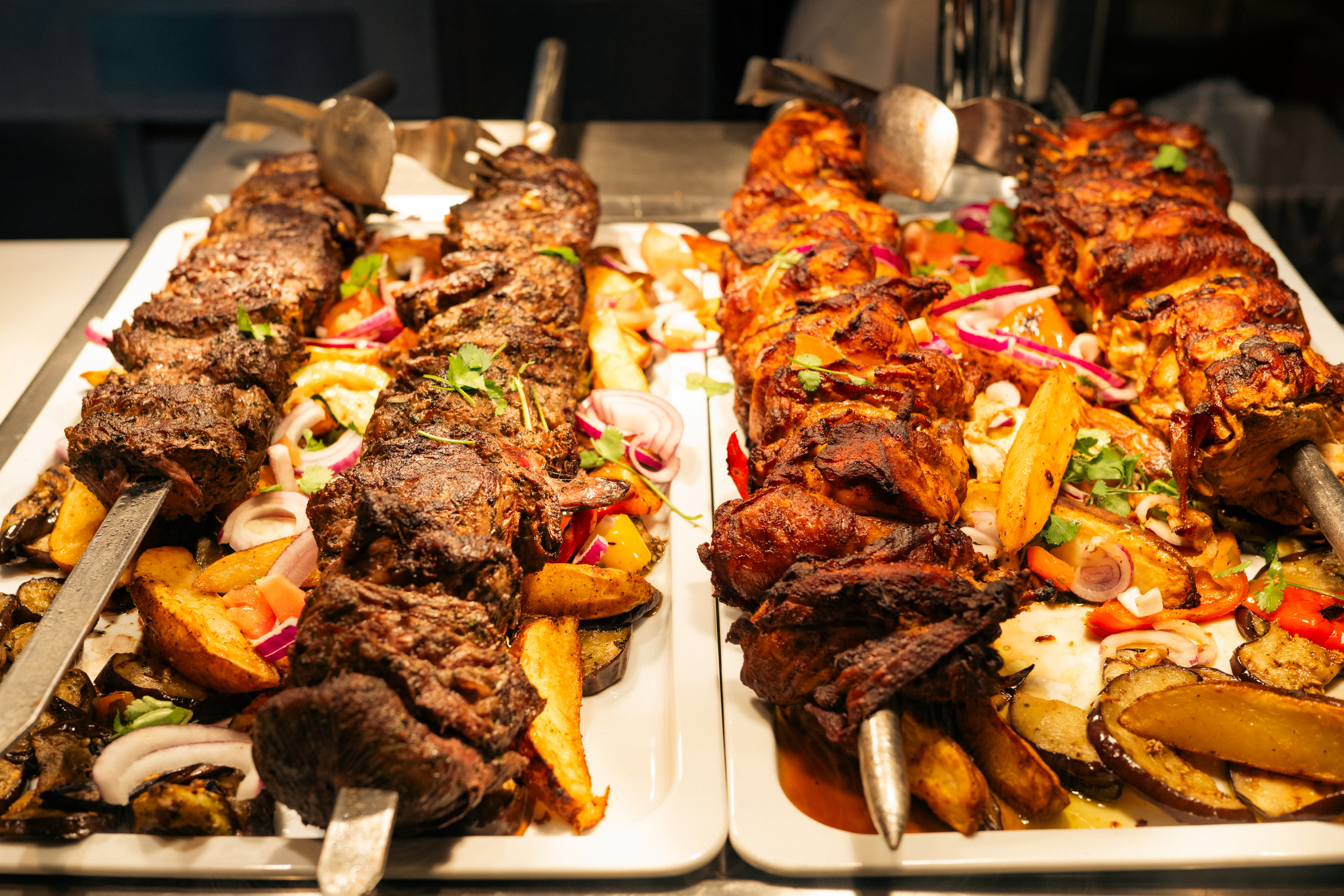
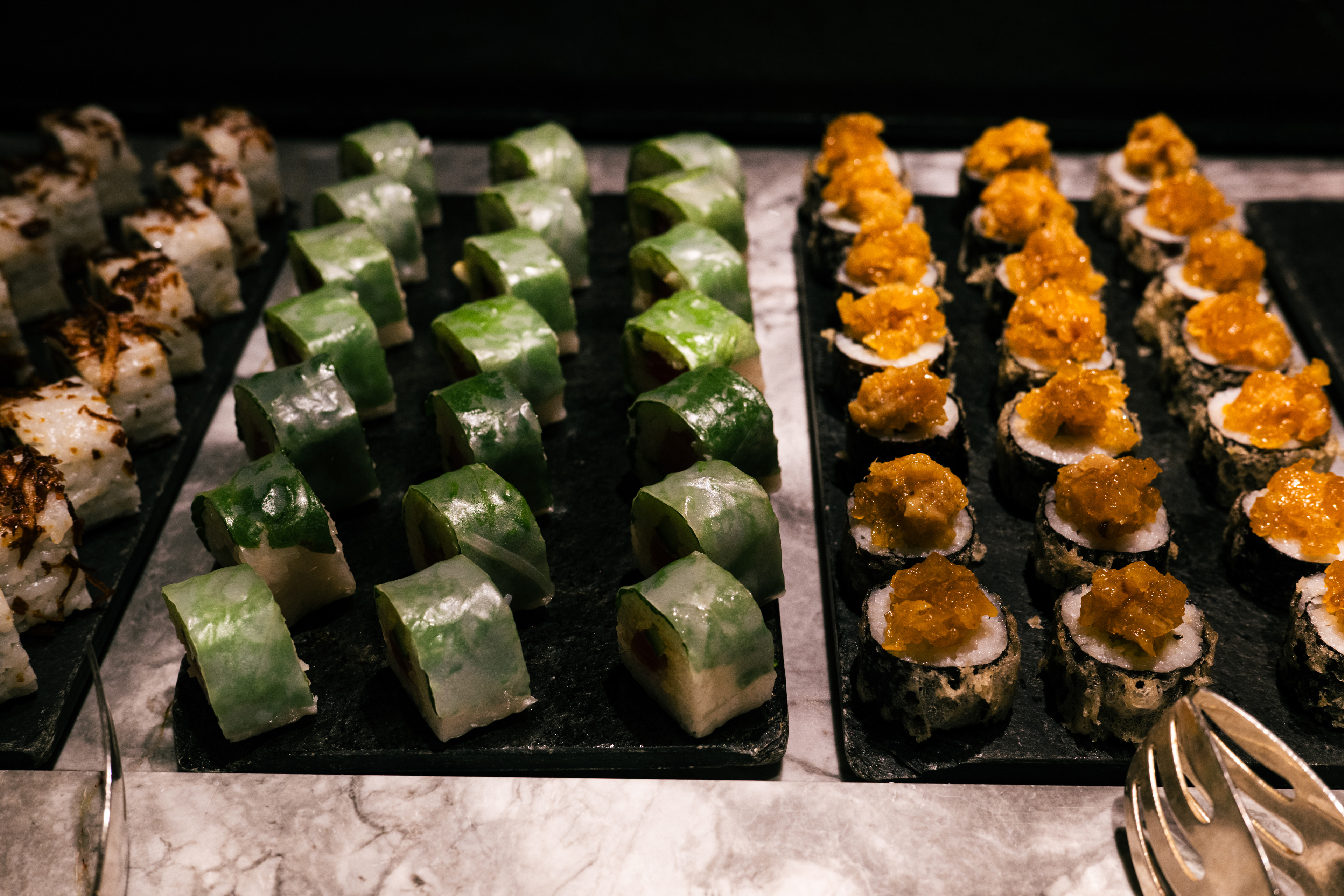
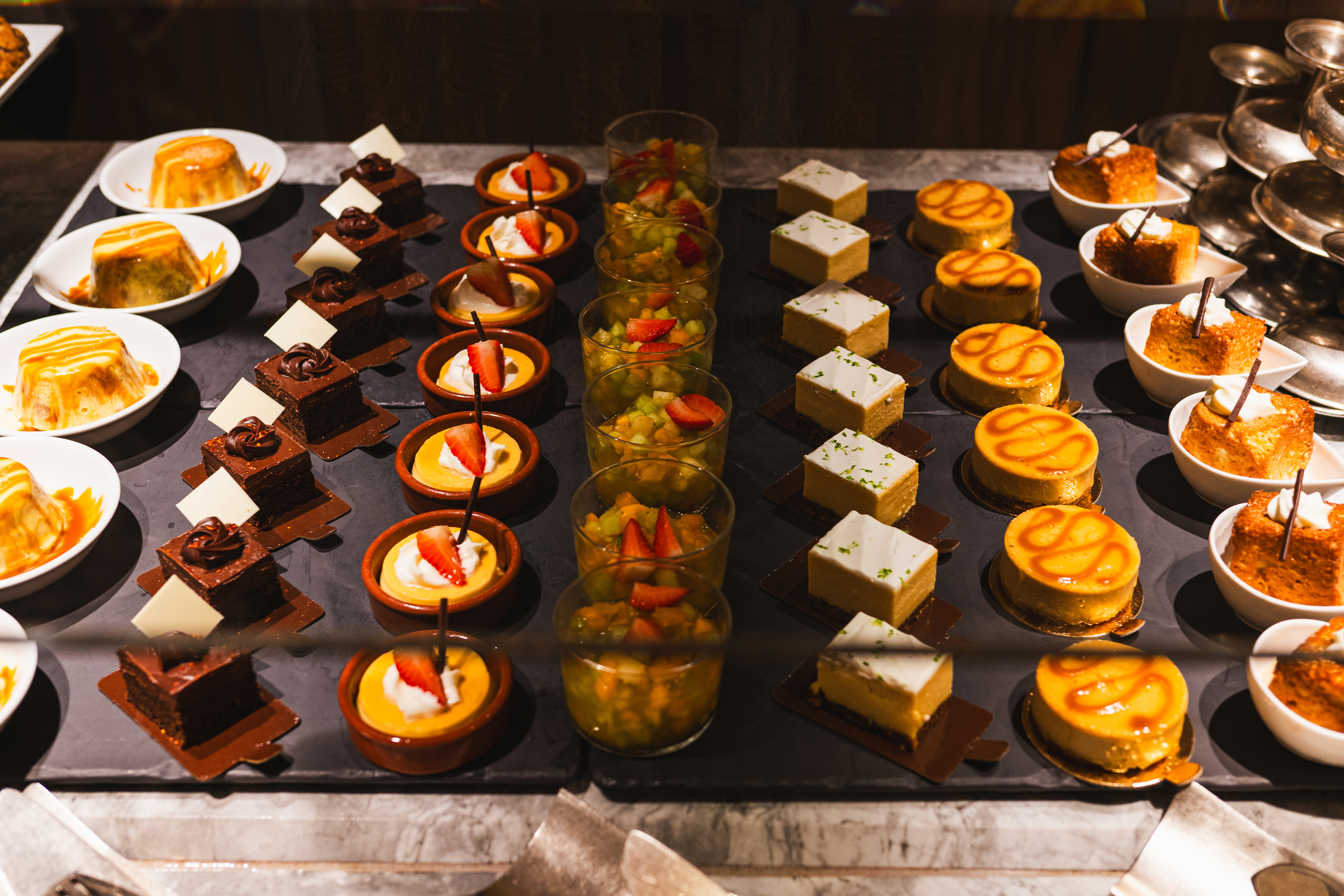
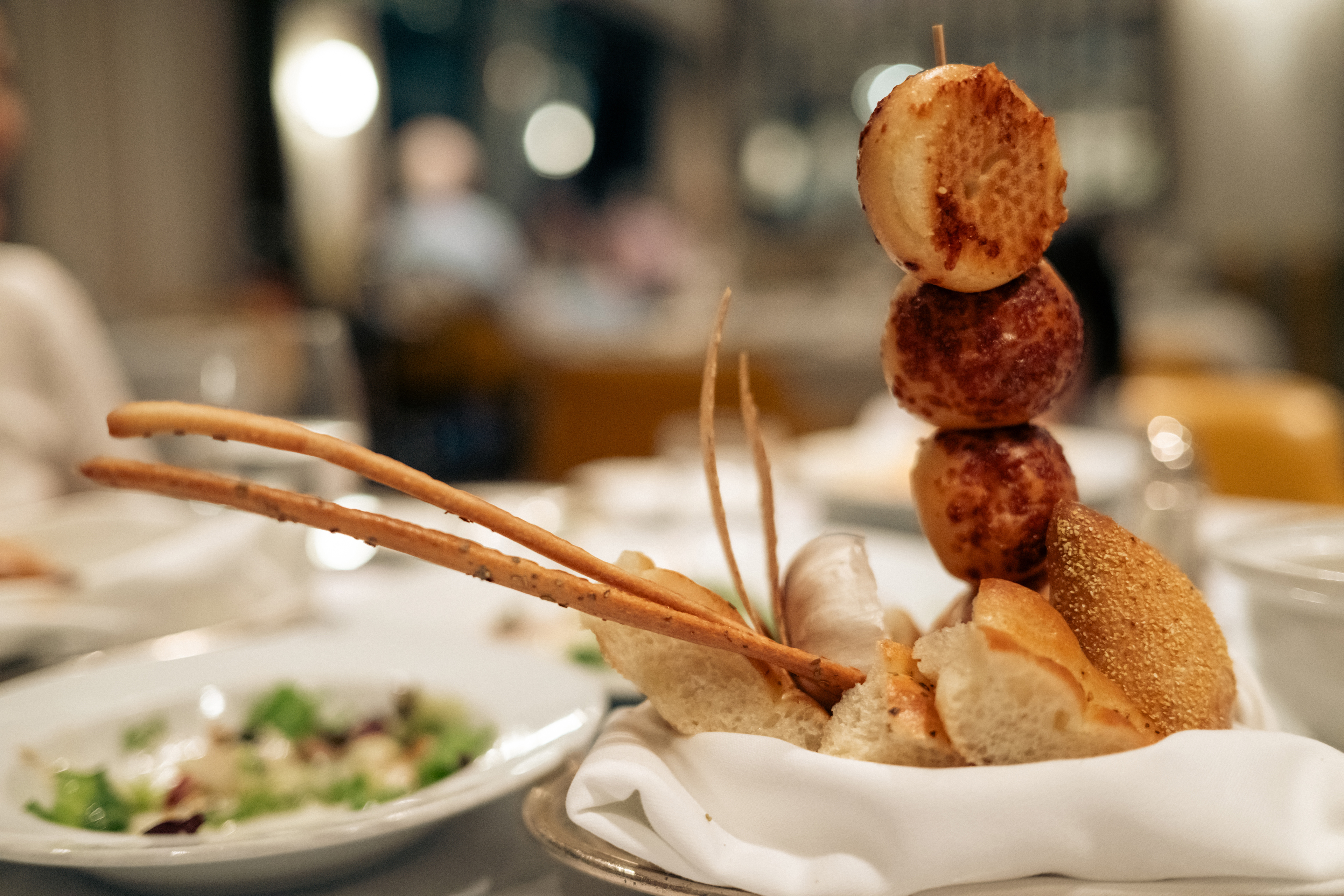
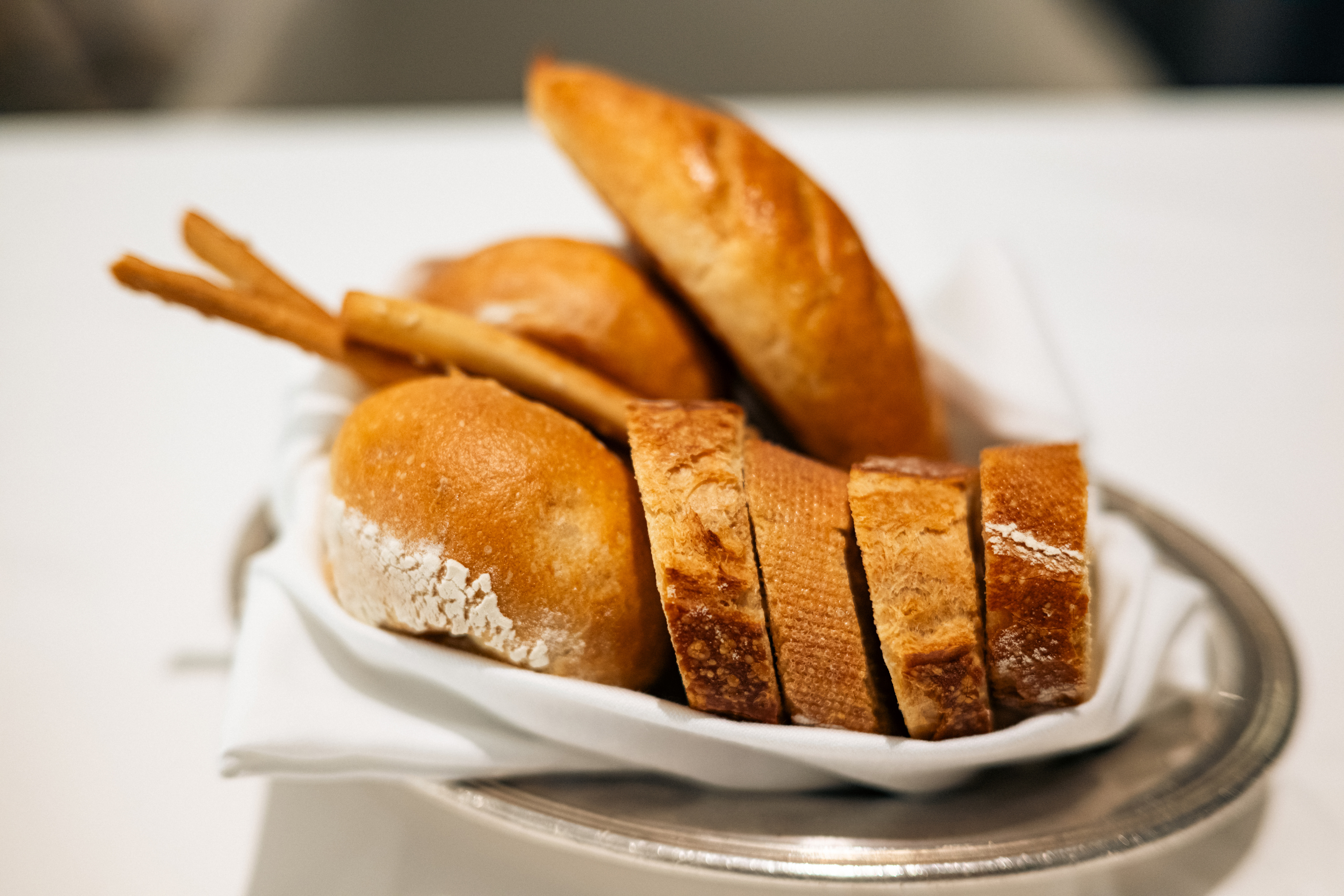
Terrace Café is the casual buffet on Deck 12, open nearly all day. It sounds like an afterthought and is not. The breakfast spread is serious, the lunch selections rotate through regional themes, and the dinner buffet features a dedicated carving station and fresh-baked bread that disappears faster than the crew can replenish it. For embarkation day, for early port mornings, and for lazy sea day lunches, Terrace Café is exactly right.
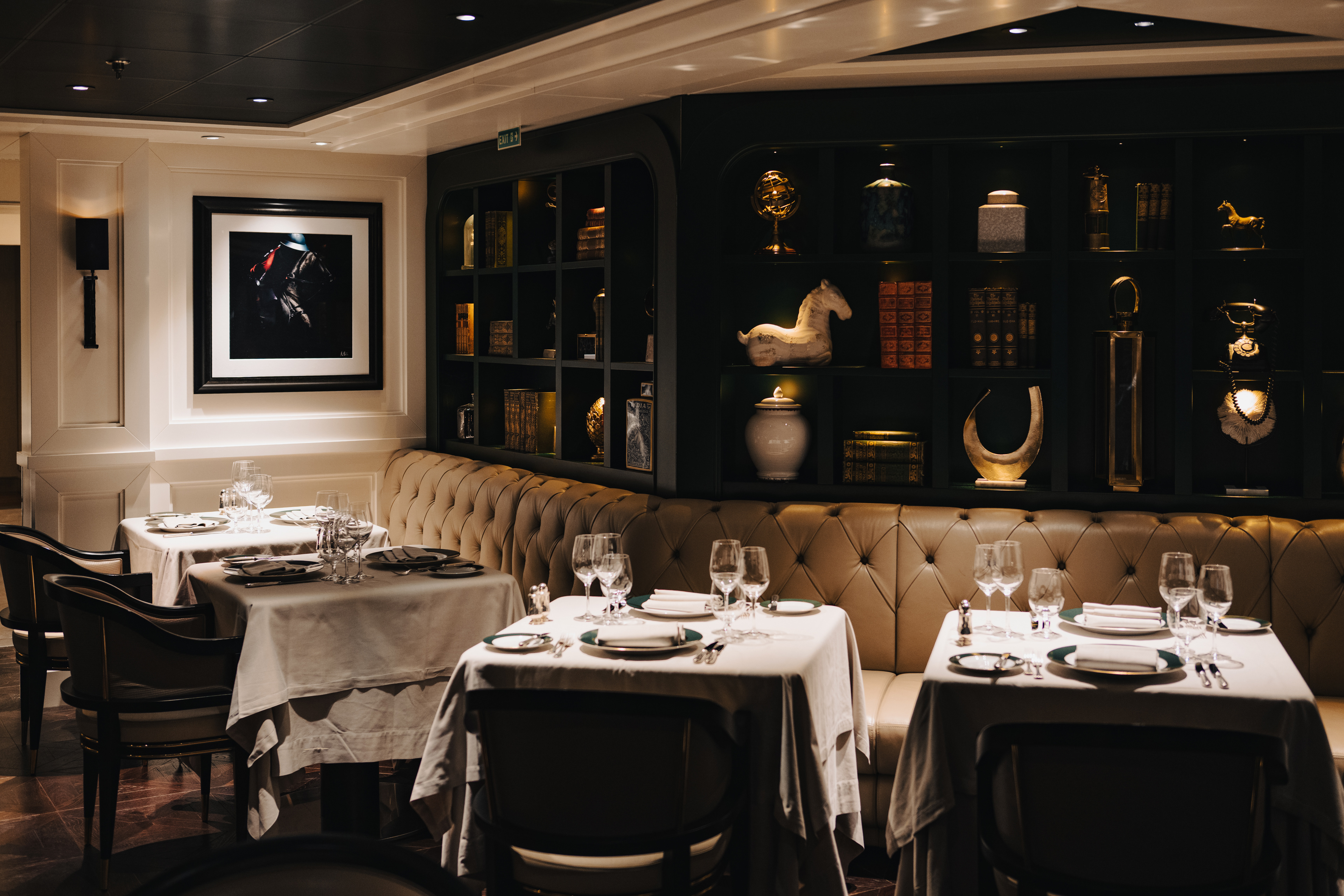
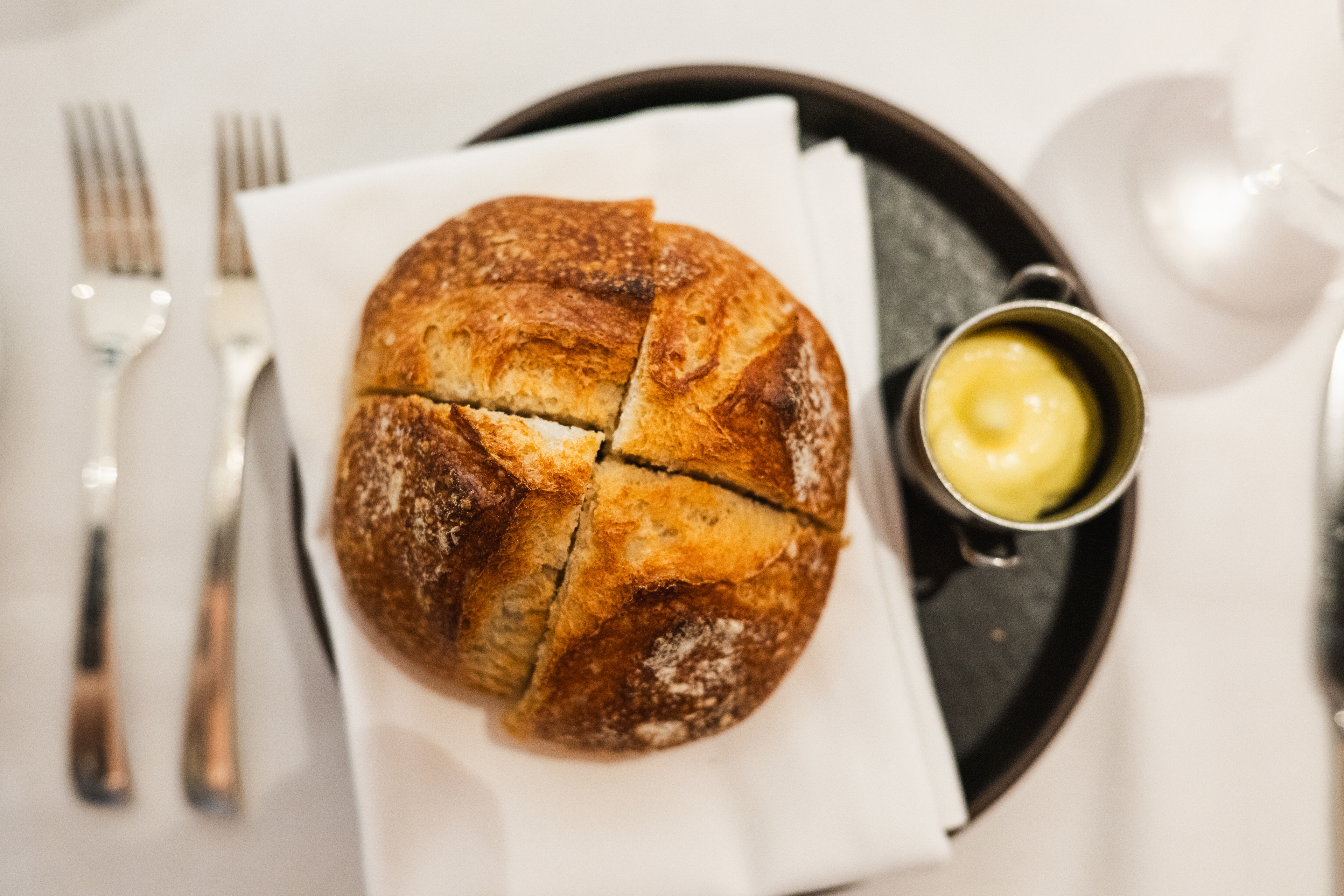
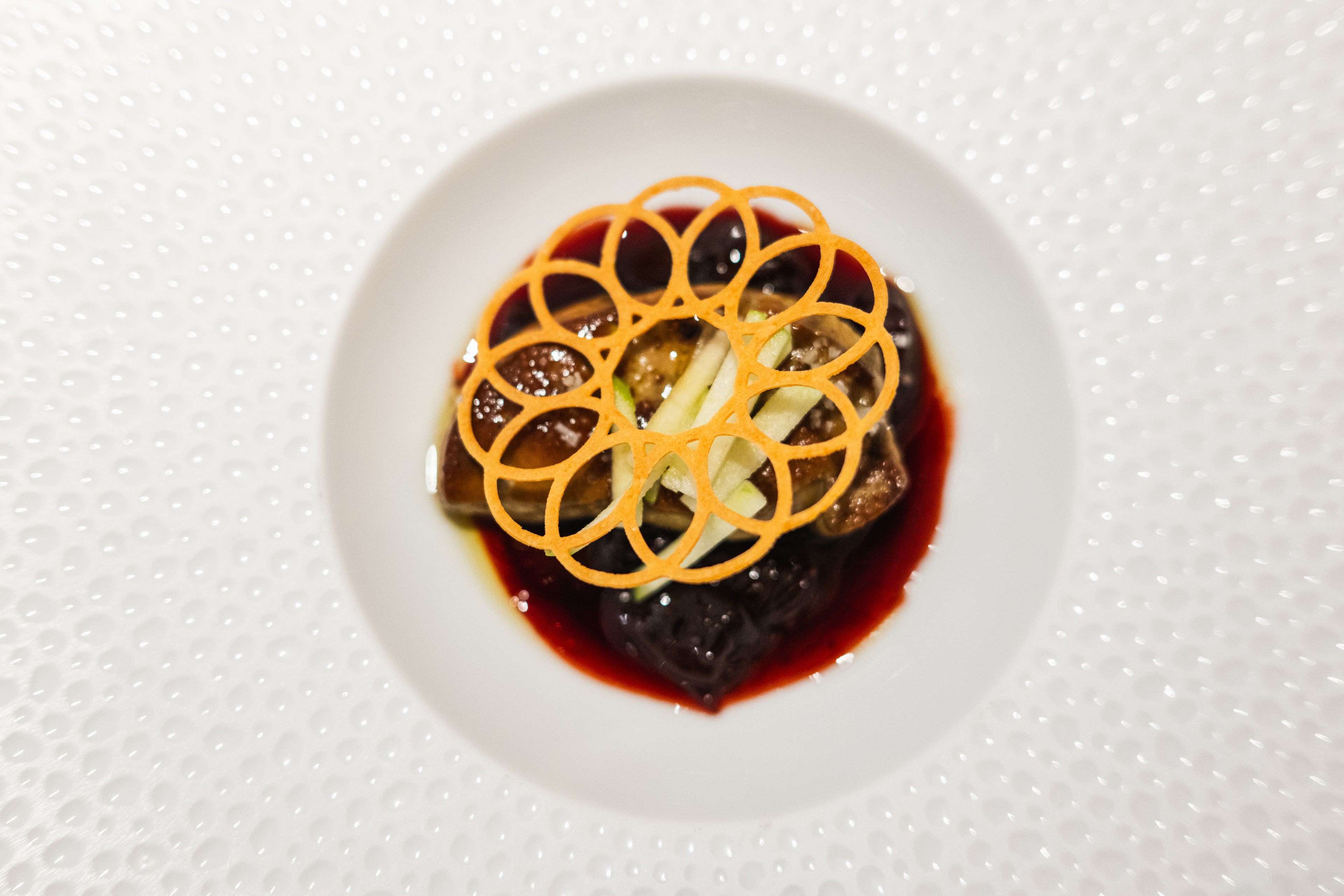
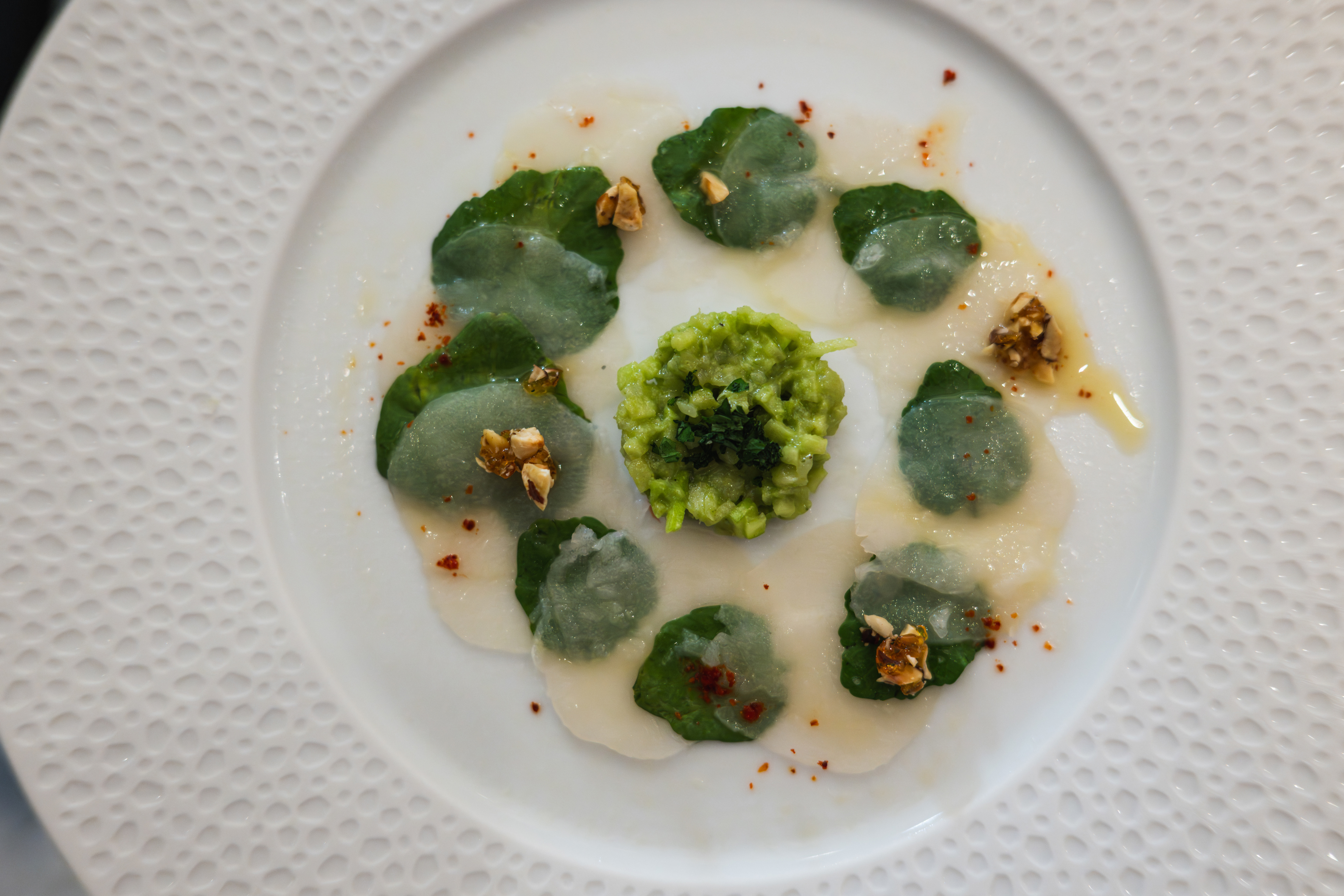
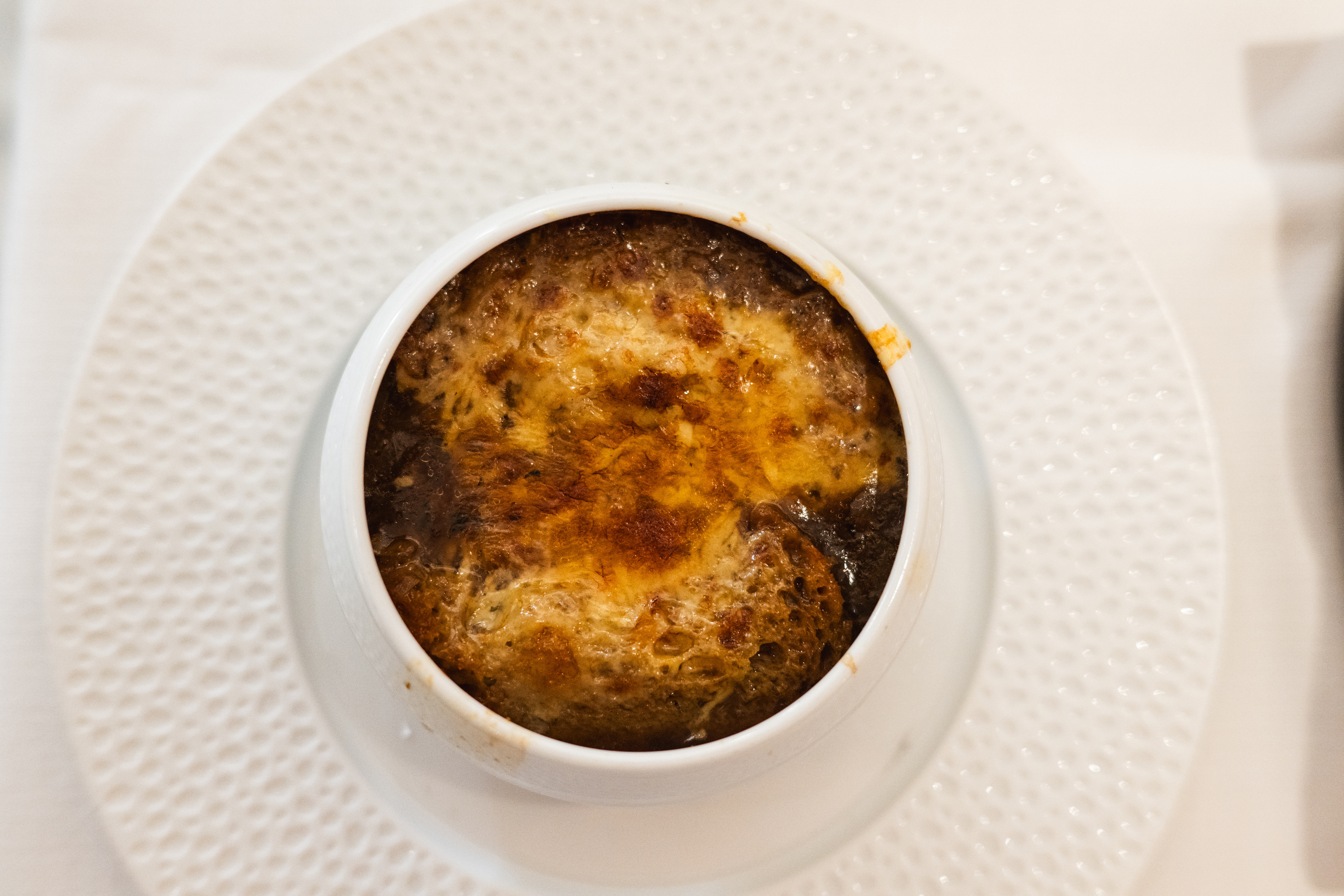
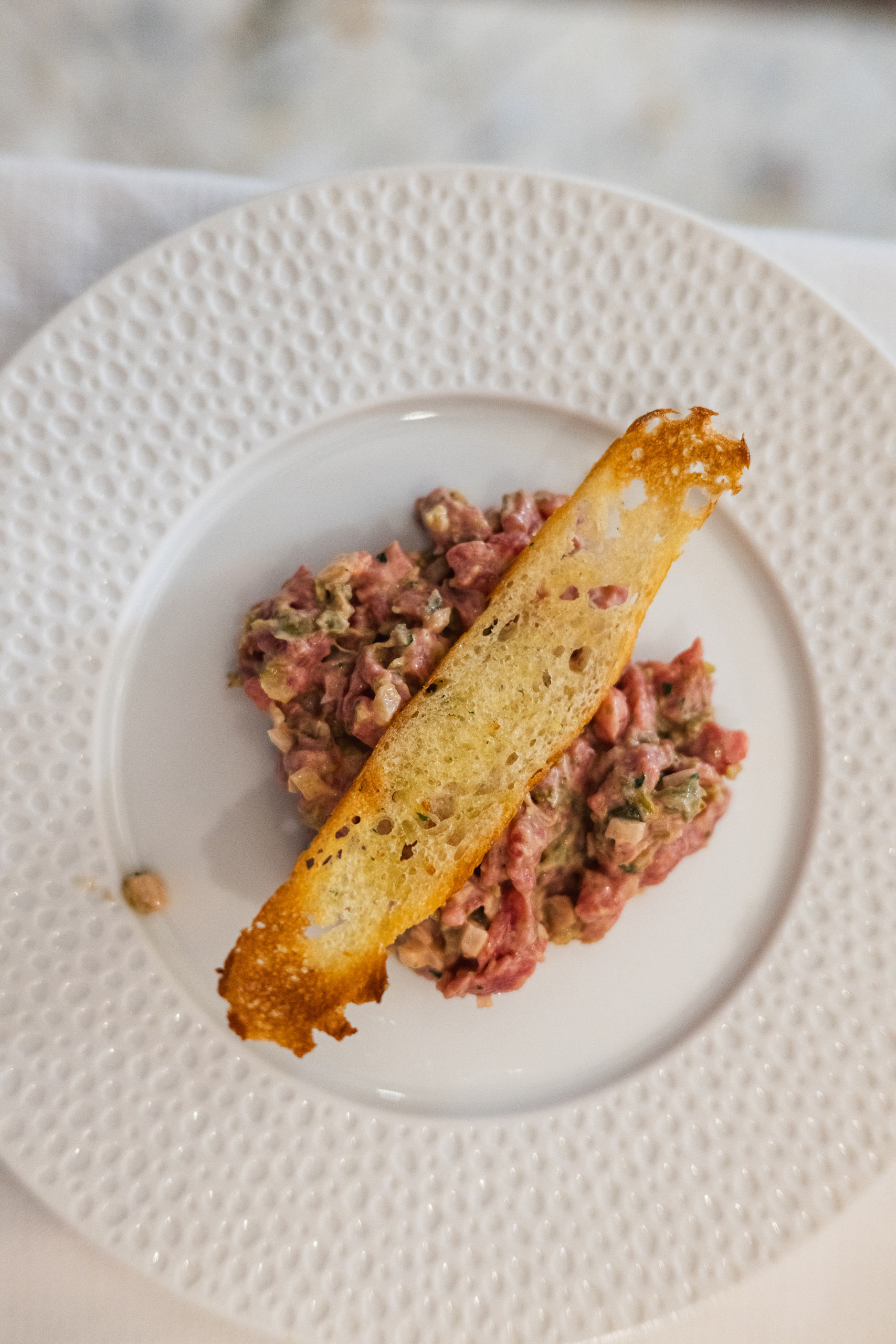
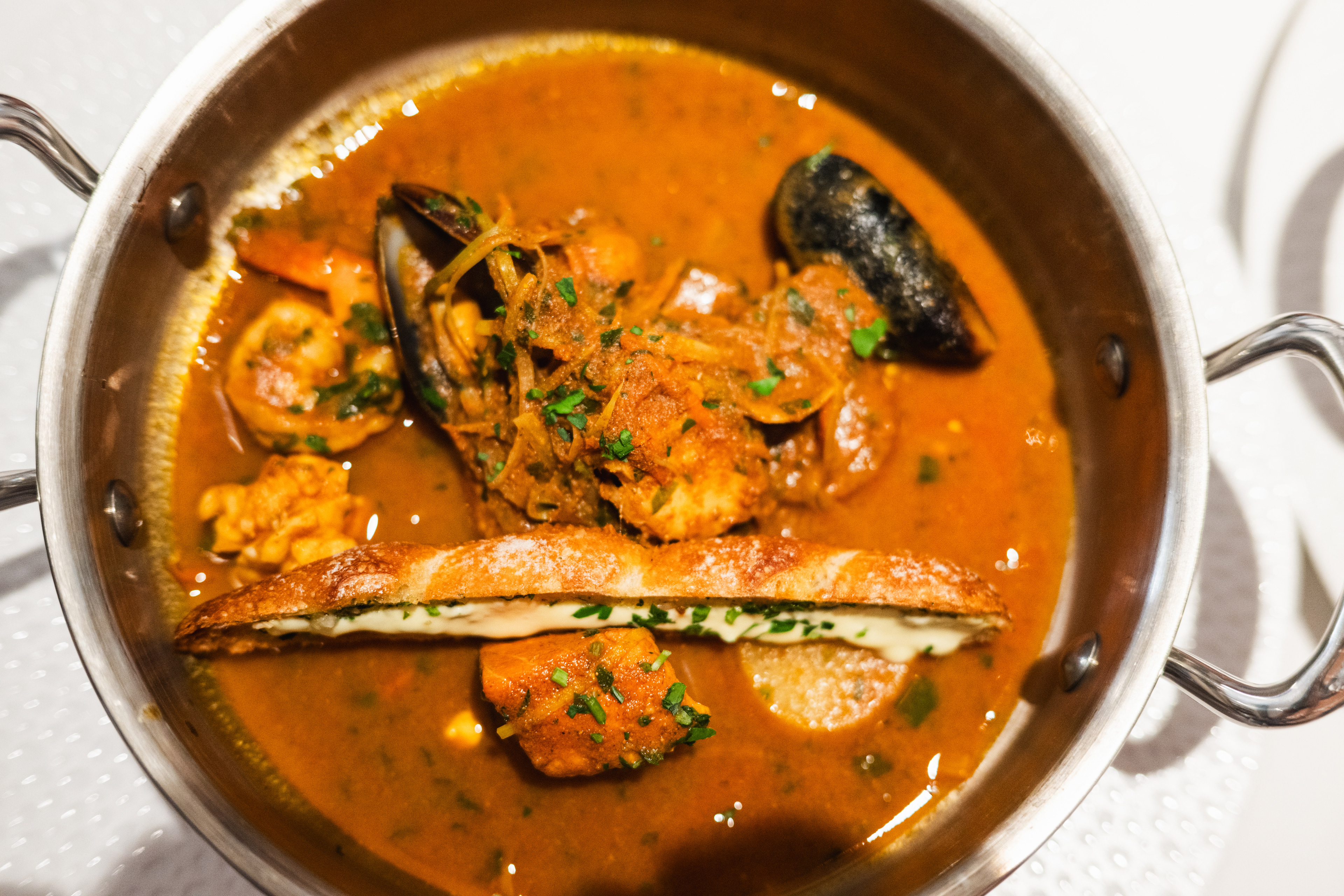
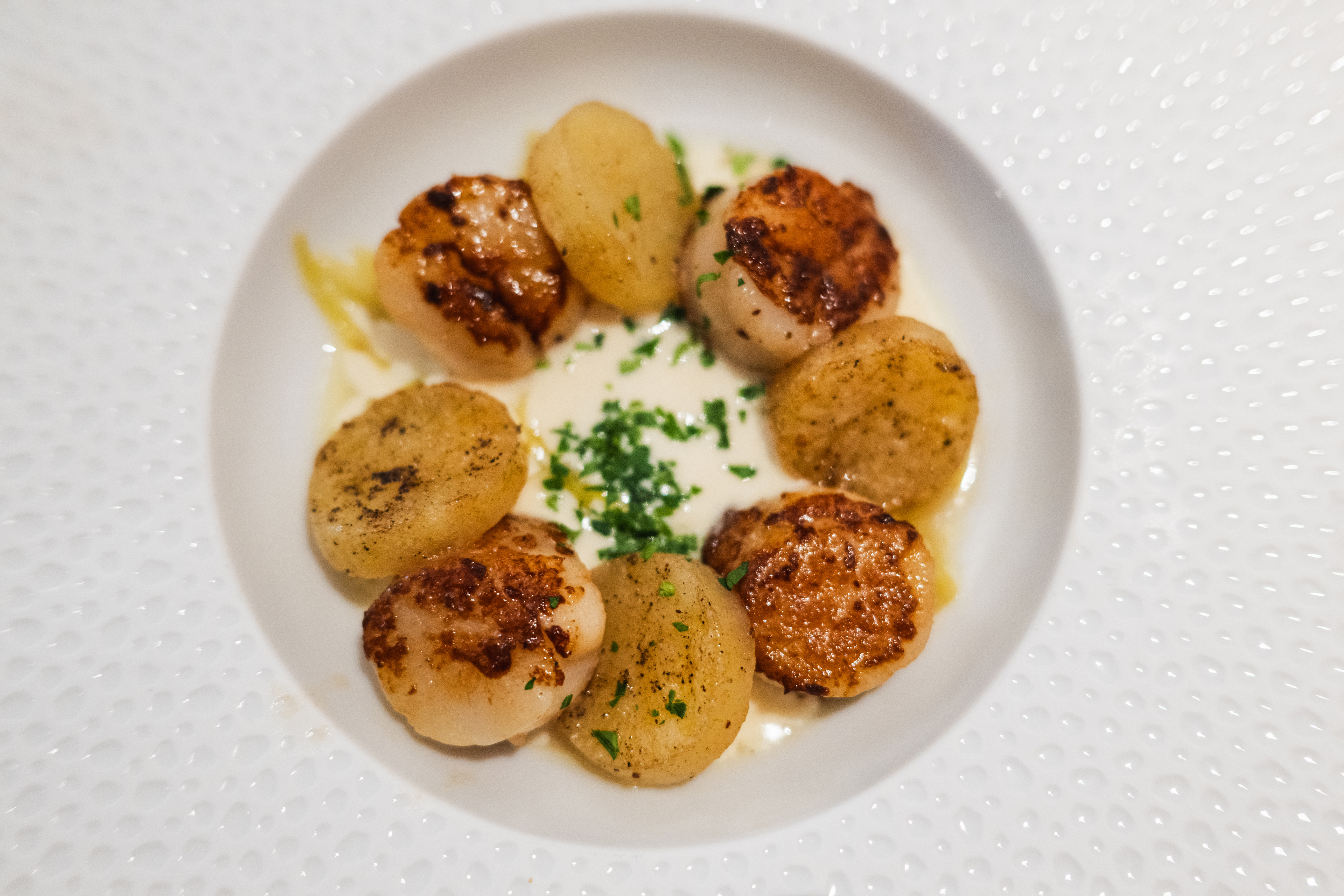
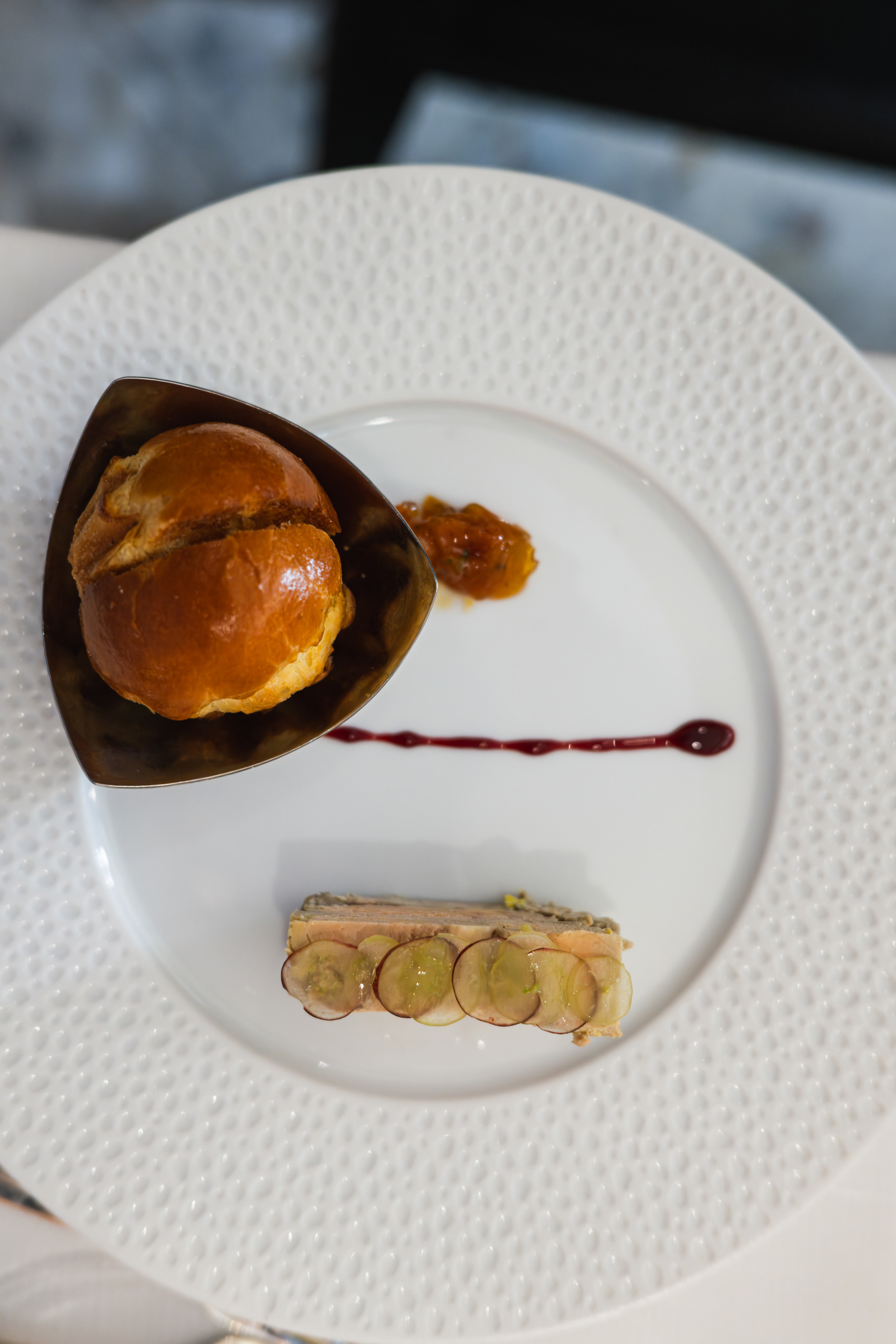
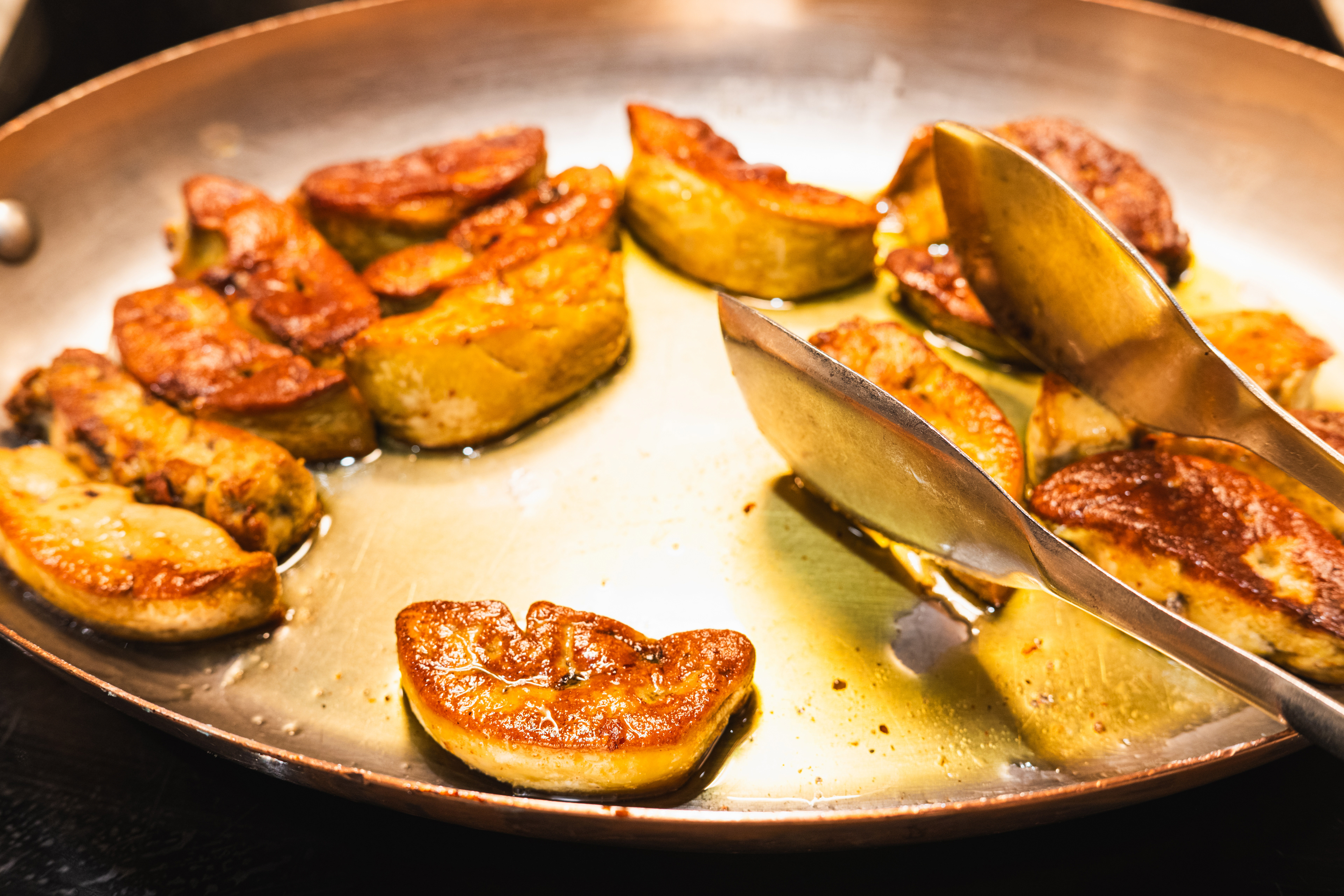
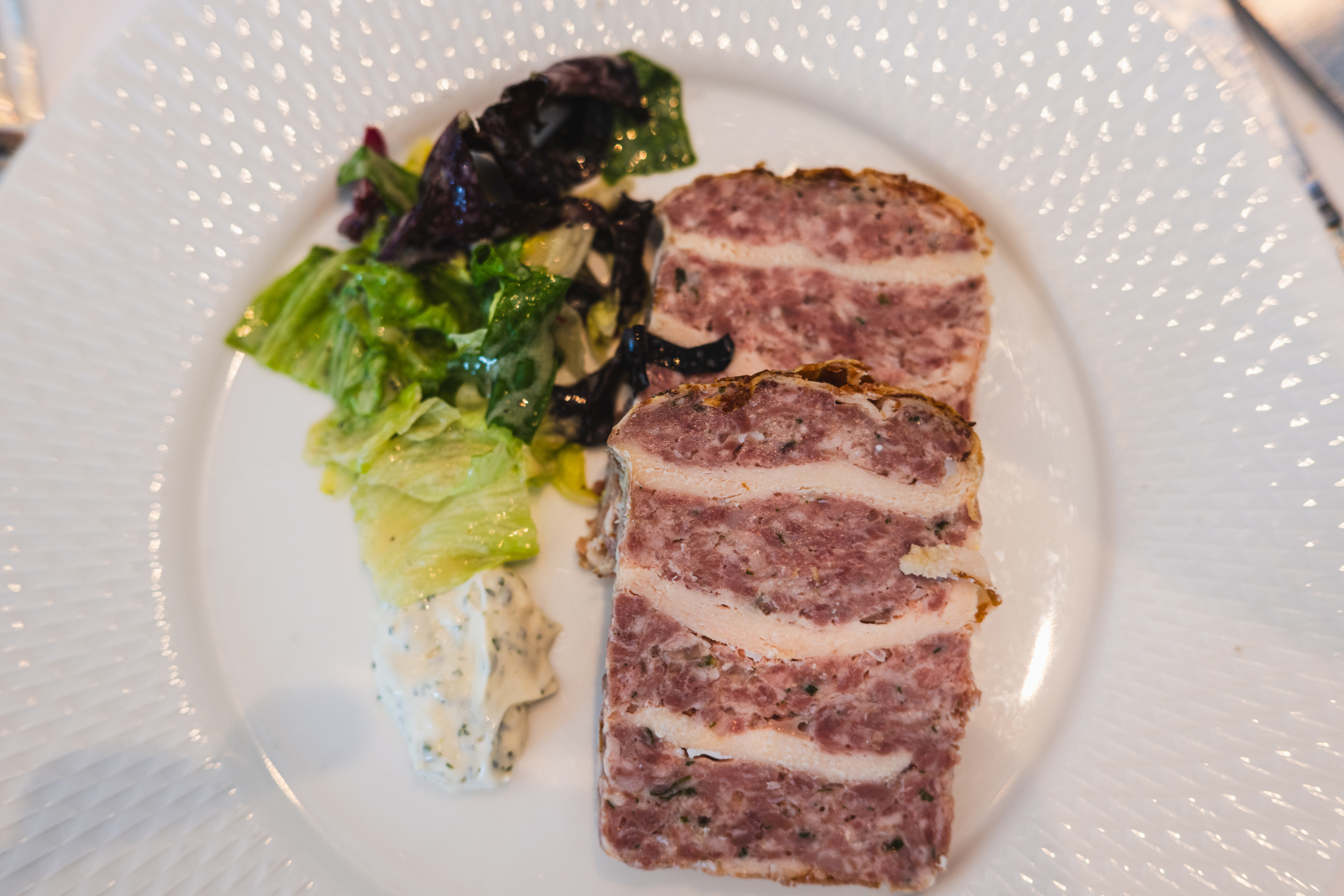
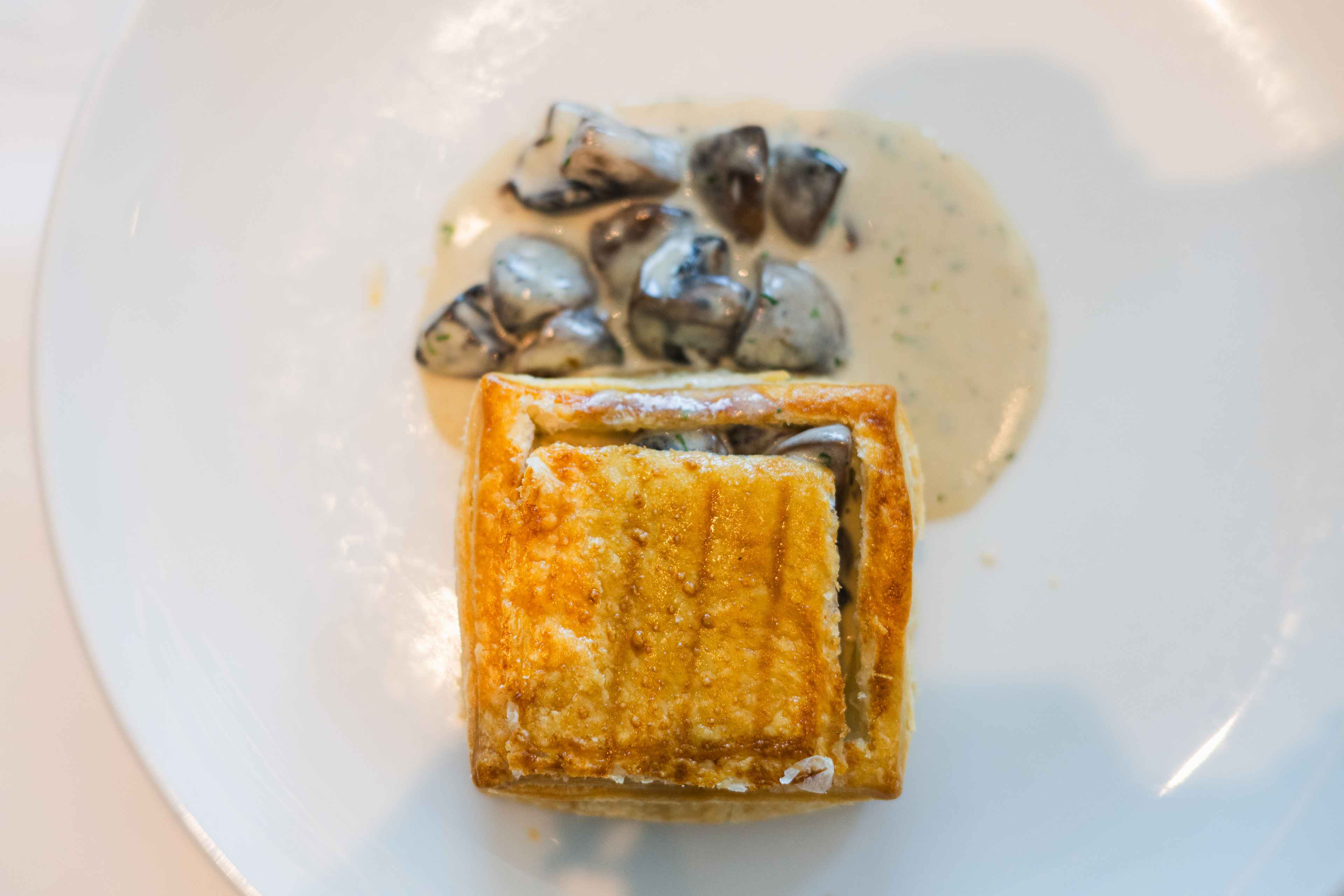
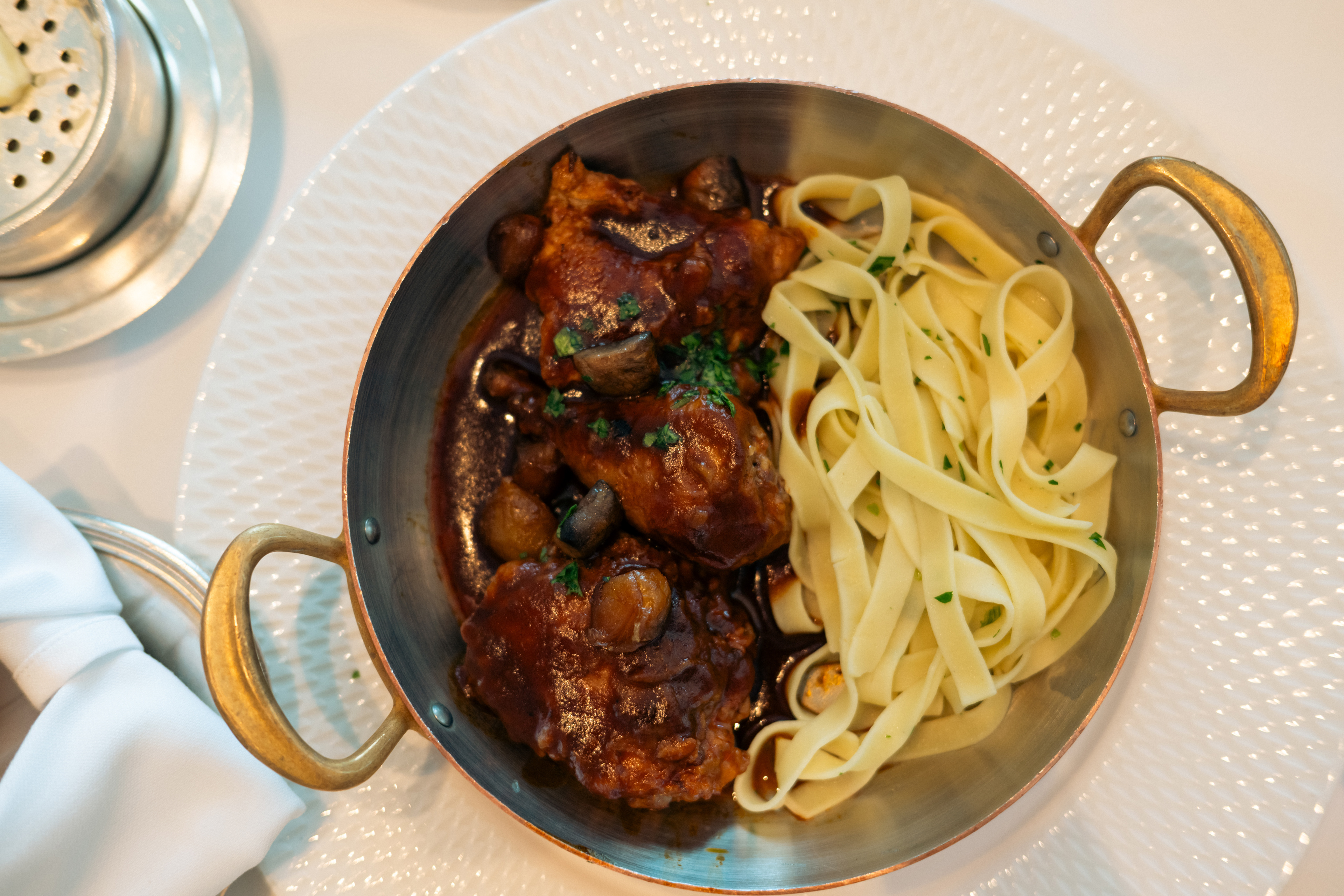
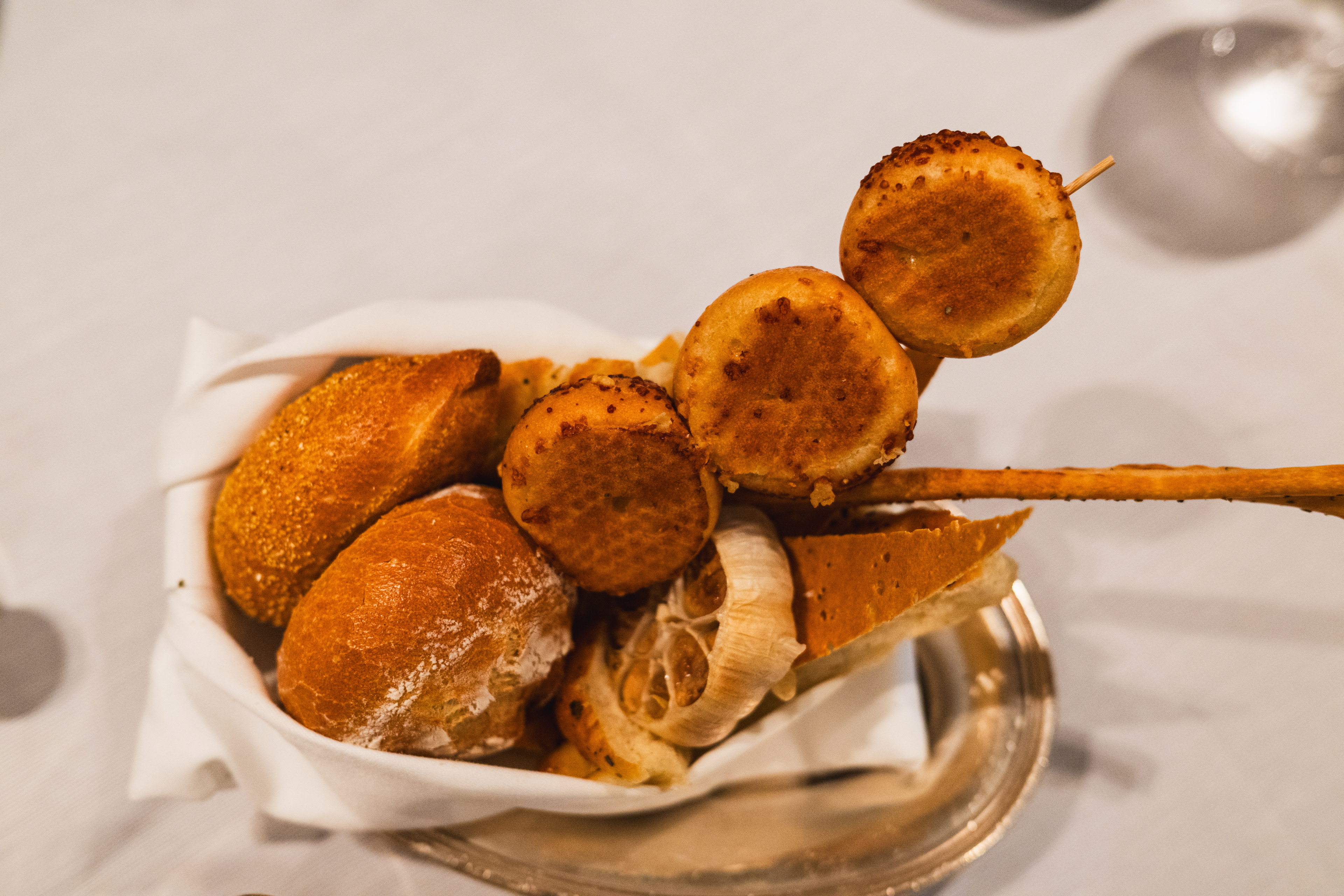
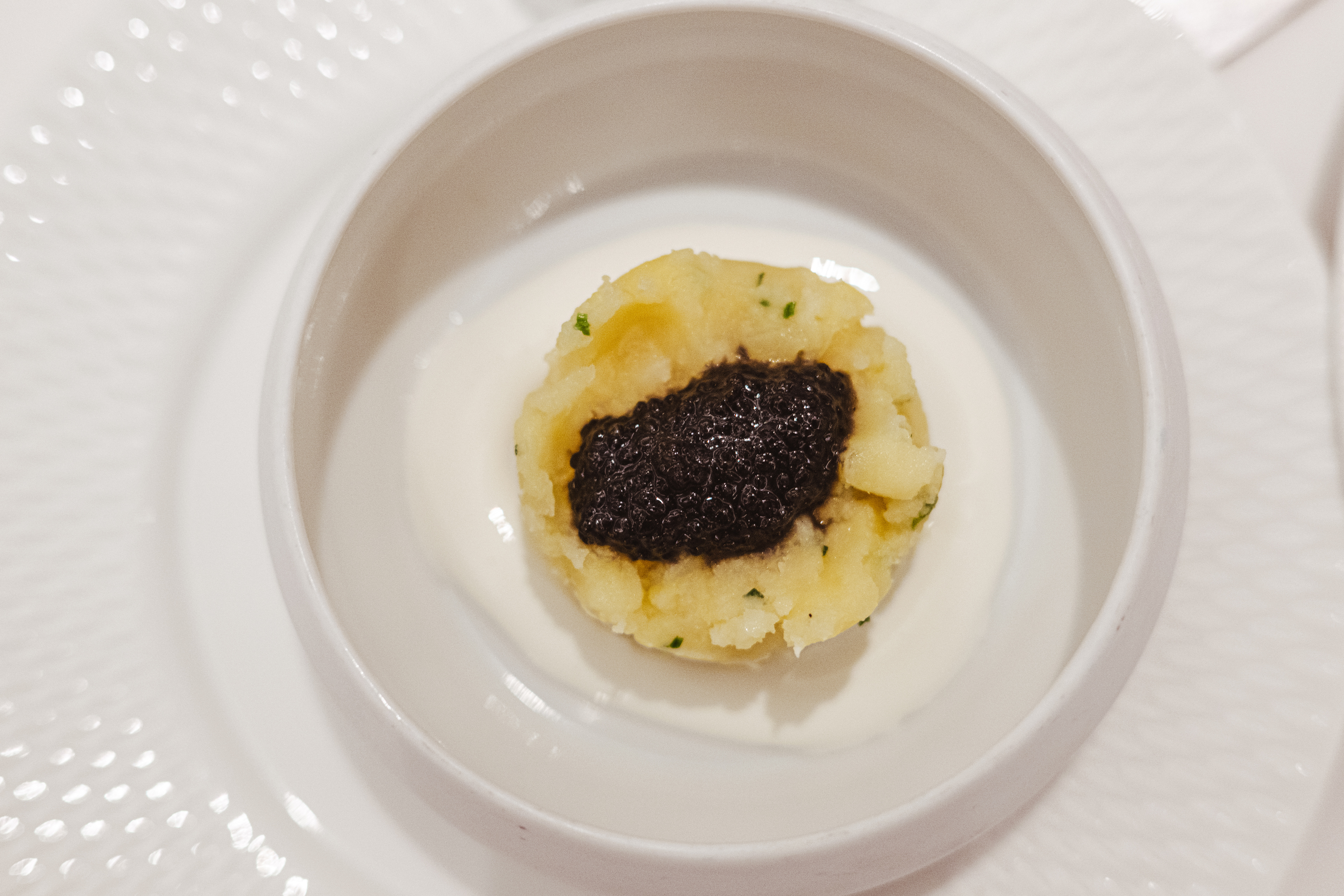
Jacques is the French specialty restaurant — named for and inspired by Jacques Pépin, the legendary chef who served as Oceania's culinary ambassador for many years. Think classic bistro technique elevated: duck confit, French onion soup, sole meunière, executed with the kind of care that makes you slow down and pay attention. The bread basket alone justifies the reservation.
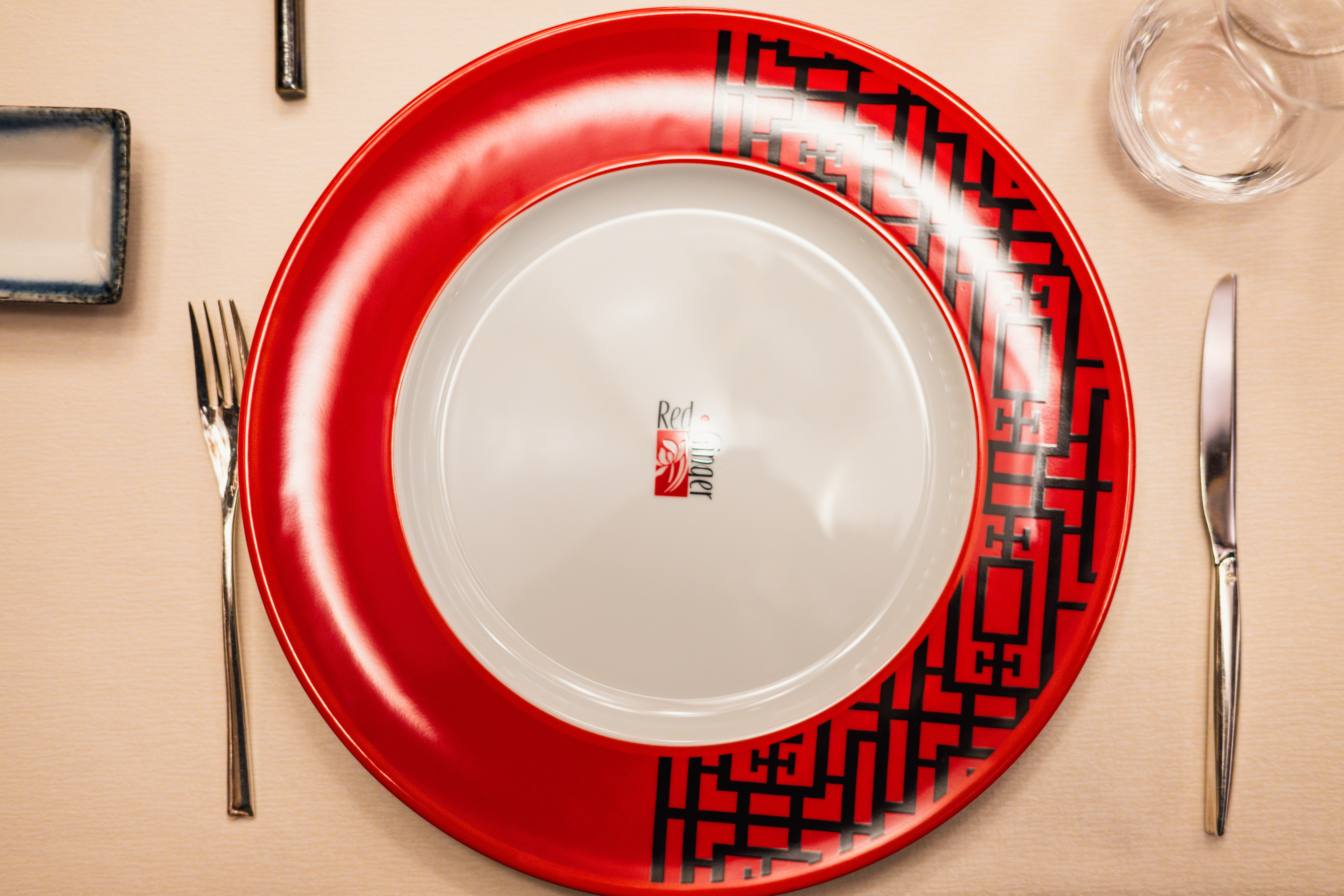
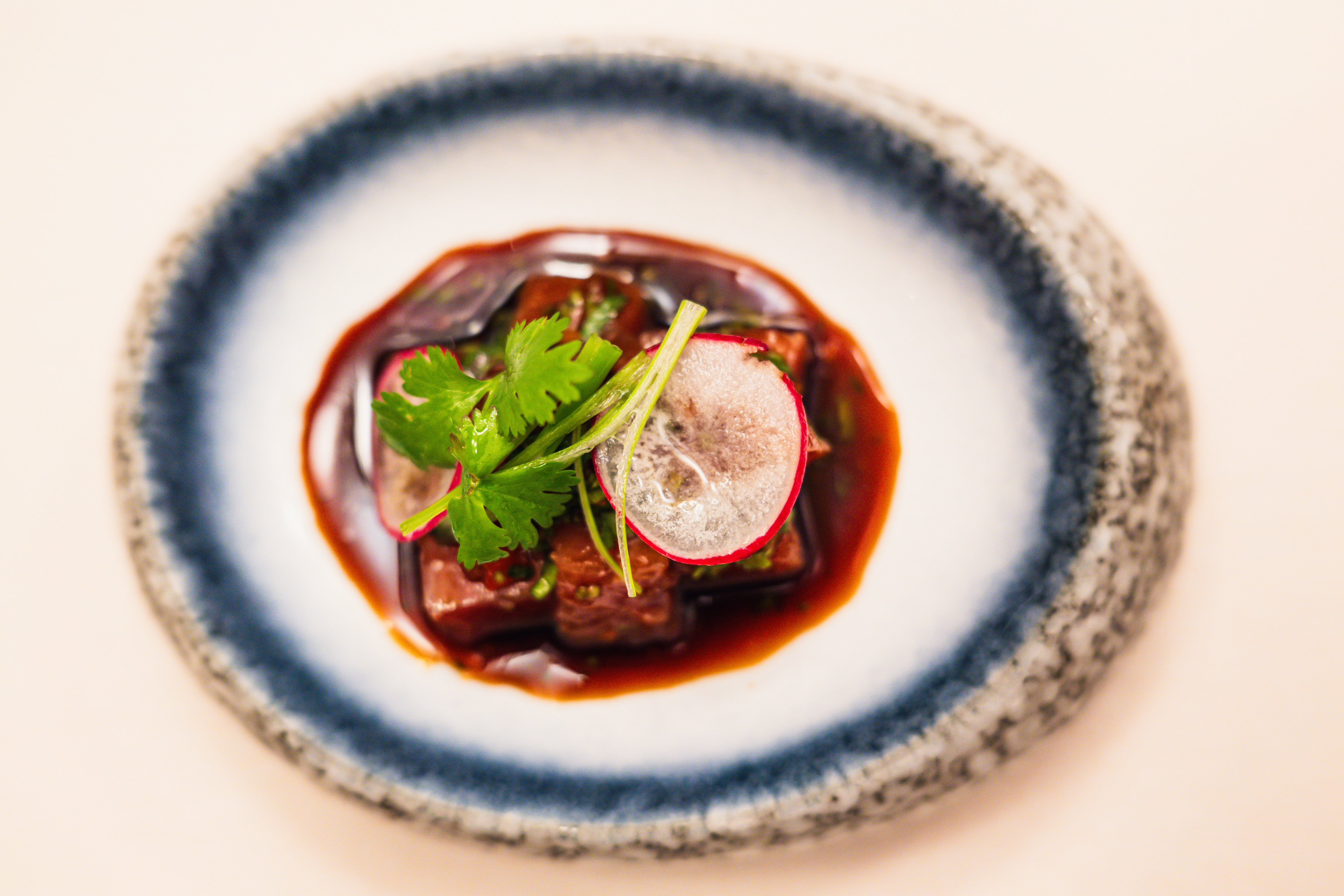
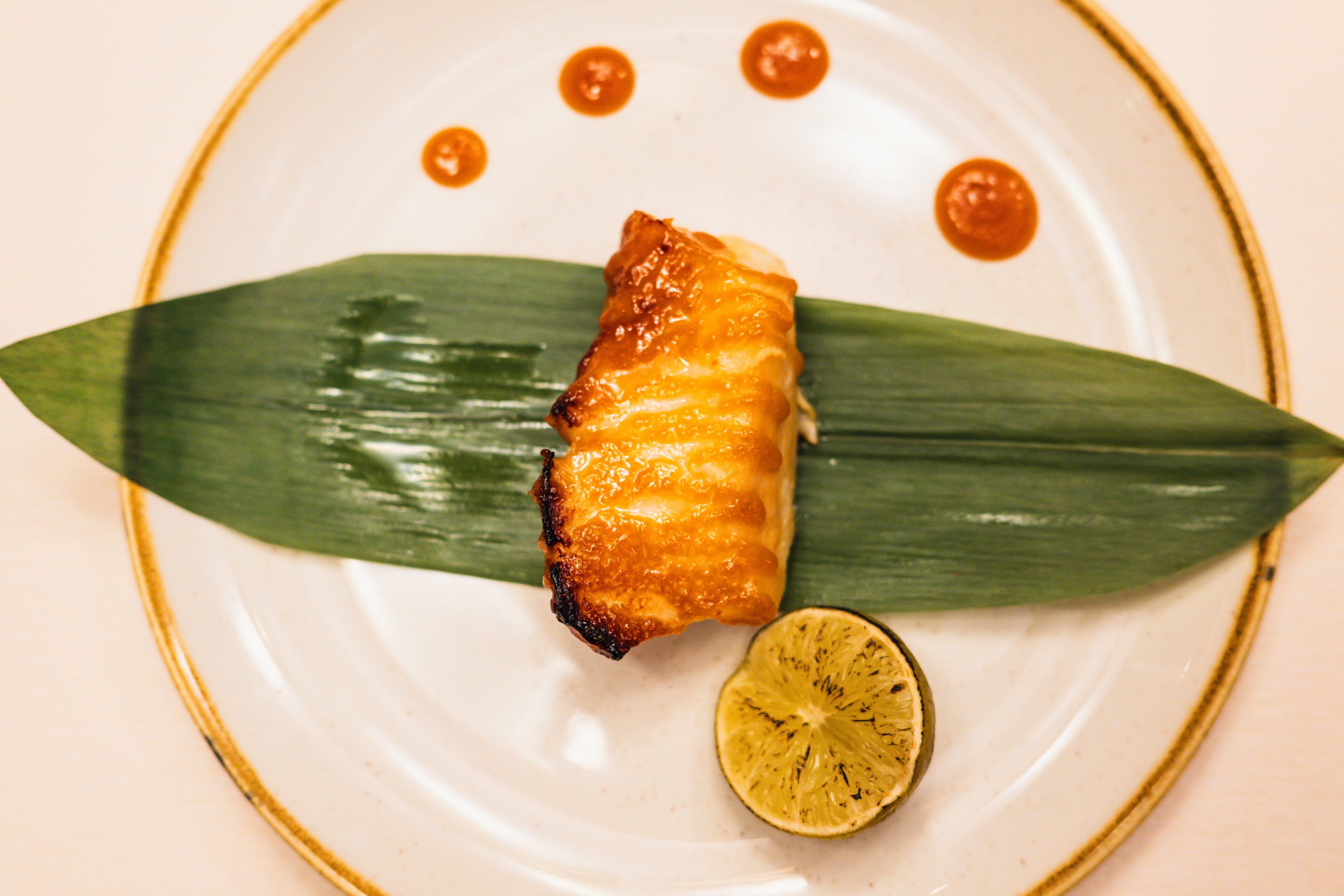
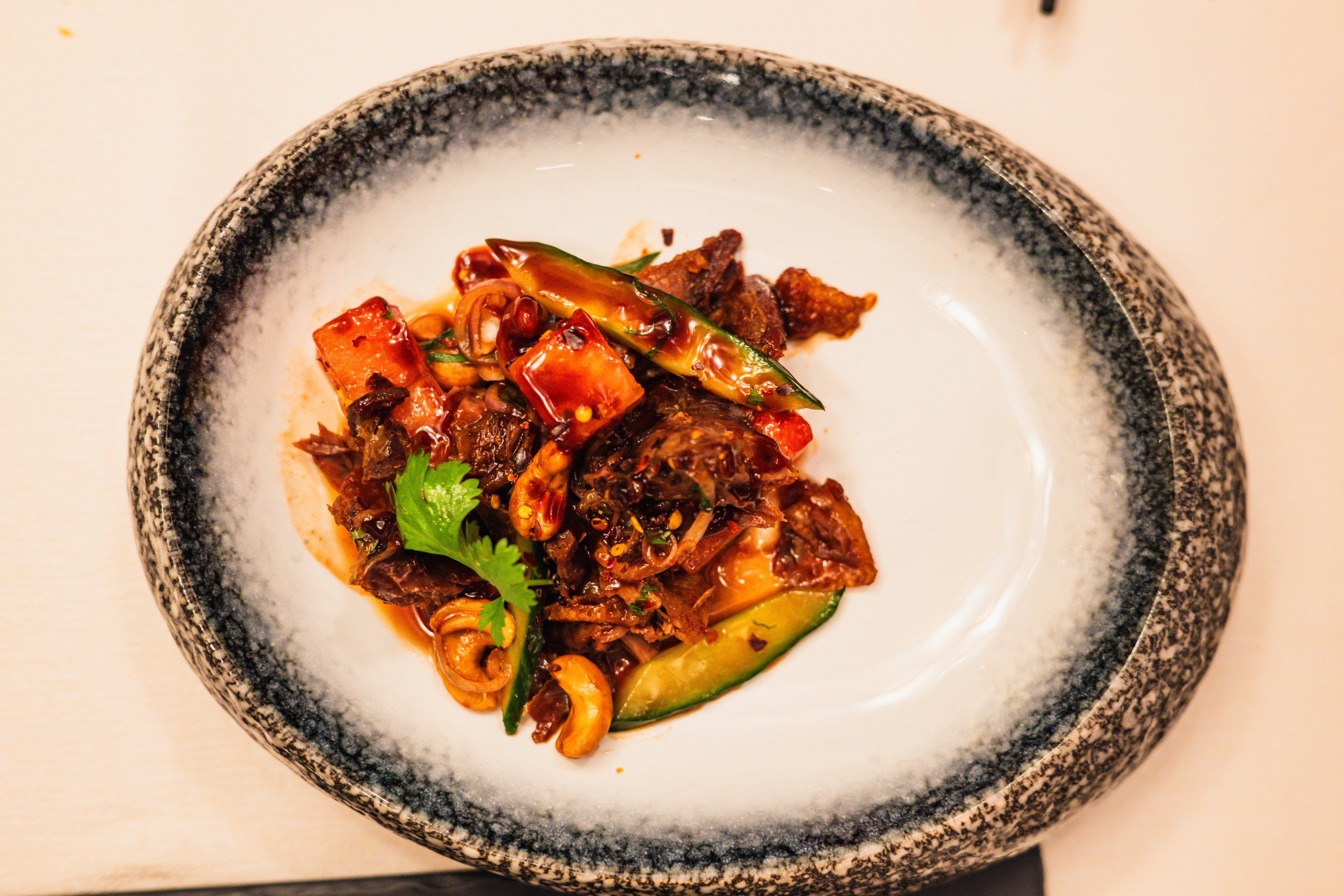
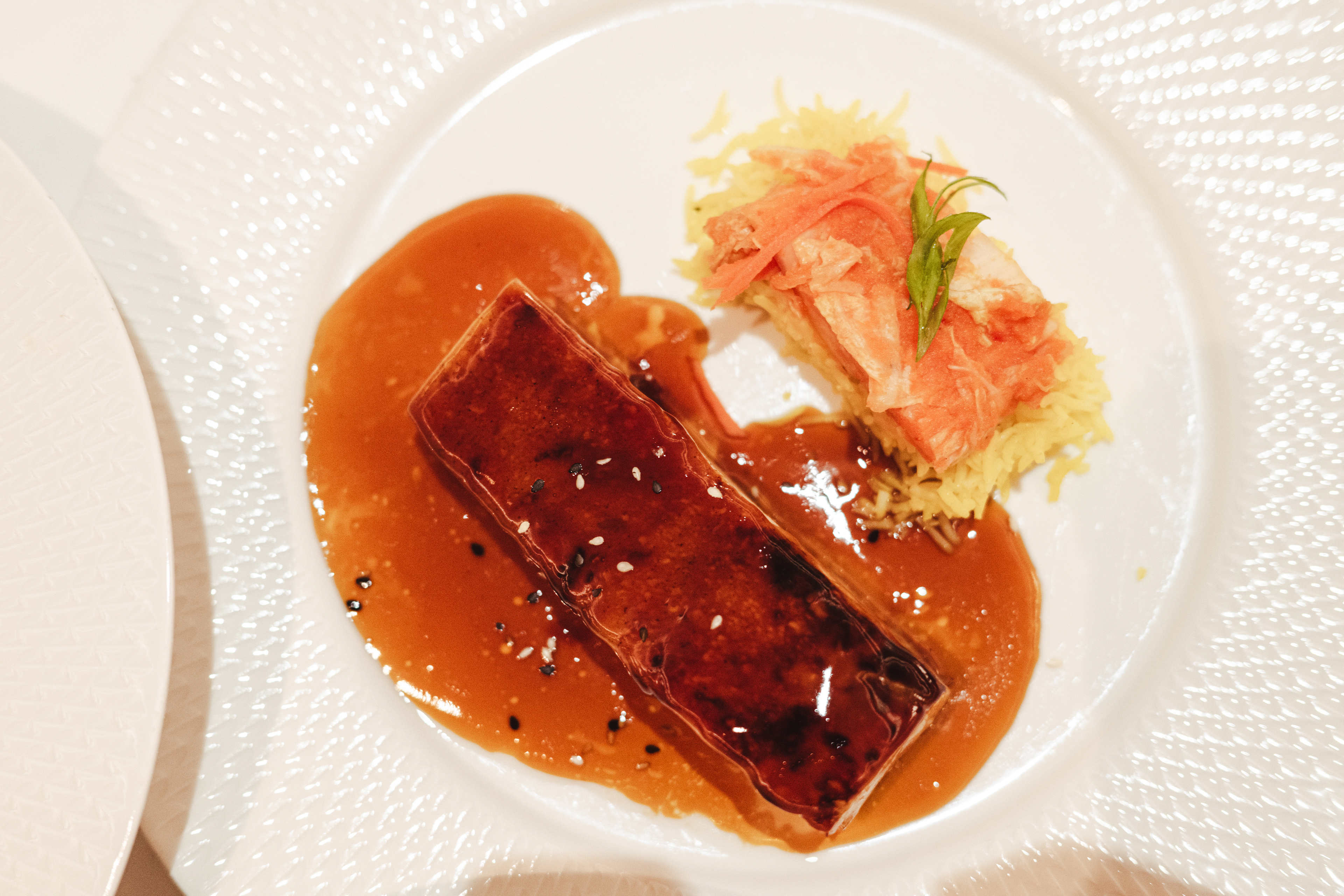
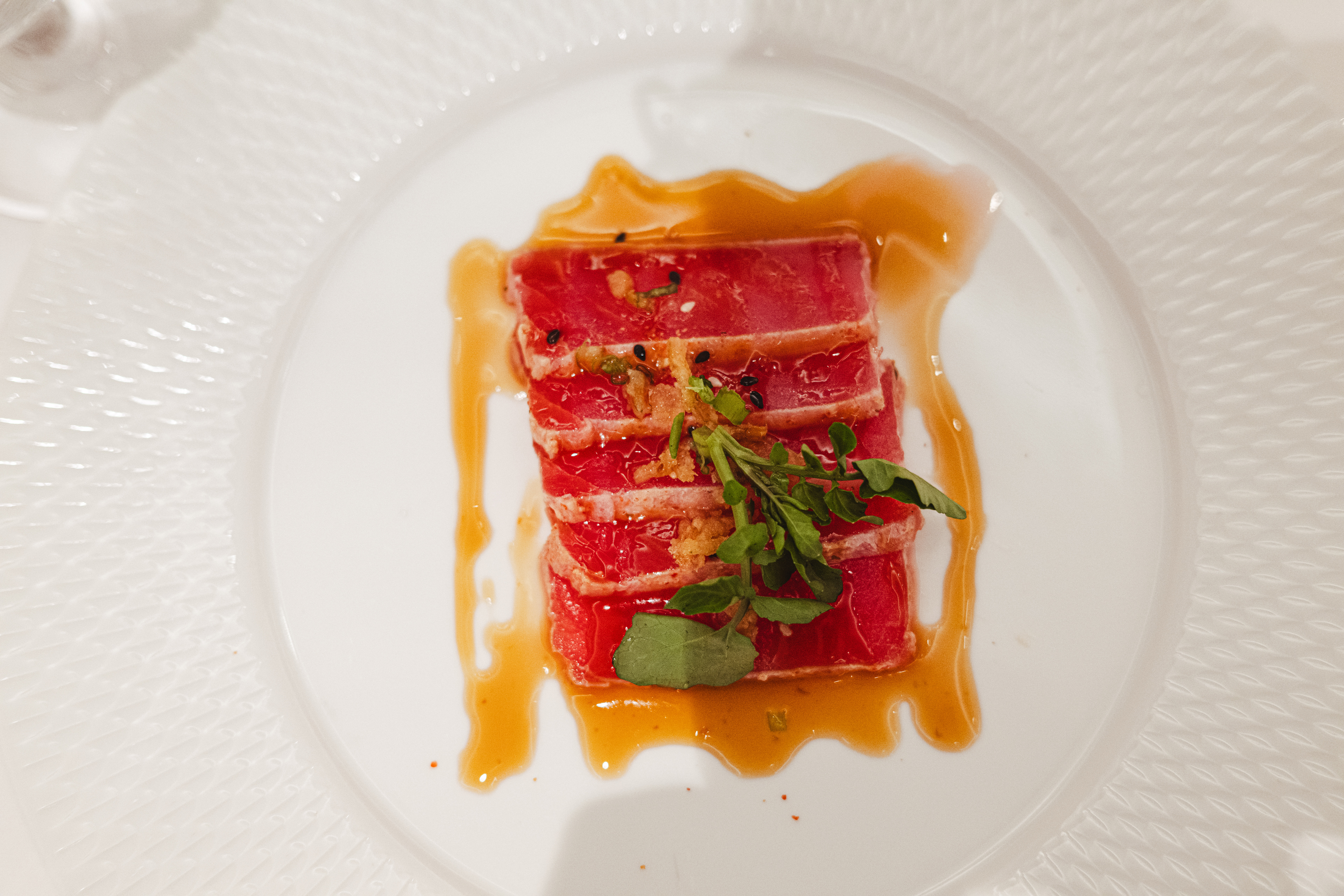
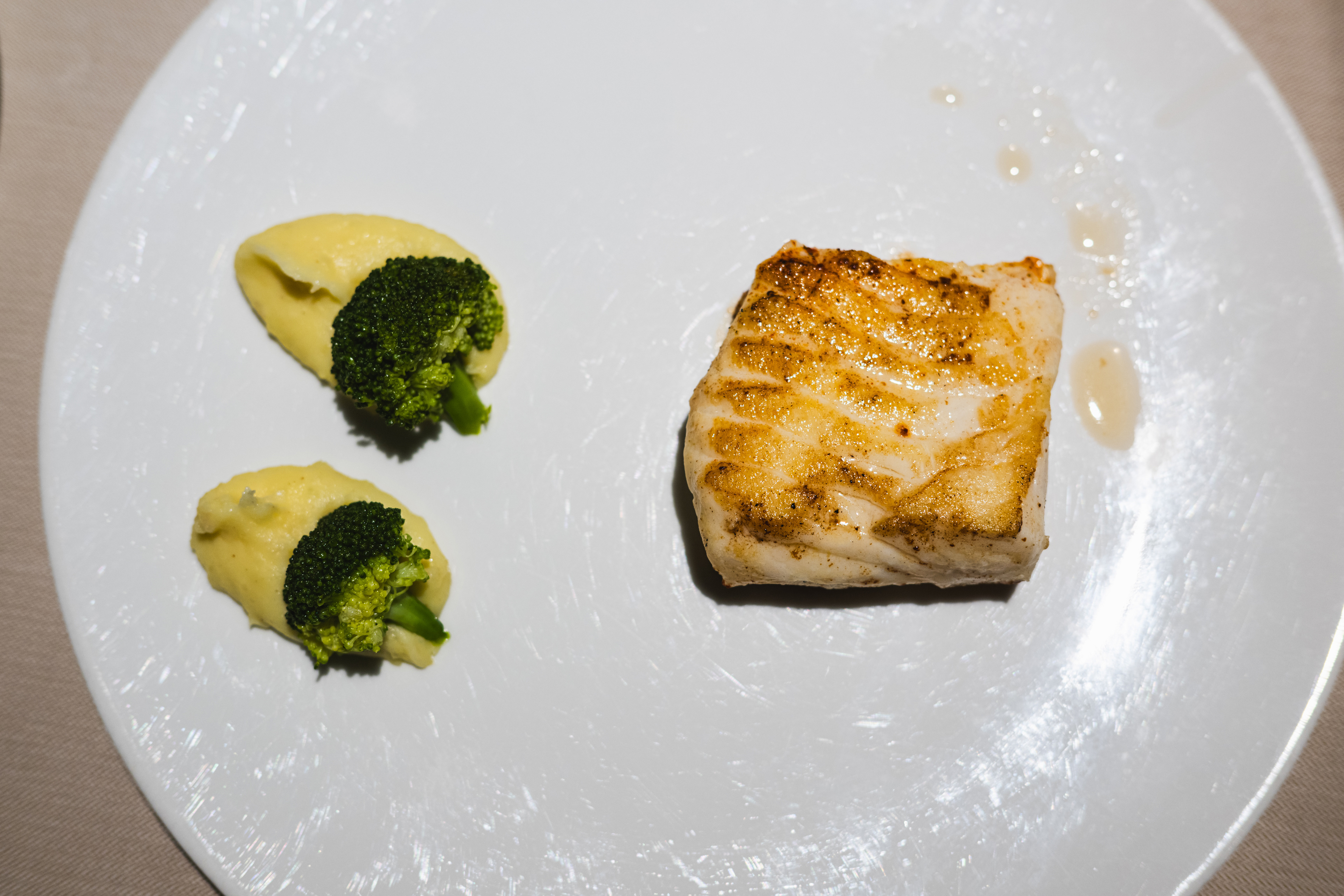
Red Ginger is the Asian fusion restaurant, and it was the first specialty restaurant we visited — on Day 1, which in retrospect was setting the bar almost unfairly high. The miso black cod is the signature dish and deserves its reputation. The room smells faintly of lemongrass and the lighting does something flattering to everyone in it.
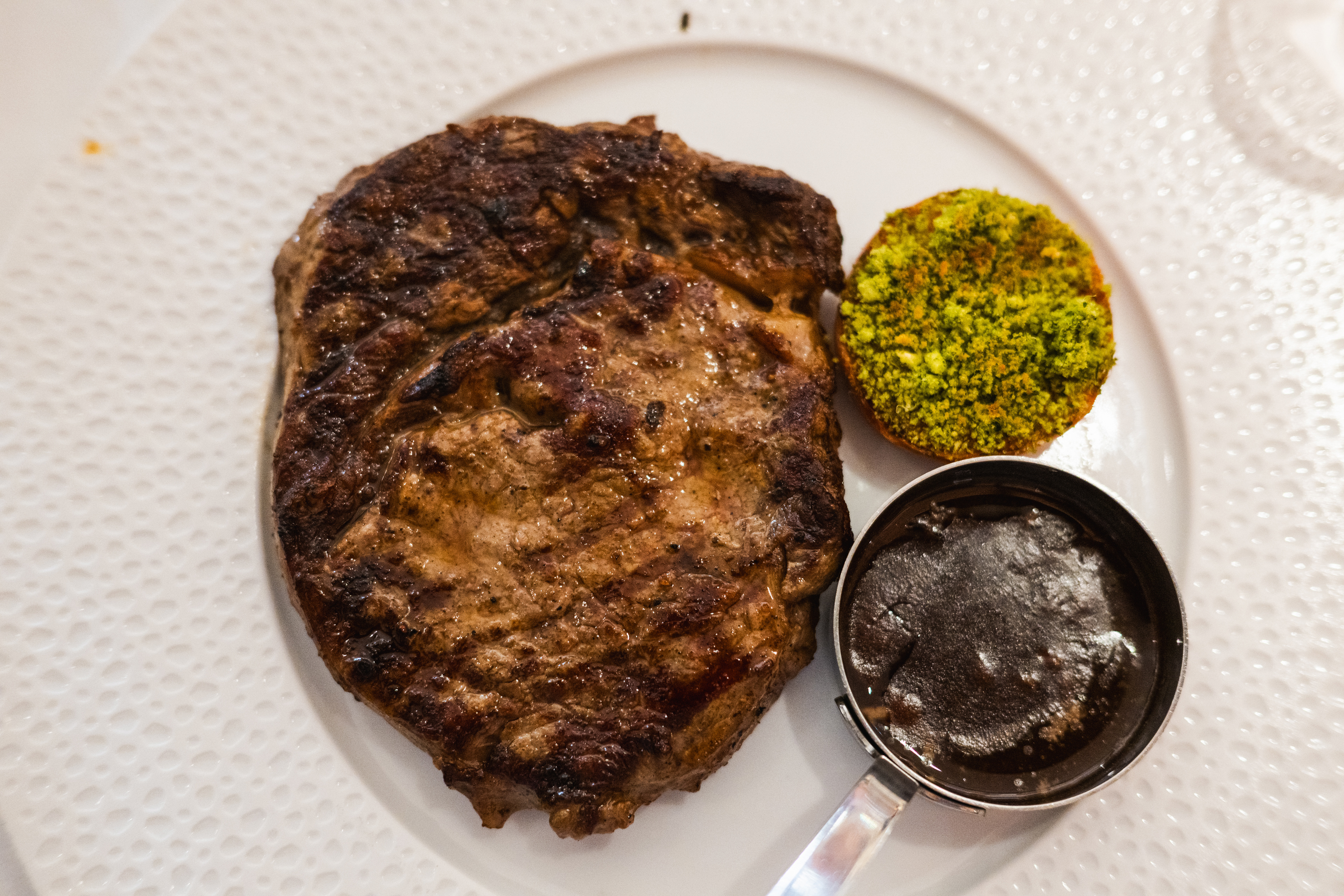
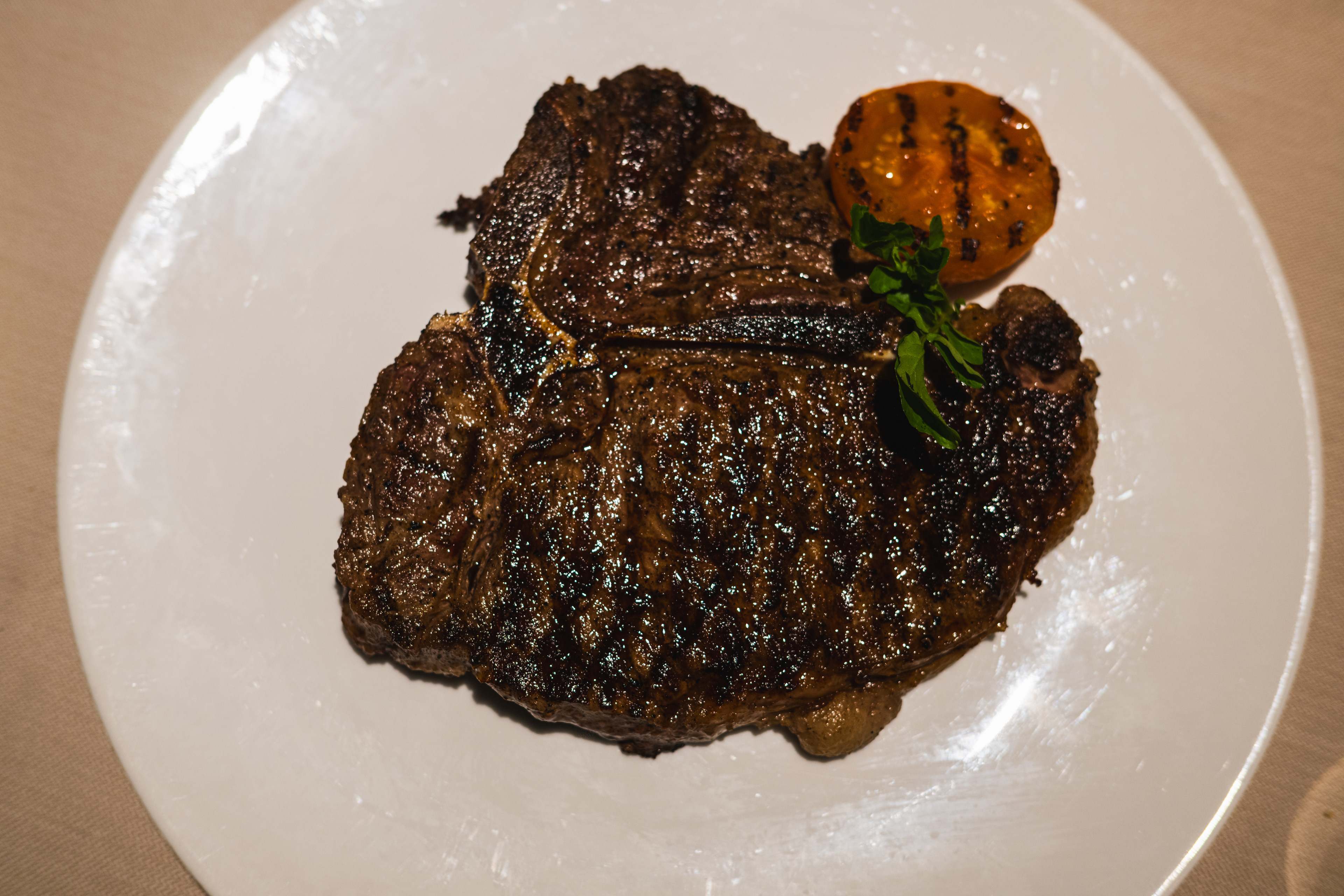
Polo Grill is the classic American steakhouse. Dry-aged cuts, creamed spinach, a baked potato the size of a paperback novel. It does exactly what it promises, without surprise or apology. My father-in-law declared it excellent.
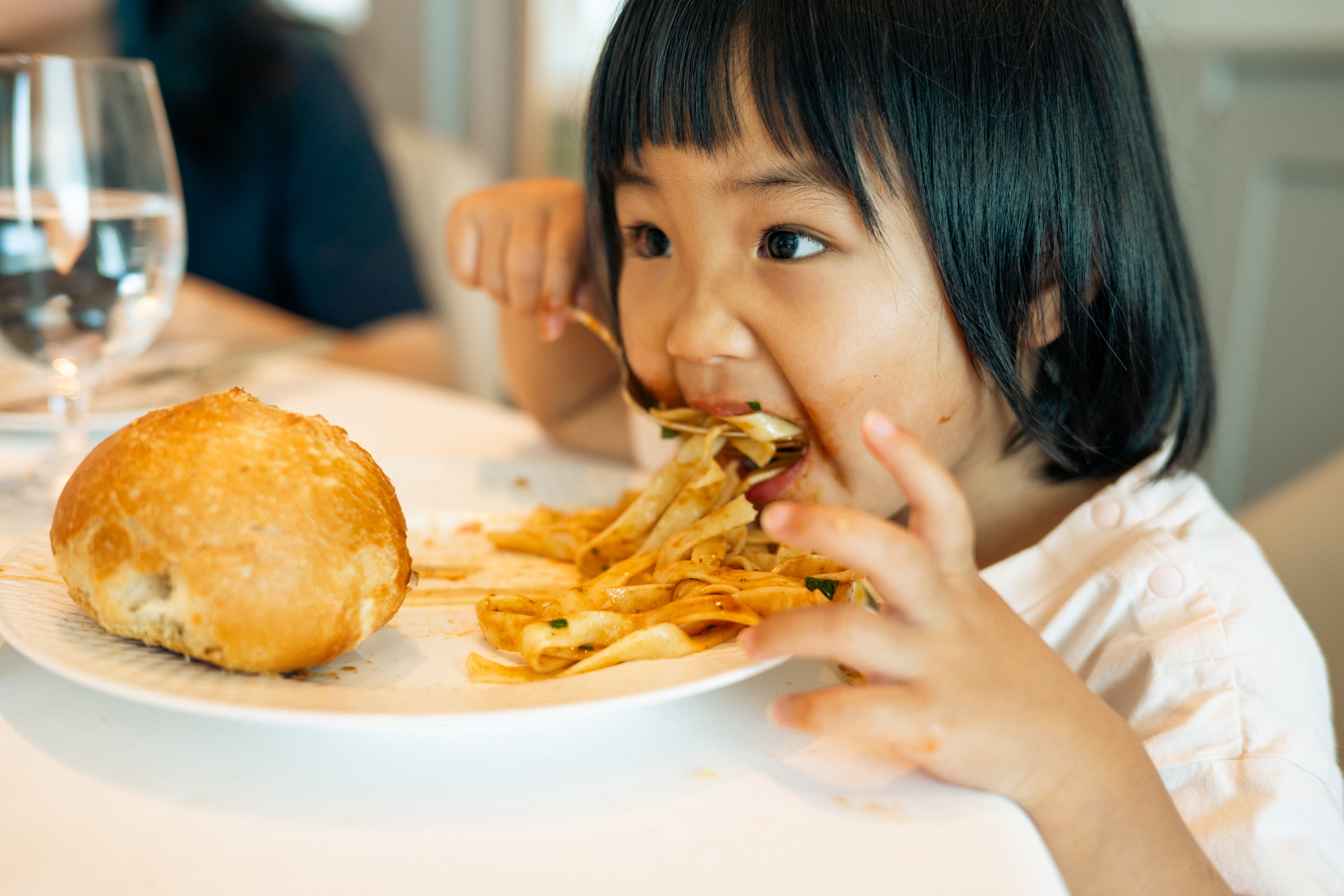
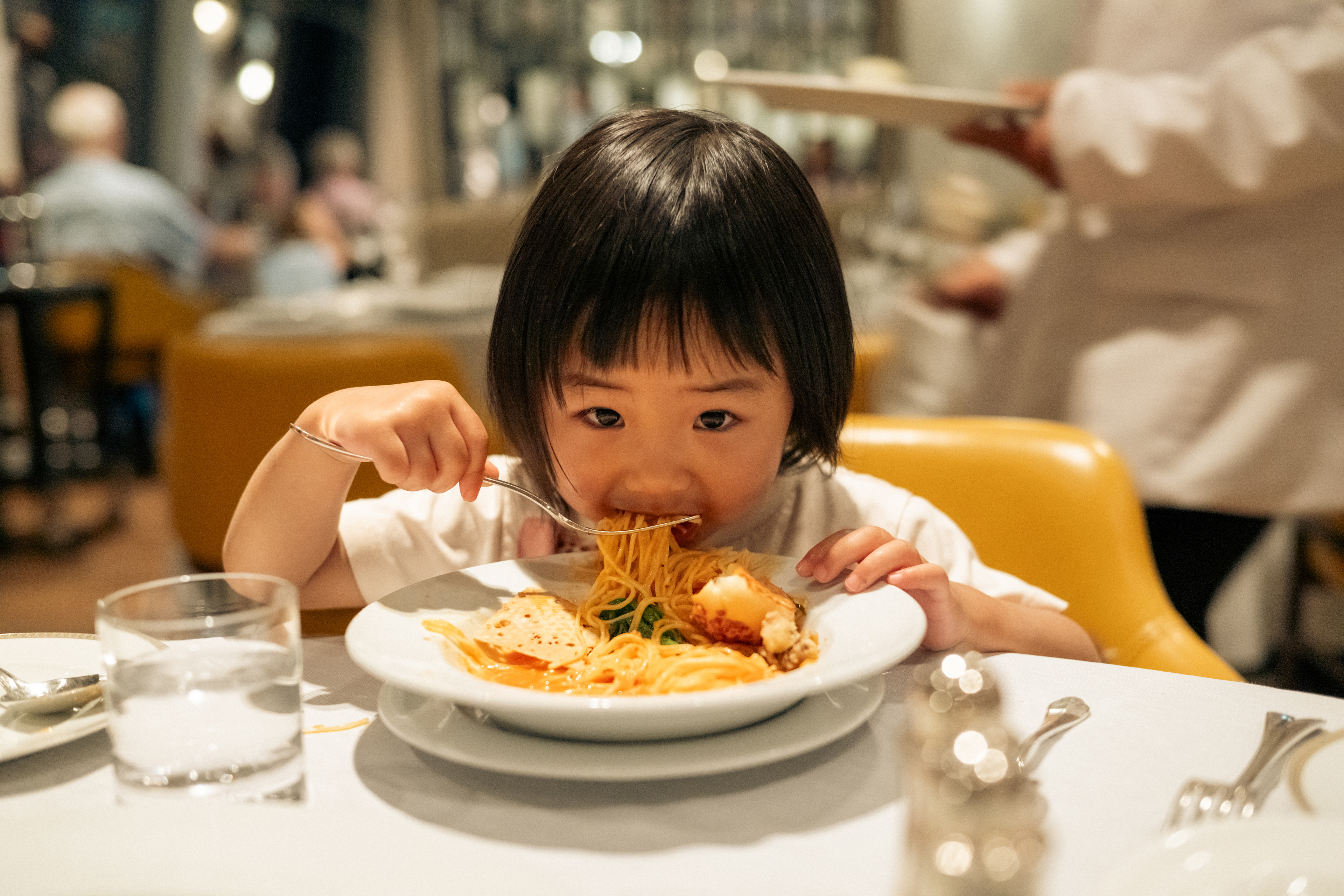
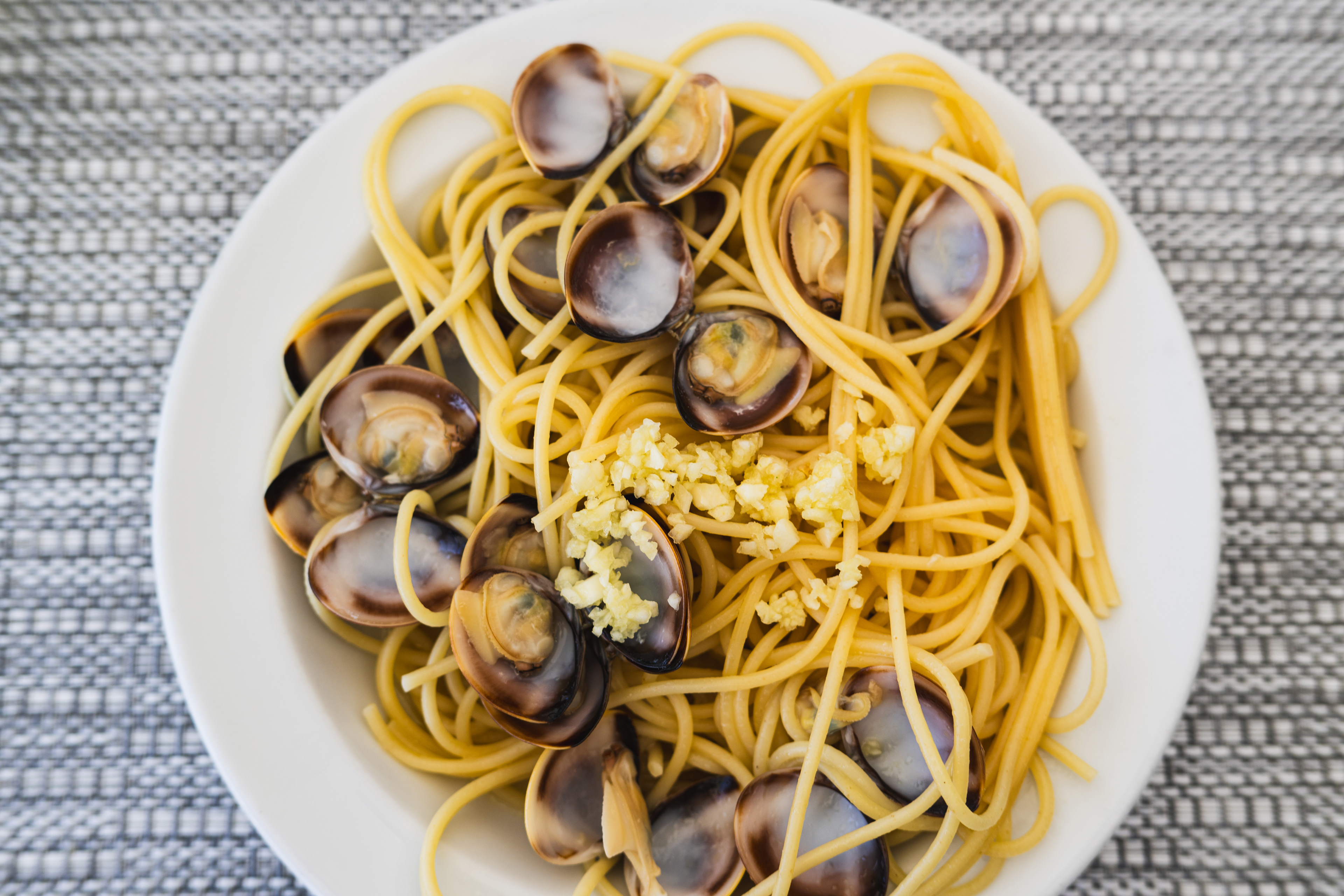
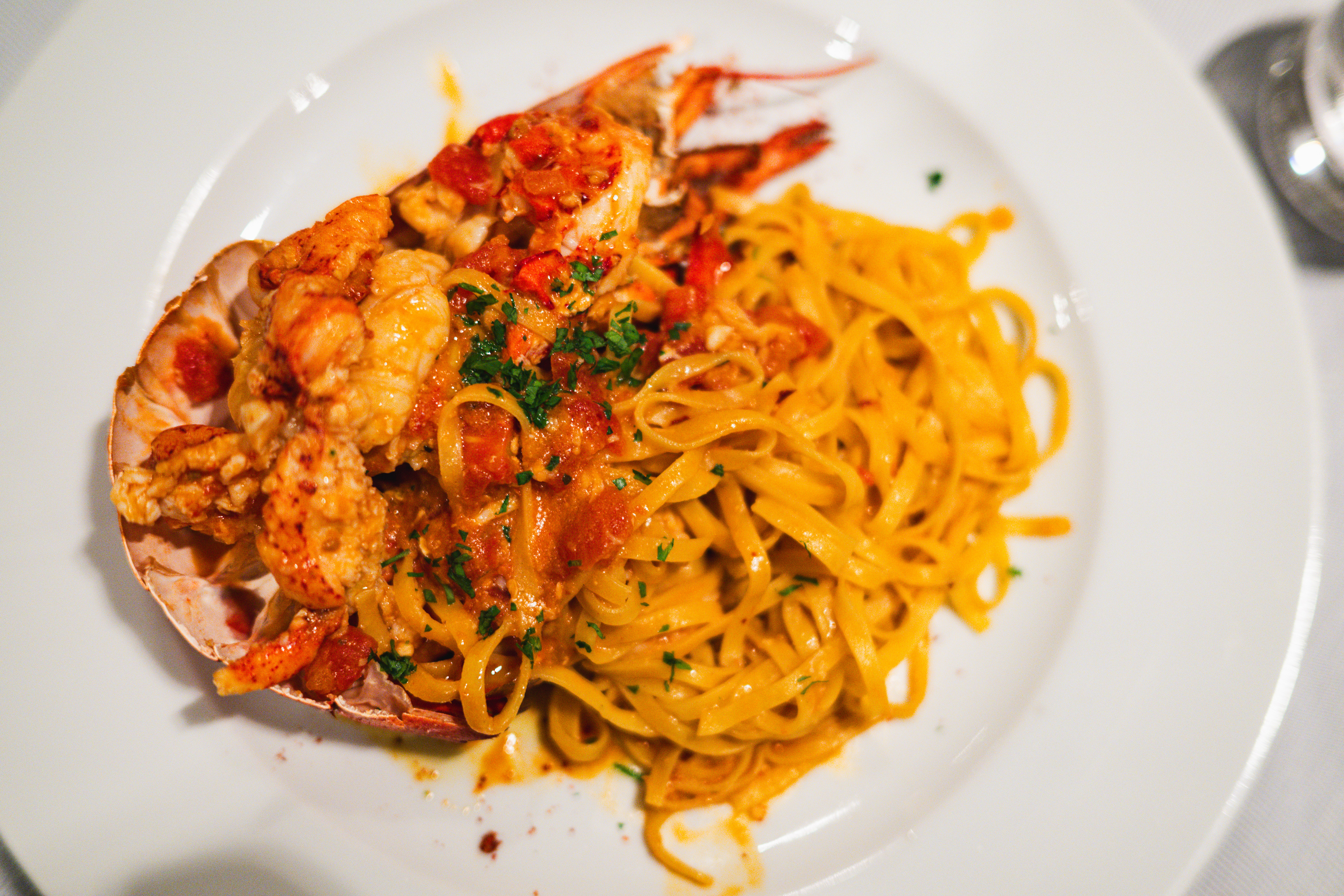
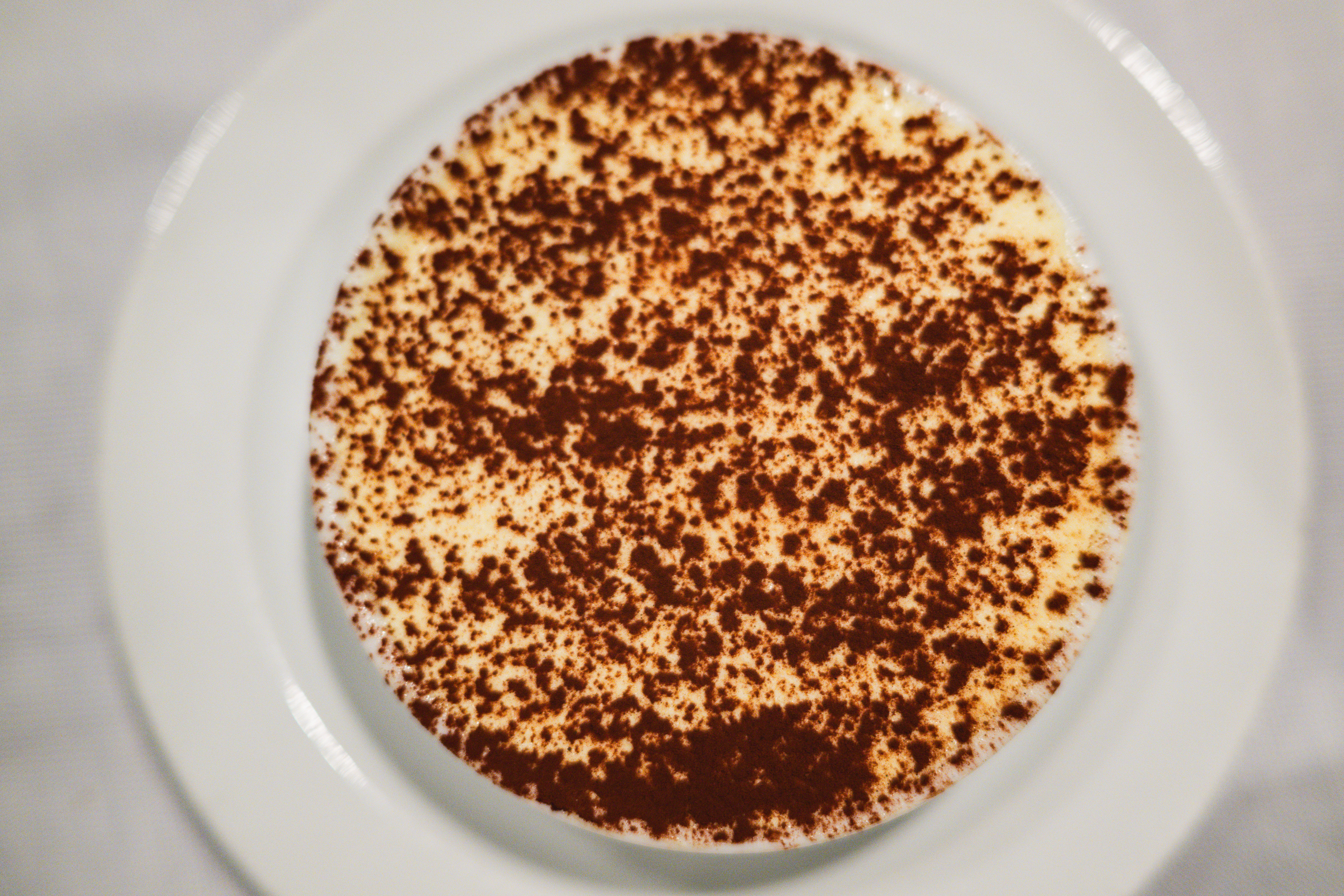
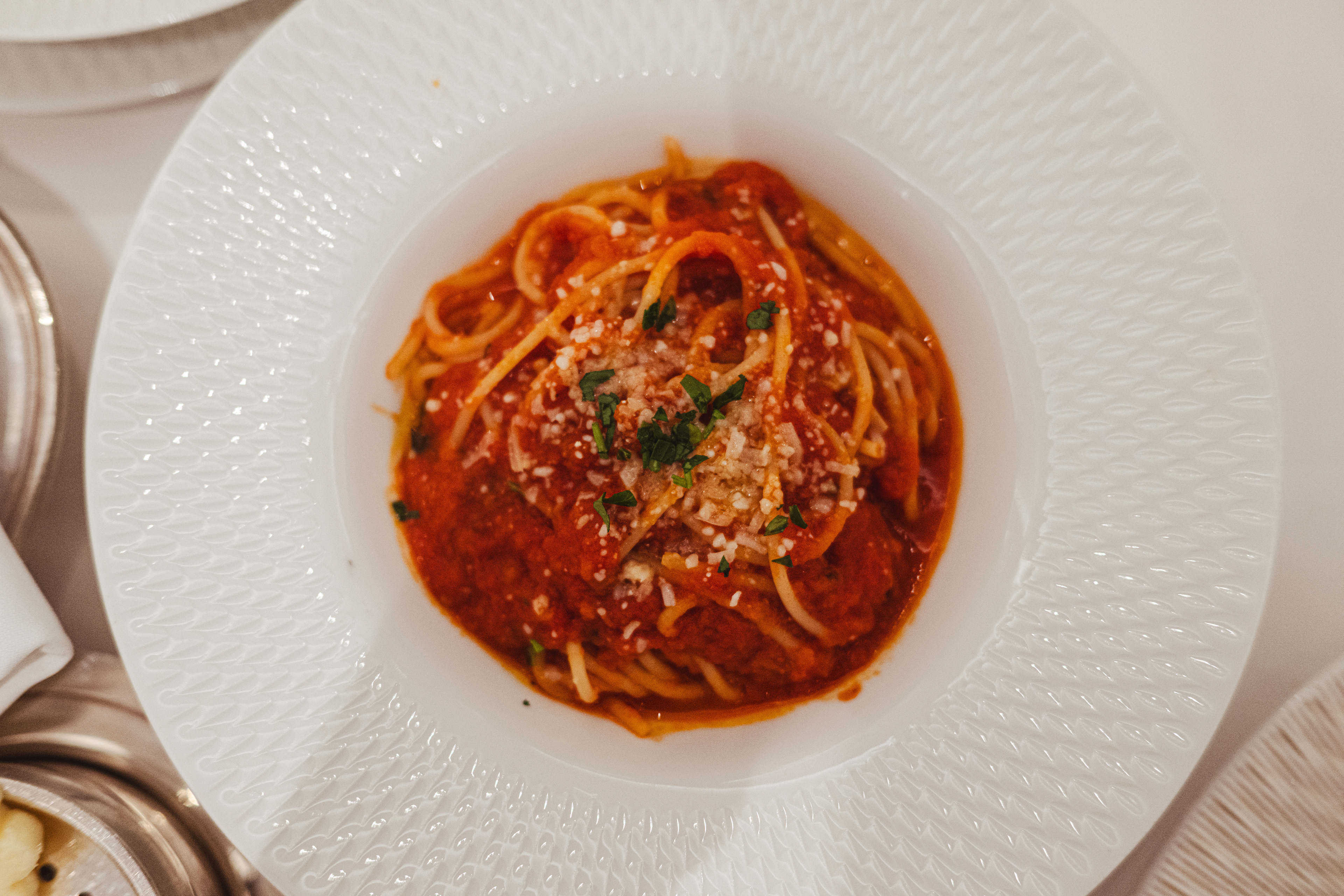
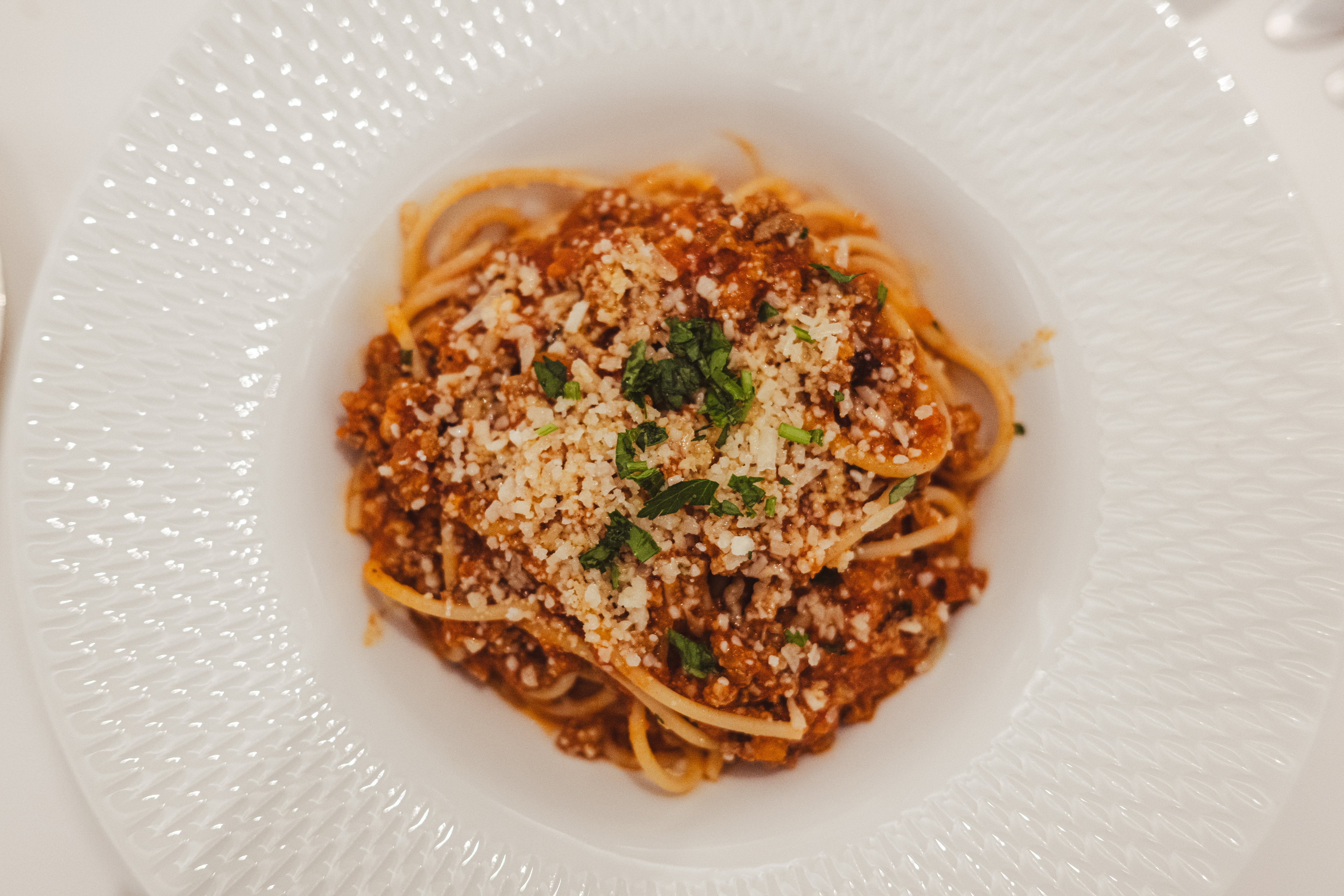
Toscana is the Italian restaurant and became a surprise over the course of the voyage. Handmade pasta, branzino, a tiramisu that prompted an extended table silence. Giada De Laurentiis, Vista's godmother, has a special connection to Toscana — her family's culinary traditions are woven into the menu, and it shows. The servers brought our daughter bread service before we had ordered anything, having apparently decided she was a regular by our second visit.
A practical note on specialty dining reservations: each specialty restaurant allows one advance booking before sailing, reservable online when you check in for the cruise. After that, you walk up to the Destination Services desk at 8am on the day you want to dine. This system works fine but requires a small amount of daily intention. It is worth it.
Life at Sea: Strings, Skies, and Canal Lectures
We had seven sea days scattered across the 18-day voyage. On a shorter cruise, sea days can feel like lost time. On this itinerary, they were some of the best days of the trip.
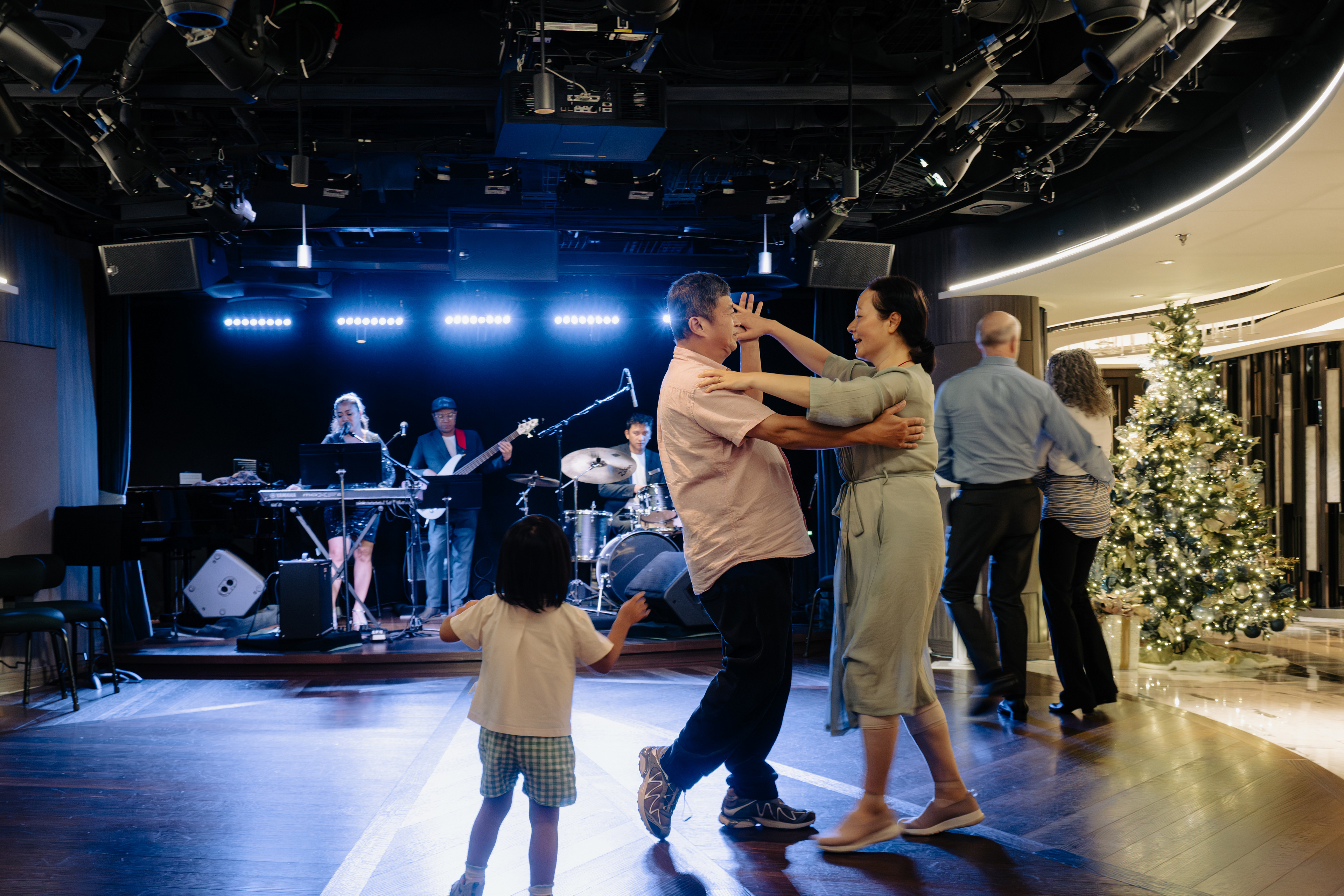
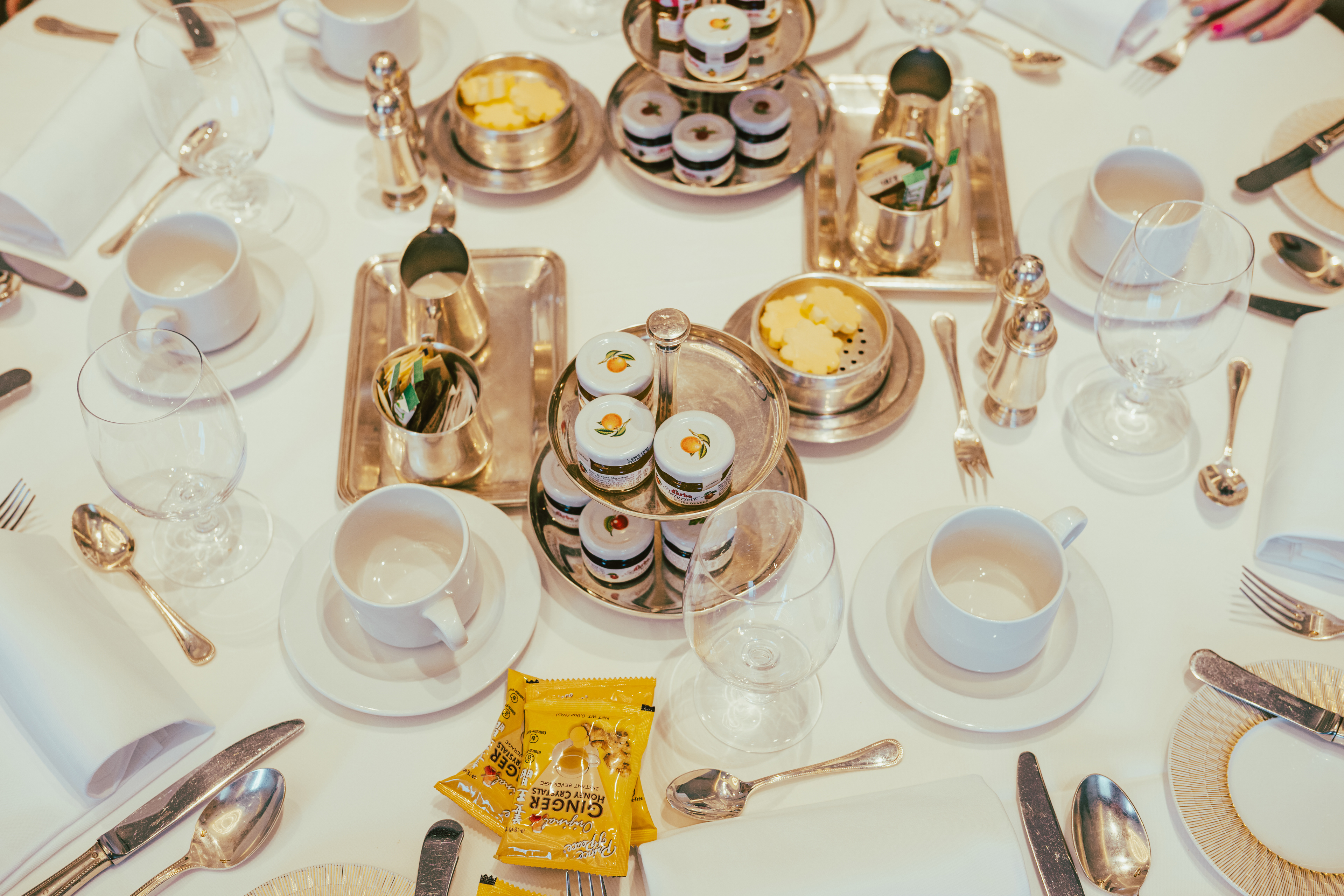
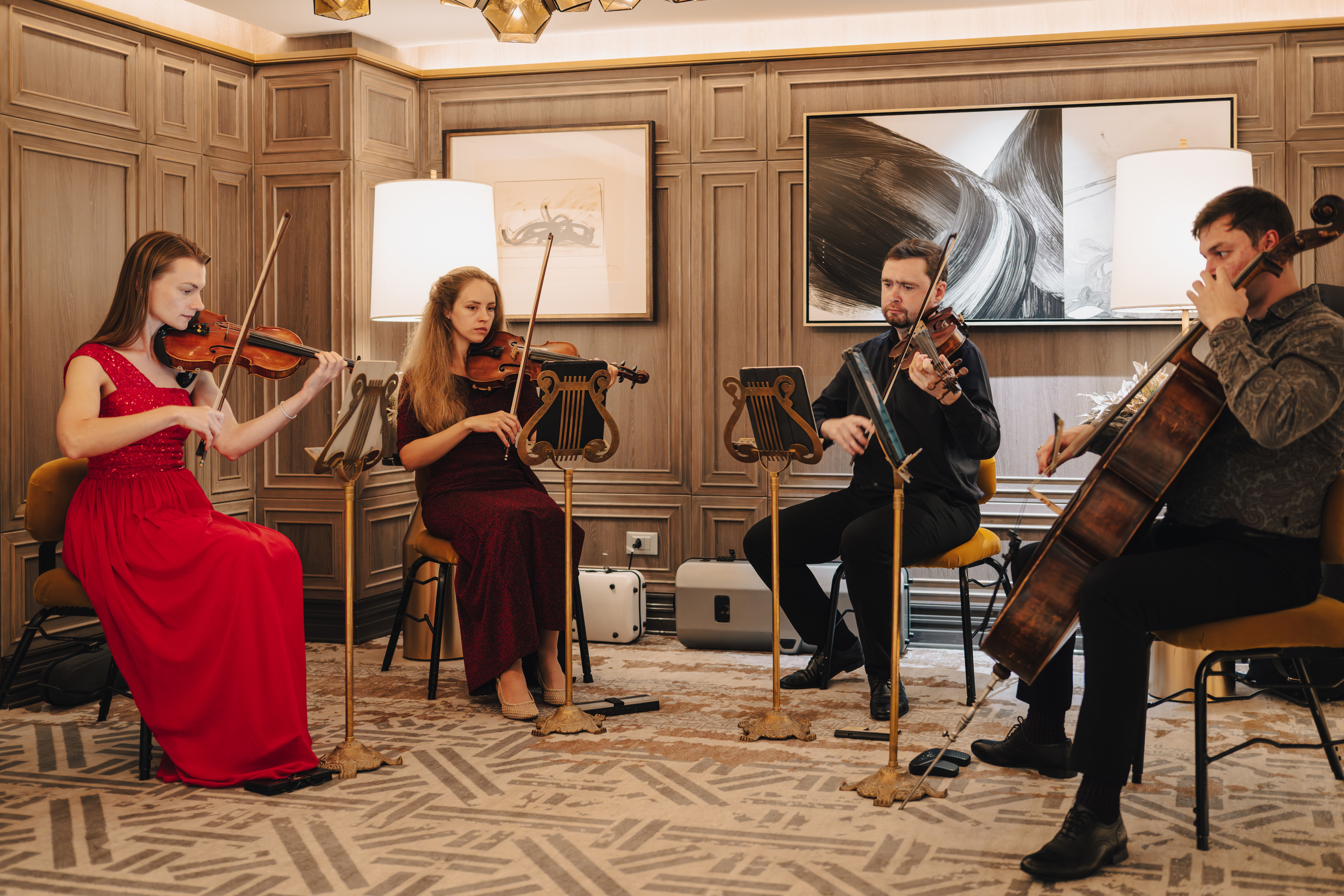
The Primavera String Quartet is the soul of the ship. Four musicians who perform daily across multiple venues. Afternoon tea in the Horizons Lounge at 3:30pm, with the quartet playing Schubert while a tray of freshly baked scones arrives at the table, is the specific kind of pleasure that makes you understand why people become repeat Oceania passengers. We attended every session we could. Our daughter, to our genuine surprise, sat quietly through all of them.
The enrichment lectures were, for me personally, the unexpected highlight of the entire voyage. Dr. Gary H. Kramer delivered a six-part series on the Panama Canal — its geology, the catastrophic French failure of the 1880s, the American engineering solution, wartime sabotage attempts by Japan, and the geopolitics of the expanded canal. By the time we actually transited on January 1st, I had attended four of his talks and could narrate the lock-filling sequence to anyone within earshot. (The water in each chamber — 100,000 cubic meters of it — moves entirely by gravity. No pumps. Nine minutes per fill. I find this unreasonably exciting.) Thomas Maier, a journalist and author aboard, ran a parallel series covering Cold War spycraft and the Kennedy family. Richard Munroe covered Caribbean geology — the Cayman Islands, it turns out, are underwater mountains with their peaks barely above sea level.
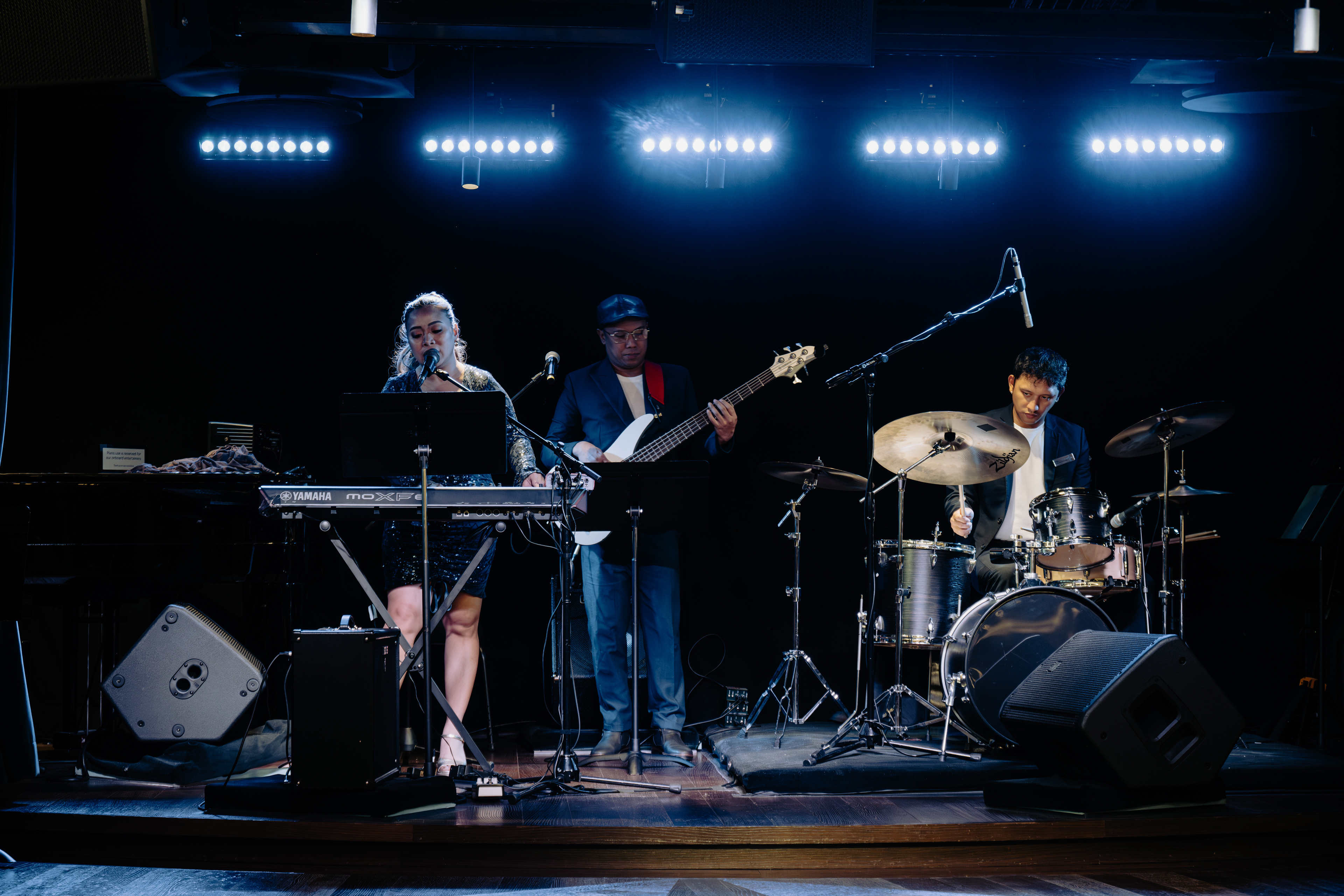
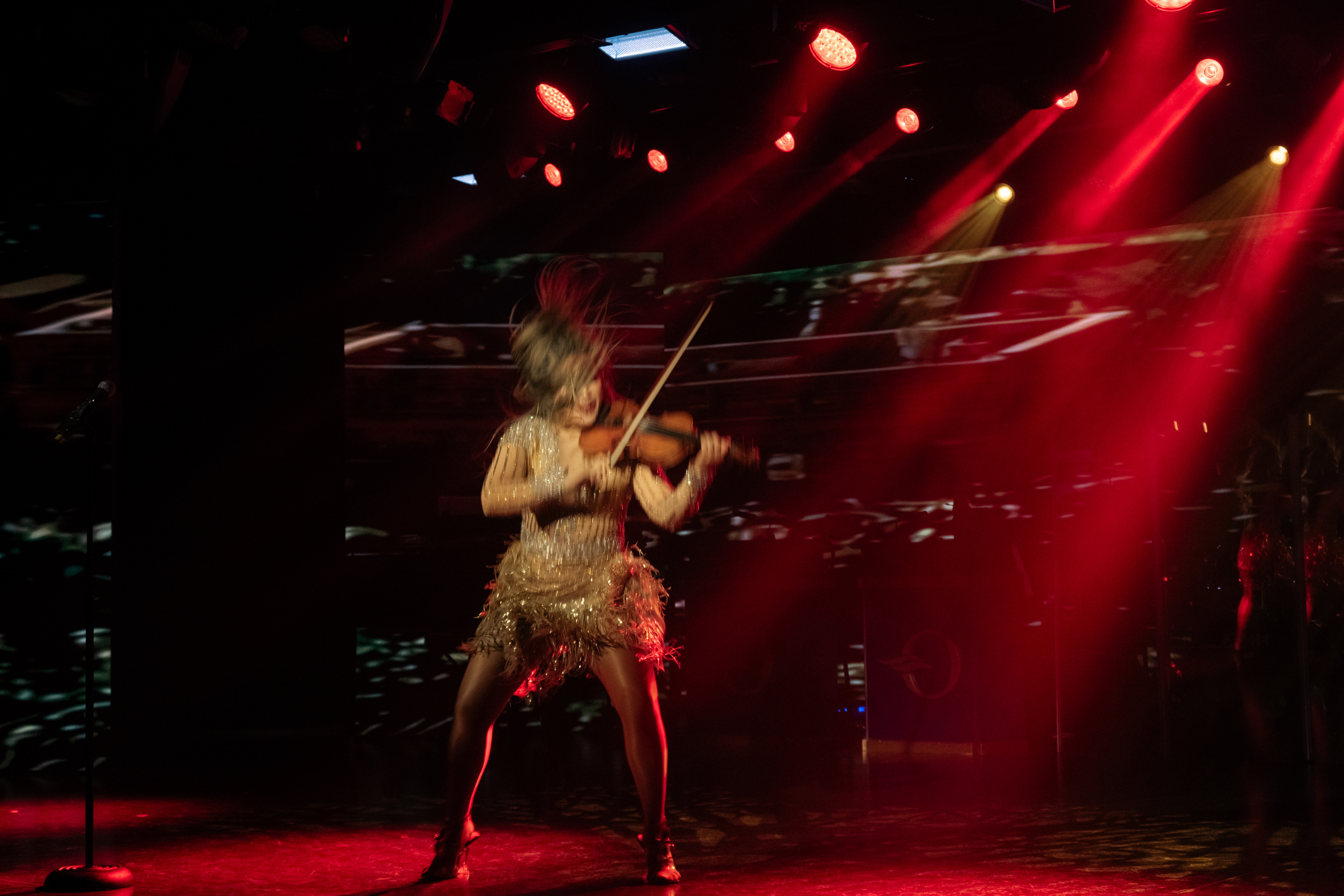
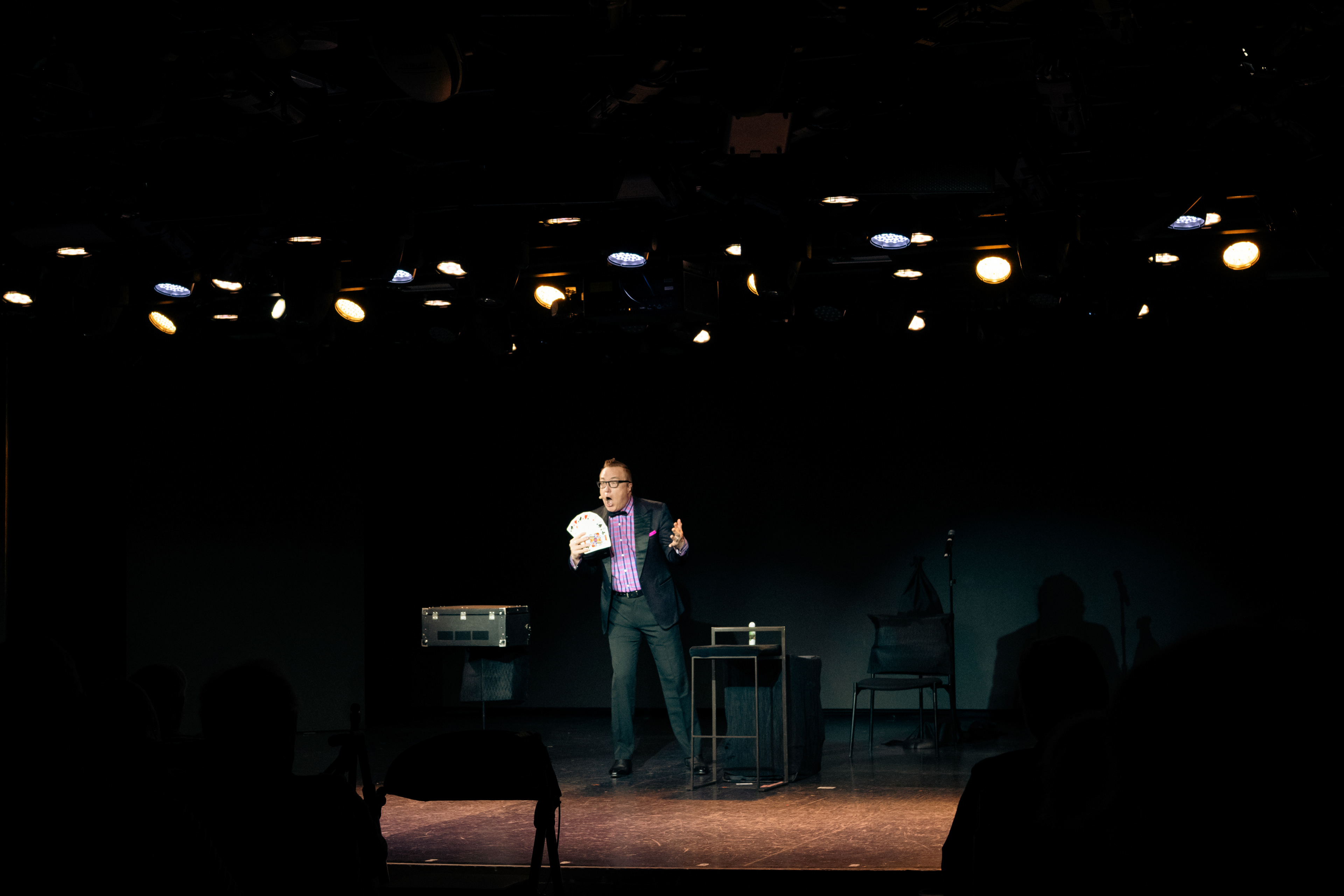
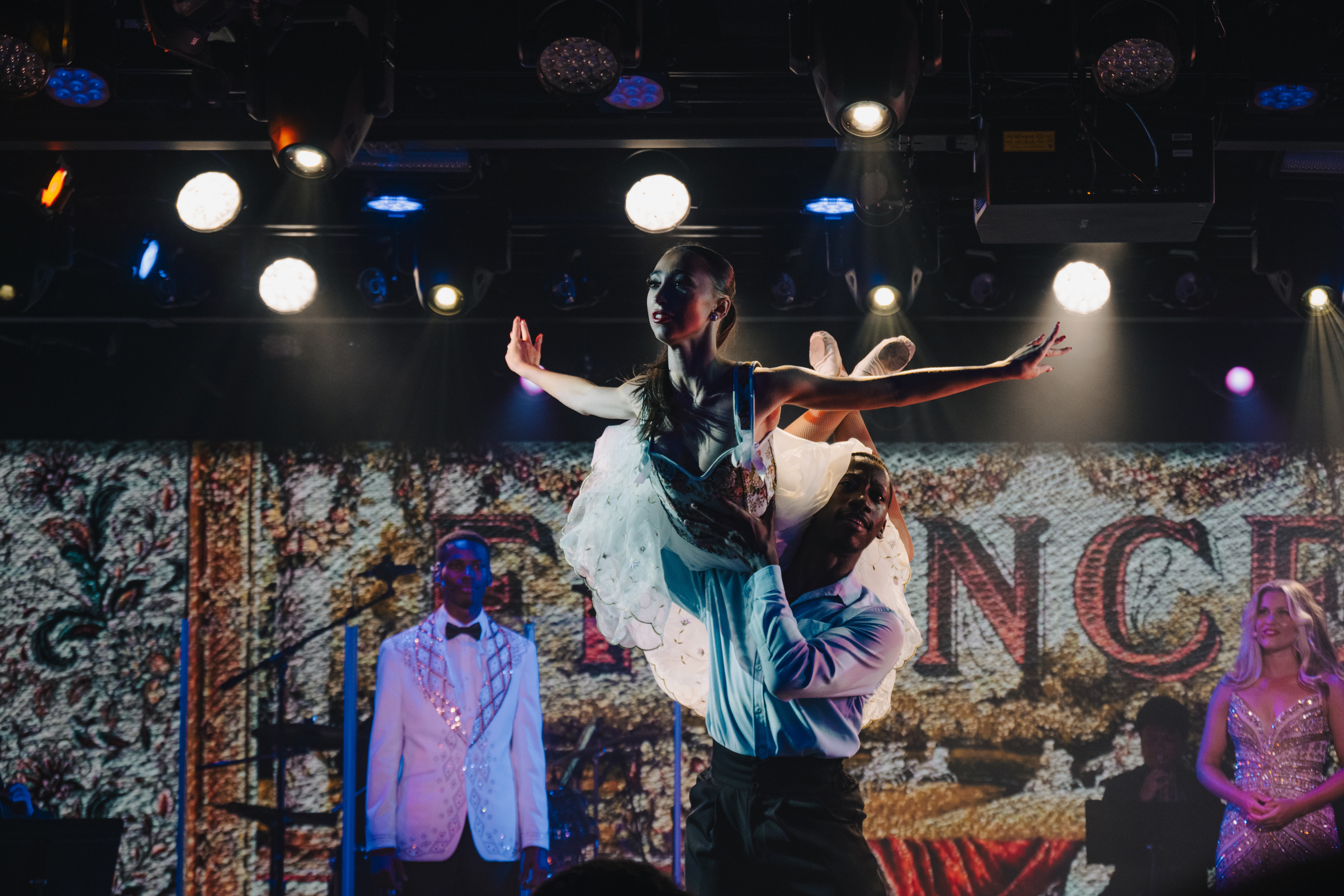
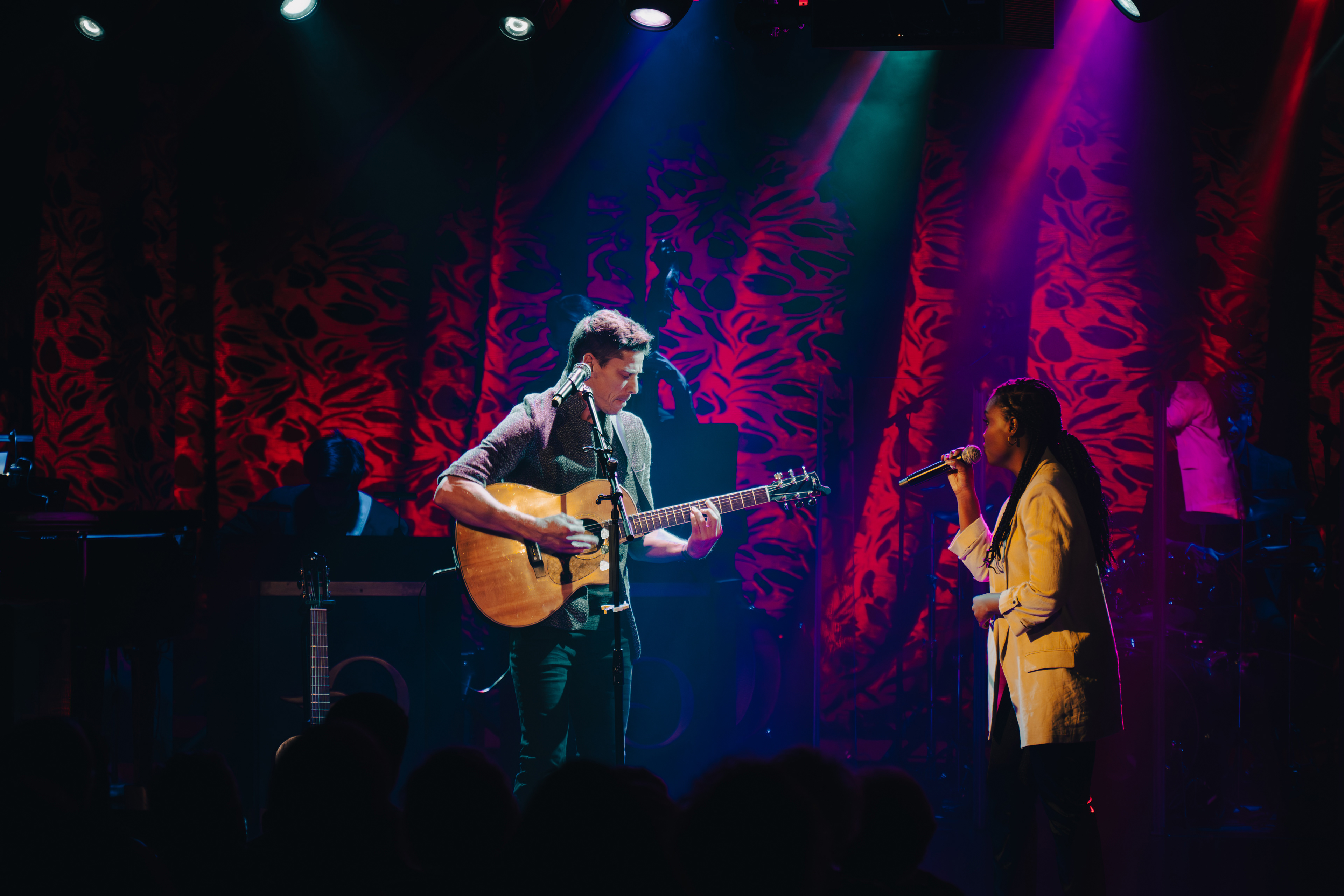
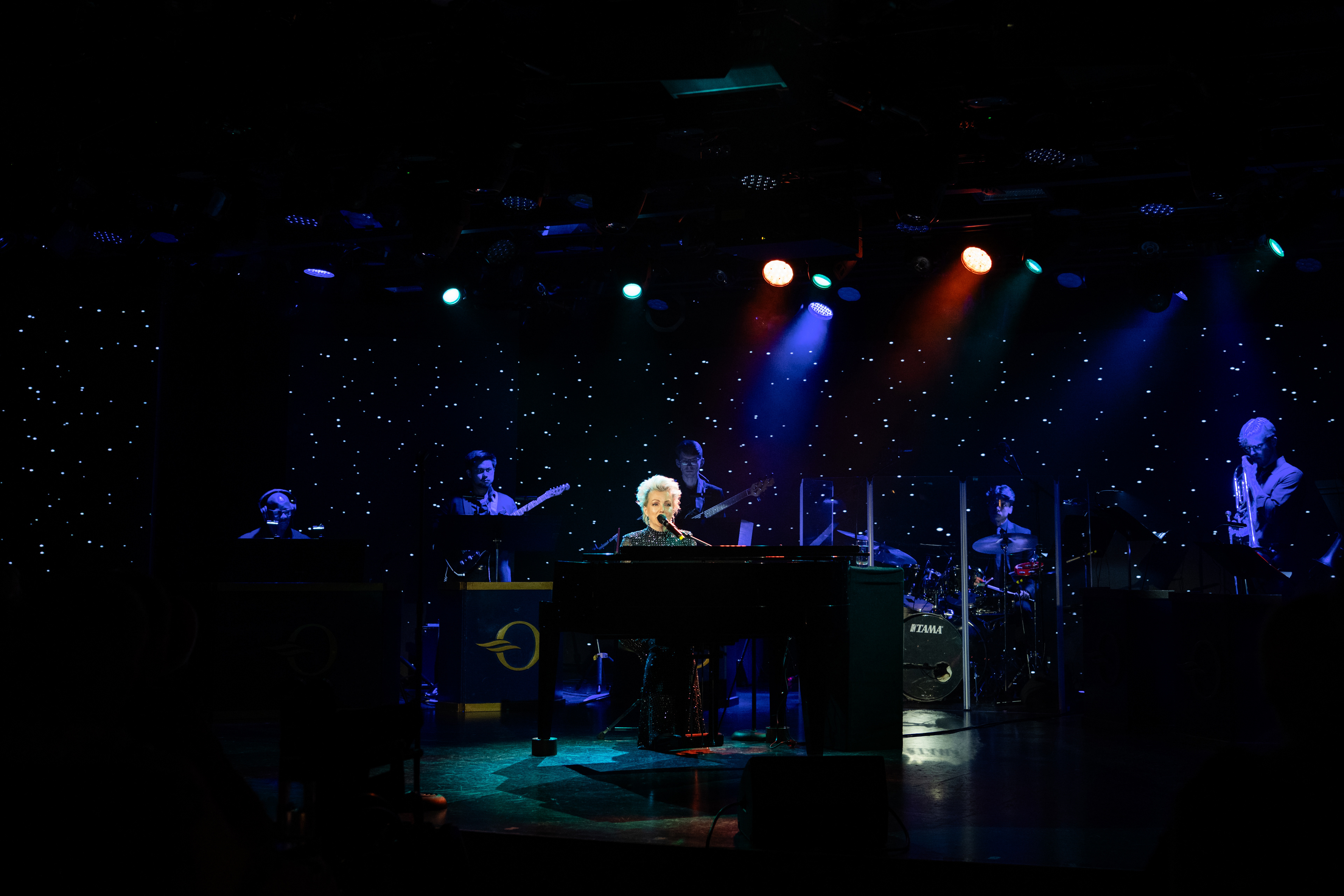
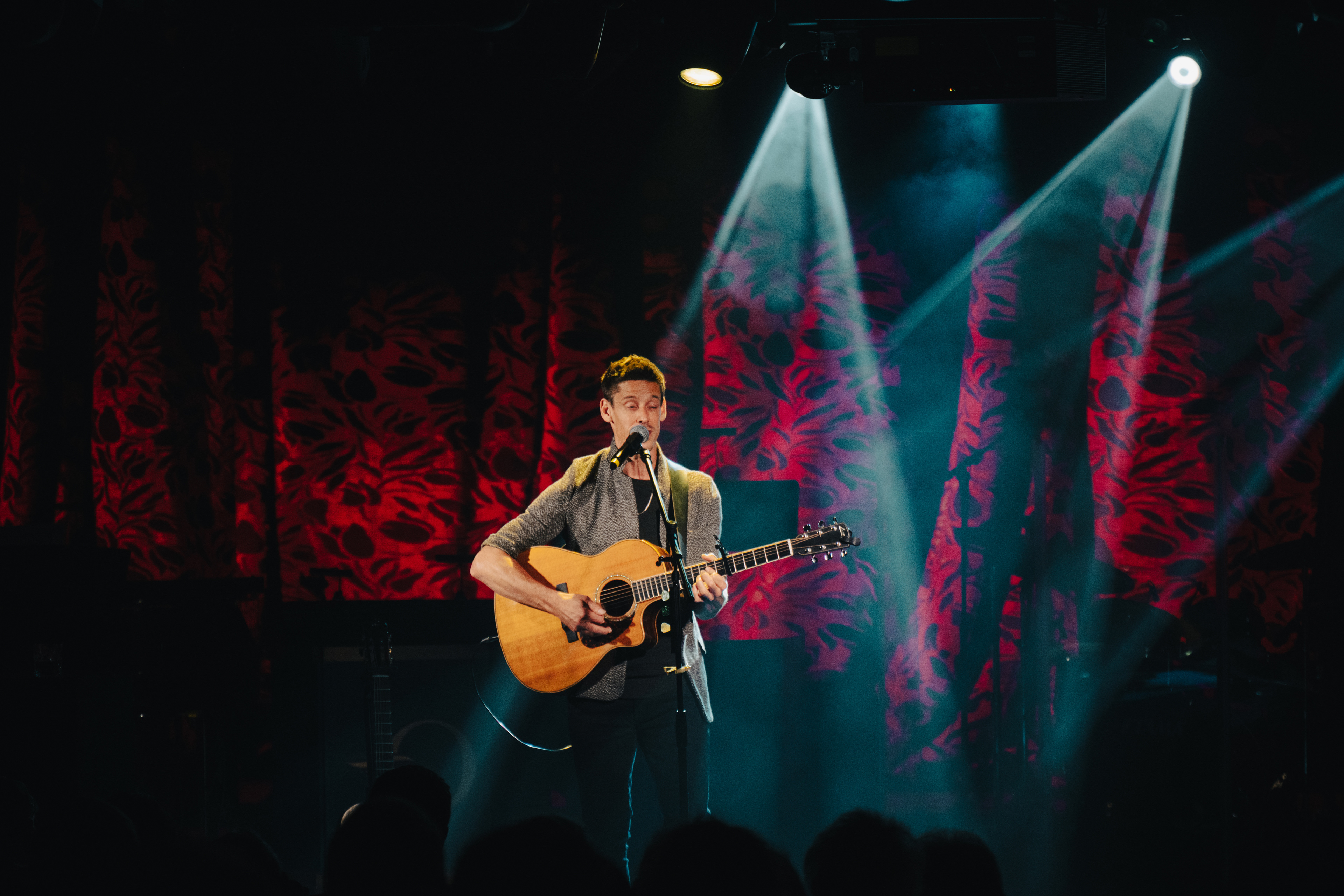
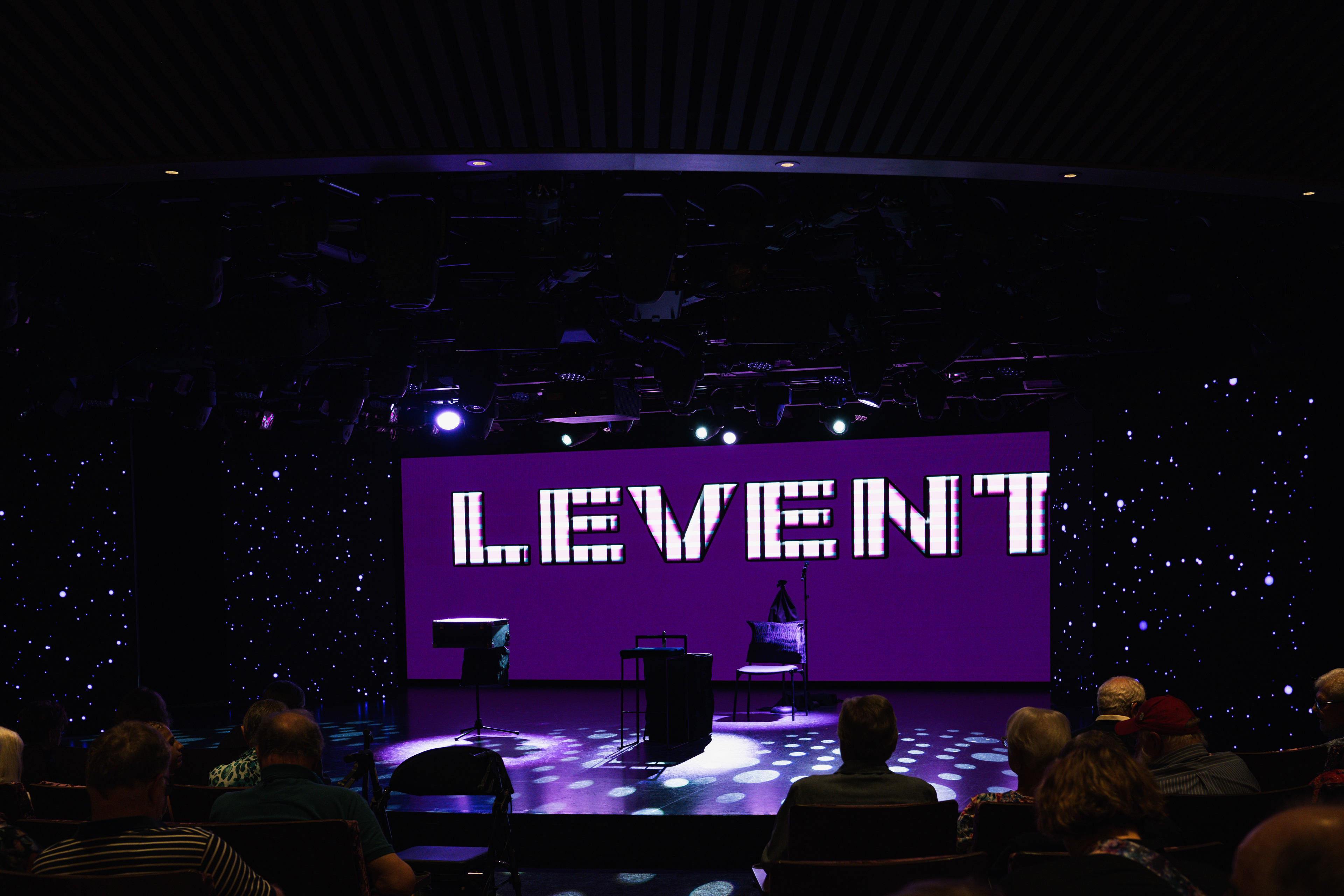
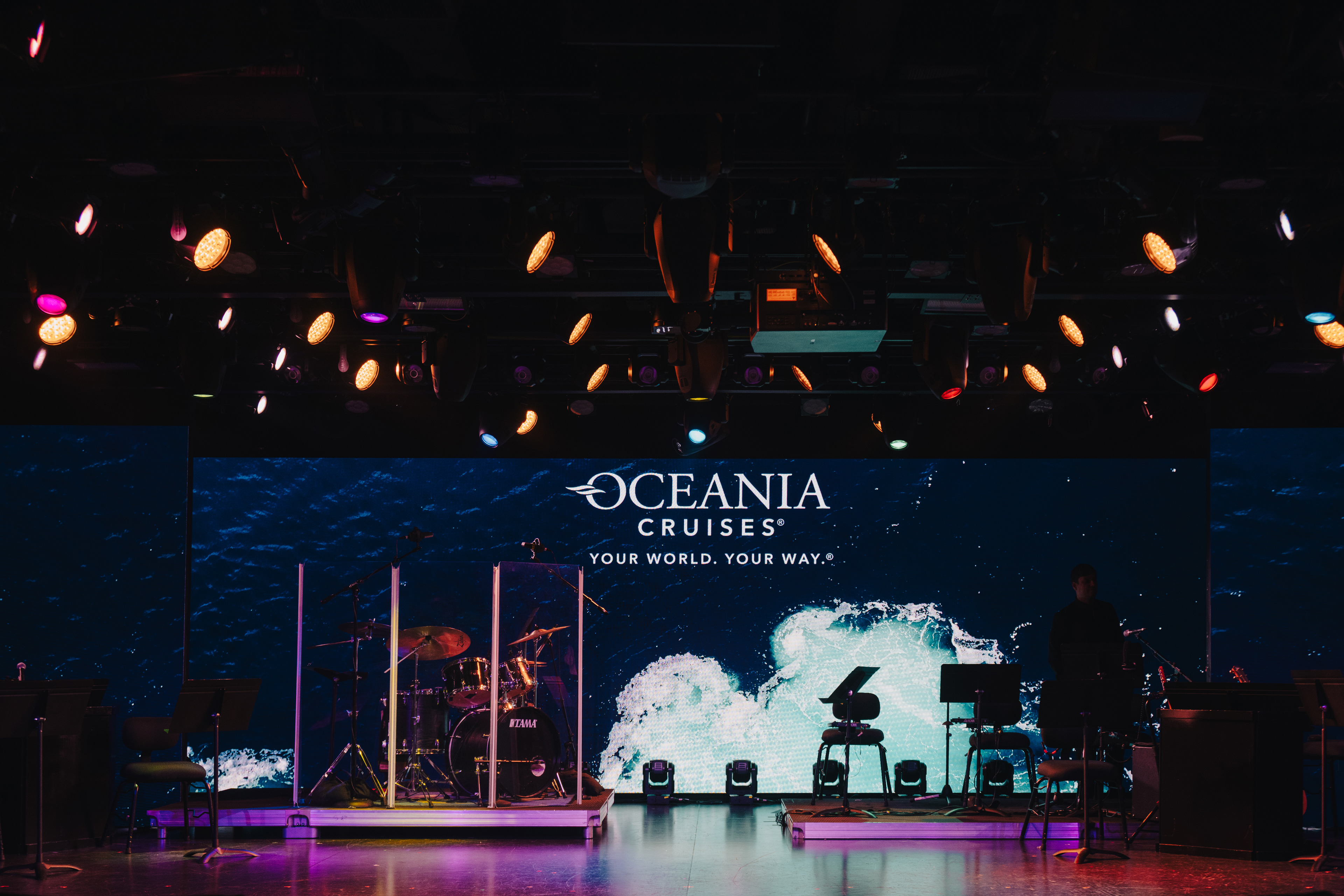
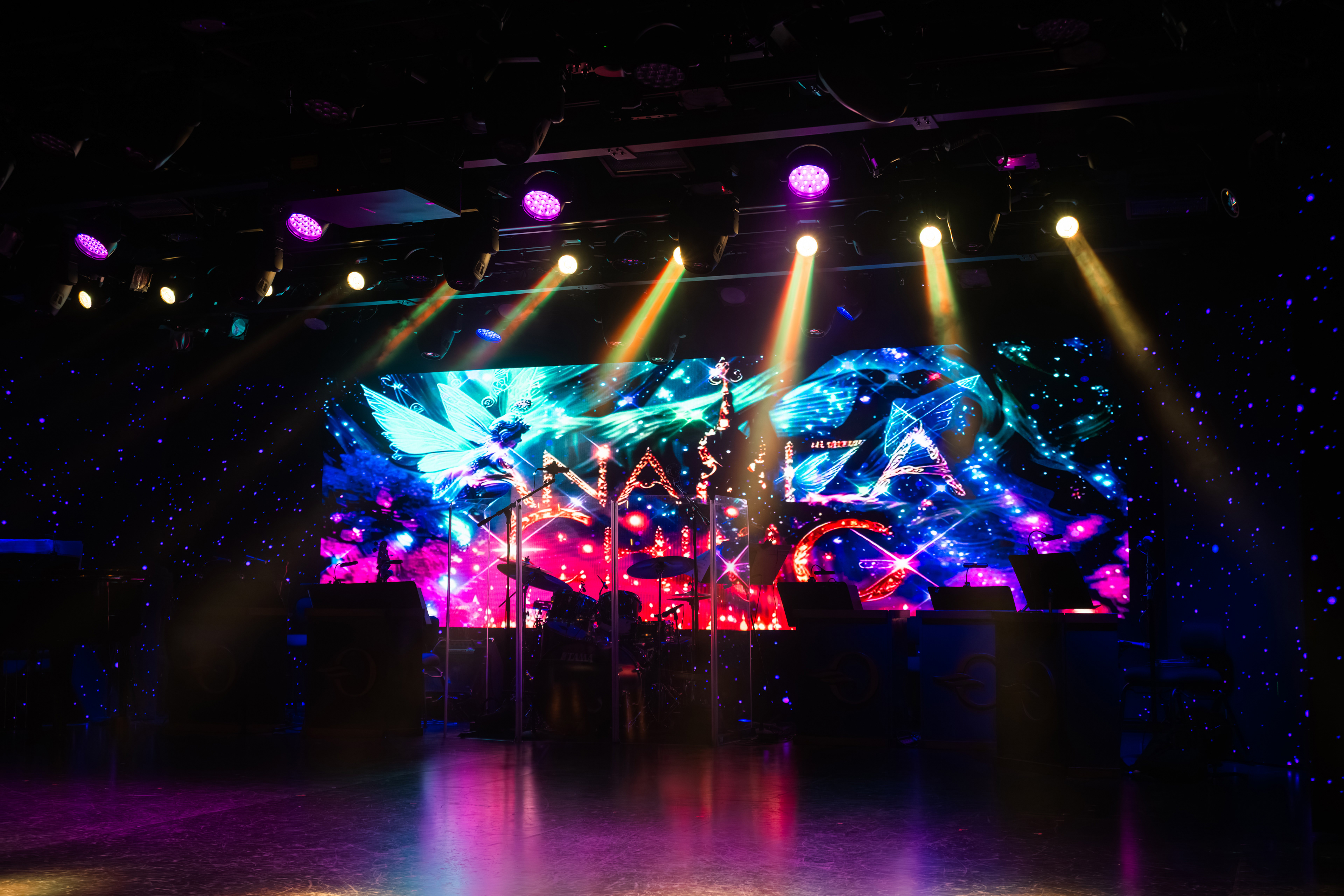
The shows ran nightly in the Vista Lounge. Levent, a comedian and magician, performed twice and made cards, coins, and audience volunteers do things I cannot explain and will not attempt to. He performed the same effect two nights apart and it was somehow more inexplicable the second time. Violinist Analiza Ching's show was legitimately concert-quality. Vocalist and pianist Heather Sullivan covered the great female singers of the 20th century with a voice that filled the lounge. Cruise Director Carson Turner performed "Broadway Dreams," a solo musical theater show with a live band — he was trained for this, and it showed. The Vista Production Company's "Our World" finale on the second-to-last evening wove global music together with a theatrical ambition that earned a standing ovation.
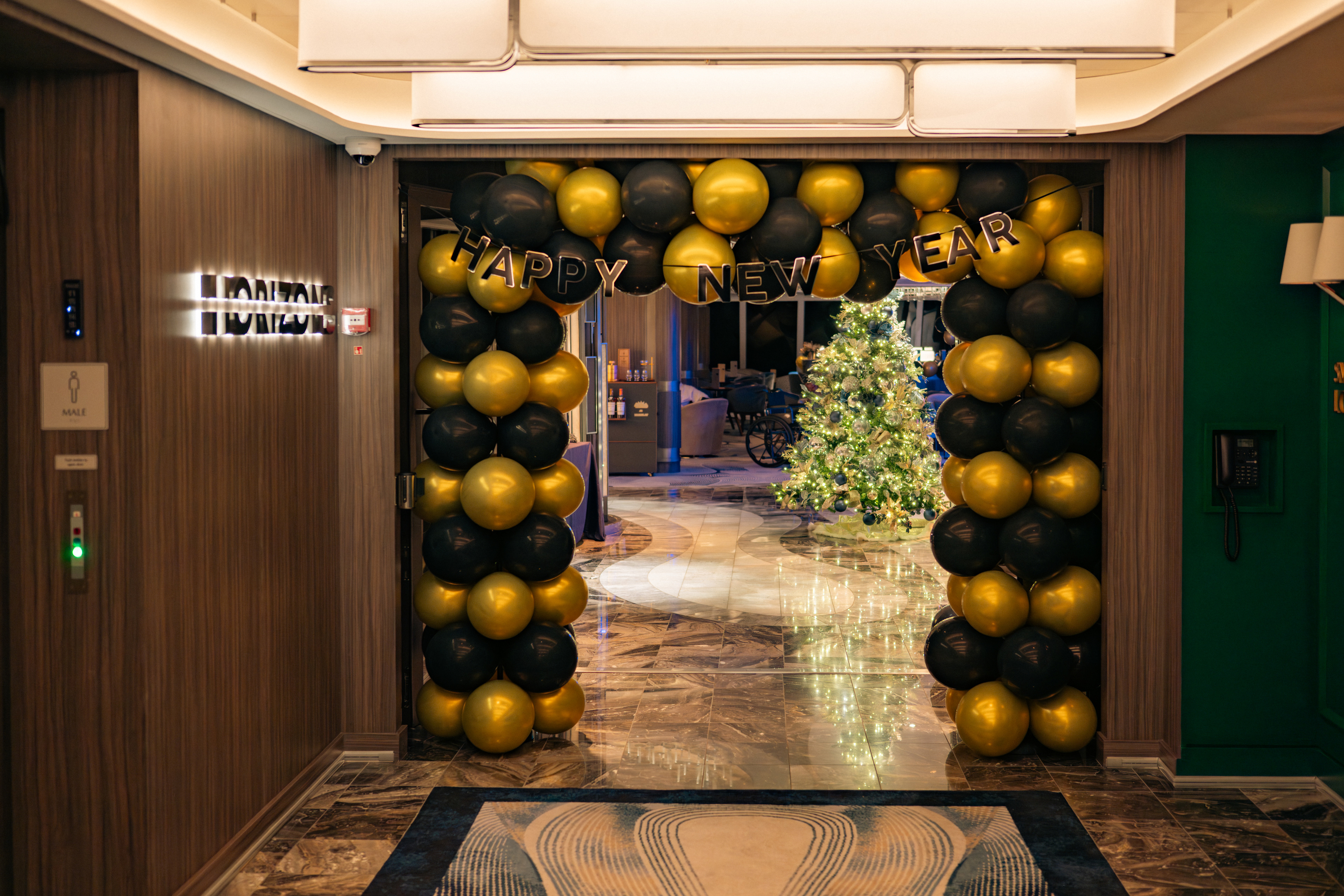
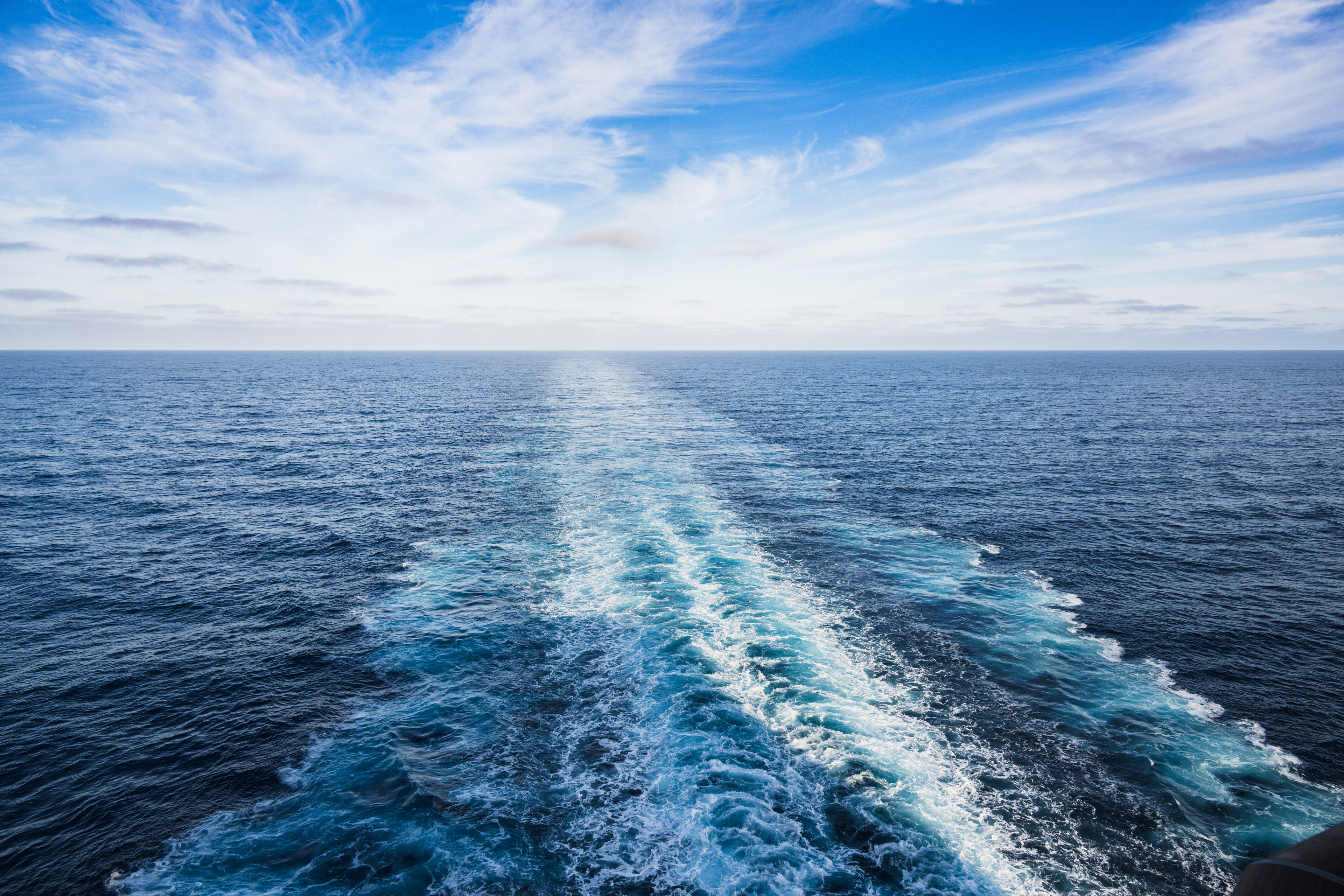
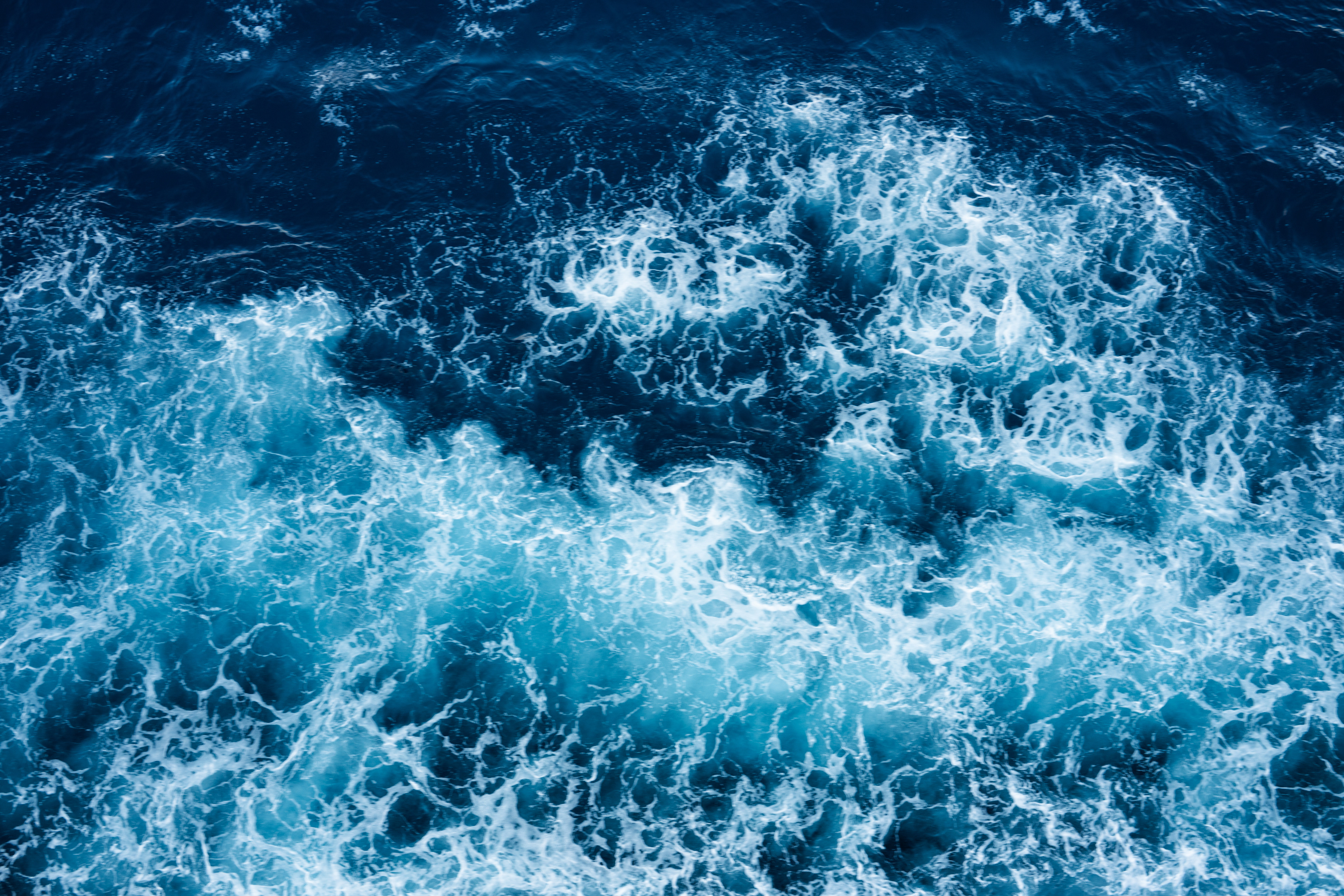
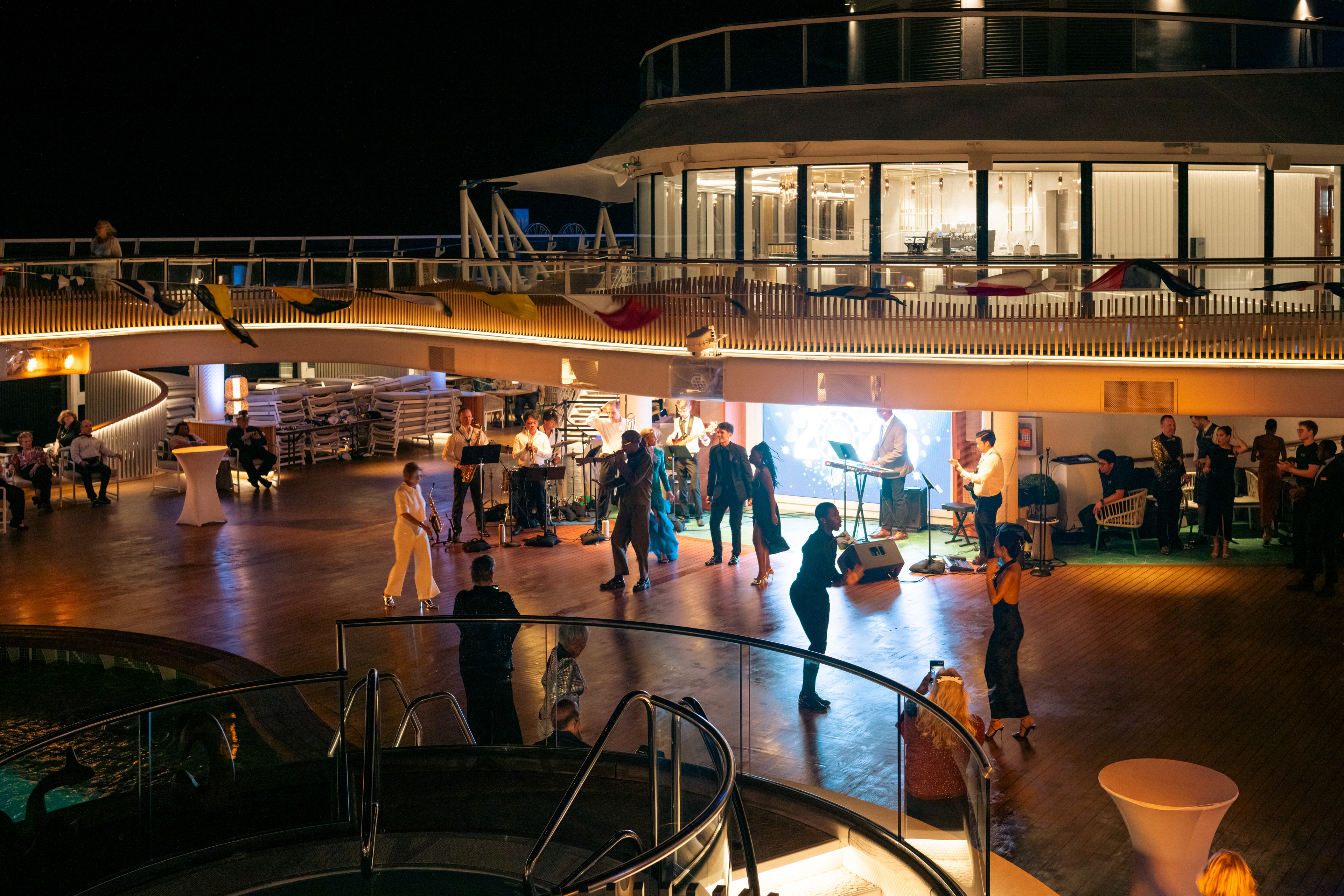
New Year's Eve deserves its own note. The ship offered 2-for-1 cocktails across four bars simultaneously from 9pm, which produced the specific chaos that happens when 1,200 mostly-retired travelers collectively decide tonight's the night. The pool deck opened for the New Year's Eve Bash at 10:30pm. We were in bed by 11:15pm — our daughter had been asleep since 7:30pm, having no strong opinions about the calendar transition. From the balcony just before midnight: nothing but ocean in every direction, no lights, no land, just the white wake behind the ship and the stars overhead cleaner and more numerous than any sky you'll see from shore. There are worse ways to mark the end of a year.
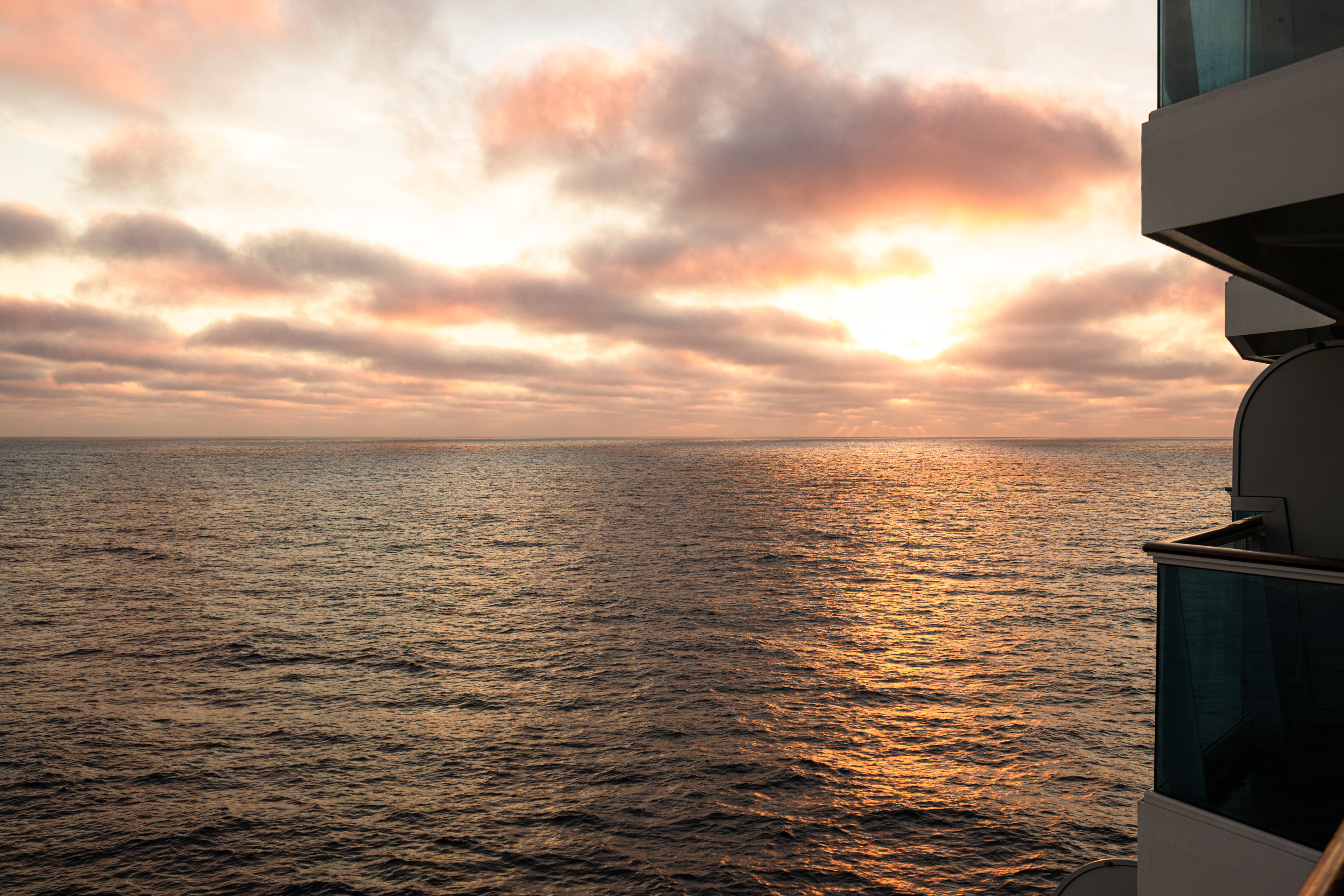
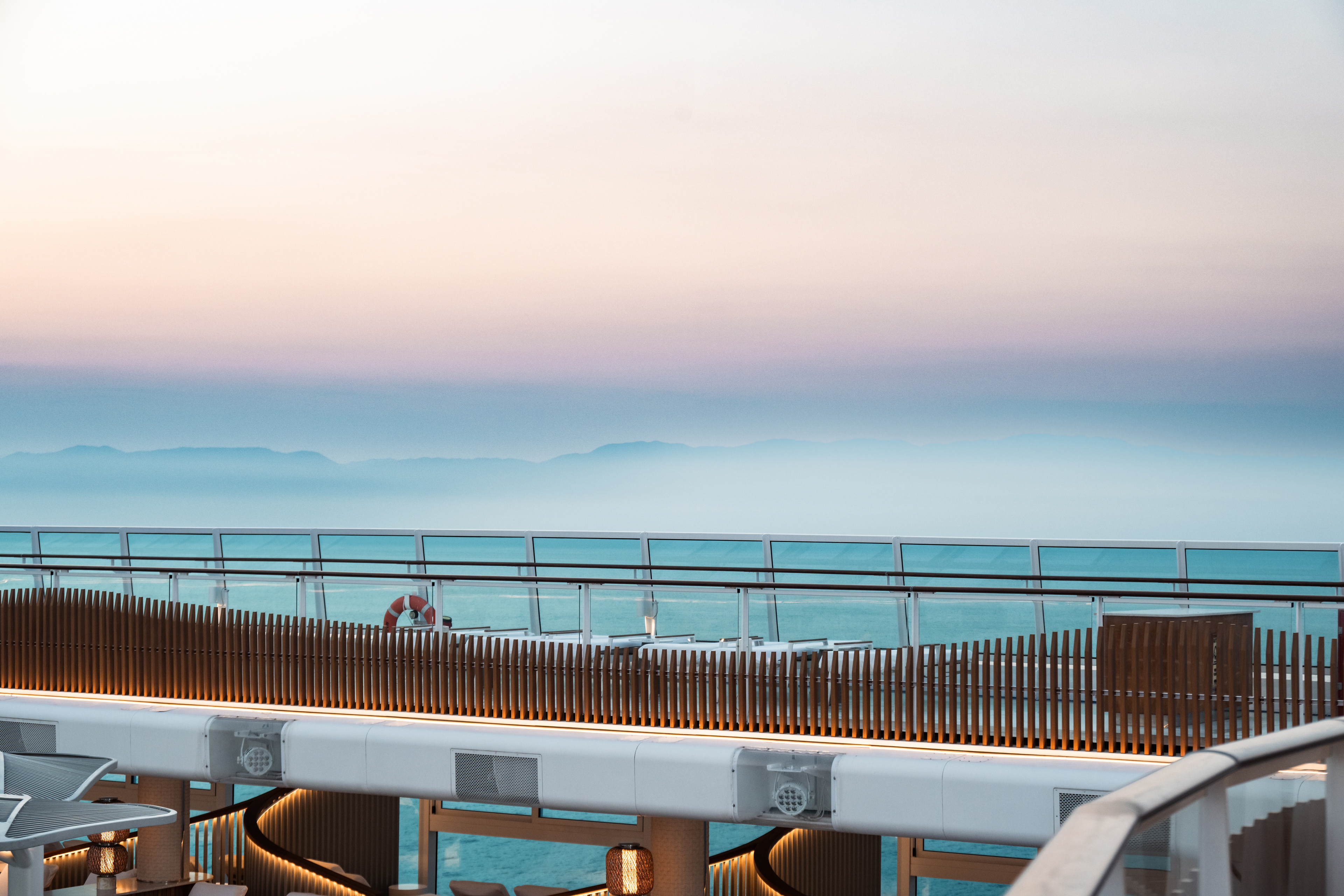
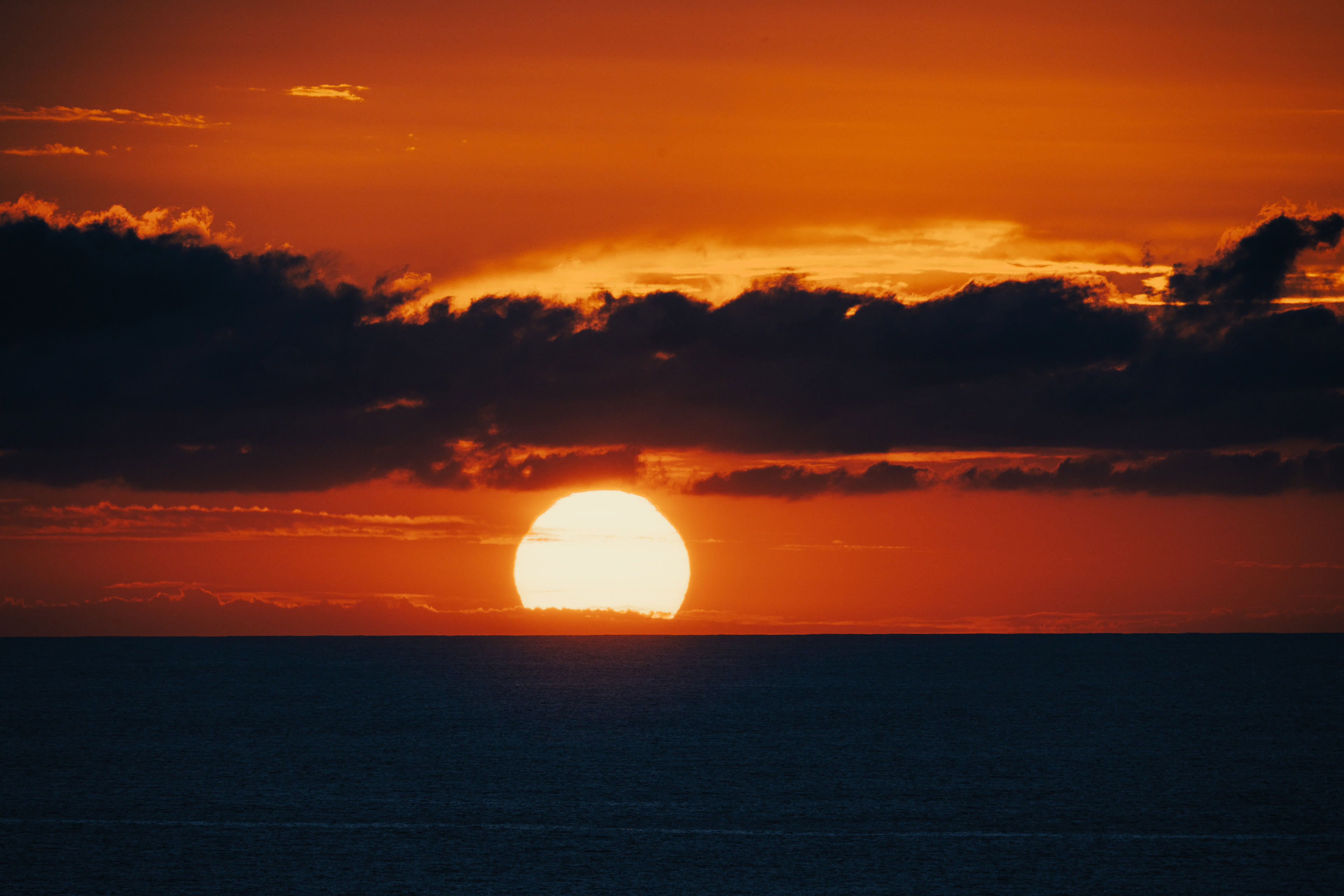
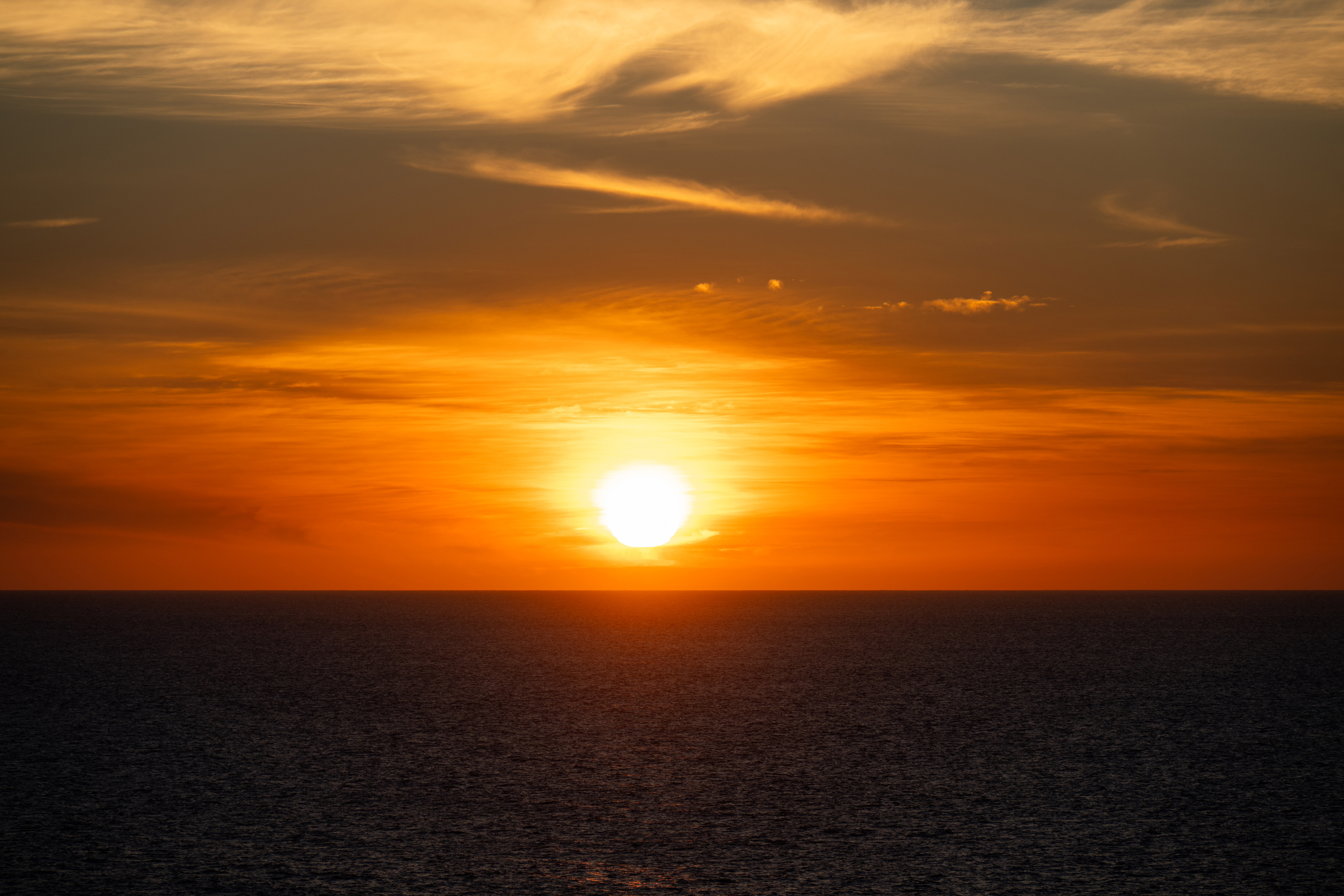
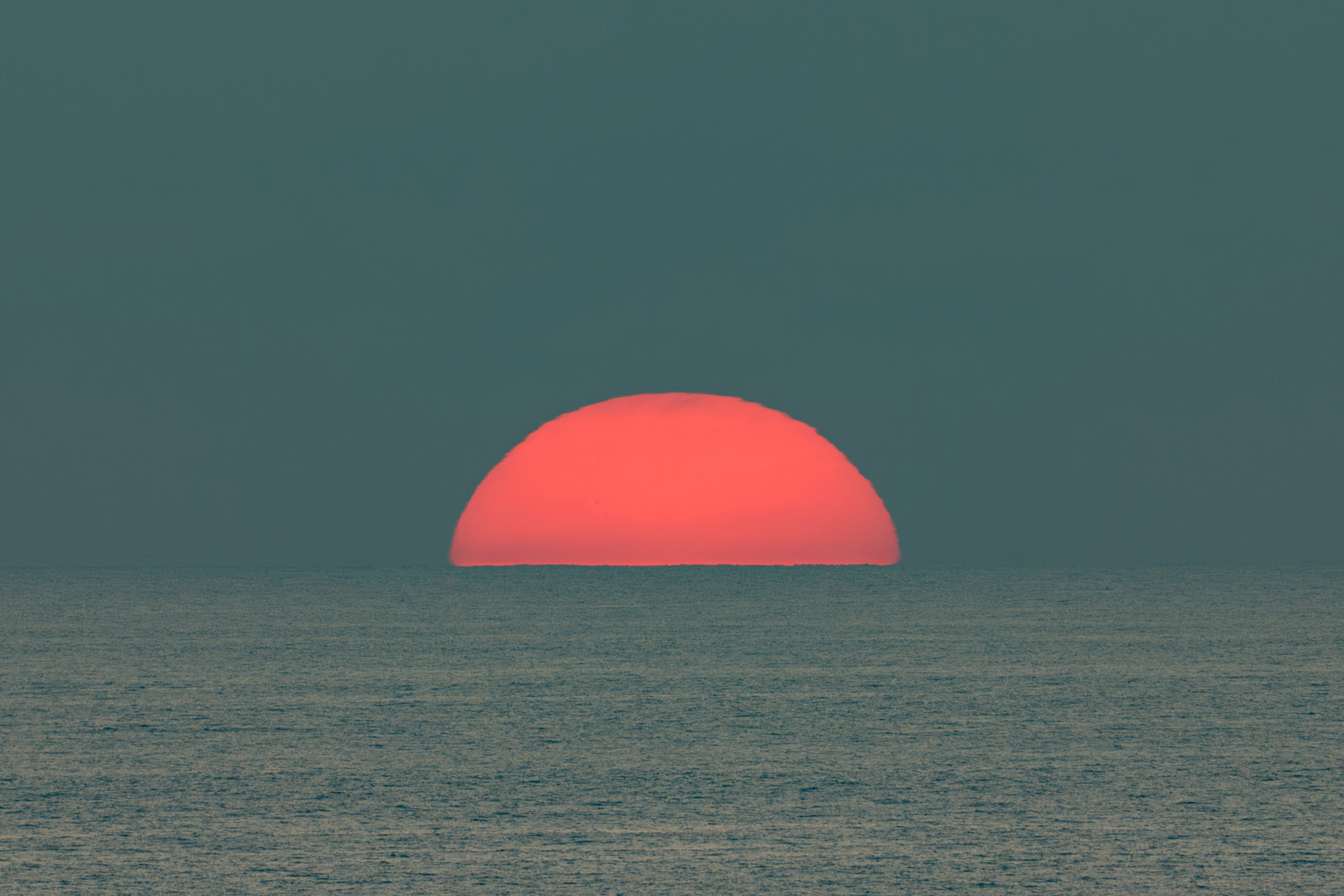
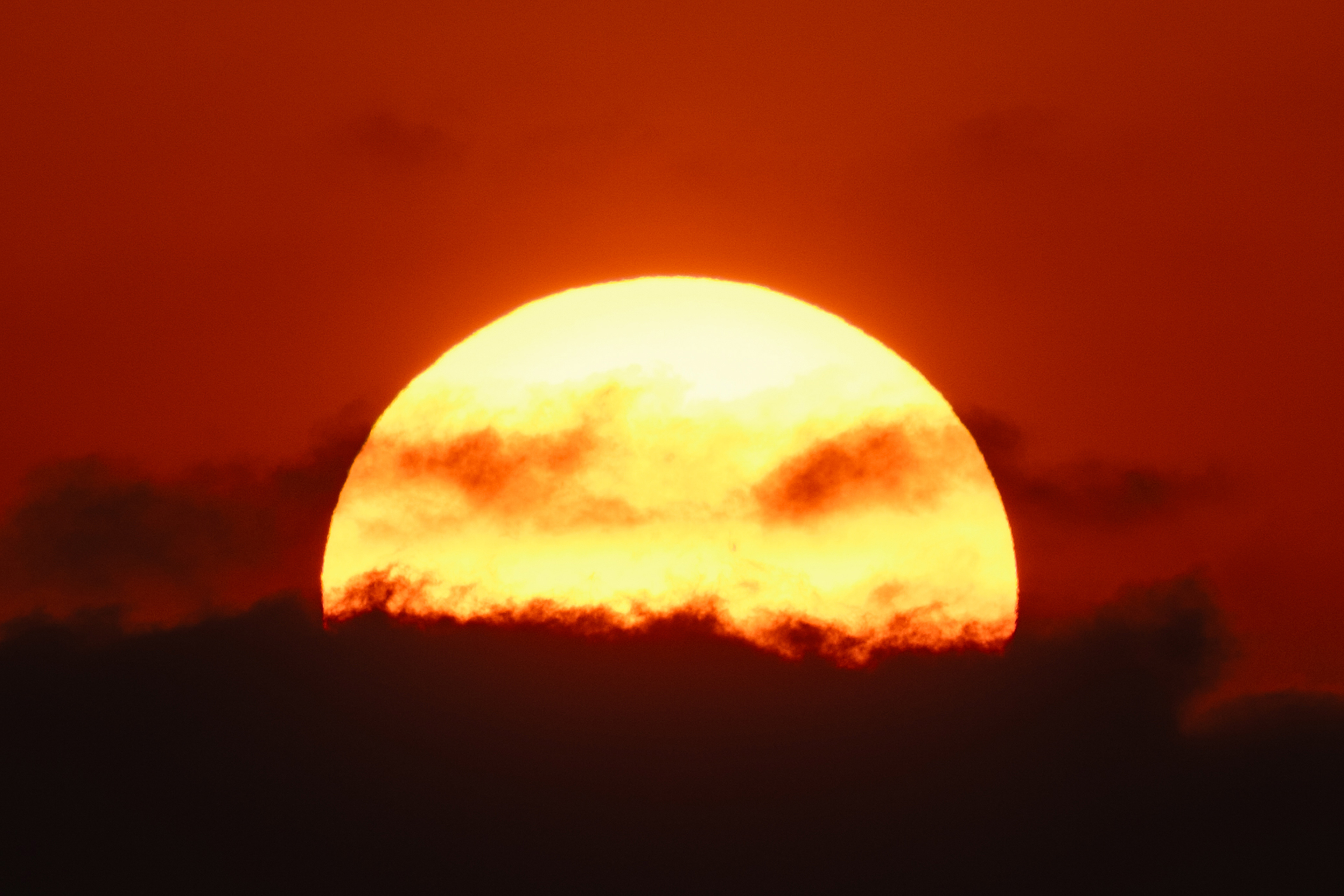
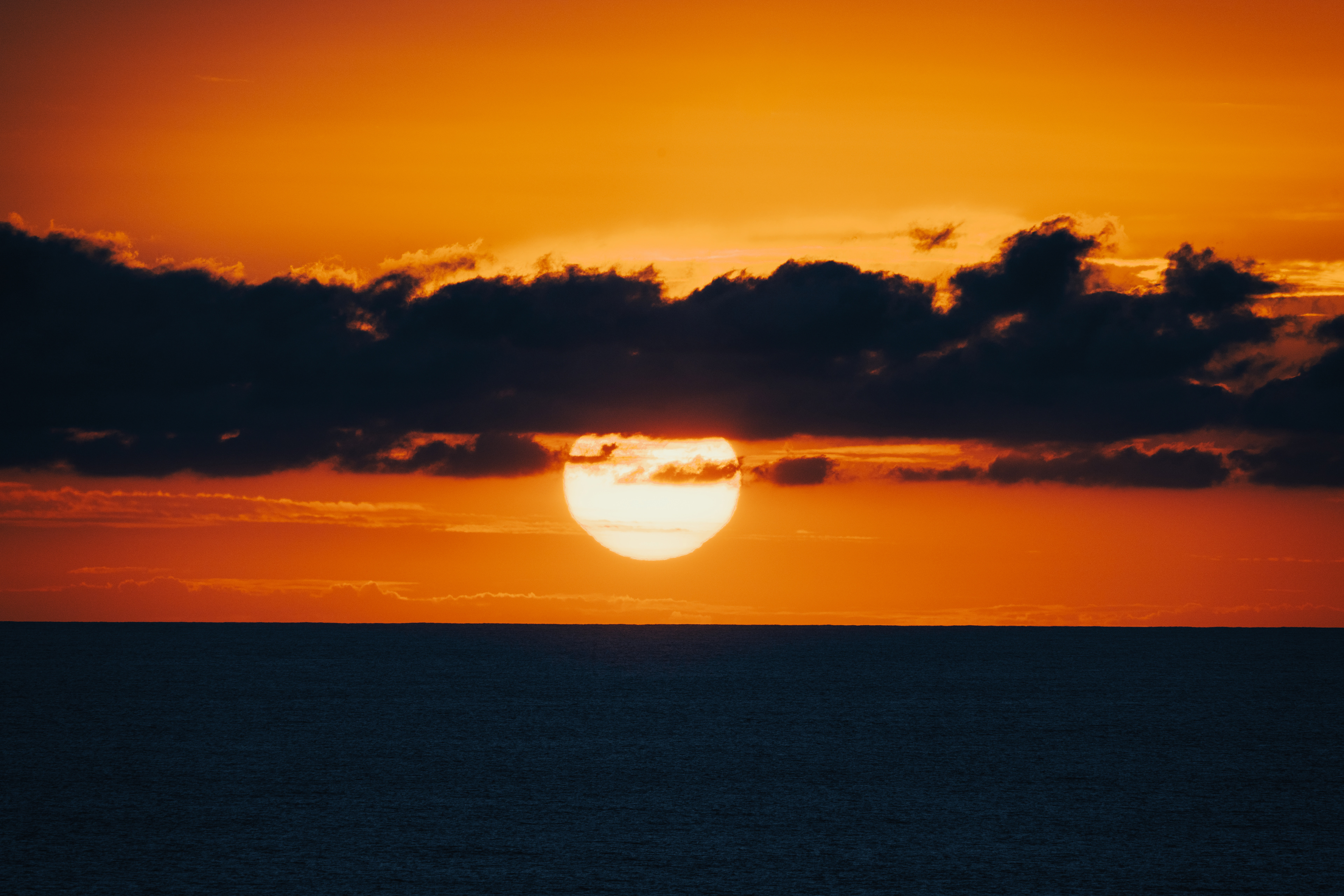
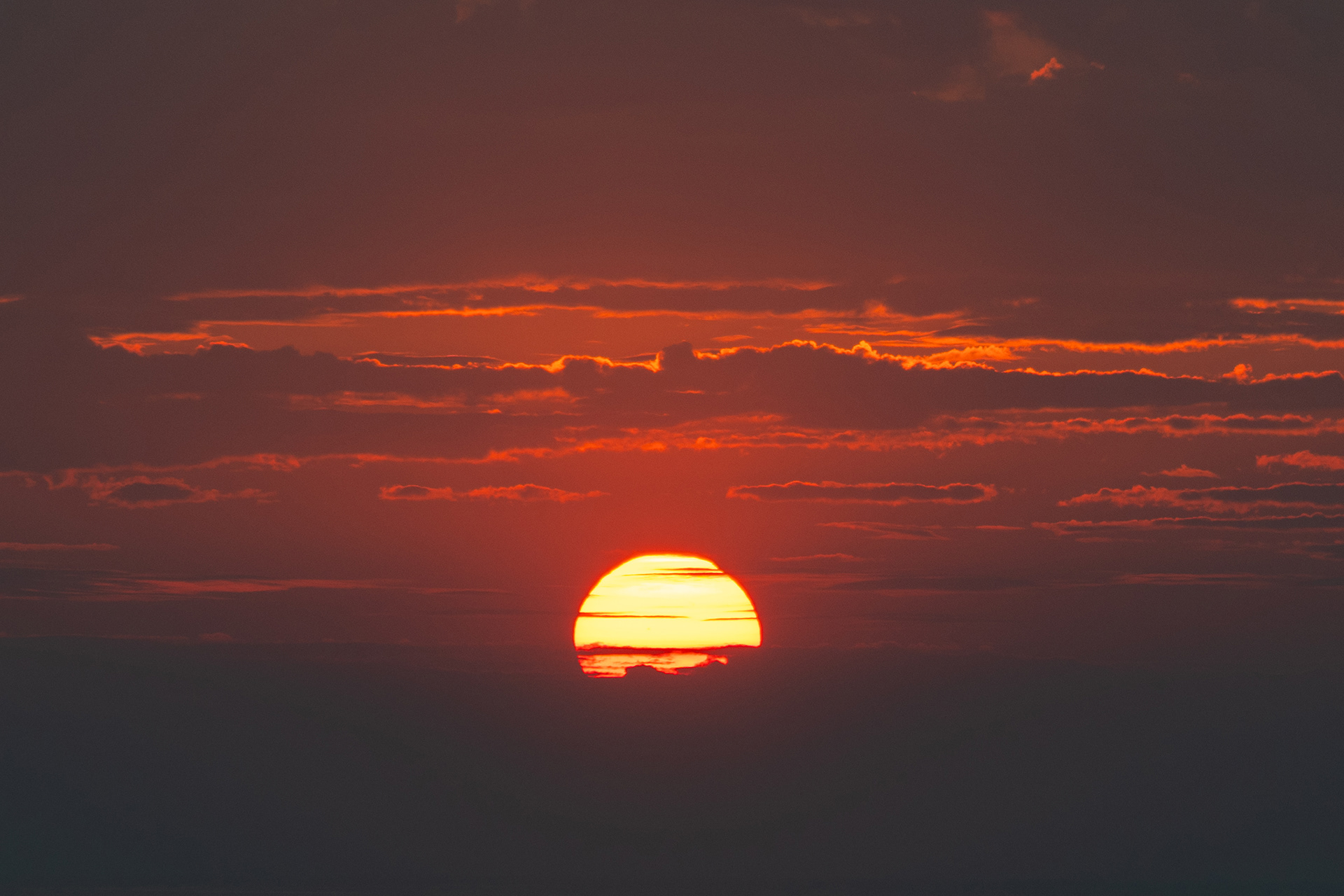
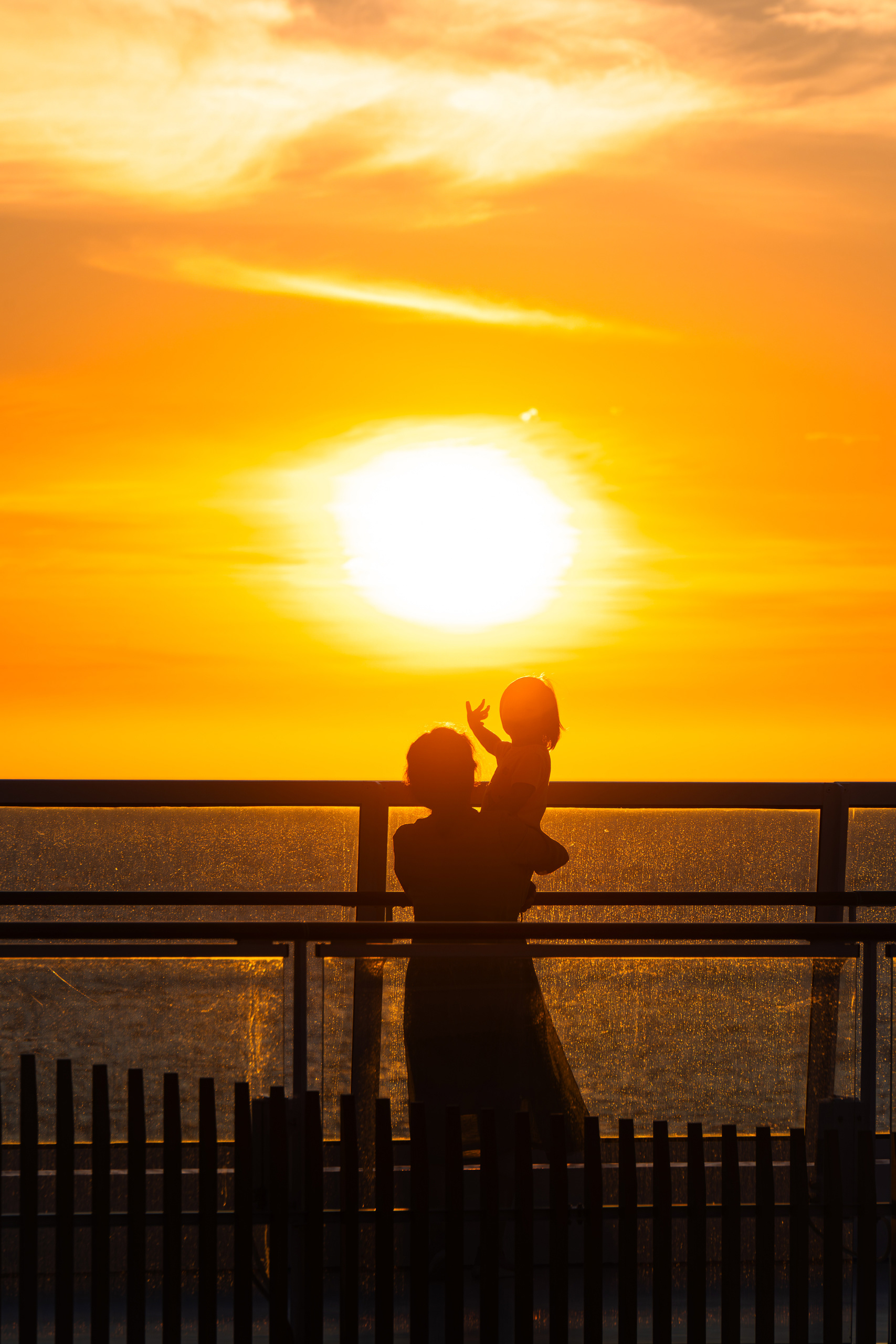
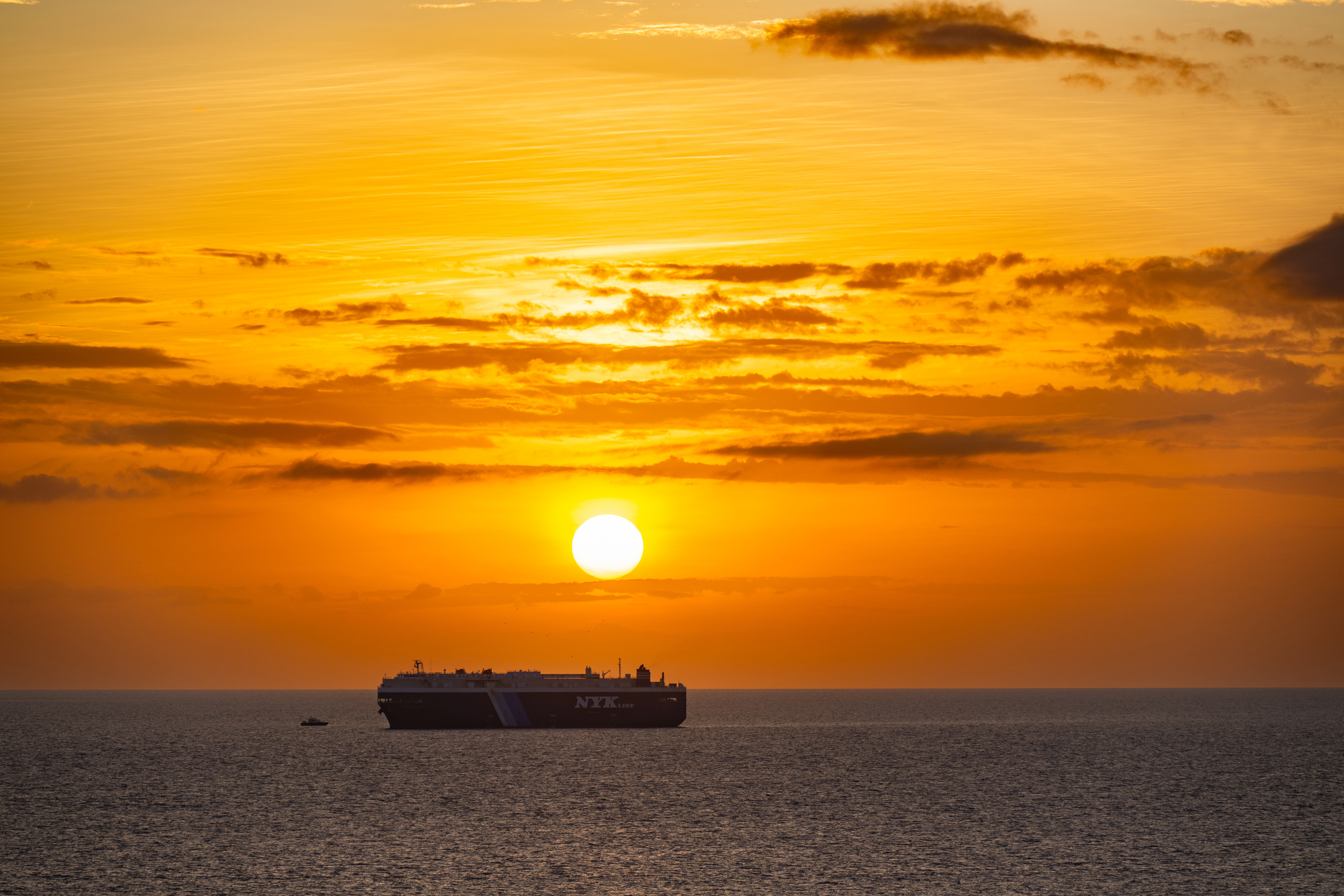
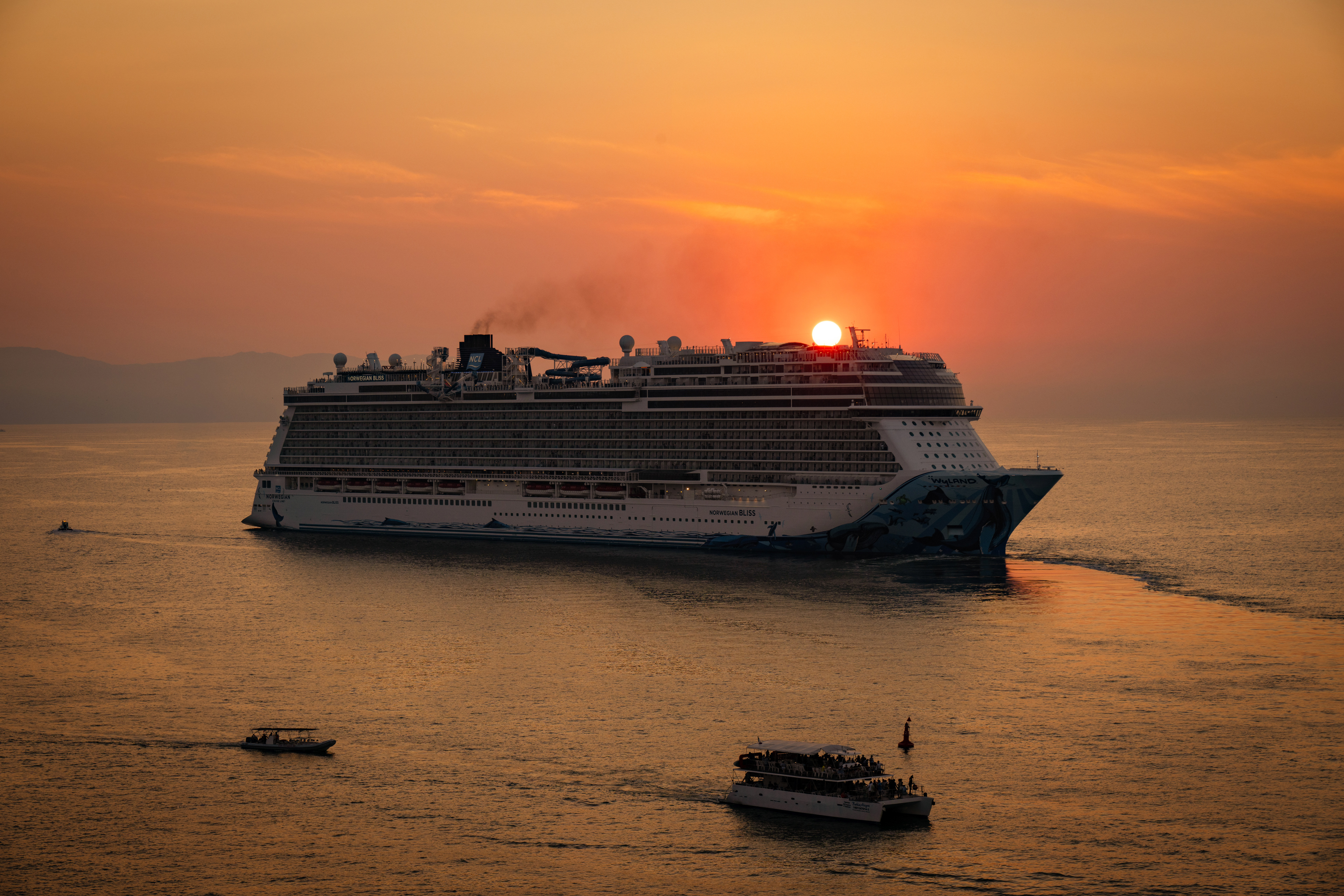
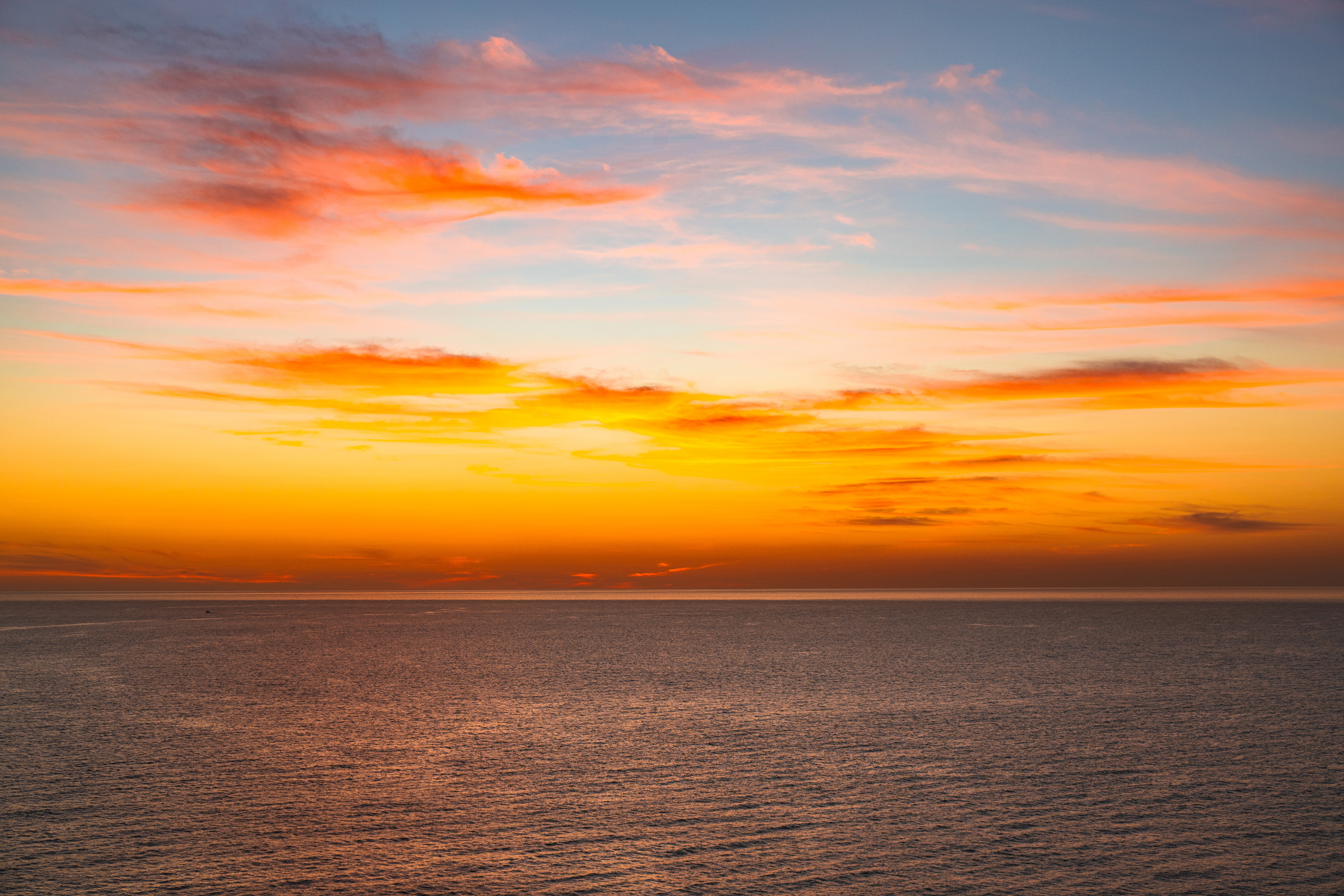
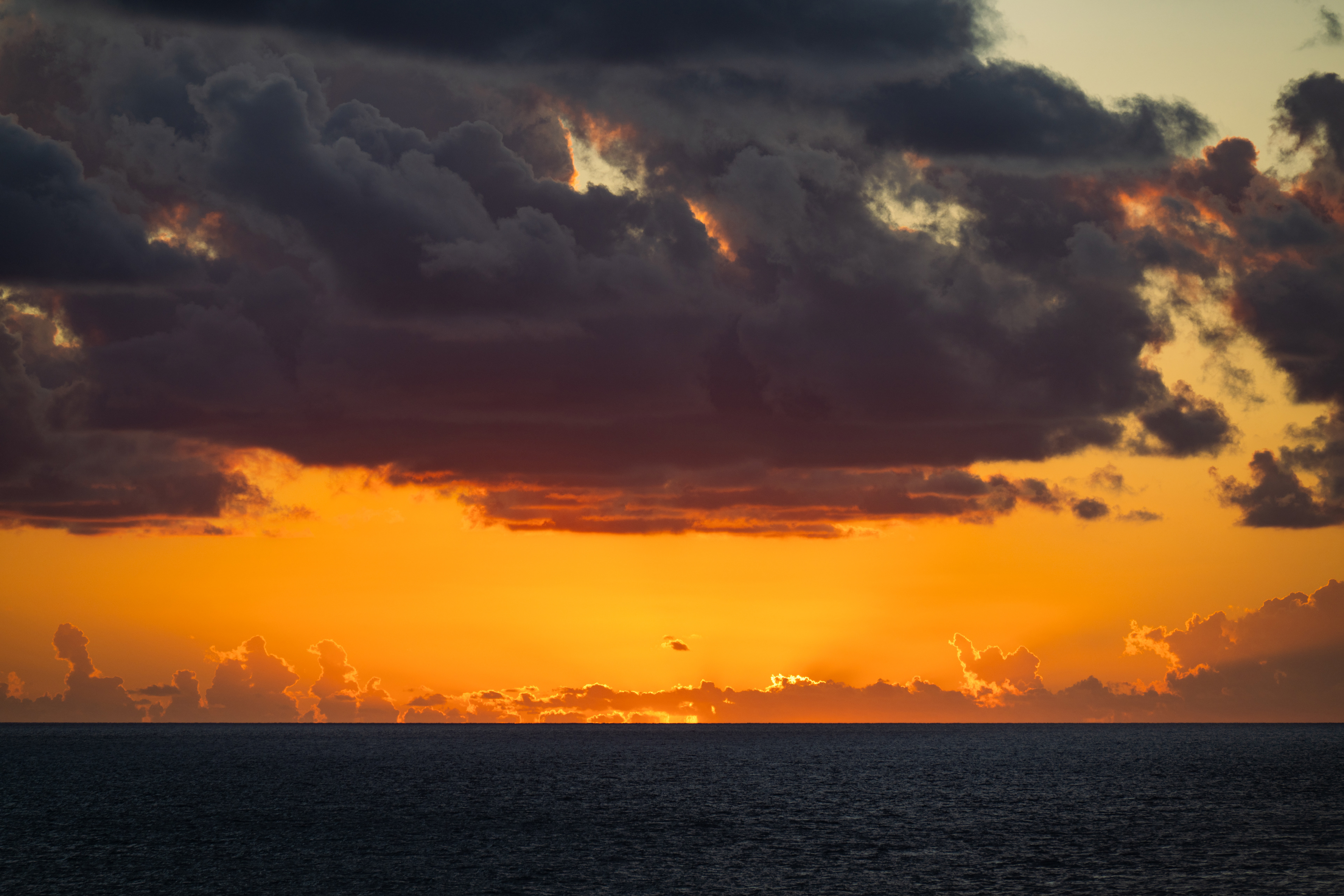
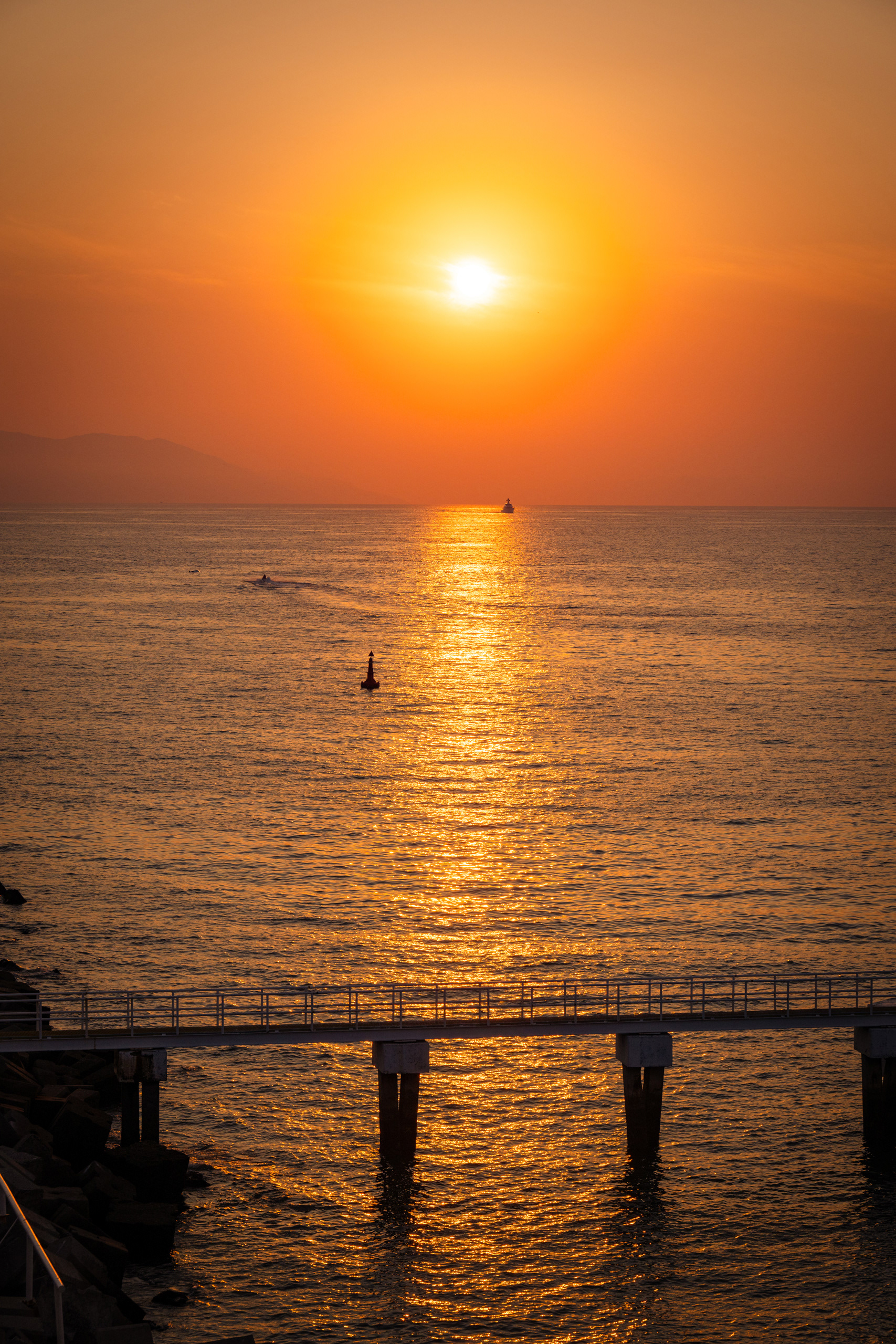
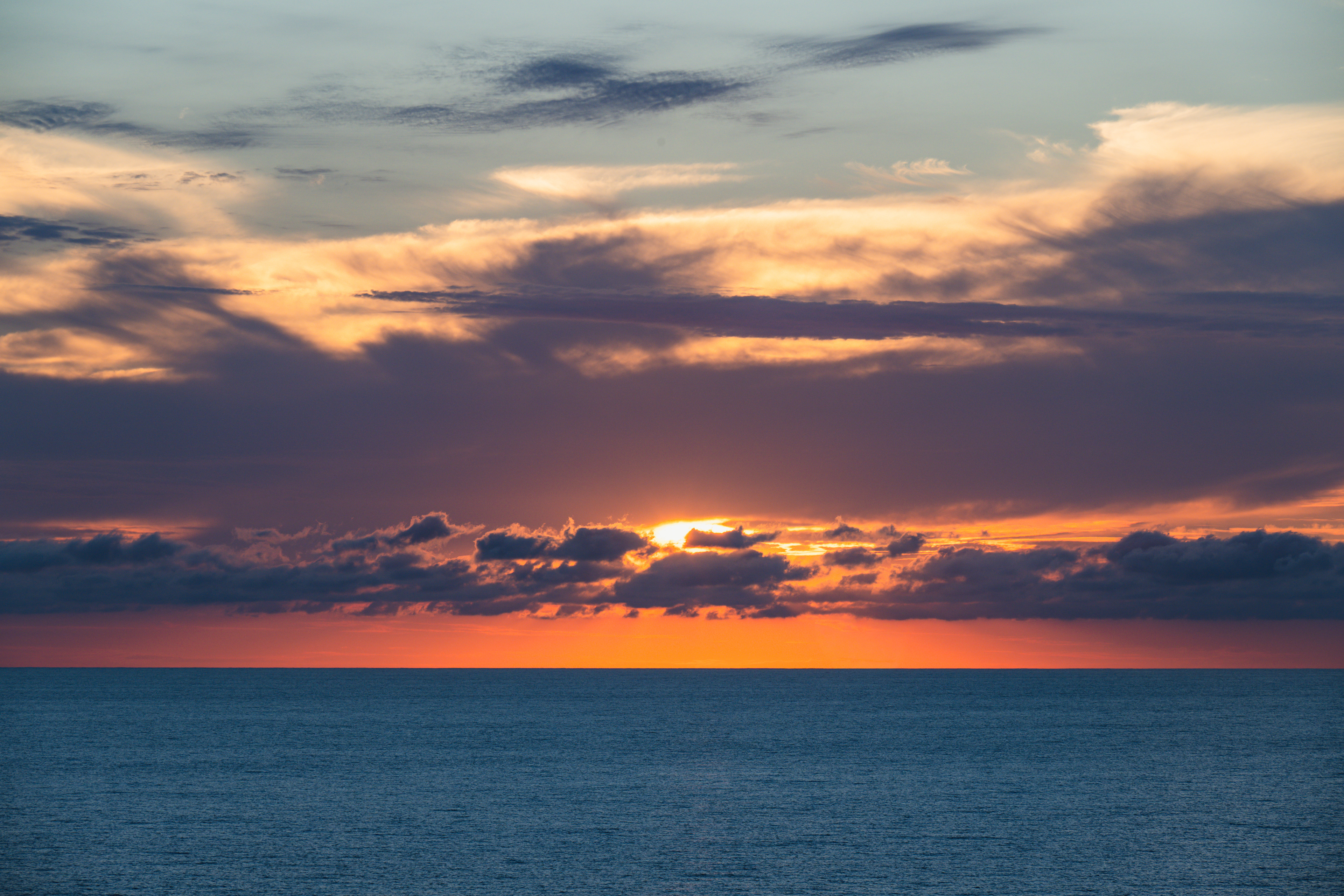
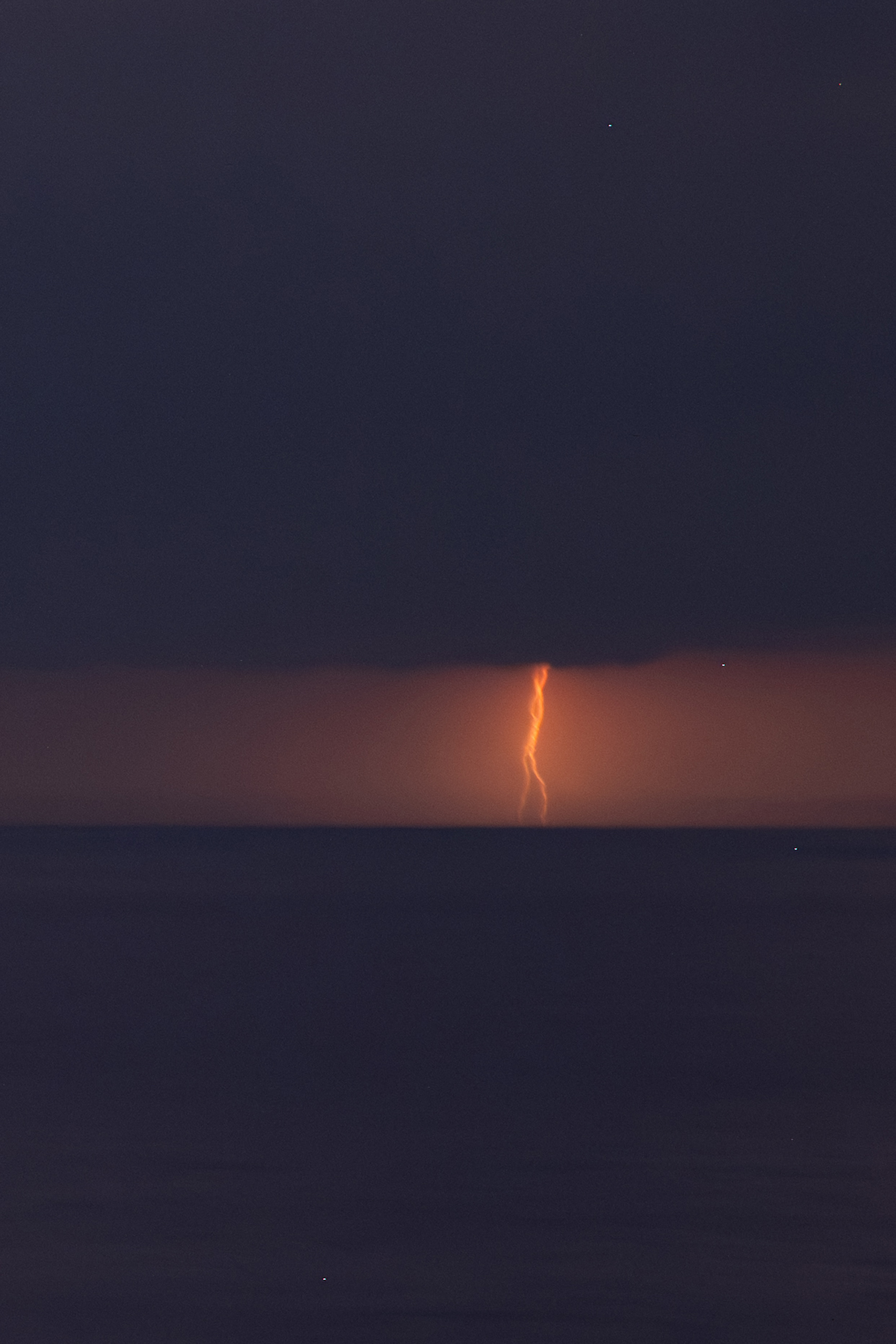
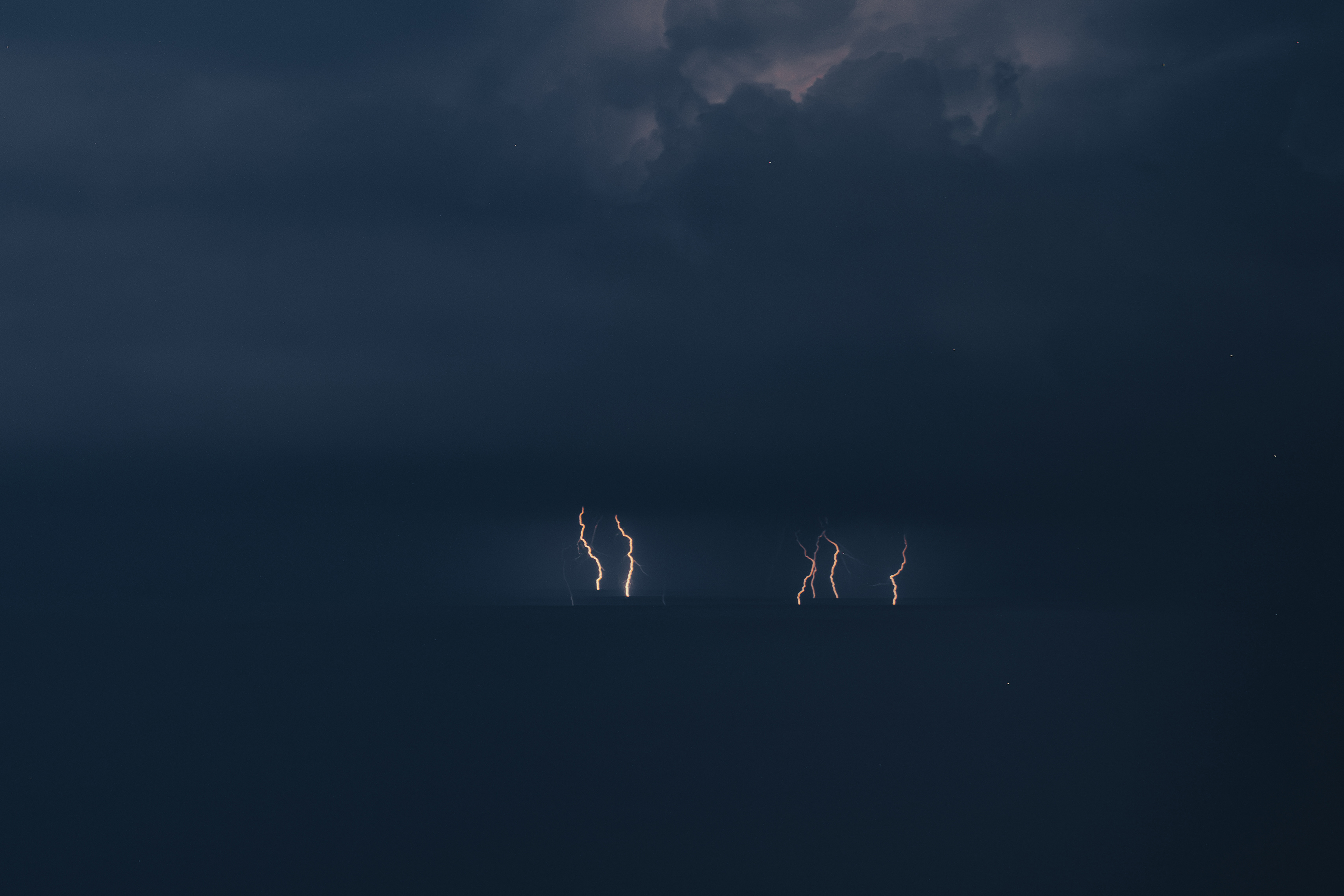
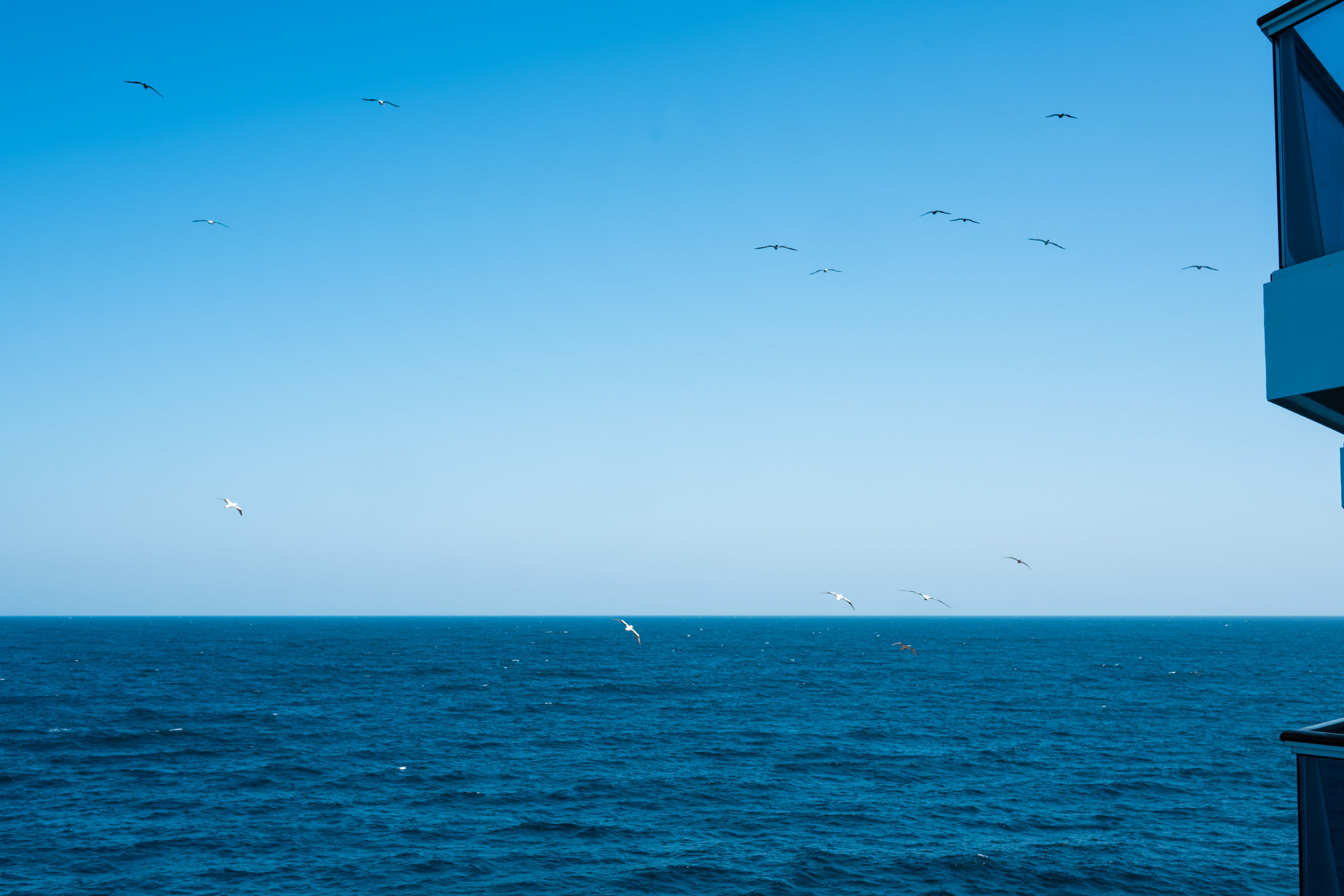
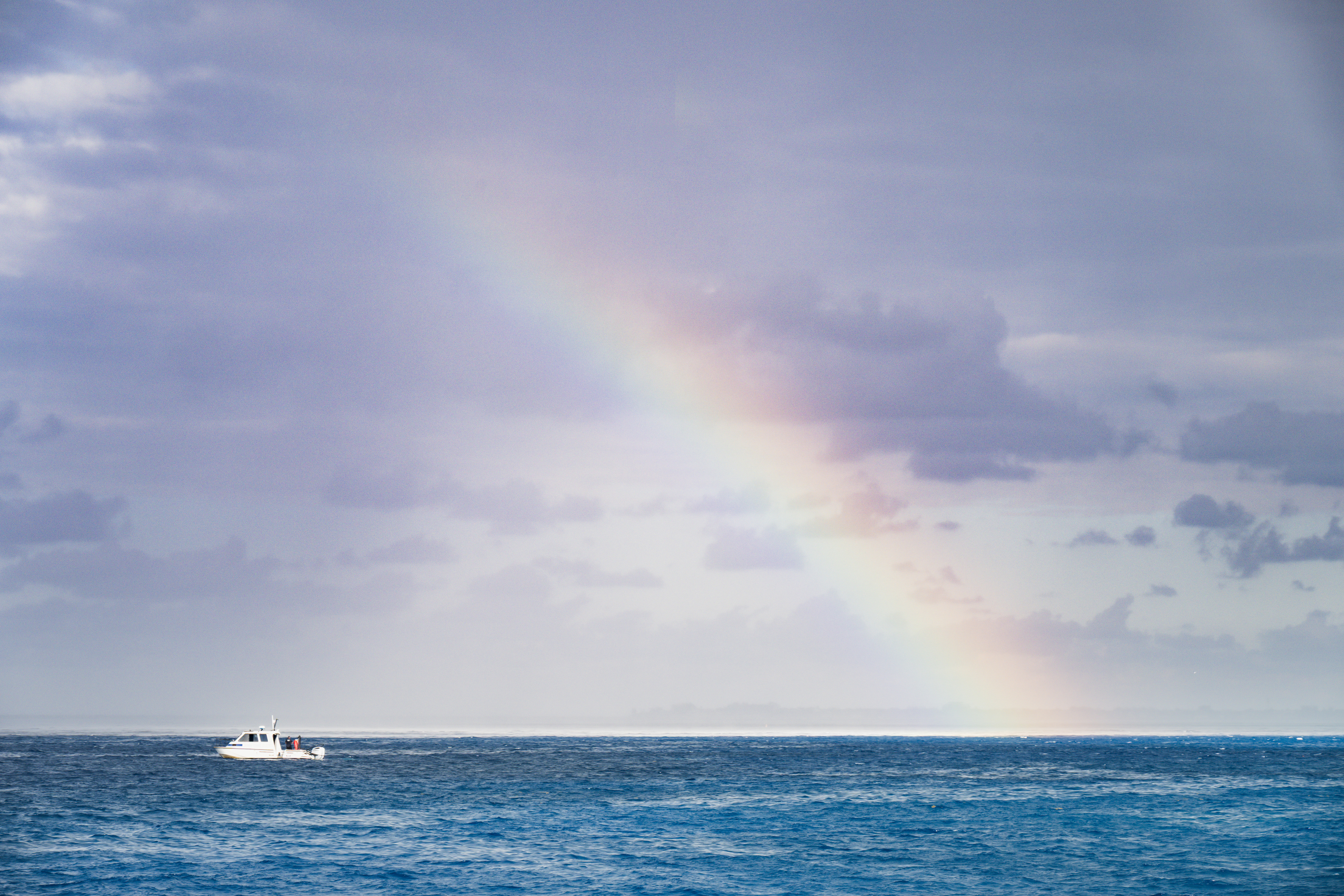
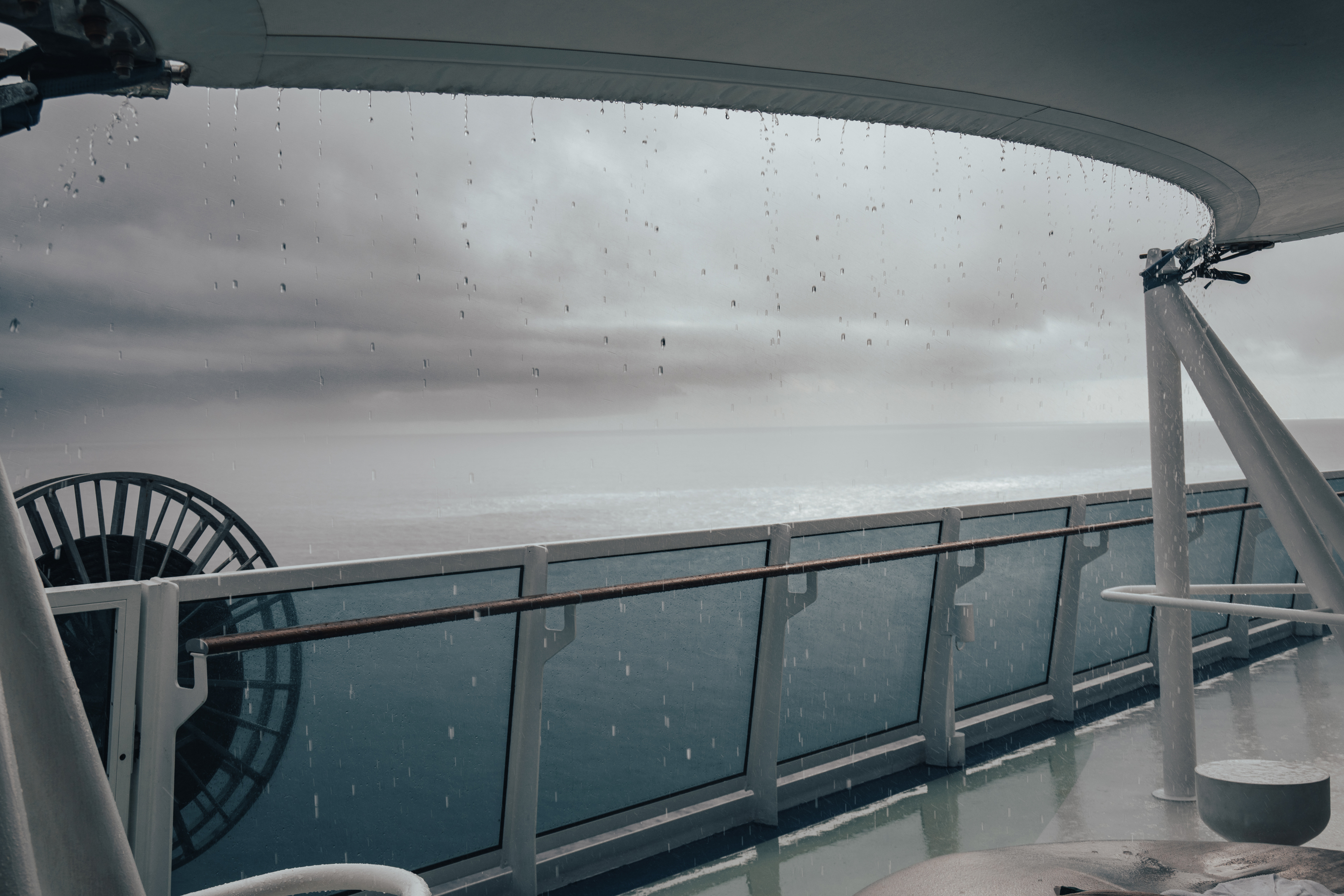
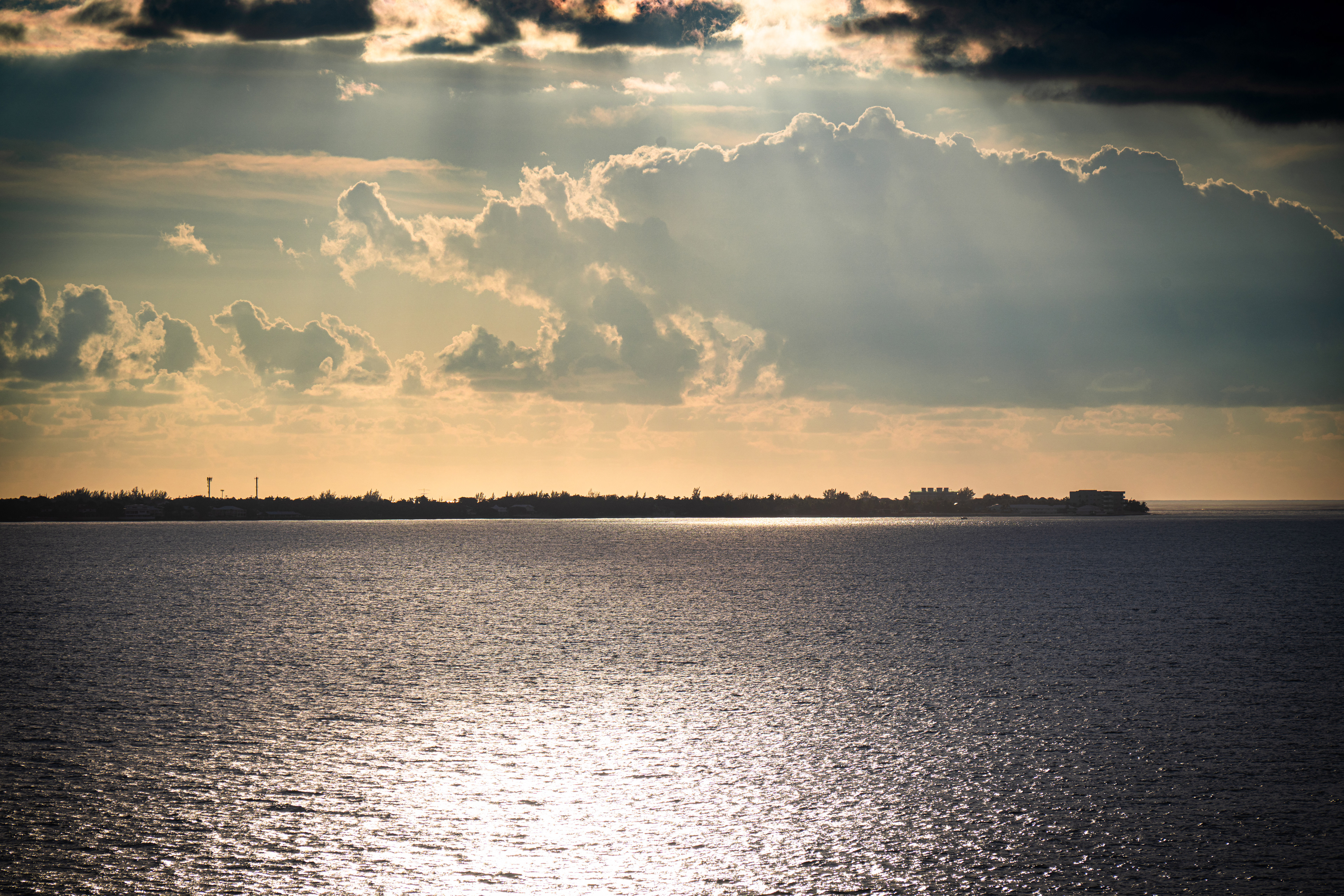
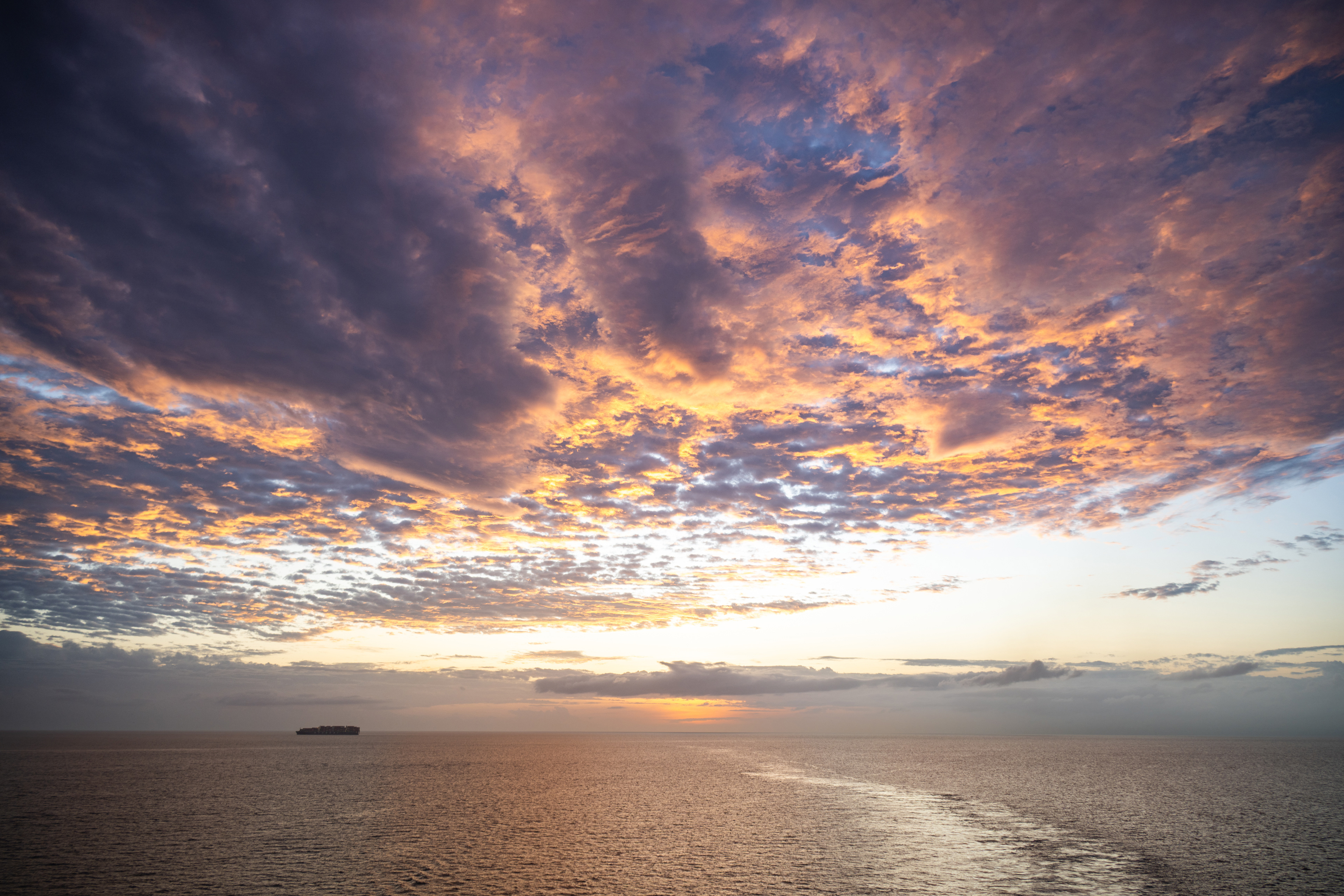
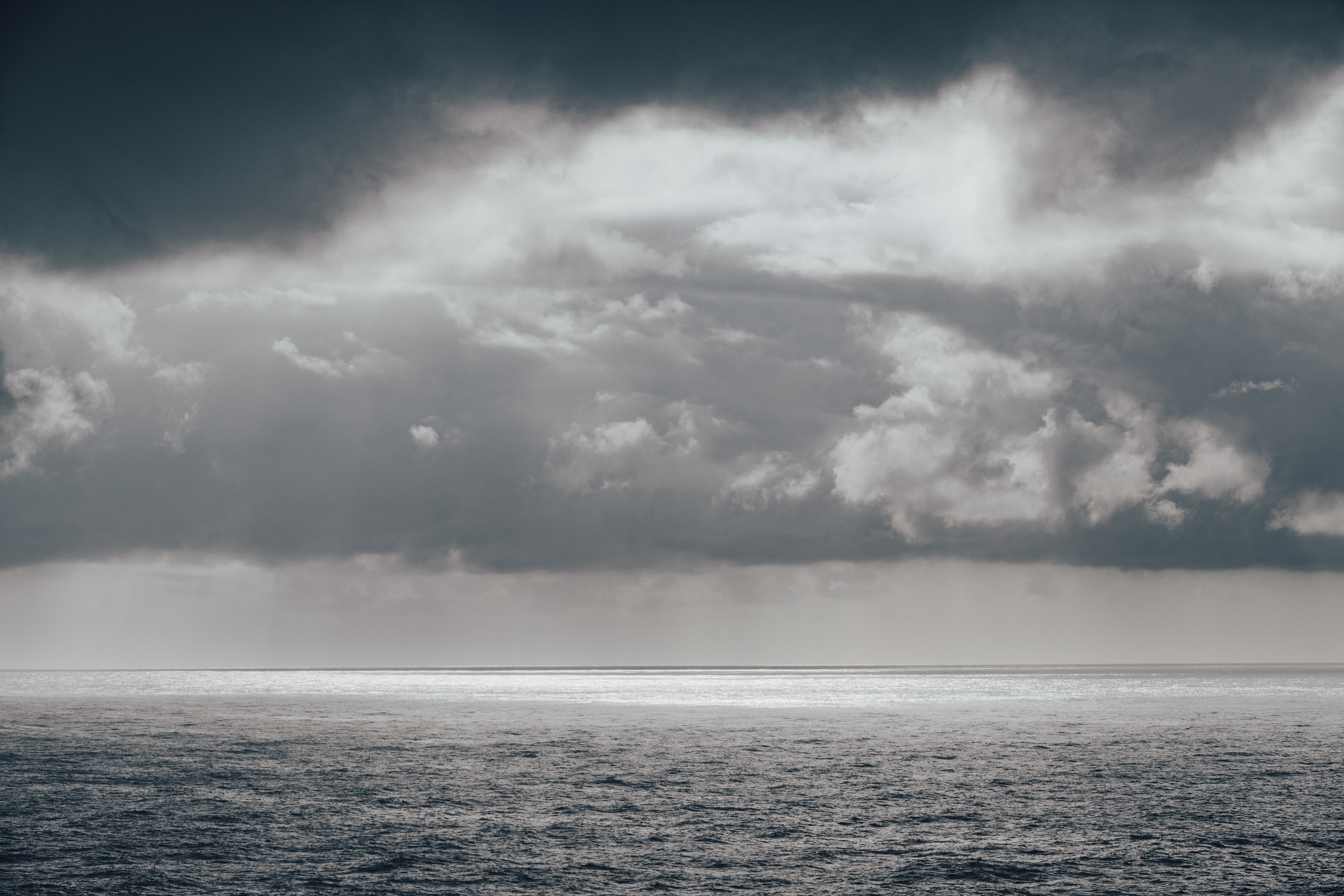
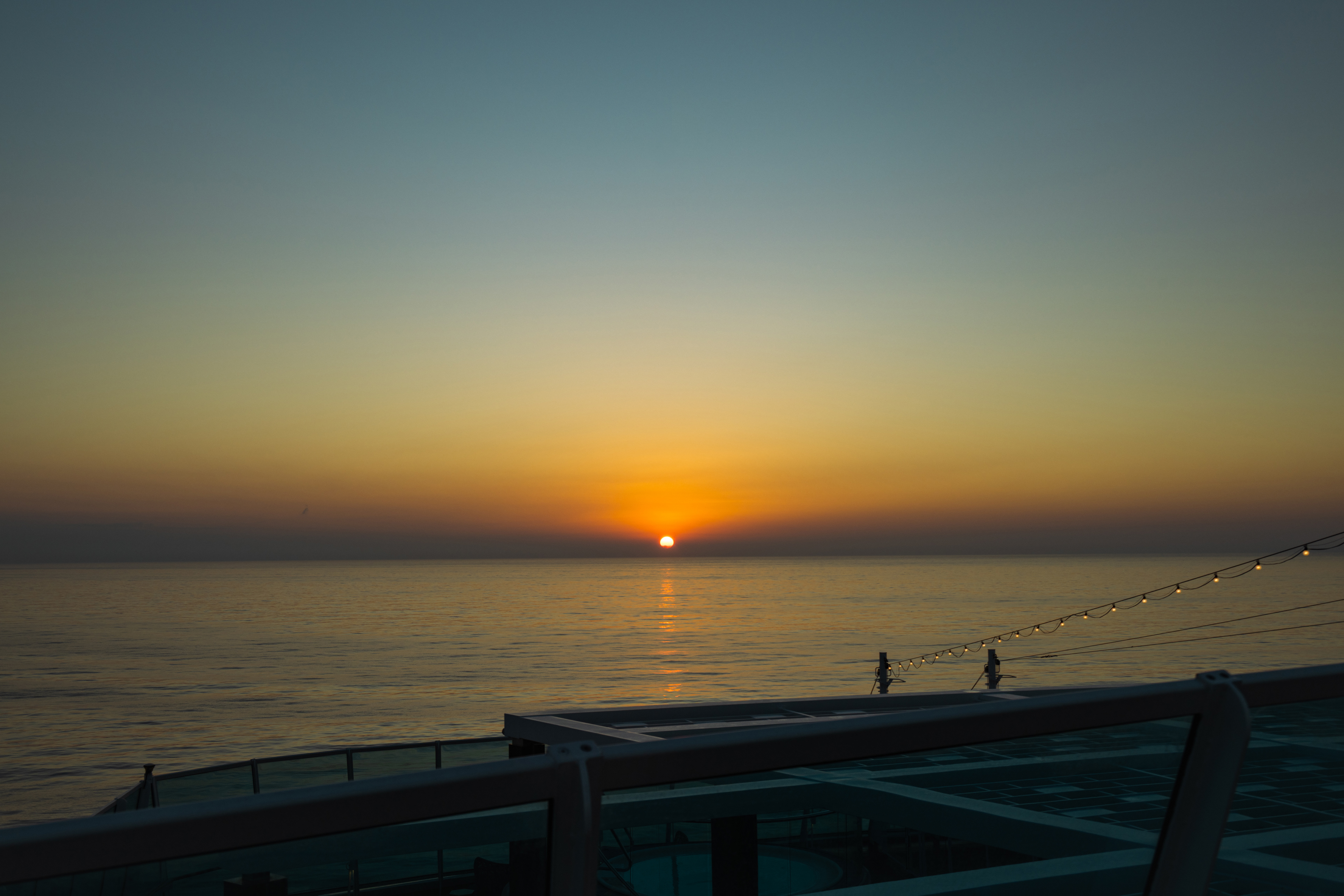
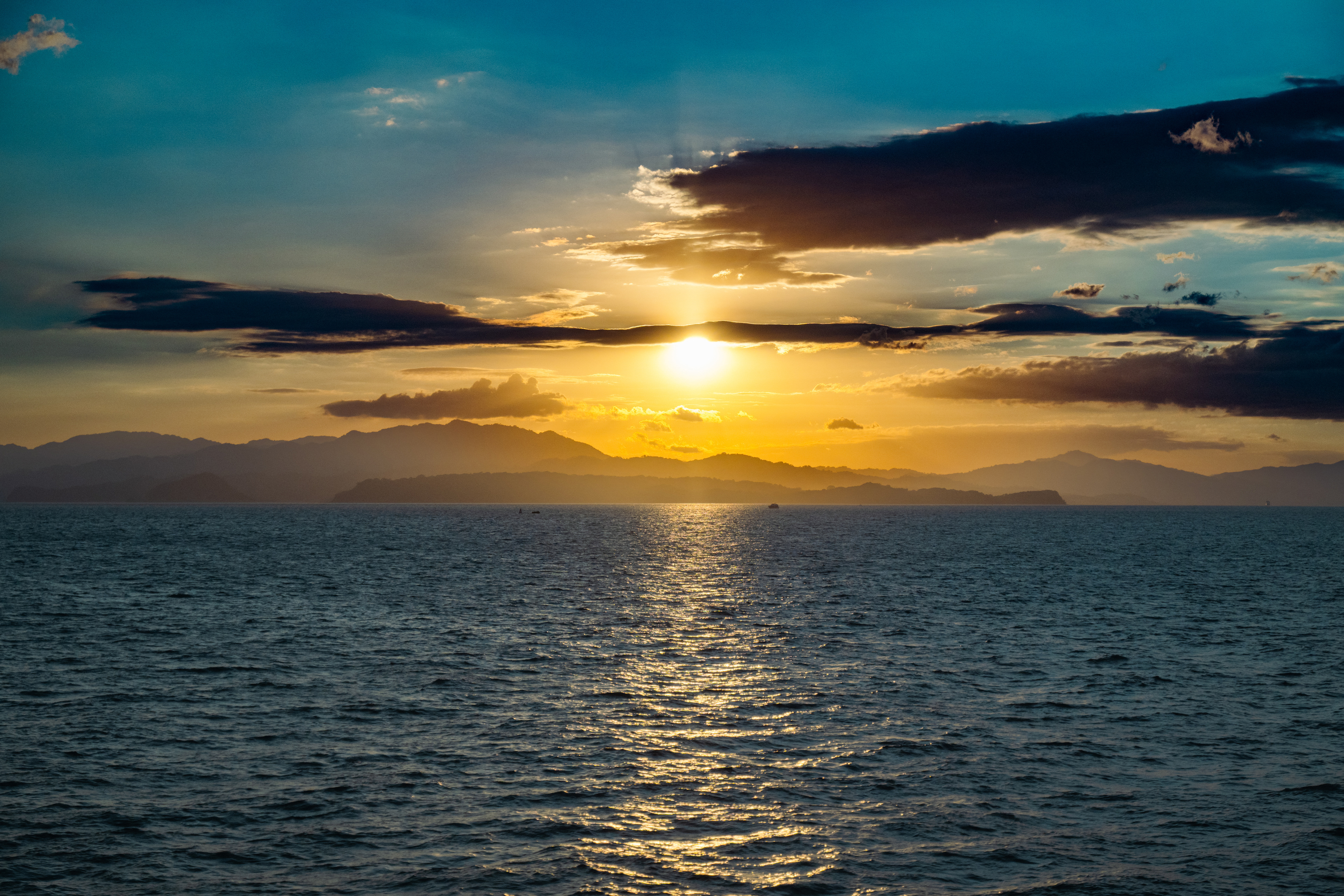
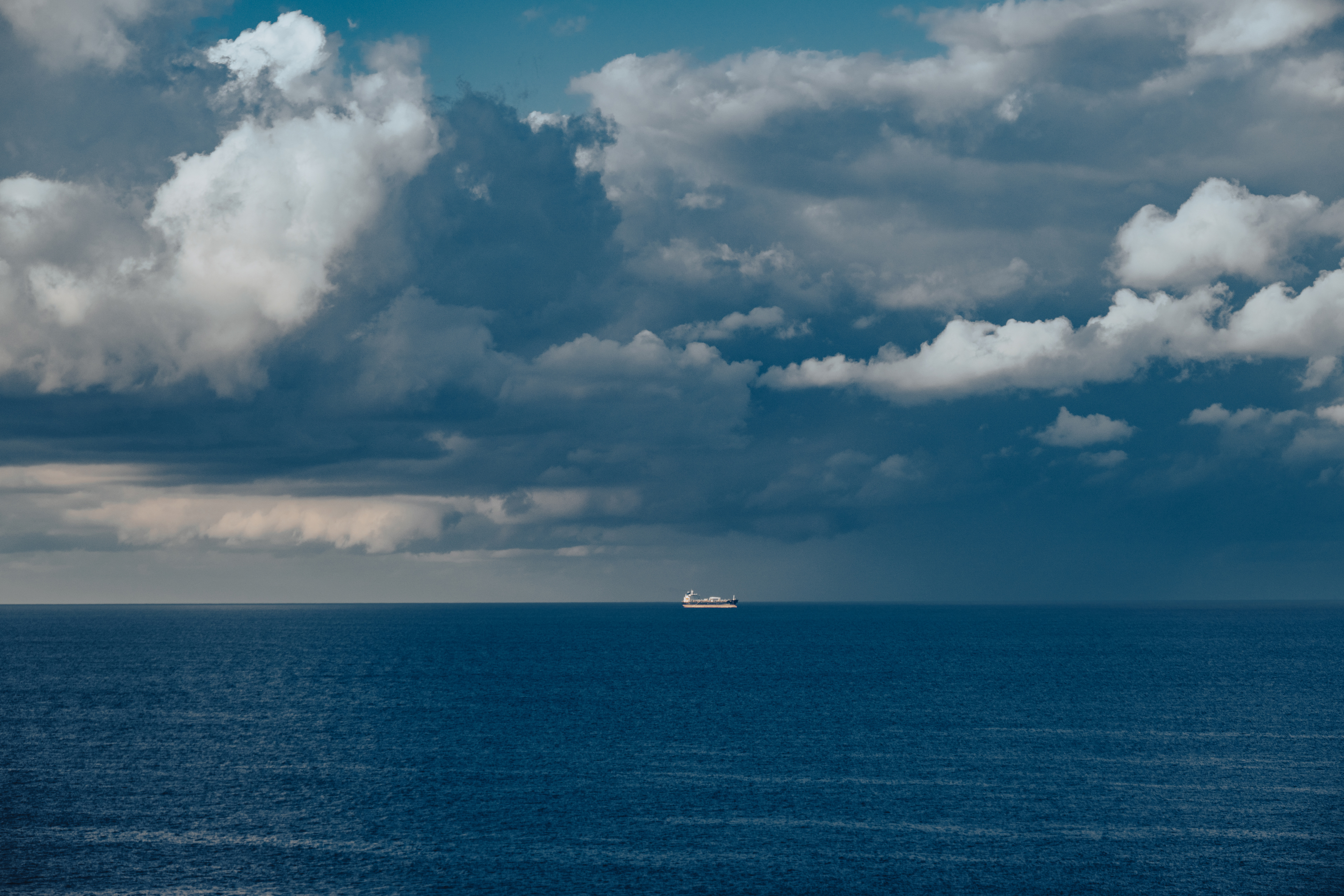
The skies. One of the underrated pleasures of an 18-day voyage is the relentlessness of the sky. A balcony stateroom means you see every sunrise and sunset whether you intended to or not, and the light behaves differently every time.

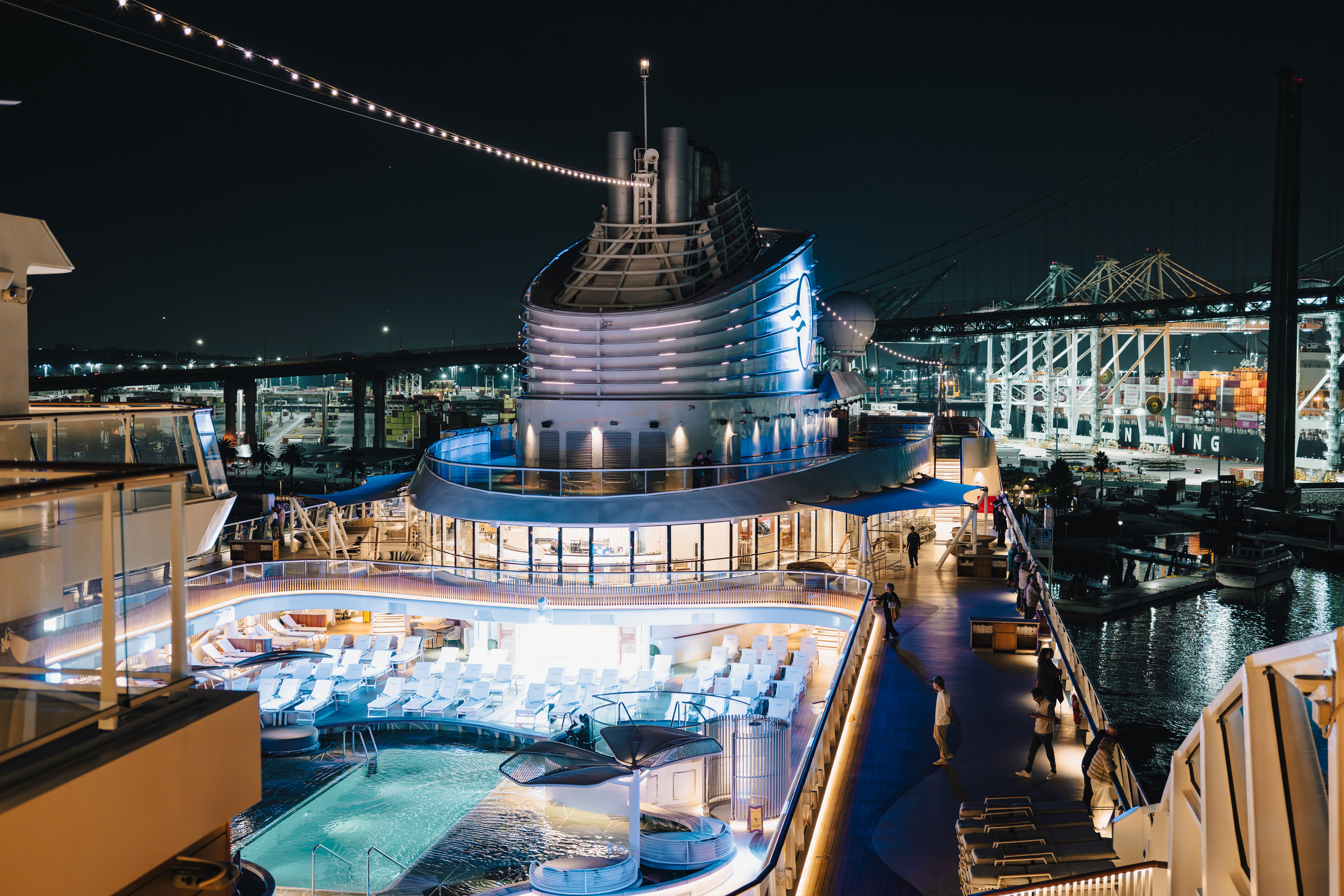
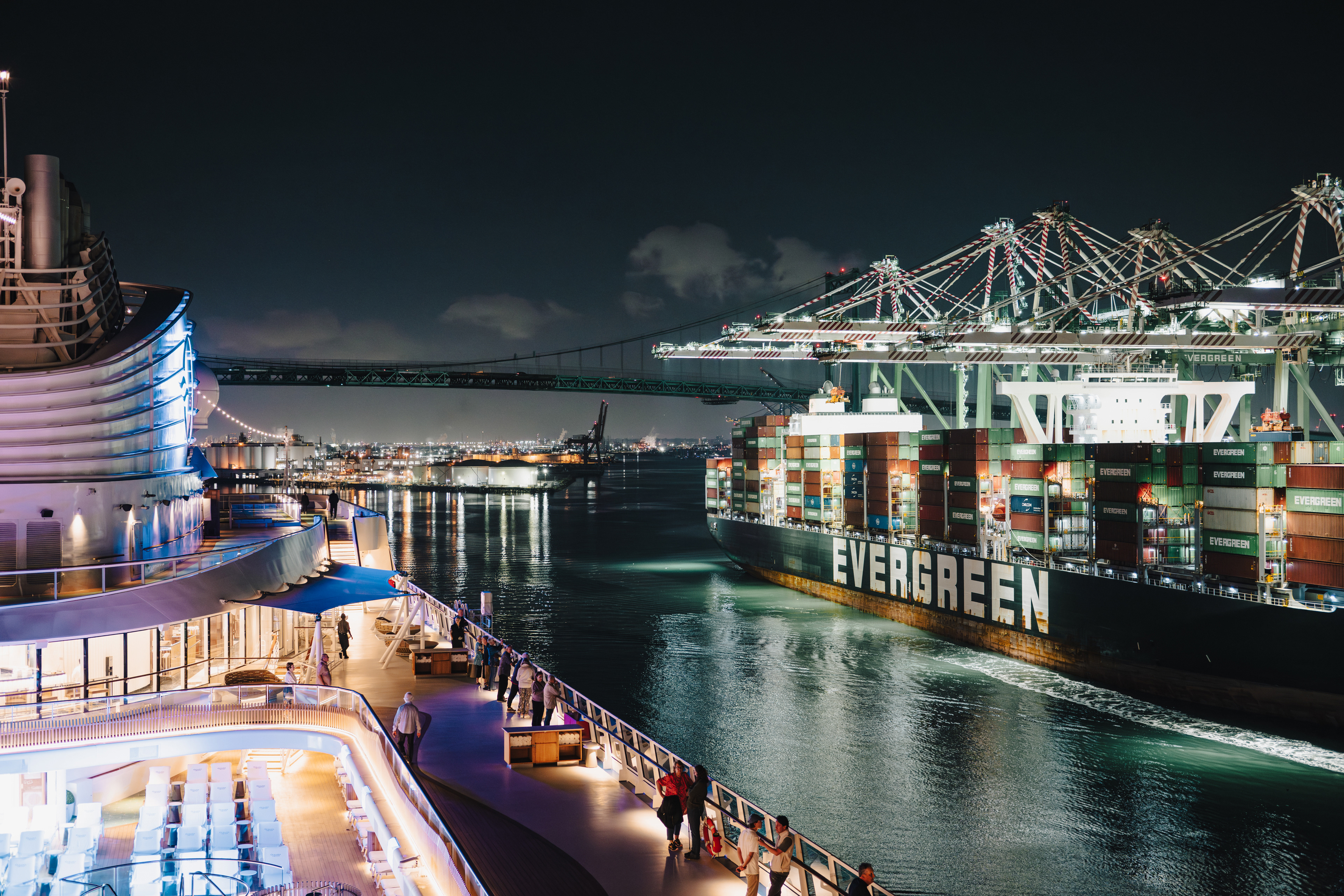
Embarkation: Long Beach and World Cruise Terminal of Los Angeles
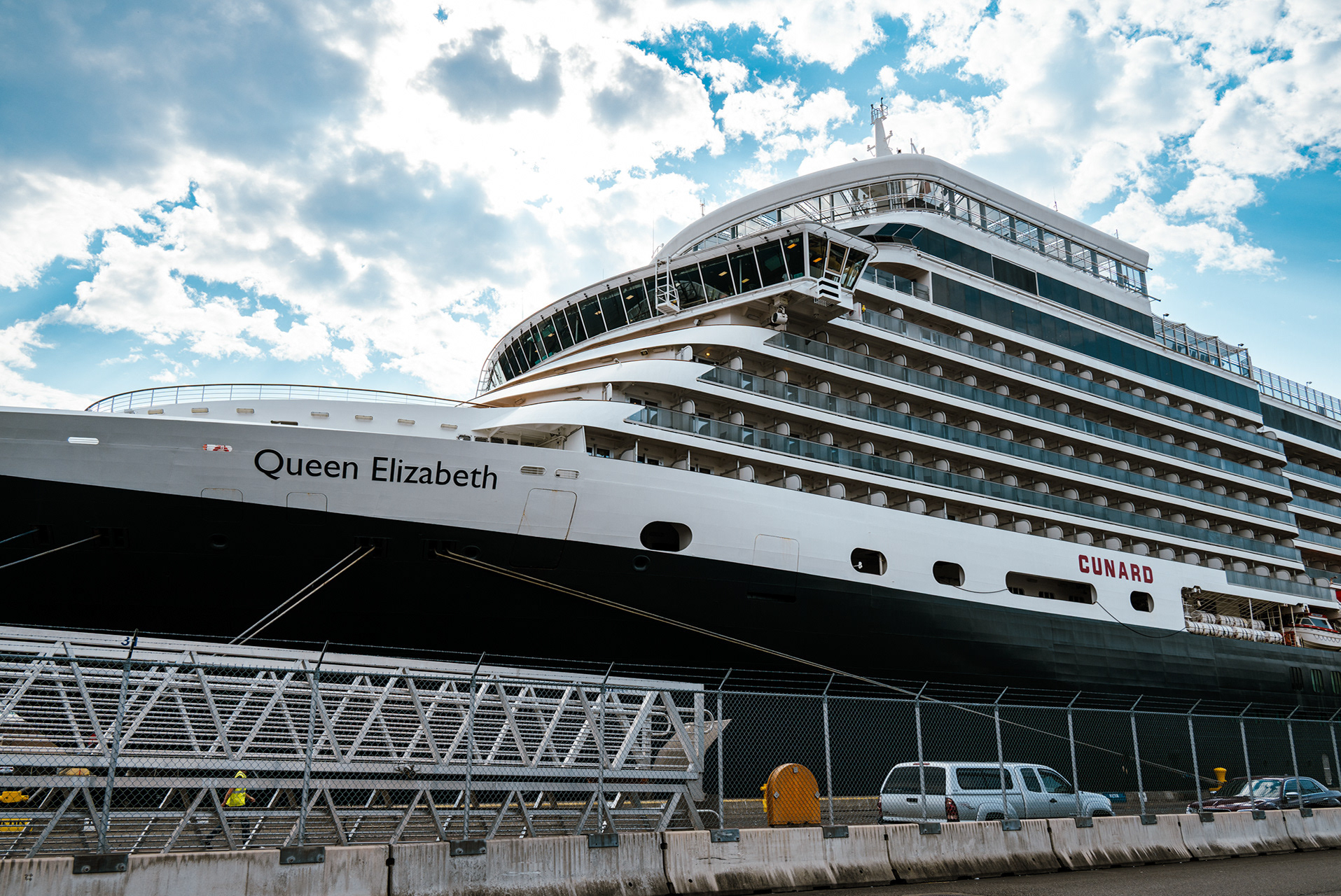
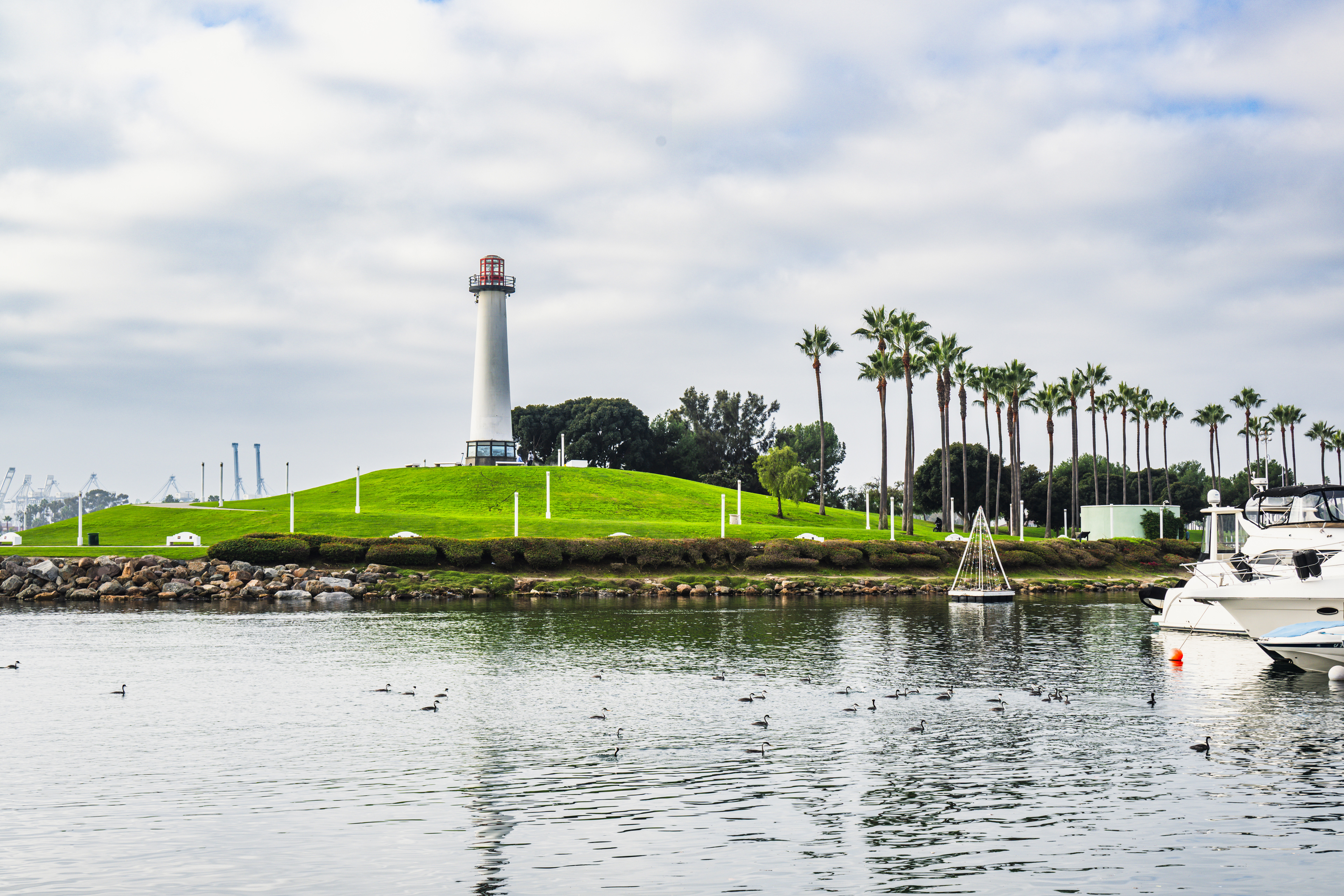
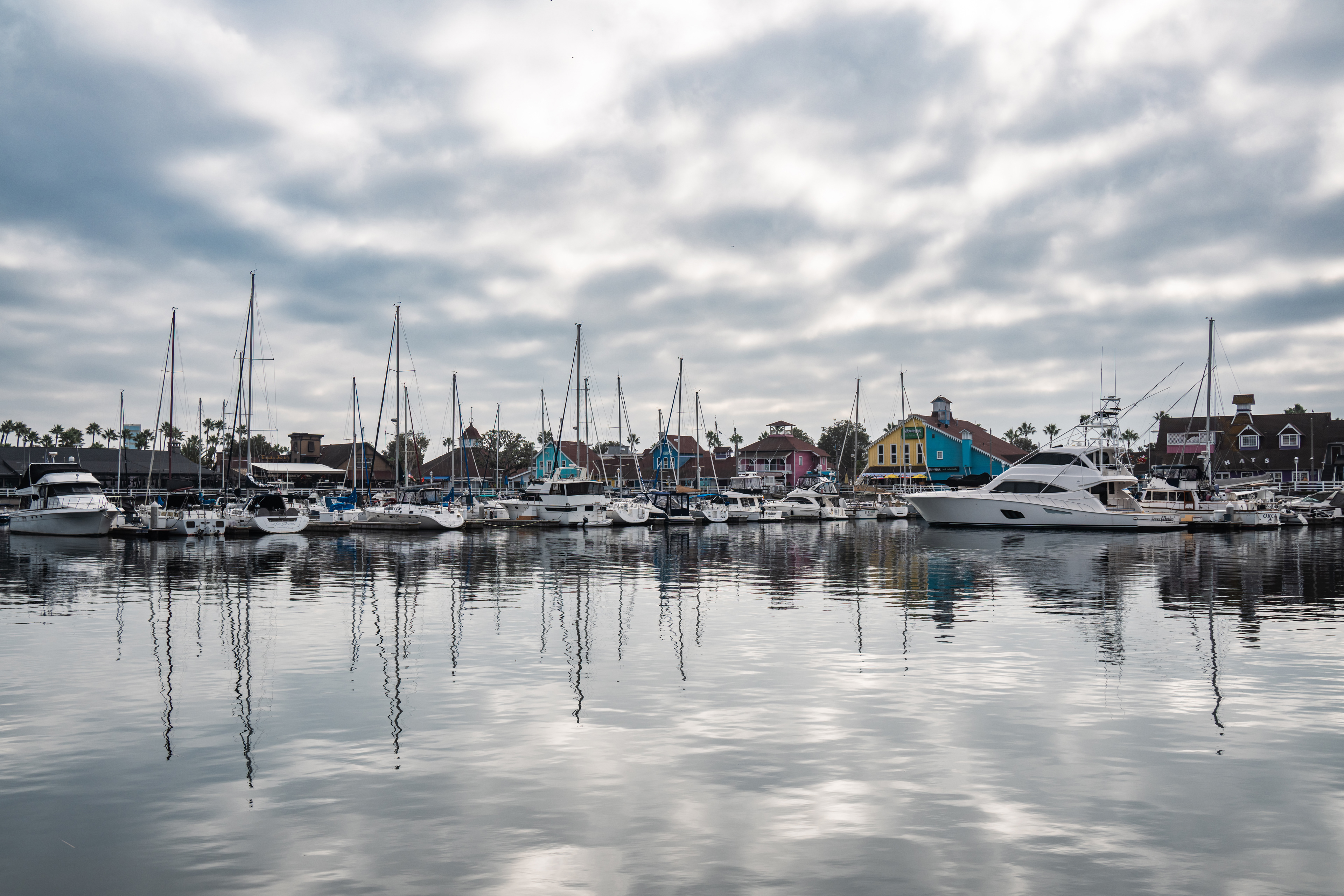
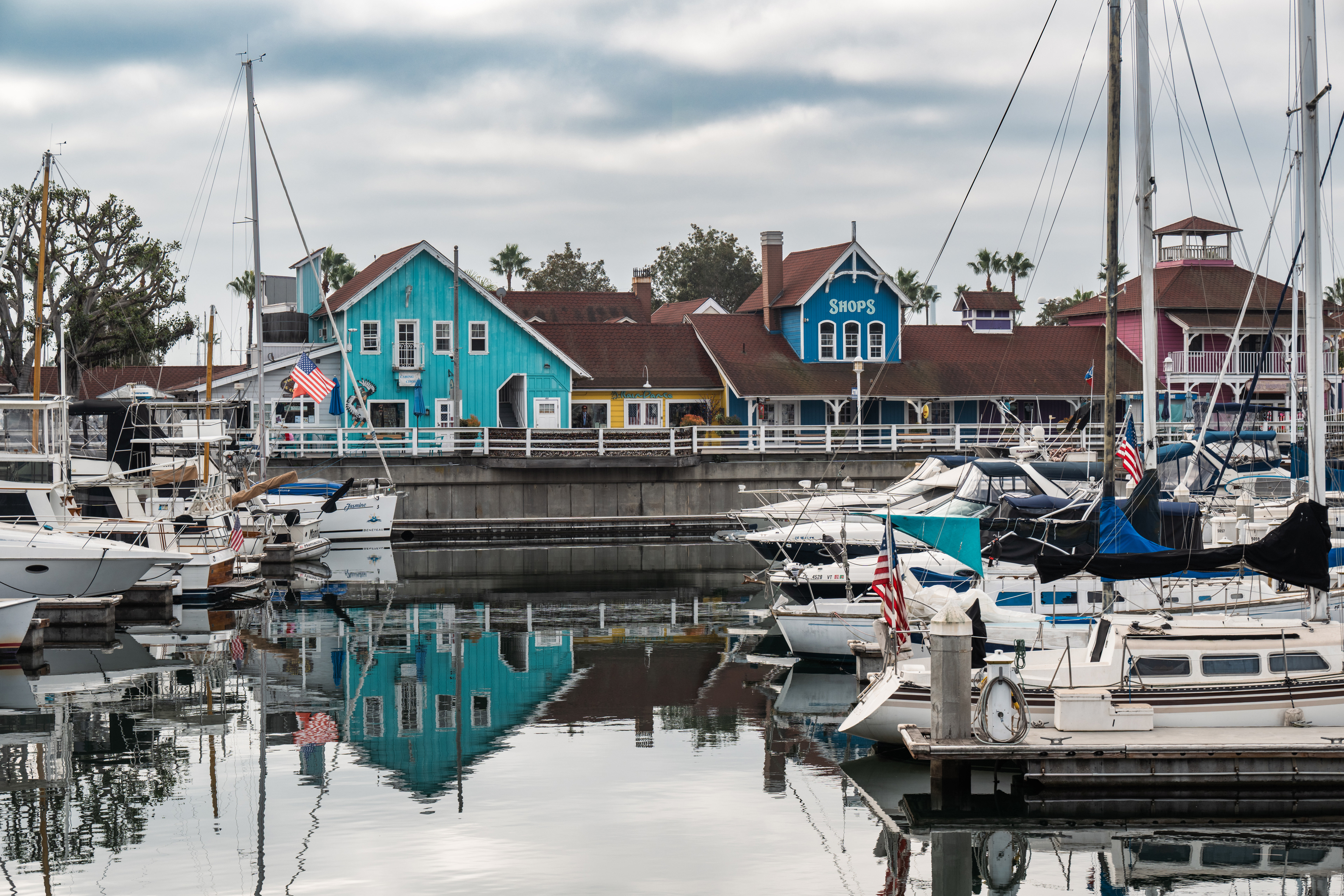
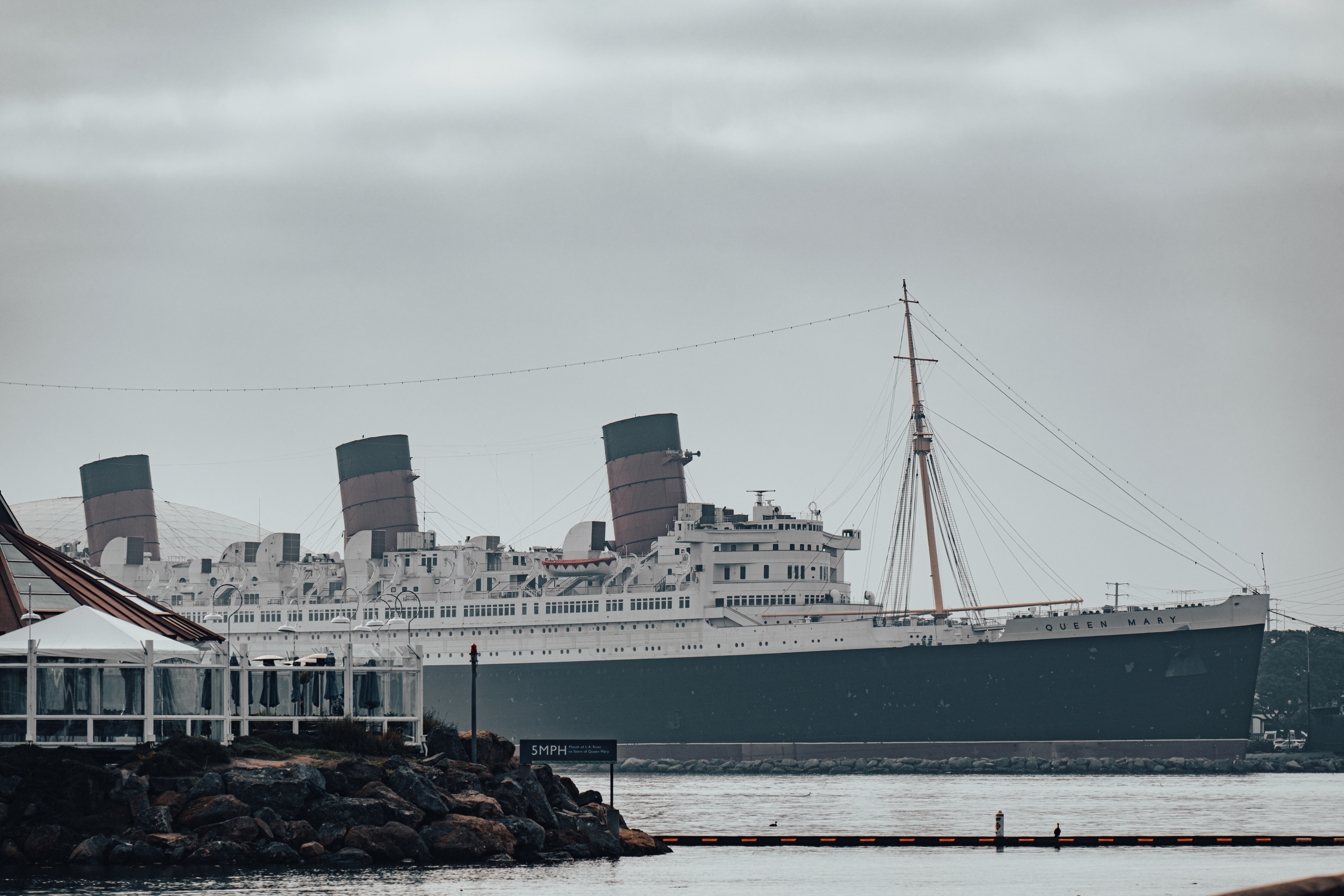
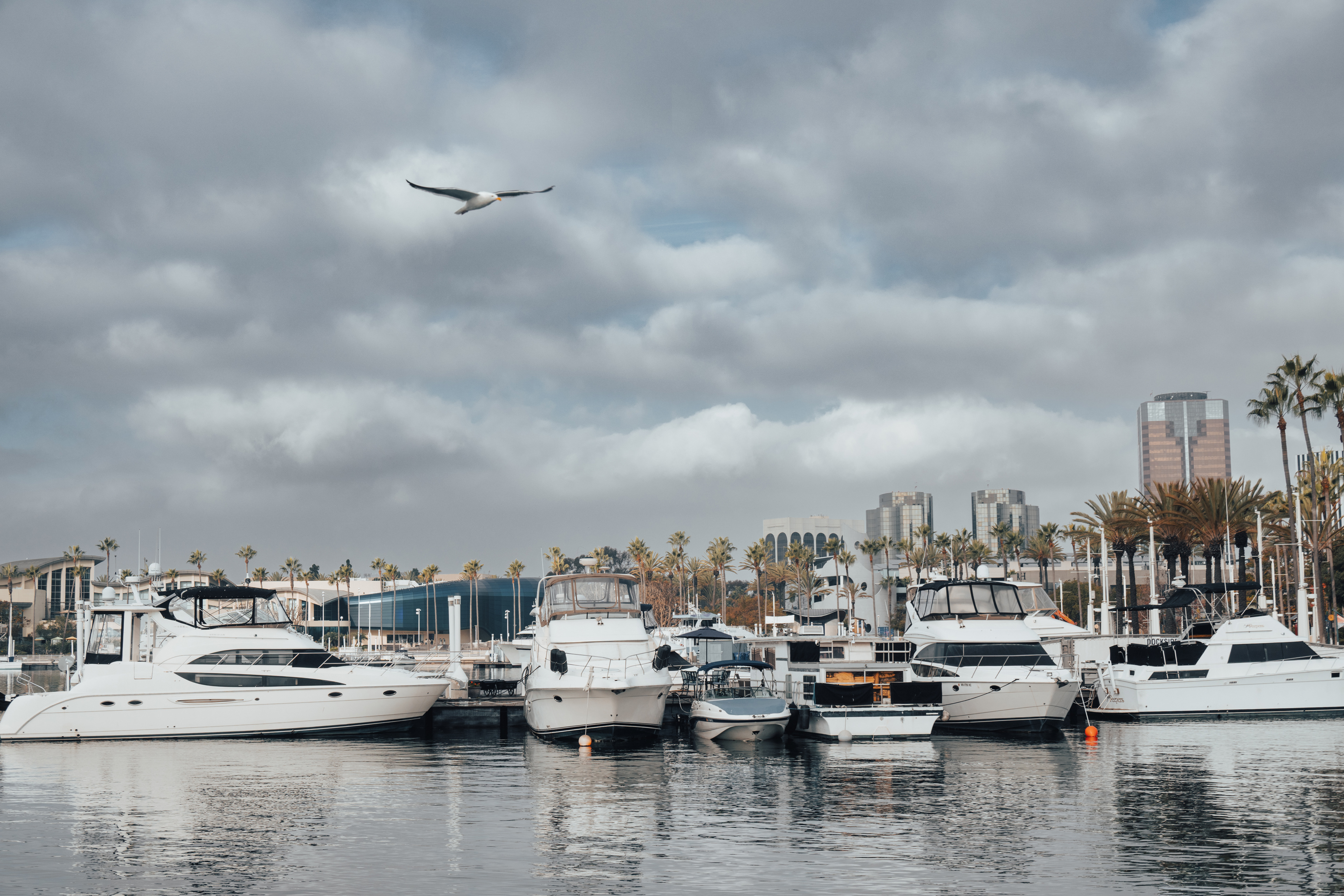
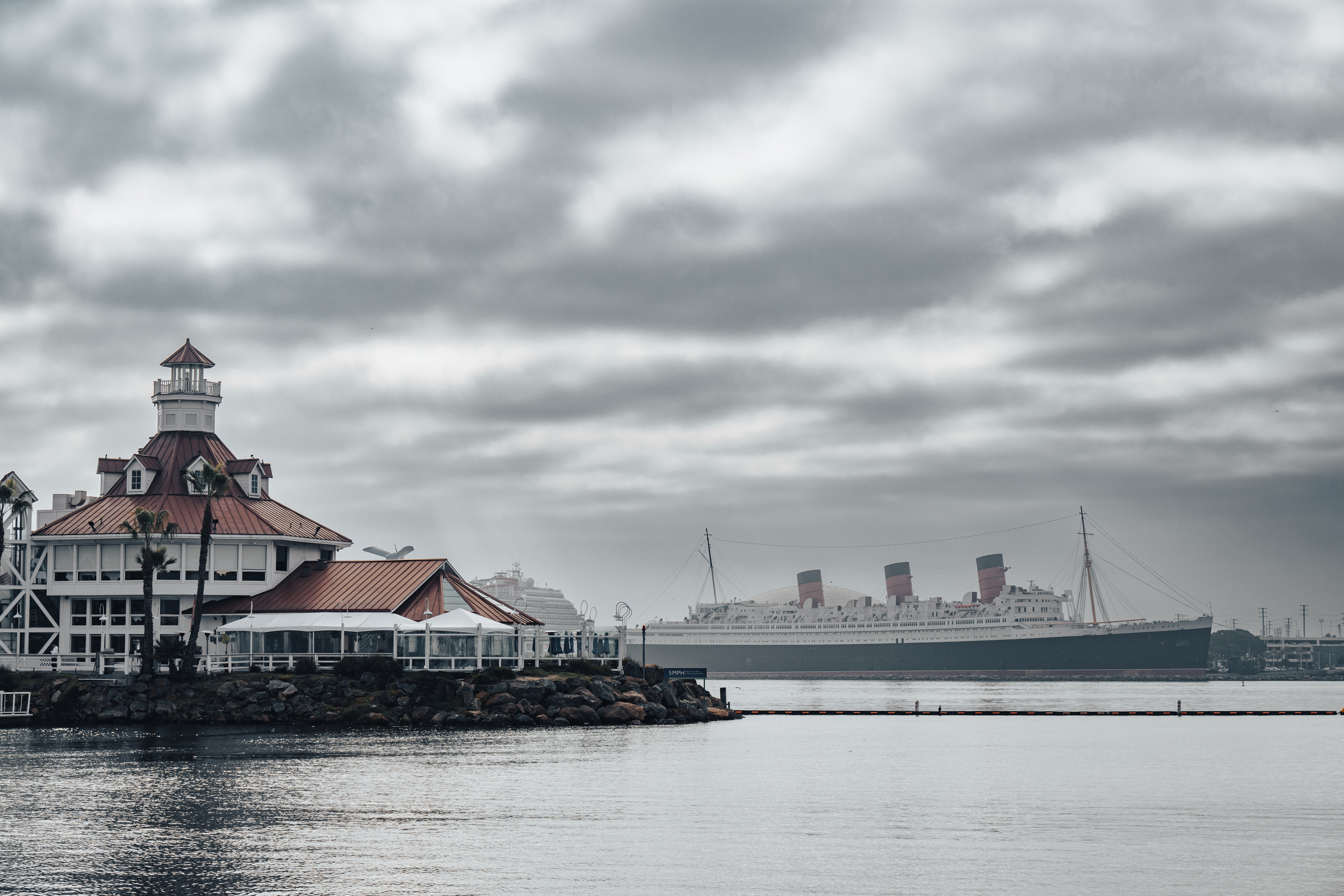
We'd driven down from the Bay Area the evening before and spent the night in Long Beach — a deliberate choice that turned out to be a good one. Starting an 18-day voyage slightly less frantic than if you'd driven four hours on embarkation morning itself is worth the extra hotel night. And Long Beach, as it happens, has exactly one sight that earns a morning visit: the Queen Mary.
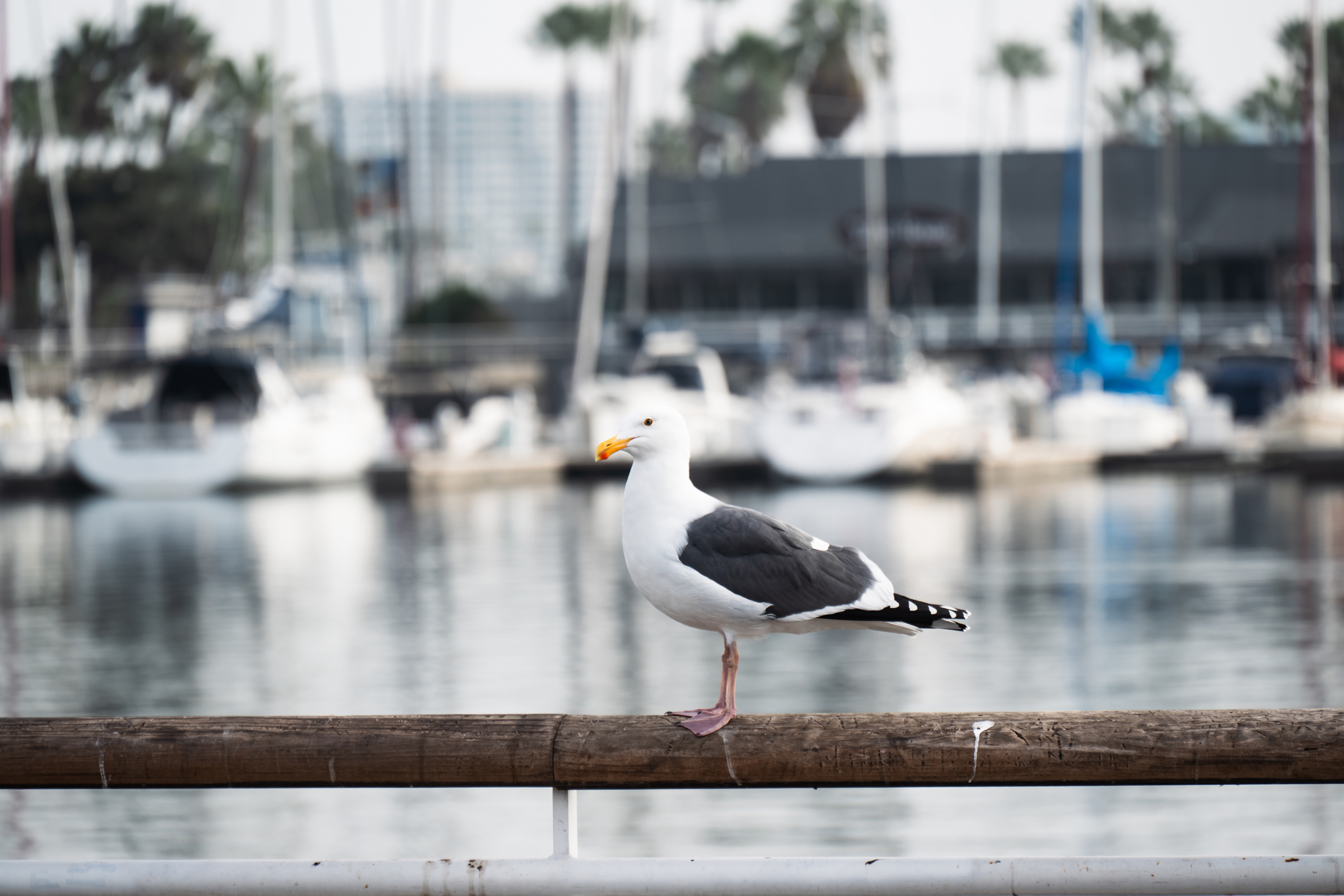
She's been moored here since 1967, having crossed the Atlantic 1,001 times between 1936 and her retirement. She's a hotel now, her three funnels repainted in their original red and black, and from the marina she still looks improbably grand — a reminder that ocean liners were once monuments to exactly the kind of ambition that no longer gets applied to ships. We walked the marina in the early morning light, our daughter thoroughly unimpressed by maritime history but very interested in the seagulls, and left feeling appropriately primed for what the next 18 days were going to be.
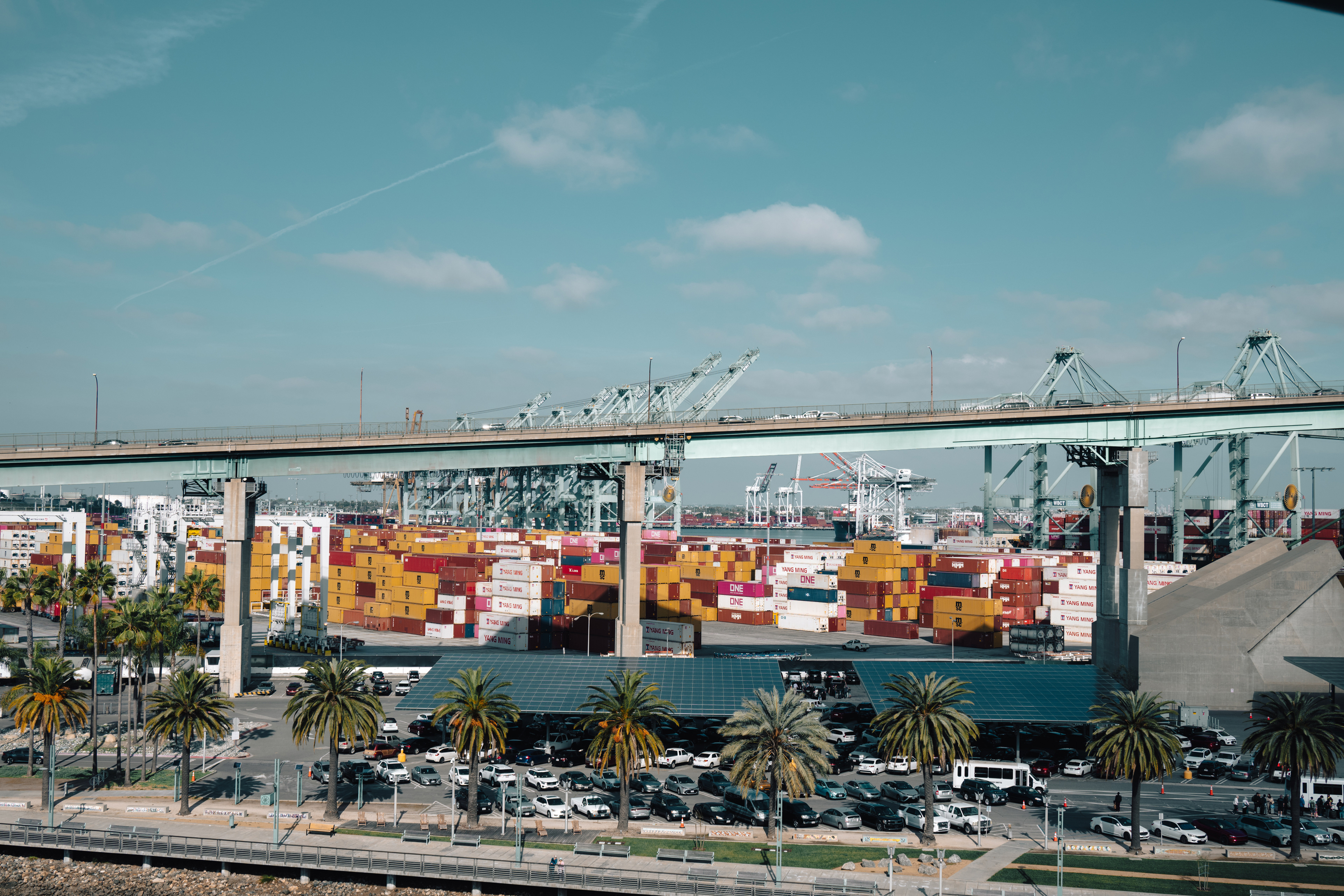
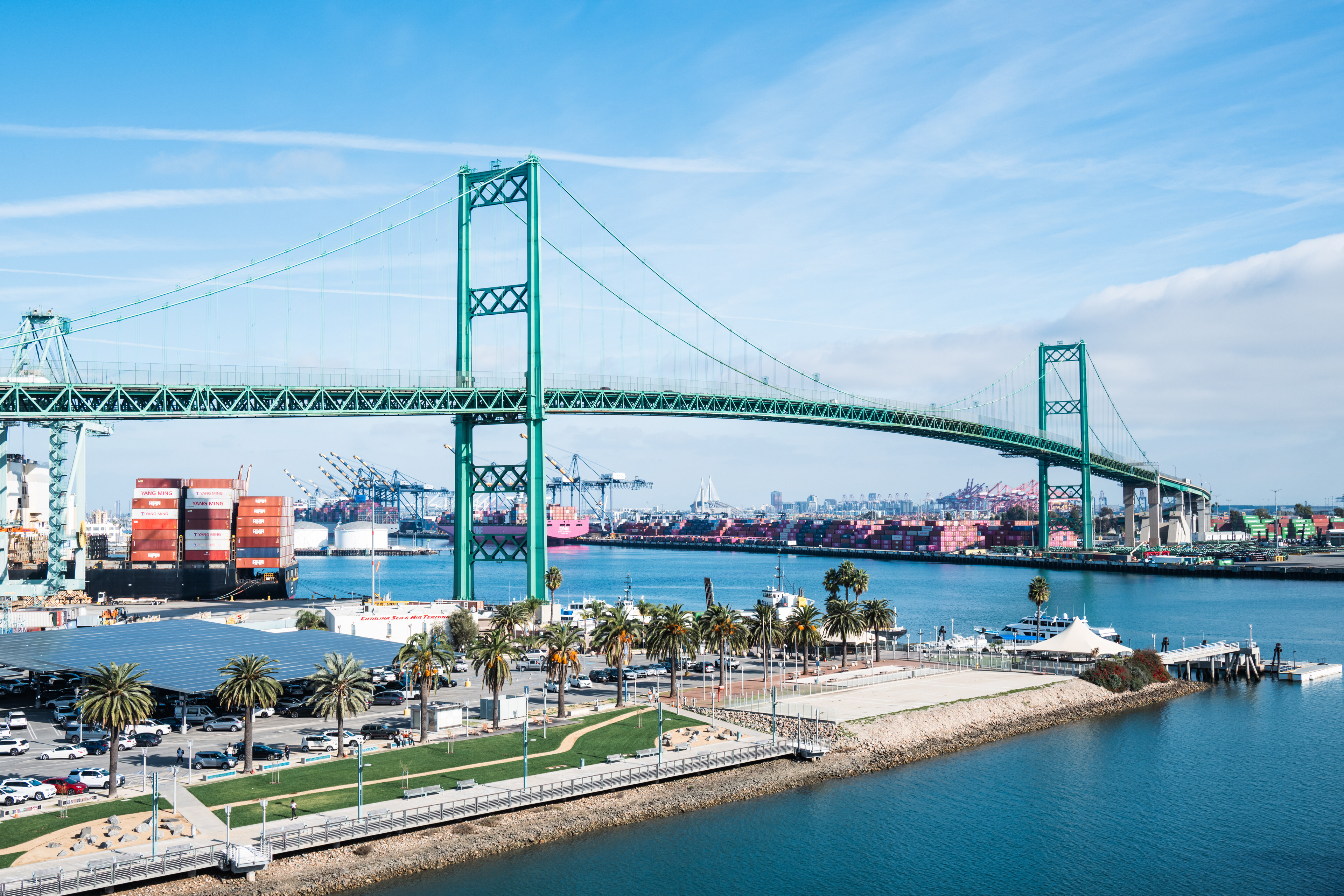
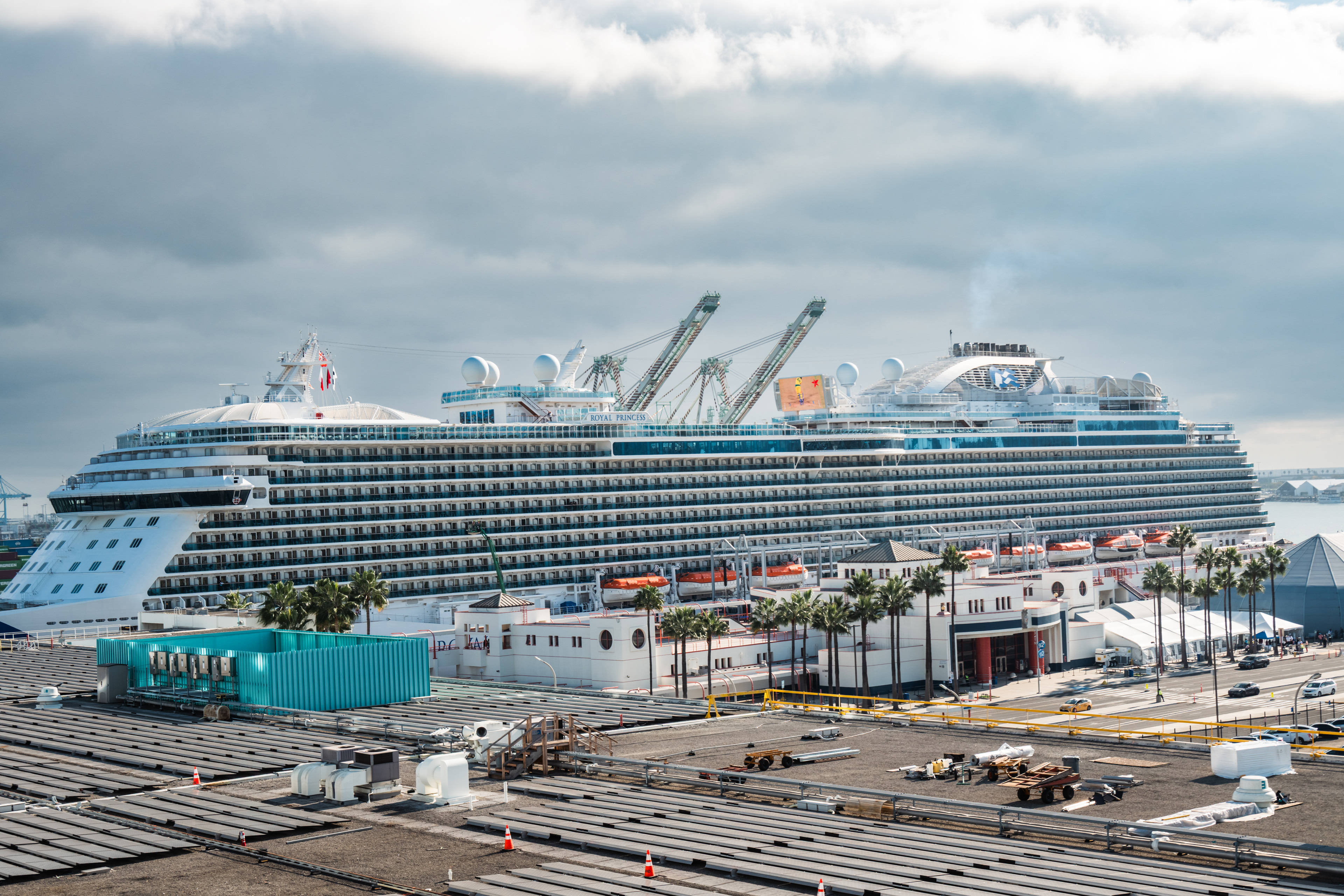
The World Cruise Terminal at the Port of Los Angeles, Berth 93, is not a beautiful building. It is a functional building doing exactly what it needs to do: process several hundred people and their bags through the maritime equivalent of an airport. We arrived around 11am and were through security and aboard in well under an hour — a process that felt almost suspiciously efficient until I remembered that Oceania boards 1,200 people, not 5,000.
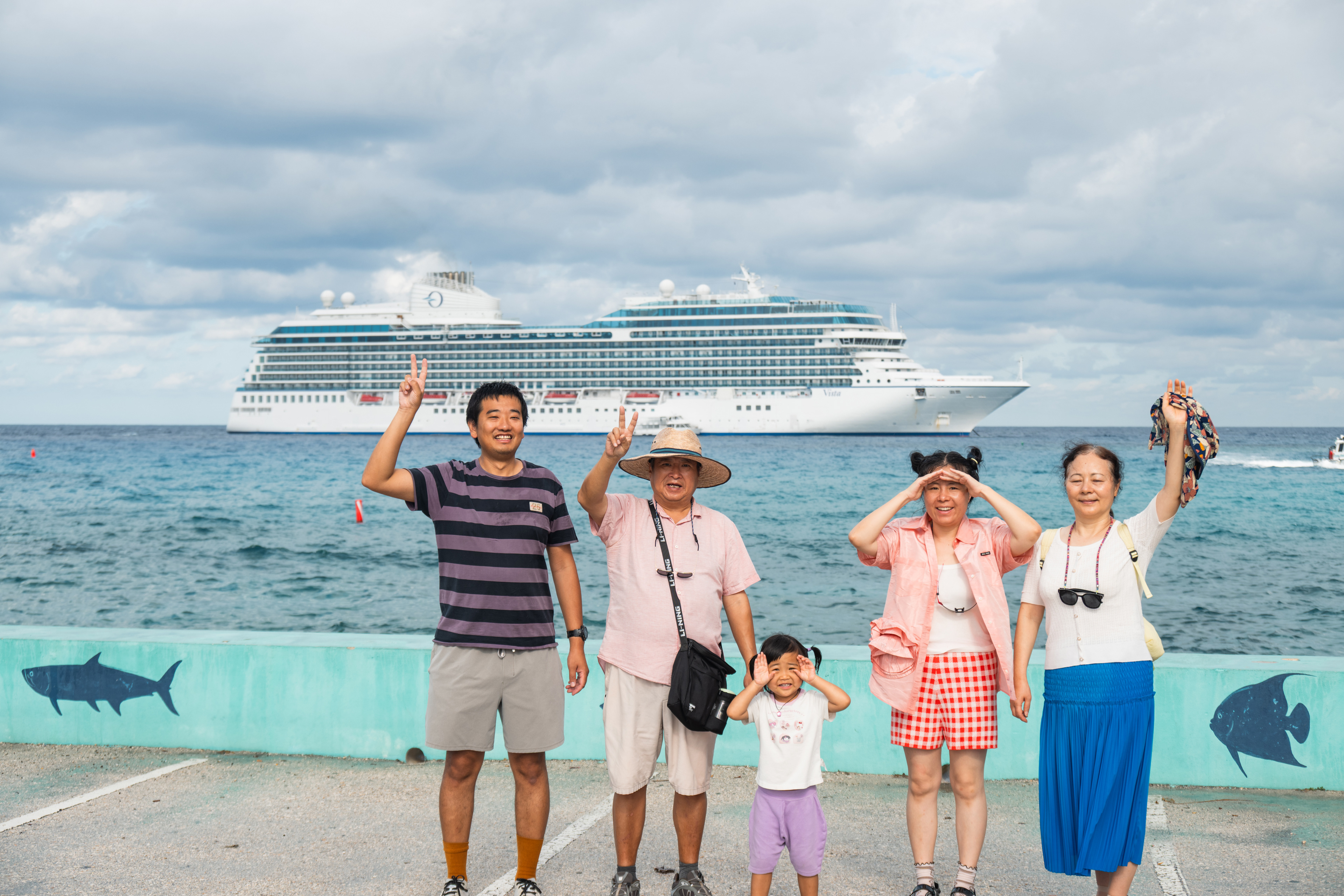
The first sight of the ship from the pier is always going to produce a reaction. Vista is white and gleaming and considerably larger than she looks in photographs. Our daughter pointed and said "big boat." She was not wrong.
Lunch was at Terrace Café, the casual buffet on Deck 12 — the right call for embarkation day, when you want to get your bearings without committing to a sit-down experience while you still can't find the elevator. That evening, we had our first specialty restaurant dinner at Red Ginger, Oceania's Asian fusion restaurant. It set an immediate and inconvenient standard for every meal that followed: a black cod miso that I kept thinking about for the rest of the voyage, served in a room that smelled faintly of lemongrass. This, we realized at about course two, was what my father-in-law had been hoping for all along.
Vista pulled away from the dock at 6pm. The ship's clocks moved forward one hour that night. We were underway.
Quick Reference
Eight ports over fifteen days, from the tip of Baja California to the Caribbean. Mexico in winter. Guatemala's colonial highlands. A rainforest on the last day of the year. A canal on the first. The ports — and everything that happened in them — are in Episode Two.