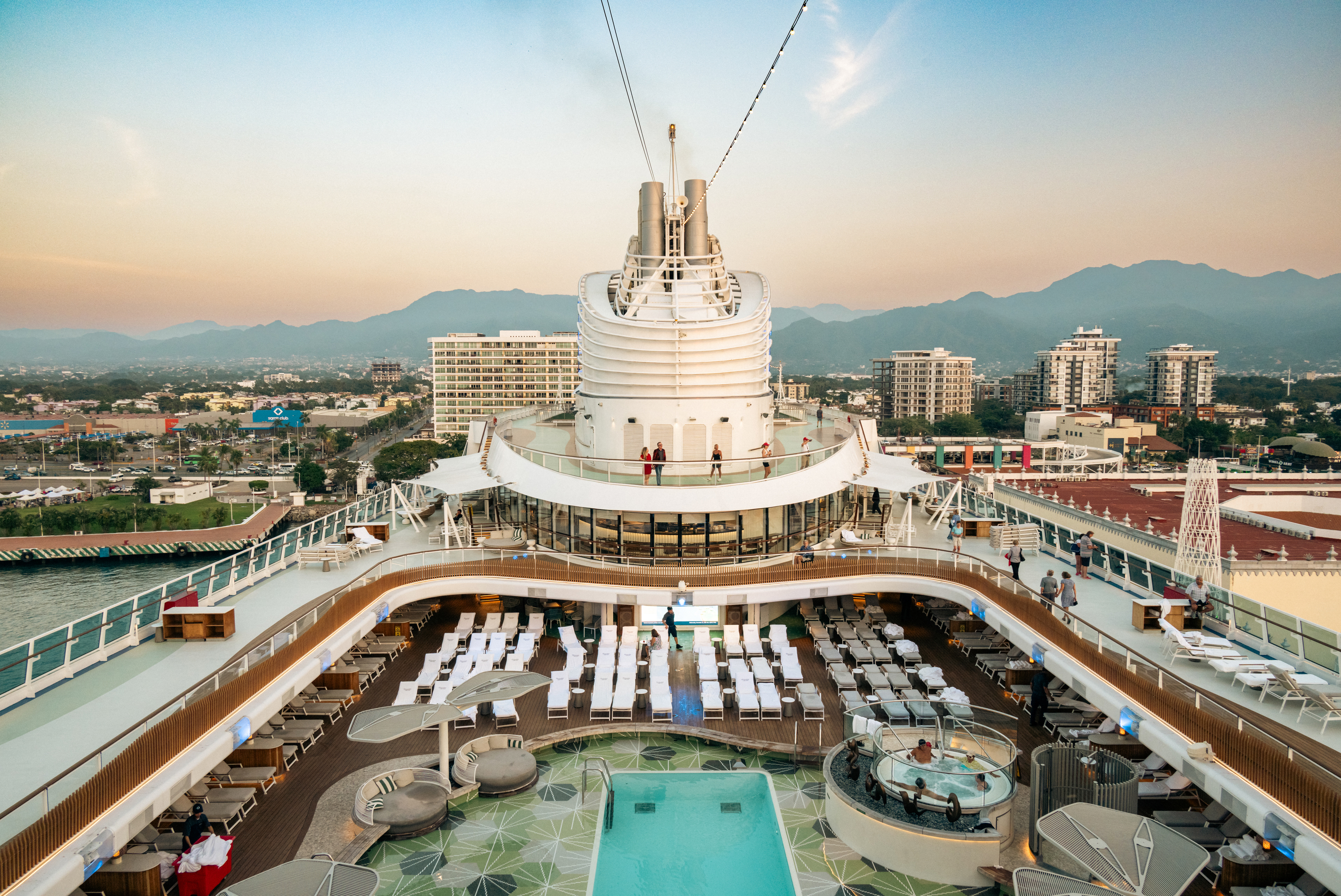
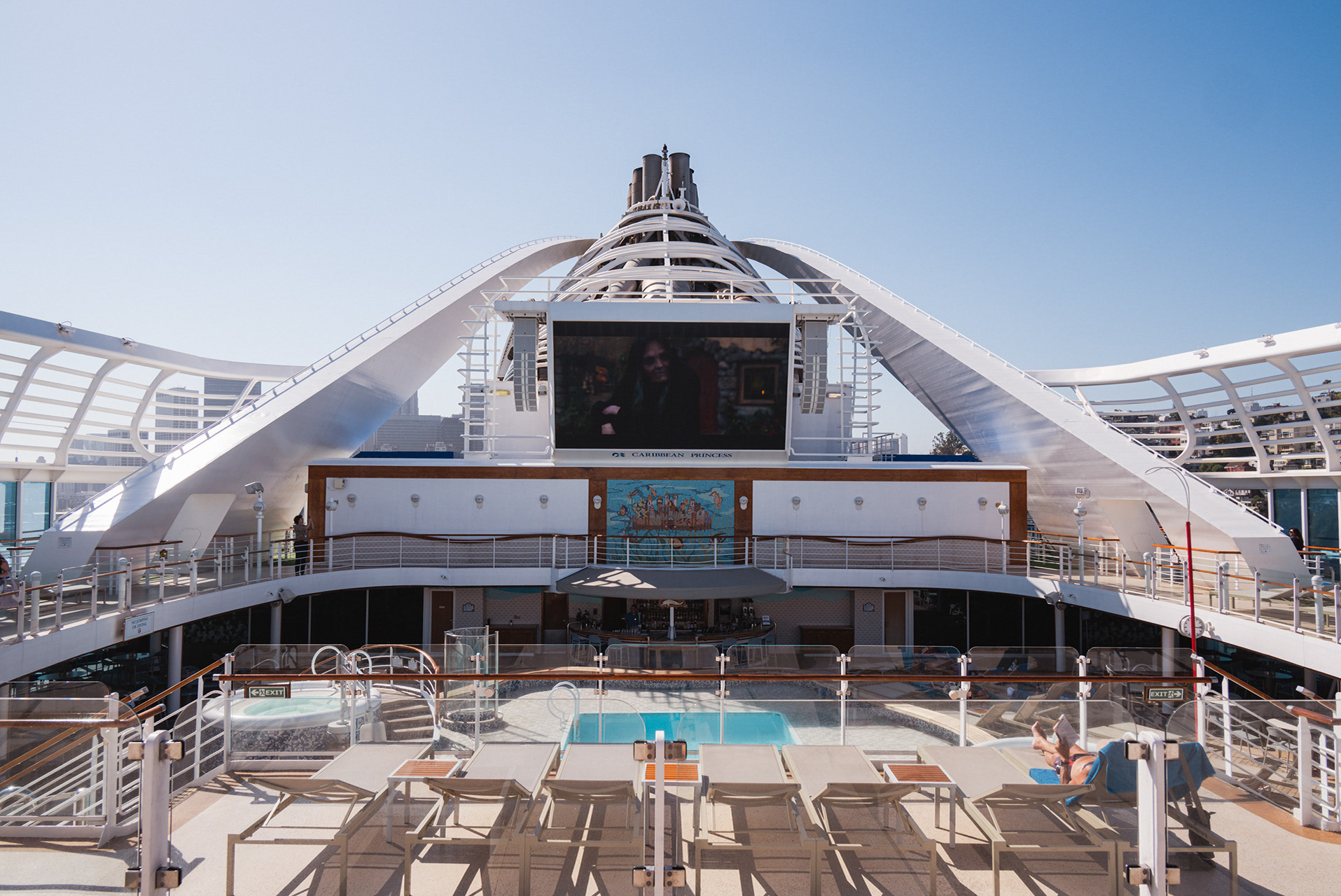
This is the second part of a two-episode travel journal about our 18-day voyage aboard Oceania Vista, December 2025 to January 2026. Episode One covers the ship, the food, life at sea, and our embarkation day in Long Beach. If you haven't read it yet, start there — it'll make more sense of who we are and why we chose Oceania. This episode is about what happened once we stepped off the ship.
The itinerary took us through eight ports across five countries, from the tip of Baja California to the Colombian Caribbean, with a Panama Canal transit on New Year's Day sandwiched somewhere in the middle. Four Mexican cities. A Guatemalan colonial capital. A Costa Rican rainforest. Colombia's most photogenic city. The Cayman Islands. Each one a full day, each one a different version of what travel along this corridor looks and feels like. Here's what we found.
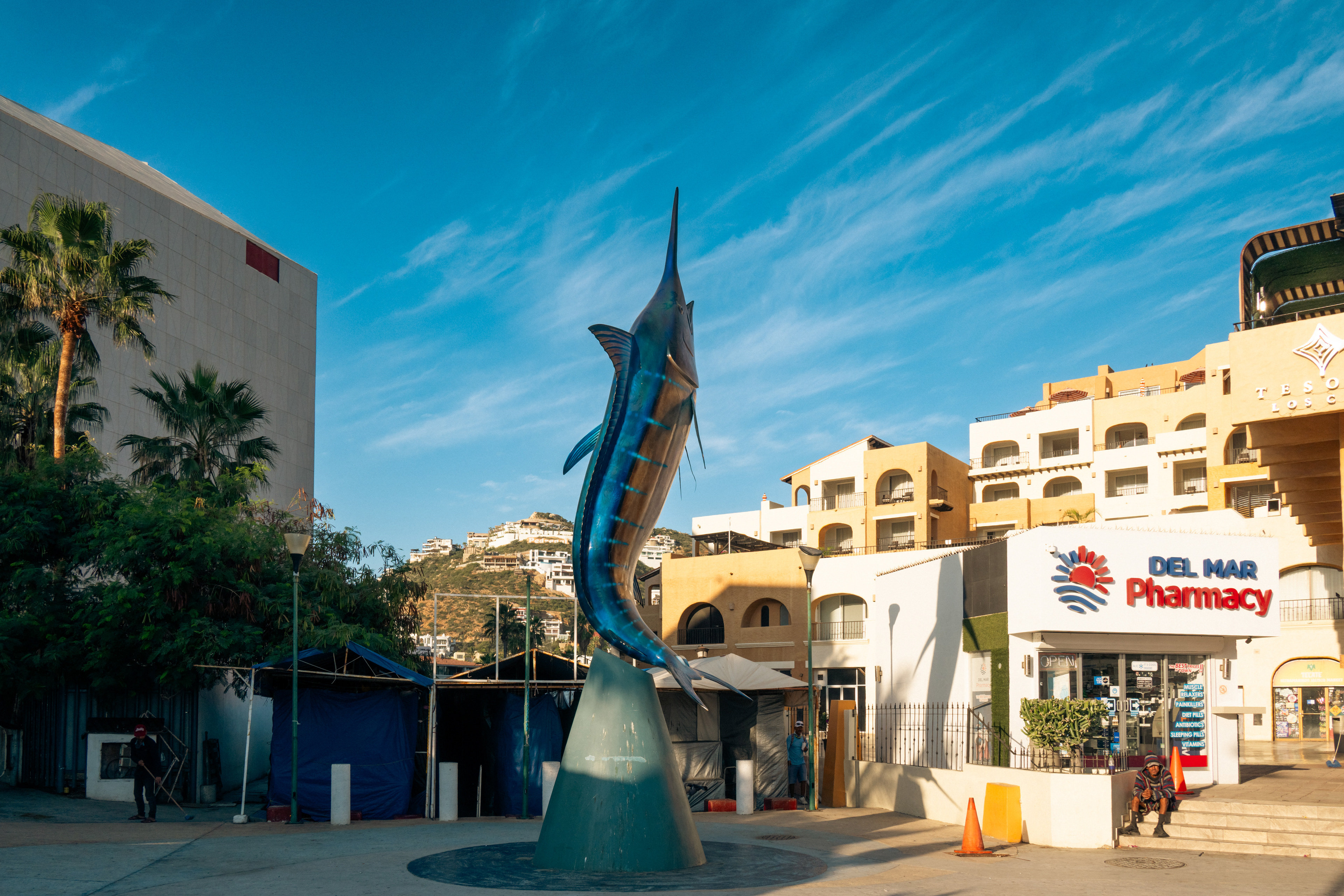
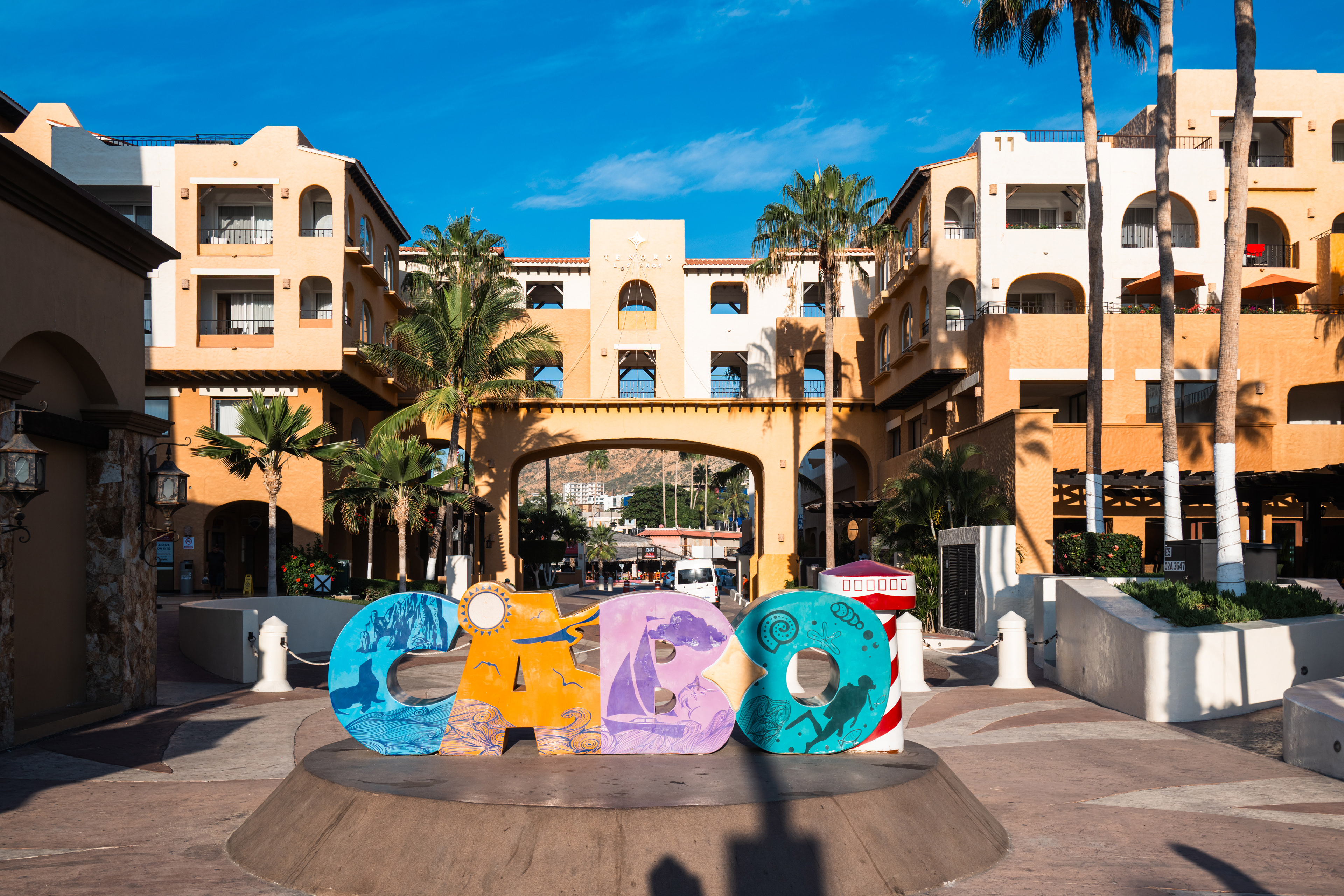
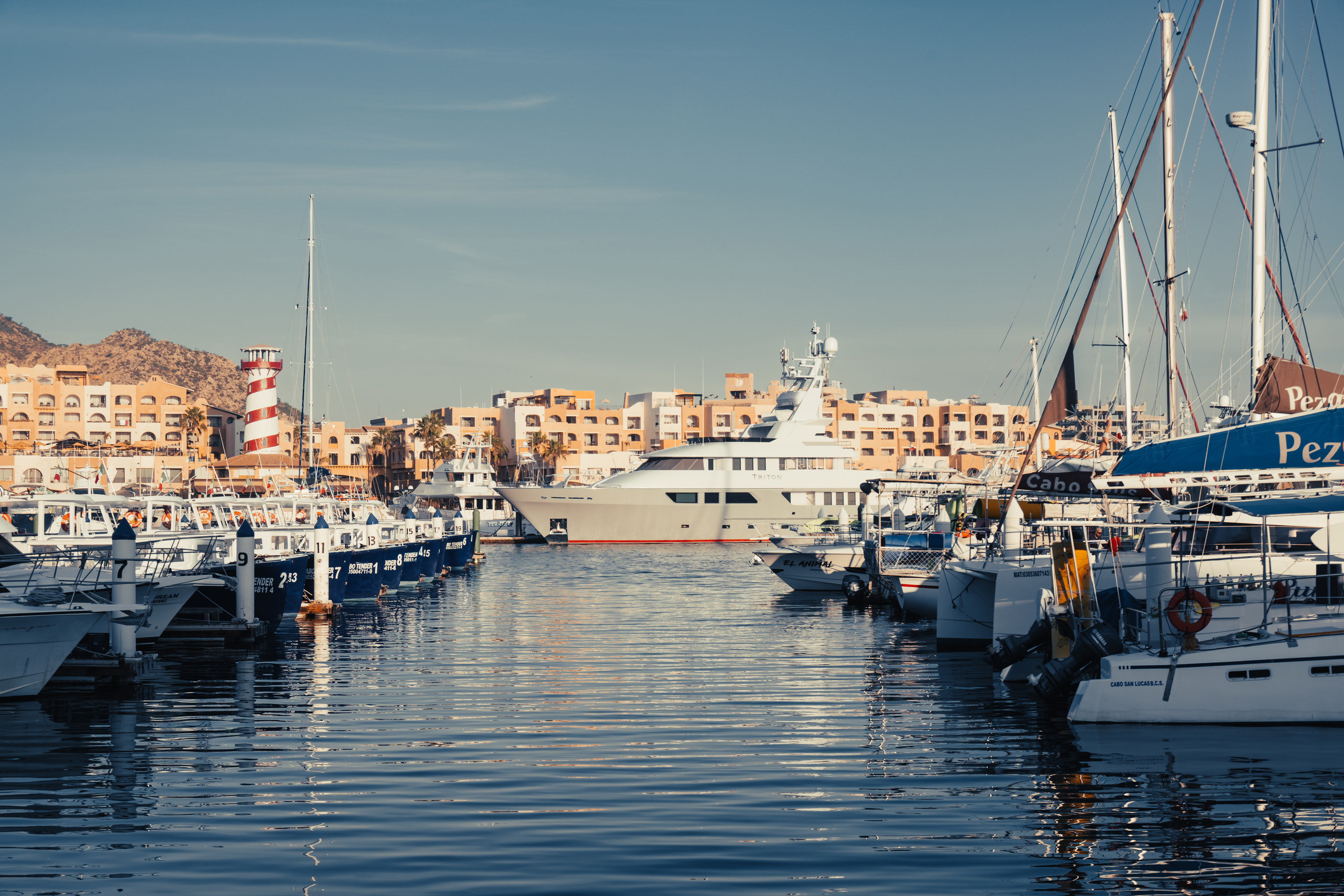
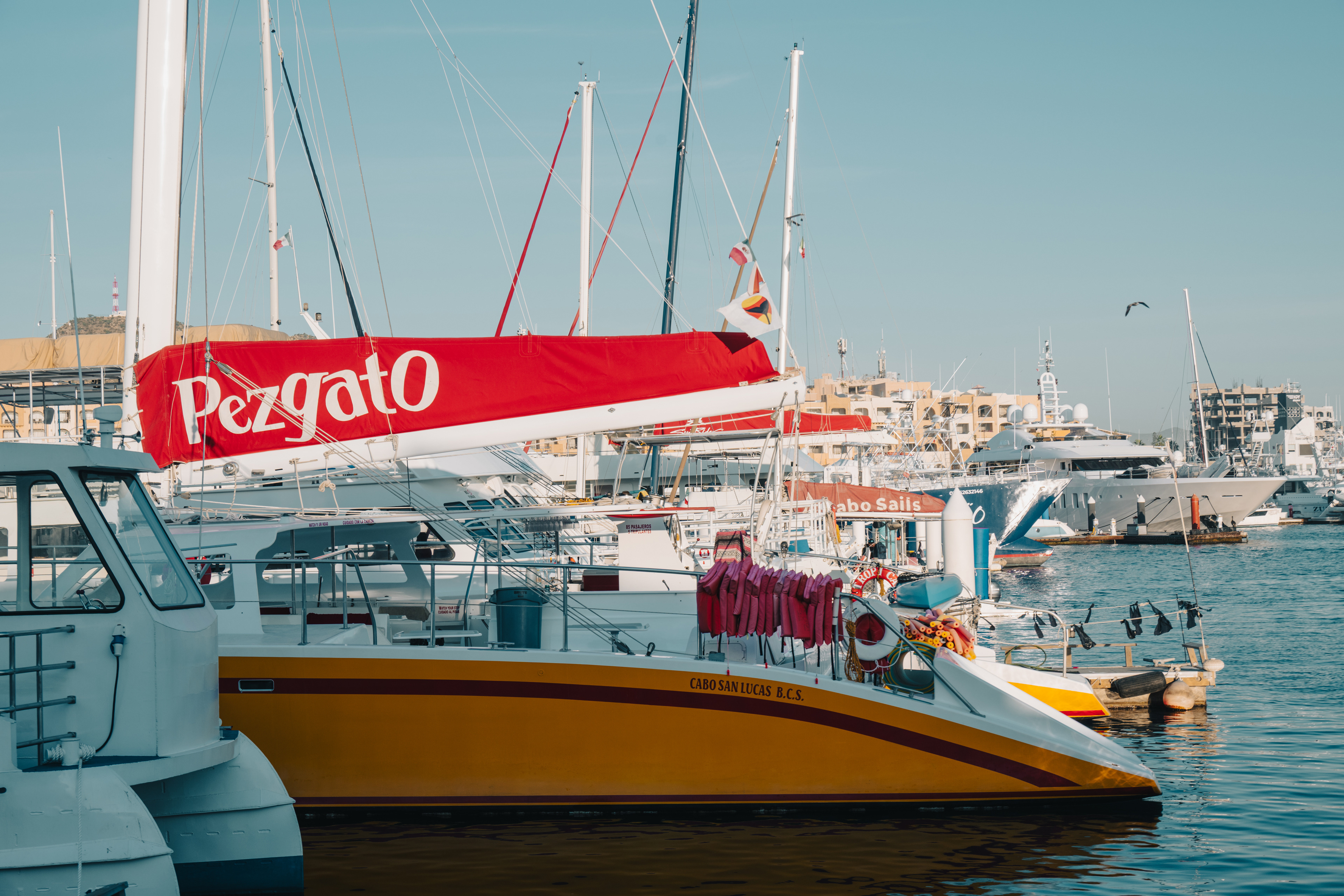
Cabo San Lucas — Glass Floor, Sea Lions, El Arco
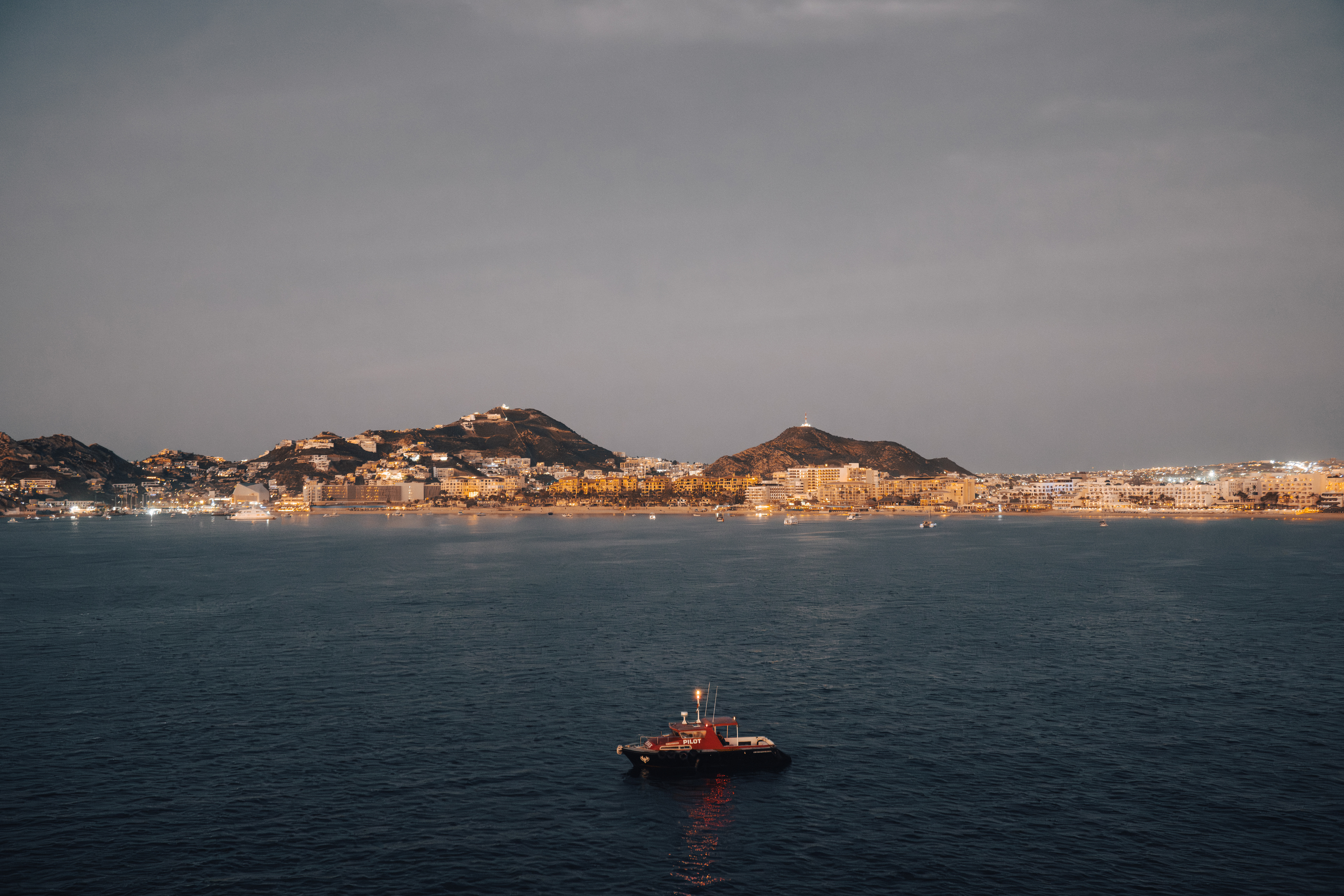
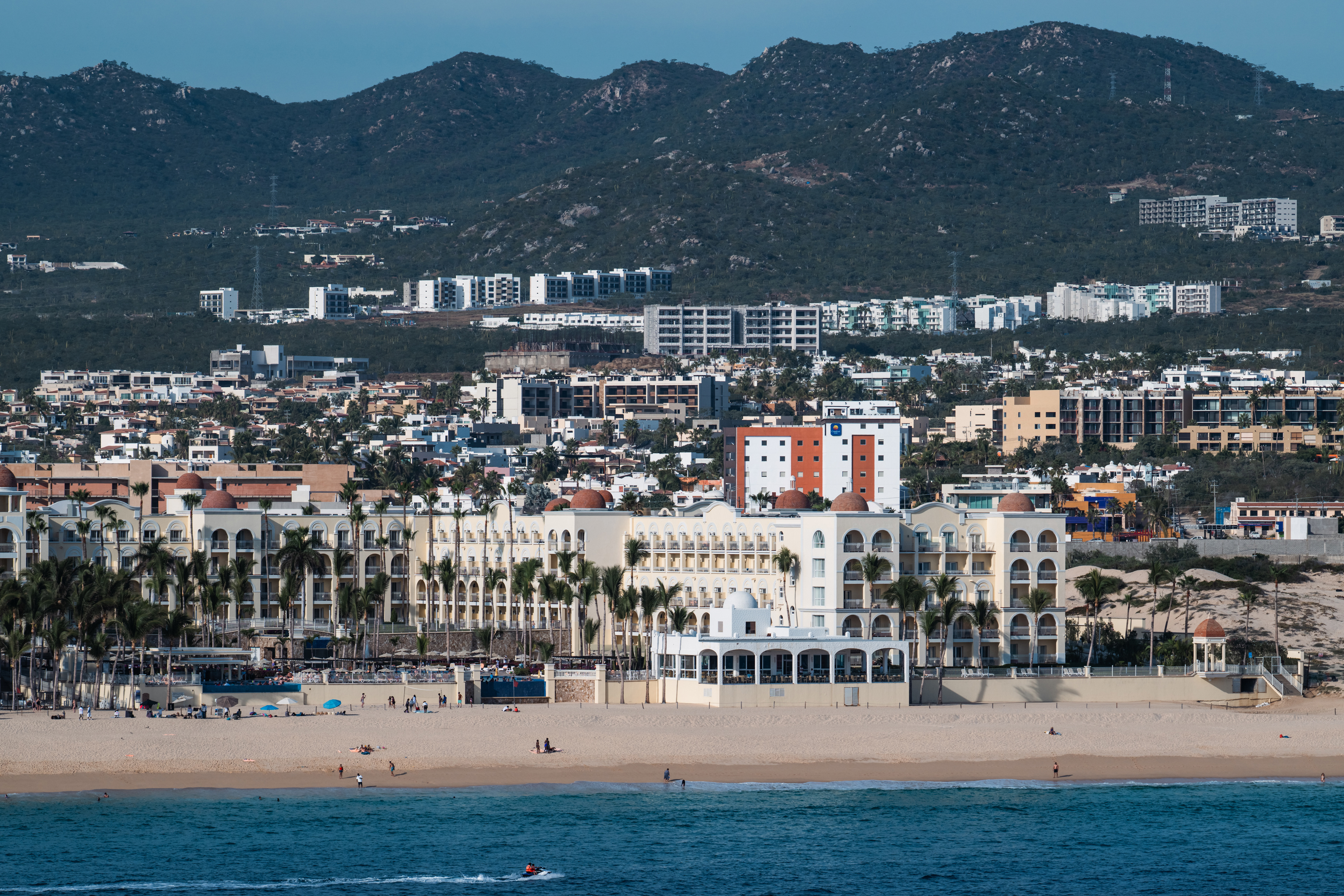
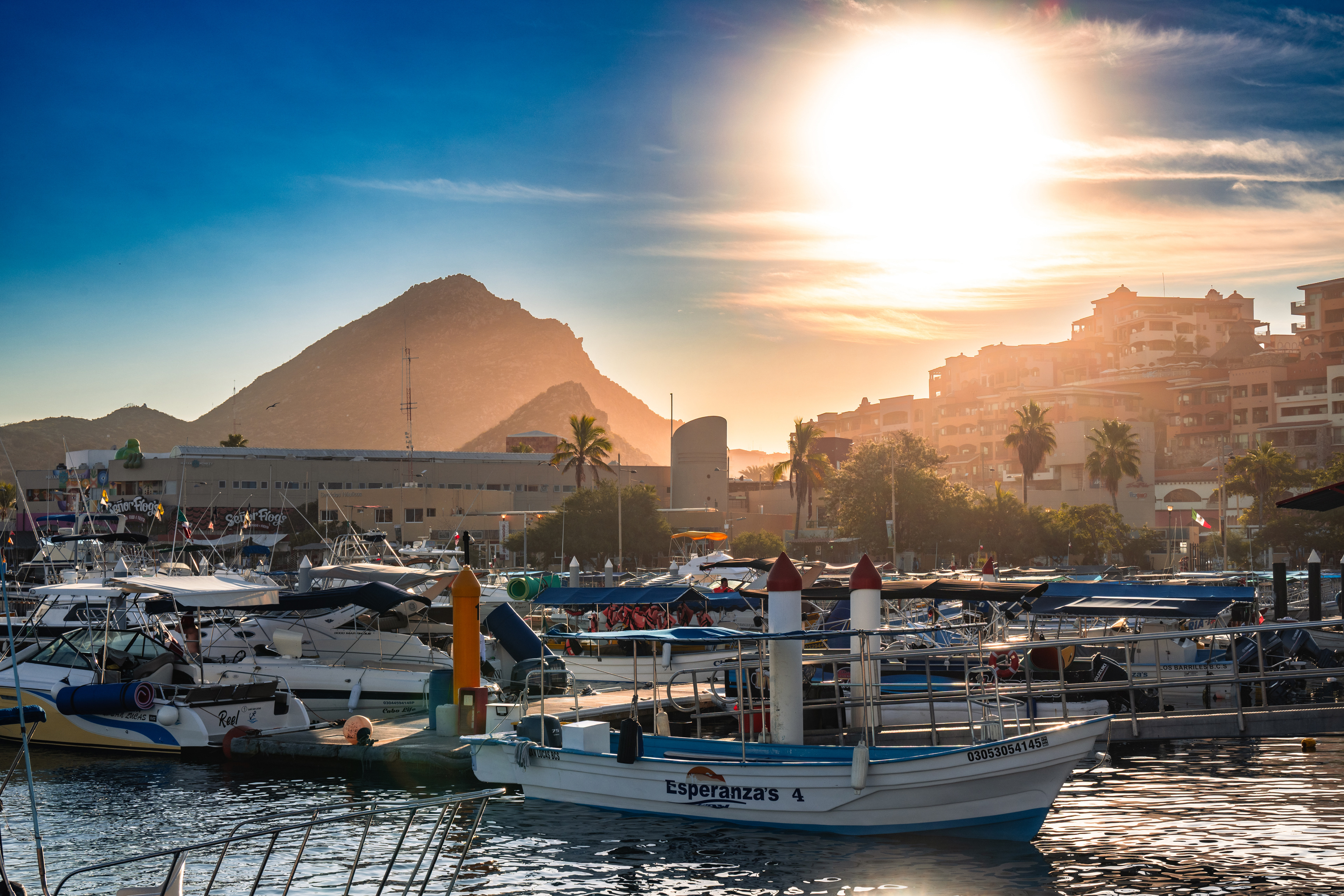
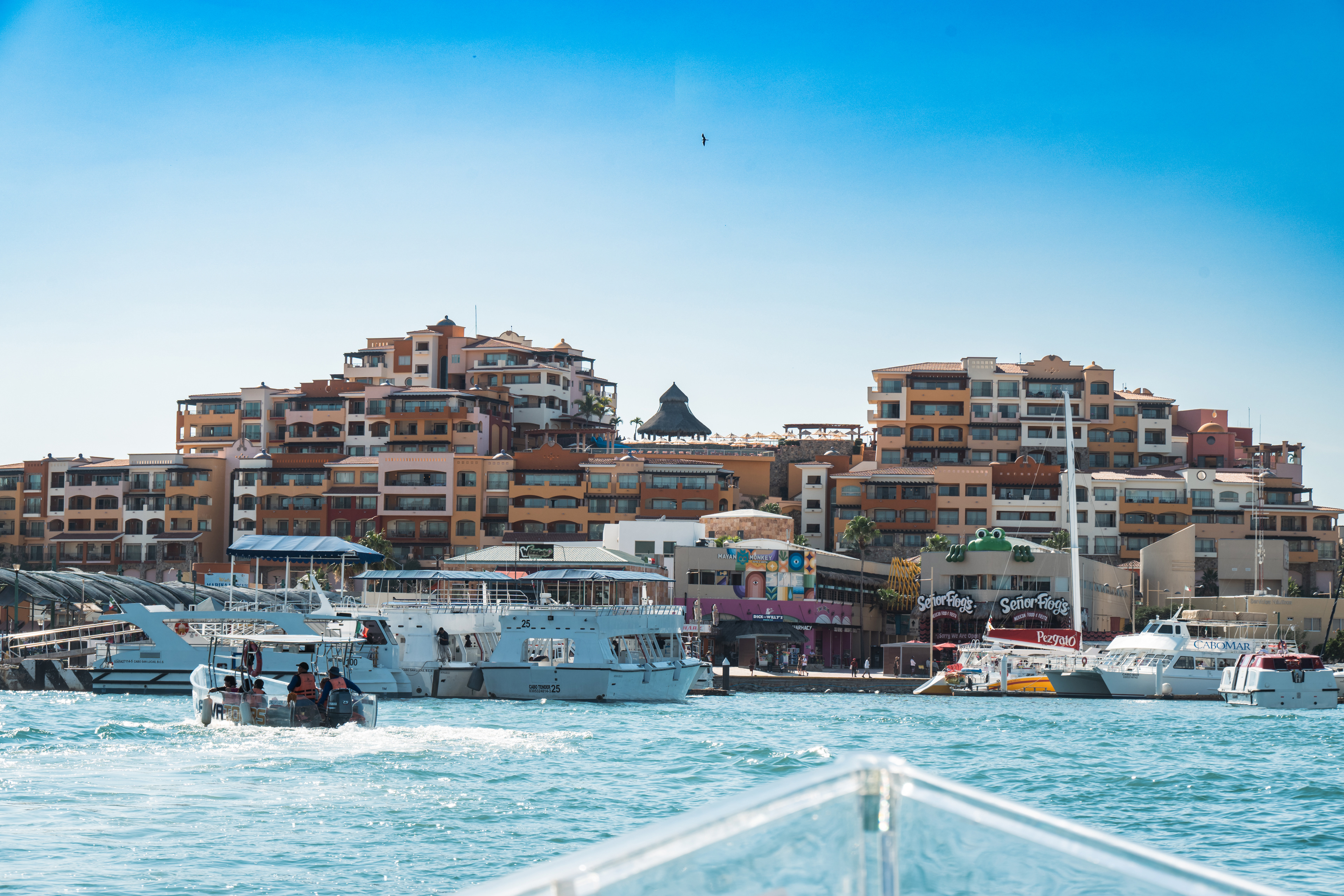
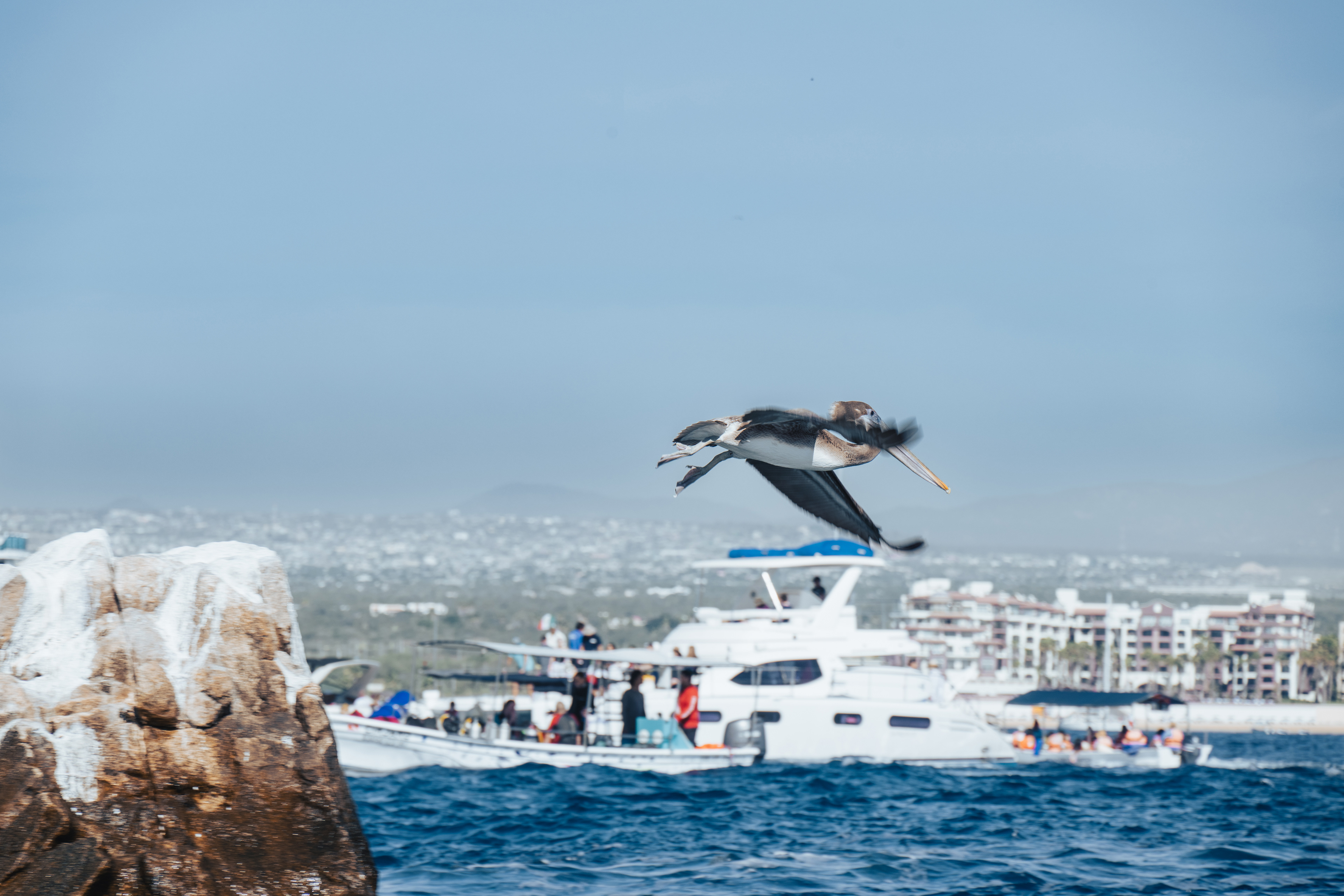
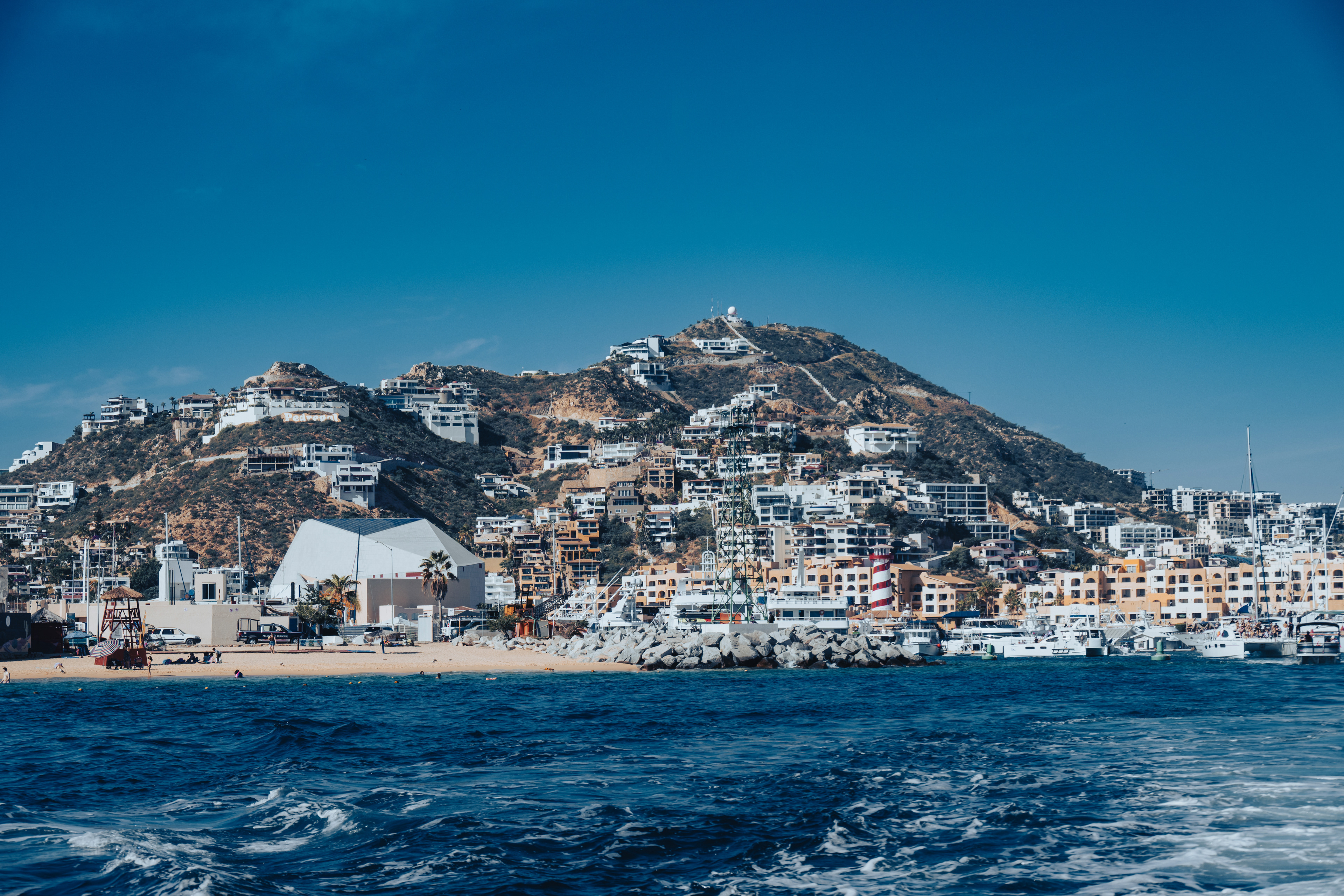
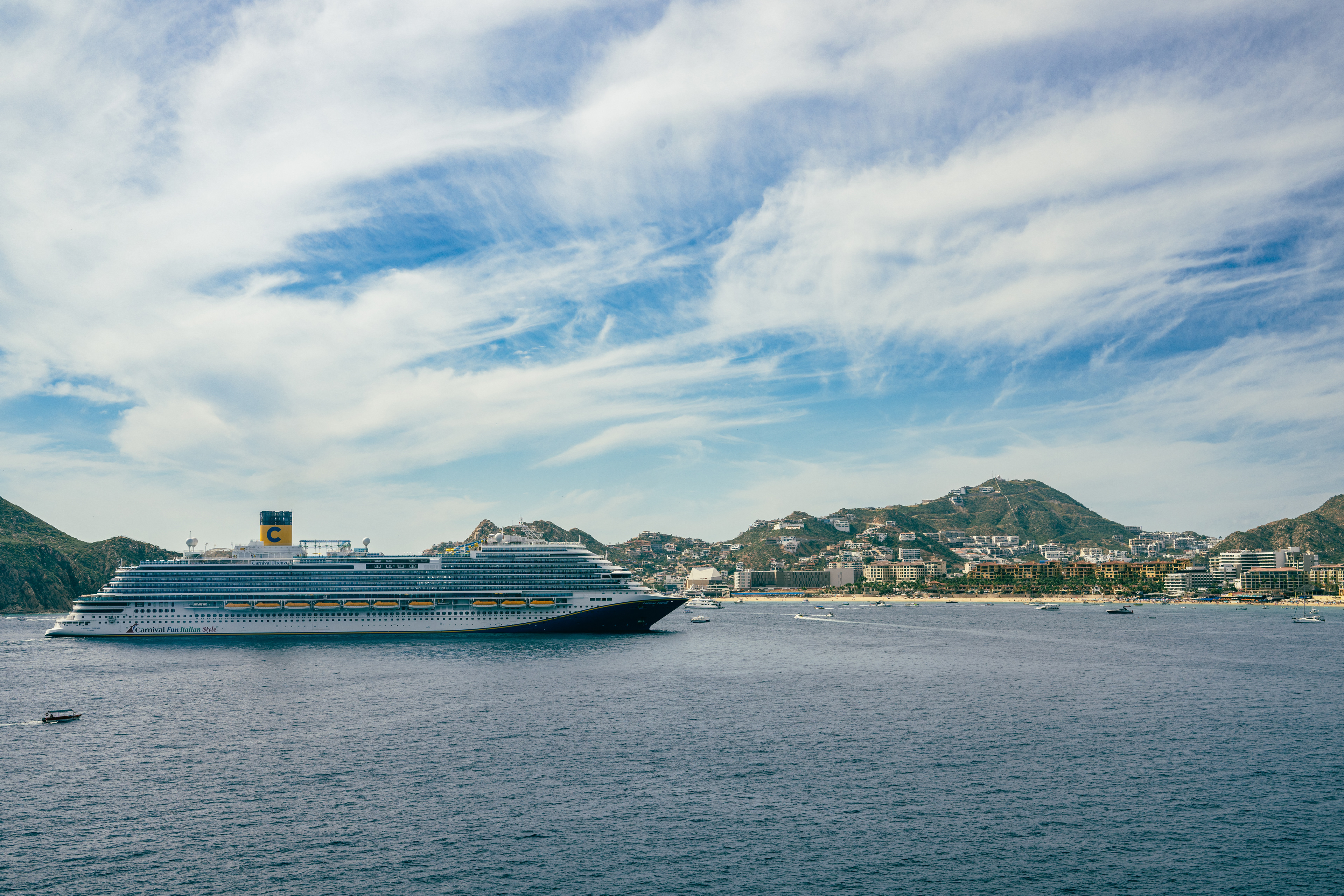
Cabo is an anchored port, meaning Vista couldn't dock — she dropped anchor in the bay and everyone went ashore by tender, small boats ferried back and forth every 30 minutes or so.
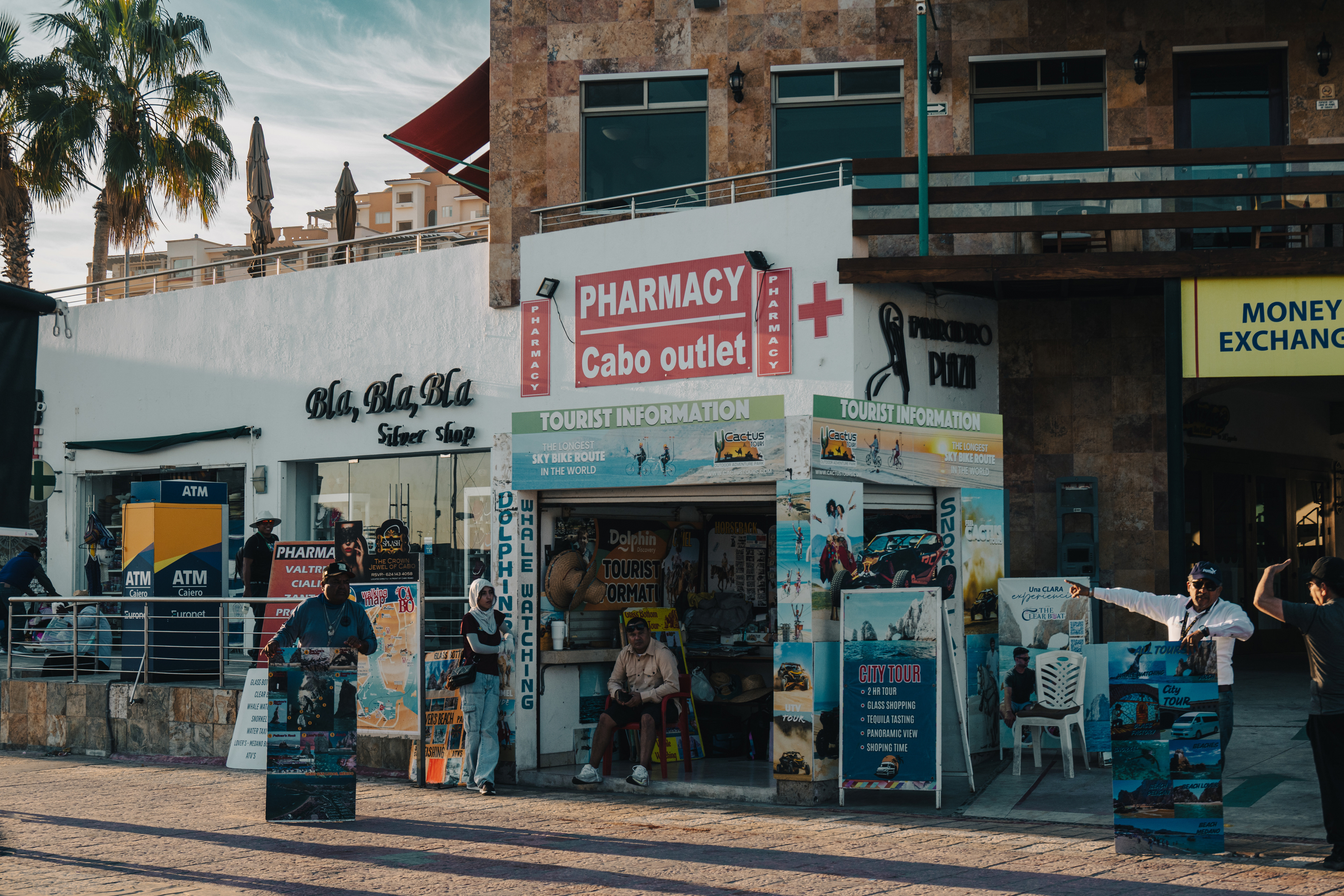
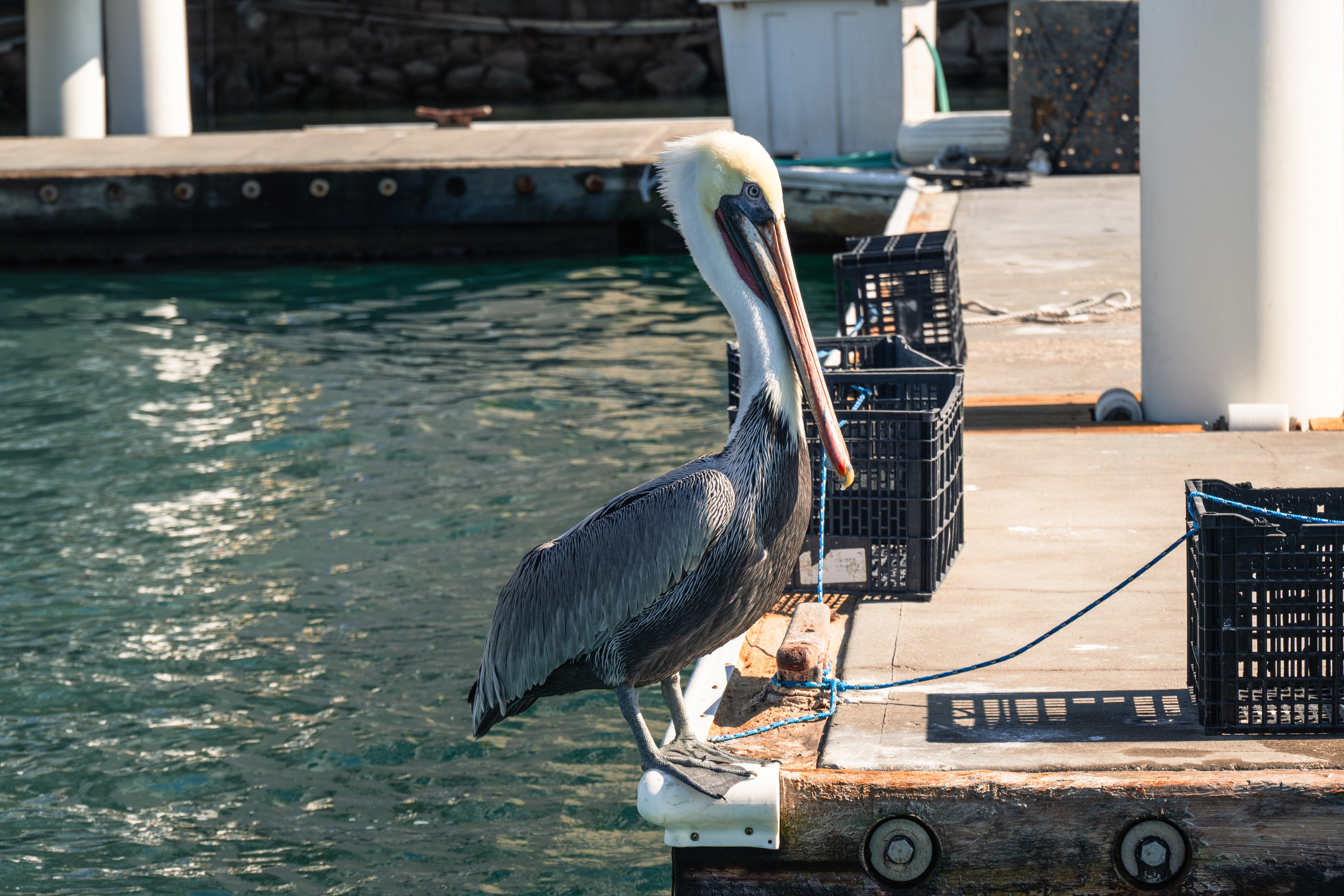
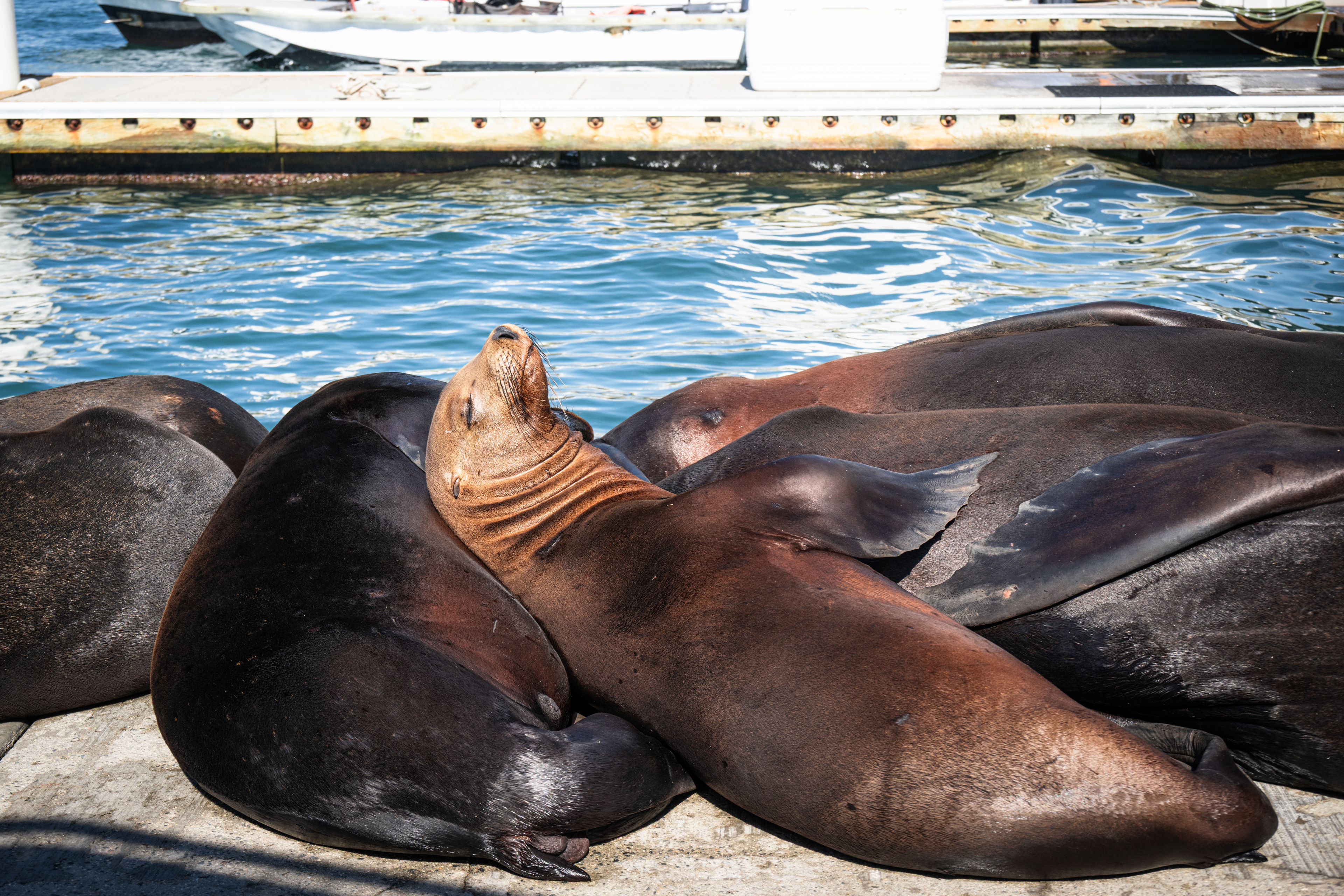
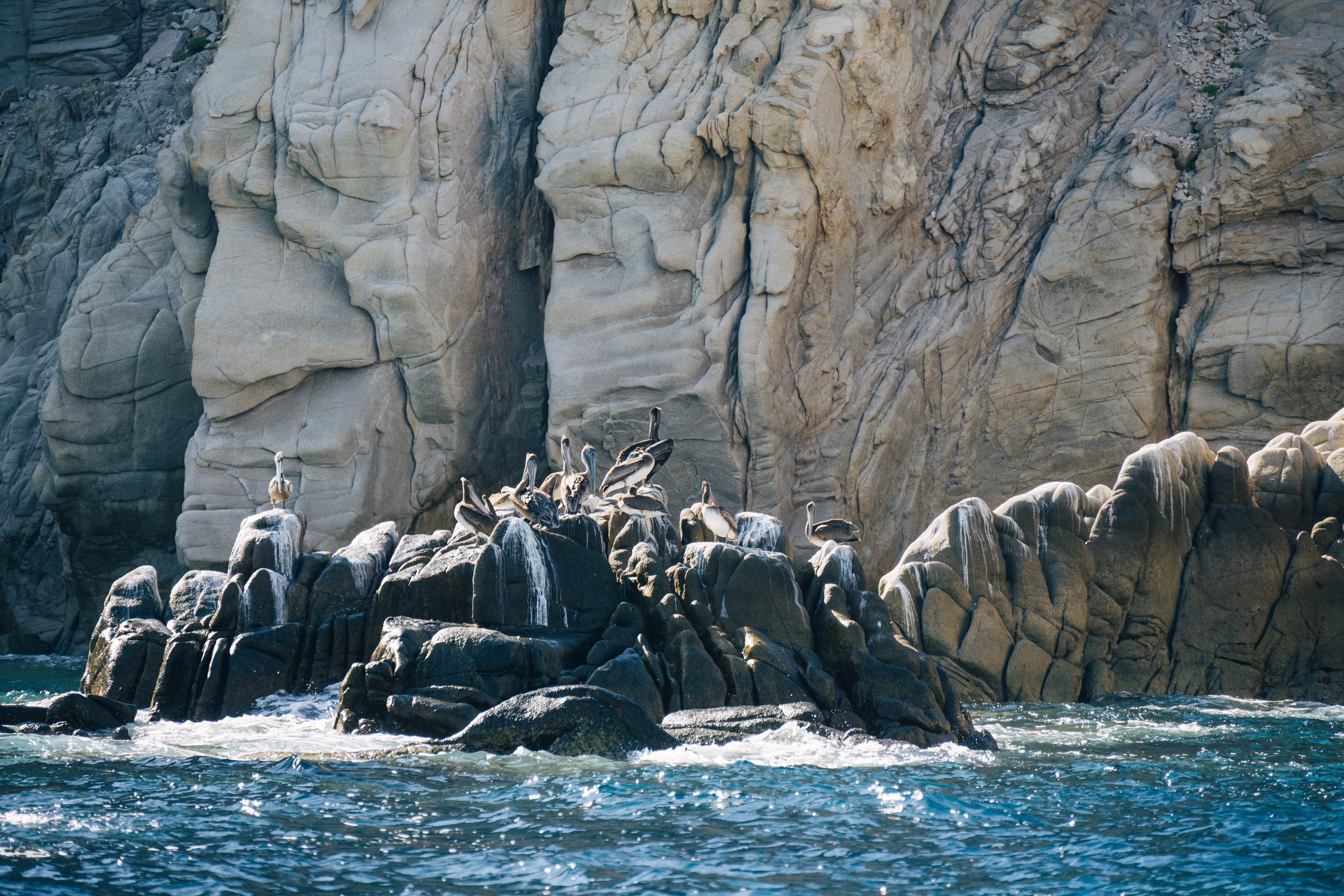
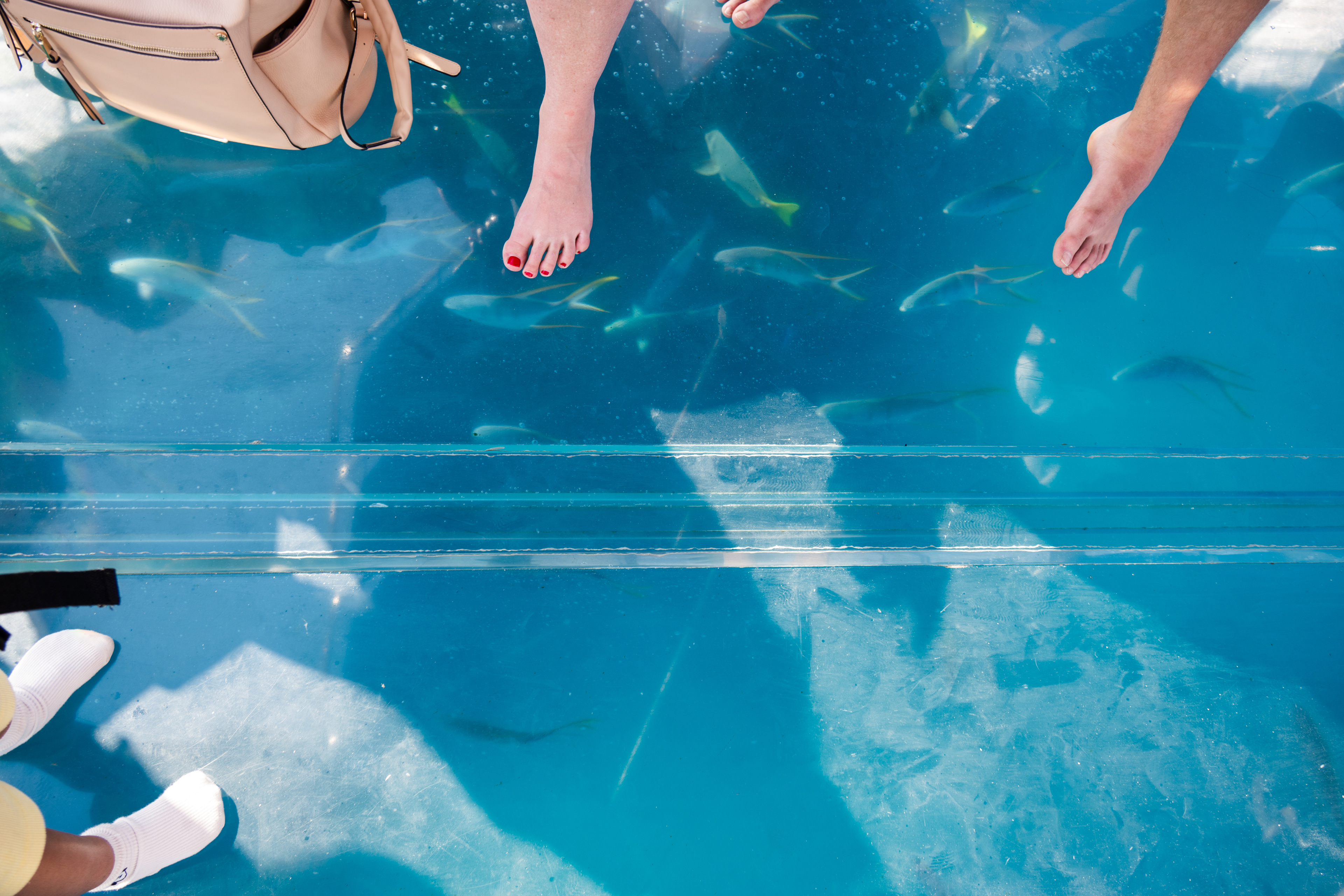
We'd booked a glass-bottom boat tour with EnvaTours, one of the better-regarded local operators in the marina. The boat's transparent hull panels turn the trip into something more than a sightseeing cruise — you're watching the underwater world scroll by beneath your feet as the boat moves, and the clear waters around Land's End are active enough to make this consistently interesting. Sea lions drifted below the hull, entirely unbothered by the glass separating us. Schools of fish changed direction in unison in the way that schools of fish do, which never gets less mesmerizing.
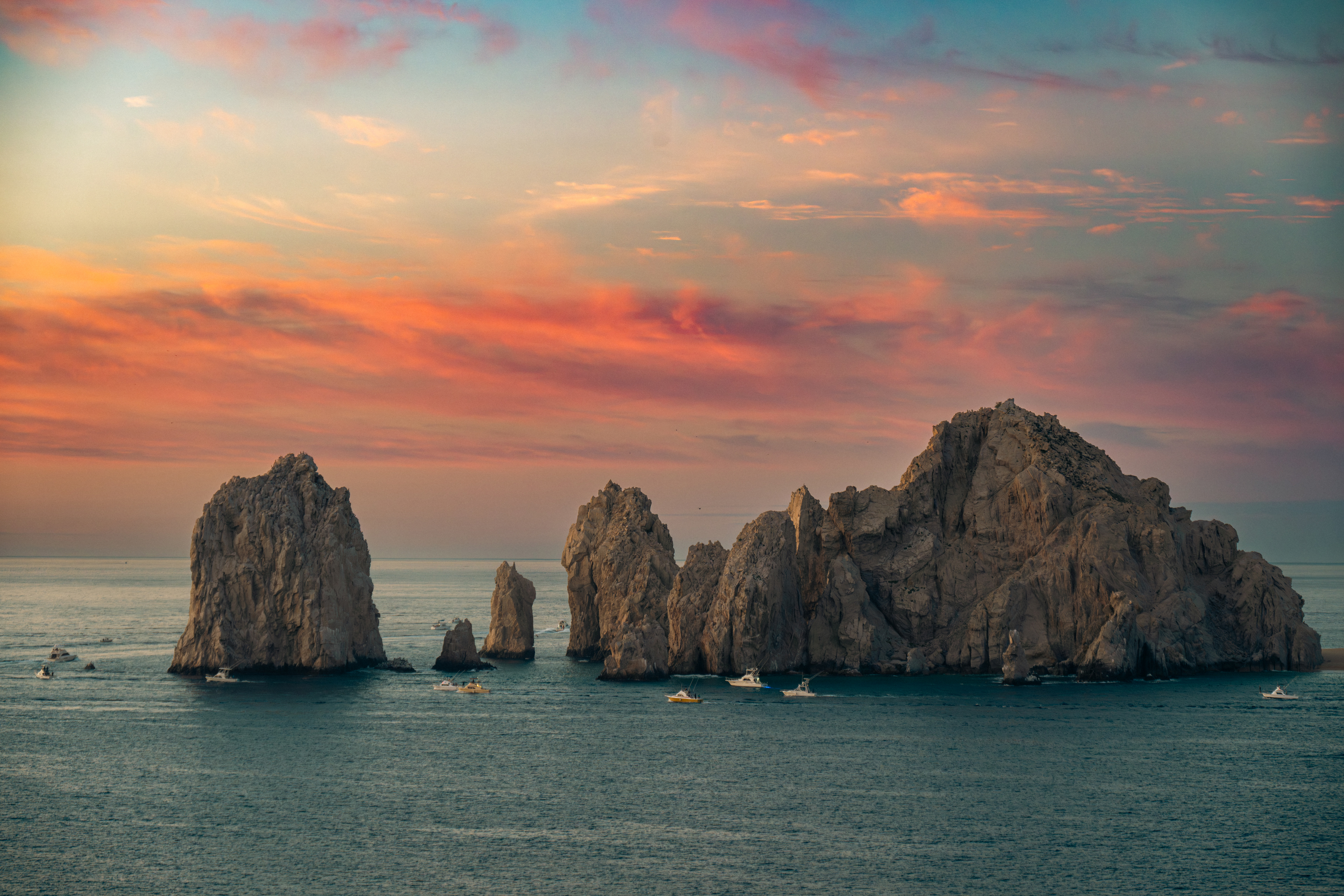
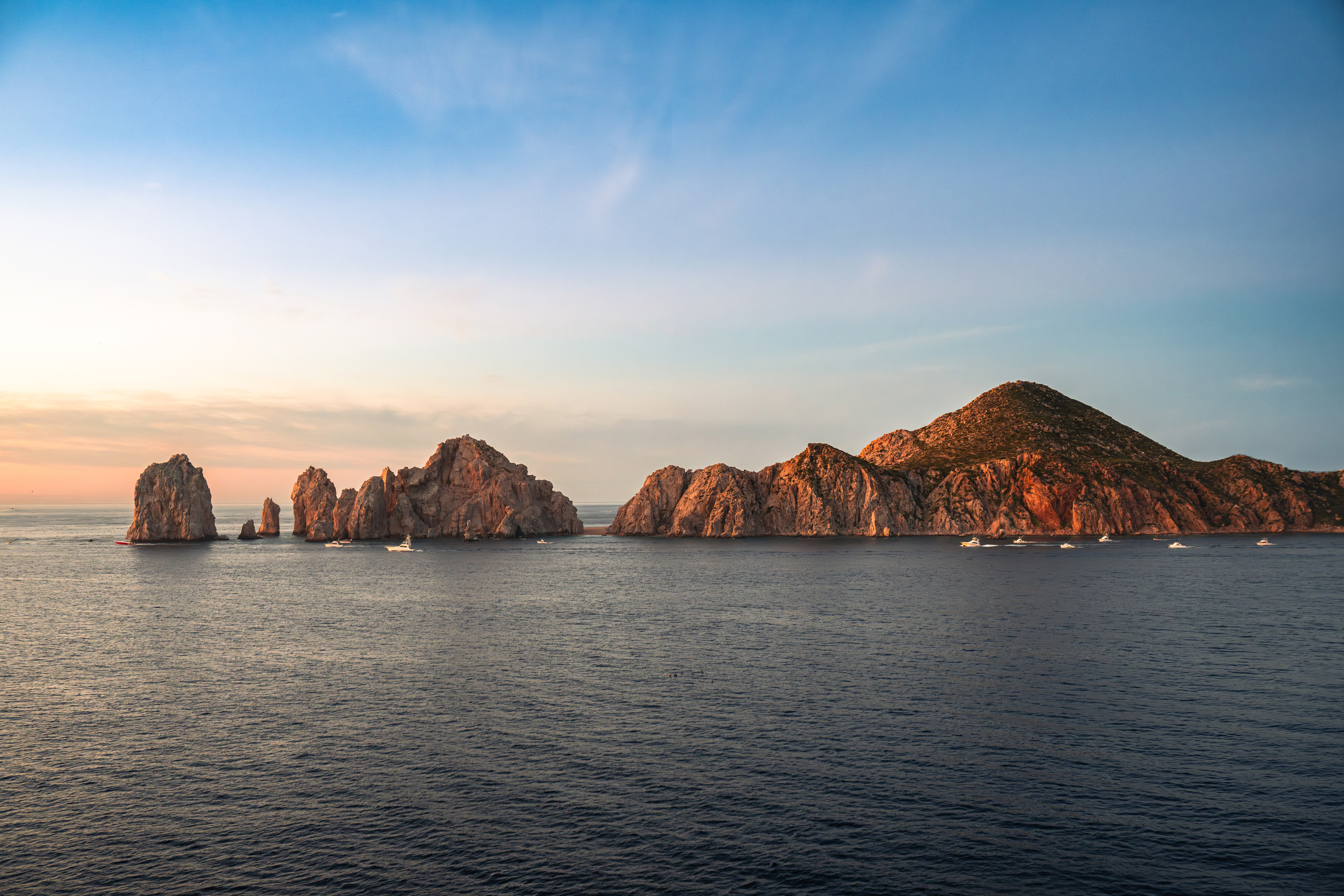
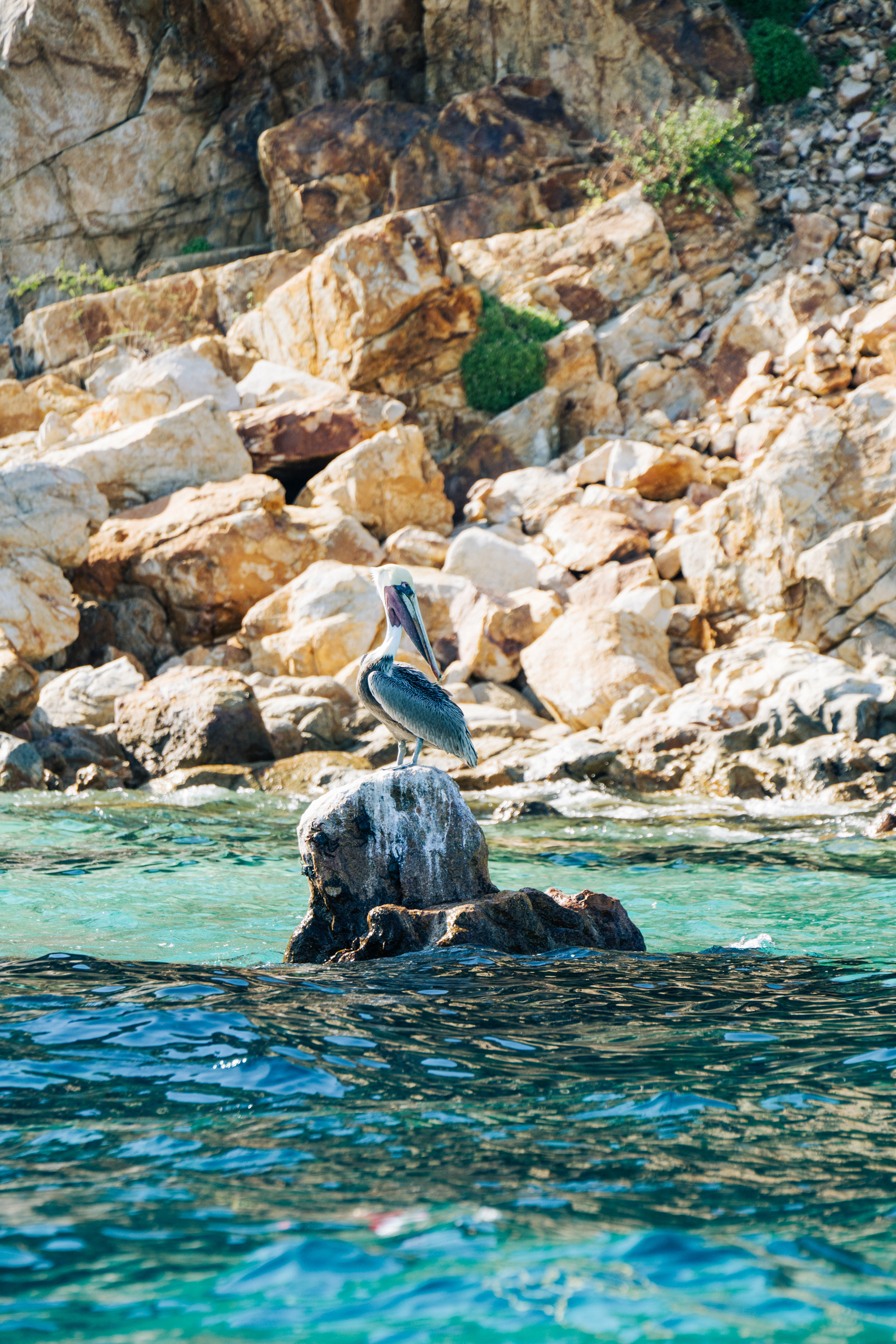
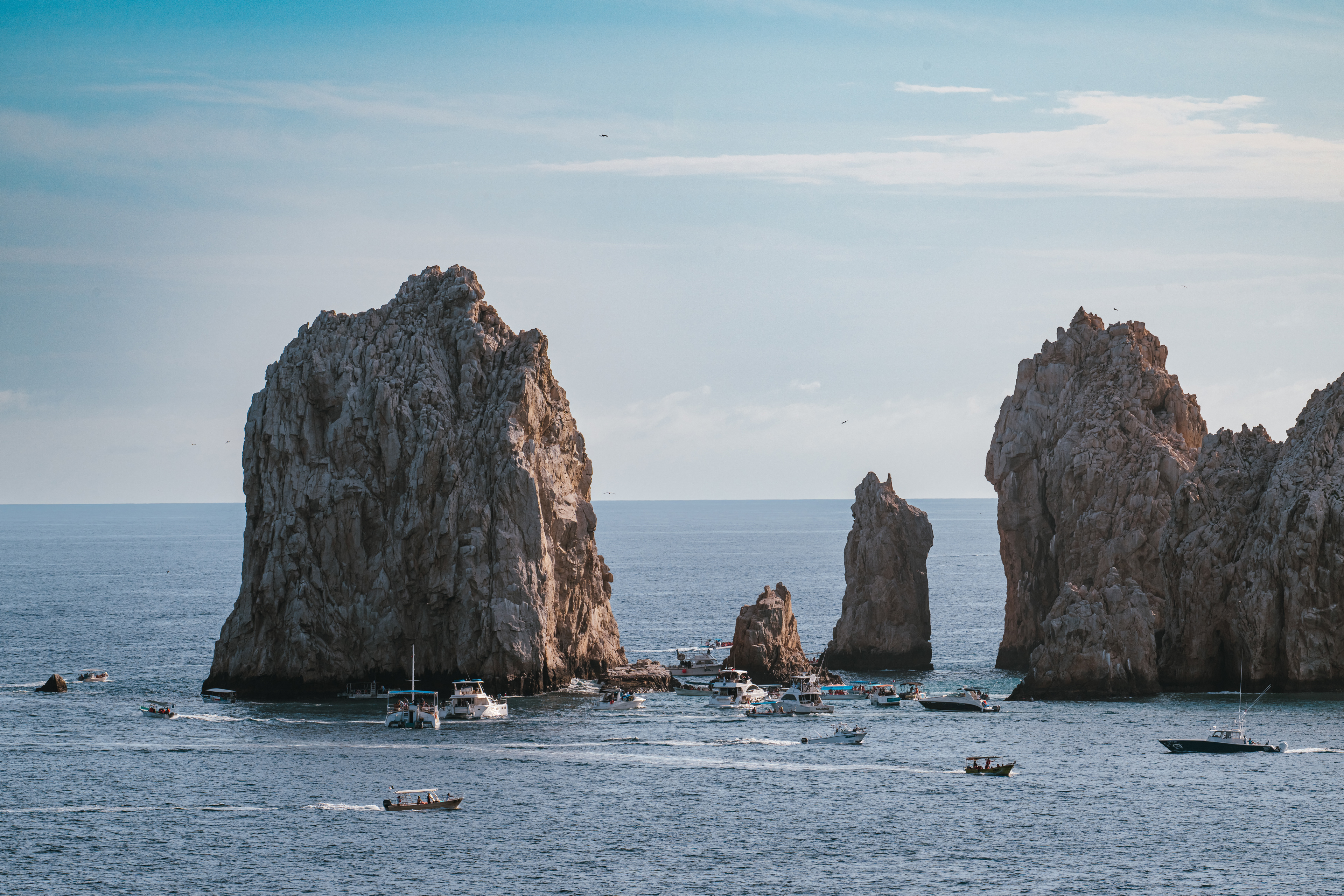
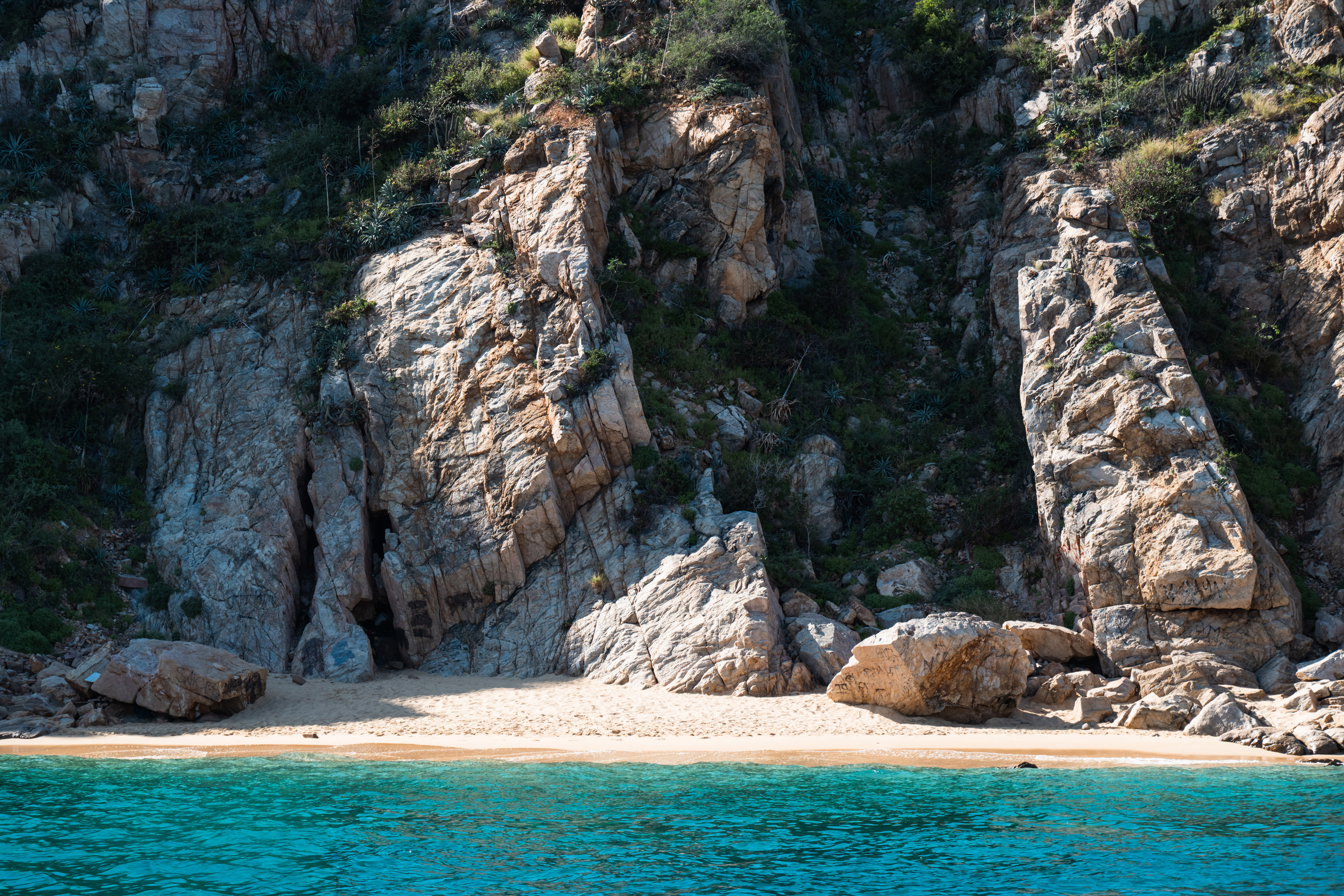
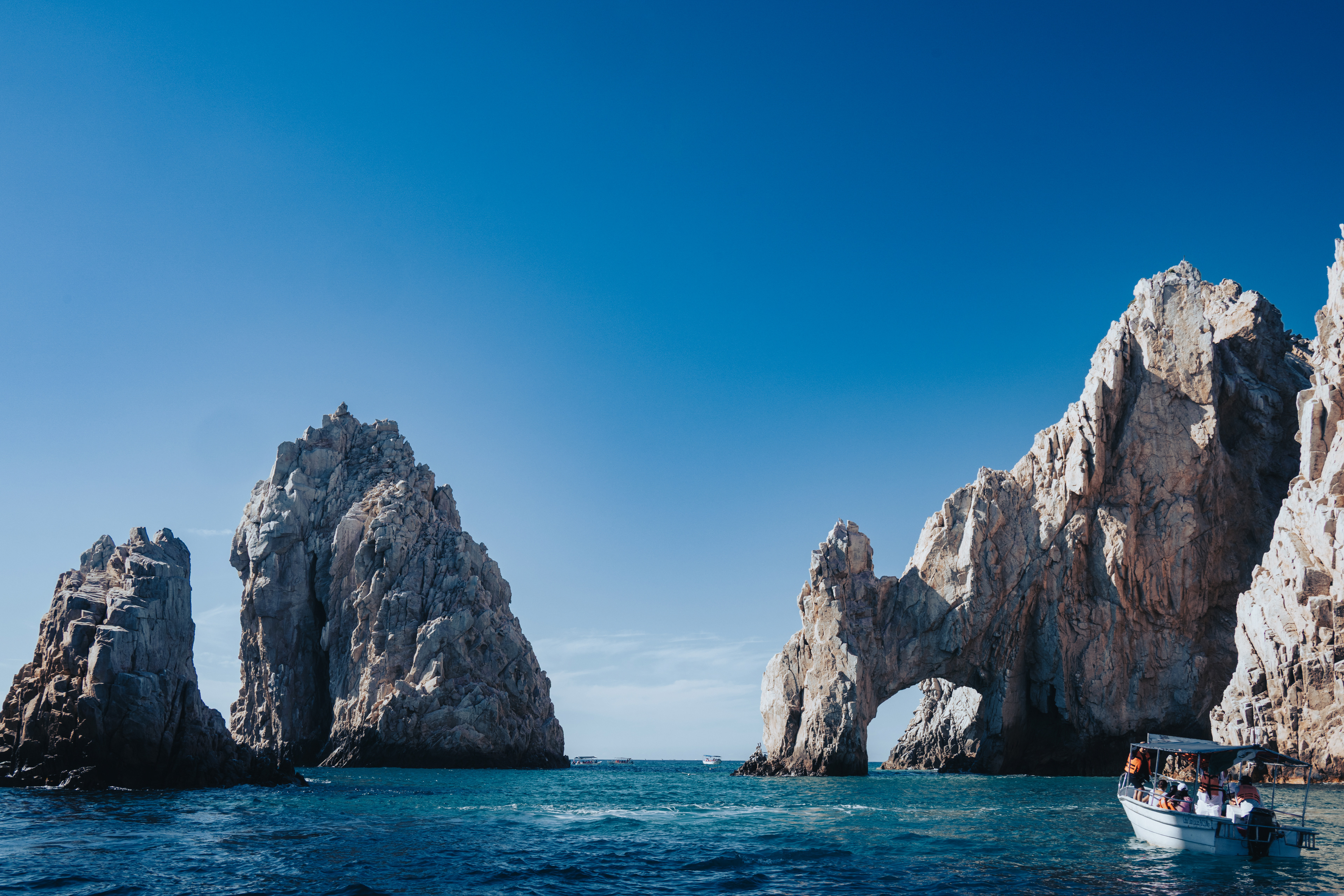
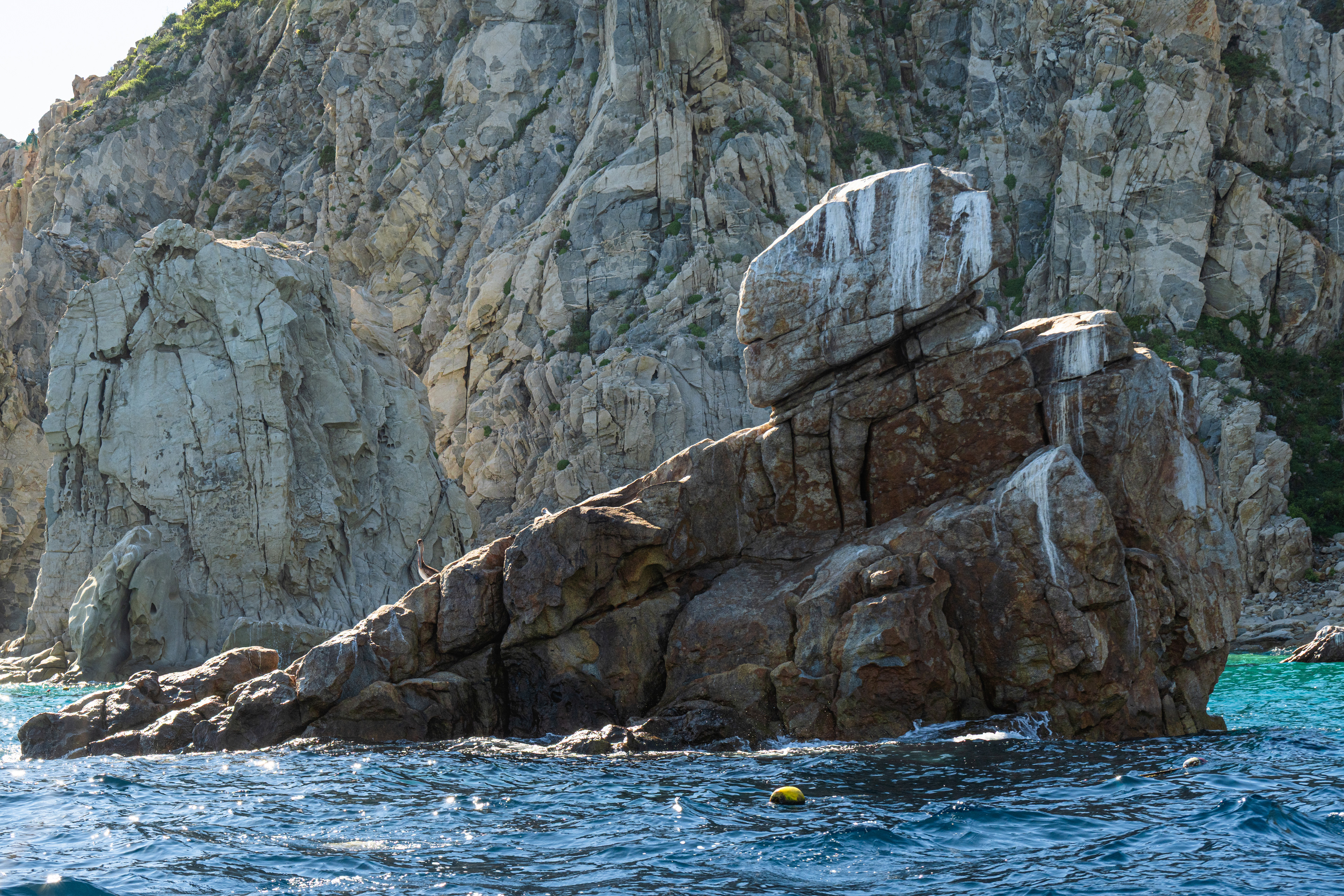
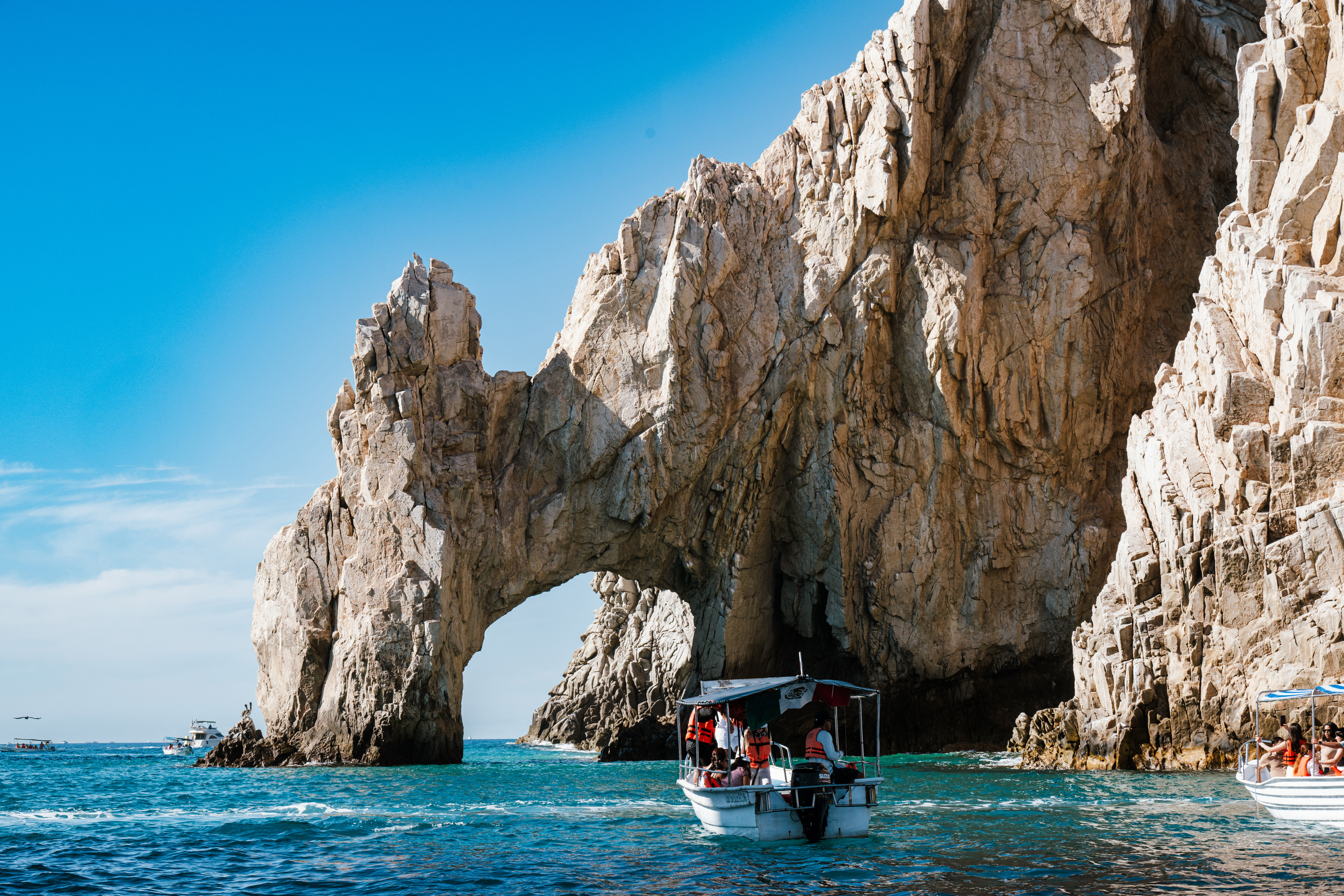
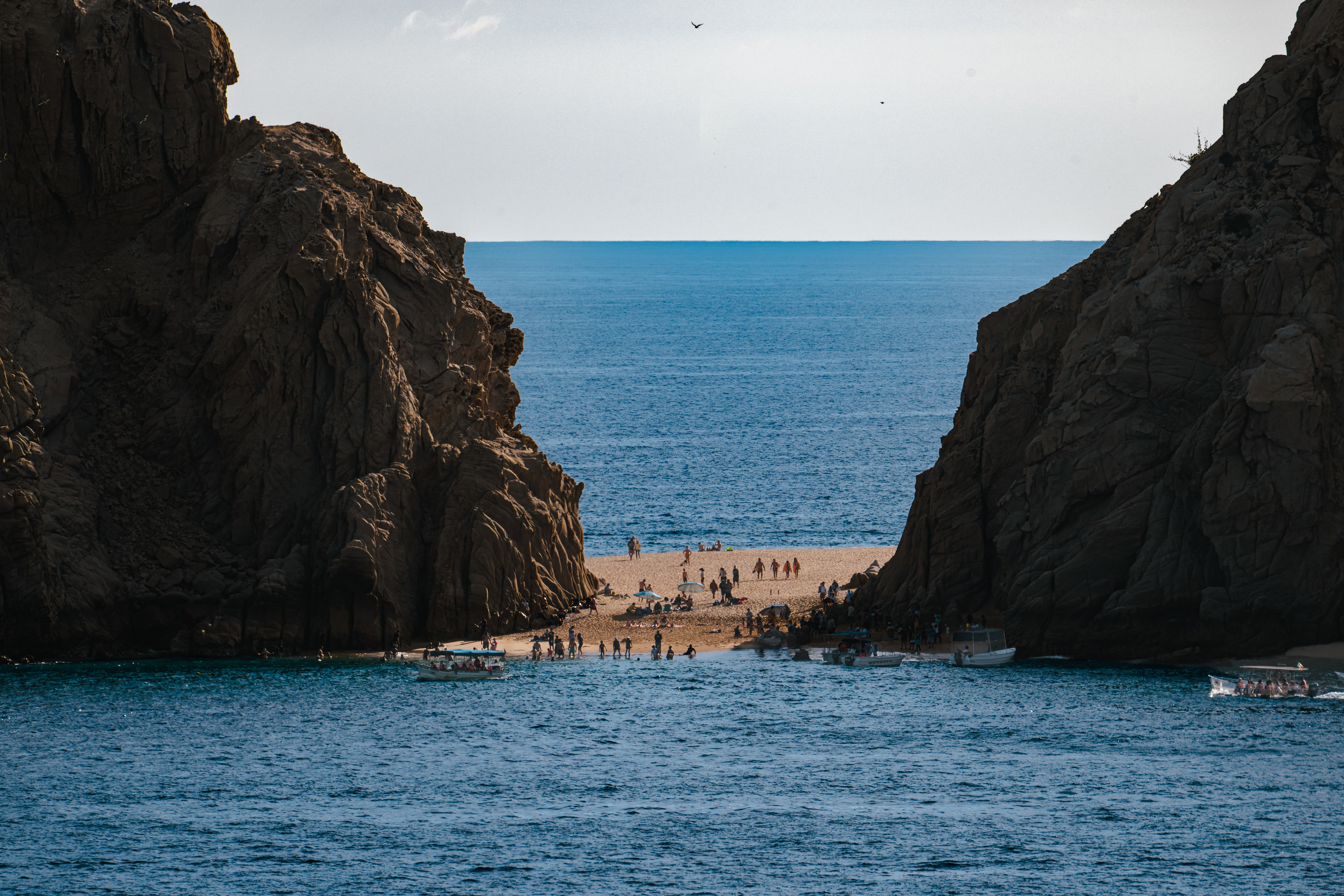
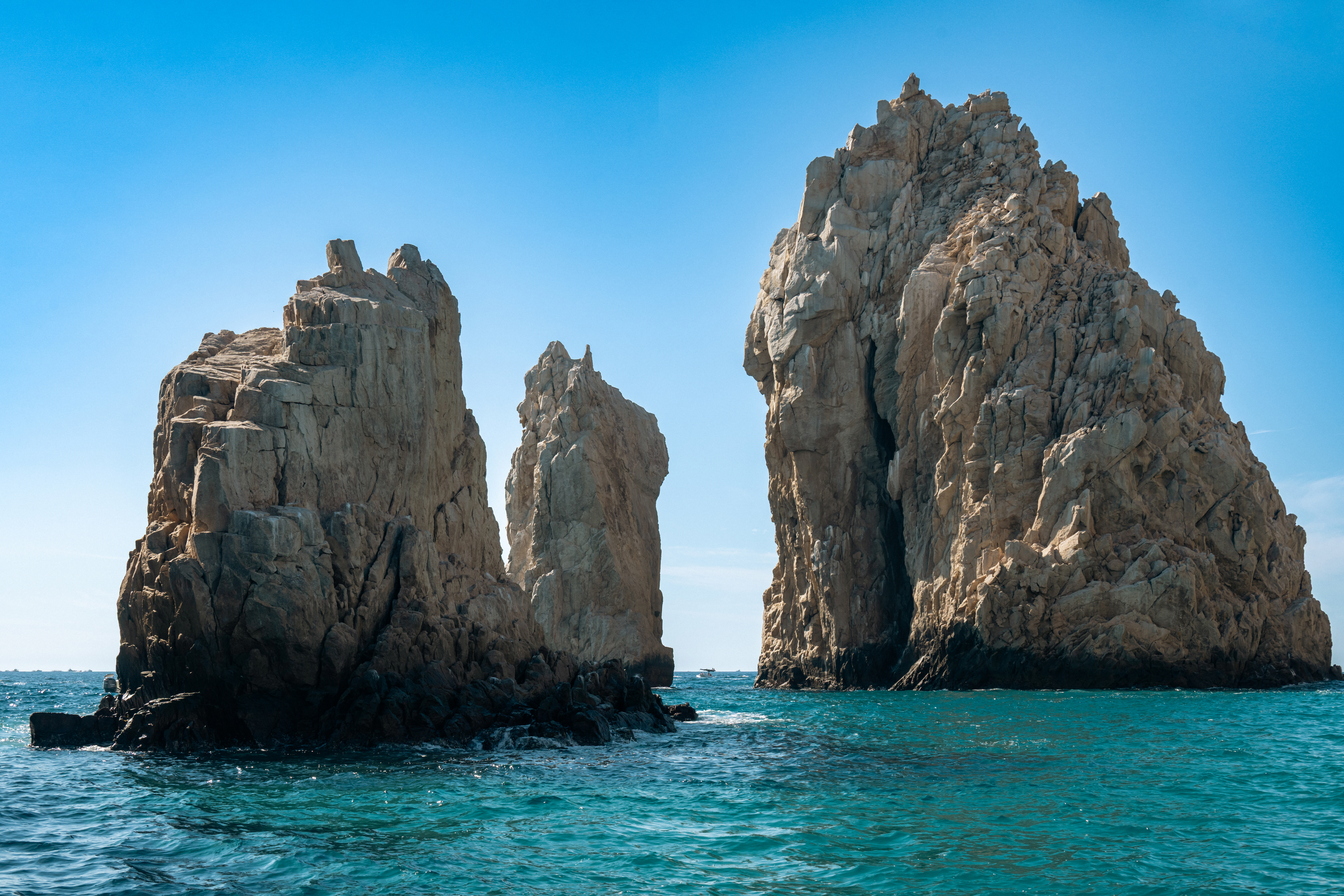
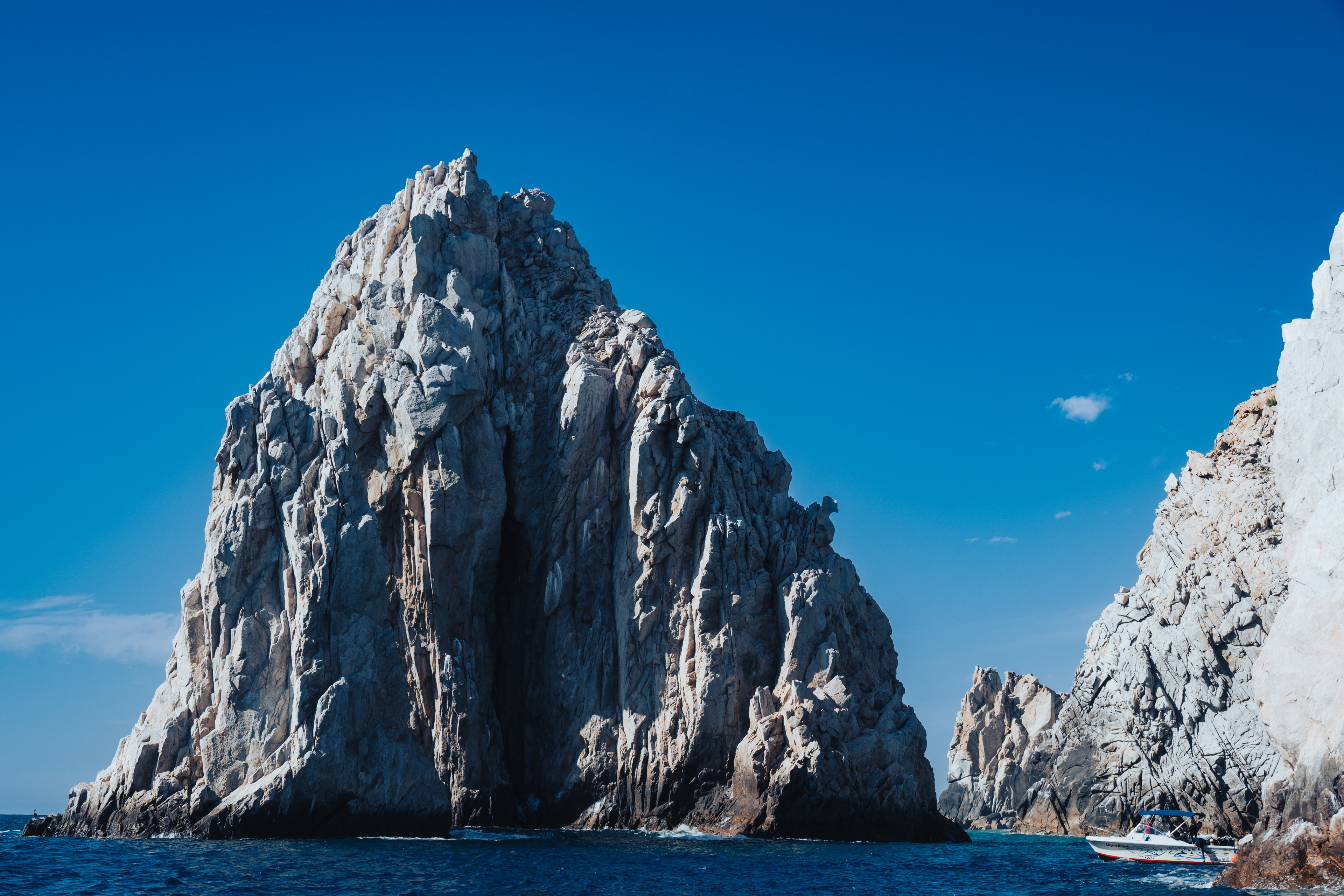
The destination, as it always is in Cabo, was El Arco — the famous stone arch at Land's End where the Pacific meets the Sea of Cortez. From above the waterline, it's the shot you've seen on every Cabo travel piece ever published: jagged rock formations, sea lions draped over every available surface like they own the place (they do), two ocean bodies pressing against each other in different shades of blue. From below, through the glass, the arch's underwater base and the reef around it added a dimension that a standard boat tour wouldn't have offered. For a toddler with strong opinions about fish, this was an excellent investment.
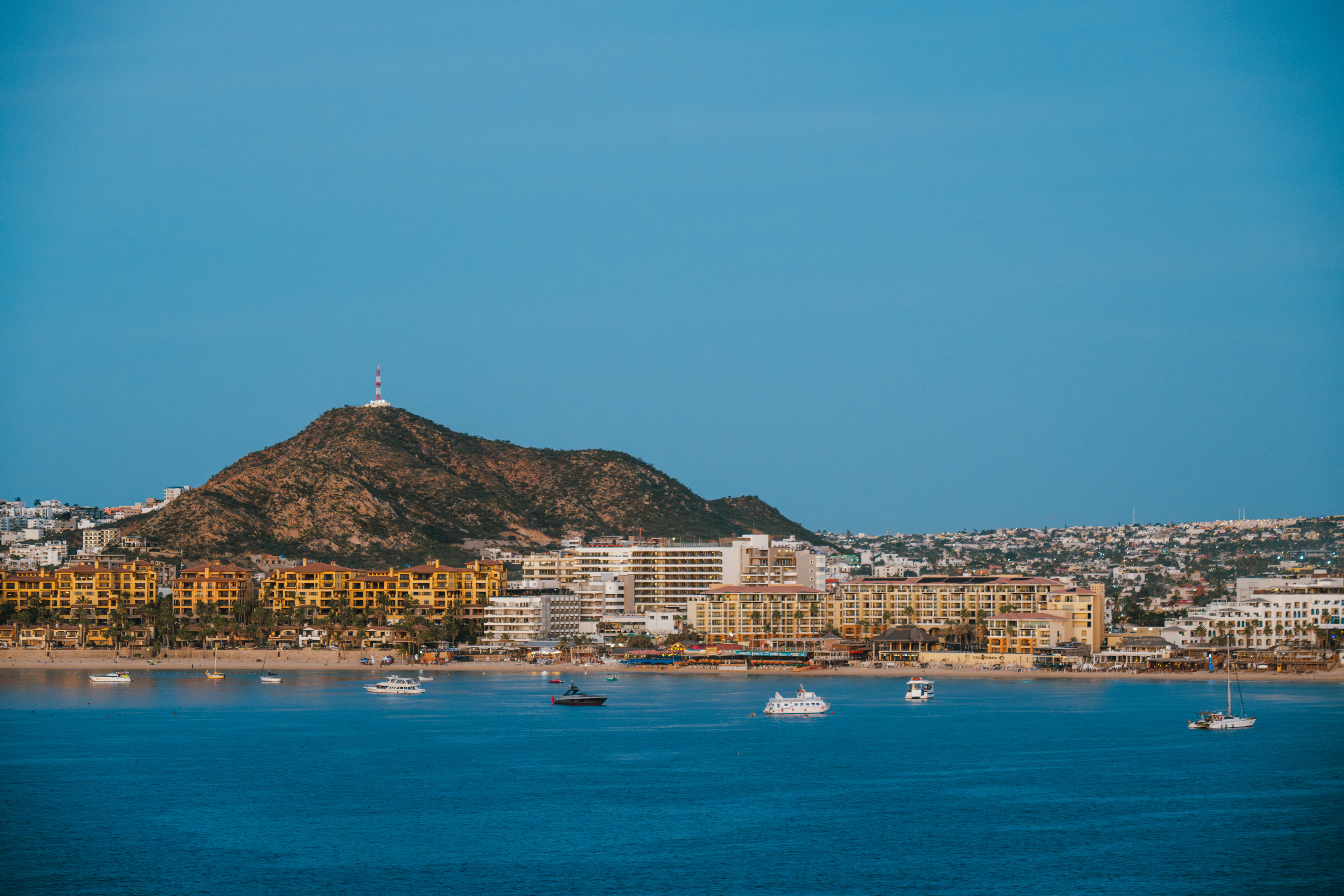
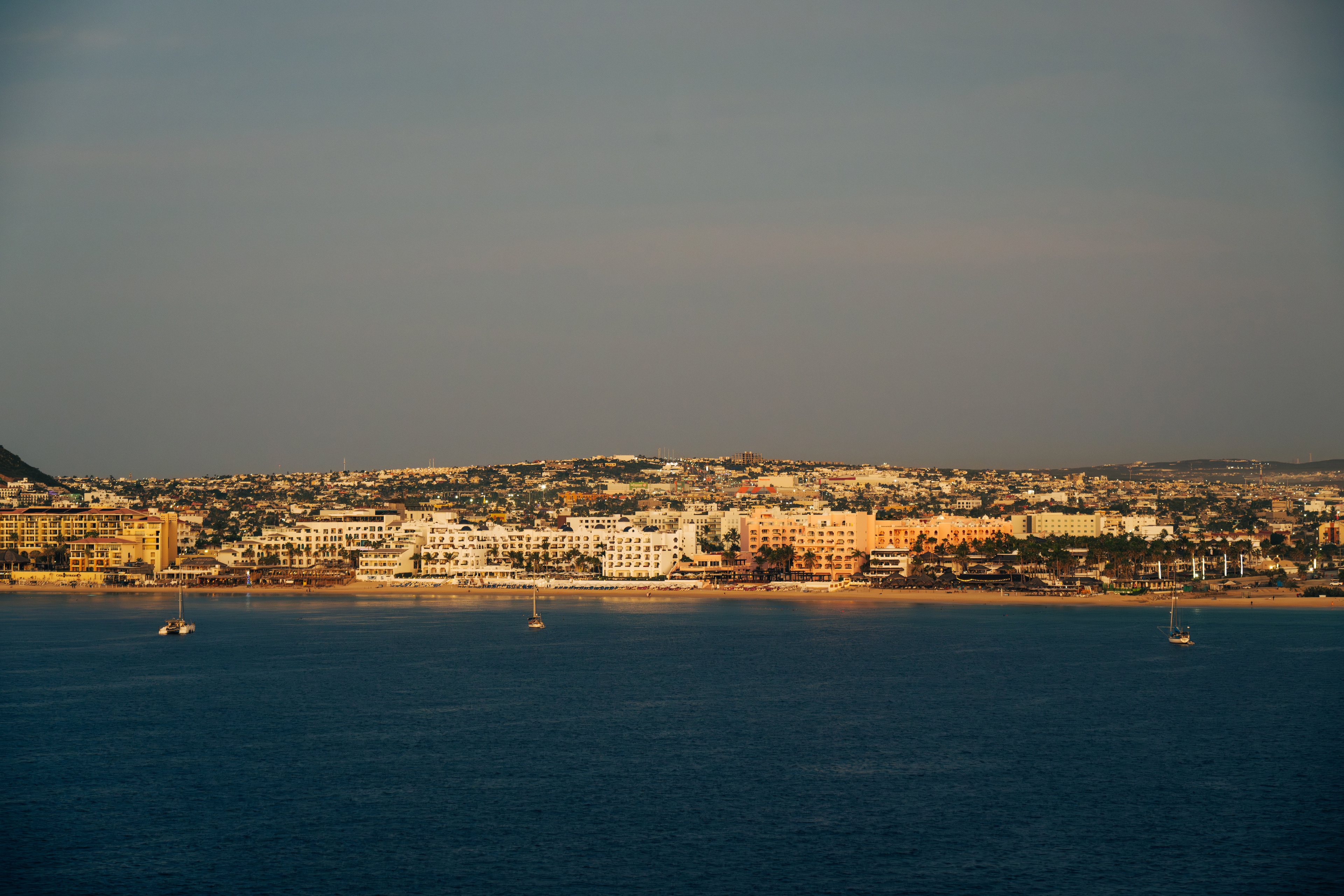
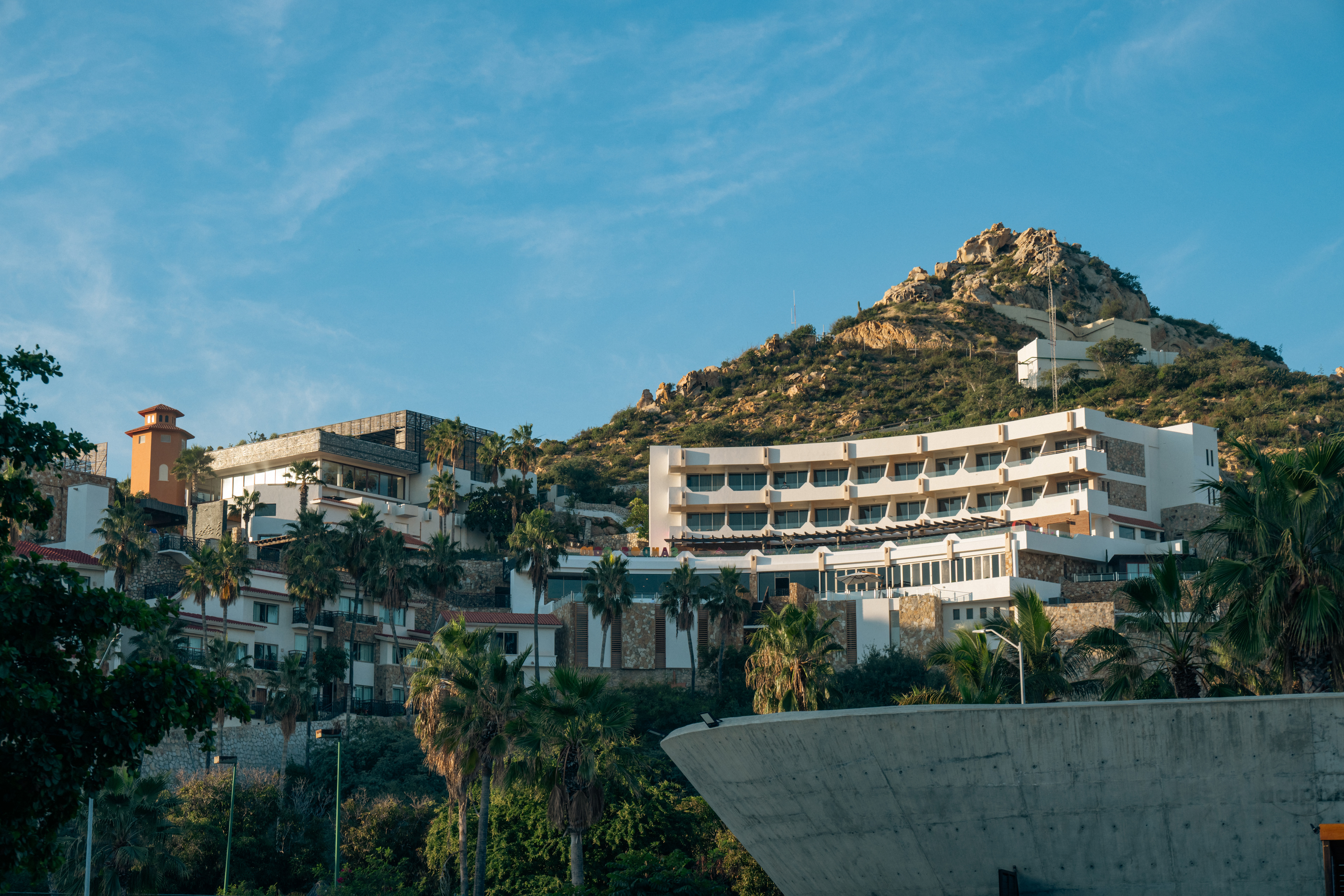
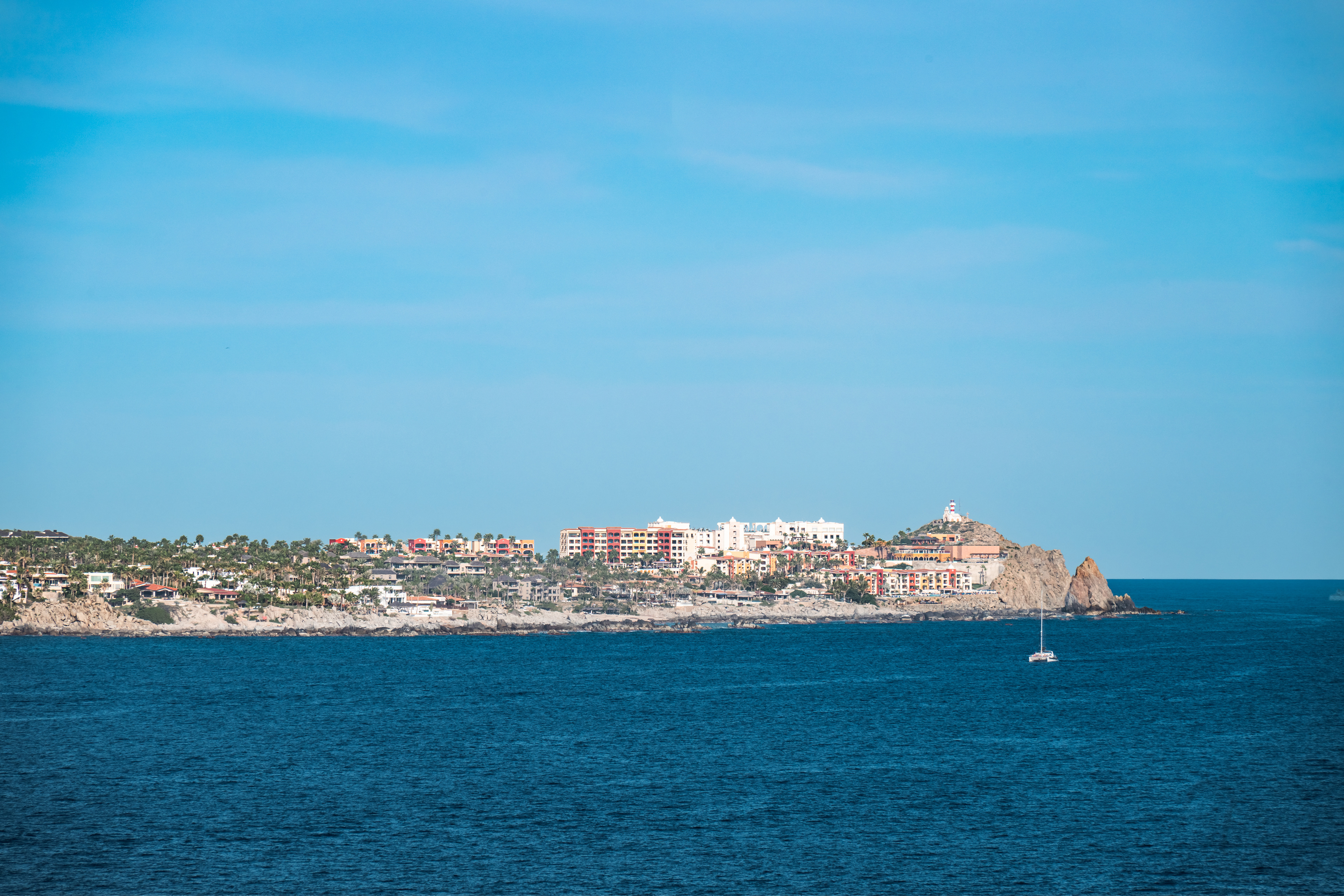
A note about Cabo as a destination: it has gone all-in on the resort-and-nightclub market with a level of commitment that borders on admirable. The marina is beautiful. The beaches are excellent. But the version of Cabo that exists today is almost entirely a construction of the past 50 years — the Mexican government built the infrastructure for international tourism starting in 1974, and what was a quiet fishing village is now one of the world's busiest cruise ports. Whether you find this interesting or depressing probably reveals something about you as a traveler.
Our daughter's verdict: "Fish! A lot of fish! Sleeping sea lion!" She approved unreservedly.
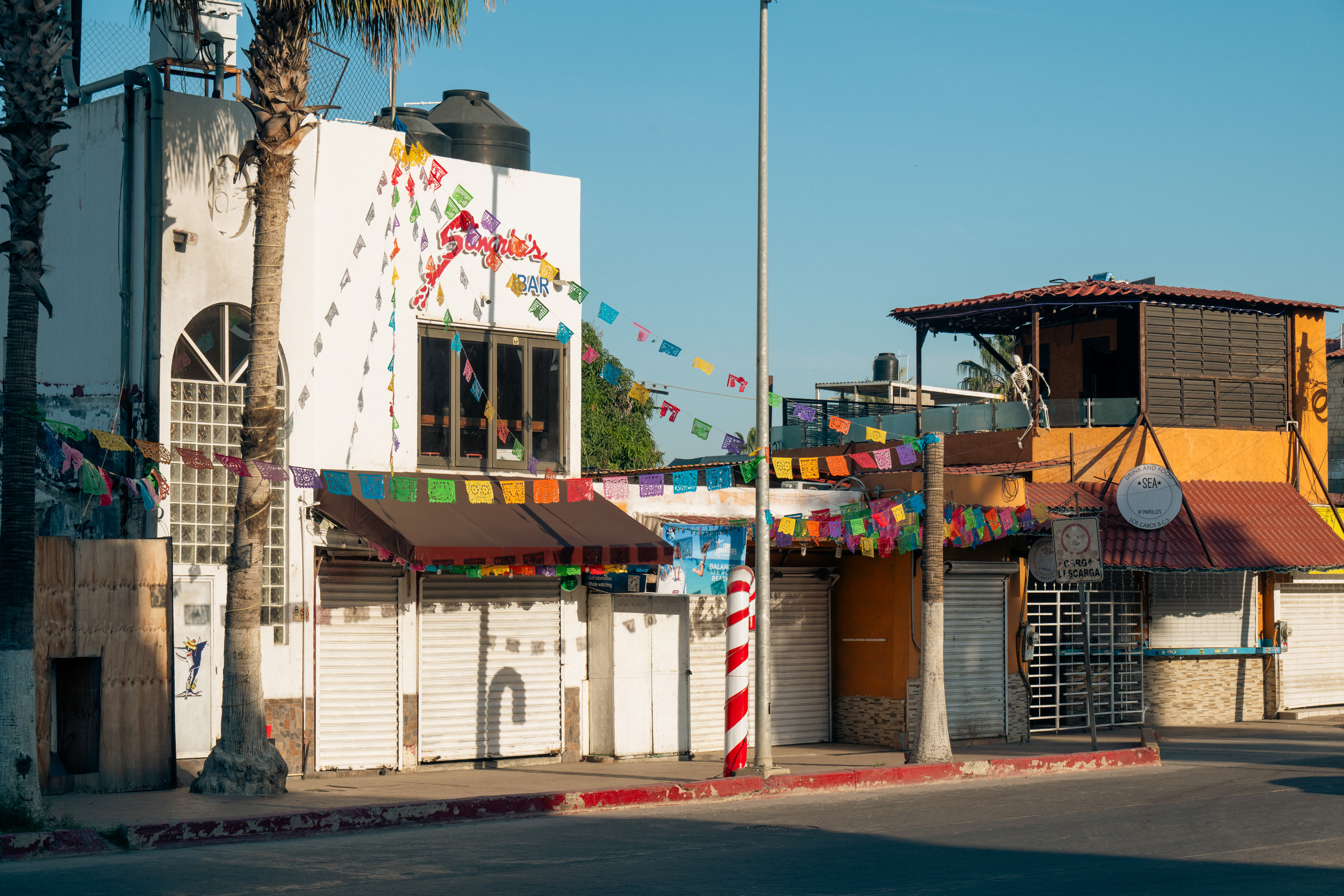
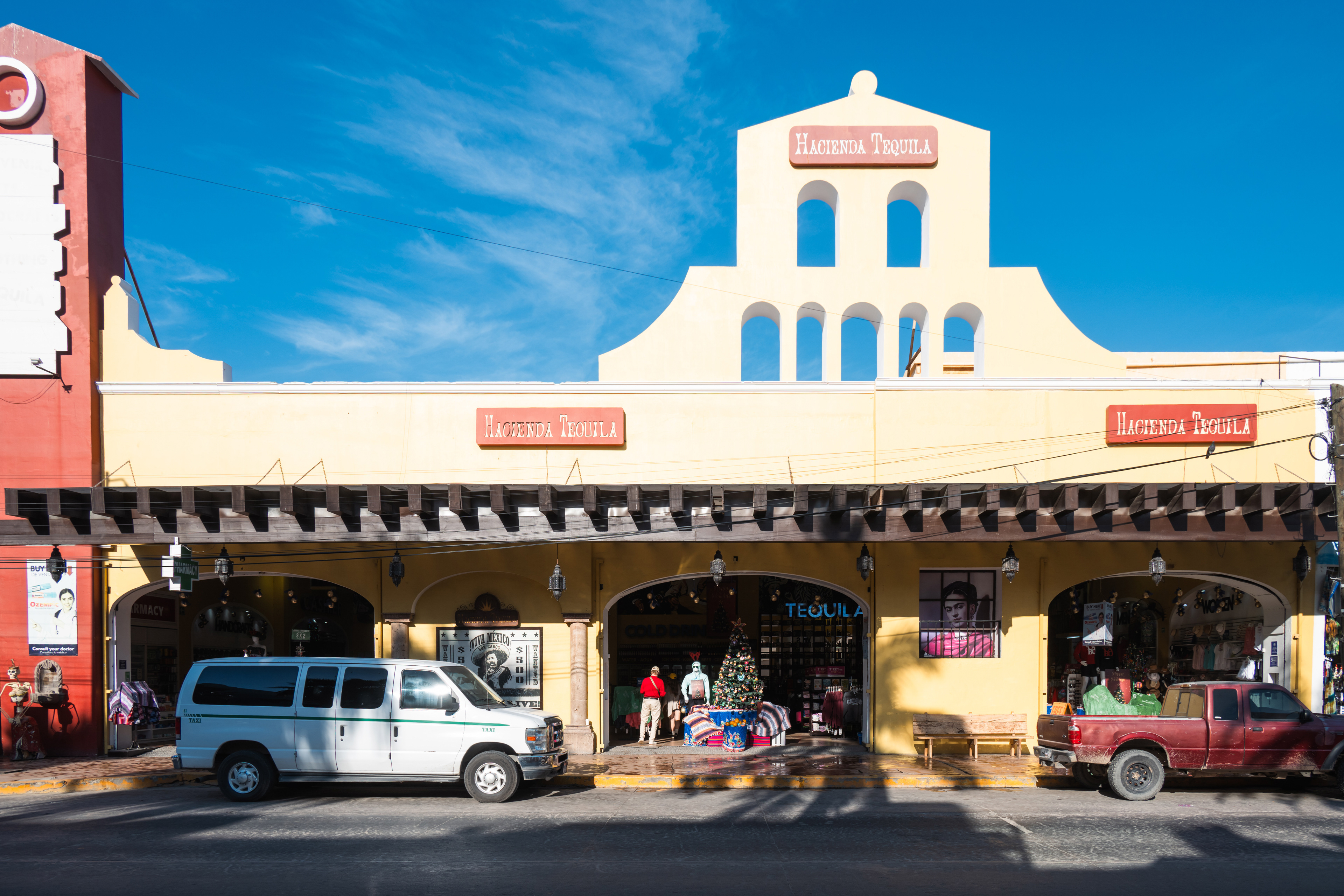
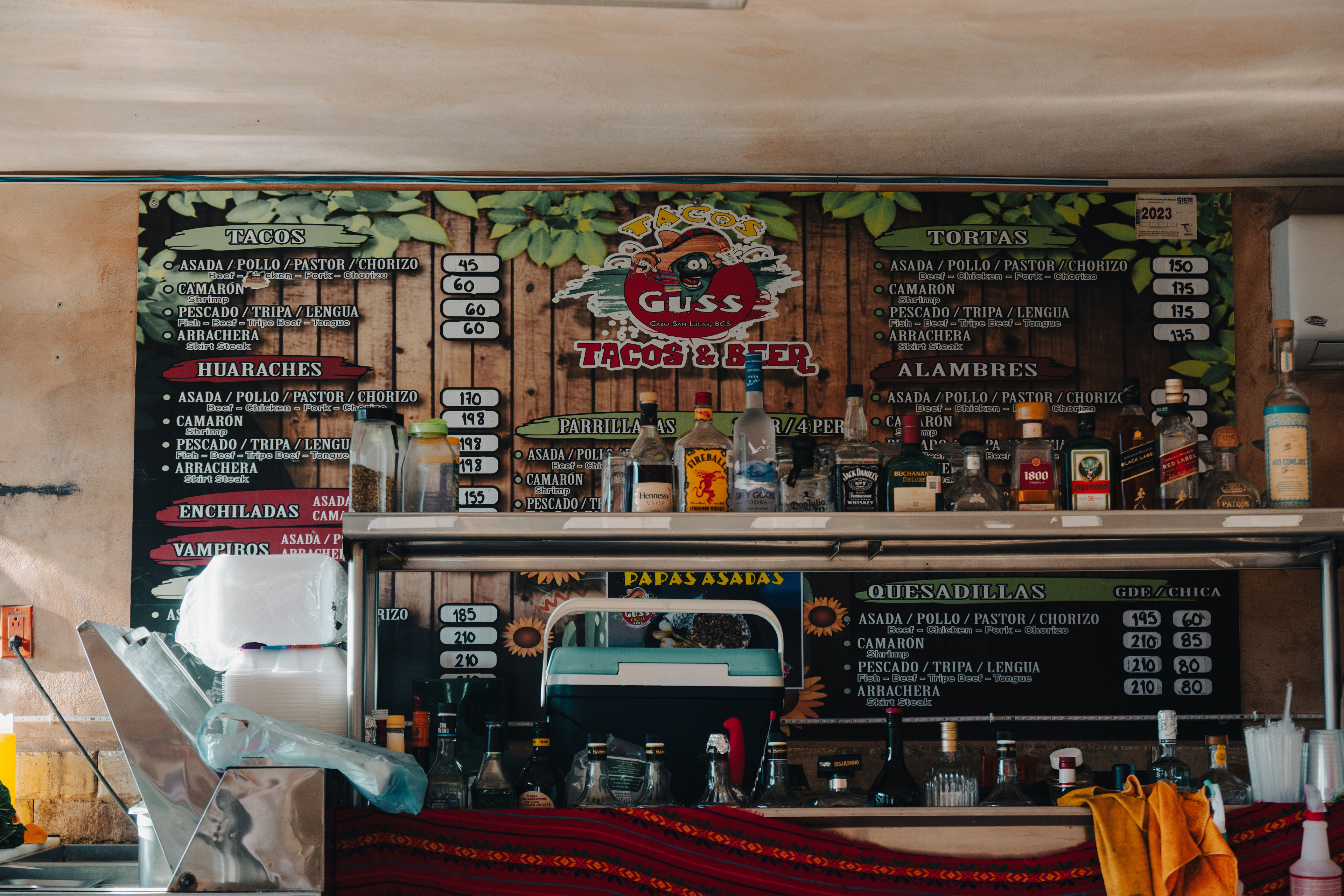
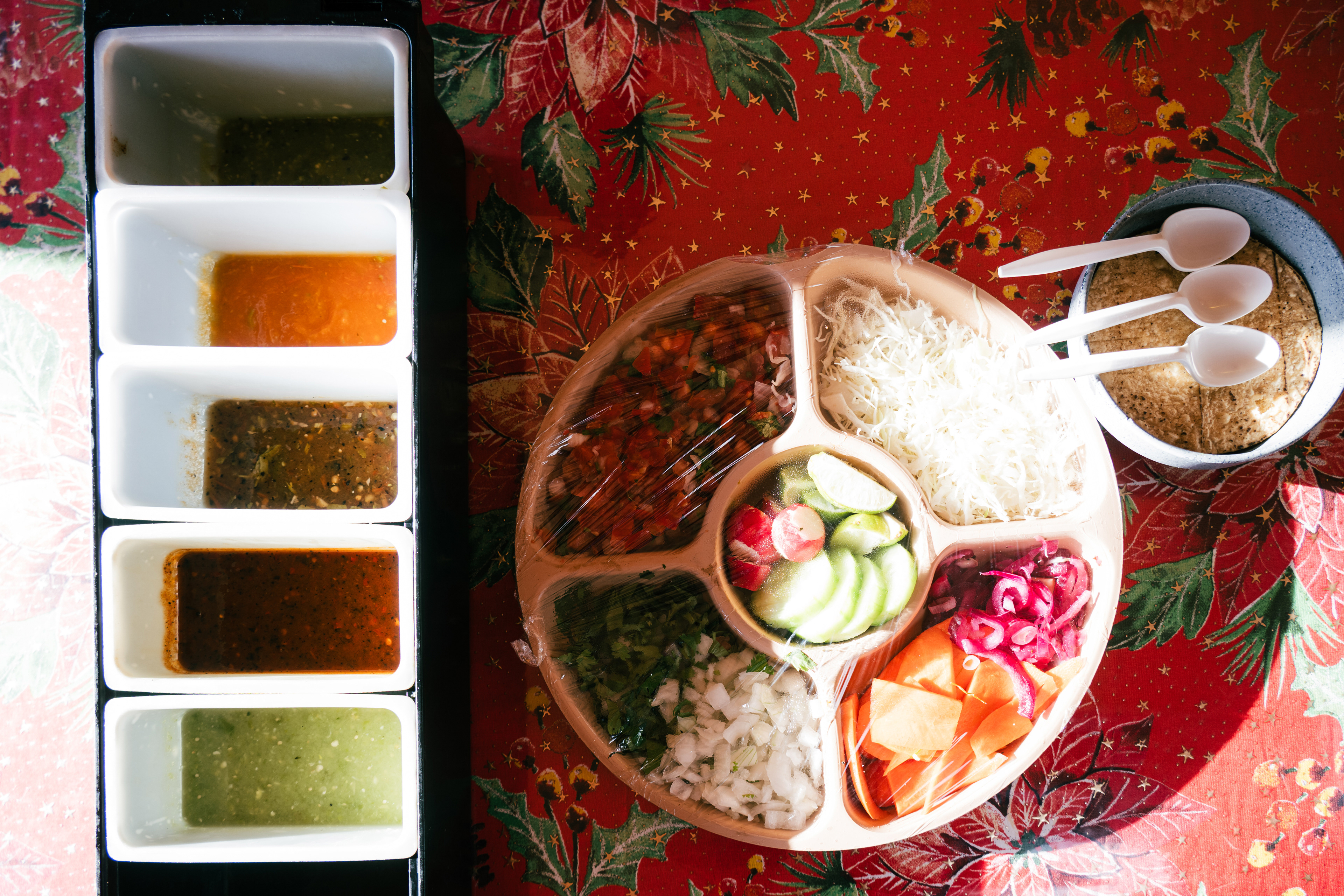
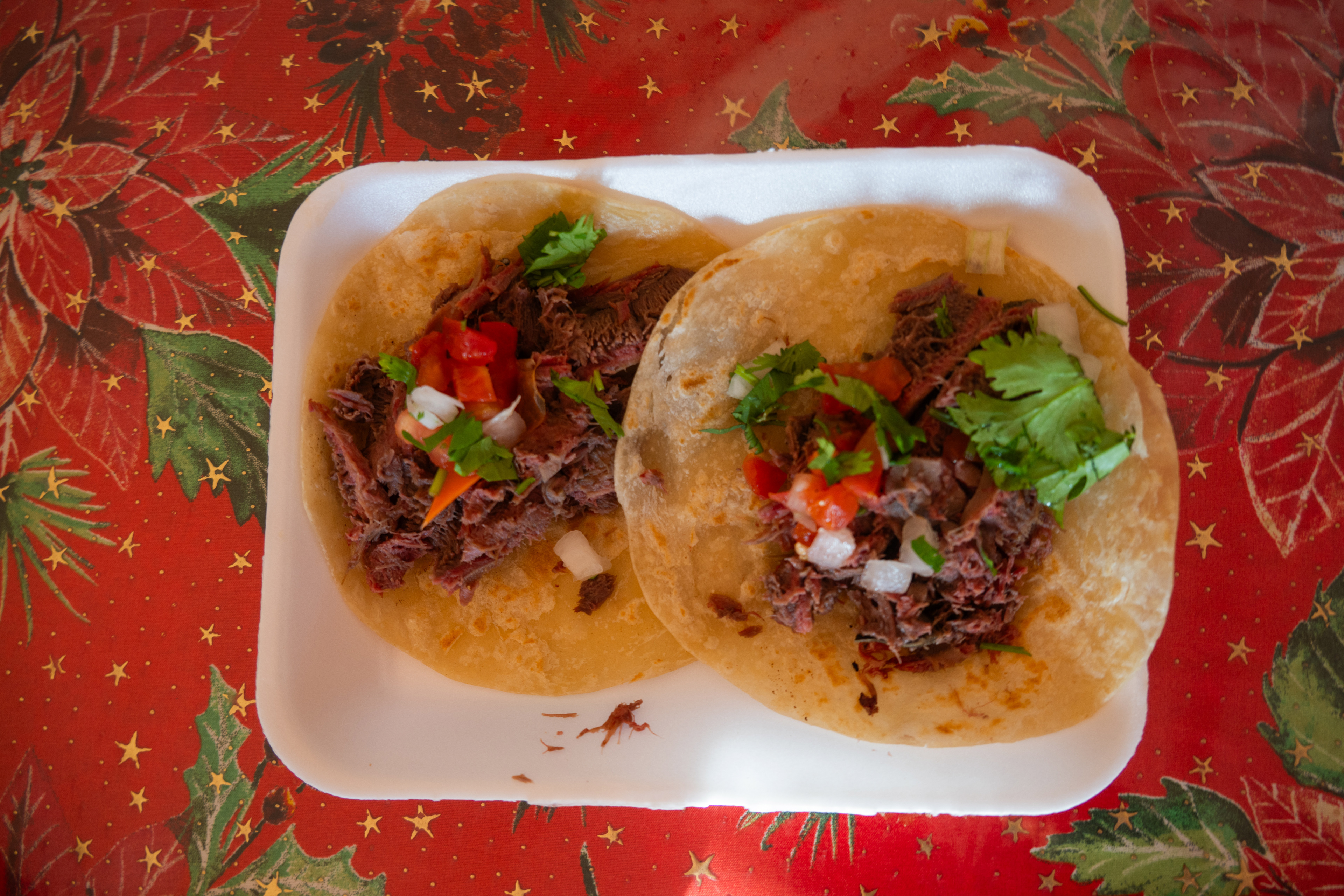
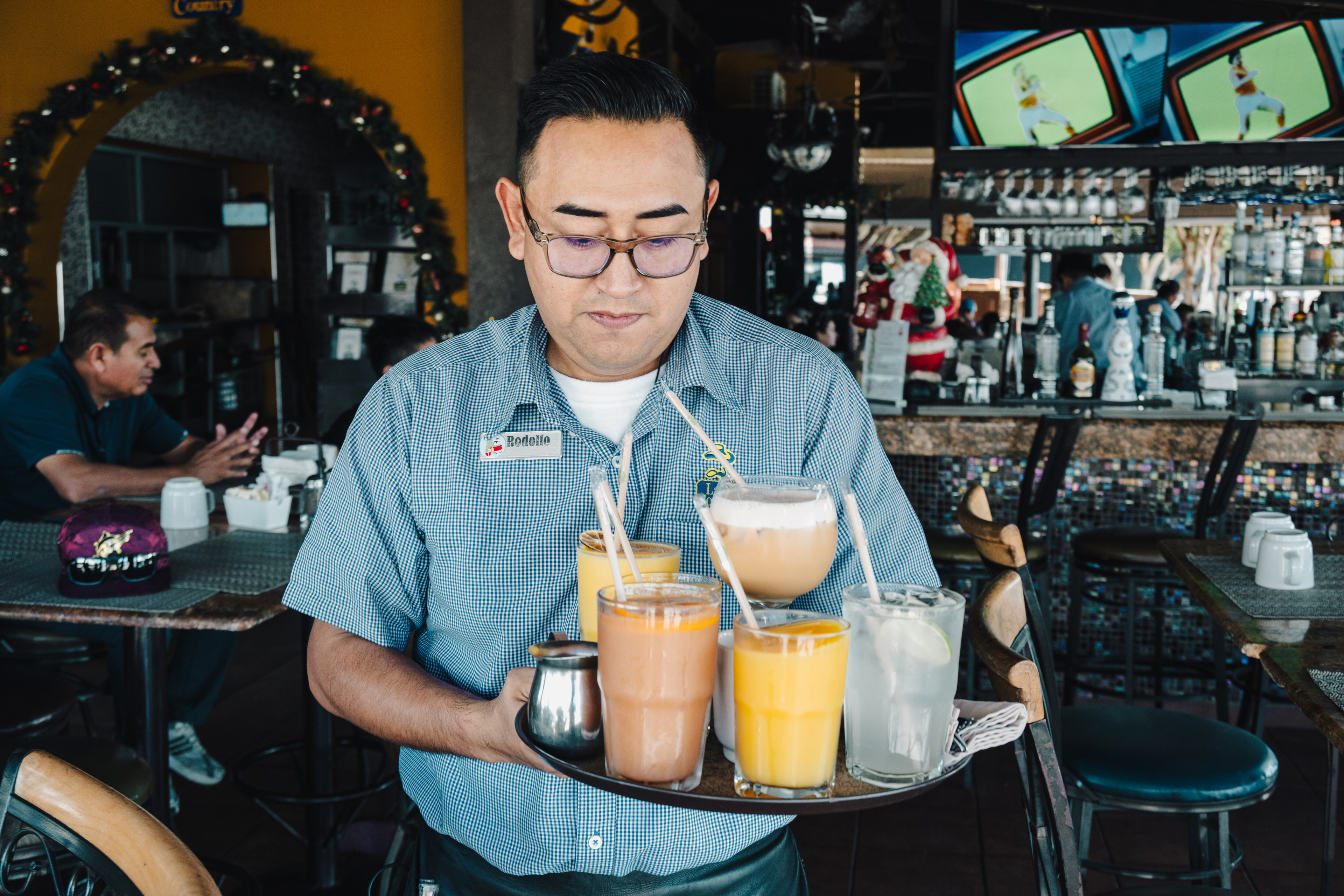
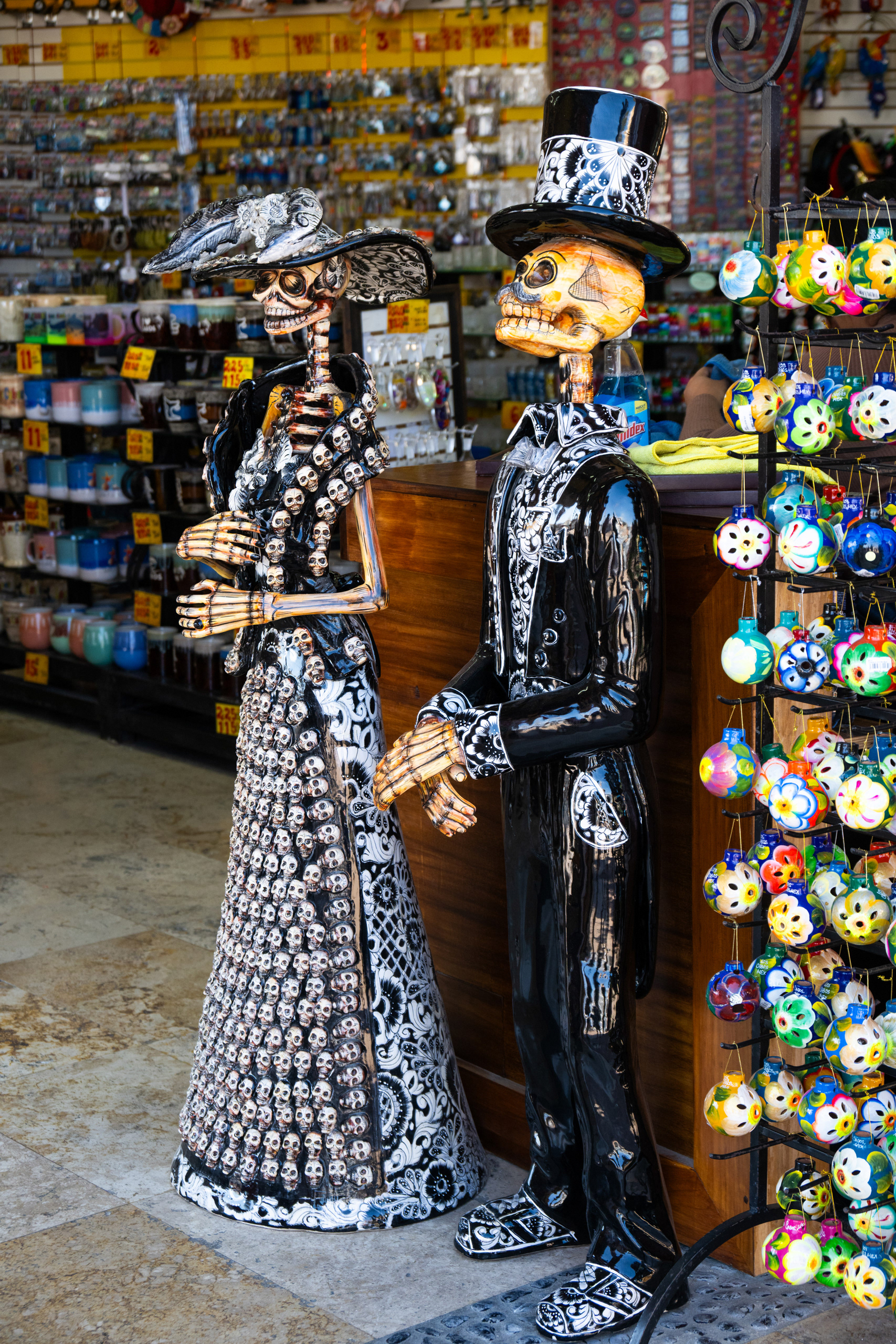
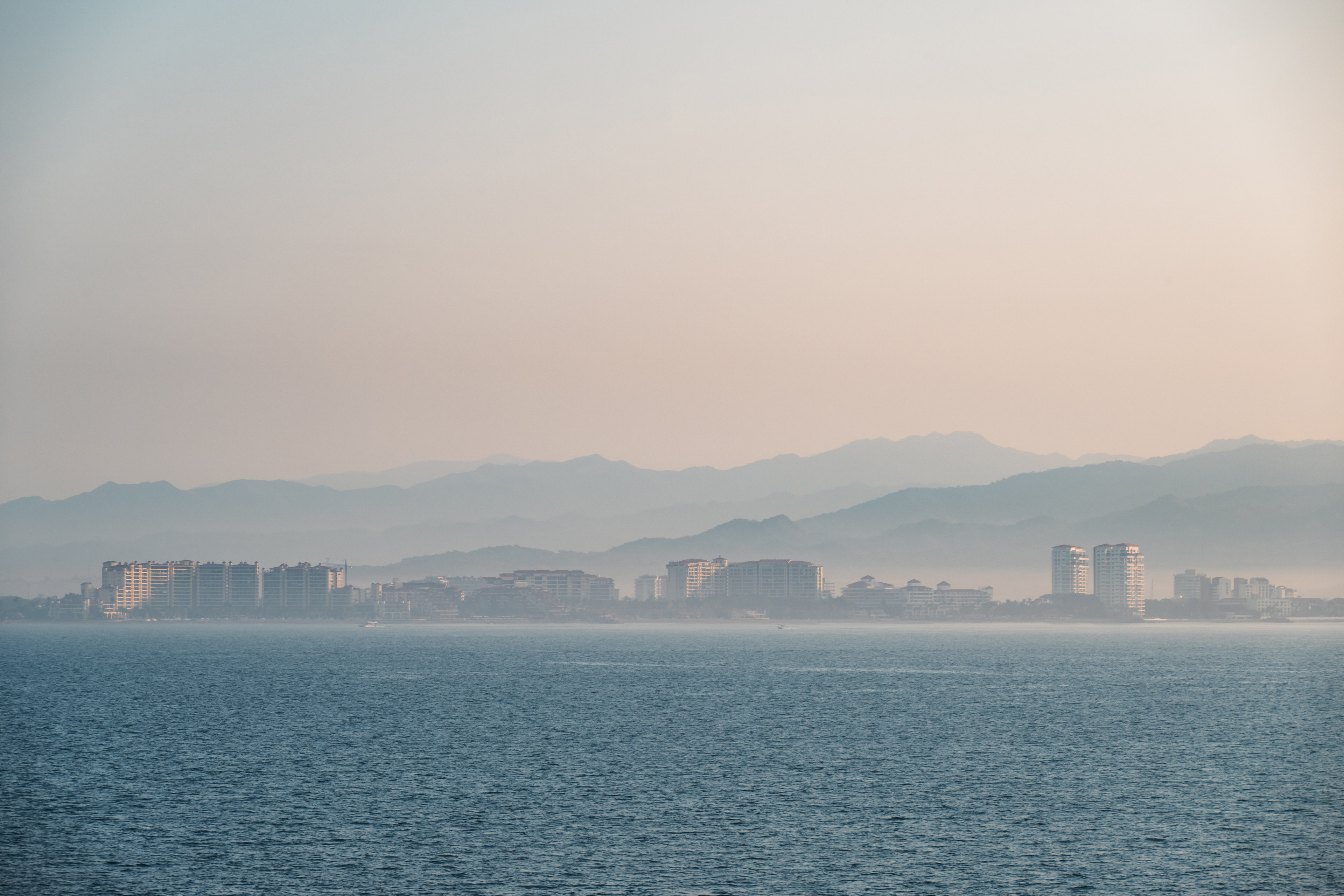
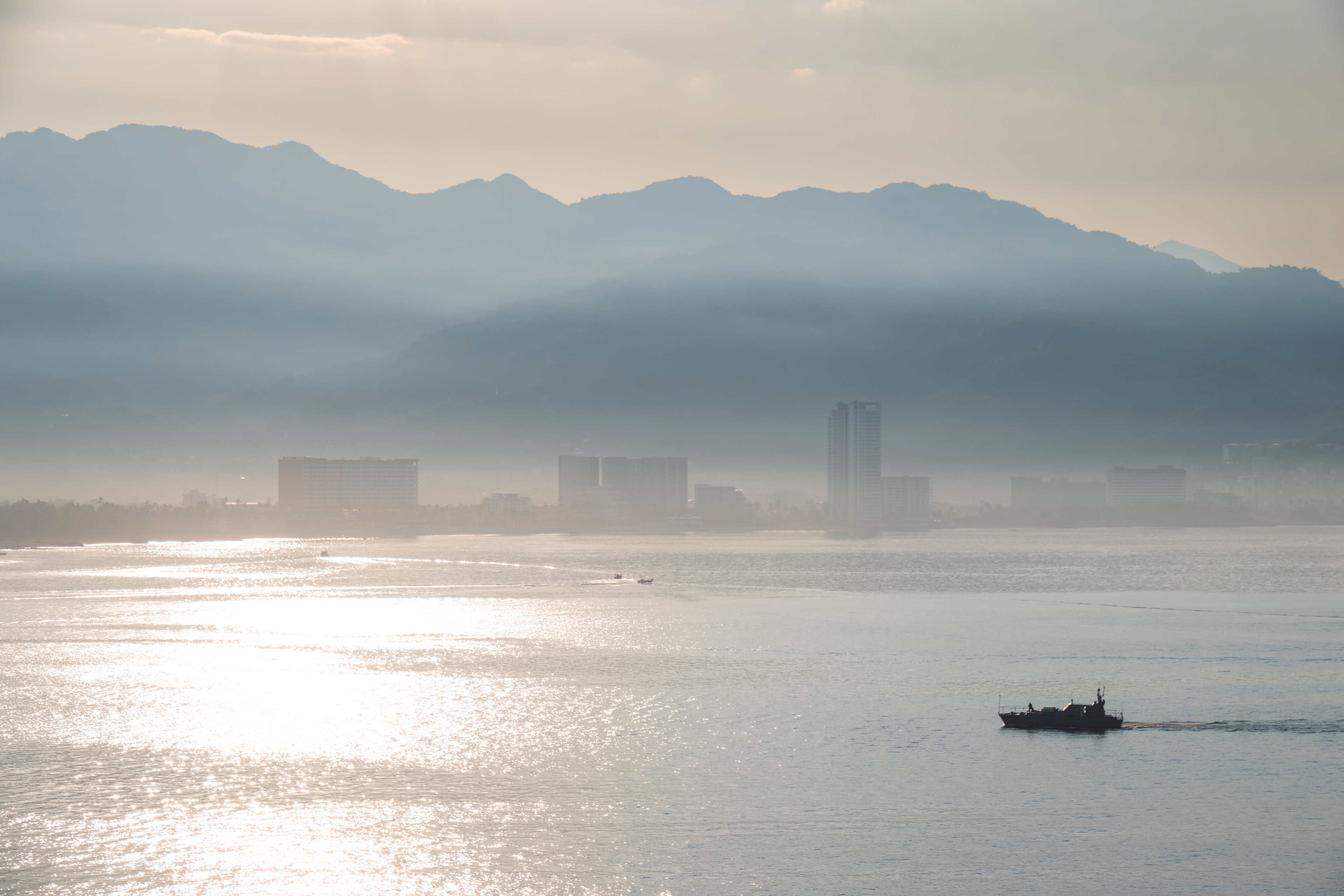
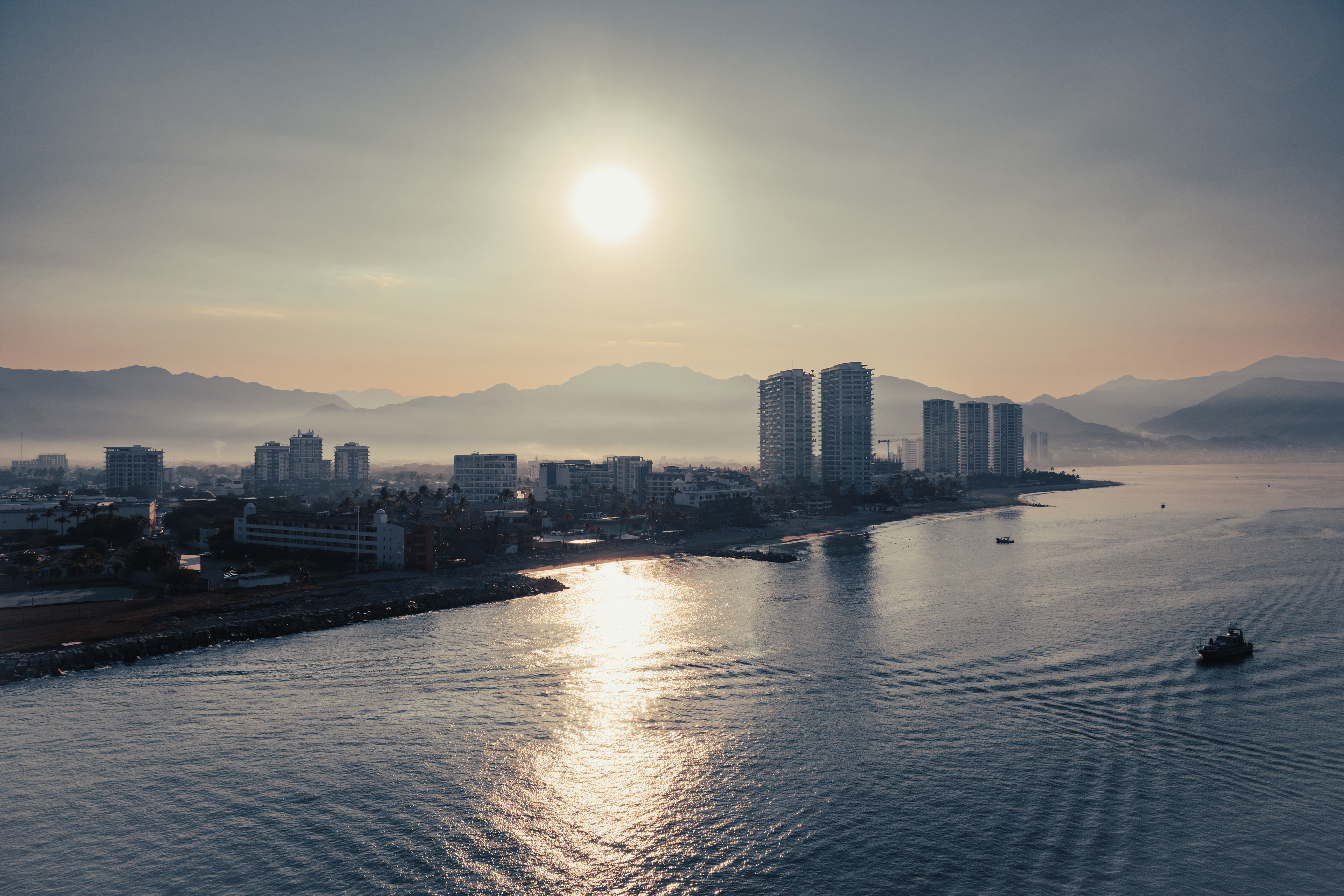
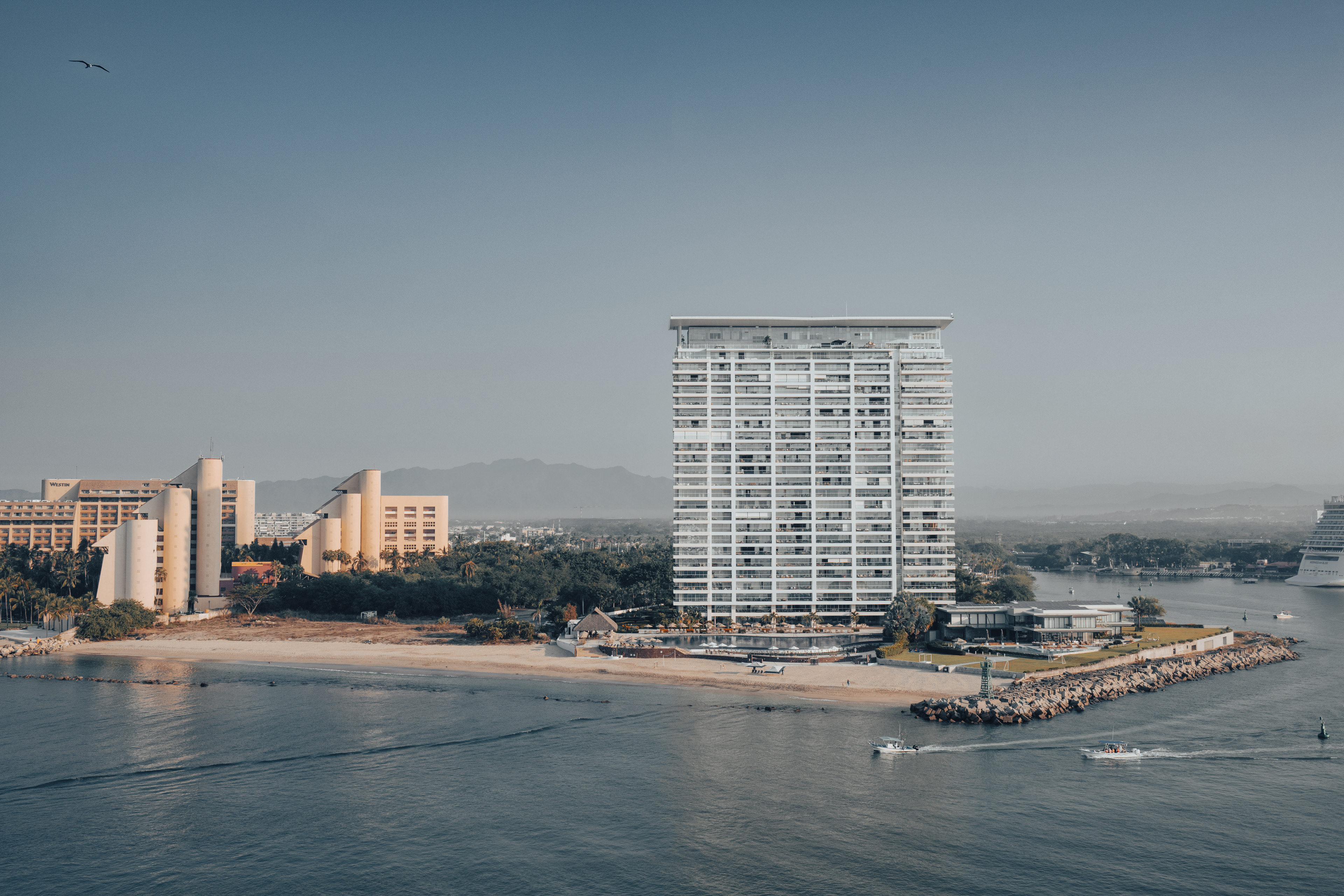
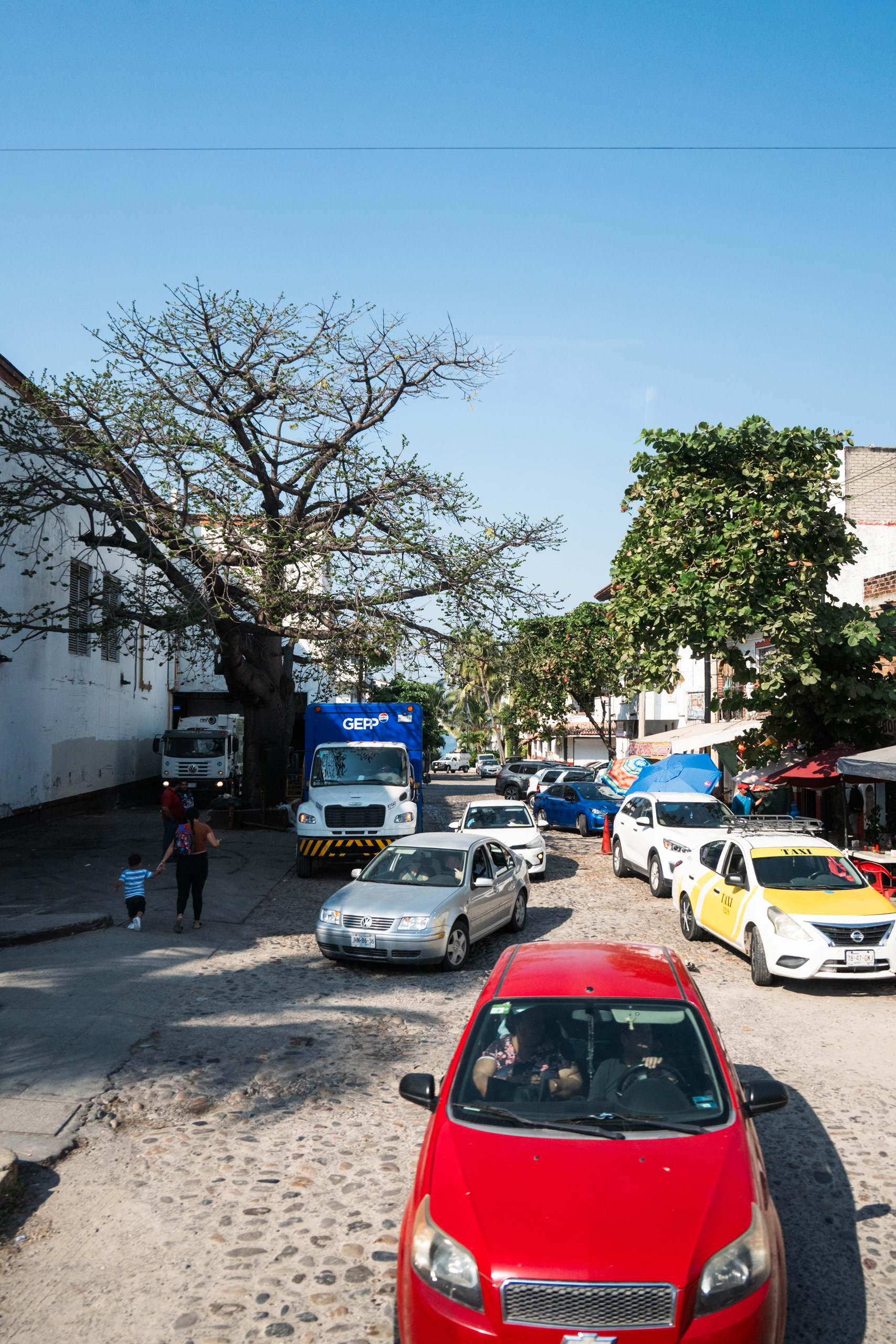
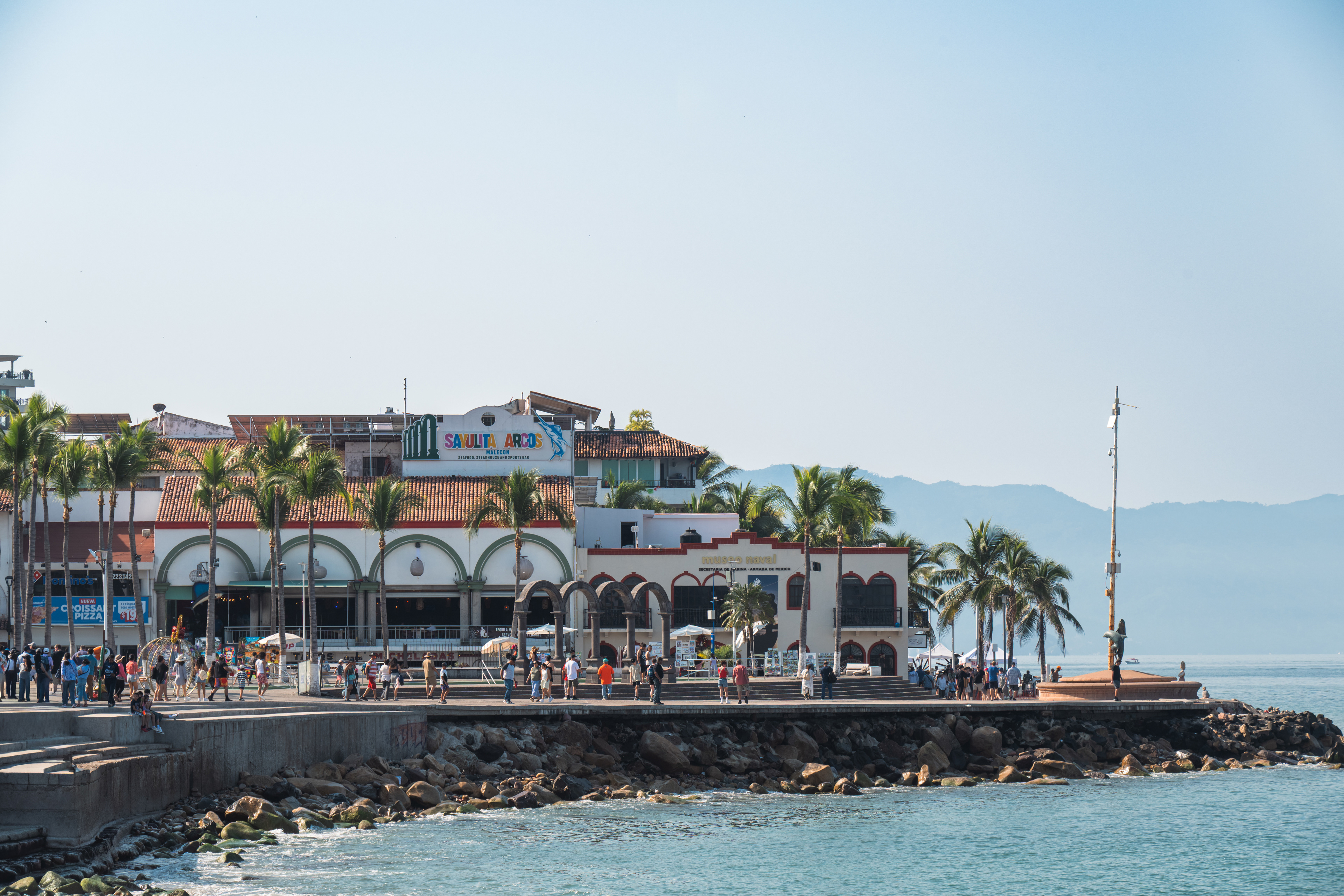
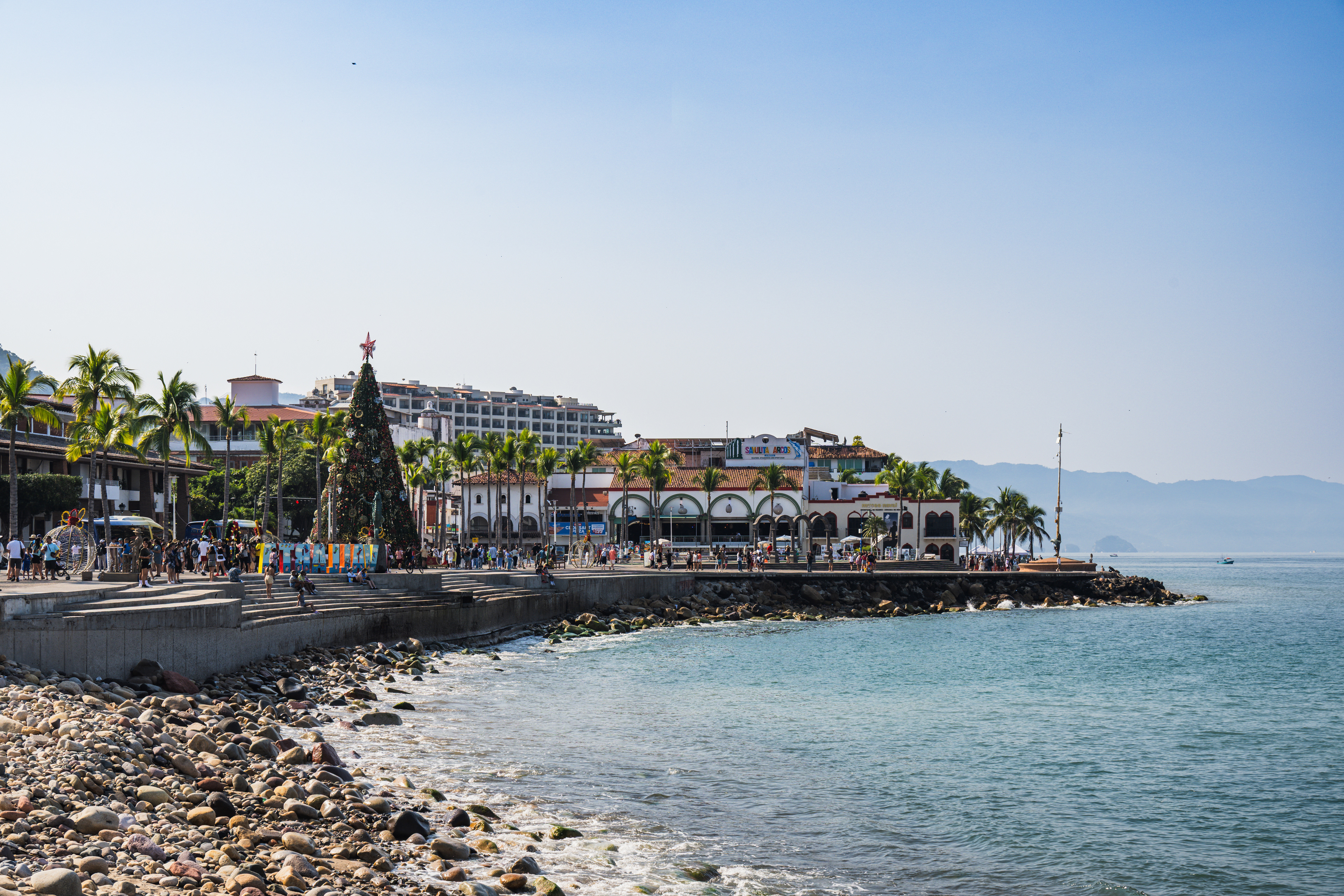
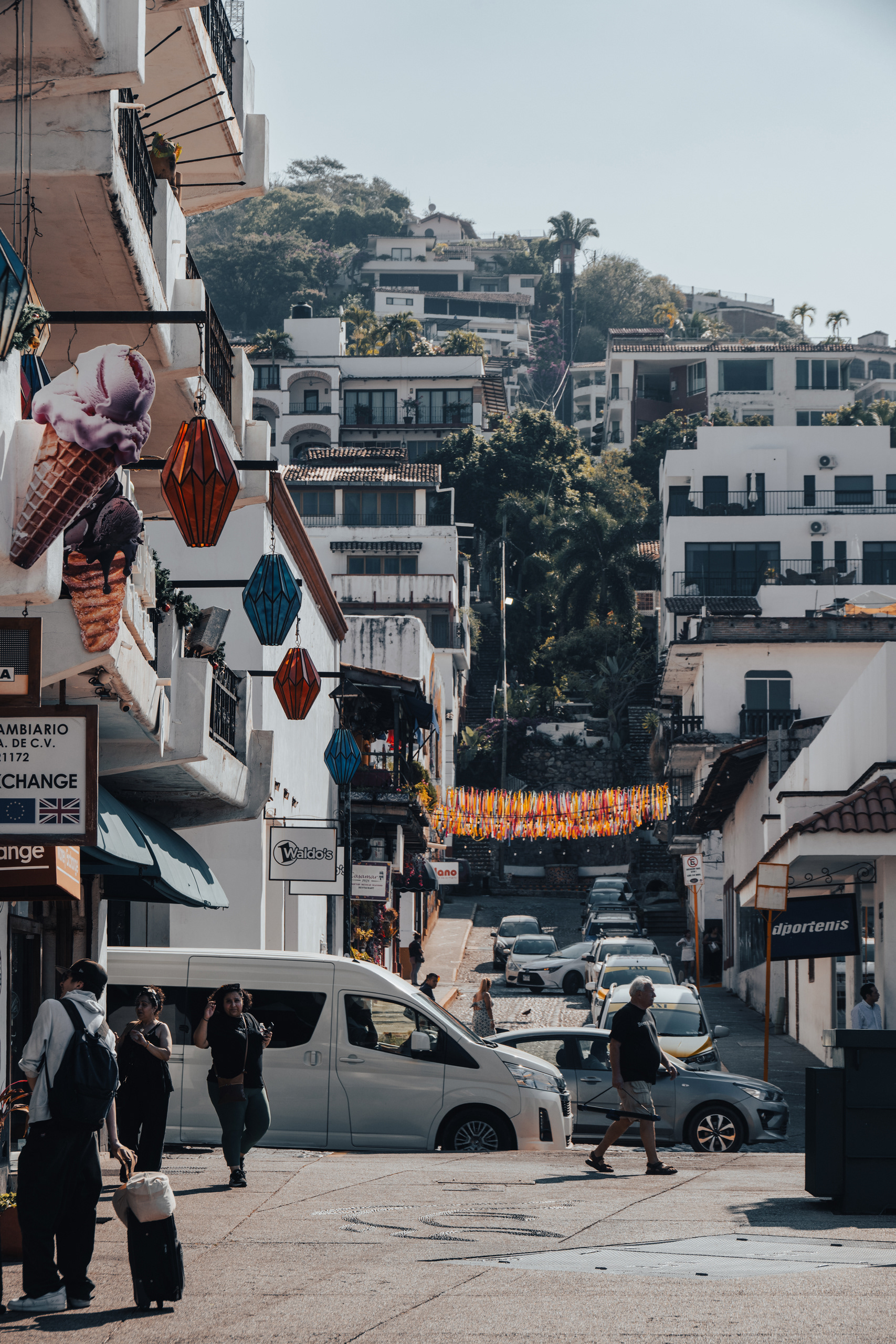
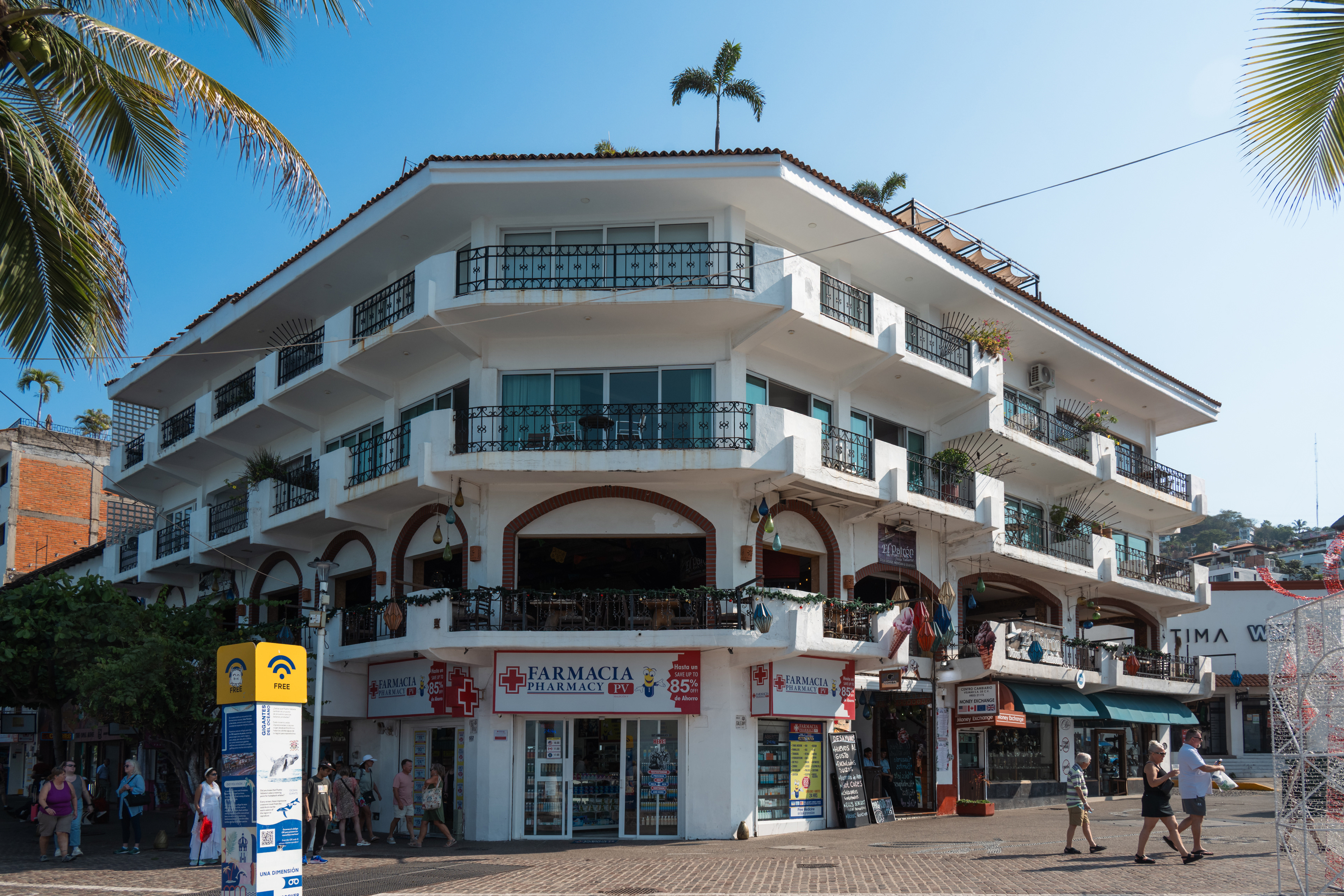
Puerto Vallarta — Tequila, Cobblestones, Christmas Eve
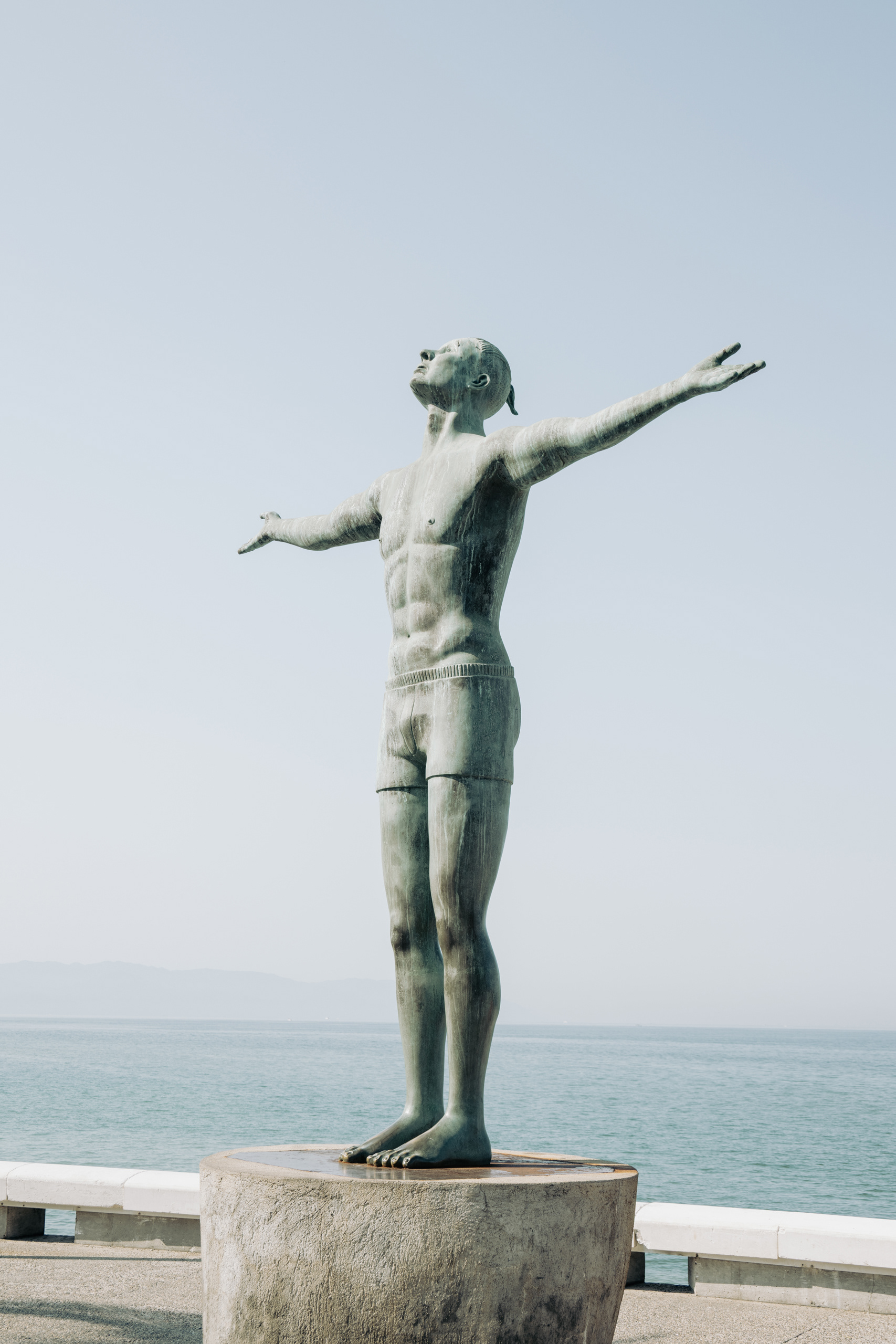
Puerto Vallarta has a literary reputation somewhat at odds with its current identity as a tourist hub. The city first gained international attention when John Huston filmed The Night of the Iguana here in 1963, bringing Richard Burton and Elizabeth Taylor and, by extension, the international gossip press. The cobblestone streets of the Romantic Zone and the downtown malecón still carry that slightly faded-glamour quality, as if the city knows it was once interesting and is still trading on it.
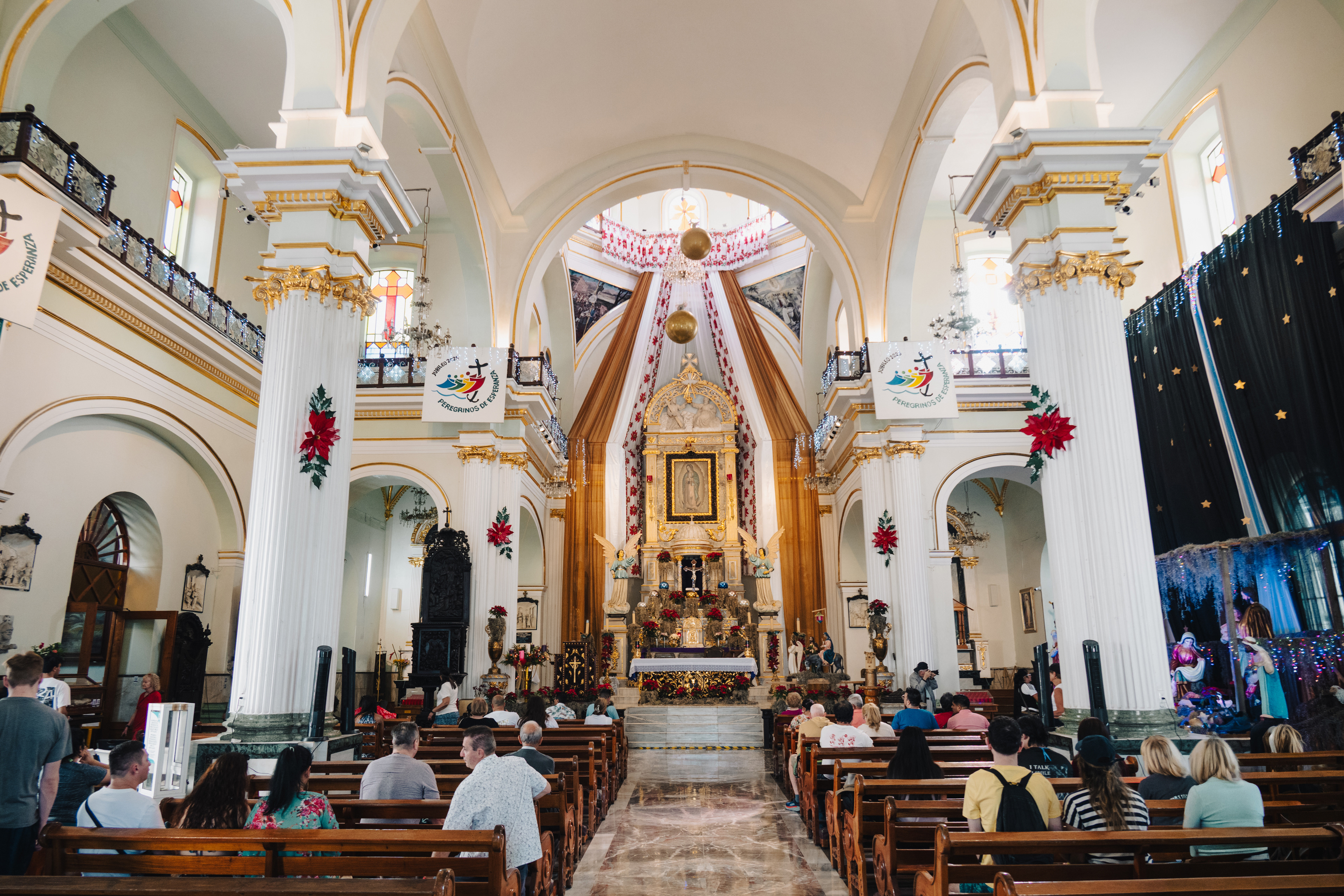
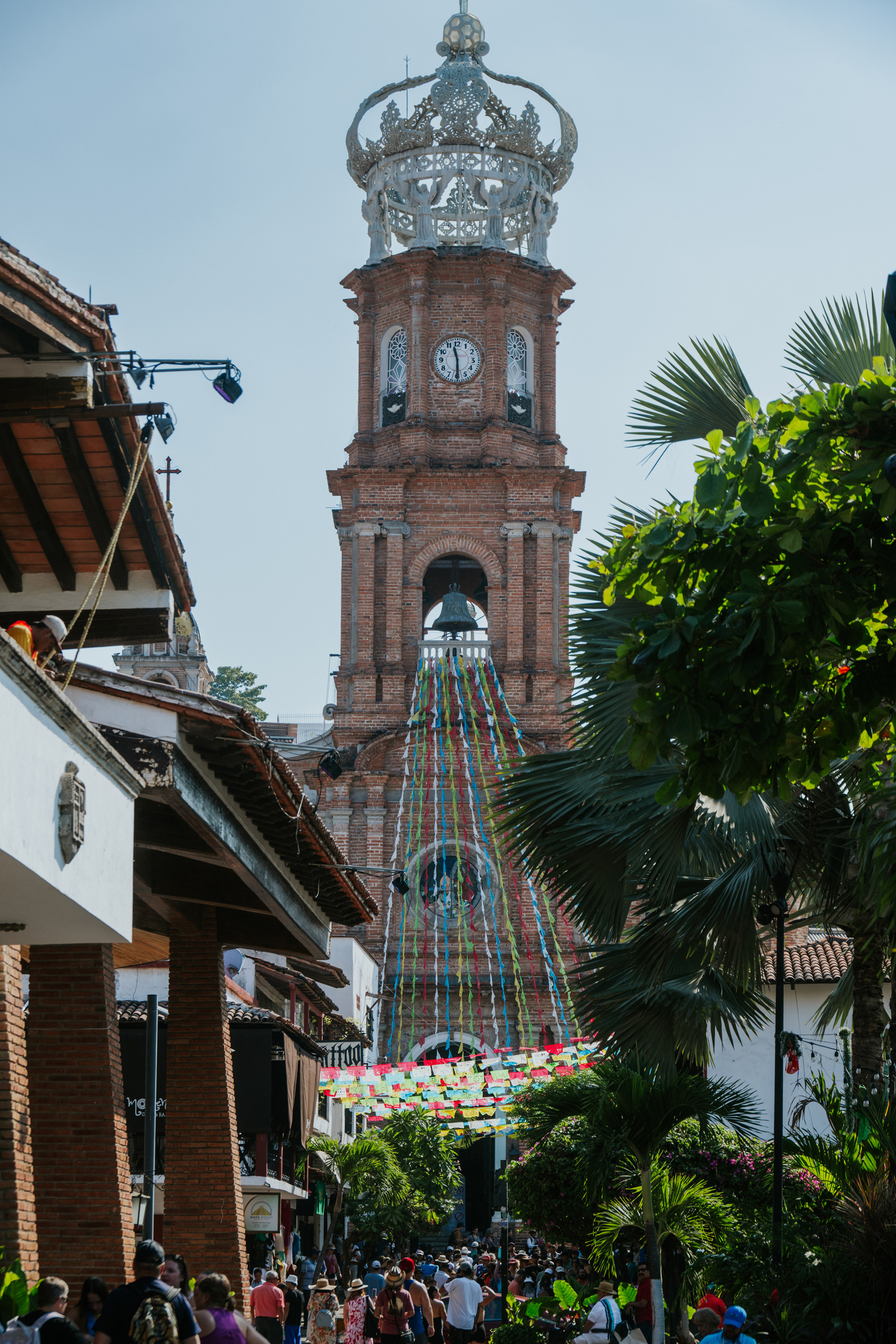
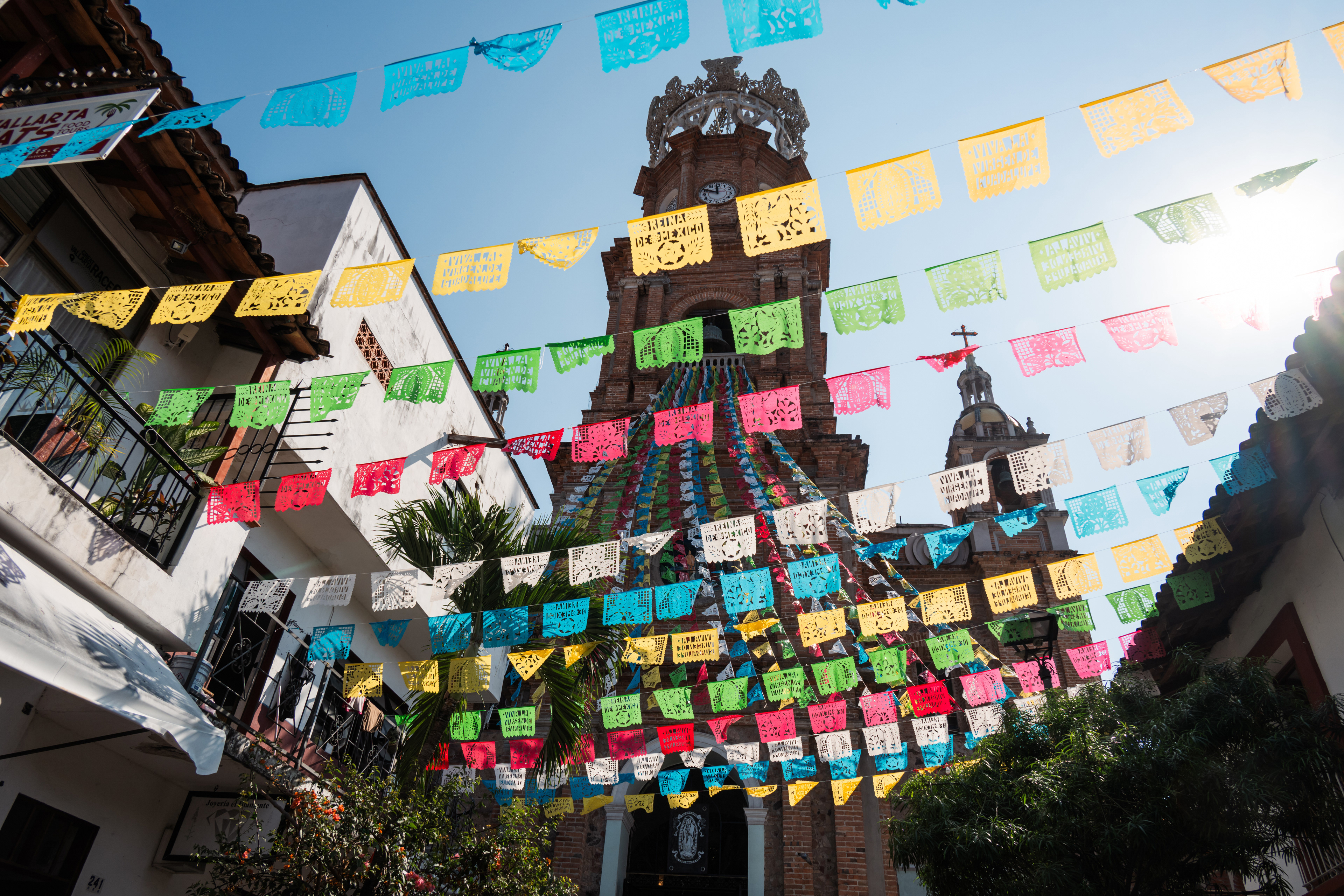
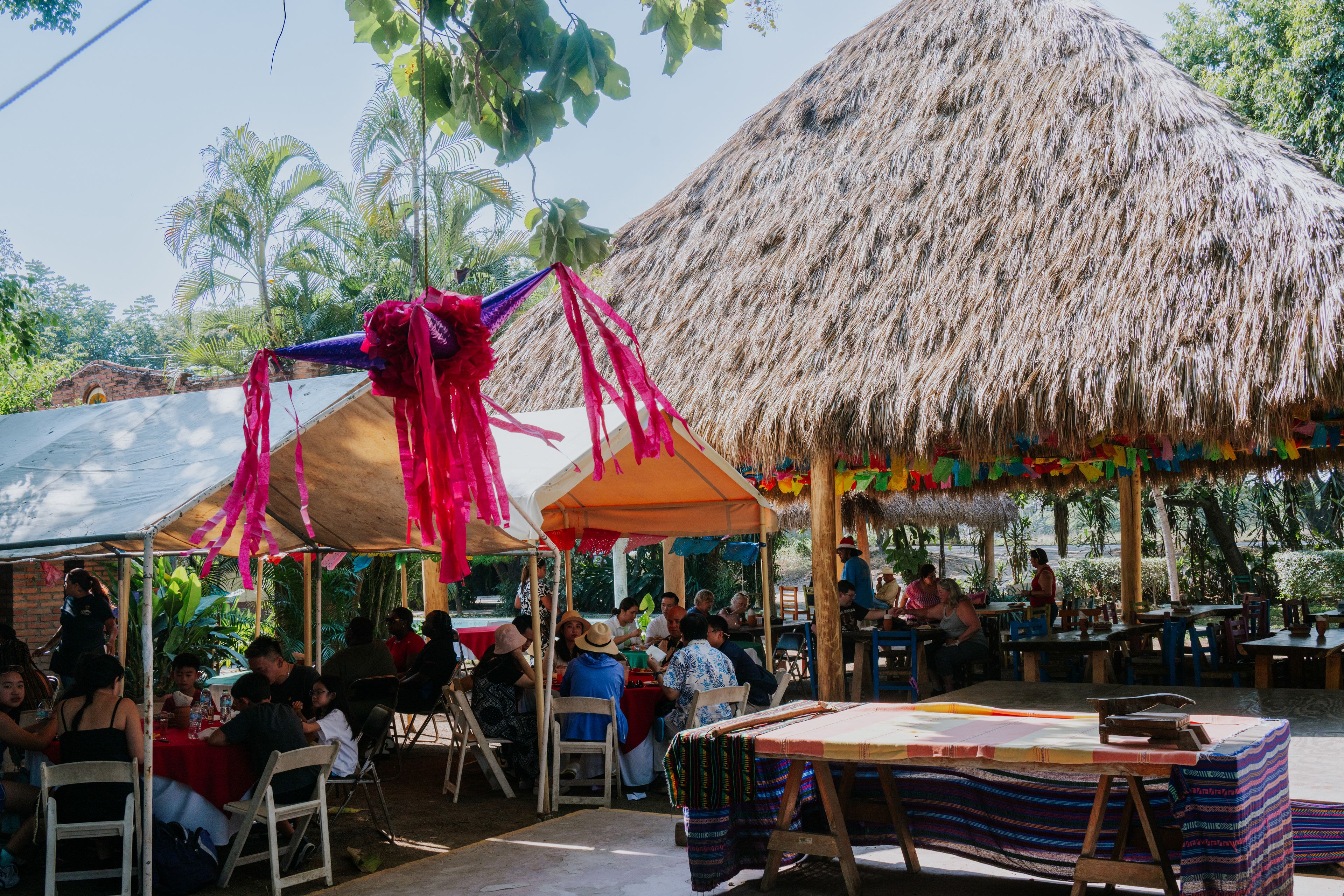
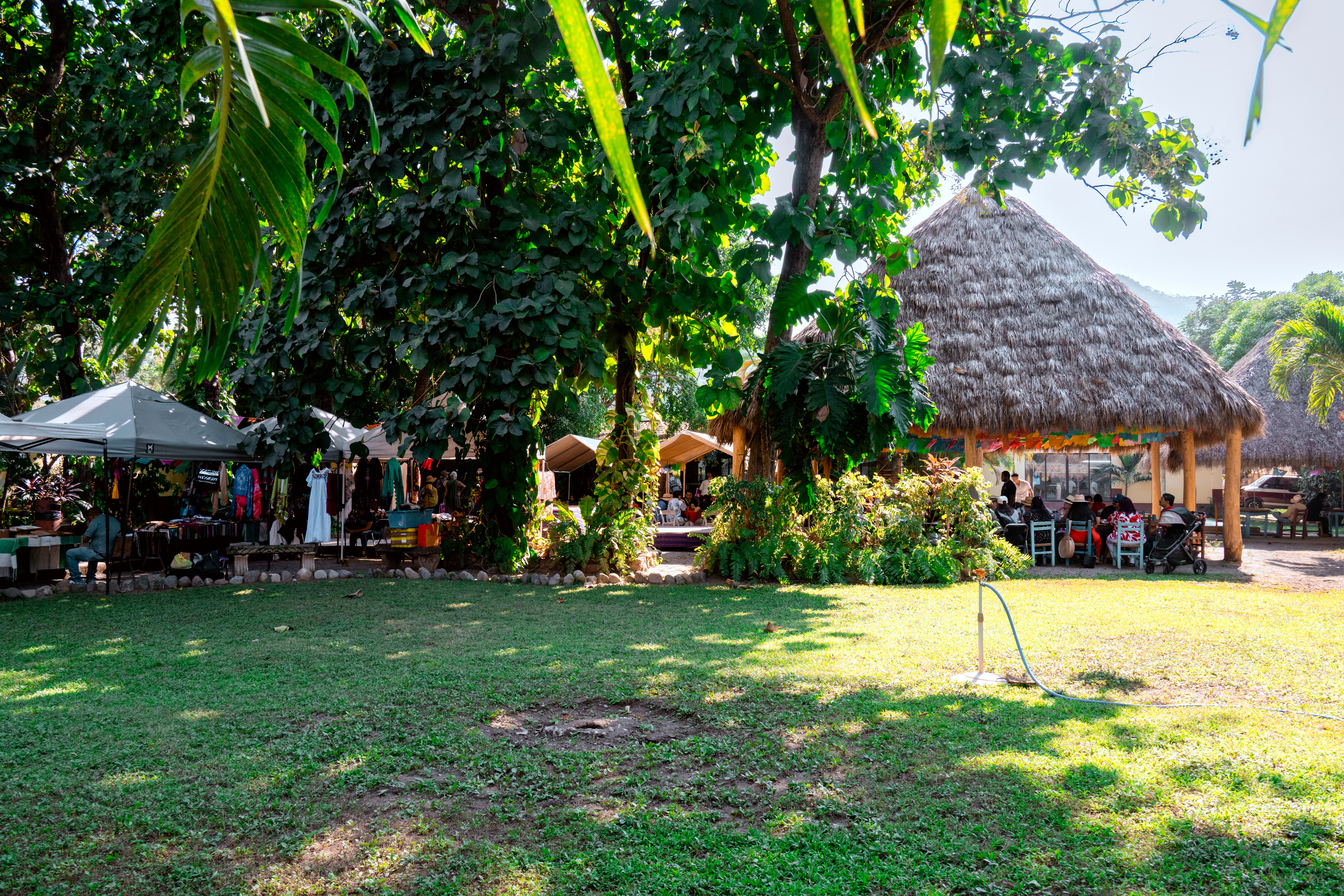
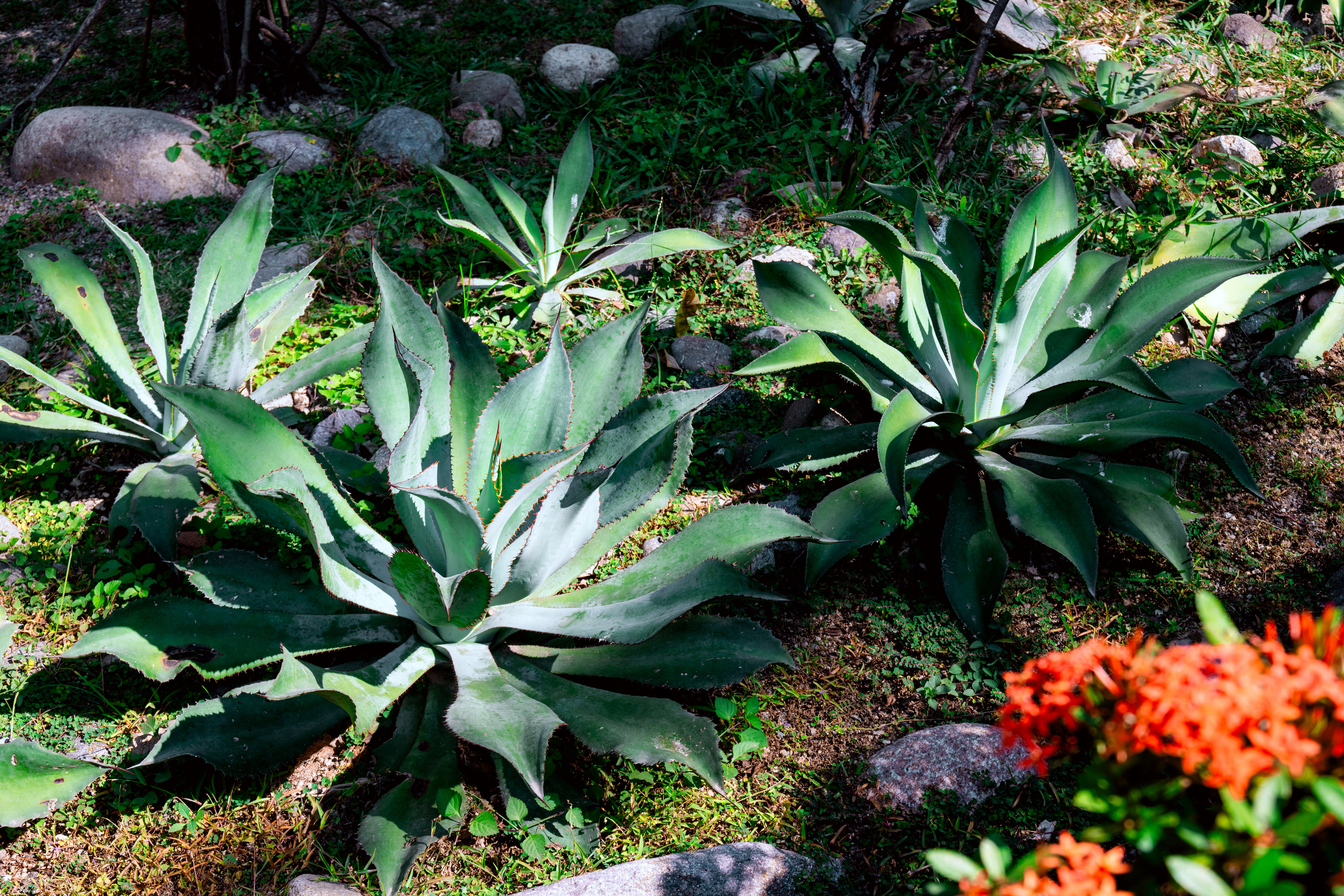
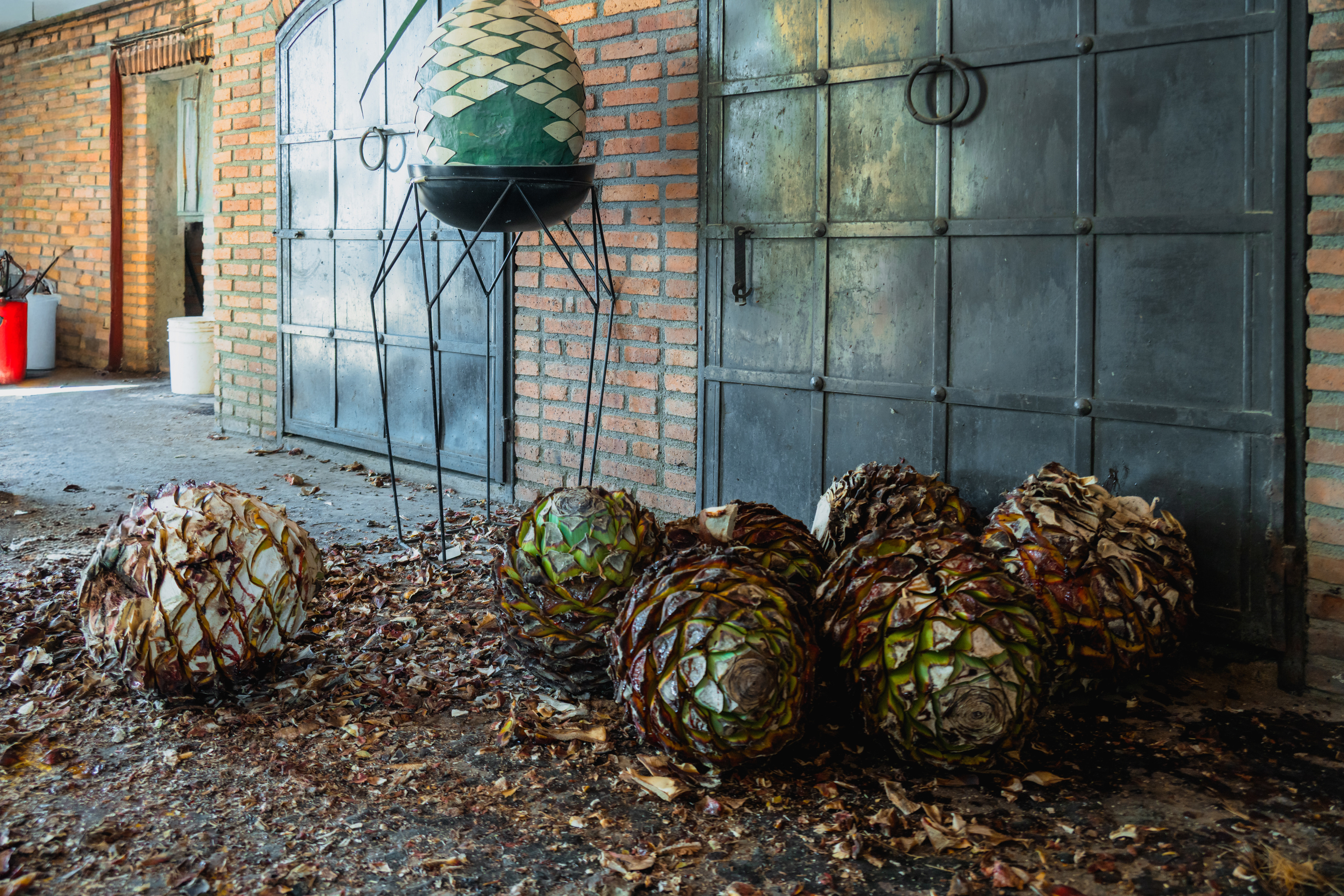
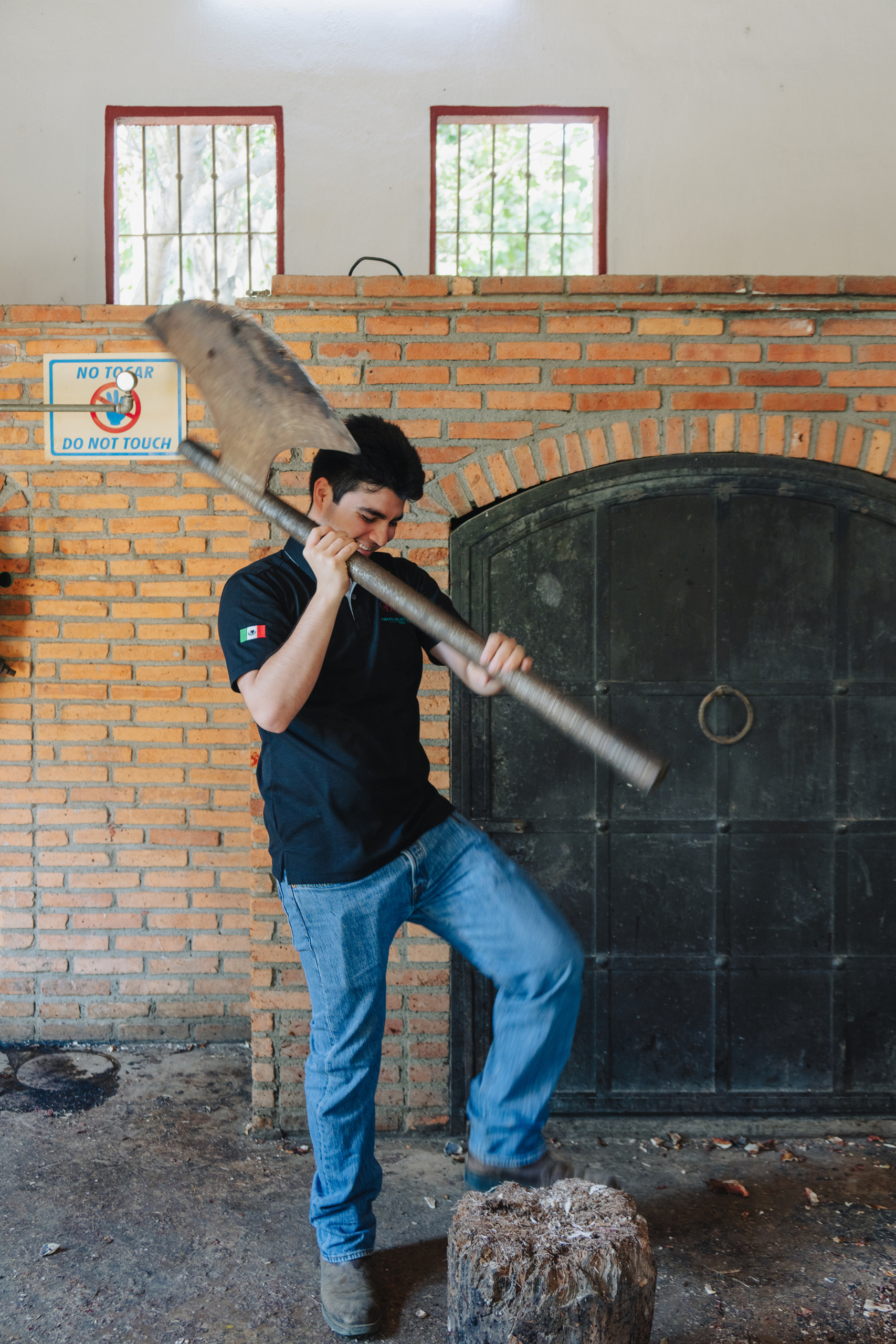
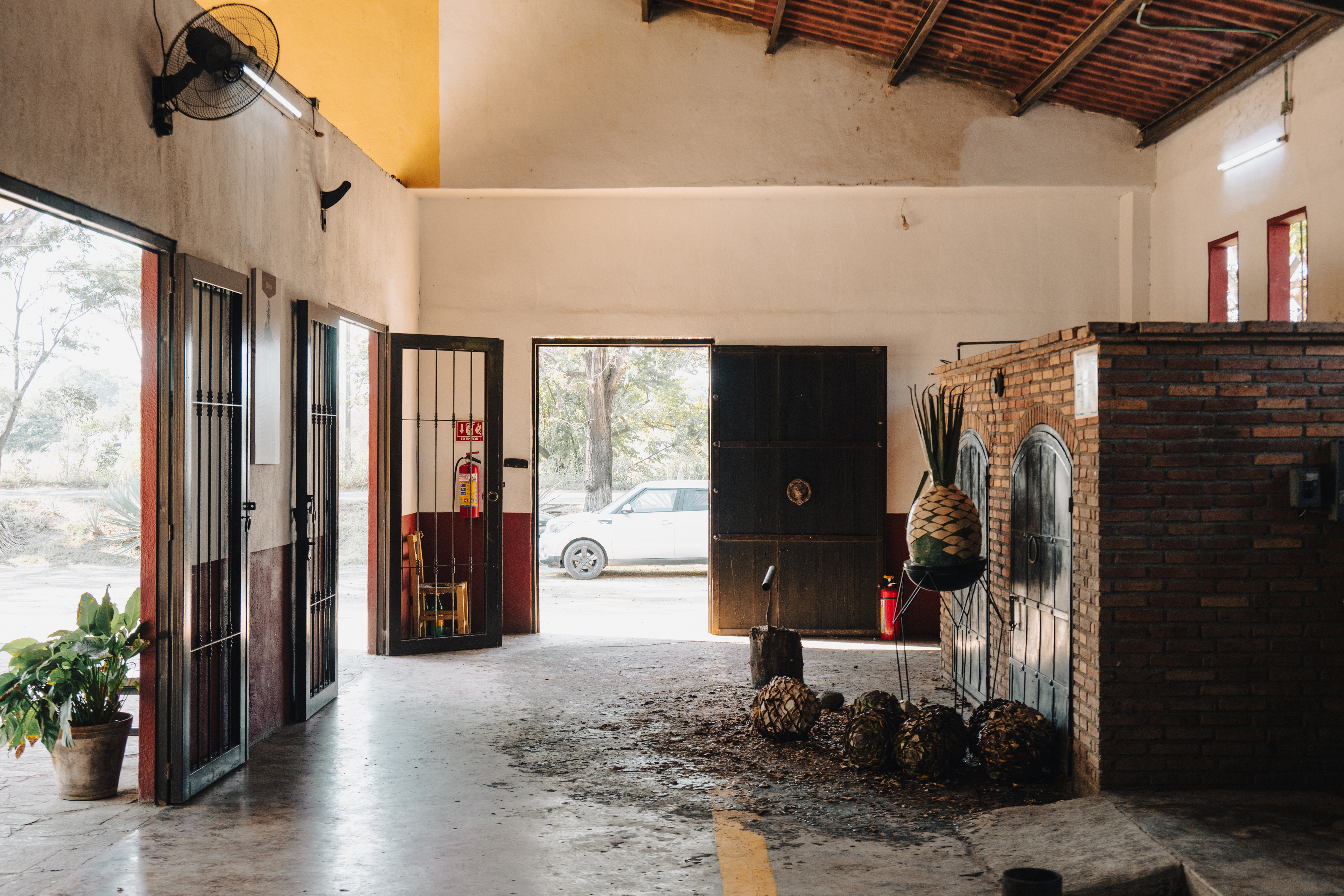
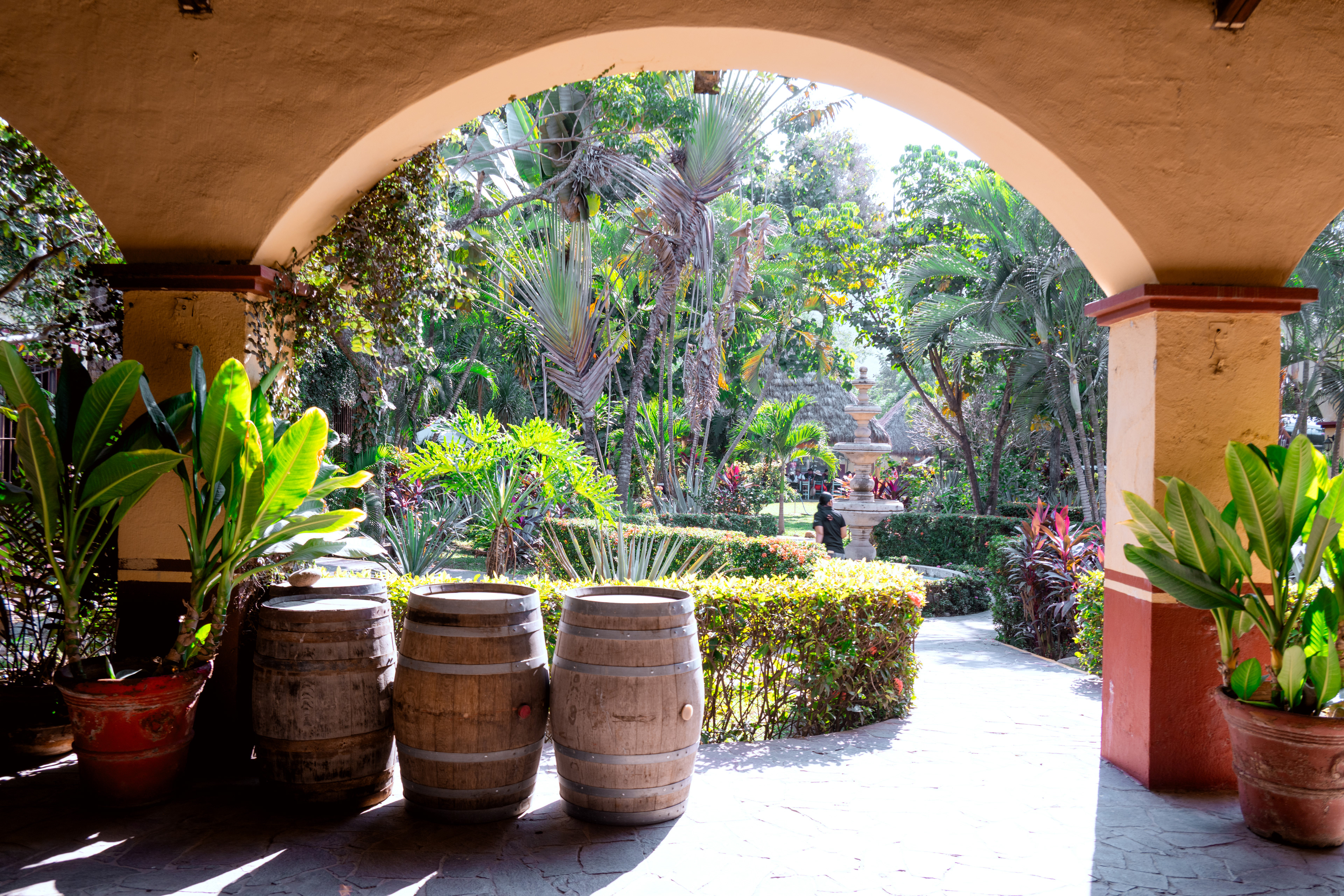
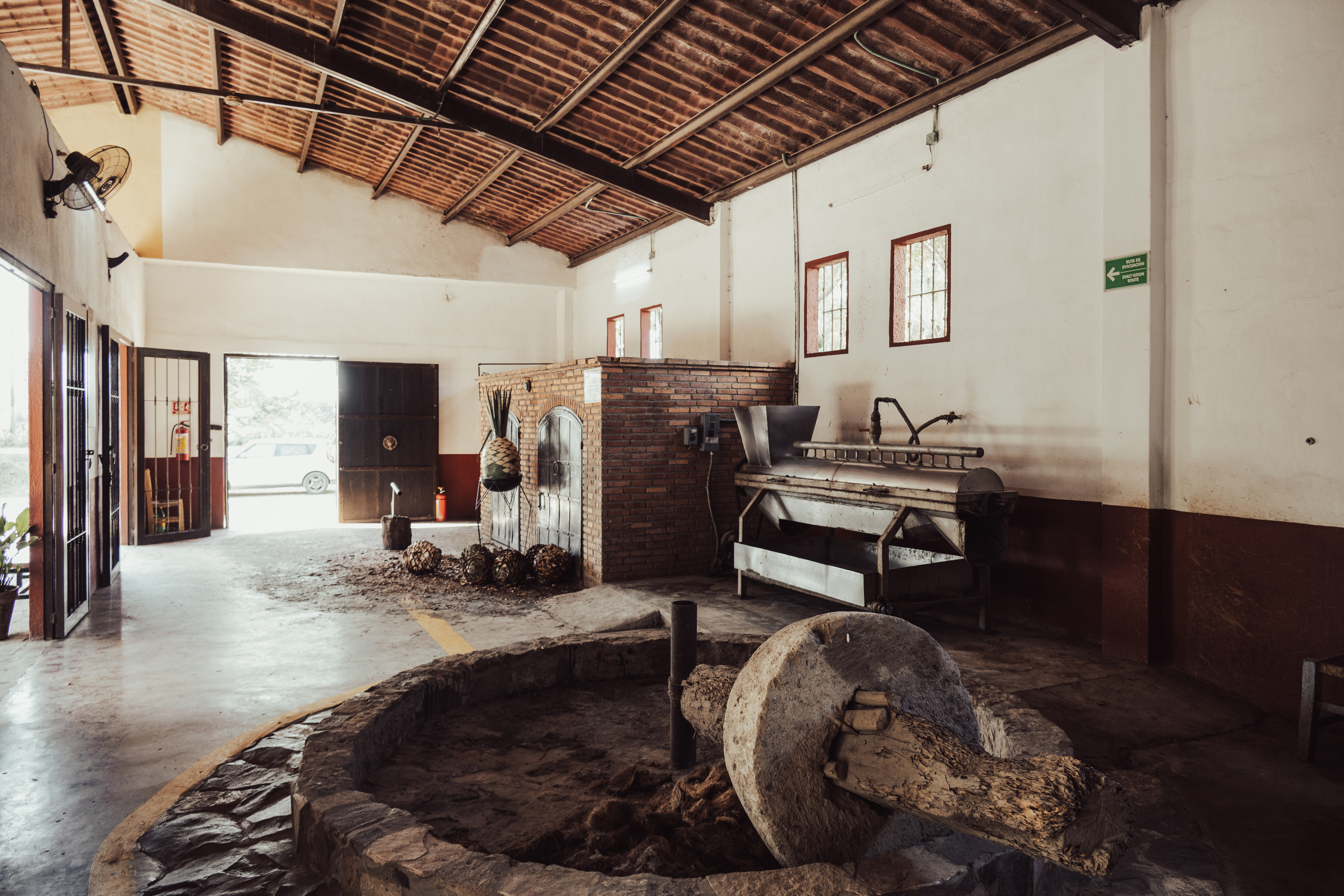
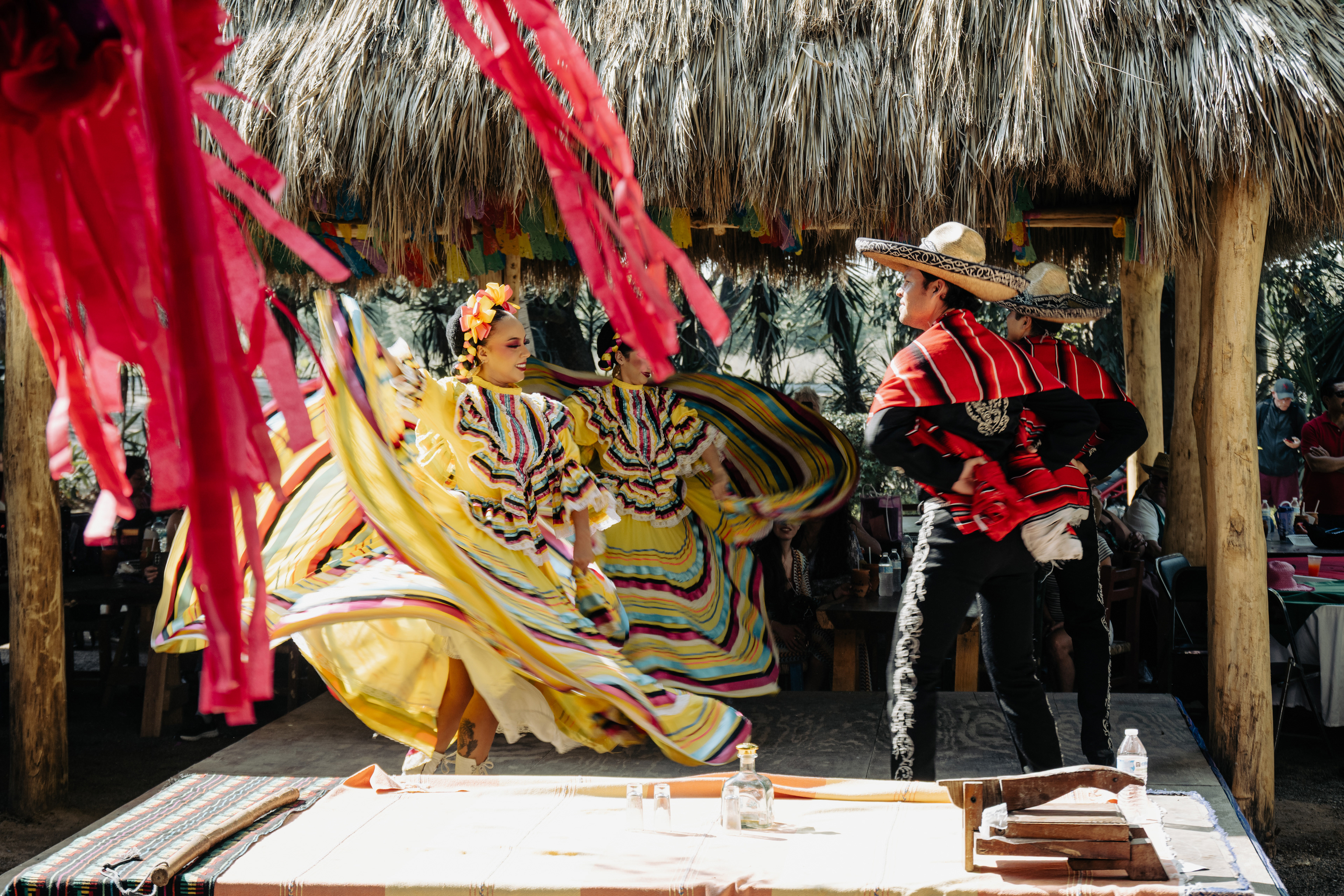
We took the "Town, Country & Tequilla" tour, which covered the marina, a drive through local villages, a tequila factory, and the Cathedral of Our Lady of Guadalupe — a building best described as what happens when Spanish colonial architecture gets a gothic crown added in the 1960s. The tequila tasting at the distillery was the highlight. A blue agave plant takes 8–10 years to mature before harvest, which puts the economics of artisanal tequila in an entirely different light. We sampled our way through blanco, reposado, and añejo. The in-laws, who don't typically drink spirits, emerged with a new appreciation for Mexico's most famous export.
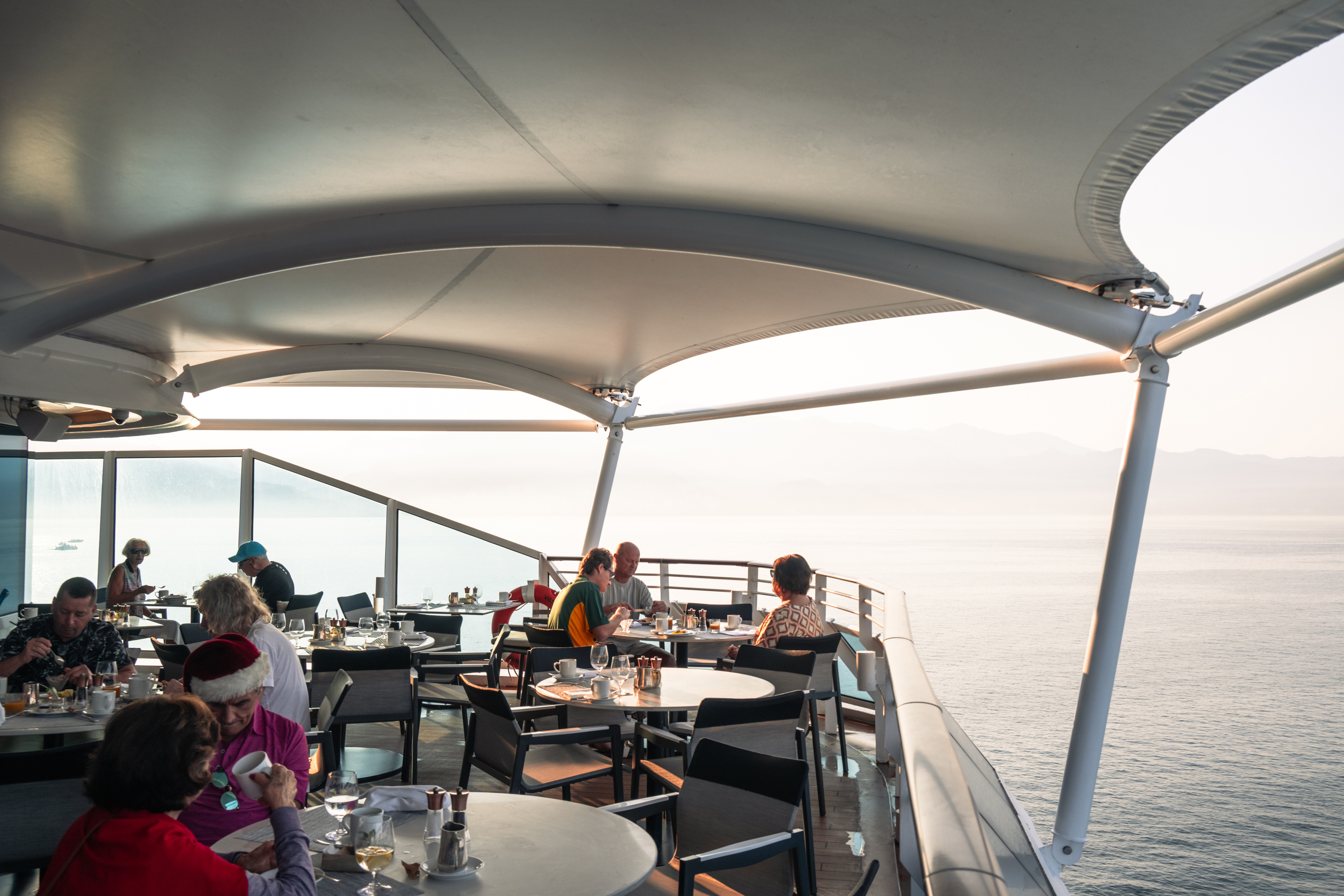
We were back aboard by 6:30pm for Christmas Eve dinner. The Grand Dining Room had pulled out several stops: the Primavera String Quartet played carols in the lobby, every corridor was decorated, and the kitchen had designed a dedicated Christmas Eve menu that made the regular nightly offerings look modest by comparison. Before sleep, the crew quietly left two wrapped Christmas gifts on our bed — a small present for our daughter, with a tag from Santa. I don't know exactly who on the staff organized this, but it was the kind of small, specific thoughtfulness that distinguishes a very good hospitality operation from an average one. The ship had 1,200 guests. Only one of them was under three years old. They remembered.
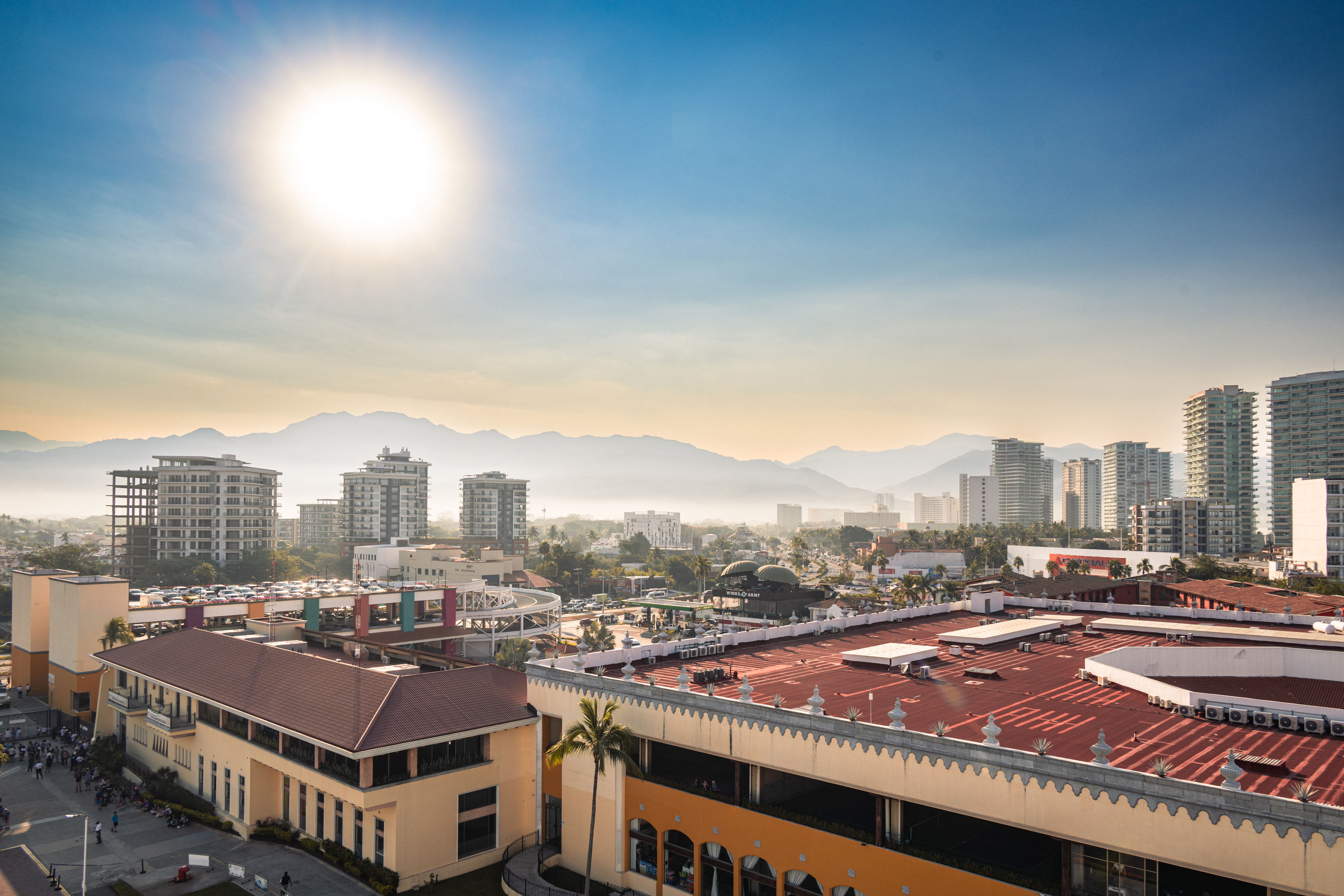
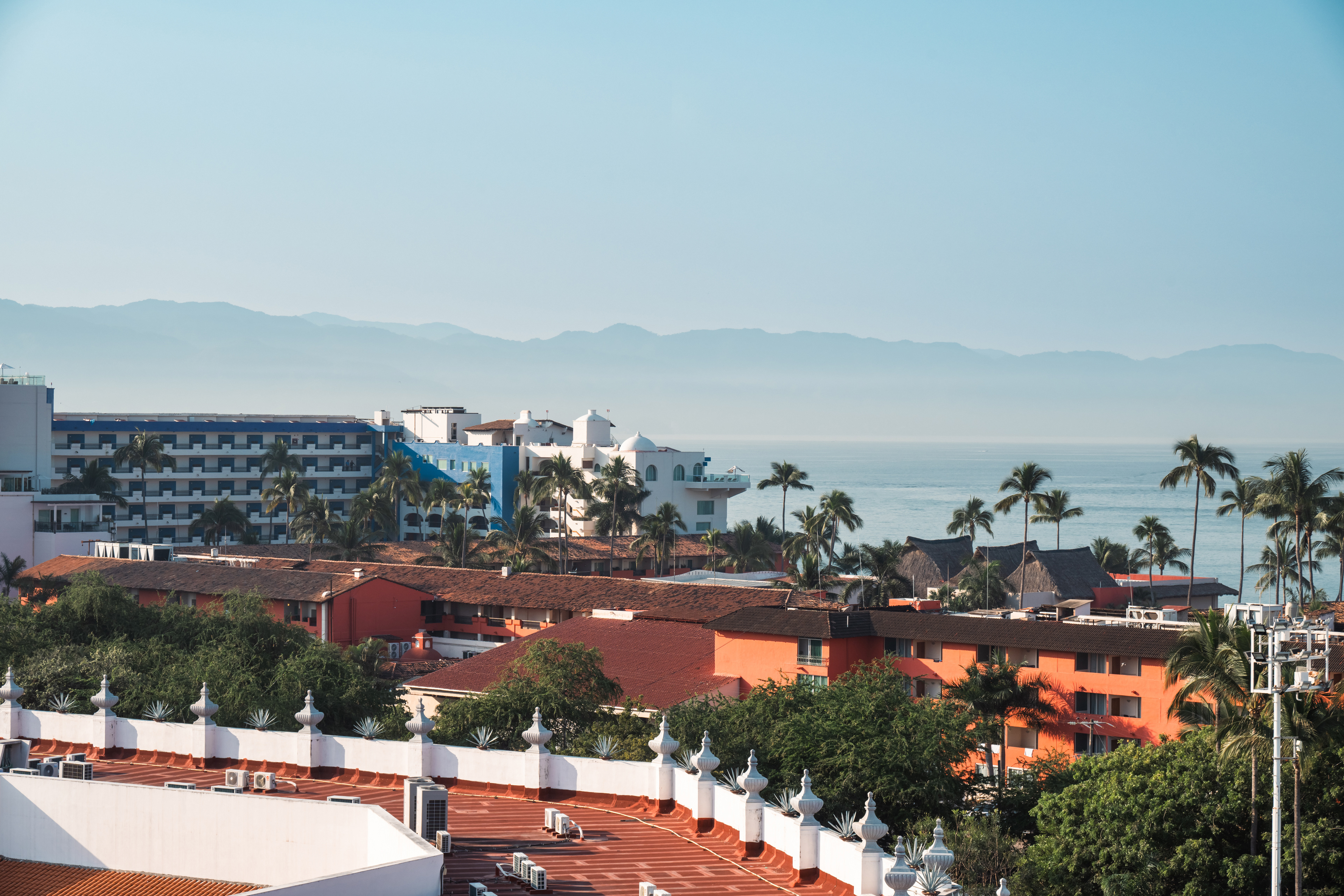
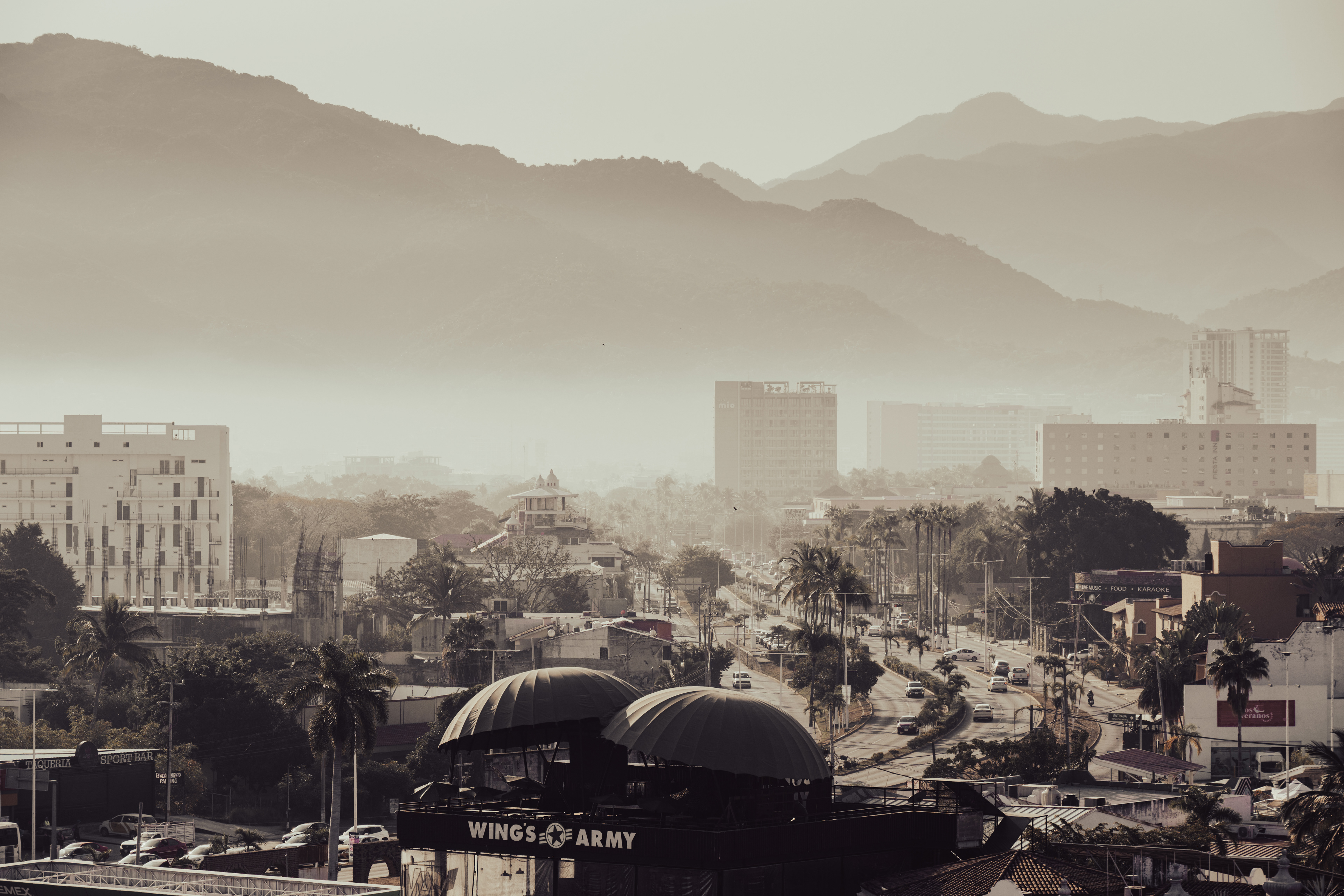
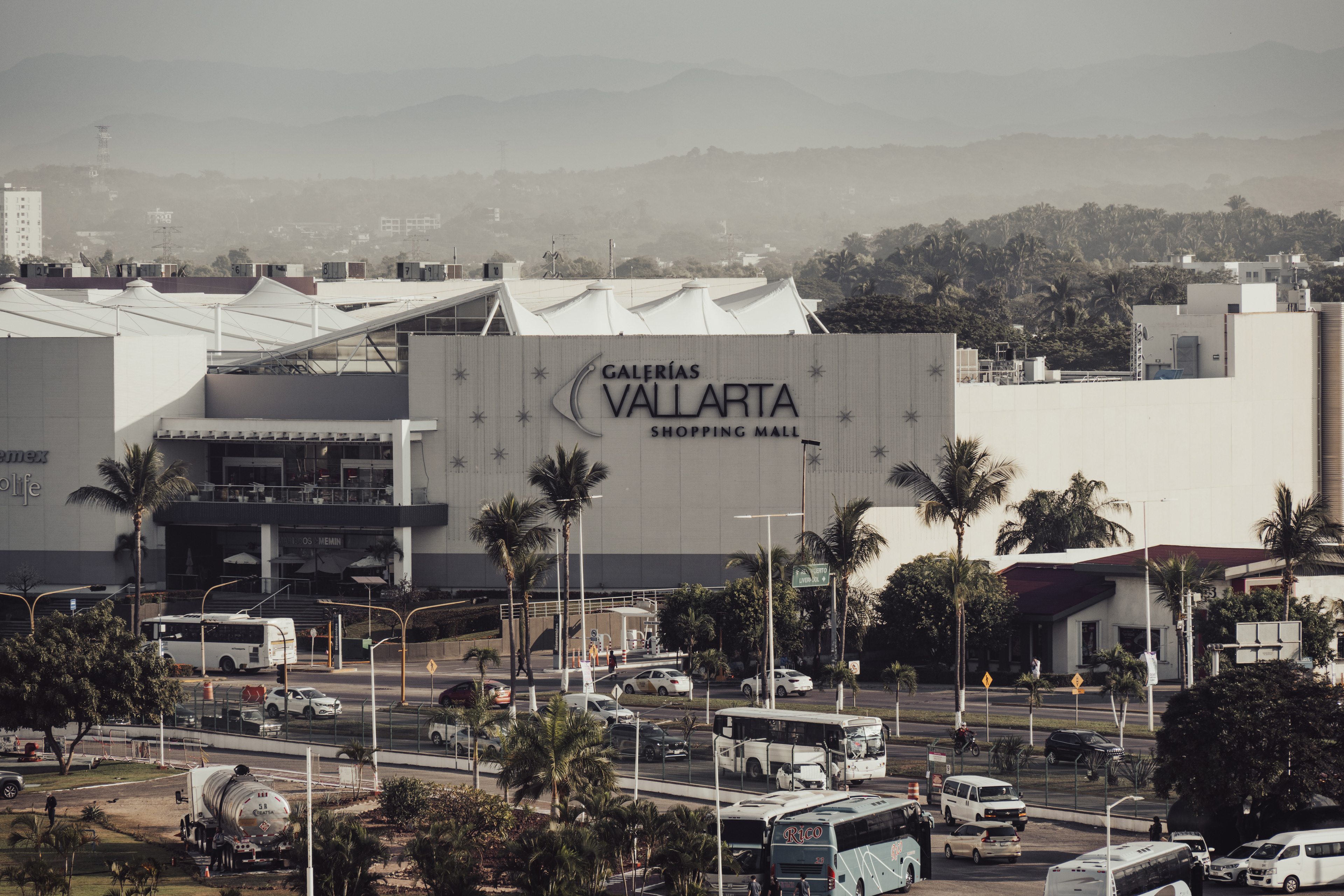
Manzanillo — A Cargo Port’s Surprising Charm
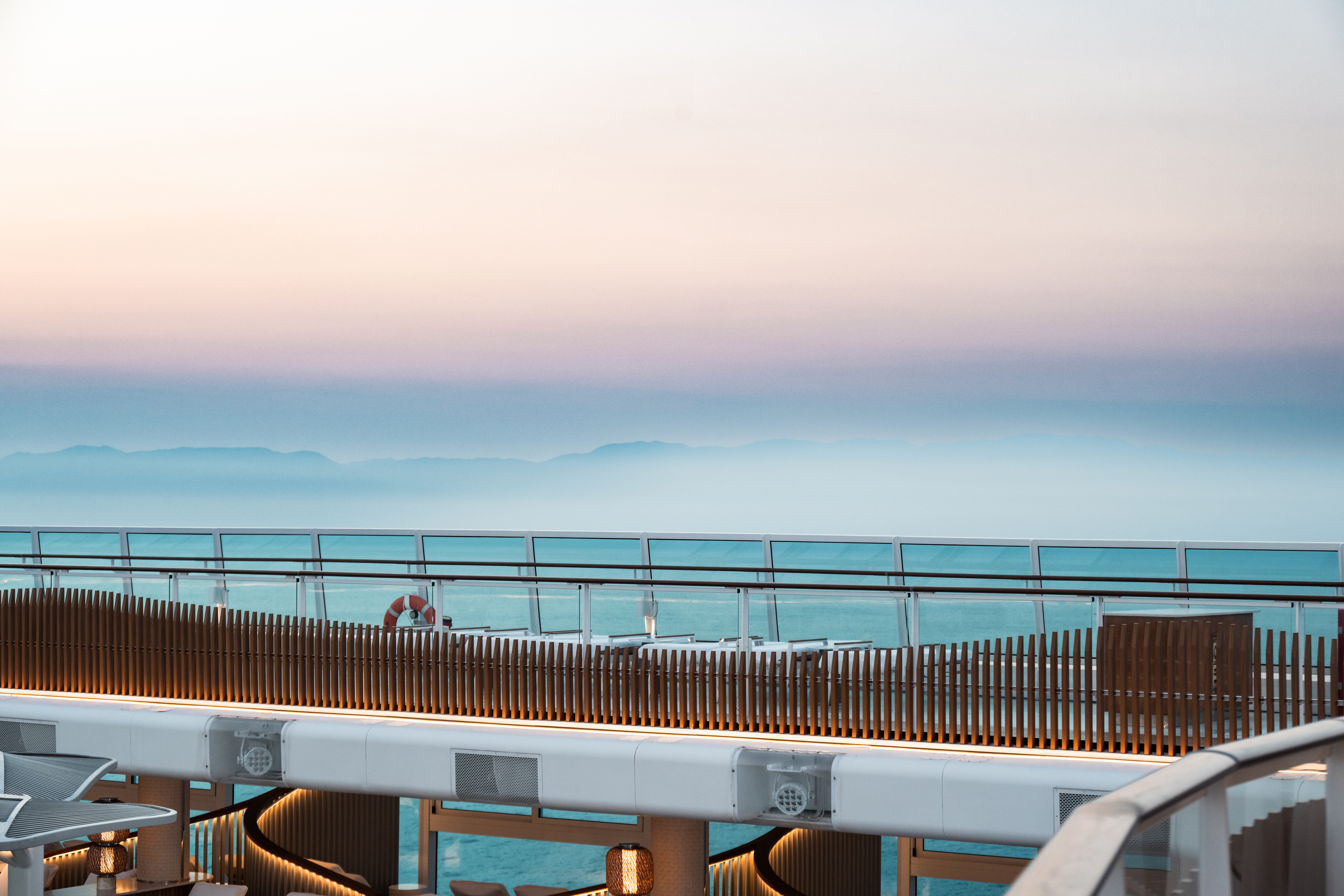
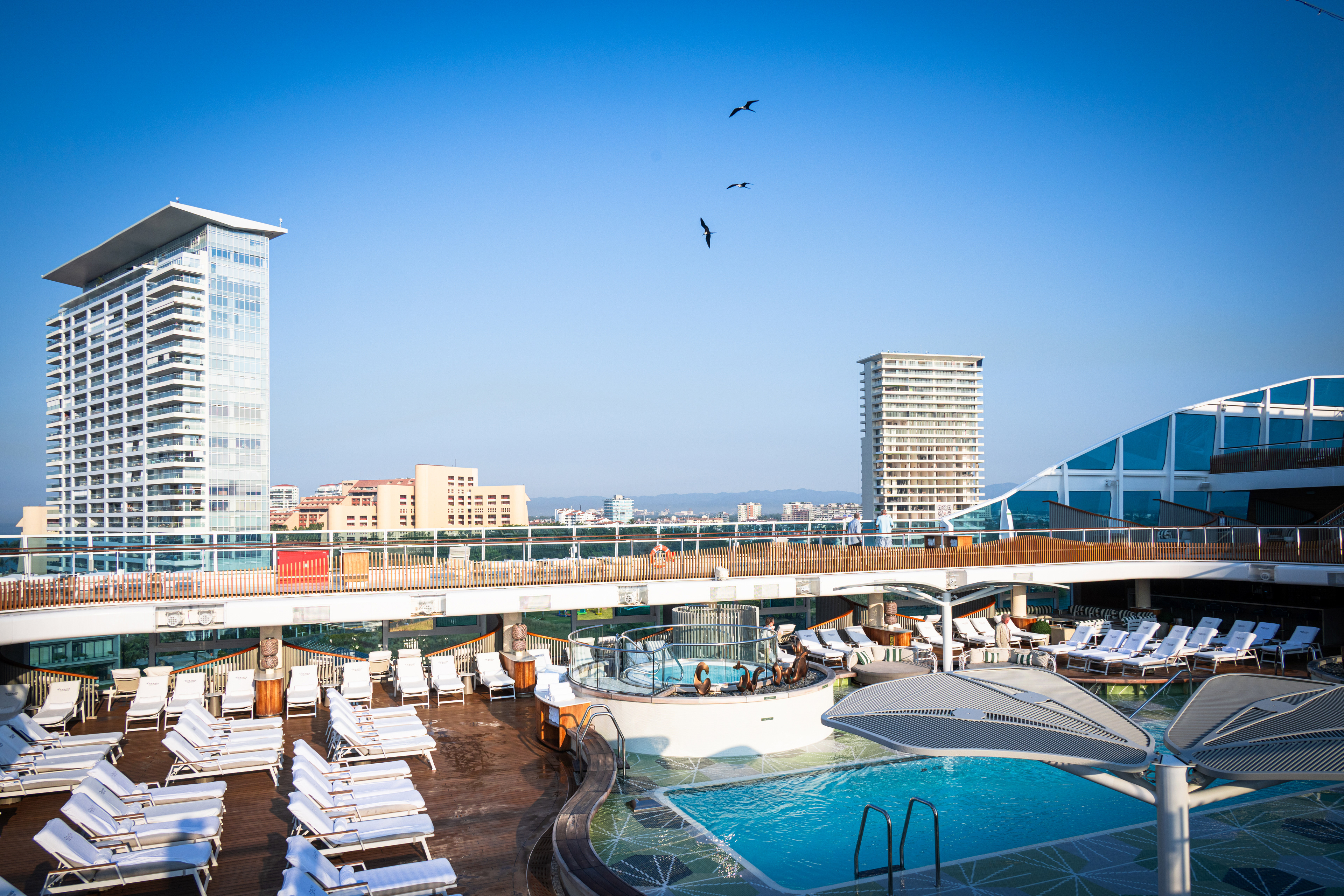
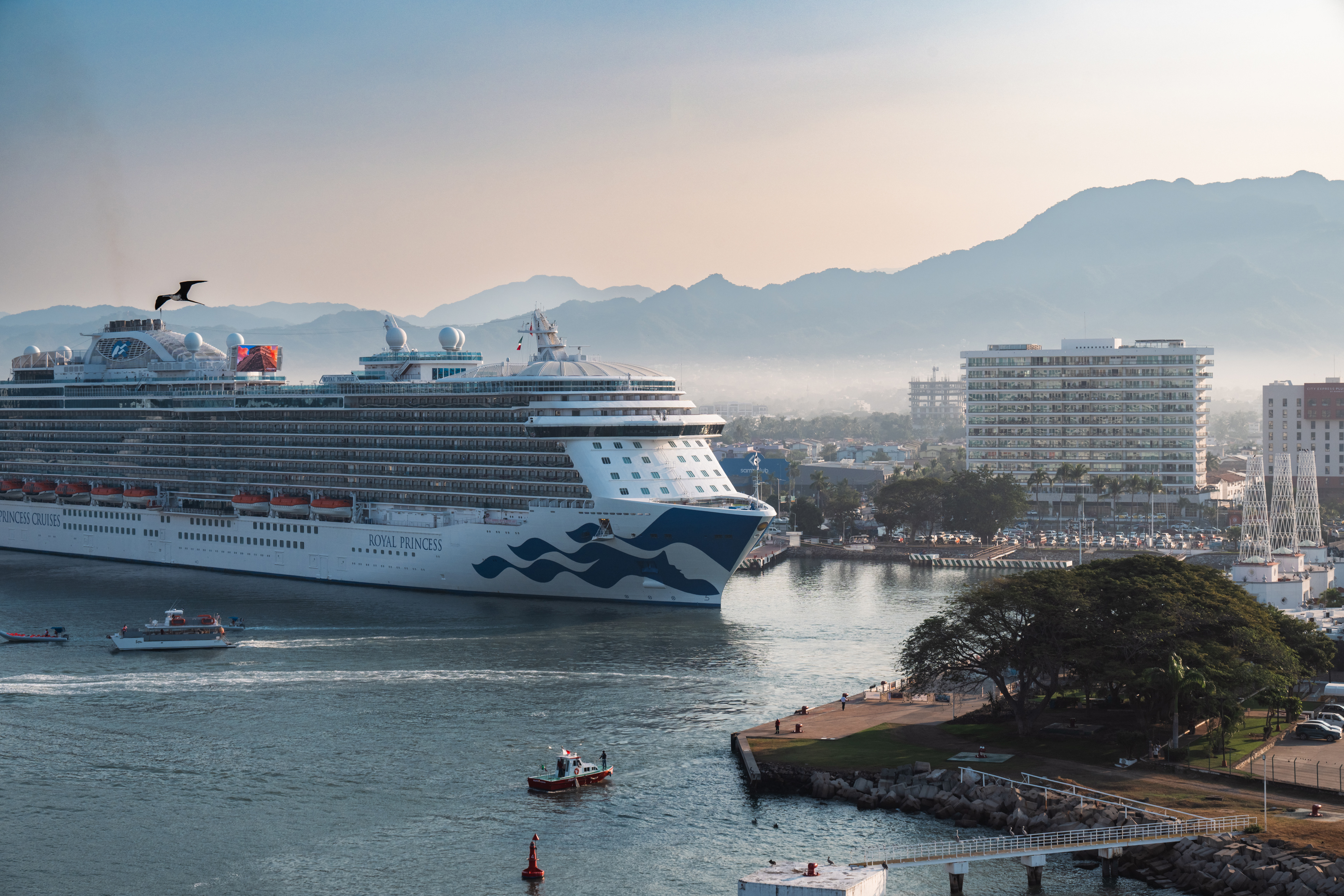
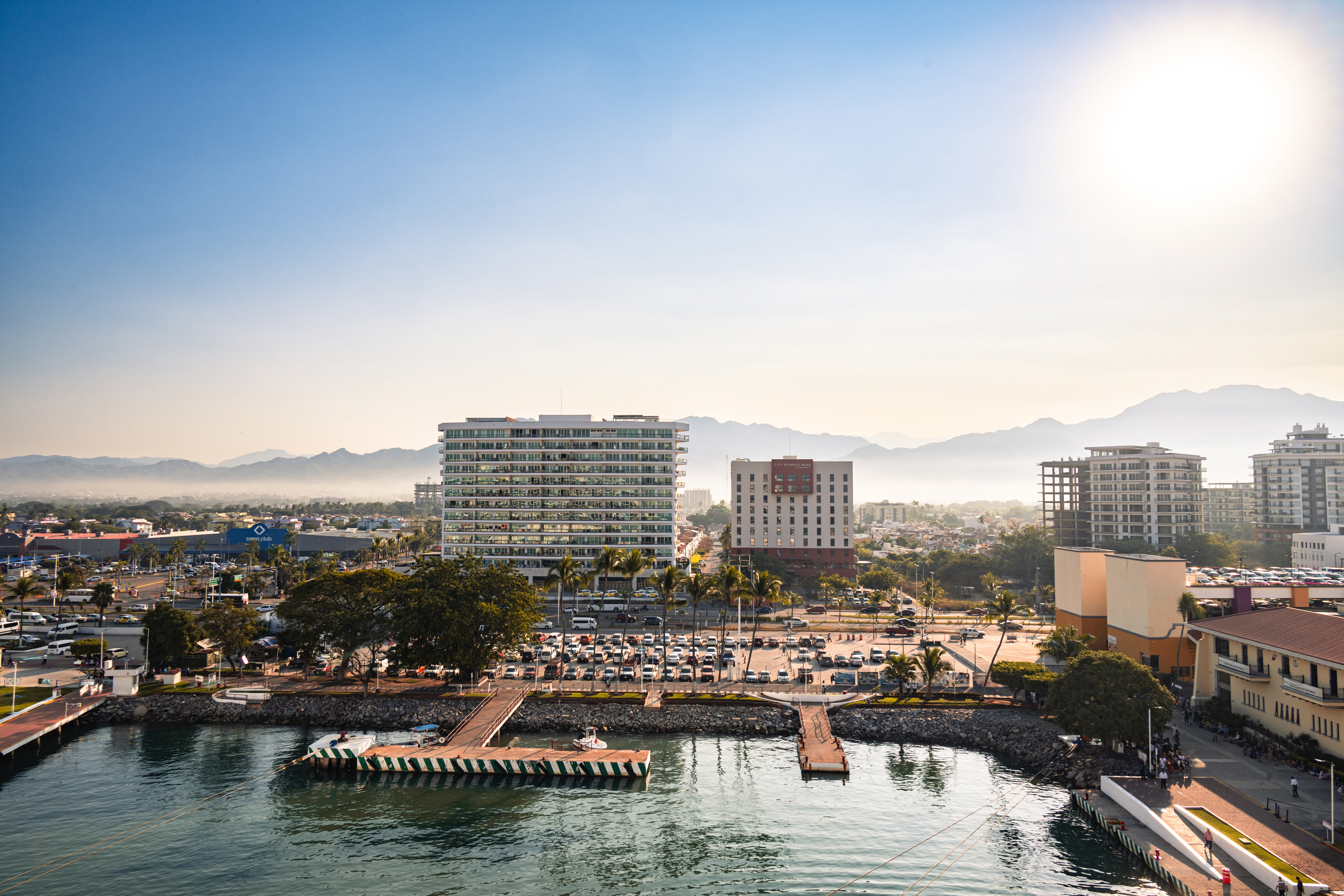
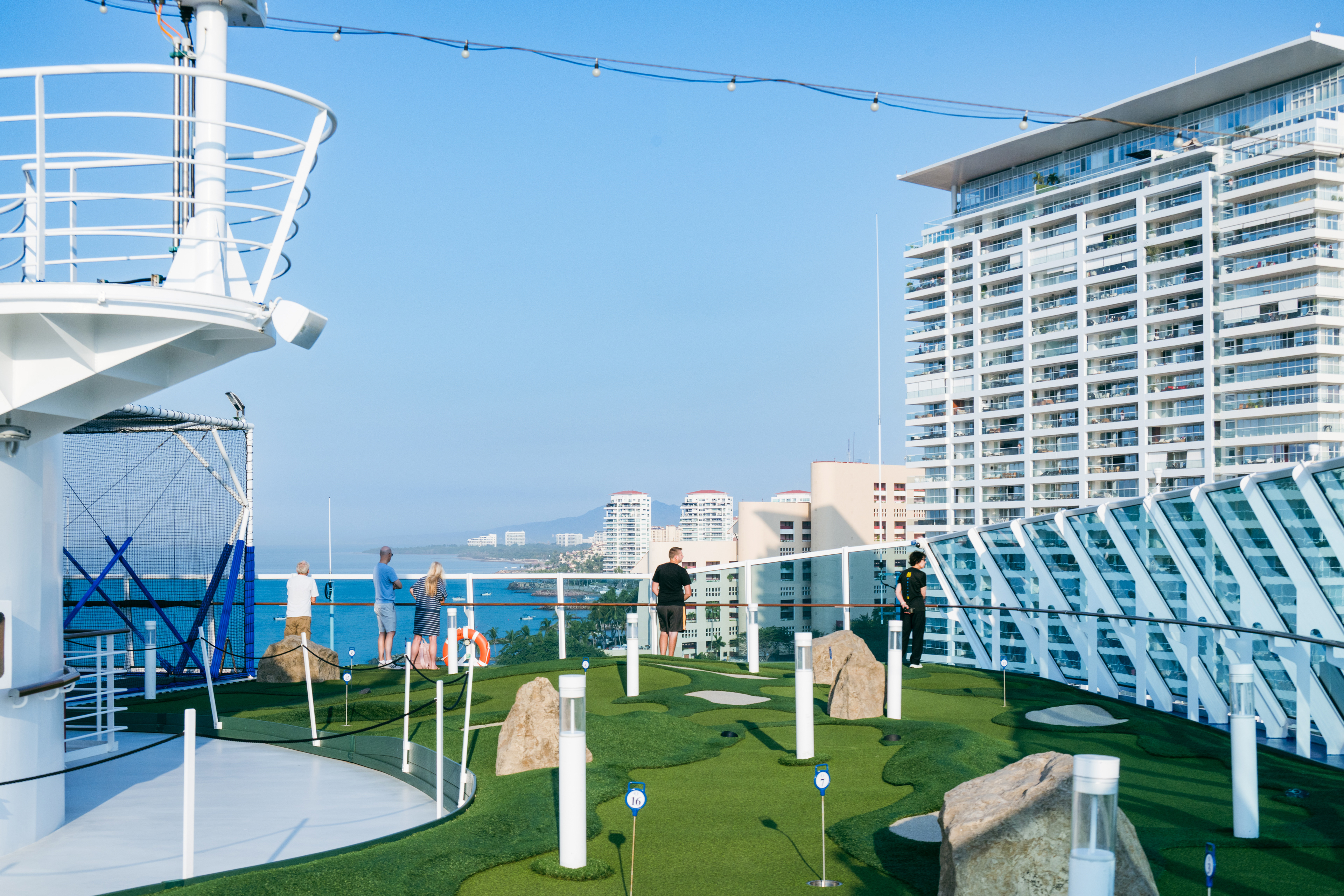
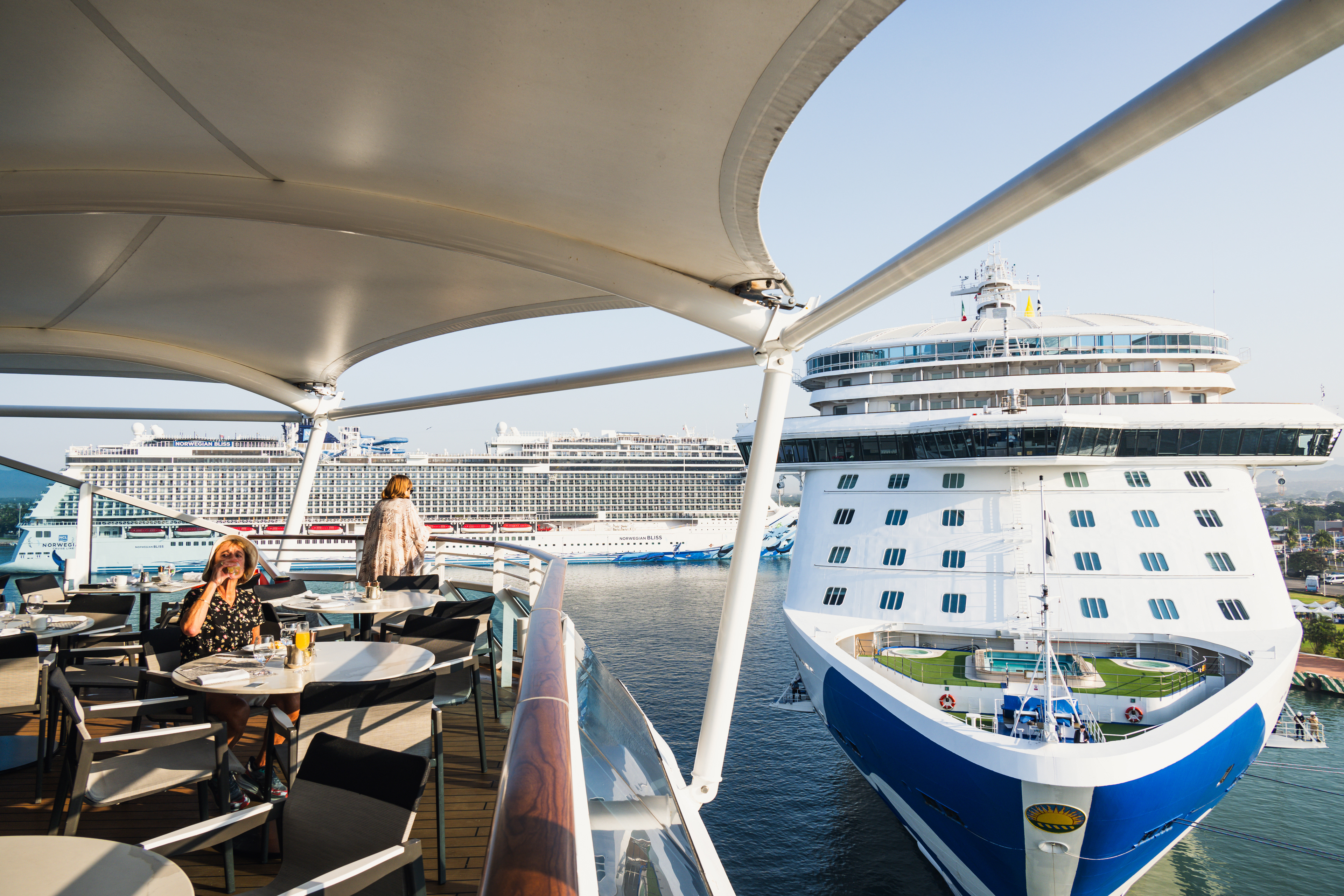
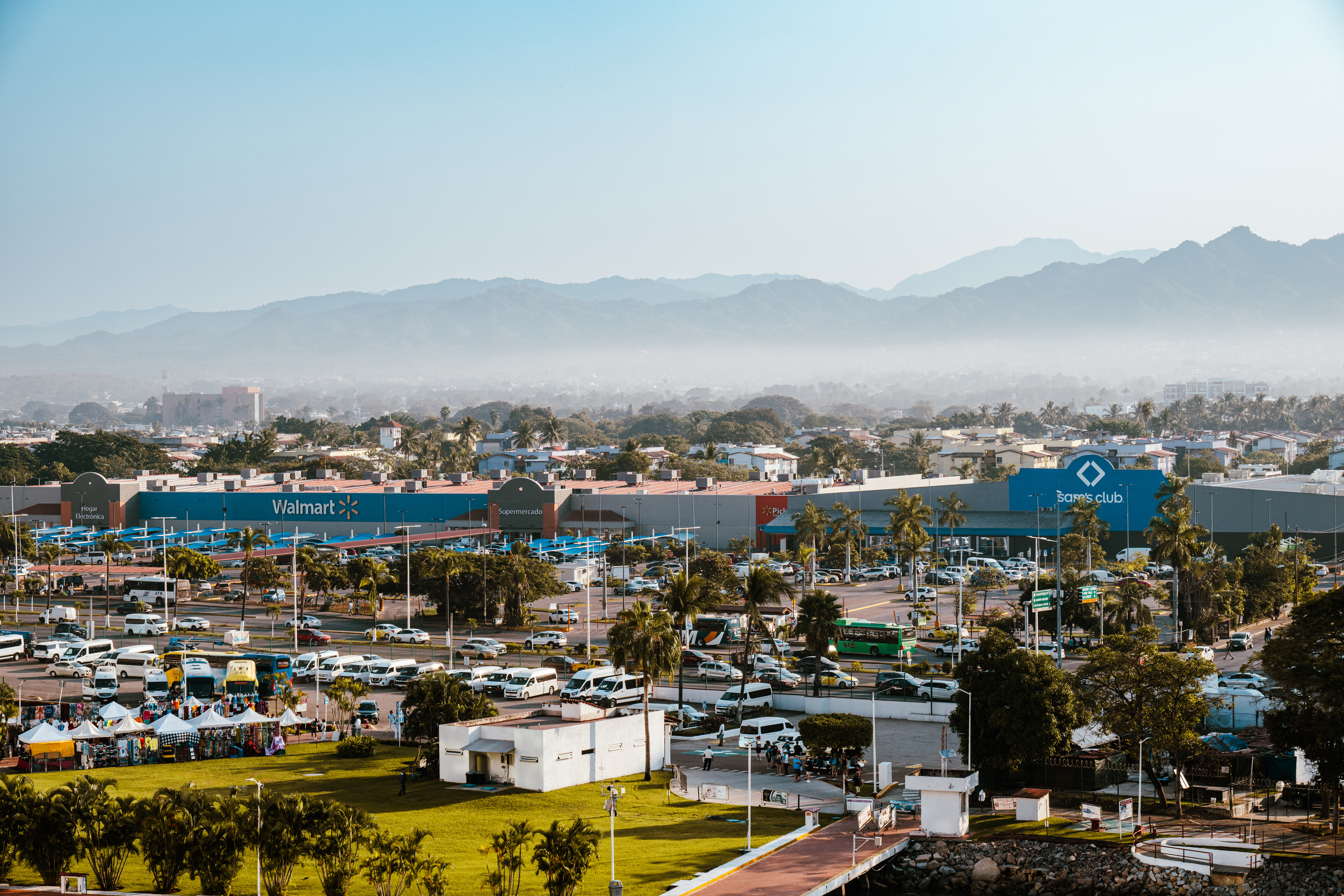
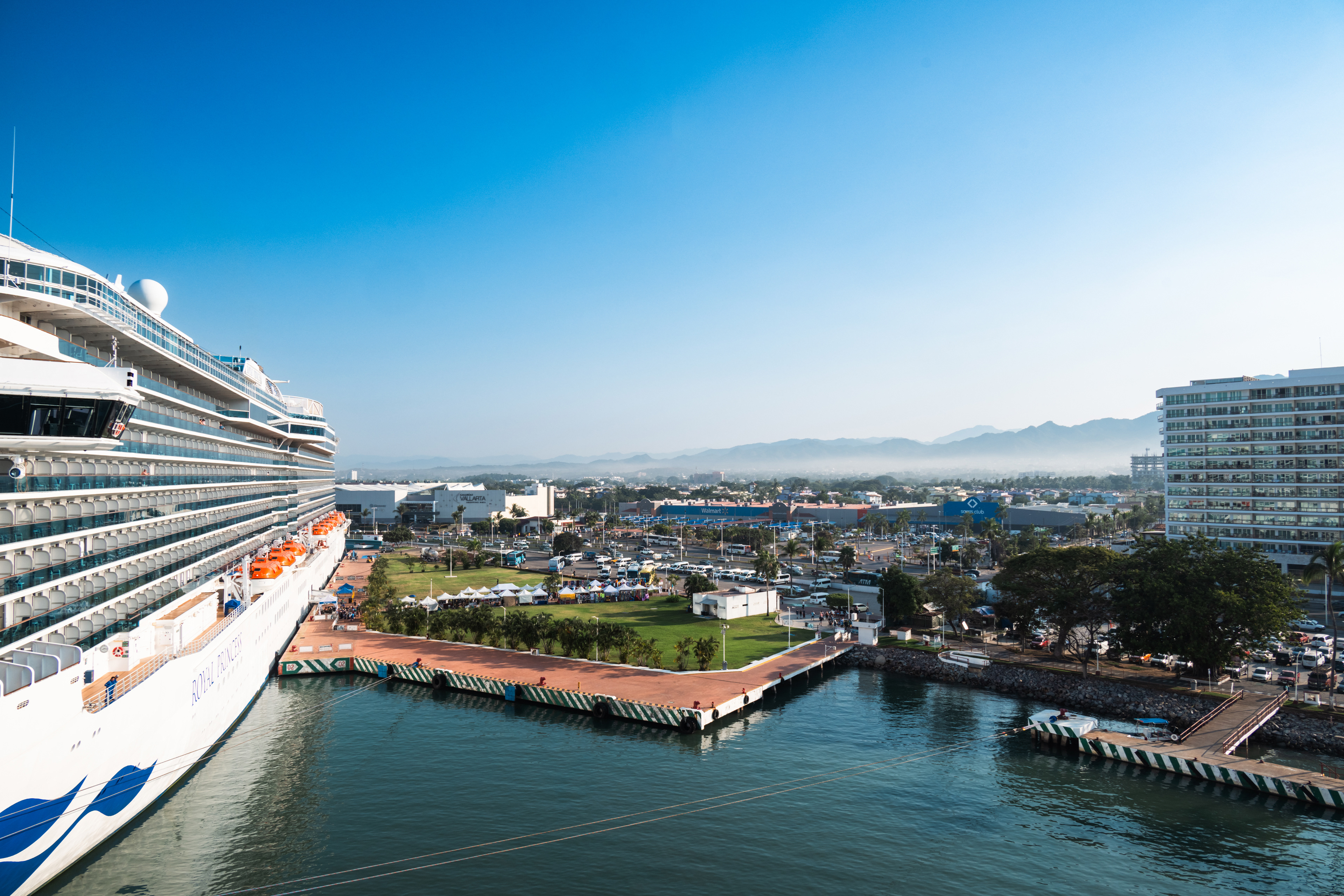
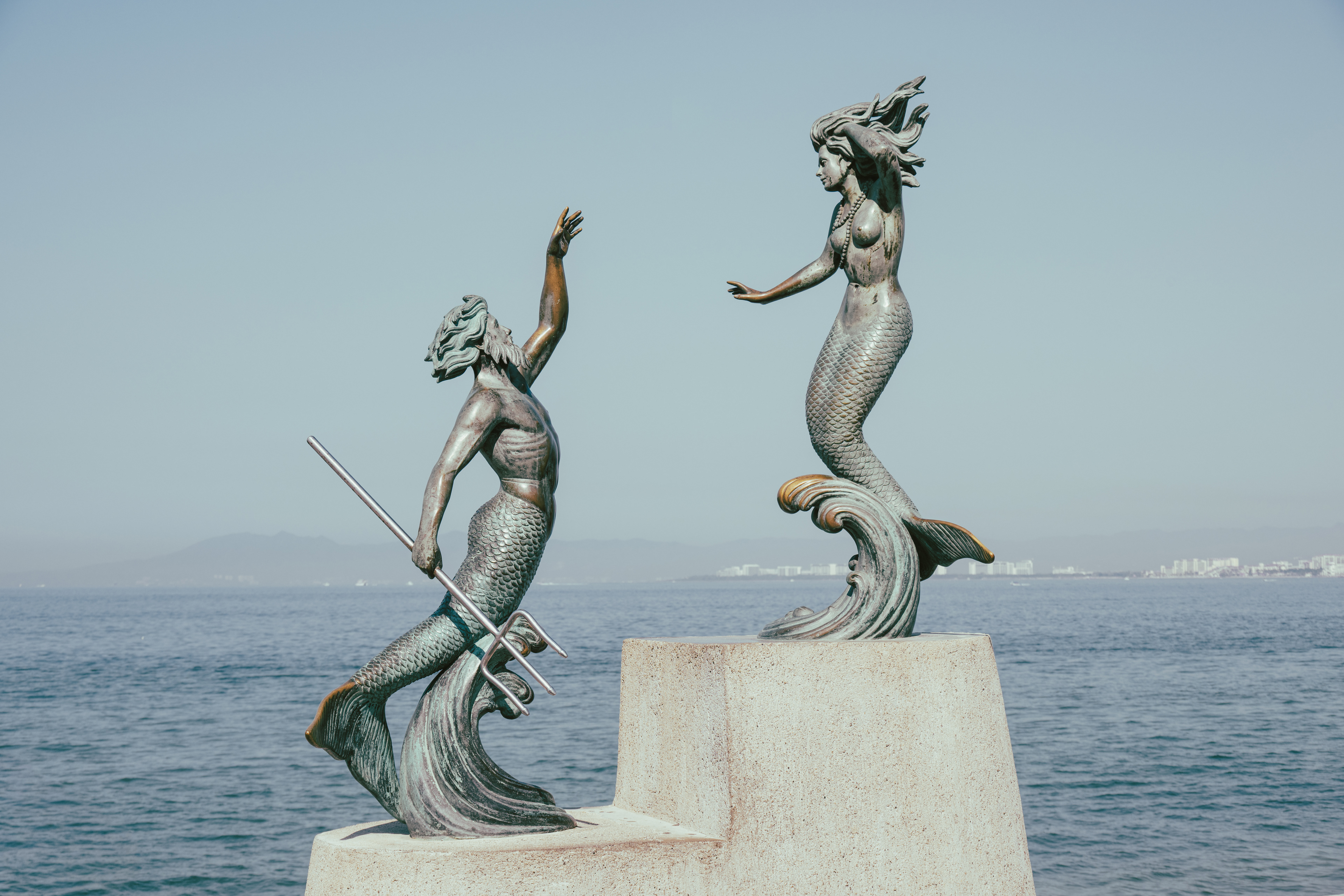
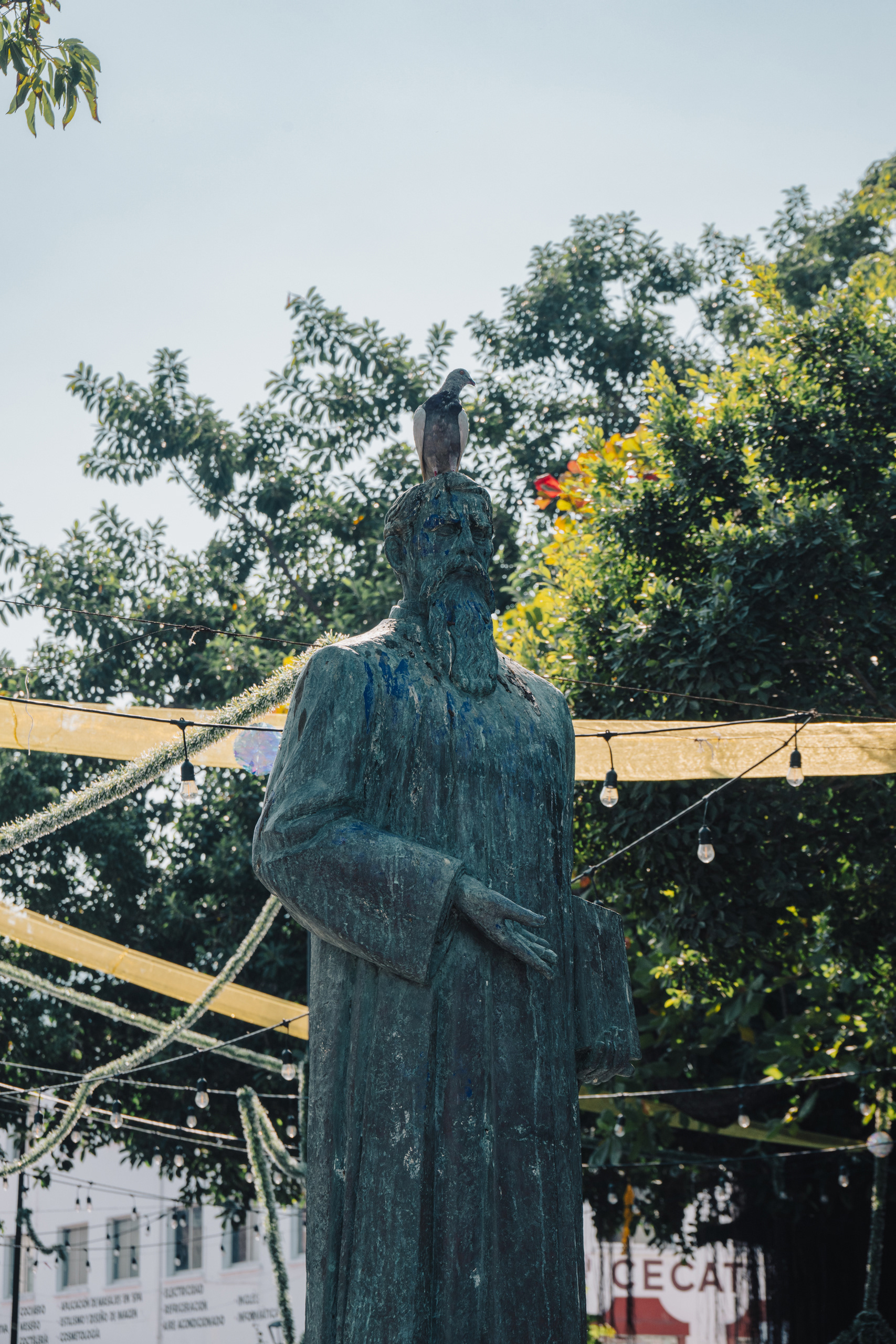
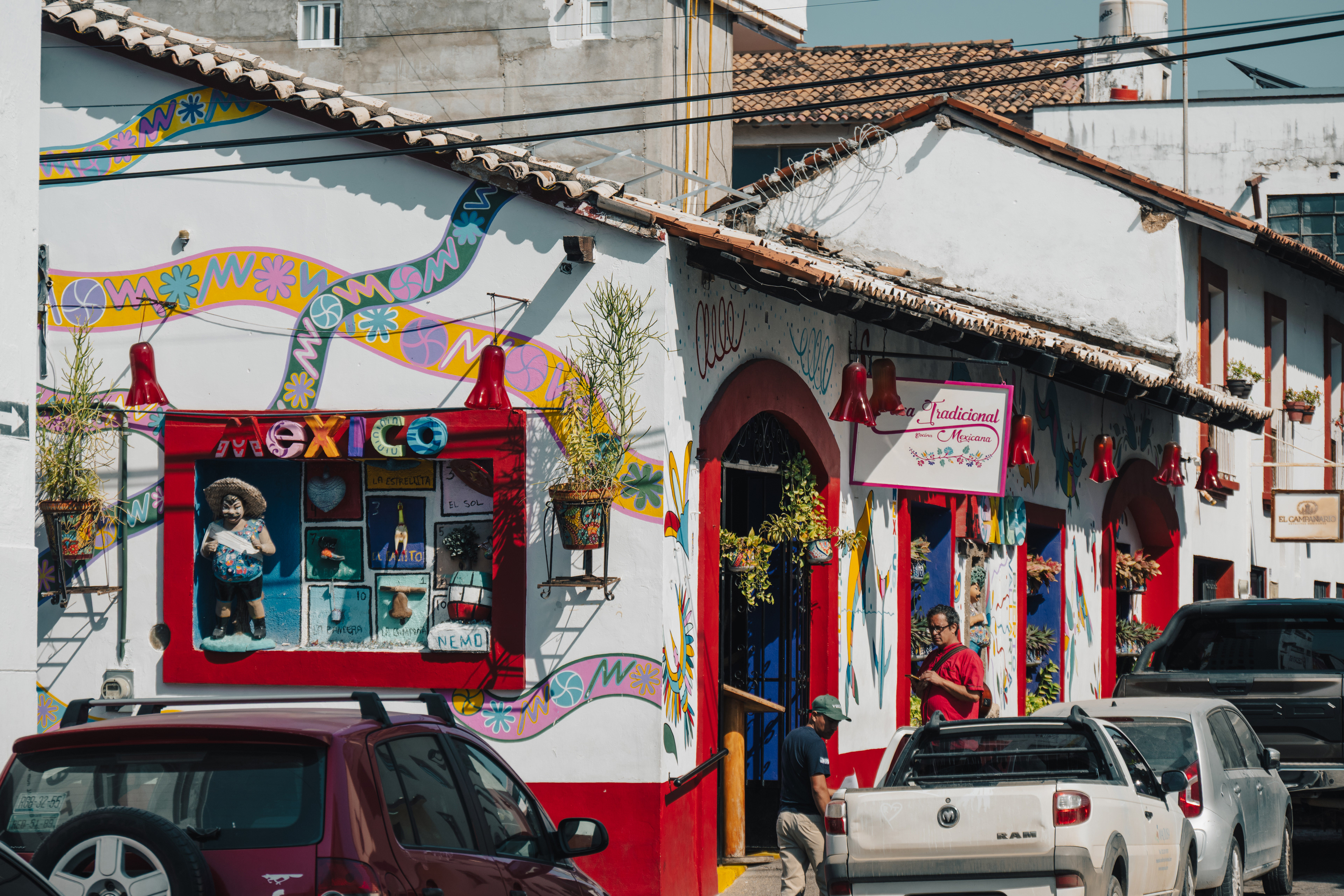
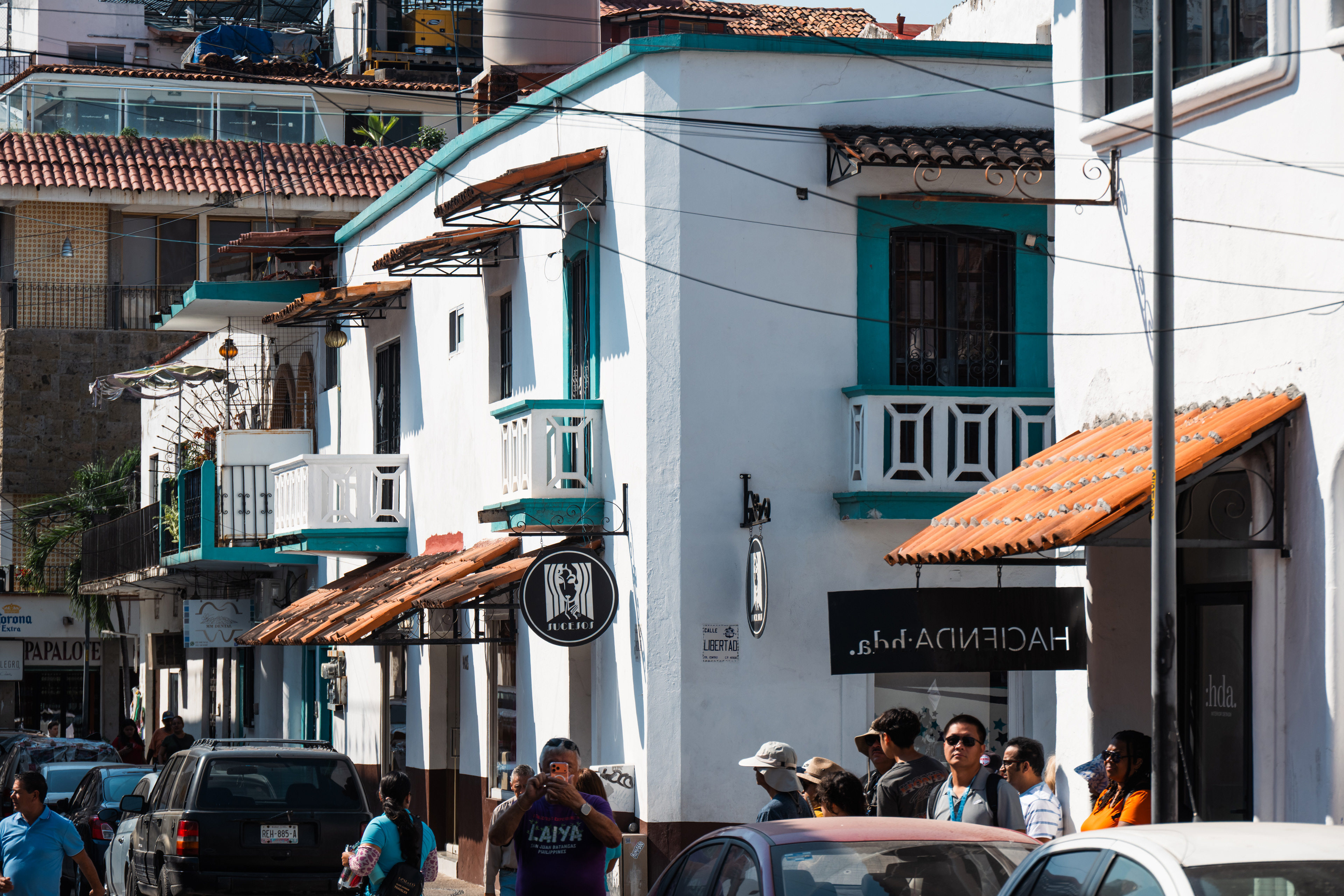
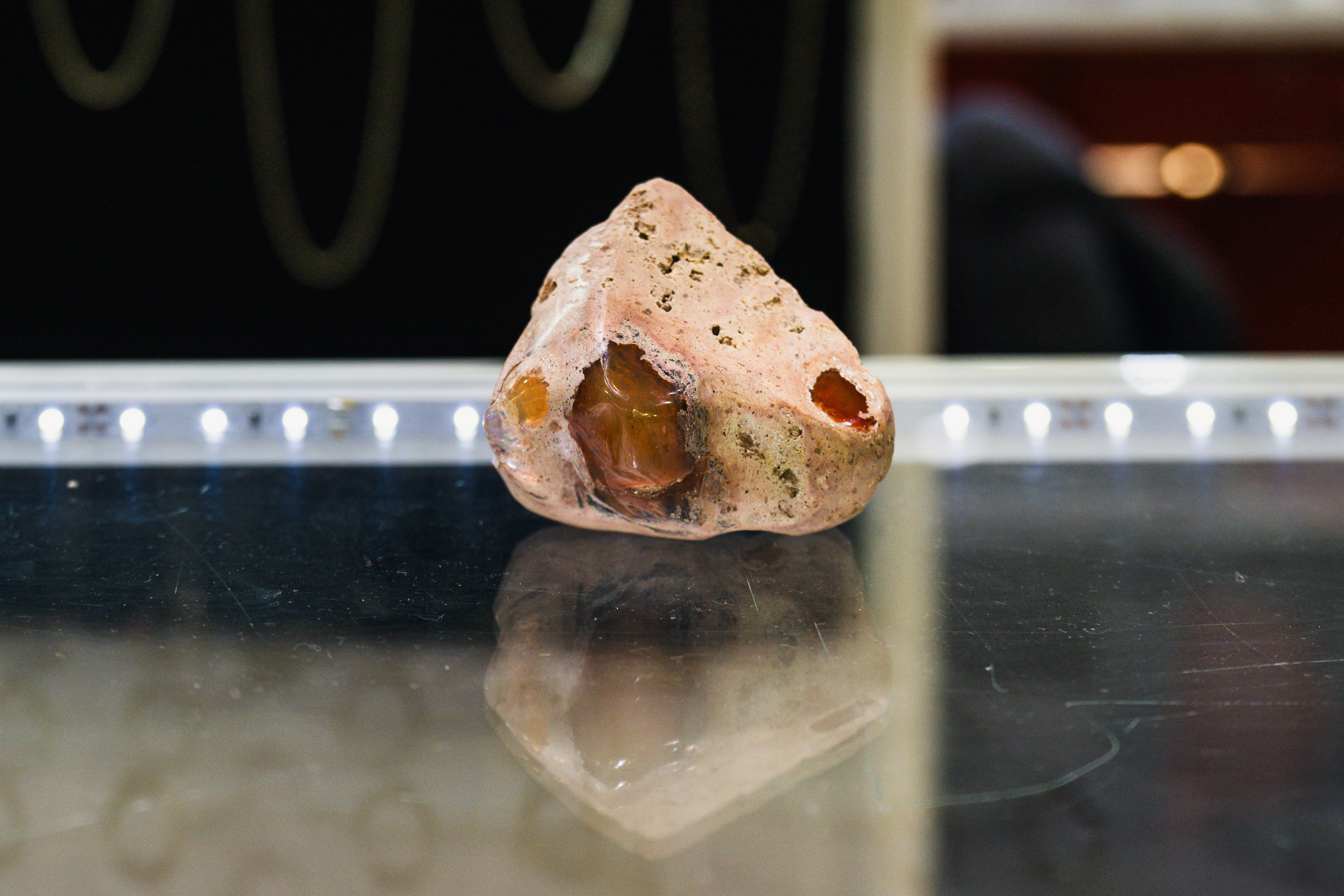
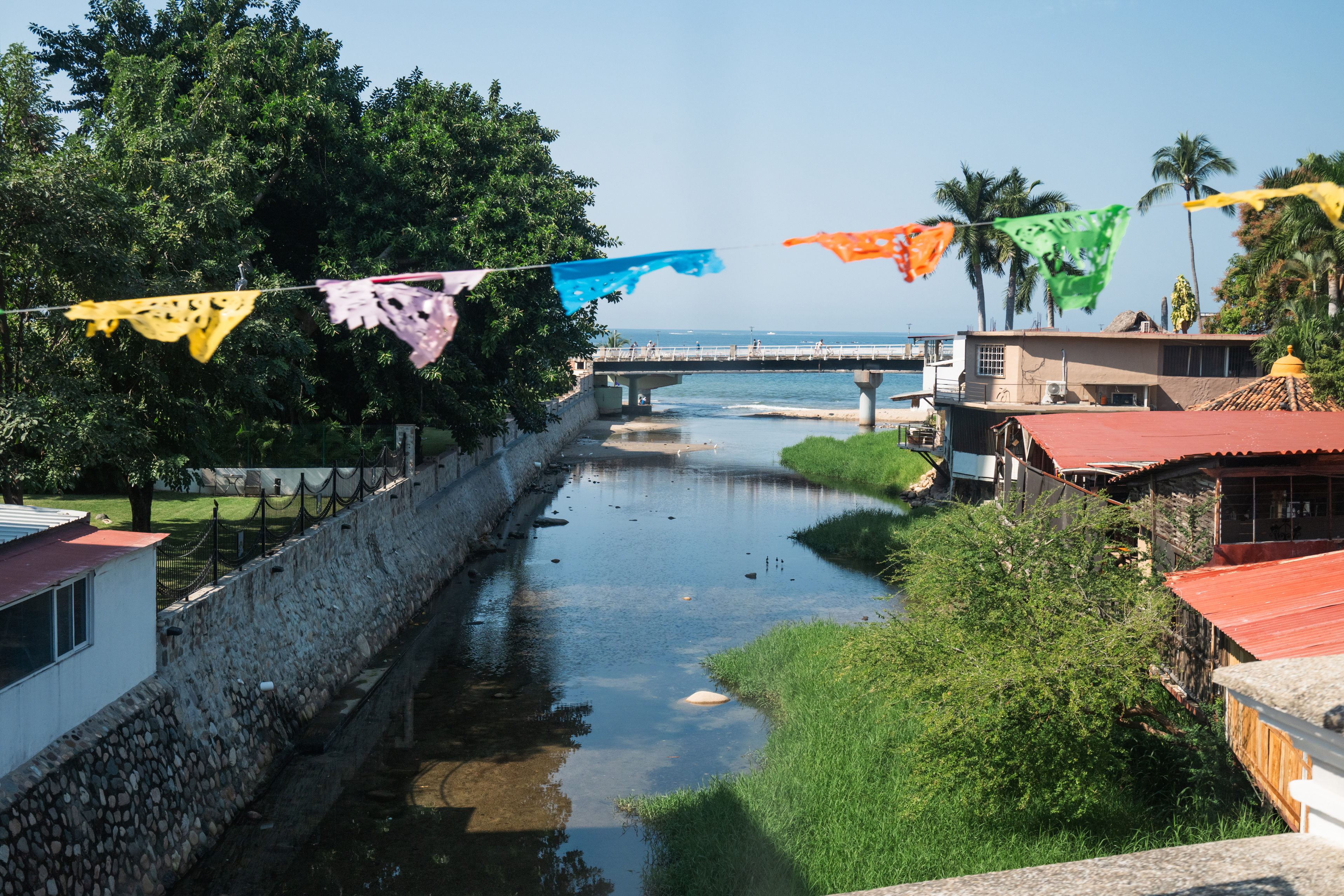
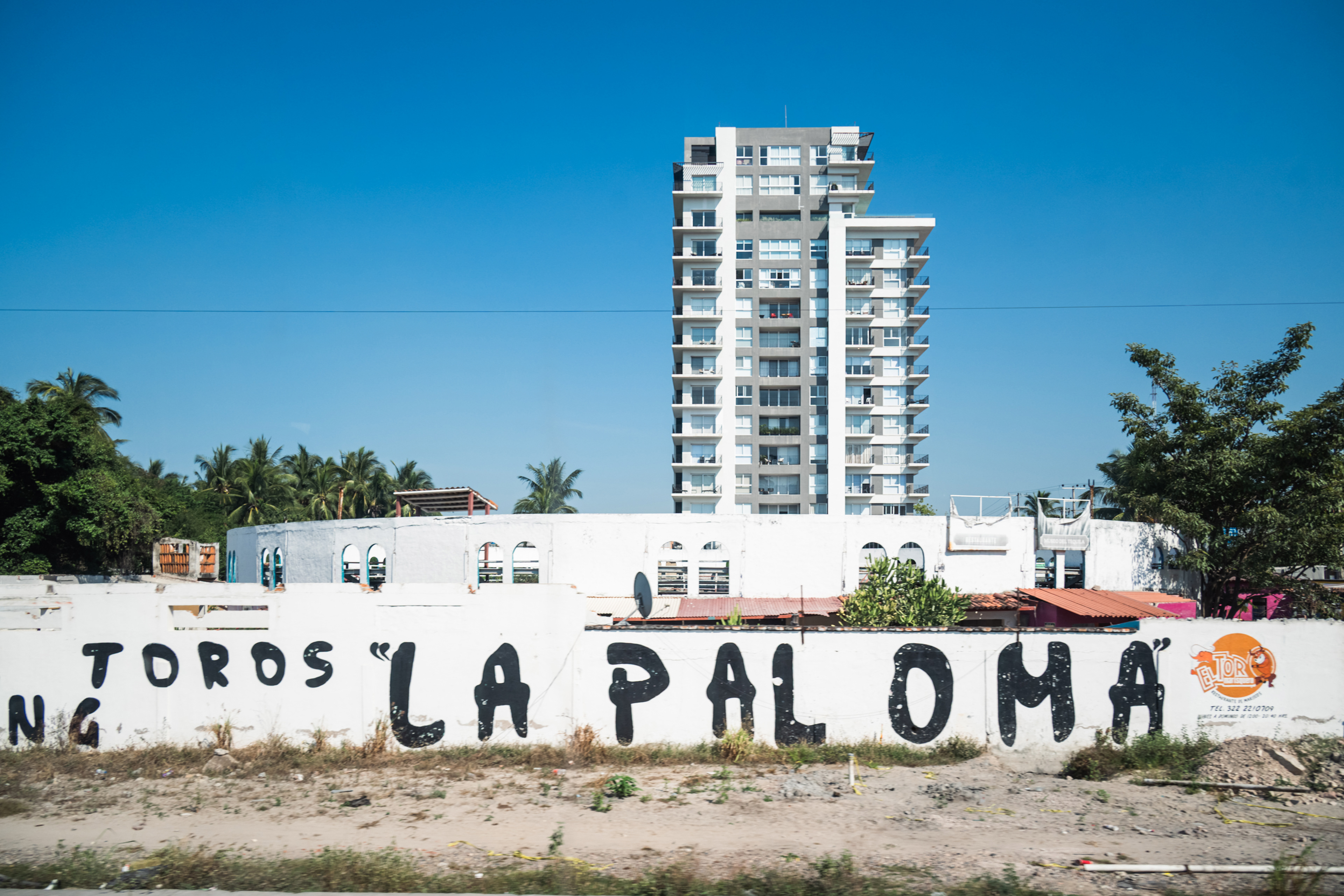
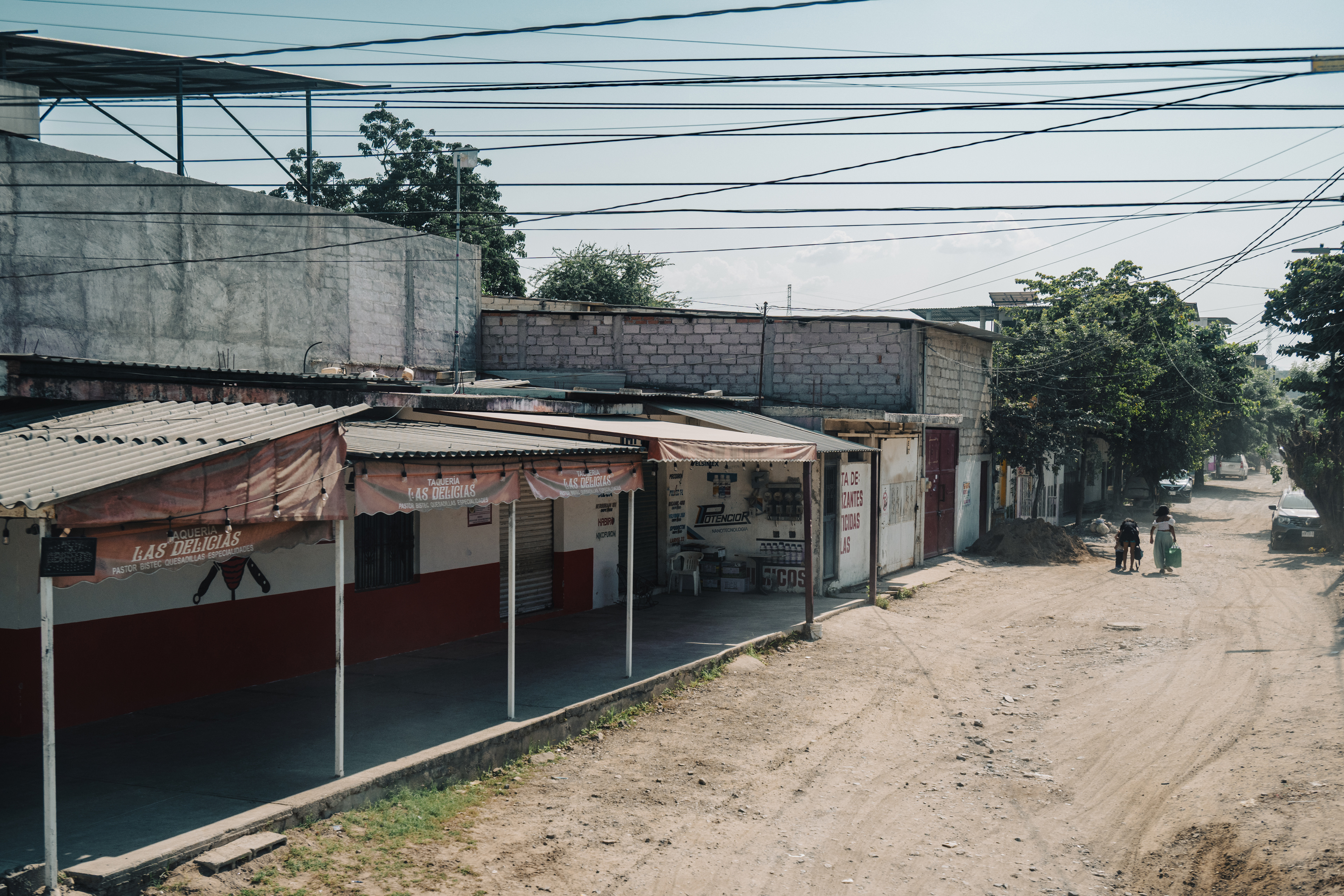
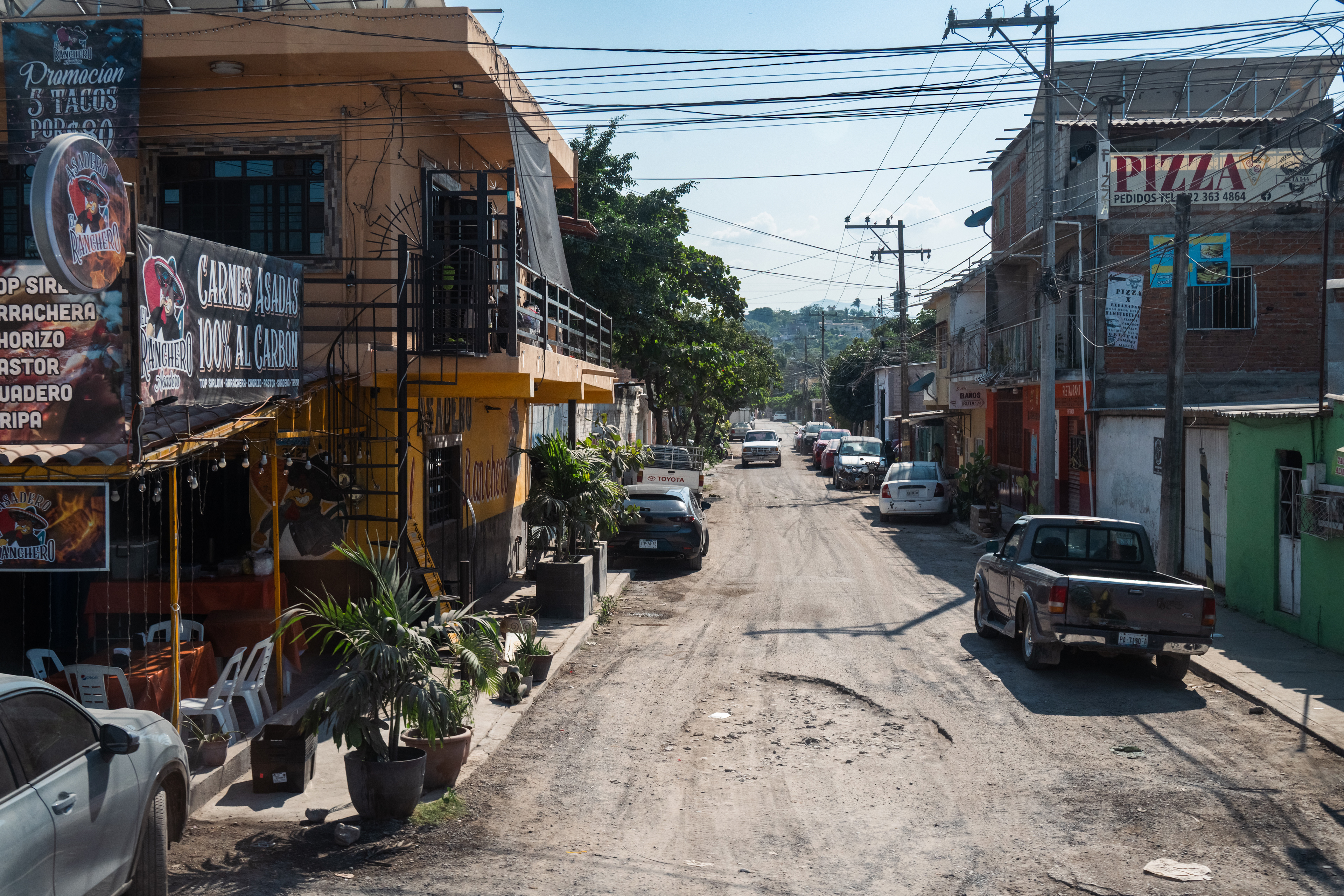
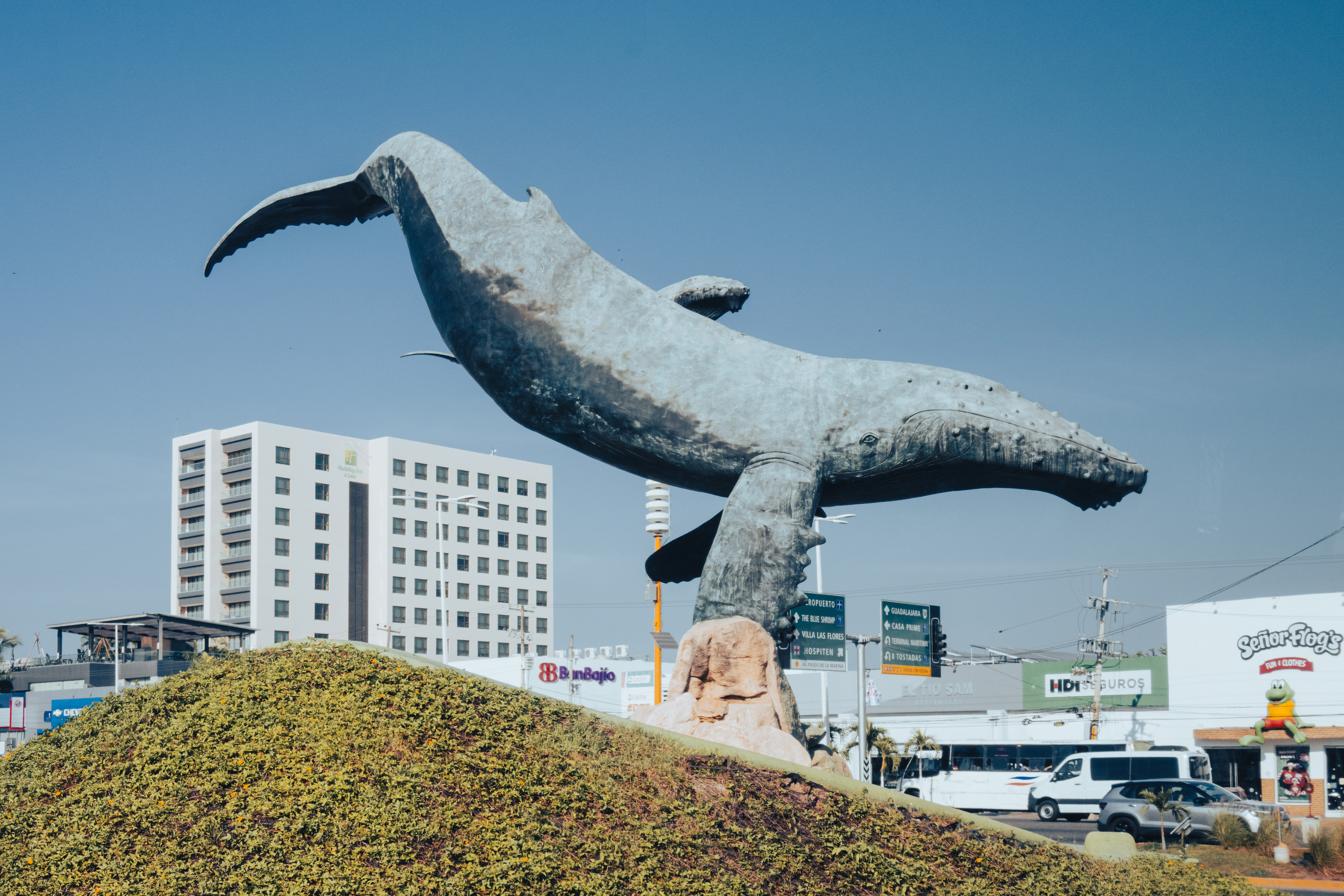
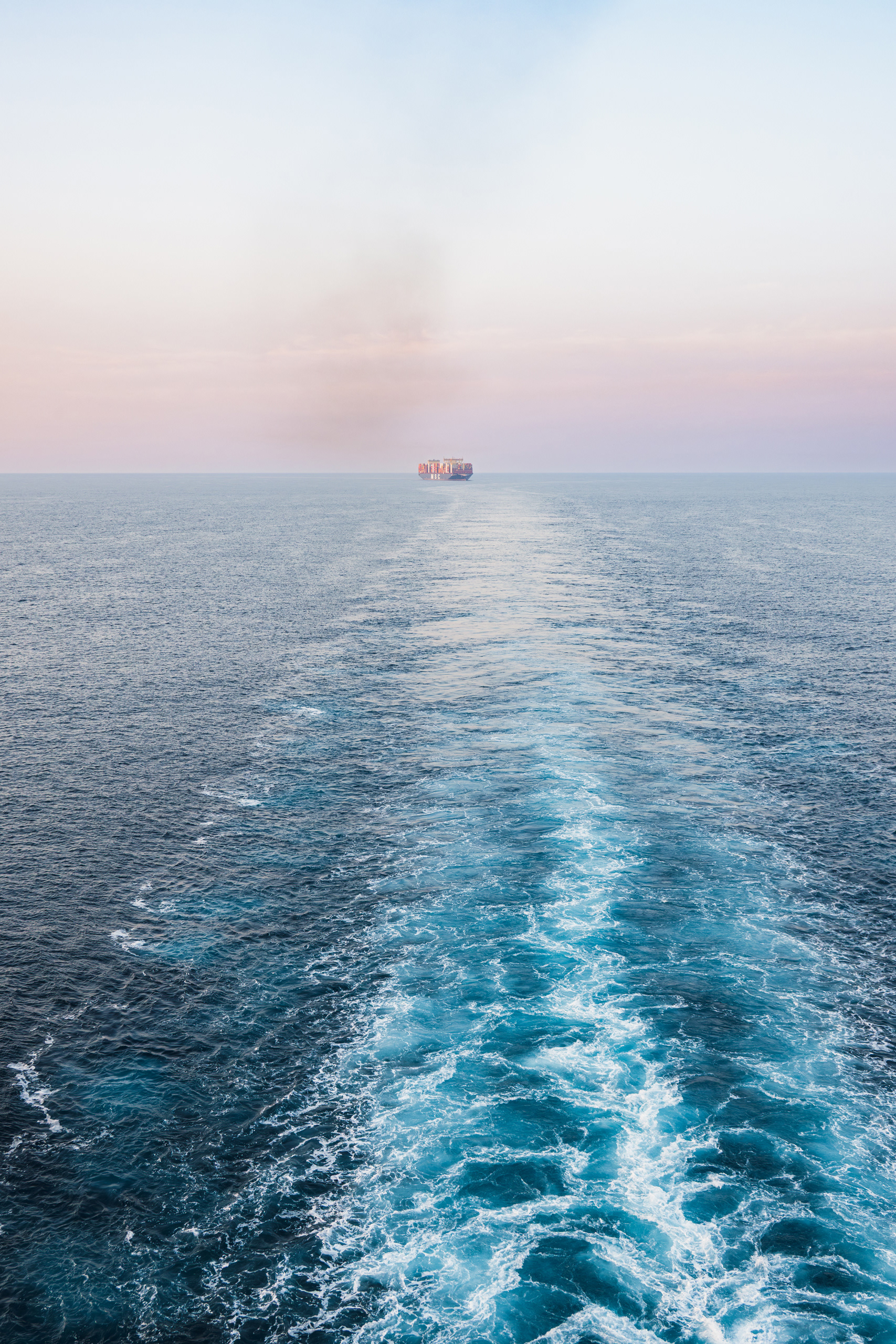
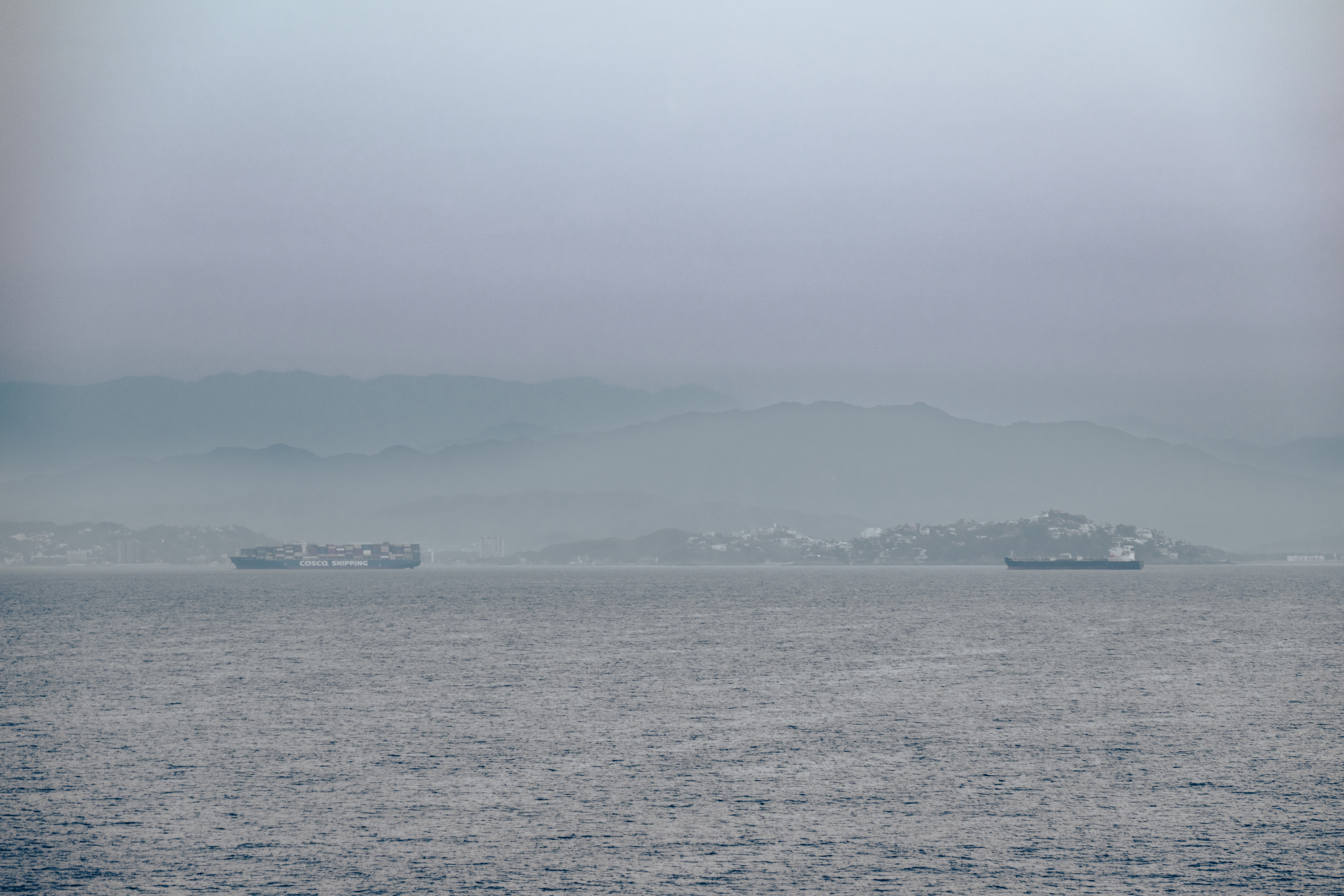
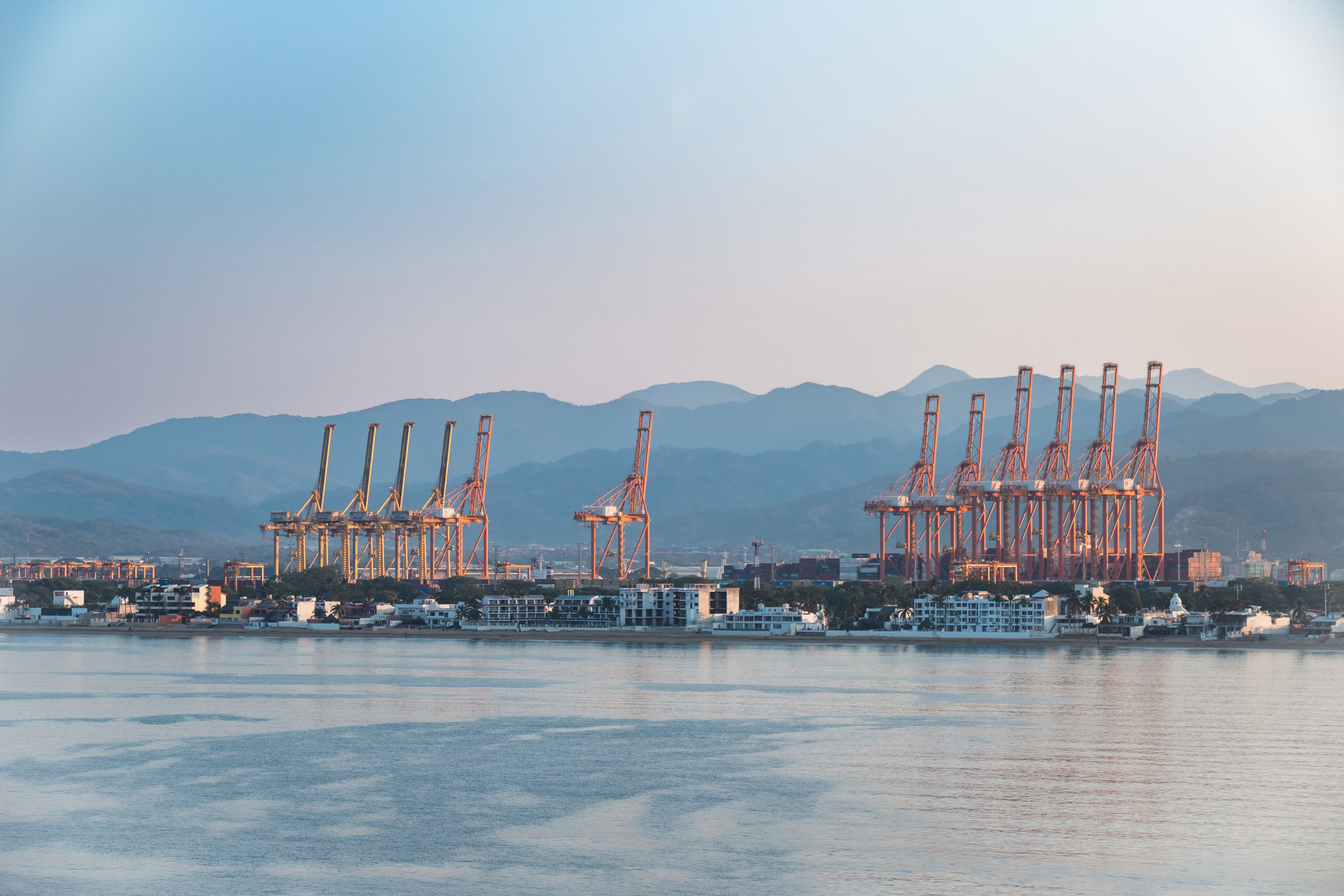
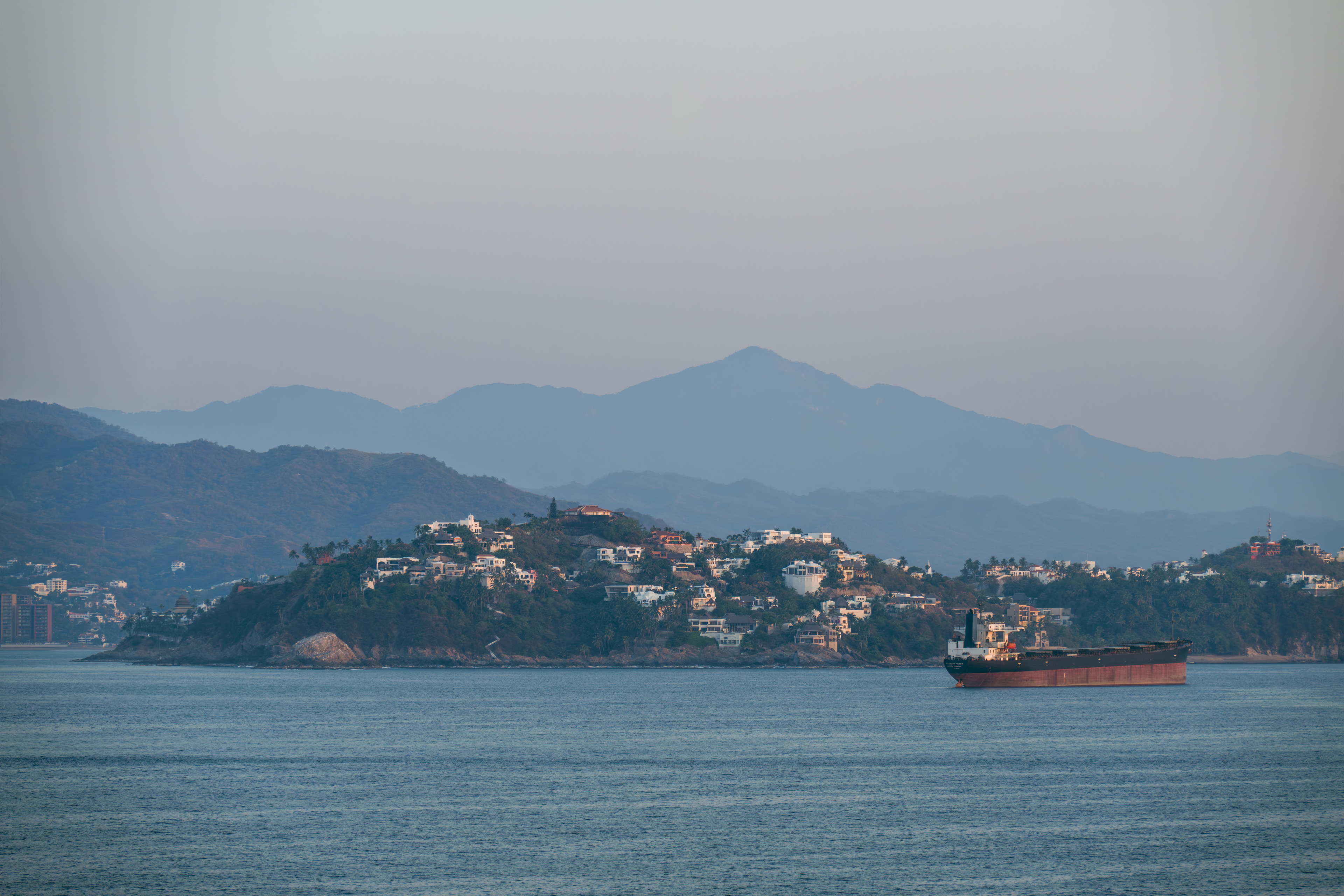
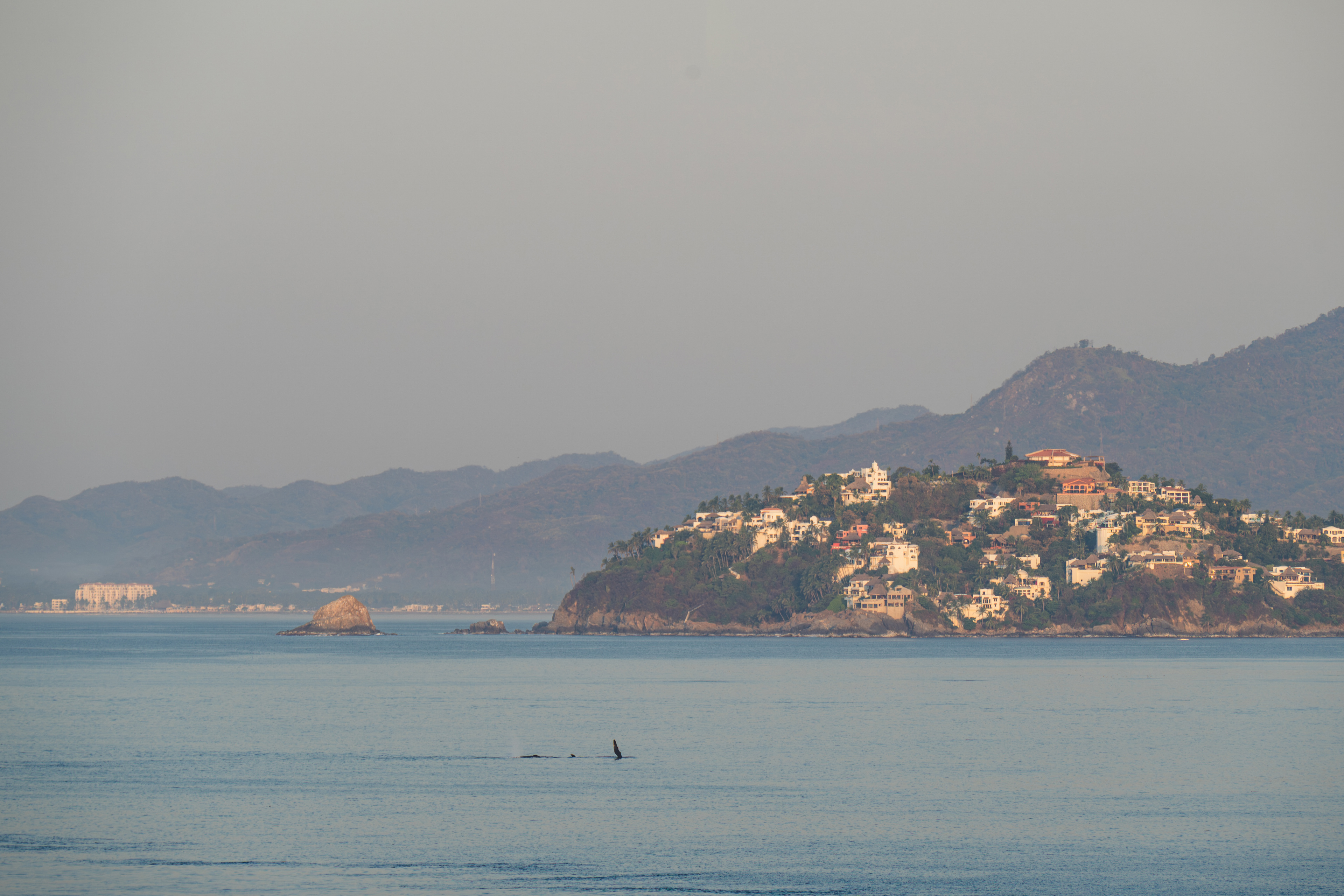
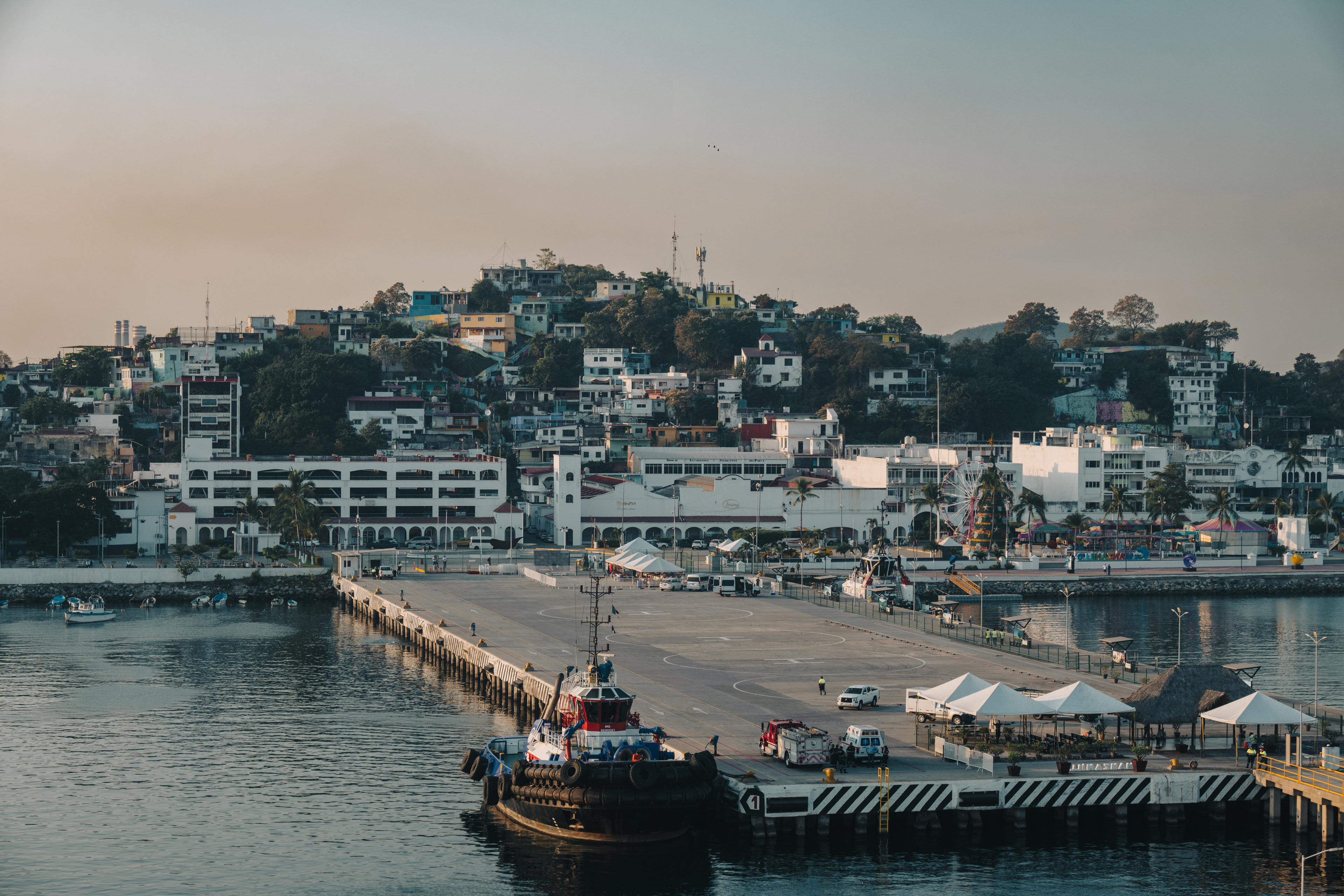
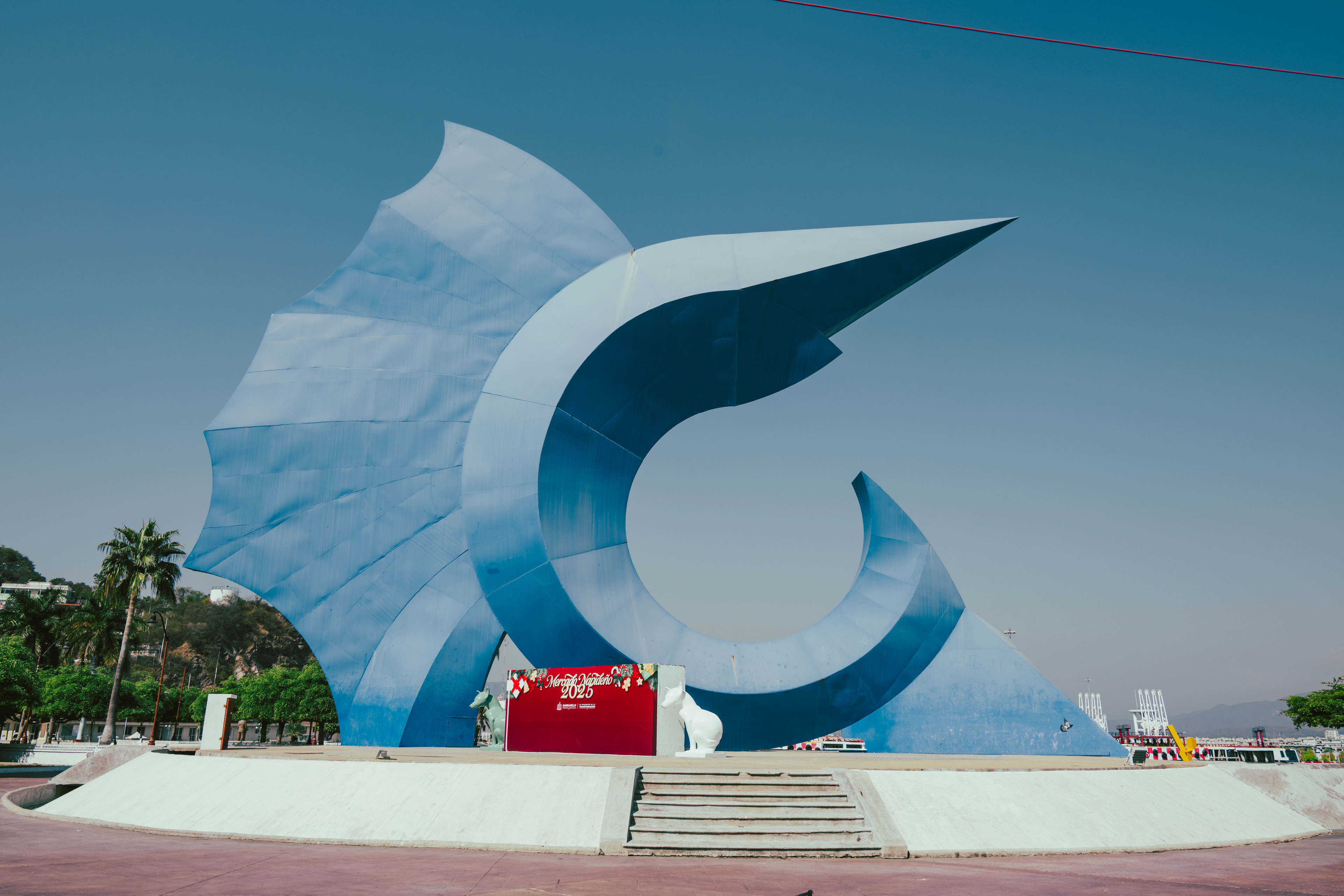
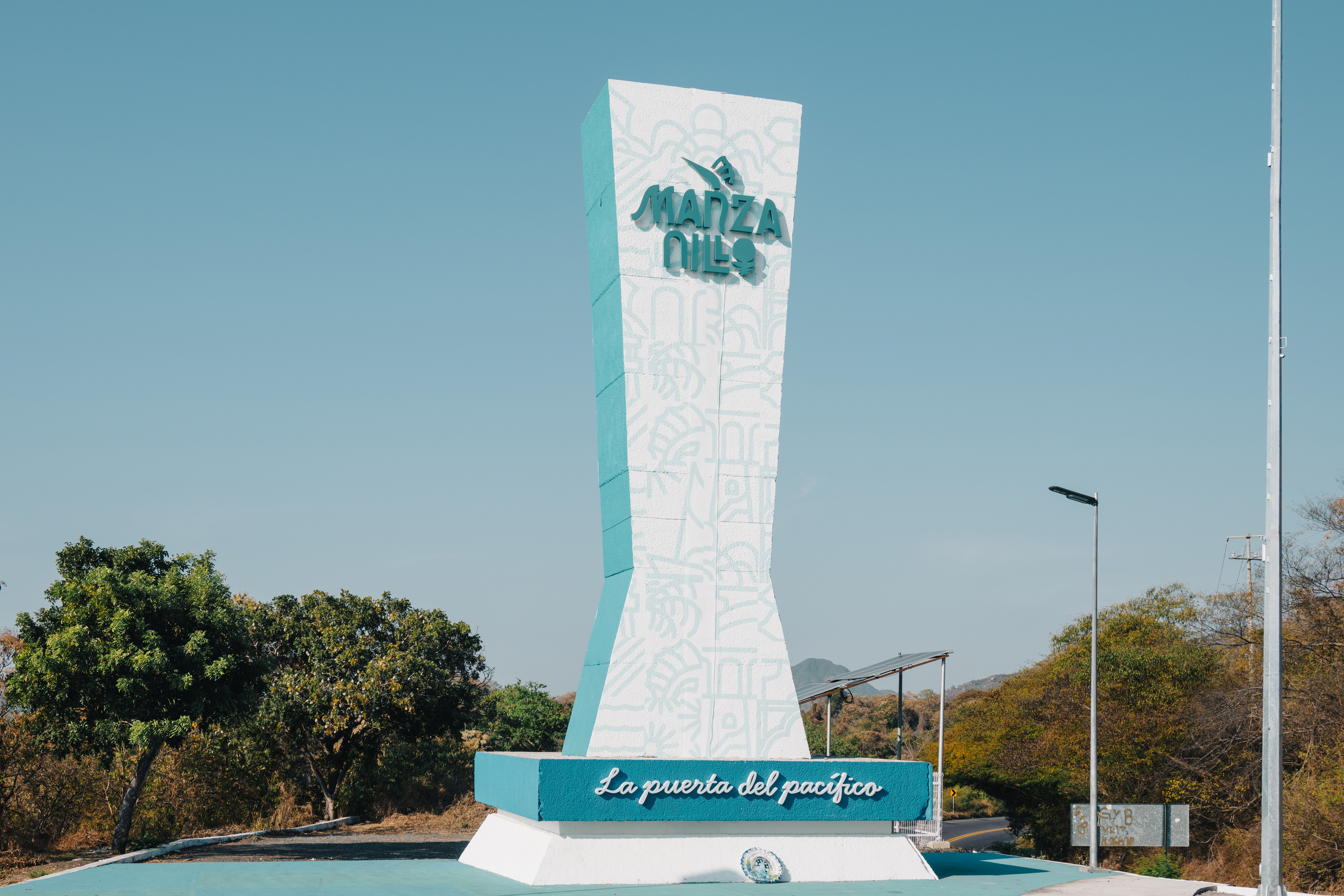
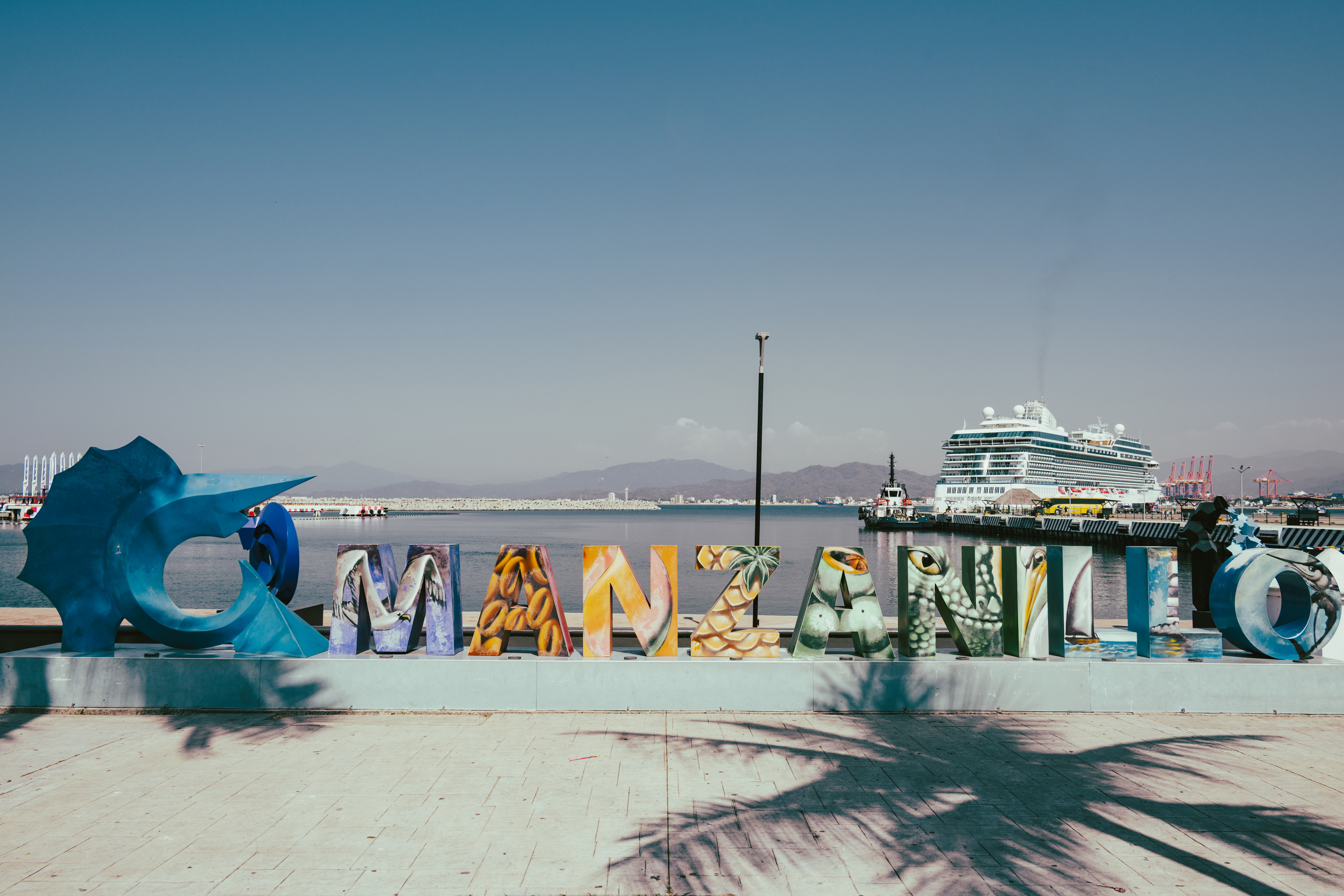
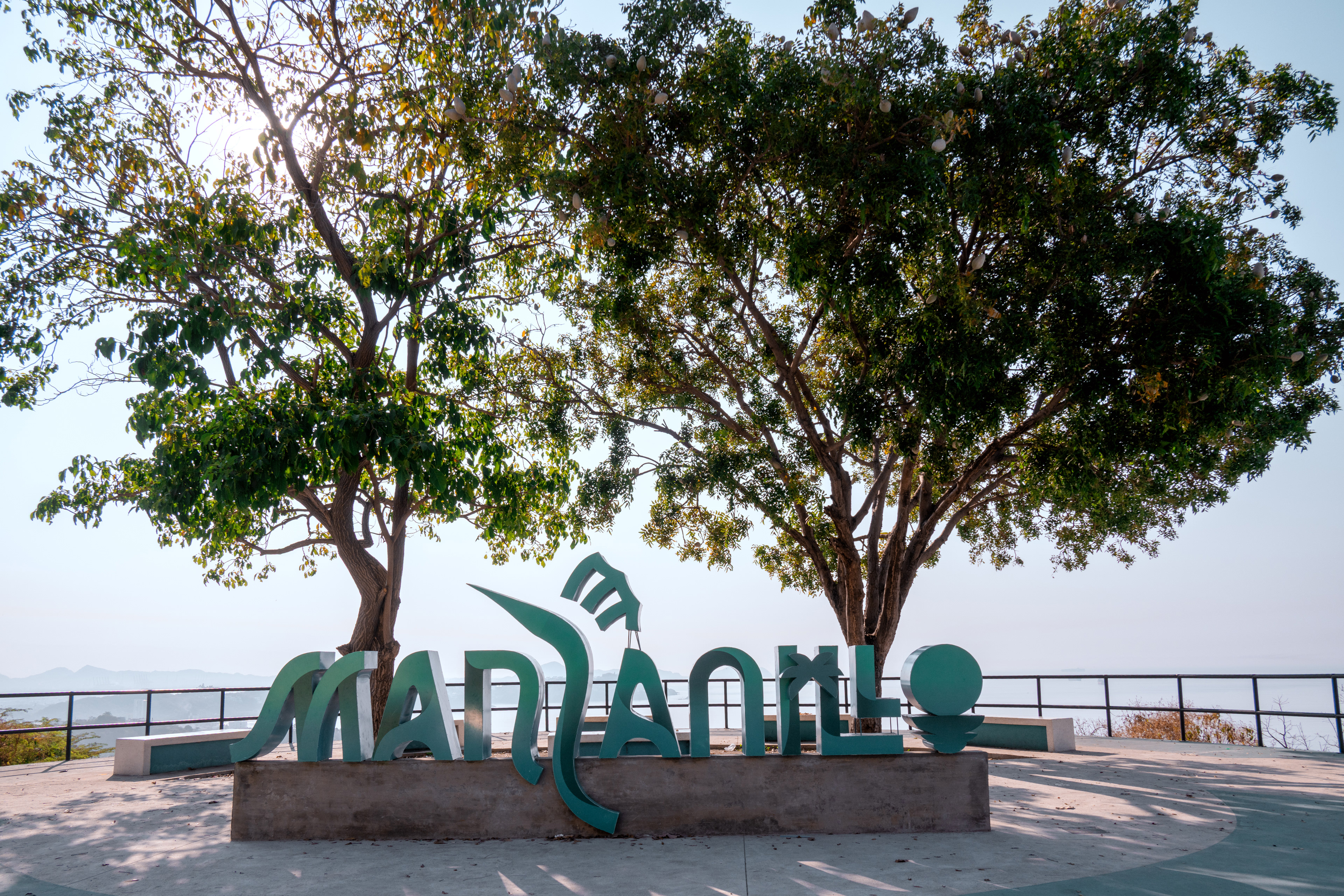
We woke up to Christmas on a ship docked in Mexico's busiest cargo port, which is not a sentence I had ever previously considered saying. But Manzanillo is genuinely appealing in a way that surprises you — two crescent bays separated by the Santiago Peninsula, warm water, a sailfish sculpture on the waterfront that tells you exactly what this city takes seriously.
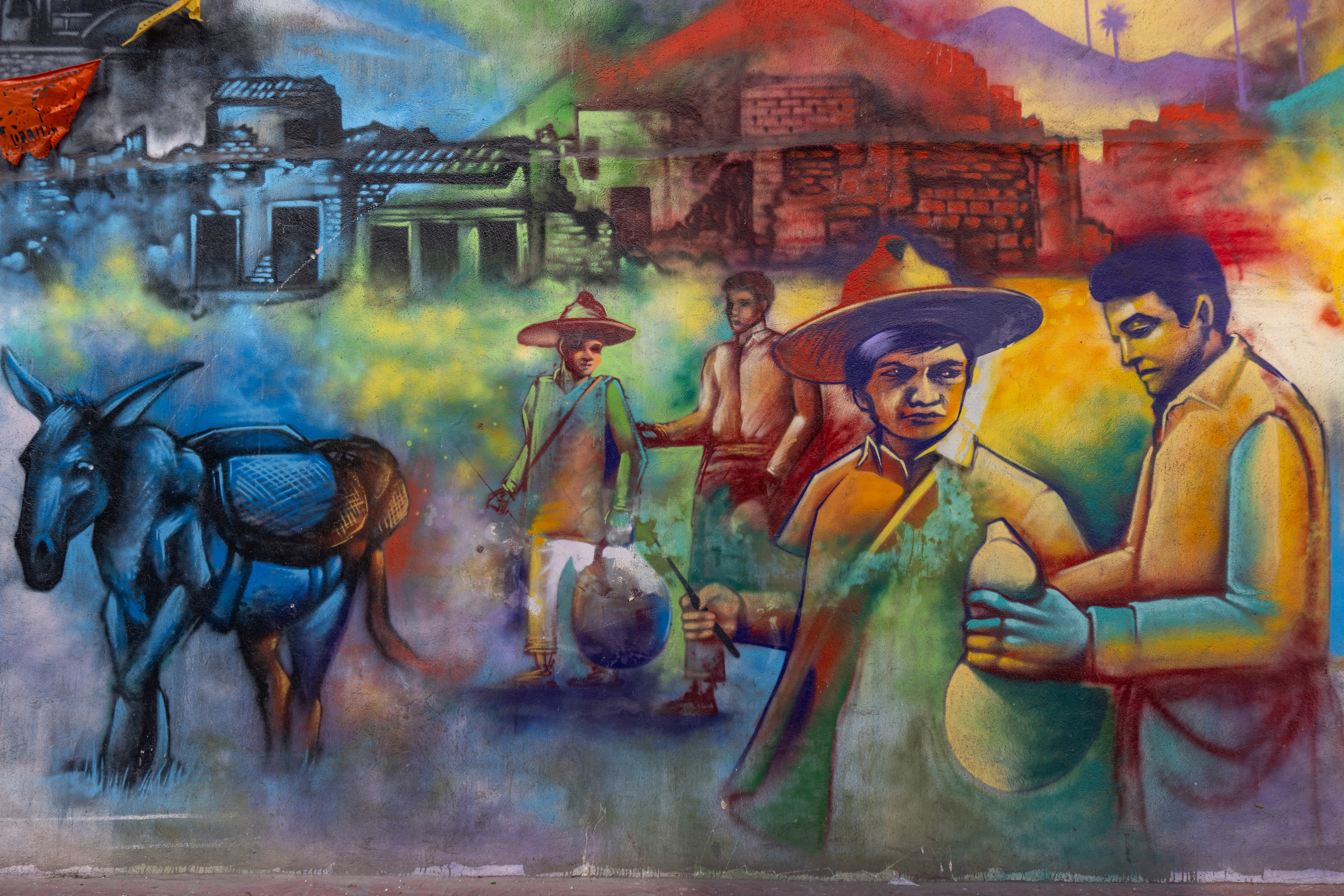
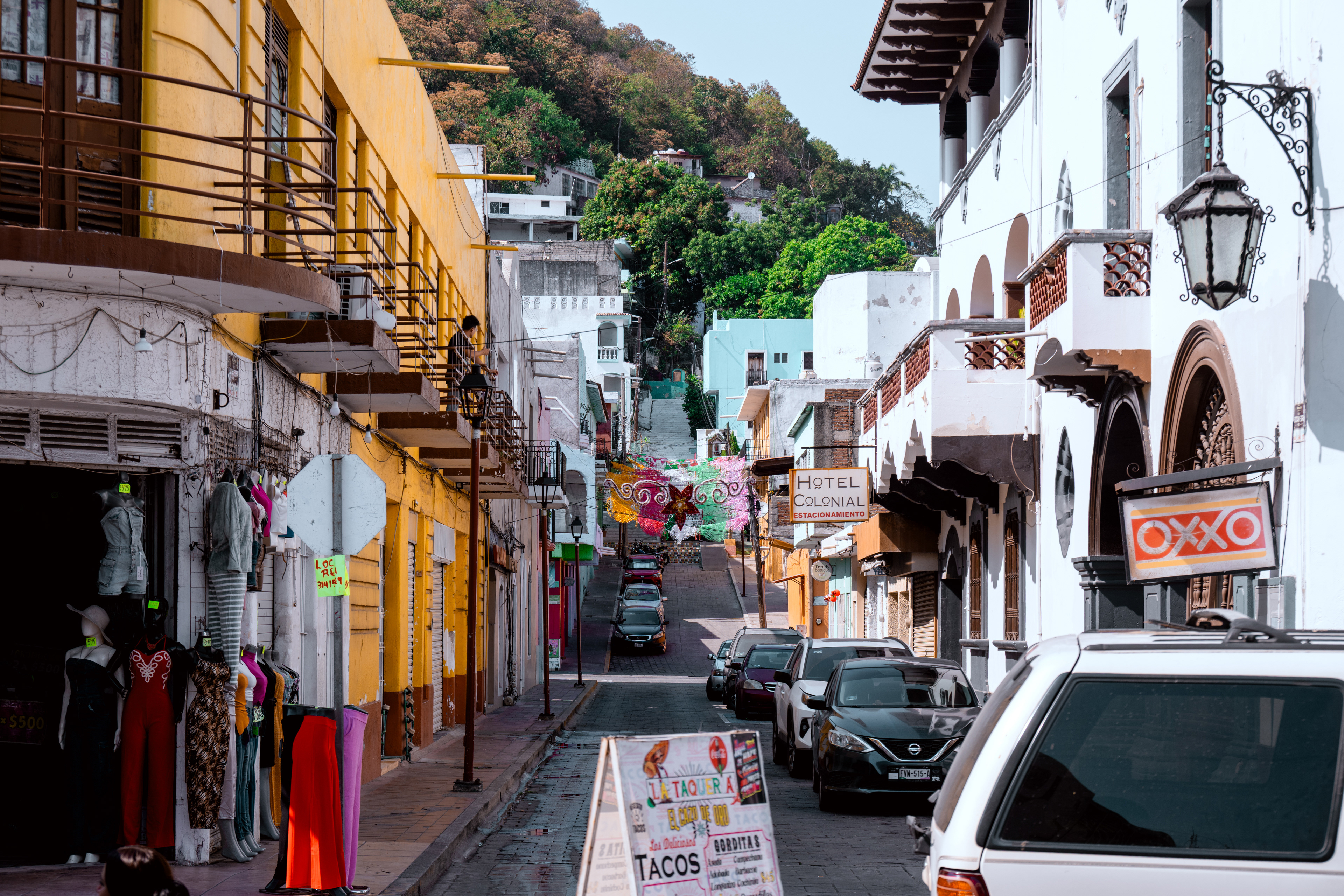
We took the Manzanillo City & Shopping tour — a half-day circuit through the Miramar Flea Market, the Peninsula de Santiago viewpoint (where the two bays become visible side by side), a local restaurant stop by a beautiful beach, and the old town plaza. It was a gentle, low-stakes introduction to a Mexican city that most cruise passengers walk through without lingering. Road construction between Manzanillo and Colima had forced the cancellation of some excursions to the interior, which spoke to Oceania's caution about return-time logistics — a caution we would come to appreciate more acutely in Costa Rica.
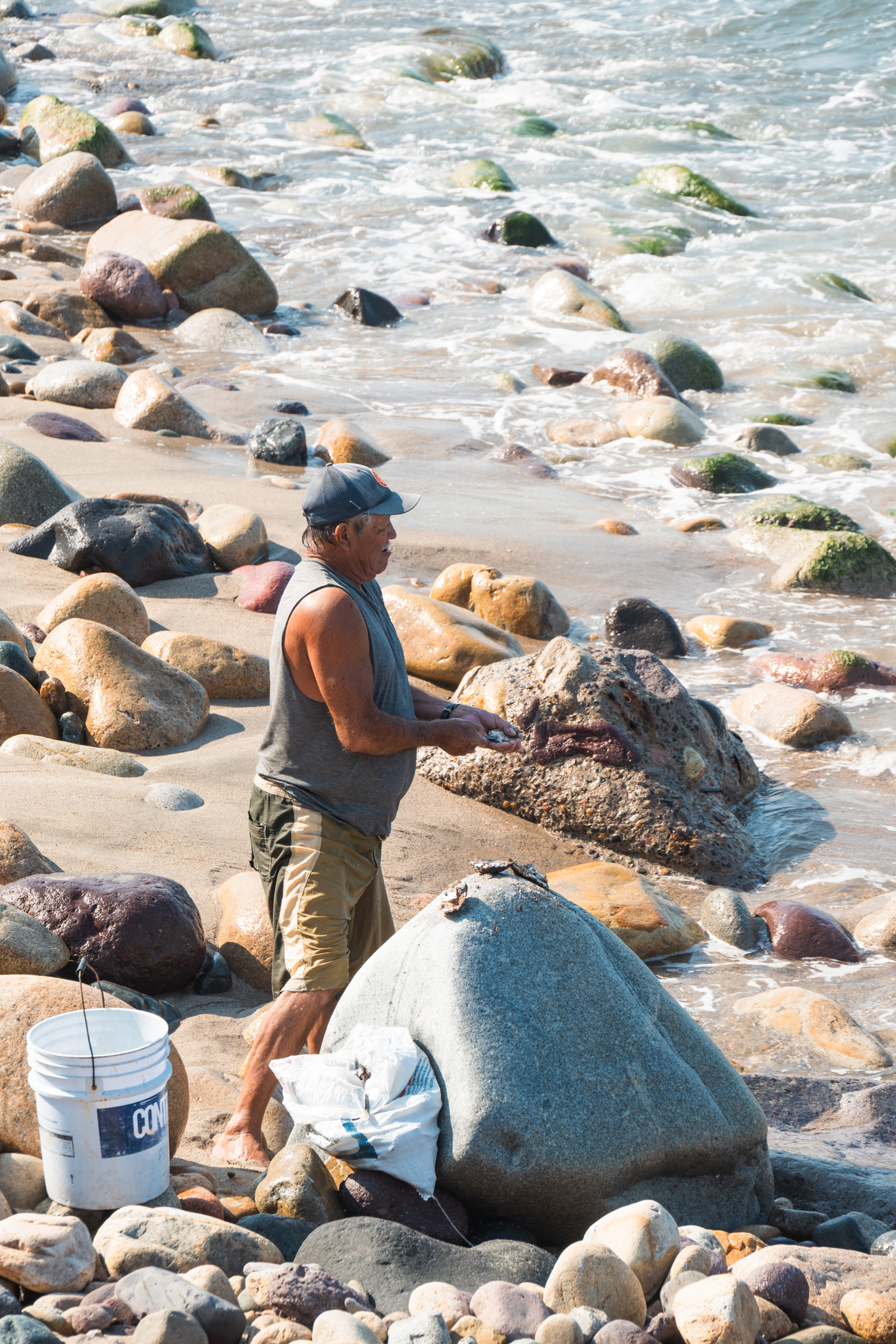
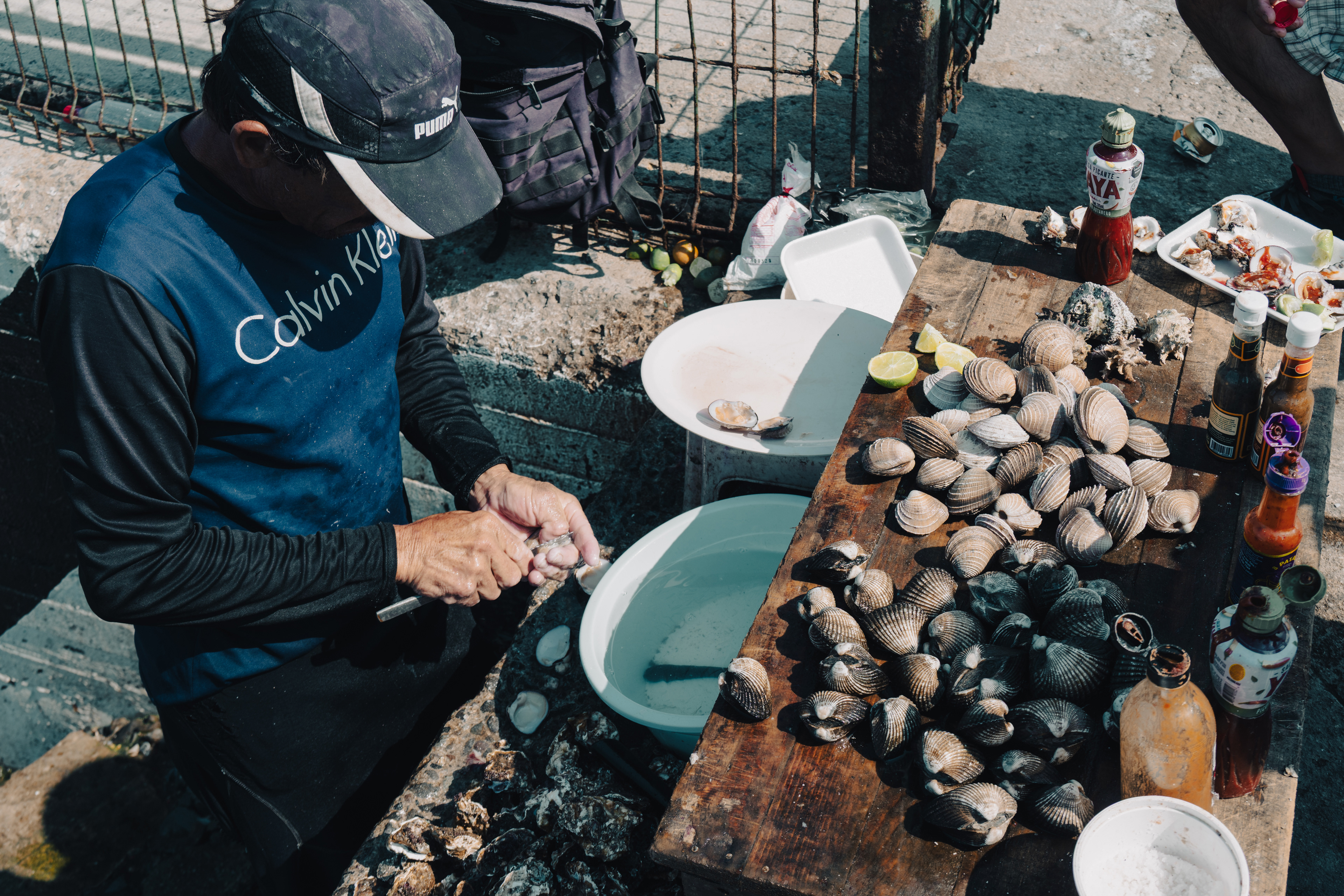
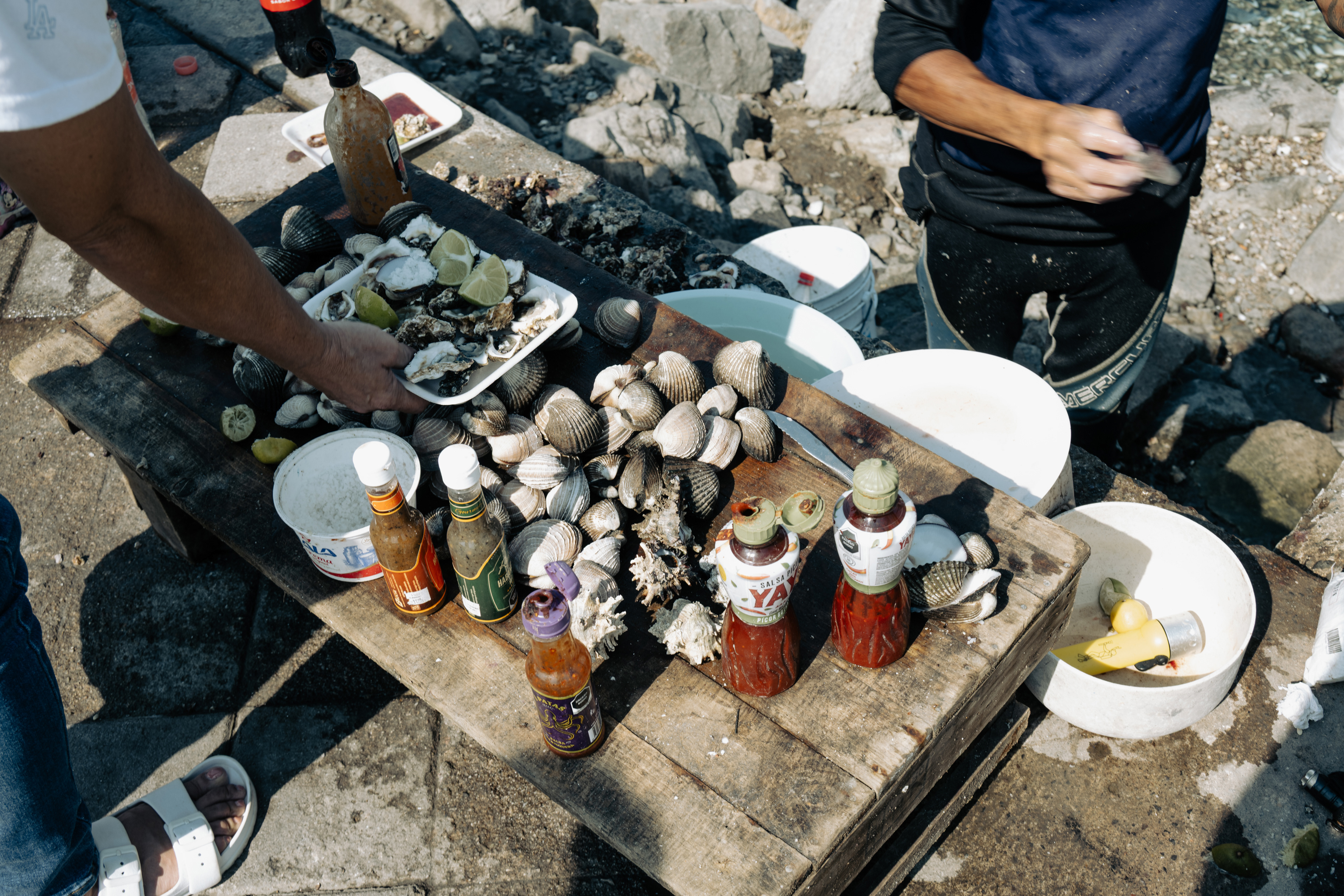
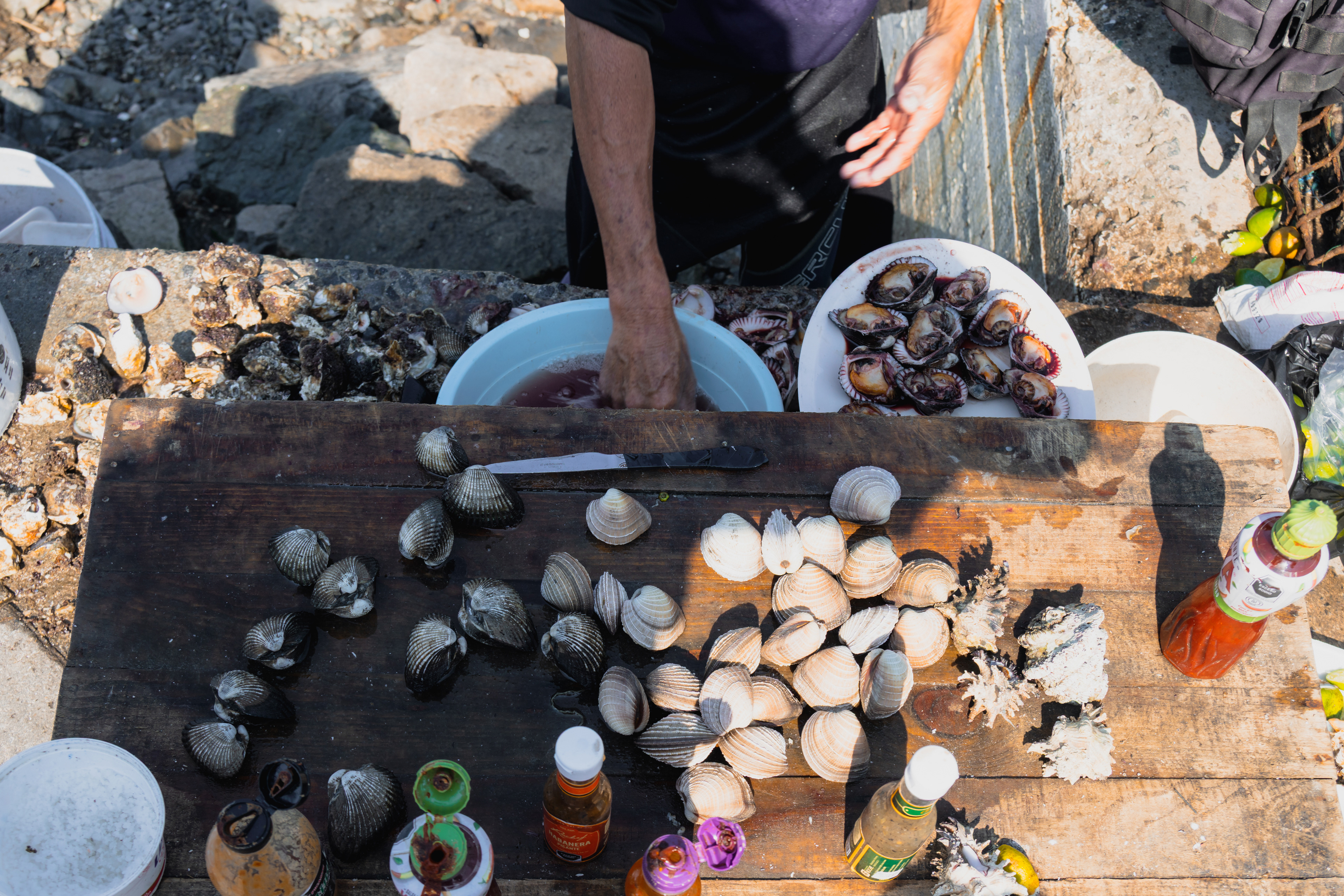
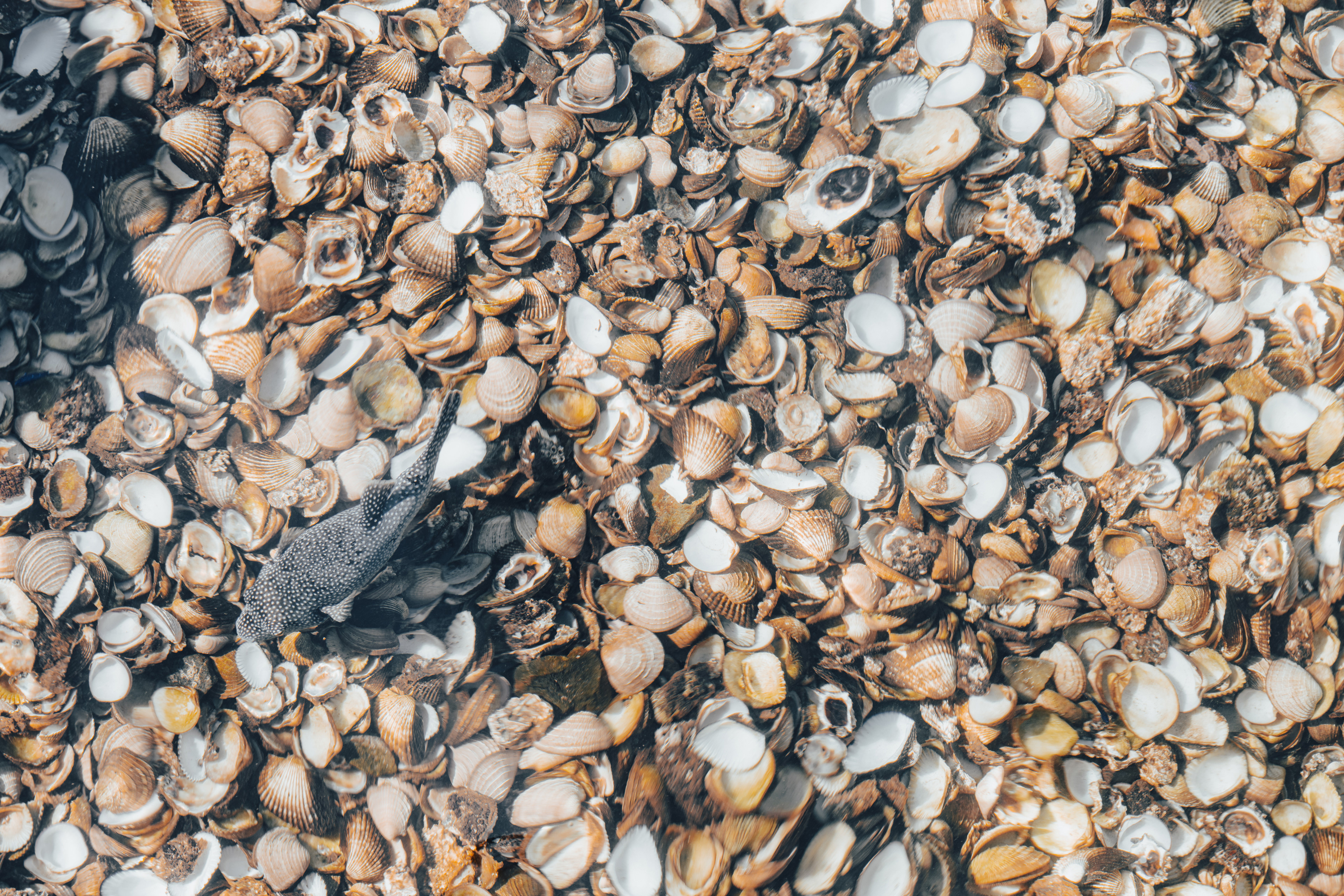
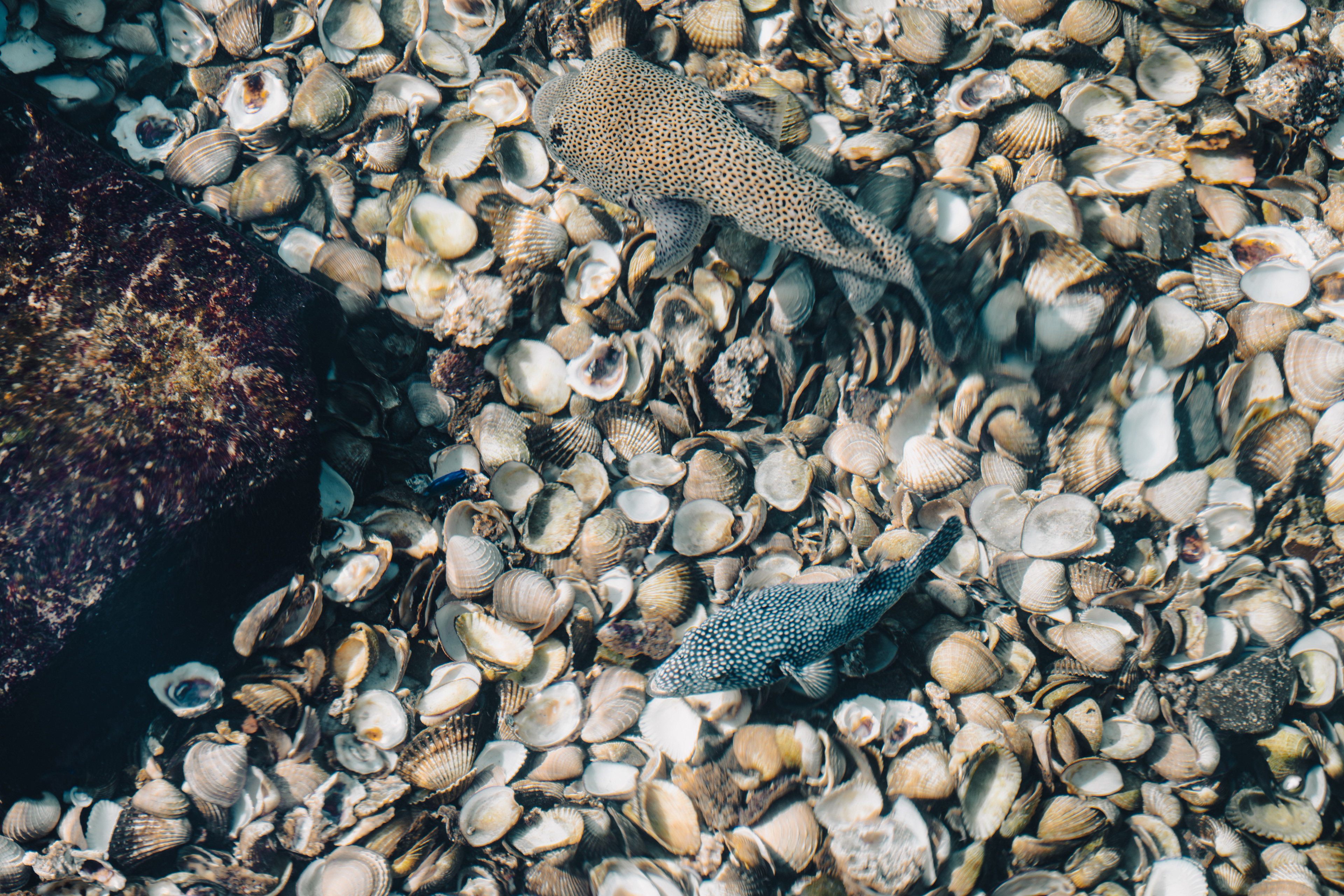
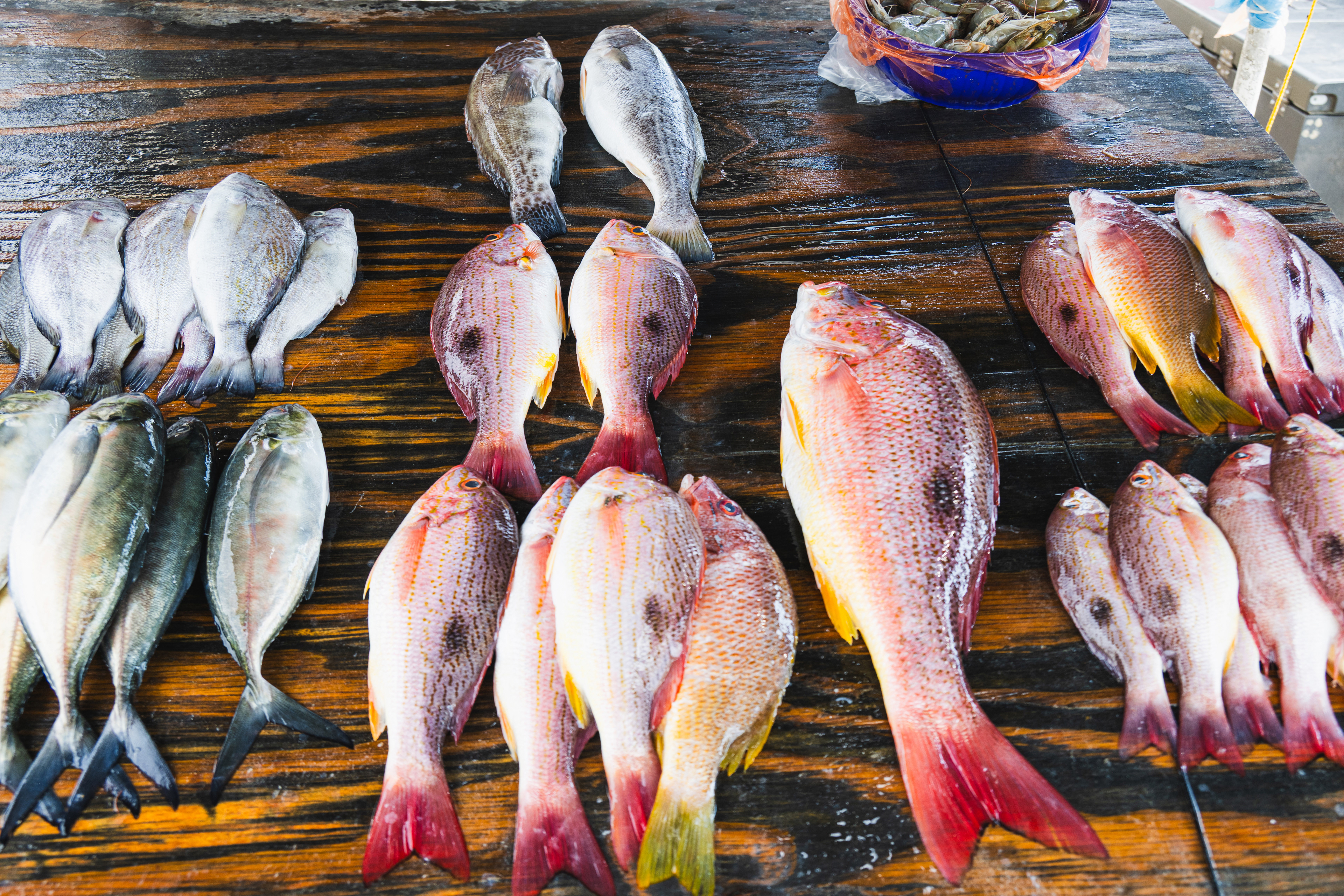
But the best moment of the day had nothing to do with the official tour. Back near the dock, we found a man at a rough wooden table shucking clams and oysters to order — shells piled high, hot sauce bottles lined up along the edge, a bowl of lime wedges, the whole operation running out of what appeared to be organized chaos. We stopped. We bought what felt like an unreasonable quantity. We stood there in the Manzanillo sun eating them one after another, ice-cold and briny and outrageously fresh, each one squeezed with lime and hit with a splash of salsa Huichol. The price, compared to anything you'd pay in the Bay Area, was so low it felt like an error.
There is a version of food writing that insists the best meals happen in restaurants with reservations. This was not that.
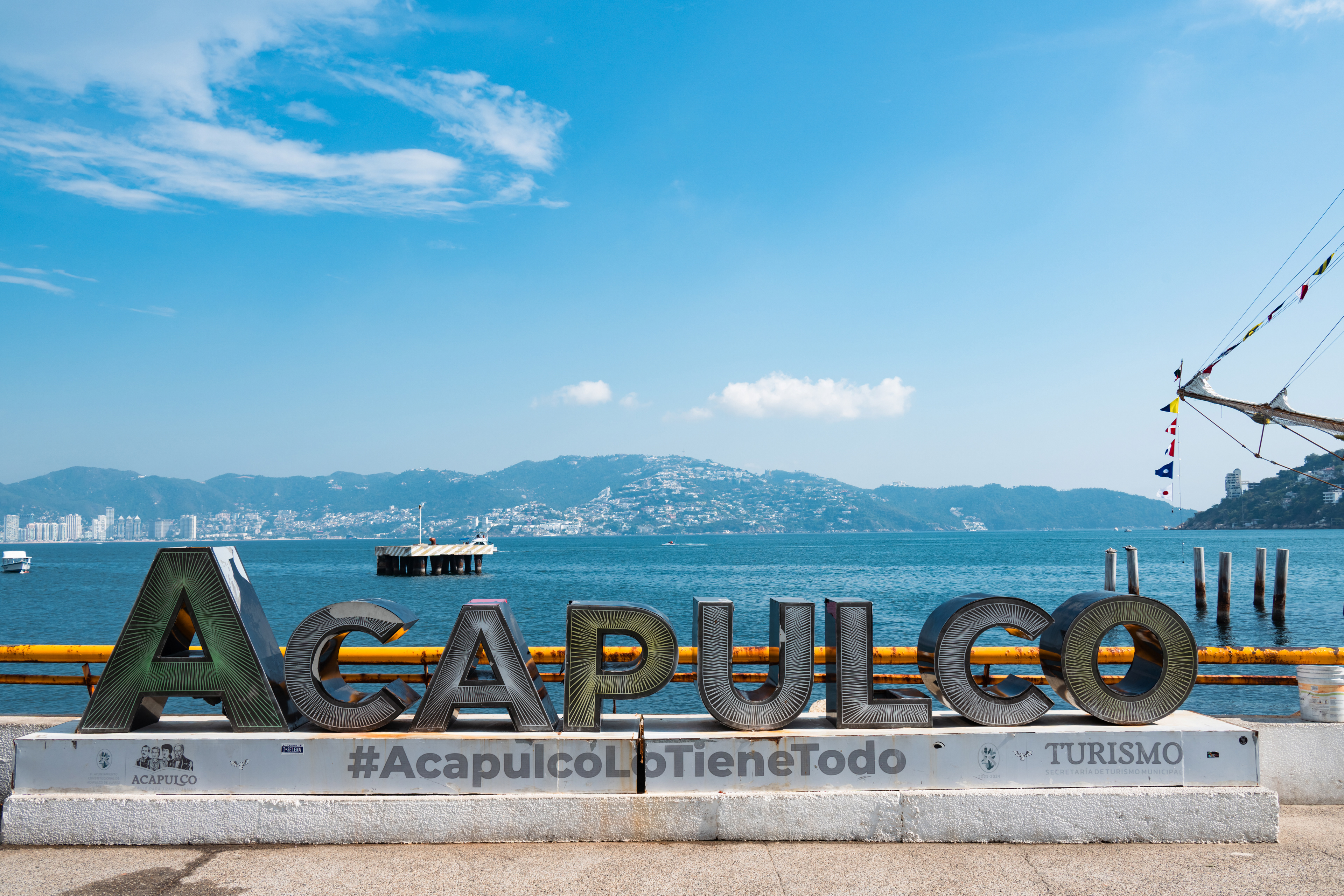
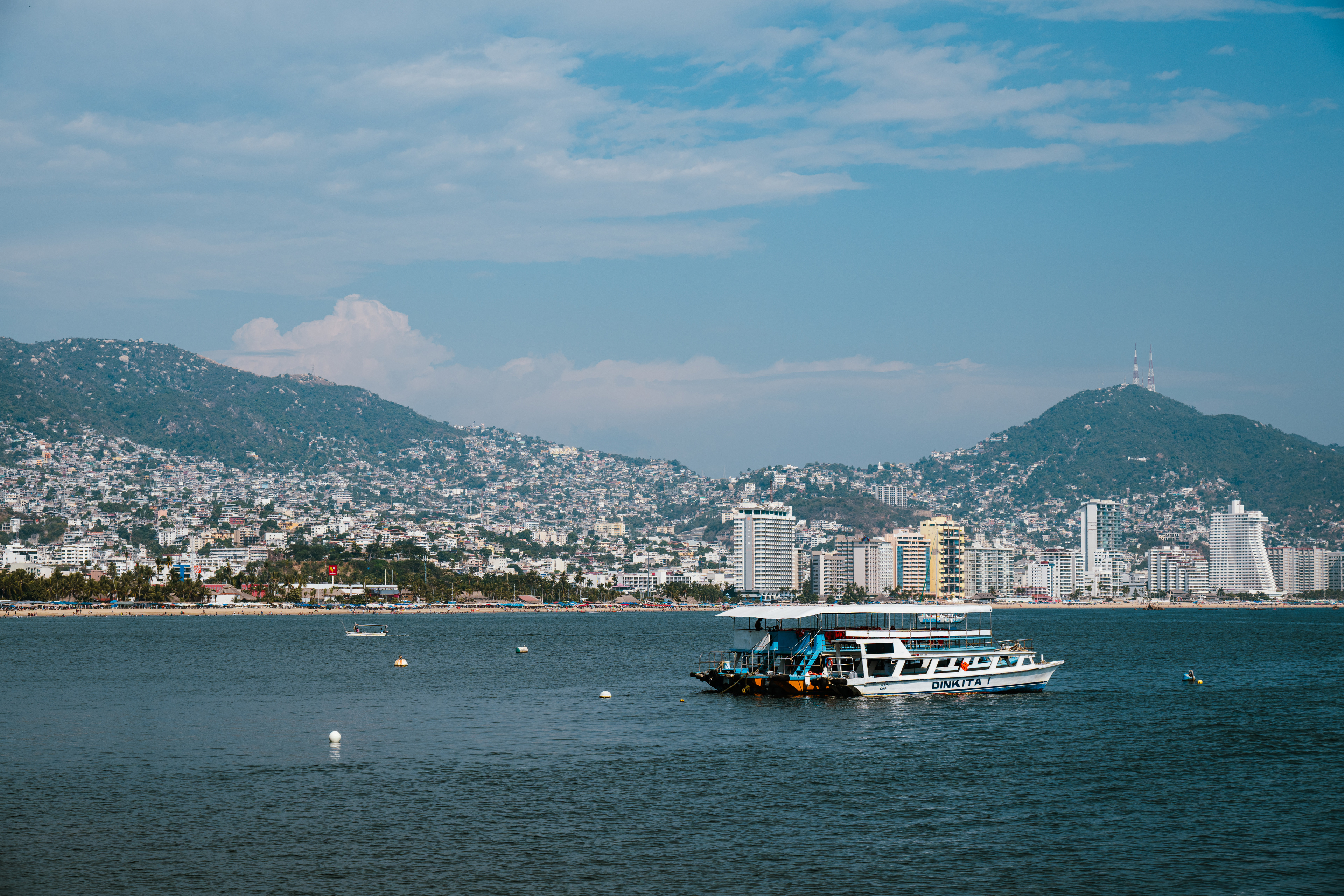
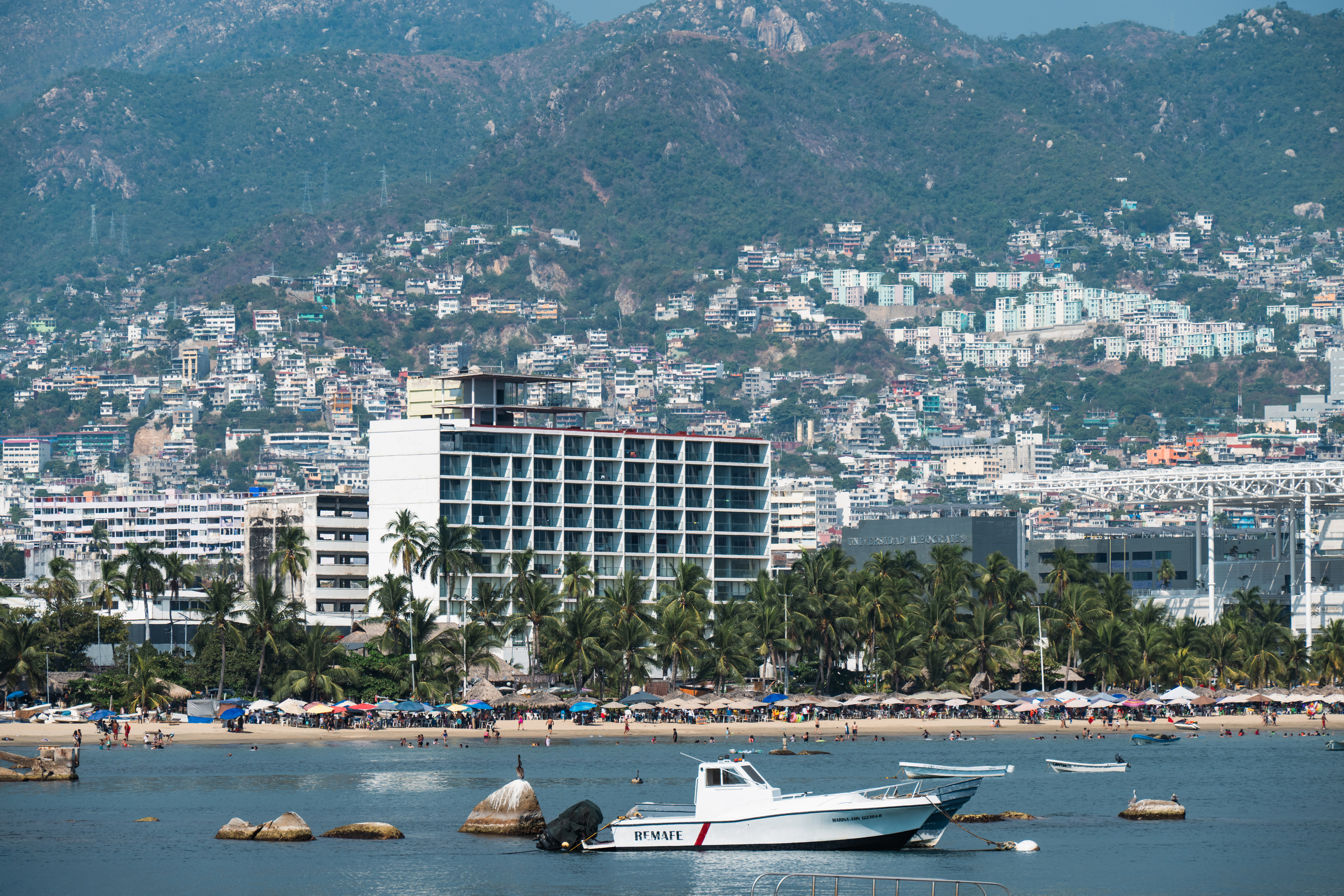
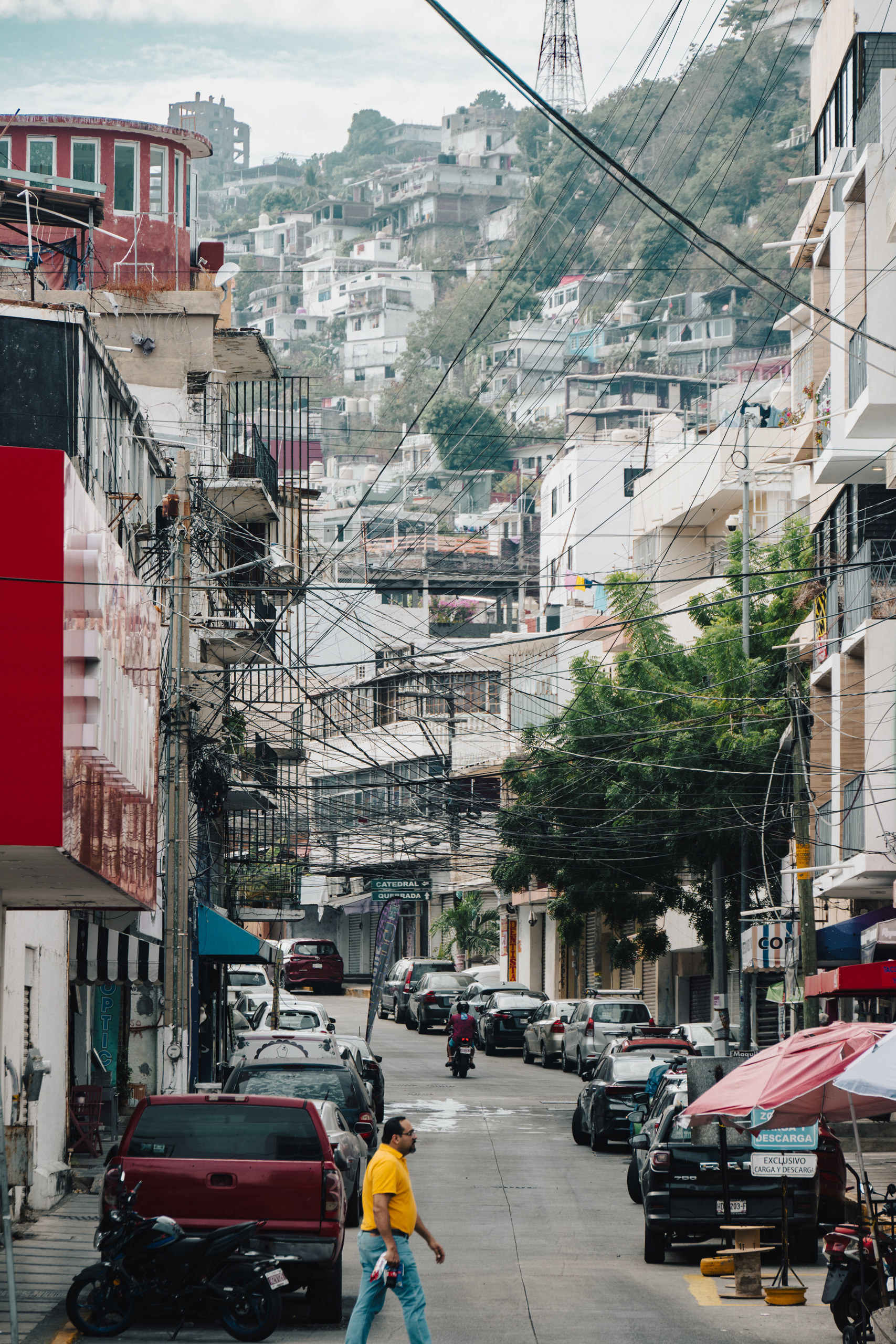
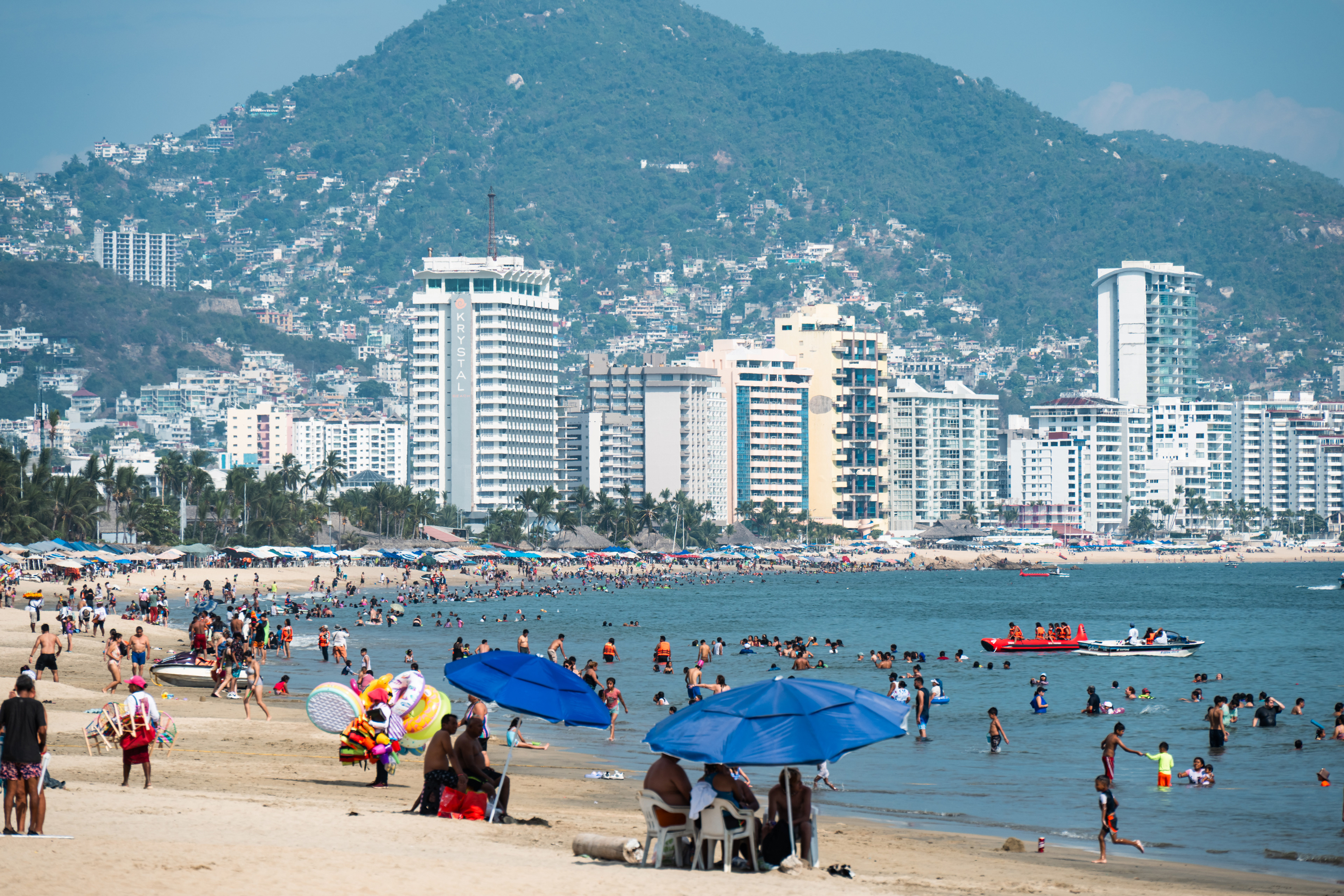
Acapulco — Cliff Divers, Faded Hollywood Glamour
Acapulco deserves better than its current reputation.
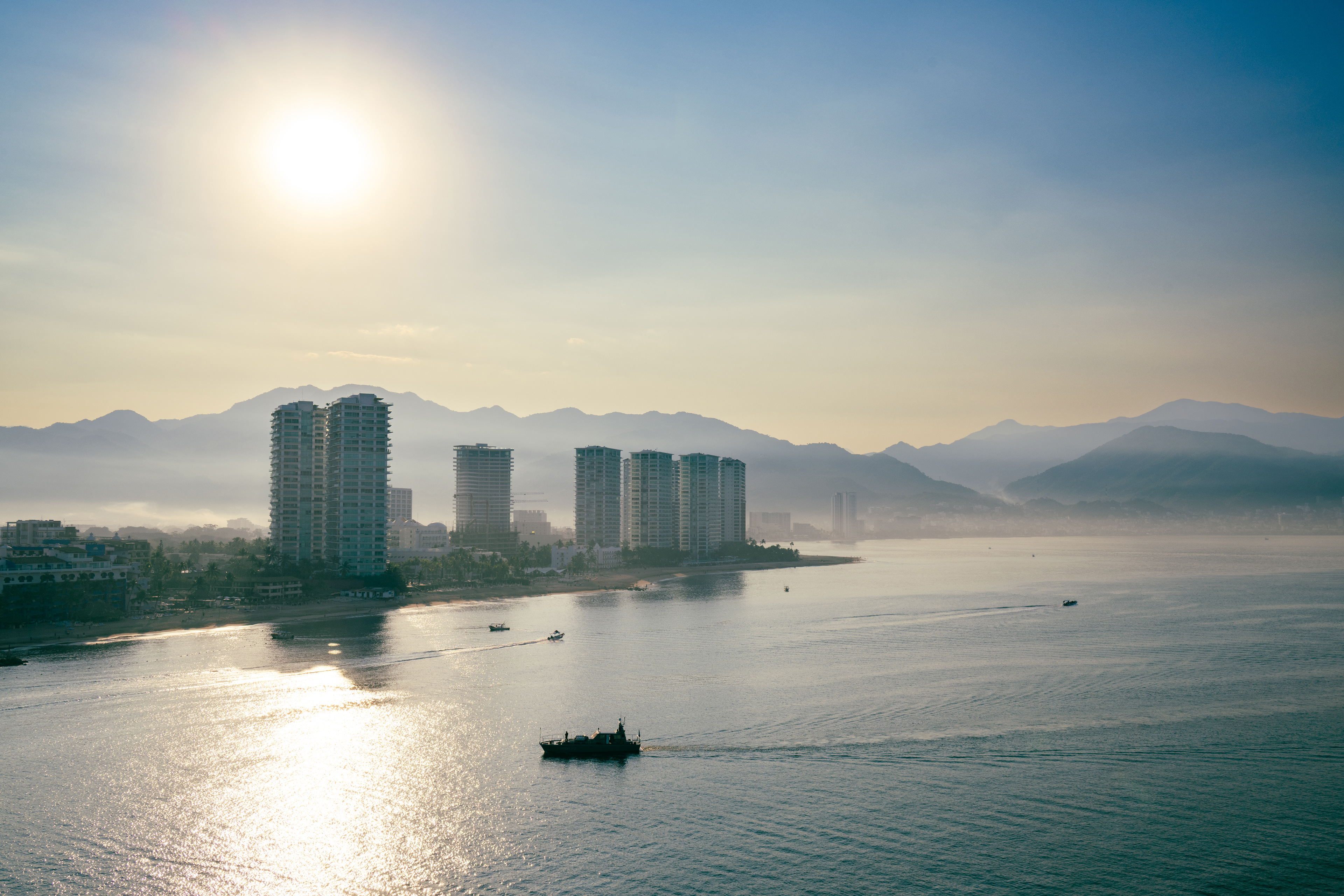
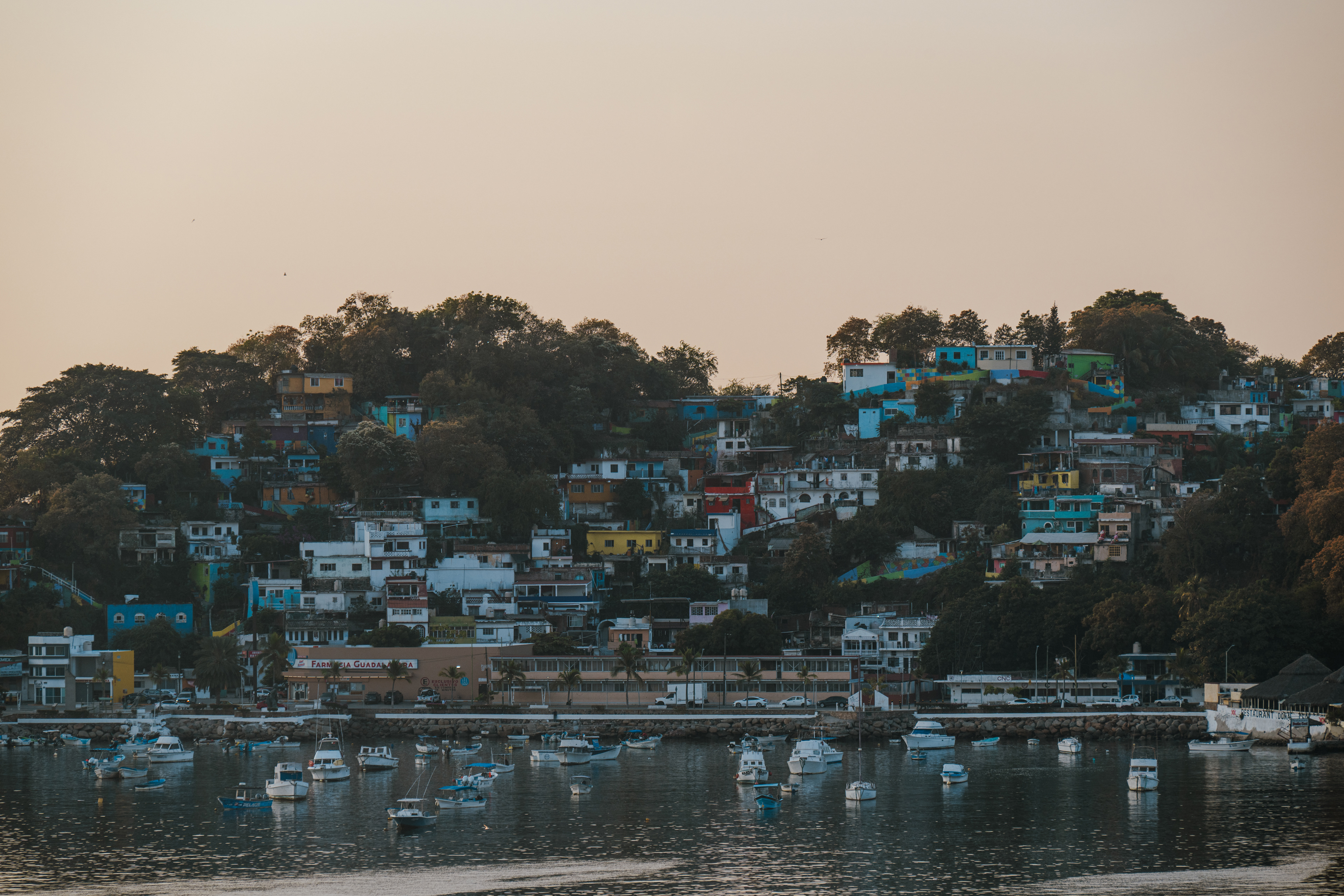
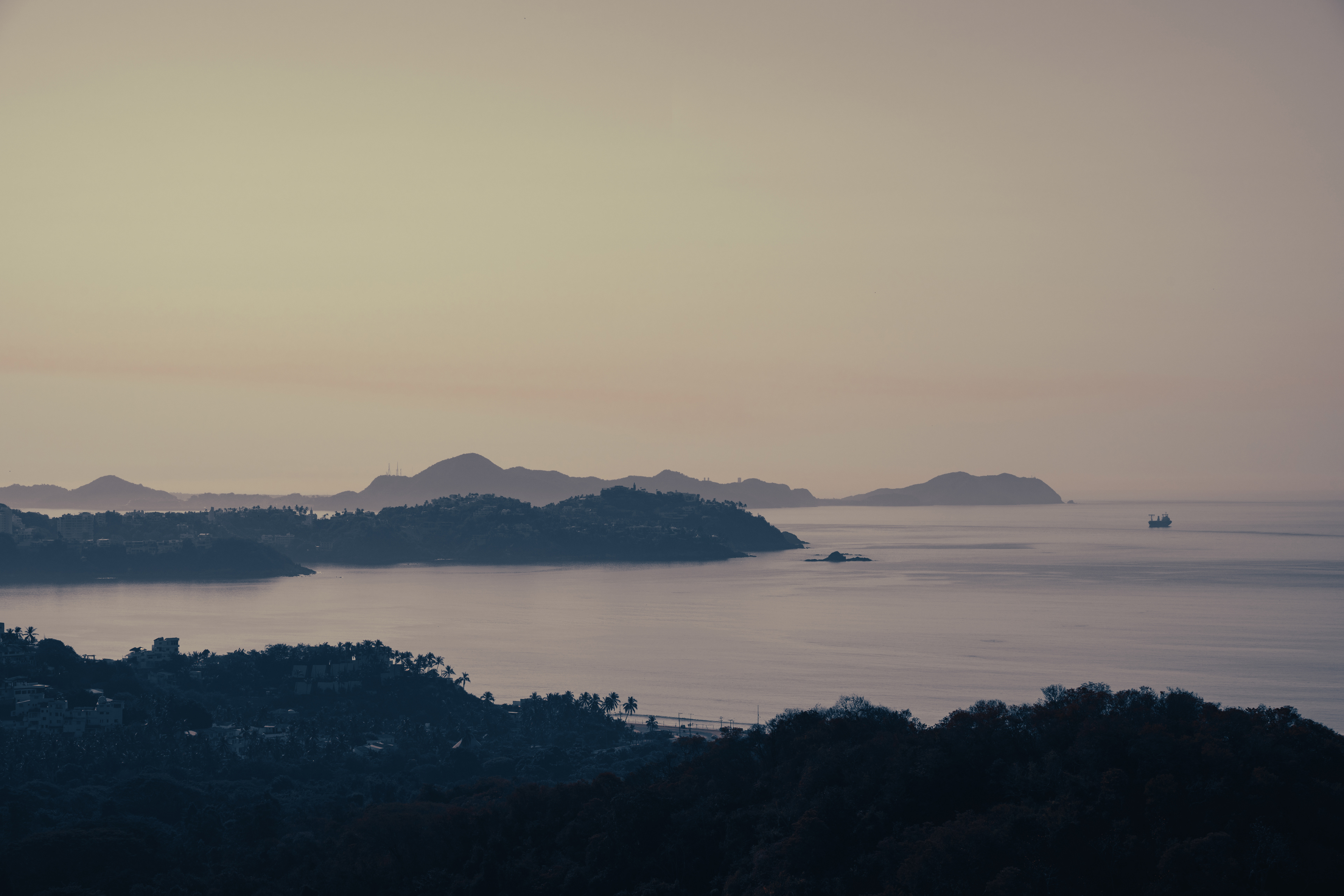
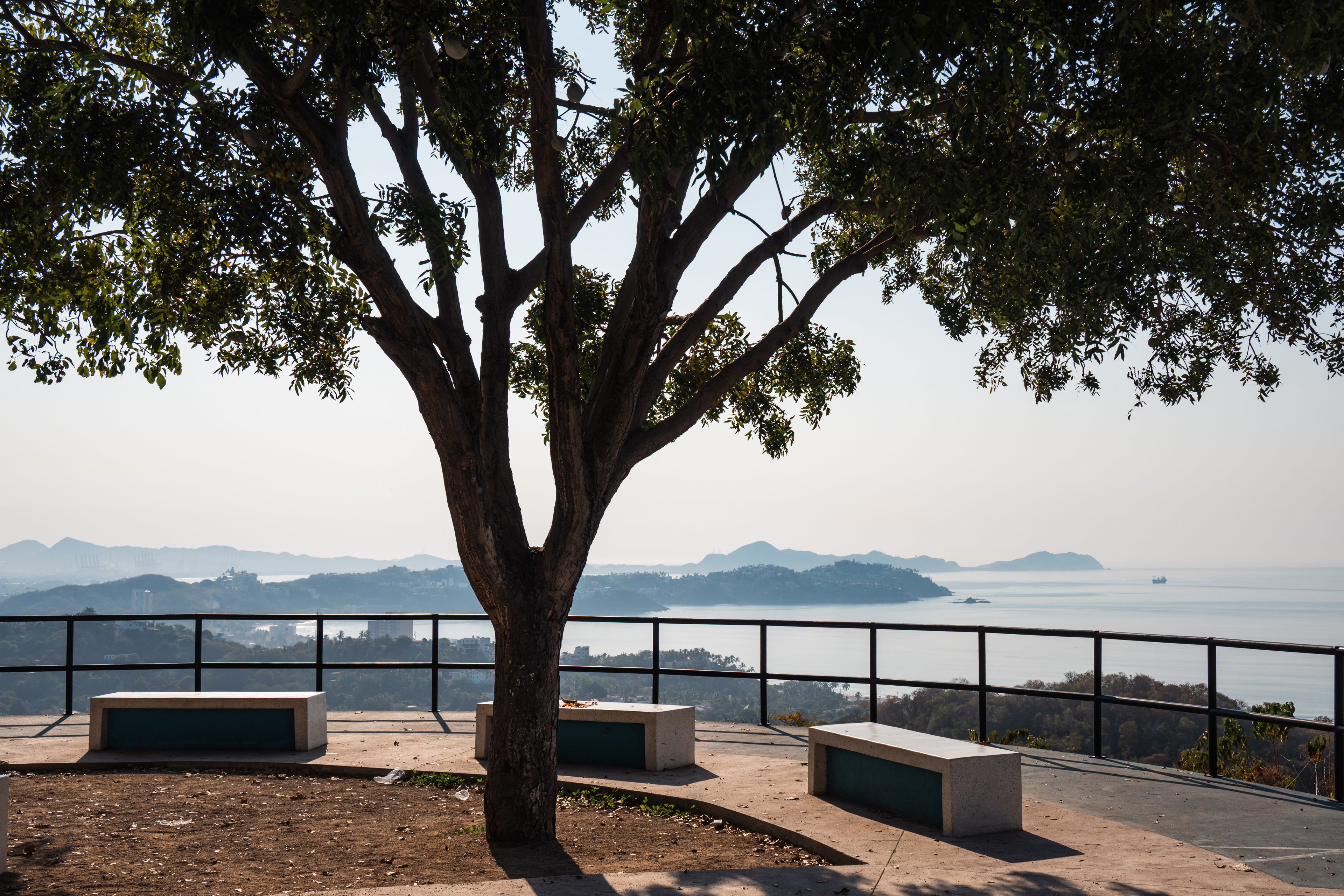
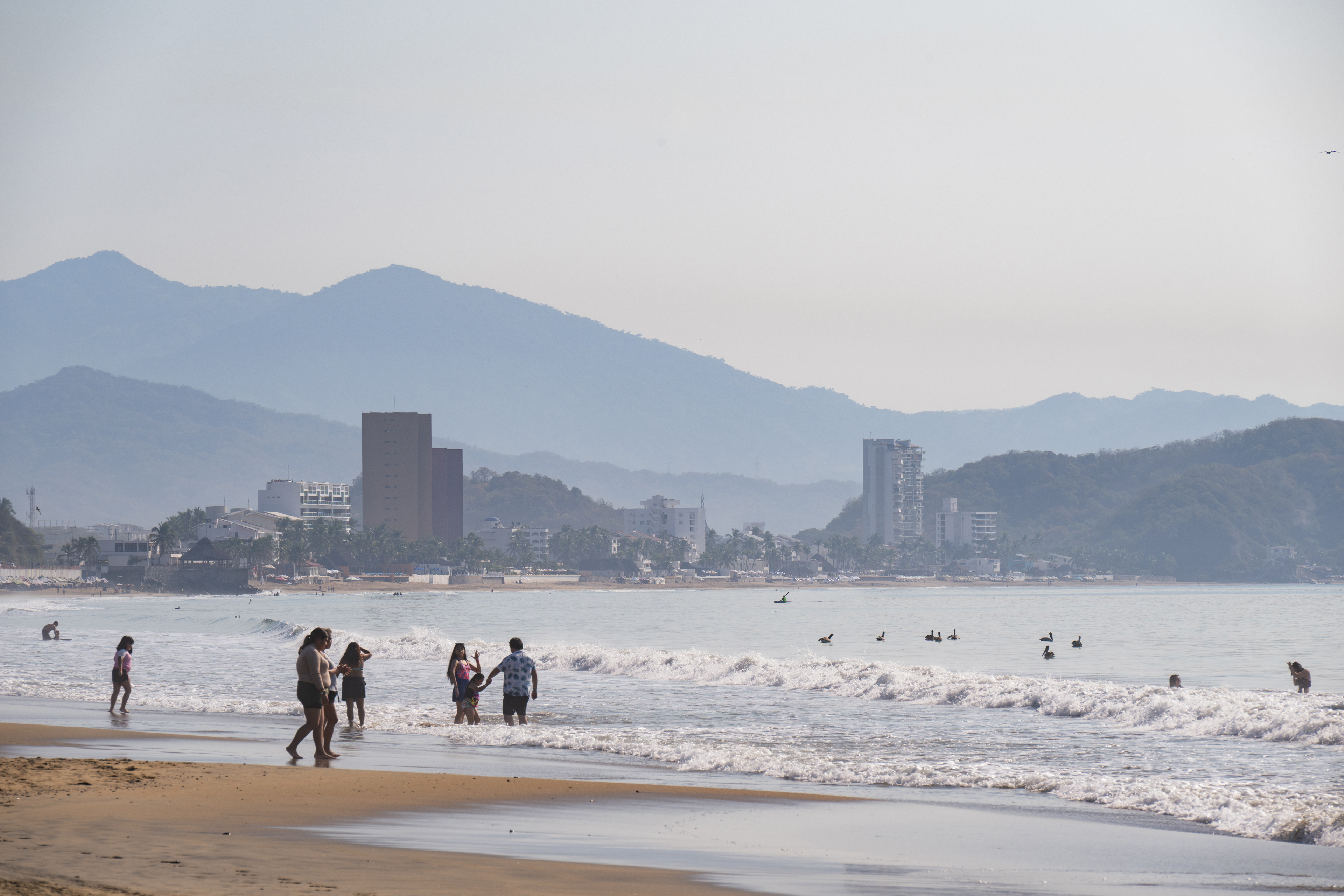
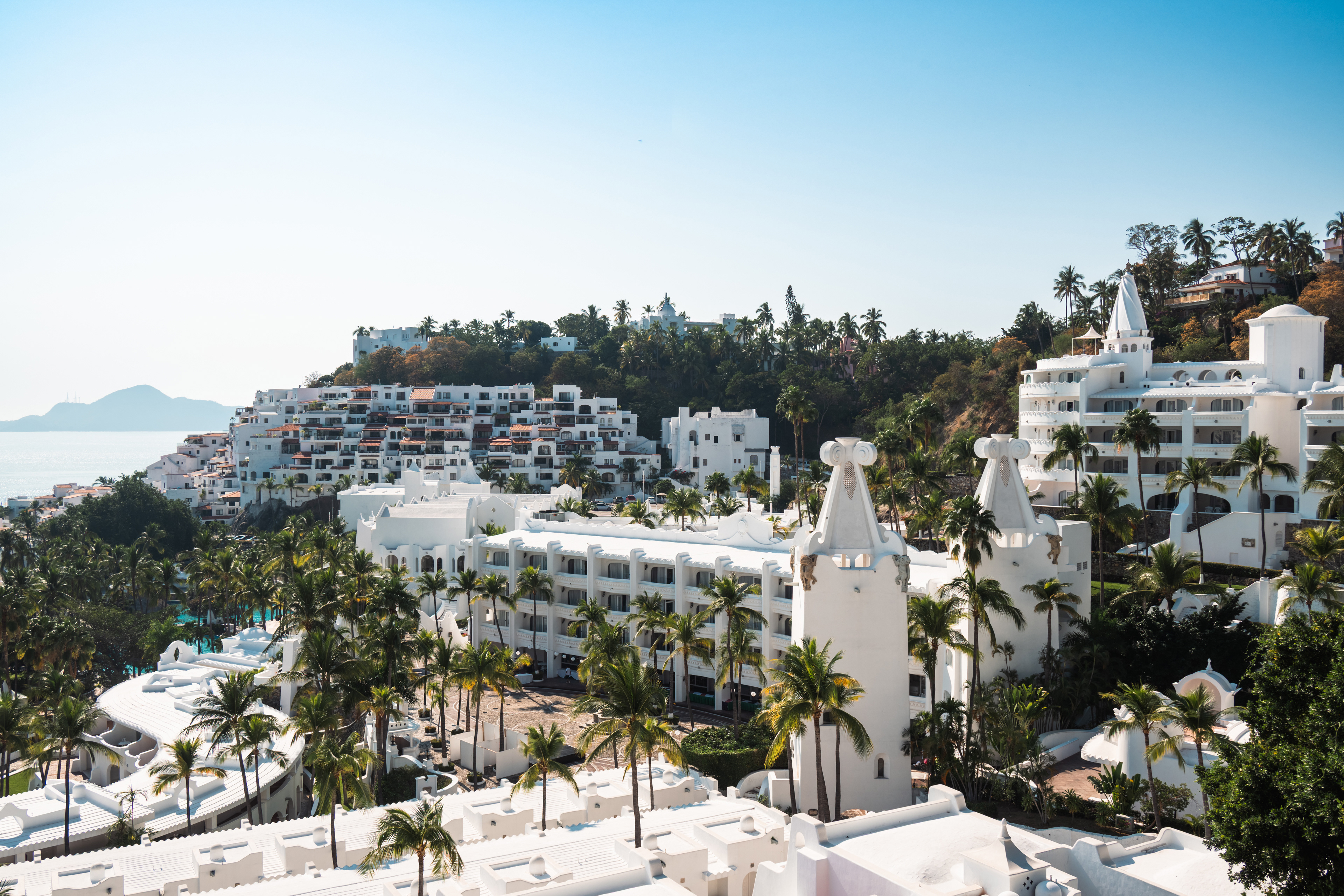
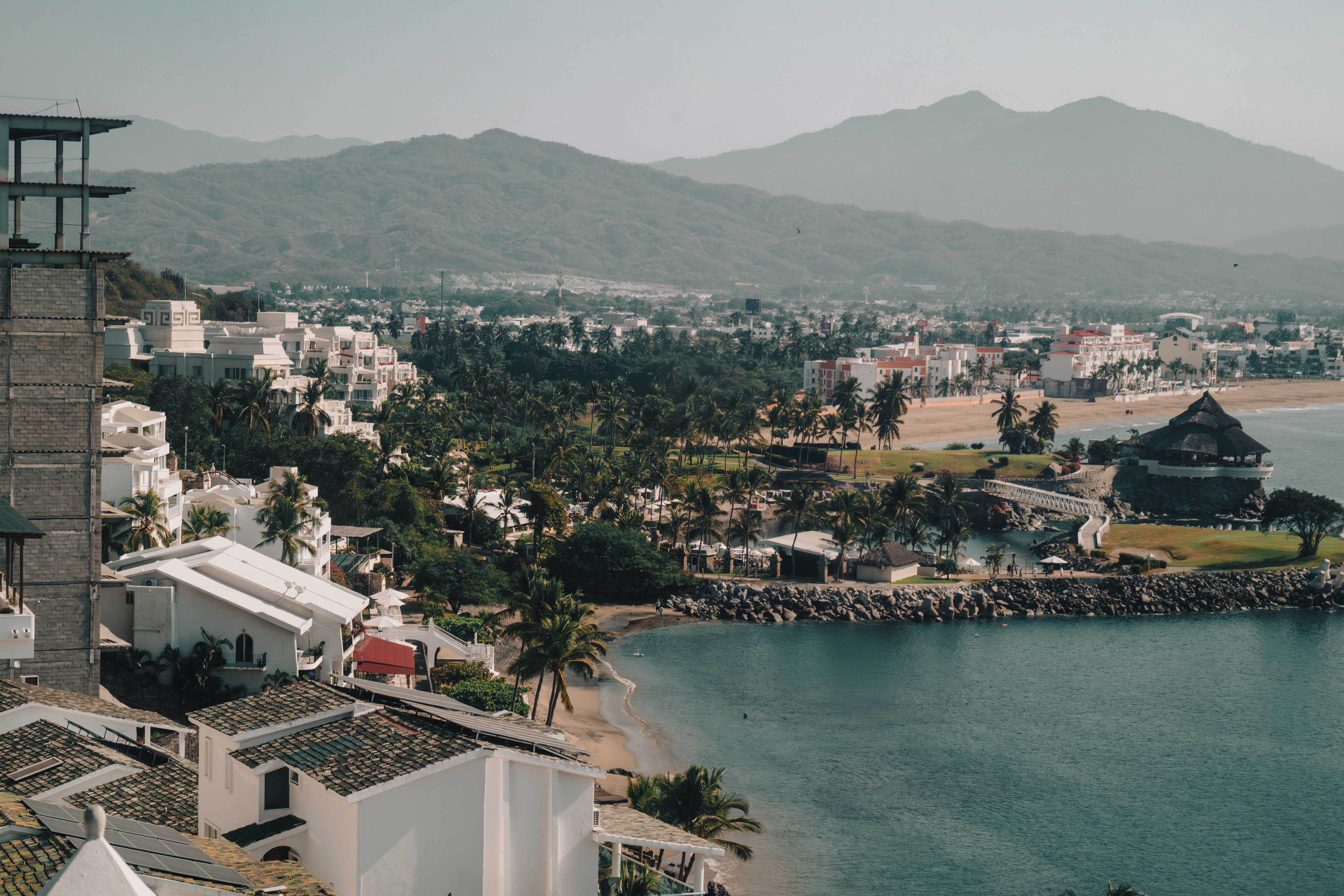
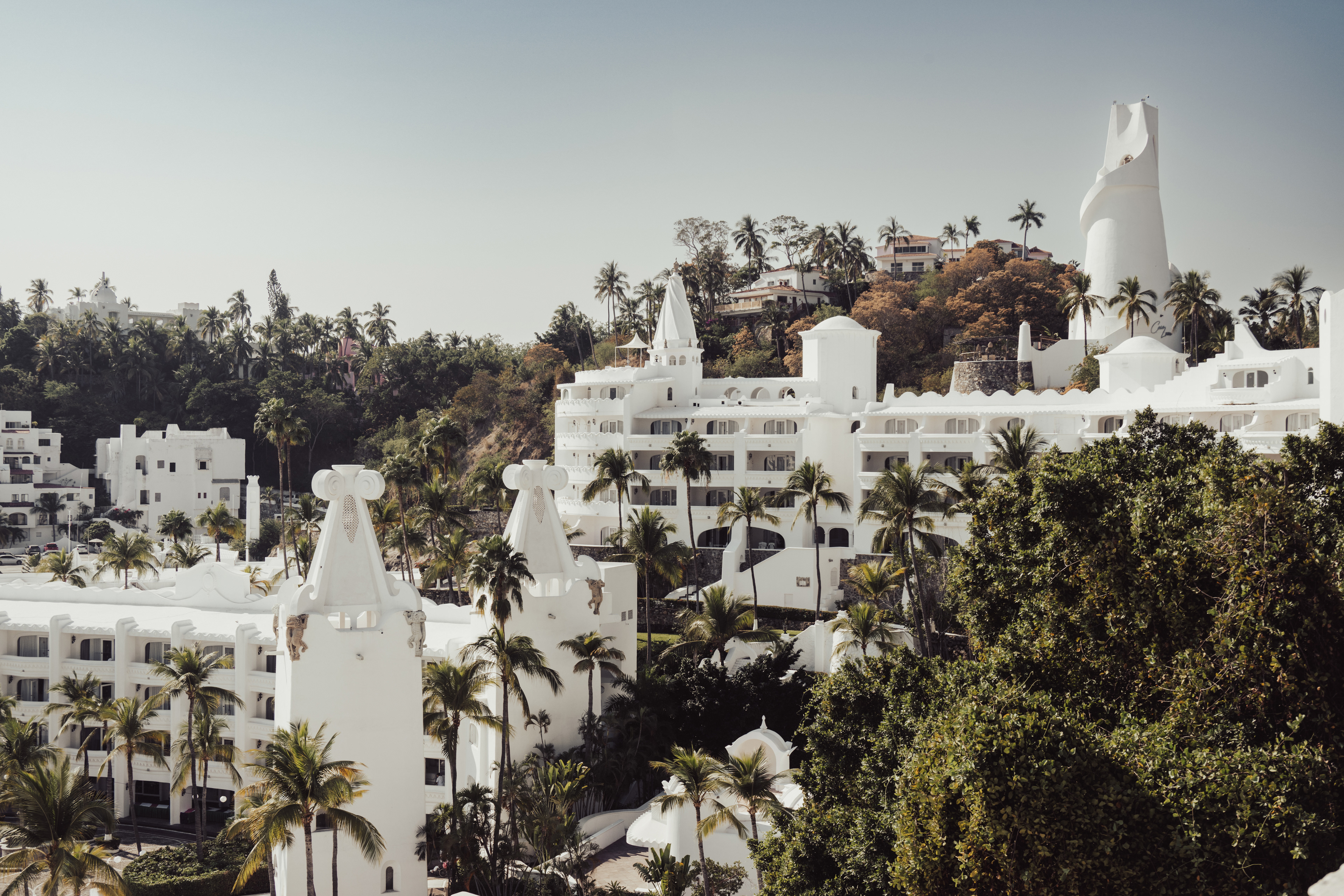
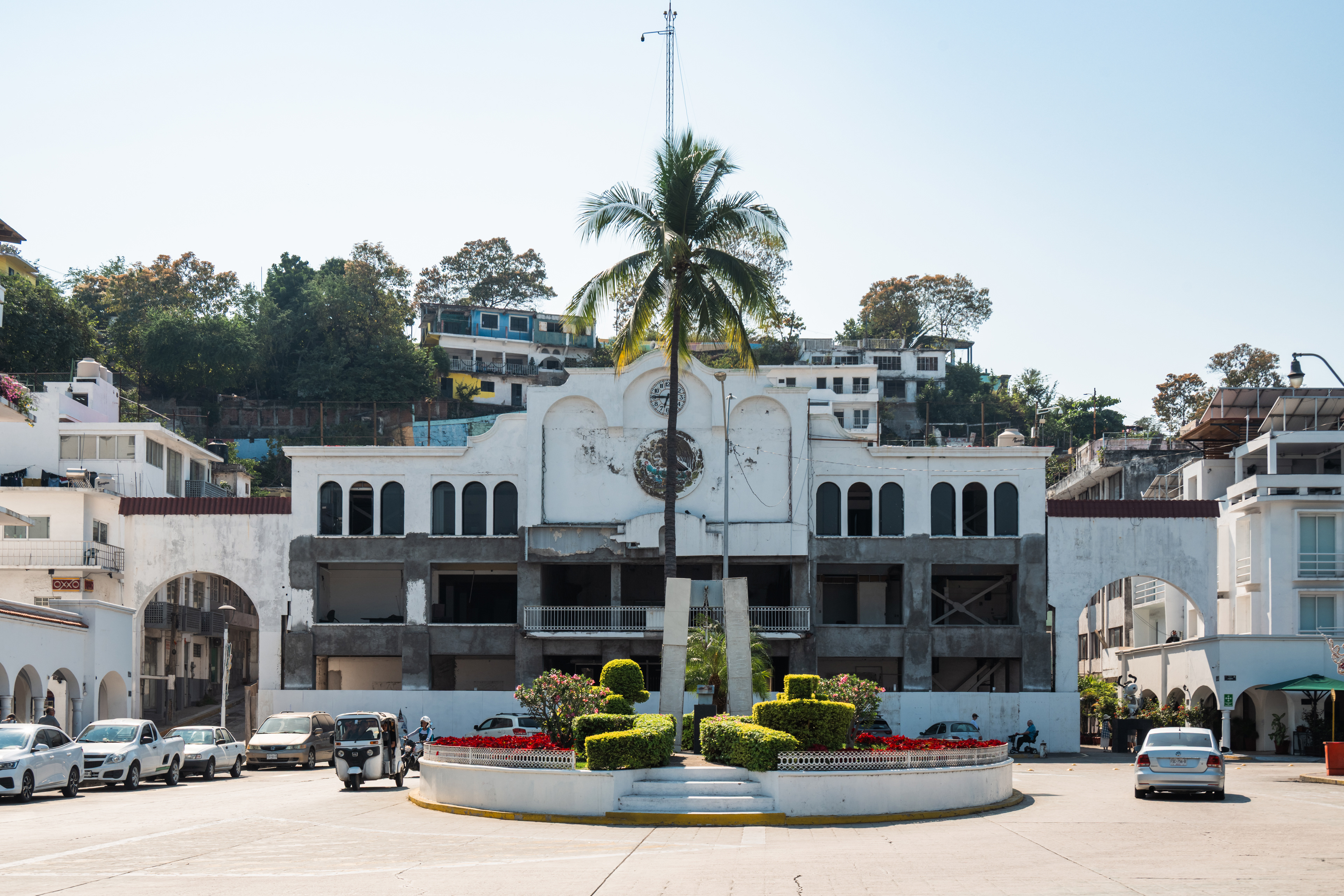
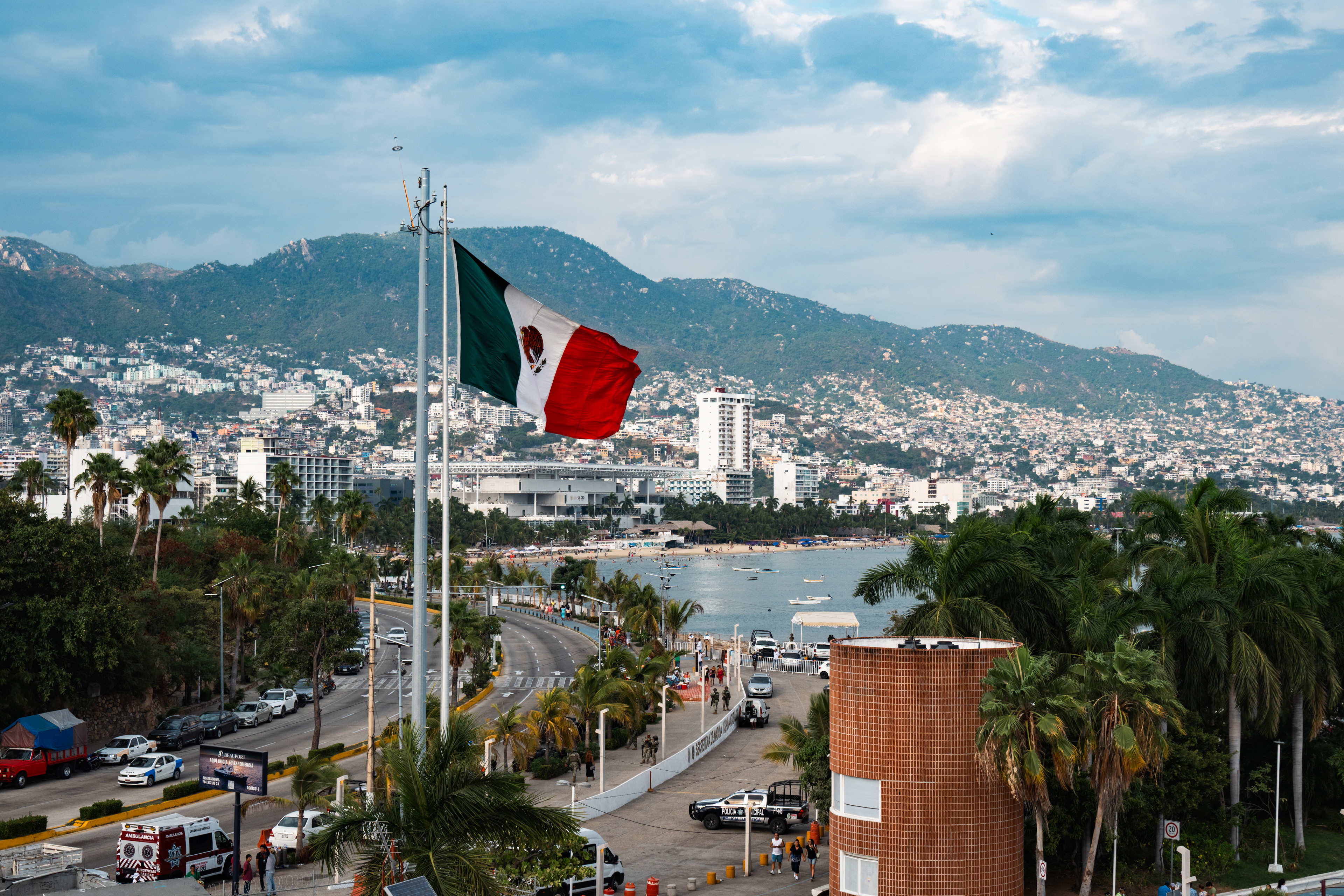
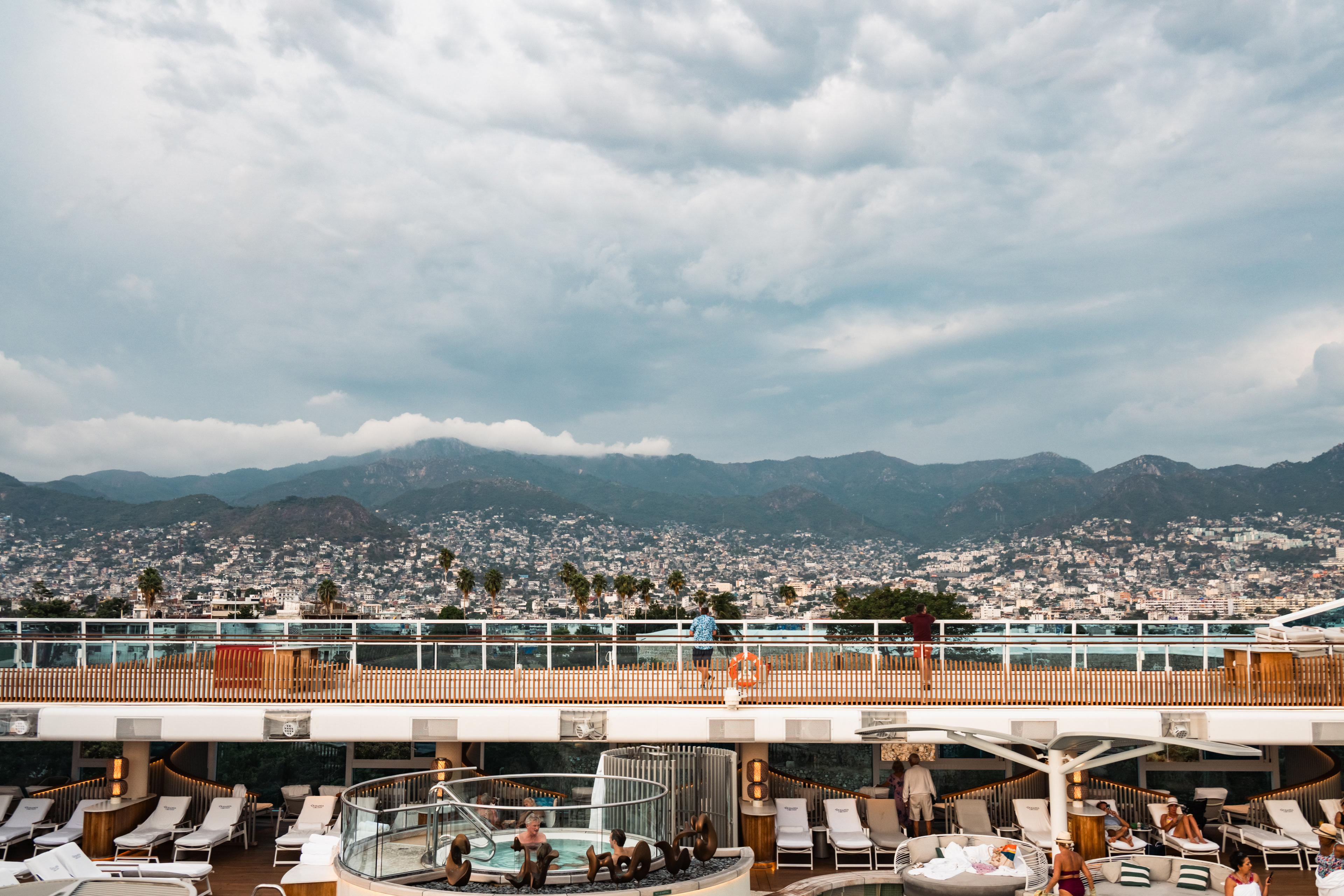
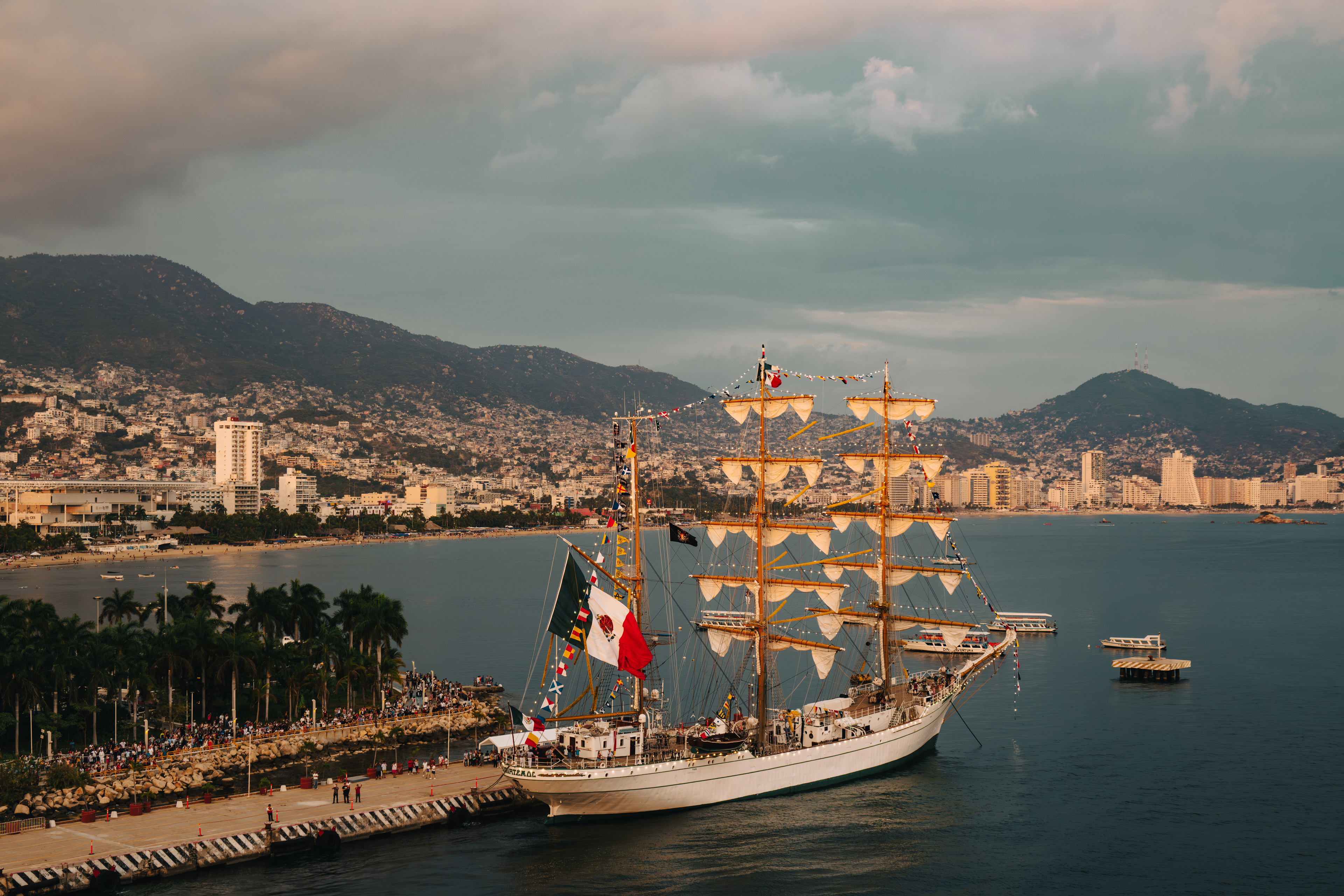
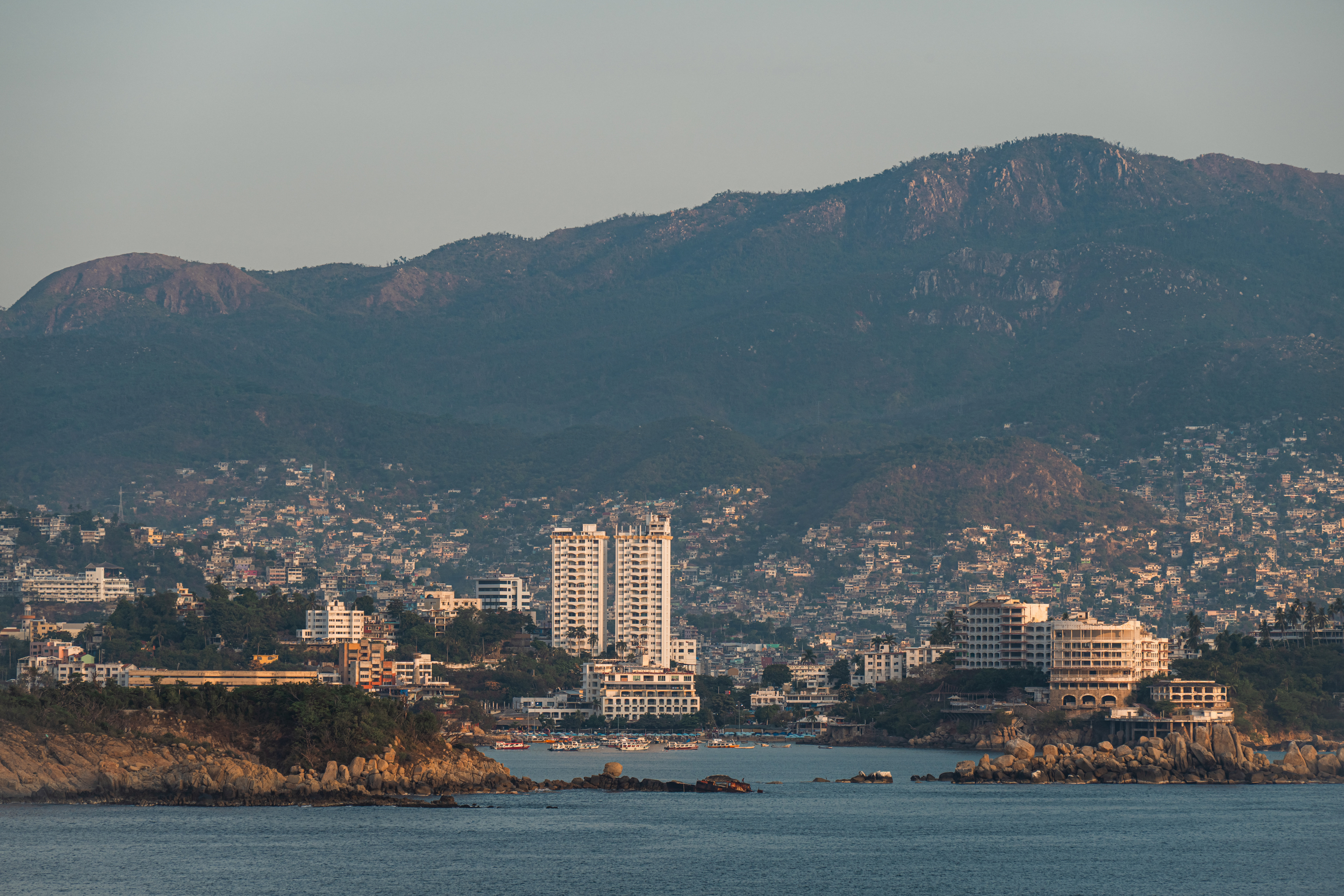
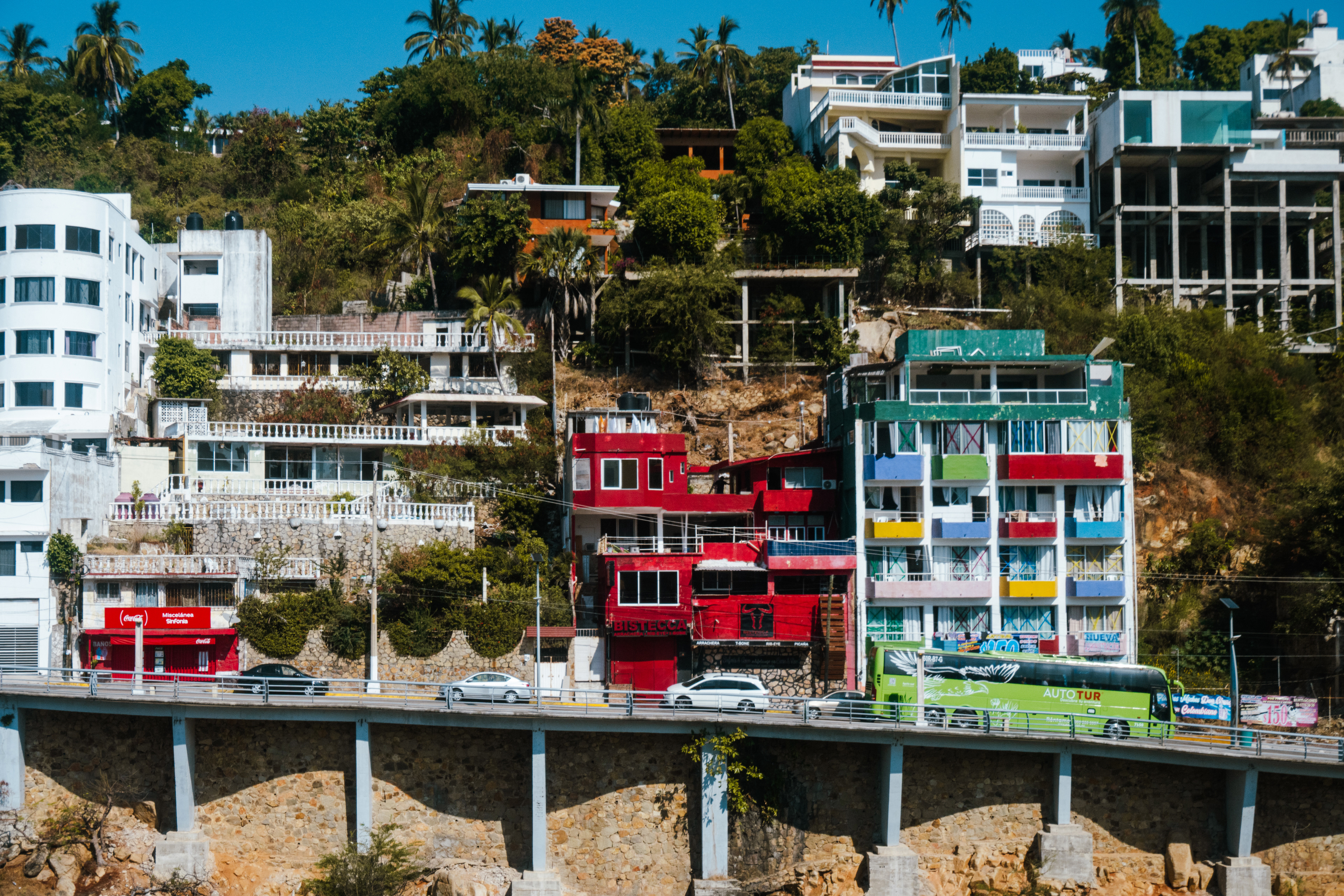
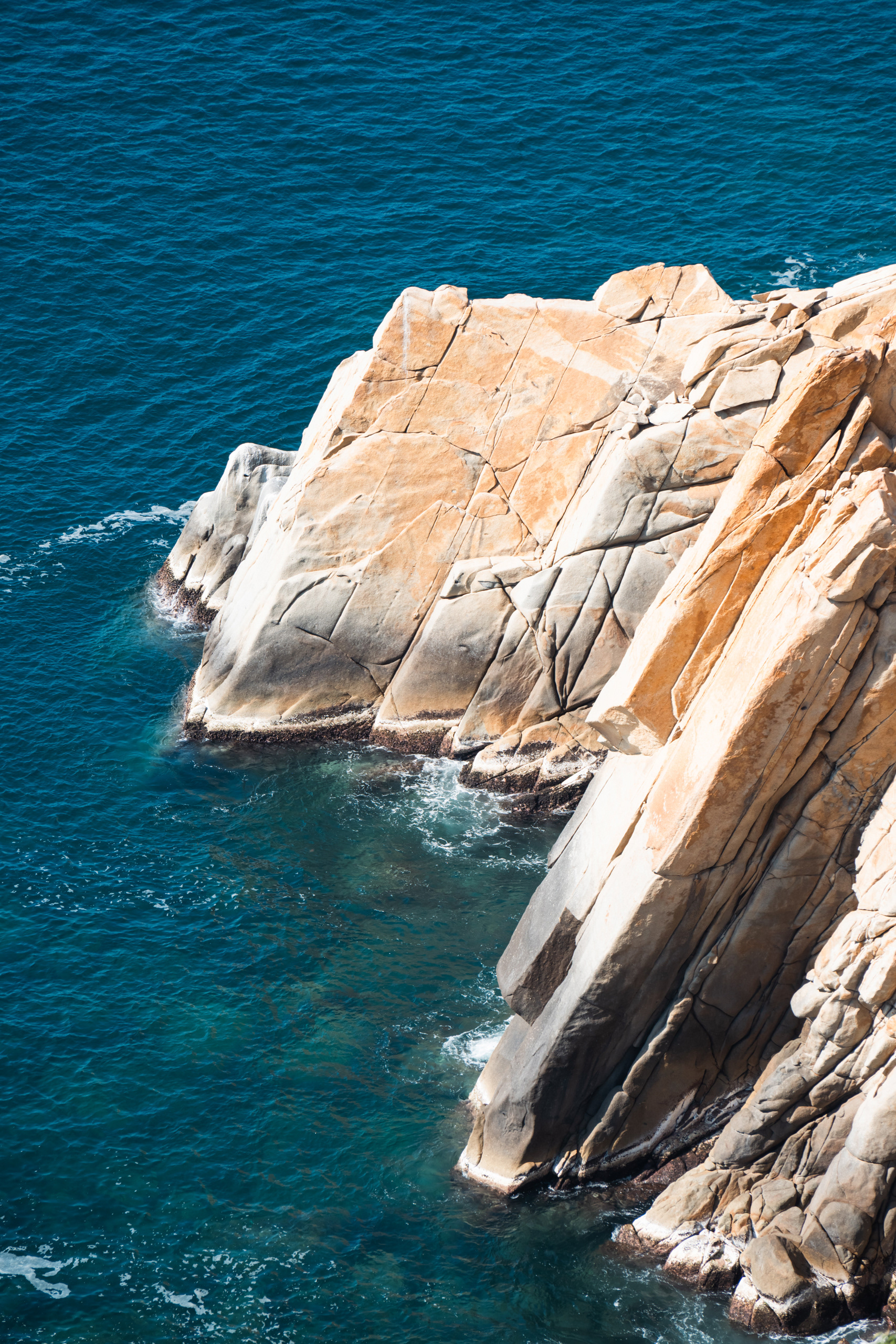
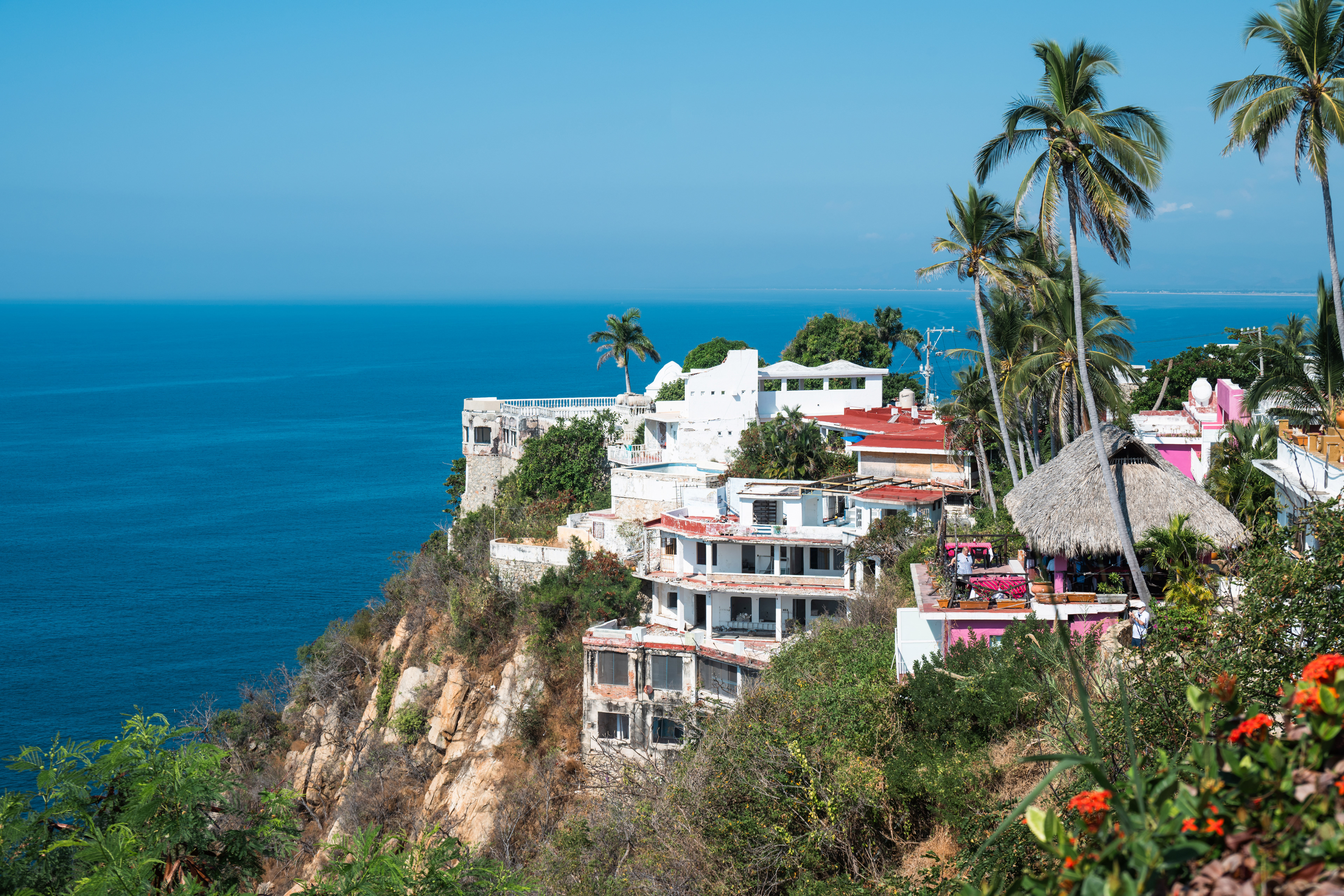
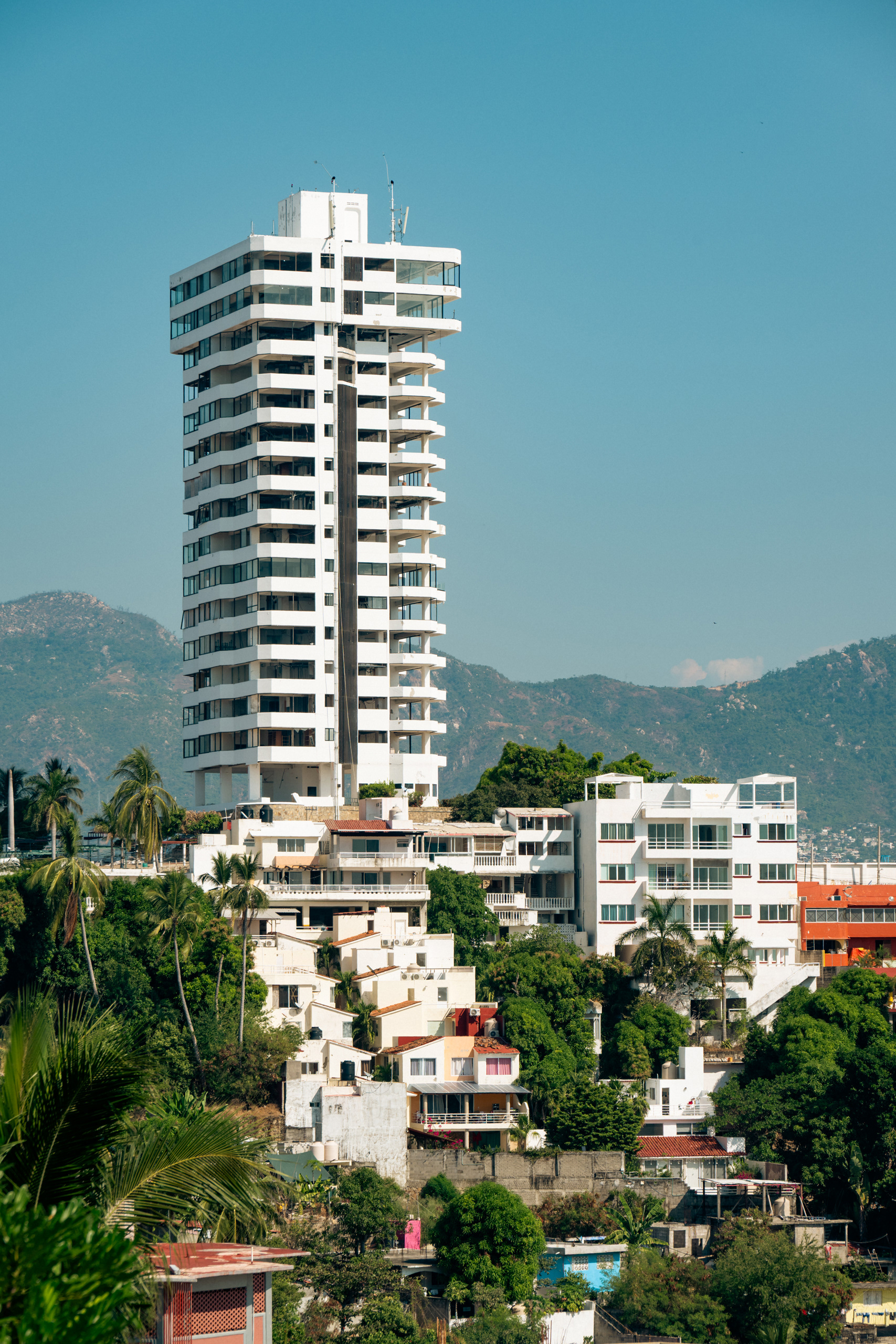
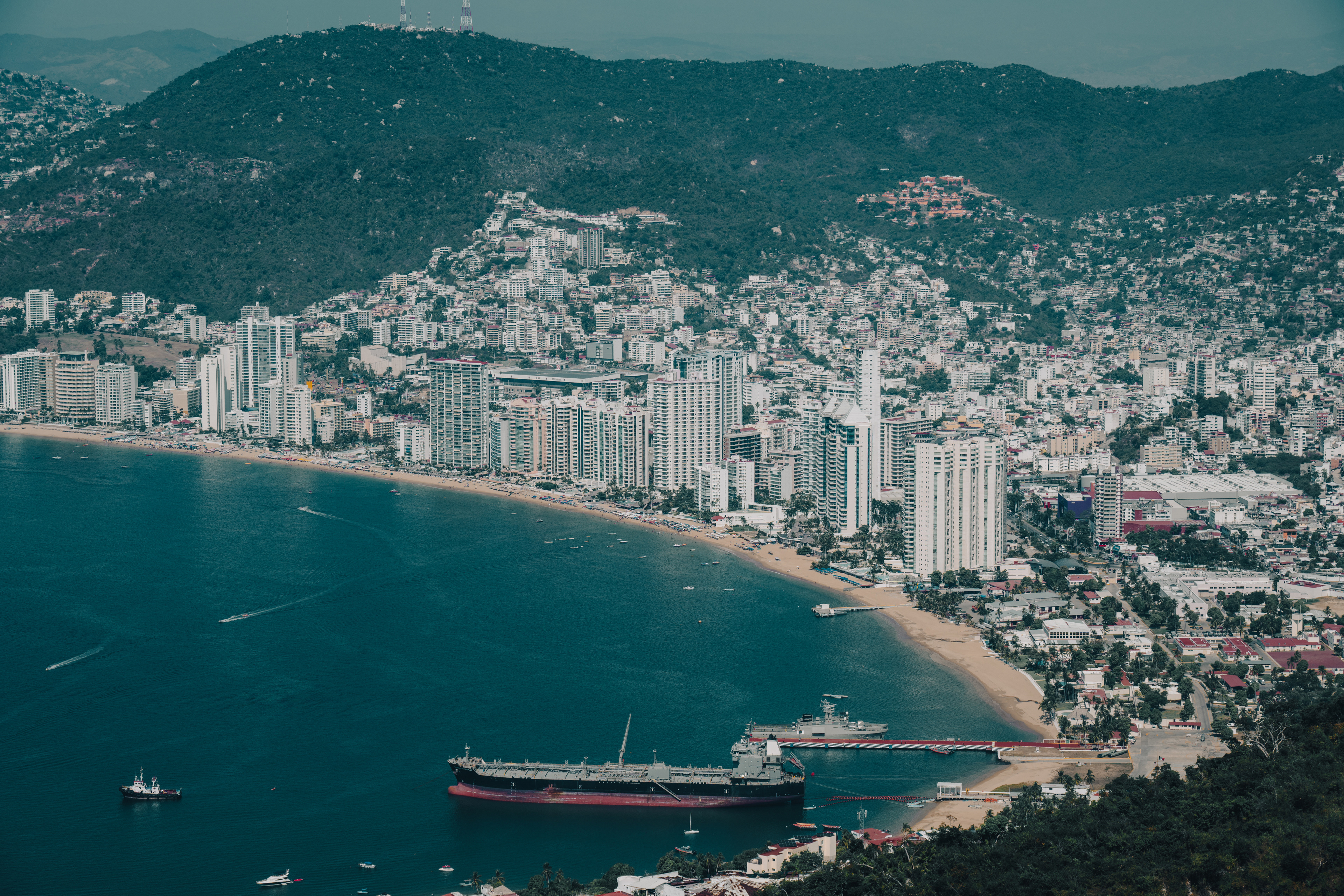
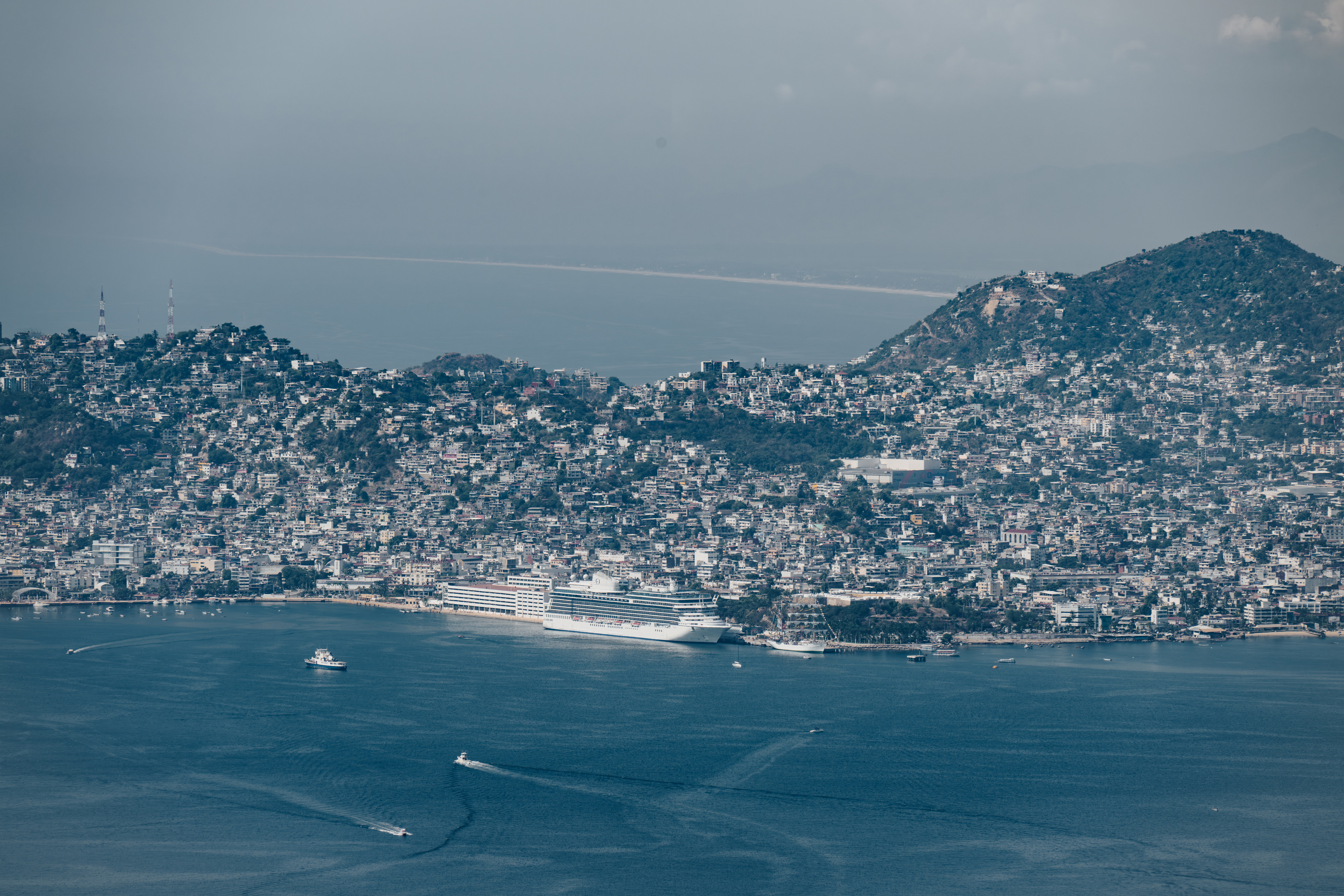
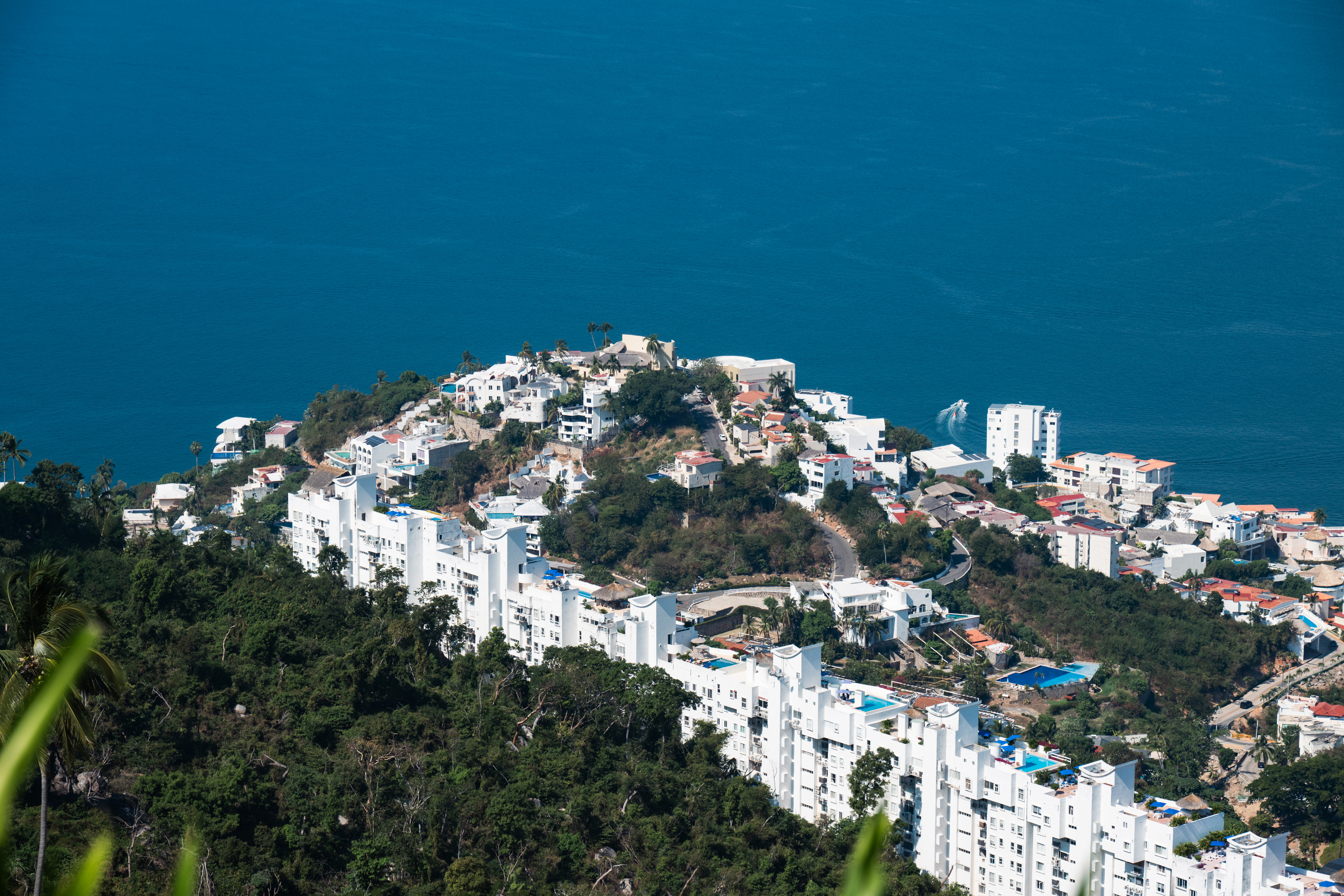
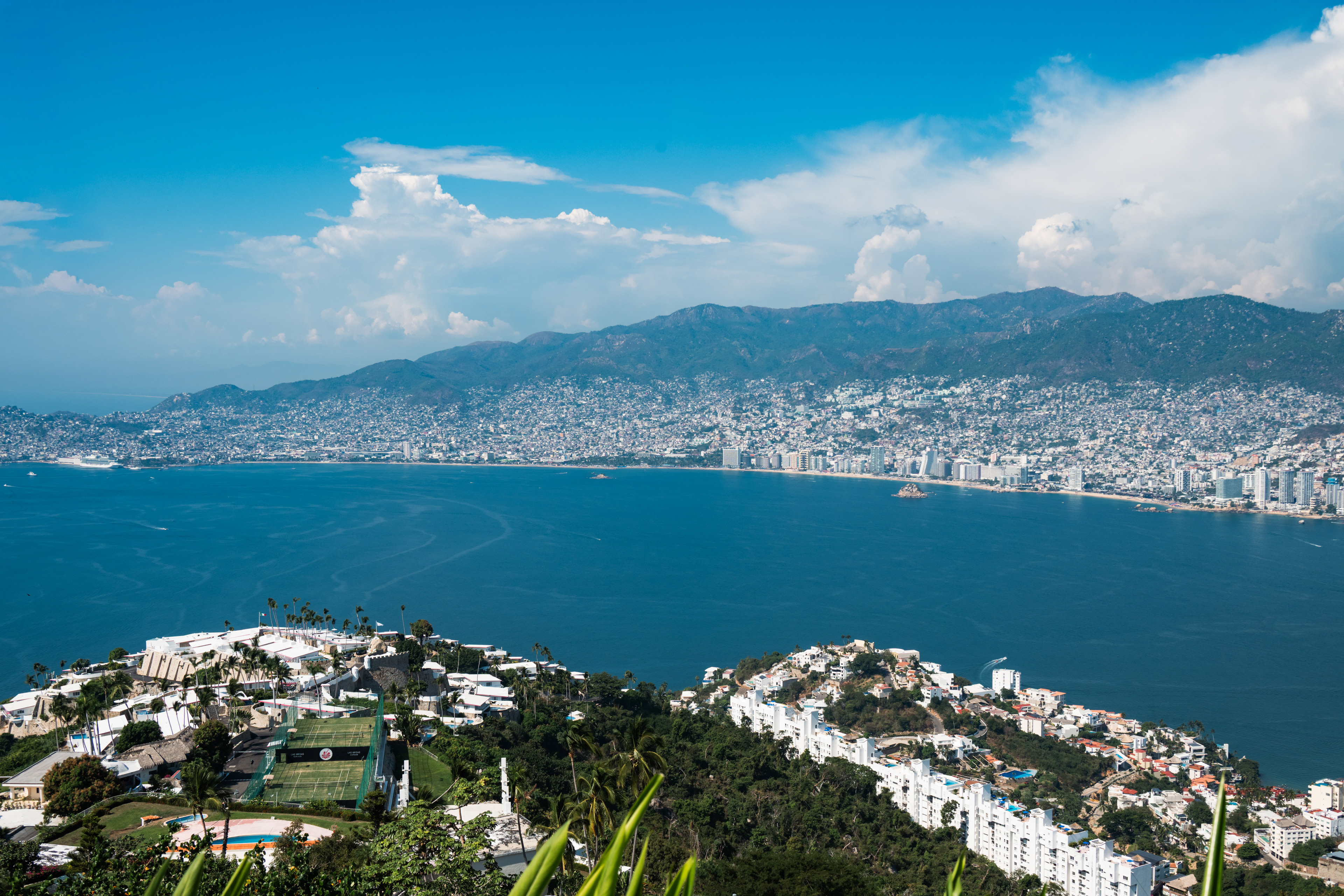
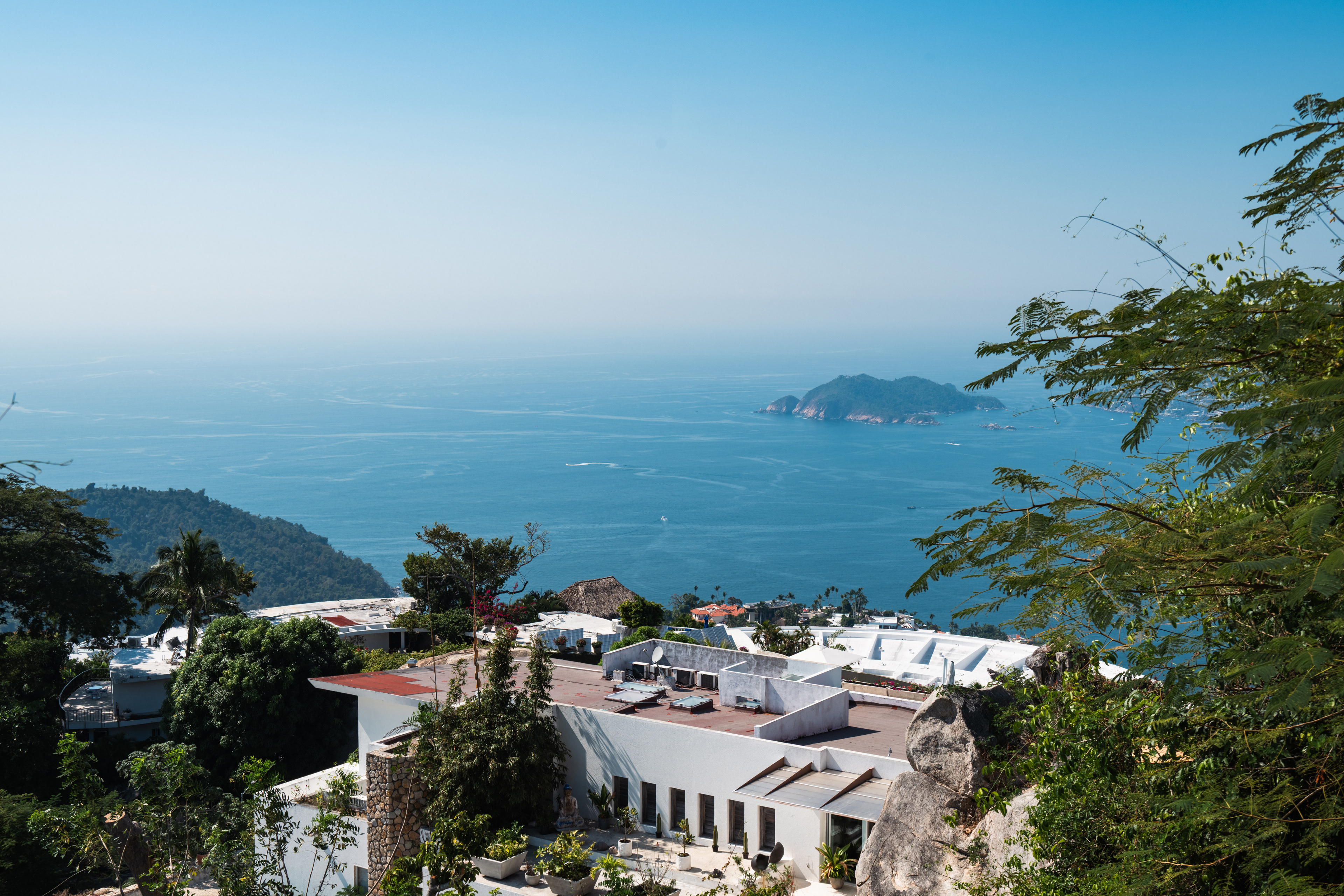
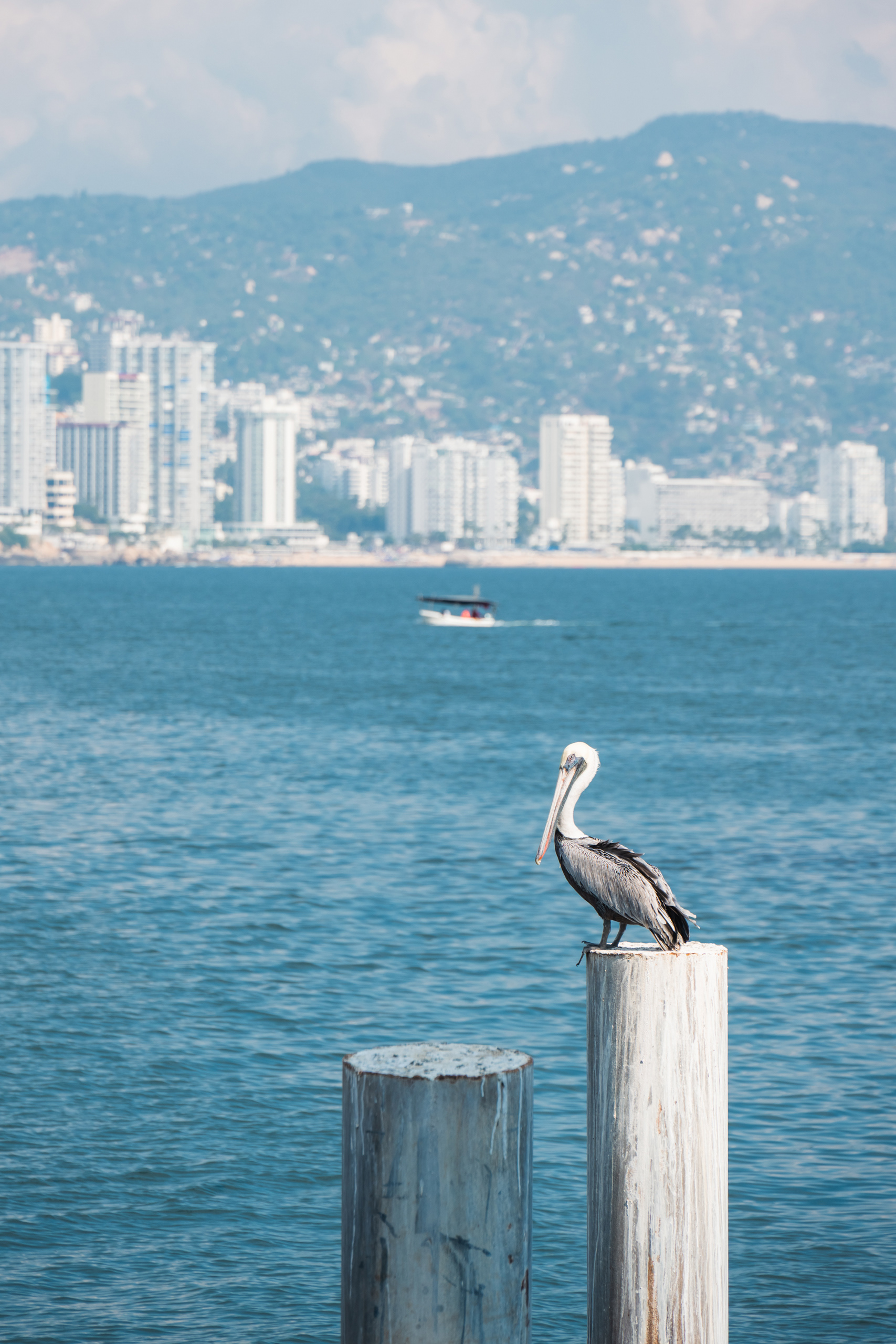
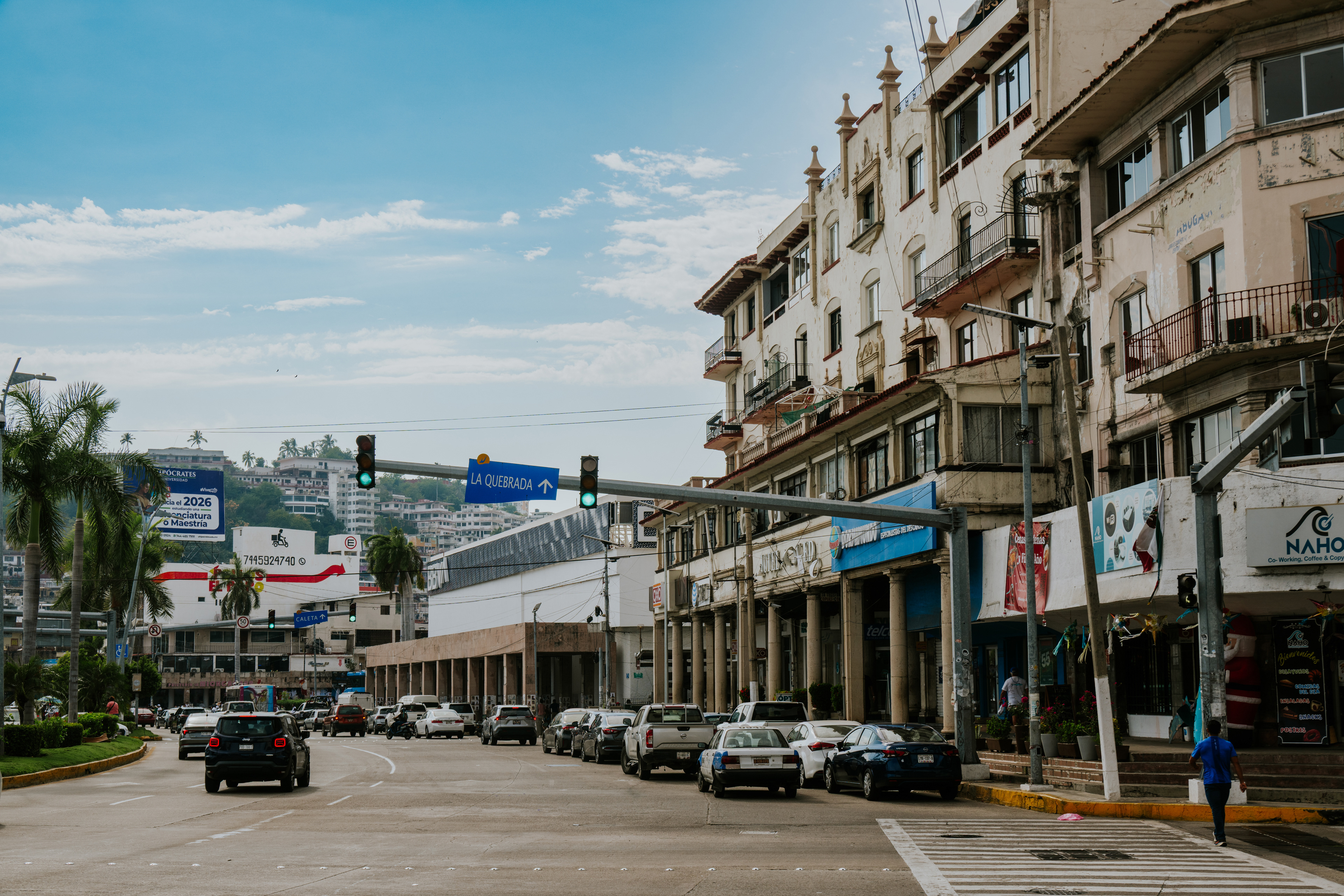
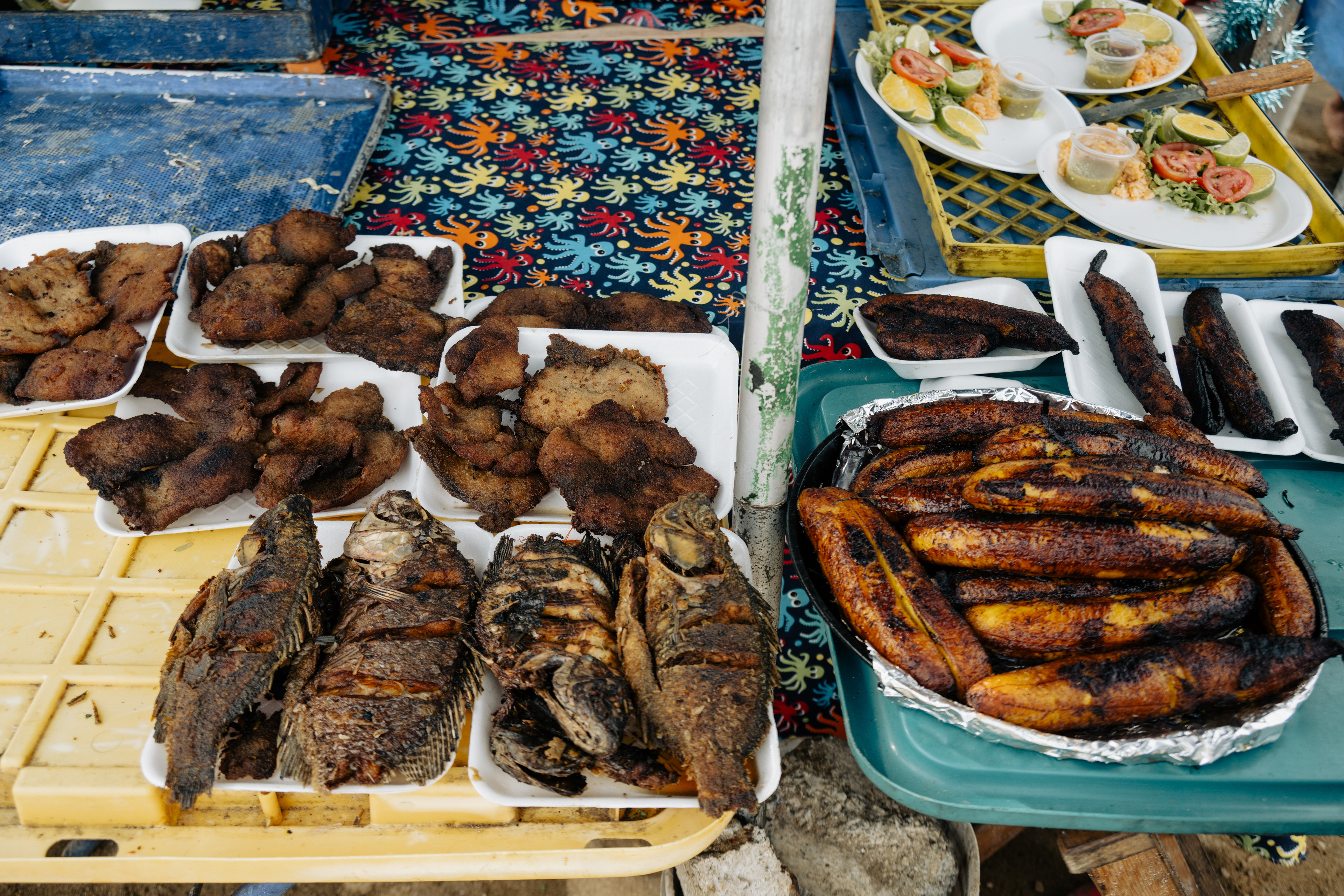
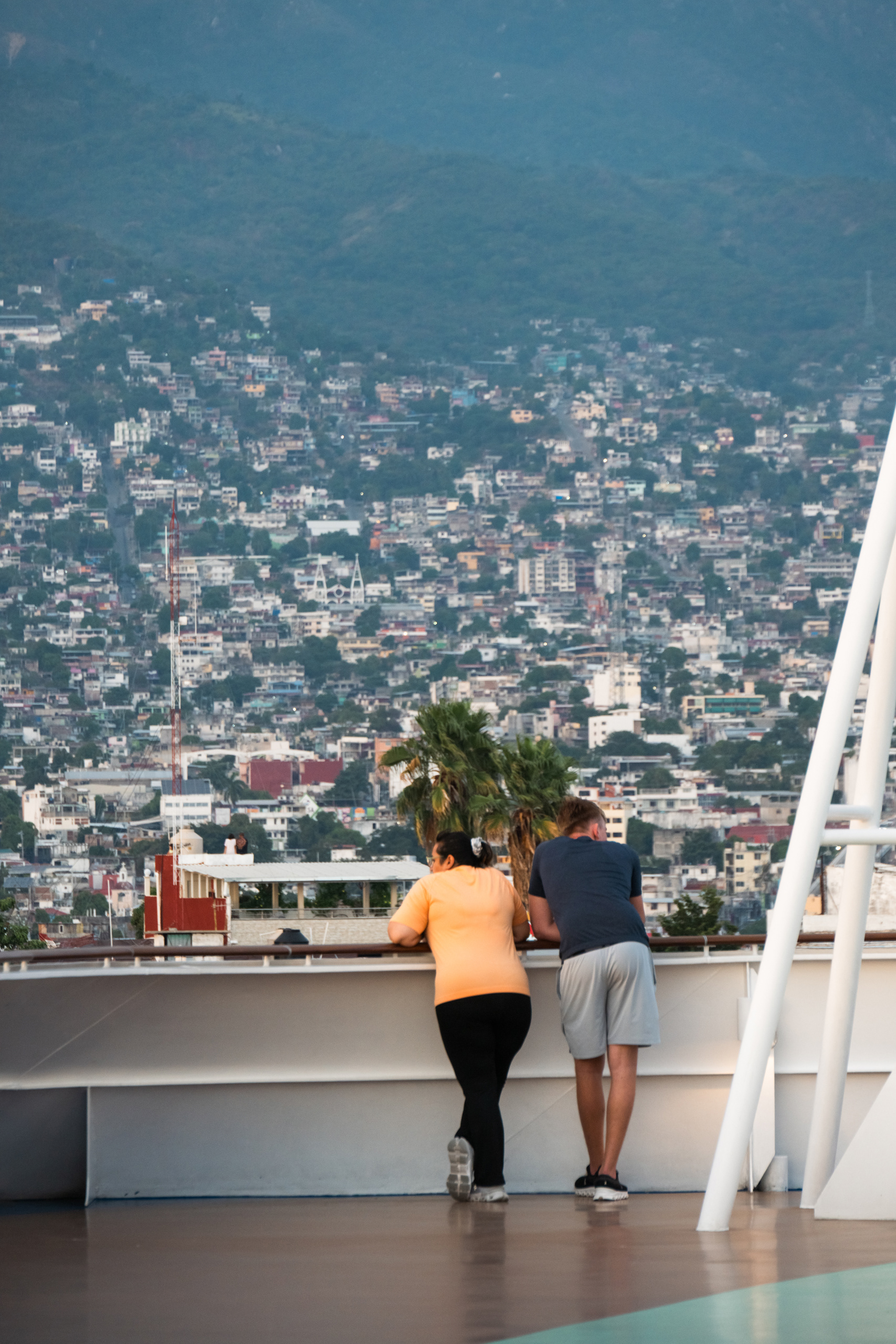
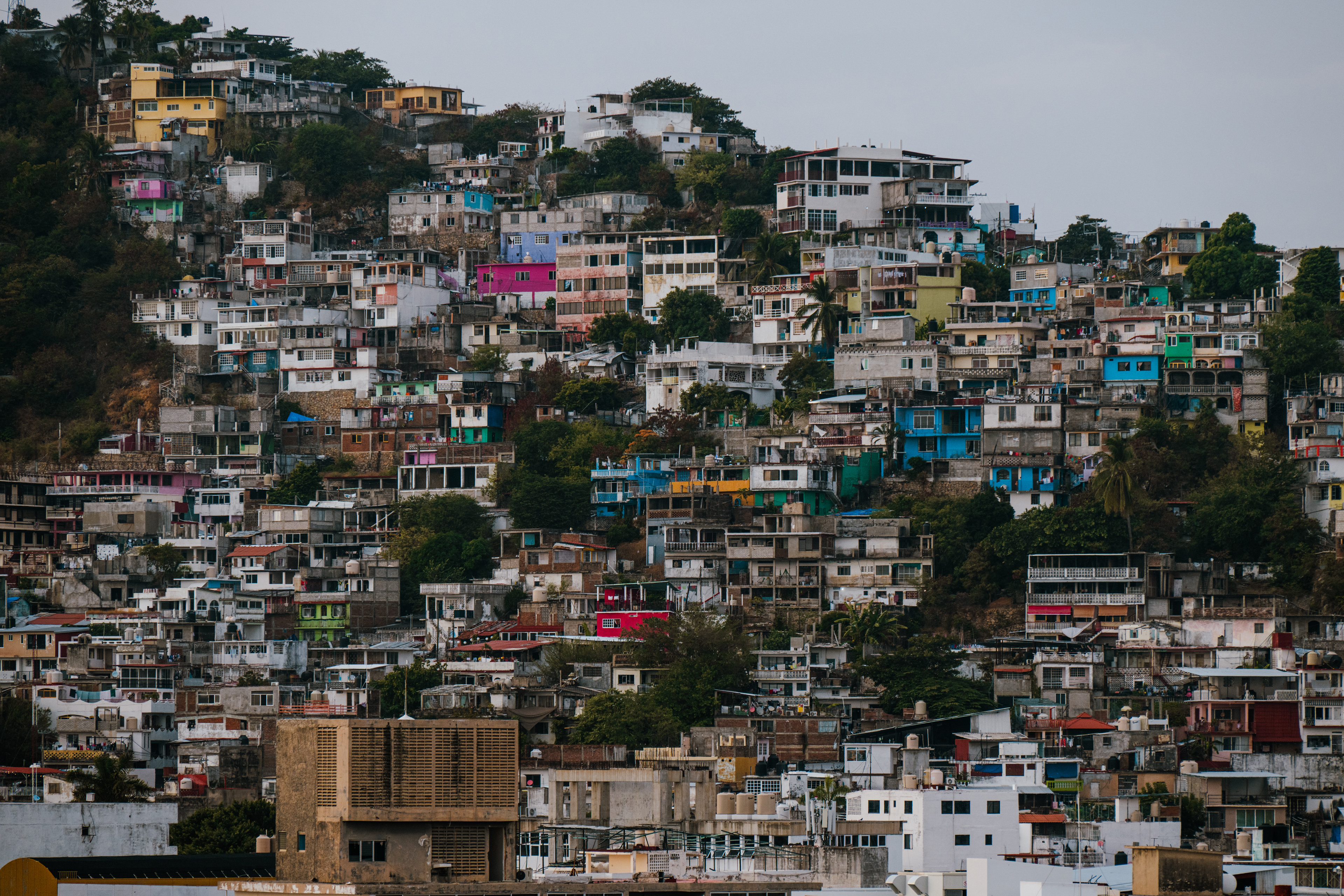
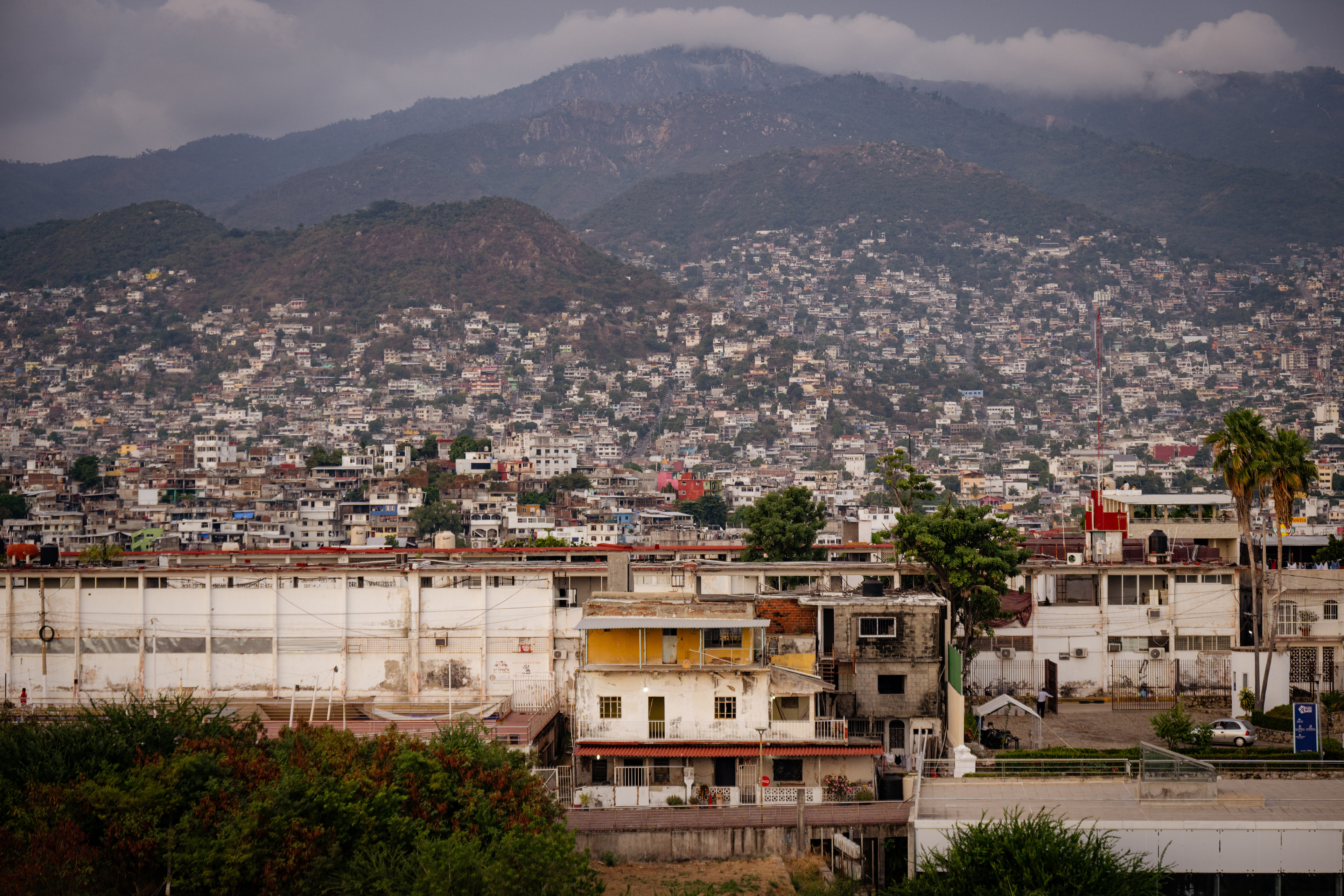
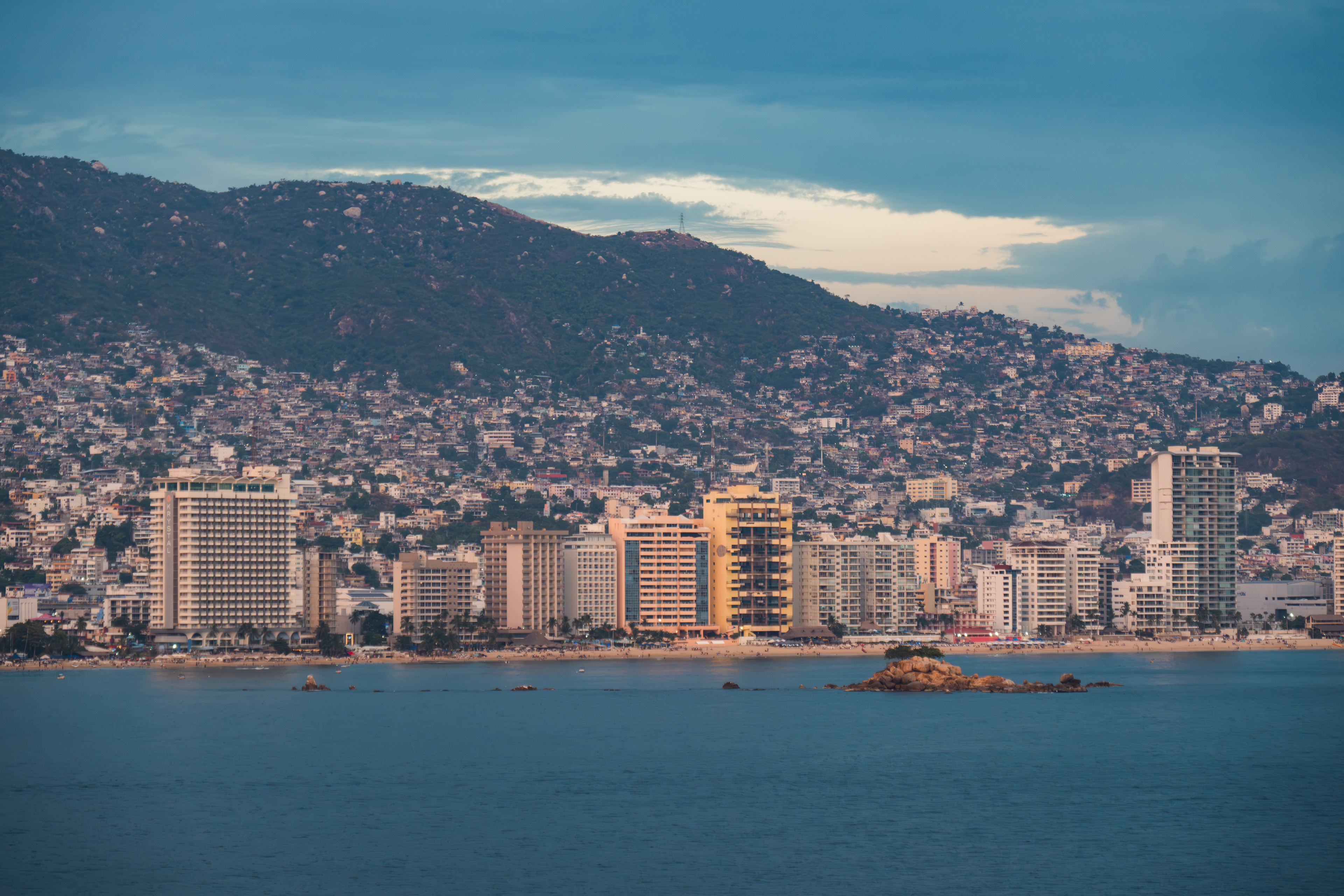
For most Americans, the name registers as either a mid-century Hollywood fantasy (Frank Sinatra, Elizabeth Taylor, the Rat Pack's preferred resort town) or a cautionary tale about cartel violence and economic collapse. The reality is somewhere more complex — a city working hard on a recovery that is visibly, if unevenly, underway. Our shore excursion kept to the tourist zone, and within that zone, the original Acapulco is still functioning: dramatic bay, excellent seafood, history layered over every hillside.
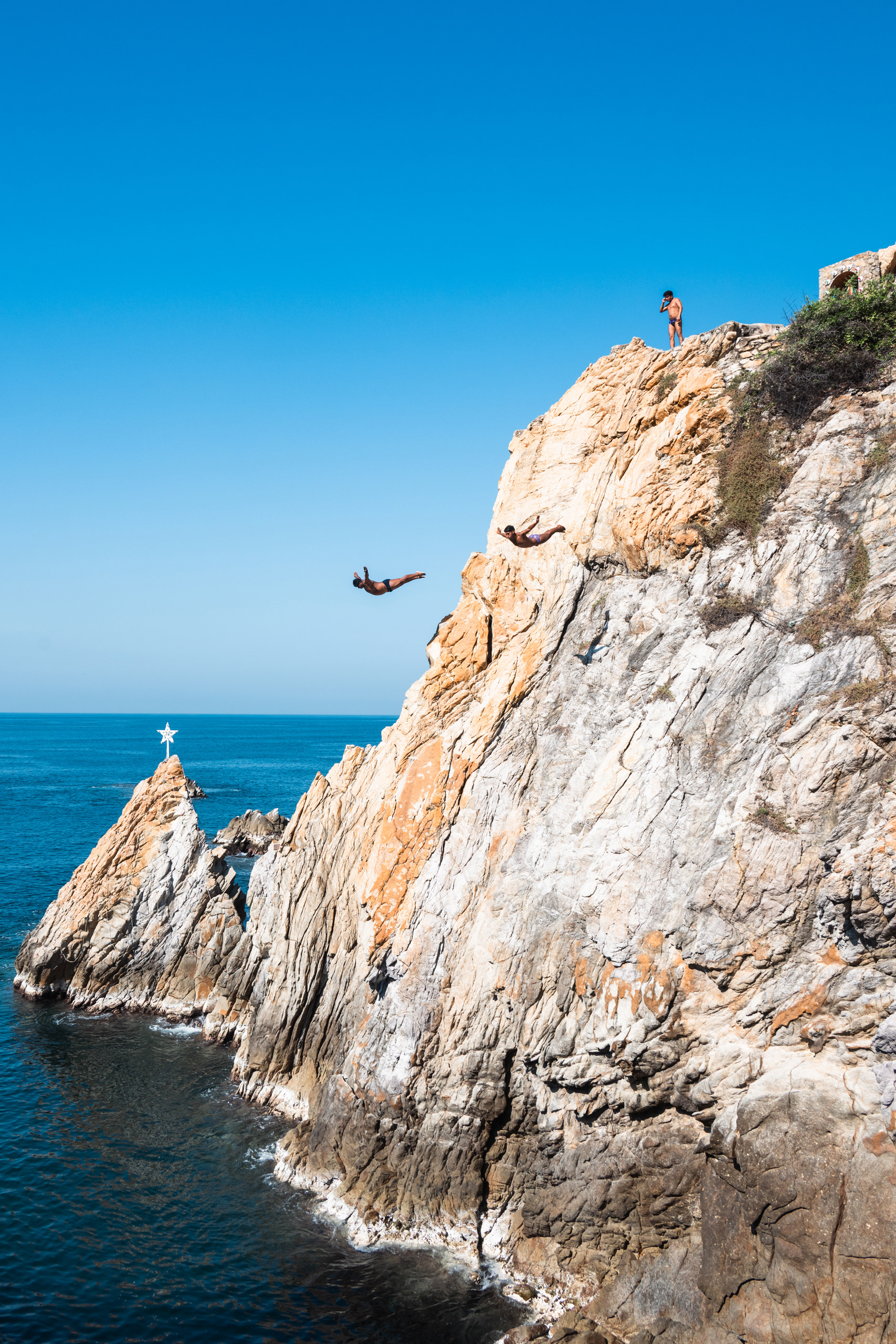
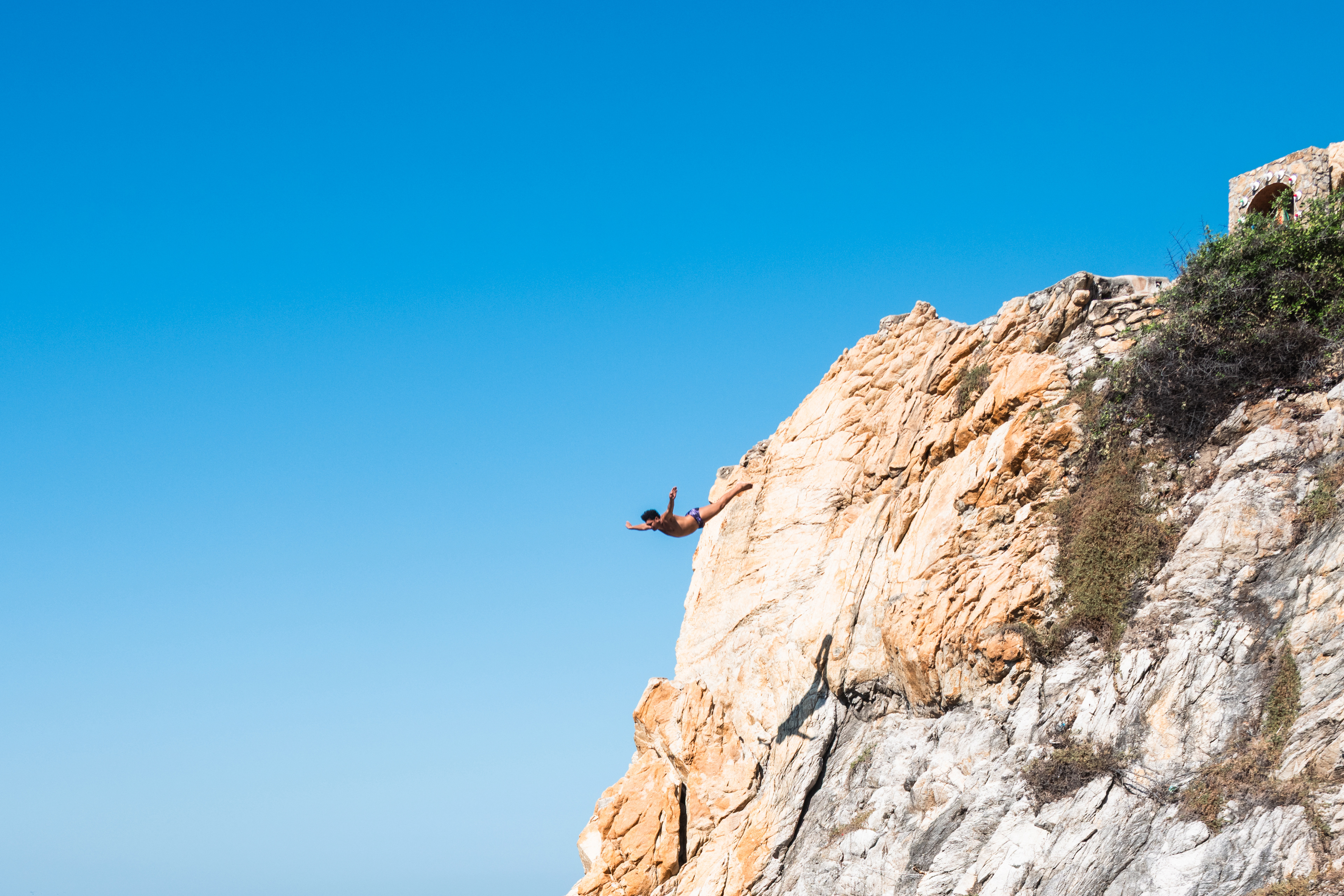
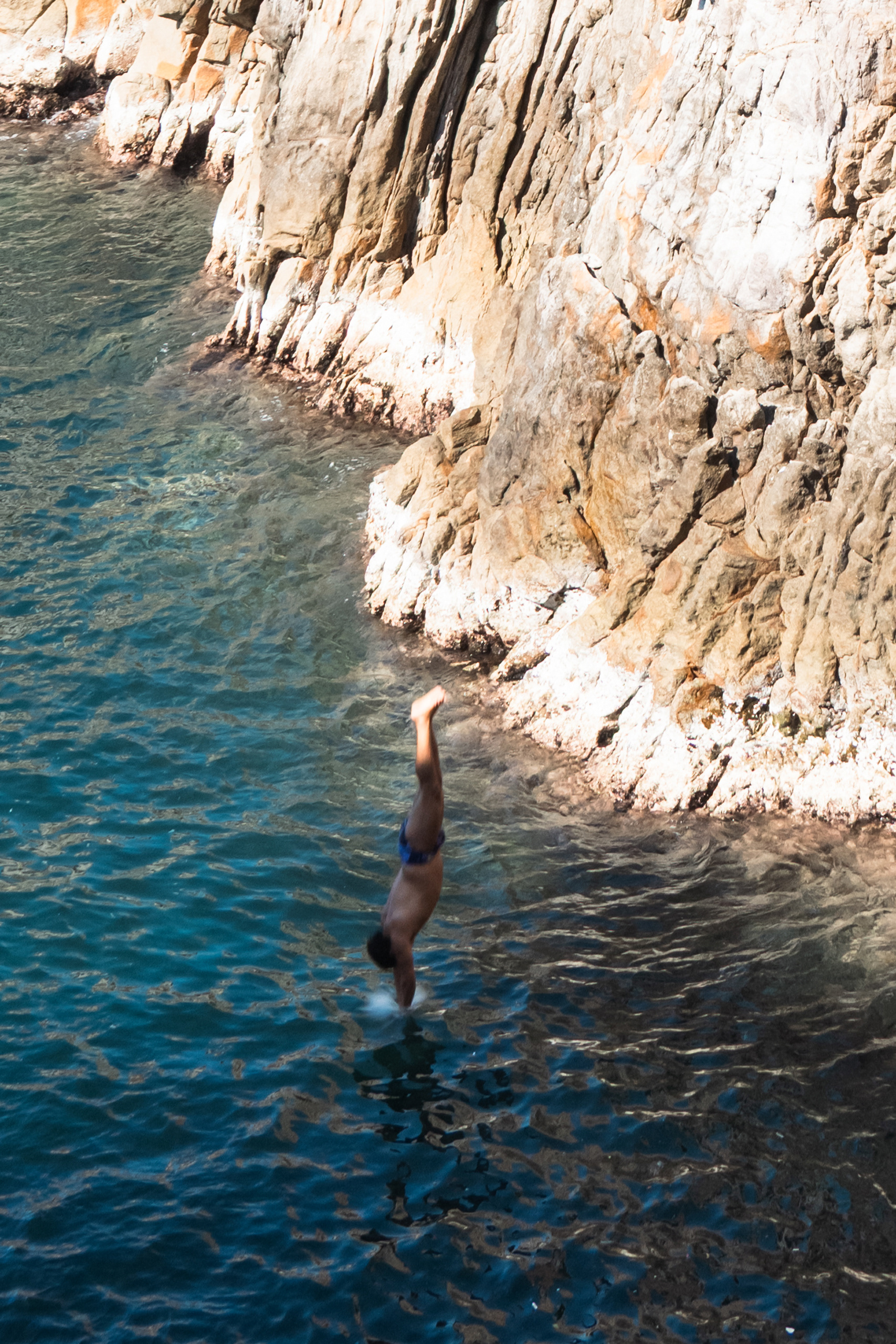
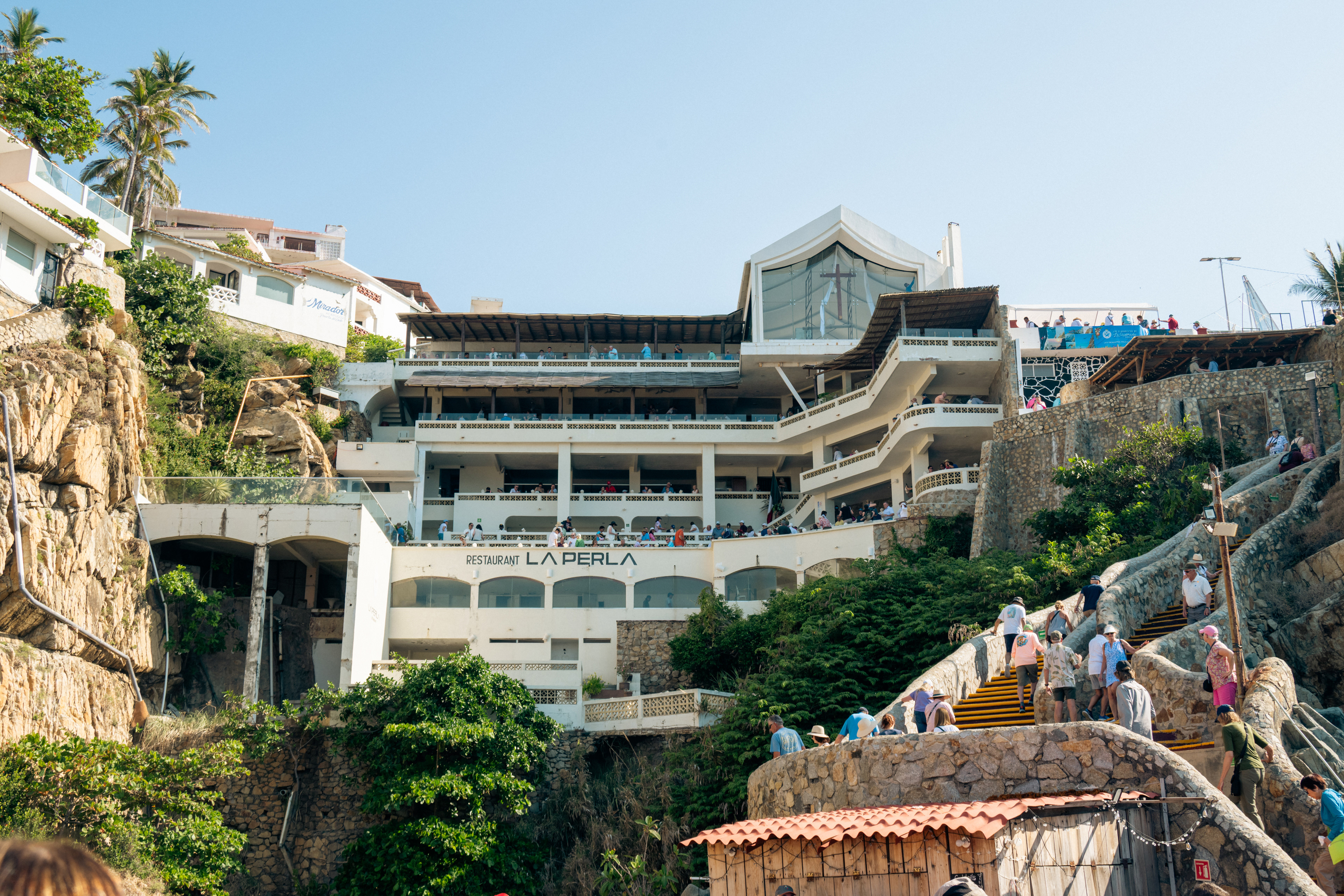
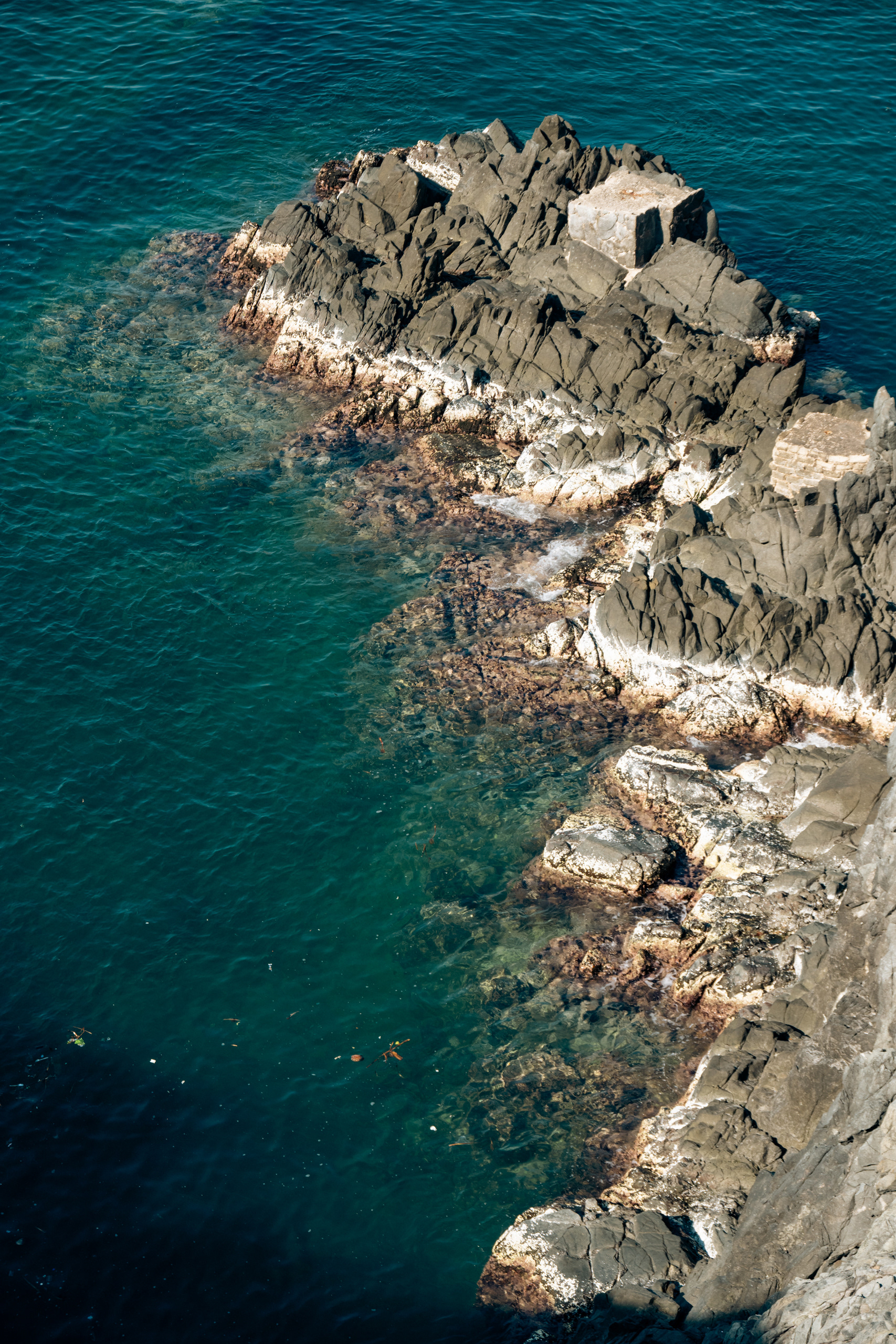
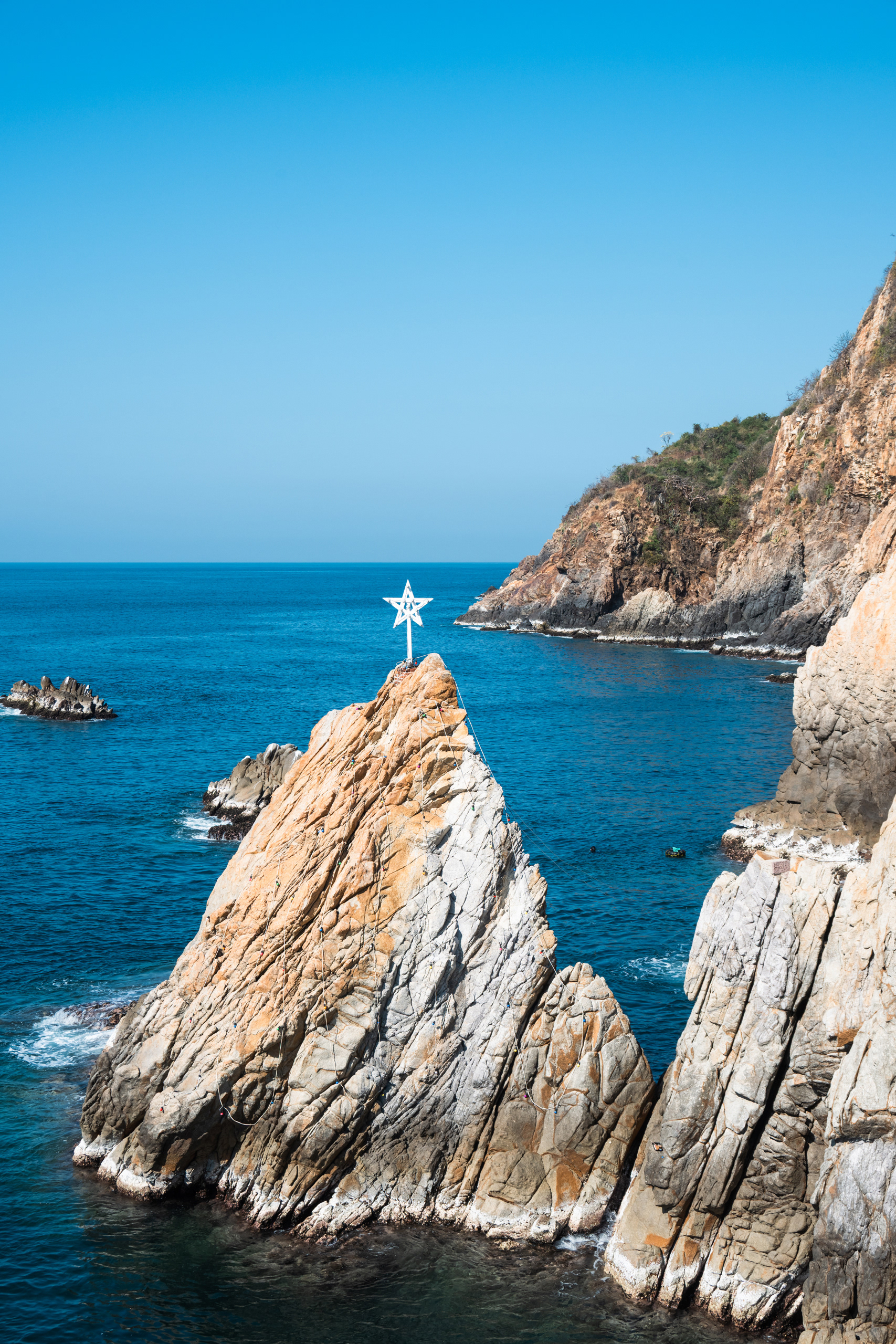
The "Historical Acapulco & Cliff Divers" excursion takes you first to La Quebrada, the cliff from which trained divers have been plunging 35 meters into a narrow sea inlet since 1934. Timing this correctly requires reading wave patterns to ensure sufficient water depth — insufficient, and the consequences are what engineers call a "non-recoverable failure condition." The performance happens multiple times daily, with divers pausing at a small shrine to the Virgin of Guadalupe before each jump. Whether you find this theatrical or genuinely moving probably depends on your proximity to the edge of the viewing platform.
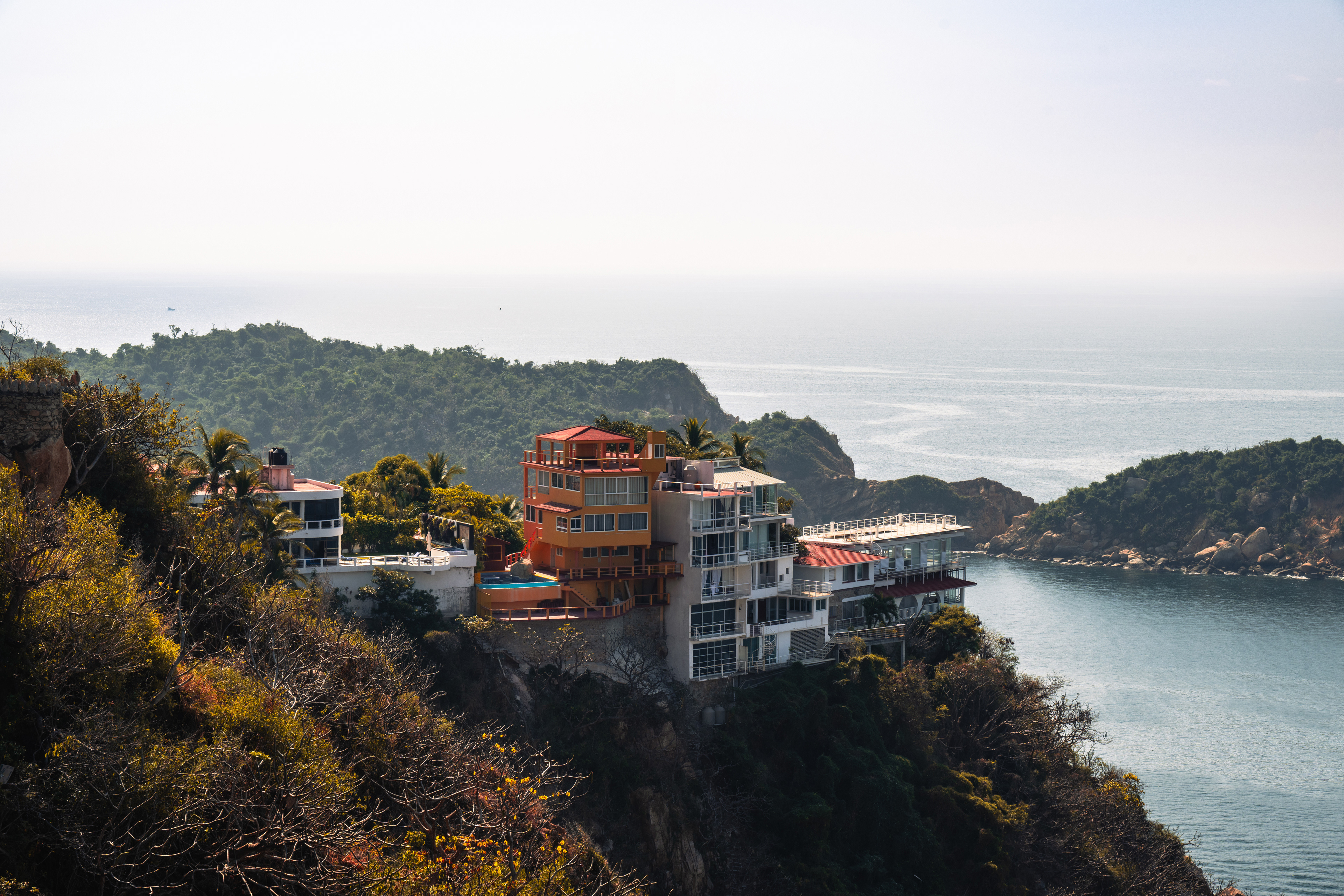
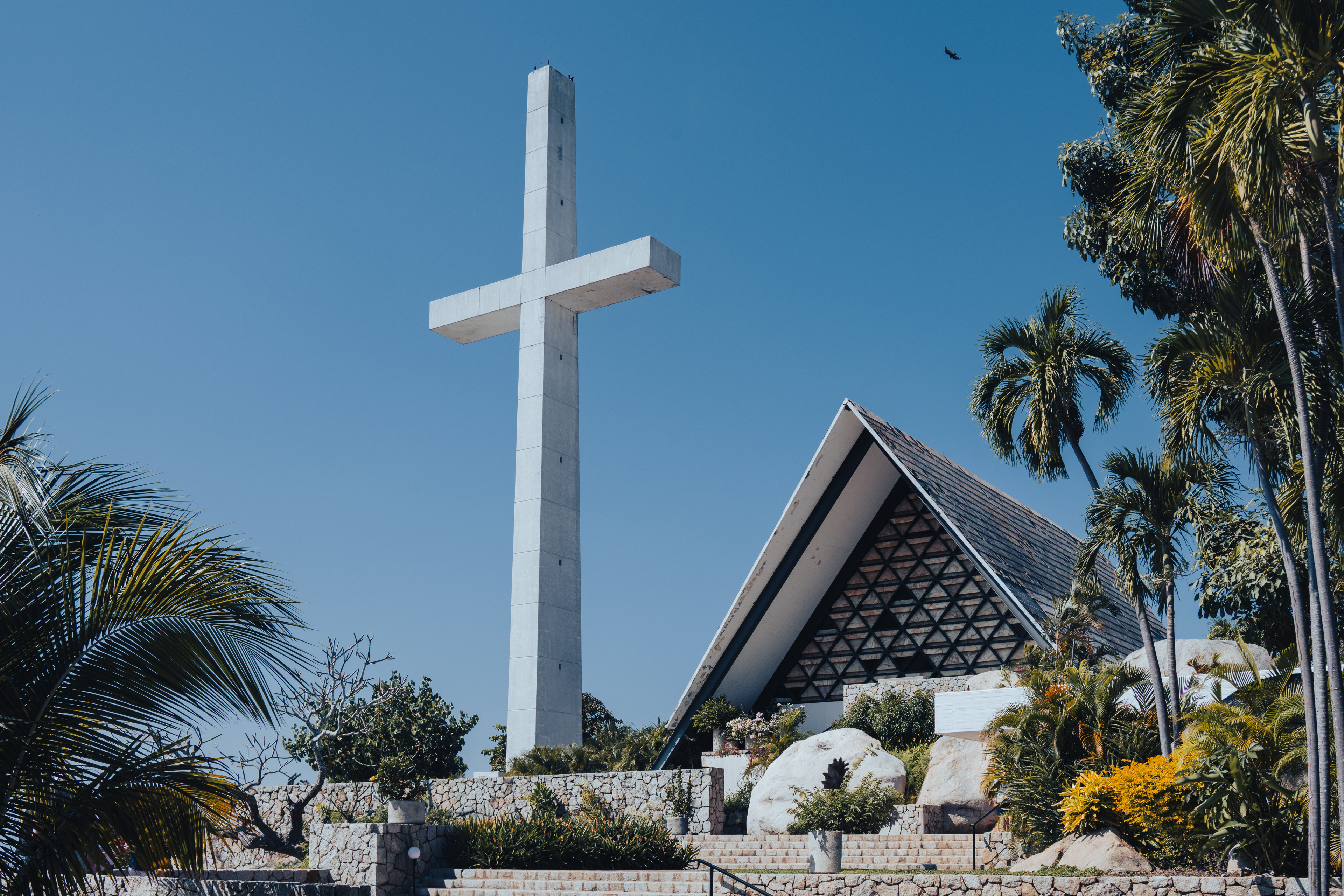
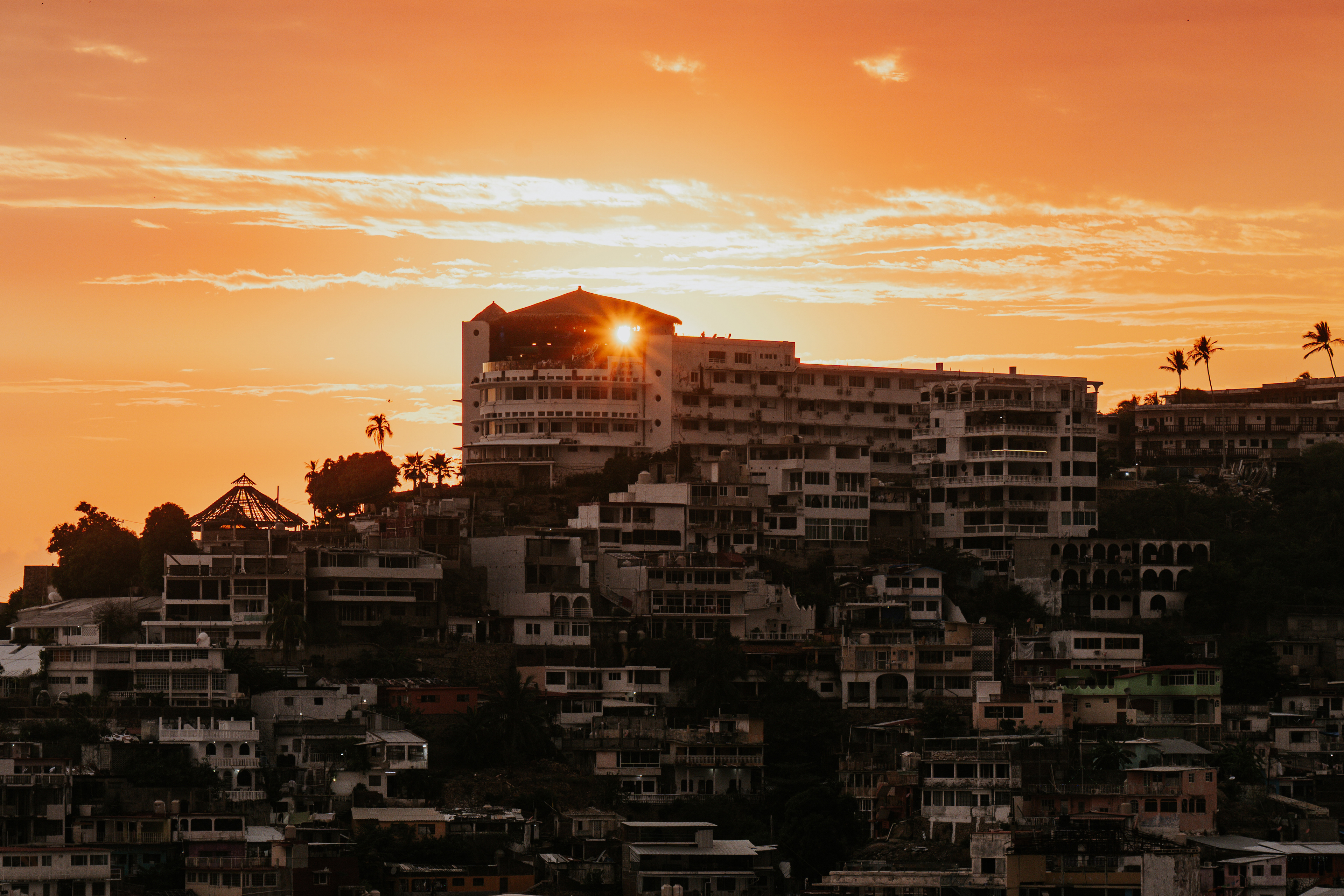
The tour then moved through the Fort of San Diego (built in 1616 to protect against Dutch pirates, destroyed by them in 1634, rebuilt, destroyed again by earthquake in 1776, rebuilt again — persistence is an Acapulco specialty), the Chapel of Peace with views across the entire bay, and the Las Brisas residential area with its signature pink jeeps. The Los Flamingos Hotel, once owned by John Wayne and visited by every relevant celebrity of the 1950s and 60s, sits on a cliff above the bay wearing its history lightly.
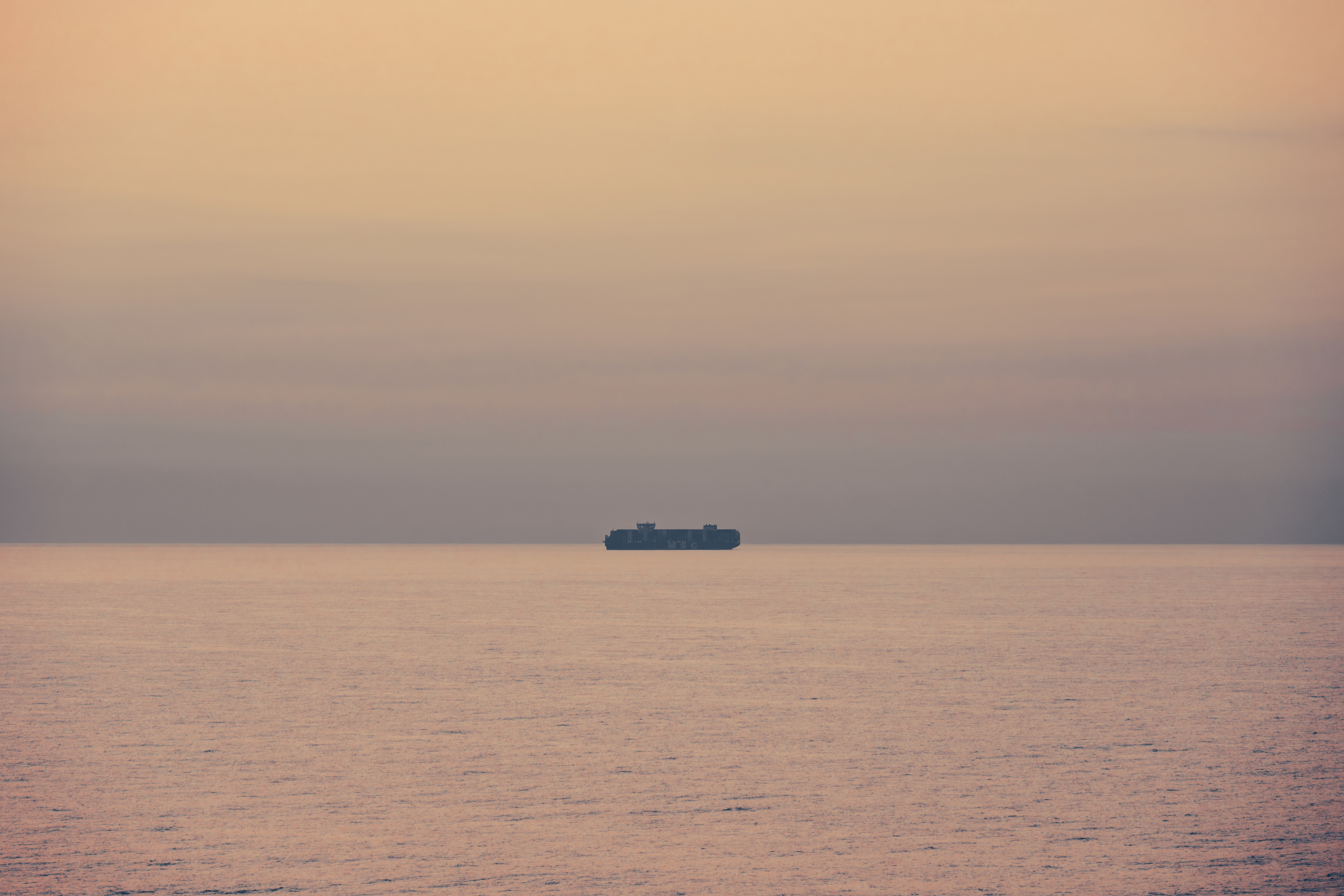
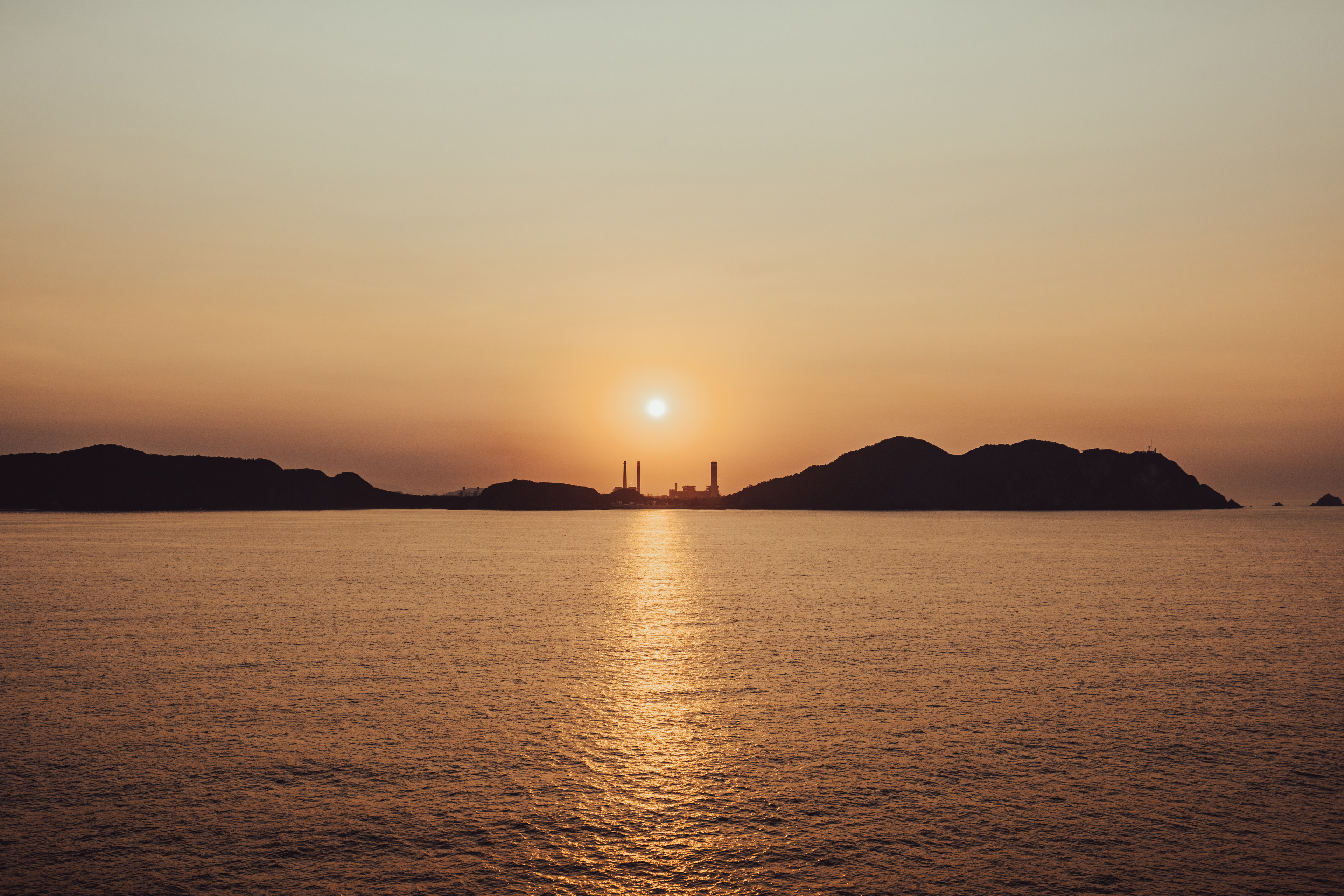
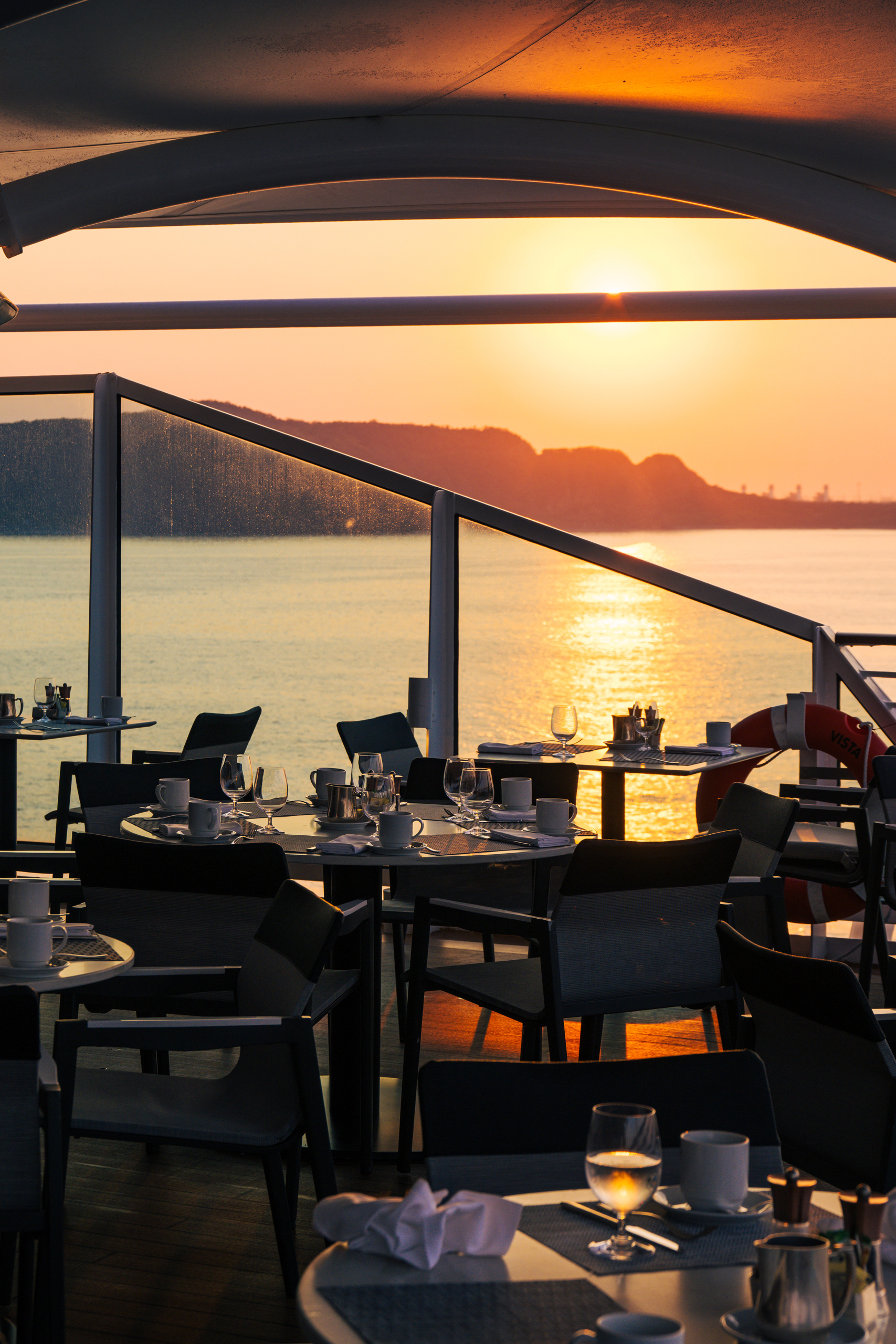
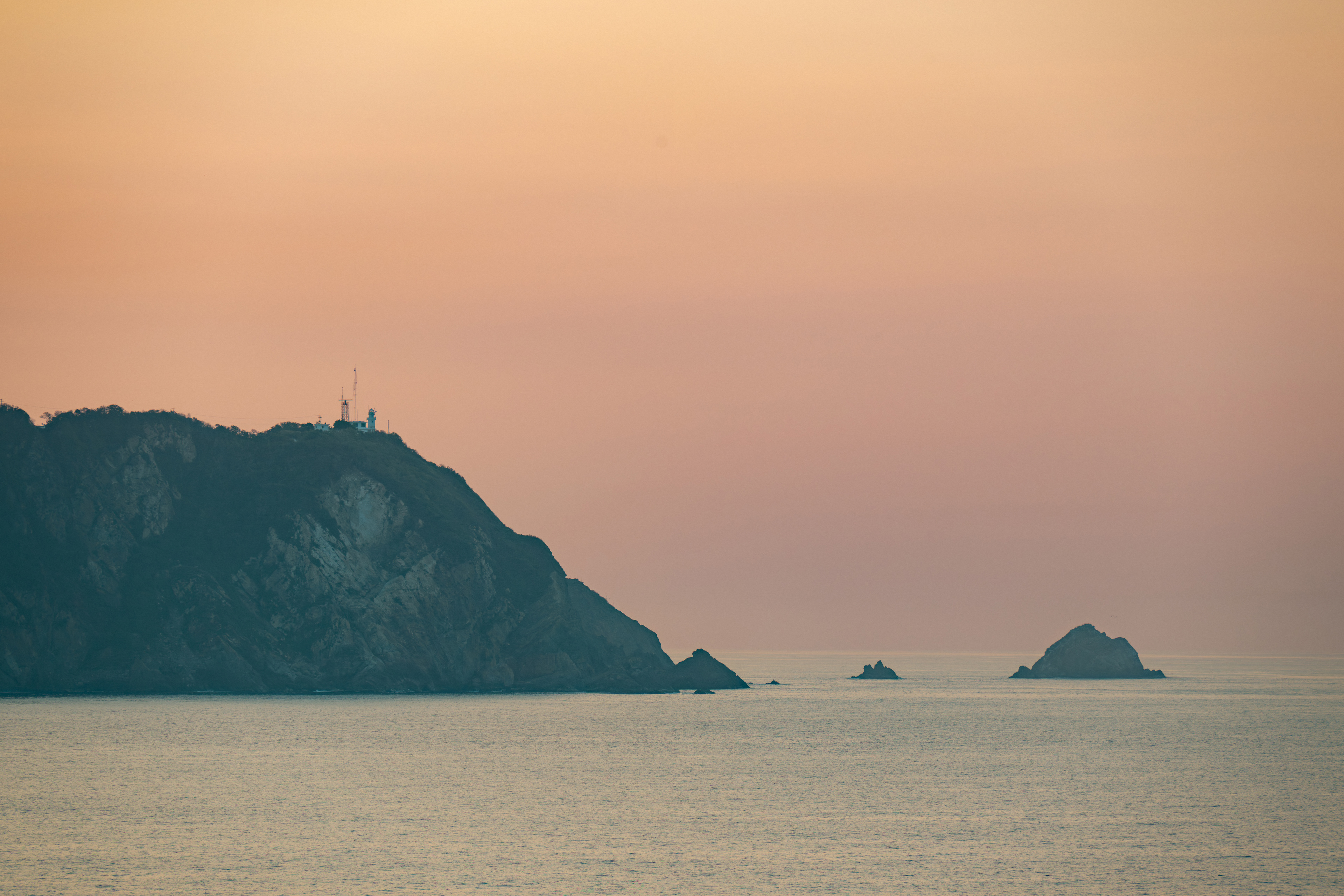
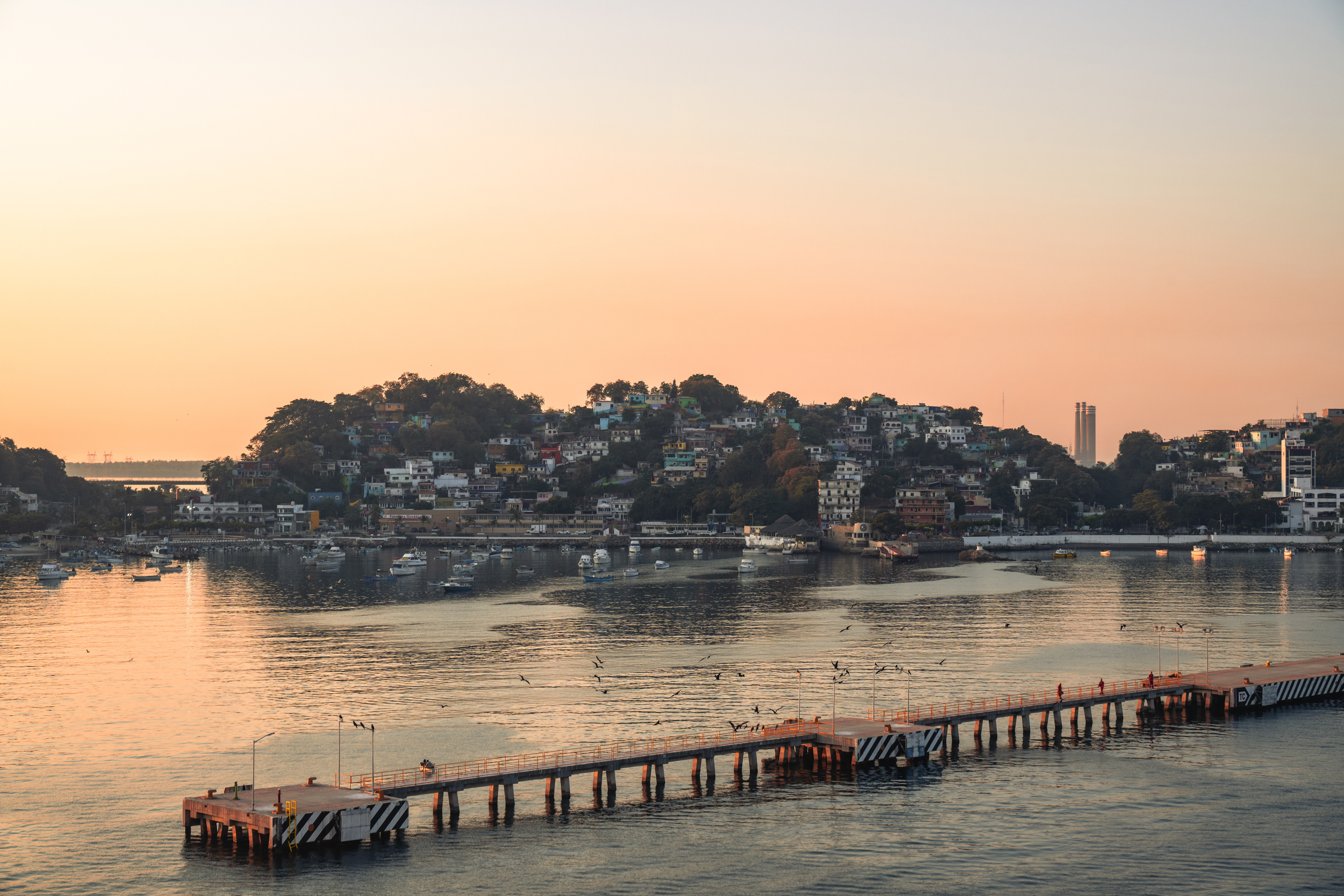
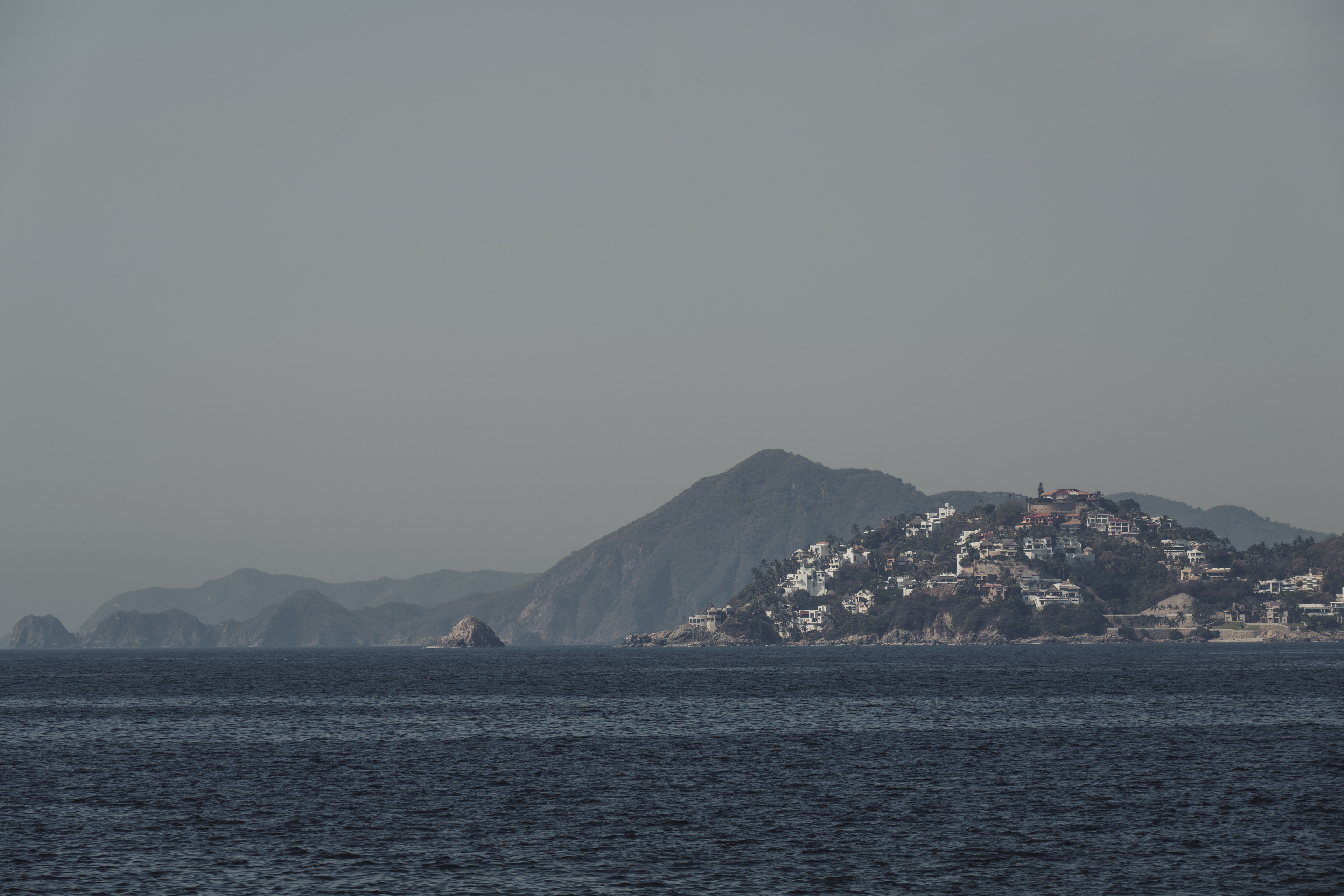
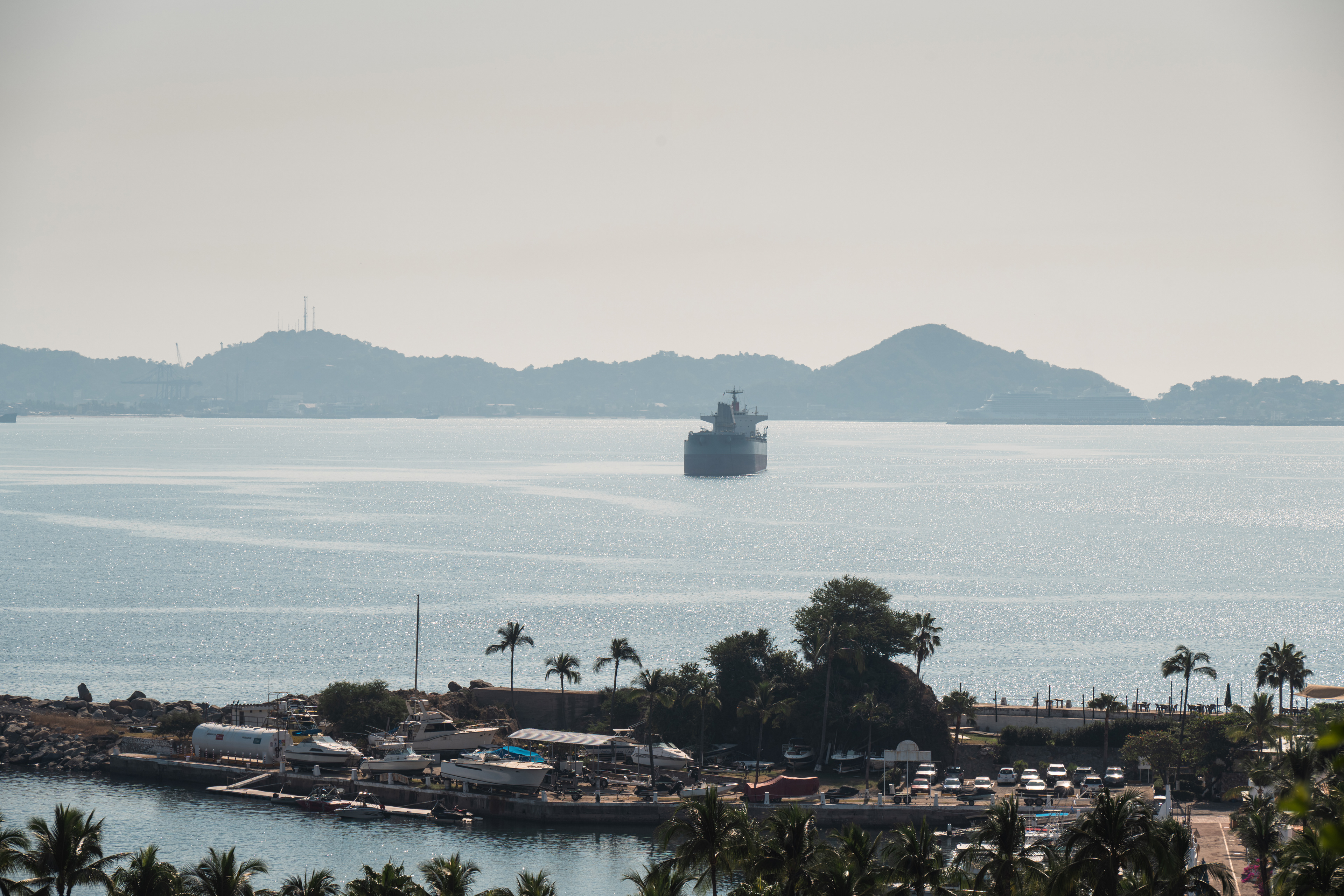
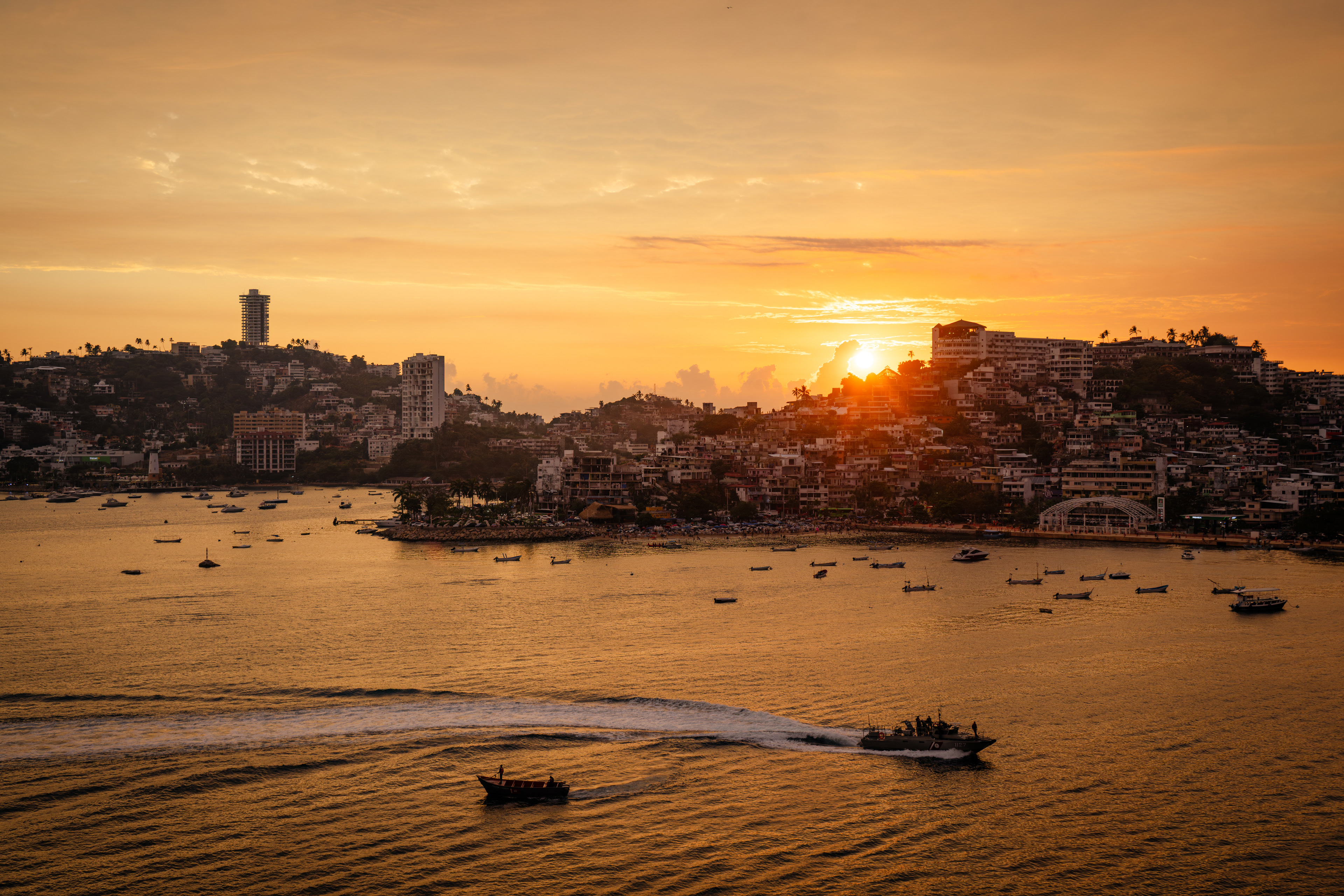
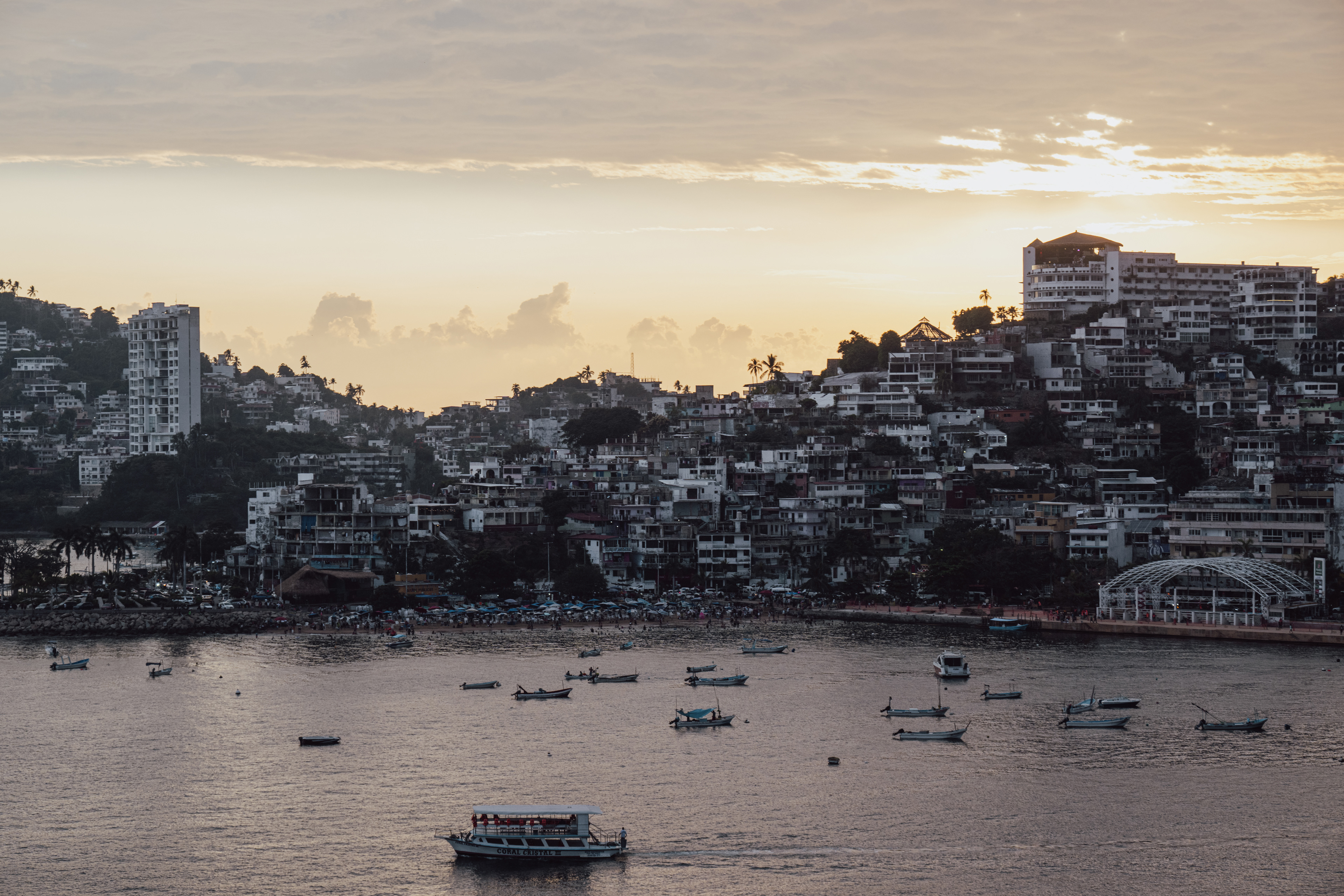
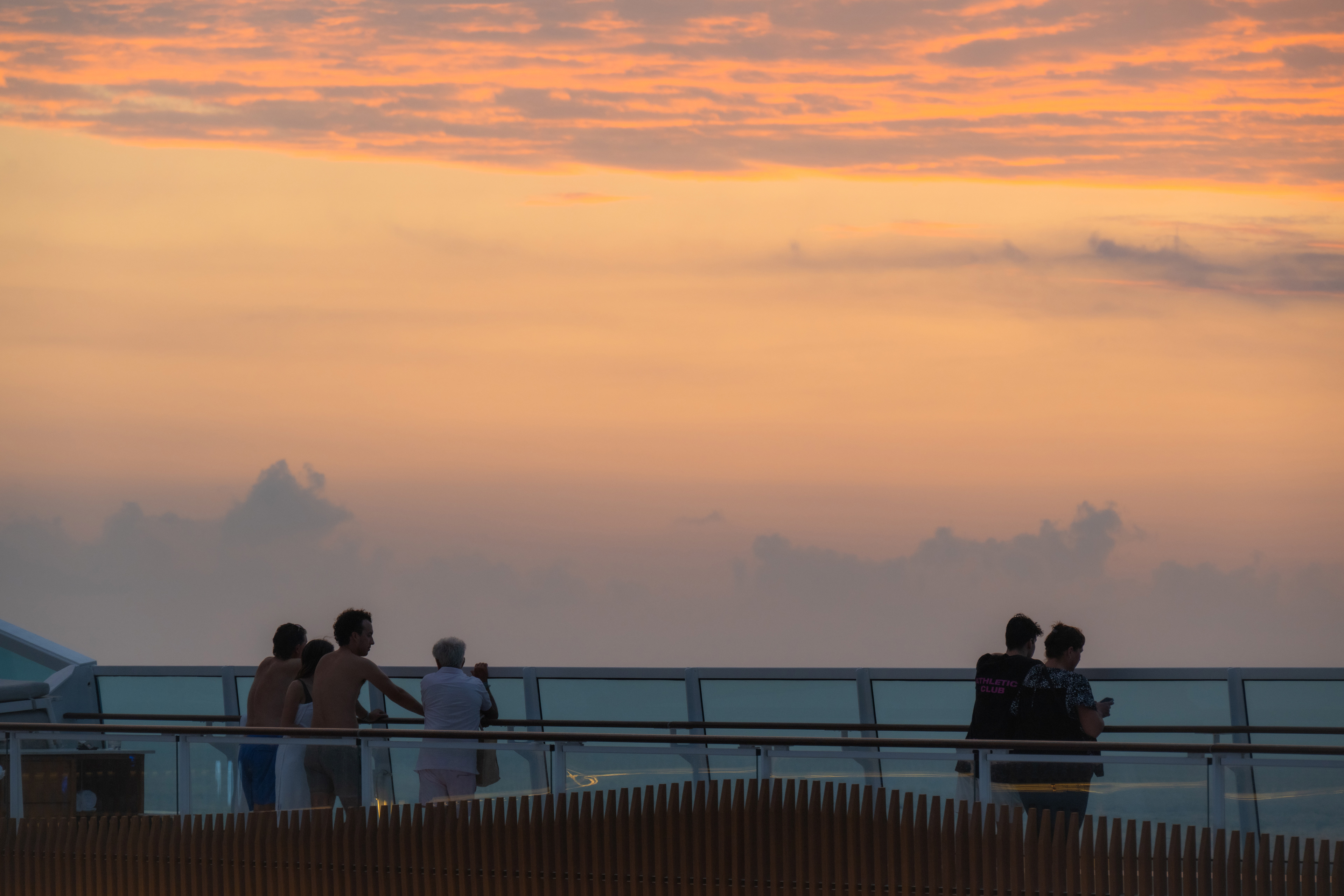
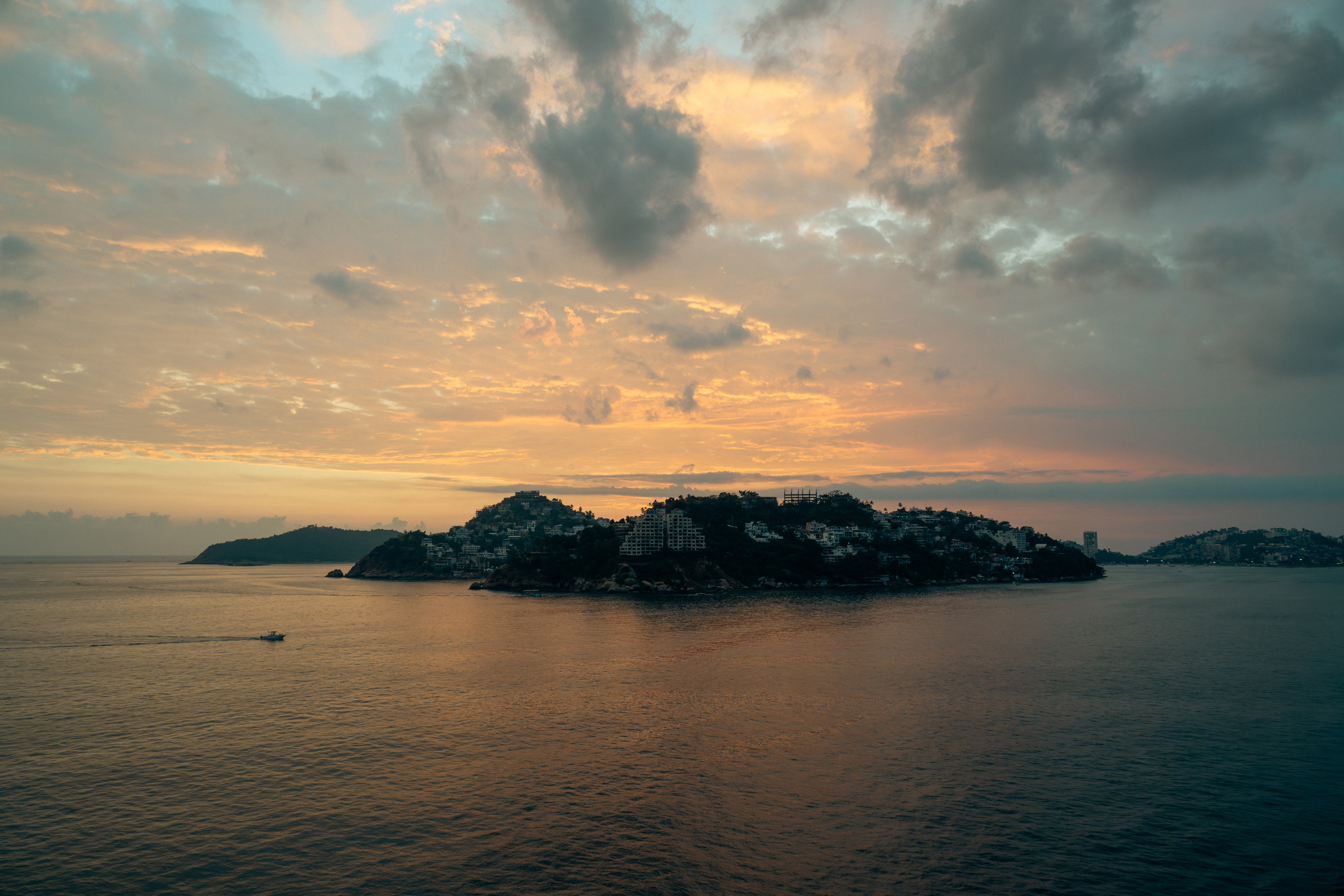
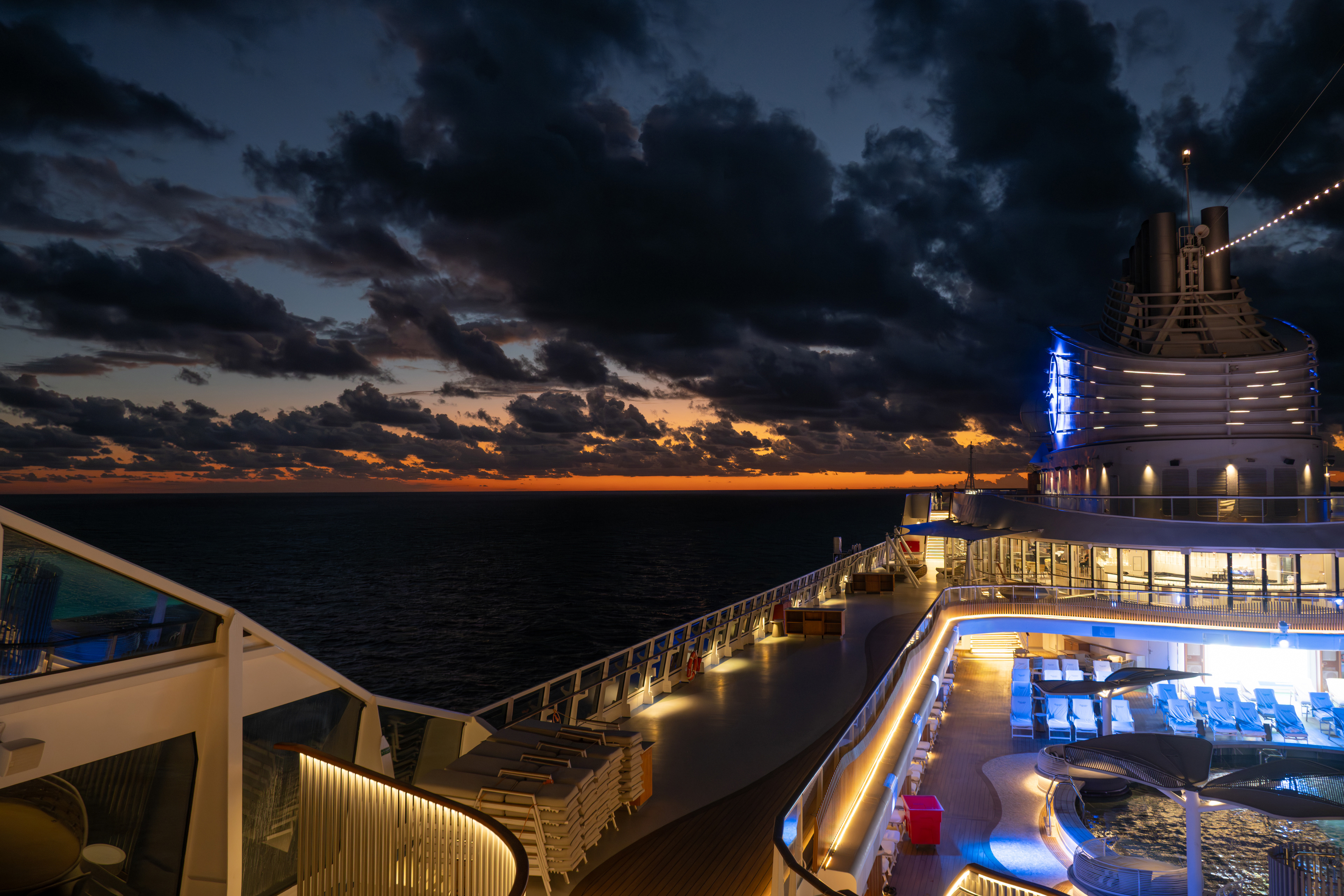
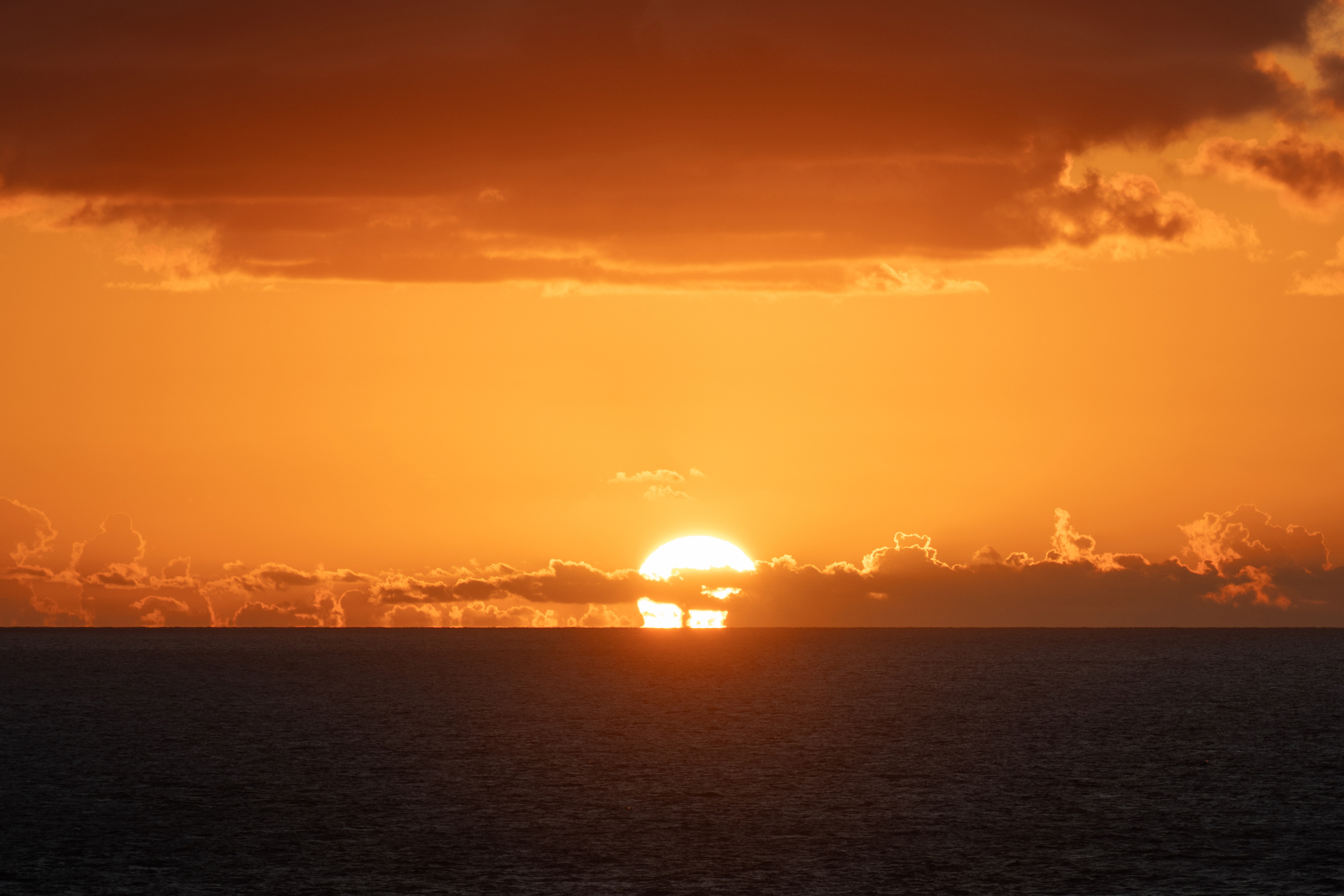
We left Acapulco as the sun was getting low. The bay, from the water, still looks like a movie set.
Puerto Quetzal — Eight Hours in Antigua
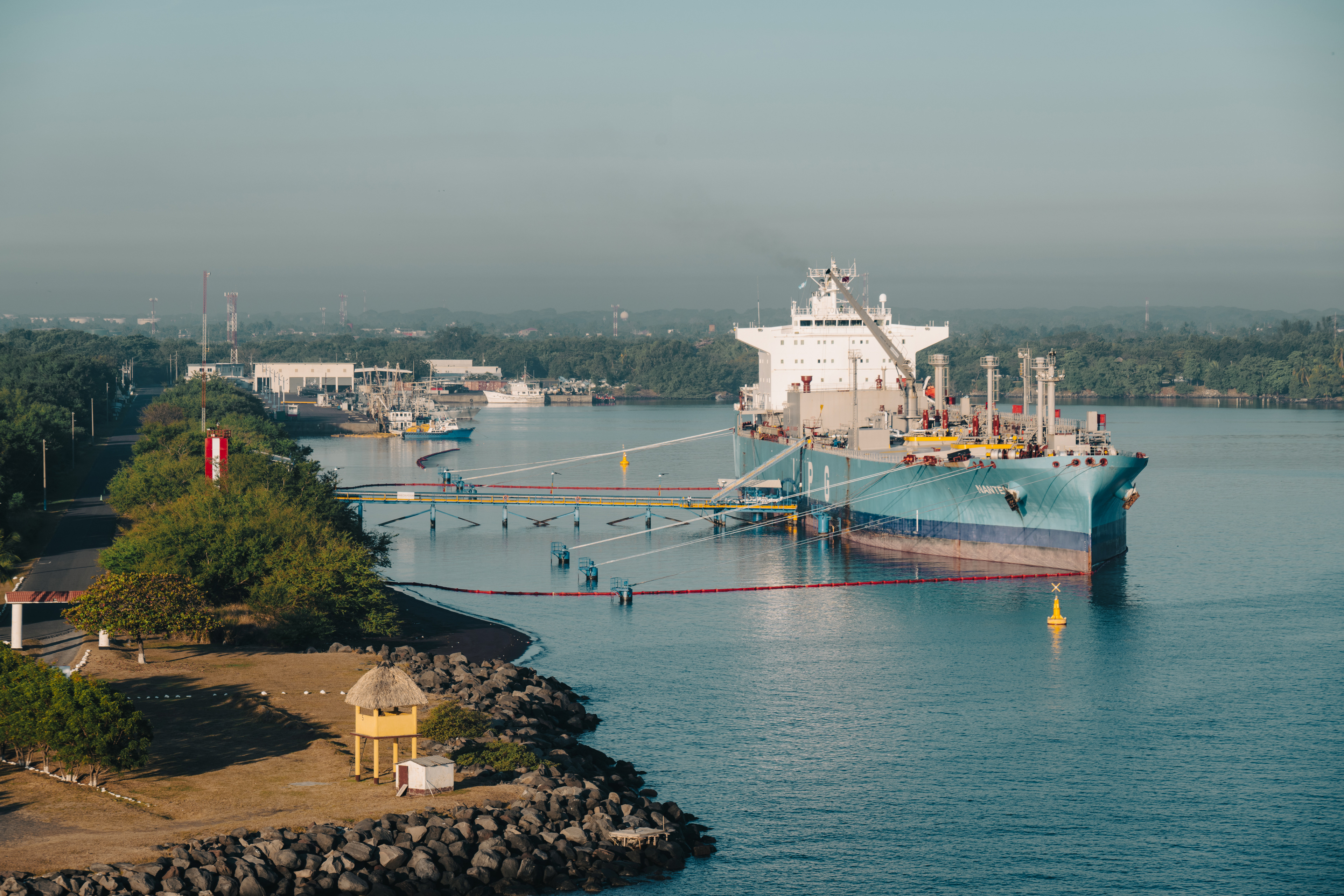
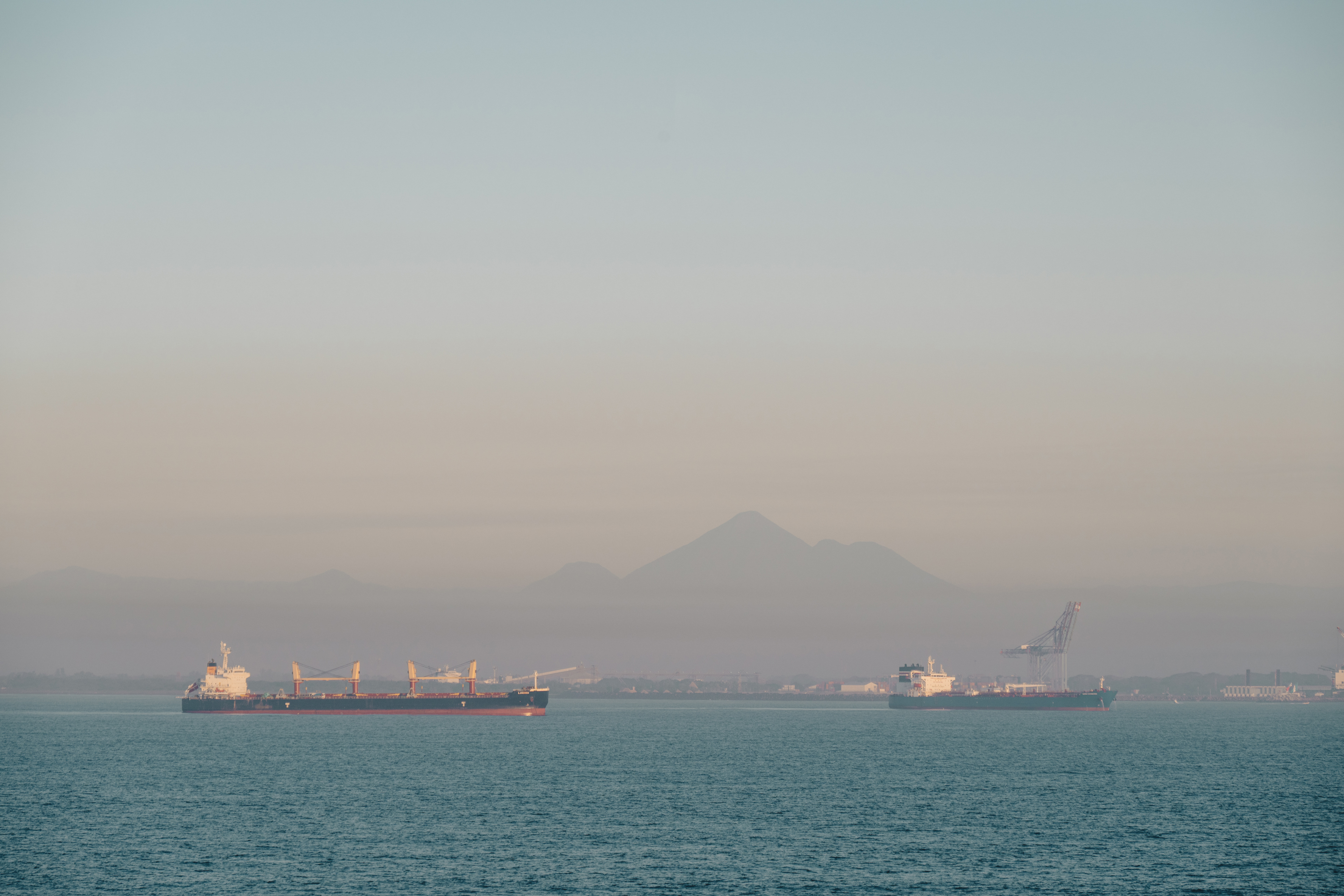
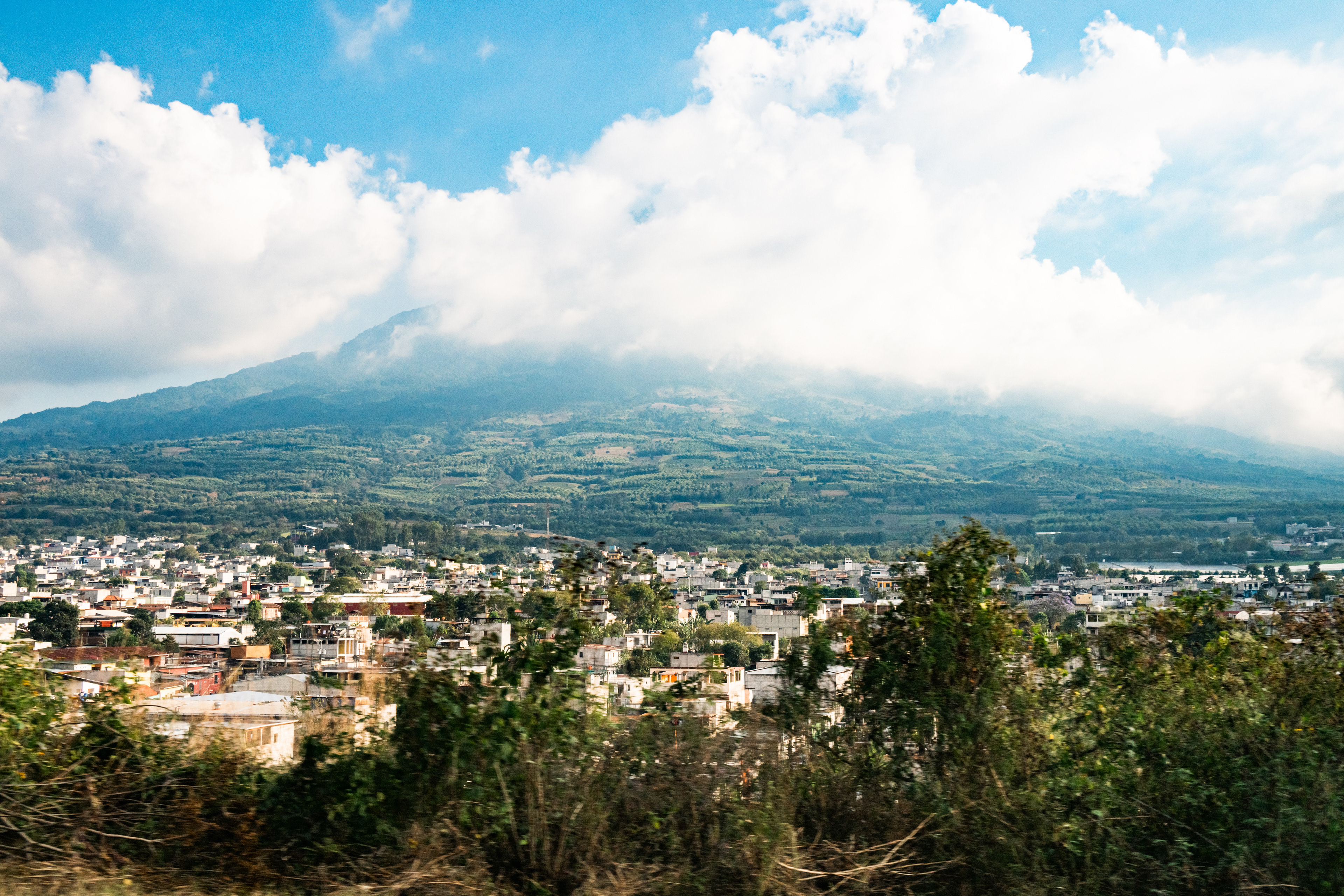
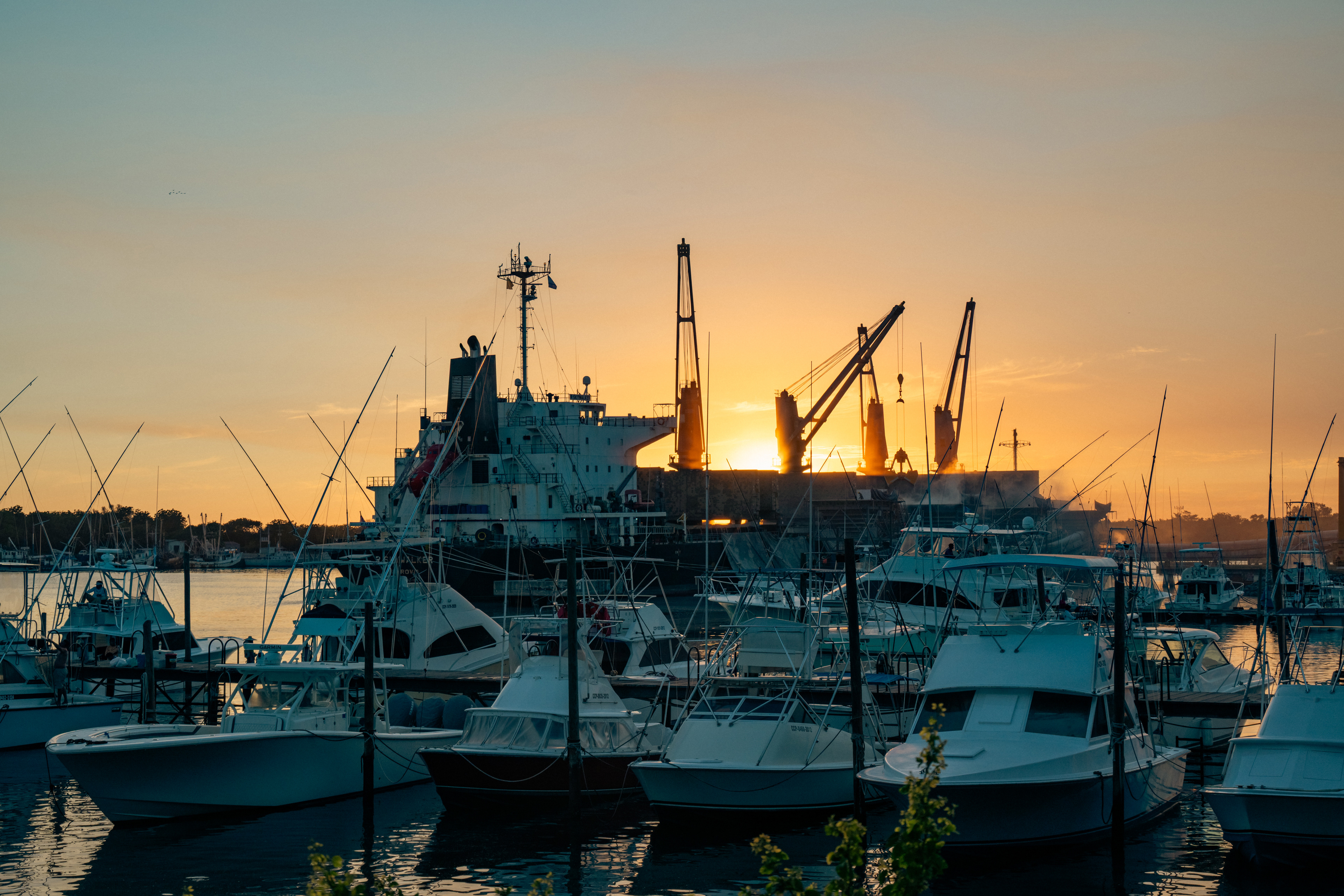
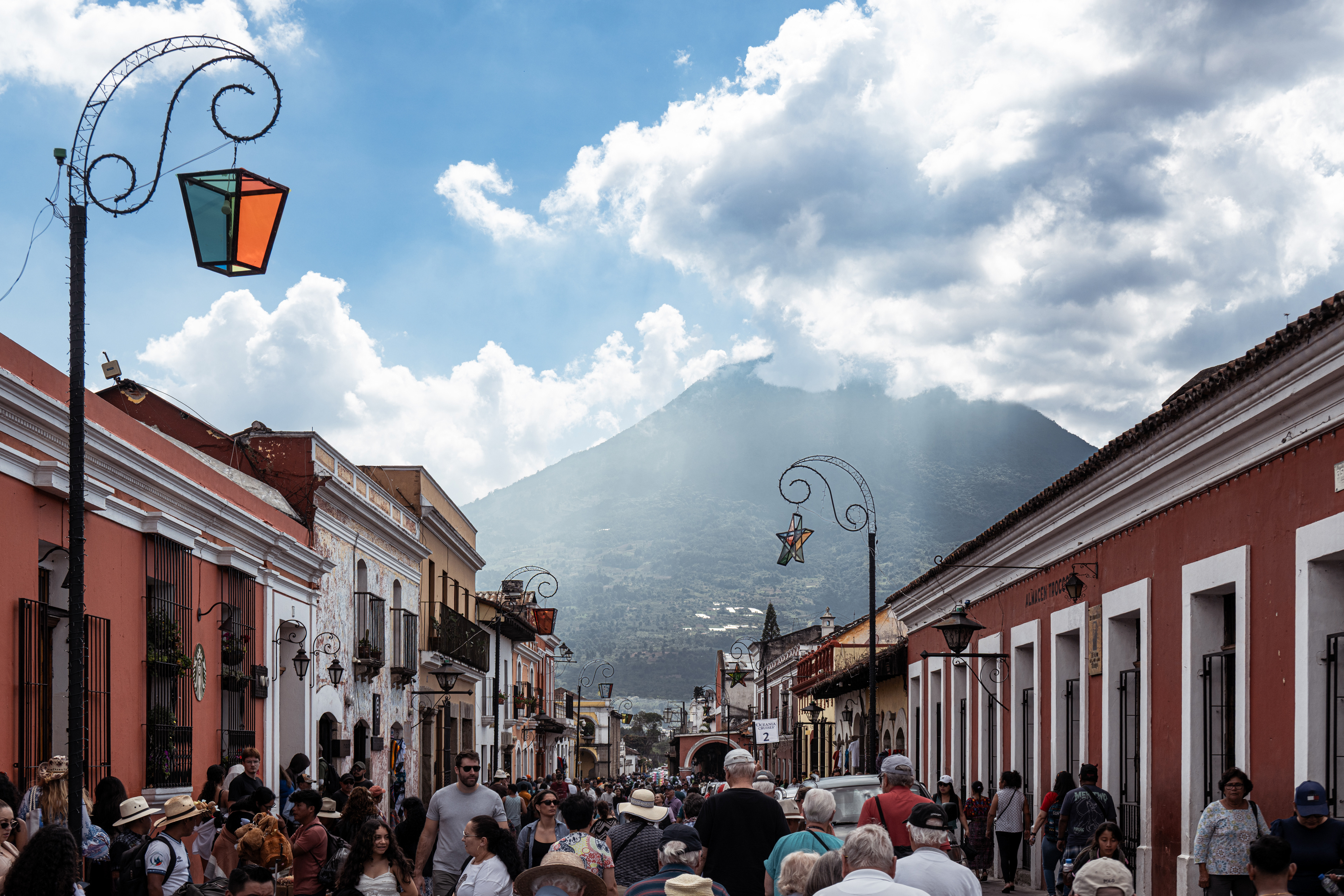
Guatemala doesn't get nearly enough credit as a travel destination, which is partly because the country's entry point for cruise travelers — Puerto Quetzal, a utilitarian container port on the Pacific coast — does almost nothing to suggest the interior is worth the drive. But the interior is worth the drive. Specifically, Antigua.
The "Colonial Antigua" excursion is eight hours — by far the longest shore day on this itinerary — and requires approximately 90 minutes each direction on roads that go from coastal highway to mountain switchback. Guatemala's Pacific plantations, where the air genuinely smells of sugar cane and coffee, give way to mountain ridges and then, suddenly, to a valley that contains one of the best-preserved Spanish colonial cities in the Americas.
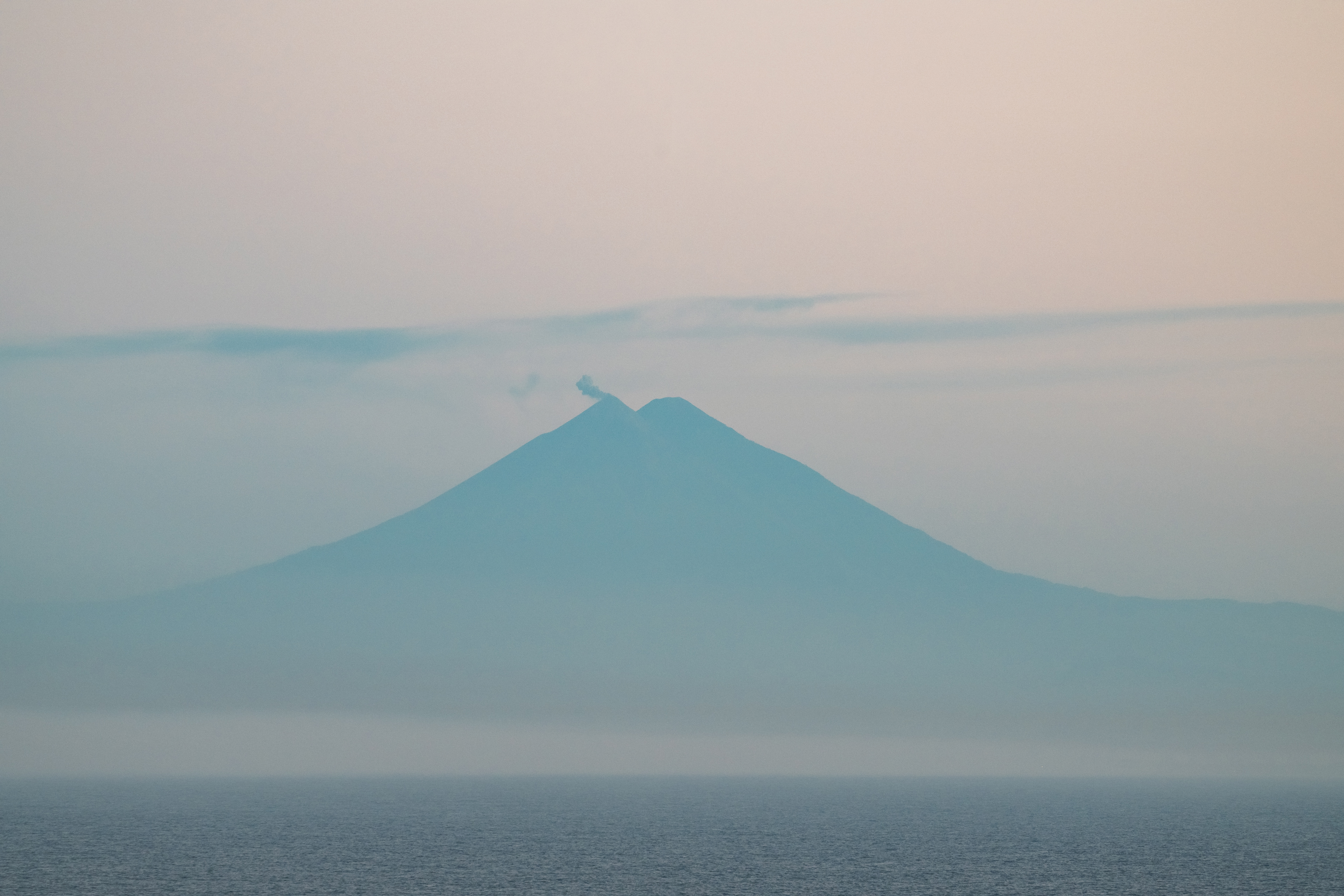
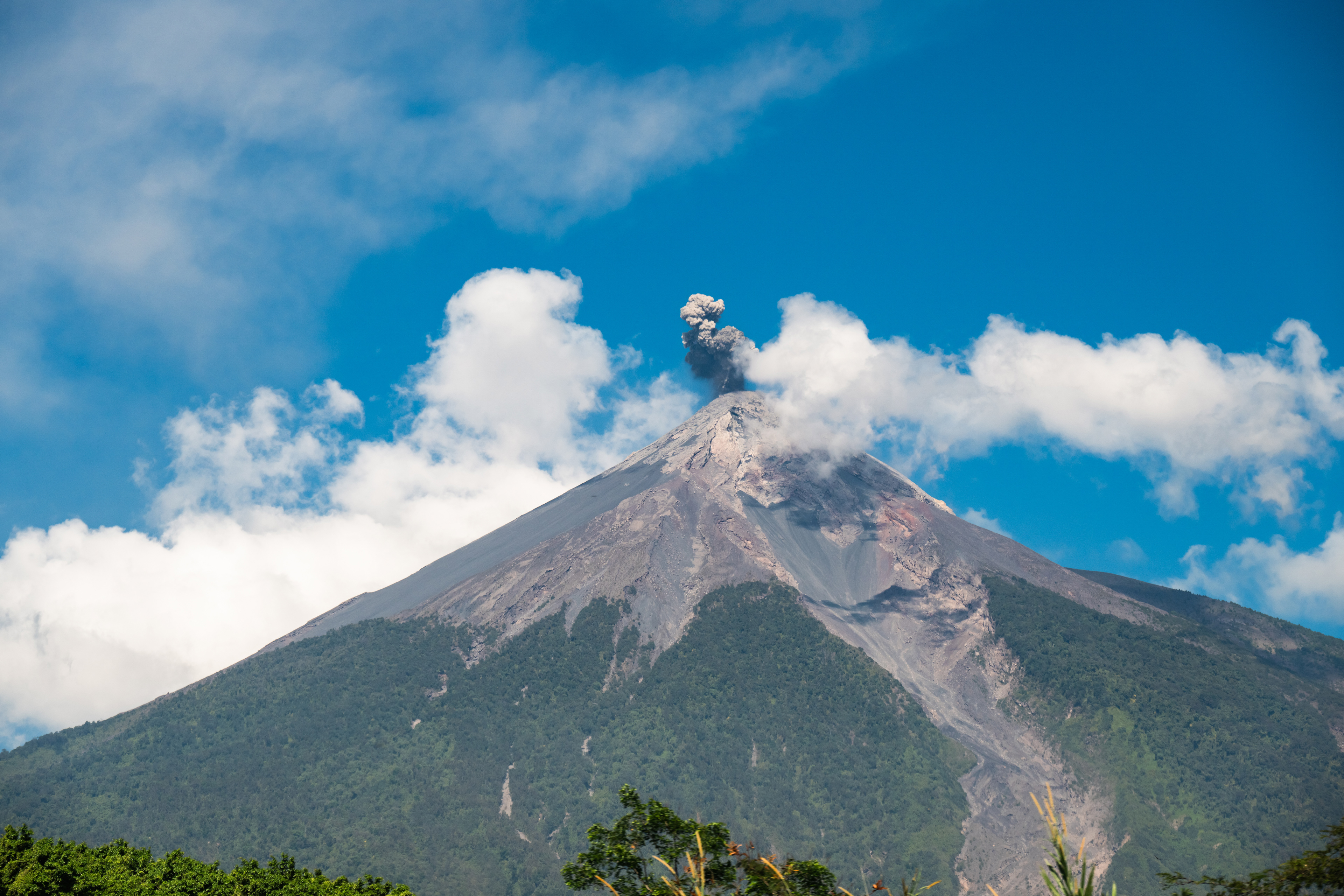
But before Antigua, the road itself demands attention. Guatemala sits on the Pacific Ring of Fire, and the drive inland passes through the shadow of Volcán de Fuego — one of the most continuously active volcanoes in the Western Hemisphere. On the way up, someone on the coach spotted it first: a dark column of ash and smoke pushing up from the summit, followed moments later by a dull rumble that arrived late, the way thunder follows lightning. We watched from the windows. Then it happened again. Then again. Small eruptions, each one brief and matter-of-fact, the volcano going about its business with the indifference of something that has been doing this for millennia and has no particular interest in our schedule.
It is one thing to know intellectually that Guatemala has active volcanoes. It is another to be sitting on a tour bus eating snacks while one erupts at eye level out the window, repeatedly, in the middle of an otherwise ordinary Tuesday morning. The guides barely looked up.
The Spanish, when they built Antigua in this valley surrounded by three volcanoes — Fuego, Acatenango, and Agua — were either astonishingly optimistic or simply accepted that living next to geological chaos was the cost of the most fertile land in Central America. The 1773 Santa Marta earthquake that finally ended Antigua's reign as the colonial capital probably settled the debate, but by then the city had stood for over two hundred years. You could argue it got its money's worth.
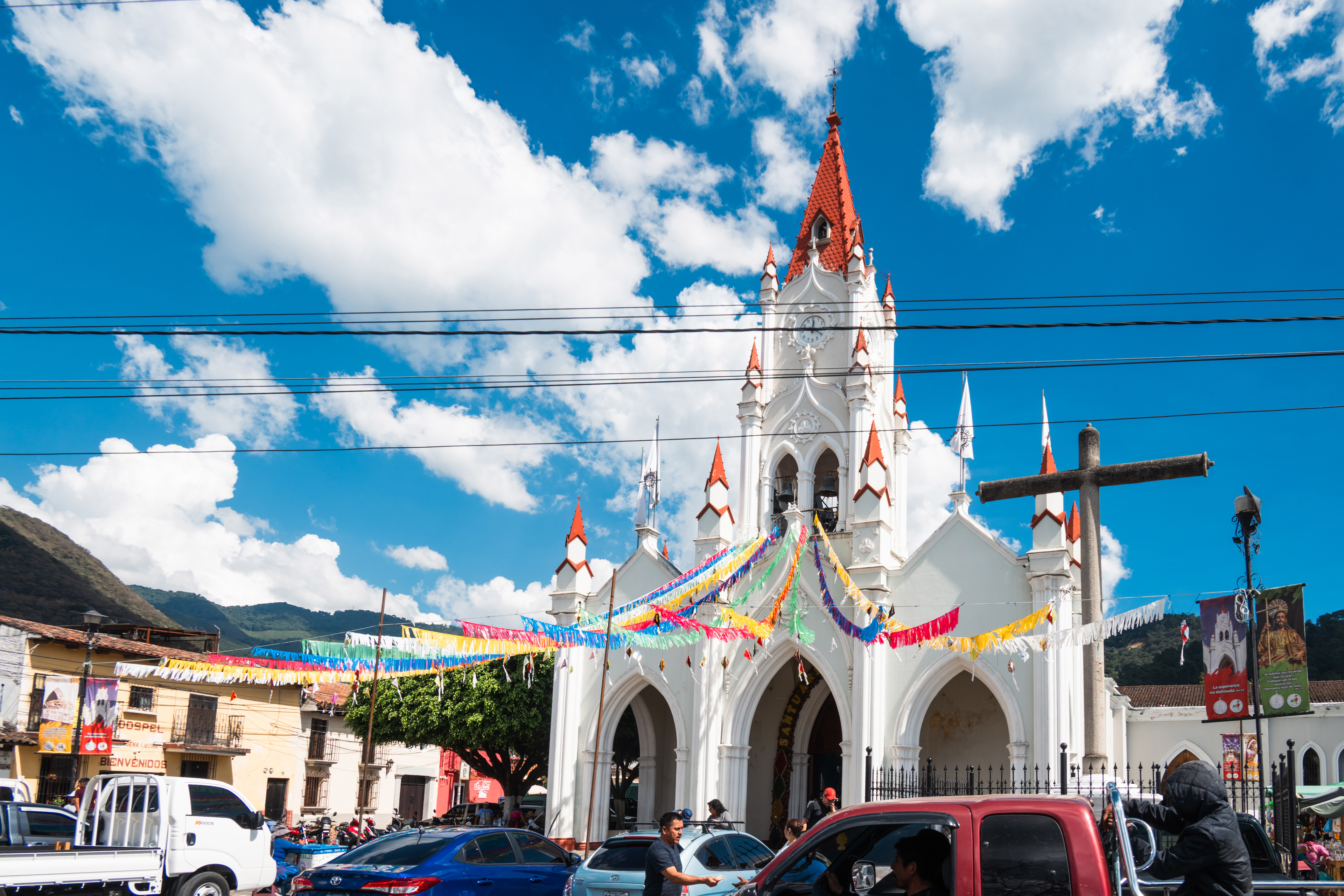
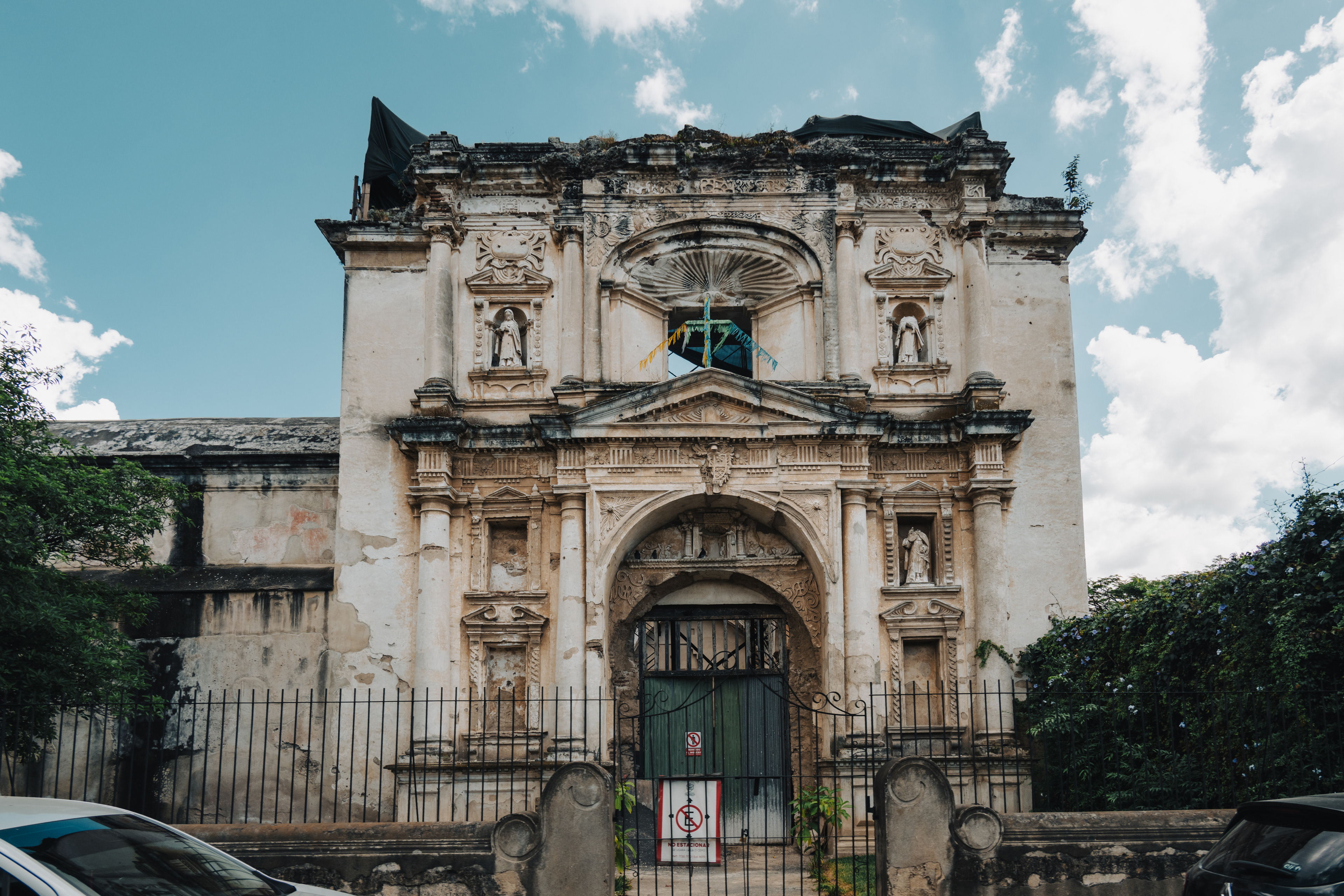
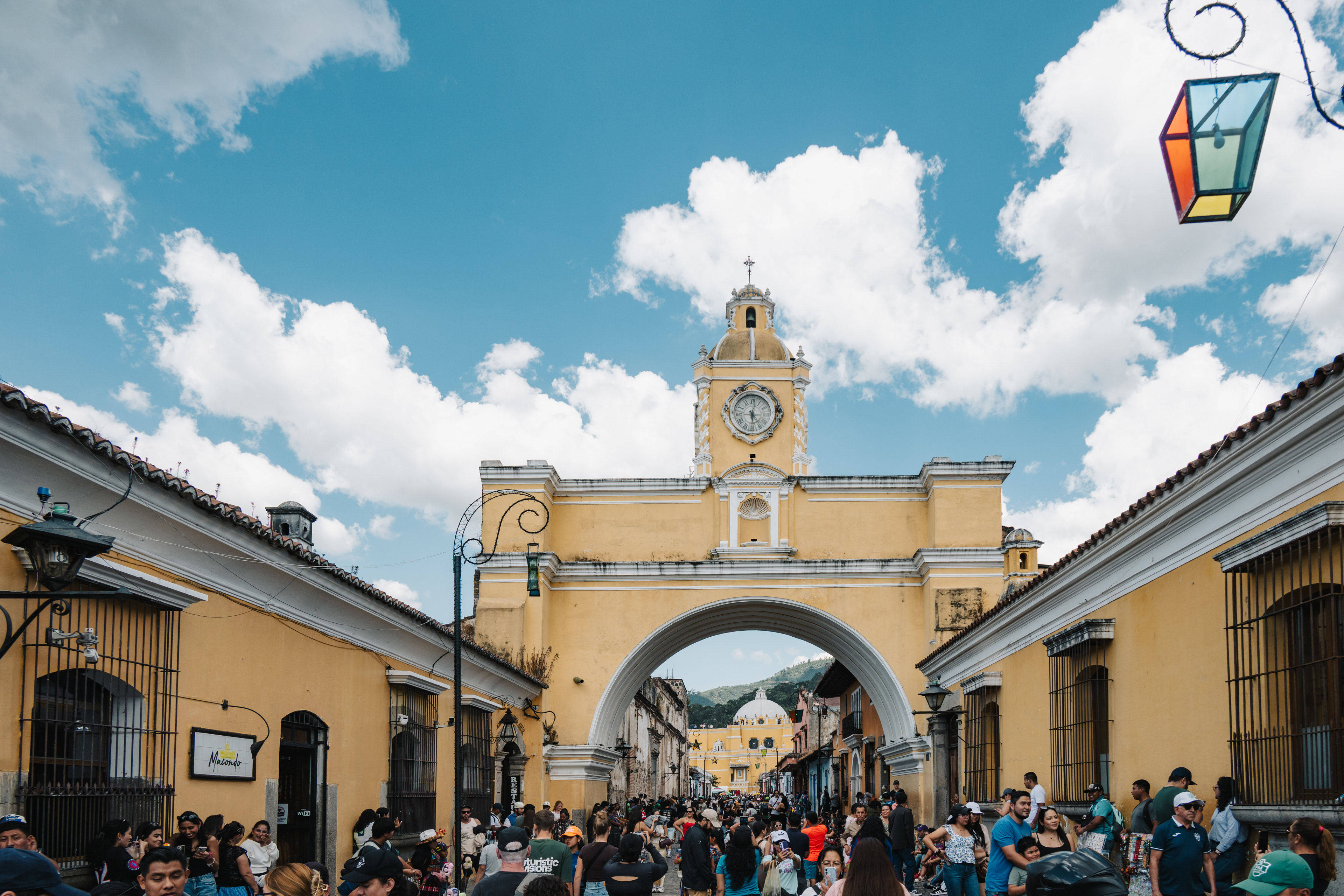
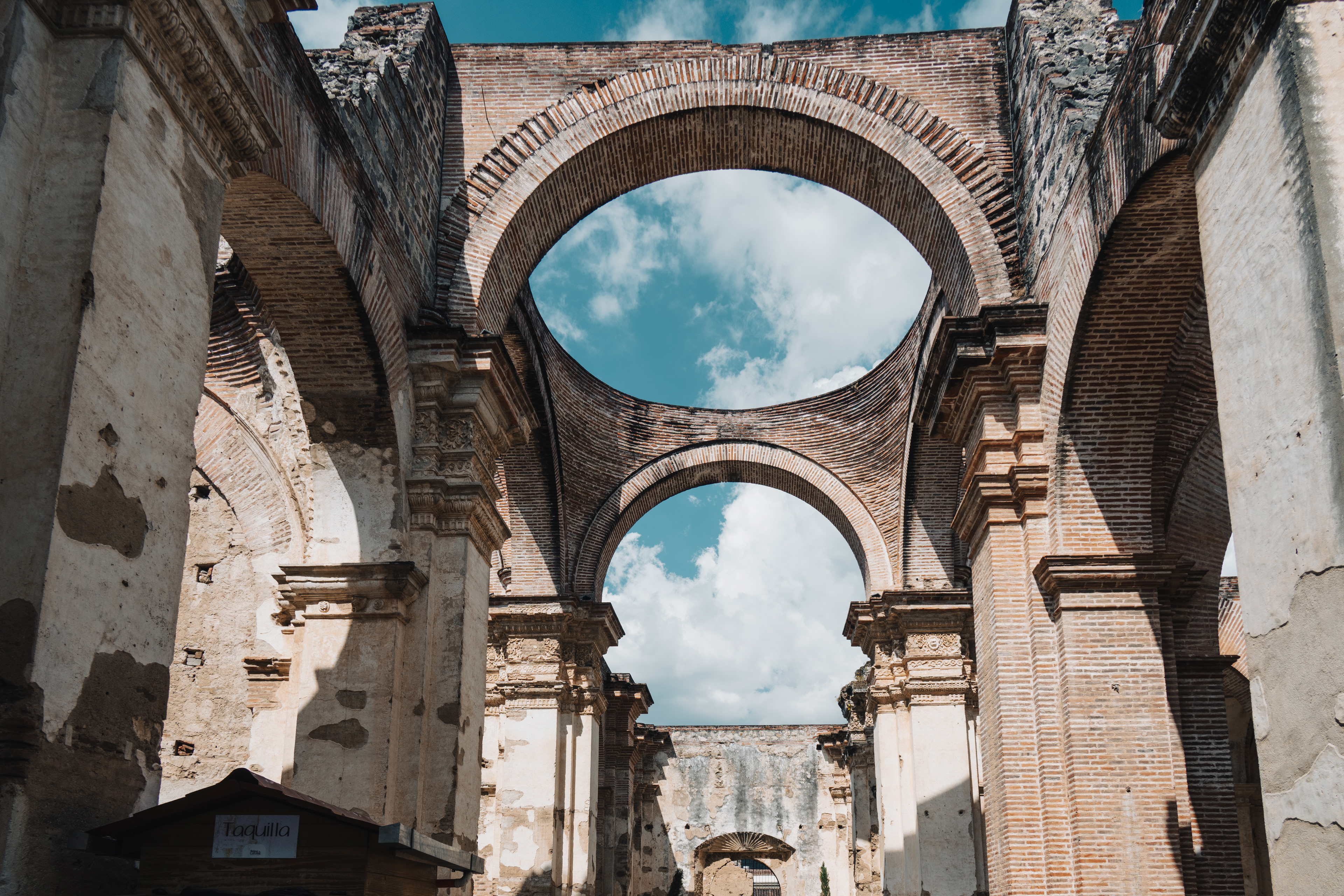
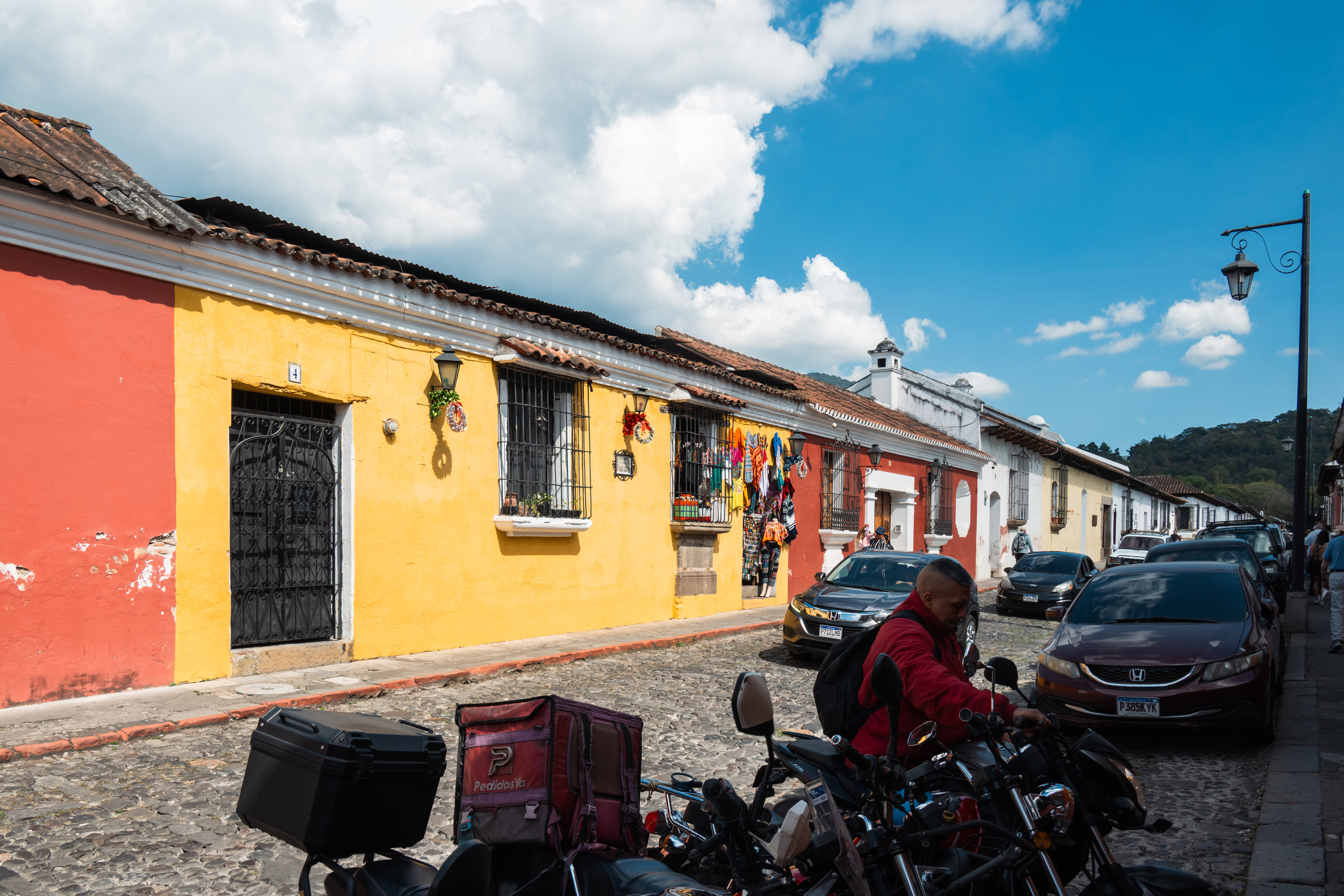
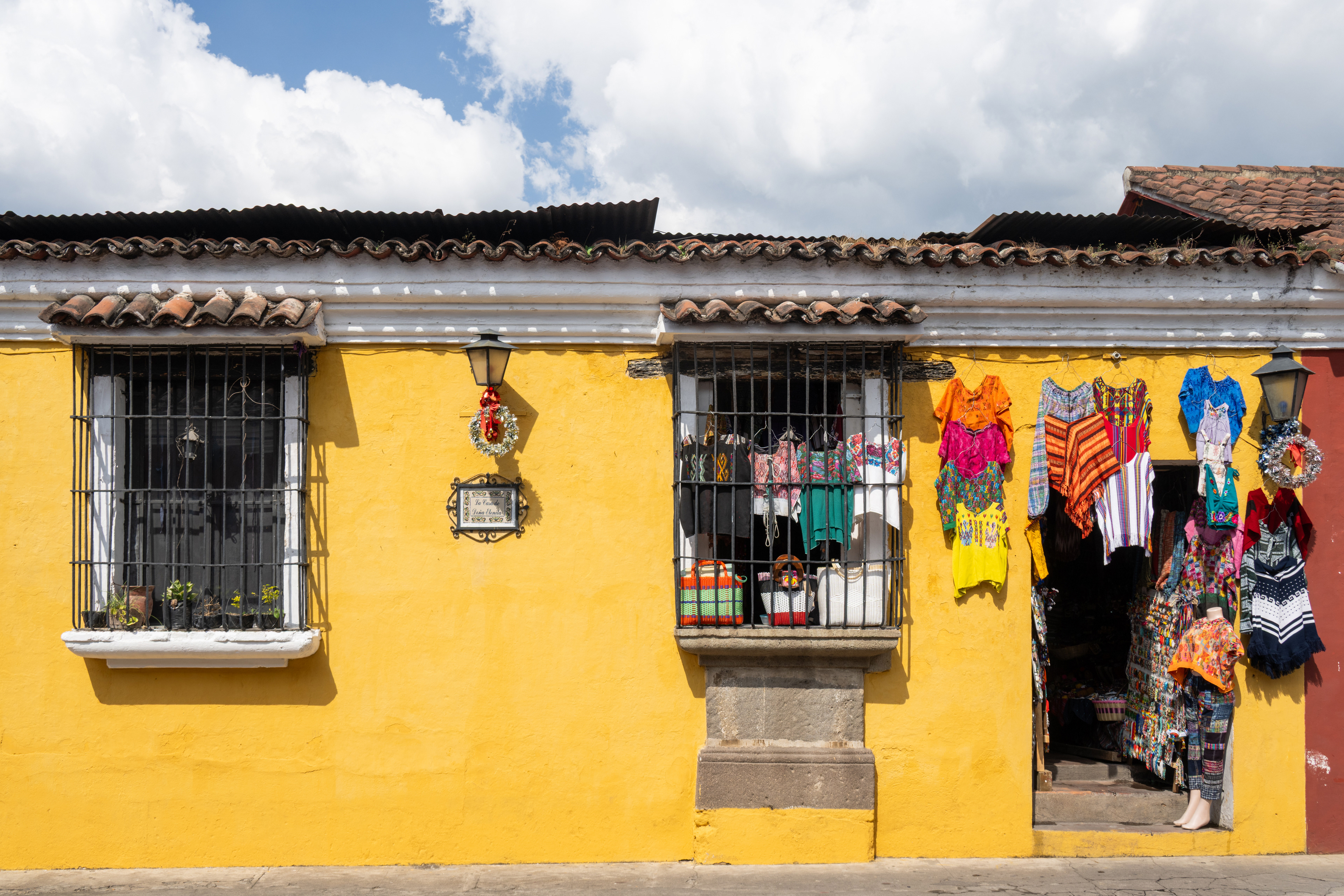
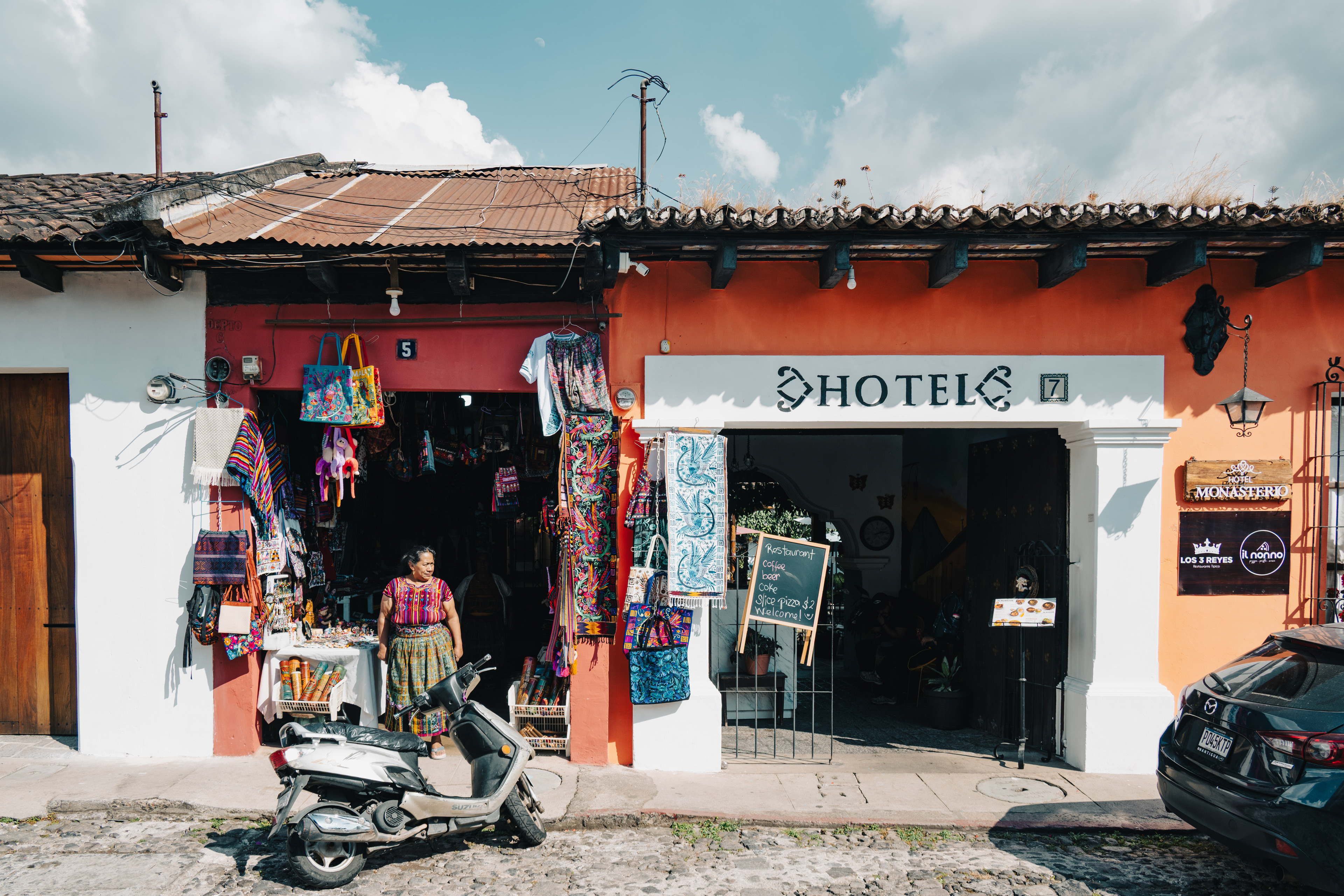
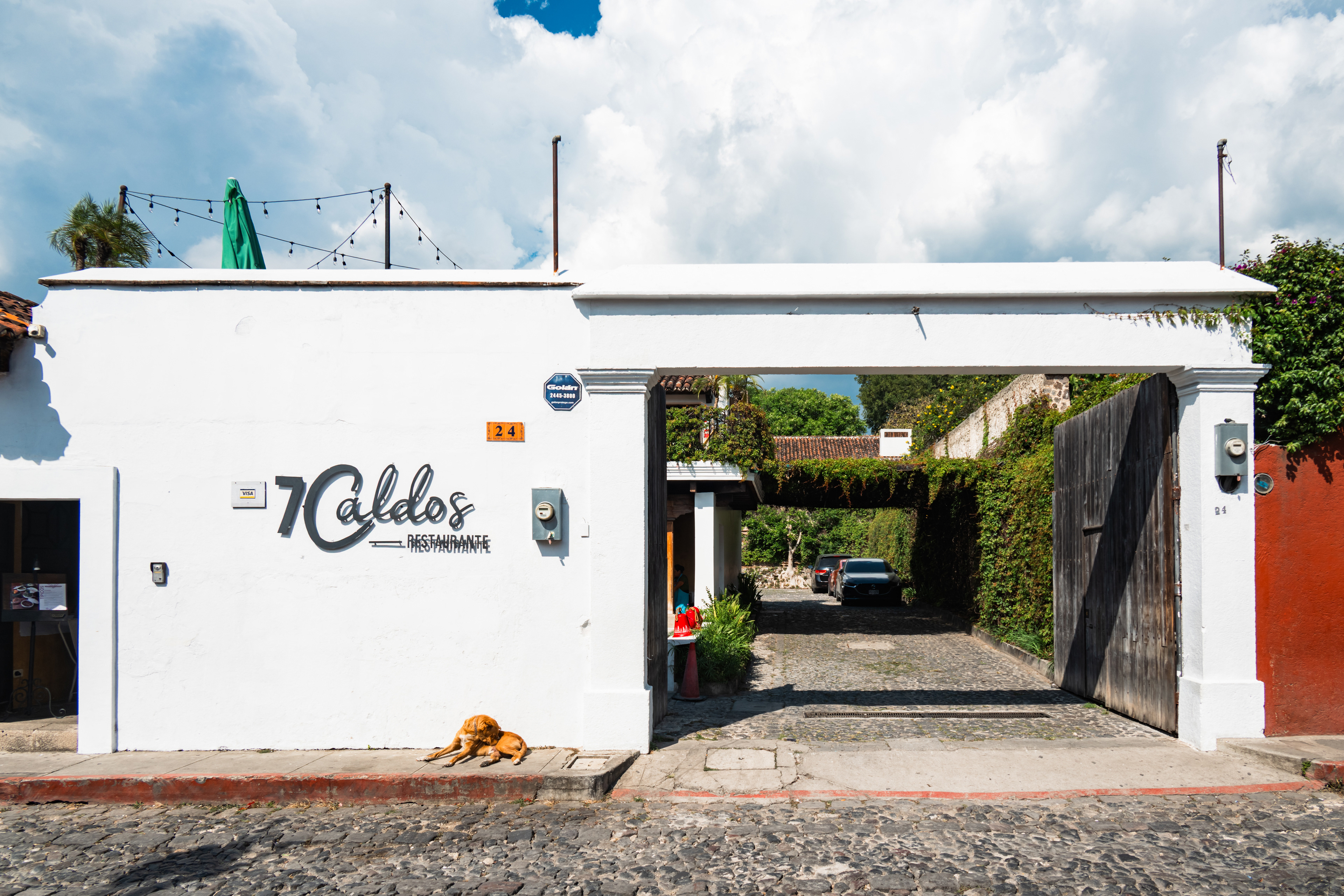
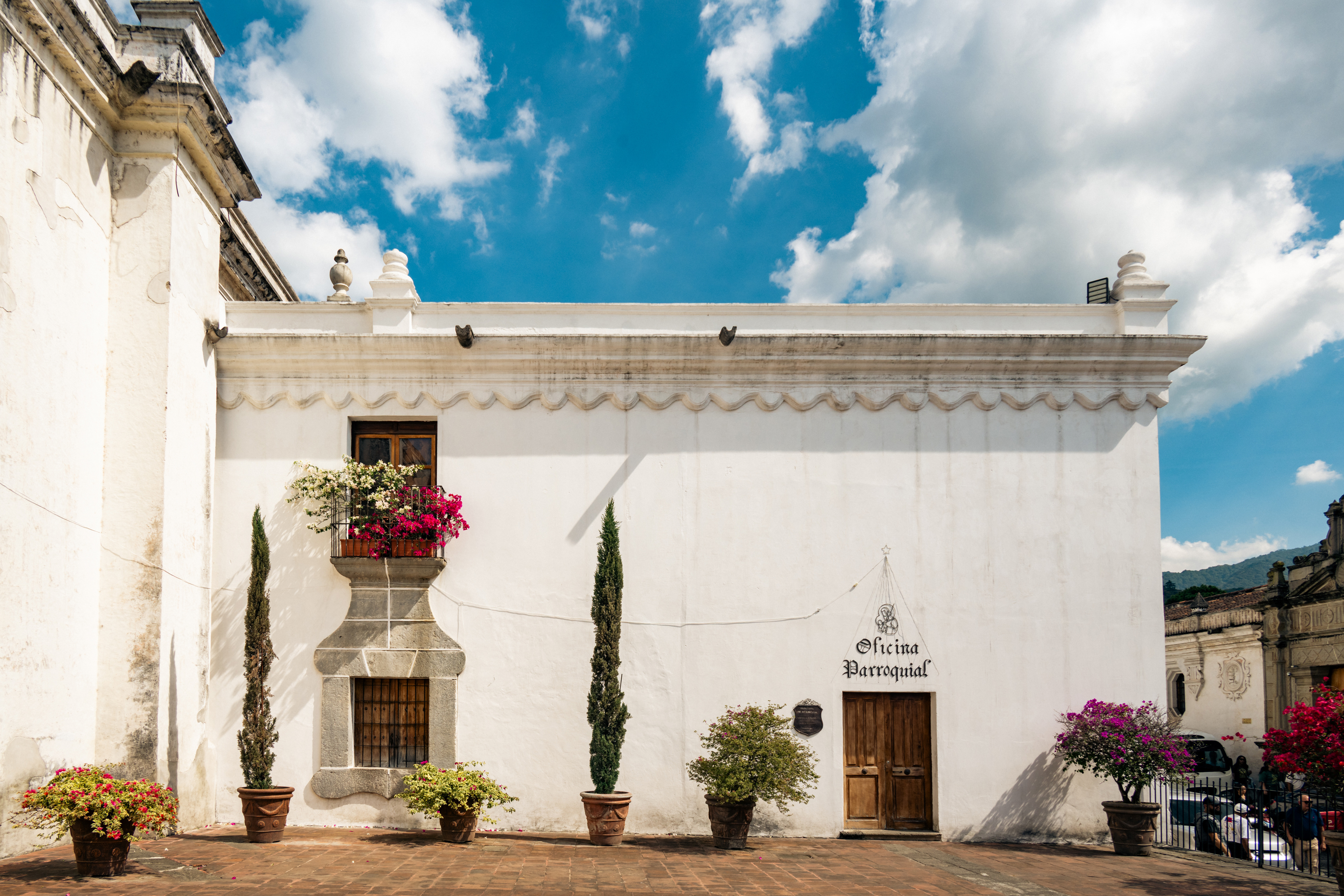
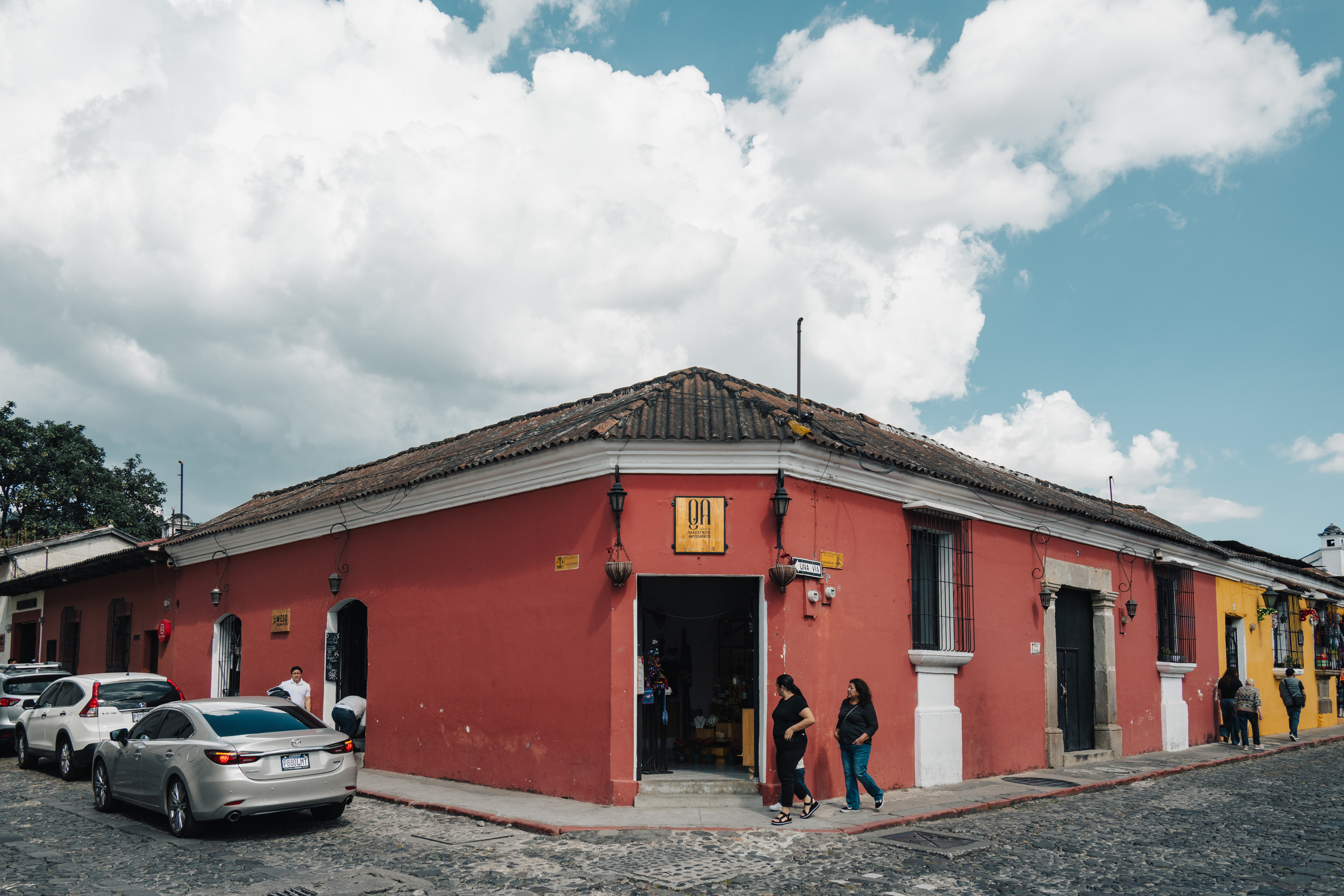
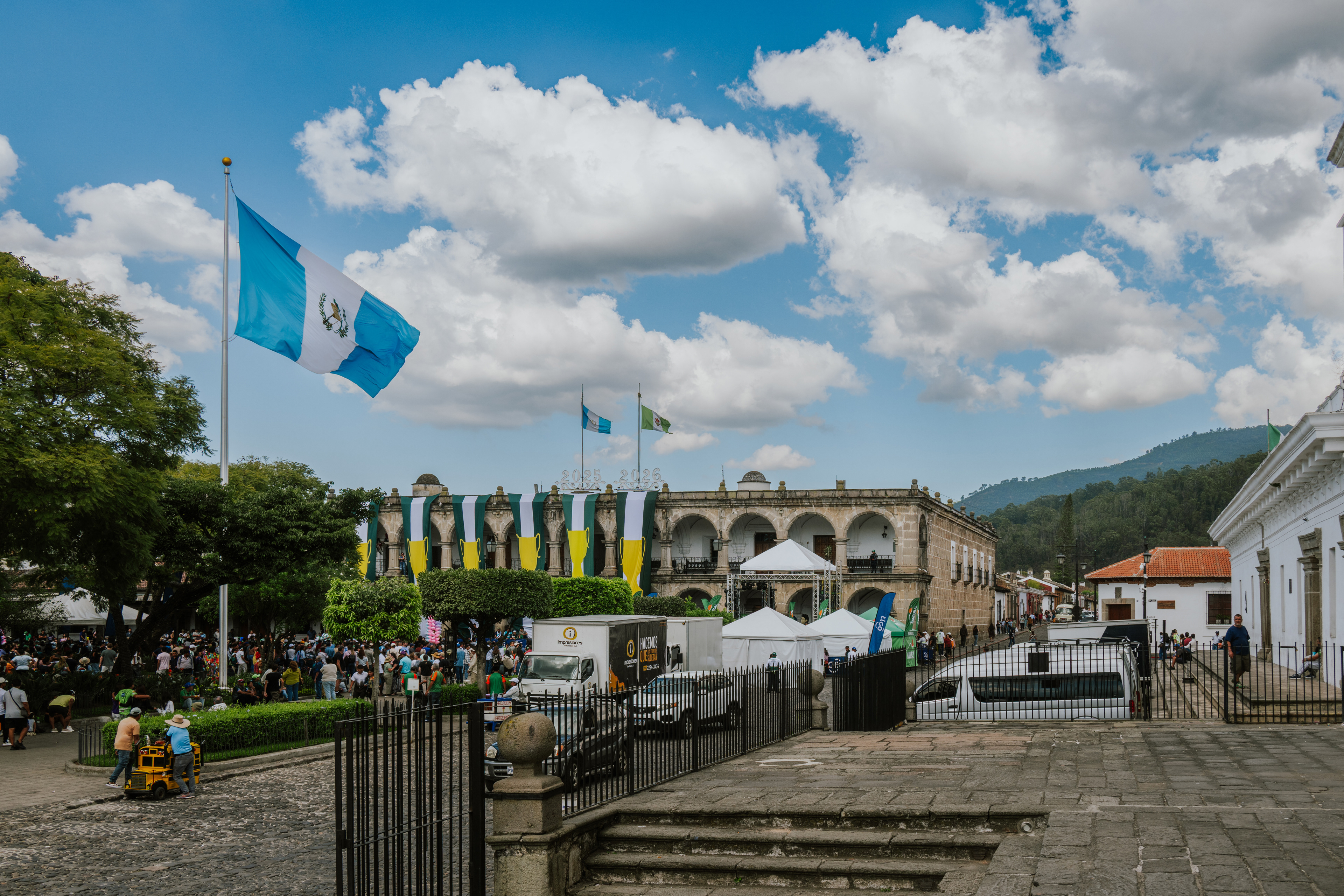
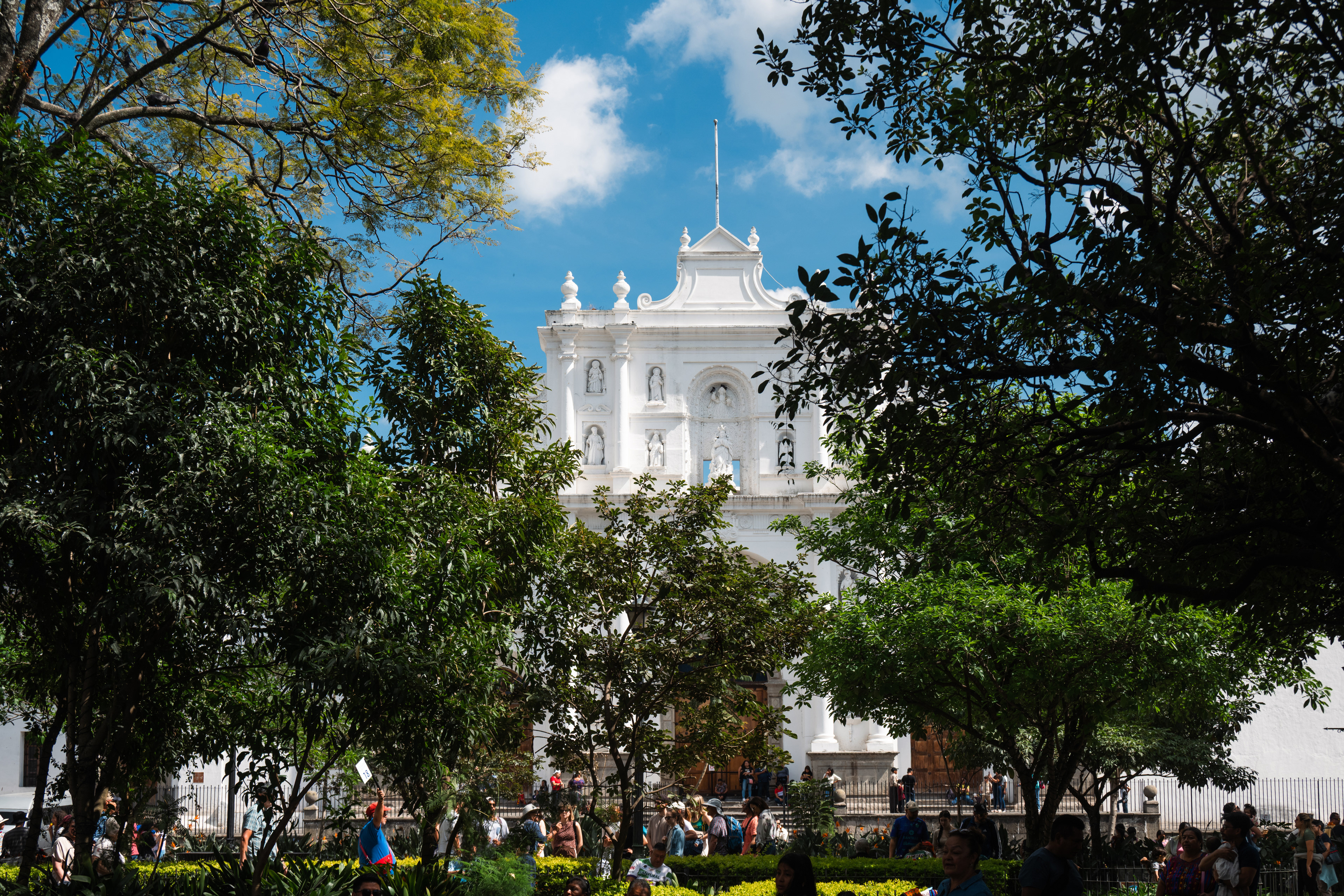
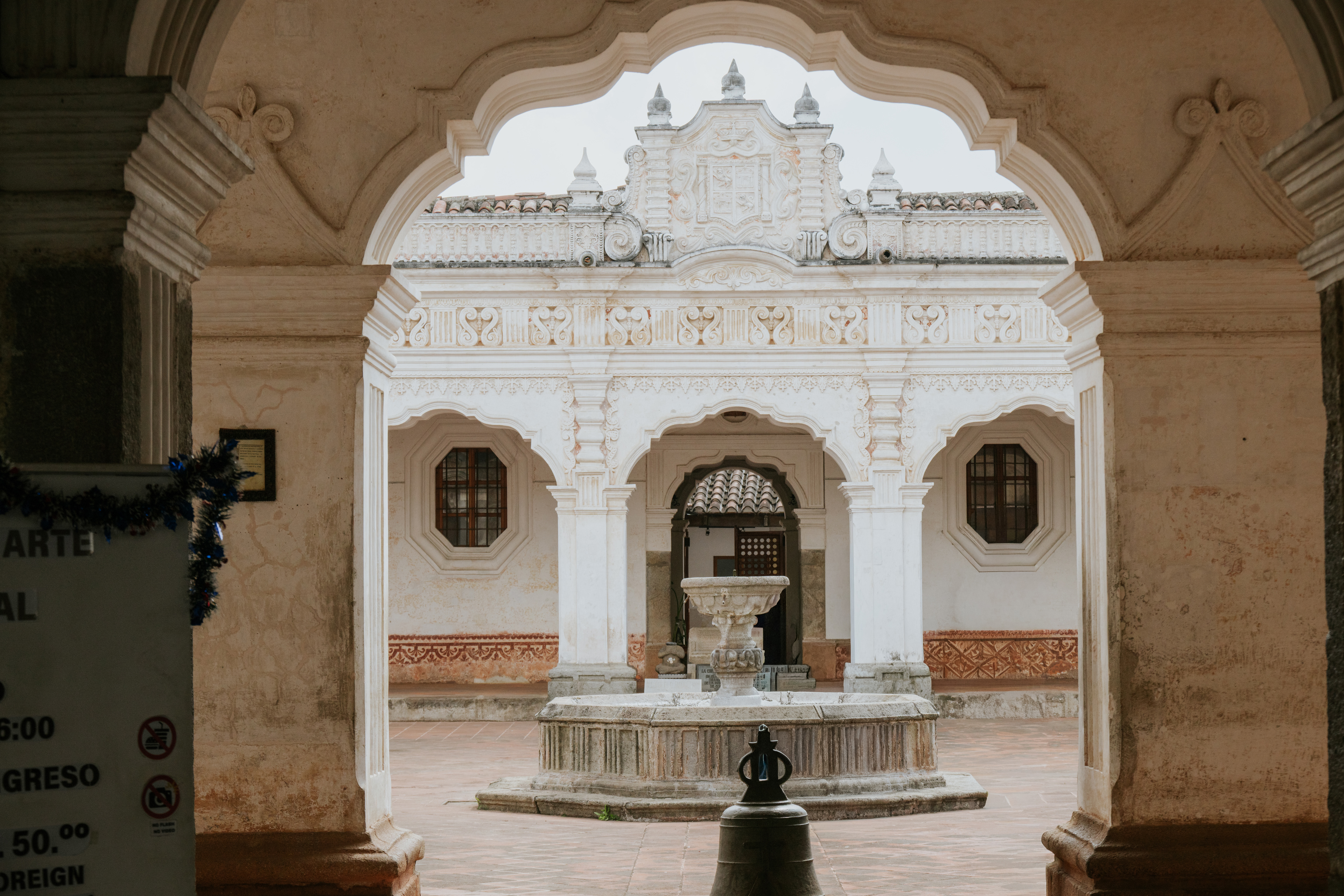
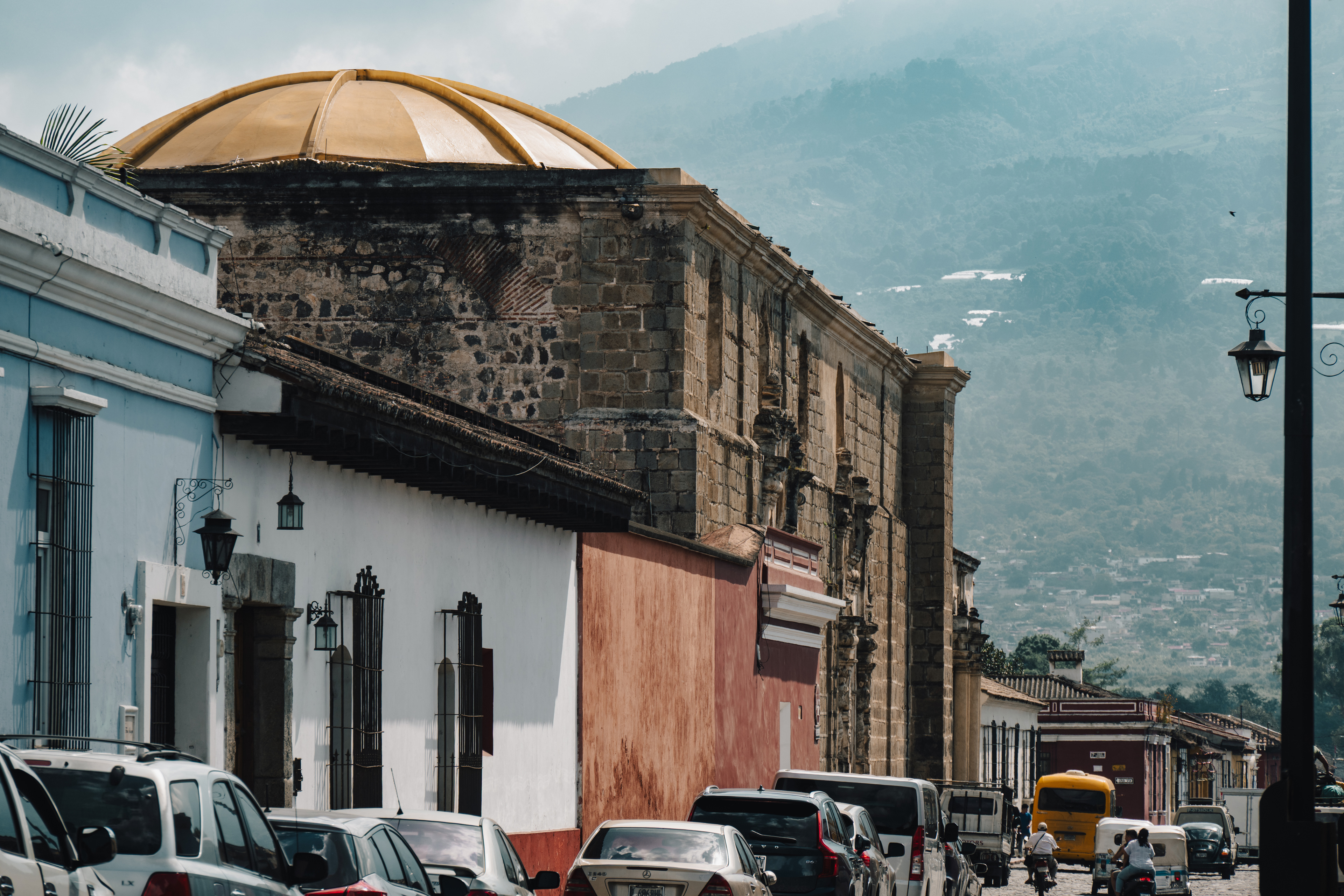
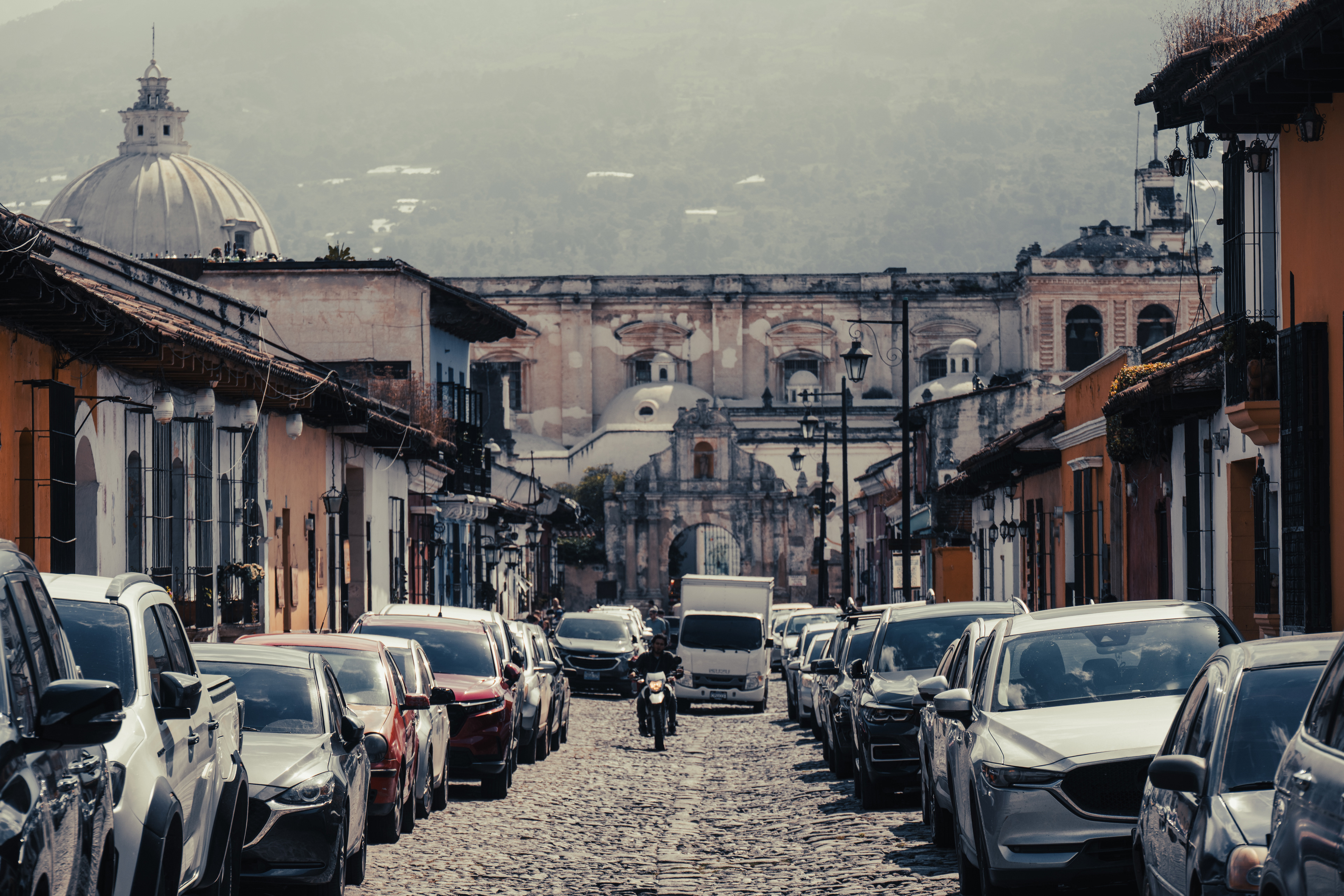
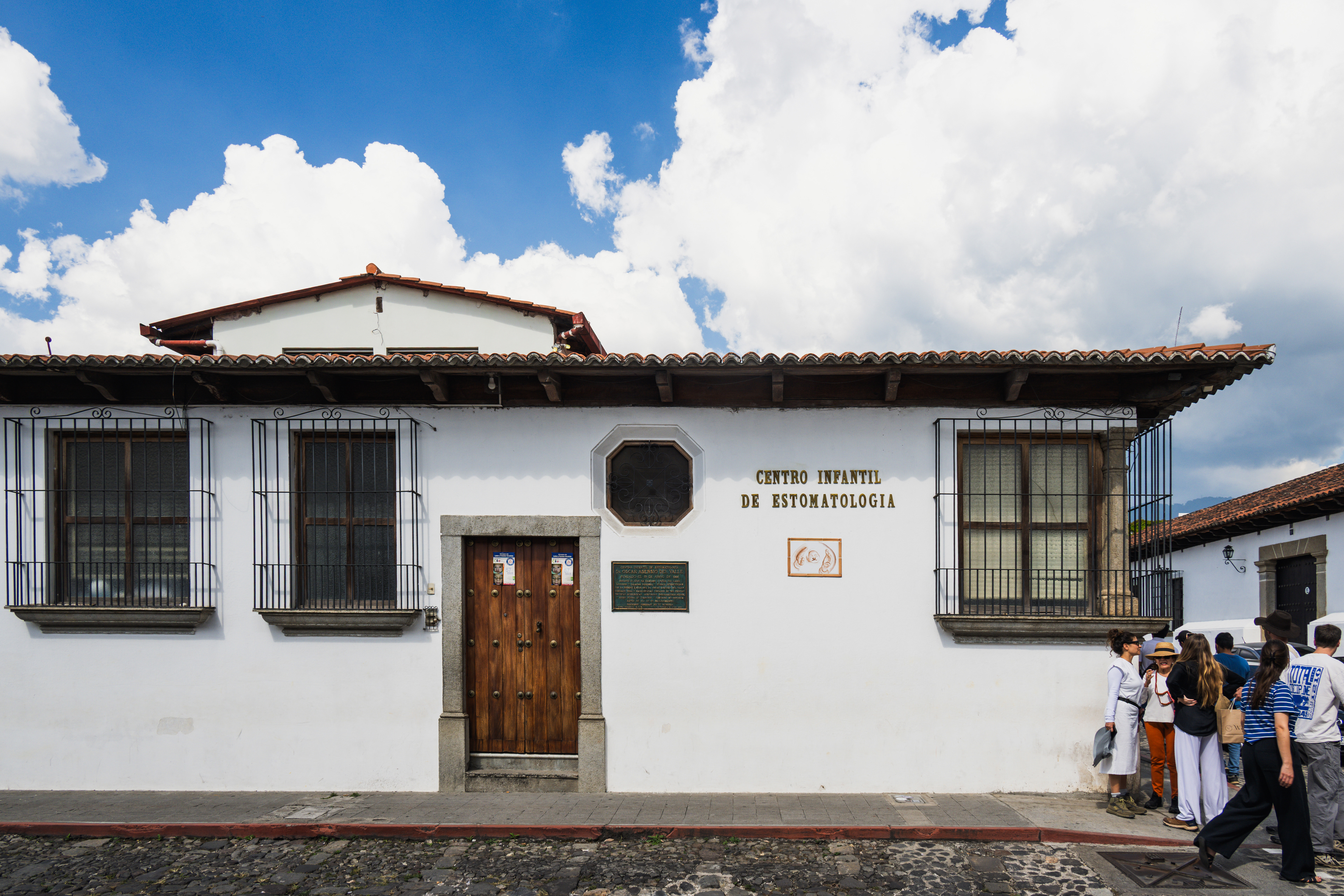
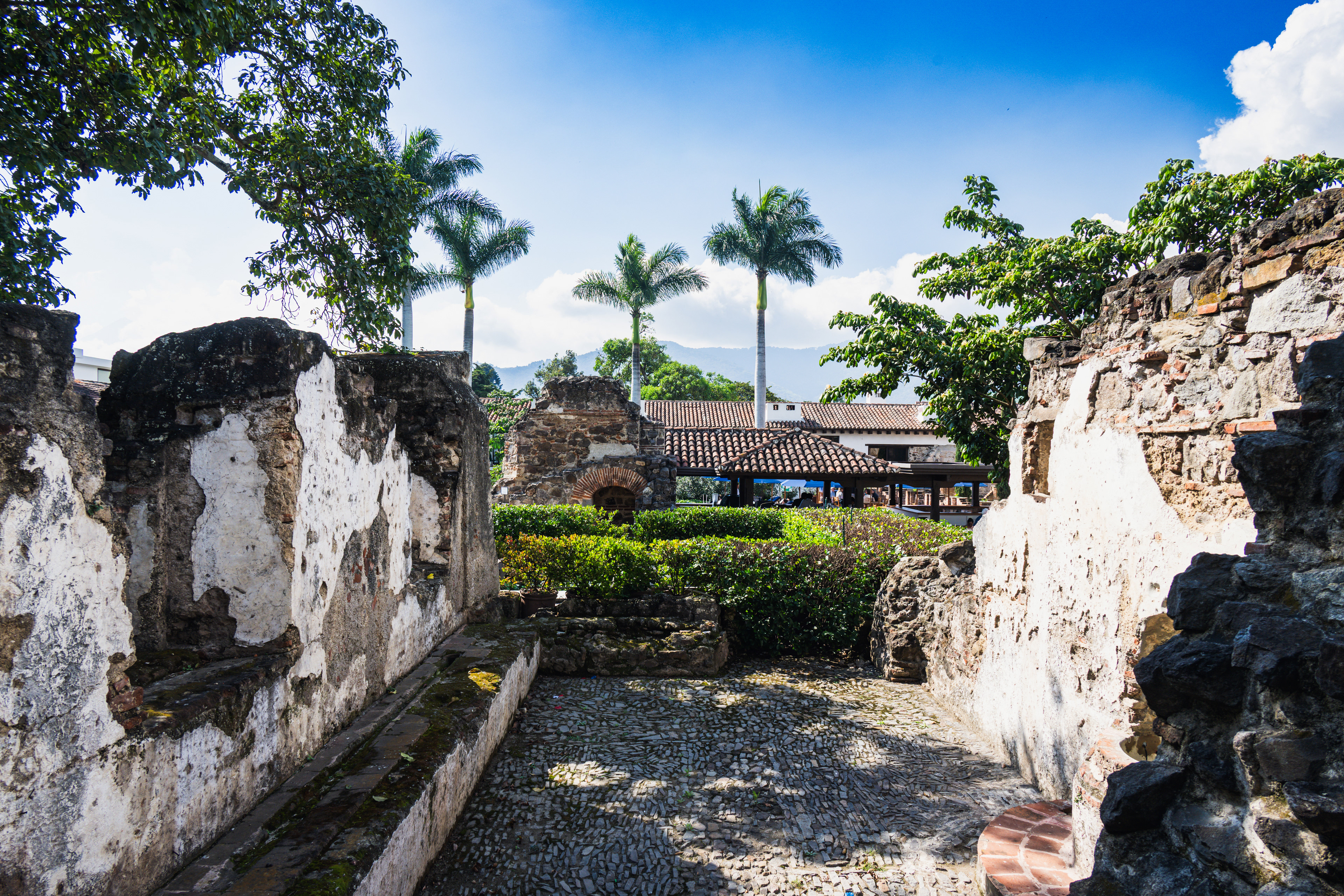
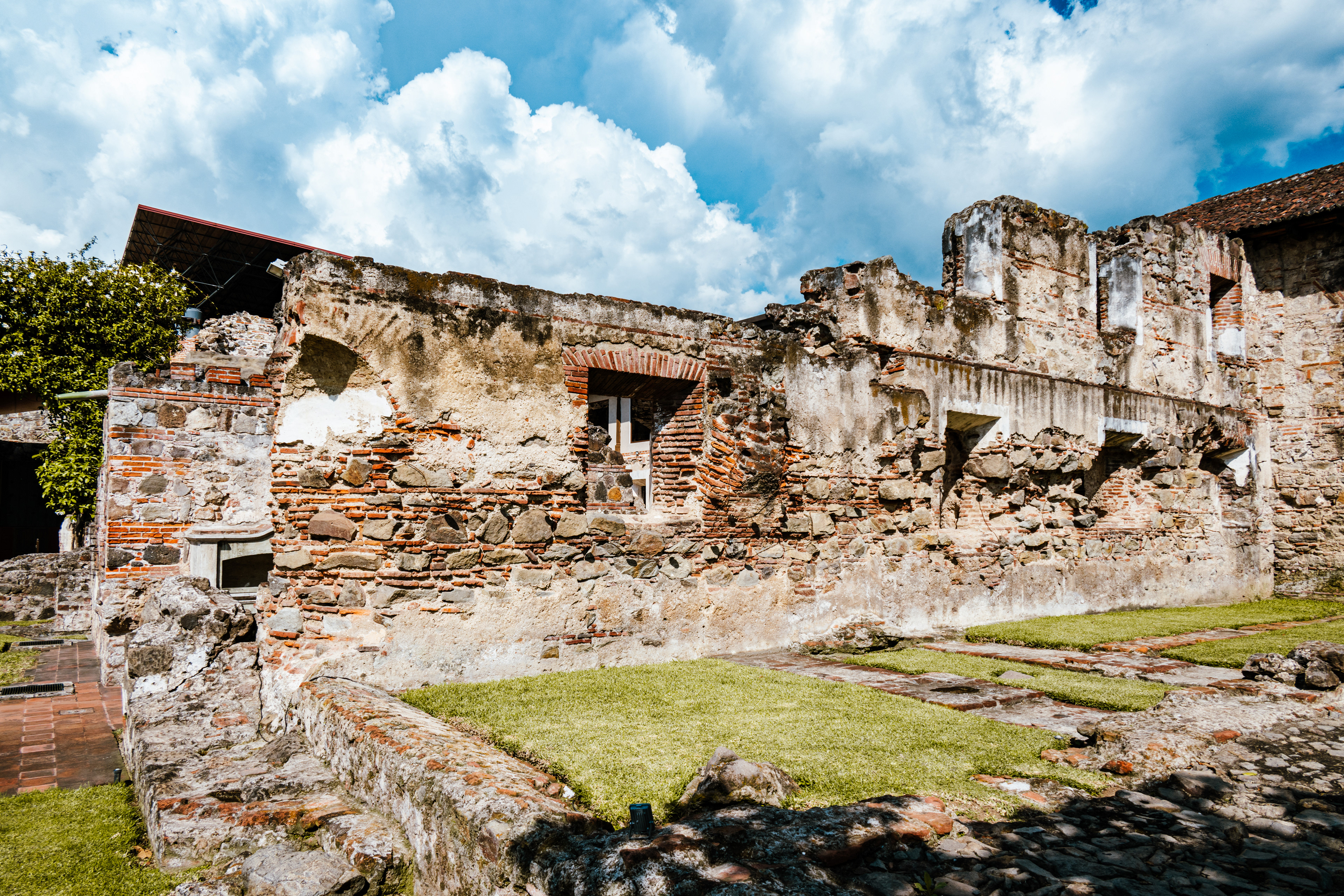
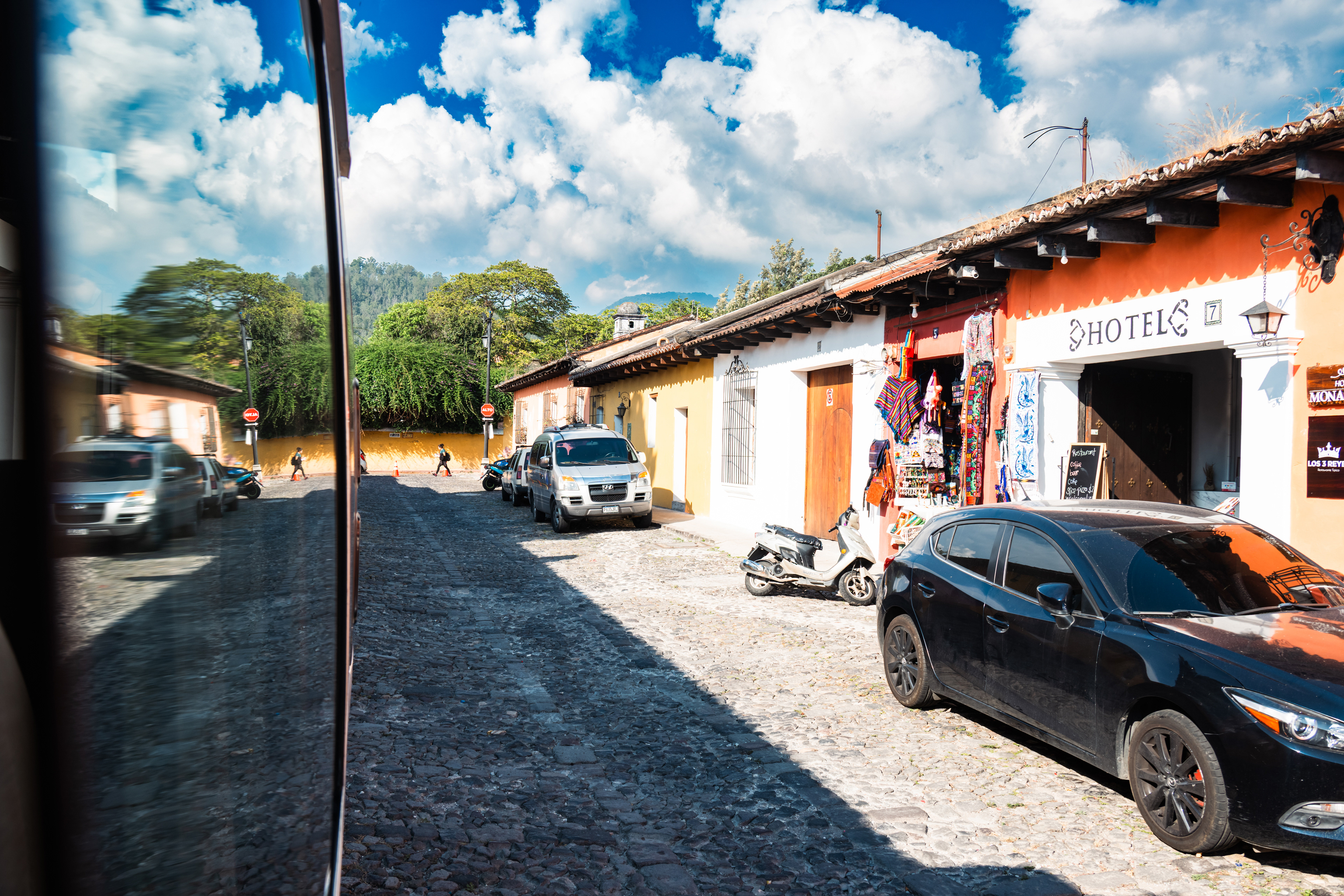
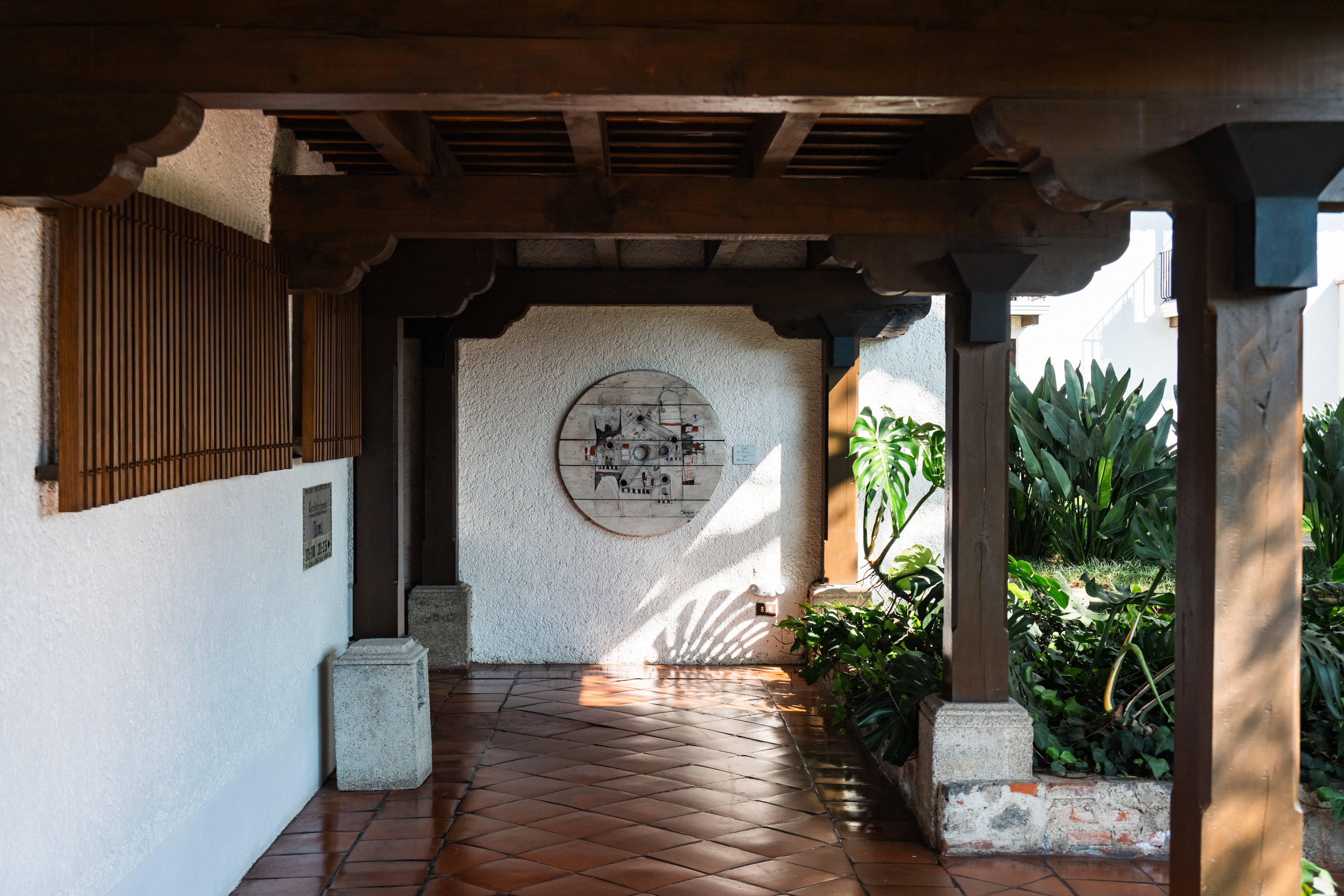
Antigua was the capital of colonial Central America until that earthquake convinced the Spanish crown to relocate the capital to what is now Guatemala City. Rather than rebuild, significant portions of Antigua were simply left: churches with open rooflines, convents in arrested decay, colonial facades on buildings that function as restaurants and galleries but haven't changed structurally in 250 years. The result is a city that feels genuinely, not artificially, old.
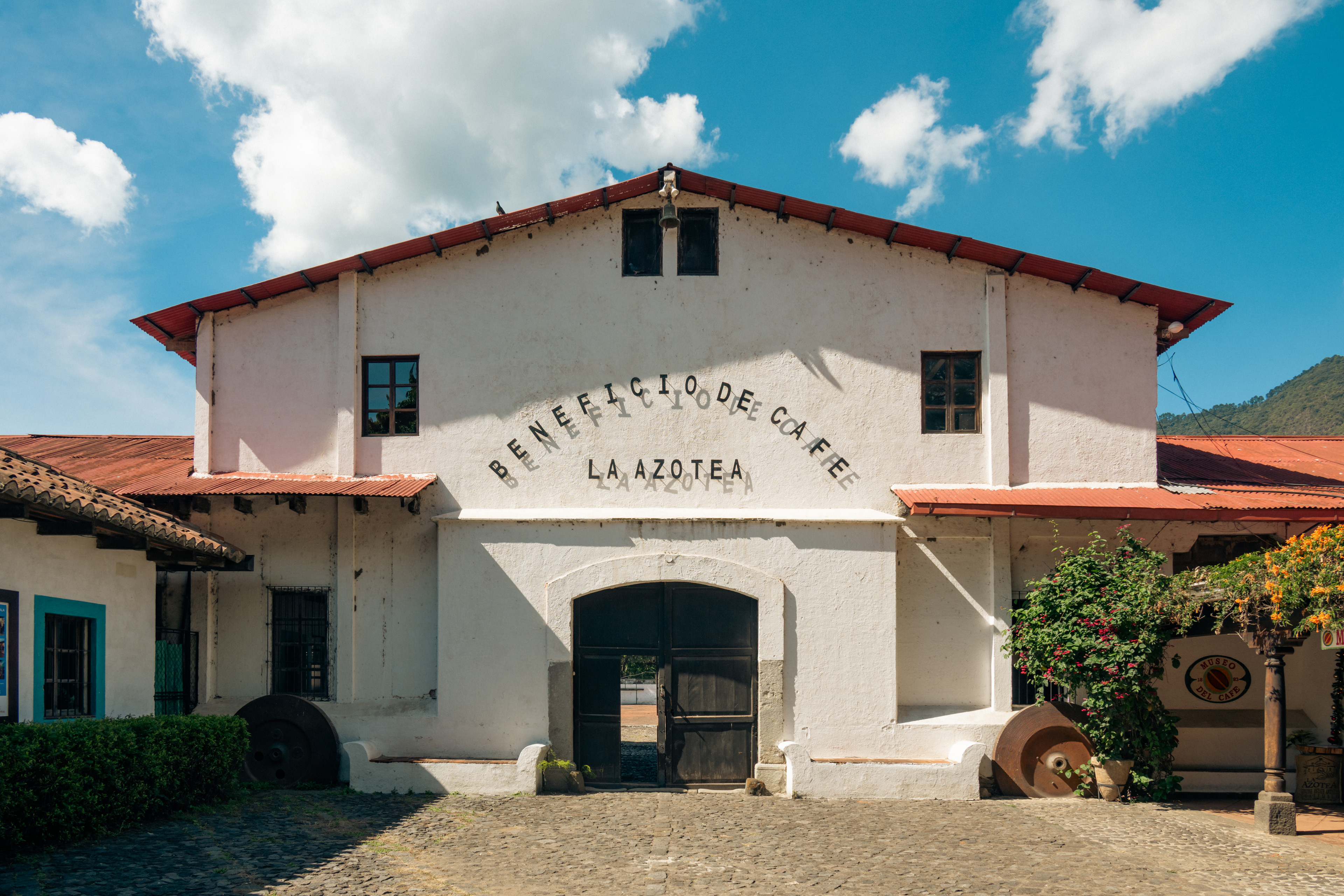
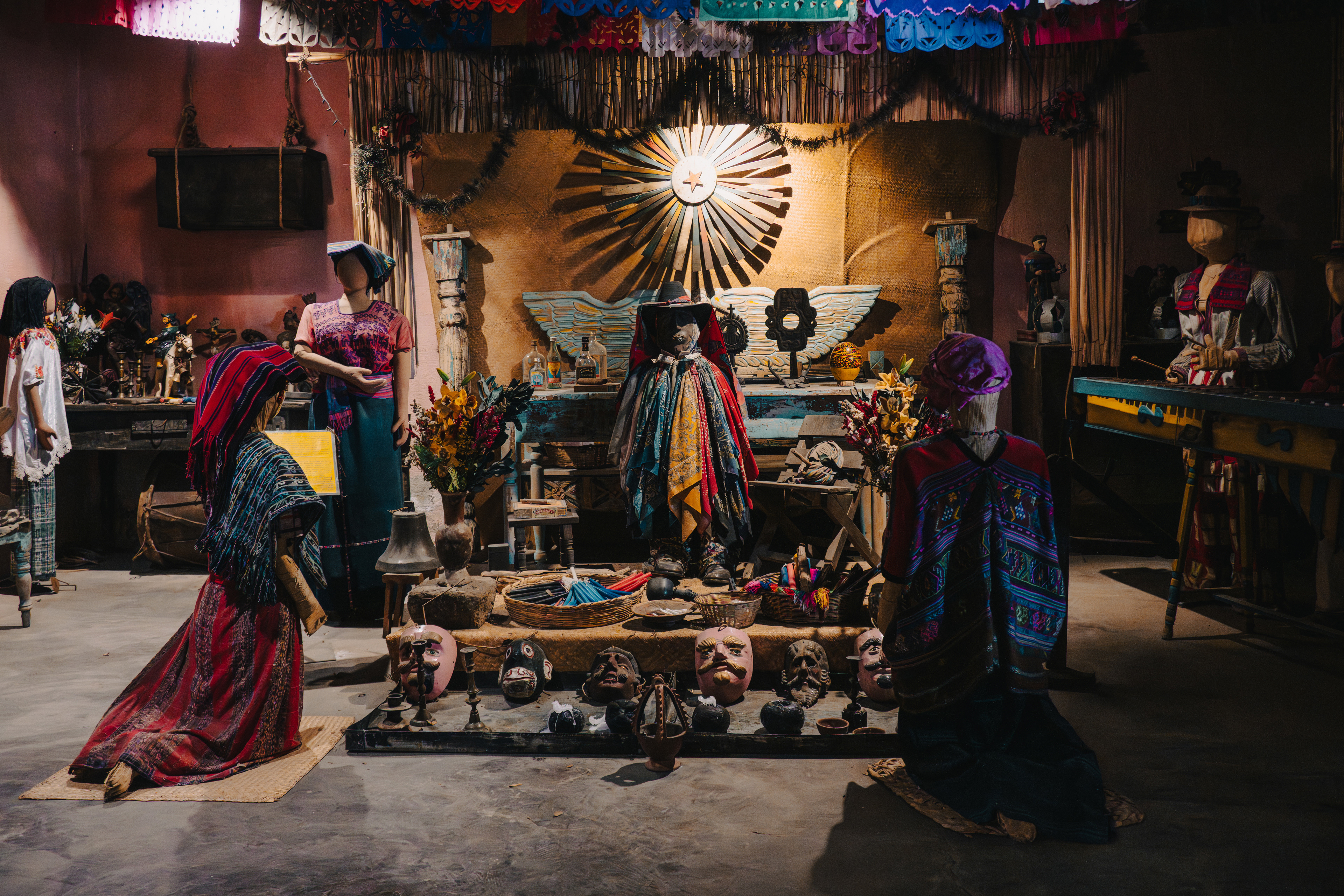
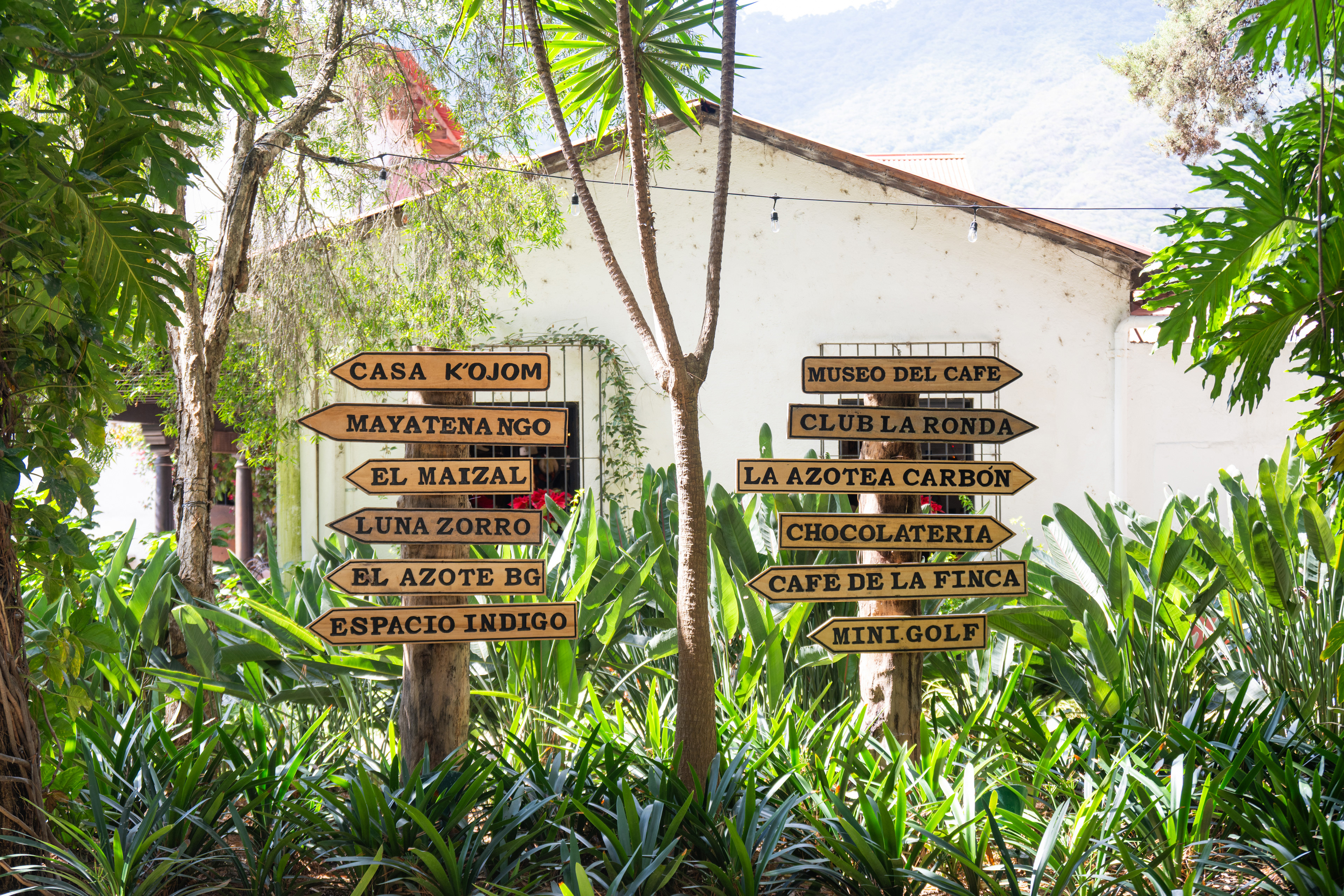
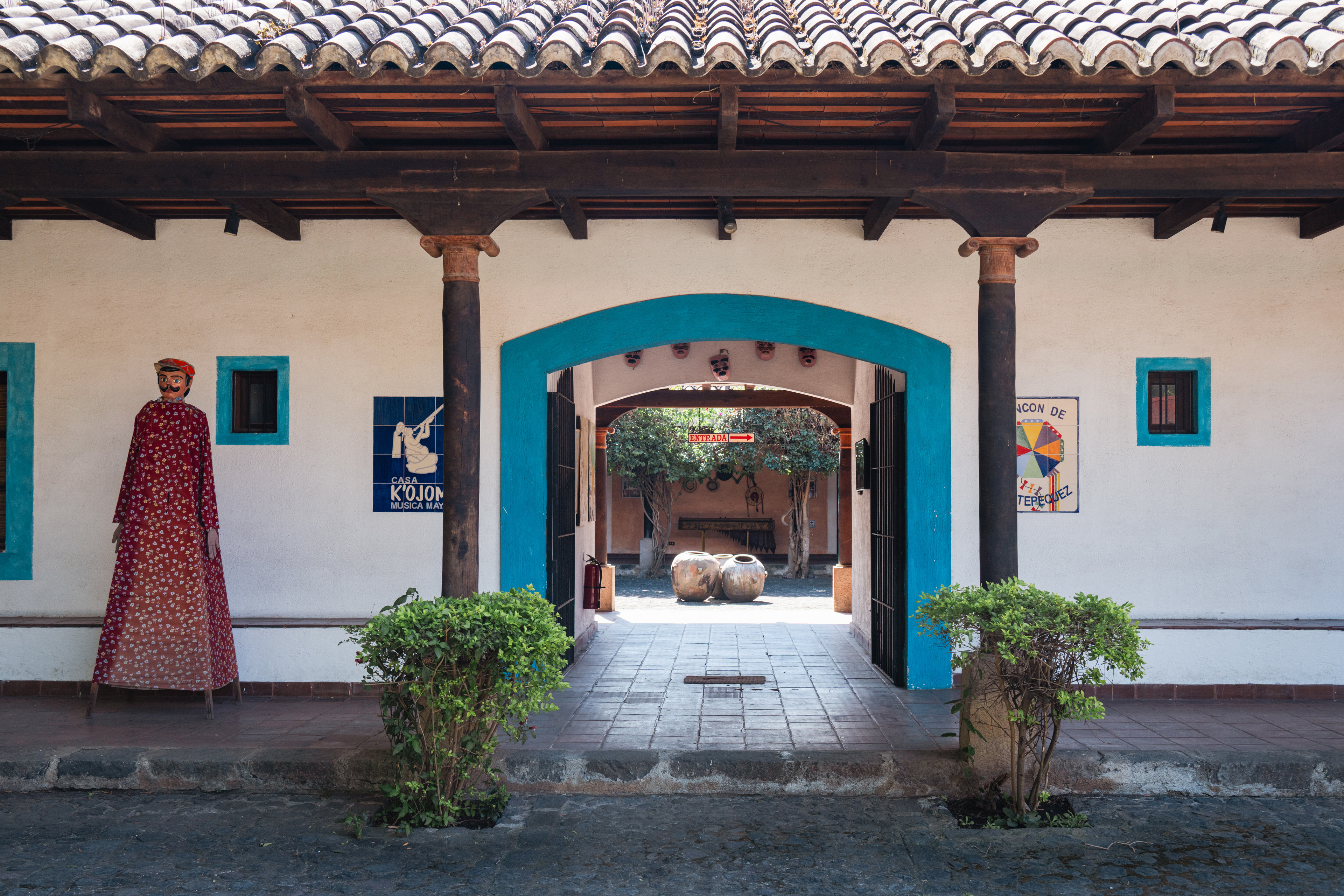
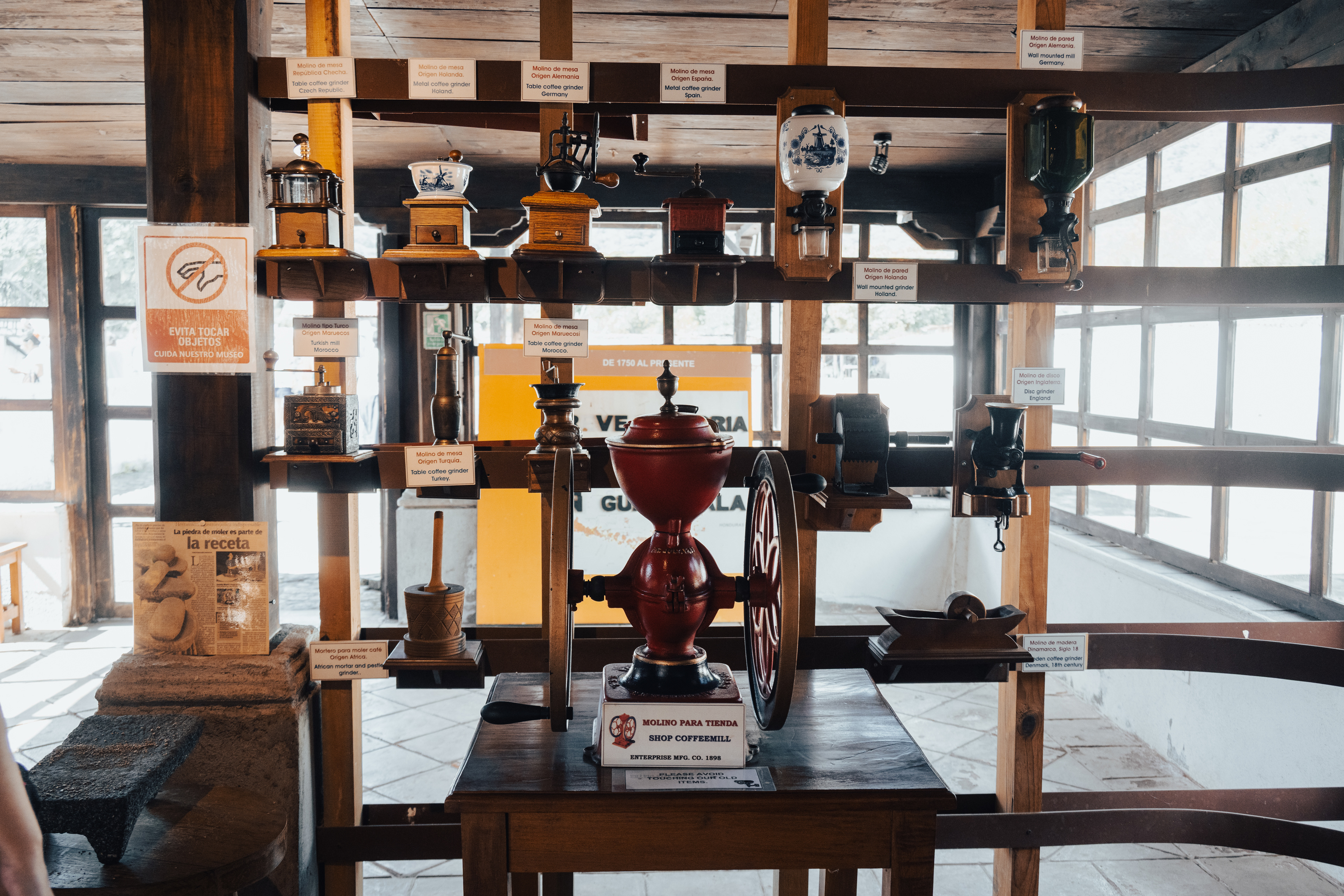
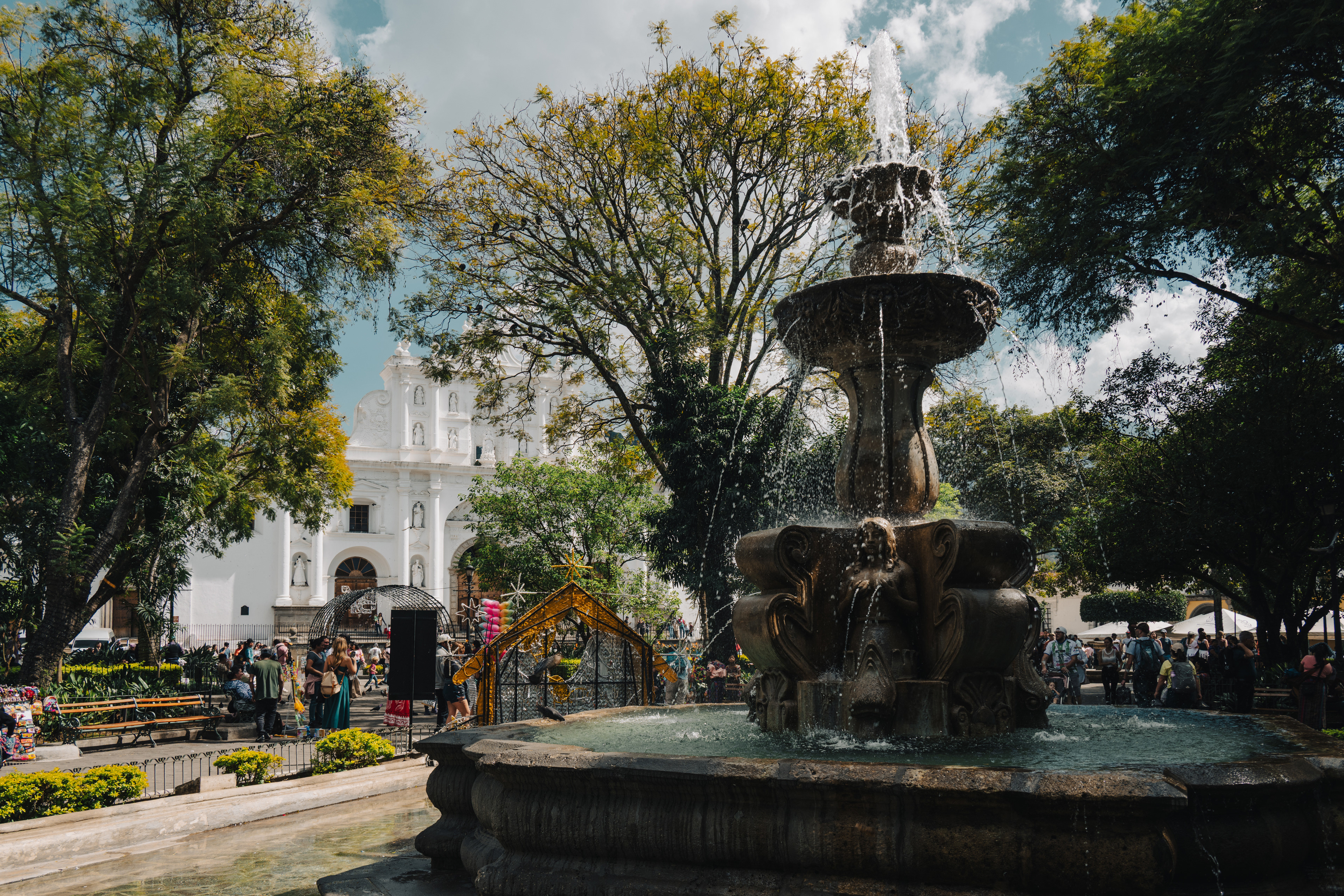
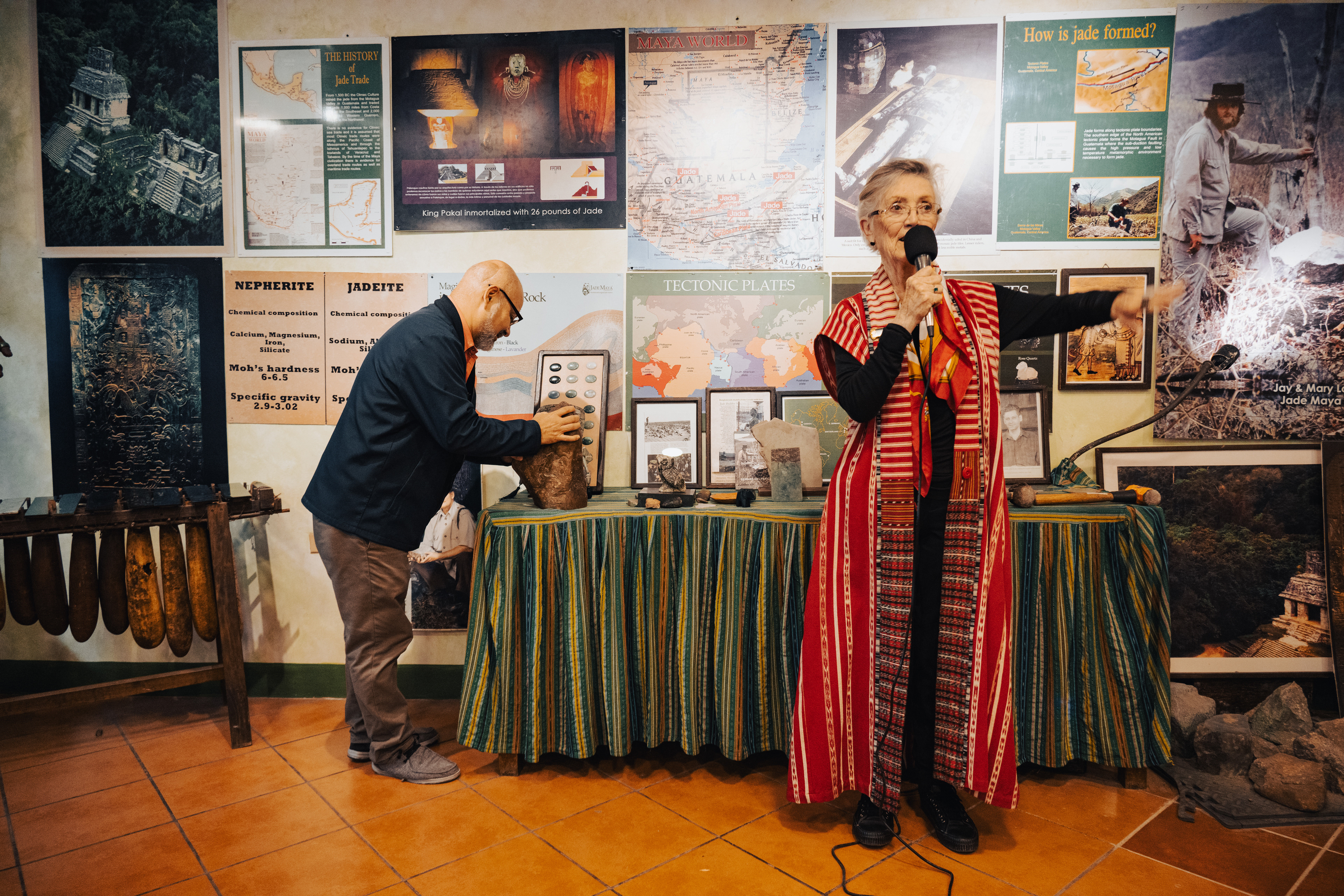
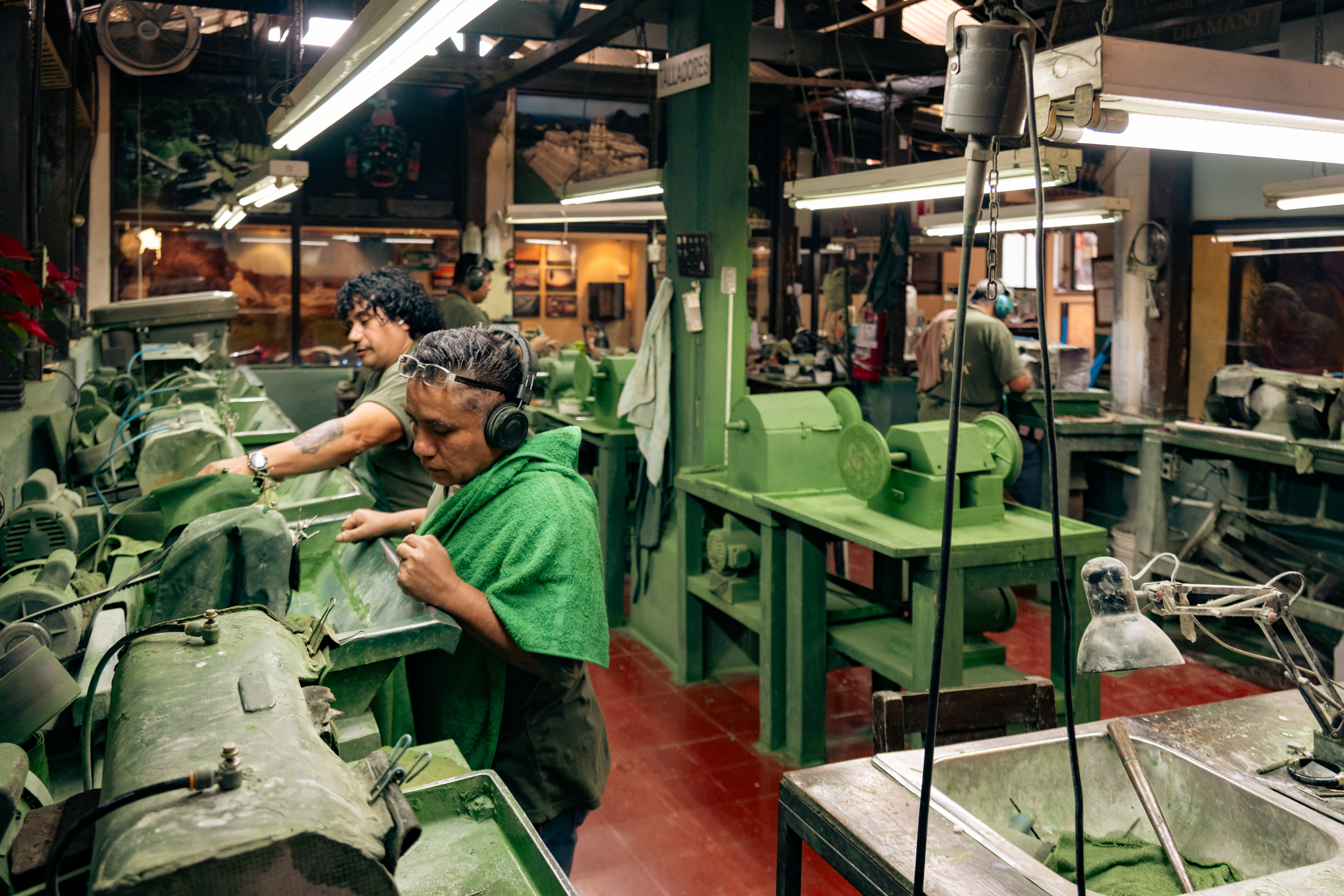
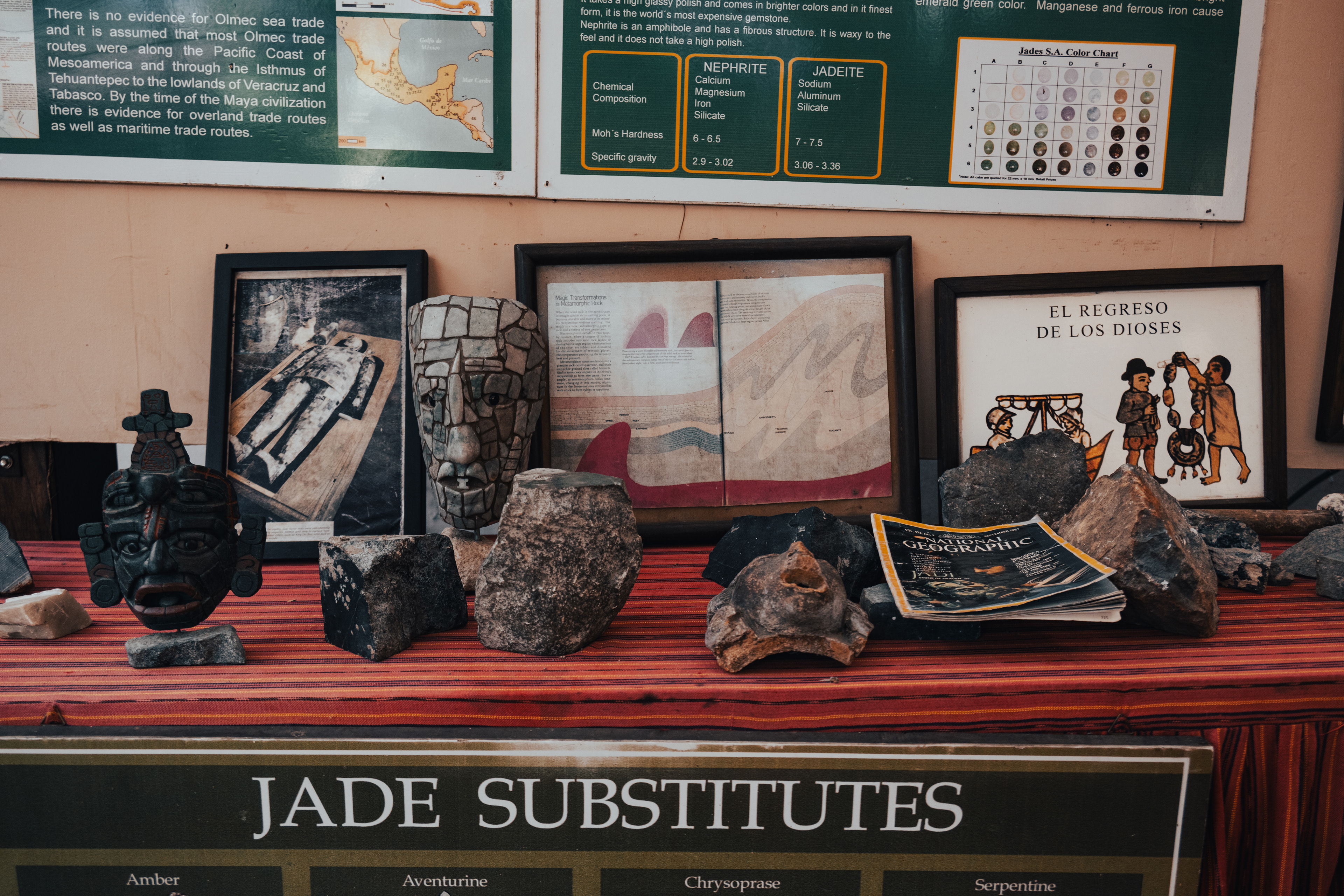
The tour included La Azotea Cultural Center, the ruins of La Recolección church, La Merced (yellow baroque exterior that photographs extraordinarily well), the main plaza with its central fountain, the Jade Museum and factory (jade was sacred in Maya culture; the stone is still quarried in the Guatemalan highlands), and the San Francisco Church.
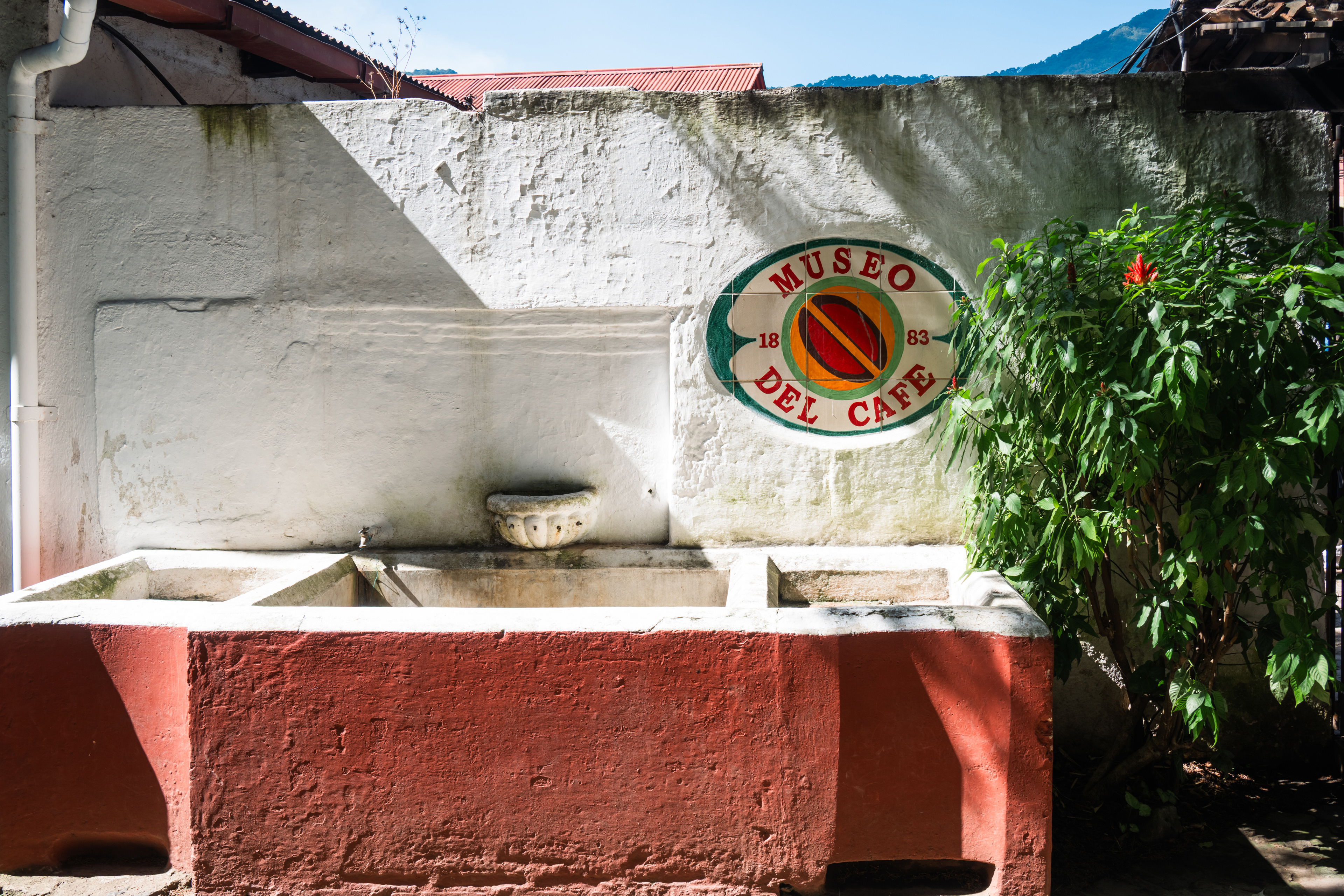
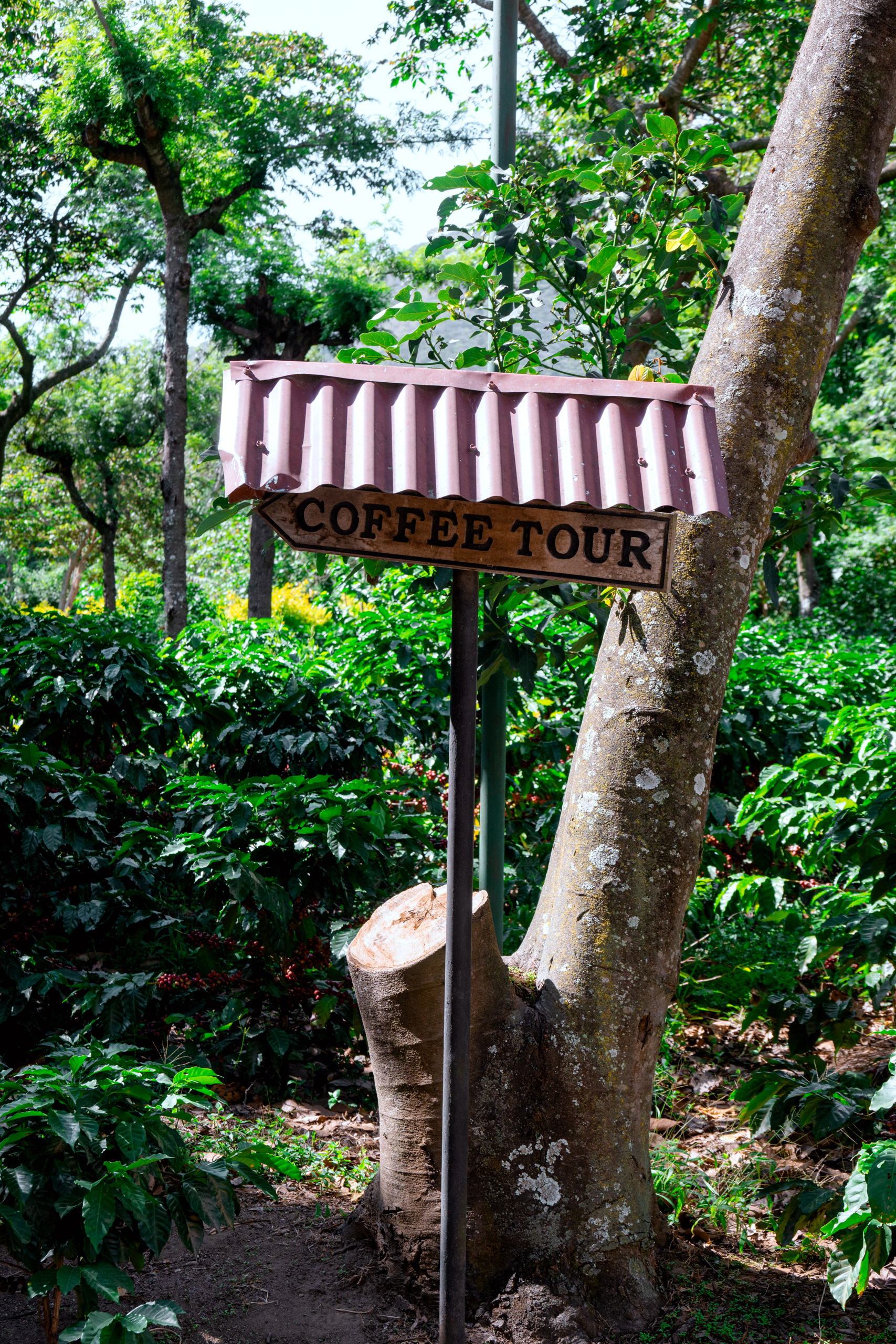
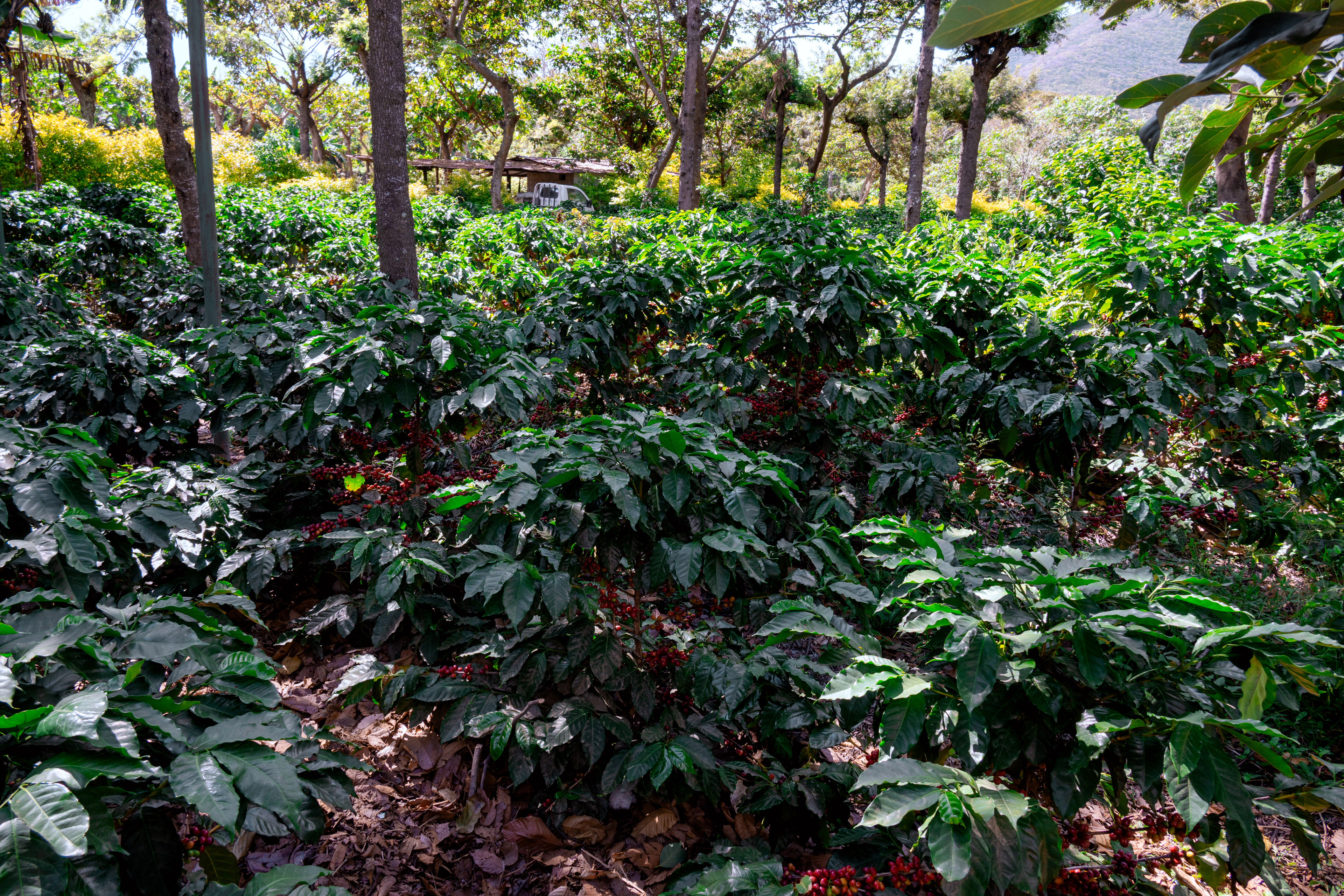
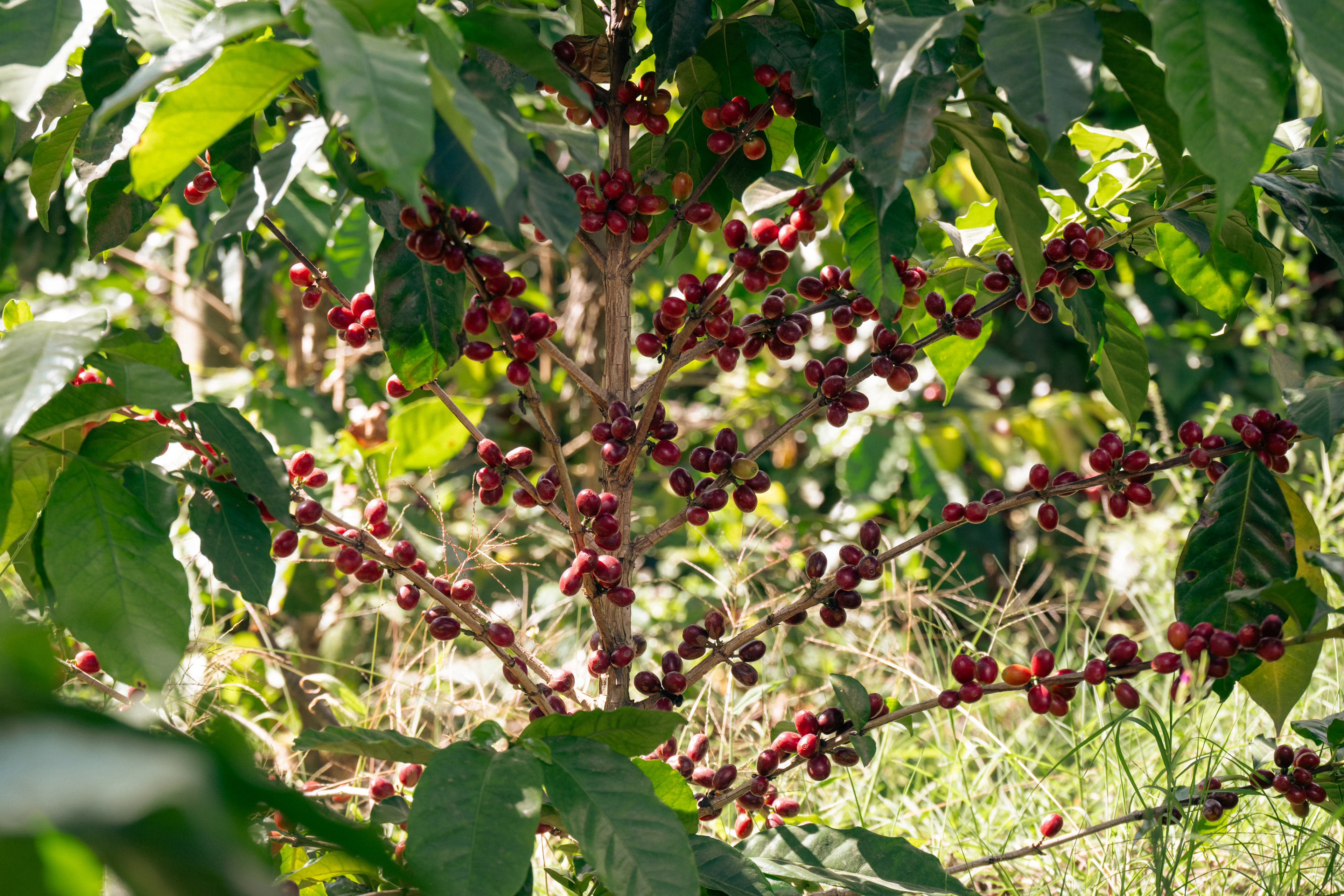
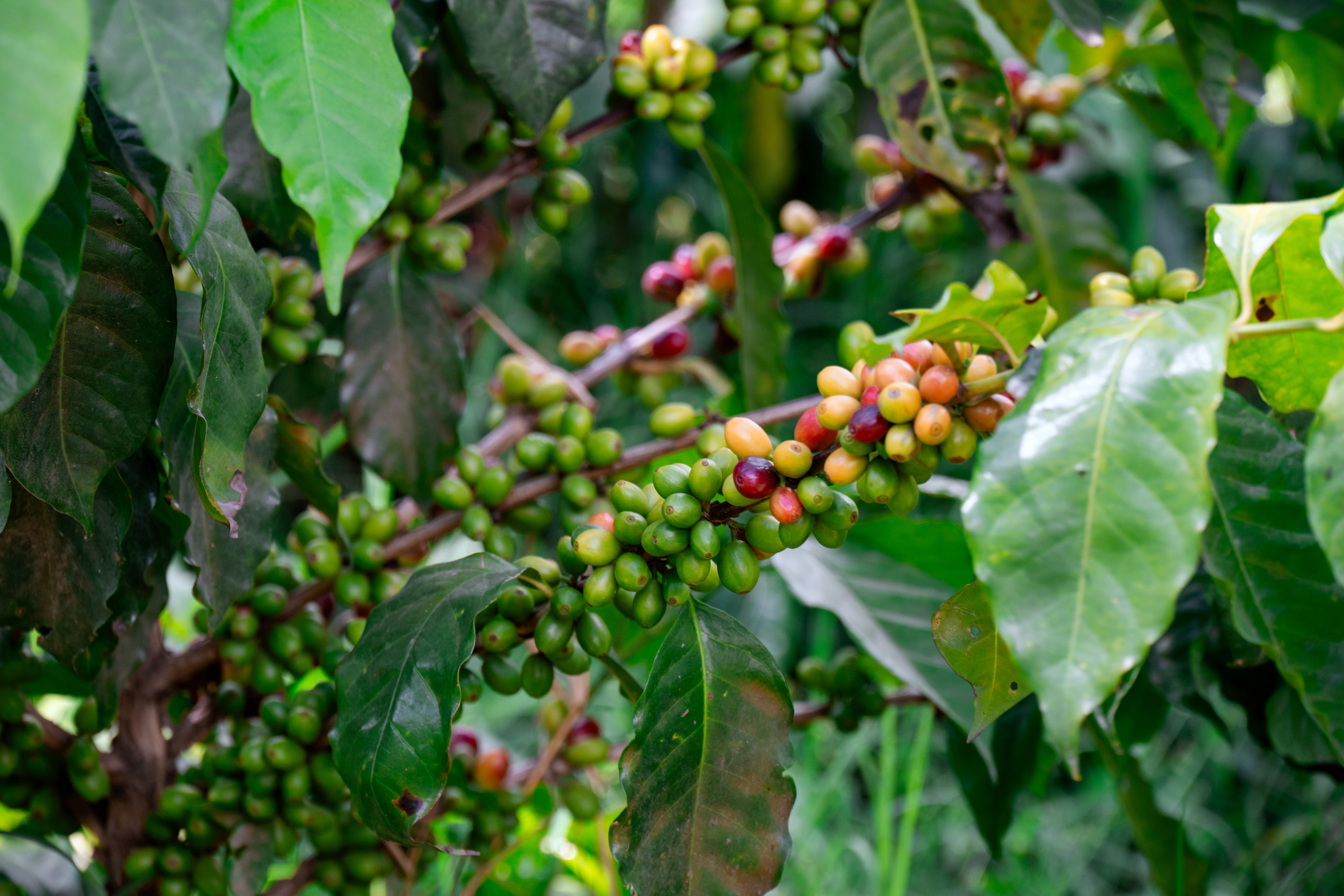
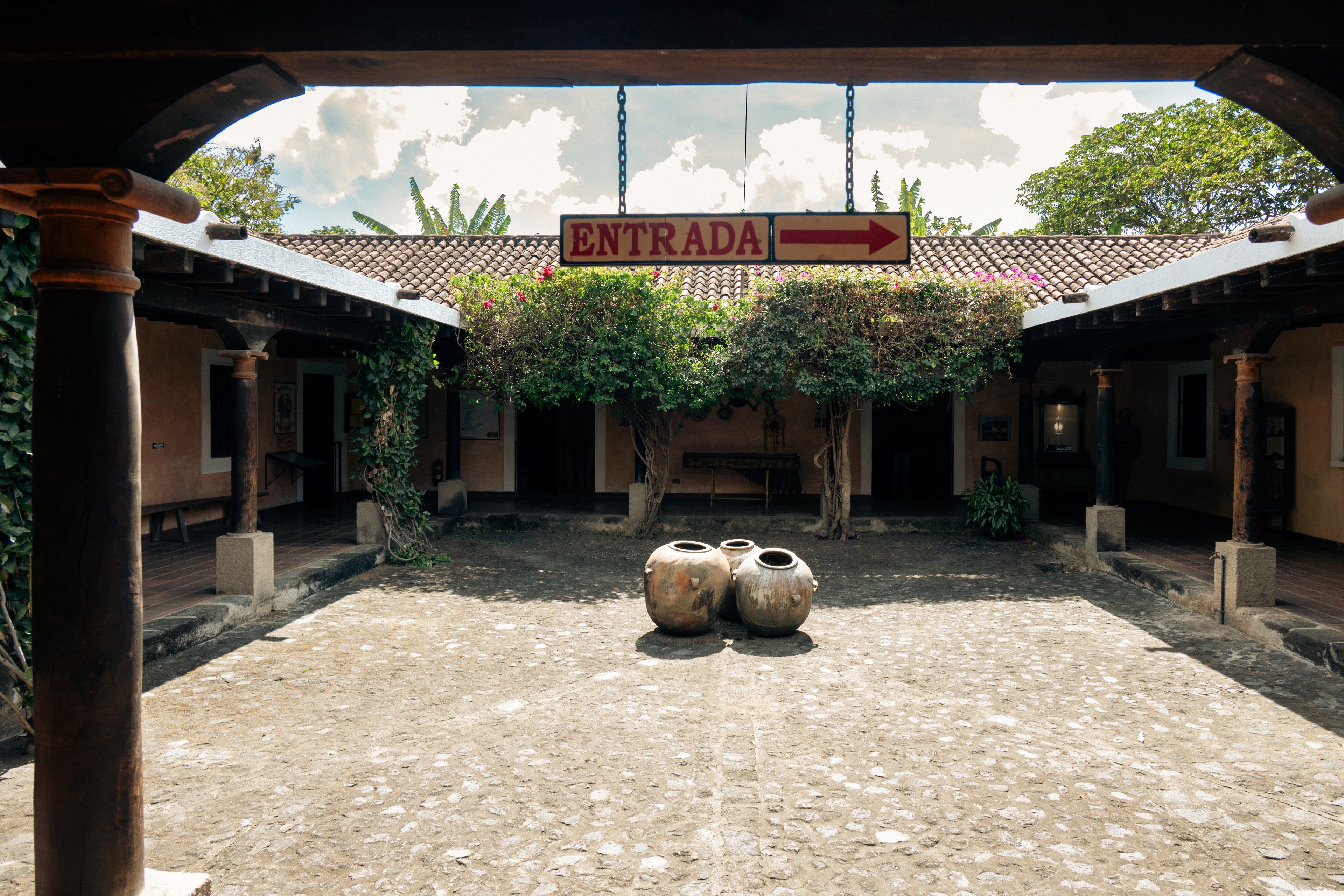
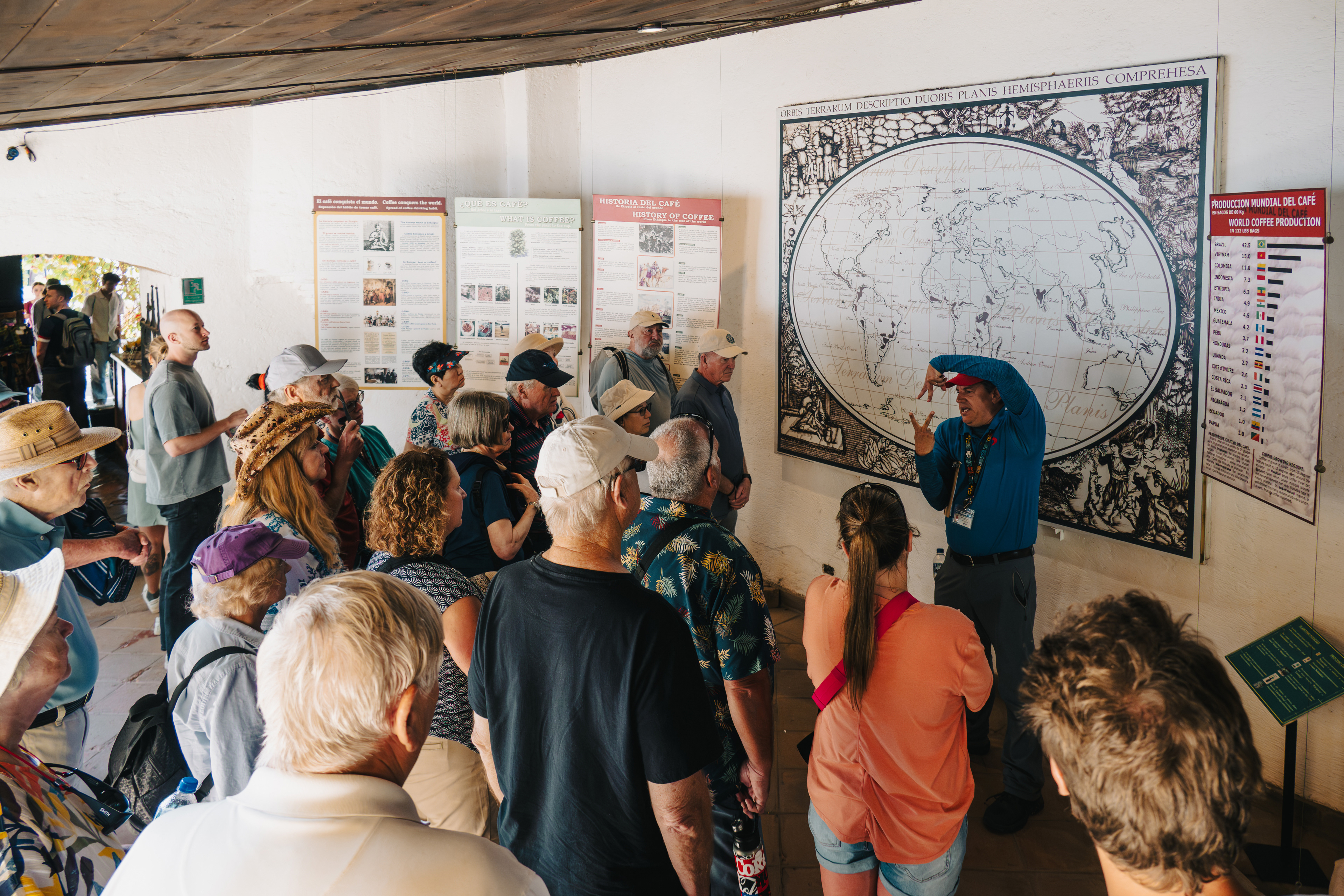
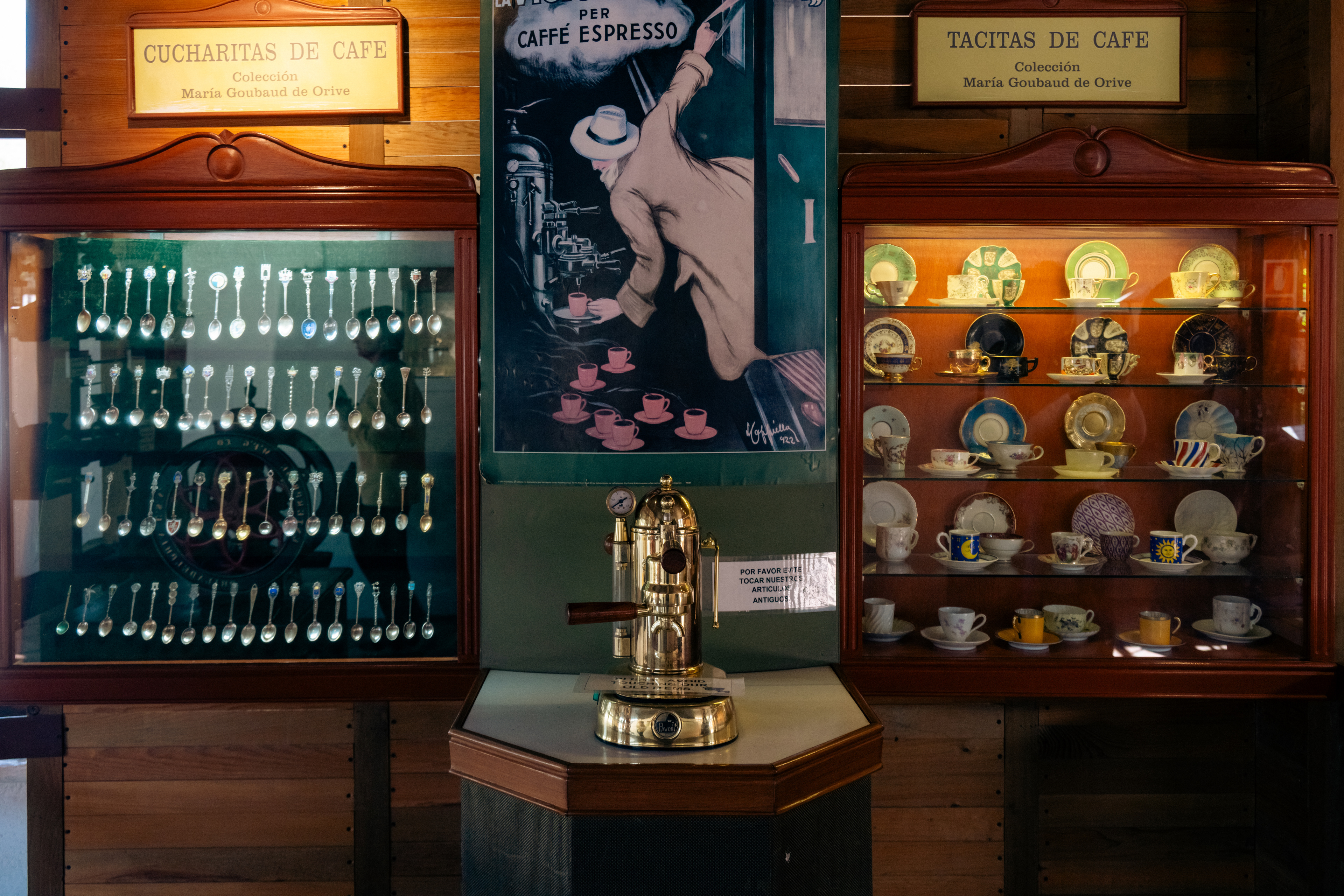
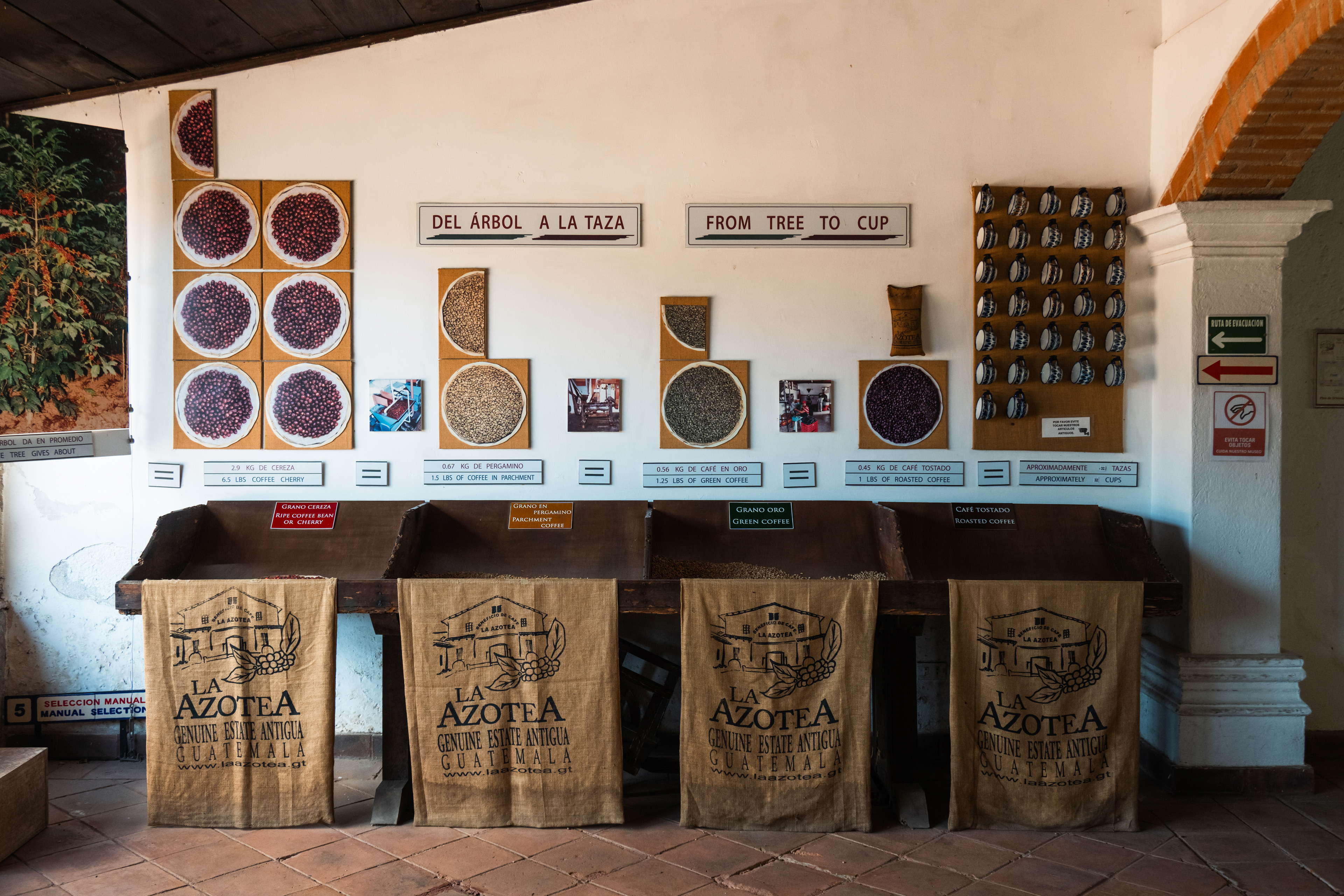
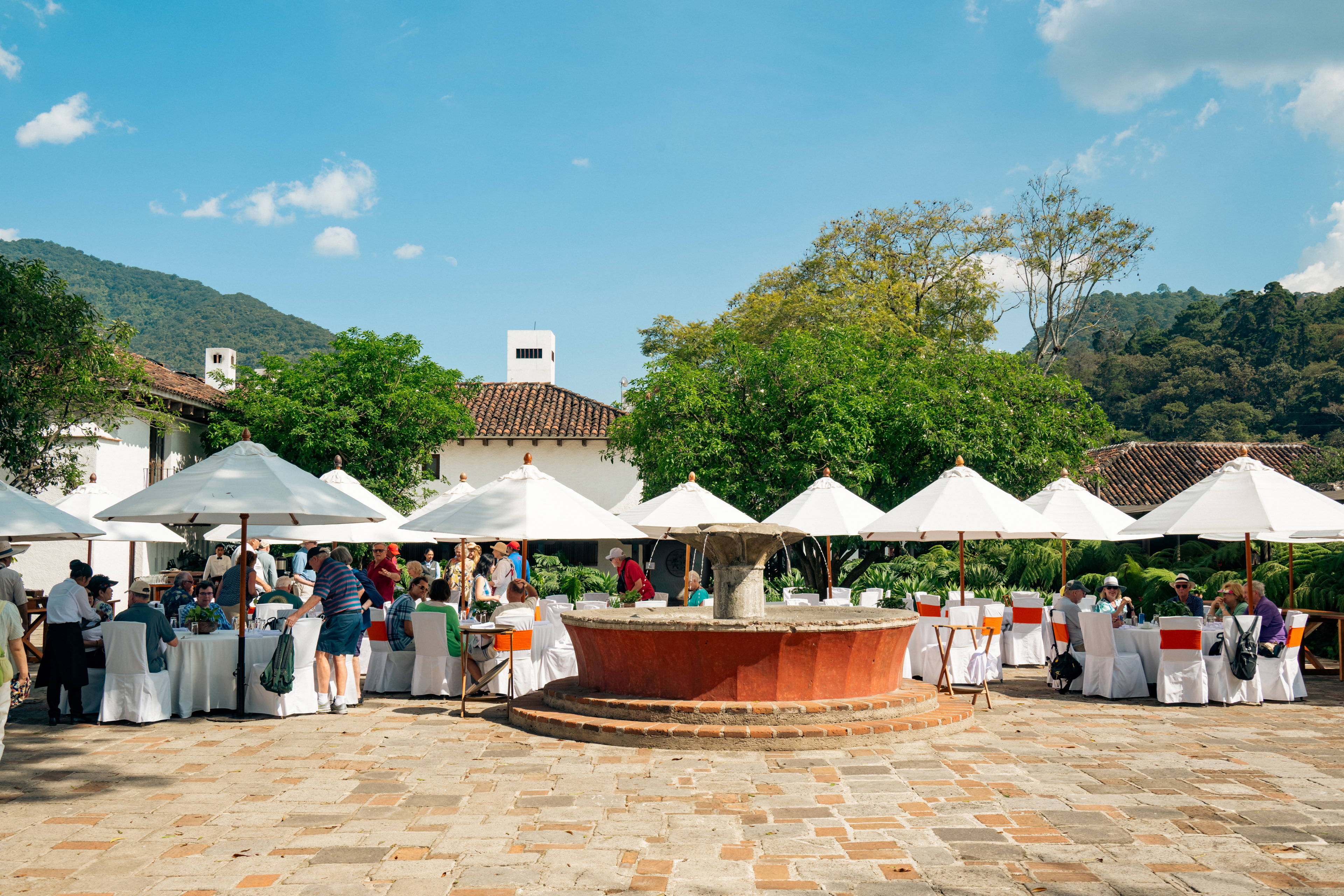
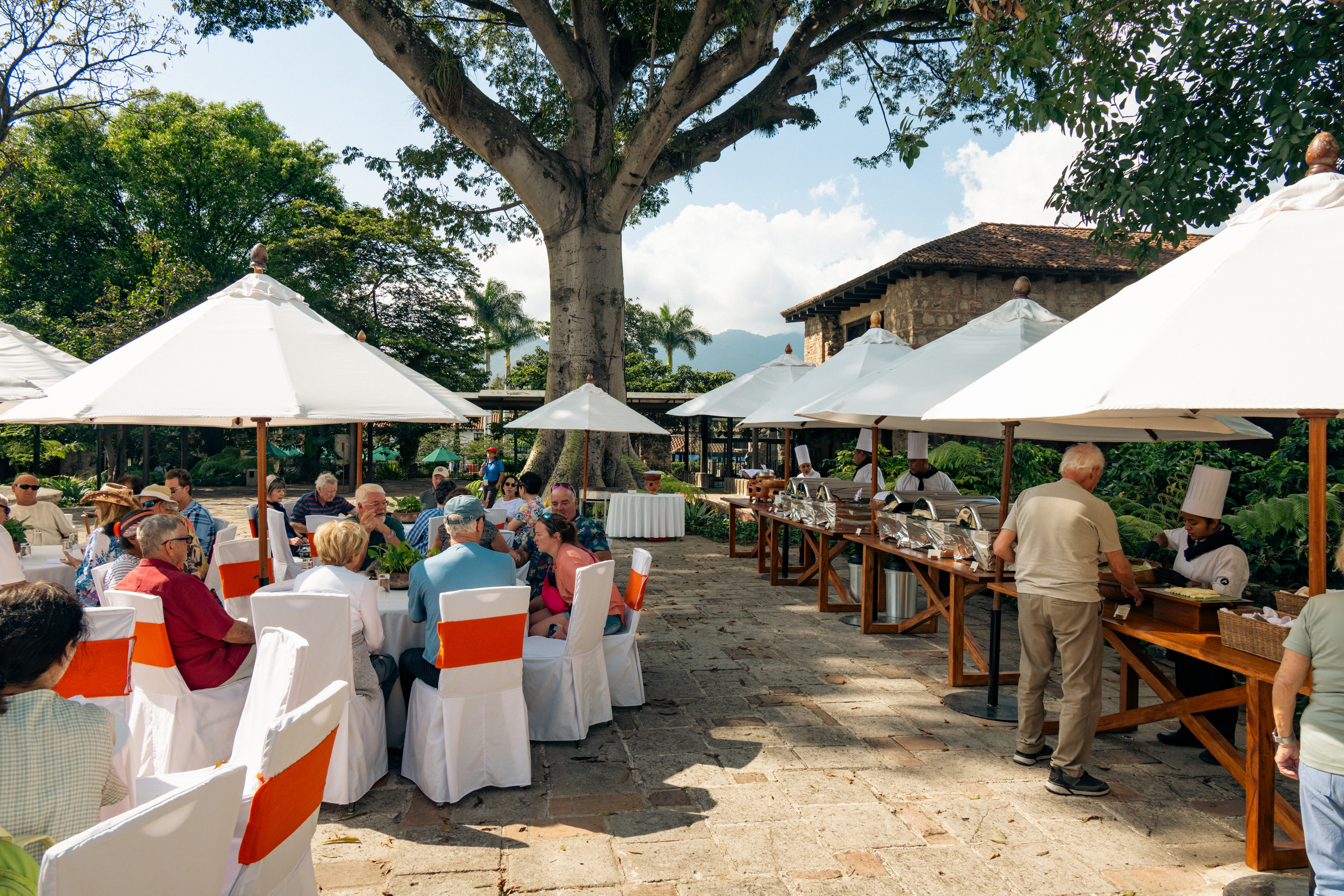
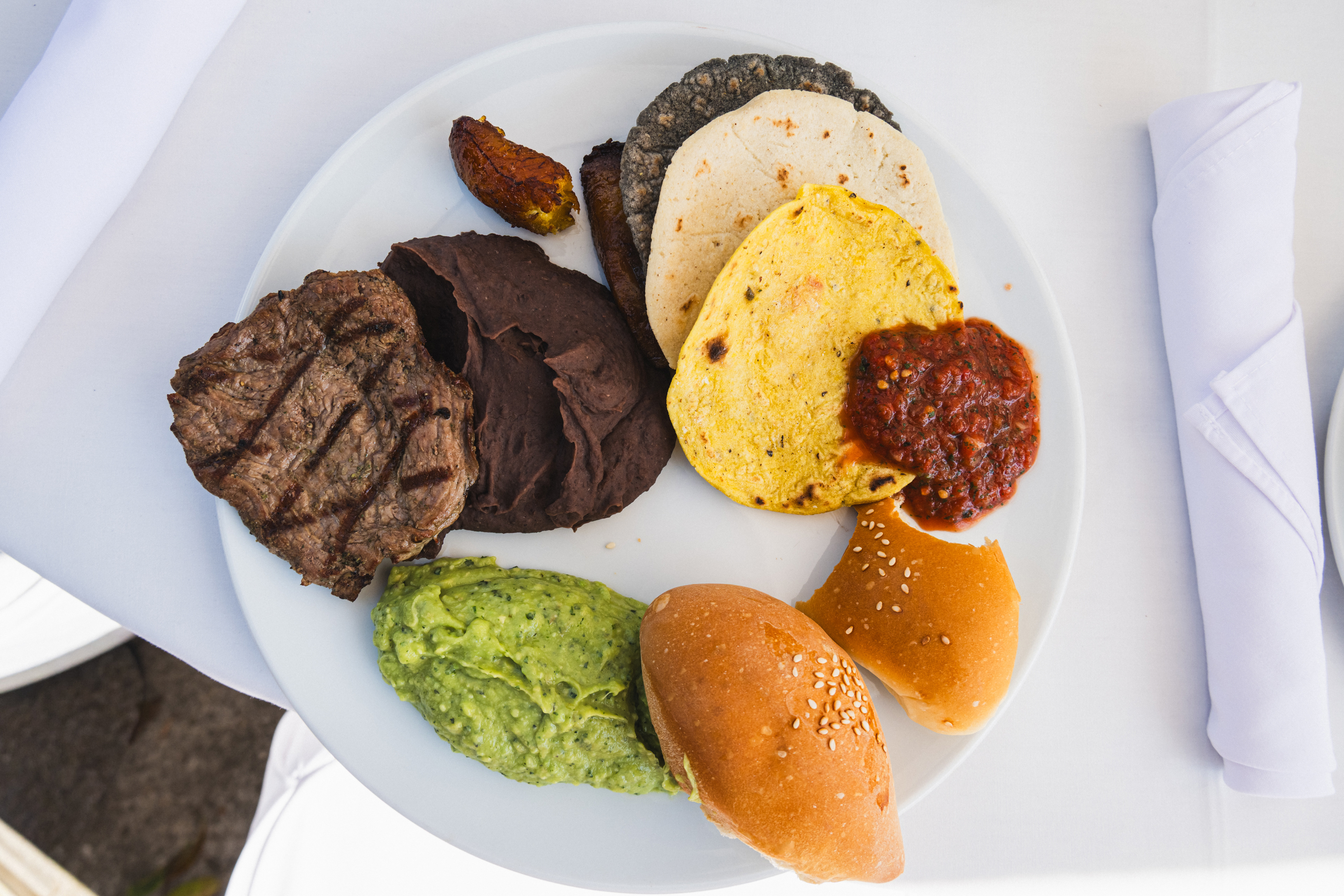
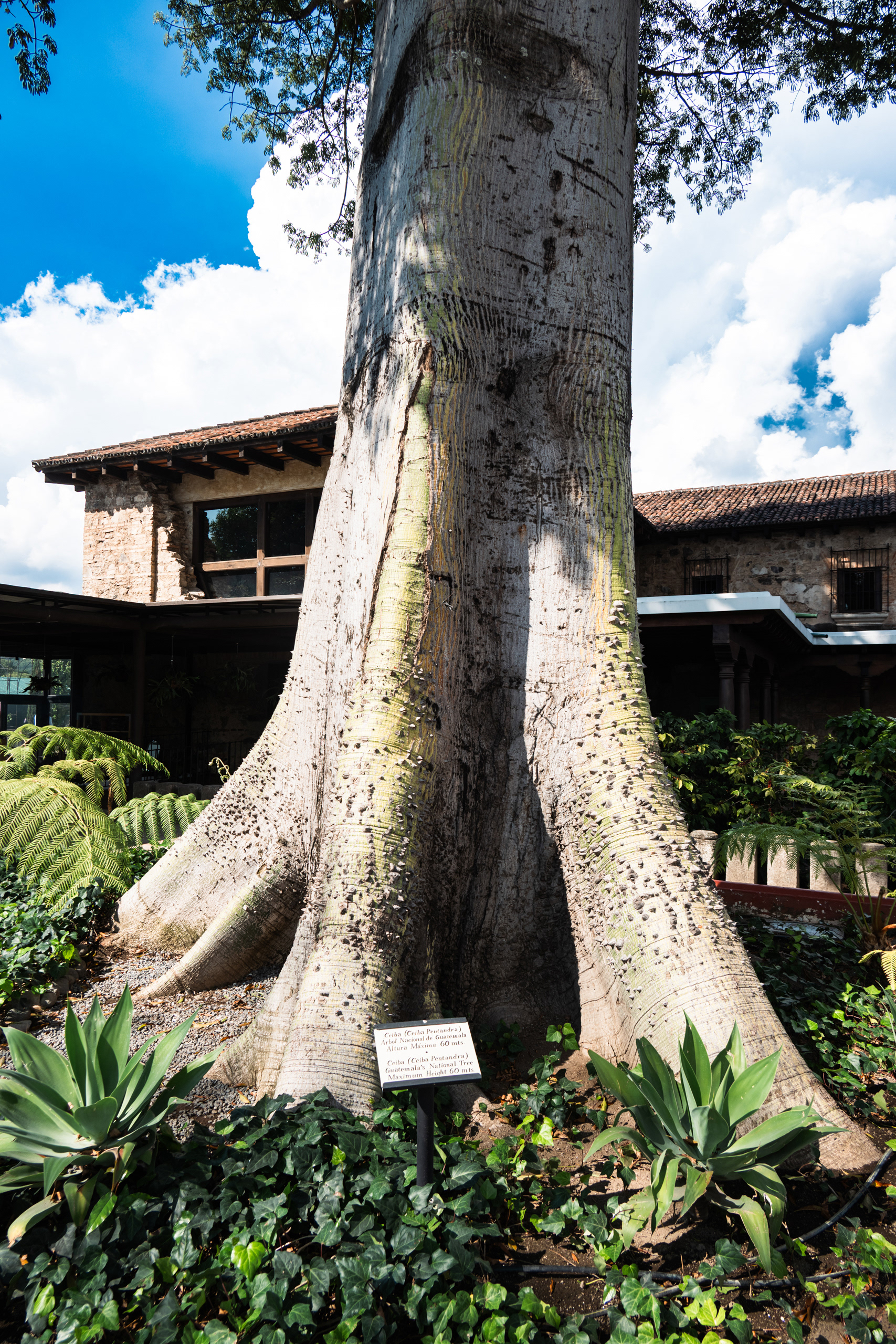
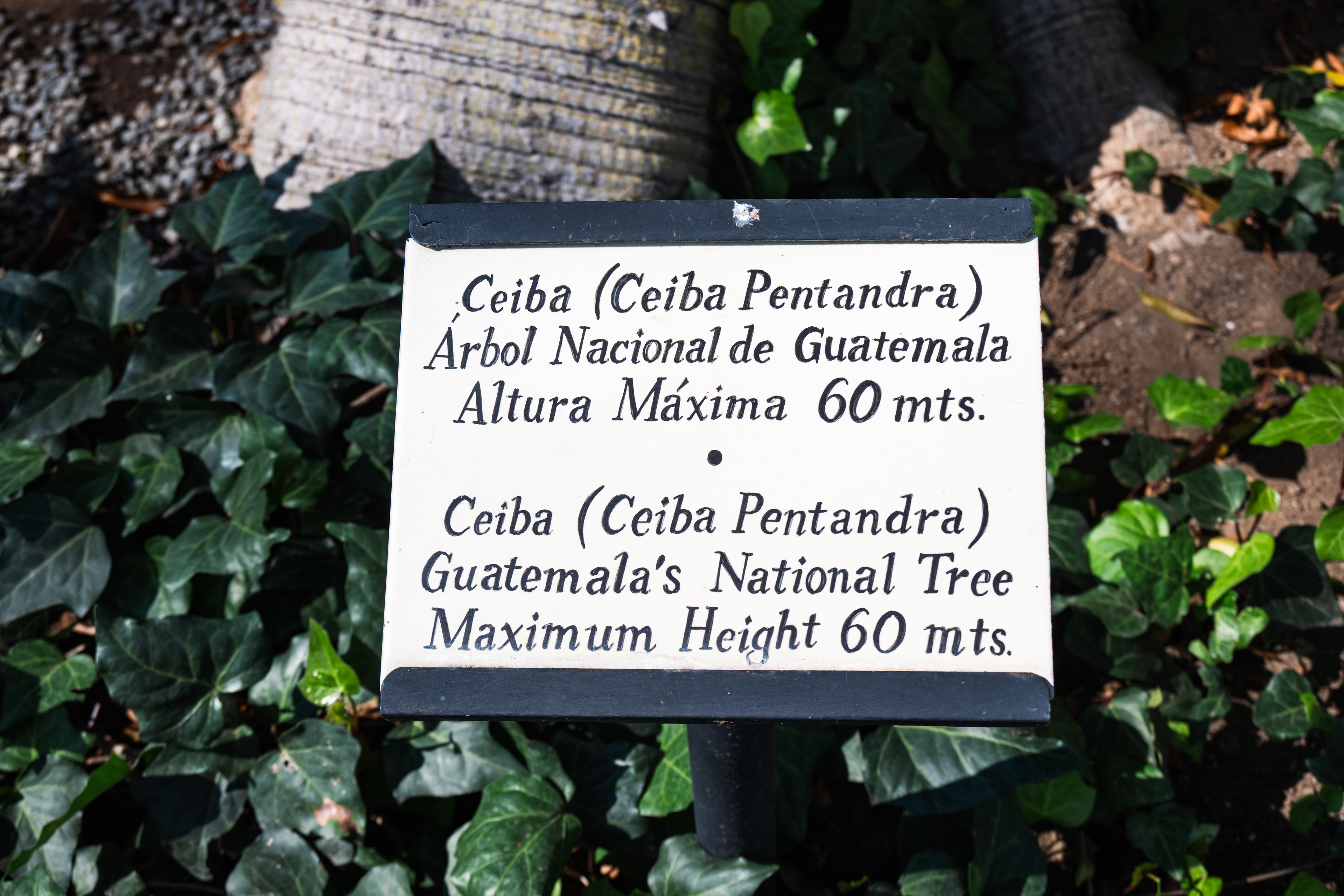
La Azotea deserves a moment of its own. It is a working coffee estate just outside Antigua's old town, and the visit is structured around understanding how coffee — one of Guatemala's most important exports, grown in the volcanic highlands that surround this valley — goes from plant to cup. The estate's trees grow under shade canopy at altitude, which slows the cherry's ripening and concentrates the flavor in ways that flat, sun-grown coffee simply cannot replicate. A guide walked us through the processing stages: the wet mill where the fruit is removed, the drying patios, the grading and sorting. The tasting at the end is not optional in any meaningful sense — the coffee is exceptional, with the kind of clarity and brightness that makes you reconsider everything you've been making at home. Guatemala was Central America's top coffee producer for most of the 20th century, eventually overtaken by Honduras in 2011, but standing in La Azotea's garden with a cup of single-estate highland coffee, it is easy to understand why the reputation endures.
One logistics note: coaches cannot enter Antigua's old town due to street width, so you have to use your feet there.
On the drive back down, Fuego erupted twice more. By this point we had stopped reaching for our cameras every time. Which tells you something about how quickly extraordinary things become routine when they happen often enough.
Puntarenas — Into the Canopy, One River Short
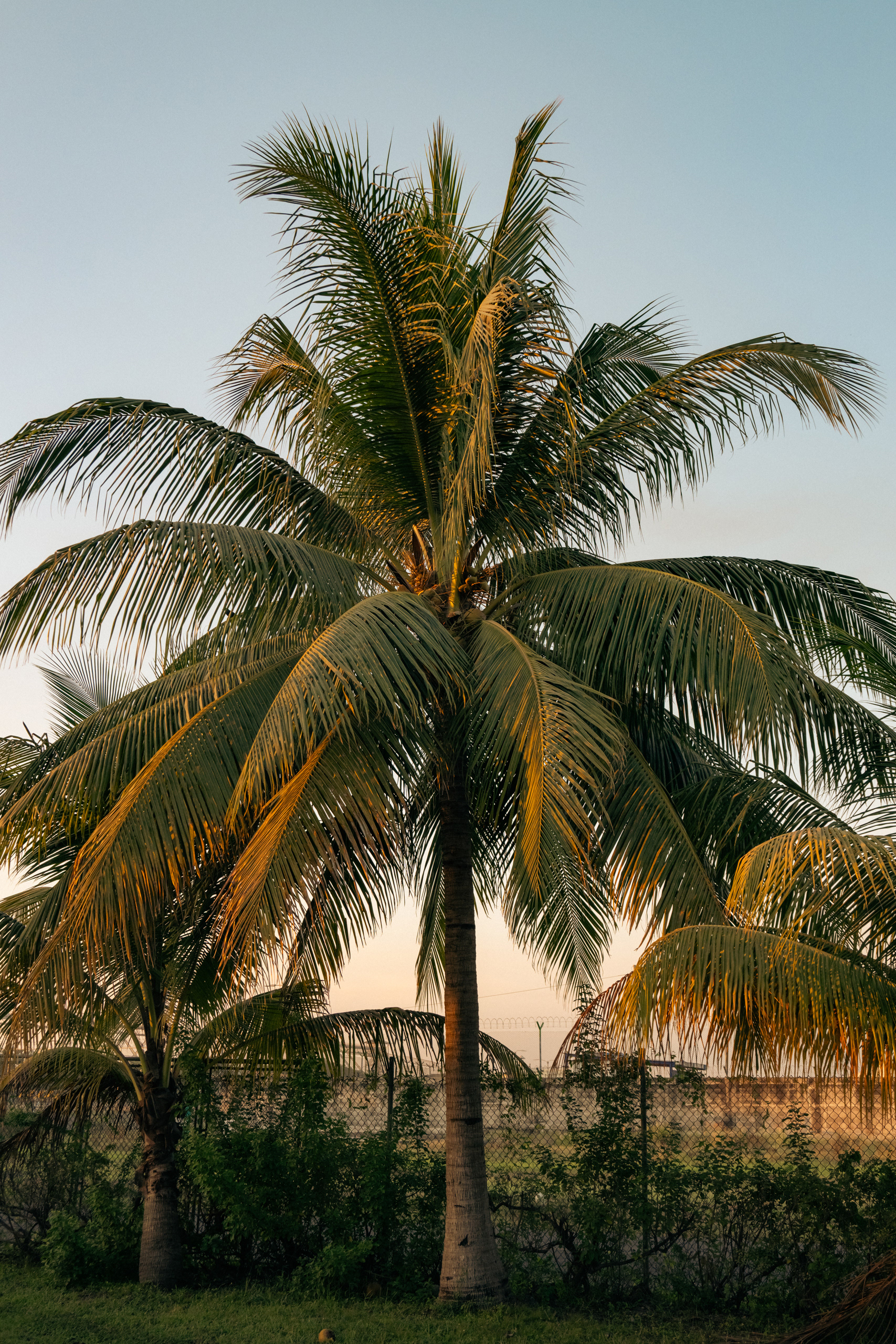
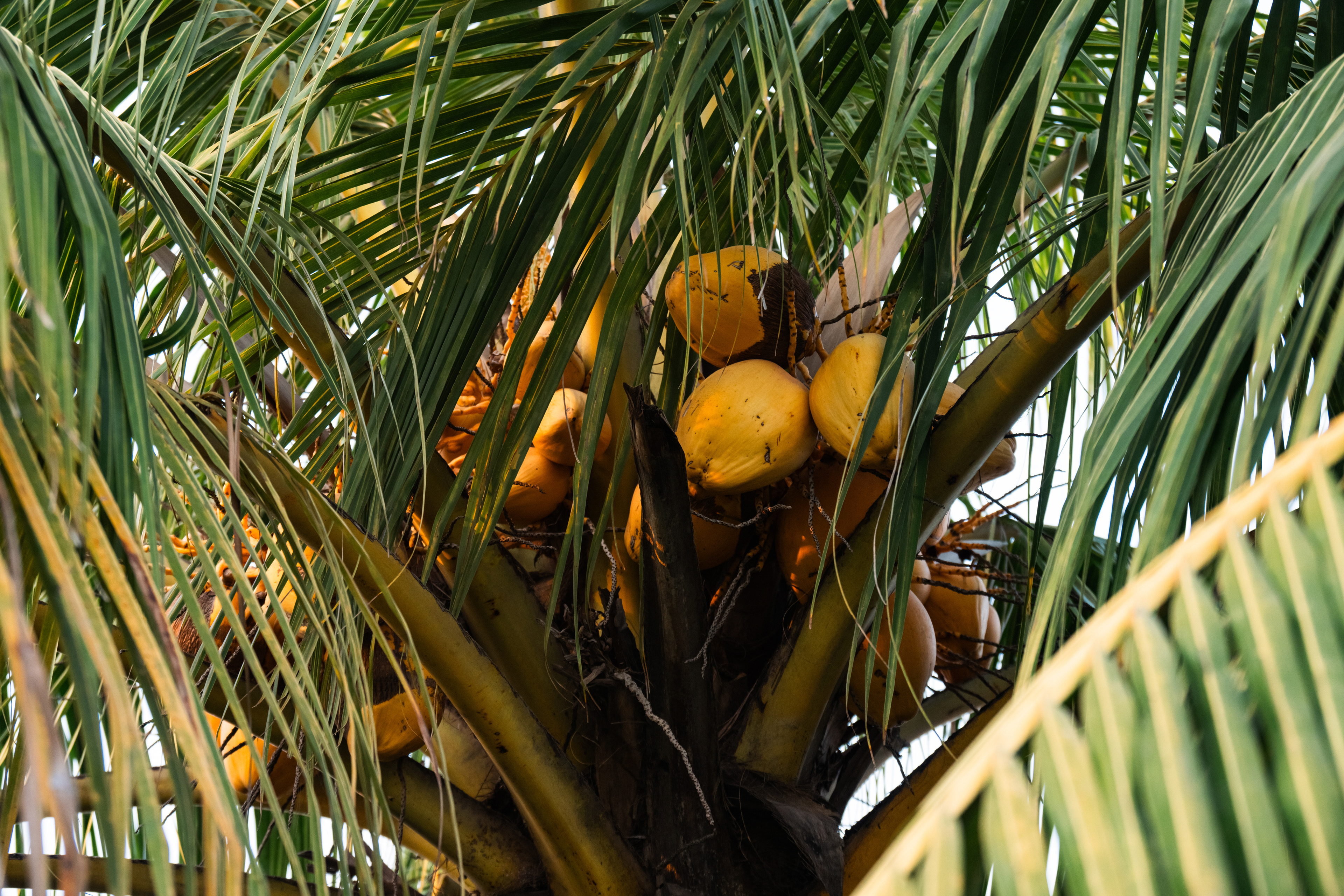
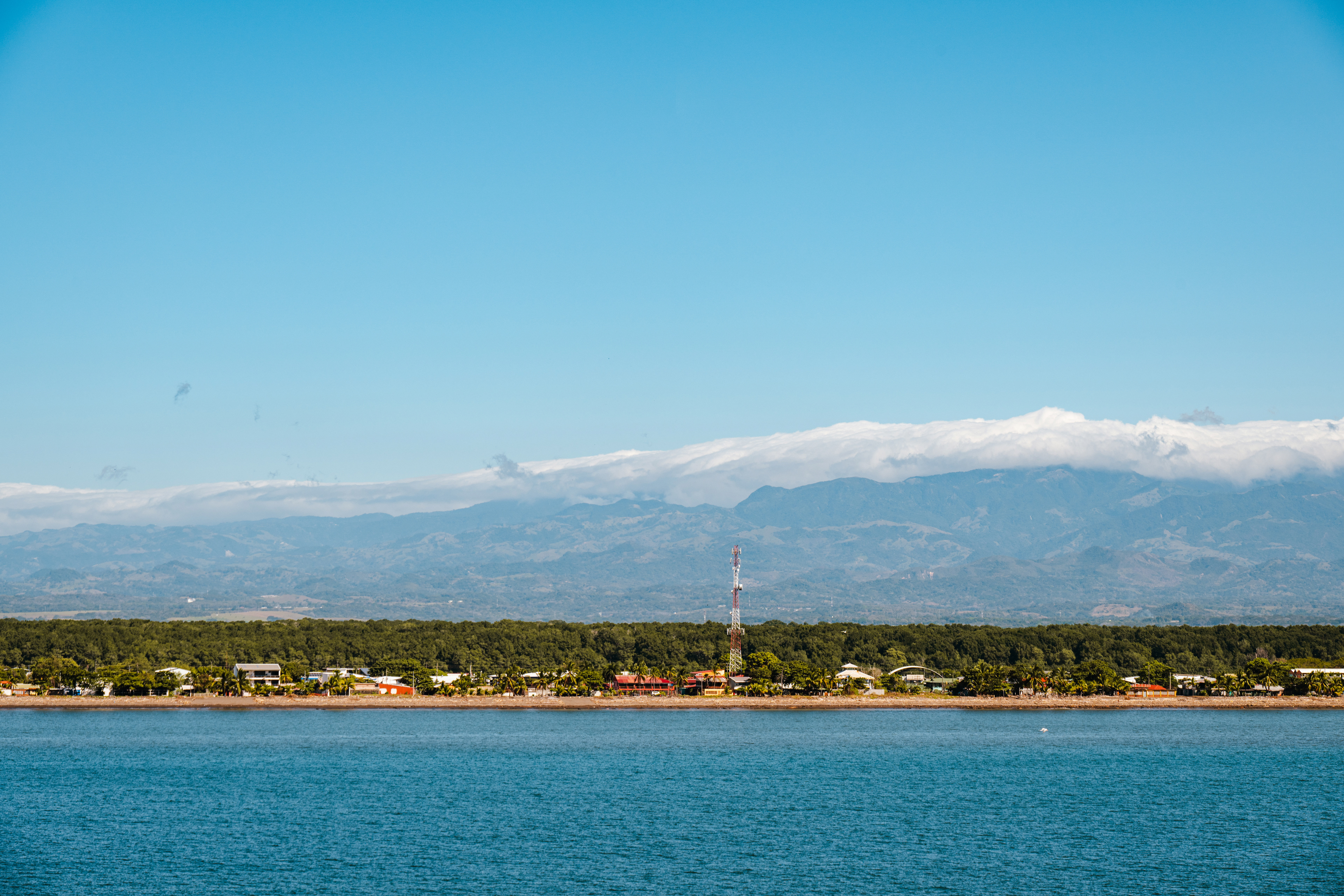
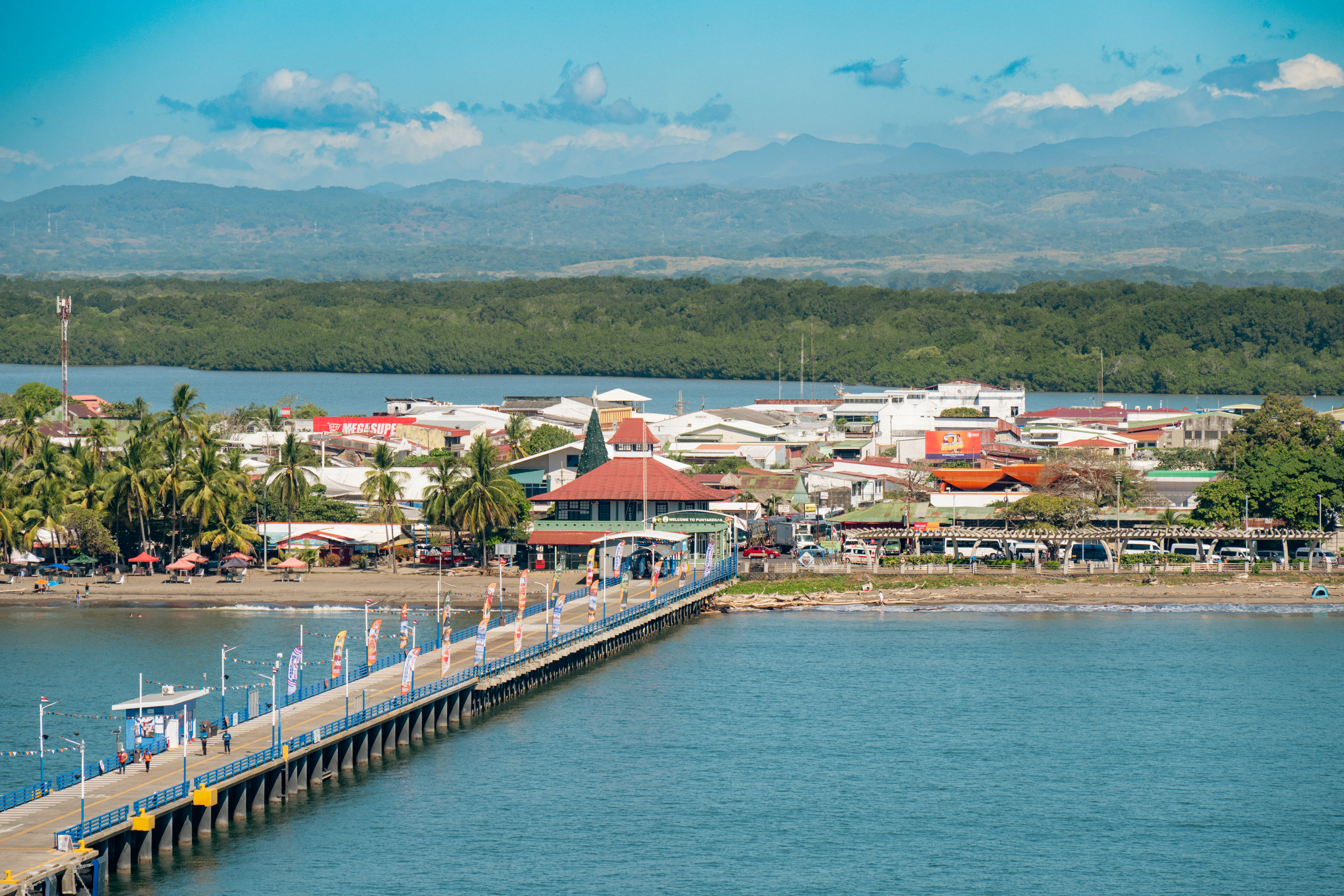
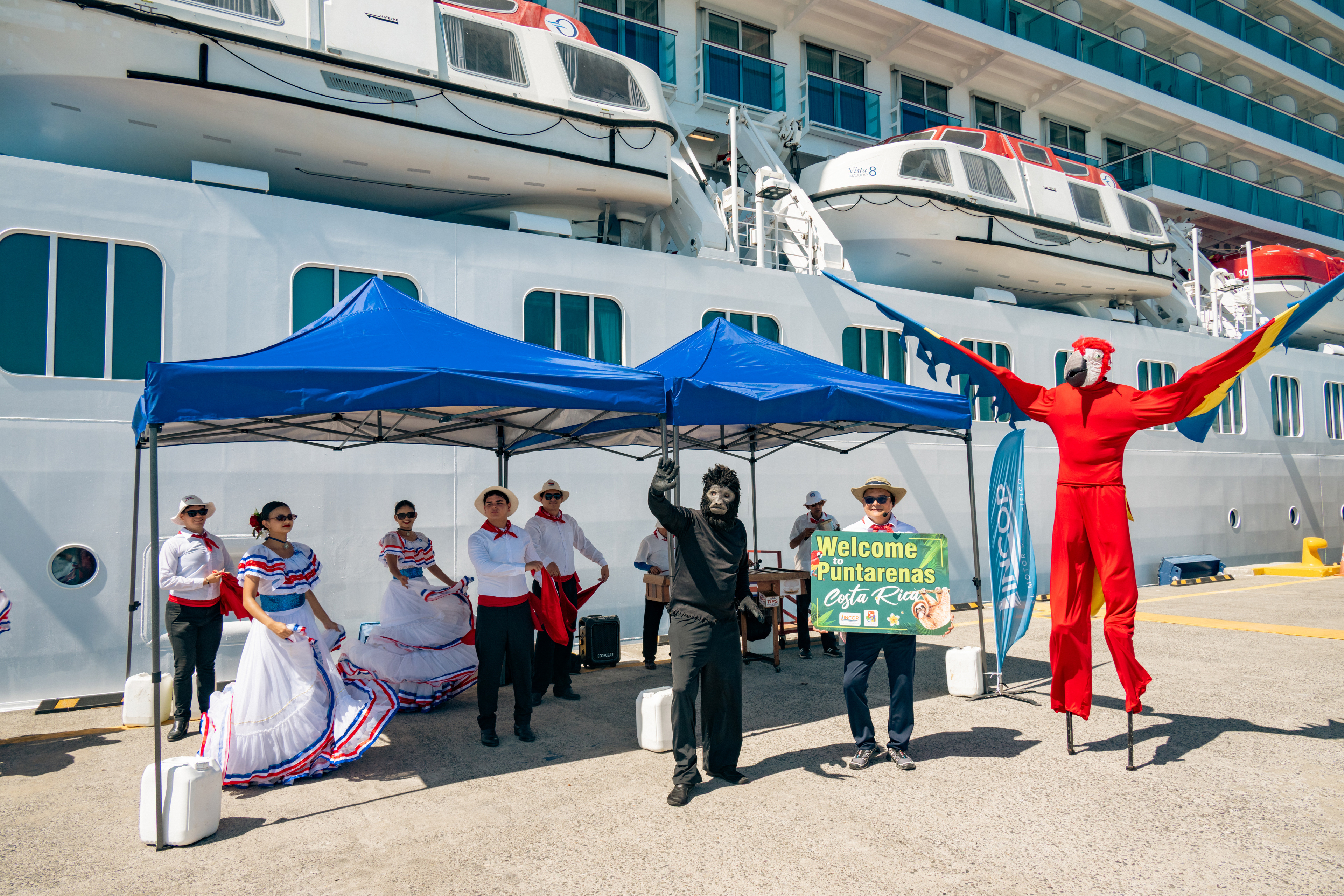
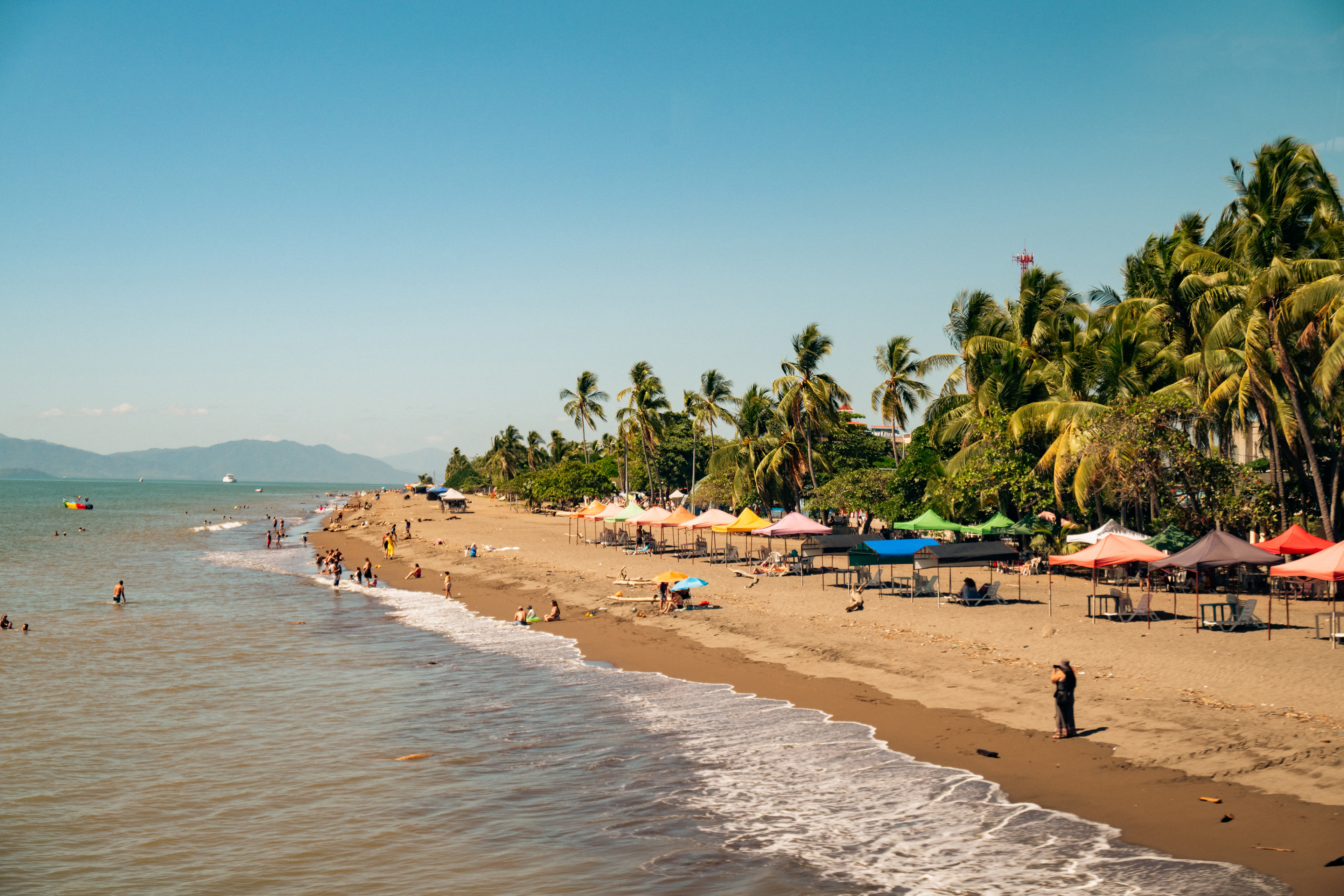
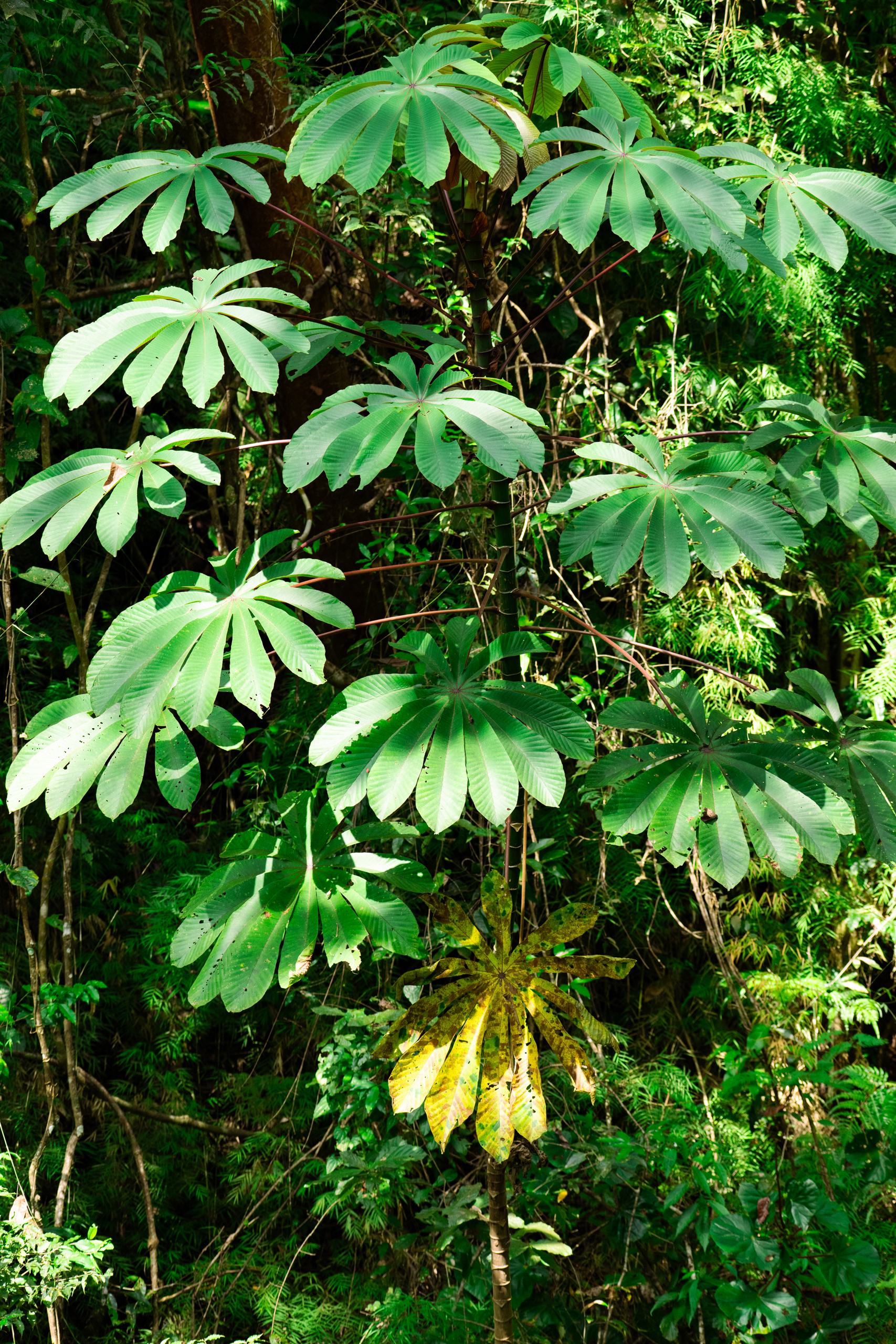
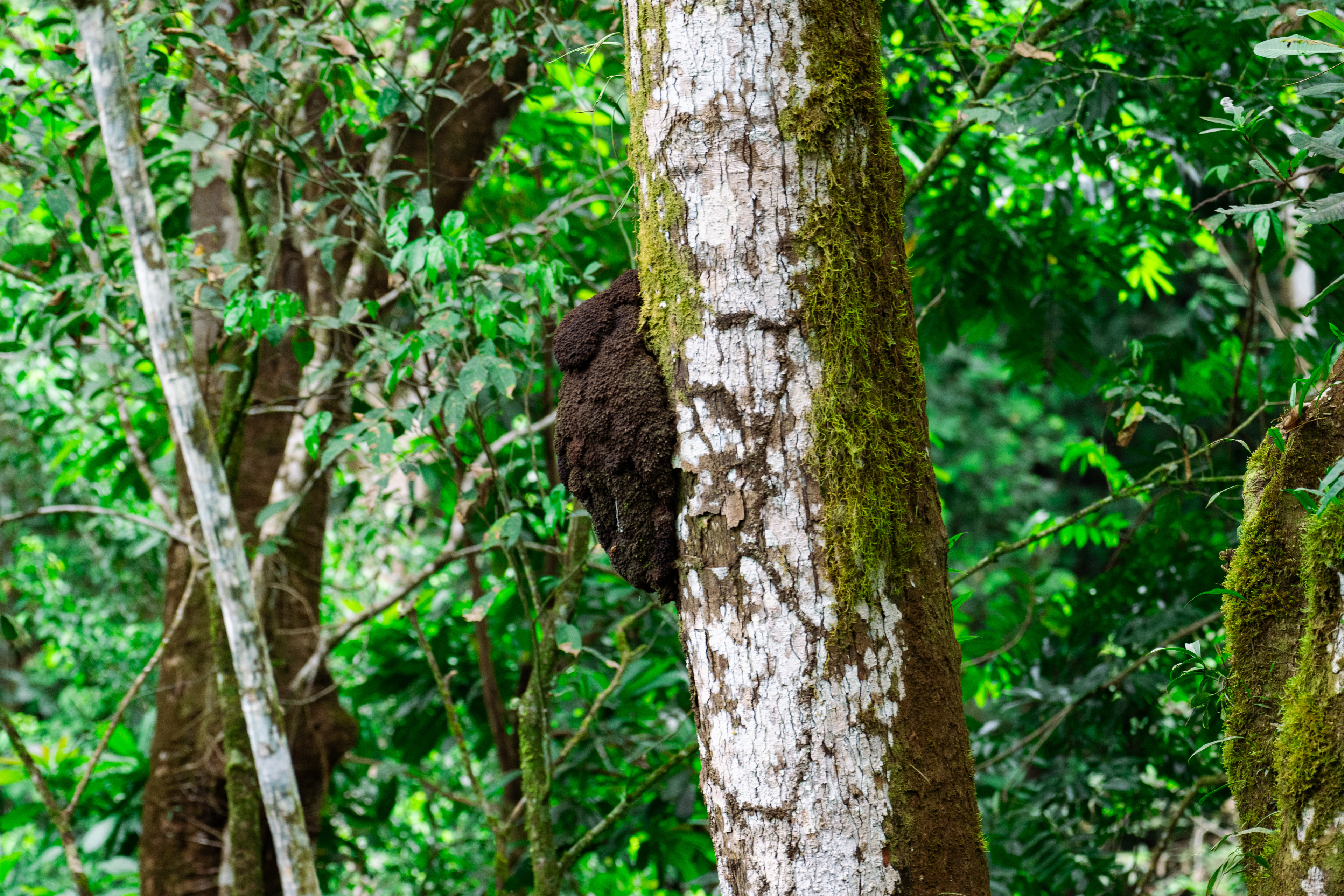
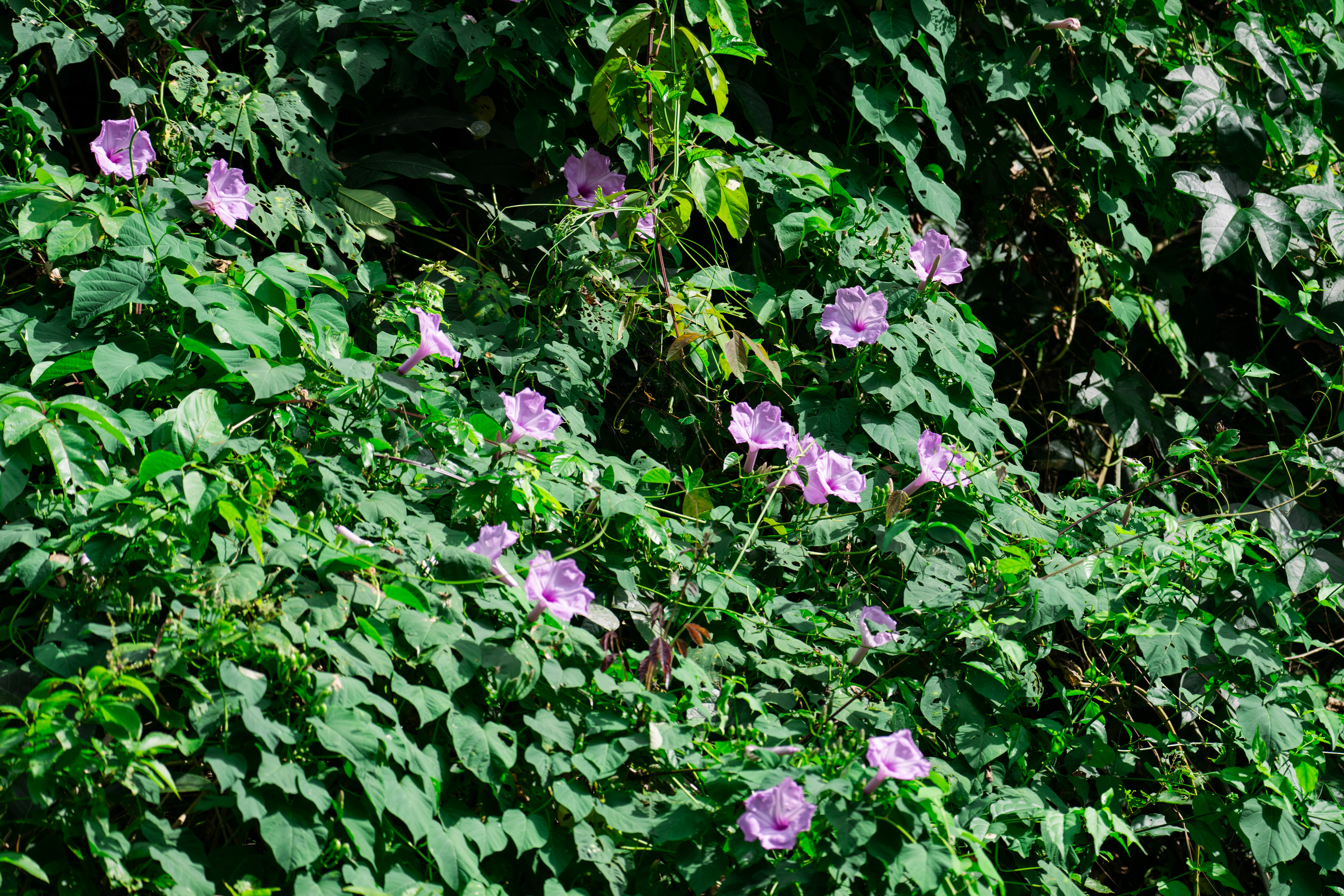
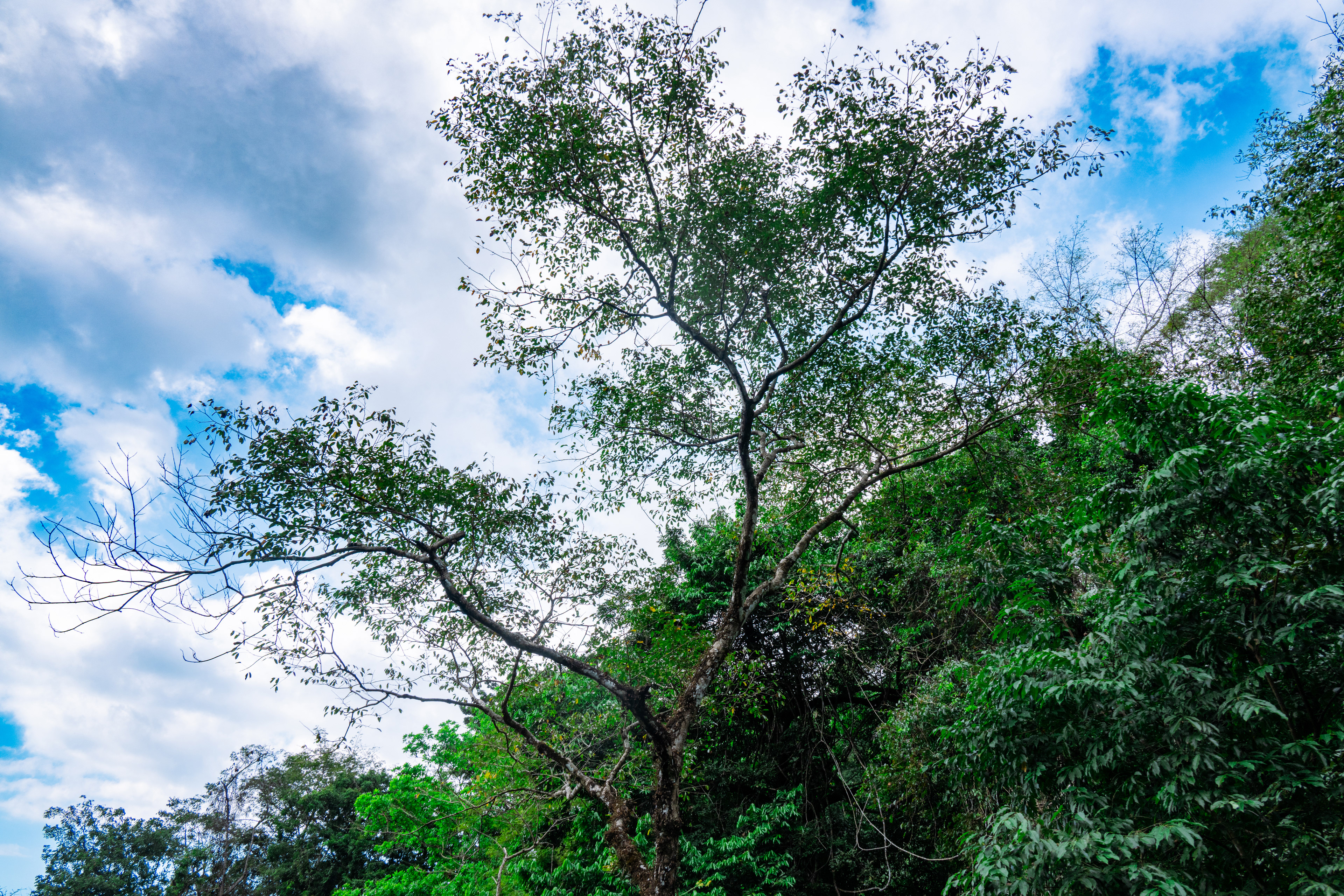
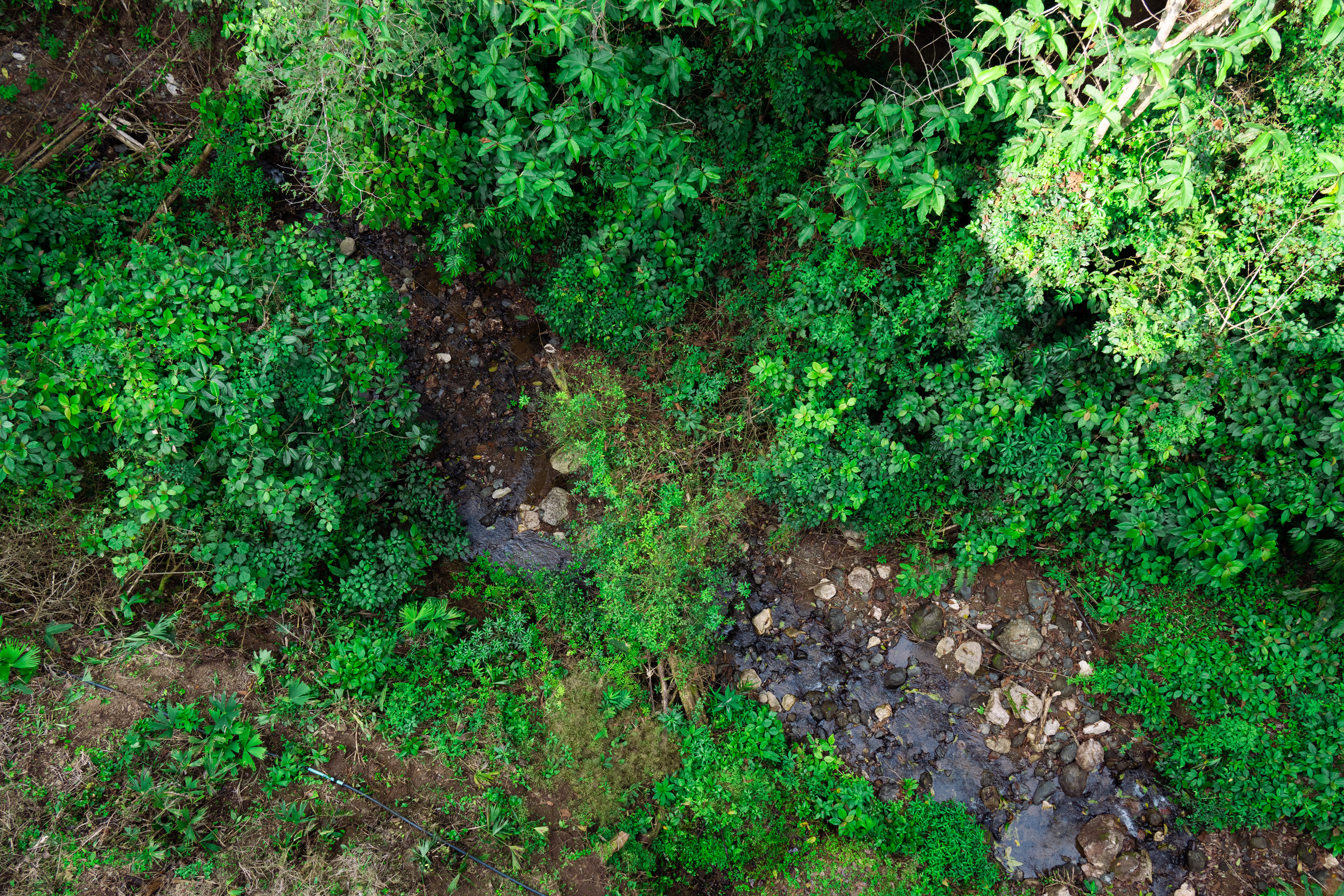
Costa Rica covers 0.03% of the Earth's surface. It shelters 5% of the Earth's biodiversity. These two numbers, placed next to each other, constitute the country's entire self-promotional strategy, and it works because it's true. Within 30 minutes of the port, the jungle begins.
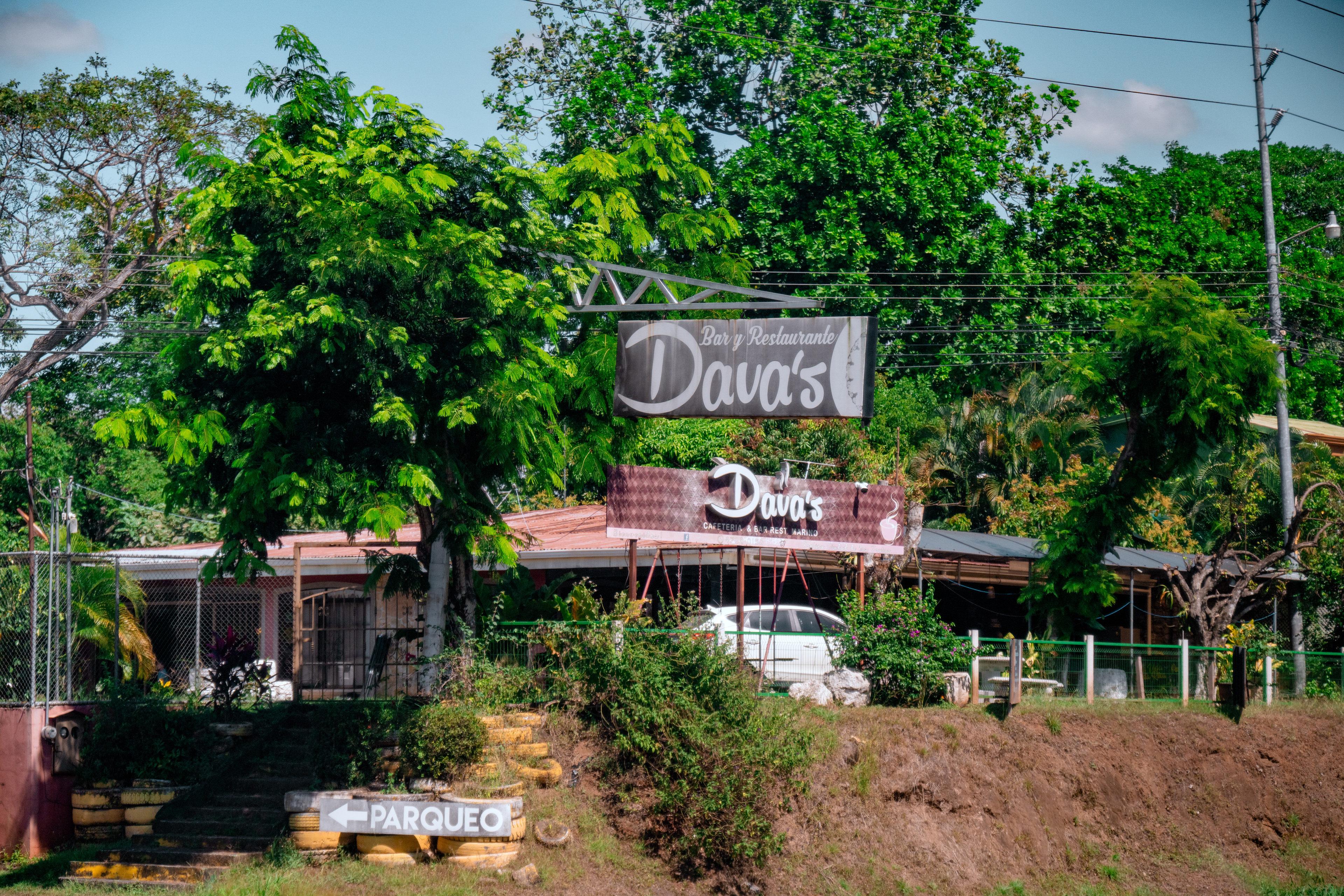
The first thing that became clear on the way to Rainforest Adventures Jaco was that "within 1 hour" was optimistic. December 30th is, in the grand scheme of Central American holiday travel, a day when every family on the Pacific coast is going somewhere, and the roads reflect this. The drive that the itinerary described as roughly an hour took considerably longer, the coach inching through holiday traffic while the jungle waited patiently on both sides of the road. There are worse places to be stuck. But it did compress the day in ways that would matter later.
We had booked the "Aerial Tram, River Cruise & Lunch" excursion — the plan being a buffet lunch at Rainforest Adventures Jaco, followed by a gondola ride through the forest canopy, followed by a boat cruise along the Tarcoles River. The Tarcoles is famous for its population of American crocodiles, which congregate under the bridge at the river mouth in numbers large enough to make the spot one of the more reliably dramatic wildlife encounters in Costa Rica. We were looking forward to this.
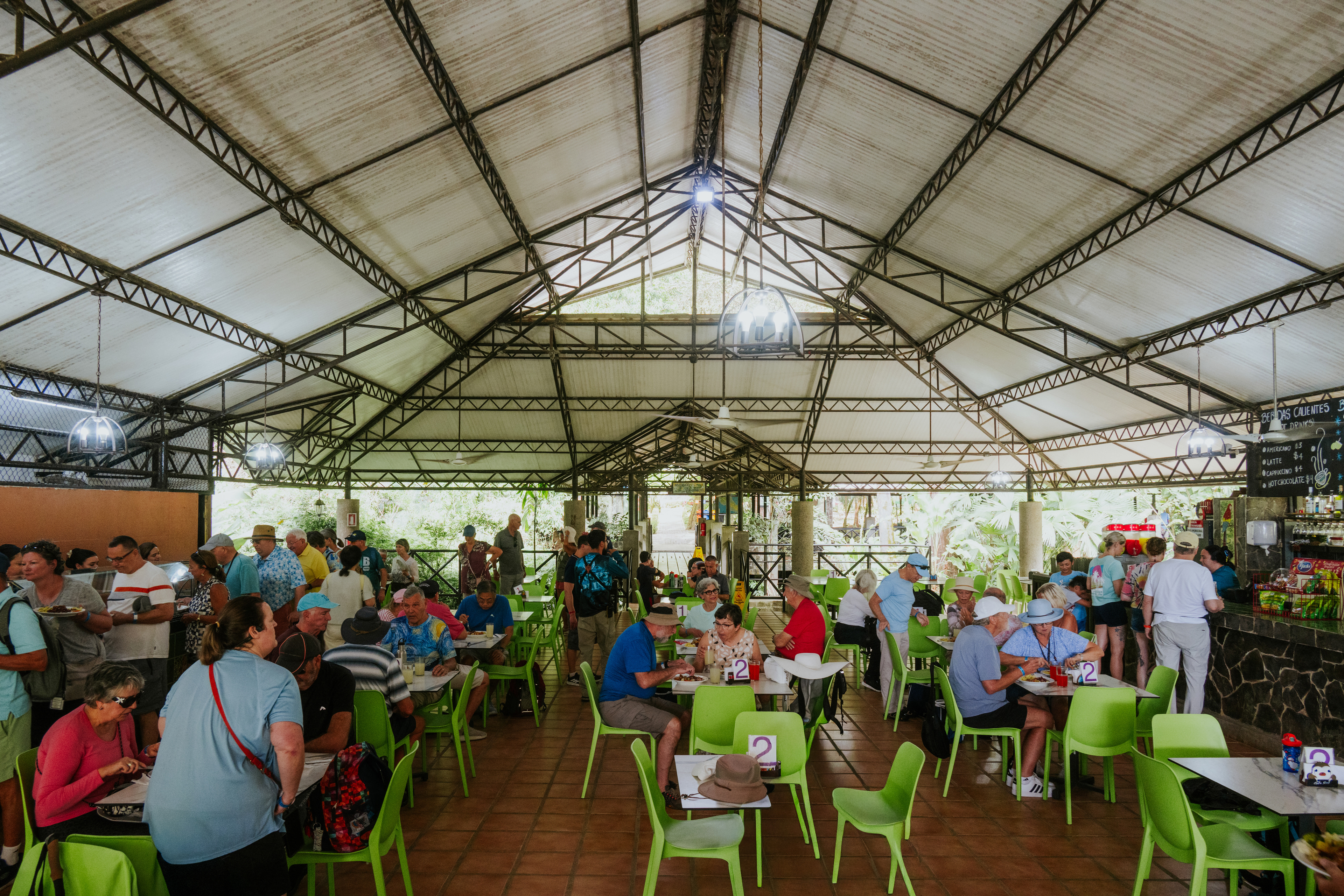
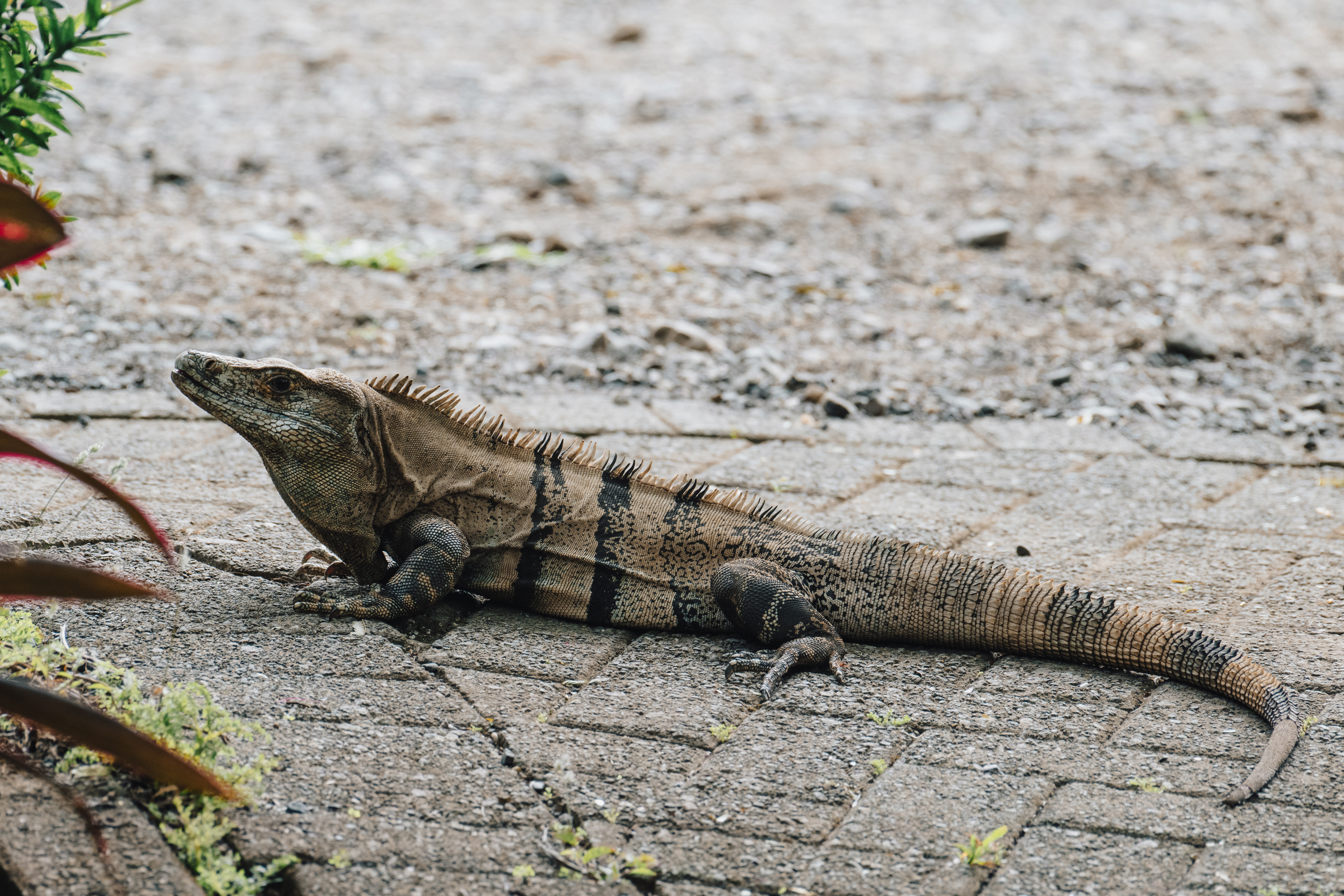
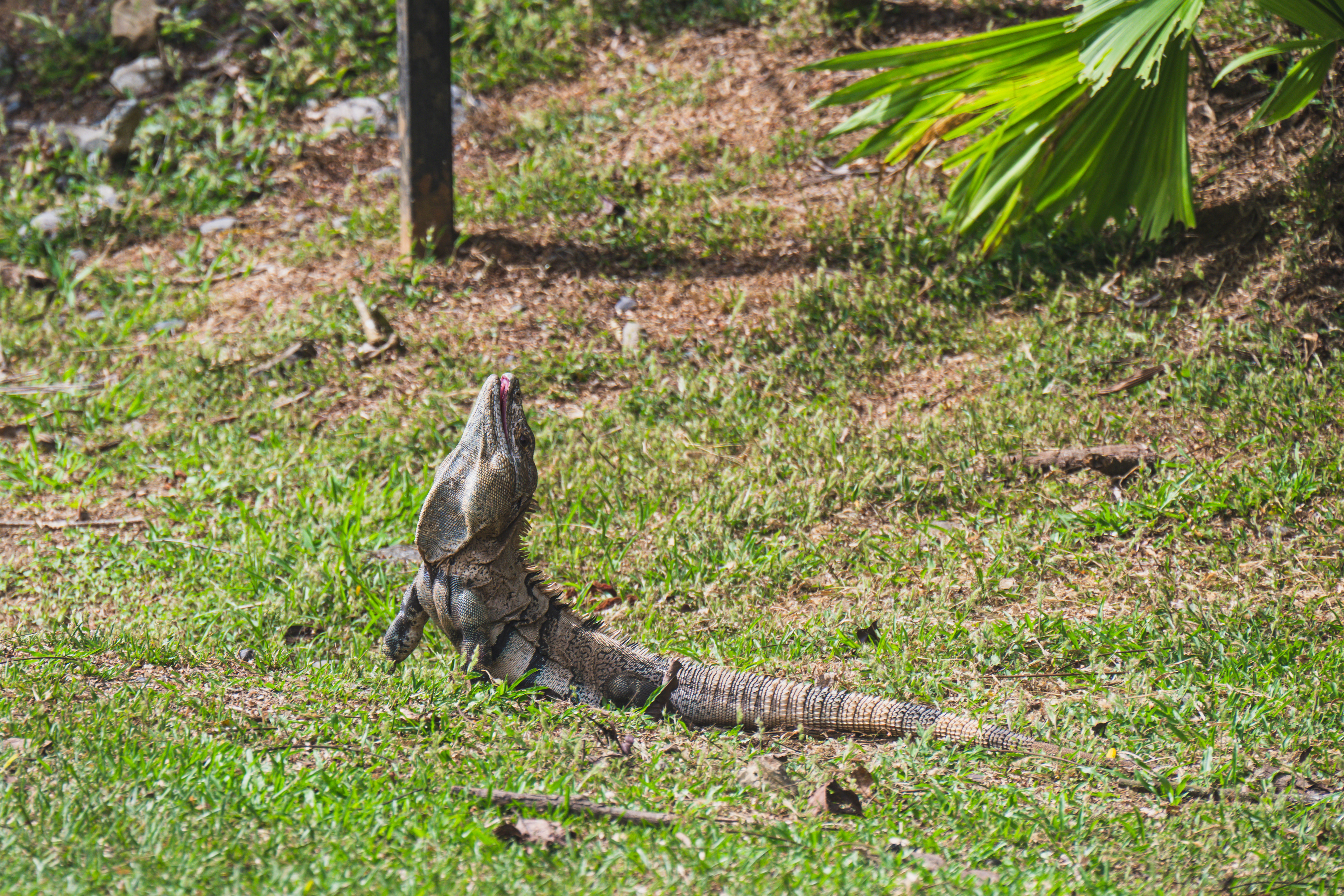
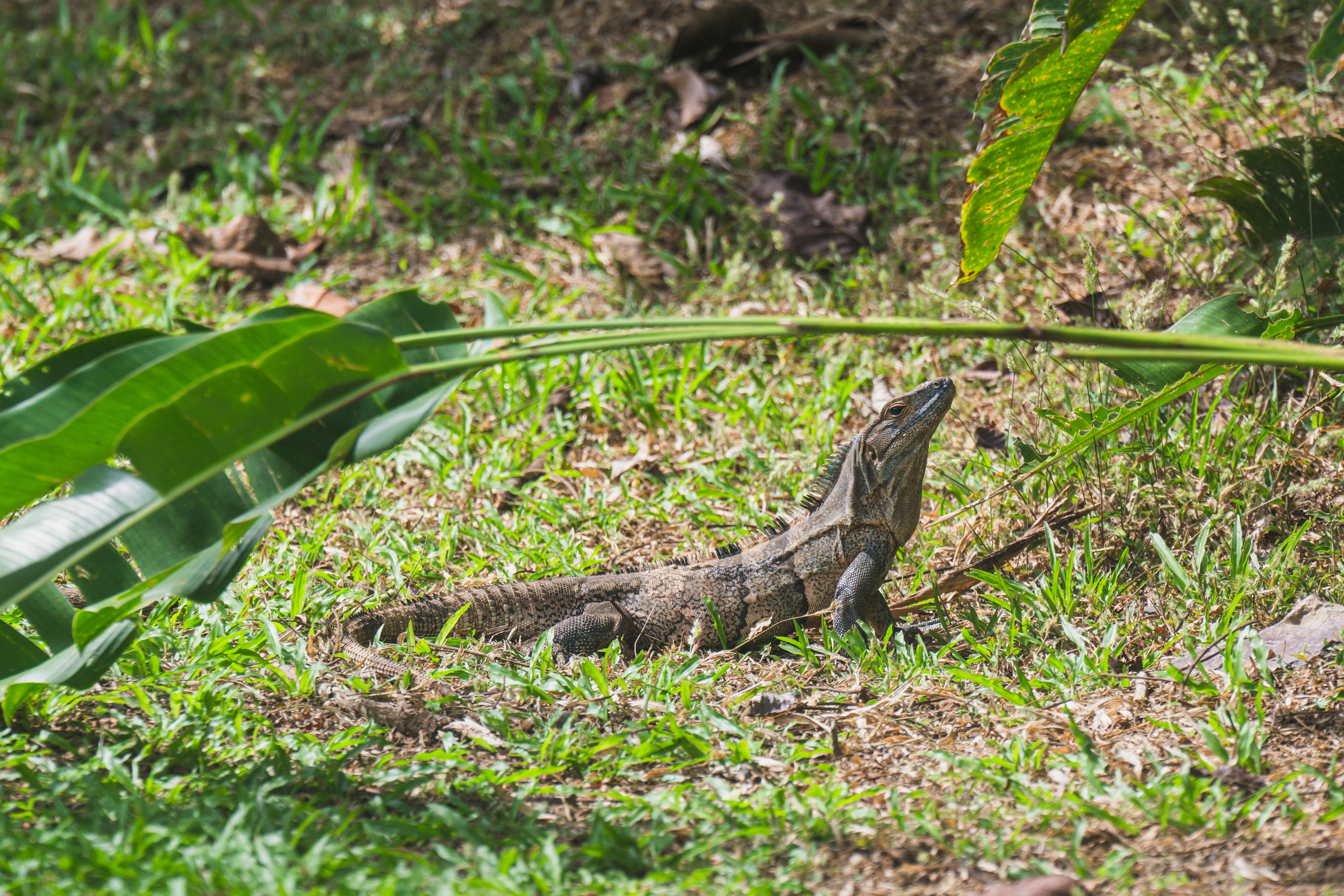
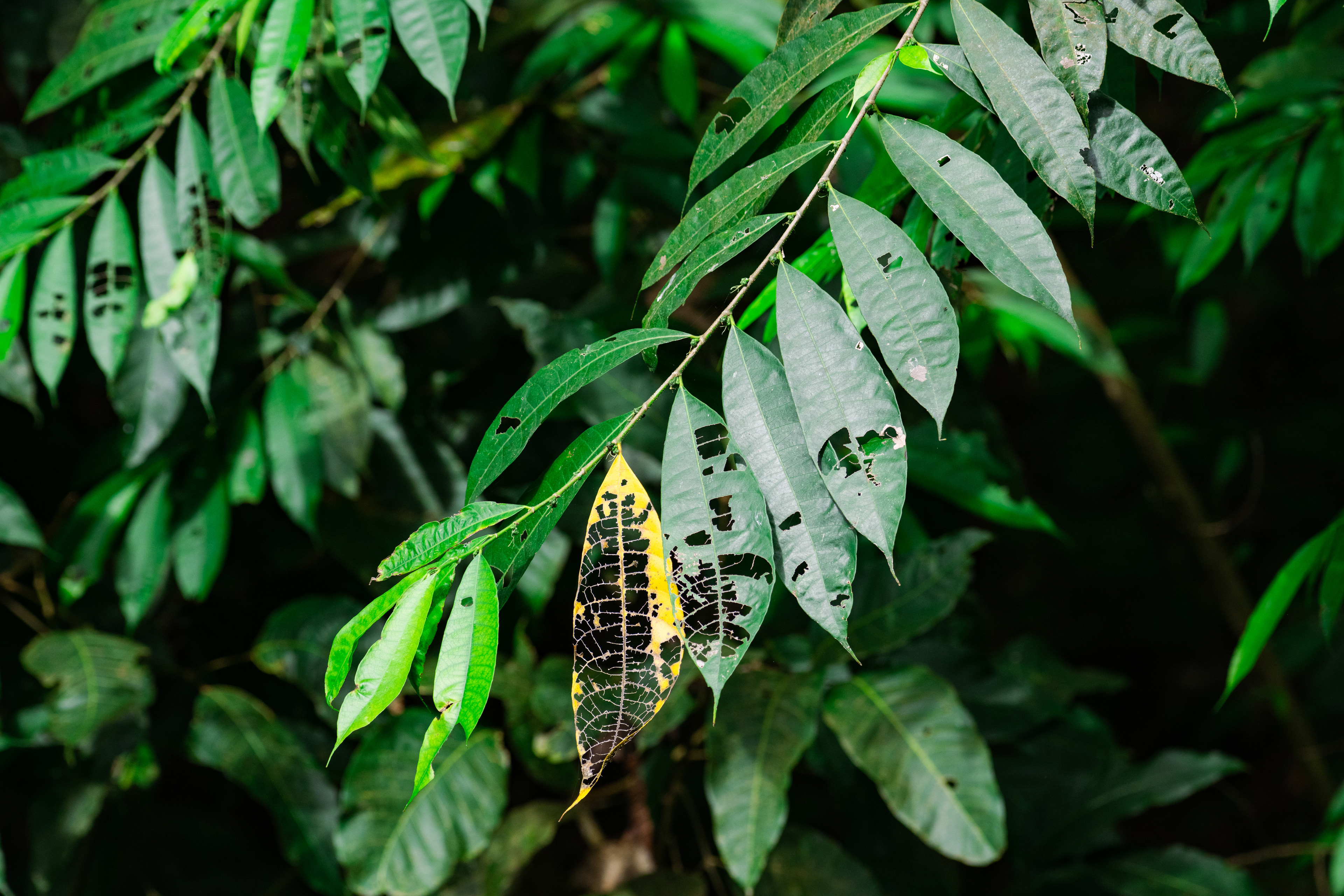
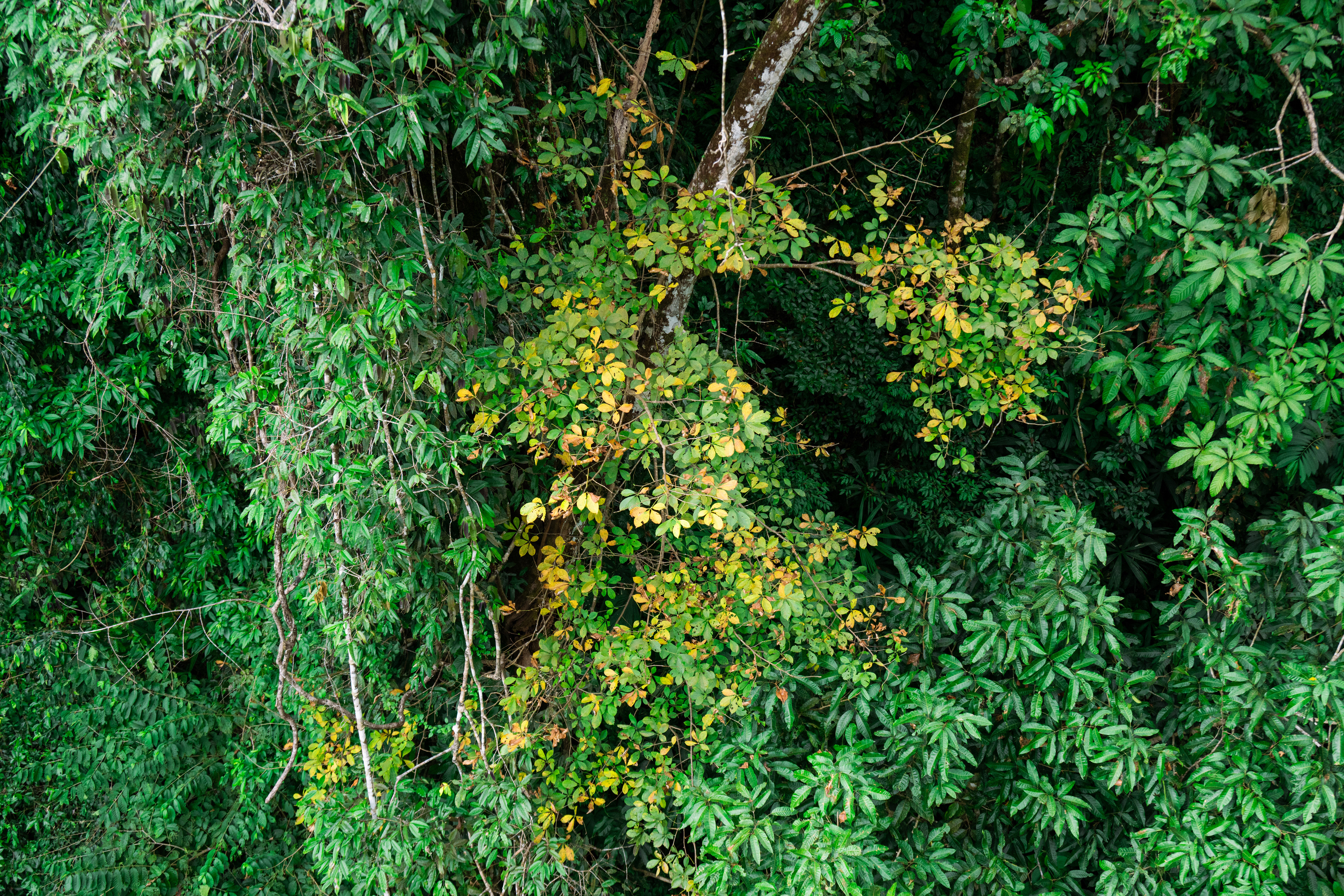
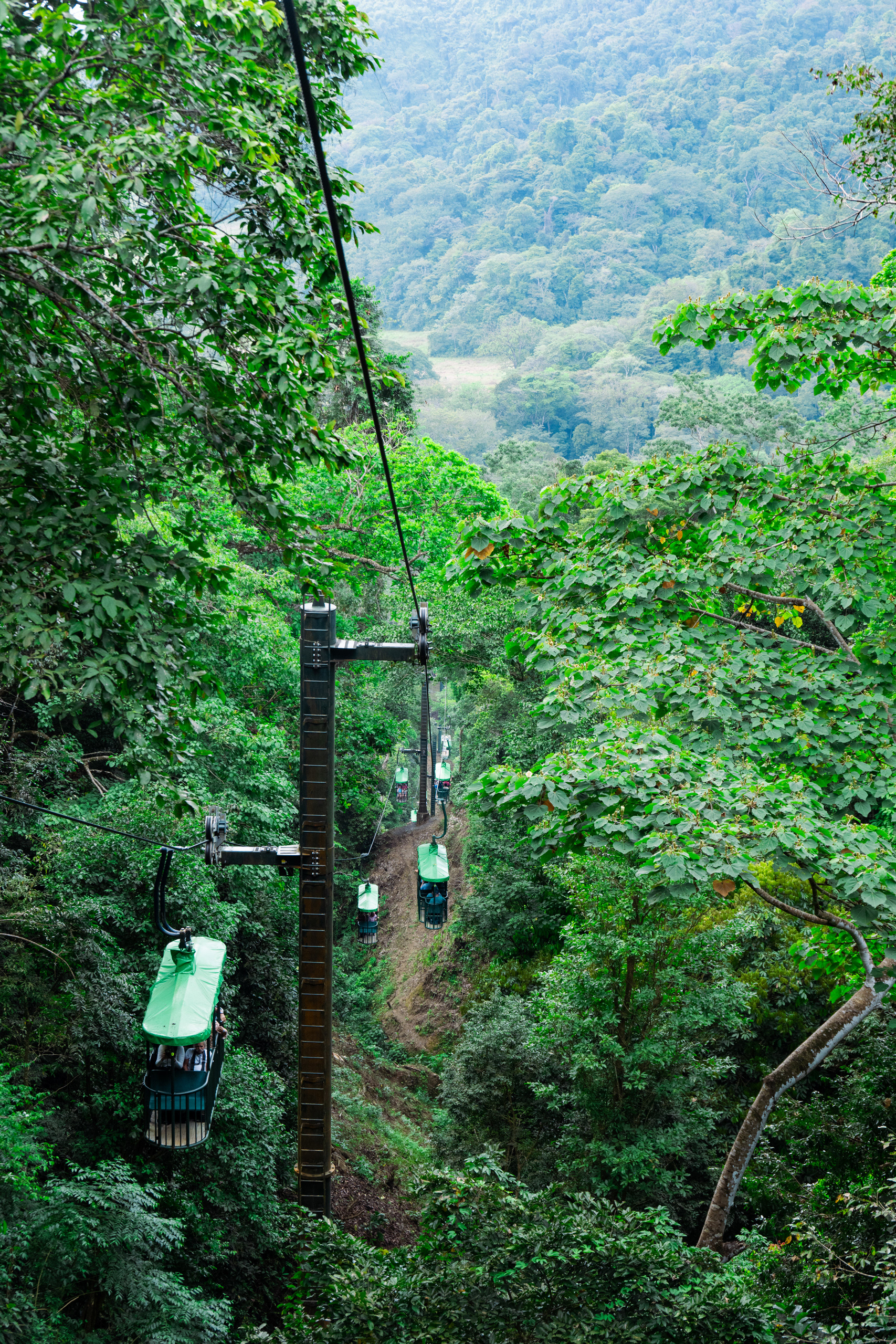
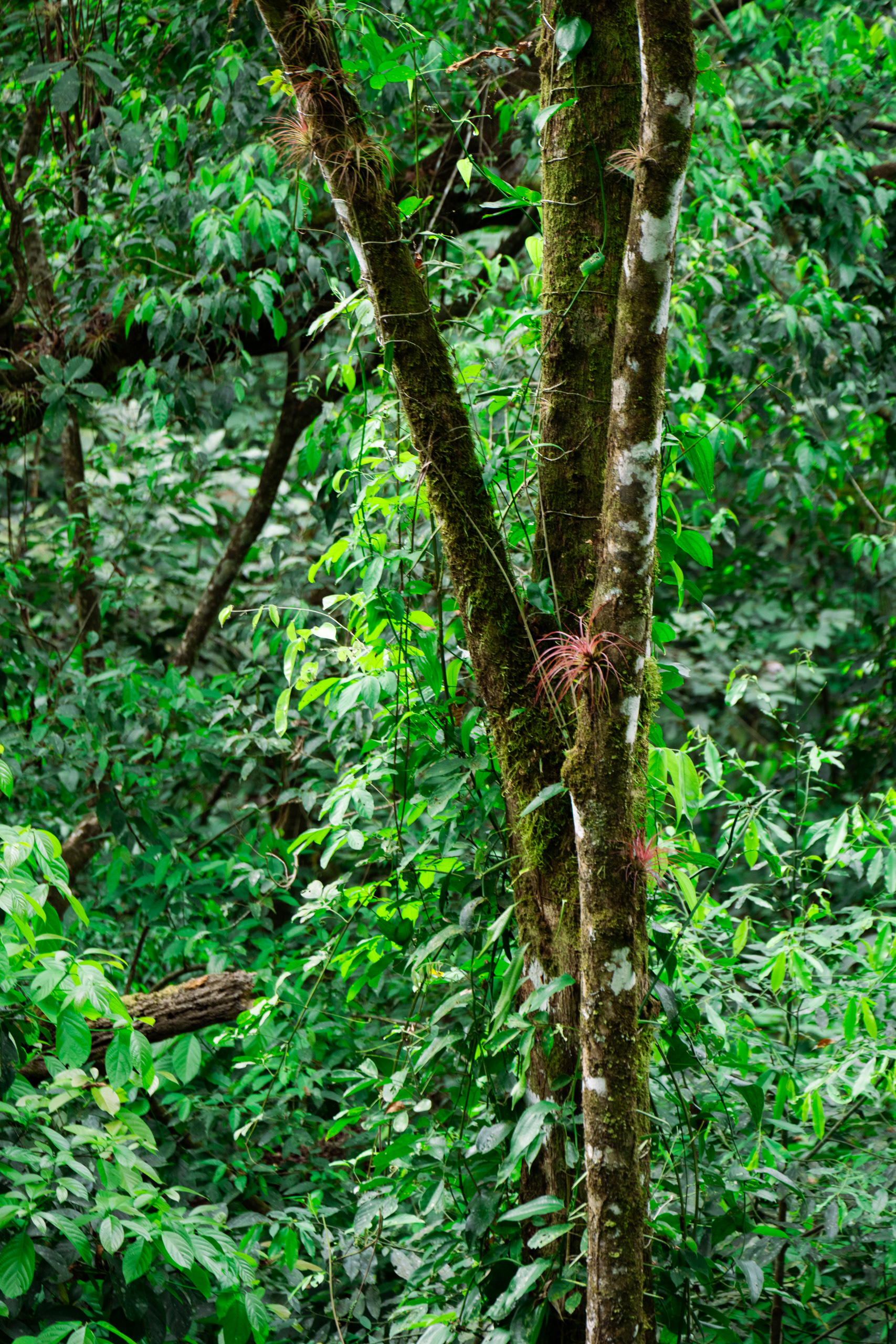
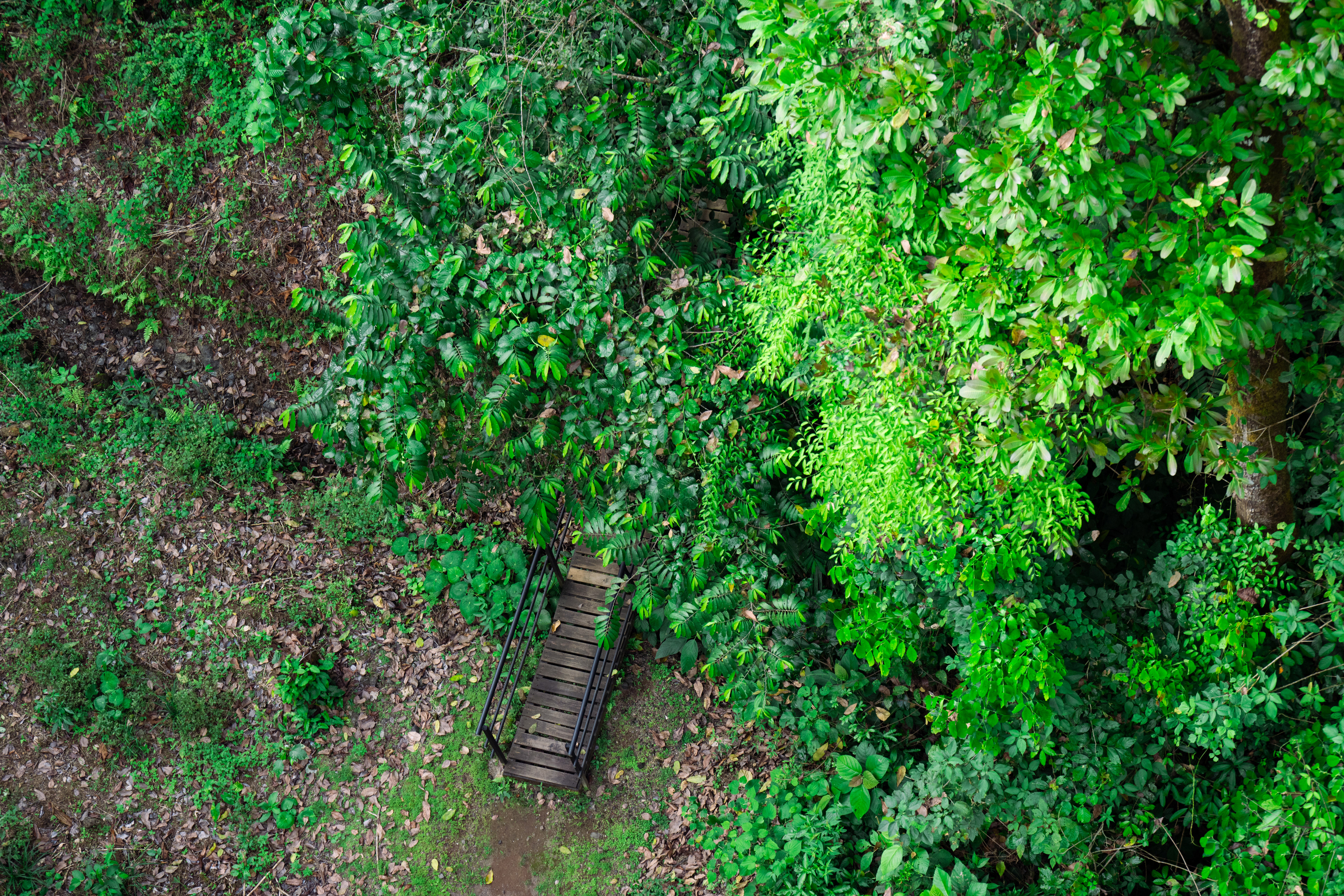
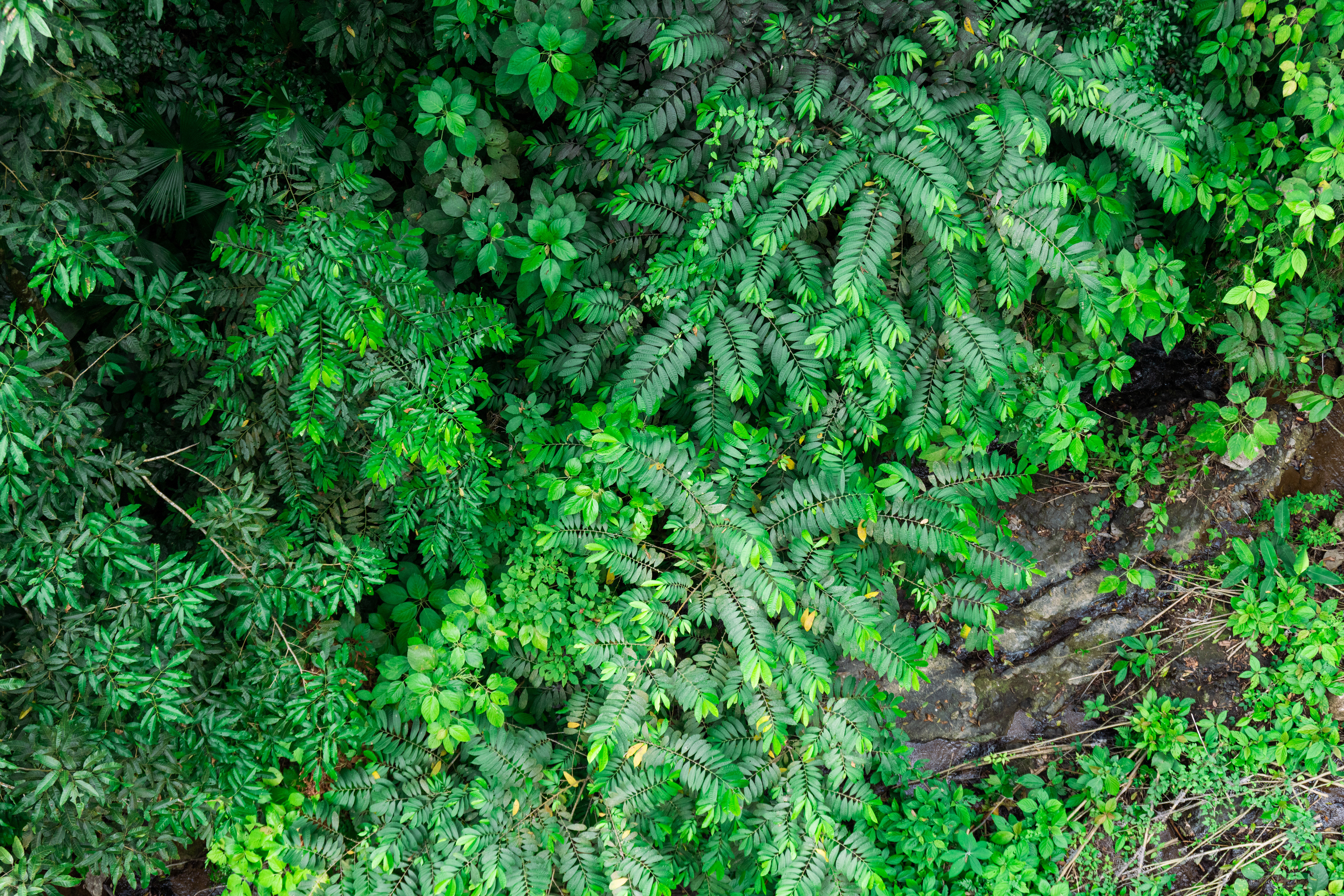
Lunch came first, at the open-air restaurant at Rainforest Adventures Jaco overlooking the forest — a generous Costa Rican buffet, local enough to feel like the meal belonged to the place rather than having been assembled for cruise passengers. On the path leading in, several iguanas — easily a meter long — was stretched across the walkway with the absolute composure of an animal that knows it is not the one on a schedule. They regarded us. We regarded them. They did not move. Then the aerial tram, a gondola system that lifts you slowly up through successive layers of the rainforest canopy, from the dark, damp understorey to the bright, windy crown. The ride itself was quiet — just green in every direction, layered and dense, the sound of the forest replacing everything else. No animals presented themselves during the tram, but that was fine. Some experiences don't need wildlife to justify themselves.
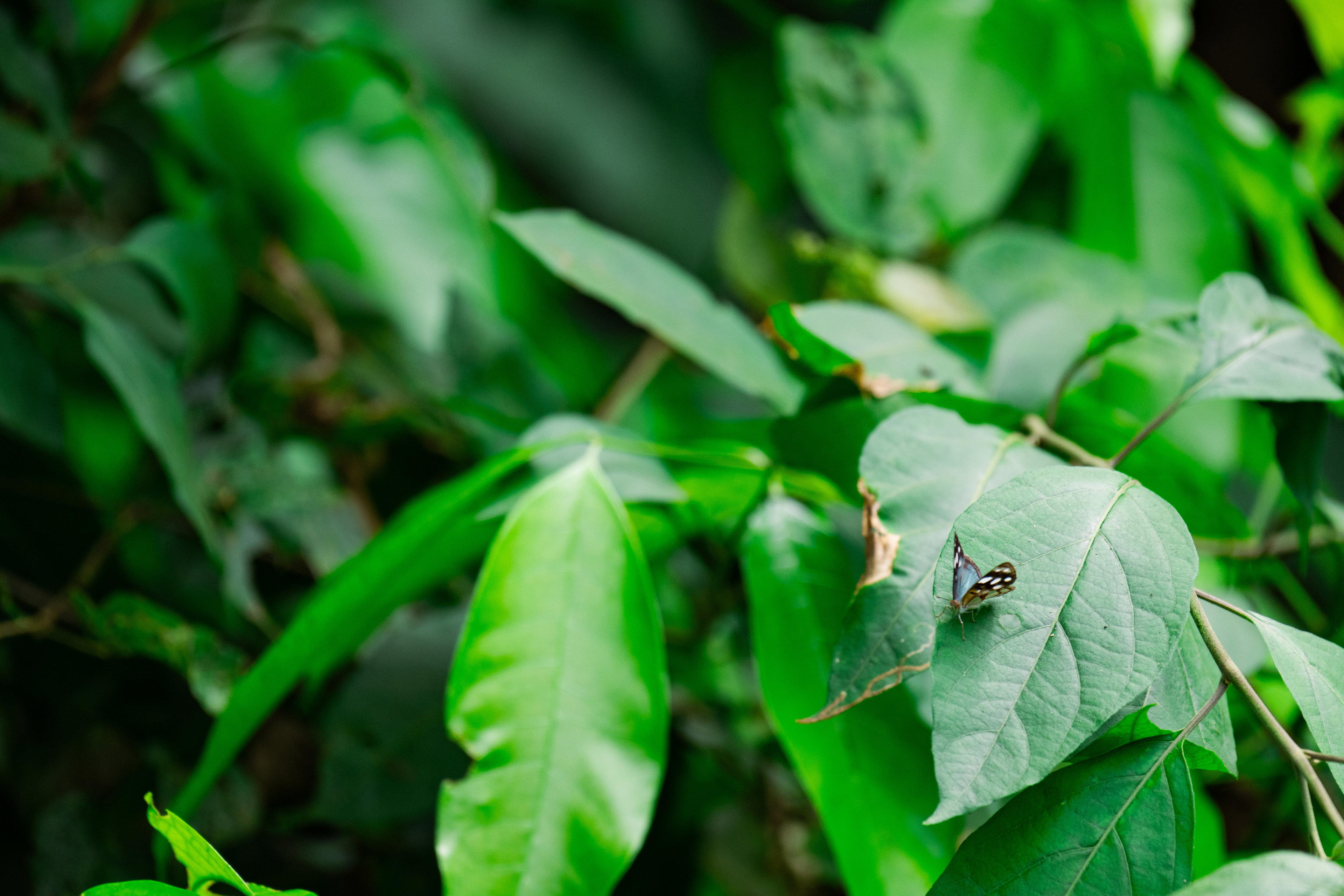
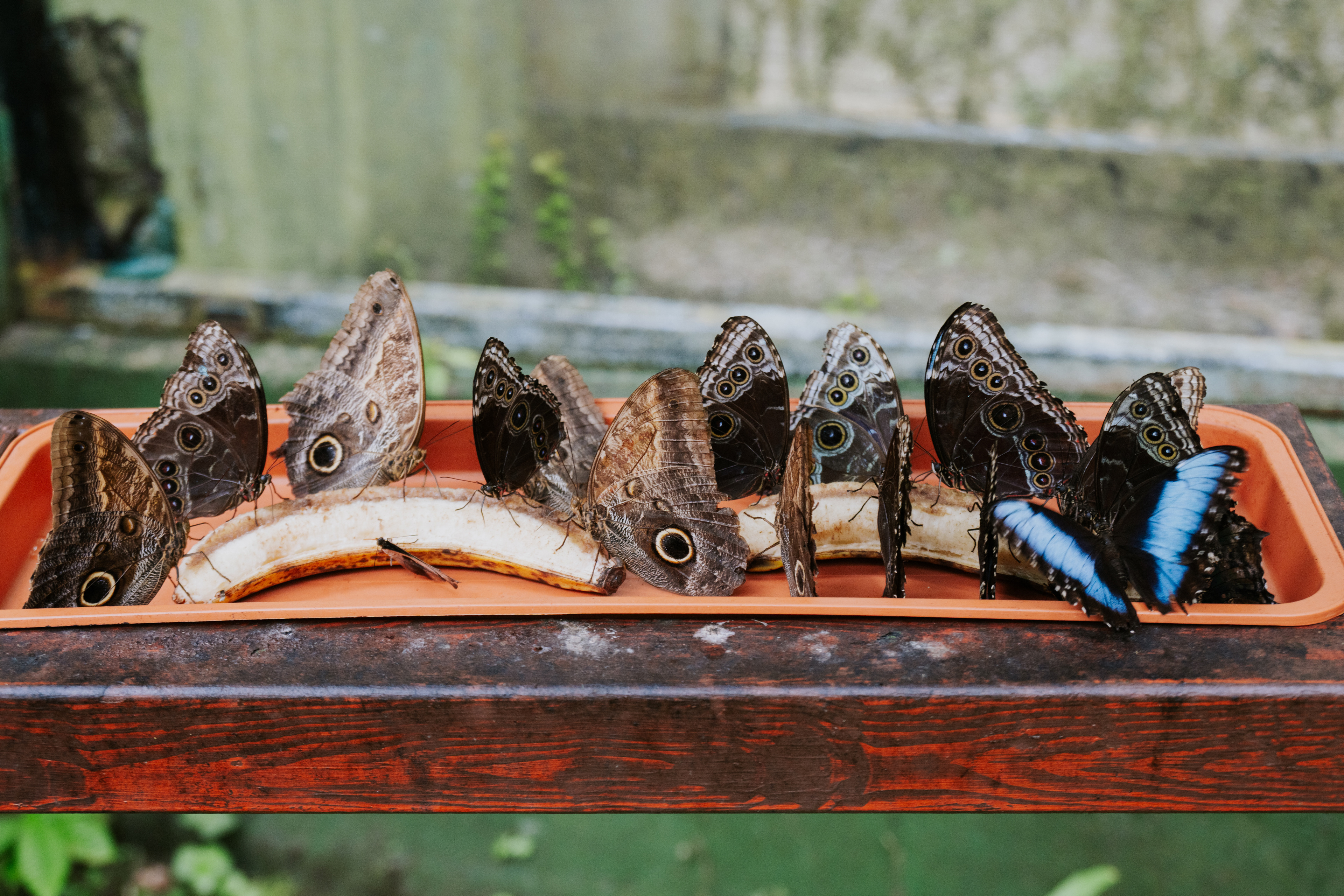
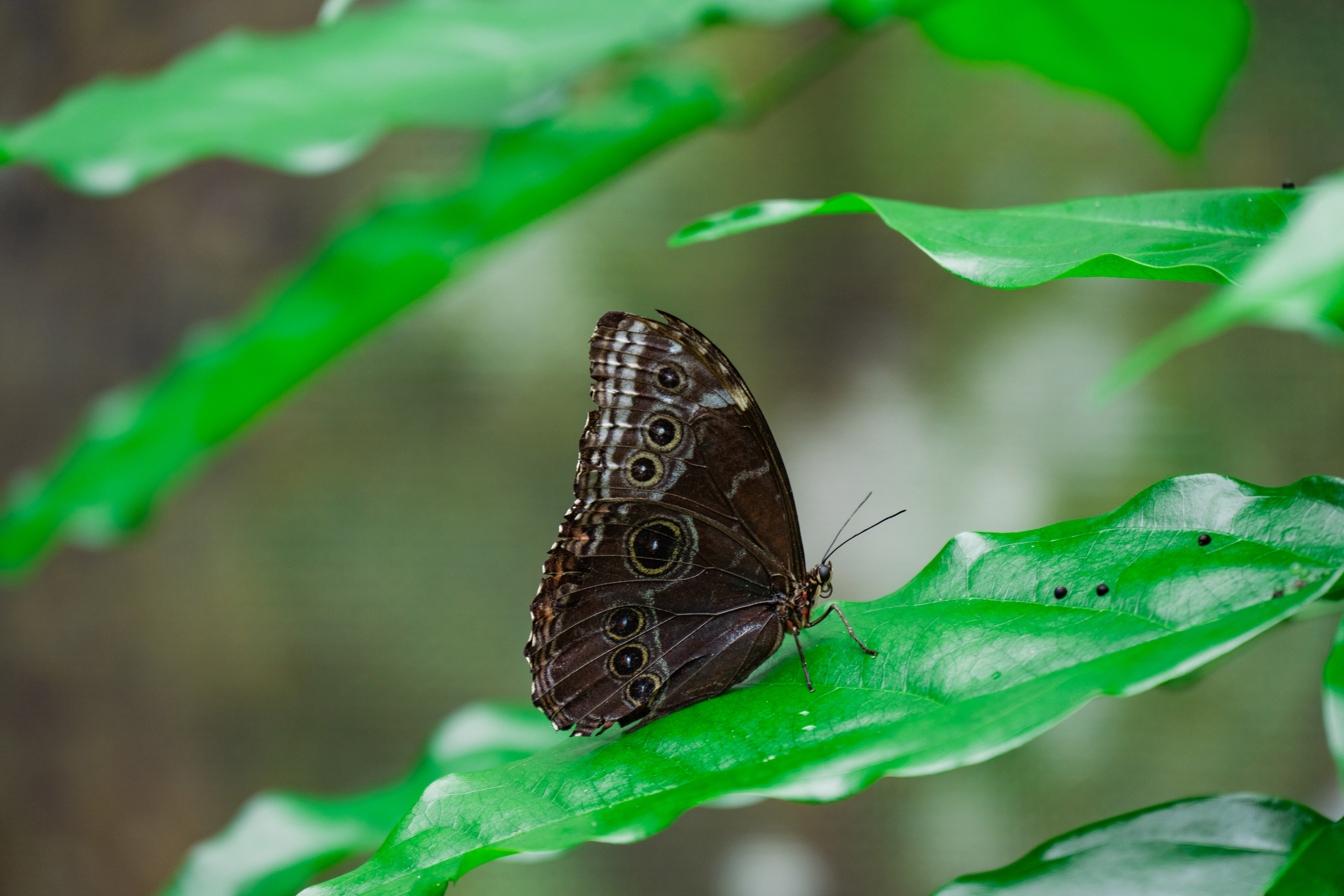
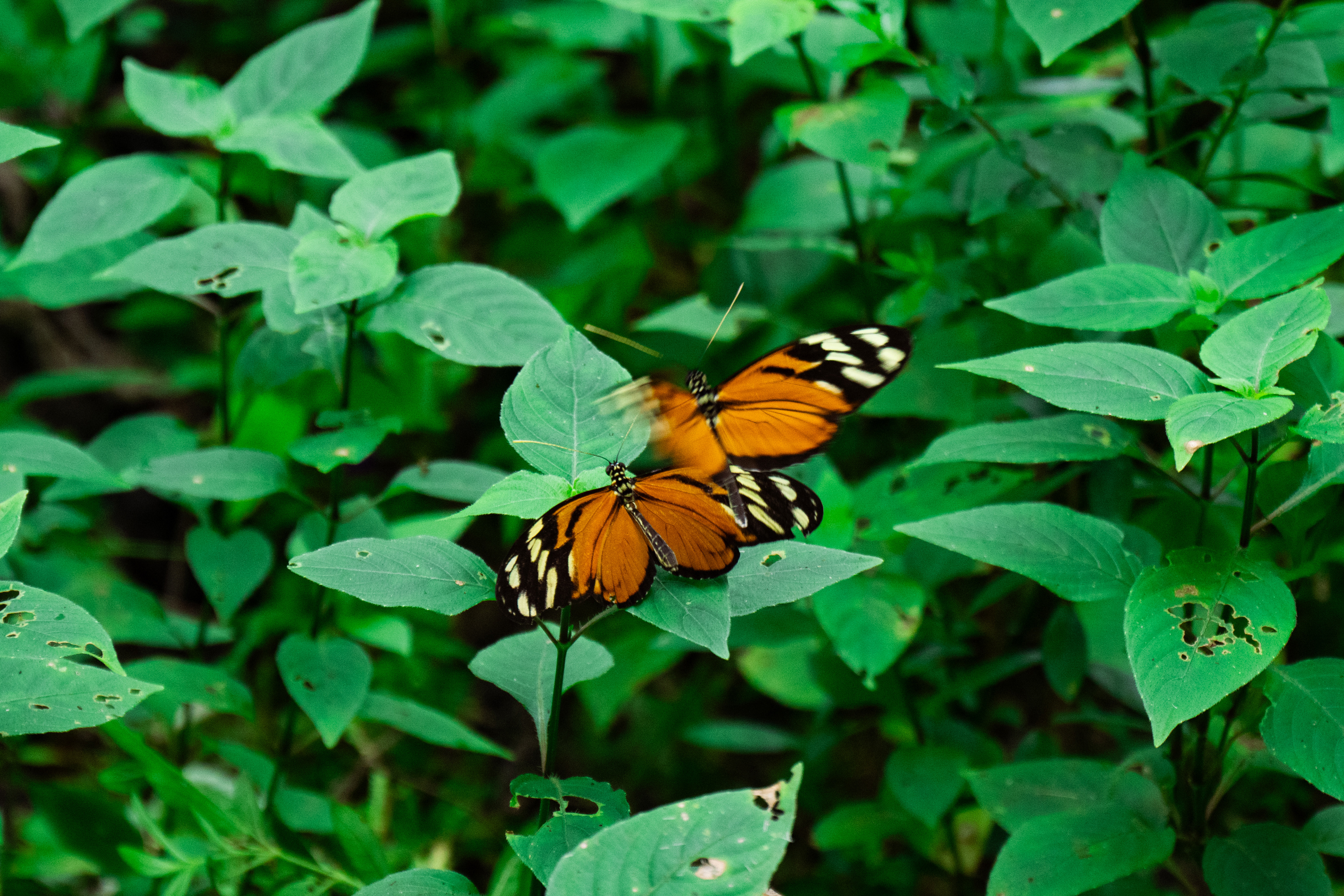
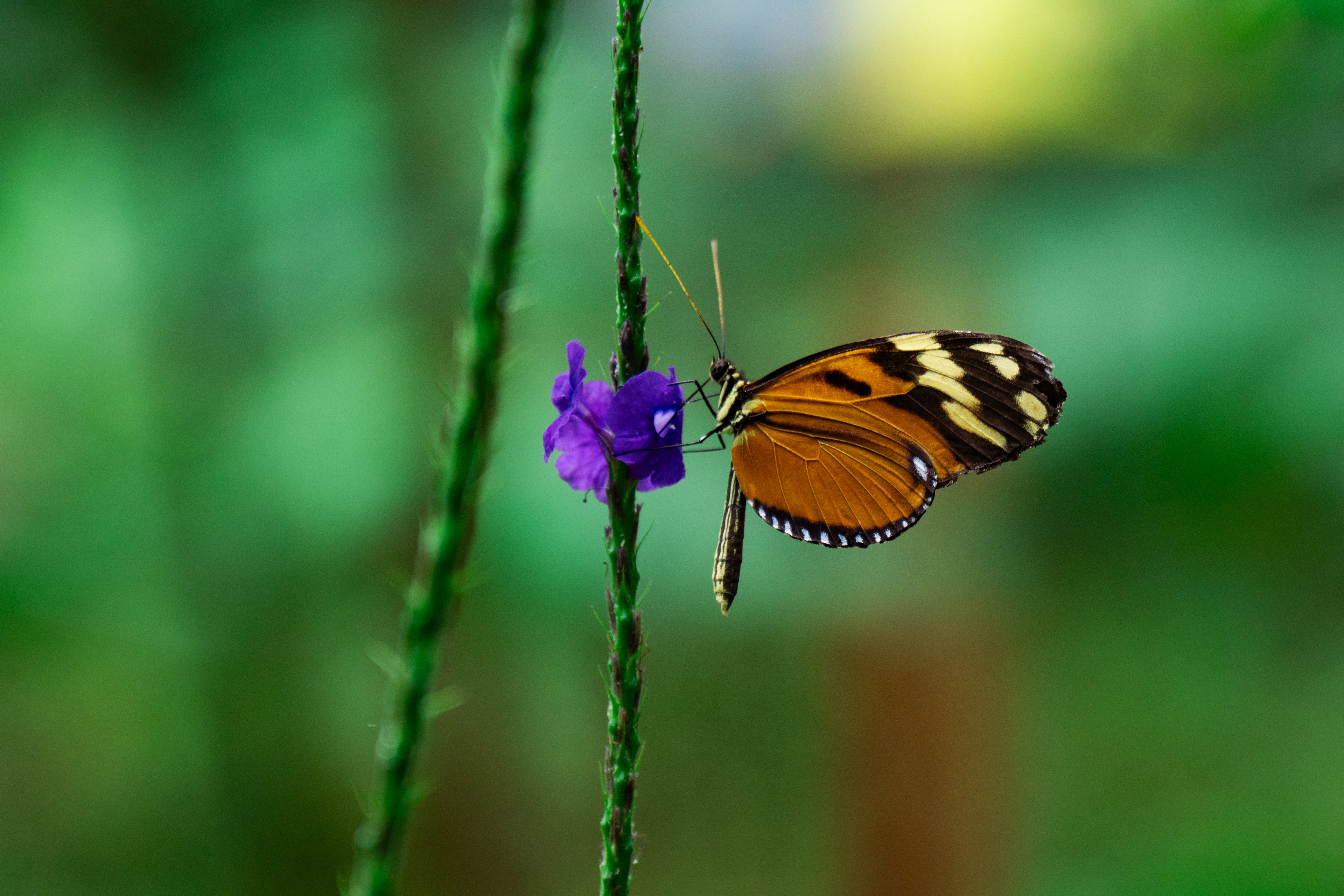
The surprise came afterward, back at ground level. Beside the tram station, Rainforest Adventures runs a small butterfly garden — enclosed, intentional, the kind of place where you walk in and the air immediately feels different. The collection inside was remarkable, but the owl butterflies were the standout: wings spread wide enough to fill a hand, each one bearing that enormous false eyespot that gives the species its name. Up close, the pattern is almost absurdly convincing: a dark iris, a pale ring, depth that doesn't belong on a wing. They land and open slowly, and for a moment your brain genuinely processes it as an eye before correcting itself. Our daughter was frozen in place, which for a nearly-three-year-old is a rare and telling response.
Then came the (bad) news about the river cruise. The ship's operations team had cancelled it — the same year-end traffic that had bitten into our morning made the Tarcoles leg too risky to run and still guarantee a return to the ship on time. The refund was processed quickly though. The crocodiles remained unvisited. Costa Rica deserved more hours, and the holiday-season logistics felt like something Oceania could have anticipated better. But the iguanas, the canopy, and the owl butterflies were more than enough to carry a day that had been shortened before it started.
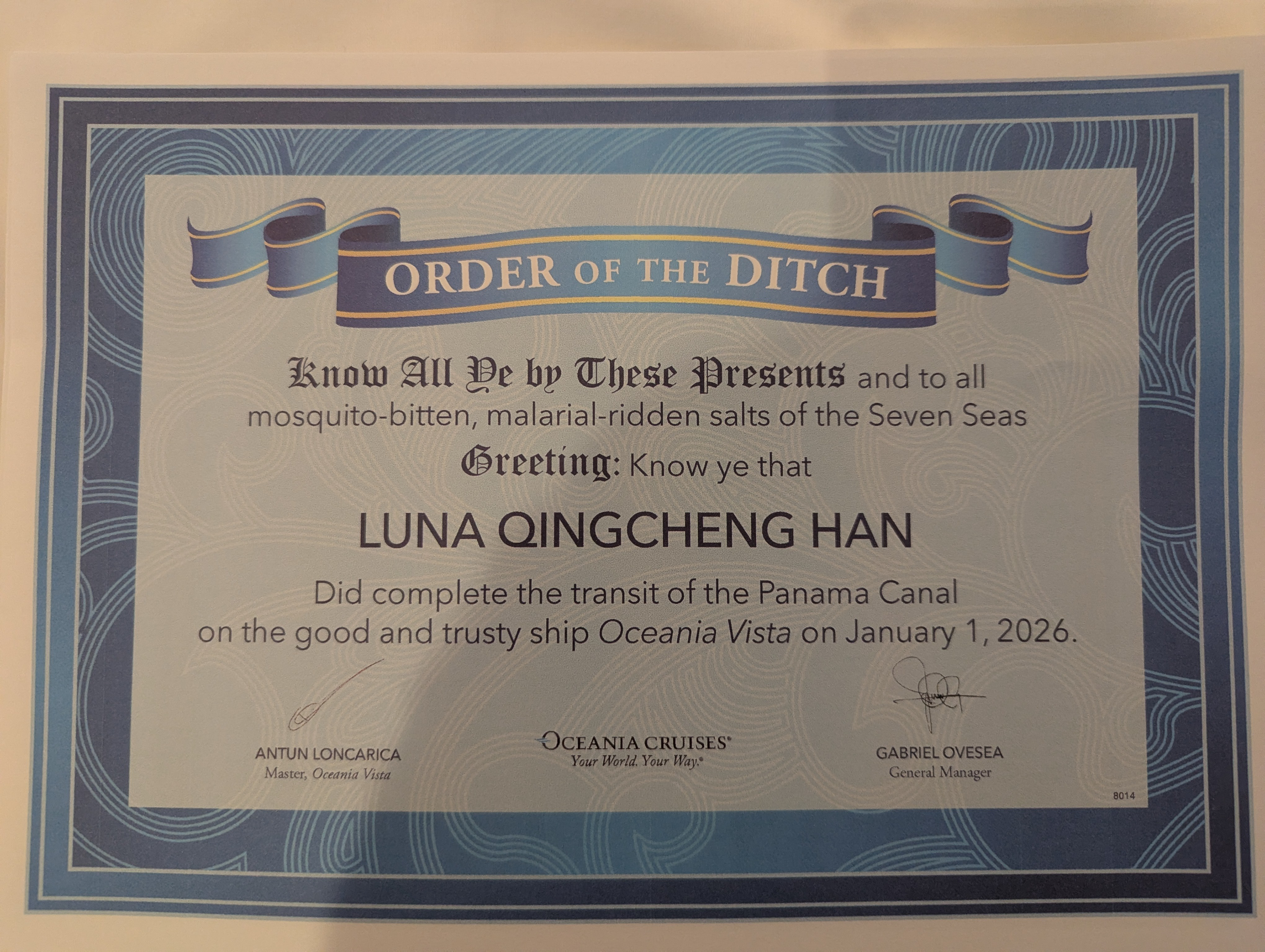
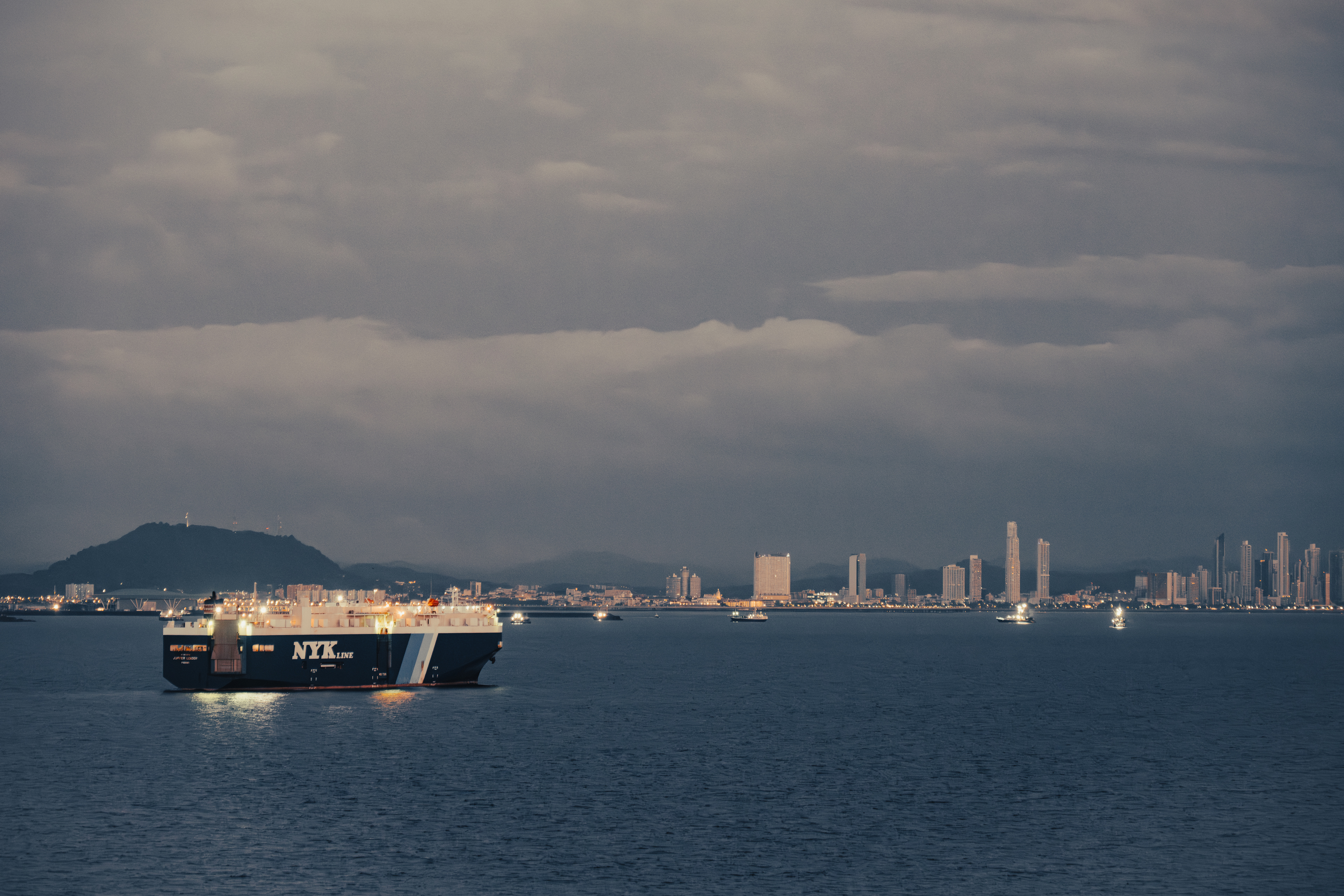
The Panama Canal — New Year's Day, Two Oceans
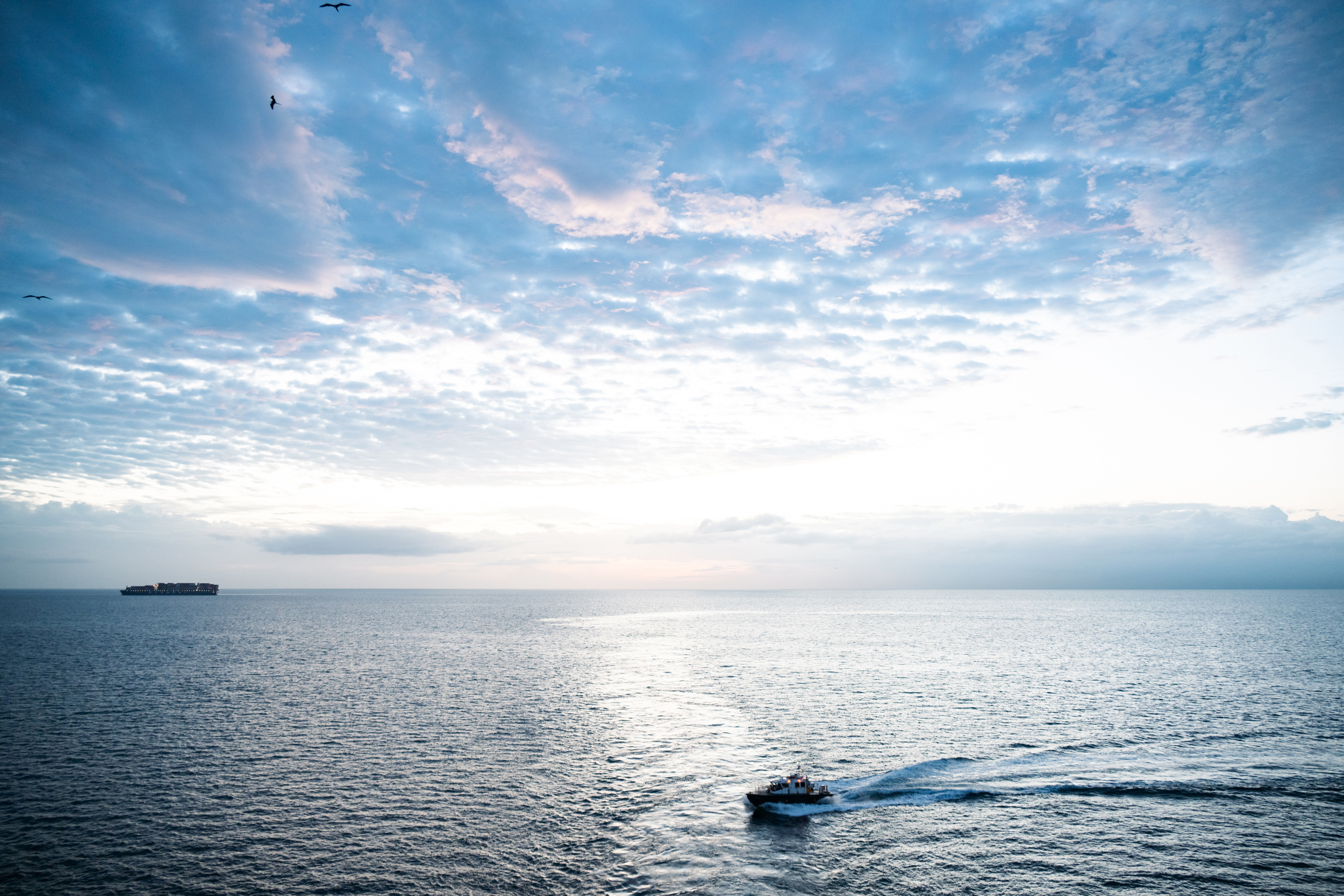
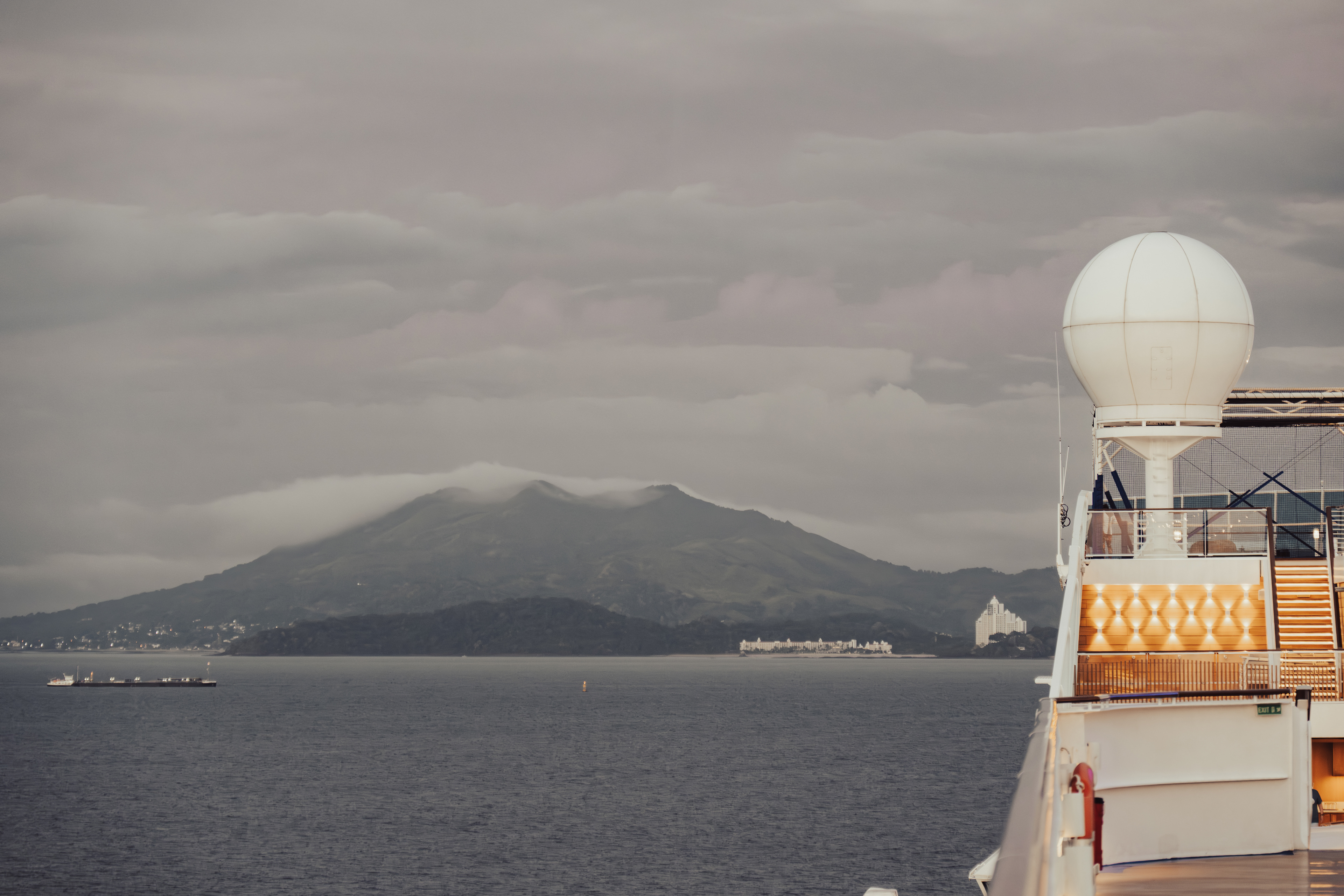
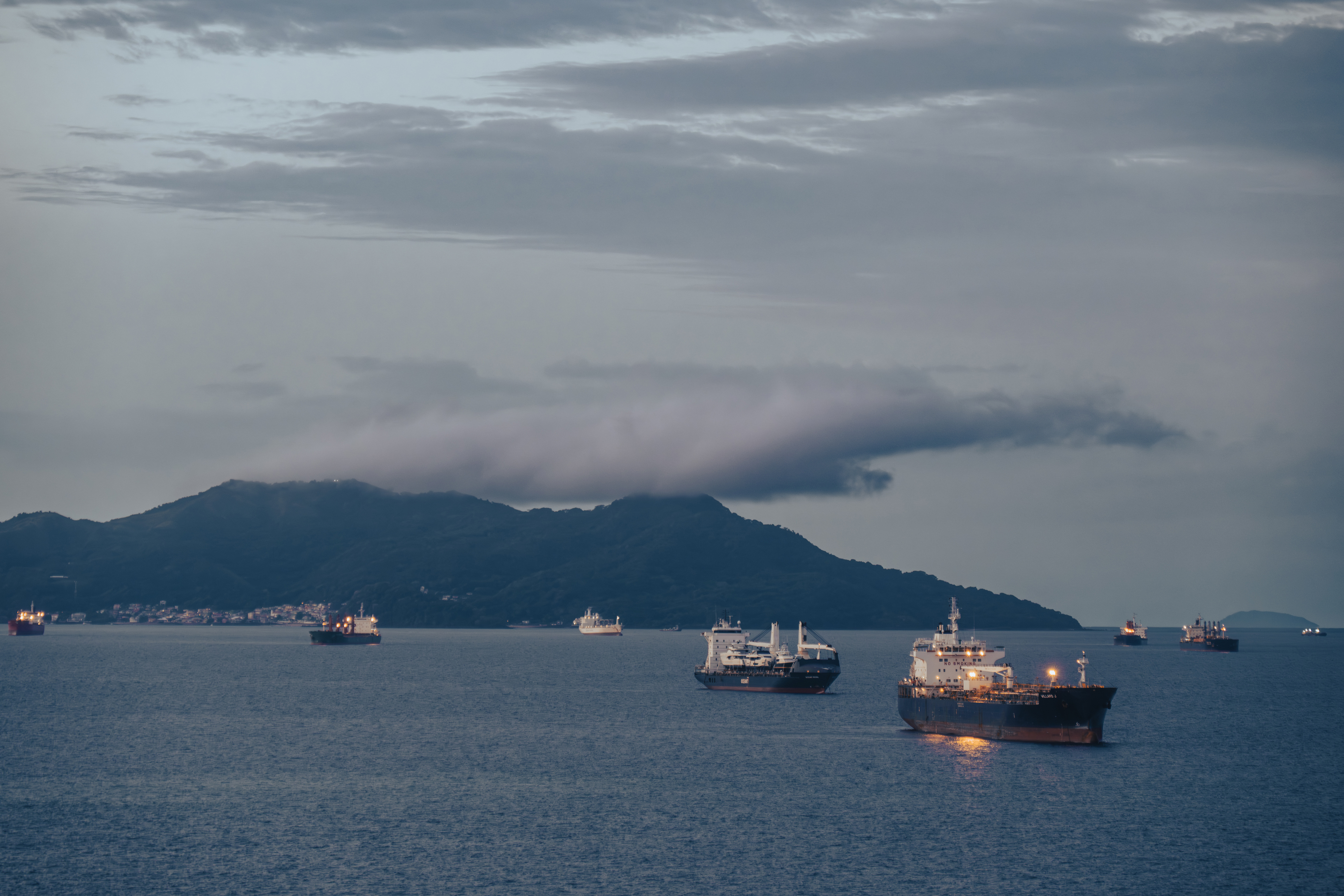
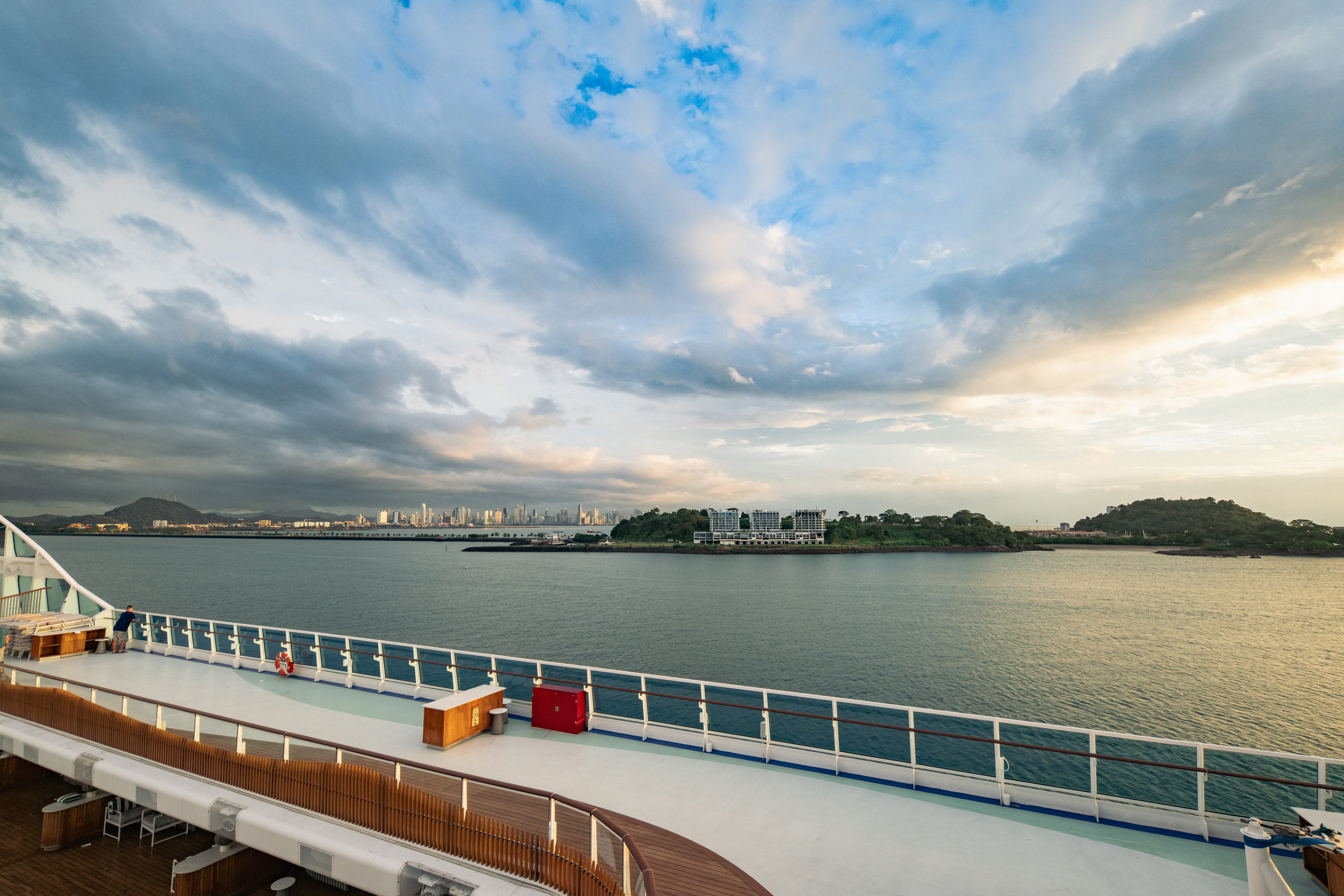
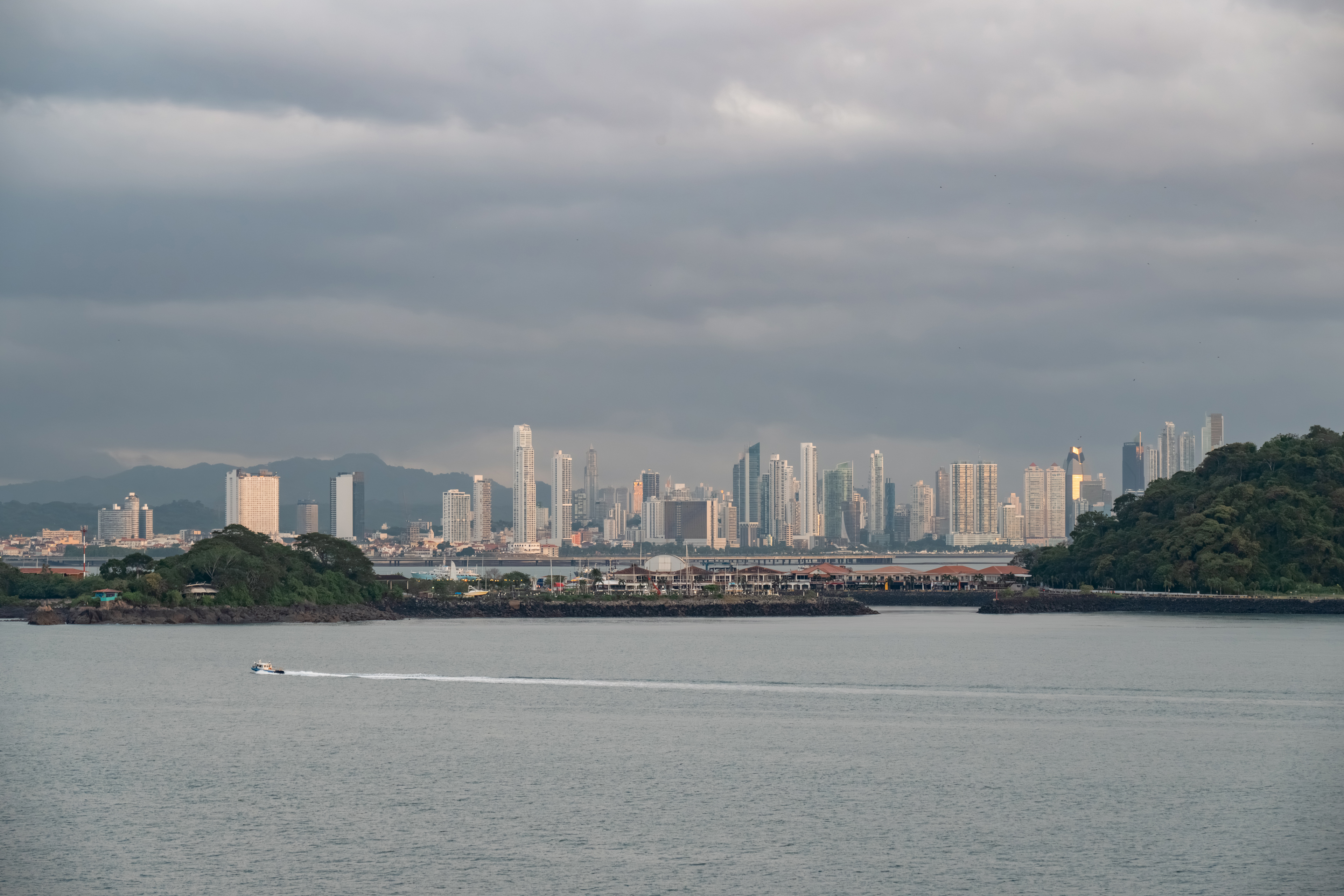
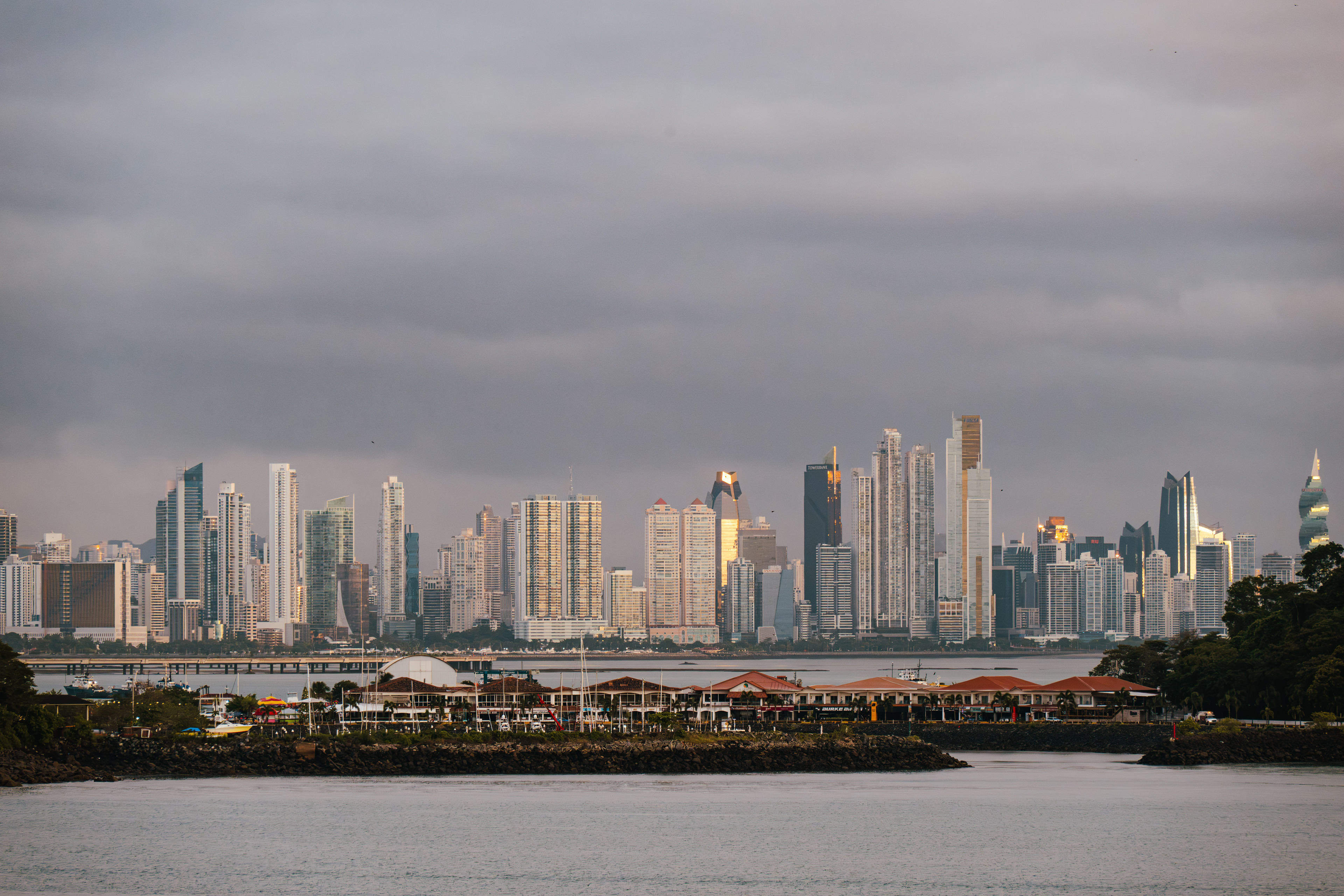
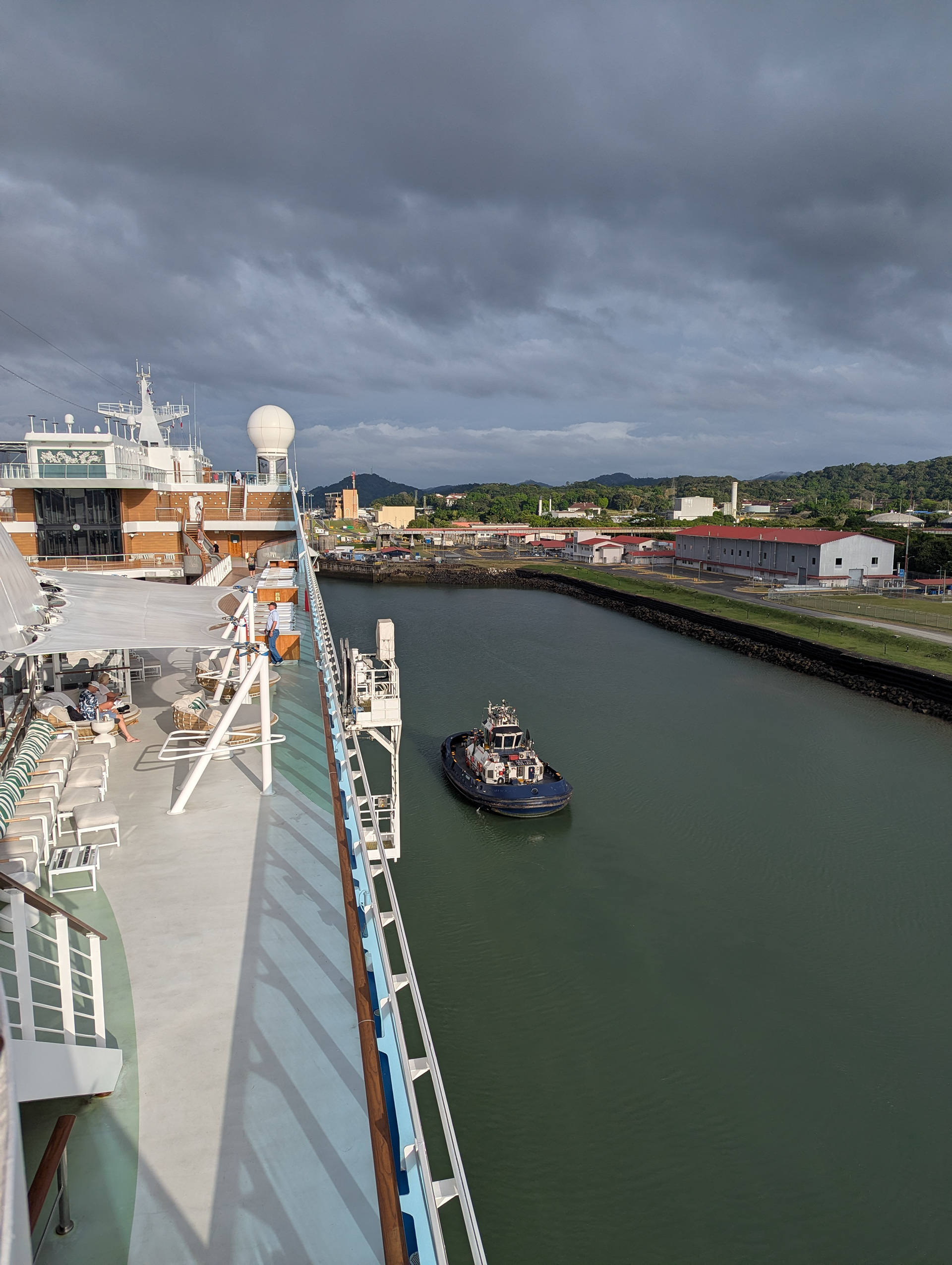
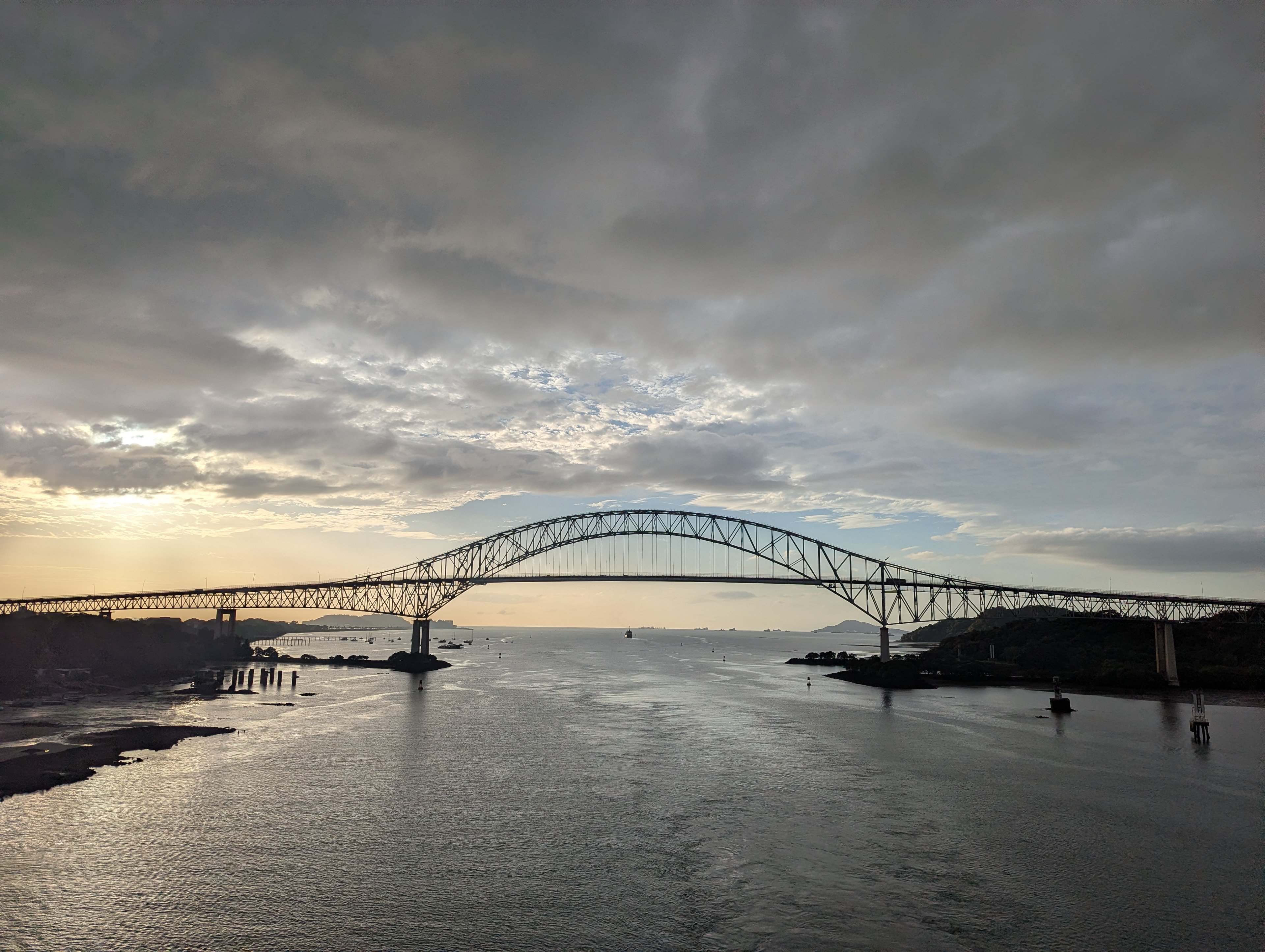
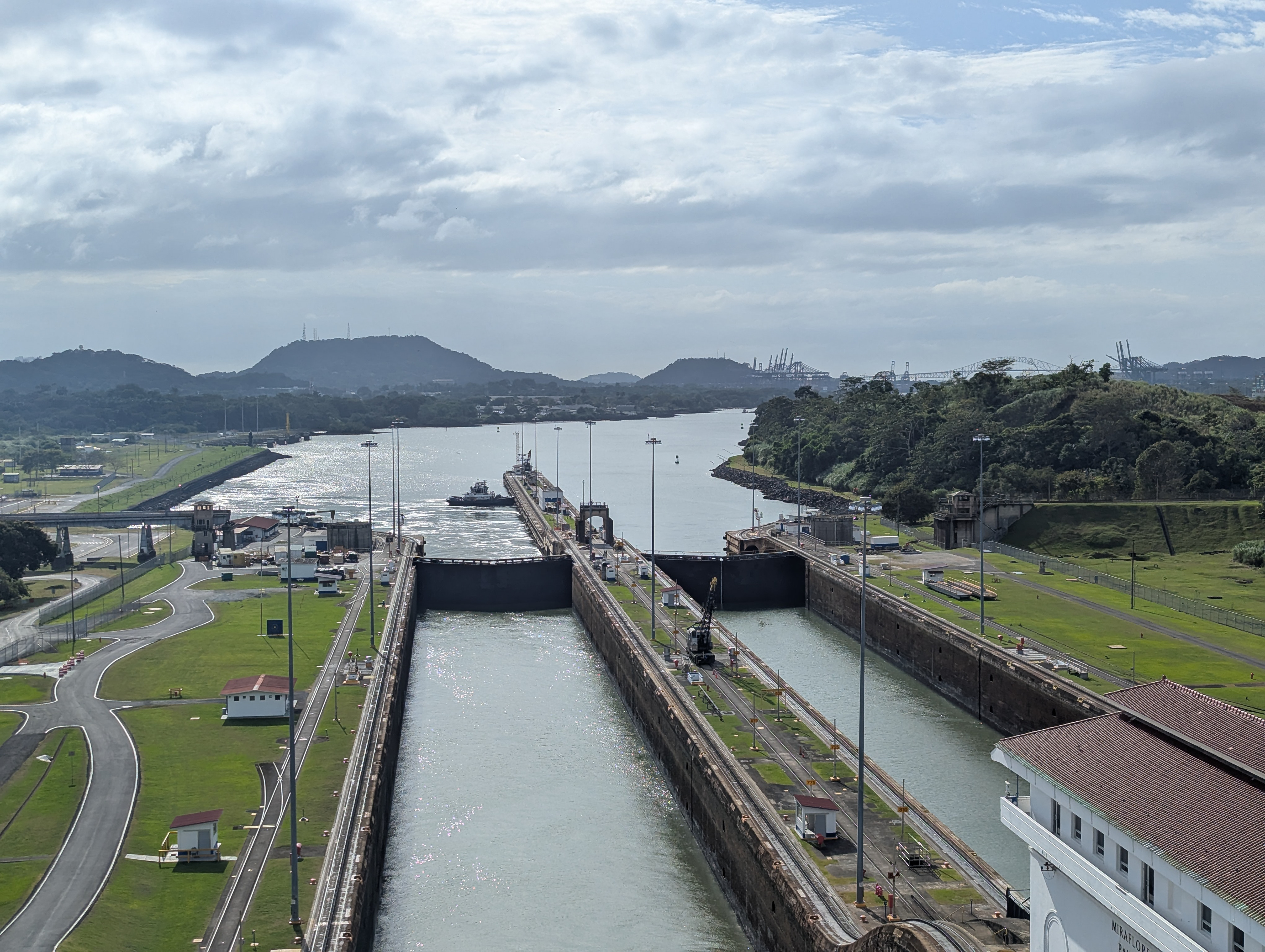
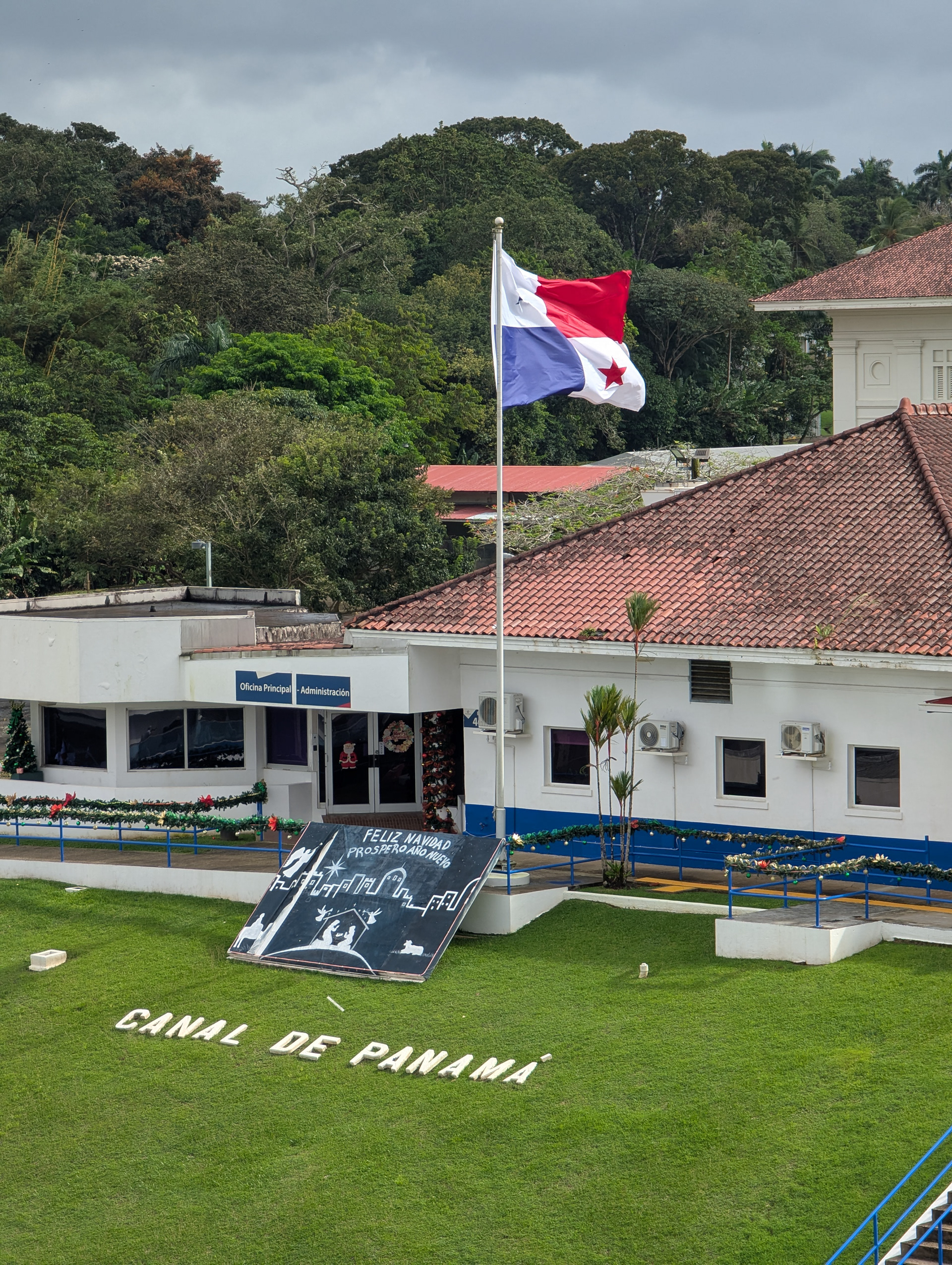
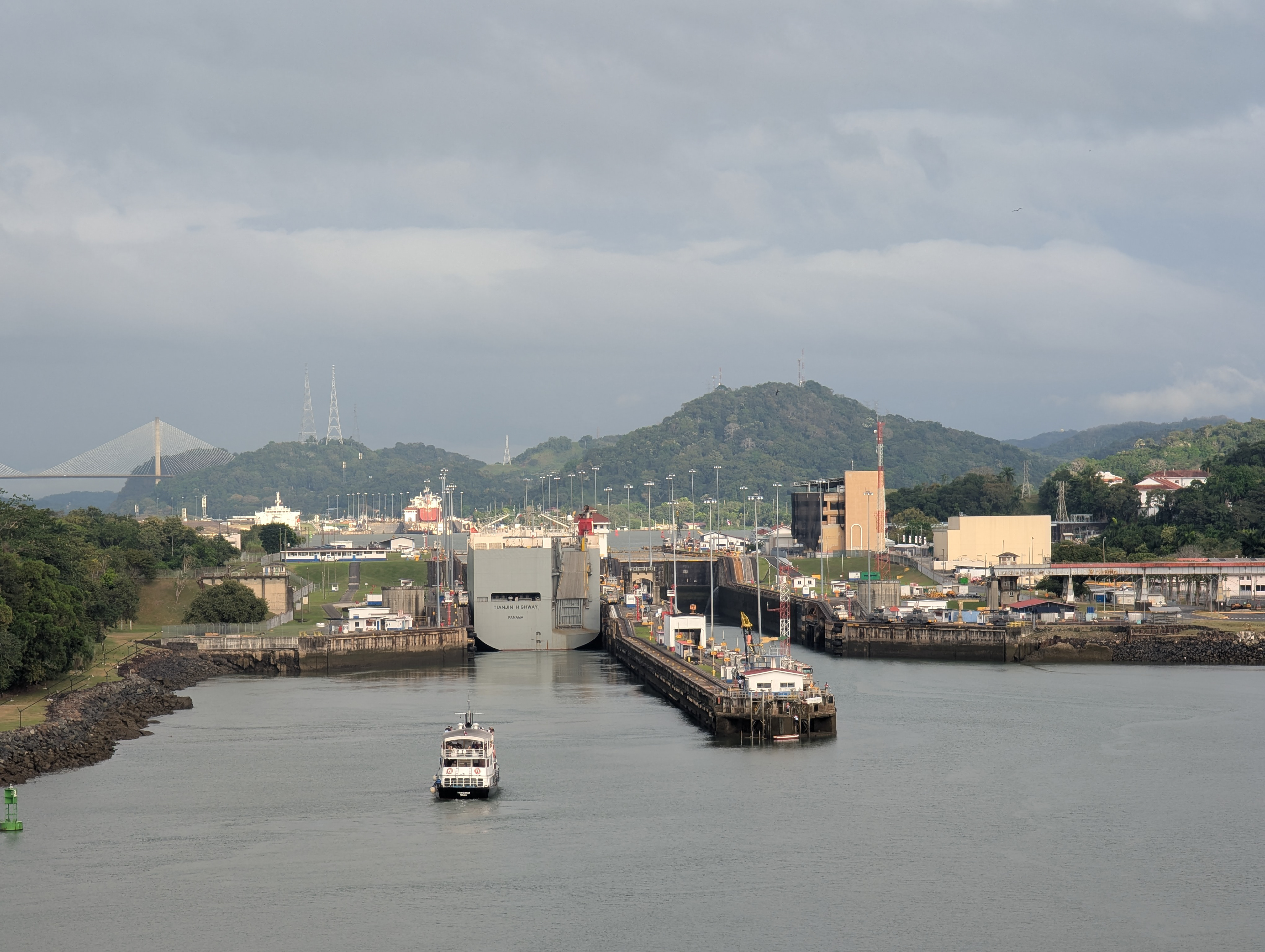
Of all the things I did not expect to feel emotional about on this trip, standing on the bow of a ship at dawn on New Year's Day, watching a Panamanian canal pilot step aboard at 5:45am to guide us into the Miraflores Locks, was high on the list.
Let's talk about what the Panama Canal actually is, because most people have a vague sense of the thing without quite grasping the scale of the achievement.
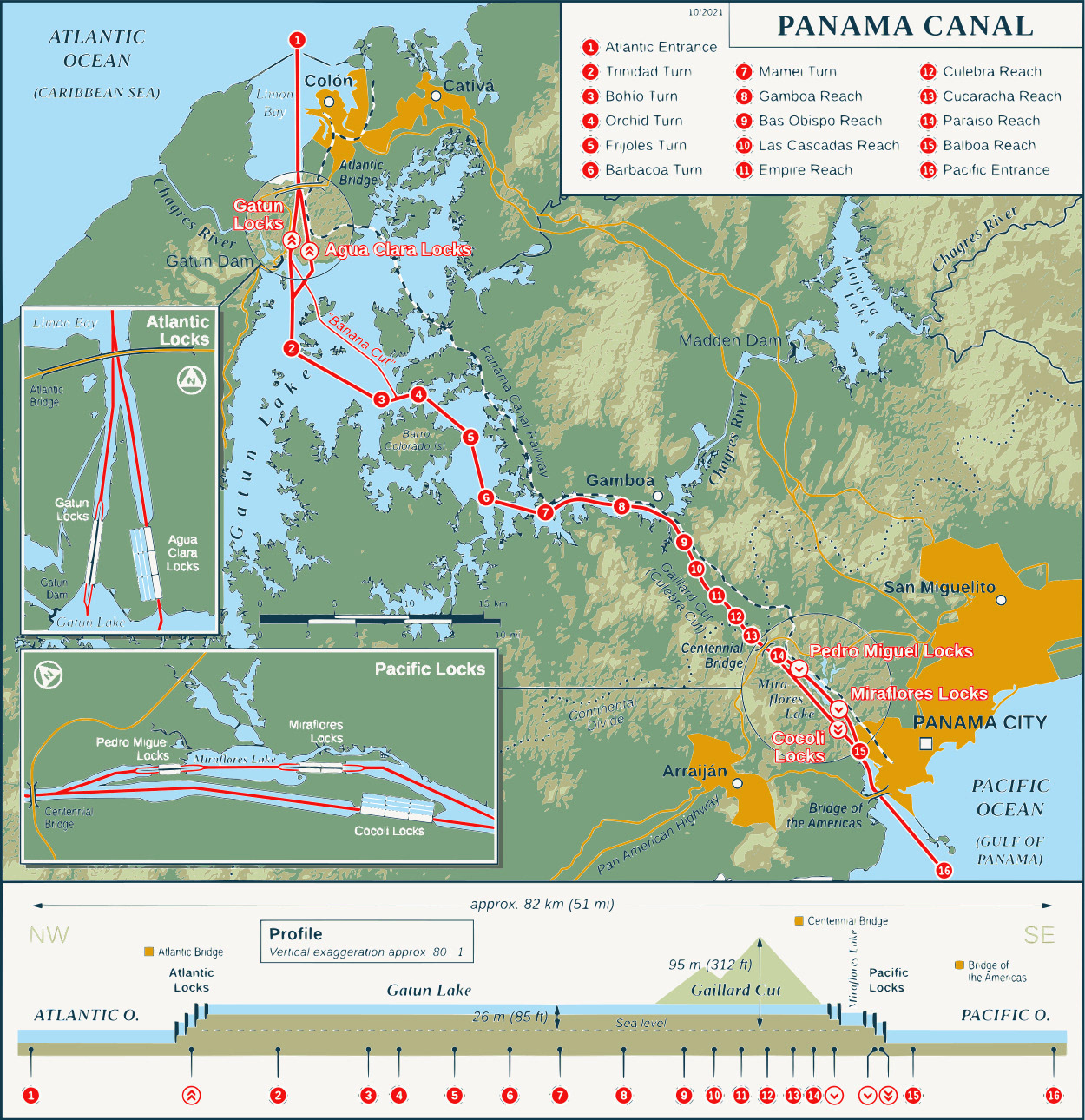
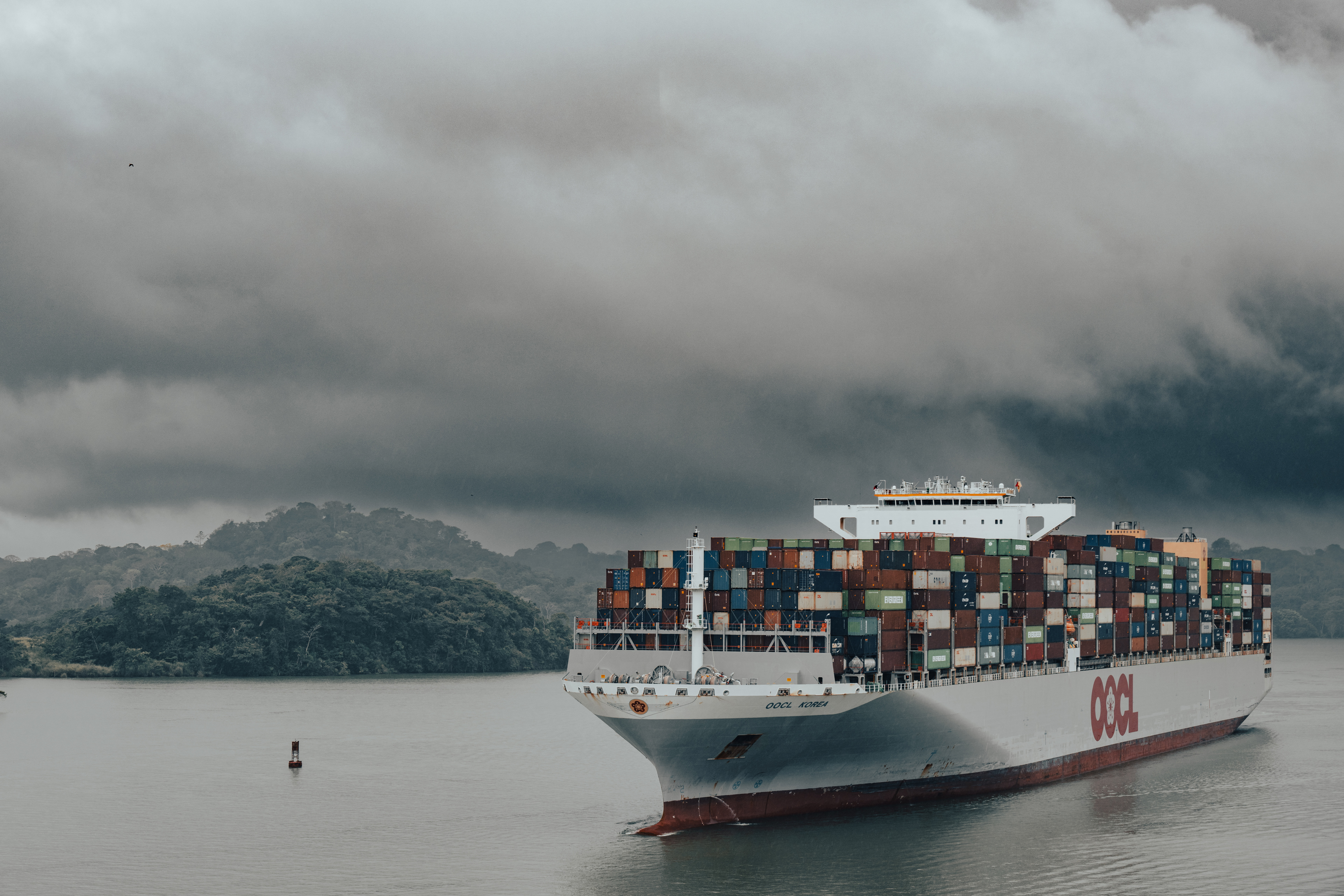
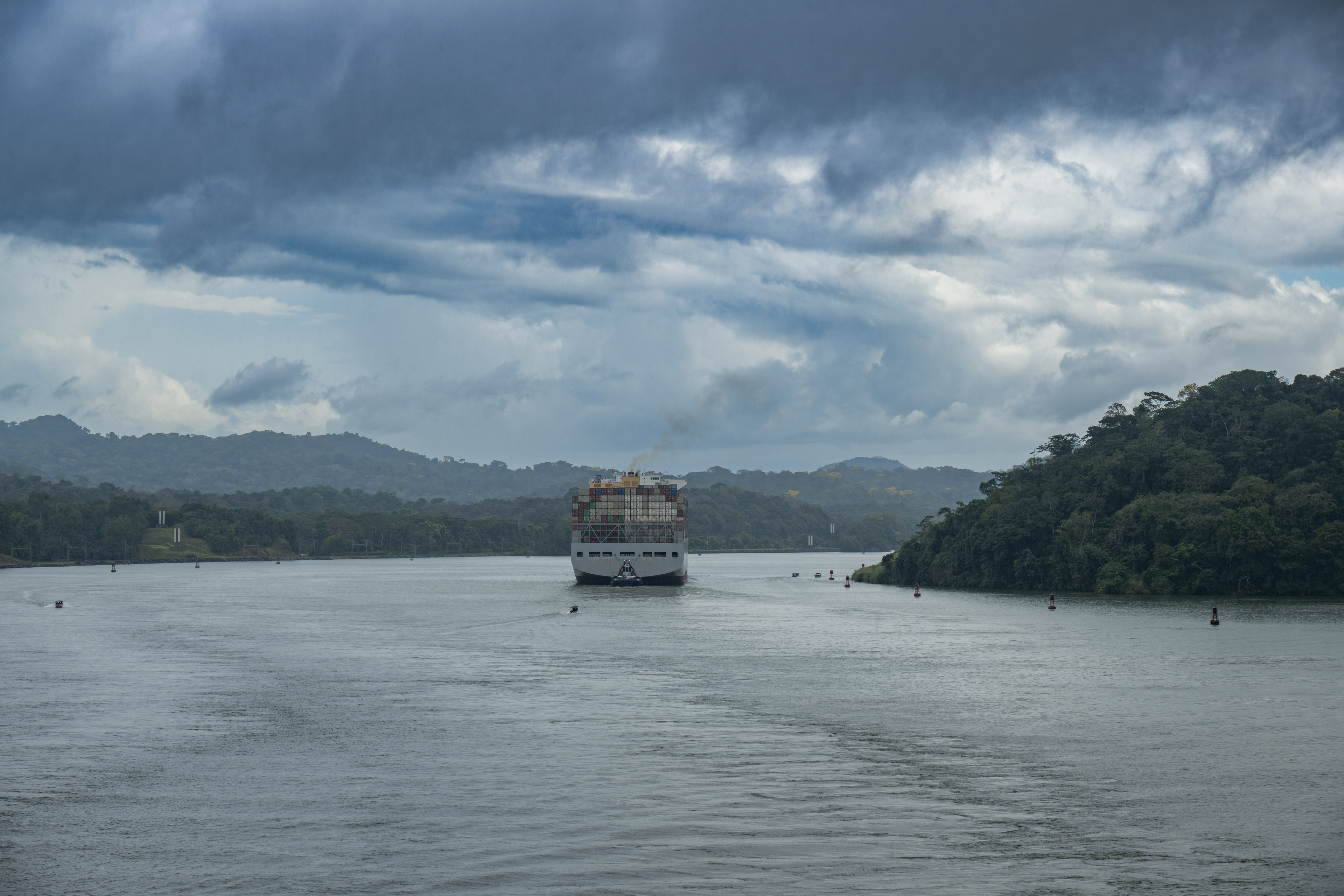
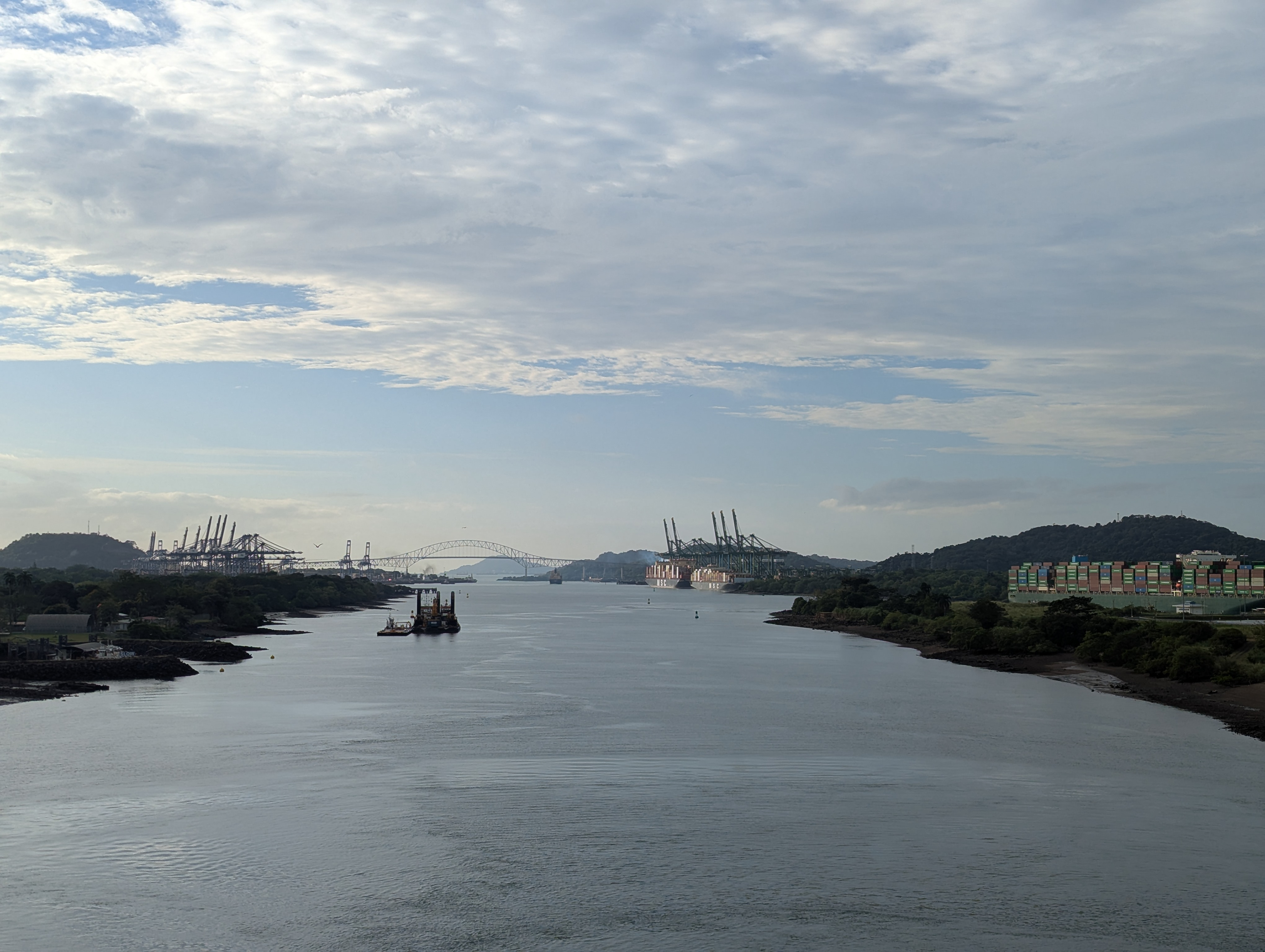
The canal is 51 miles long. It connects two oceans. It eliminates the need to sail around Cape Horn — a route that added roughly 8,000 miles to Pacific-Atlantic transit and was genuinely dangerous. Before it opened in 1914, shipping from New York to San Francisco took three to four months. After: three weeks. The canal currently handles approximately 11,000 ships per year, roughly 5% of world trade.
The canal is 51 miles long. It connects two oceans. It eliminates the need to sail around Cape Horn — a route that added roughly 8,000 miles to Pacific-Atlantic transit and was genuinely dangerous. Before it opened in 1914, shipping from New York to San Francisco took three to four months. After: three weeks. The canal currently handles approximately 11,000 ships per year, roughly 5% of world trade.
The French tried first, starting in 1881 under Ferdinand de Lesseps, the man who had successfully built the Suez Canal a decade earlier. They failed catastrophically. Twenty thousand workers dead, primarily from yellow fever and malaria. Project abandoned in 1889, de Lesseps died financially ruined. The Americans took over in 1904, and the first thing they did — on the advice of Dr. William Gorgas, applying the recently proven mosquito-transmission theory of disease — was drain every puddle, oil every standing water source, and screen every window in the Canal Zone. Deaths from disease dropped by 90% within a year. They finished the canal in ten years. It cost $400 million — roughly $12 billion in today's terms, and one of the better bargains in the history of infrastructure.
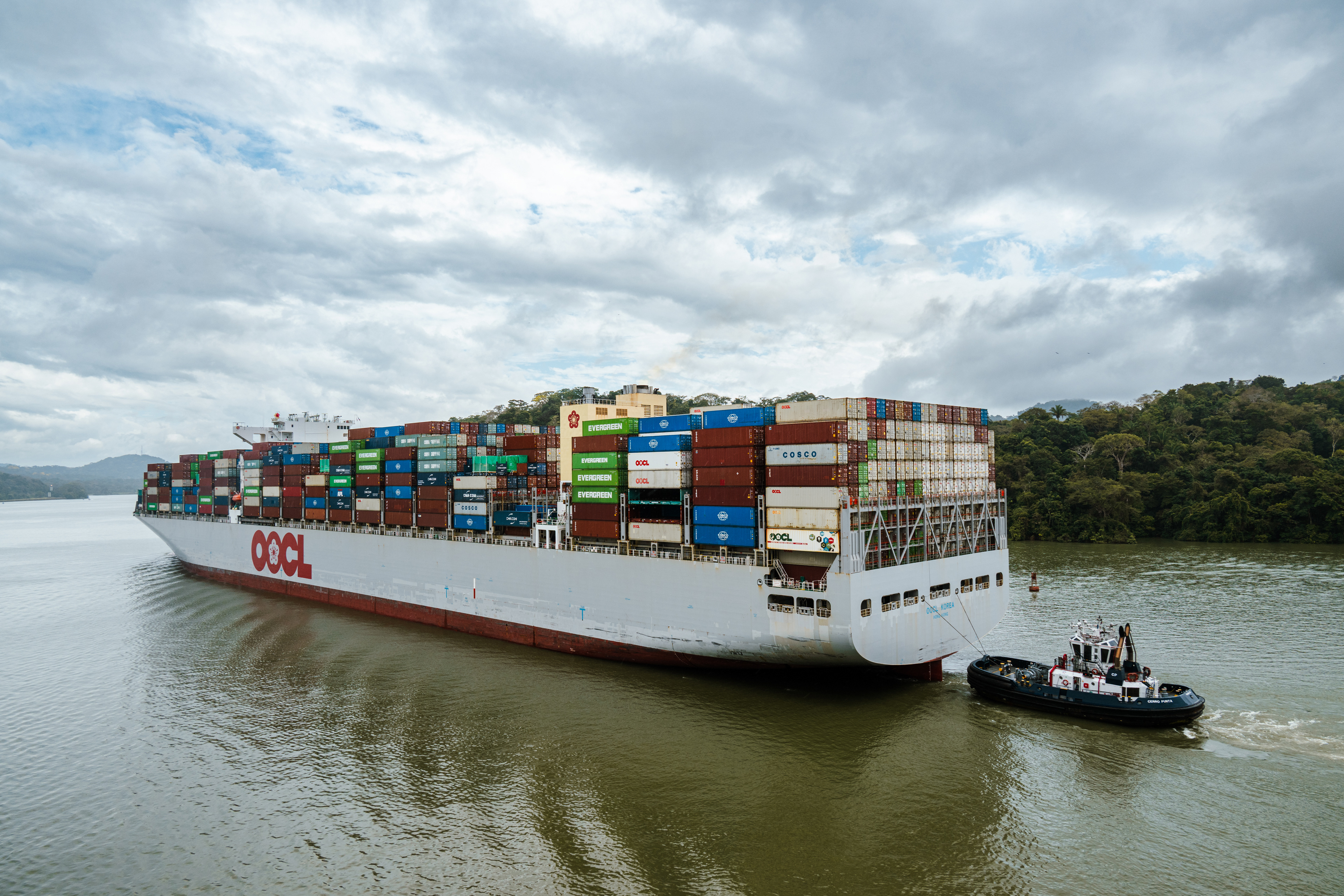
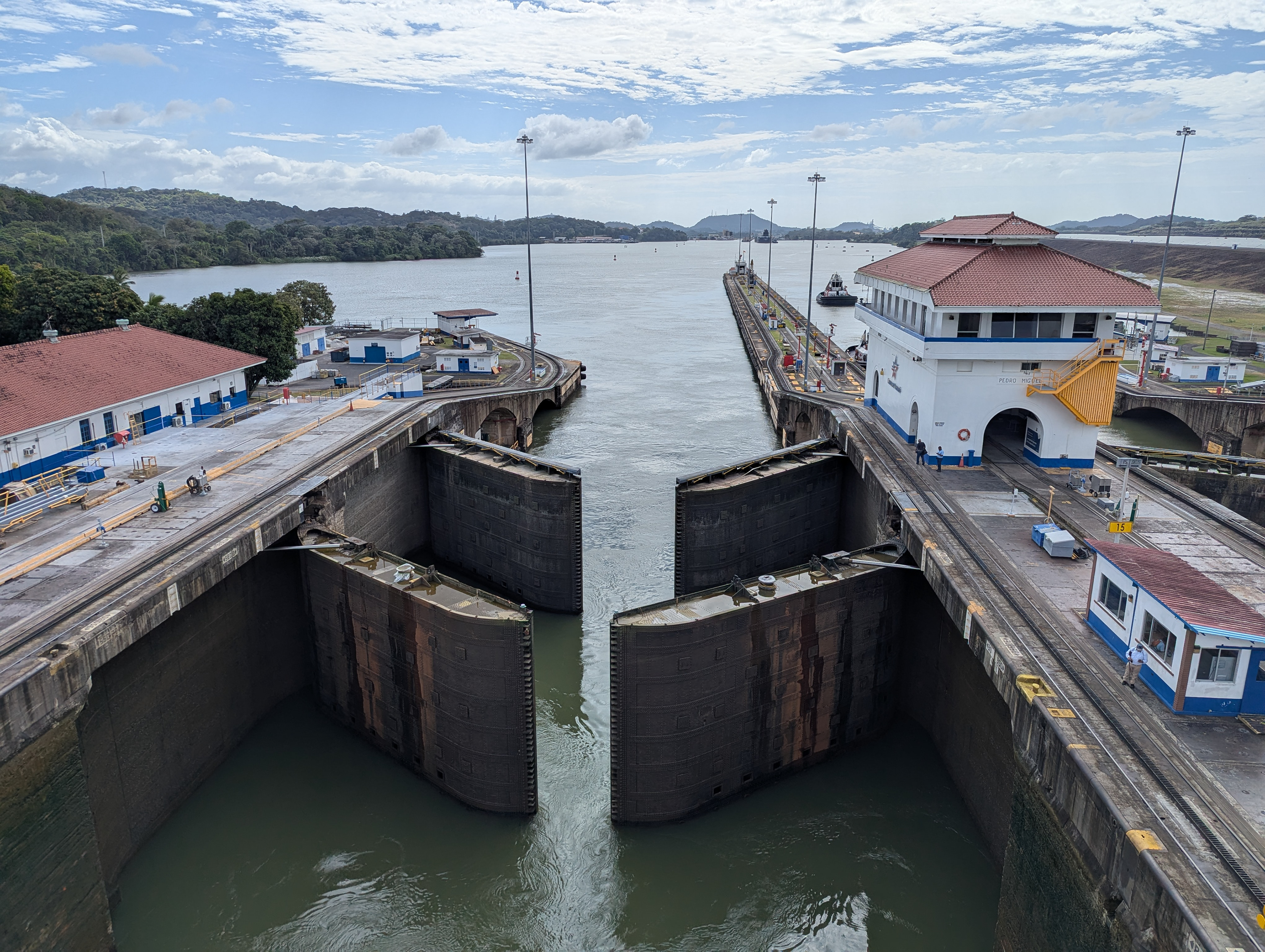
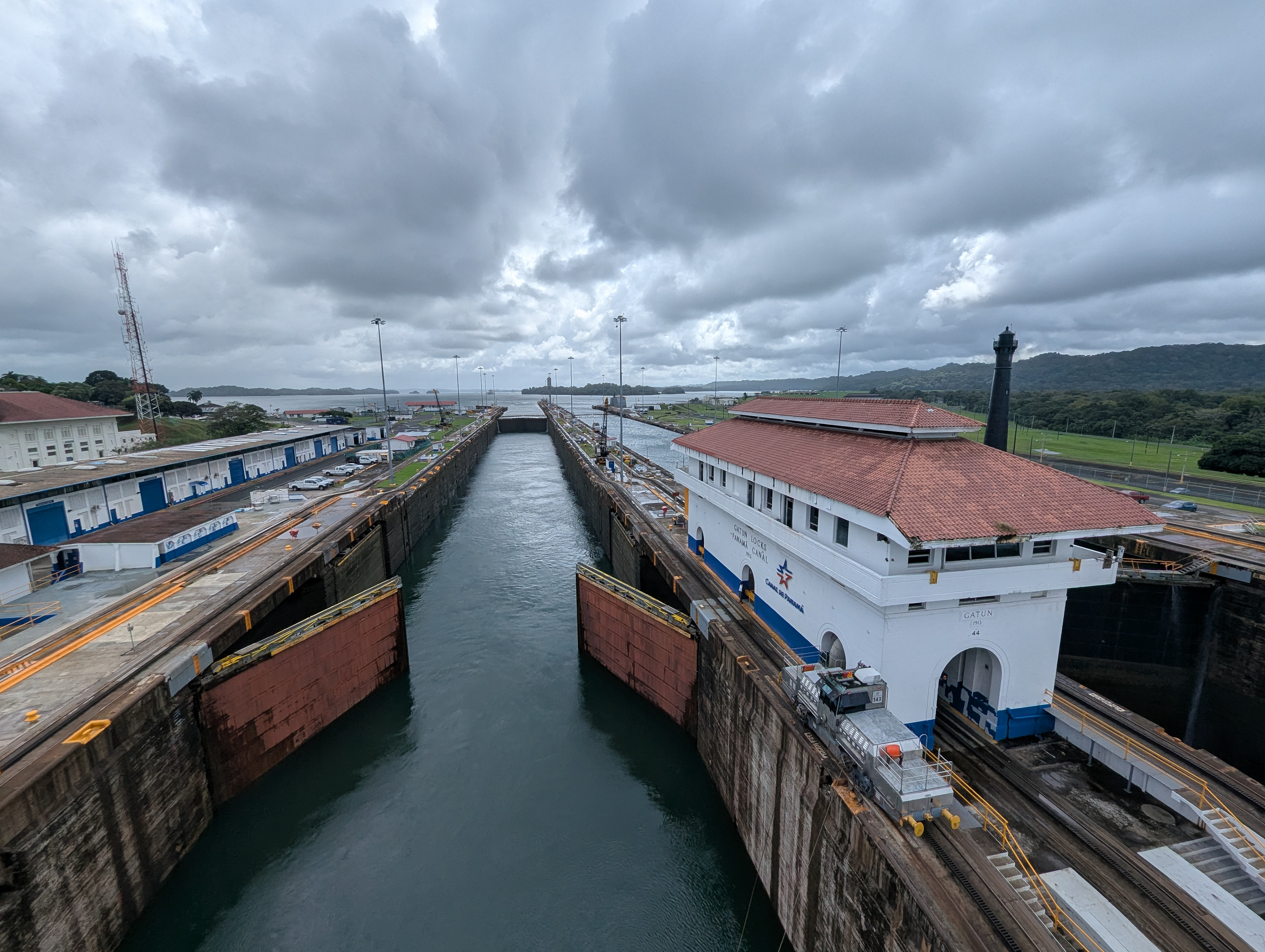
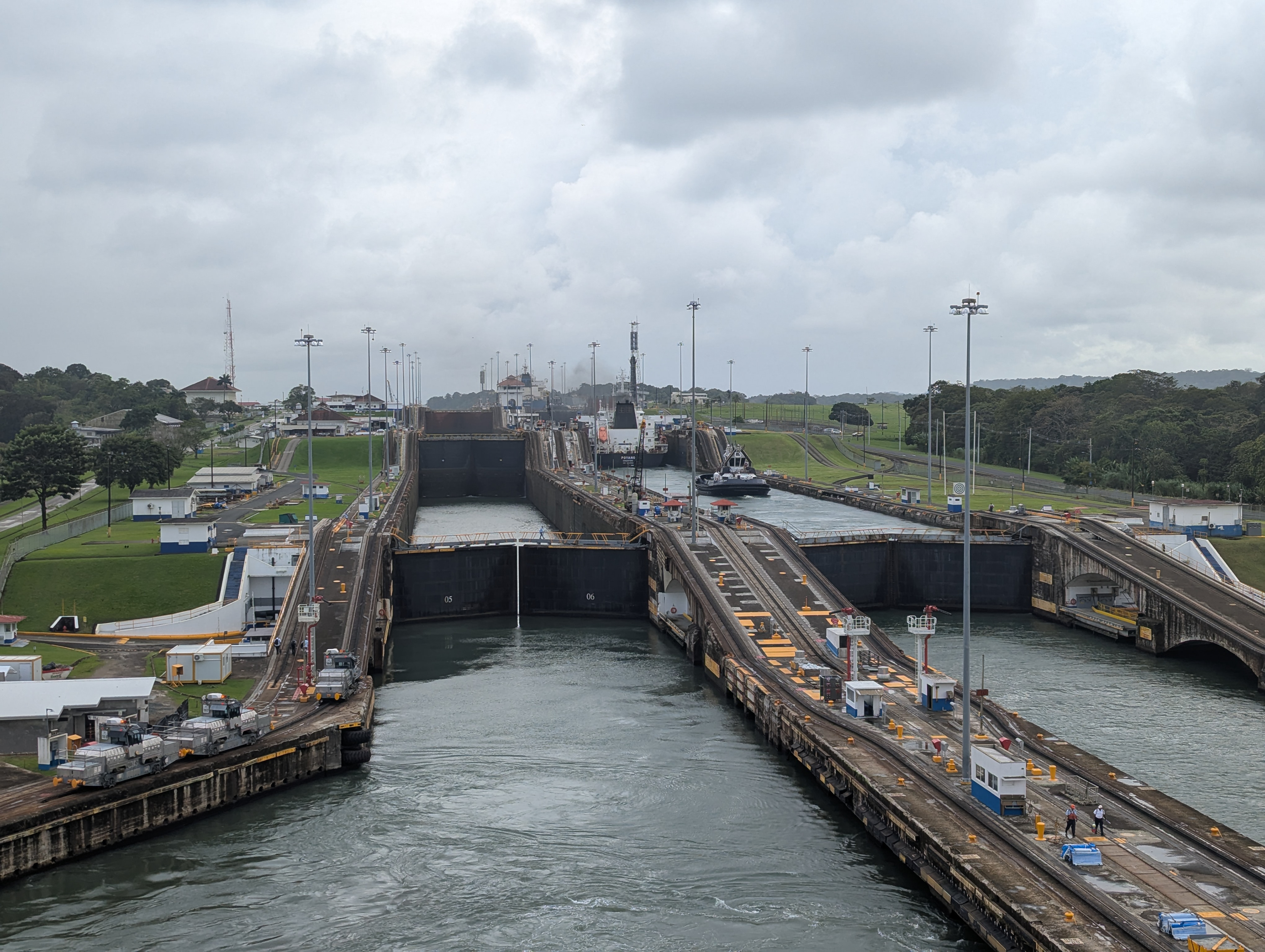
The canal we transited on New Year's morning was, with one major exception, the same canal that opened in 1914. Those steel lock doors, each weighing up to 662 tons, are still operated by two 25-horsepower motors each — an engineering efficiency so extreme it seems almost offensive. The exception is the expanded canal completed in 2016, adding a third set of larger locks for modern container ships that cannot fit through the originals. We transited the original locks.
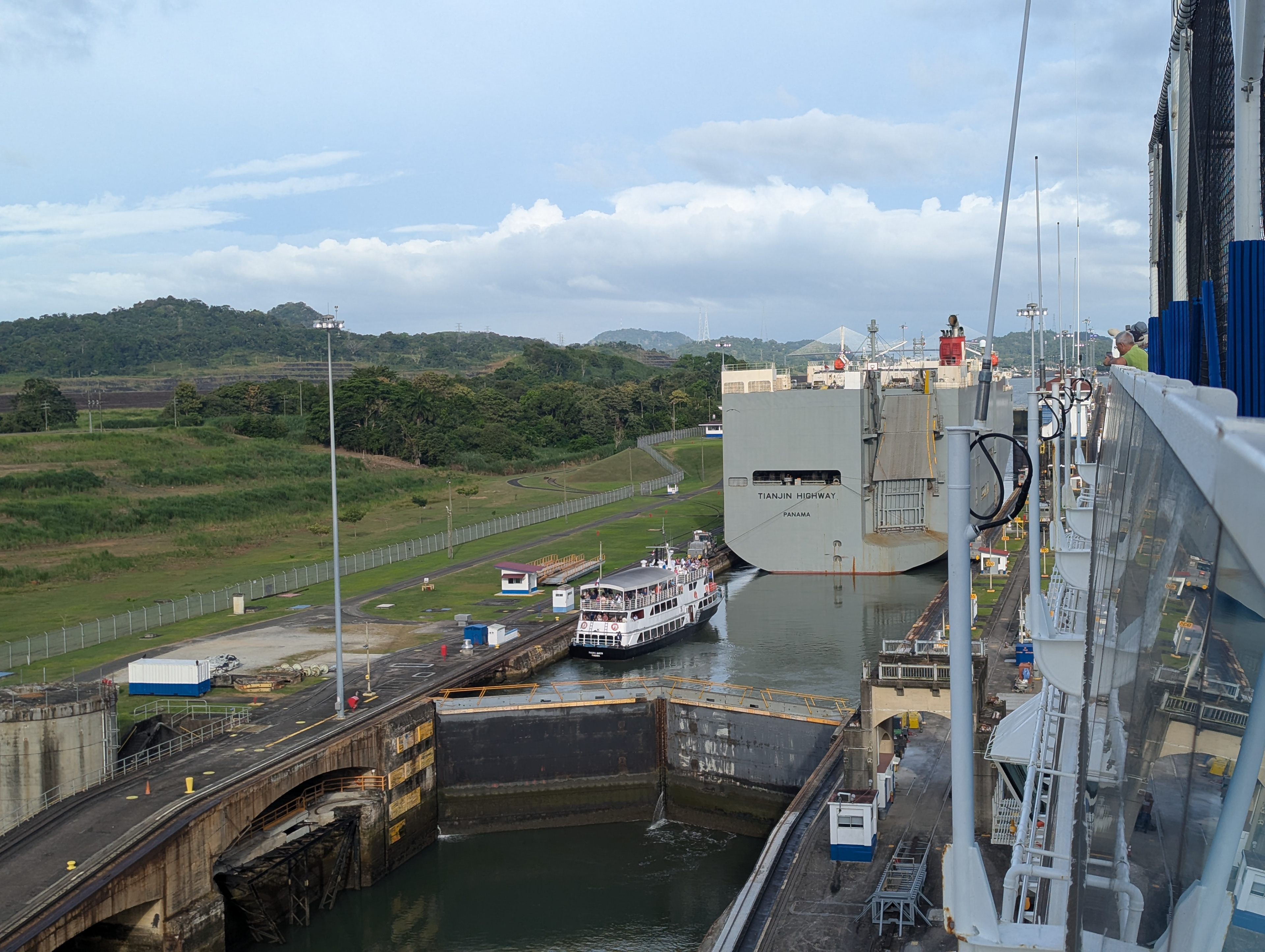
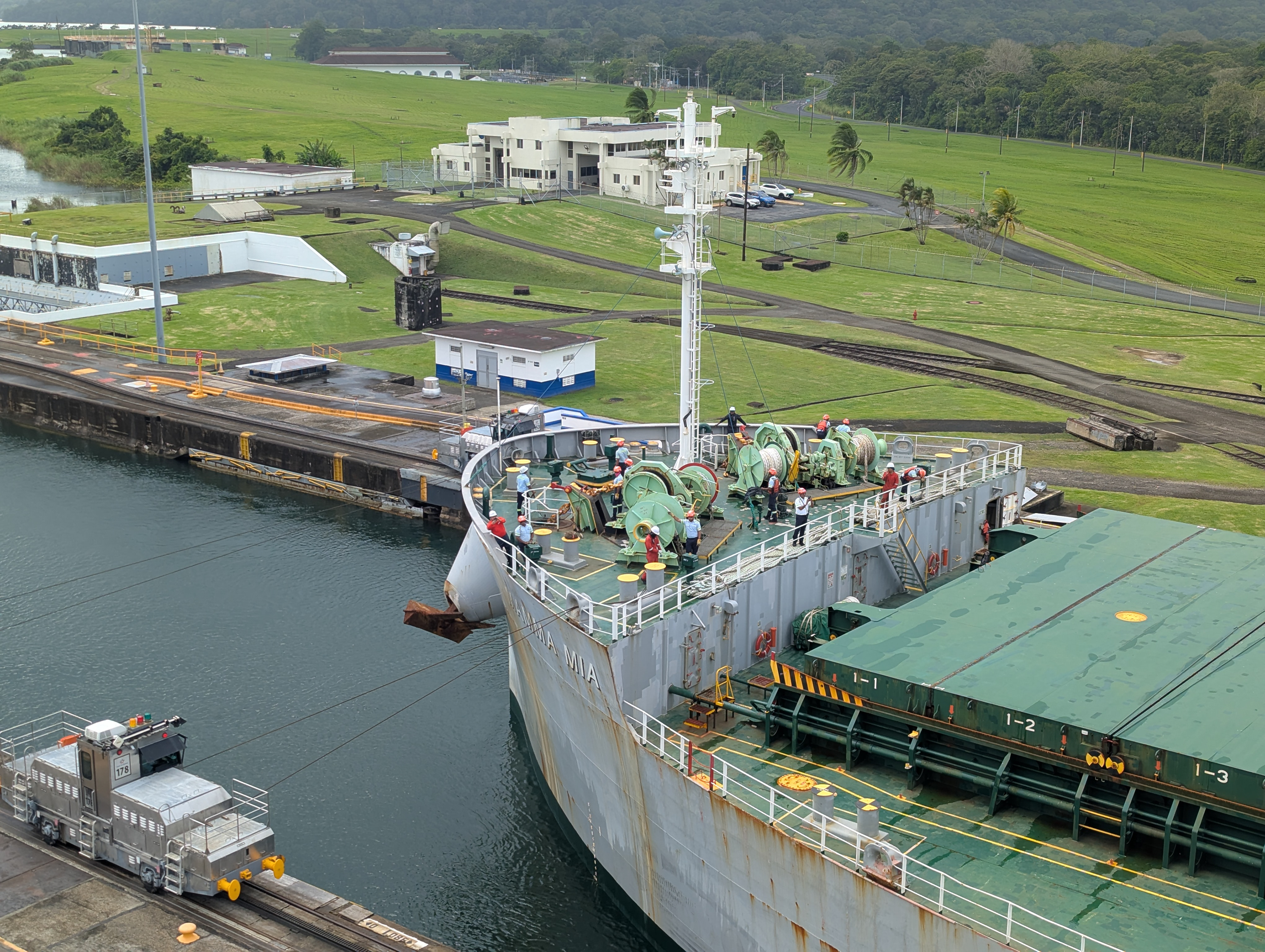
Vista entered the Miraflores Locks at 8:45am. The fit was tight — seeing the concrete walls rising on either side while we were lifted 54 feet by nothing but incoming water was genuinely thrilling. The technical term is "passive flooding": no pumps, just gates, gravity, and 100,000 cubic meters of water per chamber. The ship rises almost imperceptibly, the way a pot slowly comes to boil, until suddenly you're looking down at the lock doors from above.
Vista entered the Miraflores Locks at 8:45am. The fit was tight — seeing the concrete walls rising on either side while we were lifted 54 feet by nothing but incoming water was genuinely thrilling. The technical term is "passive flooding": no pumps, just gates, gravity, and 100,000 cubic meters of water per chamber. The ship rises almost imperceptibly, the way a pot slowly comes to boil, until suddenly you're looking down at the lock doors from above.
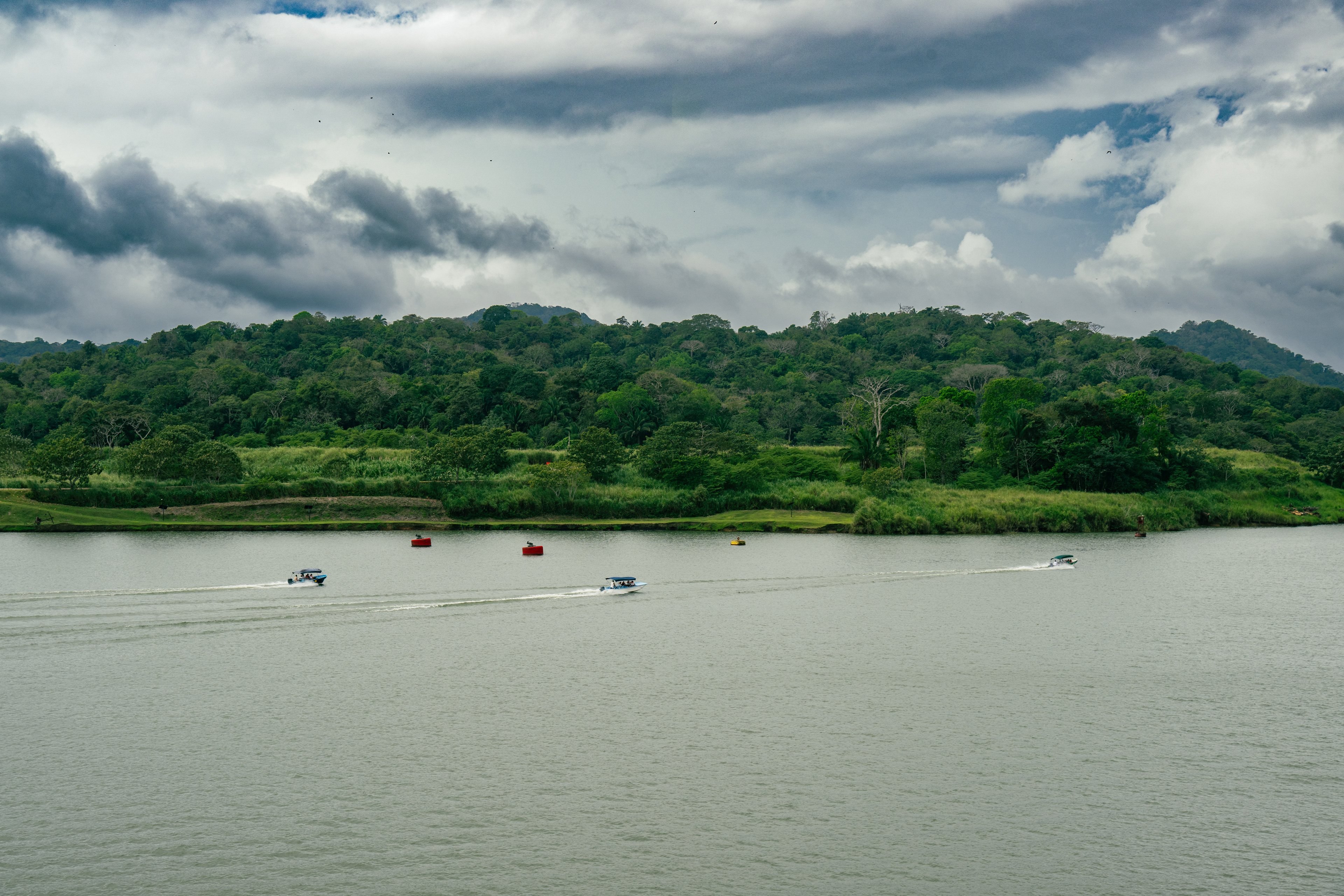
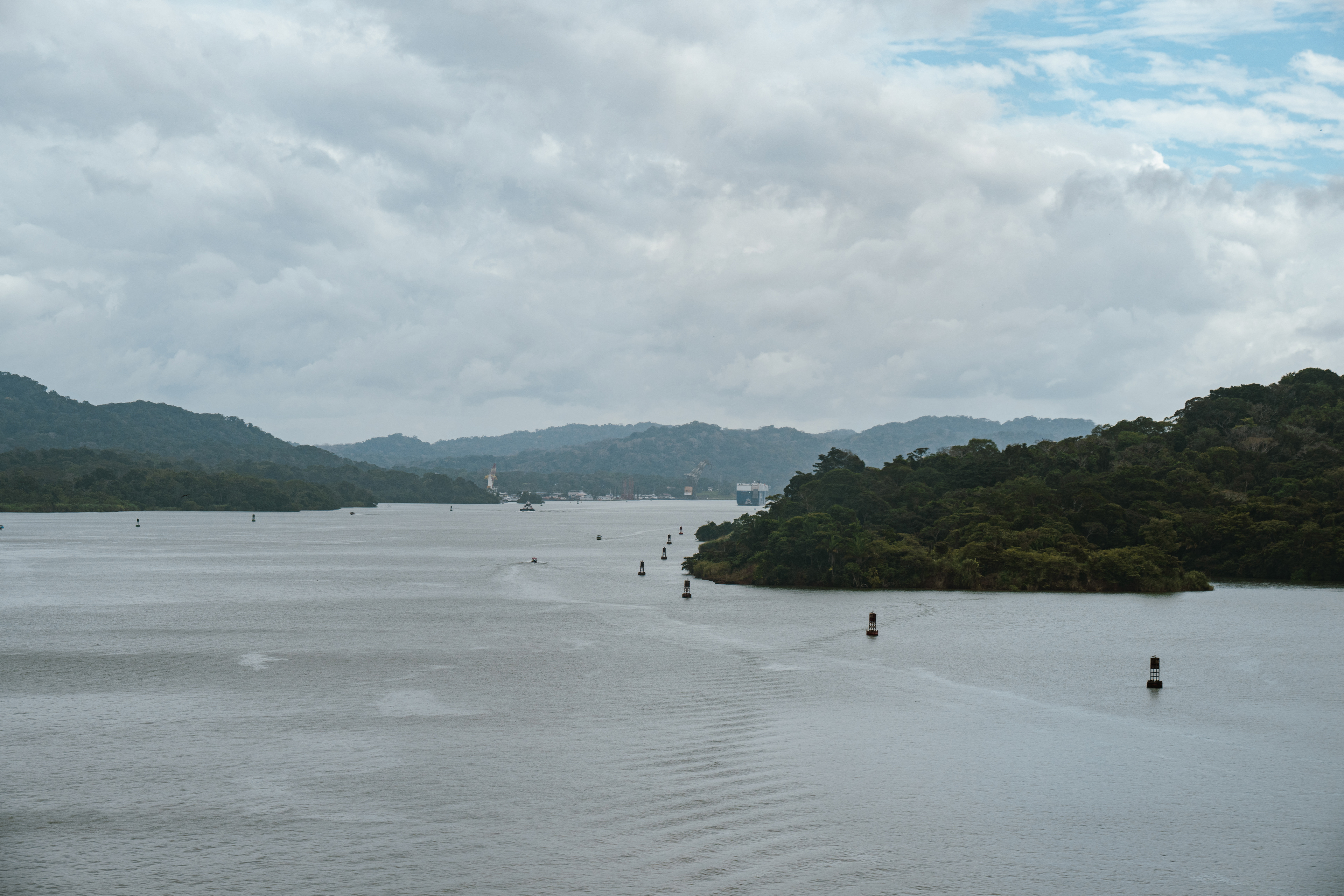
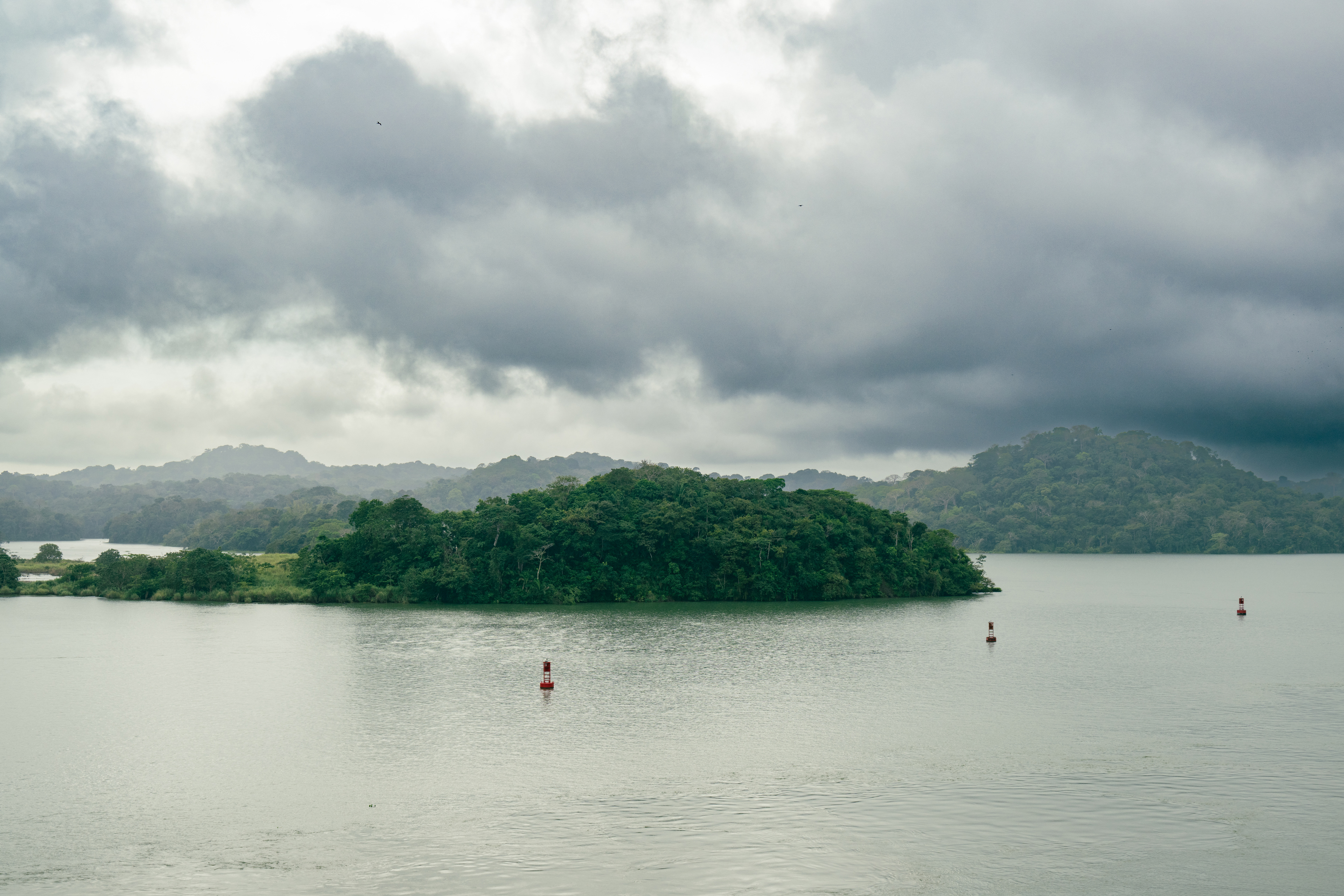
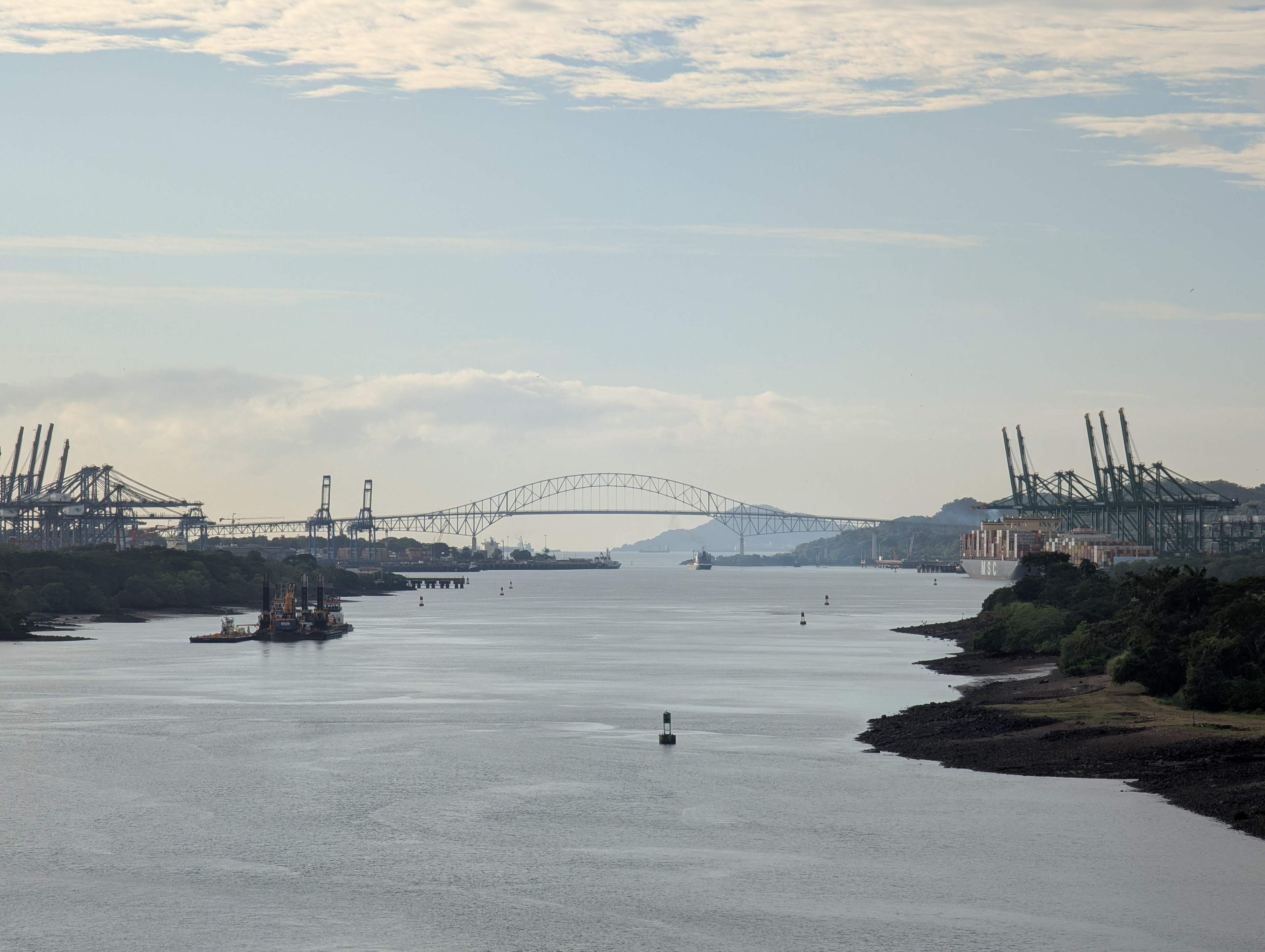
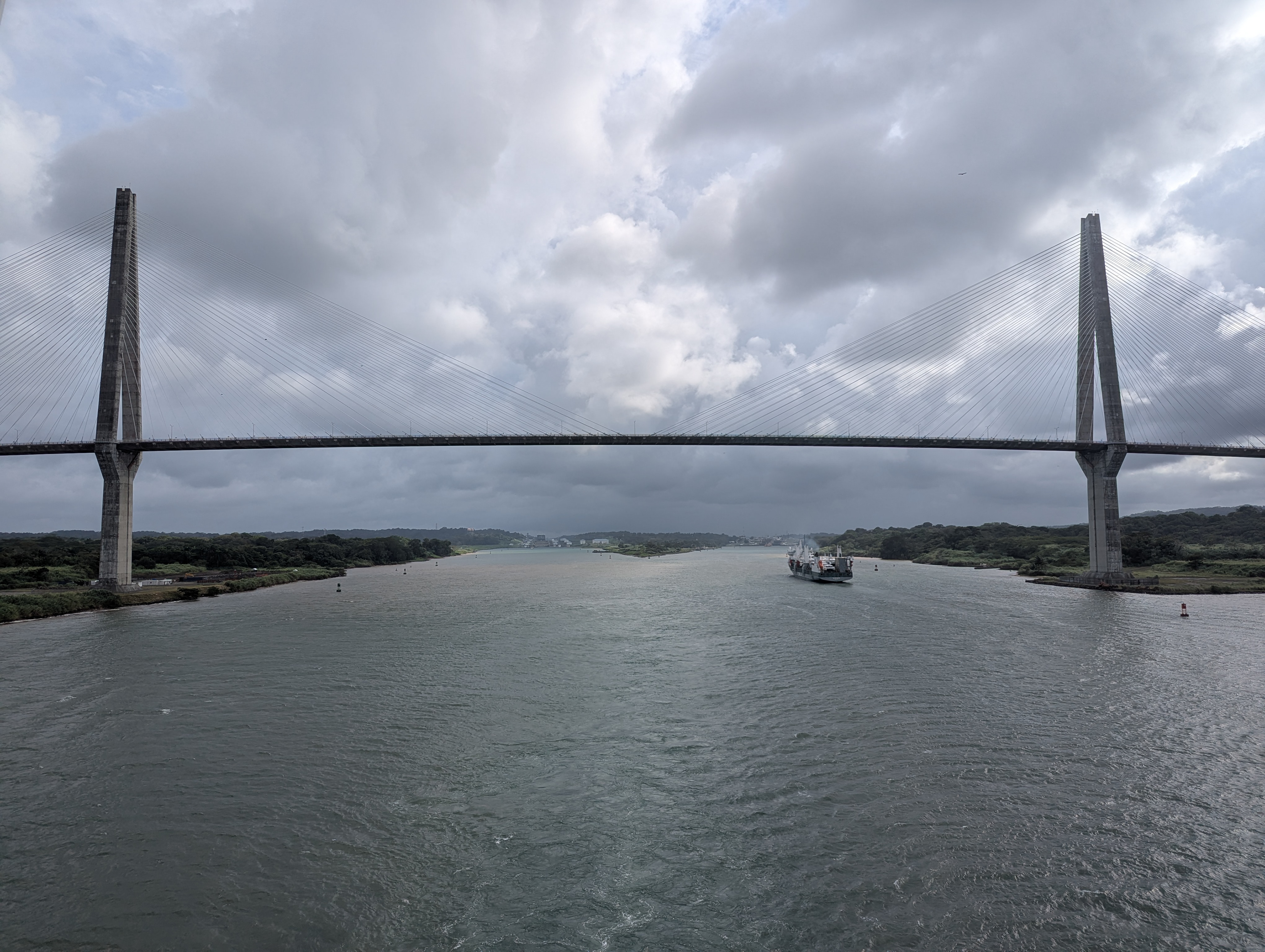
We passed Pedro Miguel Locks at 9:50am. We cruised Gatún Lake — which, when completed in 1914, was the largest artificial lake in the world — watching for howler monkeys in the rainforest on both sides. Gatún Locks at 12:50pm for the descent to the Atlantic side.
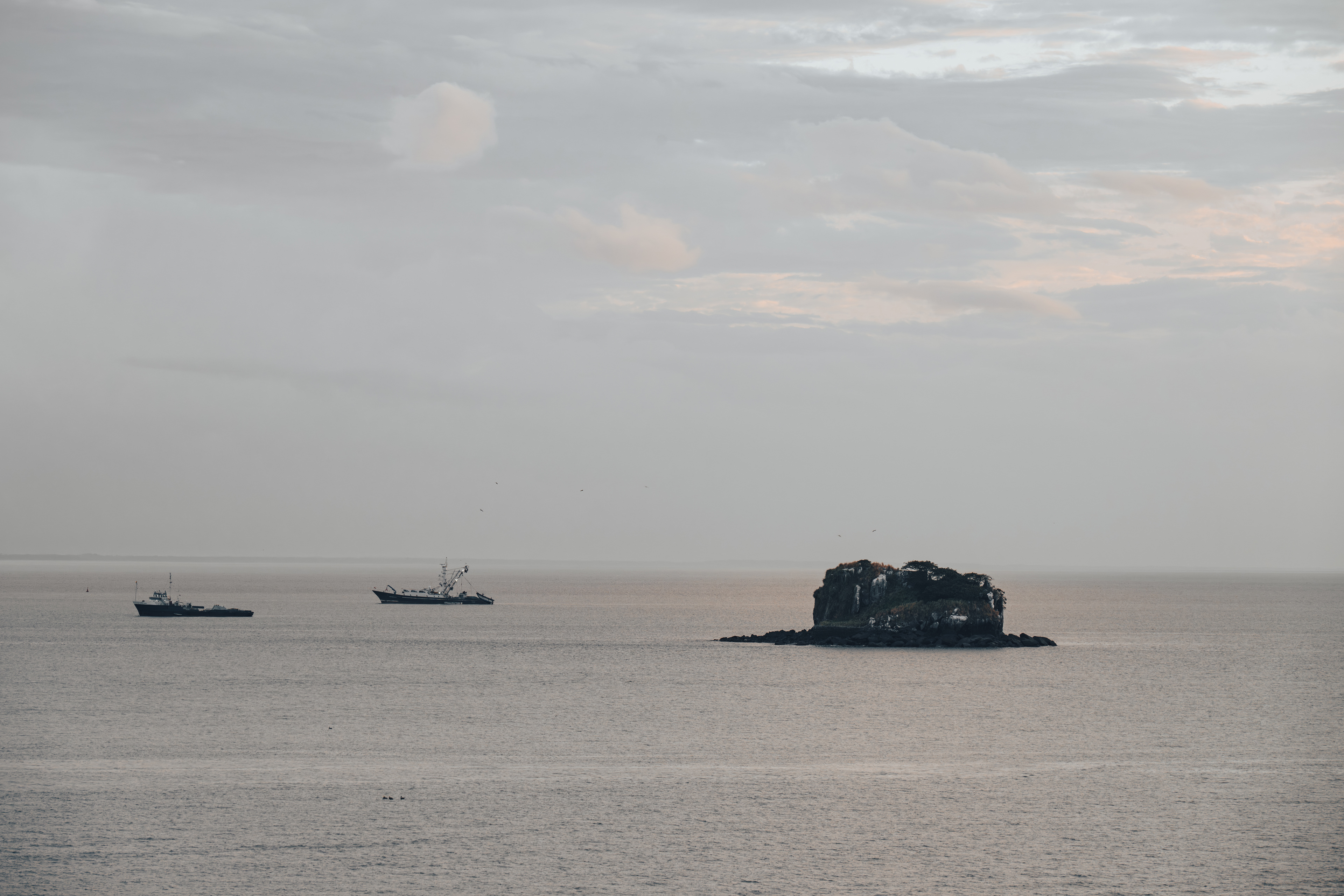
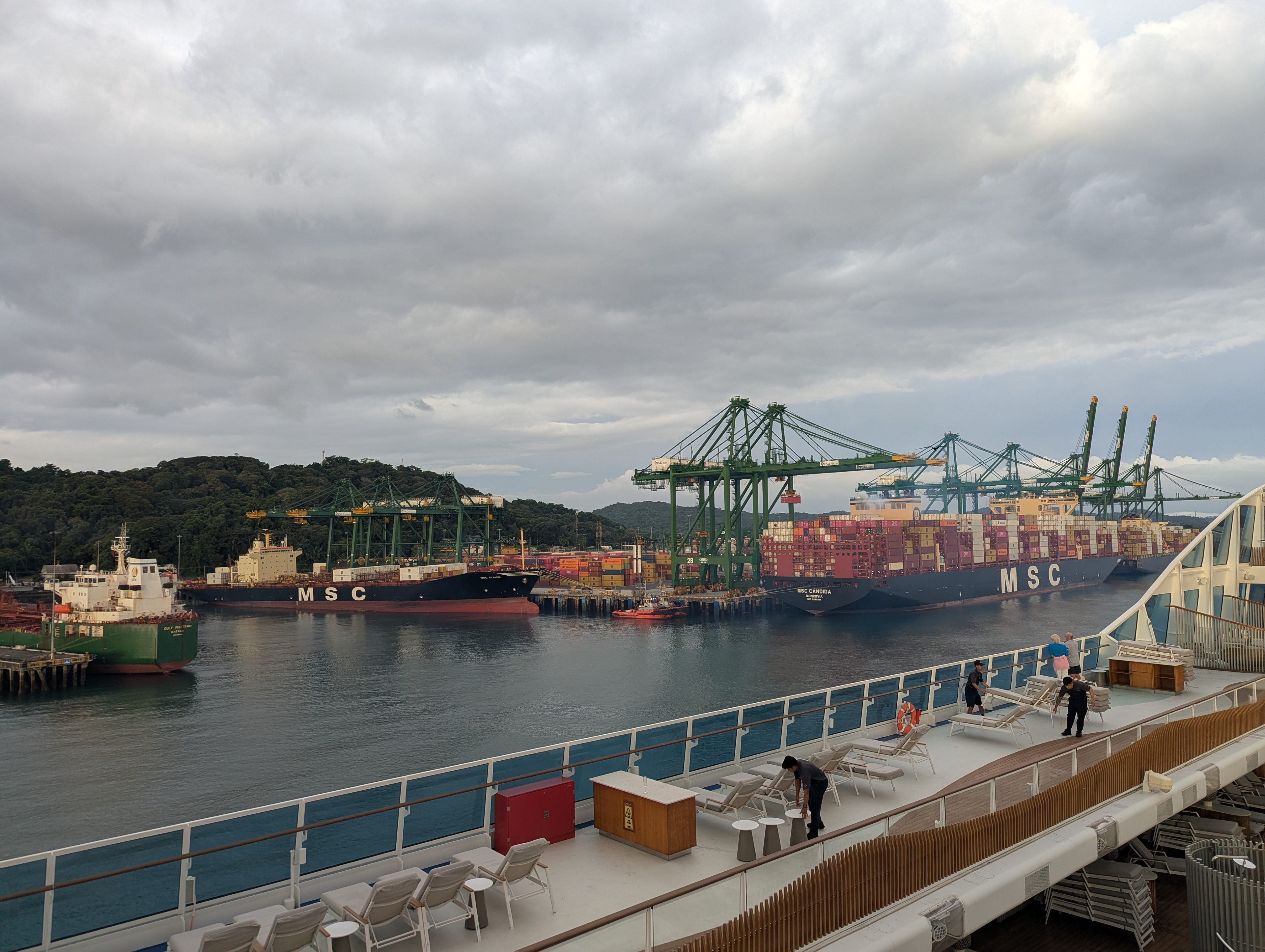
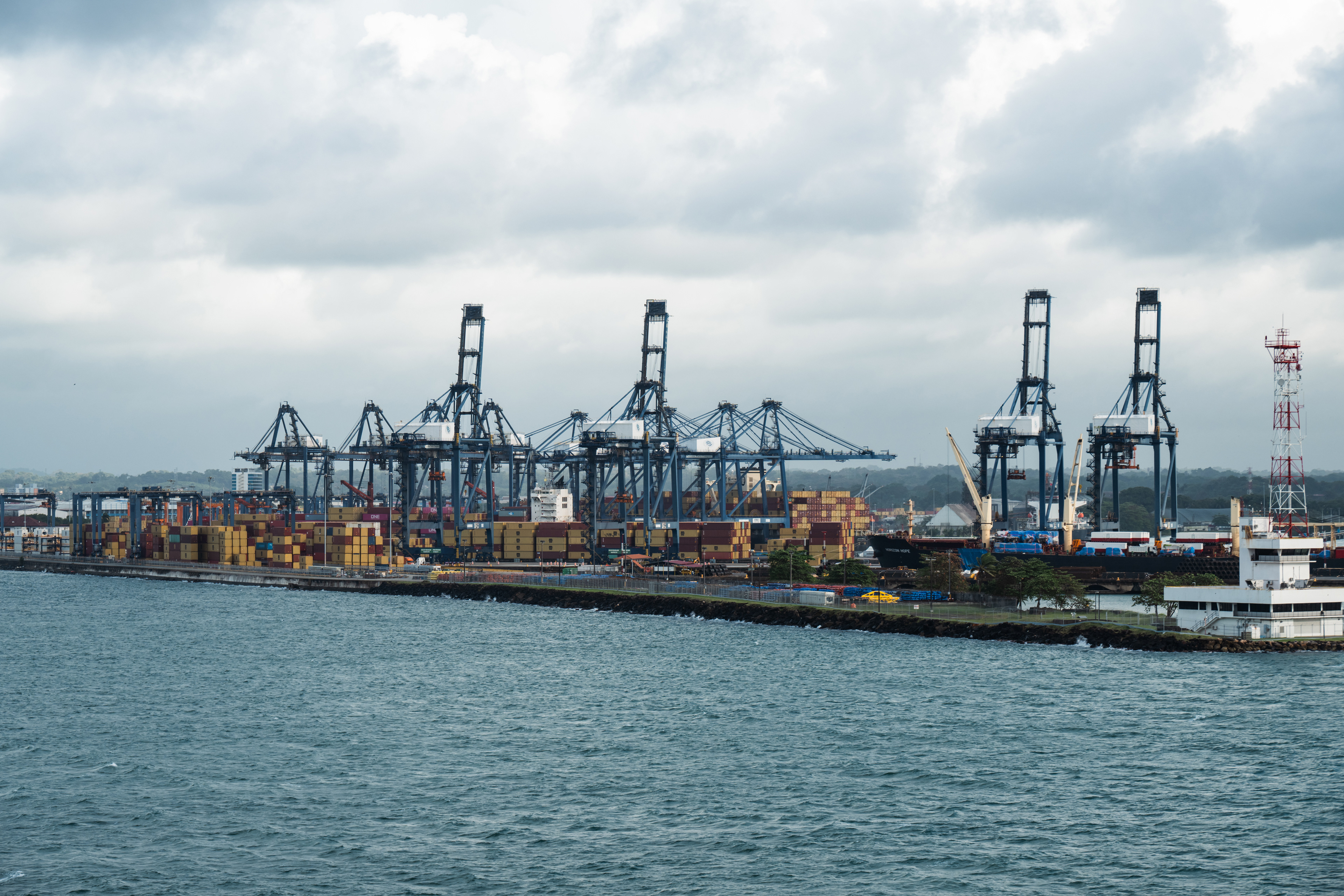
At 2:30pm, we exited Gatún Locks. We were in the Caribbean. We were in the Atlantic. The Pacific was behind us.
We stood on the bow deck for most of this. Our daughter sat on my wife's shoulders and watched the walls go by. The canal pilot, having navigated us 51 miles across a continent, disembarked on a small tender that appeared from somewhere and disappeared just as quickly. A very efficient man doing a deeply unusual job.
I had watched four lectures on this canal. I was still not prepared for it.
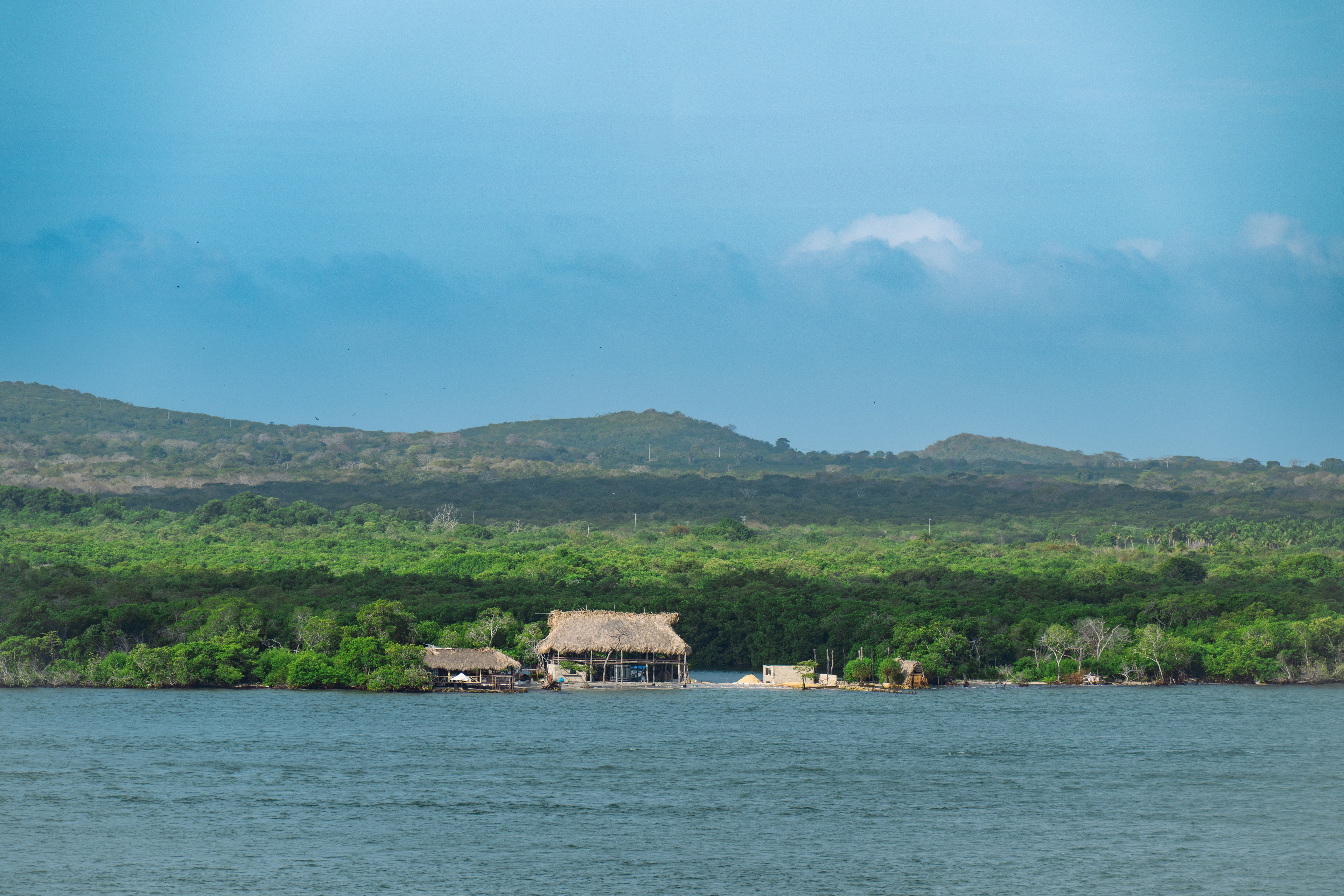
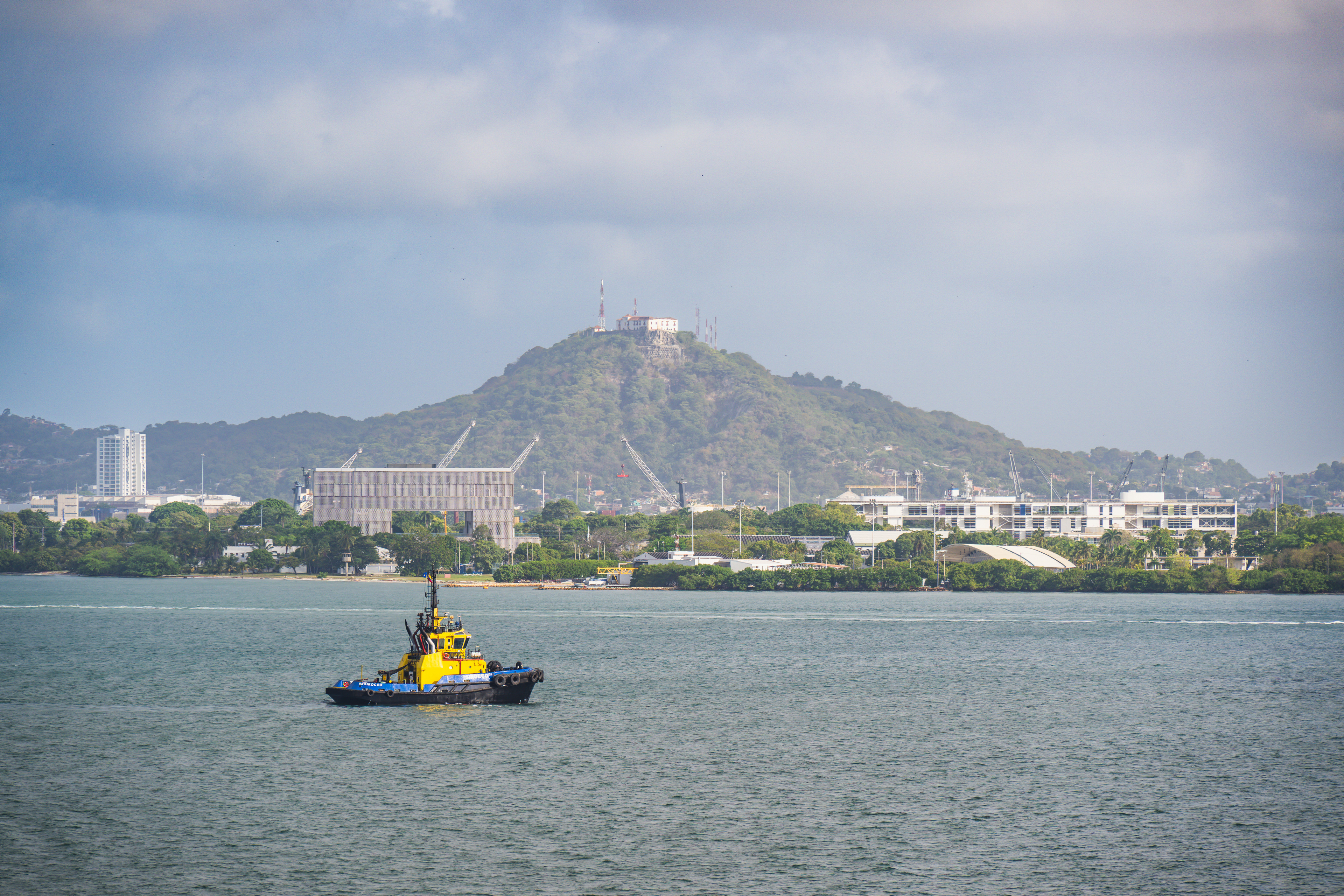
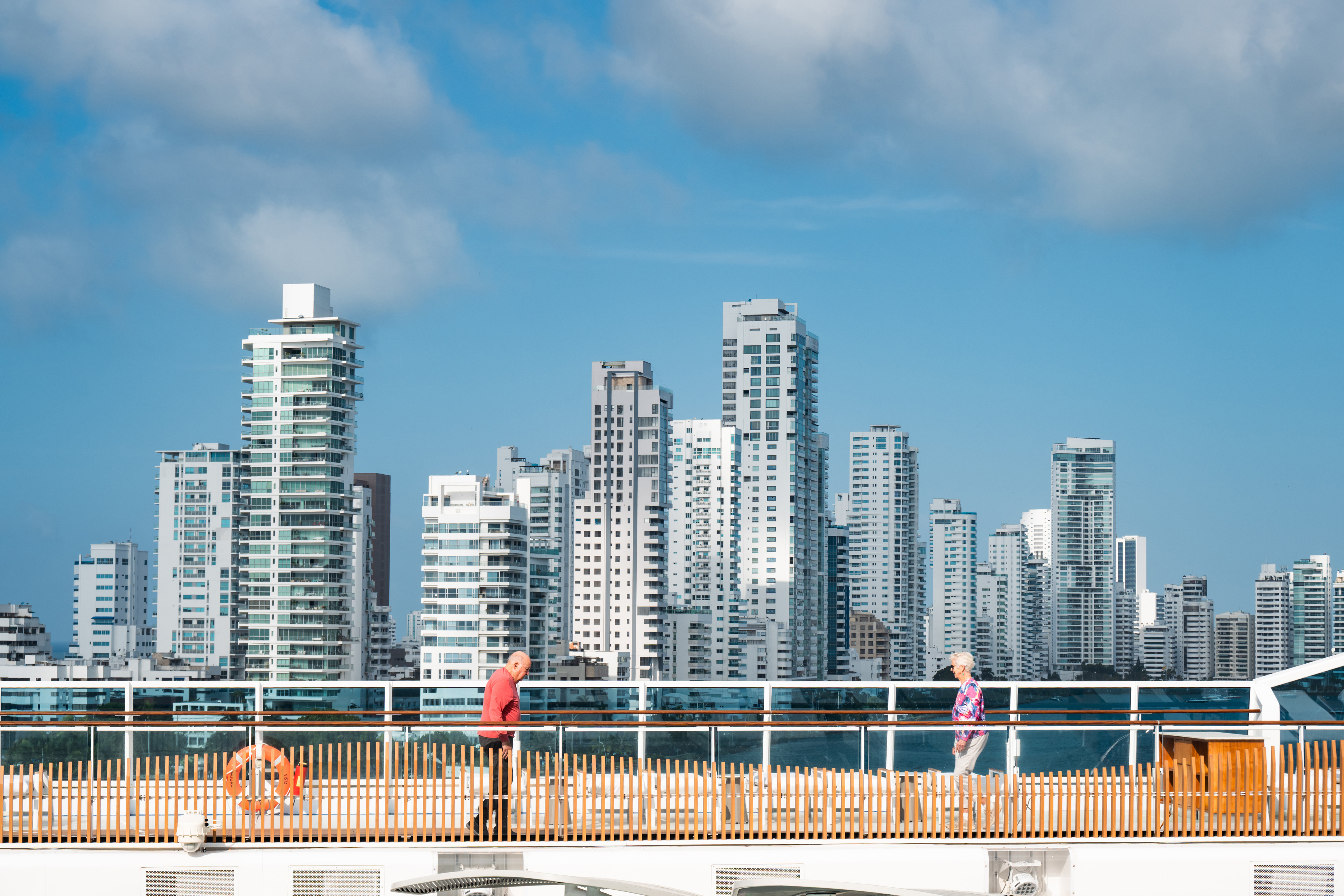
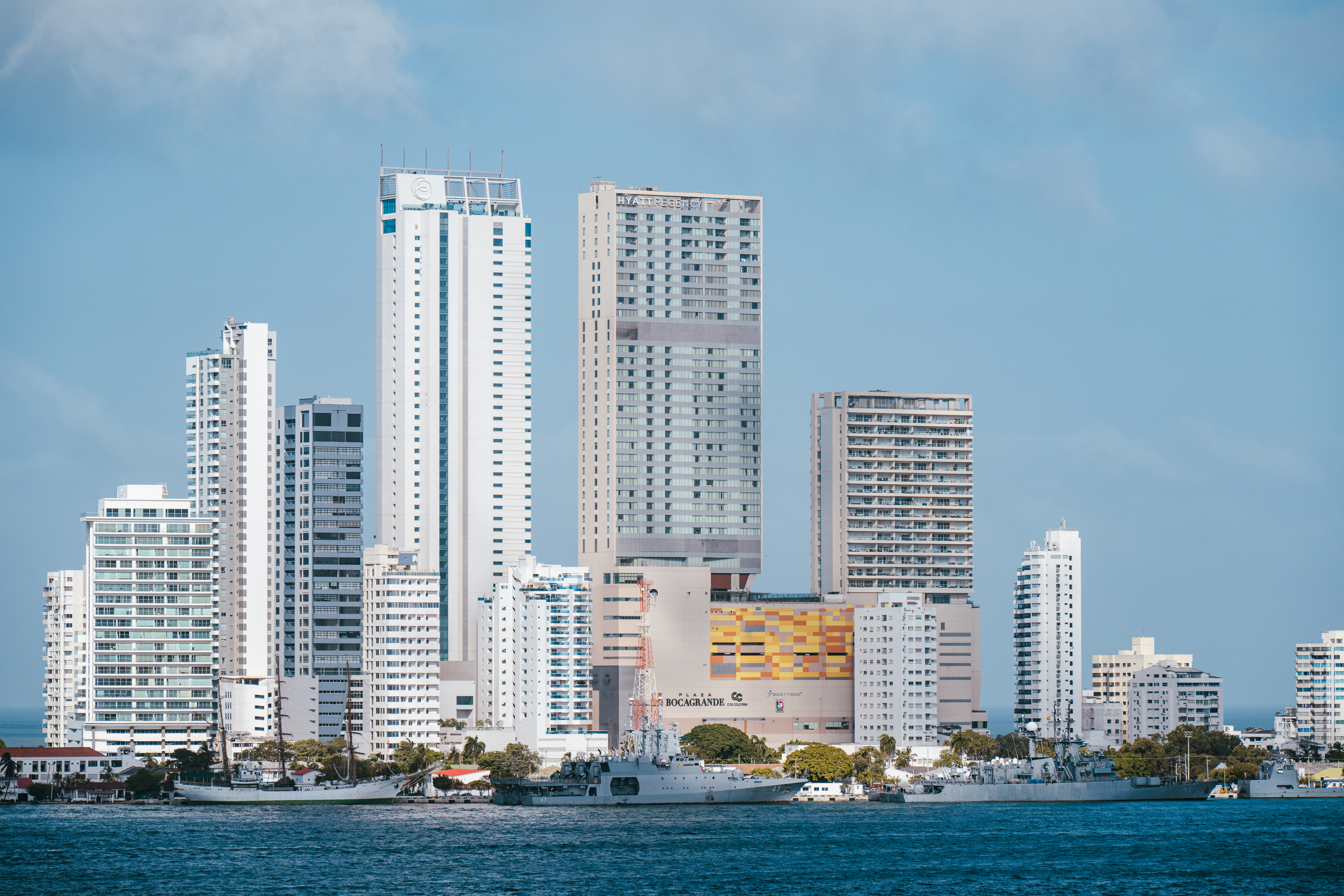
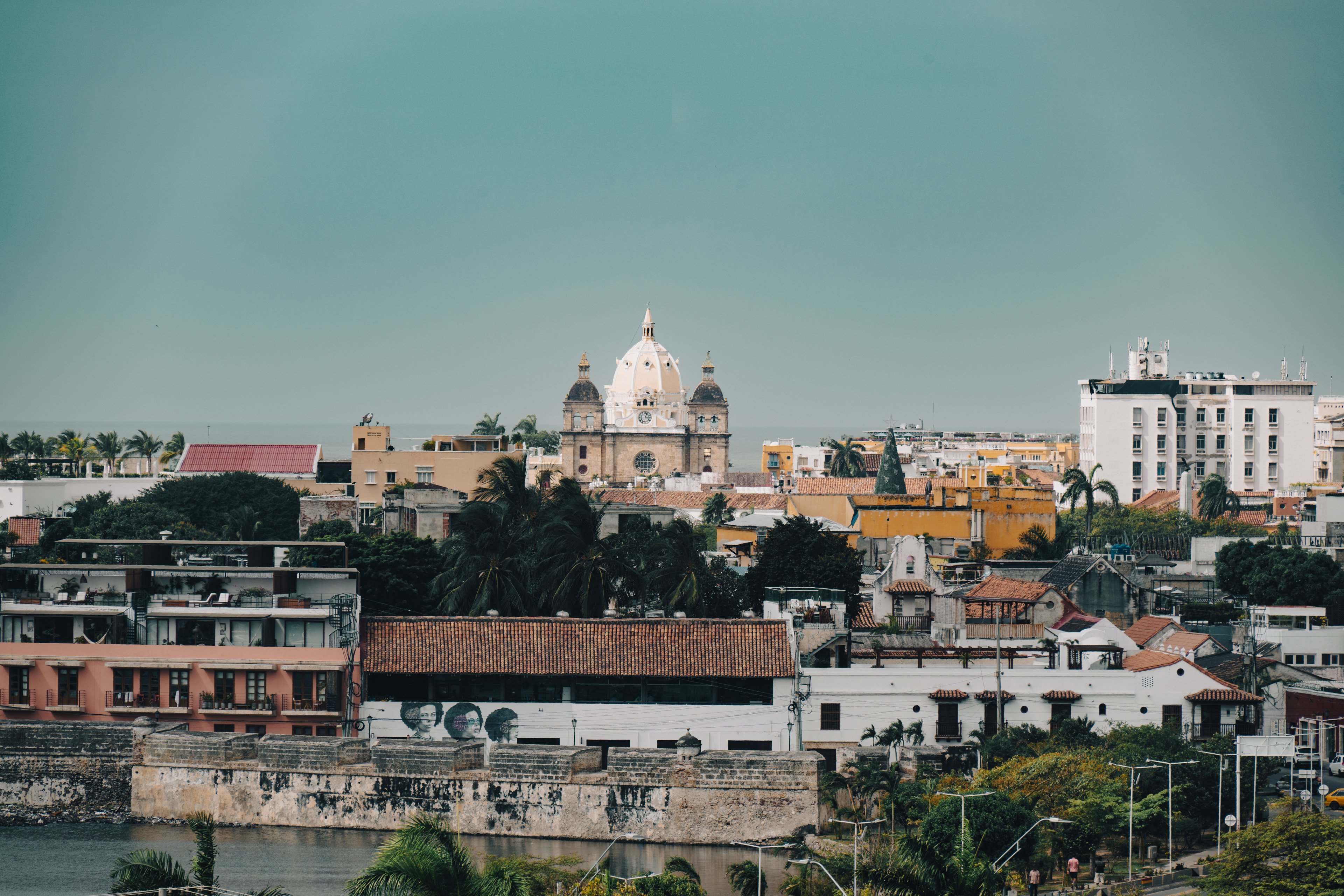
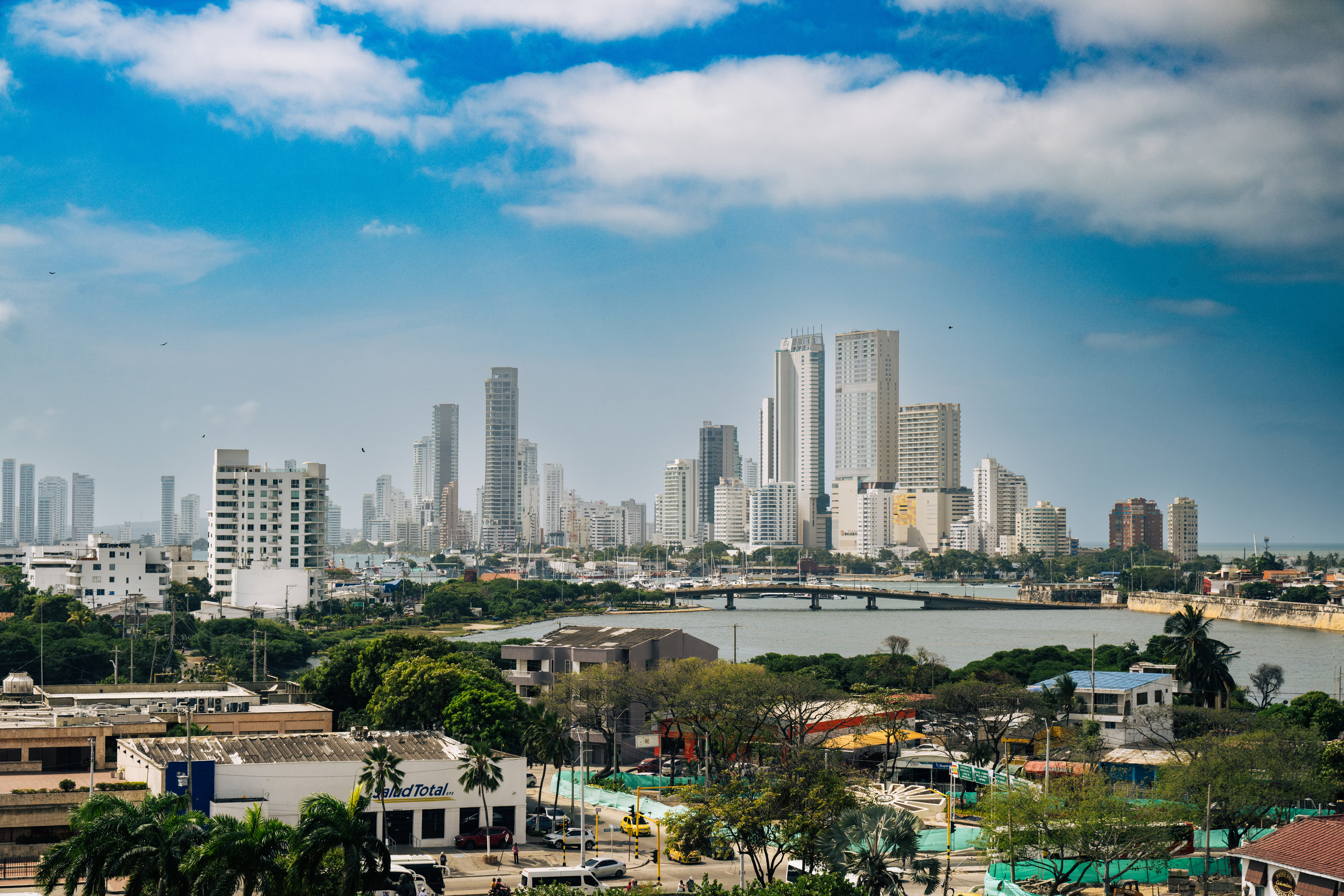
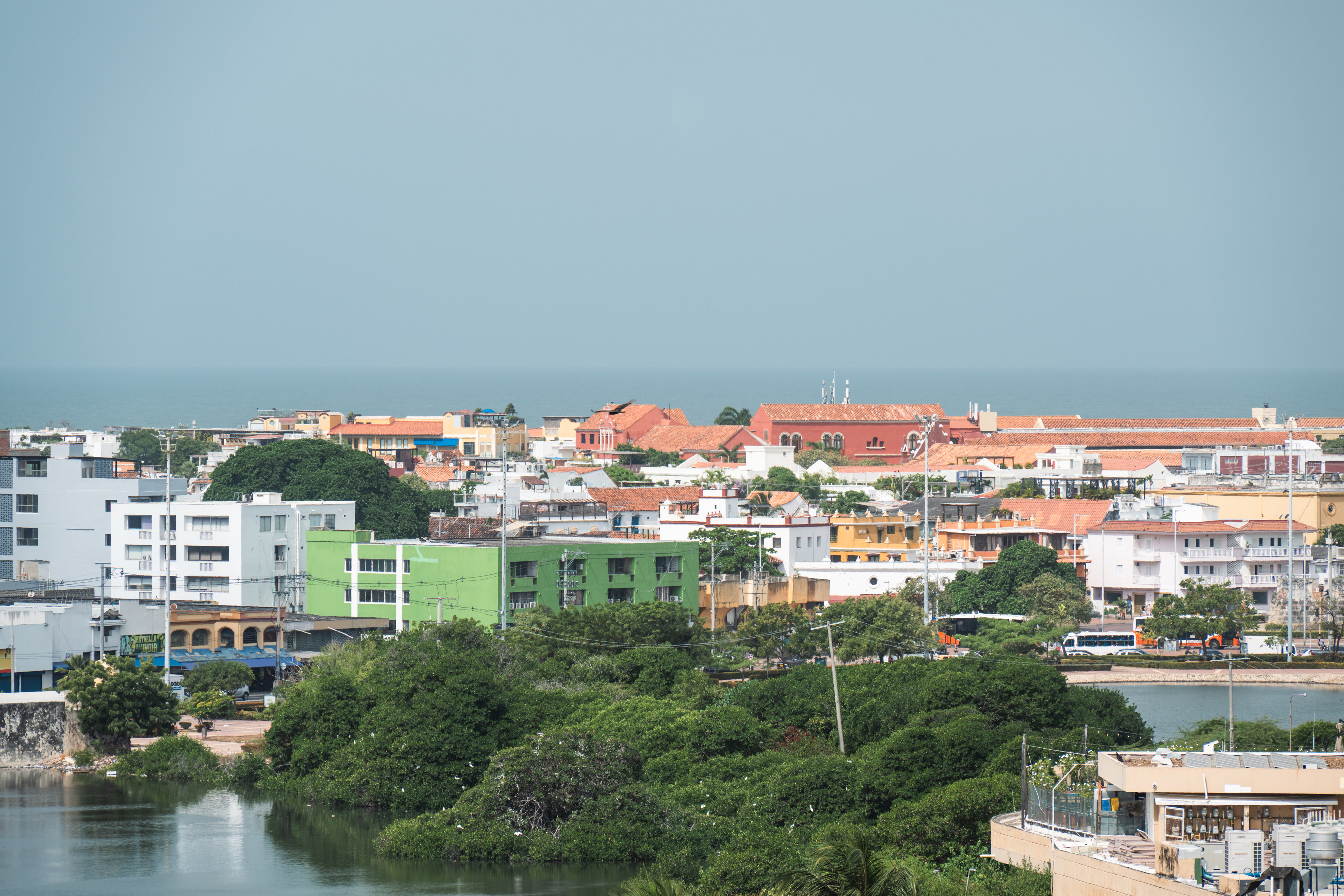
Cartagena — Fortresses, Emeralds and Macaws
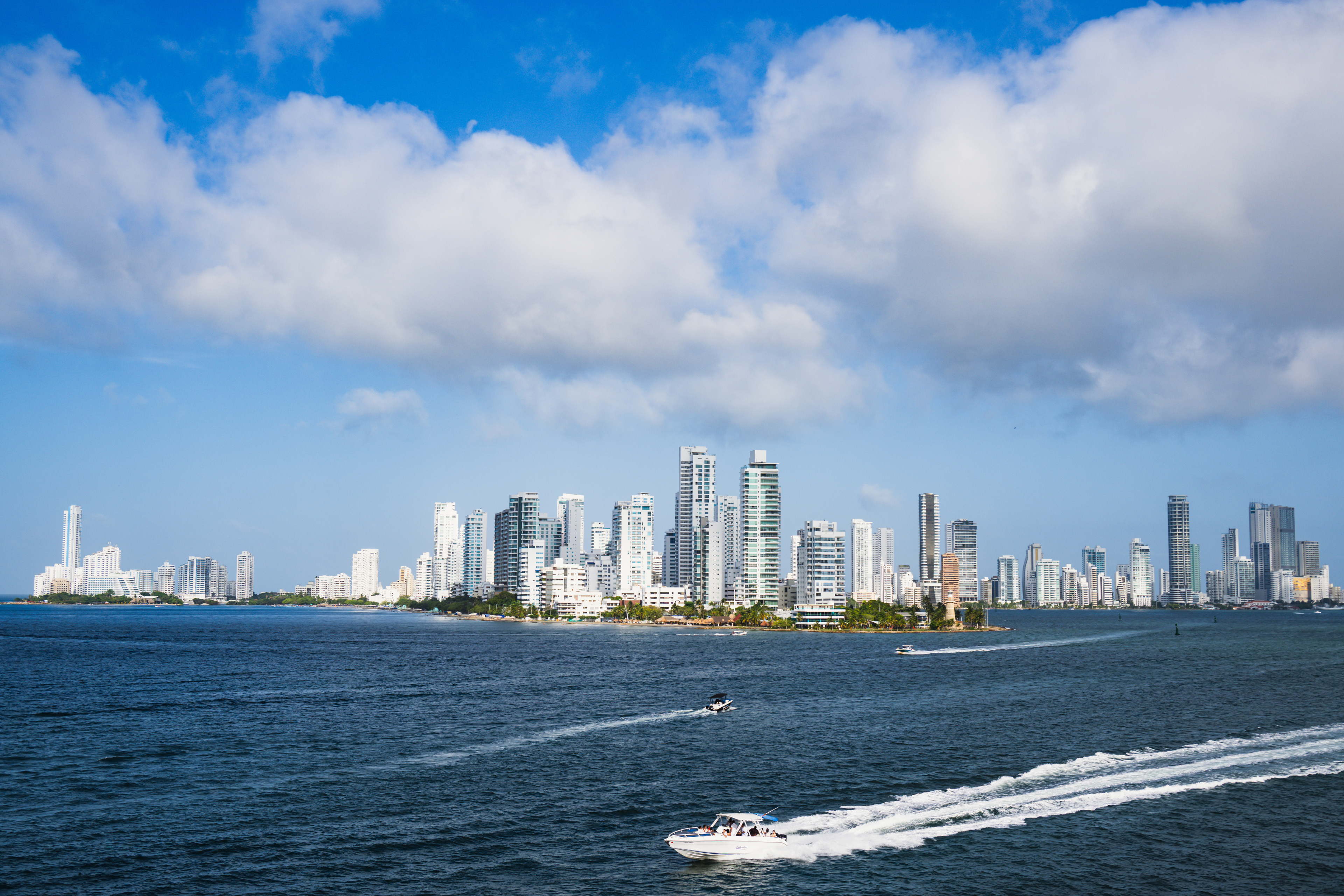
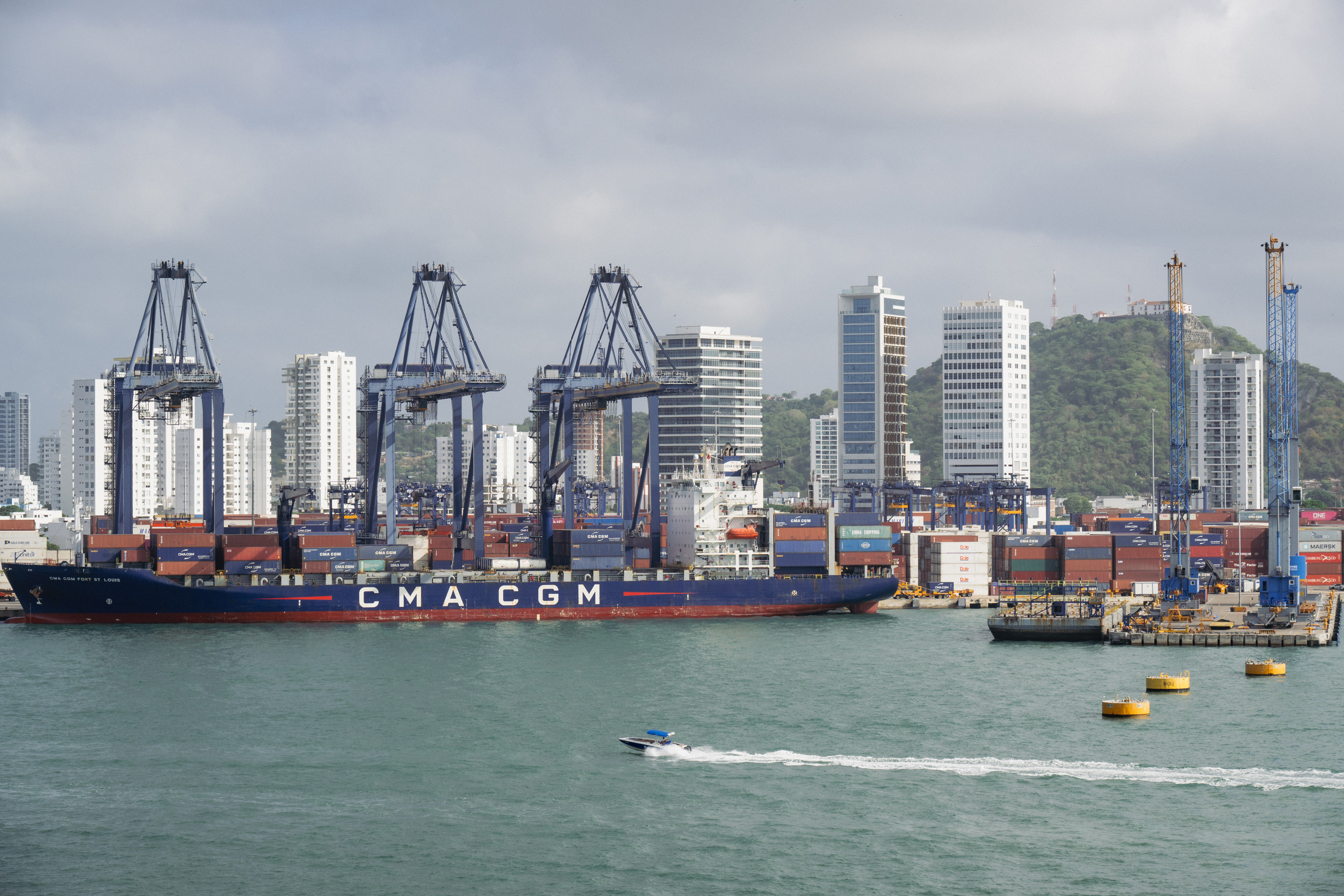
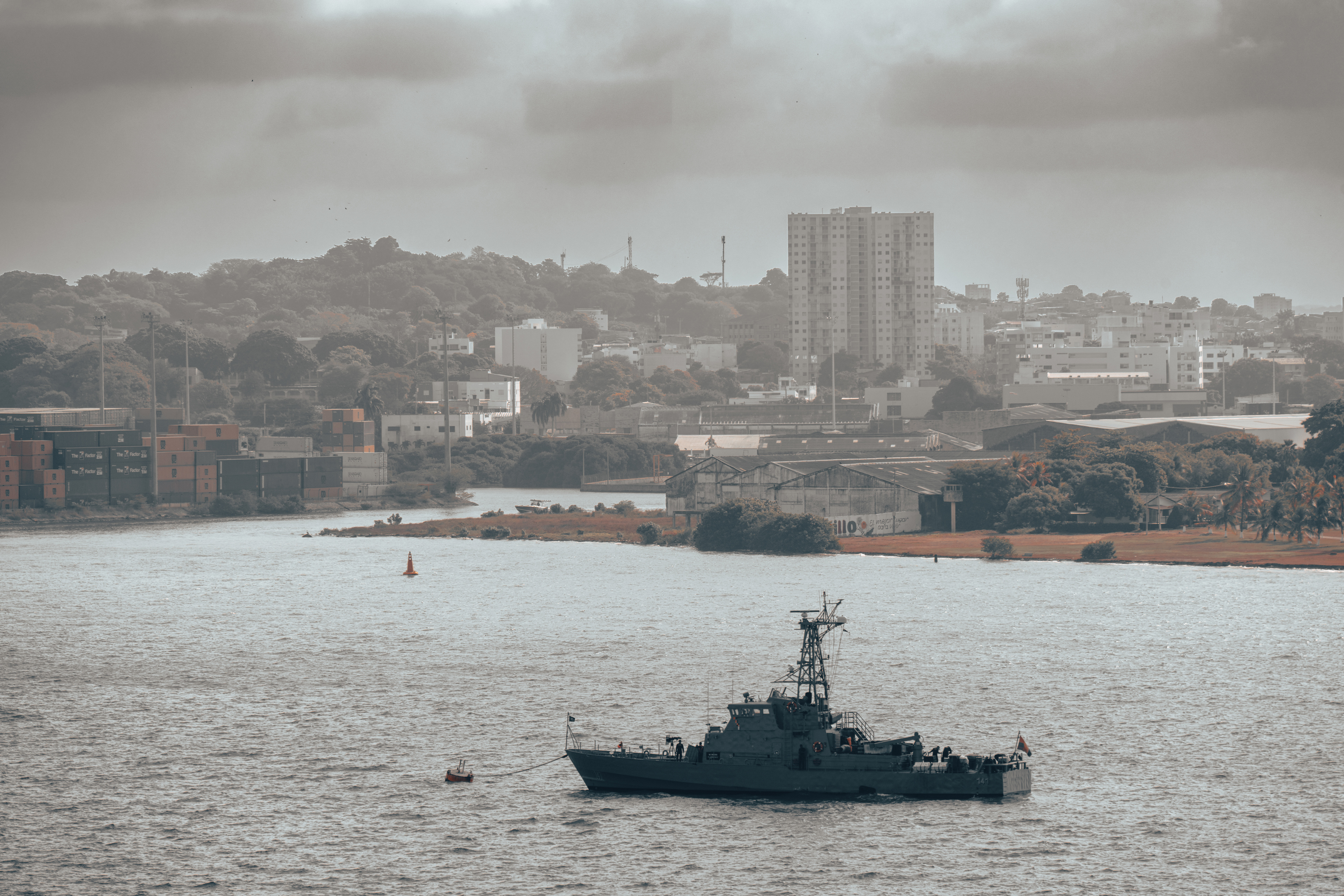
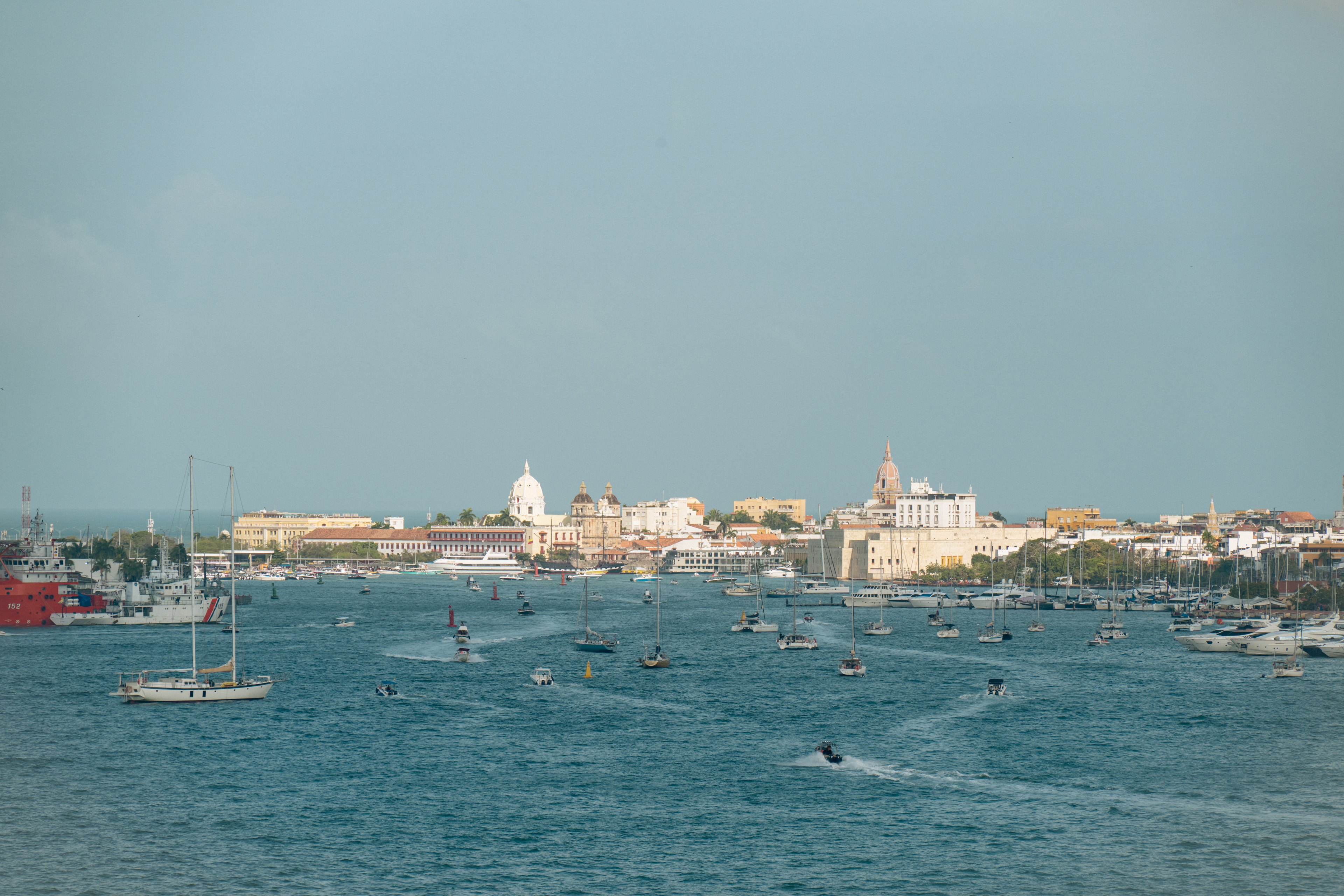
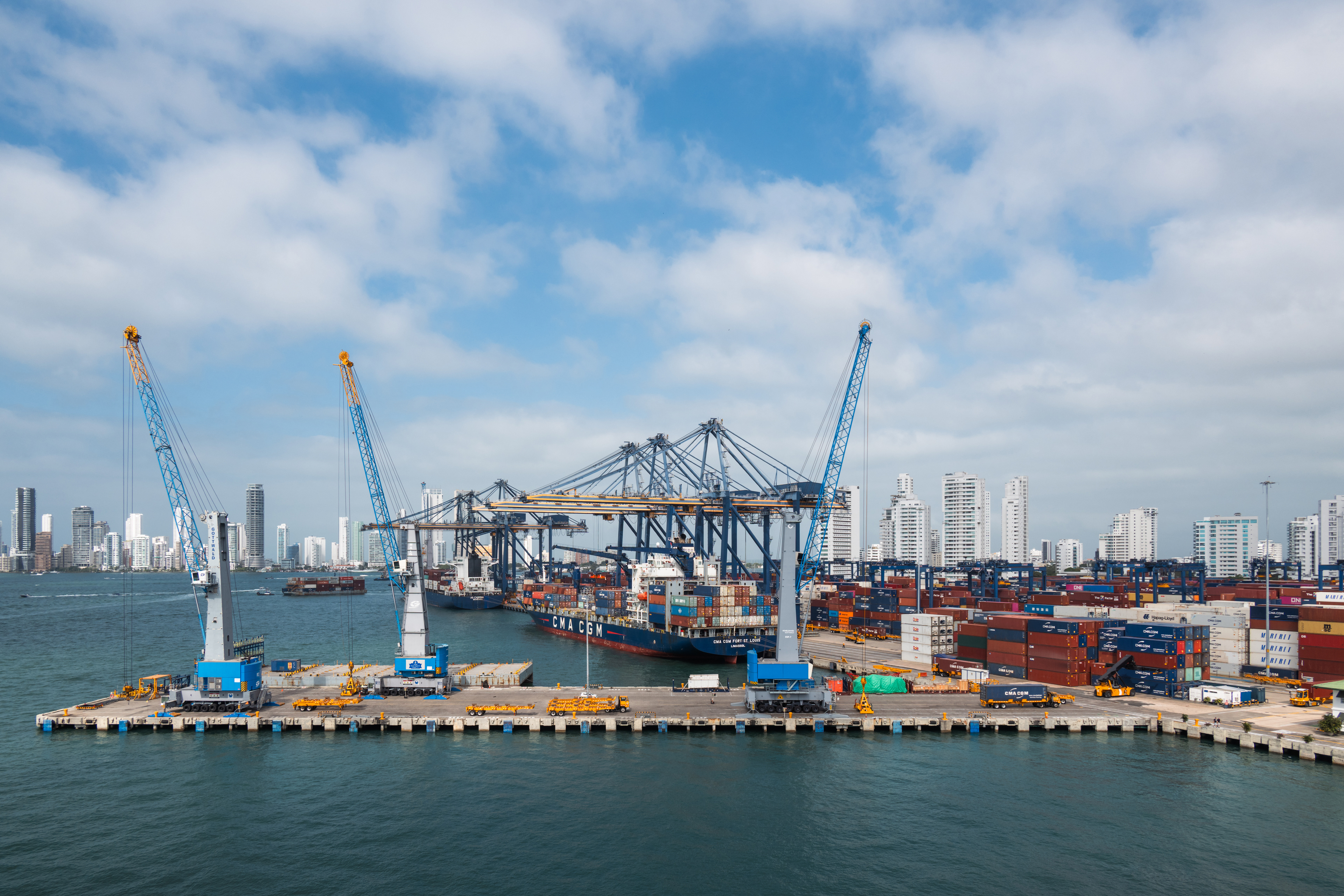
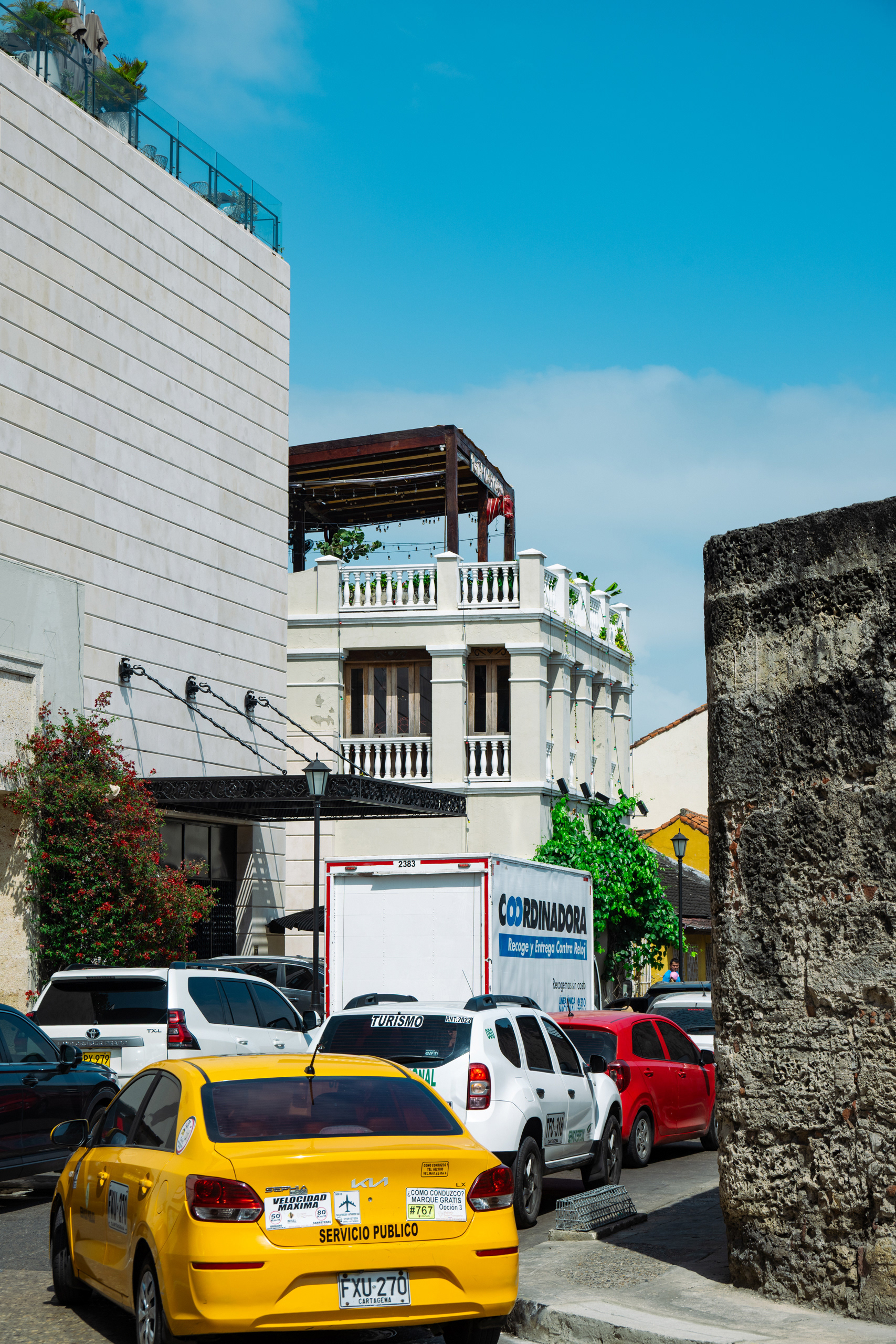
The problem with arriving at Cartagena after the Panama Canal is that almost anything is going to feel anticlimactic. This is not Cartagena's fault. Cartagena is wonderful.
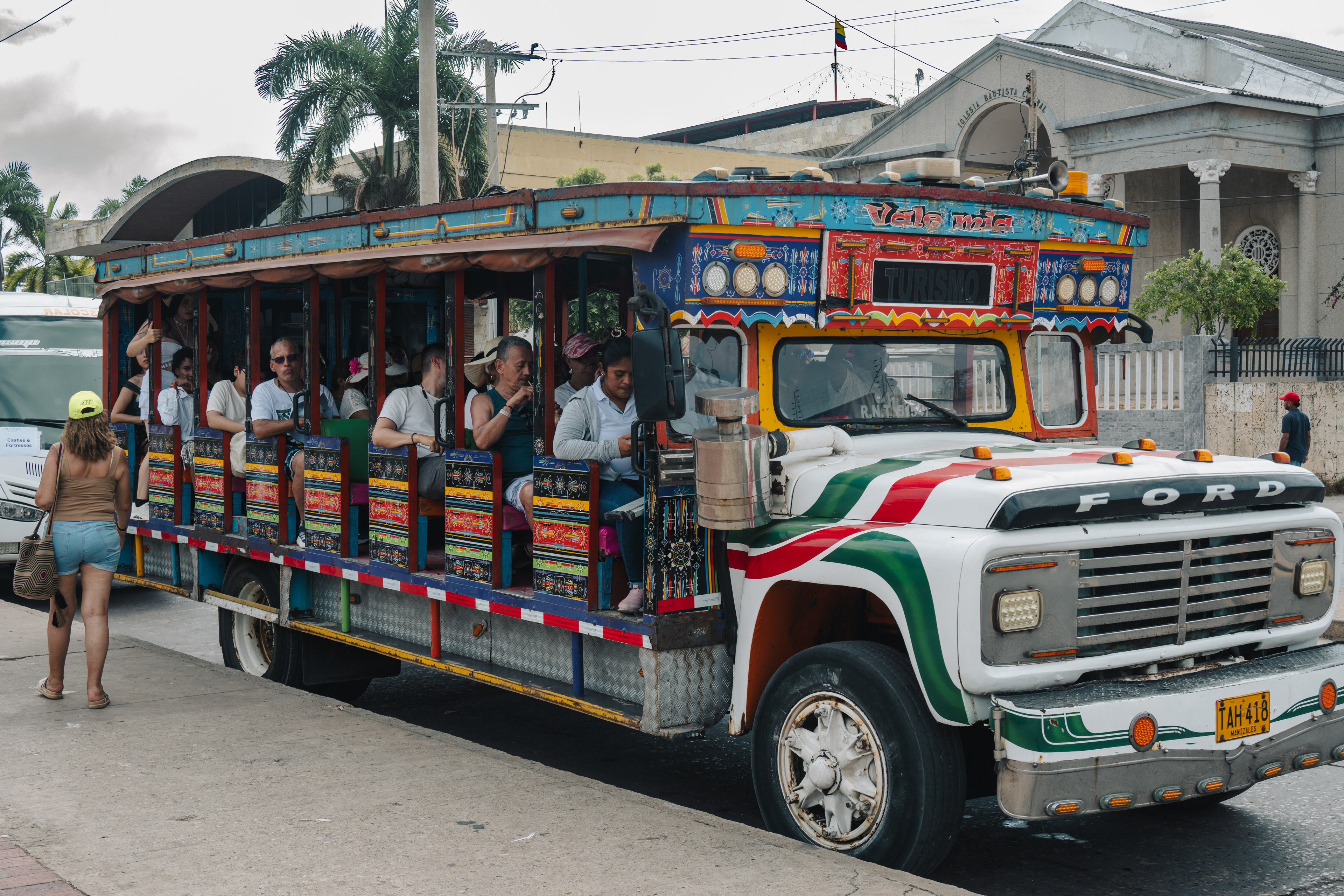
It is also hot in a way that feels personal — a Caribbean-equatorial heat that settles on you from above and rises from the cobblestones underfoot simultaneously. By 10am, it was 88°F and humid enough to photograph. We were grateful for the "Backstage Cartagena" excursion's air-conditioned coach portions.
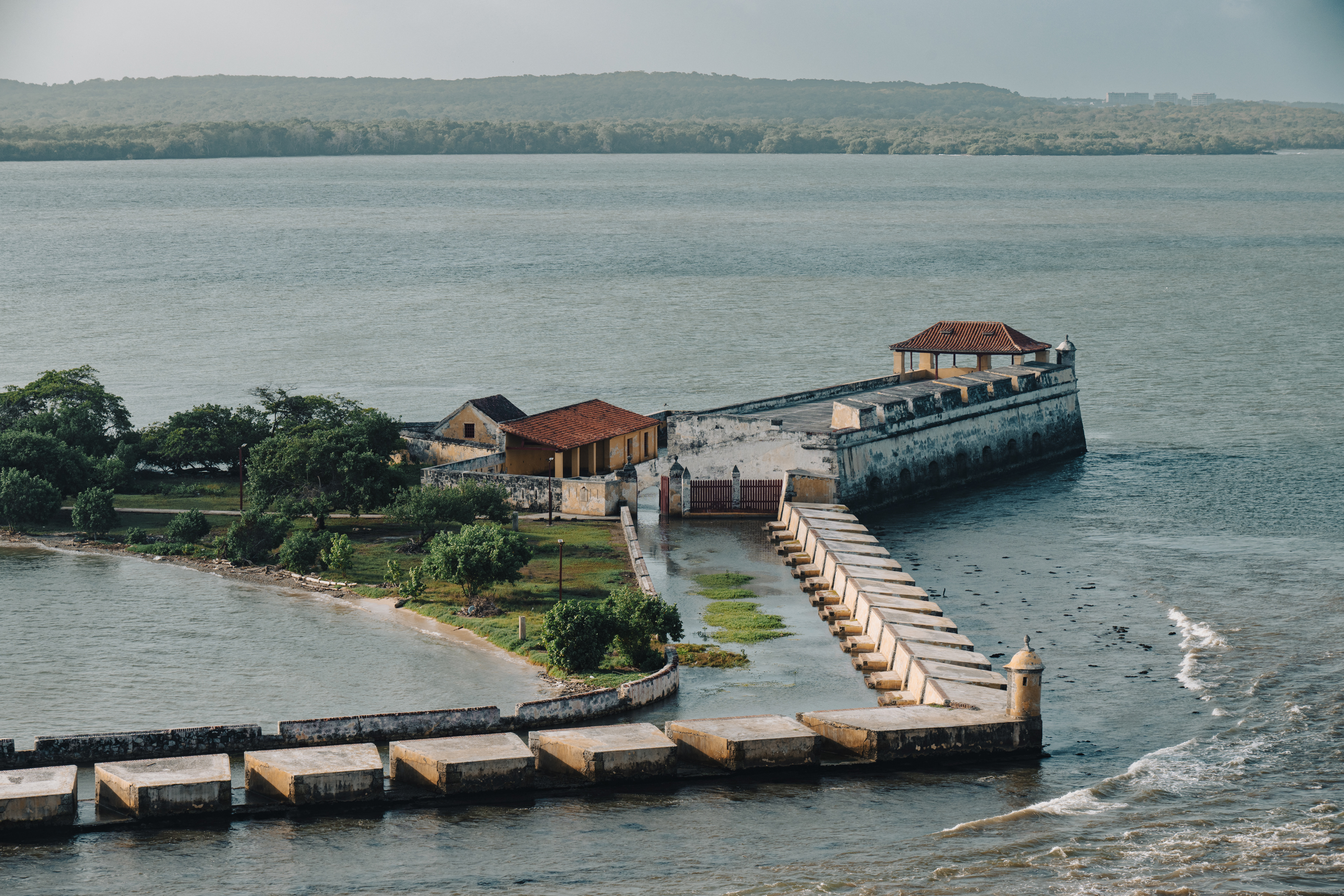
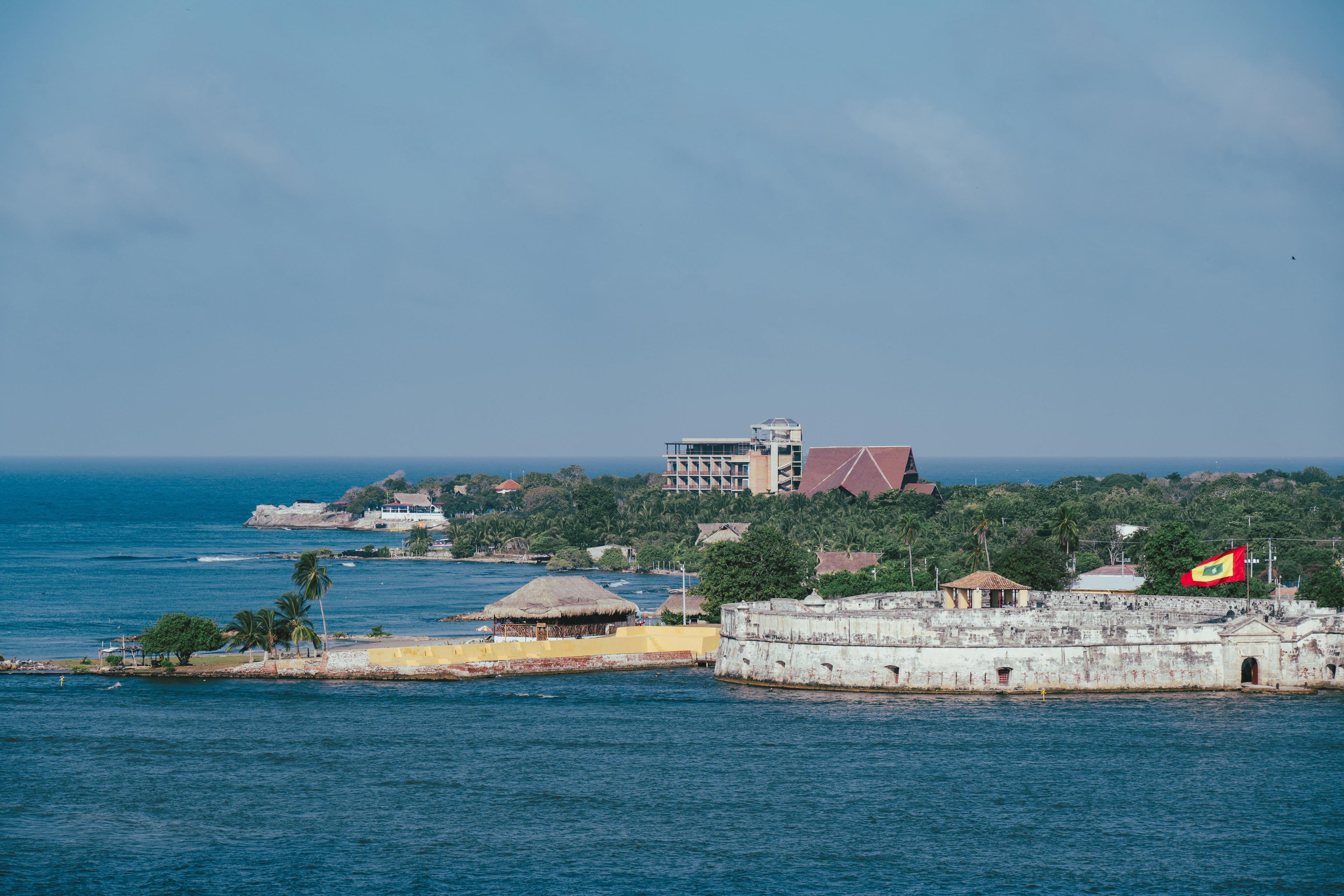
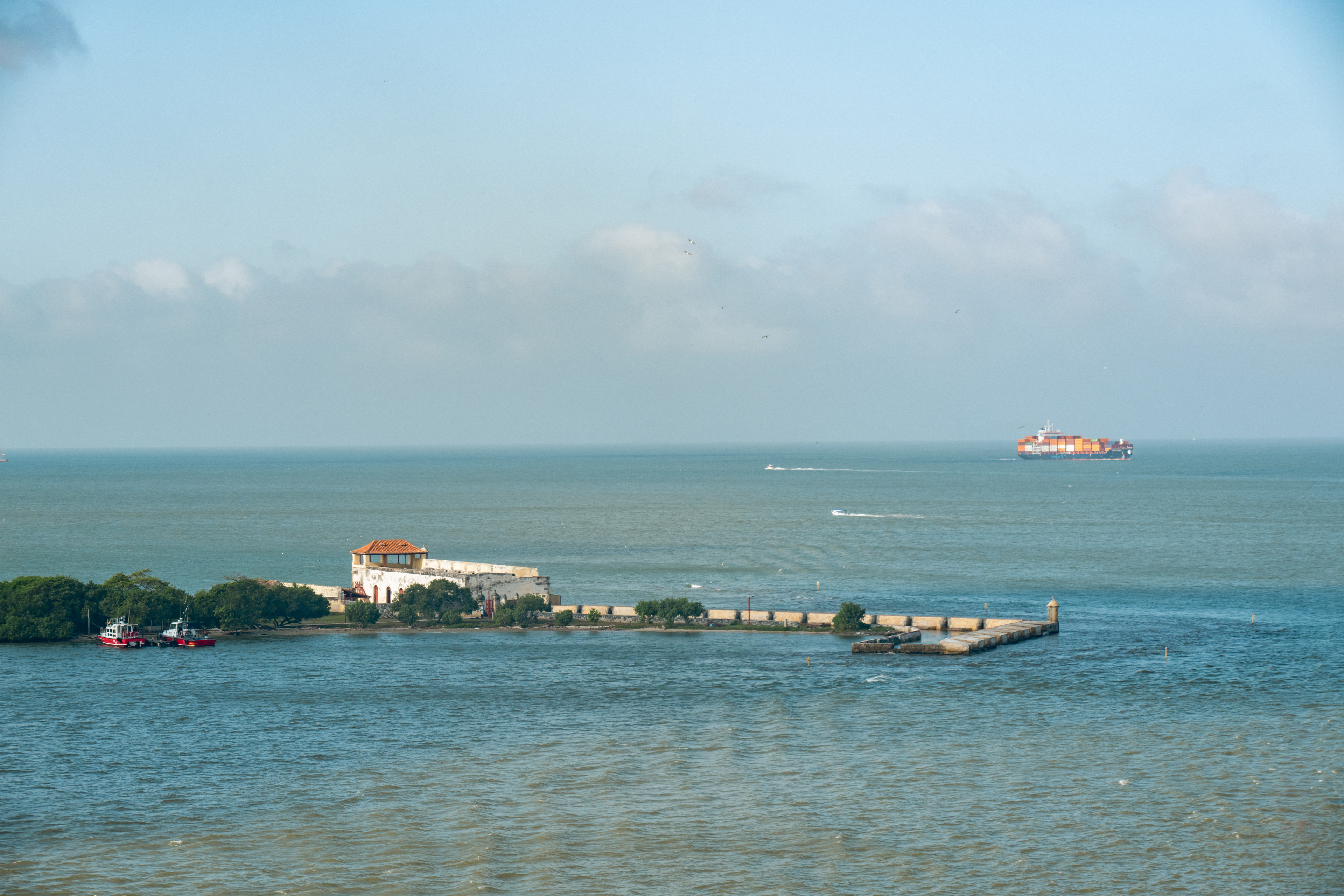
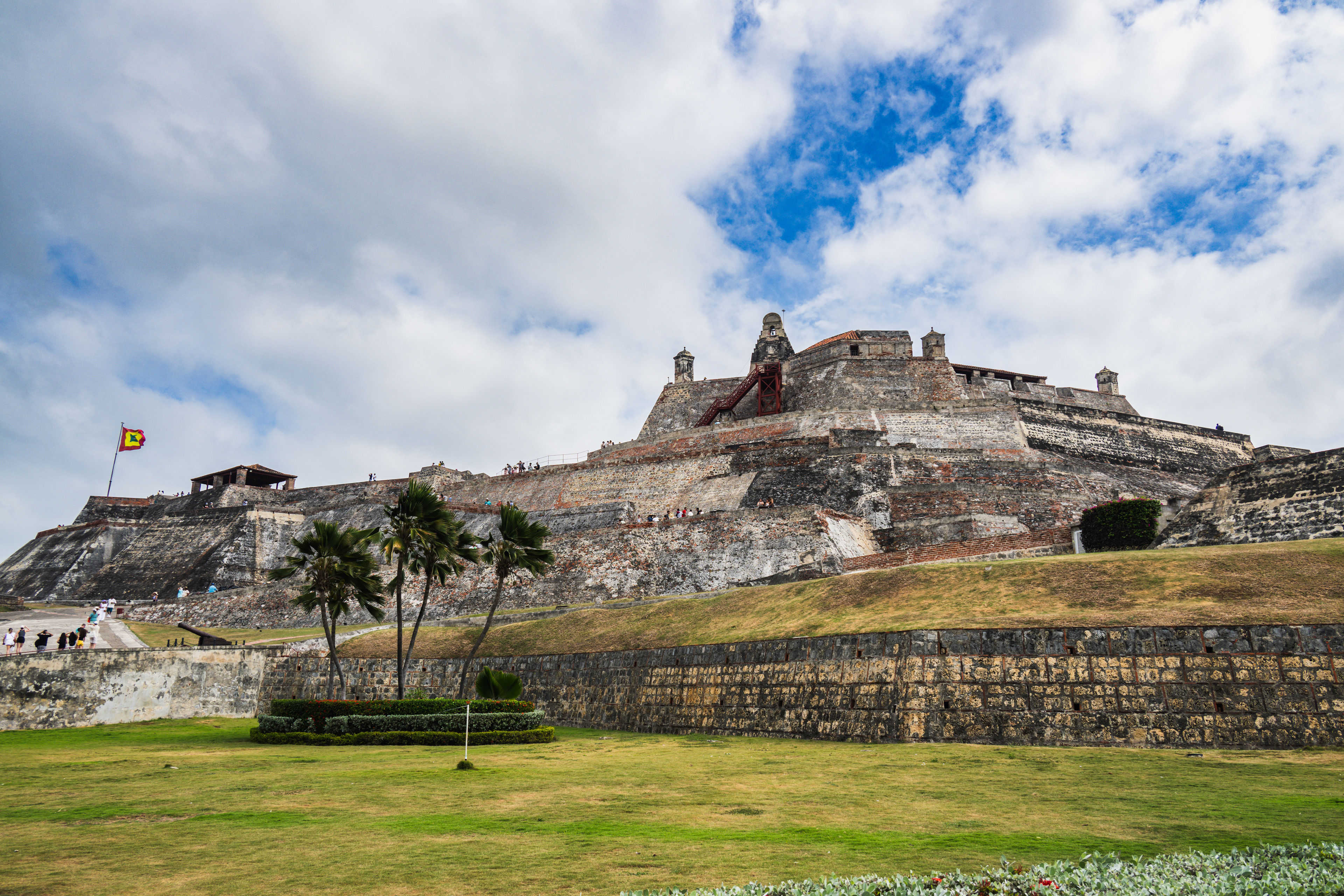
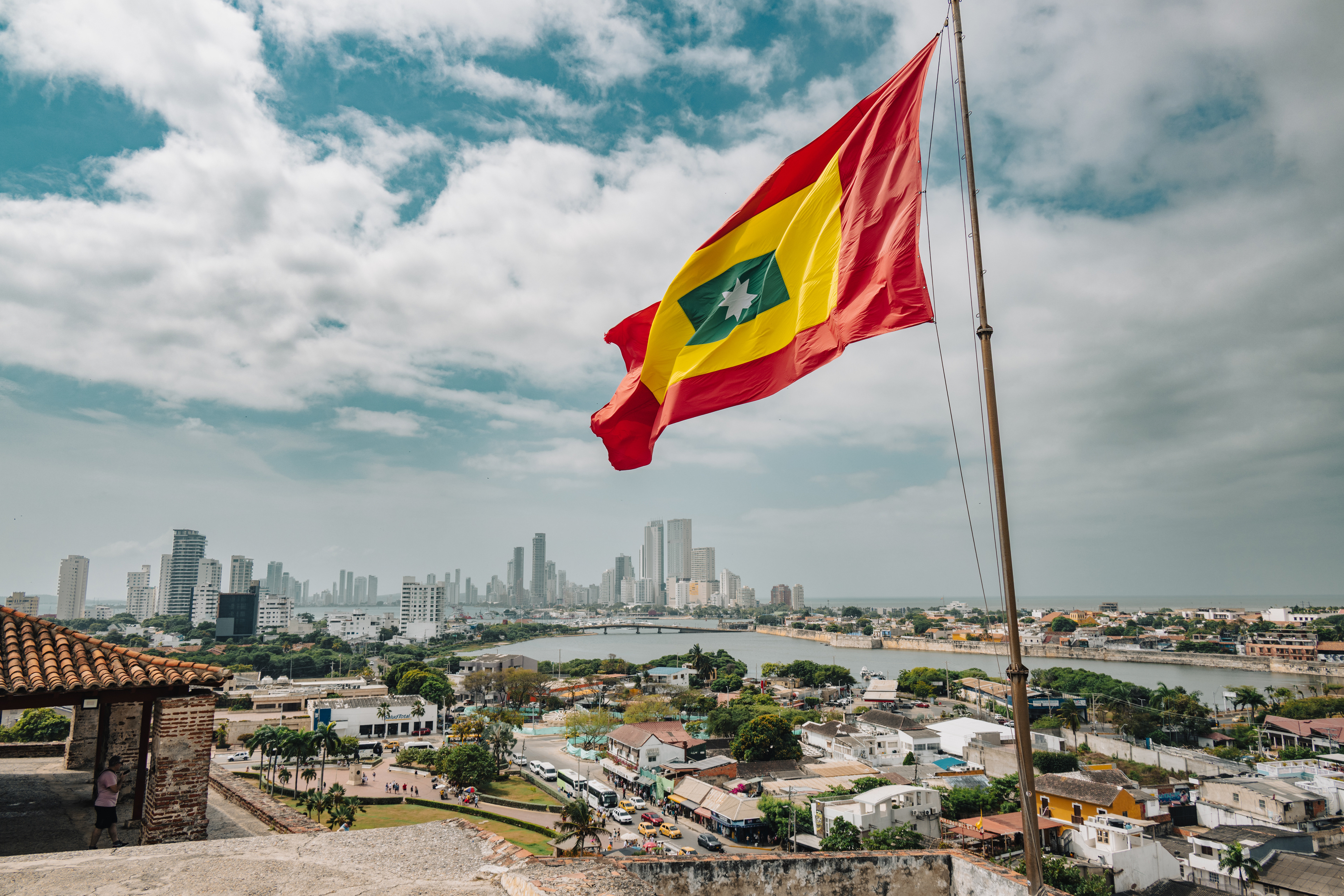
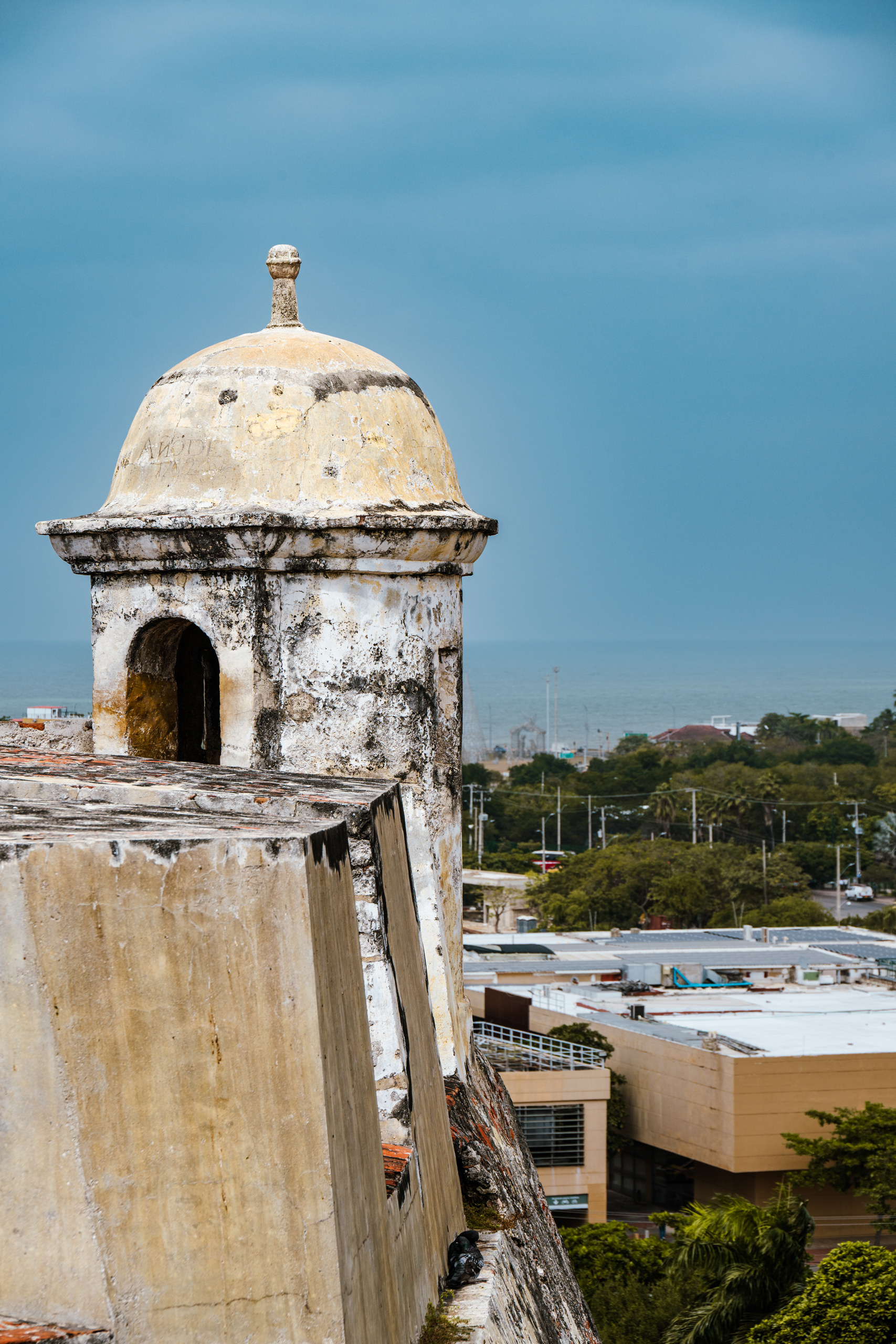
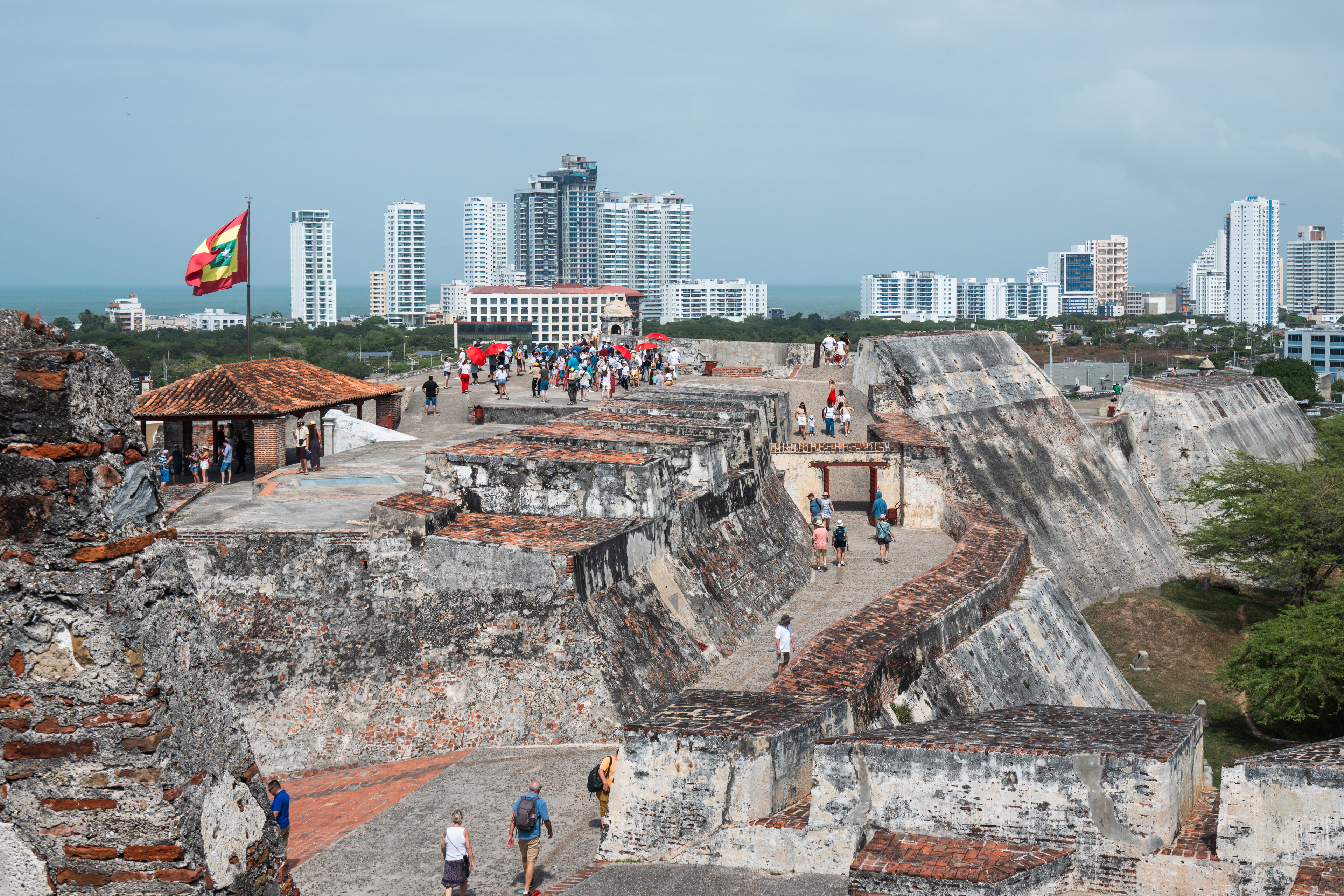
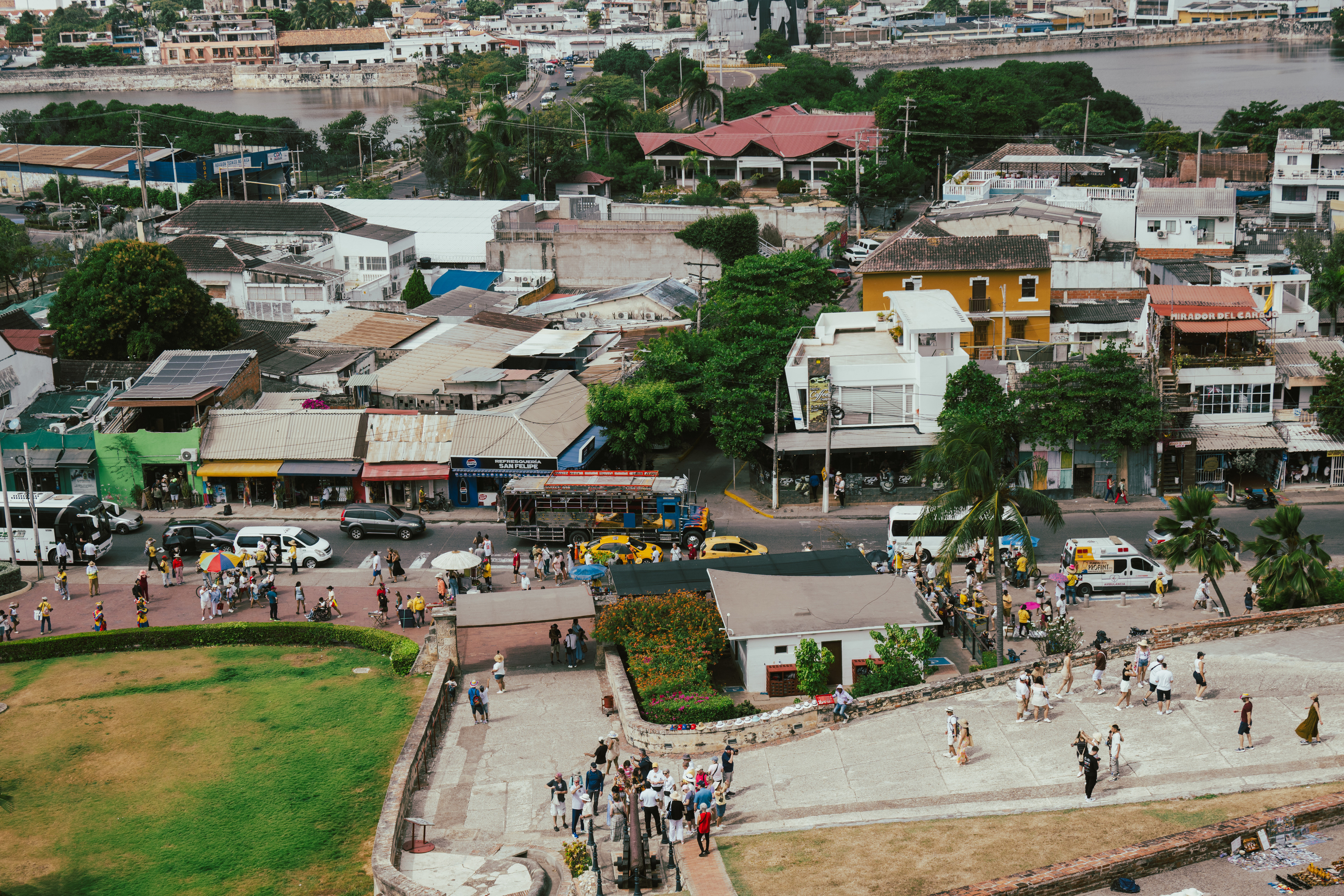
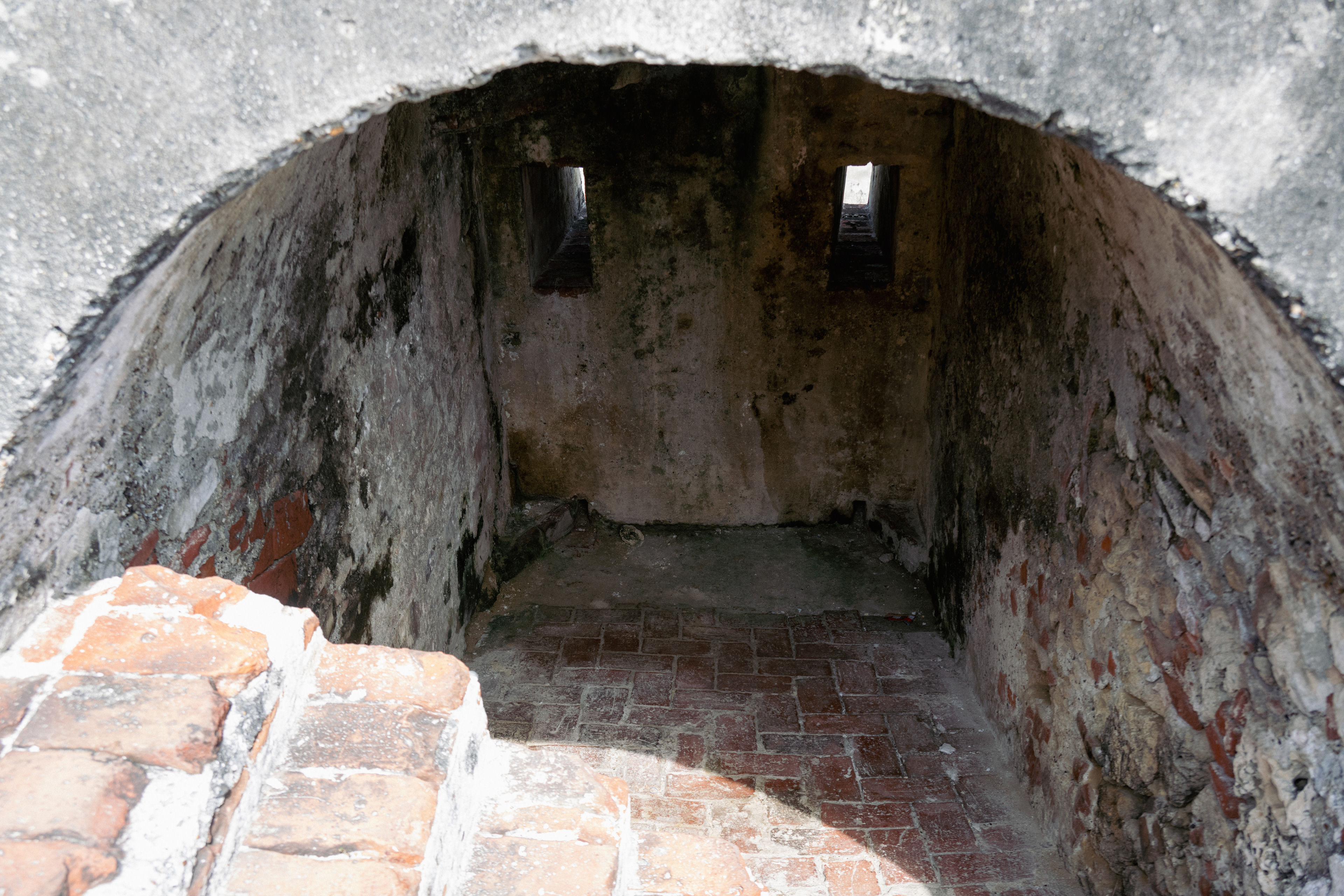
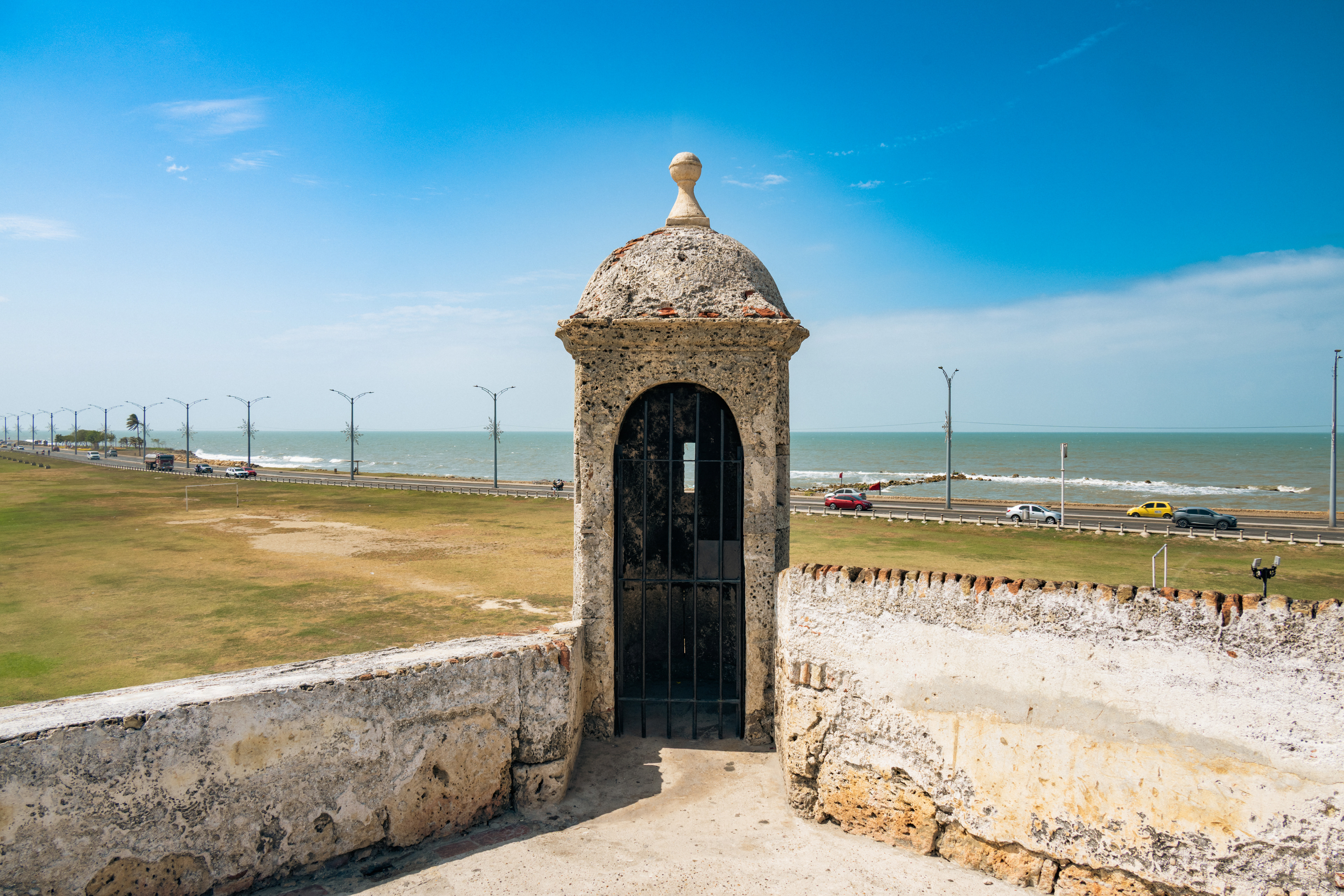
The tour opened at Castillo San Felipe de Barajas, the Spanish fortress that crowns San Lazaro Hill. Originally built in 1639, expanded massively in 1762, it was never successfully stormed despite numerous attempts — including Admiral Edward Vernon's 1741 assault that killed roughly 18,000 British sailors. The tunnel system beneath the fort was designed so that approaching footsteps would echo and be audible to defenders before attackers reached the walls. Architecture as acoustic surveillance.
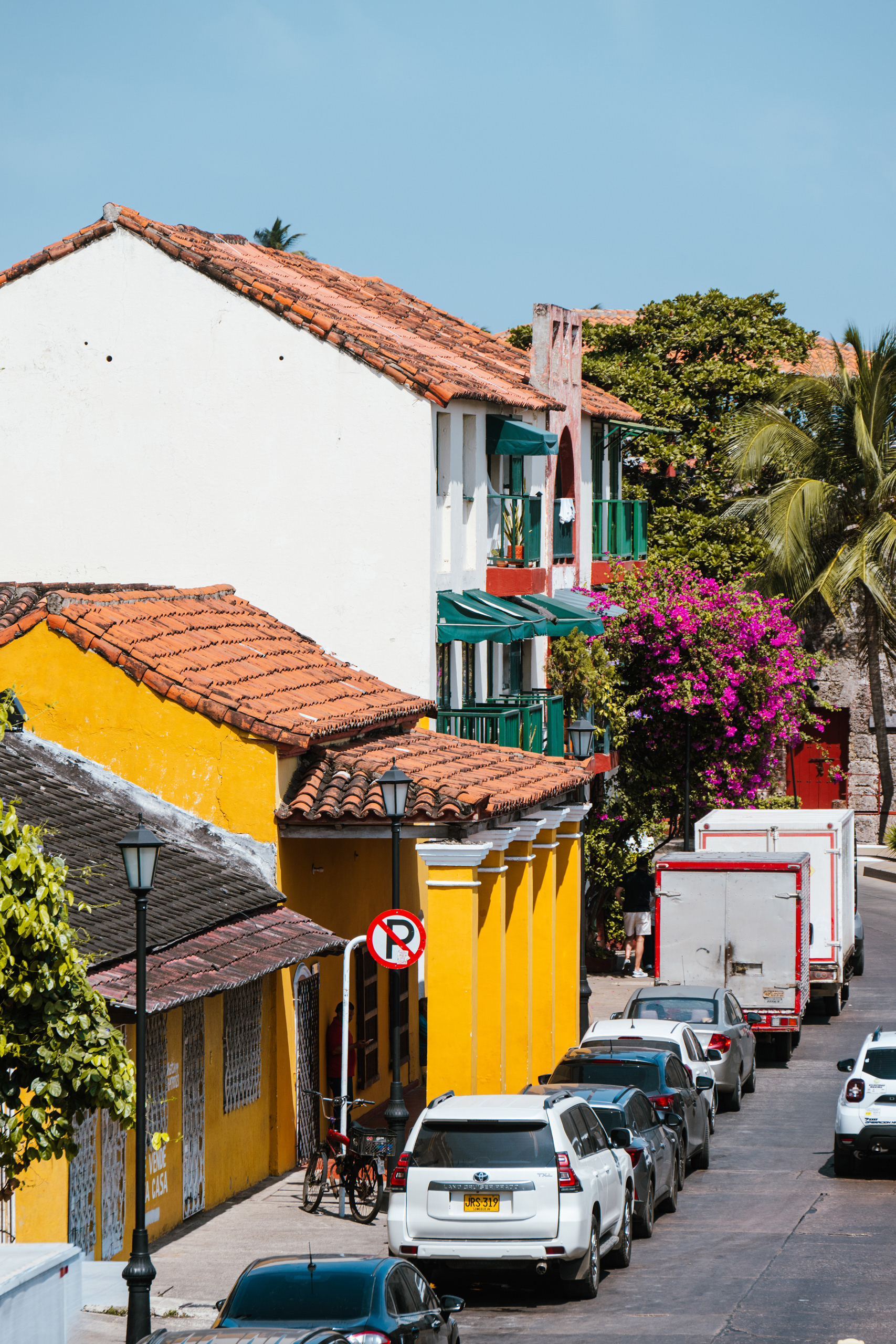
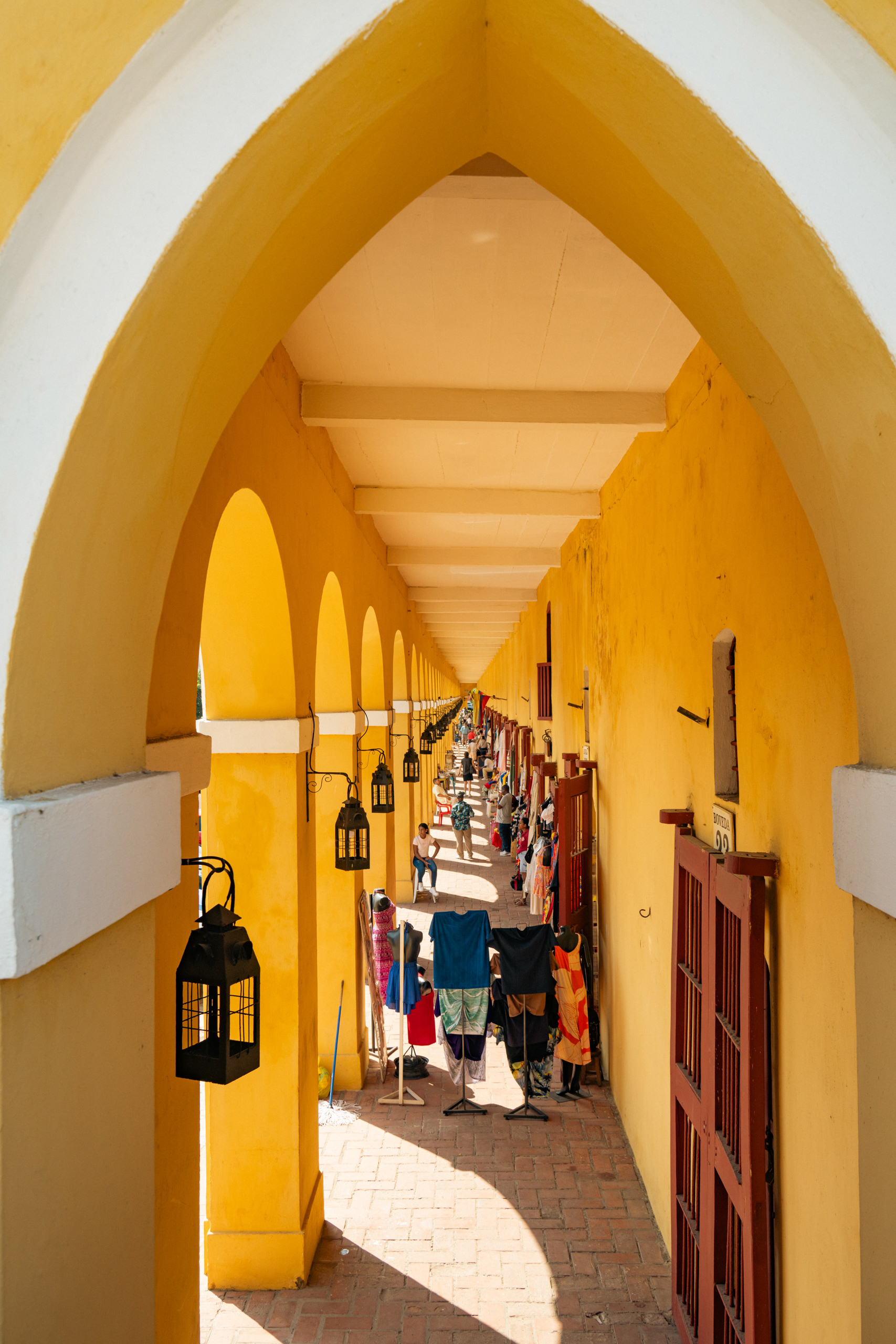
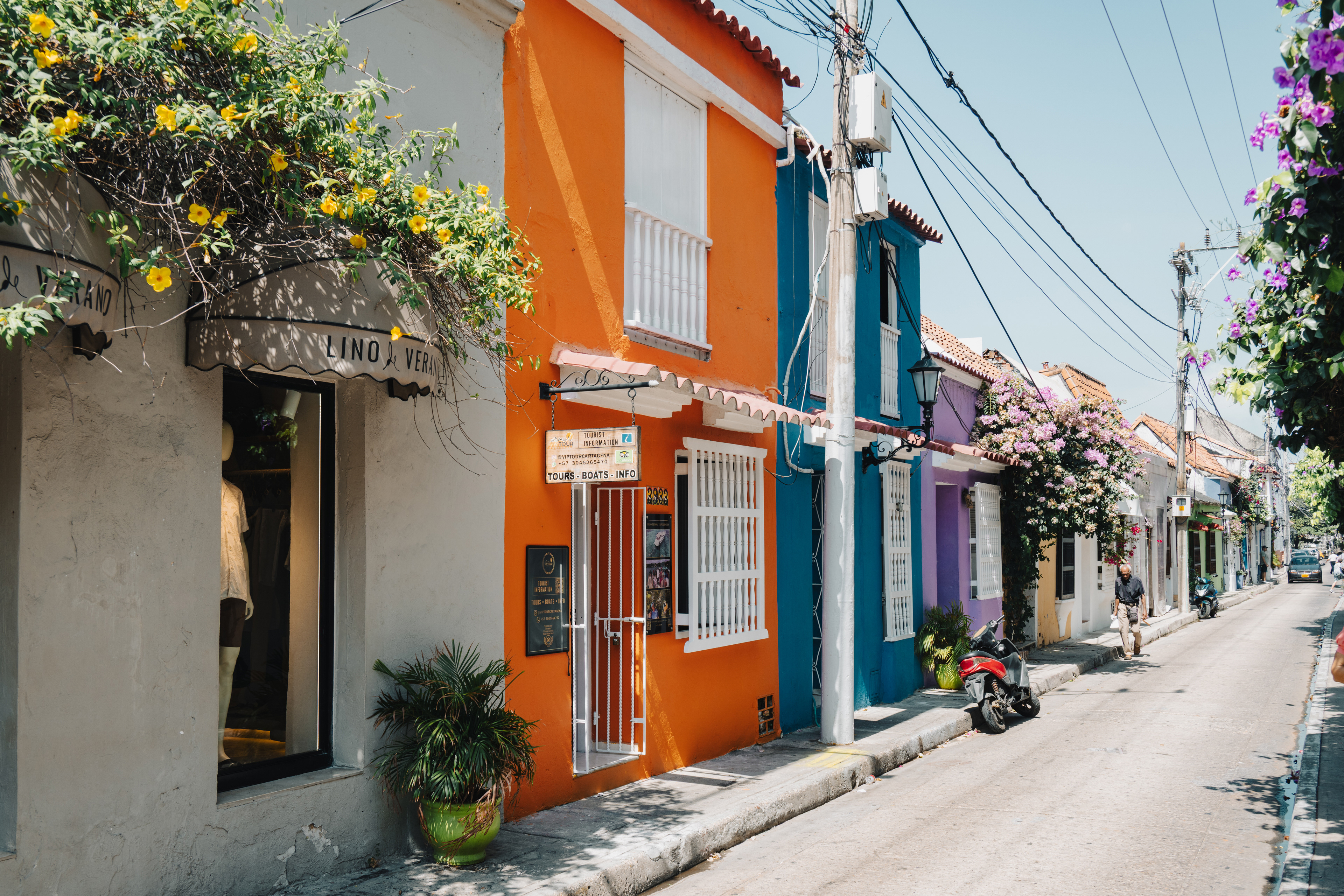
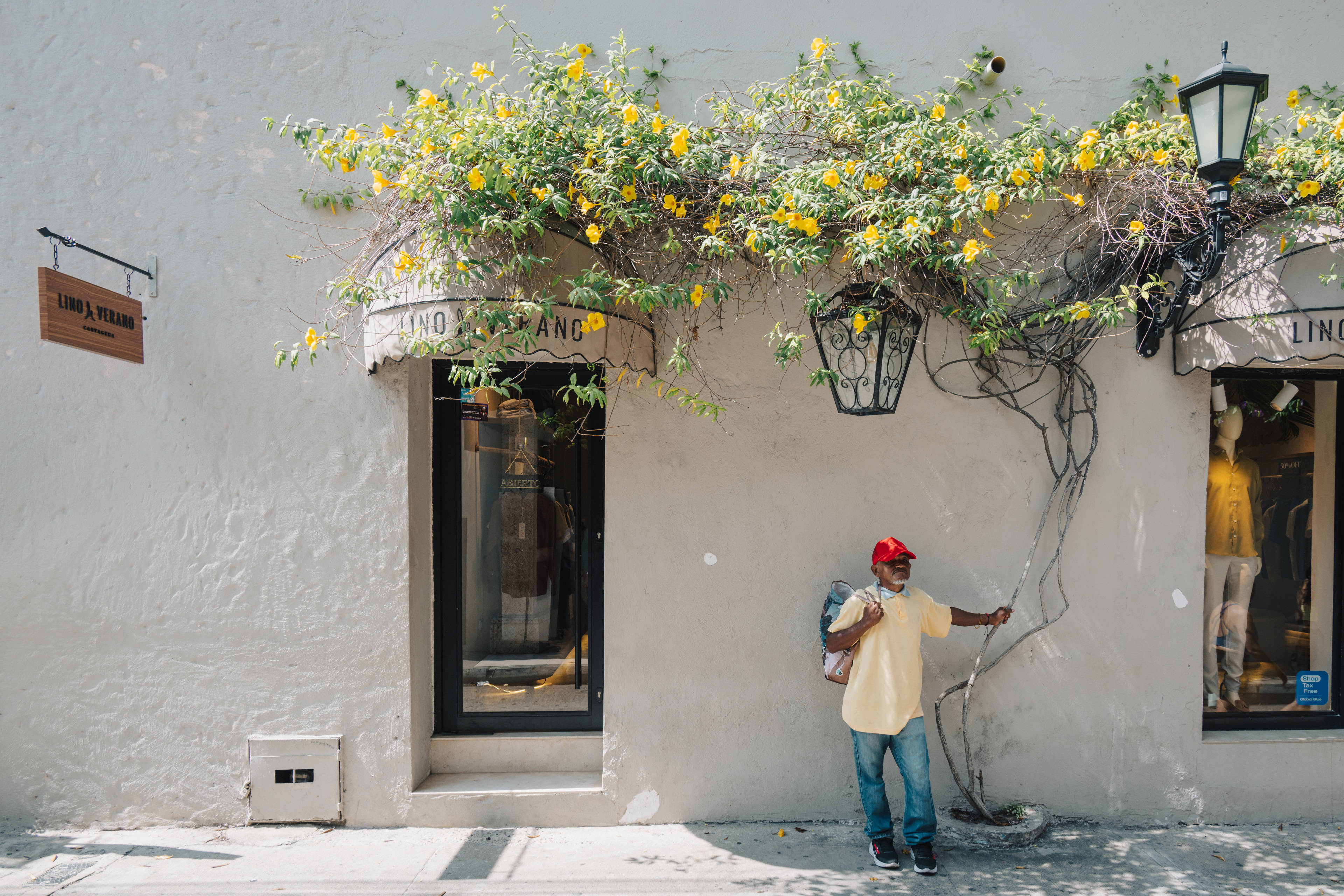
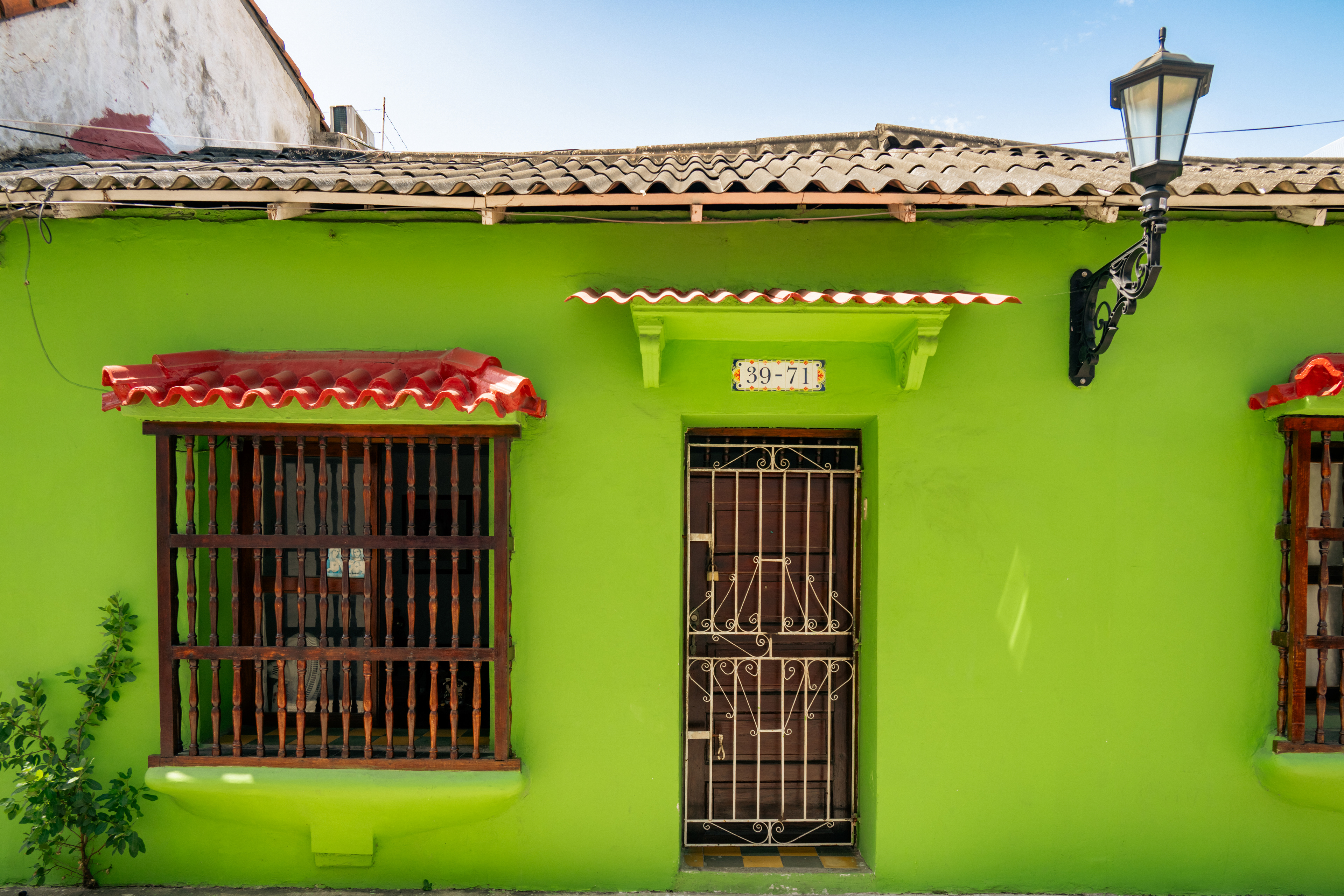
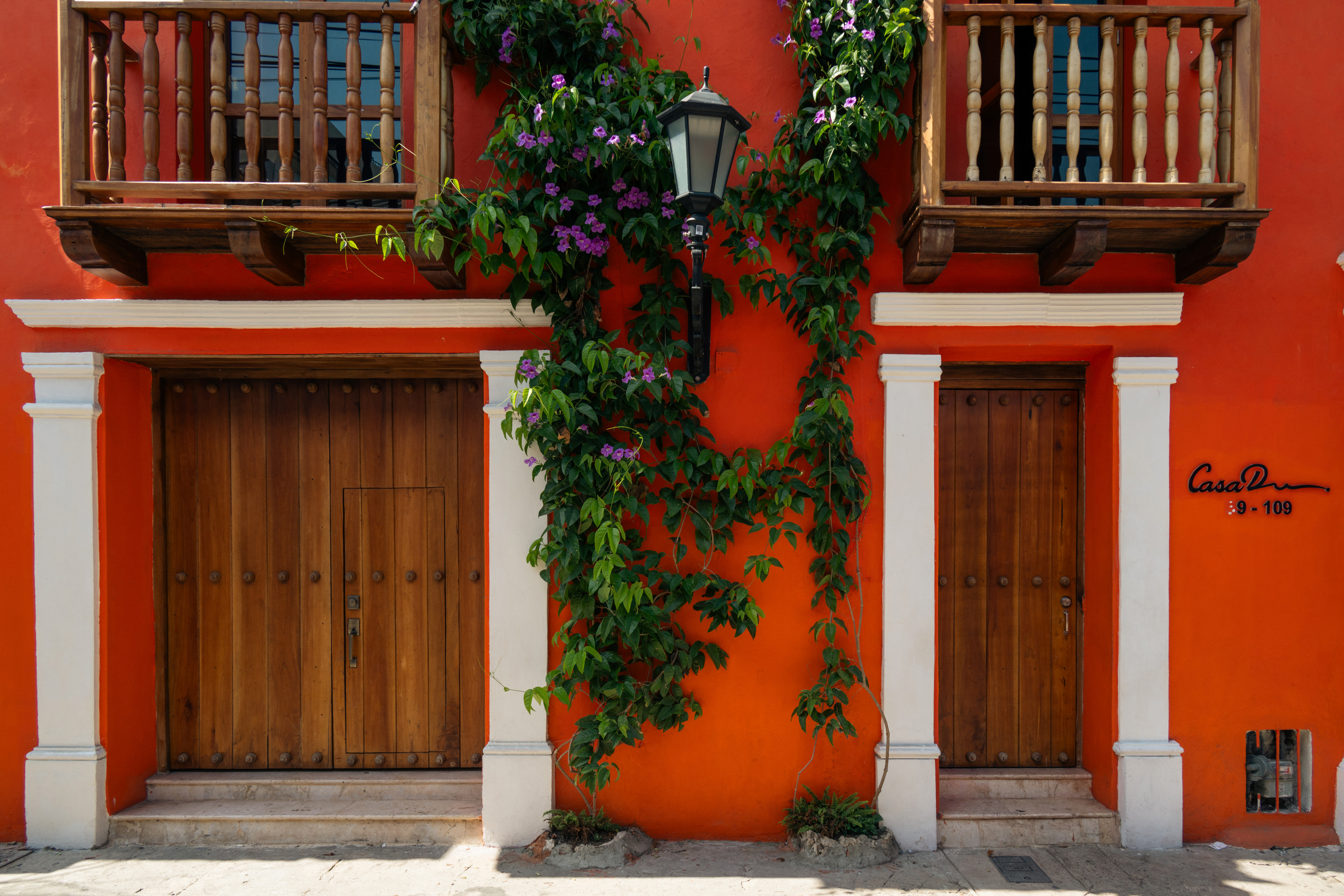
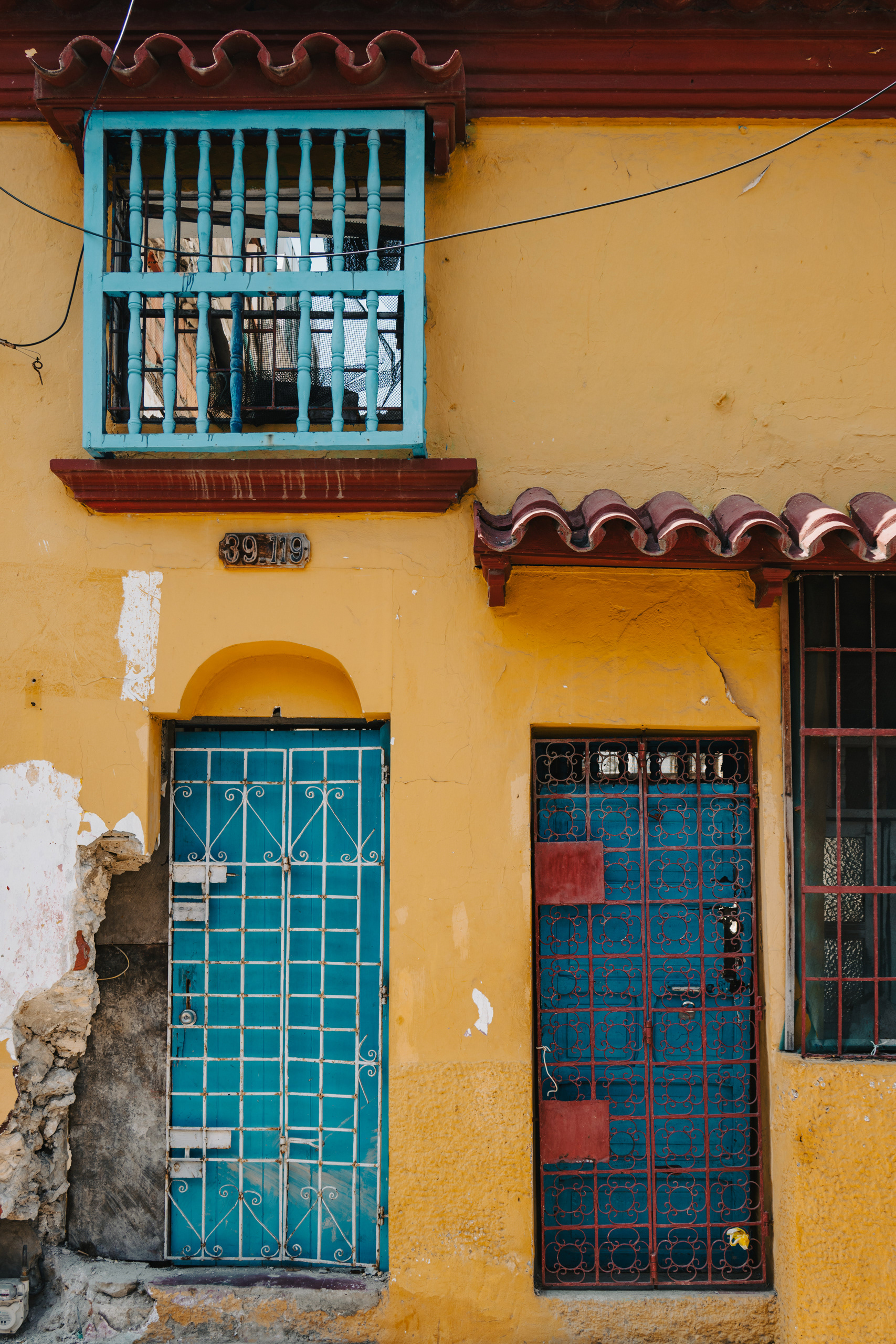
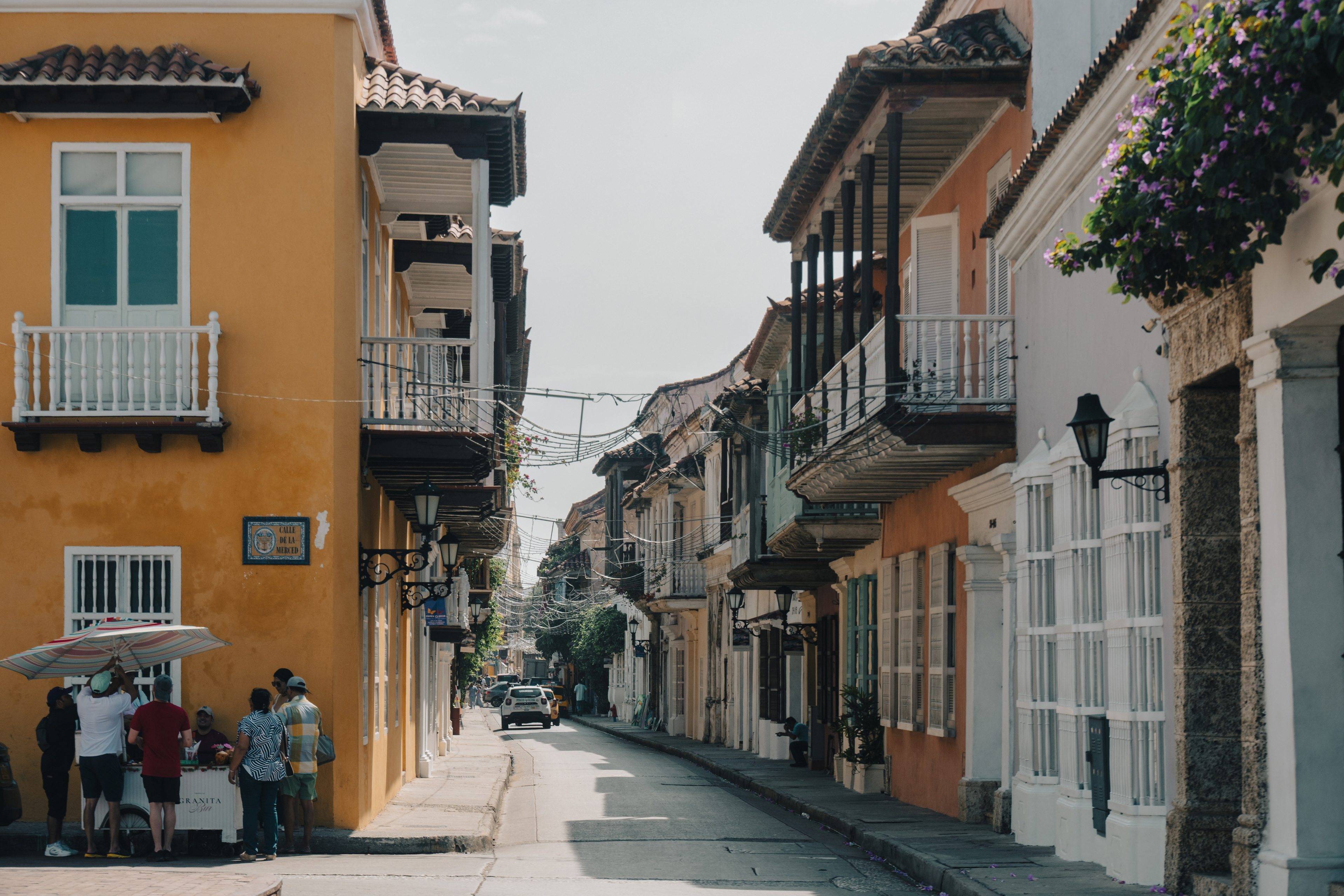
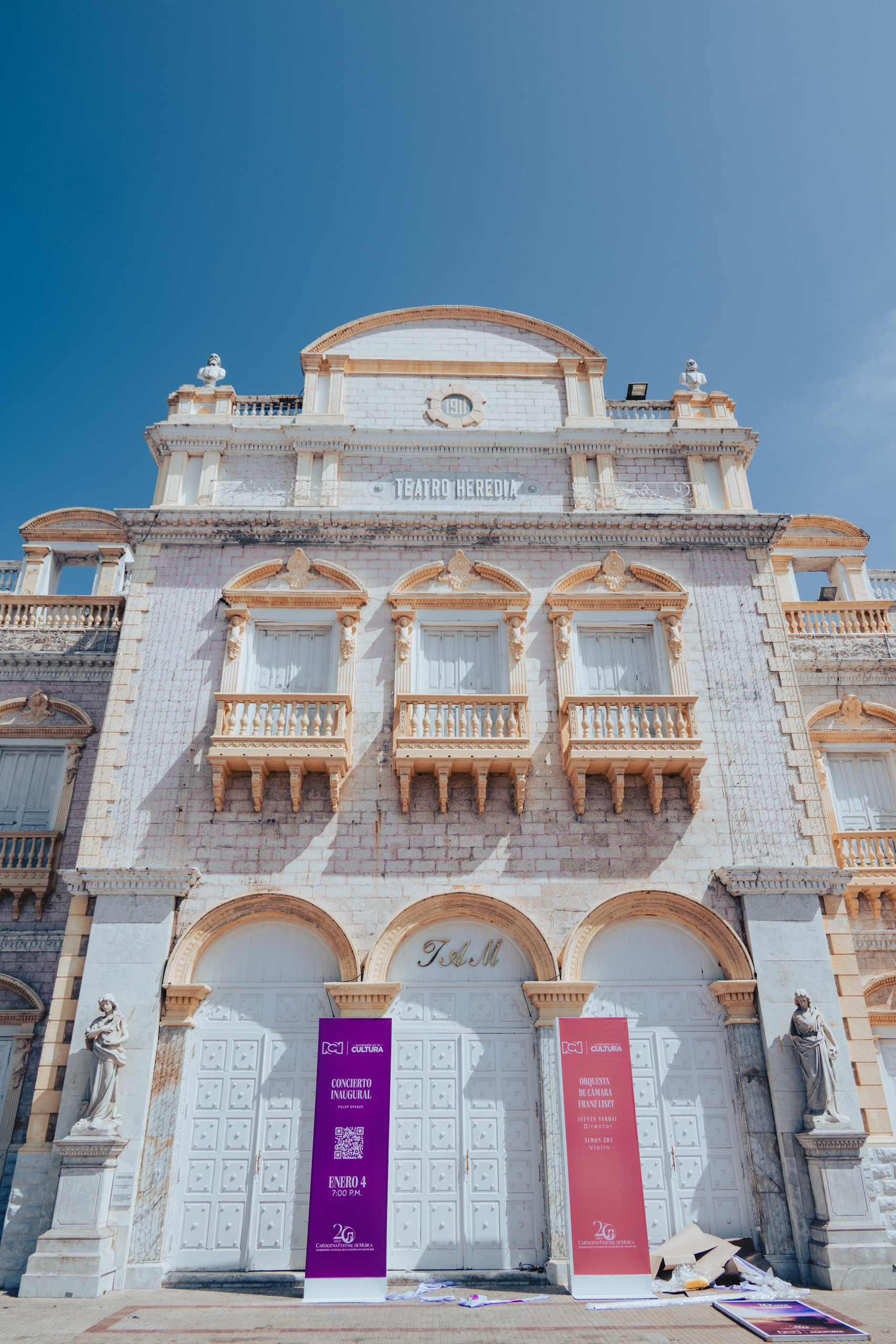
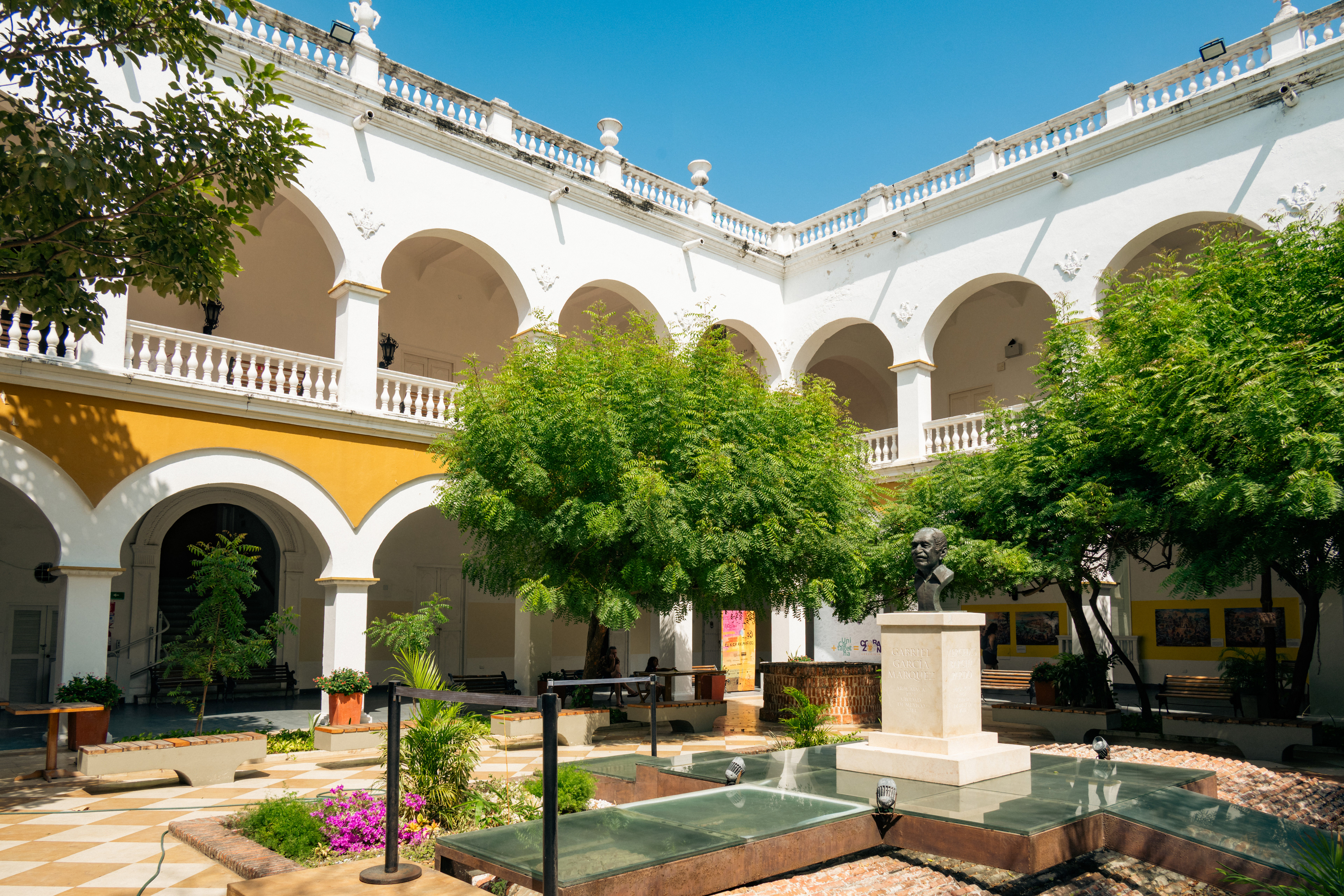
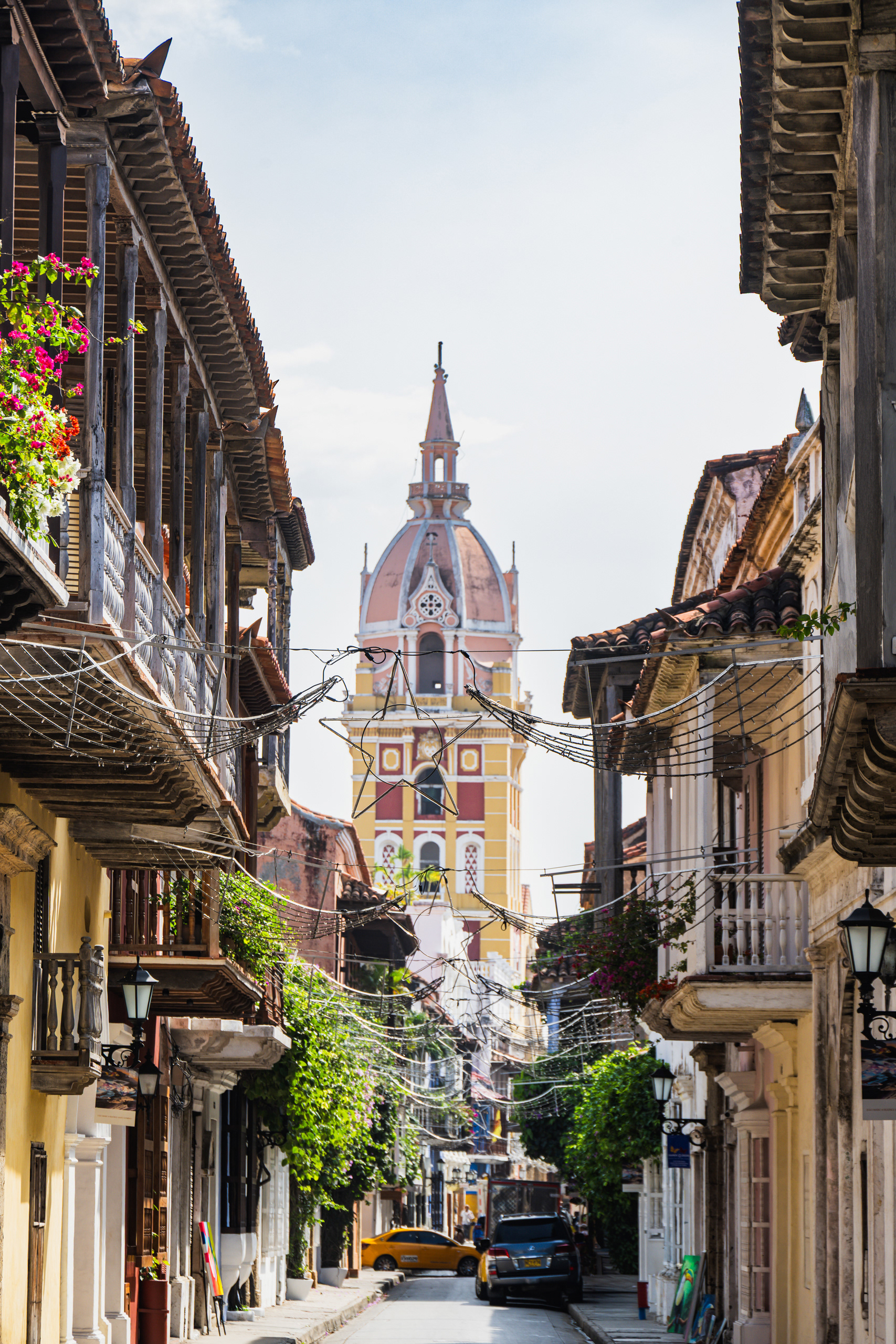
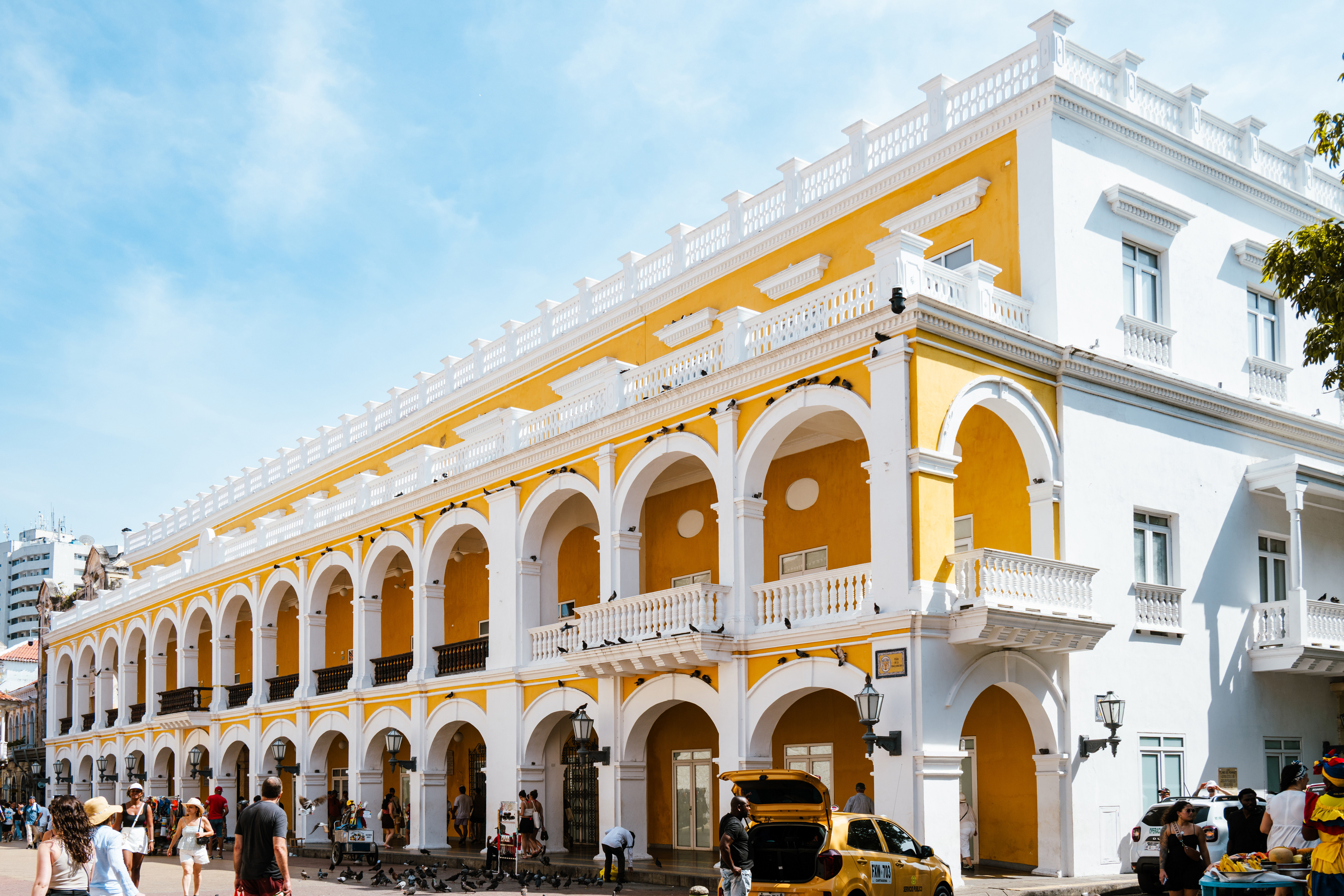
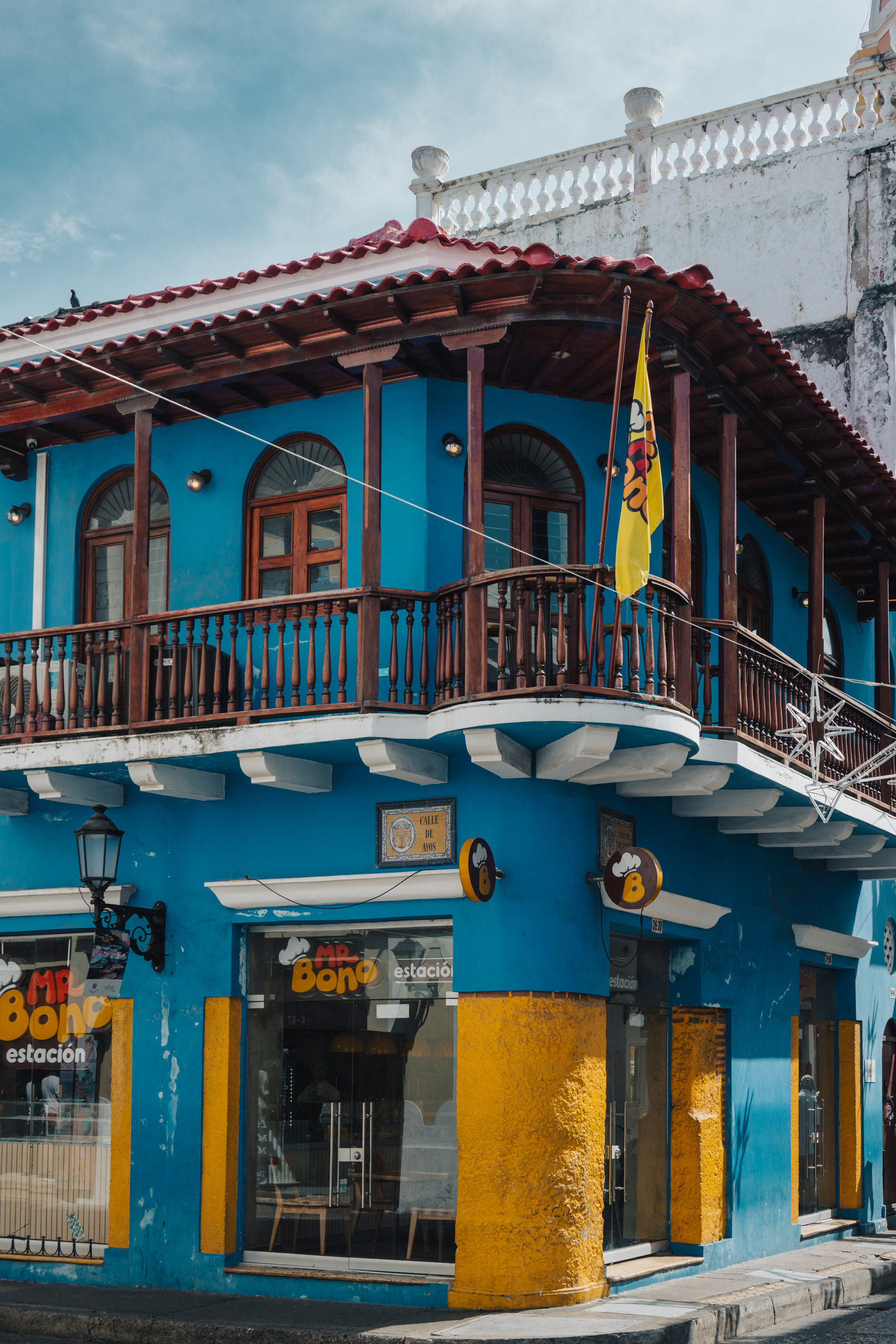
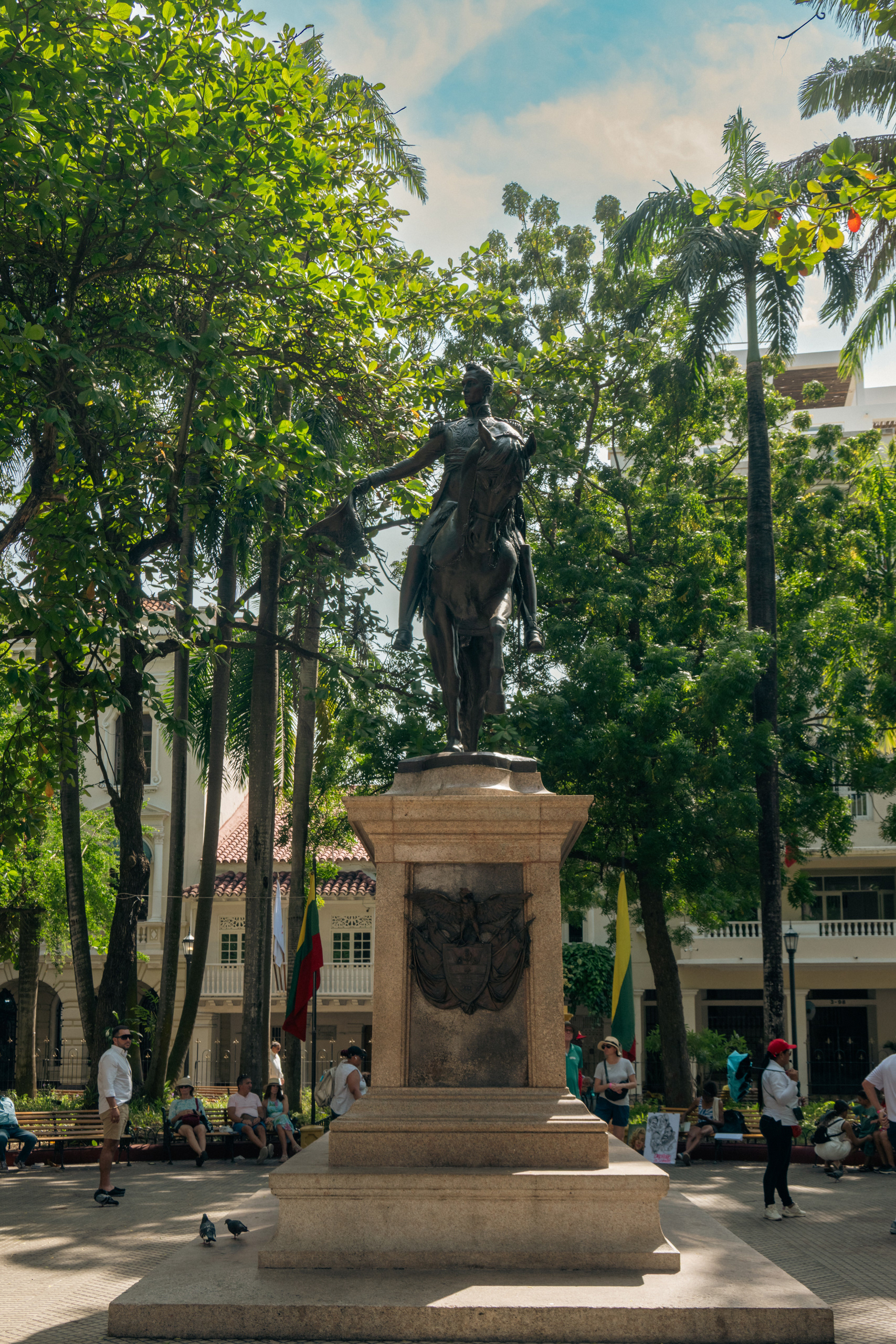
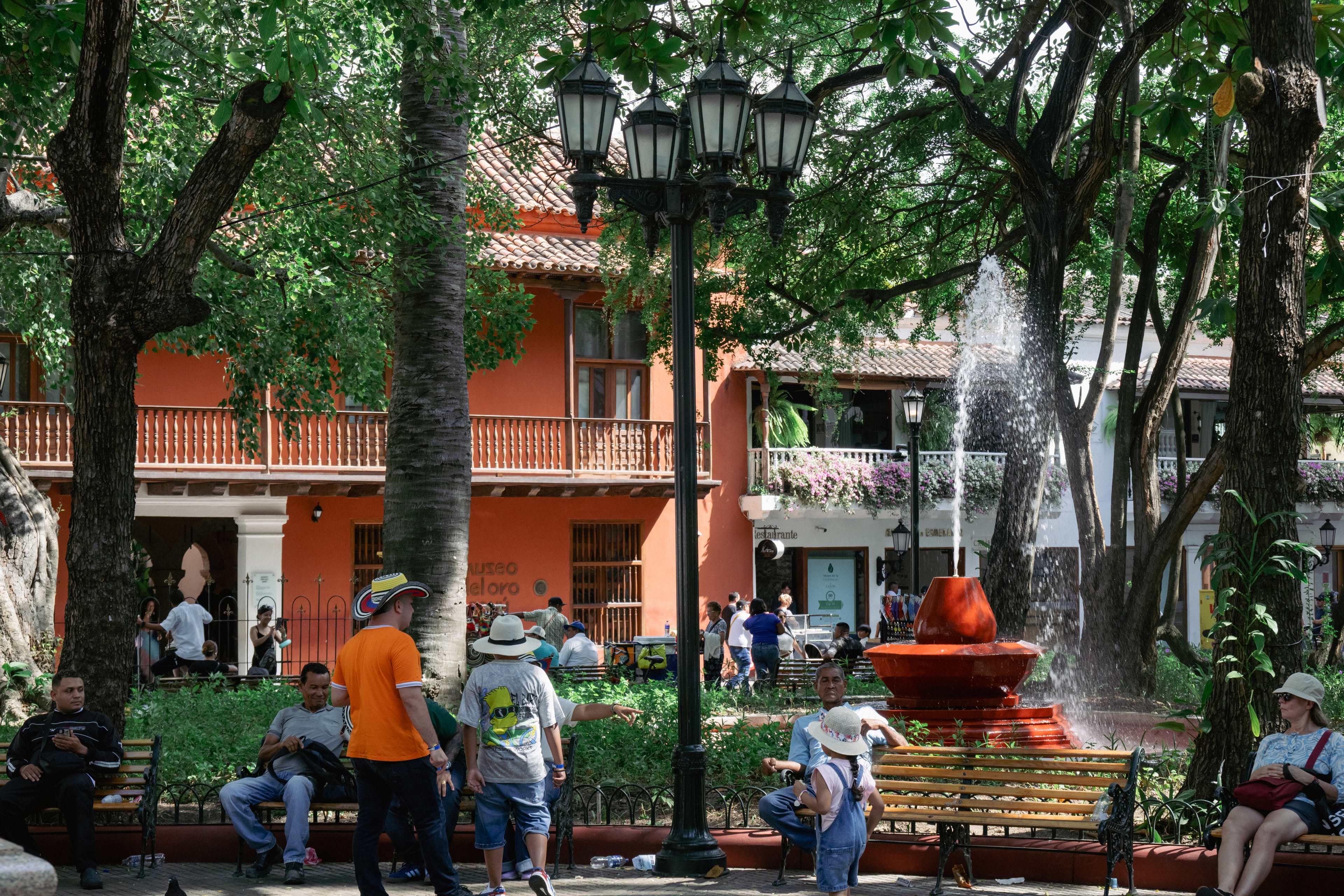
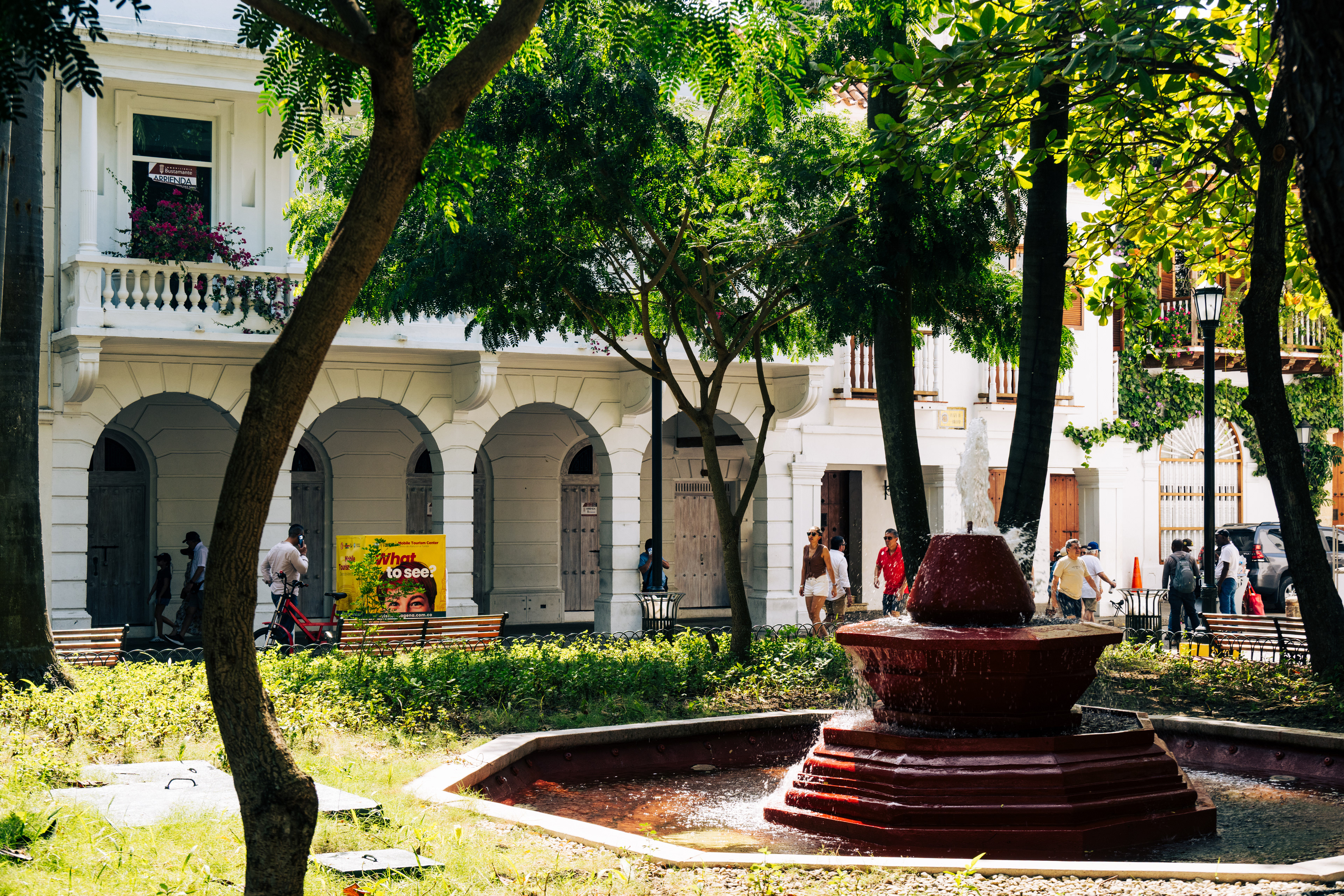
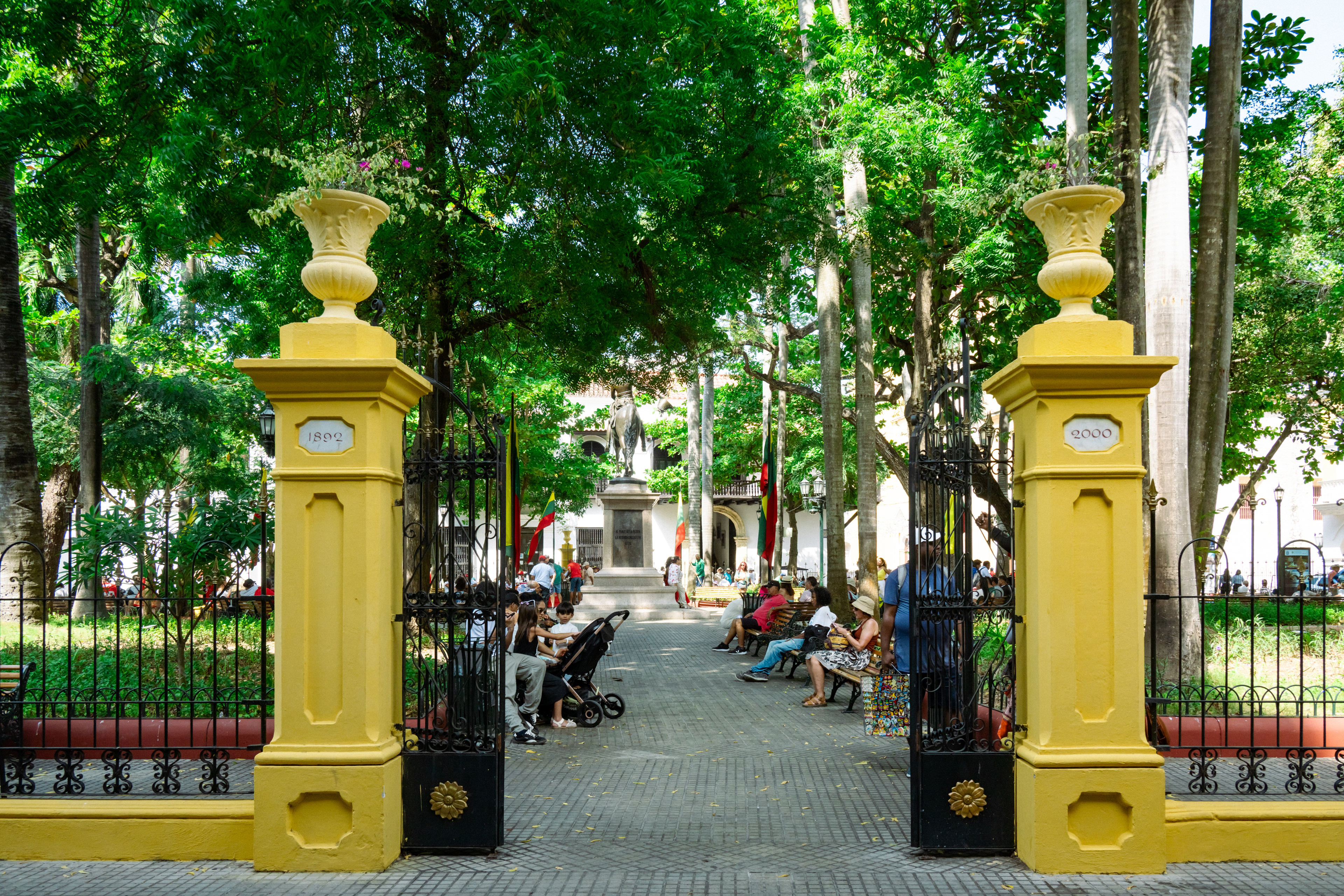
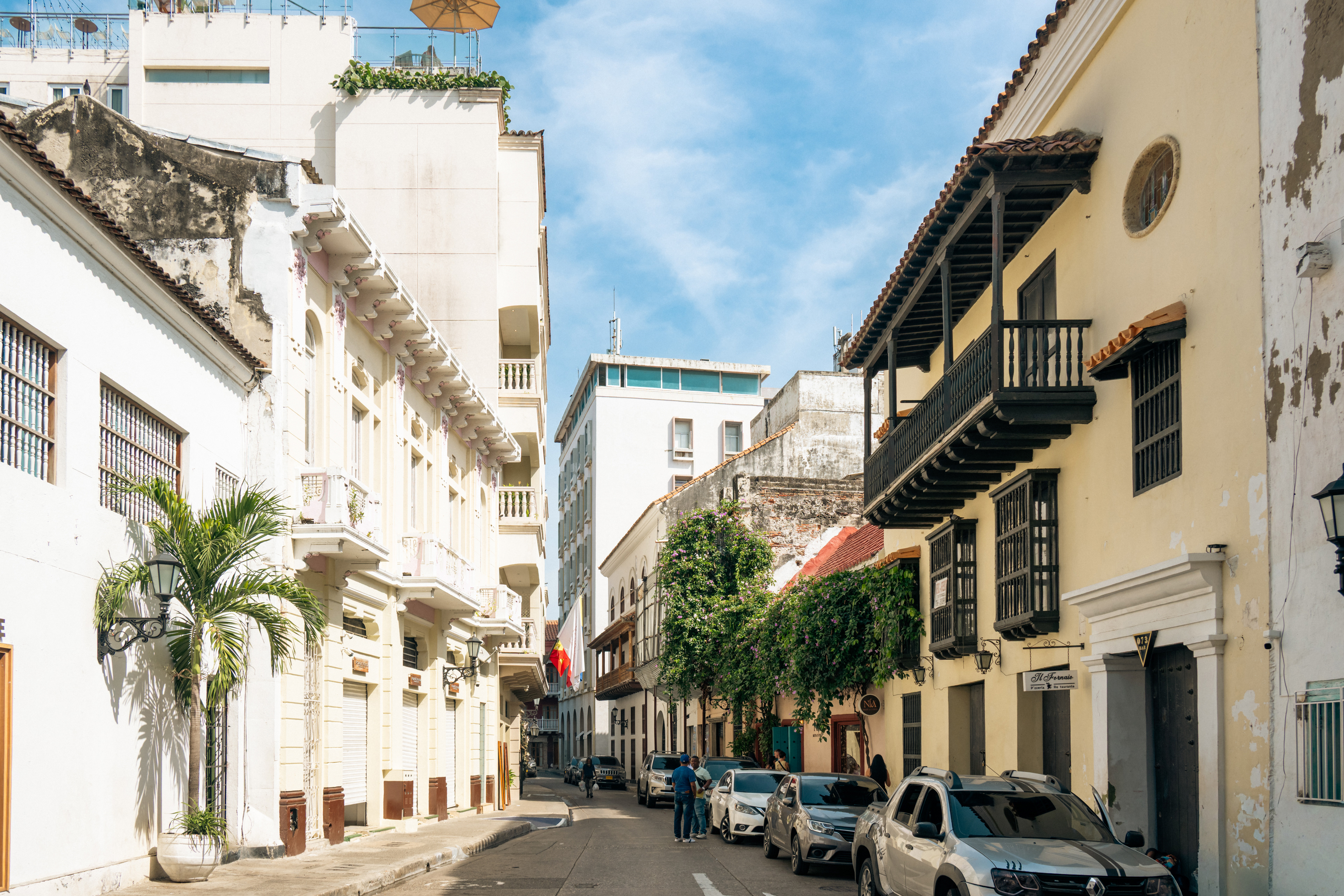
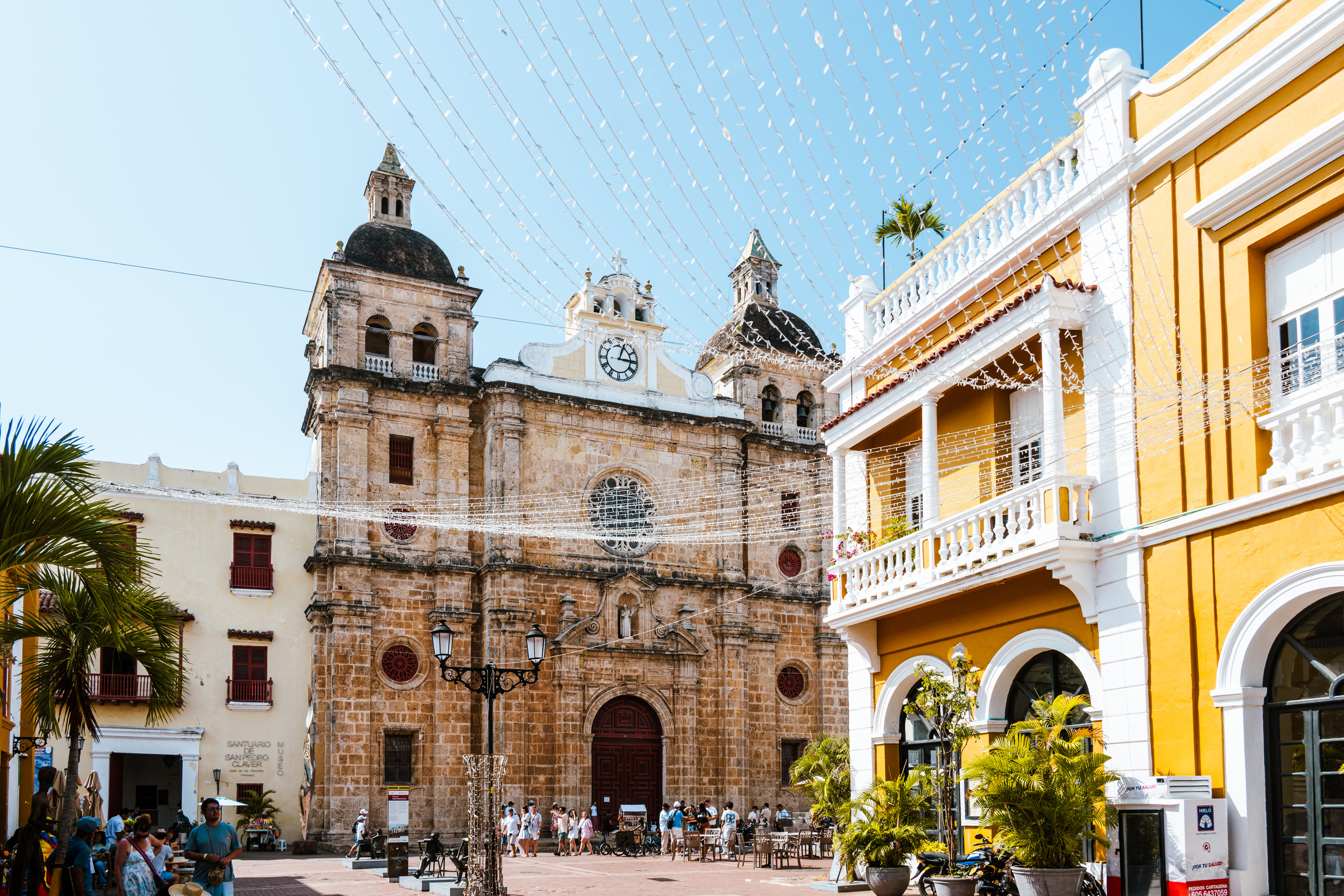
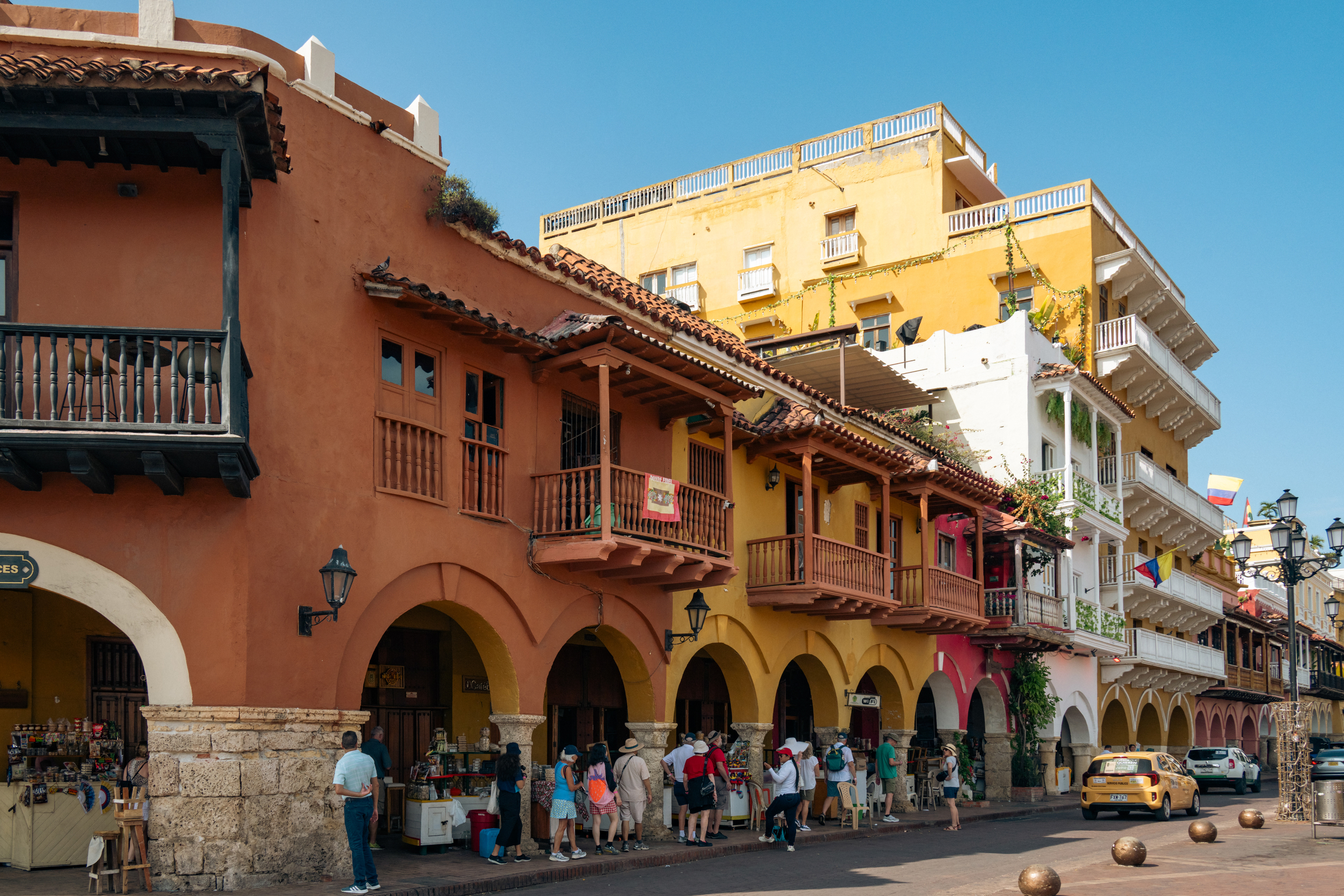
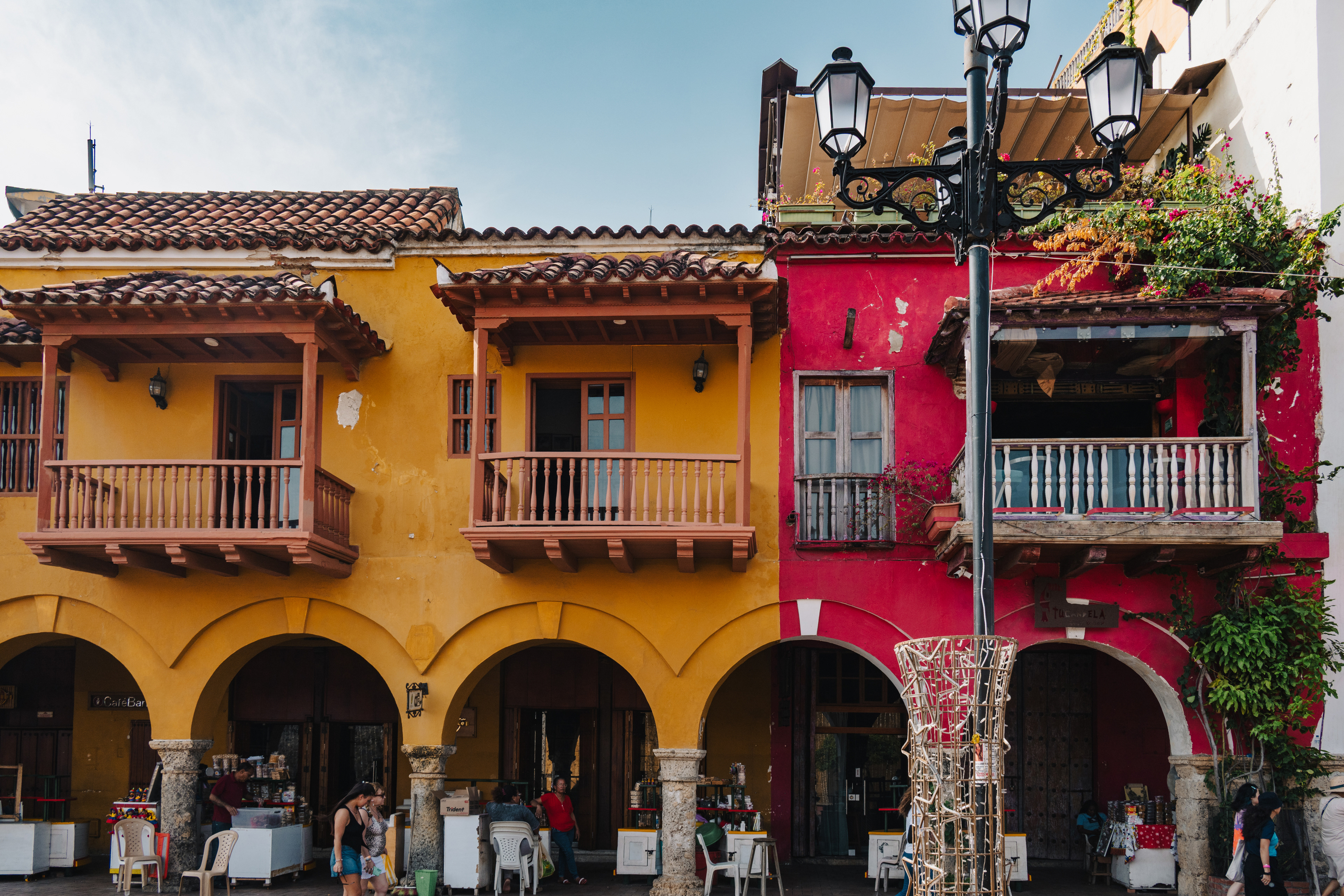
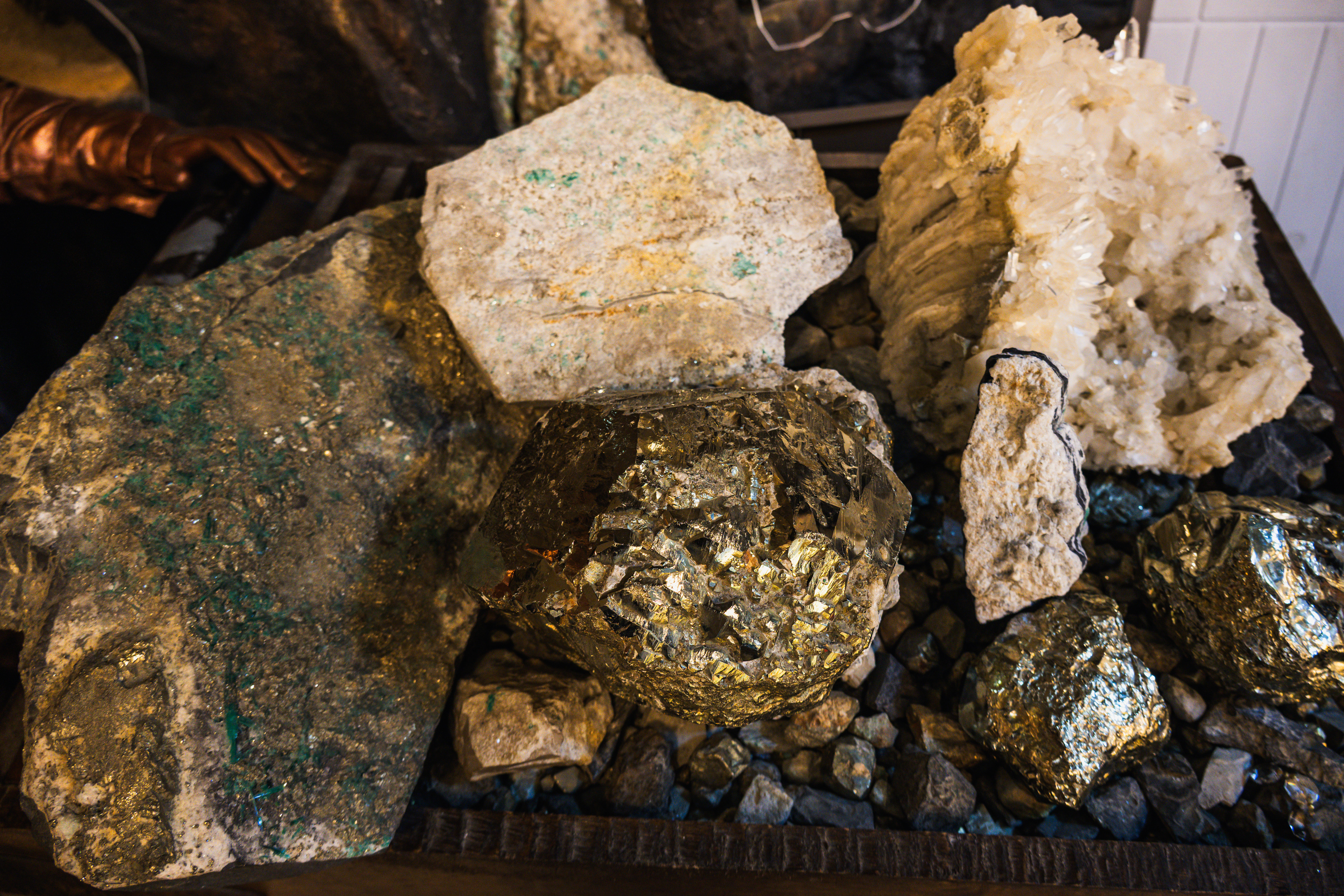
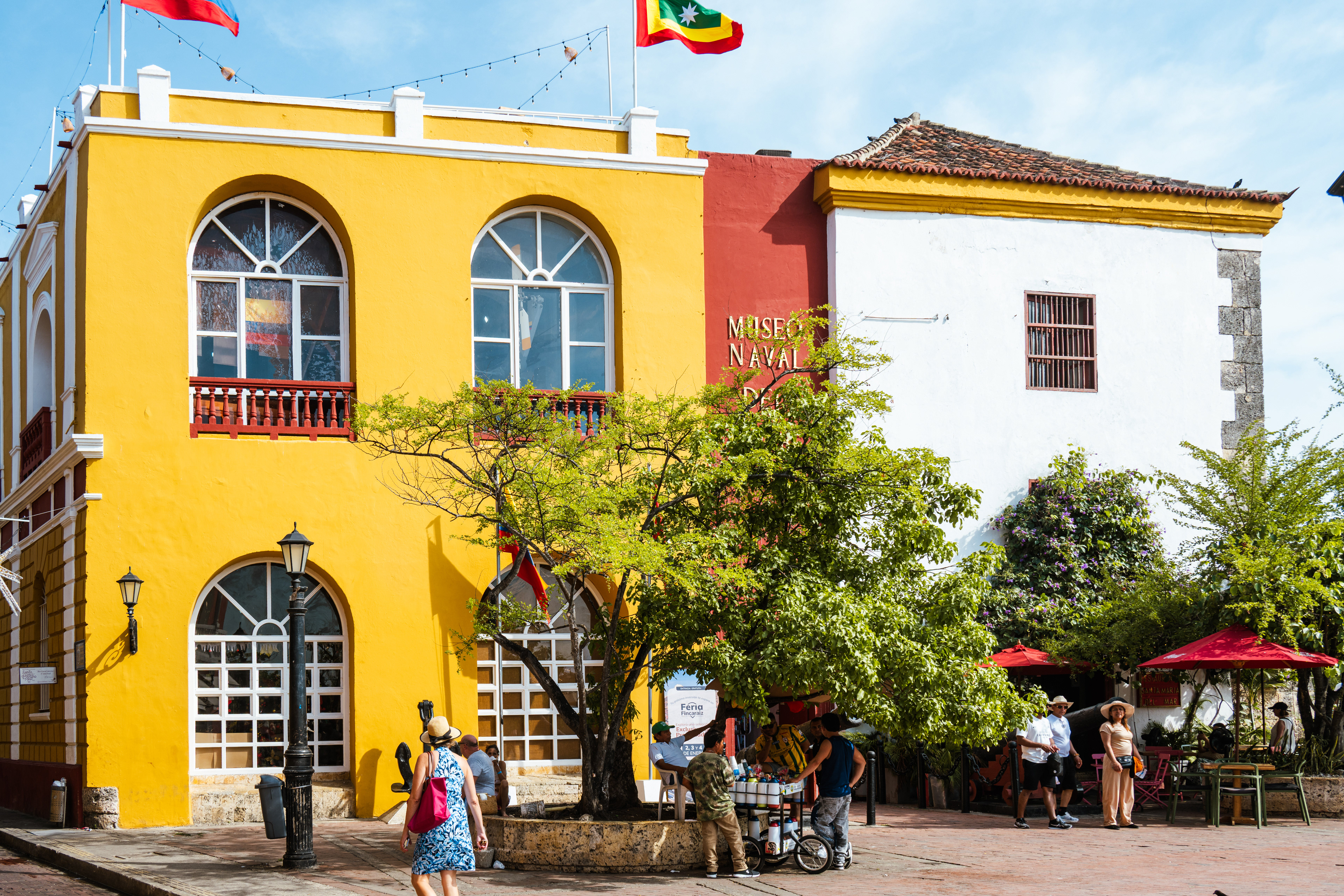
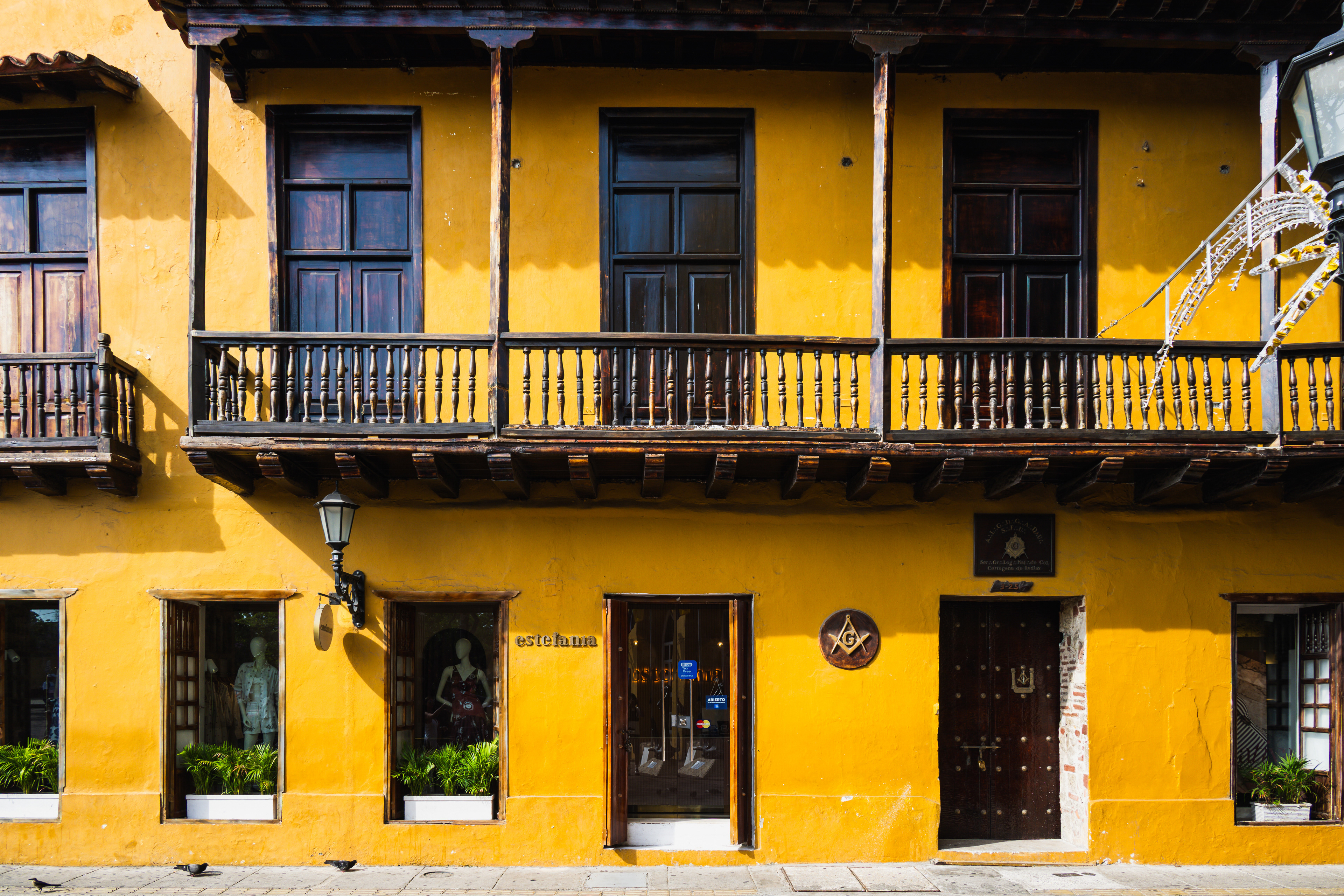
From the fort, the tour moved through La Merced's former cloister, the Emerald Jewel Experience (Colombia produces 70–90% of the world's emeralds, presented with appropriate local pride), and the Old Town's walls and plazas. The walled city is a UNESCO World Heritage Site, designated in 1984, and it earns it. The buildings are painted in that specific Caribbean palette — ochre, terracotta, mustard, dusty pink — carved wooden balconies overhead, the streets narrow enough that the shade finds you whether you look for it or not.
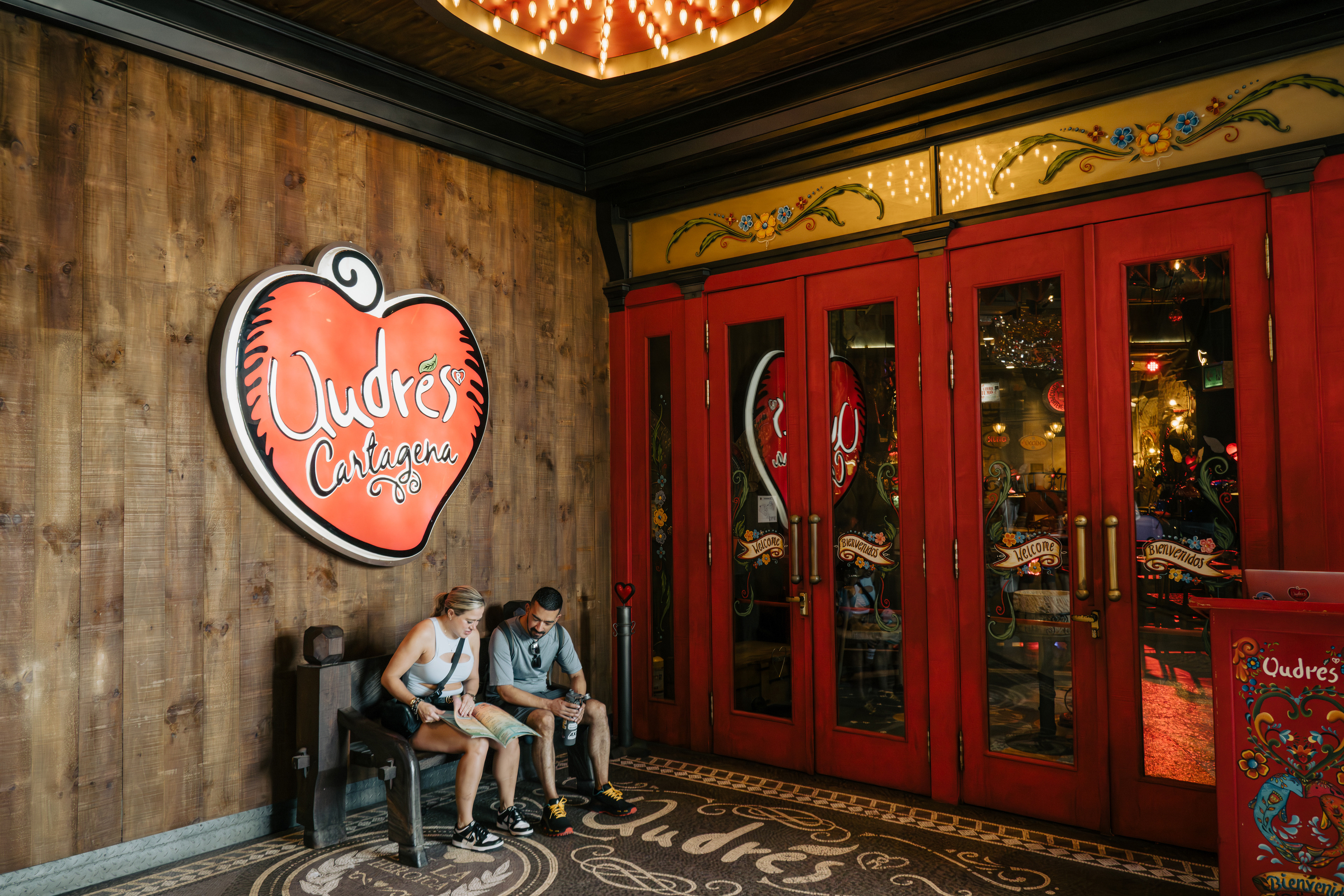
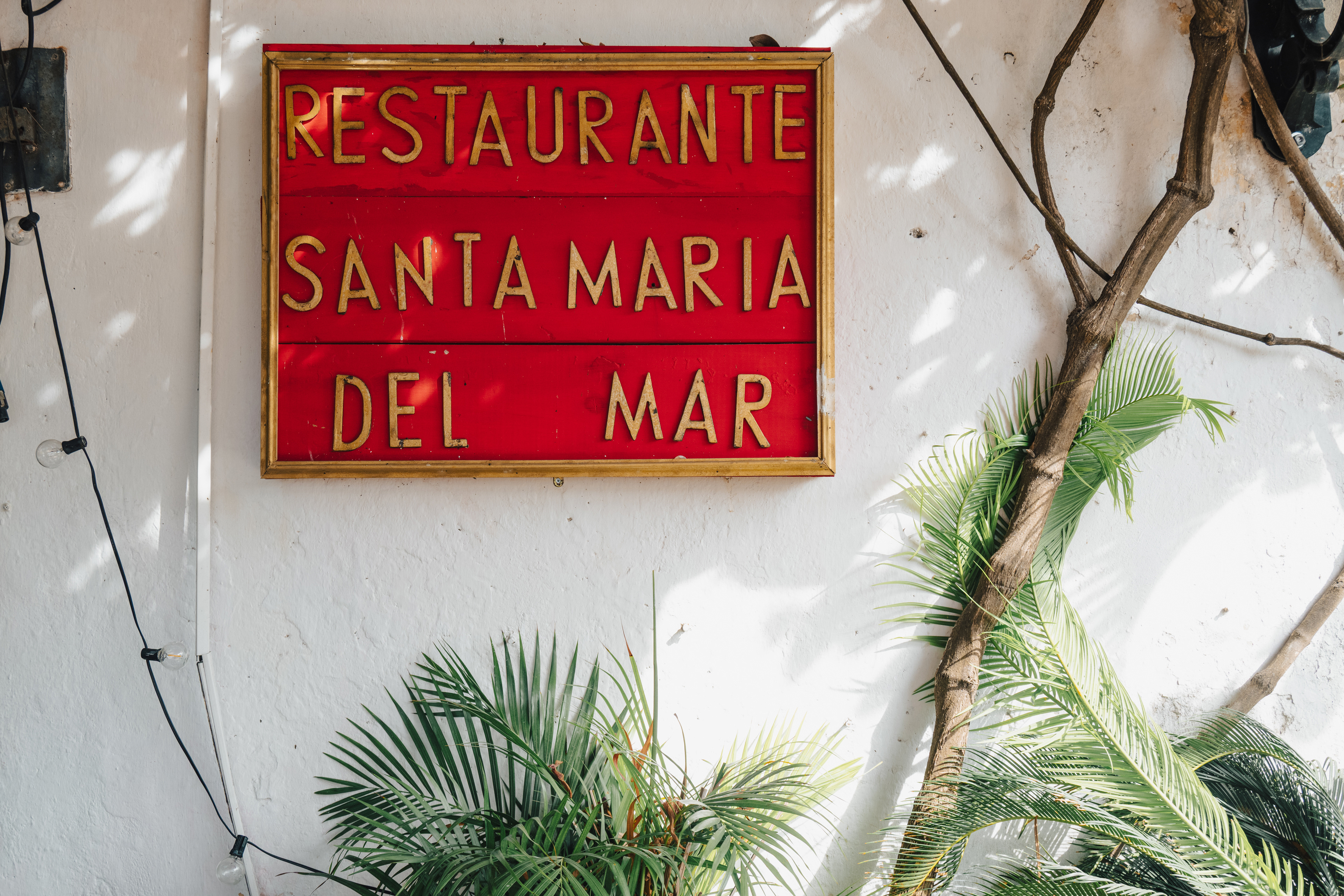
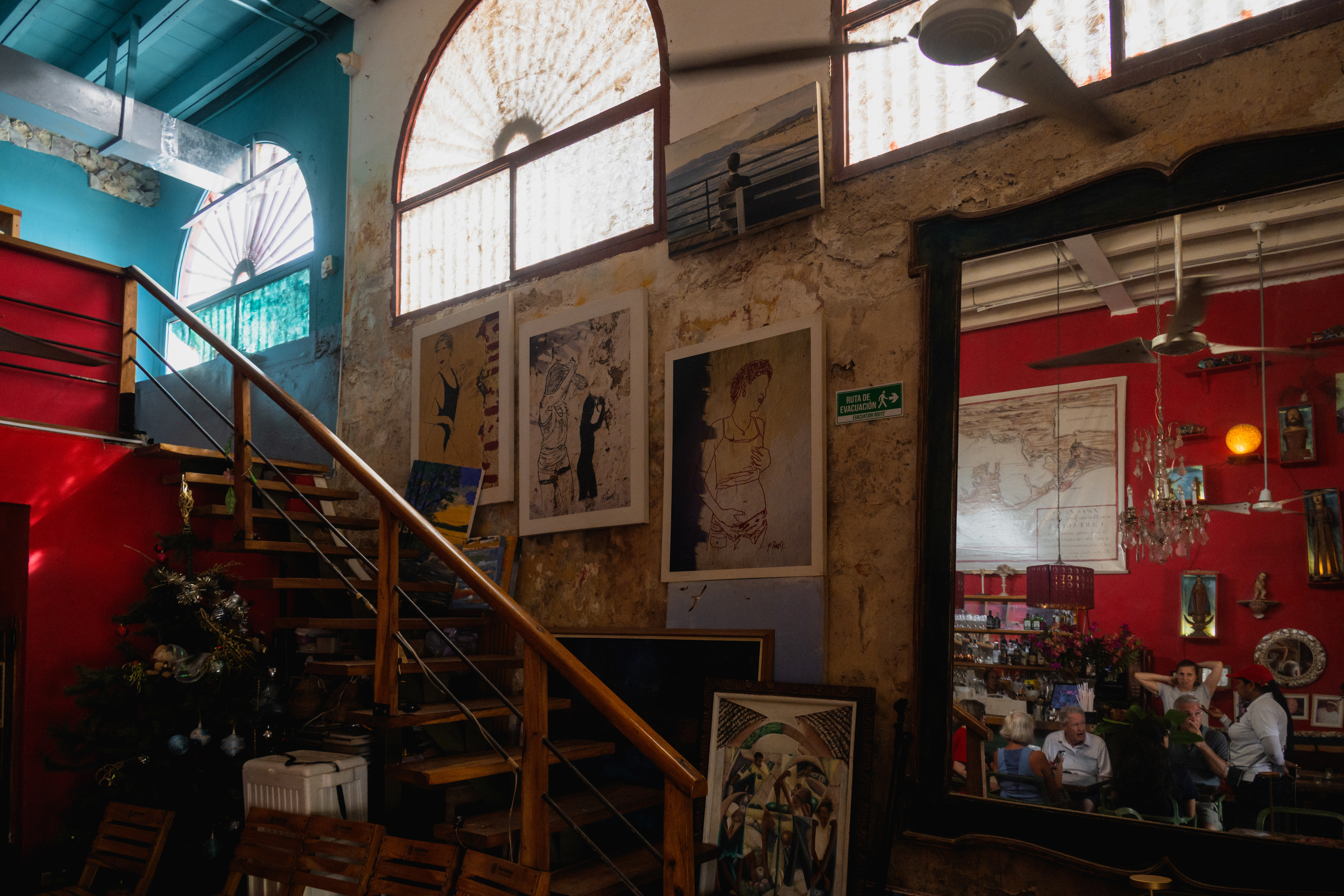
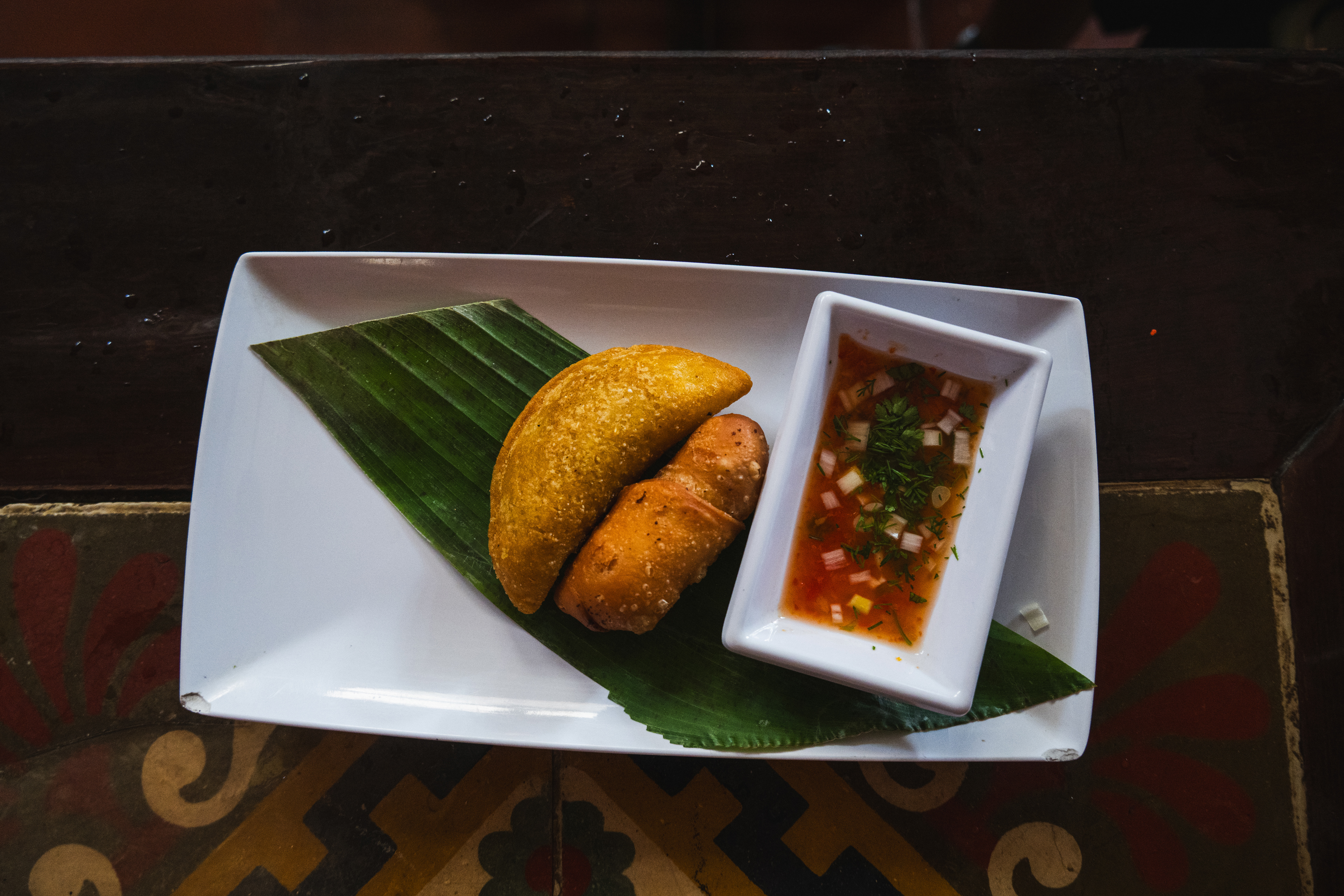
We ended the afternoon at Restaurante Santa Maria Del Mar, a spot in the old town where we stopped for coffee and a spread of local snacks. After hours of walking on cobblestone in the heat, sitting down with a cold drink and something to eat while the city carried on outside was exactly the right pace change. Colombian coffee, served properly, is a reminder that the country grows some of the finest beans in the world at altitudes that most consumers never think about. We sat longer than planned. This is the correct response.
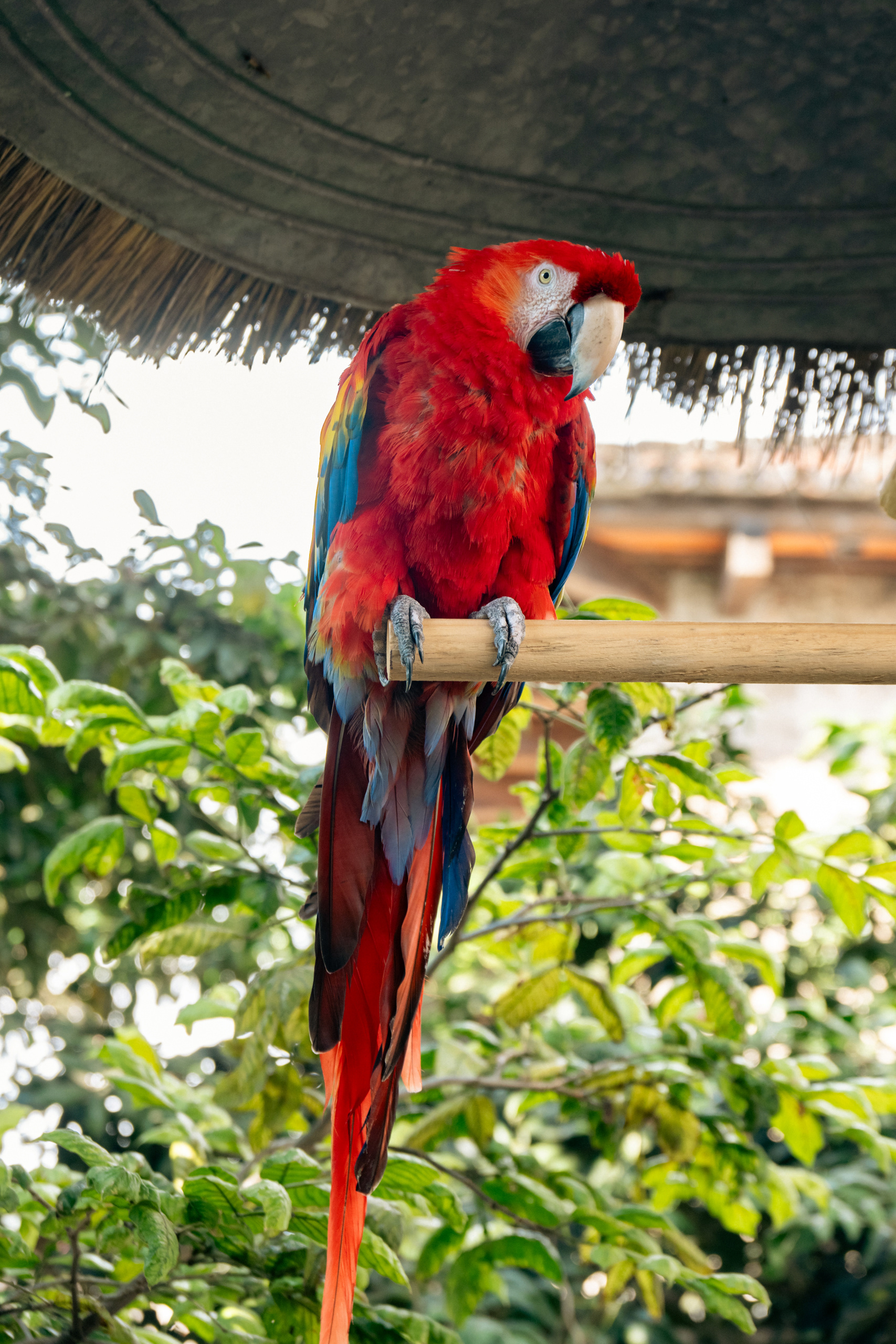
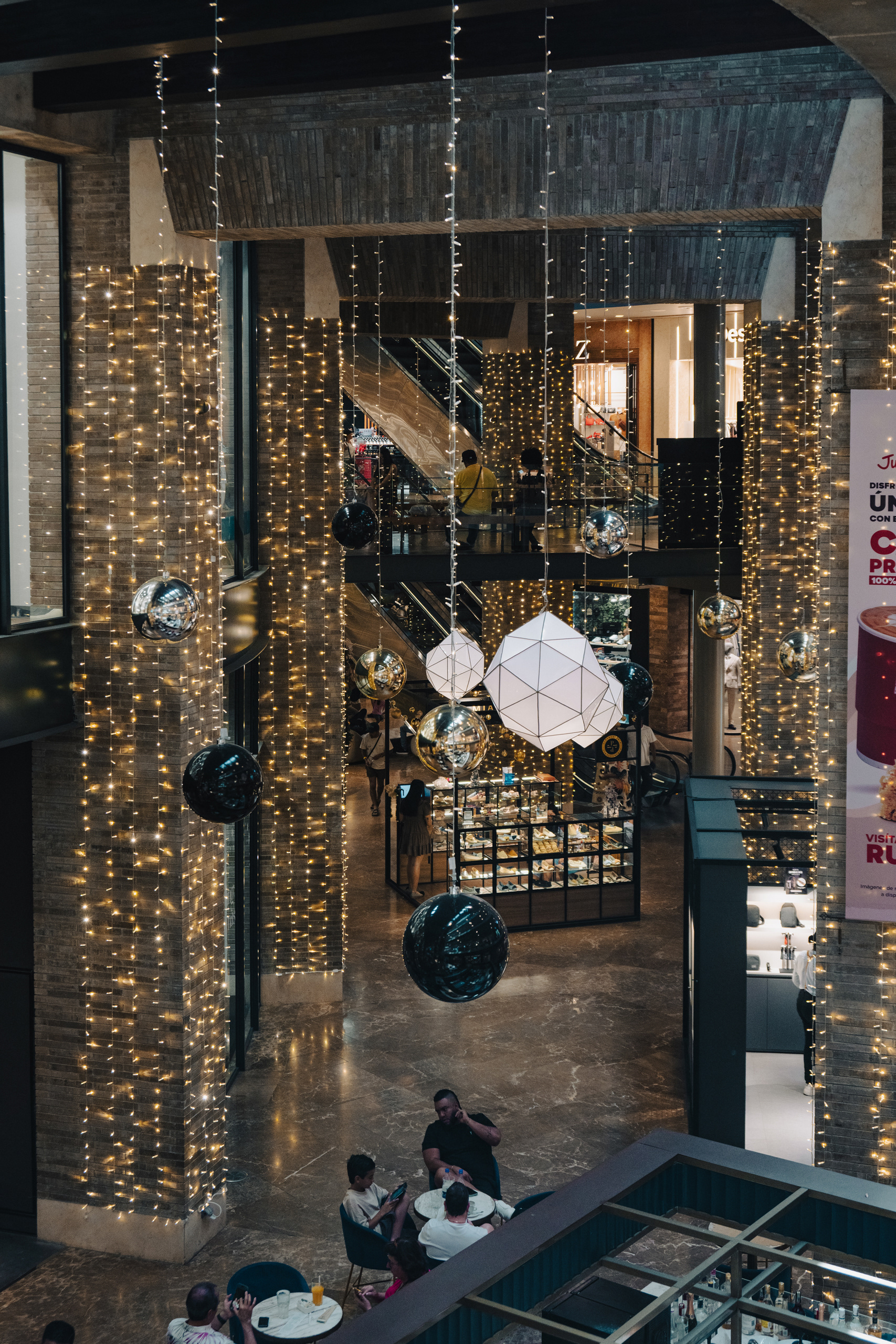
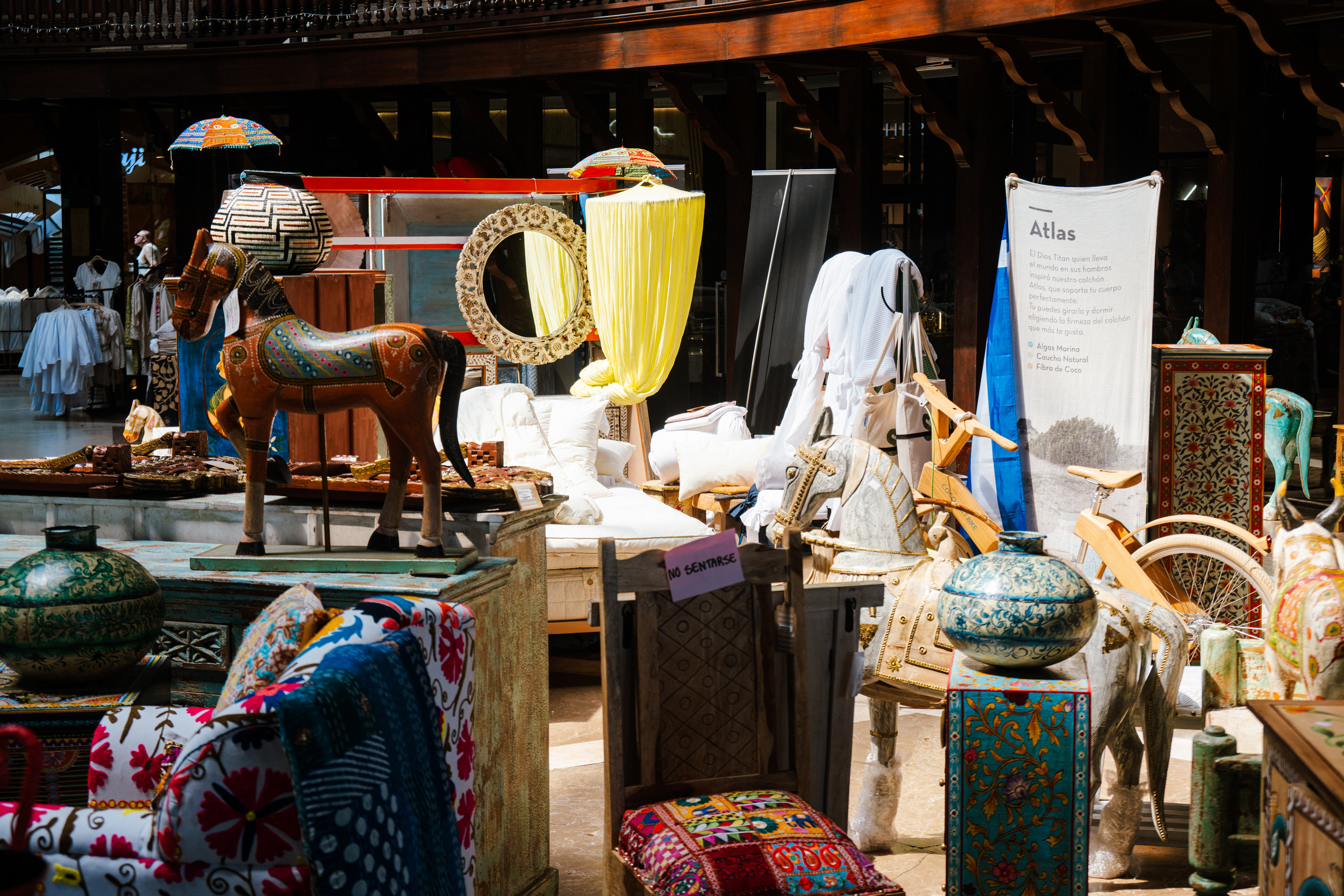
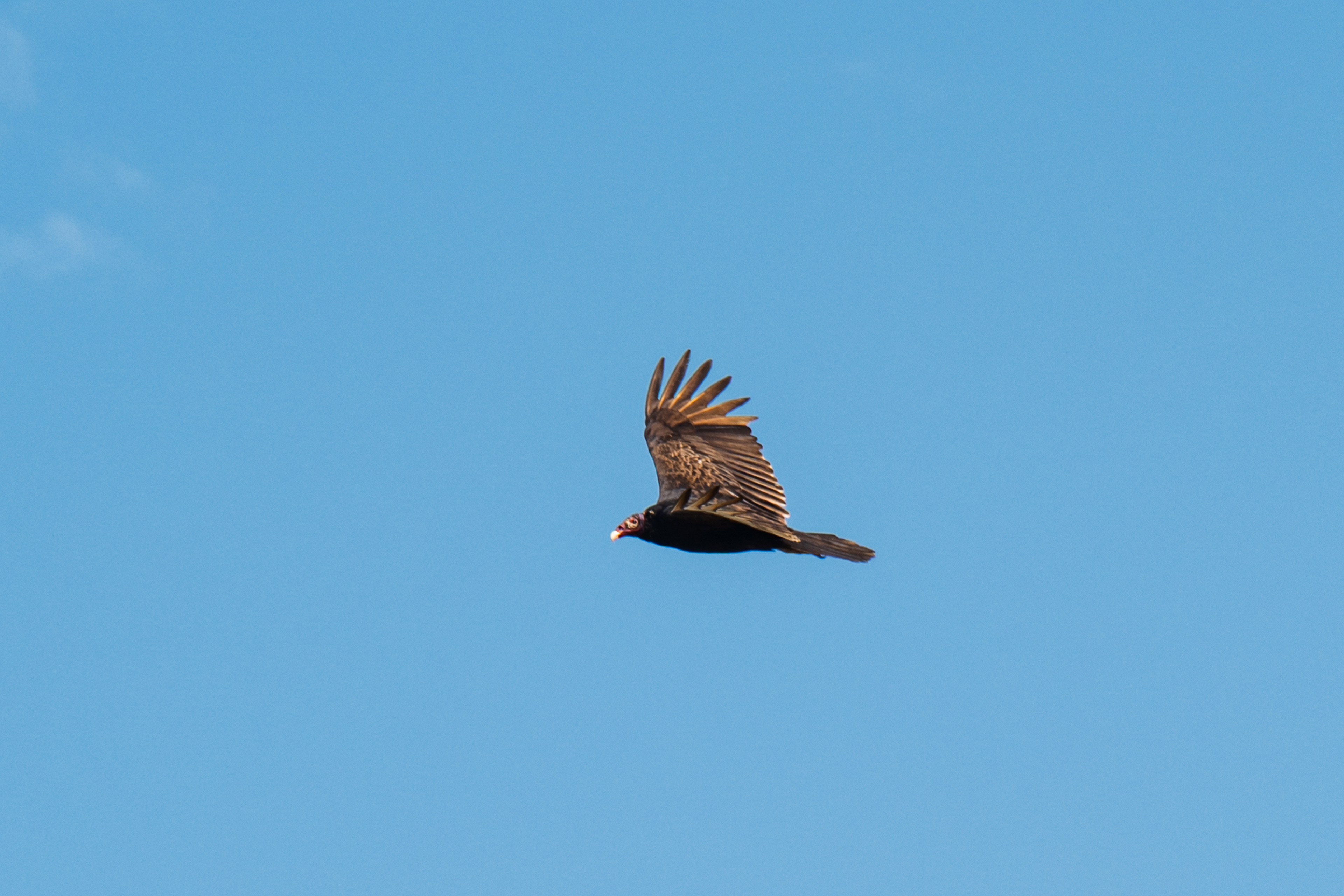
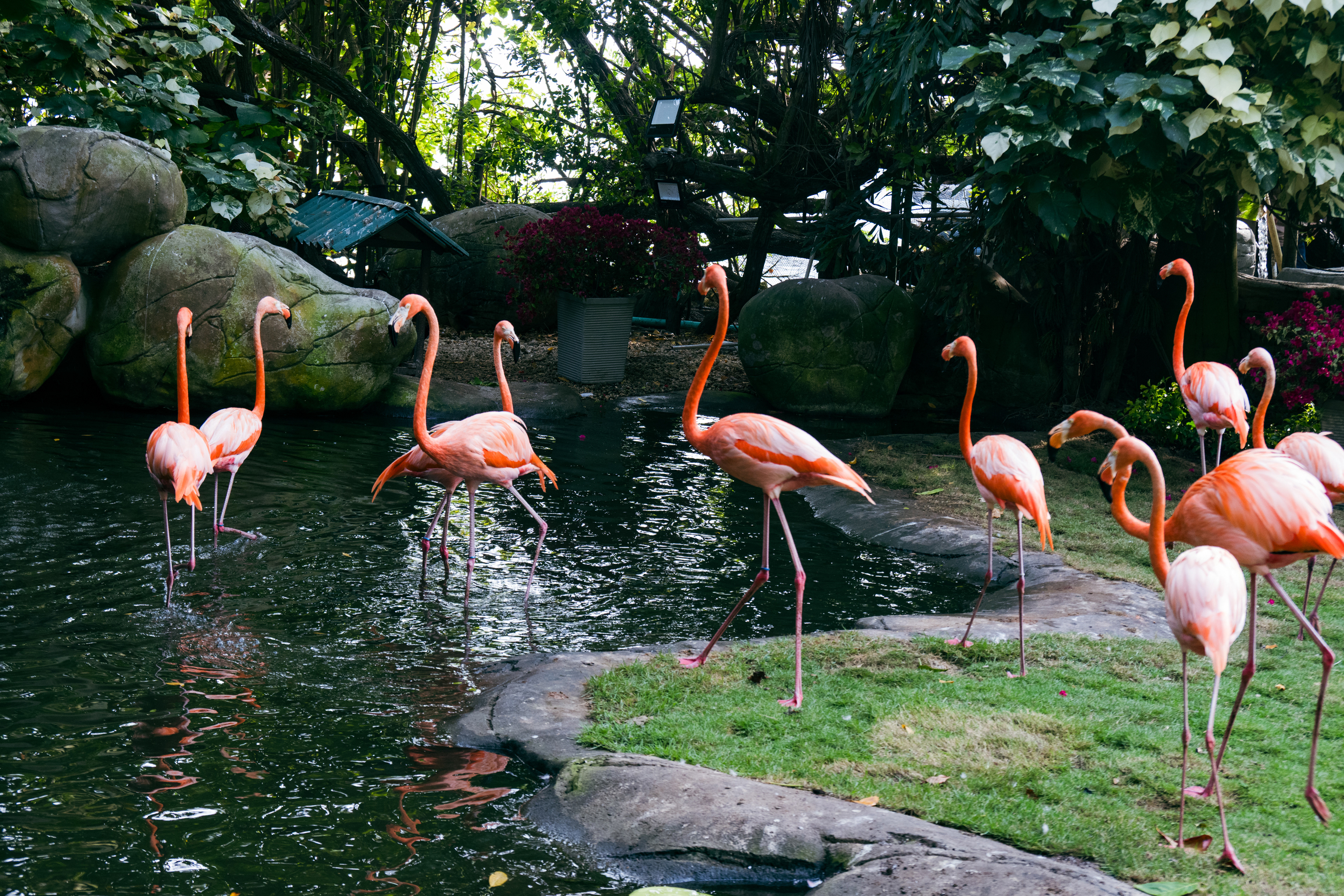
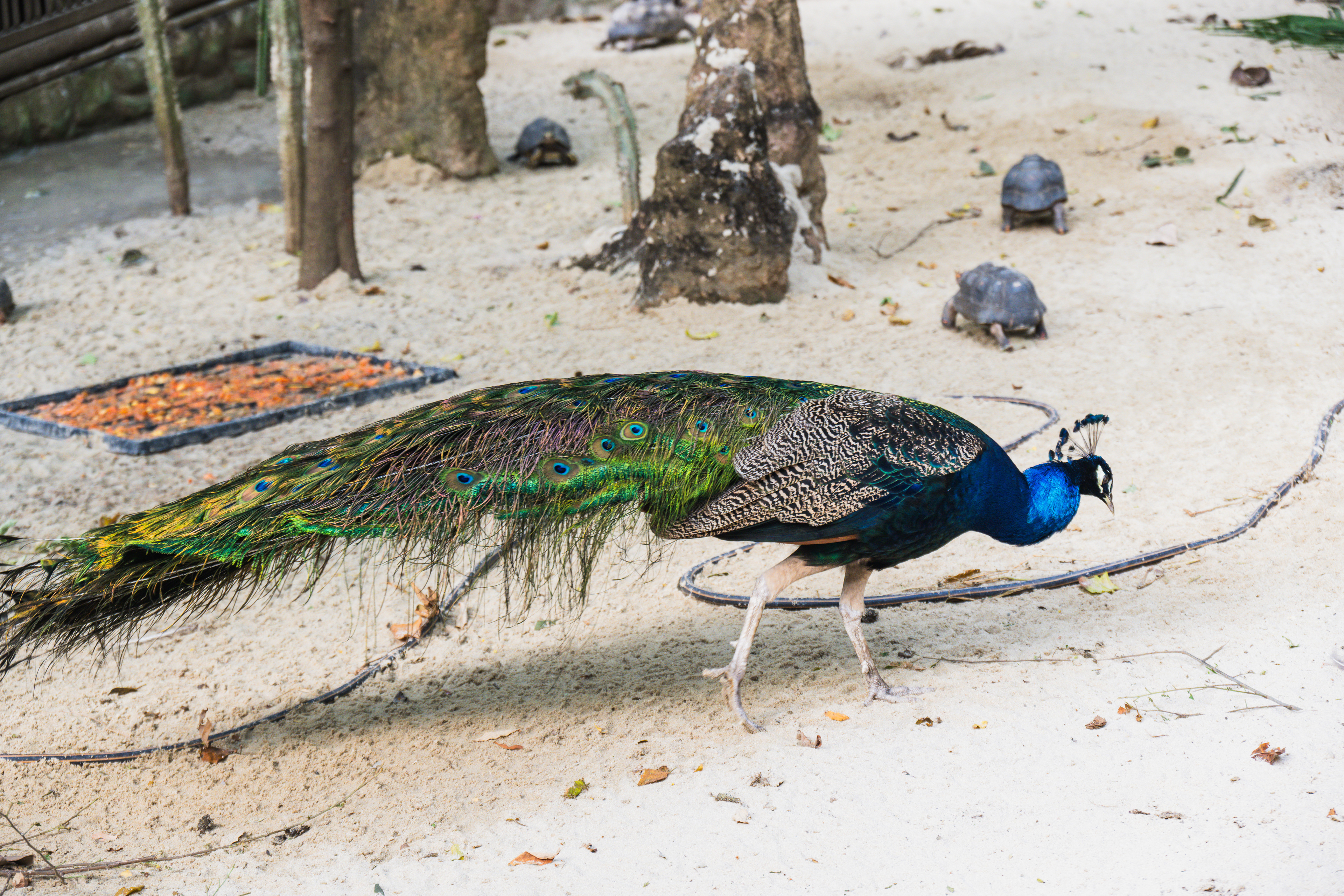
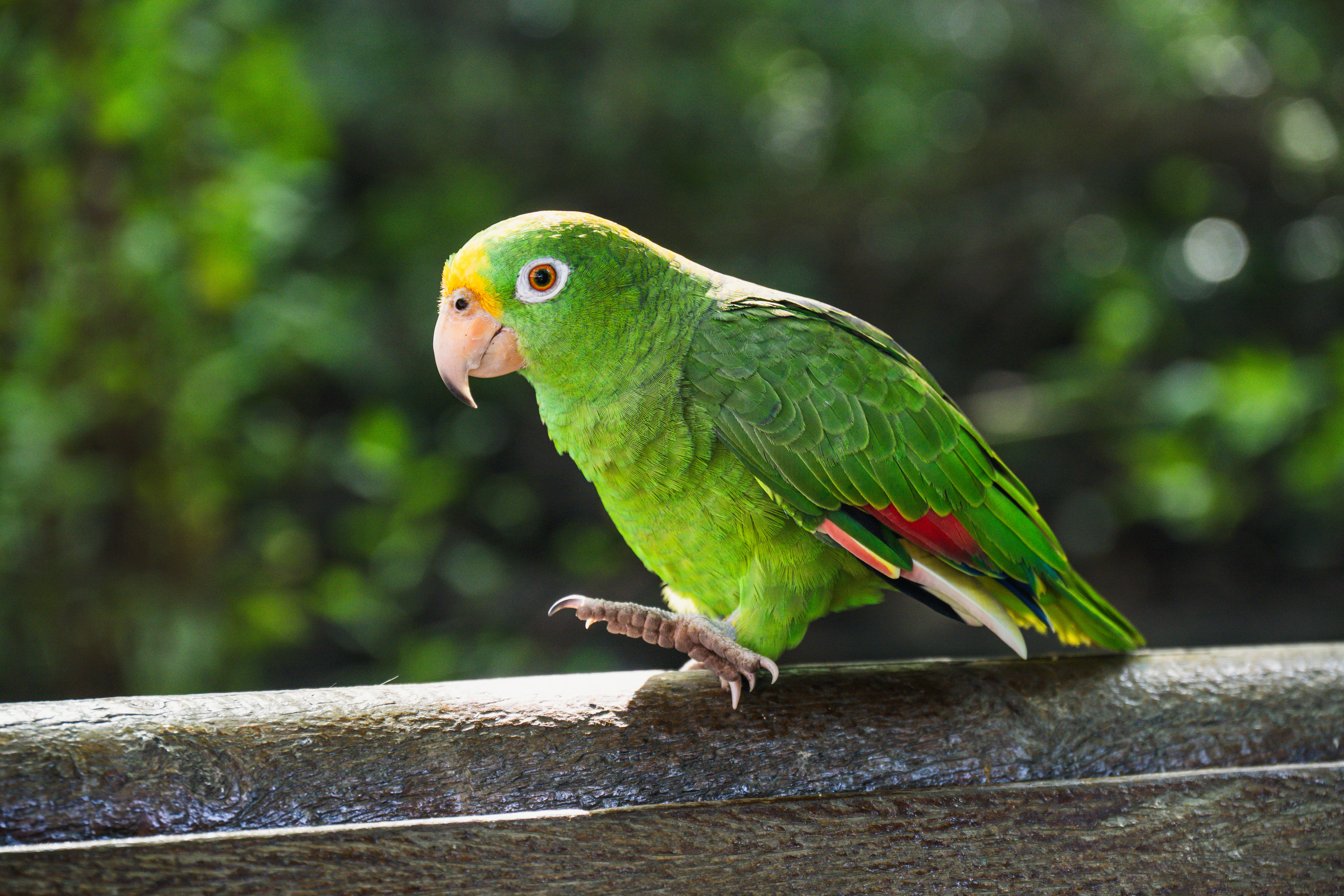
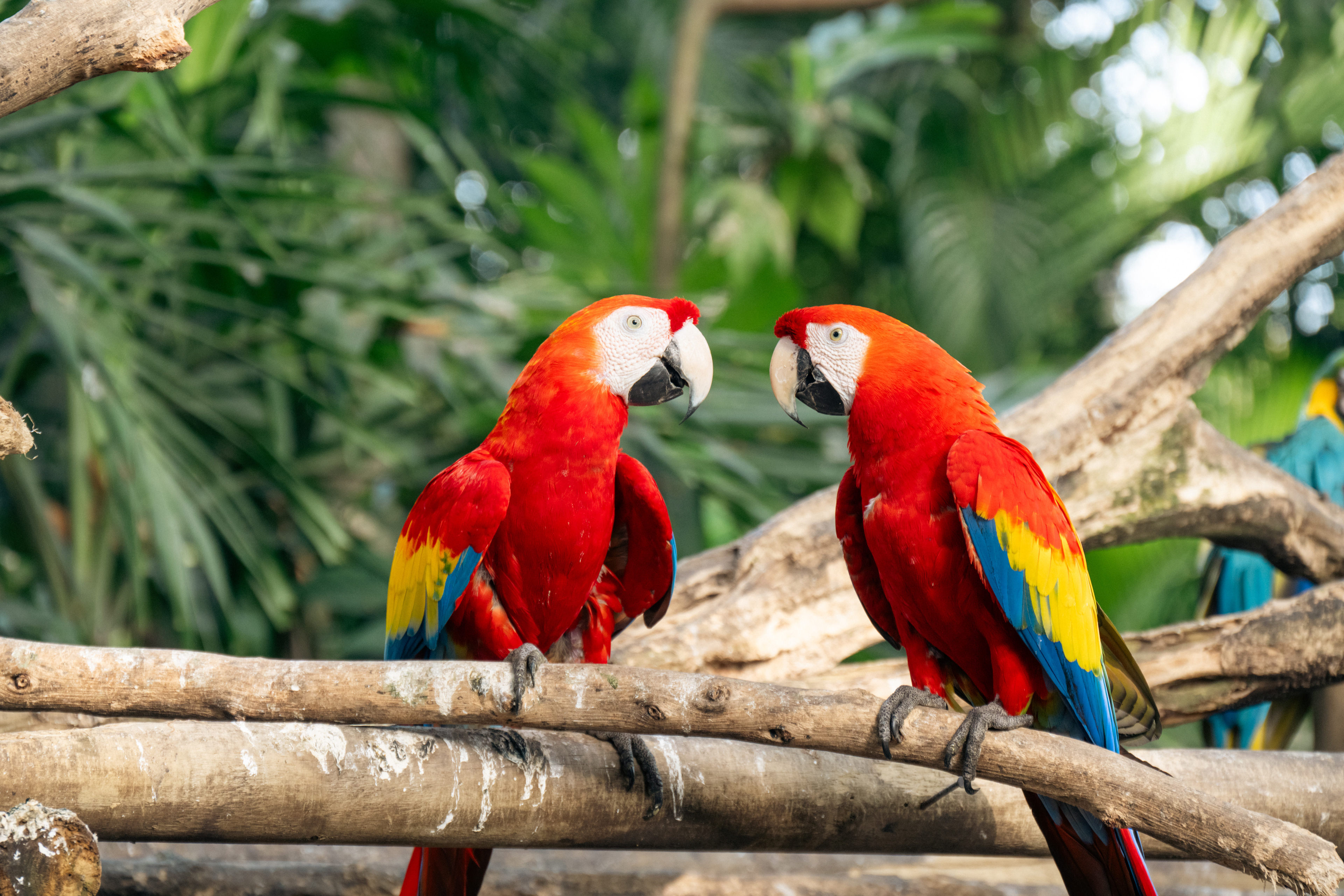
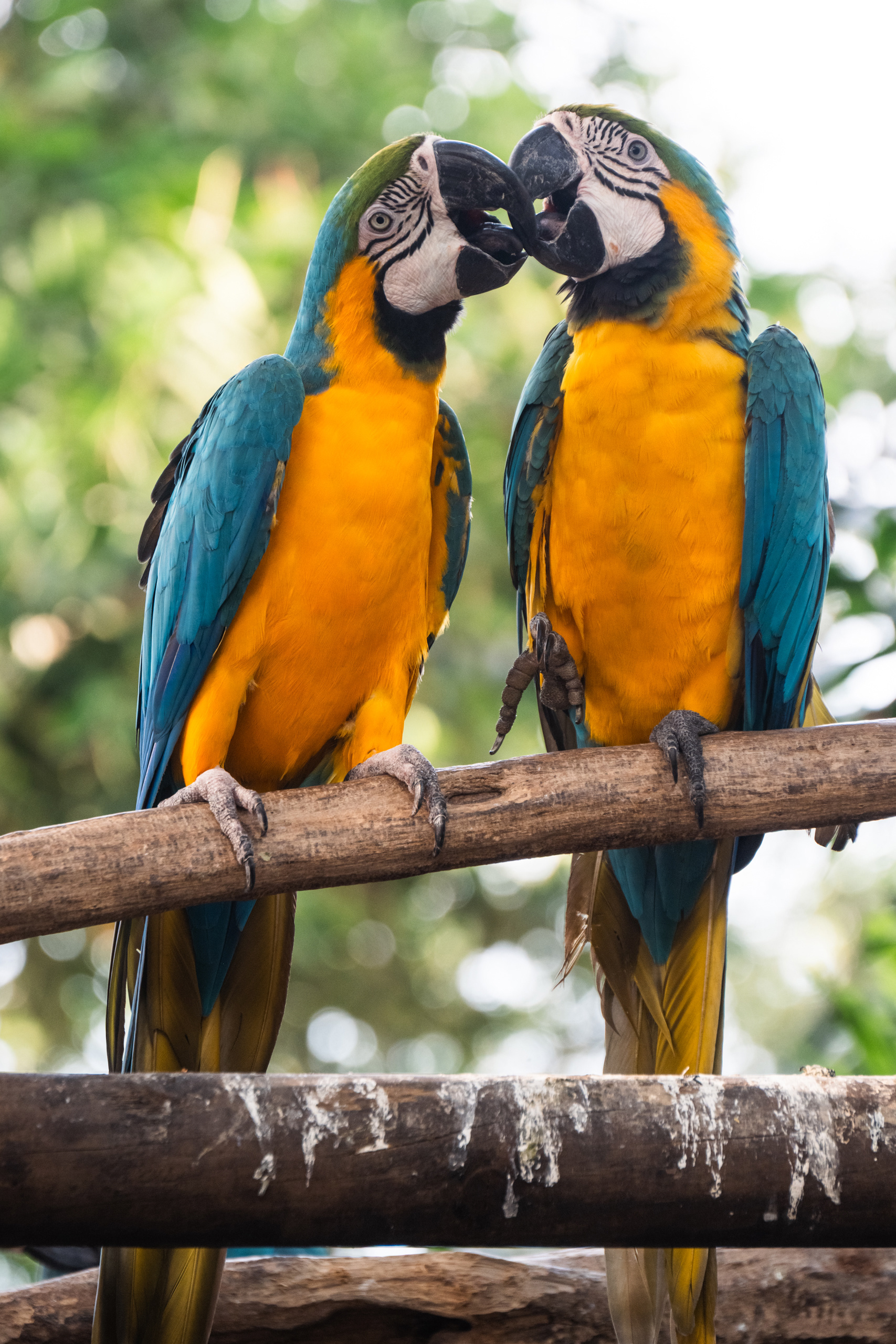
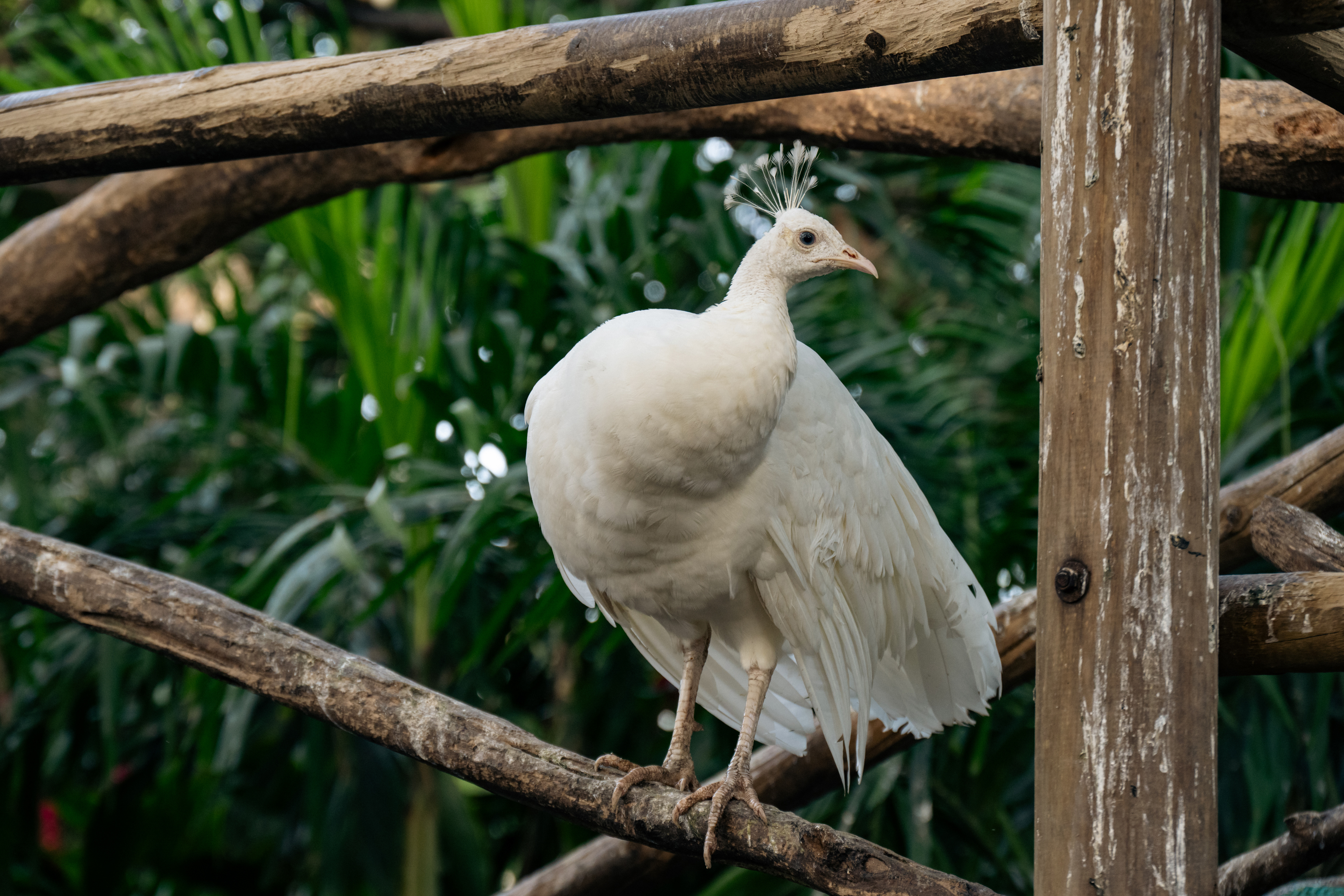
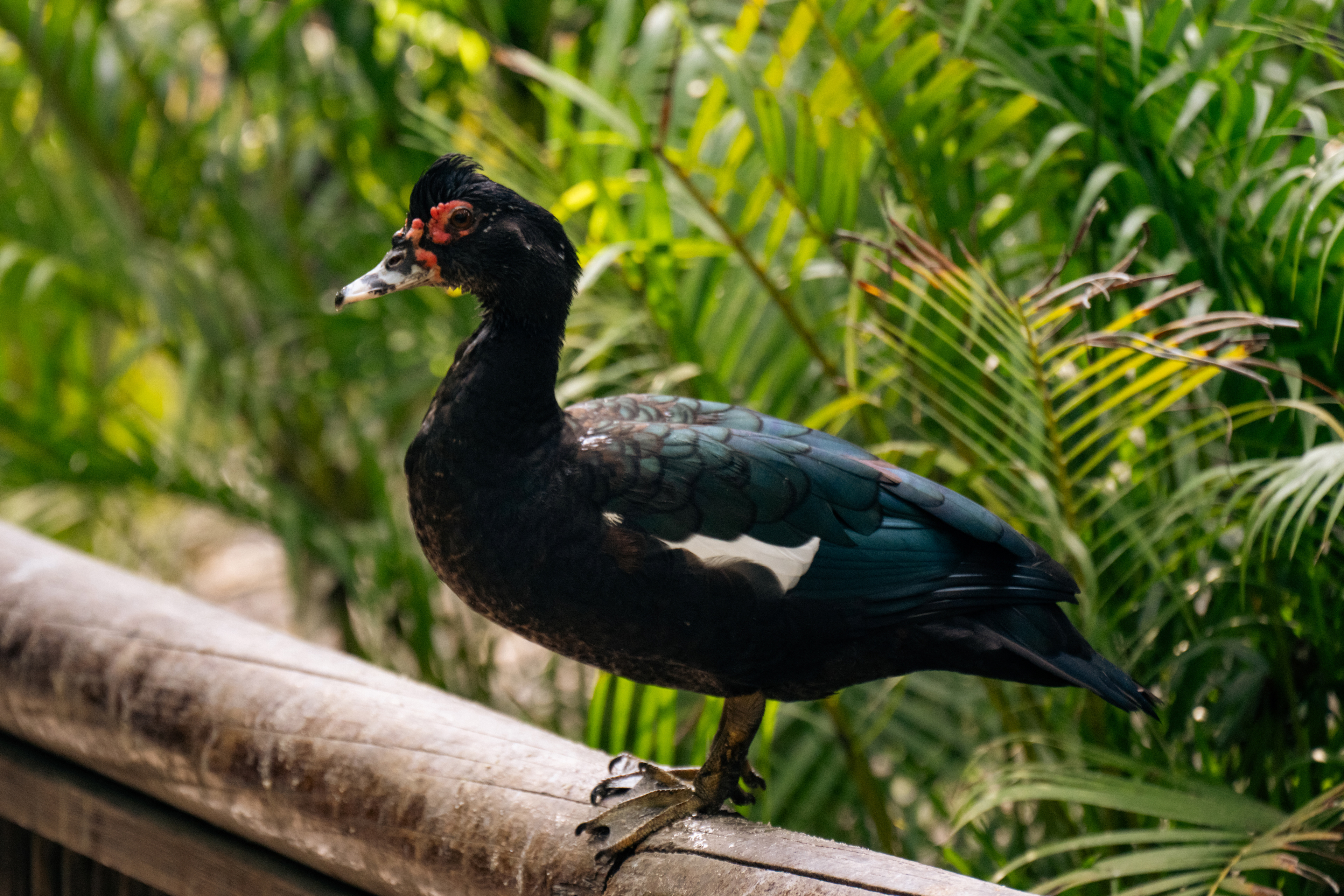
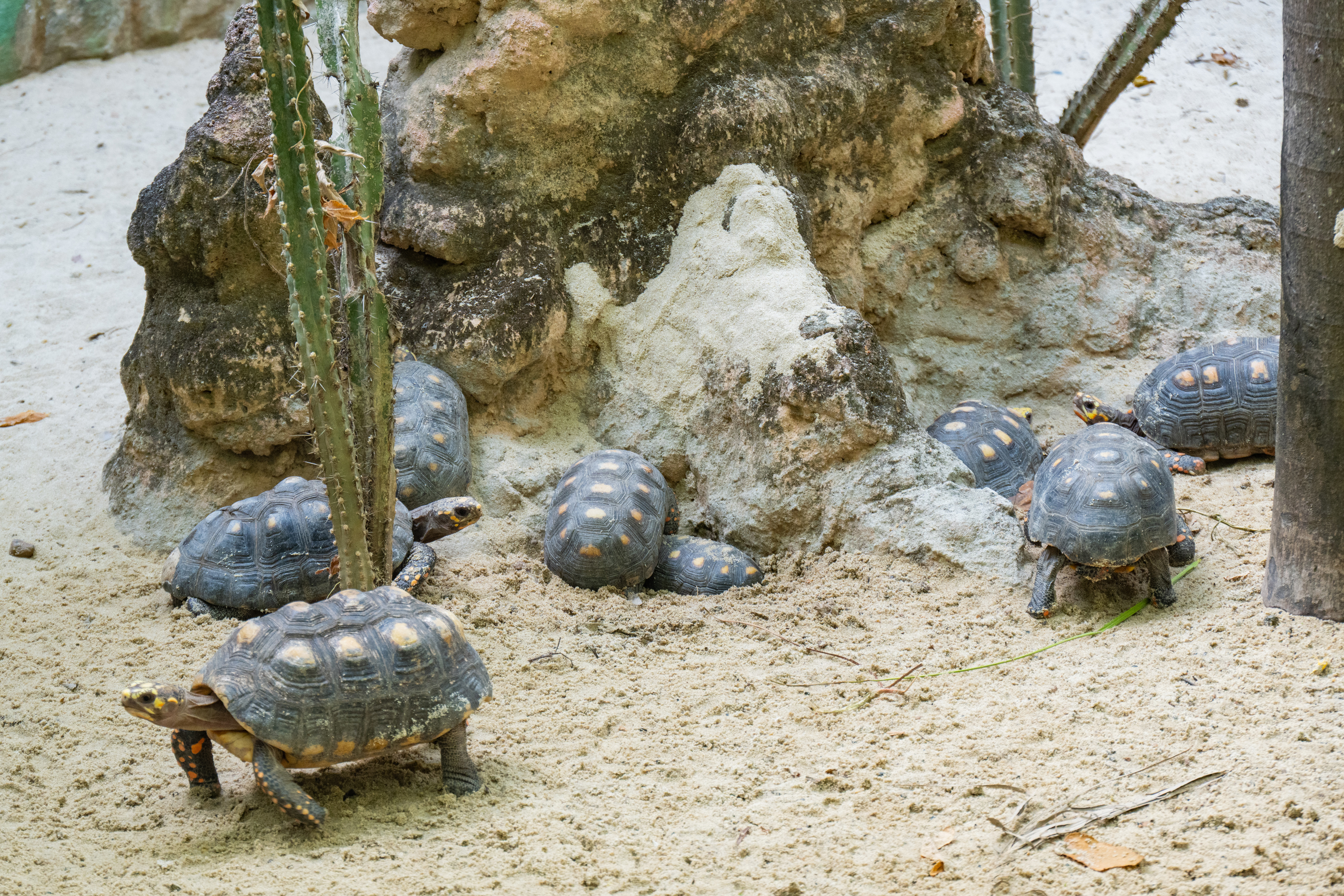
The real surprise of the day came at the end, back at the cruise terminal. Tucked alongside the port infrastructure, largely unmarked on any tourist map, is a small animal park — and it turned out to be one of the more charming half-hours of the entire trip. Giant tortoises moved with the unhurried dignity of animals that have watched empires rise and fall and found both equally unworthy of rushing for. Peacocks wandered between the walkways as if the whole place had been arranged for their benefit. Wild ducks occupied whatever puddles were available. And everywhere — perched on railings, calling from the trees, flashing green and red in the Caribbean light — macaws. Dozens of them, filling the air with a noise that is somewhere between music and argument. Our daughter, who had been tiredly draped over a shoulder for most of the walk back, was suddenly very much awake.
It was an unexpectedly perfect coda to a long day on foot. We walked back to the ship with a toddler who had spent the last half-hour very much awake, pointing at macaws.
George Town — Stingrays, Coral, and Starfish
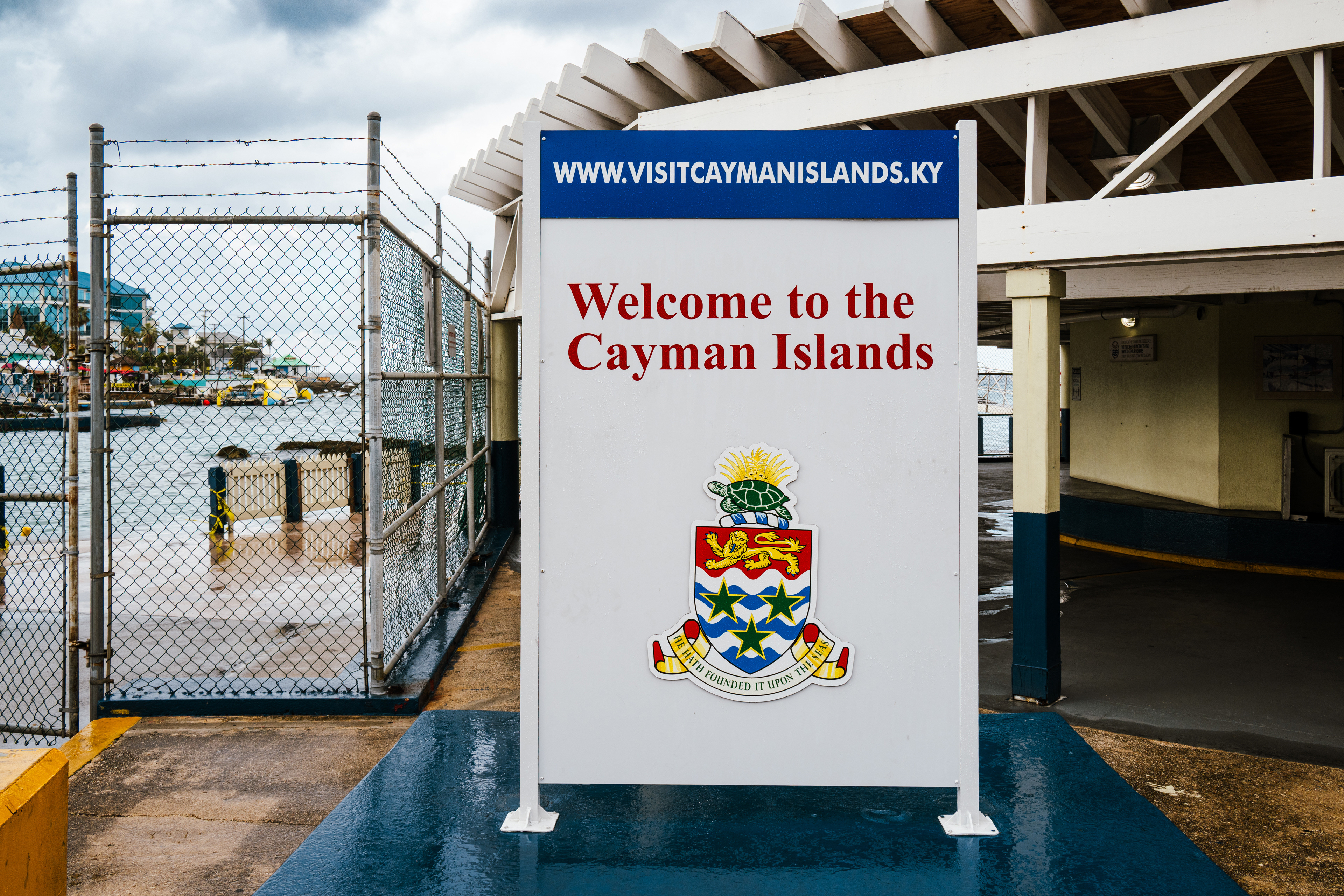
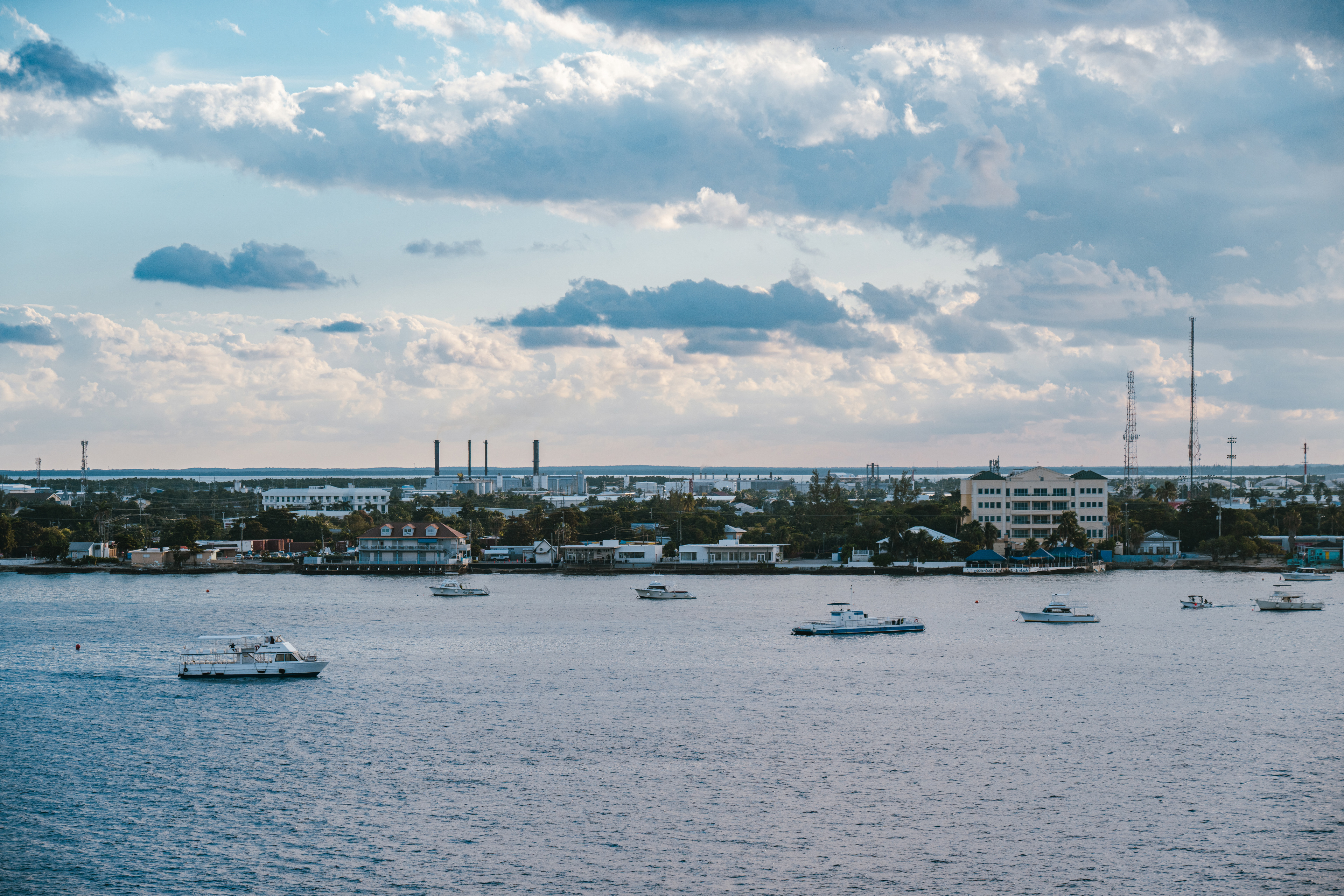
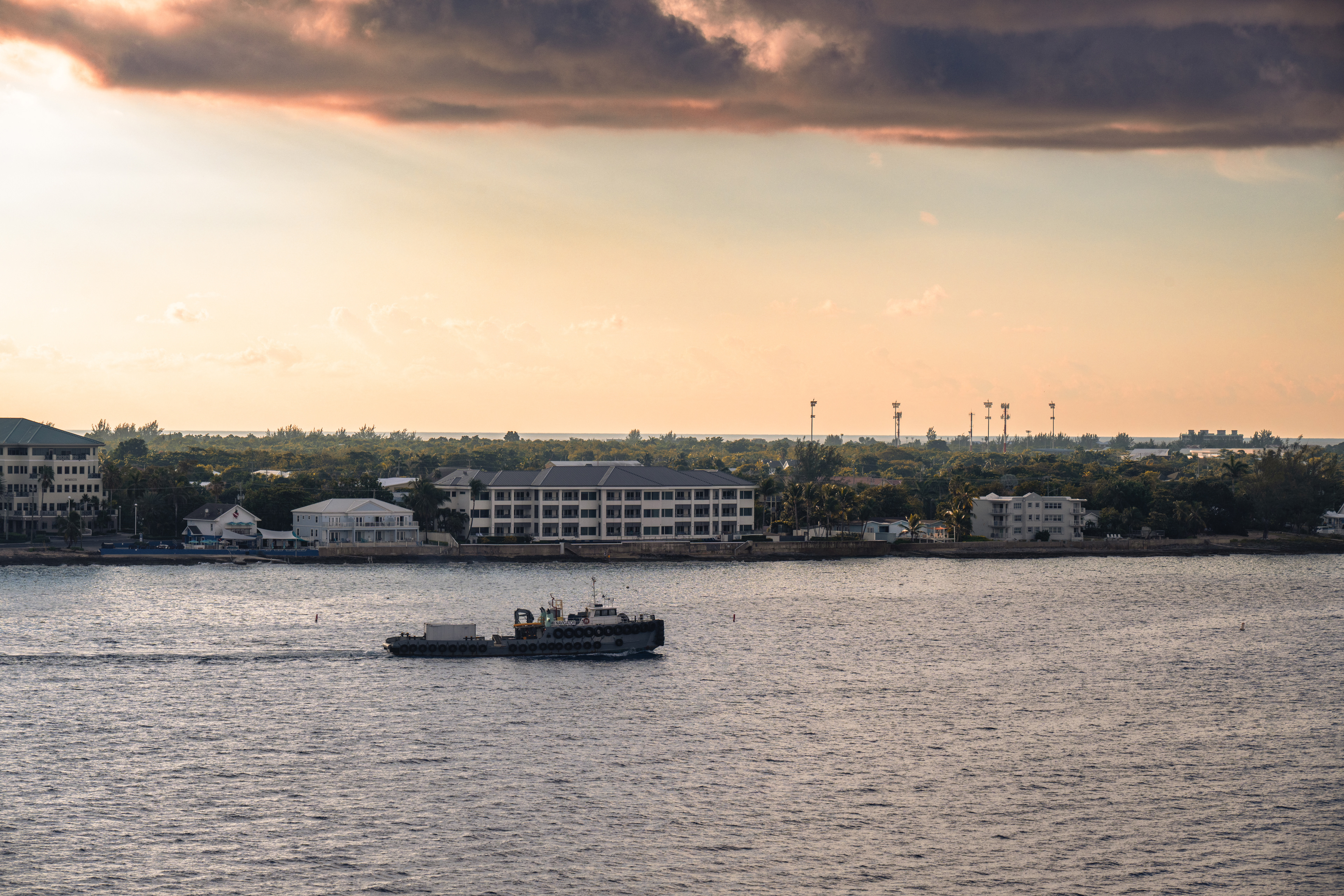
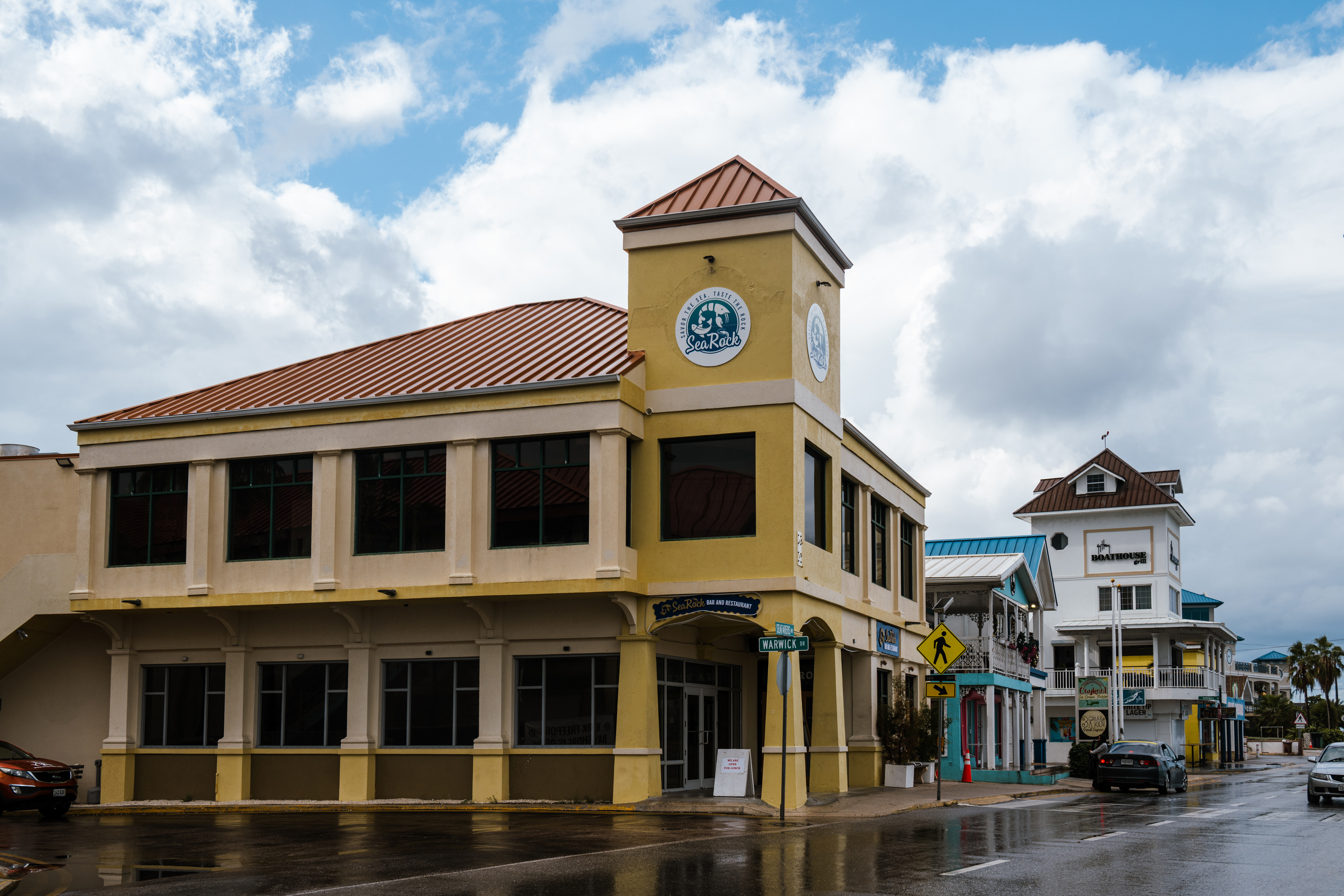
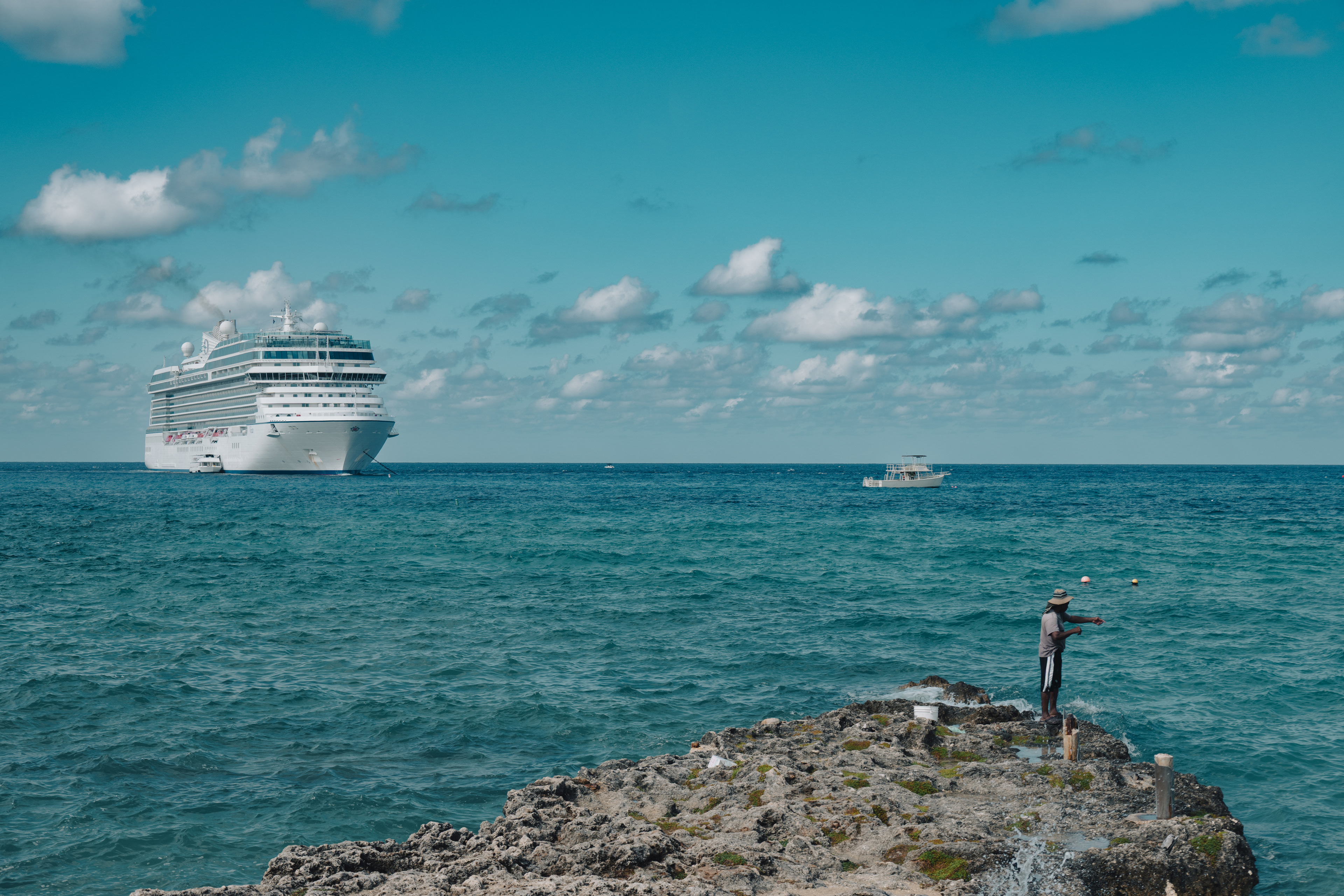
Grand Cayman is an anchored port, like Cabo — tenders running every 30 minutes from 9am. We'd learned from Cabo. We were in the first boat.
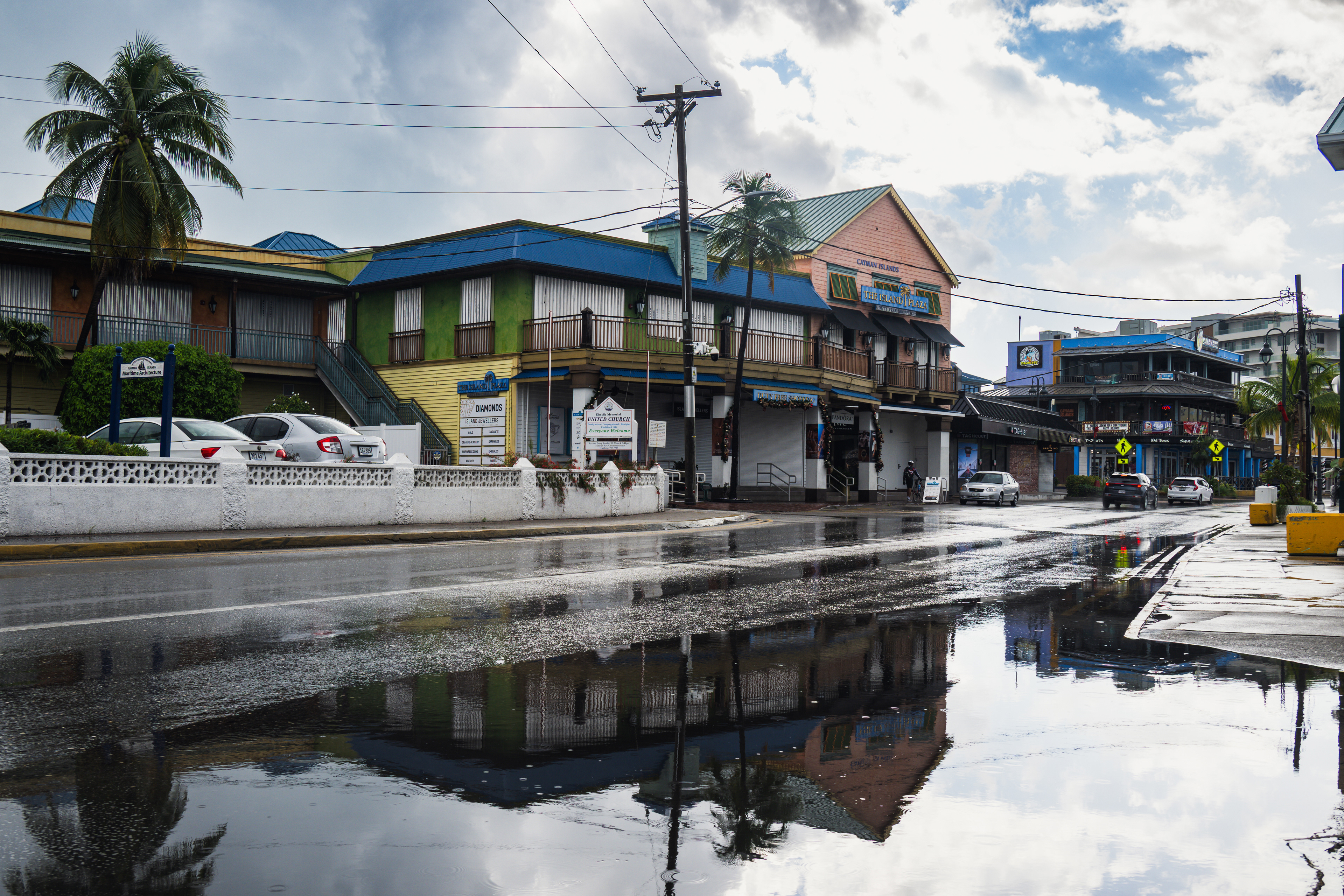
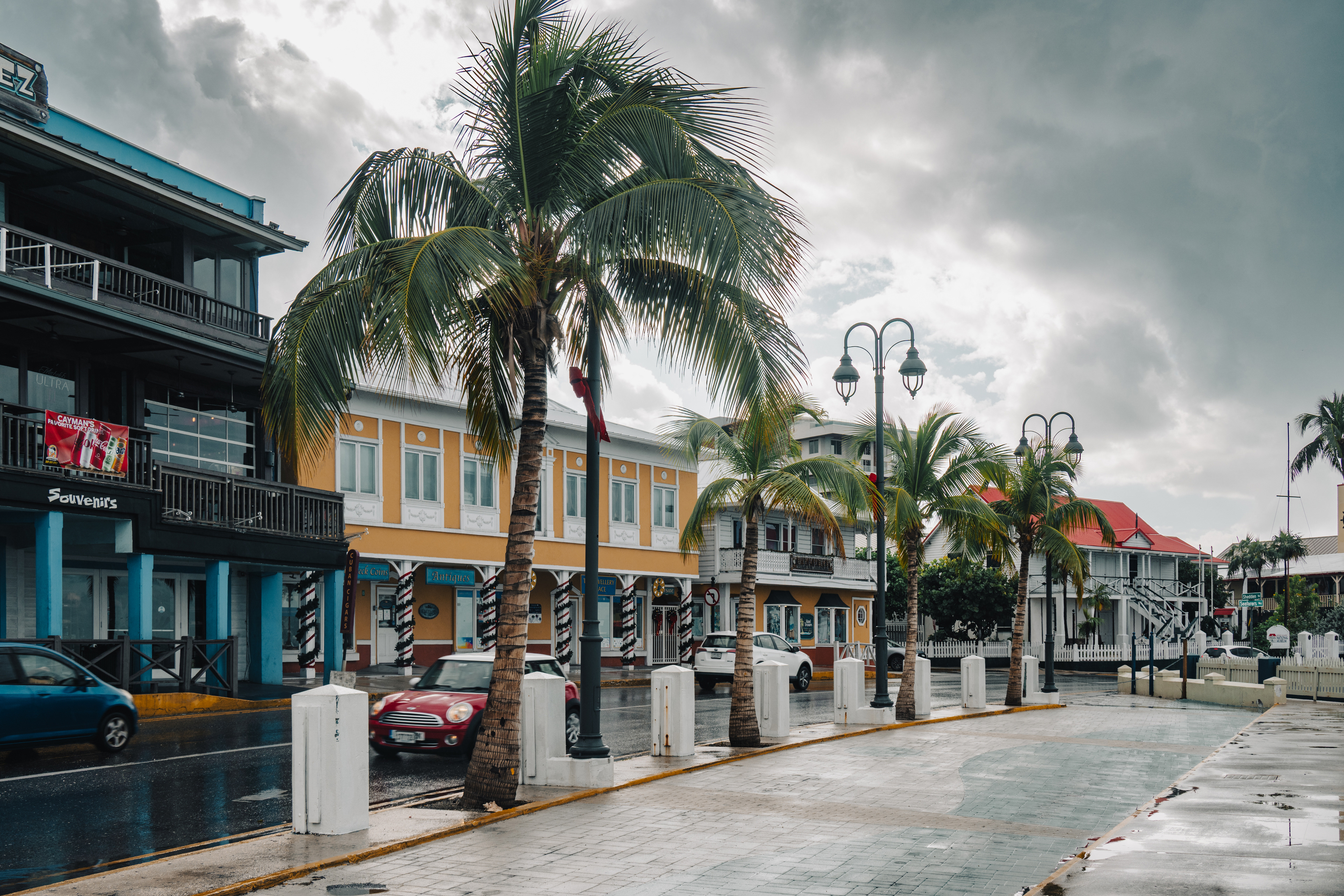
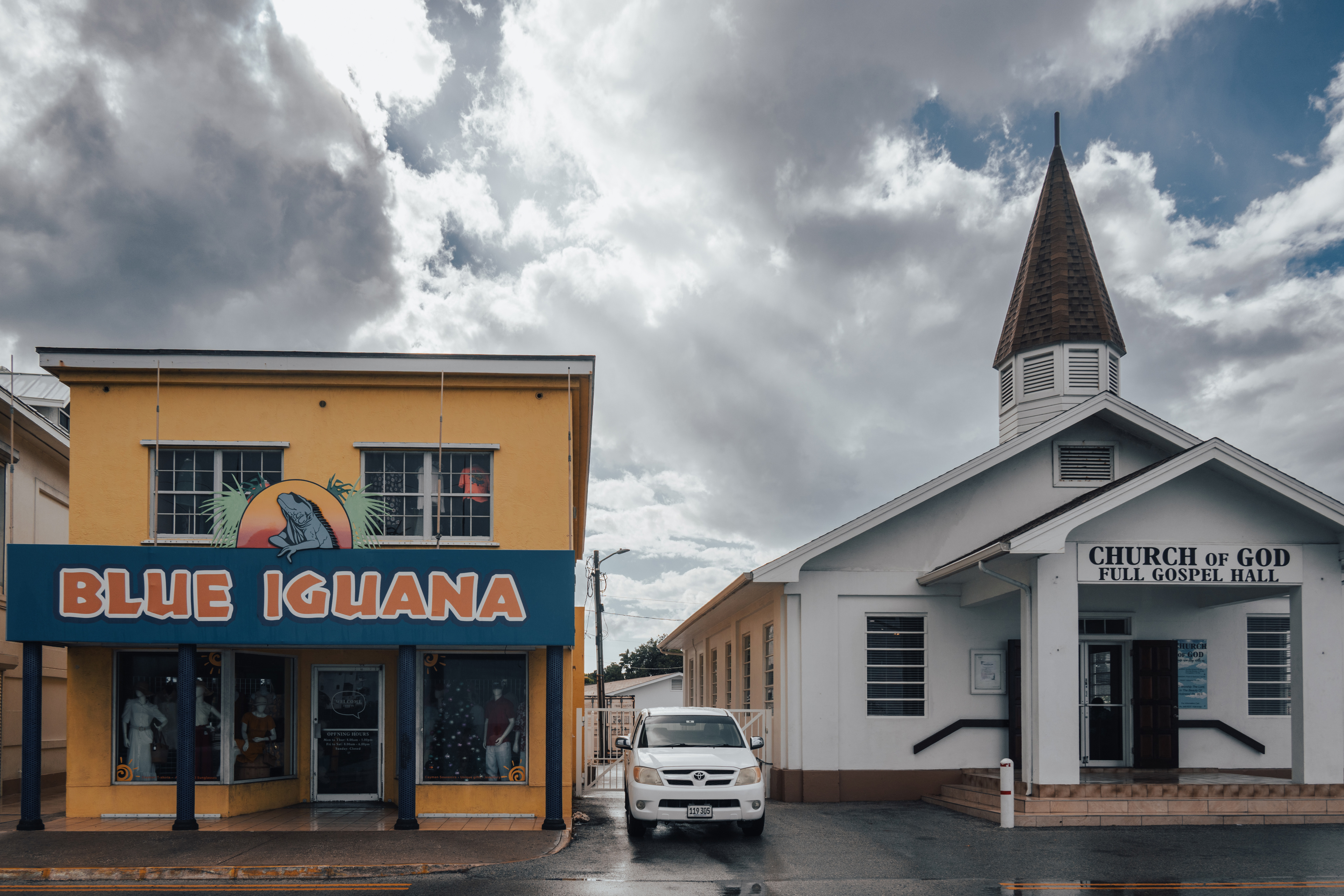
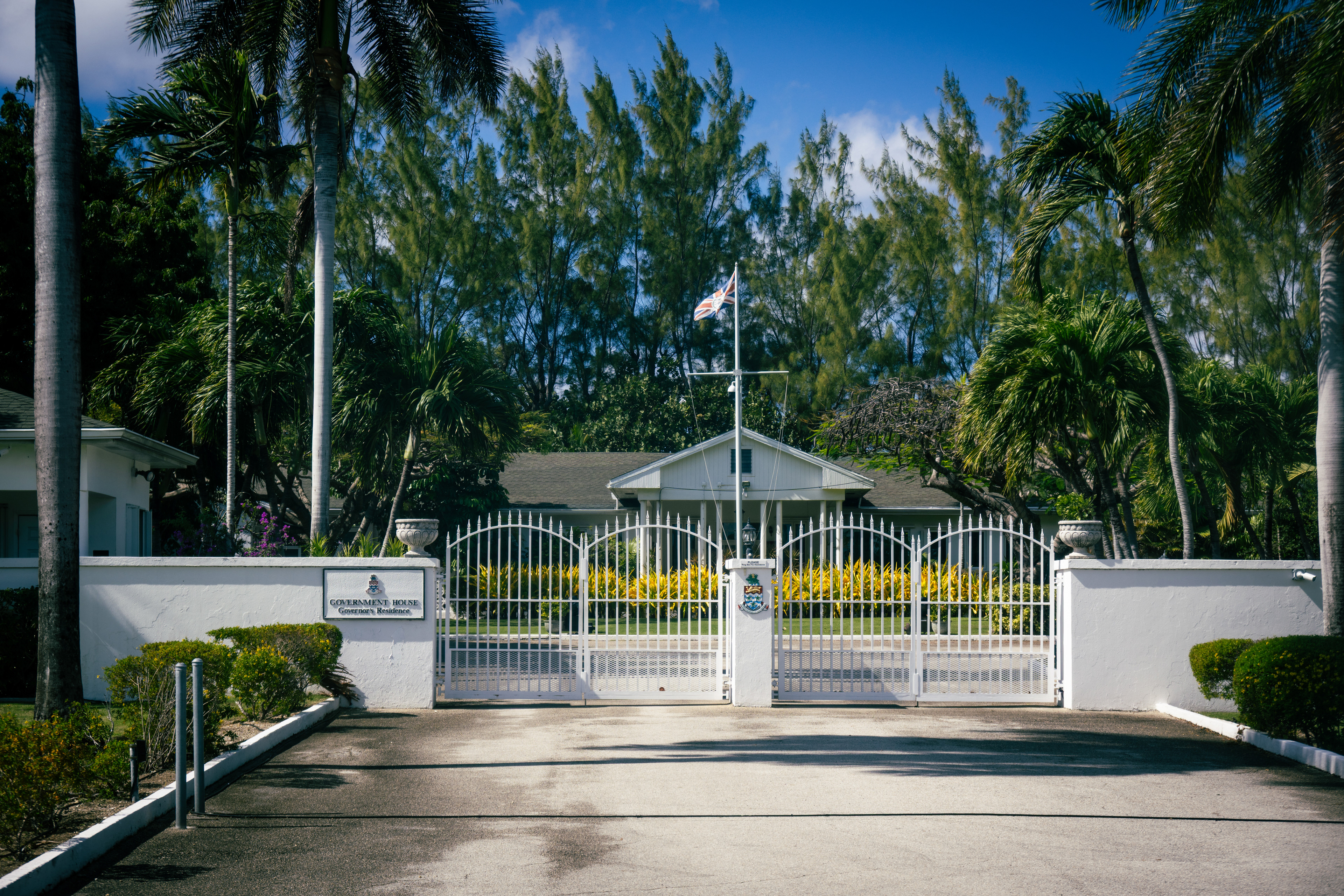
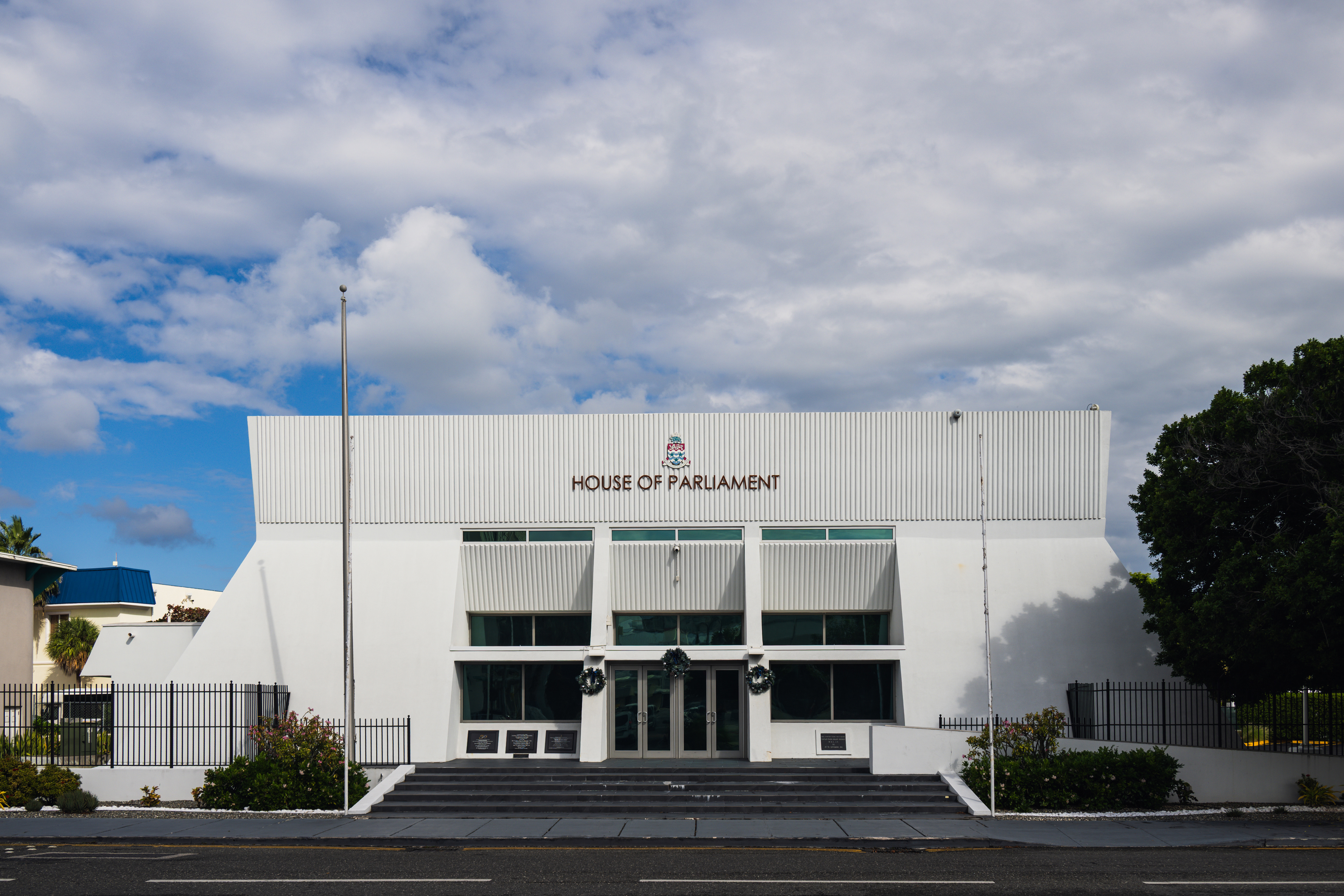
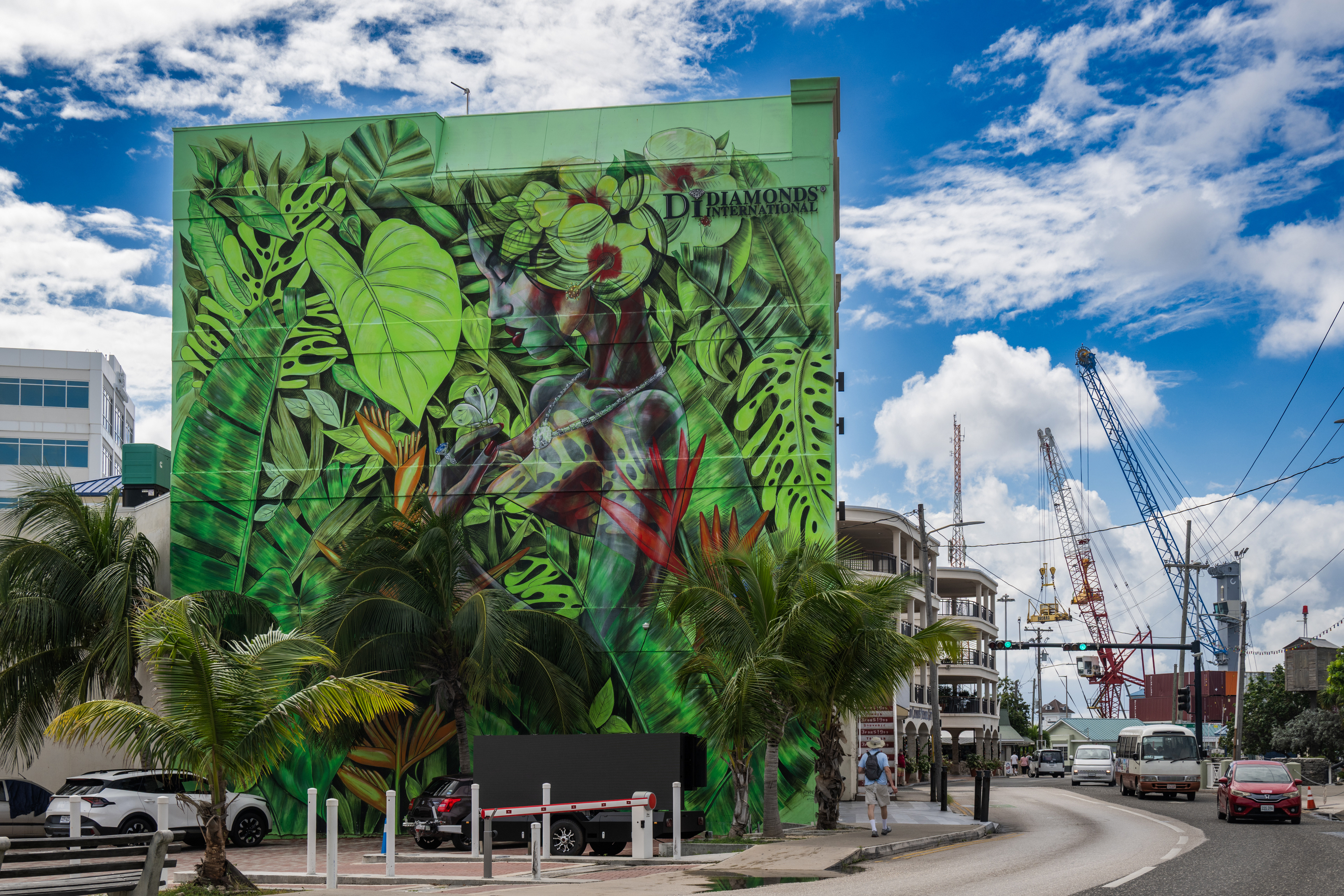
George Town itself is the financial capital of the Caribbean in a way that the tidy streets and excellent duty-free shopping make visually apparent. The Cayman Islands' banking sector holds over $500 billion in deposits — not from pirates, exactly, but in a tradition that rhymes. Christopher Columbus stumbled onto the islands in 1503, blown off course by a storm, and named them "Las Tortugas" for the sea turtles he found here.
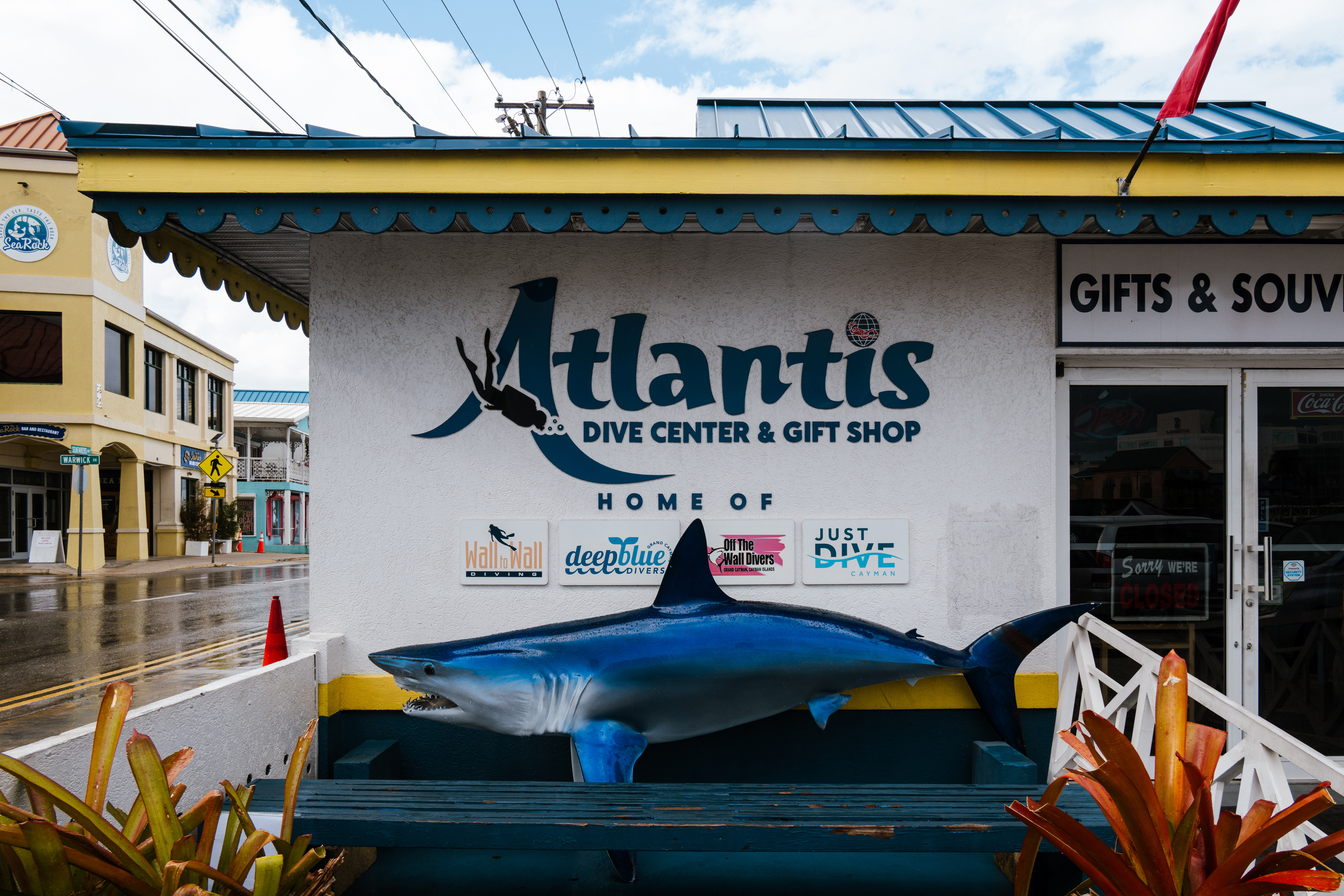
We booked through Cayman Ocean Adventures, a locally owned operator with over 25 years on these waters. The tour covers three stops in a single 3-hour circuit: the Stingray City sandbar, the Coral Garden snorkeling reef, and Starfish Point. It is, in a well-designed morning, the greatest hits of what Grand Cayman's North Sound has to offer.
The stingray sandbar comes first. Atlantic southern stingrays congregate here in numbers that make the site feel, from the water, like a wildlife documentary someone accidentally let you walk into. These animals are not the open-ocean variety; decades of fisherman interaction have made them completely comfortable with human contact. You are standing in chest-deep turquoise water while animals roughly the diameter of a large coffee table glide around your legs and occasionally over your feet in search of the squid the crew uses to attract them. The guides were excellent — knowledgeable, easy with kids, and genuinely enthusiastic about the animals rather than just going through the motions. Our daughter, equipped with a life vest and held firmly at waist level, touched one. The expression on her face suggested this was either the best or most alarming thing that had ever happened to her. Possibly both.
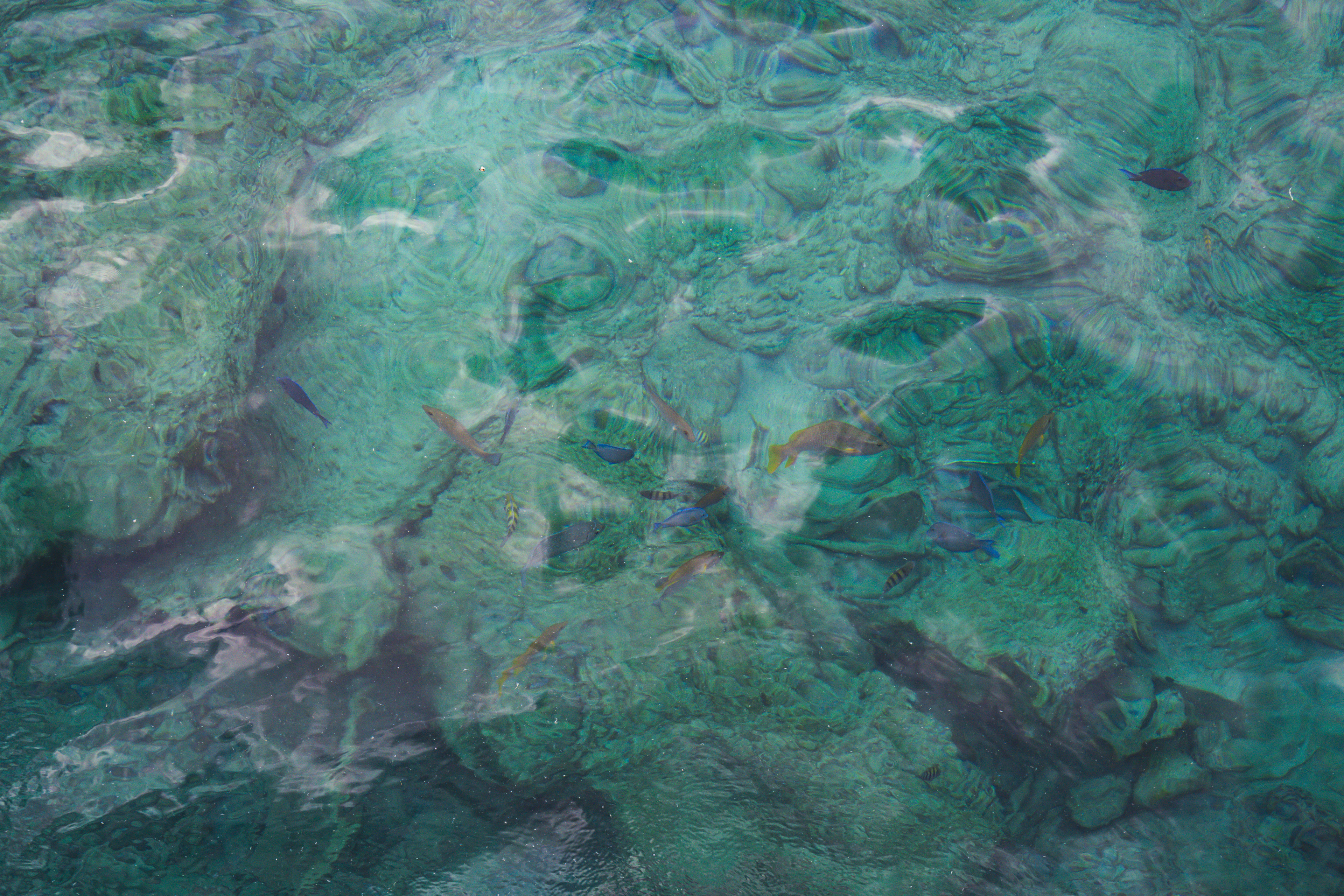
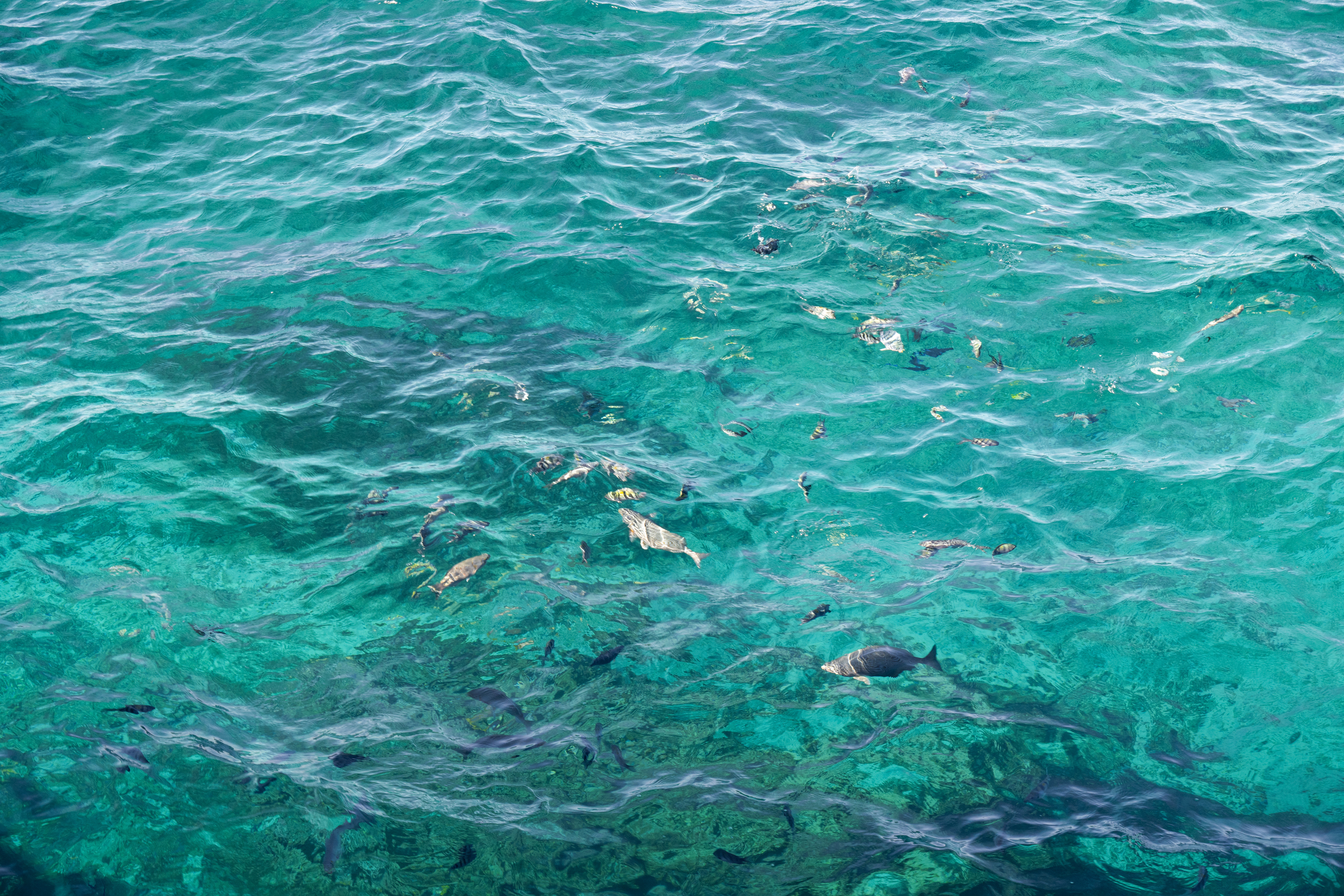
The Coral Garden snorkeling stop followed, over a shallow reef where the water is clear enough to make the mask feel almost unnecessary. Schools of fish, coral formations, the specific quality of Caribbean light filtering through warm water. Comparing with Bay Area ocean swimming, where the visibility is measured in feet and the temperature is measured in "no," this was a recalibration.
Starfish Point is the quieter finale — a shallow, protected beach where enormous orange and red starfish rest just below the surface, visible from above without even getting in the water. The guides are careful about handling protocols, and the rule is clear: admire, don't remove, and no upside-down. The starfish are very good at lying still and being extraordinary.
Miami — 18 Days Later, One Car Seat
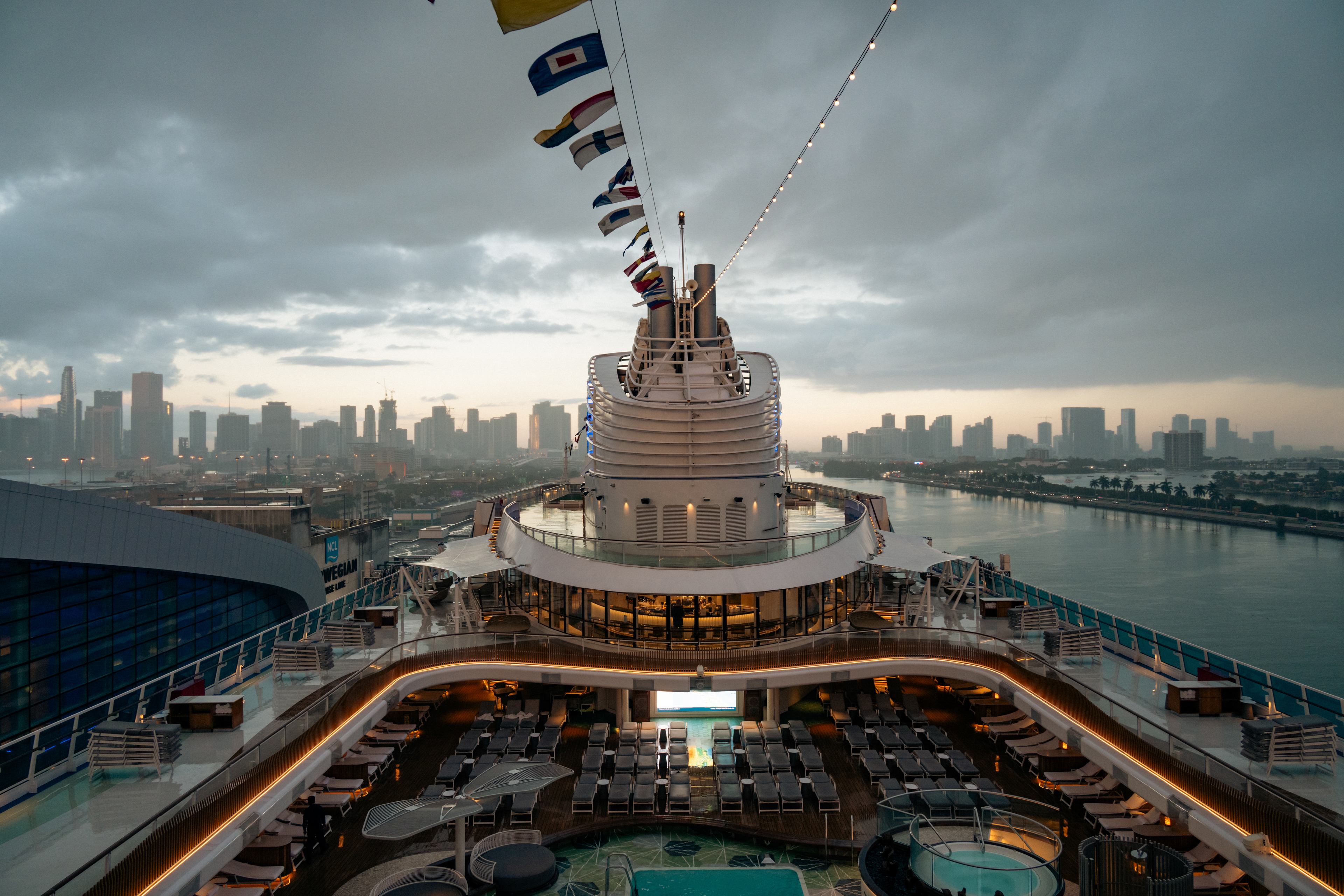
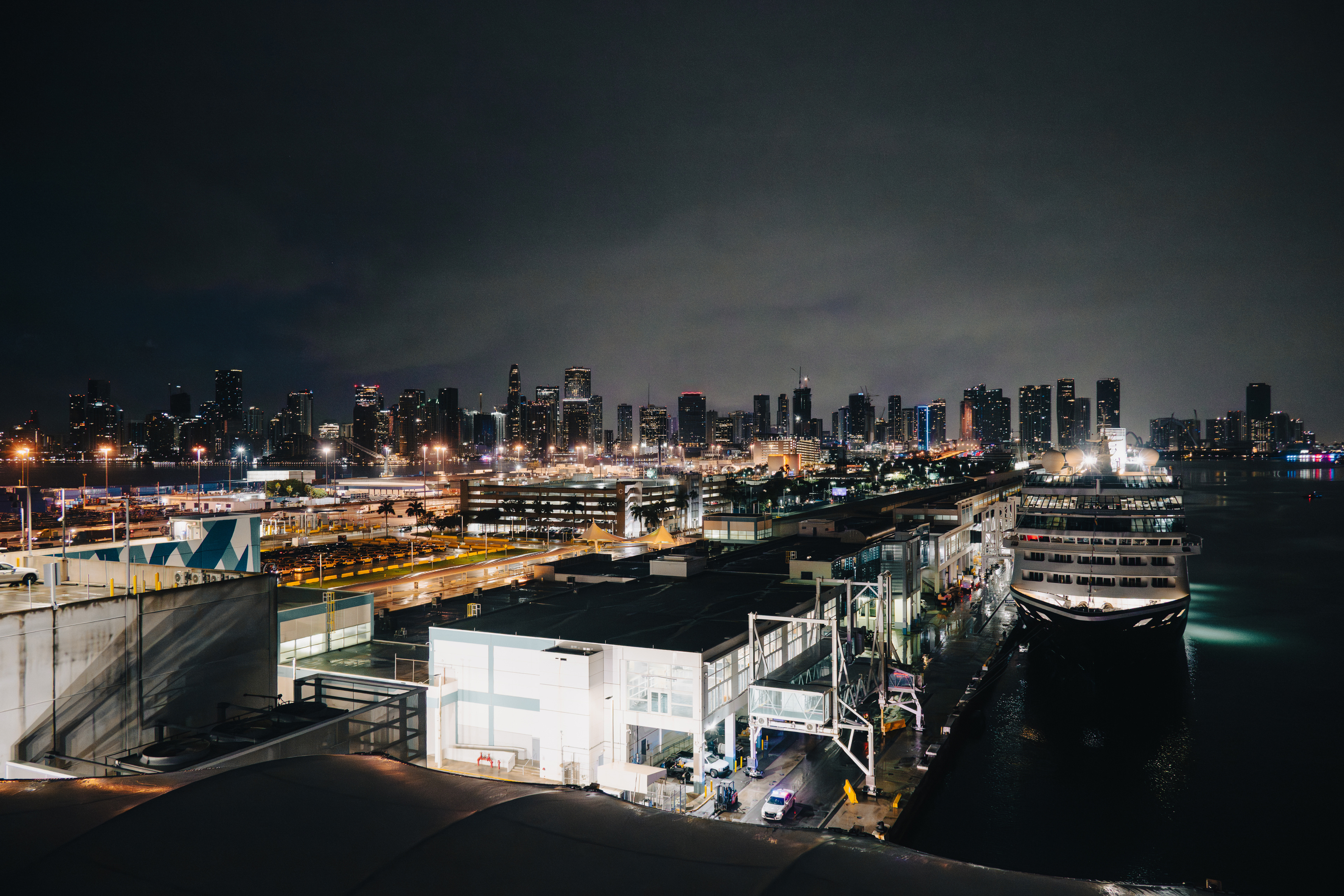
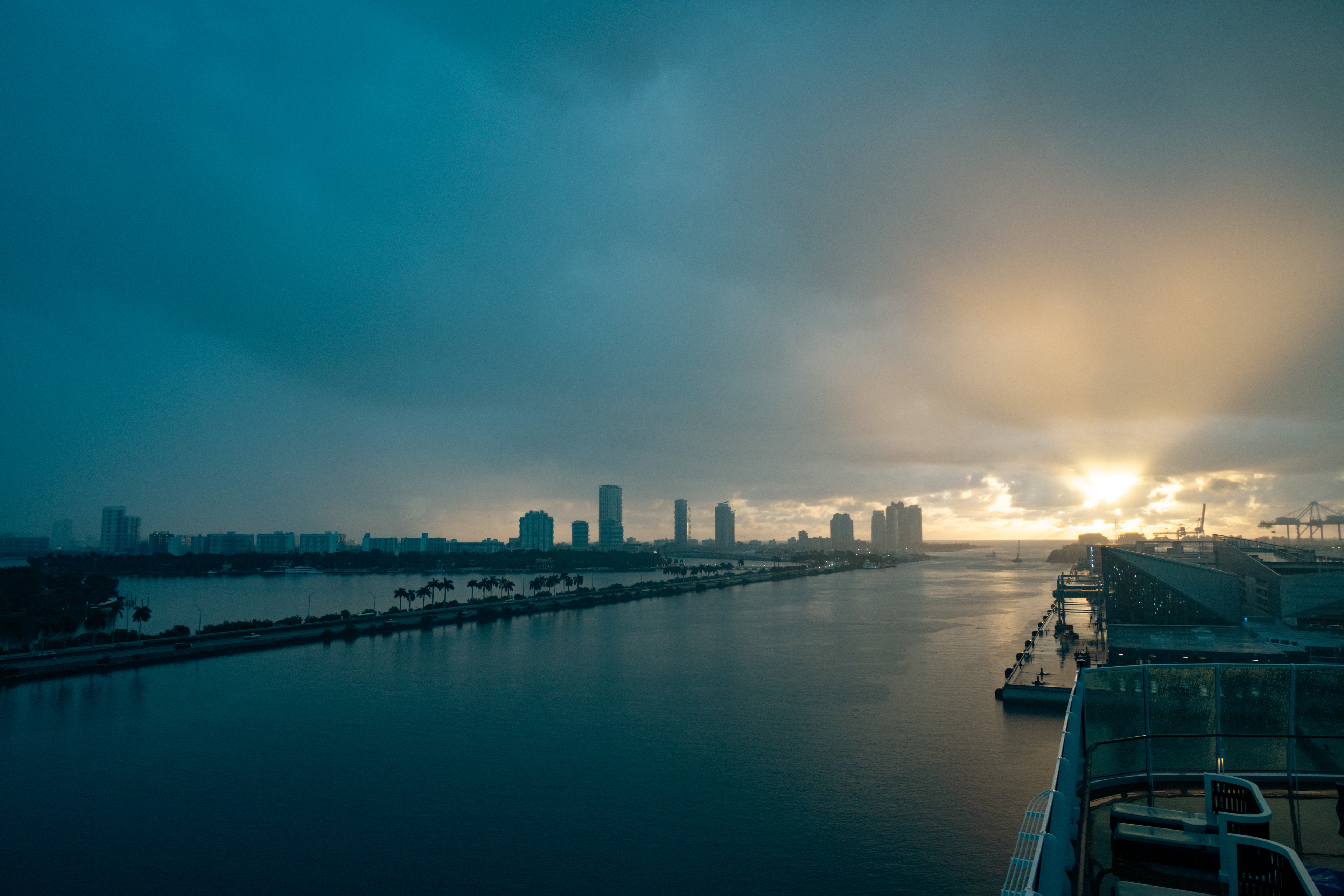
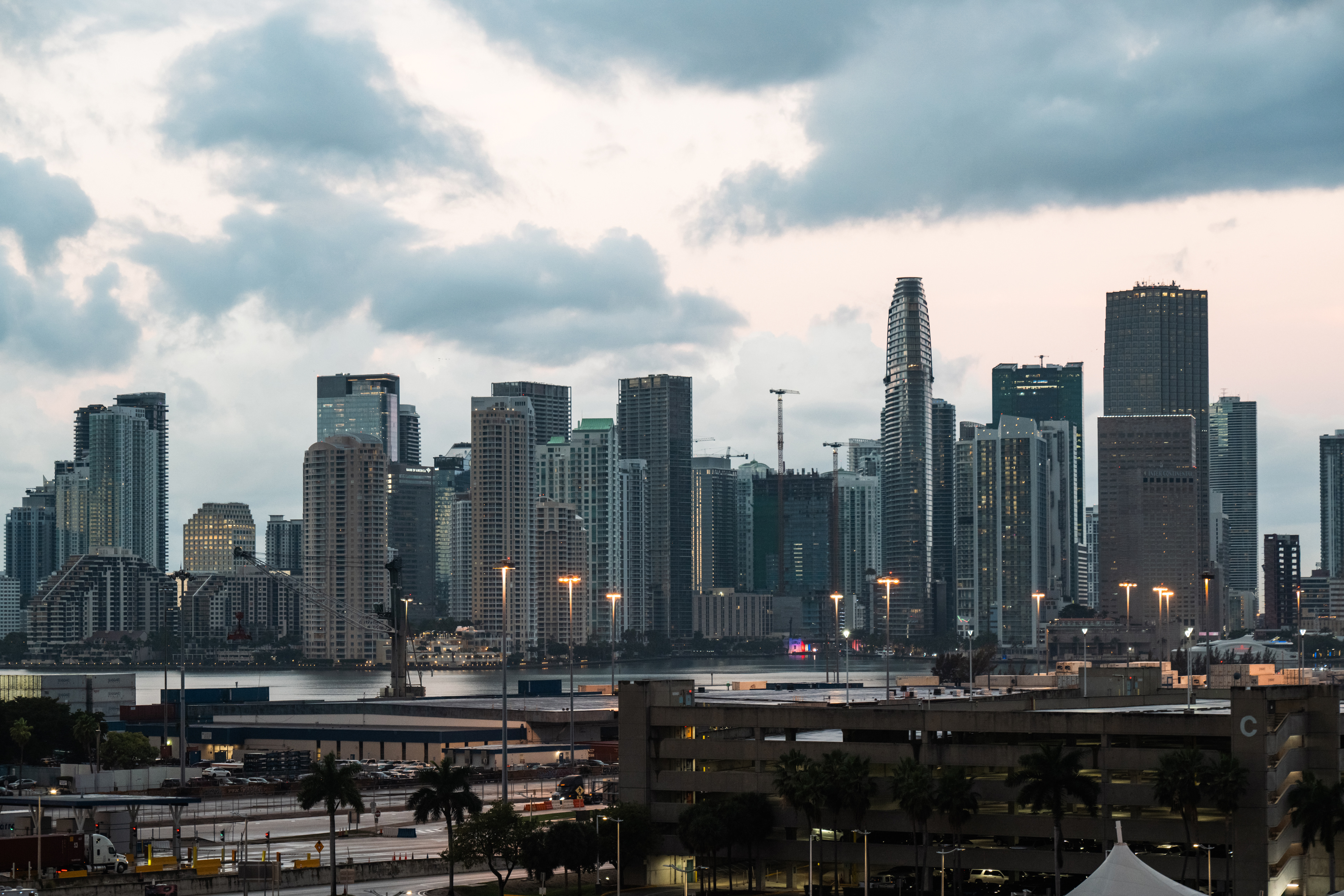
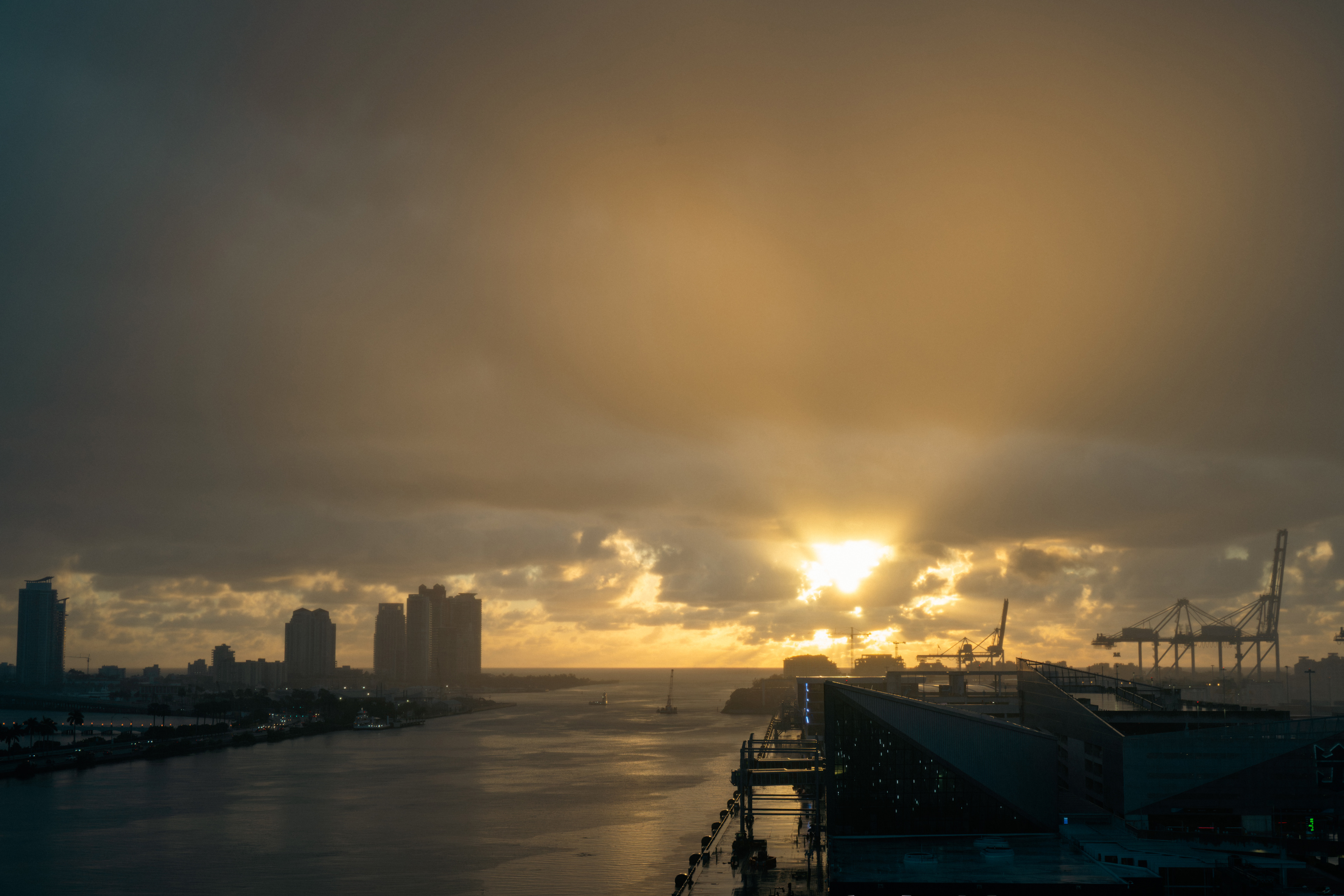
Vista docked at Miami at 6am. Eighteen days, 4,759 nautical miles, eight ports, one canal, five passengers who had never cruised before and would now spend the foreseeable future recommending it to anyone who asked.
Disembarkation on Oceania is an organized process. Luggage goes out the night before, tagged by departure time, collected pier-side in the morning. You walk off, you clear customs, you are done. It is efficient. It mostly went smoothly.
Mostly.
We had a flight to catch. Bags collected, customs cleared, the whole family assembled curbside — and then the realization landed, in the specific way these realizations do, that the car seat was still in the luggage area. You cannot re-enter a cleared customs area. This is not a negotiable position. The alternative was to find a port staff member, explain the situation, and wait while someone went back aboard to retrieve it. So we waited. The taxis came and went. The other passengers flowed past with the purposeful energy of people who had remembered all of their belongings. After what felt like an eternity but was probably one-hour, a port worker emerged from the terminal holding a car seat aloft like a trophy.
We made the flight.
It is, in retrospect, a fitting ending for a first cruise. You plan the itinerary meticulously. You pre-book the restaurants and research the shore excursions and pack for every climate zone between California and the Caribbean. And then, at the very last moment, the trip reminds you that it was never entirely under your control — and that this, actually, is part of the point.
Questions about Oceania, cruise planning, or this itinerary? This is also my professional territory — I consult on cruise travel for exactly the kind of trip this was. Feel free to contact me if interested.